
Home Blog Page 366

SpaceX Falcon 9 to Launch India’s Heaviest Satellite GSAT-N2, Report Raises Security Concerns Around Starlink

0

Highlights

  • ISRO will launch its heaviest satellite GSAT-N2 via SpaceX’s Falcon 9 rocket.
  • The 4,700 kg satellite worth $60-70 million will support in-flight internet connectivity.
  • GSAT-N2 will have a mission life of 14 years enhancing India’s communications technology.
image
ISRO to partner with SpaceX for the launch of India’s GSAT-N2 satellite. (Image credit – SpaceX)

ISRO has partnered with SpaceX for the commercial launch of its most advanced communications satellite GSAT-20 (also called GSAT-N2).

The satellite will be launched early next week aboard SpaceX’s Falcon 9 rocket from Cape Canaveral, USA.

India joins with Elon Musk’s SpaceX to launch its most advanced satellite next week

The 4,700 kg GSAT-N2 satellite built by ISRO is too heavy for India’s largest rocket the Launch Vehicle Mark-3 (nicknamed “The Bahubali”). It can carry a maximum of about 4,100 kg to a geostationary transfer orbit. India has always relied on Arianespace for heavy launches.

However, SpaceX this time has emerged as the most viable option considering no operational rockets are currently available there and the Chinese rockets are off-limits.

Chairman and Managing Director of New Space India Ltd (NSIL) ISRO’s commercial arm Radhakrishnan Durairaj said, “We got a good deal on this maiden launch with SpaceX.”

Describing the deal with SpaceX as favourable, Durairaj also said, “The price for launching this particular satellite… the technical compatibility and also the commercial deals… I would say it was a good deal for us, for launching such a heavy satellite on SpaceX’s Falcon 9 rocket.

GSAT-N2 has a mission life of 14 years and is equipped with 32 user beams—eight for narrow spot coverage over the northeast and 24 wide spot beams for the rest of India. Supported by hub stations in mainland India, the satellite will also facilitate in-flight internet connectivity.

The launch is estimated to cost $60–70 million, making it a significant investment in India’s space and communications technology.

This collaboration comes as Elon Musk’s SpaceX continues efforts to bring its Starlink satellite-based internet services to India. Musk has already expressed enthusiasm for Starlink’s potential in India saying, “I look forward to bringing Starlink to India where it will help remote villages.”

However, India’s Telecom Minister Jyotiraditya Scindia clarified that Starlink must first meet the country’s stringent security norms before being granted a license. Scindia said, “We are more than happy to give them (licence) if they (Starlink) comply with all the conditions. You have to look at it from a security perspective, making sure that all security concerns are addressed. When they do that, we will be more than happy to give it. Obviously, they are in the process of doing it.”

Security Concerns Around Starlink

image
Kutniti Foundation’s recent report highlights national security concerns with Starlink coming to India. (Image credit – Starlink)

Meanwhile, a report by the Kutniti Foundation has raised concerns about Starlink’s operations. The report described Starlink as “a wolf in sheep’s clothing.” The report highlighted that Starlink’s dual-use technology serves both civilian and military purposes, with strong ties to the U.S. government.

The report stated, “Starlink’s constellation of satellites enables a new, borderless internet access, bypassing local governance structures and granting direct access between individual users and American authorities.”

The report warned that Starlink’s infrastructure could potentially be used for surveillance or strategic purposes, posing risks to India’s national security.

FAQs

Q1. Why is ISRO using SpaceX’s Falcon 9 rocket to launch the GSAT-N2 satellite?

Answer. The 4,700 kg GSAT-N2 satellite is too heavy for India’s largest rocket, the Launch Vehicle Mark-3, which can carry a maximum of about 4,100 kg to a geostationary transfer orbit.

Q2. What are the security concerns related to Starlink in India?

Answer. A report by Kutniti Foundation highlighted that Starlink’s dual-use technology serves both civilian and military purposes and could potentially be used for surveillance or strategic purposes, posing risks to India’s national security.

Q3. What is the mission life and some capabilities of the GSAT-N2 satellite?

Answer. GSAT-N2 has a mission life of 14 years and is equipped with 32 user beams. It will support in-flight internet connectivity and enhance India’s communications technology.

Read More: Starlink Internet Coming to India: Discover All About Elon Musk’s Satellite Internet Service

Read More: Mukesh Ambani’s Reliance Pushes for Auction of Satellite Spectrum Amid Competition with Elon Musk’s Starlink

Gujarat Police Inspector Arrested for Taking iPhone 16 Pro As Bribe

0

Highlights

  • A police inspector in Gujarat was arrested for accepting an iPhone 16 Pro as a bribe.
  • The bribe was demanded from a licensed Light Diesel Oil dealer.
image
Police inspector in Gujarat arrested for accepting iPhone 16 Pro as a bribe. (Image credit – Apple)

Some unique bribery cases have emerged across India where officials were allegedly abusing their positions to demand personal benefits.

Dinesh Kubavat, a police inspector at the Marine police station in Navsari district, Gujarat, has been arrested by the Gujarat Anti-Corruption Bureau (ACB) for allegedly demanding and accepting an iPhone 16 Pro worth ₹1.44 lakh as a bribe.

An ACB official explained, “He was caught red-handed while accepting the iPhone 16 Pro device from the complainant, who is a licensed dealer of Light Diesel Oil (LDO) and sells fuel to boat owners at Dholai port.”

Kubavat allegedly summoned the dealer to the police station, demanding a bribe to avoid shutting down the business. According to the official, “Kubavat had recently asked the dealer to meet him at Marine police station with licence and other documents related to his business. During the meeting, he threatened the complainant that his business would be shut if he did not give a bribe. The Navsari unit of ACB held him in a trap laid in his police station chamber.”

In a separate incident in Jhabua district of Madhya Pradesh, a doctor was booked for allegedly demanding a bribe of ₹50,000 to release the post-mortem report of a drowning victim. The accused, Dr Arpit Kumar Nayak (29), serves as a medical officer at a community health centre.

Deputy Superintendent of Police Praveen Singh Baghel stated, “He sought a bribe of ₹50,000 from the kin of a man who drowned in a pond. The amount was later reduced to ₹40,000. We laid a trap but he refused to take the amount from the complainant after getting suspicious.”

And that’s not all.

In Uttar Pradesh, the Central Bureau of Investigation (CBI) arrested a Senior Section Engineer (SSE) at the Truck Depot of Indian Railways in Gonda for accepting a bribe of ₹50,000.

The CBI noted, “The CB arrested an accused SSE, P. Way, Truck Depot, Indian Railways, Gonda (Uttar Pradesh) for demanding and accepting a bribe of ₹50,000 from the complainant.”

These incidents highlight persistent issues with corruption across various sectors in India.

FAQs

Q1. Why was police inspector Dinesh Kubavat arrested in Gujarat?

Answer. The Gujarat Anti-Corruption Bureau arrested Dinesh Kubavat for demanding and accepting an iPhone 16 Pro worth ₹1.44 lakh as a bribe from a licensed Light Diesel Oil dealer.

Q2. What other recent bribery cases in India?

Answer A doctor in Madhya Pradesh demanded a ₹50,000 bribe to release a post-mortem report and a Senior Section Engineer in Uttar Pradesh accepted a ₹50,000 bribe from a complainant.

Also Read : Pixel 9 Pro XL vs iPhone 15 Pro Max: A Camera Showdown

Also Read : Snapdragon 8 Gen 4 Beats iPhone 15 Pro Max A17 Pro in Benchmark Score

Uber Introduces Audio Recording During Trips and Other Features To Ensure Female Driver Safety

0

Highlights

  • Uber has introduced new features to enhance driver safety during trips.
  • Drivers can now use the Uber app to record audio during rides.
  • Female drivers can now choose to accept rides only from female riders.
  • Uber will now allow drivers to instantly cash out their earnings.
image
President of Uber India and South Asia, Prabhjeet Singh during the media briefing about the new features. (Image credit – Haider Ali Khan/The Hindu)

Uber has recently introduced several new features in its app to make rides safer, specifically for its female drivers in India.

The updates include gender preference for female drivers, an option to record audio during trips, upfront tipping and instant cash-outs.

In an exclusive interaction with Mint during the announcement of the features, President Uber India & South Asia Prabhjeet Singh said, “With the UPI infrastructure that the country offers, we will now be able to offer instant cash outs to drivers multiple times a day where within 5 seconds they are able to cash out. So whether it’s a cash trip or a digital trip, this is a huge element for them and helps them with liquidity. We have also introduced other features around the earnings hub which provides massive transparency, and the deactivation hub where if you have lost contact with the platform you can very simply request that and contact will be restored. These are industry-first and industry-leading features and we are proud to offer these to our drivers.”

image
Uber’s new feature marketing poster. (Image credit – Uber India)

Here’s a quick roundup of all new Uber features.

Audio Recording Feature

Uber has introduced an audio recording feature to enhance safety during trips. If a driver feels uncomfortable or unsafe, they can record the audio through the app.

However, the recordings will remain encrypted and cannot be accessed by either the driver or the rider. Uber clarified that the files will only be reviewed if a safety report is filed.

Moreover, the recordings will be automatically deleted after 15 days to ensure the privacy of all parties.

Gender Preference for Female Drivers

Female drivers now have the option to accept rides only from female riders. According to Uber, it is an industry-first feature. This aims to improve safety and comfort for women drivers.

The company revealed that this feature has already been used for over 21,000 trips.

Instant Earnings Cash-Out

Uber has also upgraded its earnings hub allowing drivers to instantly access their digital earnings.

Drivers can cash out their income in as little as five seconds and can make up to four cashouts daily.

This feature provides immediate access to funds and helps drivers manage their finances more flexibly.

FAQs

Q1. What new audio recording feature has Uber introduced?

Answer. Uber has introduced an audio recording feature that allows drivers to record audio through the app if they feel uncomfortable or unsafe. The recordings are encrypted and can only be accessed if a safety report is filed and they are automatically deleted after 15 days.

Q2. What is the gender preference feature for female drivers in Uber?

Answer. Female drivers now have the option to accept rides only from female riders improving safety and comfort. This feature has already been used for over 21,000 trips.

Q3. What is the instant earnings cash-out feature in Uber?

Answer. The instant earnings cash-out feature allows drivers to instantly access their digital earnings within five seconds and makeup to four cashouts daily, providing immediate access to funds and helping drivers manage their finances more flexibly.

Read More: How to check star rating on Uber

Read More: Uber introduces free ride cancellation option subject to conditions

Read More: Uber introduces group rides in India: Share your journey with friends and save up to 30% on fare

Samsung XR Glasses To Launch in Q3 2025 With Ray-Ban Meta-Like Features and No Display

0

Highlights

  • Samsung is planning to launch its XR glasses in the third quarter of 2025.
  • The glasses will reportedly feature specs similar to Ray-Ban Meta glasses.
  • It will use Qualcomm’s AR1 chipset.
  • The Samsung XR glasses will focus on AI capabilities including gesture and human recognition.
  • Samsung is collaborating with Google to integrate Gemini LLM.
Samsung XR glasses won’t launch before Q3 2025. (Image credit – Meta/Ray-Ban)

It was previously reported that Samsung is developing the XR glasses with a release plan for 2025. A more recent report by Wellsen XR in China now reveals that a potential launch could happen in the third quarter of 2025.

Samsung is also collaborating with Google to integrate Gemini LLM into its anticipated XR glasses. Here’s everything we know from the recent reports.

The Wellsen XR report was also shared by @Jukanlosreve on X (formerly Twitter) and Maeil Business Newspaper as it reveals that Samsung is planning an initial production of 500,000 units for its smart glasses.

Interestingly, the glasses will have specs similarities with the popular Ray-Ban Meta glasses.

The glasses will reportedly use Qualcomm’s AR1 chipset, the same as Ray-Ban Meta’s current model. Qualcomm’s AR2 has been available since 2022.

The glasses will also feature a 12MP camera and a 155 mAh battery, again closely matching with Ray-Ban Meta’s specs. They will reportedly weigh 50g, which is slightly heavier than Ray-Ban’s design.

We also have an answer to a major question of whether Samsung’s XR glasses will have a display or not. According to 9to5Google, matching Ray-Ban Meta’s lightweight and compact battery while integrating a display would be challenging. The report too doesn’t mention any display, which suggests Samsung might be focusing on other features instead.

Samsung is expected to focus more on the AI capabilities of the glasses. According to the report, the glasses will support gesture and human recognition, payment capabilities and QR code scanning.

This hints at advanced AI integration for tasks like multimodal analysis, setting reminders and even translation. As highlighted before, all the potential features sound similar to what Meta is developing for its smart glasses.

If the timeline of the Q3 2025 launch turns out to be accurate, we can Samsung to tease the glasses before as it did for Galaxy Ring earlier this year. Samsung can also showcase a product preview during the Galaxy S25 launch event in January 2025.

FAQs

Q1. When is Samsung expected to launch its XR glasses?

Answer. Samsung is planning to launch its XR glasses in the third quarter of 2025.

Q2. What chipset will Samsung’s XR glasses use?

Answer. The glasses will reportedly use Qualcomm’s AR1 chipset, the same as Ray-Ban Meta’s current model.

Q3. Will Samsung’s XR glasses have a display?

Answer. According to leaked reports, Samsung’s XR glasses will not have a display and it will be focusing instead on other features like AI capabilities.

Q4. What AI capabilities are expected in Samsung’s XR glasses?

Answer. The Samsung glasses will support gesture and human recognition, payment capabilities, and QR code scanning, indicating advanced AI integration for tasks like multimodal analysis, setting reminders, and translation.

All Galaxy S25 Series Models Will Feature Snapdragon 8 Elite Instead of Exynos, Base S25 Spotted with 8 Elite on Geekbench

0

Highlights

  • Samsung will use Snapdragon 8 Elite chipset for all Galaxy S25 models.
  • Geekbench listings reveal the base Galaxy S25 with a customized Snapdragon 8 Elite chip.
  • The custom chip boosts clock speed of 4.47 GHz and 12GB RAM.
  • The Galaxy S25 lineup is expected to debut in January 2025.
image
Samsung might ditch Exynos processor and opt for Snapdragon 8 Elite for all upcoming Galaxy S25 series models. (Image credit – Qualcomm)

Traditionally we have seen Samsung using both Snapdragon and Exynos processors in different regions for its Galaxy S Series smartphones.

However, multiple sources have now repeated that Samsung will break this tradition in 2025 with the Galaxy S25 Series.

The recent tip comes from reliable leaker Ice Universe. Tipster claims Samsung will fully commit to Snapdragon for its flagship lineup.

This suggests a major shift for the upcoming Galaxy S25 series where all models will be powered by Qualcomm’s Snapdragon 8 Elite chipset, skipping the Exynos 2500 entirely.

Wh y Samsung Might Go For Snapdragon 8 Elite Instead of Exynos?

The speculation that Samsung has potentially decided to let go of Exynos for Snapdragon seems tied to manufacturing challenges.

As per certain reports, the Exynos 2500 is built on Samsung Foundry’s 3nm process and has a yield rate of just 20%, which means only 20% of the chips produced are usable. In comparison, TSMC’s 3nm process that powers the Snapdragon 8 Elite boasts a yield rate above 80%.

Low yield rates raise production costs and make Exynos seem a less viable option. Samsung is also reportedly considering outsourcing Exynos chip production to TSMC, which could align it with other chipmakers like Qualcomm and MediaTek.

Base Galaxy S25 Spotted in Geekbench

Meanwhile, the Geekbench listing for the base Galaxy S25 has surfaced online shedding some light on its specs.

Spotted by the Gizmochina team with the model number “SM-S931N”, which is mostly likely the Korean version of the smartphone, it appears the device runs on the customised Snapdragon 8 Elite for Galaxy chipset.

image
Base Galaxy S25 spotted on Geekbench listing with model number SM-S931N. (Screenshot Credit – Gizmochina)

The custom chipset features a boosted clock speed of 4.47 GHz compared to the standard 4.32 GHz. This Snapdragon chip previously exclusive to Samsung flagships has been paired with 12GB of RAM in the tested model.

The Gizmochina report also highlights that the performance scores of the phone on Geekbench are underwhelming. The Galaxy S25 scored 2481 in single-core and 8658 in multi-core tests, lagging behind rivals like the OnePlus 13 and iQOO 13, which scored over 3100 and 10,000 in the same tests.

No official confirmation has been made about the Galaxy S25 lineup yet. It is expected to debut in January 2025 with more details likely to emerge as the launch date approaches.

FAQs

Q1. What processor will all Galaxy S25 models feature?

Answer. All Galaxy S25 models will be powered by Qualcomm’s Snapdragon 8 Elite chipset, skipping the Exynos 2500 entirely.

Q2. Why might Samsung choose Snapdragon 8 Elite over Exynos for the S25 series?

Answer. The decision is tied to manufacturing challenges, as the Exynos 2500 has a yield rate of just 20%, whereas the Snapdragon 8 Elite has a yield rate above 80%.

Q3. What were the performance scores for the base Galaxy S25 on Geekbench?

Answer. The base Galaxy S25 scored 2481 in single-core and 8658 in multi-core tests on Geekbench, which is lower than rivals like the OnePlus 13 and iQOO 13.

Q4. When is the Galaxy S25 lineup expected to debut?

Answer. The Galaxy S25 lineup is expected to debut in January 2025, although no official confirmation has been made regarding the launch, specs, or features.

Also Read : Samsung Galaxy S25 new colours tipped: Sparkling Blue and Sparkling Green variant images leaked

Also Read : Samsung Galaxy S25 series to reduce costs with new display technology

WhatsApp Adds Drafts Feature to Chats, Tests Themed Icons for Contacts and Group Chats

0

Highlights

  • WhatsApp introduces a new Message Drafts feature.
  • It will save incomplete messages with a “Draft” label for quick access.
  • WhatsApp is testing themed icons for contacts and group chats.
  • Themed icons will make it easier to identify chats without profile pictures.
image
WhatsApp finally introduces Drafts messages for chats. (Image Credit – WhatsApp)

A positive news for all WhatsApp users across the world, the day has finally come! WhatsApp is finally introducing the long-awaited draft feature making it easier for users to manage unfinished messages.

The new feature called Message Drafts highlights incomplete messages with a “Draft” label and automatically moves them to the top of the chat list for quick access. It basically offers “a new and easy way to find your unfinished messages,” ensuring users can locate and complete them effortlessly.

It will be a great feature for situations when you start typing a message and can’t hit send for some reason.

As per reports, this much-needed update is now available globally.

WhatsApp Themed Icons for Contacts and Group Chats

In a separate report, it is revealed that WhatsApp is also experimenting with themed icons for contacts and group chats. It will be a colourful new feature designed to enhance the app’s visual appeal.

image
WhatsApp to bring colour-coded icons for chats and contacts. (screenshot credit – WABetaInfo)

The popular WhatsApp beta update leaker WABetaInfo, in one of the recent posts, revealed that WhatsApp users will soon see vibrant and distinct icons for chats without profile pictures instead of the standard icons.


This update aims to make chats easier to identify for contacts with similar names or for group chats that haven’t set custom icons.

According to PhoneArena, these themed icons are part of a broader design revamp. WhatsApp has been testing a customisable theme feature that will allow users to tweak the app’s primary colour.

Options include a black theme for light mode and a white accent for dark mode. The addition of colourful icons complements this effort.

Themed icons are also expected to help users differentiate between multiple group chats or communities with identical names, saving time and reducing confusion. These will look like the colour-coded contacts in your phone’s address book.

The feature is reportedly under development and will be rolled out in future updates.

FAQs

Q1. What is the new Message Drafts feature on WhatsApp?

Answer. The Message Drafts feature highlights incomplete messages with a “Draft” label and moves them to the top of the chat list for quick access, making it easier to manage unfinished messages.

Q2. What are the themed icons on WhatsApp?

Answer. Themed icons are colourful new icons for chats without profile pictures, designed to enhance visual appeal and make chats easier to identify.

Q3. What customisation options is WhatsApp testing for themes?

Answer. WhatsApp is testing customisable themes that allow users to tweak the app’s primary colour including options for a black theme for light mode and a white accent for dark mode.

Also Read : Supreme Court dismisses plea seeking ban on WhatsApp in India over privacy concerns

Also Read : WhatsApp beta tests new notification controls to clarify impact of muting group chat

Meta Testing Bluesky-Like Custom Feeds Feature For Threads

0

Highlights

  • Meta is testing a new Custom Feeds feature for Threads.
  • It will allow users to pin topic-based feeds directly to the app’s home screen.
  • This feature will reportedly be similar to Bluesky’s.
image
Threads testing custom feed feature similar to Bluesky. (Image credit – Engadget)

Facing competition from many rival apps, Meta has been focusing on keeping Threads’ relevancy alive.

The company is constantly rolling out features and introducing new ways to engage with its users better.

In a recent update, it has been revealed Meta is working to roll out a new feature for Threads that may feel familiar to Bluesky users.

It’s called custom feeds and here’s everything we know about it.

This new addition is currently in testing and will allow users to pin topic-based feeds directly to the app’s home screen.

Meta CEO Mark Zuckerberg announced the testing of this feature in a post on Threads.


View on Threads


The new feature expands beyond Threads’ existing algorithmic ‘For You’ feed, which remains the default and the ‘Following’ feed. Users can create custom feeds by searching for a keyword like ‘skincare,’ tapping the ‘…’ menu and selecting ‘create new feed.’

These feeds can be personalised further by adding specific profiles whose posts you want to see.

According to a Meta spokesperson, as revealed to Engadget, users can create up to 128 custom feeds, although the feature is still being tested and isn’t available to everyone yet.

Some reports have highlighted that this approach is similar to Bluesky’s custom feeds introduced last year.

However, while Bluesky’s version relies on user-created algorithms and requires technical knowledge to build, Meta’s implementation is much simpler, making it accessible to more users.

image
Bluesky’s feeds provide details on what’s trending on the platform. (Image credit – Engadget)

This change could address some common complaints about Threads’ main algorithmic feed and provide more control over content preferences.

Threads’ new feature comes at a time when Bluesky is seeing significant growth.

While Bluesky is still smaller than Threads—Bluesky has under 17 million users compared to Threads’ 275 million—it’s gaining traction. Bluesky recently posted on X about adding a million new users in the week following the election and another million in a single day.

Meanwhile, Threads continues to grow by about a million users daily as was revealed by Instagram head Adam Mosseri in a recent post.


View on Threads


If Bluesky sustains its growth, Meta may feel even more compelled to adapt features. For now, custom feeds on Threads could be a step toward addressing user demand for better personalisation options.

FAQs

Q1. What is the new feature Meta is testing for Threads?

Answer. Meta is testing a new feature called “custom feeds” that allows users to pin topic-based feeds directly to the app’s home screen.

Q2. How can users create custom feeds in Threads?

Answer. Users can create custom feeds by searching for a keyword like “skincare,” tapping the “…” menu, and selecting “create new feed.” These feeds can be further personalized by adding specific profiles.

Q3. How do the custom feeds in Threads compare to Bluesky’s version?

Answer. While Bluesky’s custom feeds rely on user-created algorithms and require technical knowledge, Meta’s implementation is simpler and more accessible to users, allowing up to 128 custom feeds.

Also Read : Meta Planning on Introducing Ads on Threads Soon: Report

Also Read : Threads Hit 275 Million Active Monthly Users, Mosseri Confirms

Also Read : Meta Testing Feature to Cross-Post Instagram Reels on Threads

Apple Adds iPhone XS Max and Apple Watch Series 2 to Vintage and Obsolete Lists

0

Highlights

  • Apple updates its vintage and obsolete product lists.
  • Added the iPhone XS Max and Apple Watch Series 2 models to the lists.
  • “Vintage” products are those not sold for more than 5 but less than 7 years and may still be repairable.
  • “Obsolete” products are those not sold for more than 7 years and are no longer eligible for Apple repairs.
image
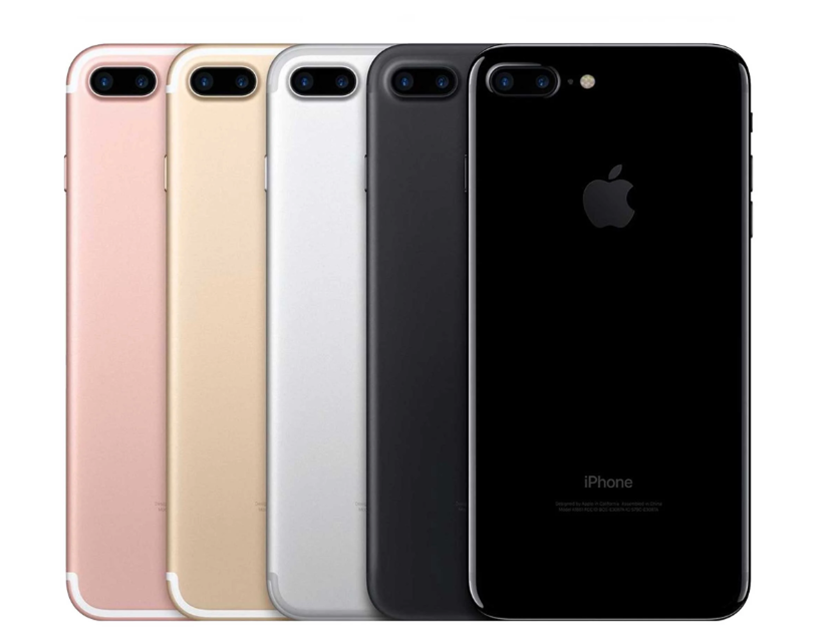
The iPhone XS Max launched in 2018 has been added to Apple’s Vintage Product list. (Image credit – Apple)

If you are someone who holds onto their old Apple devices then Apple’s vintage and obsolete product list is something you must keep a tab on.

You never know when Apple will add your old iPhone or MacBook to this list of products the brand no longer can provide support for.

In the last few months, this is the third time Apple has updated its list and here are the new entrants.

Apple has updated its vintage and obsolete product lists adding devices such as the iPhone XS Max and Apple Watch Series 2 models.

Joe Rossignol at MacRumors spotted the updated list earlier and shared details in a recent report.

Here’s a quick breakdown of what’s new and what these classifications mean for users.

Newly Added to the Lists

Vintage Products:

  • iPhone XS Max
  • iPhone 6s Plus

Obsolete Products:

  • Apple Watch Series 2, Aluminum (2nd generation), 38mm
  • Apple Watch Series 2, Aluminum (2nd generation), 42mm
  • Apple Watch Series 2, Stainless Steel (2nd generation), 38mm
  • Apple Watch Series 2, Stainless Steel (2nd generation), 42mm

The iPhone XS Max and iPhone 6s Plus joining the vintage list together is notable since the two phones were released three years apart—the 6s Plus in 2015 and the XS Max in 2018.

However, Apple bases its vintage and obsolete designations on when a product was last sold and not when it was released. This is why the iPhone 6s Plus has enjoyed an extended market presence and is now considered vintage alongside the newer XS Max.

What Do Apple’s “Vintage” and “Obsolete” Tags Mean?

Apple defines these terms based on the time elapsed since a product was discontinued from sale:

Vintage: Products not sold for more than 5 years but less than 7 years. These devices may still be repairable at Apple or authorized service providers, depending on parts availability.

Obsolete: Products not sold for more than 7 years. Apple does not provide any hardware service for these devices, and service providers cannot order parts.

However, Mac laptops may qualify for battery-only repairs for up to 10 years if parts are available.

These classifications impact repairability. While vintage products might still receive some support obsolete devices are no longer eligible for Apple repairs.

This update follows Apple’s recent addition of various Macs and iPads to the vintage list last month continuing the company’s practice of phasing out support for older devices.

FAQS

Q1. What are the newly added devices to Apple’s vintage and obsolete lists?

Answer. The newly added devices are the iPhone XS Max and the Apple Watch Series 2 models.

Q2. What is the difference between Apple’s “vintage” and “obsolete” tags?

Answer. “Vintage” products are those not sold for more than 5 but less than 7 years and may still be repairable. “Obsolete” products are those not sold for more than 7 years and are no longer eligible for Apple repairs.

Q3. Why are the iPhone XS Max and iPhone 6s Plus considered vintage together?

Answer. The iPhone XS Max and iPhone 6s Plus are considered vintage because Apple bases its vintage and obsolete designations on when a product was last sold not when it was released.

Google To Introduce ‘Shielded Email’ Feature That Hides Email Address from Apps

0

Highlights

  • Google is developing a new feature called ‘Shielded Email.’
  • It will allow users to create email aliases and hide the actual email id from apps.
  • It aims to protect users’ personal email addresses and minimise risks from data breaches.
  • The feature is currently in beta.
image
Google planning to soon allow its users to hide the actual email address from the Android app. (Photo by Solen Feyissa on Unsplash)

Google is working on a new feature called “Shielded Email” to help users protect their personal email addresses.

This privacy-focused tool was spotted in the code for Google Play Services by Android Authority earlier this week.

The Shielded Email would let users generate unique, random email addresses that are forwarded to their personal inbox, basically allowing users to create email aliases.

Emails sent to these aliases would be forwarded to the user’s primary email account. If unwanted spam becomes an issue, users could “turn off forwarding at any time” through their Google Account settings. It’s likely these settings will be accessible via myaccount.google.com or its Android counterpart.

image
Shielded Email feature in the Autofill settings menu spotted by the Andriod Authority team. (Screenshot credit – Android Authority)

It is described in beta version 24.45.33 of Google Play Services as a way to “Keep your email address private with Shielded Email.”

References from the APK teardown as shared by Android Authority –

<string name=”autofill_datatype_shielded_email_title”>Shielded Email</string>

<string name=”autofill_datatype_shielded_email_subtext”>Generated email addresses</string>

The feature is expected to help users avoid online tracking and minimise risks from data breaches. Users may be able to generate Shielded Emails when signing up for new accounts in Android apps or on the web.

Shielded Email will likely integrate with Android’s autofill functionality and Google Password Manager, making it seamless to use when filling out forms or creating new accounts.

References from the APK teardown as shared by Android Authority –

<string name=”autofill_shielded_ids_email_dialog_title_new_user”>Keep your email address private with Shielded Email</string>

<string name=”autofill_shielded_ids_email_dialog_lower_message_new_user”>Emails forward to ^1. To control spam, you can turn off forwarding at any time in your Google Account. <a href=”^2″>Learn more about Shielded Email</a>.</string>

<string name=”autofill_shielded_ids_email_dialog_upper_message_new_user”>Use an email address created for this app. This can protect you from online tracking and data breaches.</string>

The feature is not yet functional even though it was visible in the Autofill settings menu, which could mean a wider release is on cards soon.

It’s unclear whether Google will offer Shielded Email for free or include it as part of its paid Google One subscription. Charging for the feature could both encourage Google One sign-ups and prevent misuse of the service.

References from the APK teardown as shared by Android Authority –

<string name=”autofill_shielded_ids_create_button_text”>Use address</string>

<string name=”autofill_shielded_ids_email_dialog_title_returning_user”>Use Shielded Email?</string>

<string name=”autofill_shielded_ids_email_dialog_upper_message_returning_user”>Use an email address created for this app. Emails will forward to ^1</string>

<string name=”autofill_shielded_ids_email_label”>Use Shielded Email</string>

Apple also offers a similar Hide My Email feature for iCloud+ users. Available since 2021, Apple’s Hide My Email starts at $0.99 per month and protects users’ privacy by keeping their actual email addresses hidden.

FAQs

Q1. What is Google’s new feature ‘Shielded Email’ designed to do?

Answer. The Shielded Email feature lets users generate unique, random email addresses that are forwarded to their personal inbox helping users protect their personal email addresses.

Q2. How will Google Shielded Email help users avoid online tracking?

Answer. Google’s Shielded Email allows users to create email aliases for new accounts in Android apps or on the web, thereby protecting their real email addresses from online tracking and data breaches.

Q3. Is Google’s Shielded Email free or a paid subscription?

Answer. It’s unclear whether Google will offer Shielded Email for free or include it as part of its paid Google One subscription.

Also Read : Google Expands Find My Device Network with New Biometric Logins

Also Read : Google Expands Theft Detection Lock, Offline Device Lock, Remote Lock for Android Users Worldwide


NordPass Reveals Most Common Password in India and How Easy To Crack It

0

Highlights

  • The most used password globally and in India is ‘123456’.
  • Easy-to-guess passwords like ‘123456789, ‘qwerty’, and ‘password are also popular.
  • 78% of the world’s most common passwords can be cracked in less than a second.
image
NordPass report reveals that ‘123456’ is the most commonly used password in India and globally. (Photo by Towfiqu Barbhuiya on Unsplash)

Weak passwords are a common problem. There is a science to setting a strong password for online accounts but most internet users have never paid attention to it.

At least that’s what these password surveys tell us repeatedly.

A recent NordPass study has again highlighted the alarming trends of setting easily crackable passwords globally.

NordPass has unveiled its sixth annual Top 200 Most Common Passwords report revealing some startling patterns in how people choose their passwords worldwide including in India.

Here’s a detailed roundup of the report.

The most-used password globally and in India is the predictable “123456.”

Of the 3,018,050 people worldwide who opted for this insecure password, 76,981 are from India. The second most-used password globally, “123456789,” ranks fourth in India.

The study conducted with NordStellar highlights that nearly half of the world’s most common passwords consist of easy-to-guess combinations, such as “qwerty,” “1q2w3e4er5t,” and “123456789.” These patterns are just as prevalent in India.

A previous NordPass study found that the average internet user manages 168 personal account passwords and 87 work accounts.

With such a high volume, people often fall back on simple passwords, which are easy to remember but even easier to crack.

Security experts consistently warn against using passwords like “qwerty123,” a common favourite password in countries such as the Netherlands, Canada, Finland and Lithuania. Now this password has also entered the top 10 list in India.

Another popular yet insecure choice is the word “password” itself.

This classic has long featured on global password lists and is now the second most-used password in India. It also tops the list in Australia and the UK.

In India, some cultural personalisation adds variety to weak passwords such as “Indya123” instead of “India123.” Other common options include “admin” and “abcd1234.”

The report highlights an alarming statistic that 78% of the world’s most common passwords can be cracked in less than a second up from 70% last year.

The study found that nearly 40% of commonly used passwords overlap between personal and business accounts. Many employees continue using default passwords like “admin,” “temppass,” “newuser,” or “welcome,” set during account creation.

Moreover, many people reuse the same password for both personal and work accounts, which makes it easier for hackers to infiltrate sensitive systems.

List of 20 Most Common Passwords Used in India

Rank Password Time It Takes To Crack Count
1 123456 < 1 second 8,526
2 password < 1 second 2,587
3 lemonfish 8 minutes 1,408
4 111111 < 1 second 1,095
5 12345 < 1 second 1,094
6 12345678 < 1 second 970
7 123456789 < 1 second 761
8 admin < 1 second 454
9 abcd1234 < 1 second 380
10 1qaz@WSX 11 minutes 352
11 qwerty < 1 second 333
12 admin123 11 minutes 326
13 Admin@123 1 hour 296
14 1234567 < 1 second 288
15 123123 < 1 second 281
16 welcome < 1 second 279
17 abc123 < 1 second 270
18 1234567890 < 1 second 269
19 india123 50 seconds 232
20 Password < 1 second 232


Tips for Better Password Security

  • Create strong passwords that are at least 20 characters long.
  • Include a mix of numbers, letters, and symbols.
  • Avoid reusing passwords across accounts.
  • Enable multi-factor or two-factor authentication wherever possible.
  • If remembering complex passwords feels overwhelming, consider using a free password manager.

FAQs

Q1. What is the most used password in India and globally?

Answer. The most-used password globally and in India is “123456.”

Q2. How quickly can the world’s most common passwords be cracked?

Answer. According to a recent report, 78% of the world’s most common passwords can be cracked in less than a second, up from 70% last year.

Q3. What are some common yet insecure passwords used in India?

Answer. In India, common yet insecure passwords include “123456789,” “qwerty,” “password,” “Indya123,” “admin,” and “abcd1234.”

Also Read: Google Says Sorry After Passwords Vanish for 15 Million Windows Users

Also Read: Dangers of Using Pop Culture Passwords: Why Strong, Unique Passwords Are Essential for Online Security

Also Read: Top Most Common Hacked Passwords List