Home Blog Page 365

Apple To Release New AirTag in 2025 with Upgraded Chip For Enhanced Tracking

0

Highlights

  • Apple plans to launch a new AirTag in the first half of 2025.
  • To feature a more advanced second-generation UWB chip for improved location tracking.
  • The new AirTag will most likely work with Apple’s Vision Pro headset.
  • Specific details about its release are still unclear.
image
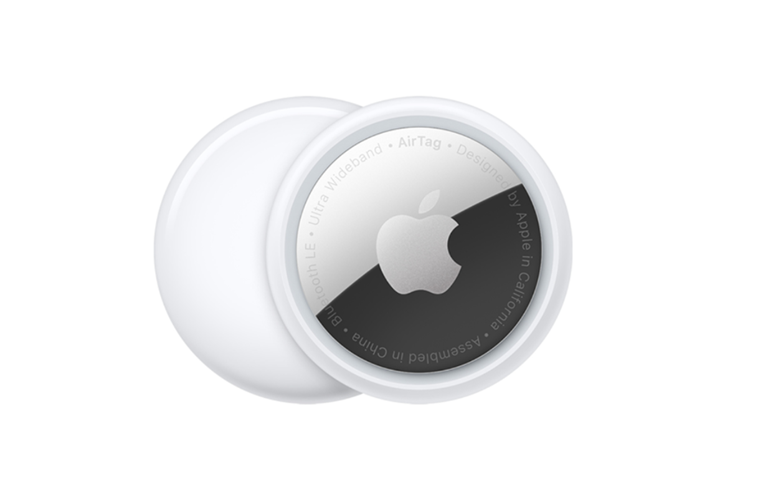
New Apple AirTag expected in 2025. (Image credit – Apple)

The recent reports by Bloomberg’s trusted Apple reporter Mark Gurman suggest Apple is planning to launch an updated version of its AirTag in the first half of 2025.

This will be the first significant update to the popular tracking device since it was first introduced in 2021.

The upcoming AirTag is expected to feature a more advanced chip with Gurman hinting that it will likely feature the second-generation ultra-wideband (UWB) chip. The same chip was last used in the iPhone 15.

This new chip will improve the accuracy of the device’s location tracking and will make it even easier to find lost items.

The original AirTag comes with Apple’s U1 chip that uses UWB technology and Bluetooth to connect to the Find My network.

This allows users to locate their items accurately. Its compact and lightweight stainless-steel design also offers IP67 water and dust resistance.

A small built-in speaker helps users find their AirTag by emitting sound through the Find My app. Moreover, the removable back cover makes it easy to replace the battery.

Users can track the AirTag on a map through the app. They can use additional features like sound, haptic feedback and visual directions using ARKit, accelerometer and gyroscope.

If an AirTag is lost, it can be put into Lost Mode. This will notify the owner when it is found or comes within range.

However, when someone else finds the tag they can tap it with an NFC-enabled device to see the owner’s contact details.

Apple has also built-in privacy features to prevent unwanted tracking.

The AirTag’s Bluetooth signal identifiers change frequently, which makes it hard for unauthorized users to track the device. Communication through the Find My network is encrypted end-to-end.

There are also rumours that the upcoming AirTag will work with Apple’s Vision Pro headset.

However, specific details about the future release of the AirTag are still unclear.

Analyst Ming-Chi Kuo had mentioned last year that the AirTag’s production would be delayed until 2025. If we consider the words of both Kuo and Gurman, we can assume Apple is planning a launch next year.

FAQs

Q1. When is Apple planning to launch the updated AirTag?

Answer. Apple is planning to launch an updated version of its AirTag in the first half of 2025, according to a report by Bloomberg’s Mark Gurman.

Q2. What new feature is expected in the upcoming AirTag?

Answer. The upcoming AirTag is expected to feature a more advanced chip with Gurman hinting that it will likely feature the second-generation ultra-wideband (UWB) chip.

Q3. How can the original AirTag help locate lost items?

Answer. The original AirTag uses Apple’s U1 chip that uses UWB technology and Bluetooth to connect to the Find My network, allowing users to locate their items accurately.

Also Read: Apple AirTag 2 Launch Rumour

Also Read: AirTag 2 Release Delayed Until 2025

Also Read: Apple AirTag Faces Legal Scrutiny Over Stalking & Theft

Apple Adds MacBook and iPad Models to Its Vintage and Obsolete Lists

0

Highlights

  • Apple has updated its vintage and obsolete product lists.
  • It added older models like the iPhone 6, iPod Nano, iPod shuffle and 2017 MacBook.
  • Products are marked “Vintage” after being off the market for five years.
  • Products markets “Obsolete” after seven years.
image
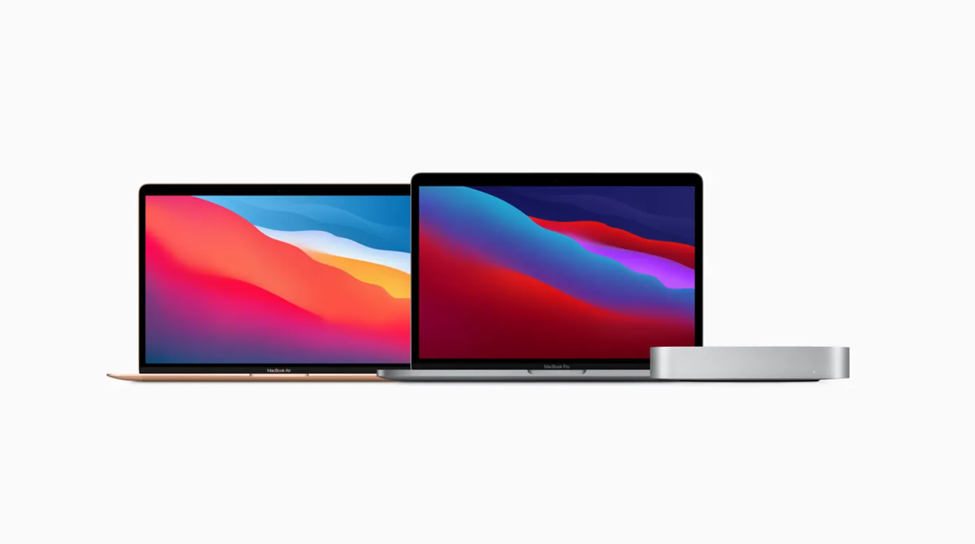
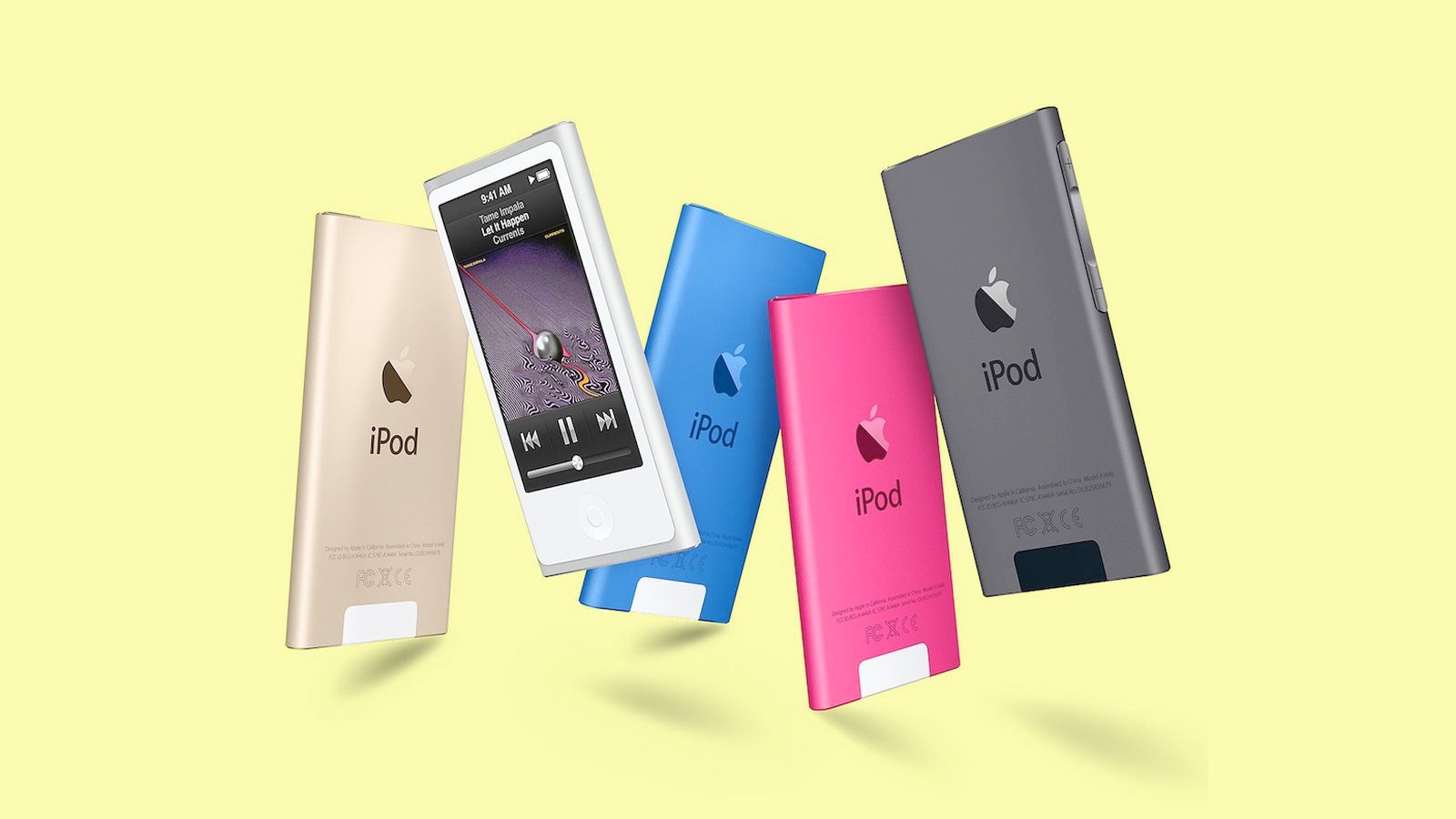
Apple added old MacBook and iPad models to the ‘vintage’ and iPods to the ‘obsolete’ list. (Image credit – Apple)

Apple has just updated its vintage and obsolete product lists with some old MacBook, iPad, iPhone and iPod models. This means some of the well-loved old Apple devices are now classified as “vintage” or “obsolete.”

Apple regularly updates these lists and adds products that have been off the market for a long time.

Apple follows some rules for both its vintage and obsolete lists. It marks a product “Vintage” after the product has not been sold for five years. Meanwhile, they are moved to the “Obsolete” list after seven years of not being sold.

As per a recent MacRumors report, several iconic products have been added to both lists this time.

Apple today added the final iPod nano and iPod shuffle models to its obsolete products list worldwide.
Image -Macrumors

The iPhone 6, the last models of the iPod nano and iPod shuffle are now considered obsolete. In the vintage list, Apple has added the 2017 version of the 12-inch MacBook and the 6th generation of the base iPad.

Apple updated these lists last month as well. Some of the products added to the Obsolete list last month include –

  • MacBook Air (13-inch, Early 2015)
  • MacBook Pro (13-inch, 2016, 2 TBT3)
  • MacBook Pro (13-inch, 2016, 4 TBT3)
  • MacBook Pro (15-inch, 2016)
  • MacBook Pro (Retina, 13-inch, Early 2015)
  • MacBook (Retina, 12-inch, Early 2016)
  • iMac (21.5-inch, Late 2015)
  • iMac (Retina 4K, 21.5-inch, Late 2015)
  • iMac (Retina 5K, 27-inch, Late 2015)

It also added three Macs to the vintage list last month. These included –

  • MacBook Air (Retina, 13-inch, 2018)
  • MacBook Pro (13-inch, 2017, 2 TBT3)
  • MacBook Pro (13-inch, 2018, 4 TBT3)

If you’re wondering where your old Apple product stands in these categories, you can find the full list including the recently added products on the Support page of Apple’s website.

When an Apple product is marked vintage, it basically means you can still potentially get the device repaired. Although it would depend on the availability of parts.

On the other hand, when a product is obsolete, it means Apple will no longer be able to offer hardware repairs on those products, except for battery replacements on certain Macs.

FAQ

Q1. How does Apple use to classify a product as “Vintage” or “Obsolete”?

Answer. Apple marks a product “Vintage” after it has not been sold for five years. After seven years of not being sold, the product is moved to the “Obsolete” list.

Q2. Which Apple products were added to the vintage and obsolete lists recently?

Answer. The iPhone 6, the last models of the iPod nano, and iPod shuffle are now considered obsolete. The 2017 version of the 12-inch MacBook and the 6th generation of the base iPad have been added to the vintage list.

Q3. What does it mean for an Apple product to be marked as obsolete?

Answer. When a product is marked obsolete, it means Apple will no longer be able to offer hardware repairs on those products, except for battery replacements on certain Macs.

Also Read: Unexpected M4 MacBook Pro Unboxing Video on YouTube Reveals Key Upgrades

Also Read: Apple’s Vision for All-Glass MacBook with Virtual Keyboard & Trackpad is Still Alive, Latest Patent Shows

Also Read: M4 MacBook Pro, Mac Mini, and iMac are Set for 2024 Launch, Says Report

Apple To Introduce New Teal Titanium Colour for iPhone 17 Pro

0

Highlights

  • Apple may introduce new colour options for iPhone 17 Pro.
  • Expected new colours – Teal Titanium, Green Titanium, and Dark Green Titanium.
image
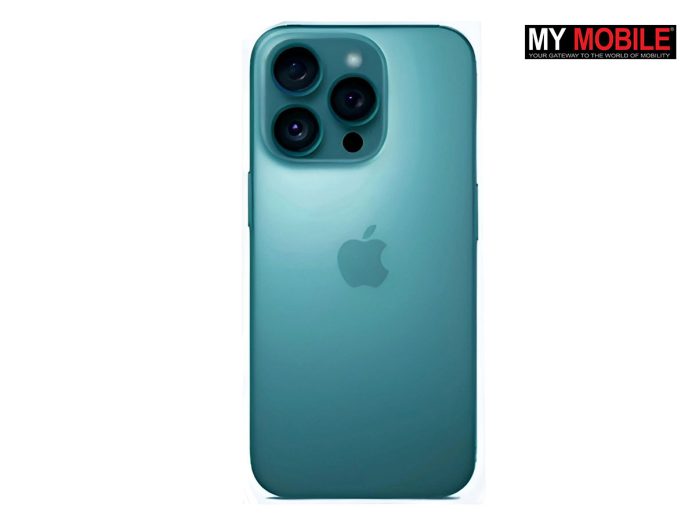
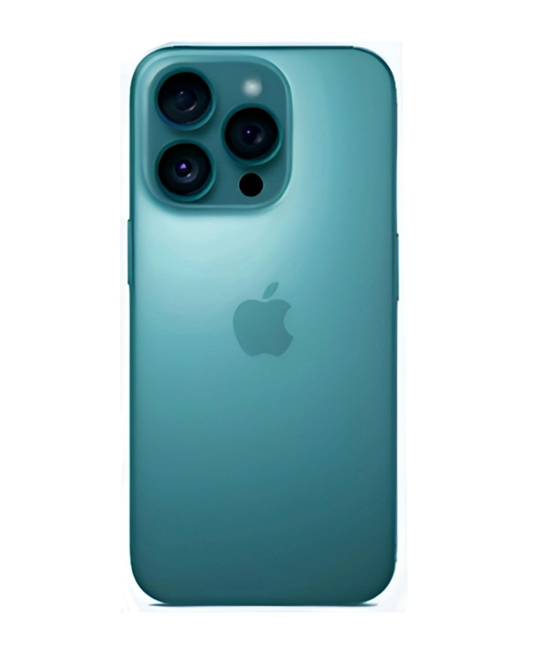
The upcoming iPhone 17 Pro could introduce new colour options. (Image credit – Majin Bu Official Website)

Apple is known for shaking things up with new colours and introducing some never-before-seen shades. However, the brand has always maintained subtle tones even in bold colour choices. The premium iPhone Pro models especially have more subdued tones as a part of their brand.

The iPhone 16 lineup brought a vibrant range of hues including ultramarine, teal, and a lively pink. Apple has been admittedly working to make sure colour options have something to offer for customers of every taste.

Now, it seems Apple might bring another set of fresh colours to its upcoming iPhone 17 Pro. The brand expects to add some freshness along with elegance to its lineup.

According to a recent report by reliable leaker Majin Bu, Apple is considering three new colour options for the iPhone 17 Pro with Teal Titanium being the frontrunner.

The company is anticipating for this colour to follow the success of the teal iPhone 16, which has been popular among buyers.

image
Upcoming Teal iPhone 17 Pro (Image credit – Majin Bu Official Website)

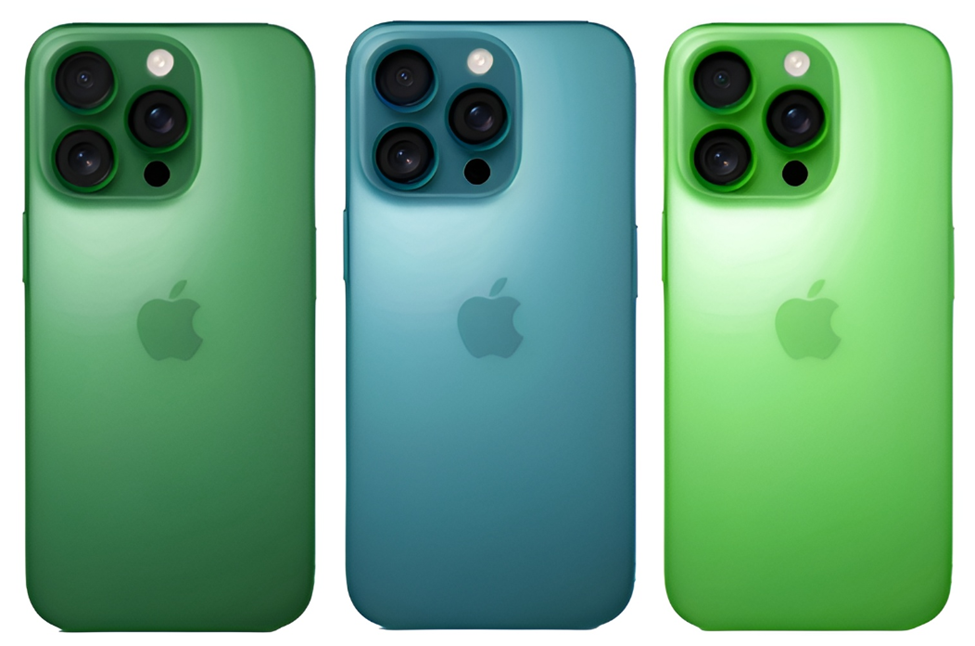
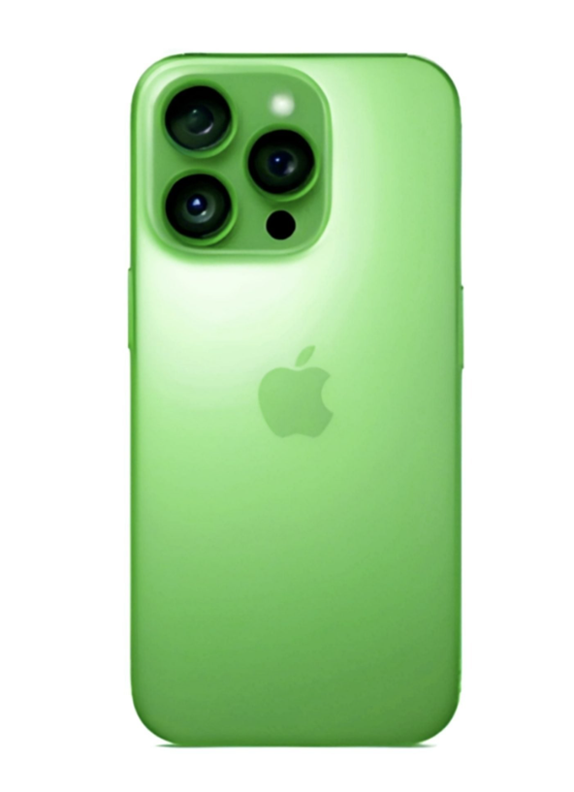
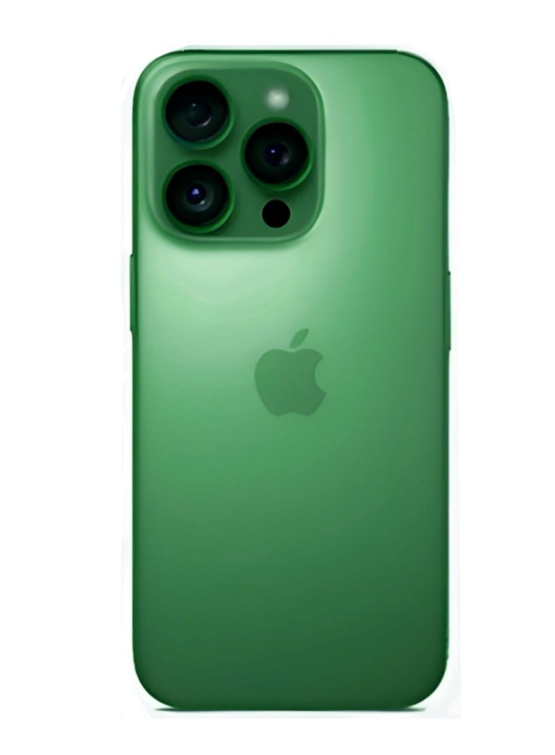
Apart from the Teal Titanium, Majin Bu reports Apple is also considering other potential colour options such as Green Titanium and Dark Green Titanium. These could closely resemble the Alpine Green from the iPhone 13 Pro.

image
Upcoming Green iPhone 17 Pro (Image credit – Majin Bu Official Website)
image
Upcoming Dark Green Titanium iPhone 17 Pro (Majin Bu Official Website)

The colour code for all three colours –

  • #004349 code for Teal Titanium
  • #4f00b7 for Green Titanium
  • #4f00b7 for Green Titanium.

However, insiders believe that Apple is leaning towards the Teal Titanium since the other shades might be too flashy or too similar to past colours.

It seems Apple is continuously working to expand its iPhone colour palette even for premium devices since the past few launches. The Teal Titanium definitely has the potential to become a standout choice for the iPhone 17 Pro.

FAQs

Q1. What are the new colour options being considered for the iPhone 17 Pro?

Answer. Apple is considering three new colour options for the iPhone 17 Pro: Teal Titanium, Green Titanium, and Dark Green Titanium, with Teal Titanium being the frontrunner.

Q2. When is the iPhone 17 Pro is releasing?

Answer. The iPhone 17 Pro is expected to be released in September 2025.

Q3. What colour options are available for iPhone 16?

Answer. The iPhone 16 is available in five colours: ultramarine, teal, pink, black, and white. These colours feature aluminium frames and rear colour-infused glass panels.

Also Read: Rumour: iPhone 17 Pro May Combine Action and Volume Buttons

Also Read: Apple’s iPhone 17 Pro Could Be Powered by TSMC’s 2nm Chipset: Report

Meta’s Ray-Ban Smart Glasses Can Enable AI-Powered Doxing? Experiment Raises Privacy Concerns

0

Highlights

  • Harvard students’ how Meta’s Ray-Ban smart glasses can be a potential threat to privacy.
  • Shows how smart glasses can identify strangers and create AI-generated profiles.
  • Experiment shows how modern tech can be misused for surveillance.
image
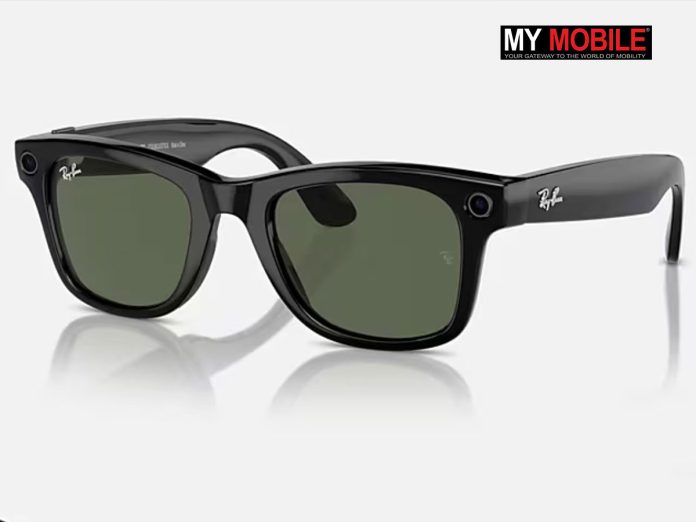
Ray-Ban Meta Smart Glasses come with a new ultra-wide 12 MP camera and a five-mic system. (Image credit – Ray-Ban/ Meta)

We have often heard and read about allegations against the government for using facial recognition technology. However, a recent project by two Harvard students shows how modern tech can be misused for similar surveillance.

In an eye-opening experiment, AnhPhu Nguyen and Caine Ardayfio demonstrated that Meta’s new Ray-Ban smart glasses along with a bit of coding can be used to identify strangers and create detailed AI-generated profiles. These claims now spark serious privacy concerns regarding the latest Meta gadget already available in the market.

Nguyen and Ardayfio are both experienced developers. They have carried out this project not to exploit the technology but as a “wake-up call” to highlight privacy risks in the age of AI.

Using the Ray-Ban glasses that come eqippped the cameras, these students were able to quickly identify people in public.

They were also able to build AI-generated dossiers based on publicly available data.

According to the duo, this experiment was meant to draw attention to the growing threats to privacy, especially as everyday devices become more advanced.

“All the data gathered by I-XRAY comes from public sources,” they explained, raising concerns about how easily open-source intelligence can be leveraged for doxing or other harmful activities.

Nguyen noted that smart glasses were chosen for their style rather than practicality. They also demonstrated how anyone could use a zoom camera to achieve the same results from a distance.

Moreover, the coding required for this particular project was actually very simple.

According to Nguyen, it only took them two or three days of coding with around four to six hours of work per day to achieve the results. This accessibility makes the technology even more alarming.

“Anyone familiar with basic web automation tools like ChatGPT could create this,” Nguyen said, emphasizing how easy it is for even novice developers to replicate their experiment.

The team has maintained that they have no plans to share the code due to its potential for misuse. Their goal was to demonstrate the risks posed by accessible technology.

FAQS

Q1. What did AnhPhu Nguyen and Caine Ardayfio demonstrate with Meta’s Ray-Ban smart glasses?

Answer. AnhPhu Nguyen and Caine Ardayfio demonstrated that Meta’s new Ray-Ban smart glasses, along with a bit of coding, can be used to identify strangers and create detailed AI-generated profiles.

Q2. What was the goal of Nguyen and Ardayfio’s Meta smart glasses experiment?

Answer. The experiment was meant to draw attention to the growing threats to privacy, especially as everyday devices become more advanced.

Q3. Why did Nguyen and Ardayfio choose to use smart glasses for their experiment?

Answer. Smart glasses were chosen for their style rather than practicality, demonstrating that anyone could use a zoom camera to achieve the same results from a distance.

Also Read: Meta Unveils Orion: Its First True Augmented Reality Glasses at Meta Connect 2024

Also Read: Meta Launches Standalone Meta Quest 3S VR Headset

Apple Releases Latest iPhone 16 Pro Ad To Showoff New 4K 120fps Slo-Mo Feature

0

Highlights

  • Apple is positioning the iPhone 16 Pro and Pro Max as professional film cameras
  • A new ad shows a new 4K slow-motion video at 120fps feature.
  • The new ad highlights the tagline “Hollywood in your pocket.”
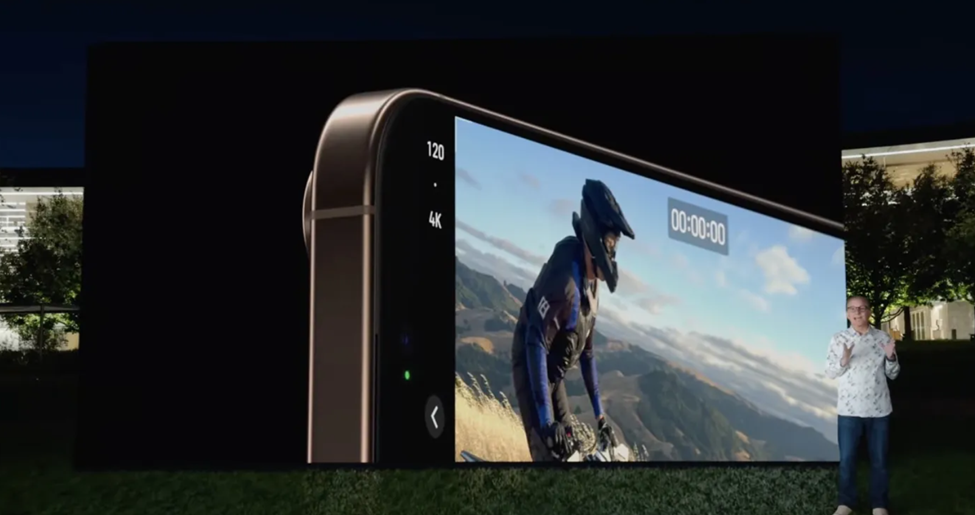
image
Apple introducing iPhone 16 Pro 4K slow-motion video at 120fps feature. (Image credit – Apple keynote)

Apple has been trying to position the iPhone camera system as a professional camera for video shoots, especially films. The whole idea of shooting movies on iPhone is not new and we have previously seen Apple collaborating with filmmakers. The recently released iPhone 16 Pro ads again remind us that iPhones are as good as professional film-shooting cameras.

Apple has just released a fresh ad for its iPhone 16 Pro and Pro Max. And as we mentioned, it is all about the camera.

The focus of the recently released ad is on an exciting new feature: 4K slow-motion video at 120 frames per second.

The ad emphasizes the power of this feature with the tagline – “Hollywood in your pocket.”

While earlier ads for the iPhone 16 series focused on Apple Intelligence, this new spot shifts the spotlight to the camera particularly its ability to record ultra-smooth 4K video at 120fps.

The feature is exclusively available in the Pro models.

To recall, key camera features of the iPhone 16 Pro include –

  • 4K Slow-Motion Video: Records at 120 frames per second for ultra-smooth slow-motion.
  • Cinematic Slo-Mo: Professional-quality slow-motion video capture.
  • Advanced Audio: Adjust sound styles with a simple tap.
  • Triple-Lens System: Wide, ultra-wide, and telephoto lenses for versatile photography.
  • Night Mode: Improved low-light performance for stunning night shots.
  • ProRAW and ProRes: Advanced formats for professional-grade photo and video editing.
  • Improved HDR: Enhanced dynamic range for more vivid images.

Apple refers to this as “Cinematic slo-mo” in the ad, showcasing how users can capture stunning, professional-quality slow-motion videos with ease.

The ad underscores Apple’s positioning of the iPhone 16 Pro and Pro Max as devices capable of producing Hollywood-level video quality.

The camera system also supports advanced audio features that will allow iPhone 16 Pro series users to adjust sound styles with a simple tap. It basically offers a complete package for content creators.

With the tagline “Hollywood in your pocket,” Apple is trying to showcase iPhone 16 Pro models as similar to professional filmmaking devices for everyday users.

FAQs

Q1. What was the recently released ad for the iPhone 16 Pro and Pro Max?

Answer. Apple has just released a fresh ad for its iPhone 16 Pro and Pro Max. And like we mentioned, it is all about the camera. The focus of the recently released ad is on an exciting new feature: 4K slow-motion video at 120 frames per second.

Q2. What tagline was used in the new iPhone 16 Pro ad?

Answer. The ad emphasizes the power of this feature with the tagline – “Hollywood in your pocket.”

Q3. What is iPhone 16 4K camera feature?

Answer. The iPhone 16 Pro and Pro Max feature 4K slow-motion video recording at 120 frames per second, offering ultra-smooth, professional-quality video.

Also Read: iPhone 16 Pro Max Production Cost Estimate BOM Revealed

Also Read: iPhone 16 Battery and Charging Test Results: iPhone 16 Models Perform Well in Battery Life Rankings, iPhone 16 Pro Upgrades Fast Charging

Rumour: MicroLED Displays in Apple AR Glasses and 2026’s Apple Watch Ultra

0

Highlights

  • Apple still plans to introduce microLED displays.
  • The company might use microLED displays in a new Apple Watch Ultra model and possibly AR glasses.
  • The release of both products is expected in 2026.
image
There is a chance Apple might use microLED in AR glasses and 2026’s Apple Watch Ultra, according to rumours. (Image credit – Apple)

Earlier this year it was widely reported that Apple cancelled a major microLED order meant for the Apple Watch Ultra 3 with Austrian firm ams-Osram. It was also reported that production issues made Apple extend the time frame for using microLEDs to 2027.

While Osram did not specifically confirm that Apple was the client that backed out from a major order, it did make things obvious in a press statement. Osram’s statement said, “a cornerstone project underpinning its microLED strategy got unexpectedly cancelled, triggering the company to re-assess its microLED strategy” in a dedicated press release.

Moreover, even though the order was made from Osram, it seemed LG was also involved and the Korean company wasn’t in the mood to let that go. It was reported a couple of months ago that LG is also seeking compensation from Apple for cancelling the order for microLED panels.

With all that development, it wouldn’t be wrong on your part to think that Apple’s plan for using microLED displays in its products is over for the time being.

However, when it comes to Apple, speculations and rumours hardly leave the sight.

It appears Apple hasn’t abandoned the technology entirely yet.

According to a new rumour shared by a tipster on X (previously Twitter), Apple is still planning to introduce microLED displays in future devices including a new Apple Watch Ultra model expected to launch in 2026.


This rumoured time frame doesn’t align with previous claims that Apple extended the time frame for using micro-LEDs to 2027. The new rumour pulls the time frame by one year.

The X tipster also hints that Apple will expand the use of microLED displays beyond the Apple Watch. The Cupertino giant is reportedly gearing up for AR glasses featuring microLED panels in 2026 as well.

If these rumours prove true, 2026 could be an exciting year for Apple’s use of microLED technology in not one but two products – the Apple Watch Ultra and the much-anticipated Apple AR Glasses.

Meanwhile, it is still unclear where the Apple-LG situation stands.

Certain reports believe LG could either continue seeking compensation from Apple for the cancelled order or can even attempt to secure a new contract in the future.

Charles Martin for AppleInsider:‎

Analyst Ming-Chi Kuo reported in March of 2024 that Apple had abandoned the idea of using a microLED display for a third series of Apple Watch Ultra, due to cost.

One of the suppliers who Apple arranged for microLED production, LG Display, asked for compensation after the project was shelved.

MicroLED technology is similar to regular LEDs, but at the micron level. The advantage of microLED is that it could offer OLED-like contrast and brightness, but without requiring a backlight panel.

The new claim stems from a recent account on X.com under the name “Jukanlosreve,” who appears to be the same person who formerly posted leaks under the names “Revegnus” and “Tech_reve.”

Under the previous names, they have said that a second-generation Apple Vision Pro might launch in 2026 at half its current price, which is within the realm of plausible.

FAQs

Q1. Why did Apple cancel its major microLED order with Austrian firm ams-Osram?

Answer. It was widely reported that Apple cancelled a major microLED order meant for the Apple Watch Ultra 3 with Austrian firm ams-Osram due to production issues, extending the time frame for using microLEDs to 2027.

Q2. What is the rumoured new timeline for Apple to introduce microLED displays?

Answer. According to a new rumour shared by a tipster on X (previously Twitter), Apple is still planning to introduce microLED displays in future devices, including a new Apple Watch Ultra model expected to launch in 2026.

Q3. What other product might feature microLED displays in 2026?

Answer. The X tipster also hints that Apple will expand the use of microLED displays beyond the Apple Watch. The Cupertino giant is reportedly gearing up for AR glasses featuring microLED panels in 2026 as well.

Also Read: Apple’s MacBook Pro Could Reportedly Feature OLED Displays by 2026: What to Expect

Also Read: iPad Mini 7 OLED Display

Also Read: OLED iPad Pro Teardown: Features and Issues

Xiaomi’s SU7 Ultra Electric SUV Spotted, An Early 2025 Launch Expected

0

Highlights

  • Xiaomi is set to launch its electric SUV – the SU7 Ultra.
  • The EV recently completed a test run at the Nürburgring Nordschleife track.
  • It was also spotted in the Xiaomi Auto App.
  • Rumours suggest a production launch in the first quarter of 2025.
image
Xiaomi SU7 Ultra is powered by Xiaomi HyperEngine V8s. (Image credit – Xiaomi)

It appears Xiaomi is all set to disrupt the electric vehicle (EV) market with its upcoming electric SUV reportedly named the SU7 Ultra. The vehicle recently made headlines first for clearing a challenging track run. It has now been spotted in the Xiaomi Auto App to fuel excitement amongst tech enthusiasts.

Here’s what is making news about this Xiaomi project.

Xiaomi SU7 Ultra EV at the Nürburgring Nordschleife

The prototype of the ambitious project generated a lot of buzz after completing a test run at the challenging Nürburgring Nordschleife track.

The Nürburgring Nordschleife track is known for pushing vehicles to their limits and is often to test high-performance vehicles. Xiaomi’s SU7 Ultra clearing a run highlights the SUV’s capabilities.

As of now, we don’t have an official launch information but the vehicle is scheduled for another attempt at the Nürburgring circuit for October this year.

Xiaomi SU7 Ultra EV – Production Launch in 2025 (Rumour)

Some reports have claimed that a potential launch is scheduled for the first quarter of 2025.

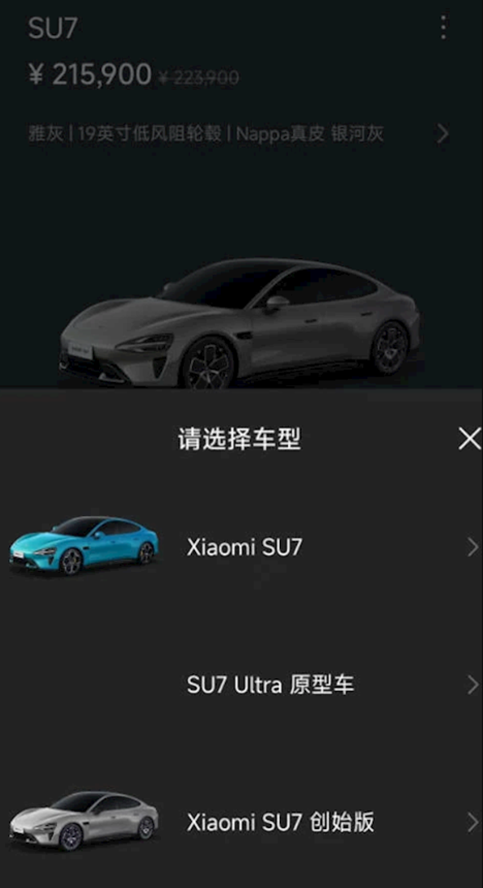
Recently, the rumours about the launch were fuelled after users discovered configuration options for the SU7 Ultra prototype within the Xiaomi Auto App.

image
Configuration options for the SU7 Ultra prototype spotted in Xiaomi Auto App. (Image credit – Gizmochina)

However, as soon as the screenshots of the options started appearing on social media, Xiaomi was quick to remove the details from its app.

The whole incident was enough to get the conversation around the ambitions EV project rolling and it also added some mystery around the launch date.

There is a major Xiaomi launch event scheduled for the end of October 2024. This is where the brand will introduce several products including the Xiaomi 15 series and Xiaomi Pad 7 series.

Certain media reports now speculate that there is a slight possibility that more details about the SU7 Ultra and Xiaomi’s broader electric vehicle roadmap can be touched upon during this event.

In any case, we will have to wait for more concrete details to emerge.

Xiaomi SU7 Ultra EV – What To Expect?

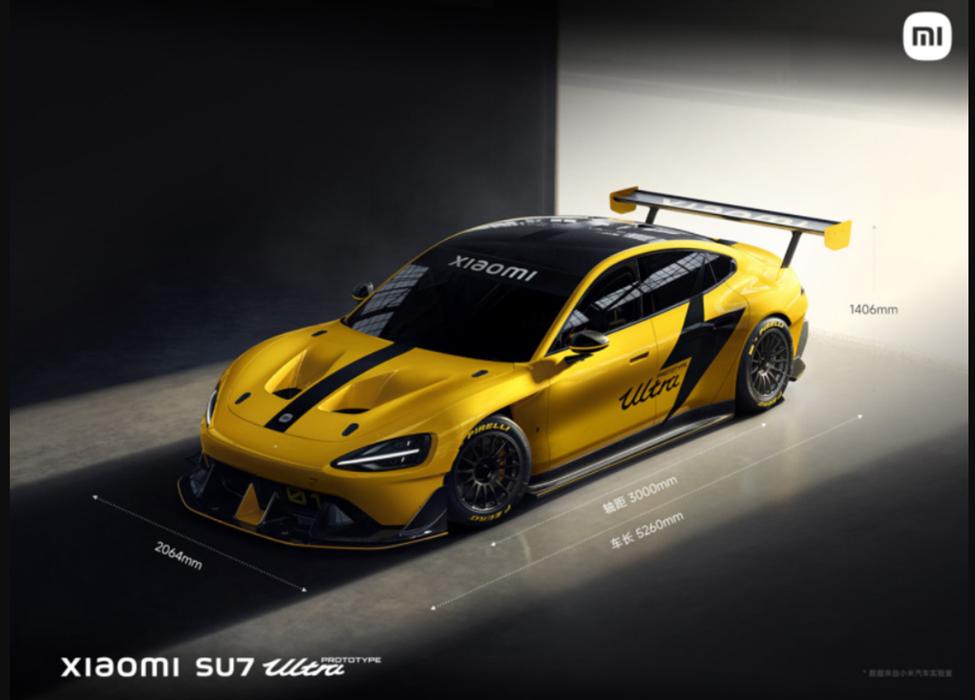
image
Xiaomi SU7 Ultra prototype was introduced by the brand earlier this year. (Image credit – Xiaomi)

The SU7 Ultra is set to redefine the electric SUV market.

Its carbon fibre body keeps the weight down to an impressive 1900 kg, which enables lightning-fast acceleration and top speeds.

The SUV’s electric drivetrain delivers a massive 1548 horsepower, allowing it to accelerate from 0 to 100 km/h in just 1.97 seconds and reach speeds exceeding 350 km/h.

It also features a top-tier braking system, stopping from 100 km/h in just 25 meters.

Xiaomi’s SU7 electric vehicle saw impressive sales with around 16,000 units sold in September. This was the fourth consecutive month where the Chinese manufacturer sold more than 10,000 units.

The company now has a target of reaching 20,000 units in October. Xiaomi has ramped up production using AI and smart manufacturing to boost efficiency.

WhatsApp Image 2024-10-08 at 12.29.00 PM
WhatsApp Image 2024-10-08 at 12.28.58 PM
WhatsApp Image 2024-10-08 at 12.29.00 PM (1)
WhatsApp Image 2024-10-08 at 12.28.56 PM
WhatsApp Image 2024-10-08 at 12.29.00 PM WhatsApp Image 2024-10-08 at 12.28.58 PM WhatsApp Image 2024-10-08 at 12.29.00 PM (1) WhatsApp Image 2024-10-08 at 12.28.56 PM

FAQs

Q1. What is the upcoming electric SUV from Xiaomi called?

Answer. It appears Xiaomi is all set to disrupt the electric vehicle (EV) market with its upcoming electric SUV reportedly named the SU7 Ultra.

Q2. When is Xiaomi expected to launch the SU7 Ultra EV?

Answer. Some reports have claimed that a potential launch is scheduled for the first quarter of 2025.

Q3. What are the key performance features of the SU7 Ultra EV?

Answer. The SUV’s electric drivetrain delivers a massive 1548 horsepower, allowing it to accelerate from 0 to 100 km/h in just 1.97 seconds and reach speeds exceeding 350 km/h.

Q4. How many units of Xiaomi’s SU7 electric vehicle were sold in September?

Answer. Xiaomi’s SU7 electric vehicle saw impressive sales with around 16,000 units sold in September.

Also Read: Xiaomi SU7 Mercedes Collision Safety Features

Also Read: Xiaomi SU7 Launch in China

Also Read: Xiaomi SU7 Electric Vehicle Launch

Samsung’s Galaxy A36 5G Spotted in IMEI Database

0

Highlights

  • Samsung is developing the Galaxy A36 and A56 as both were spotted in the IMEI database.
  • The Galaxy A36 has two model numbers for global and US markets.
  • It is expected to come with a 5G-capable processor.
  • Both models are expected to launch in March 2025.

It was last month when we heard about the upcoming Galaxy A56 for the first time. And now have some early information about the upcoming Galaxy A36 5G as well.

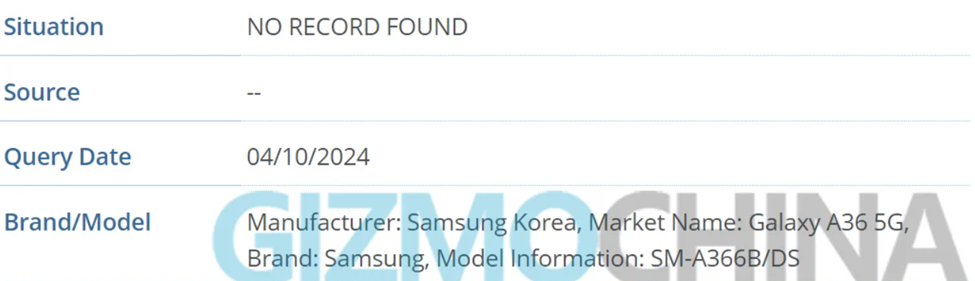
According to an exclusive report by Gizmochina, the Galaxy A36 has been spotted in the IMEI database recently. This confirms that Samsung is actively working on developing two models in its popular A series.

As excitement around both the Galaxy A36 and Galaxy A56 has been building for a while now, Samsung fans are now eager to see what these upcoming smartphones will offer in terms of specs and performance.

Galaxy A36 5G Spotted  in IMEI Database

As we are getting closer to the launch of the Galaxy A36 and A56, more and more details about both smartphones keep emerging.

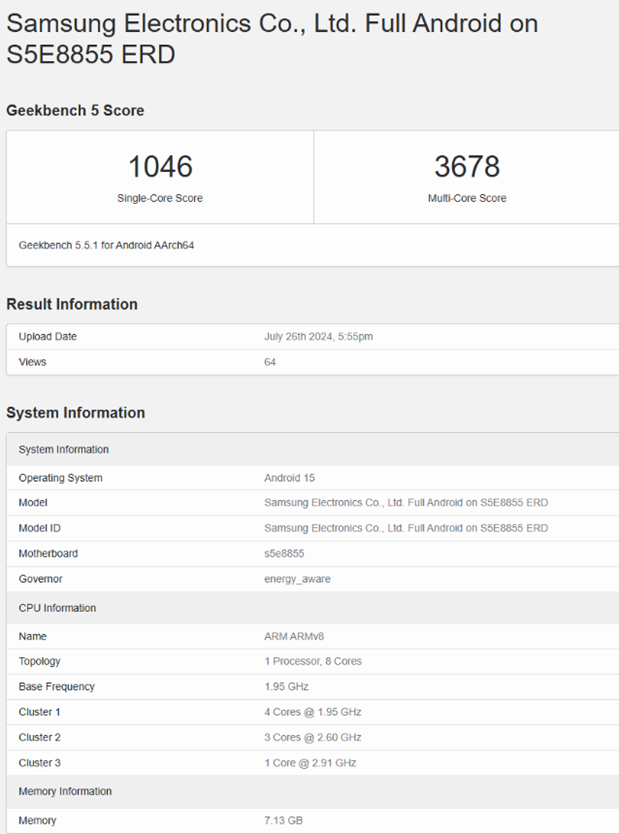
The first hint of the Galaxy A56 came back in July when the Exynos 1580 chip appeared in a Geekbench test. This particular performs the same as the Snapdragon 888 introduced 3 years ago

image
Samsung’s Exynos 1580 Chip appeared on Geekbench in July 2024. Performance comparable to Snapdragon 888. (Screenshot credit – Gizmochina)

After that, the Galaxy A56 was also spotted in the IMEI database and confirmed that Samsung is conducting tests to refine its performance

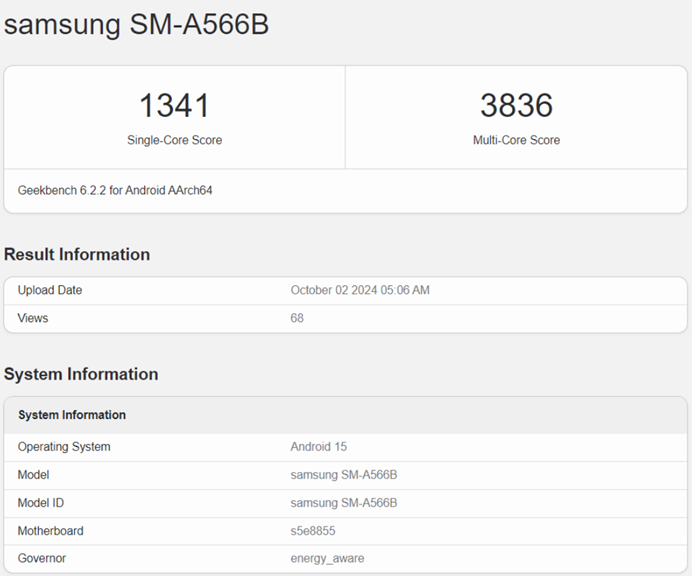
Later, we had Galaxy A56 popping up in the Geekbench database revealing that it will feature the Exynos 1580 chip. The upcoming device scored 1341 in single-core and 3836 in multi-core tests.

image
Samsung Galaxy A56 appeared on Geekbench. (Screenshot – Gizmochina)

As of now, our attention has shifted to the Galaxy A36, which has also been listed in the IMEI database.

Two Versions of the Galaxy A36

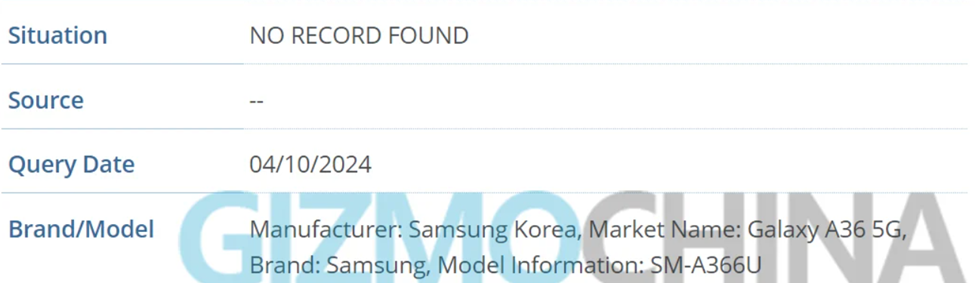
The Galaxy A36 appears with two model numbers, one being speculated for the US and one for the global smartphone market. The two model numbers that appear in the IMEI database are as follows –

  • SM-A366B/DS (the global version)
  • SM-A366U (the US market)
image
Caption – Samsung Galaxy A36 with model number SM-A366B/DS spotted in IMEI database. (Screenshot credit –  Gizmochina)
image
Samsung Galaxy A36 with model number SM-A366U spotted in IMEI database. (Screenshot credit –  Gizmochina)

The “/DS” suffix confirms that the global version will feature a dual SIM slot.

Moreover, the device’s name includes “5G,” which tells us that it will come equipped with a 5G-capable processor.

While the specific processor for the Galaxy A36 hasn’t been confirmed yet, there’s speculation that it could feature an Exynos 1480 chip.

If true, this would follow the trend as the predecessor Galaxy A35 came with an Exynos 1380.

However, certain media reports suggest that Samsung could take another route for Galaxy A36. For those who don’t remember, the earlier Galaxy A34 was powered by a MediaTek Dimensity 1080. And there is always a chance that Samsung would go for a successor MediaTek chipset for A36.

As we mentioned, there is too much speculation when it comes Galaxy A36 chipset with no concrete information as of now. However, we may soon get an official confirmation on this, directly or indirectly.

Galaxy A36 – Expected Launch Date

The exact launch date for the recently spotted Galaxy A36 is still unclear.

However, media reports claim both the Galaxy A36 and Galaxy A56 are expected to be officially launched in March 2025.

As we get closer to the launch date, we can expect more details to surface.

FAQs

Q1. What models is Samsung developing in its A series?

Answer. According to an exclusive report by Gizmochina, the Galaxy A36 has been spotted in the IMEI database recently. This now confirms that Samsung is actively working on developing two models in its popular A series. While excitement has been building around both the Galaxy A36 and Galaxy A56, fans are now eager to see what these new smartphones will offer.

Q2. What are the model numbers for the Galaxy A36 in the IMEI database?

Answer. The Galaxy A36 appears with two model numbers, one being speculated for the US and one for the global smartphone market. The two model numbers that appear in the IMEI database are as follows –

SM-A366B/DS (the global version) SM-A366U (the US market)

Q3. When are the Galaxy A36 and A56 expected to launch?

Answer. The exact launch date for the recently spotted Galaxy A36 is still unclear. However, media reports claim both the Galaxy A36 and Galaxy A56 are expected to be officially launched in March 2025.

Also Read: Samsung Launches Galaxy A06 with the Largest Screen Size on Galaxy A Series, 5000mAh Battery: Price, Features, Specifications

Also Read: Samsung Expands Circle to Search to Galaxy A Series and Galaxy Tab S9 FE Series

ZTE is Testing the Nubia V70 Series, Three Models Spotted in IMEI Database

0

Highlights

  • ZTE is testing three models for the upcoming Nubia V70 series.
  • The series includes Nubia V70, Nubia V70 Design, and Nubia V70 Max.
  • All three models were spotted in the IMEI database recently.

It appears ZTE is gearing up to launch its new Nubia V70 series soon as we can now confirm the brand is currently testing three new models.

According to a recent Gizmochina exclusive report, three ZTE models have been spotted in the IMEI database, all can be traced to be part of the Nubia V70 series. The model names that appeared in the online listing include –

  • Nubia V70
  • Nubia V70 Design
  • Nubia V70 Max

While there might be more models under development, these are the only ones confirmed at the moment.

image
NET V70 spotted in IMEI database. (Image credit – Gizmochina)
image
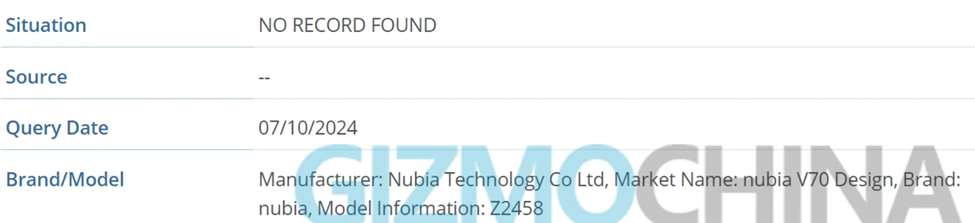
NET V70 Design spotted in IMEI database. (Image credit – Gizmochina)
image
NET V70 Max spotted in IMEI database. (Image credit – Gizmochina)

The three models, Nubia V70, Nubia V70 Design, and Nubia V70 Max have been identified in the IMEI database with model numbers Z2459, Z2458, and Z2467, respectively.

The upcoming Nubia V70 series is the latest smartphone line from ZTE, following in the footsteps of the previously released Nubia V60 and V60 Design.

Both predecessor models were designed for the affordable and entry-level smartphone category. It’s expected that the upcoming V70 series models will also maintain this budget-friendly approach.

As of now, the launch date of the V70 series remains unknown.

However, if we look at the past trends of ZTE launch plans for the V60, it’s likely these new smartphones will hit the shelves around the end of this year.

As for key specs, ZTE has managed to keep things hidden and we haven’t heard very many rumours about what ZTE is bringing in the upcoming series. However, we can expect a significant upgrade from the predecessor series Nubia V60.

To recall, the Nubia V60 boasts a 6.6-inch 90Hz HD+ display, a 50MP triple rear camera setup, 5000mAh battery with 22.5W fast charging. On the other hand, the Nubia V60 Design stands out for its Sky-mirror Glass back and offers 256GB of storage with 4GB of RAM.

As mentioned, we can expect a significant upgrade in the upcoming ZTE Nubia V70 series. Hopefully, more details will emerge soon.

FAQs

Q1. What models are included in the upcoming Nubia V70 series?

Answer. According to a recent Gizmochina exclusive report, three ZTE models have been spotted in the IMEI database, all can be traced to be part of the Nubia V70 series. The model names that appeared in the online listing include Nubia V70, Nubia V70 Design, and Nubia V70 Max.

Q2. When is the Nubia V70 series expected to launch?

Answer. While the launch date of the V70 series remains unknown, if we look at the past trends of ZTE launch plans for the V60, it’s likely these new smartphones will hit the shelves around the end of this year.

Q3. What are the expected upgrades in the Nubia V70 series compared to the Nubia V60?

Answer. As for key specs, ZTE has managed to keep things hidden and we haven’t heard very many rumours about what ZTE is bringing in the upcoming series. However, we can expect a significant upgrade from the predecessor series Nubia V60.

Also Read: Snapdragon 8 Gen 4 Datasheet Leaked to Power Xiaomi 15 Series, ZTE Nubia Z70 Ultra, Nubia Flip 2, Red Magic 10 Series

Also Read: ZTE’s New Flagship Contender Nubia Z70 Ultra Spotted Online

Also Read: Nubia Z60 Ultra and Z60S Pro Launched in China with Snapdragon 8 Gen 3: Pricing, Features, Specs

No ‘Serious’ Apple Intelligence Performance Until 2026 or 2027, Hints Analyst

0

Highlights

  • Analyst Edison Lee suggests “series” AI performance won’t arrive in iPhone until 2026 or 2027.
  • Predicts 5-10% growth in iPhone sales unlikely this year.
  • Lee however sees long-term AI potential for Apple over Android devices.
The first set of Apple Intelligence features will arrive with iOS 18.1 by the end of October. (Image credit – Apple)

We all know that the rollout of Apple Intelligence is happening gradually. iPhone 16 Series comes with the tag “built for Apple Intelligence,” which hints how it is a device you get with a promise for the future. The gradual roll of Apple Intelligence features starts soon with the first six features set to launch with a new iOS 18.1 update by the end of this month.

However, we won’t see the new Siri version until next year.

While Apple fans are still conflicted about this, a tech analyst recently suggested that we should lower our expectations even further.

According to recent analyst comments, iPhones won’t have “serious” AI performance until 2026 or 2027.

There was talk that Apple Intelligence would drive a surge in iPhone 16 sales since only iPhone 15 Pro users would get the new features without upgrading.

But as of now, it looks like this year’s iPhone sales are about the same as last year, which indicates that AI isn’t a major selling point yet.

Jefferies analyst Edison Lee isn’t surprised by this. He told The Street recently that a 5-10% growth in iPhone sales is “unlikely.”

Although Lee acknowledges that Apple has a key AI advantage over other smartphone brands, he thinks it will be at least 2-3 years before this significantly boosts demand for new iPhones.

“We like Apple Intelligence long term, as Apple is the only hardware-software integrated player that can leverage proprietary data to offer low-cost, personalized AI services,” Lee said.

“However, smartphone hardware needs rework before being capable of serious AI, likely by 2026/27.”

Lee maintains that Apple has what can be termed as a longer-term advantage compared to Android devices in terms of tech and cost development. He seems particularly positive about Apple’s partnership with chipmaker Taiwan Semiconductor.

He also expects Apple to show better growth next year but that will be more because of the upcoming slimmer iPhone 17 Air and not so much due to Apple Intelligence.

“We believe AI-capable smartphone tech is likely 2-3 years away due to limitations in high-speed memory and advanced packaging tech. [But] Apple’s thin model (17 Air) in 2025 could attract more upgrade demand,” Lee said.

FAQs

Q1. When will the first six Apple Intelligence features launch on iPhone 16?

Answer. The first six Apple Intelligence features are set to launch by the end of this month.

Q2. What is the expected timeline for serious AI performance in iPhones?

Answer. According to recent analyst comments, iPhones won’t have “serious” AI performance until 2026 or 2027.

Q3. What did Jefferies analyst Edison Lee say about the iPhone’s AI potential?

Answer. Edison Lee thinks a 5-10% growth in iPhone sales is “unlikely” this year. He sees Apple as having a key AI advantage but believes it will be at least 2-3 years before this significantly boosts demand for new iPhones.

Also Read : iOS 18.1 Public Beta Now Available with Apple Intelligence: How to Install, Everything New on iOS 18, and More

Also Read : Apple to Expand Language Support for Apple Intelligence in 2025

Also Read : Apple Intelligence Features: What New Features Will Release with iOS 18.1?