Samsung is struggling with its ambitious 3nm GAA processes.
The first-gen yields are around 50-60% and the second-gen yields at just 20%.
Qualcomm is using TSMC’s 3nm technology.
Samsung is shifting resources towards its upcoming 2nm process.
A new Exynos chip is likely to launch with the Galaxy S27 in 2027.
Samsung’s first-generation 3nm GAA process SF3E-3GAE has managed yields of around 50-60%. (Image credit – Unsplash)
It appears that Korean smartphone manufacturer, Samsung is struggling with its ambitious target for both the first and second-generation 3nm GAA processes.
Recent reports suggest that yields hovering around 50-60%. Here’s what the latest report reveals.
According to a new report from Korea, Samsung may have taken an early lead in the 3nm chip race with its Gate-All-Around (GAA) technology, the production yields are falling short of expectations.
The recent report from a Korean blog Naver reveals that Samsung initially aimed for a 70% yield on both its first-and-second-generation 3nm GAA processes.
However, there are high chances that the company is not likely to be able to achieve this target.
The first-generation process known as ‘SF3E-3GAE’ has reportedly managed yields of around 50-60%. This is closer to the goal but still below what is needed for commercial viability.
Samsung Foundry’s second-generation 3nm process yields are less than 20%.
This yield issue is most likely why Samsung has been struggling to attract new clients for its 3nm process as well. It has been earlier reported that Qualcommhas opted to get its Snapdragon 8 Elite manufactured exclusively with TSMC’s more reliable 3nm “N3E” architecture.
The second-generation 3nm process, called “SF3-3GAP,” faces even bigger challenges, with yield rates at just 20%—far below the original 70% goal.
This situation could drive clients, including those in South Korea, to choose TSMC’s 3nm technology instead.
A new Exynos chip codenamed “Ulysses” and using “SF2P” technology is reportedly under development. (Image credit – Samsung)
Samsung’s failure to achieve the 3nm yield targets is probably also the reason that’s driving the company to now steadily shift the resources and talent toward its upcoming 2nm process.
Rumours suggest that a new Exynos chip, codenamed “Ulysses” and using “SF2P” technology could be under development for a future Galaxy S model, possibly launching with the Galaxy S27 in 2027.
Whether Samsung can resolve these challenges and make its 3nm process a viable option remains uncertain. If not, the future of Samsung’s next flagship Exynos 2500 SoC could also be at risk.
FAQs
Q1. What are the current yield rates for Samsung’s first-generation 3nm GAA process?
Answer. The first-generation 3nm GAA process, known as ‘SF3E-3GAE,’ has managed yields of around 50-60%, which is below the targeted 70%.
Q2. Why has Qualcomm chosen TSMC over Samsung for manufacturing the Snapdragon 8 Elite?
Answer. Qualcomm has opted for TSMC’s more reliable 3nm “N3E” architecture due to Samsung’s yield issues with its 3nm processes.
Q4. What plans does Samsung have in response to its 3nm challenges?
Answer. Samsung is shifting resources toward its upcoming 2nm process, with rumours of developing a new Exynos chip, codenamed “Ulysses,” potentially launching with the Galaxy S27 in 2027.
Currently, Share Item Location is available globally as part of the iOS 18.2 public beta and will soon launch as a free update for iPhone Xs and later.
Highlights
Apple introduces ‘Share Item Location’ in iOS 18.2 beta.
It allows users to share links to locate lost AirTags via the Find My app.
Apple partners with over 15 major airlines to help locate AirTags using Find My Item location links.
iOS 18.2 is currently in beta.
Full release is expected in December.
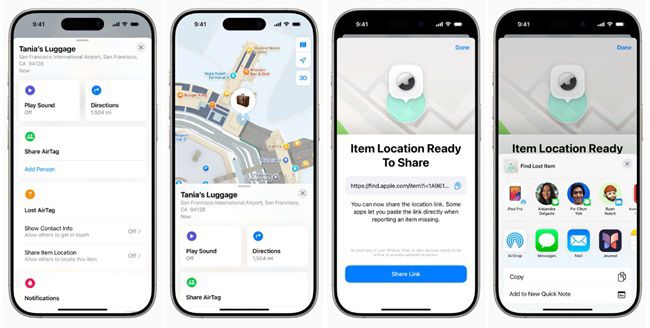
Share Item Location is a new feature available with iOS 18.2 Beta. (Image credit – Apple)
Every iOS update is a gift that keeps on giving. It usually takes users months to figure out the new upgrades and discover every new feature. Things are no different with iOS 18 as every day we are hearing about new hidden features.
The latest iOS 18.2 Beta feature to gain attention is the new ‘Share Item Location’ for AirTags. Here’s what we know about the feature.
In the newly released iOS 18.2 beta, Apple has upgraded the Find My app to allow users to share a link to locate a lost AirTag or Find My network accessory. Apple recently published a press release detailing this new feature and also announcing its partnerships with over 15 airlines that will accept Find My Item location links.
Currently in Beta, once this update is rolled out for iPhones users would be able to generate a link in the Find My app for a lost AirTag or accessory. The link can be shared with others, who can then access a website showing the item’s location on an interactive map.
Anyone receiving the Find My App Location link will have access to a website showing the location of the item via an interactive map. (Image credit – Apple)
This map updates automatically with new locations and shows timestamps for the latest updates.
Apple has teamed up with major airlines to assist with finding “mishandled or delayed bags.”
In the press statement, Apple mentions, “In the coming months, more than 15 airlines serving millions of people globally — including Aer Lingus, Air Canada, Air New Zealand, Austrian Airlines, British Airways, Brussels Airlines, Delta Air Lines, Eurowings, Iberia, KLM Royal Dutch Airlines, Lufthansa, Qantas, Singapore Airlines, Swiss International Air Lines, Turkish Airlines, United, Virgin Atlantic, and Vueling — will begin accepting Find My item locations as part of their customer service process for locating mishandled or delayed bags. More airlines will be added over time.”
It further explains, “Apple has worked directly with partner airlines to put systems in place to privately and securely accept Share Item Location, leveraging the hundreds of thousands of Apple devices many airlines are already using. Access to each link will be limited to a small number of people, and recipients will be required to authenticate in order to view the link through either their Apple Account or partner email address.”
Apple’s Senior Vice President of Services, Eddy Cue also highlighted the importance of such a tool for users around the world in the press statement. Cue mentions, “The Find My network and AirTag have proven to be a powerful combination for users while traveling, providing invaluable location information when bags have been misplaced or mishandled. With Share Item Location, we’re excited to give users a new way to easily share this information directly with third parties like airlines, all while protecting their privacy.”
To ensure privacy and safety, Apple will disabled the location link soon after the user find the missing item. (Image credit – Apple)
Apple states it has worked directly with these airlines to establish “systems in place to privately and securely accept Share Item Location.”
Access to each link will be “limited to a small number of people, and recipients will be required to authenticate in order to view the link through either their Apple Account or partner email address.”
Currently, Share Item Location is available globally as part of the iOS 18.2 public beta and will soon launch as a free update for iPhone Xs and later.
iOS 18.2 is currently available for developers and public beta testers with a full release expected in December.
FAQs
Q1. What new Find My feature has Apple introduced in iOS 18.2 beta?
Answer. Apple has introduced the ‘Share Item Location’ feature in iOS 18.2 beta, allowing users to share a link to locate a lost AirTag or Find My network accessory.
Q2. Which airlines are partnering with Apple to accept Find My item location links?
Answer. Apple has partnered with over 15 airlines, including Aer Lingus, Air Canada, Air New Zealand, Austrian Airlines, British Airways, Brussels Airlines, Delta Air Lines, Eurowings, Iberia, KLM Royal Dutch Airlines, Lufthansa, Qantas, Singapore Airlines, Swiss International Air Lines, Turkish Airlines, United, Virgin Atlantic, and Vueling.
Q3. When is the full release of iOS 18.2 expected?
Answer. iOS 18.2 is currently available for developers and public beta testers, with a full release expected in December.
The Oppo Reno 13 series is set to launch in China on November 25.
The series includes the Reno 13 and Reno 13 Pro.
It has been spotted in certification databases in Singapore, Europe and Indonesia.
The smartphones are expected to arrive in South Asian markets by early 2025.
While certain reports confirmed earlier that Oppois gearing up for the launch of its next Reno 13 series smartphones by the end of this month, the exact date has not been revealed officially yet. Now if recent rumours surfacing online are to be believed, the Reno 13 Series launch is scheduled on November 25 in China. Here’s what we are hearing.
Oppo Reno 13 Series – Launch Date in China
According to a recent leak by popular tipster Digital Chat Station, Oppo Reno 13 models including the Reno 13 and Reno 13 Pro are set to launch in China on November 25.
The series is also likely headed for global smartphone markets soon as well. This speculation is gaining momentum after both Reno 13 models have cleared key certifications required for global launch.
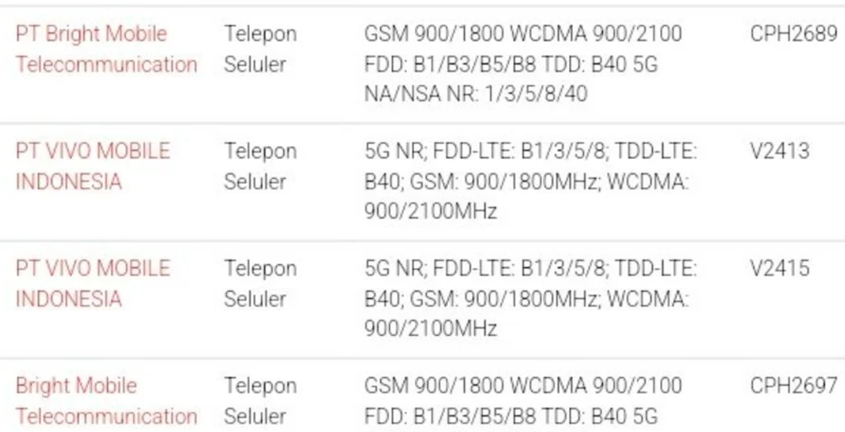
Oppo Reno 13 and Reno 13 Pro spotted in IMDA-certified listings in Singapore. (Screenshot credit – Gizmochina)
Recent listings on Singapore’s IMDA certification platform reveal that the standard Reno 13 is identified by model number CPH2689, while the Pro variant comes with model number CPH2697.
These models were also spotted in certification databases in Europe and Indonesia.
Oppo Reno 13 series spotted in the EEC certification database in Europe. (Screenshot credit – Gizmochina)Oppo Reno 13 and Reno 13 Pro appeared in the TKDN database in Indonesia. (Screenshot credit – Gizmochina)
However, it’s through the IMDA that their official names were confirmed.
Oppo Reno 13 Series – What to Expect?
The IMDA listings hint at the connectivity features of both phones and they confirm that the Reno 13 Pro will come with eSIM support.
The Reno 13 was also spotted in the Camera FV-5 database, showcasing a 50-megapixel primary rear camera with a 26.6mm focal length and an f/1.8 aperture along with a 50-megapixel front camera with a 22.2mm focal length and an f/2.0 aperture.
Oppo Reno 13 spotted in the Camera FV-5 database revealing camera specs. (Screenshot credit – Gizmochina)
As for the design of the smartphones, the global versions of the Reno models will typically look the same as the Chinese variants even though the Chinese models usually have slightly upgraded specs.
Recent leaks suggest that the Reno 13 Pro model to be unveiled in the Chinese market could also be the first phone to debut with the new Dimensity 8350 chipset.
As of now, it is not known if the global version will feature the same specs or not.
If we take into account the traditional launch timeline of the previous Reno series models, we can assume that the Reno 13 series is expected to arrive in South Asian markets such as Singapore and around by early 2025.
FAQs
Q1. When is the Oppo Reno 13 series expected to launch in China?
Answer. According to recent rumours, the Oppo Reno 13 series, including the Reno 13 and Reno 13 Pro, is set to launch in China on November 25, 2024.
Q2. What certifications have the Oppo Reno 13 models cleared?
Answer. The Oppo Reno 13 models have cleared key certifications in Singapore (IMDA), Europe (EEC), and Indonesia (TKDN).
Q3. What camera specifications were revealed for the Oppo Reno 13?
Answer. The Oppo Reno 13 features a 50-megapixel primary rear camera with a 26.6mm focal length and an f/1.8 aperture, along with a 50-megapixel front camera with a 22.2mm focal length and an f/2.0 aperture.
Q4. What chipset is the Chinese Reno 13 Pro rumoured to debut with?
Answer. The Chinese Reno 13 Pro is rumoured to be the first phone to debut with the new Dimensity 8350 chipset.
The POCO X7 Pro will be the first smartphone with HyperOS 2.0 to launch in India.
It is expected to be launched in December 2024.
HyperOS 2.0 offers multiple spec upgrades and performance enhancements.
The Redmi Note 14 series will ship with first-gen HyperOS instead of HyperOS 2.0 in India.
POCO X7 Pro will be the first smartphone to be launched with HyperOS 2.0 in India. (Image credit – Poco)
Contrary to what everyone expected, it appears the Xiaomi 15 Series is not going to be the first device with HyperOS 2.0 to enter the Indian market.
As per recent reports, it is going to Poco X7 Pro instead to introduce the latest HyperOS 2.0 to Indian consumers.
Here’s the complete story.
We all know that HyperOSwas announced by Chinese smartphone maker Xiaomiin 2023 as an upgrade to the MIUI 14.
Exactly one year after that announcement, the company introduced next-generation HyperOS 2.0 with multiple spec upgrades and performance enhancements.
While the Xiaomi 15 Series is the first smartphone to come out of the box with HyperOS 2.0 outside of the Chinese market, this will not be the case for India.
The issue arises since the Xiaomi 15 Series will not be available in India before 2025, which means HyperOS 2.0 will be introduced by some other smartphone much before that.
A recent Smartprix exclusive report has confirmed that is POCO X7 Pro will be the first smartphone to launch in India with HyperOS 2.0 software.
Interestingly, we have seen the POCO X6 Pro become the first smartphone to come in India with first-gen HyperOS last year as well.
While the Smartprix report has no update on the specifications of the POCO X7 Pro, it does suggest that the X7 Pro is actually a version of the Redmi Note 14 Pro+.
Some reports earlier suggested that X7 Pro was renamed version of K80E, but it appears the model has been now cancelled officially.
We can also confirm that the POCO X7 Pro is expected to be launched in India this December after a recent confirmation from official sources.
In response to a Tweet inquiring about the launch date of the POCO M7 Pro, POCO India Head Himanshu Tandon replied, “December.” It can now be expected that both the POCO X7 Pro and the POCO M7 Pro will be launched in December 2024 together.
Happy Diwali to all our amazing POCO fans! May your festival of lights be filled with joy, prosperity, and lots of tech love. 🪔✨ #POCOFamily #HappyDiwali #CelebrateWithPOCO
Your festive image is on its way! 📸 pic.twitter.com/2QNF7SFWdE
— Himanshu Tandon (@Himanshu_POCO) October 31, 2024
Redmi Note 14 Series reportedly will be shipped with HyperOS 1.0 (Image credit – Redmi)
Meanwhile, the Smartprix report also mentions that the Redmi Note 14 series will ship with first-gen Hyper OS instead of the latest HyperOS 2.0 in India.
The series has already been launched with HyperOS 1.0 in the Chinese market.
FAQs
Q1. Which smartphone will be the first to launch with HyperOS 2.0 in India?
Answer. According to a recent Smartprix exclusive report, the POCO X7 Pro will be the first smartphone to launch in India with HyperOS 2.0 software.
Q2. When is the POCO X7 Pro expected to launch in India?
Answer. The POCO X7 Pro is expected to be launched in India in December 2024, based on confirmation from official sources.
Q3. What software will the Redmi Note 14 series ship in India?
Answer. The Redmi Note 14 series will ship with first-gen HyperOS instead of the latest HyperOS 2.0 in India.
Apple working faster chips and touch screens for Macs, larger and foldable displays for iPads and new health sensors for Apple Watches.
The company is investing in home products and smart glasses.
The next-generation Apple Vision Pro is expected to launch between Sep 2025 and April 2026.
Apple Vision Pro 2 is to be upgraded to the M5 chip.
Mark Gurman reveals Apple’s plans for the next iPhone, iPad, Mac, Watch models and Vision Pro. (Concept image credit – 9to5Mac)
Apple’s future lineup is always an exciting topic of conversation among the tech community. We are always hearing about what Apple is doing for its next iPhone, what new tech Apple is exploring and what to expect from future Apple products.
Apart from getting updates, these rumours and reports somehow help us keep our expectations in check.
The latest report now sheds light on what Apple is planning for its new iPhone, iPad, Mac and Watch models.
Here’s everything we can gather from recent reports.
In his most recent newsletter, Bloomberg’s reputable Apple reporter Mark Gurman shares that Apple is always working on its upcoming range that includes new products along with upgrades to its current lineup of iPhones and more.
According to Gurman, Apple is still focusing on developing product ranges other than iPhones.
The company is working and investing heavily in home products and smart glasses.
However, the company is not moving away from its core. Gurman writes, “In the nearer term, Apple will be focused on gradual improvements to its existing products. That means making Macs with faster chips, thinner designs and touch screens. Its iPads will become more versatile, with larger displays and foldable models. Apple Watches will get blood pressure and glucose monitoring. And the company will try to make its iPhones even more indispensable, with new designs, cameras and AI features.”
Gurman further reiterates some of the information shared earlier, which includes the following –
New designs of iPhone including iPhone 17 Air and iPhone 17 Plus with cameras and AI features
iPad with larger displays
iPad foldable are also expected
Mac with touch screens, thinner builds and faster chips
Apple Watch with new health sensors for blood pressure and glucose
Some of these changes such as touch screens in the Mac and foldable iPads sound exciting. If successful, these will be significant changes in the overall Apple product portfolio.
Apple Vision Pro 2 will most likely get an M5 chip upgrade. (Image credit – Apple)
Meanwhile, Gurman also shared the timeline for Apple’s 2nd generation of Apple Vision Pro.
We recently reported that supply chain analyst Ming-Chi Kuo has hinted that Apple is delaying a cheaperApple Vision headset to concentrate on the next Vision Pro upgrade lineup for next year.
Now according to Gurman, the next-generation Apple Vision Pro is expected to be launched sometime between September 2025 and April 2026.
Certain reports have indicated that Apple is planning on a massive upgrade for Vision Pro 2 with the upcoming M5 chip.
The current model features an M2 chip, which was the latest when released but now is quite outdated due to the release of the M3 and M4 chips.
As for the design, the Apple Vision Pro 2 will most likely be similar to the current Apple Vision Pro. Bloomberg report mentions, “Apple is working on several ideas for its Vision headset line, but at least one version of the second-generation Vision Pro — assuming it’s released — will look almost entirely like the current design. The big changes are internal, including a processor upgrade.”
Mac Virtual Display in visionOS 2.2 has new Wide and Ultra Wide display options. (Image credit – Apple)
Some reports have noted that something similar like the new Wide and Ultra Wide display options recently released in the Mac Virtual Display in visionOS 2.2 could be a great addition to the Apple Vision Pro mode.
FAQs
Q1. What gradual improvements is Apple focusing on for its existing products?
Answer. Apple is focusing on making Macs with faster chips, thinner designs, and touch screens; iPads with larger displays and foldable models; Apple Watches with blood pressure and glucose monitoring; and enhancing iPhones with new designs, cameras and AI features.
Q2. When is the next-generation Apple Vision Pro expected to launch?
Answer. According to Mark Gurman, the next-generation Apple Vision Pro is expected to launch sometime between September 2025 and April 2026.
Q3. What significant upgrades are expected in the Apple Vision Pro 2?
Answer. The Apple Vision Pro 2 is expected to feature a processor upgrade to the M5 chip and may include internal improvements while retaining a similar design to the current model.
Apple faces challenges making the iPhone 17 Air as slim as initially planned.
Facing issues with battery cost, manufacturing consistency and other technical problems.
Samsung also face delays for its Galaxy S25 Slim with thin motherboard production.
Both the iPhone 17 Slim and Samsung Galaxy S25 Slim are to be released in 2025.
iPhone 17 Slim will reportedly measure around 6mm thick. (Image credit – X)
We have been hearing about the next iPhone 17 for months and most reports have hinted that Apple will be focusing on design this time. Some previous reports have claimed that the upcoming iPhone 17 Air mode will be the “ultra-slim” iPhone ever.
In Apple’s initial iPhone 17 Airs design layout, the battery technology was planned to be thinner than the current models.
While Apple fans have been excitedly waiting for the slim iPhone, the latest reports can sound discouraging.
According to a supply chain report, Apple might not be able to make the iPhone 17 Air as slim as it initially planned.
The latest word on this has been shared by a popular Korean blogger Lanzuk on Naver.
According to the blog post, Apple initially planned on making the iPhone 17 thinner based on using a newer battery with thin internal components.
However, the Cupertino giant has hit some roadblocks already with issues with battery cost, manufacturing consistency and other technical issues.
The iPhone 17 Air could still be the slimmest iPhone till now , but not as slim as expected
The blog mentions that Apple is now looking at a battery that is around 6mm thick. While the blog doesn’t share any details about what this could mean for the iPhone thickness, it does mention that Apple was planning on bigger battery capacity as well.
In its report, MacRumors notes that the iPhone 6 for now is known as the thinnest iPhone model.
For comparison, the iPhone 6 measured 6.9mm in thickness, the iPhone 6 Plus measured 7.1mm and the latest iPhone Phone 16 is 7.80mm.
Meanwhile, Apple is not the only brand facing issues with making its upcoming devices as slim as they hoped.
The same Korean blog that shared the recent update on Apple iPhone 17 Air also shared Samsung’s struggle with its upcoming Samsung Galaxy S25 ‘Slim’ model.
According to the Korean blog, Samsung is facing issues with the mass production of thinner motherboards.
The Korean manufacturer is reportedly facing delays in production due to supplier issues.
However, it does mention that Samsung has found some success in using new materials for the thin battery, unlike Apple.
As of now, there is no word on how slim the Galaxy S25 Slim is going to be. We have the thinnest Galaxy S24 model as the vanilla phone at 7.6mm.
If the latest reports are to be believed, we can expect both the iPhone 17 Slim and Samsung Galaxy S25 Slim to be released sometime in the second half of 2025.
FAQs
Q1. Why might Apple not make the iPhone 17 Air as slim as initially planned?
Answer. Apple might not make the iPhone 17 Air as slim as initially planned due to issues with battery cost, manufacturing consistency, and other technical problems.
Q2. What issues is Samsung facing with the production of the Galaxy S25 Slim?
Answer. Samsung is facing production delays for its Galaxy S25 Slim due to thinner motherboard production issues but has had some success using new materials for the thin battery.
Q3. When are the iPhone 17 Slim and Samsung Galaxy S25 Slim expected to be released?
Answer. Both the iPhone 17 Slim and Samsung Galaxy S25 Slim are expected to be released in the second half of 2025.
Apple has added repair parts and tools for the iPhone 16 series to its Self-Service Repair store.
It allows users in Europe and the US to order genuine parts and repair tools.
iPhone 16 users can now self-repair their devices using Apple’s Self-Service Repair initiative.
Now you can get iPhone 16 series repair parts from the self-service repair store. (Image credit – GSMArena)
iPhone 16 Series was launched about two months ago and Apple has finally added its repair parts in the European and US markets.
While we hope your new iPhone 16 model doesn’t need a repair part anytime soon, in case there is damage, you can now order genuine Apple parts and repair tools from the self-service repair store.
Apart from repair tools and parts, Apple has also released the iPhone 16 series repair manuals.
Here’s everything you need to know about iPhone 16 Series model repair.
Apple iPhone 16 Series – Repair
Apple Now Selling Replacement Parts For IPhone 16 Series: How Much Self-Repair Will Cost
You can now visit the nearest Apple Store or any authorised repair company with your new iPhone 16 models in case of any issues.
Moreover, Apple now allows iPhone users to self-repair their devices through its interesting Self-Service Repair initiative. As claimed by the brand, the iPhone 16 is Apple’s most easily self-repairable line-up yet.
Apple self-service repair story for genuine Apple repair parts, tools and manuals.
iPhone 16 users can visit the Self Service Repair parts website, add their device info along with the details of the parts they need and get pricing details for repairs/parts in a few clicks.
iPhone 16 Repair Parts Cost
According to a recent 9to5Mac report, the following are the sample prices of iPhone 16 prices for various parts –
iPhone 16
$169 (approx INR 14,262) for back glass repairs
$279 (approx INR 23,545) for front display repairs
$99 (approx INR 8,354) for battery kit
$169 (approx INR 14,262) for the rear camera kit
$249 (approx INR 21,013) for TrueDepth Camera kit
iPhone 16 Pro
$169 (approx INR 14,262) for back glass repairs
$329 (approx INR 27,764) for front display repairs
$119 (approx INR 10,042) for battery kit
$249 (approx INR 21,013) for the rear camera kit
$249 (approx INR 21,013) for TrueDepth Camera kit
Users will also have to purchase the self-repair tools along with the parts.
You can even find a Repair Assistant in iOS 18, which can assist you in the repair process using iPhone software.
FAQs
Q1. Where can iPhone 16 Series users order genuine Apple parts and repair tools?
Answer. iPhone 16 Series users can order genuine Apple parts and repair tools from the self-service repair store.
Q2. How much does the iPhone 16 Pro camera repair kit cost?
Answer. According to a recent 9to5Mac report, the prices for iPhone 16 camera repair parts are as costs follows:
$169 (approx INR 14,262) for the rear camera kit
$249 (approx INR 21,013) for the TrueDepth Camera kit
Q3. What new iOS 18 feature can assist iPhone users in the repair process?
Answer. Users can find a Repair Assistant in iOS 18, which can assist them in the repair process using iPhone software.
Q4.What parts can you replace on the iPhone 16?
Answer. If you’re facing problems with your iPhone 16, you can go over to Apple’s Self Service Repair store, select your device model, and order parts like the back glass, battery, camera, top speaker, TrueDepth camera, and SIM tray.
Q5.How does the iPhone 16’s repairability compare to the iPhone 15?
Answer. With the iPhone 16 series, Apple has made changes in repairability which are much better compared to the iPhone 15 lineup.
According to iFixit’s teardown analysis, the iPhone 16 Pro and Pro Max feature a more modular design, allowing for easier part replacements than in previous generations.
The design shift has got iPhone 16 series a higher repairability score from iFixit. The iPhone 15 has a 4/10 because of tightly integrated parts and limited modularity. iPhone 16’s modular design has got it a 7/10 score, showing a good improvement in user-serviceability.
Top Smartphones Under ₹25,000 in November 2024 – Poco F6, OnePlus Nord CE 4, iQOO Z9s Pro, Vivo T3 Pro, Motorola Edge 50 Neo, Realme 13 Pro, Nothing Phone 2a
Your next smartphone doesn’t have to be the most expensive one. Times have changed and it is no more the coolest thing to carry an expensive handset.
In fact, today you would make more heads turn in your friend circle if you carry a smartphone that provides the perfect blend of performance and affordability. Our editorial team recommends exploring the underrated under ₹25,000 smartphone category.
The under ₹25,000 smartphone category today offers every sophisticated tech available in the industry.
You can find devices with powerful processors, stunning displays, versatile camera systems and long-lasting batteries easily in this segment.
So, check out our handpicked top smartphones under ₹25,000 in November 2024 and we are sure you will find something worth considering for your next smartphone upgrade.
Poco F6
Poco F6 sports a new flagship 6.67″ Flow 1.5K CrystalRes 120Hz AMOLED display.
Scored 1,530,662 on the AnTuTu benchmark, the phone is powered by a flagship Qualcomm Snapdragon 8 Gen 3 processor built on TSMC’s 4nm process and same generation CPU architecture Prime Cortex-X4 core.
The phone promises a seamless mobile gaming experience. It comes with LiquidCool Technology 4.0 with an IceLoop system.
Key Specifications –
67″ (16.94 cm) 120Hz AMOLED Display
Snapdragon 8s Gen 3 Octa-core Processor
50+8 MP Rear Camera
20 MP Front Camera
8 GB RAM
256 GB Internal Storage
5000 mAh Battery
90W Fast Charging
Android v14 OS
The price starts at ₹25,999.
OnePlus Nord CE 4
OnePlus Nord CE 4 is available in two cool colour options including the Celadon Marble and Dark Chrome colourway.
The 6.7”13 AMOLED display comes with innovative Aqua Touch12 technology with HDR10+ colour, ProXDR15 and an ultra-smooth 120 Hz refresh rate.
Key Specifications –
7″ (17.02 cm) 120Hz AMOLED Display
Snapdragon 7 Gen 3 Octa-core Processor
50+8 MP Rear Camera
16 MP Front Camera
8 GB RAM
128 GB Internal Storage
5500 mAh Battery
100W Fast Charging
Android v14 OS
The price starts at ₹24,999.
iQOO Z9s Pro
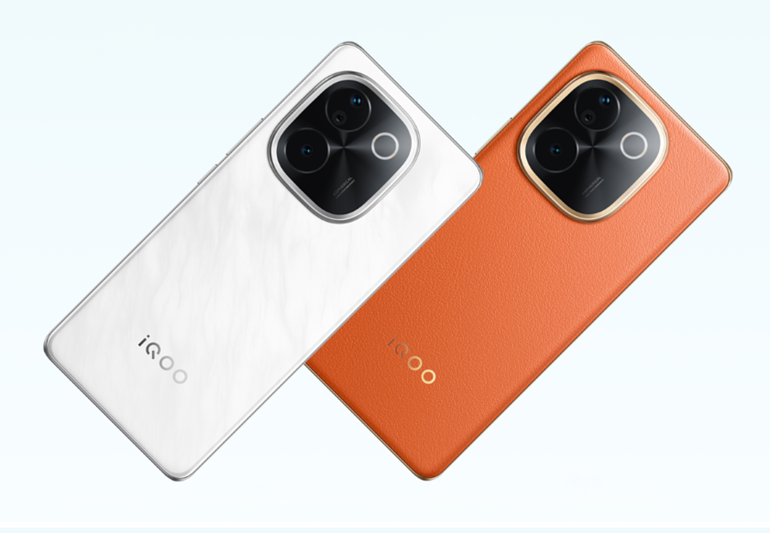
iQOO Z9s Pro comes in a slimmest design with 0.749mm thickness. It is available in two striking colour options Flamboyant Orange and Luxe Marble.
The phone has a versatile camera system that supports 4K video recording with Hybrid Image Stabilization (OIS + EIS). You also get a host of AI features to enhance the overall experience.
Key Specifications
77″ (17.2 cm) 120Hz AMOLED Display
Snapdragon 7 Gen 3 Octa-core Processor
50+8 MP Rear Camera
16 MP Front Camera
8 GB RAM
128 GB Storage
5500 mAh Battery
80W Fast Charging
Android v14 OS
The price starts at ₹24,999.
Vivo T3 Pro
Vivo T3 Pro is known for its turbo performance with the extraordinary 820k+ AnTuTu Score. It comes with 8 GB + 8 GB Extended RAM and offers memory space that can run over 27 apps simultaneously.
It is also a great phone for gamers out there as it offers a bunch of gaming-specific features including Dual 10x super touch control, 3000 mm VC Liquid Cooling, Dual Stereo Speaker 120° Sound Field and 4D Game Vibration.
Key Specifications –
77″ (17.2 cm) 120Hz AMOLED Display
Snapdragon 7 Gen 3 Octa-core Processor
50+8 MP Rear Camera
16 MP Front Camera
8 GB RAM
128 GB Internal Storage
5500 mAh Battery
80W Fast Charging
Android v14 OS
The price starts at ₹24,999.
Motorola Edge 50 Neo
Comes in four stylish PANTONE colour variants including PANTONE Poinciana, PANTONE Lattè, PANTONE Grisaille and PANTONE Nautical Blue, the new Motorola Edge 50 Neo comes with an HD Display and high-resolution camera.
The phone is designed to withstand falls from up to 1.5 meters, operates seamlessly in extreme temperatures of harsh winters (-20ºC) to scorching summers (60ºC)1 and stands up to 1 hour of playtime at up to 4.500 meters.
Key Specifications –
4″ (16.26 cm) 120Hz P-OLED Display
MediaTek Dimensity 7300 Octa-core Processor
50+13+10 MP Rear Camera
32 MP Front Camera
8 GB RAM
256 GB Internal Storage
4310 mAh Battery
68W Fast Charging
Android v14 OS
The price starts at ₹23,484.
Realme 13 Pro
Realme 13 Pro promises long-lasting performance with the potential of AI. The phone design is inspired by Monet and it comes in three beautiful colour choices including Monet Gold, Monet Purple and Emerald Green.
It is also ultra-tough build with Swiss SGS 5 Stars with Drop Resistance for Overall. Moreover, Realme is providing a 4-Year Battery Health Guarantee.
Key Specifications
7″ (17.02 cm) 120Hz OLED Display
Snapdragon 7s Gen 2 Octa-core Processor
50+8+2 MP Rear Camera
32 MP Front Camera
8 GB RAM
128 GB Internal Storage
5200 mAh Battery
45W Fast Charging
Android v14 OS
The price starts at ₹21,840.
Nothing Phone 2a
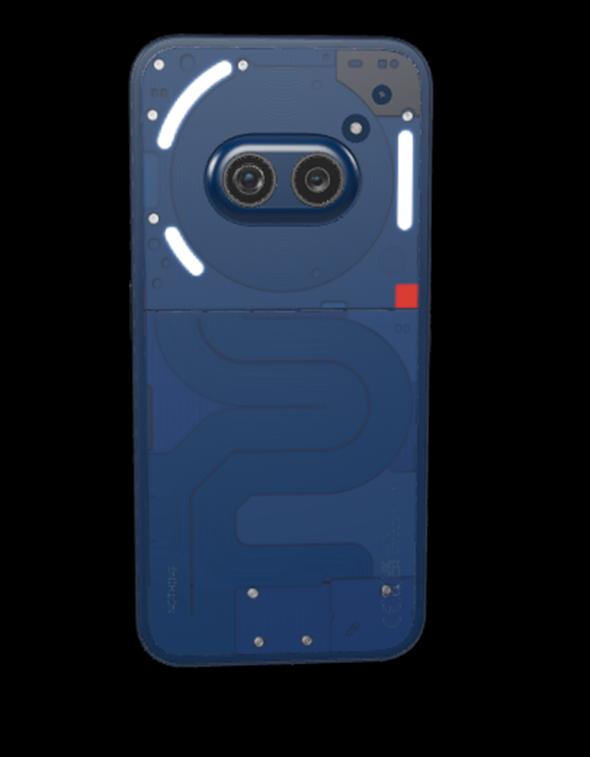
The Nothing Phone 2a retains the signature Glyph Interface and transparent back design from previous Nothing models.
However, simplifies the design philosophy with fewer LED modules. It is also a lot more lightweight and has flat edges for a comfortable grip.
Other than the design upgrades, Nothing Phone 2a also offers significant specs upgrade with a 6.7-inch AMOLED display, MediaTek Dimensity 7200 Pro chipset, 50MP dual rear cameras, and 5000mAh battery with 45W fast charging.
Key Specifications
7″ (17.02 cm) 120Hz Flexible AMOLED Display
MediaTek Dimensity 7200 Pro Octa-core Processor
50+50 MP Rear Camera
32 MP Front Camera
8 GB RAM
128 GB Internal Storage
5000 mAh Battery
45W Fast Charging
Android v14 OS
The price starts at ₹23,499.
FAQs
Q1. What are the key features of the Poco F6?
Answer. The Poco F6 boasts a 6.67-inch AMOLED display with a 120Hz refresh rate, Snapdragon 8s Gen 3 chipset, 50MP main camera with OIS, and 90W fast charging.
Q3. What sets the OnePlus Nord CE 4 apart from other mid-range phones?
Answer, The OnePlus Nord CE 4 features a 6.7-inch AMOLED display with a 120Hz refresh rate, Snapdragon 7 Gen 3 chipset, 50MP Sony camera with OIS, and 100W SUPERVOOC fast charging.
Q3. What are the standout features of the iQOO Z9s Pro?
Answer. The iQOO Z9s Pro includes a 6.78-inch AMOLED display with a 120Hz refresh rate, Snapdragon 8 Gen 2 chipset, 108MP main camera, and 120W fast charging.
Q4. What makes the Vivo T3 Pro unique?
Answer. The Vivo T3 Pro features a 6.67-inch AMOLED display with a 120Hz refresh rate, Snapdragon 7 Gen 3 chipset, 50MP main camera with OIS and 65W fast charging.
Q5. What are the key features of the Motorola Edge 50 Neo?
Answer. The Motorola Edge 50 Neo includes a 6.7-inch AMOLED display with a 120Hz refresh rate, Snapdragon 7 Gen 3 chipset, 50MP main camera with OIS, and 85W fast charging.
Q6. What are the standout features of the Realme 13 Pro?
Answer, The Realme 13 Pro features a 6.7-inch AMOLED display with a 120Hz refresh rate, Snapdragon 7 Gen 3 chipset, 50MP main camera with OIS, and 90W fast charging.
Q7. What makes the Nothing Phone 2a unique?
Answer. The Nothing Phone 2a includes a 6.67-inch AMOLED display with a 120Hz refresh rate, a Snapdragon 7 Gen 3 chipset, a 50MP main camera with OIS, and 100W fast charging.
Apple is working on stretchable fabric watch straps with embedded sensors.
The sensors will include metrics like blood pressure and respiratory rates.
In November 2024, Apple was granted 38 new patents.
Apple developing stretchable fabric watch straps with embedded sensors. (Image credit – Apple)
Apple Watches is one of the most premium consumer tech products today that offers advanced health tracking features.
In the past few years, more and more people are relying on Apple watches for basic health tracking needs.
The one thing that separates Apple watches from other smartwatch companies is its accuracy based on advanced tracking features and precise sensors.
Now, recent reports suggest Apple is working on taking things a step further by exploring new ways to embed health sensors directly into the bands of future Apple Watch models.
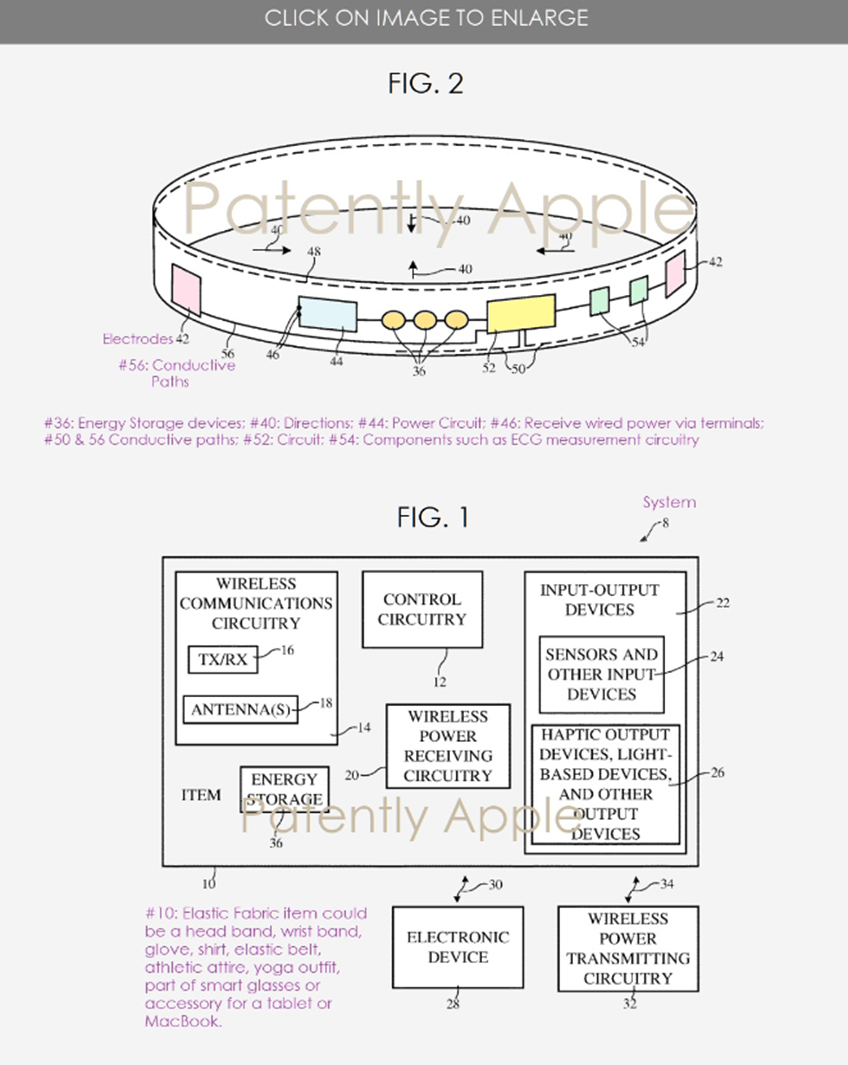
Caption – “Perspective view of an illustrative item such as a band that is formed from elastic fabric.” (Image credit – Patently Apple)
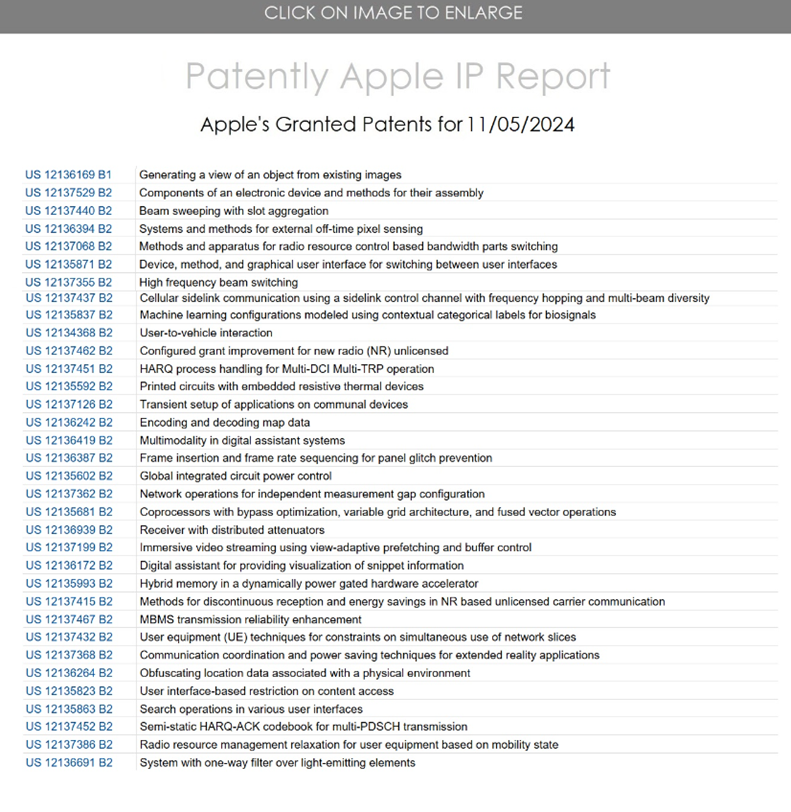
In November 2024, the US Patent and Trademark Office granted Apple 38 new patents. Out of these, patent number 12133743 titled “Fabric-based items with stretchable bands” has highlighted by Patently Apple for how Apple is developing watch straps with stretchable fabric and adding sensors on them. These sensors would measure various health metrics including blood pressure and respiratory rates.
Page from recent Apple patent. (Image credit – Patently Apple)
In its report sharing the patent details, Patently Apple writes, “The wearable device may be a wrist band with elastic fabric, a headband with elastic fabric, or other wearable items that includes elastic fabric (e.g., a hat, an undergarment worn on a user’s torso or lower body, a shirt, pants, shorts (e.g., bicycle shorts, board shorts, or other snugly fitting clothing), yoga clothing or other athletic attire, an armband, an elastic belt, a sock, a glove, etc.”
Apple already offers stretchy fabric bands for its watches, so it’s possible we could see these sensor-equipped straps in the next generation of Apple Watches. The patent also describes how the fabric’s circuitry might receive wireless power, allowing the strap to be charged without cables.
Apple reportedly has also suggested this technology could also work in a headband with elastic fabric similar to the one on the Vision Pro headset.
While Apple isn’t the first to explore this idea as Huawei’s Watch D2 already monitors blood pressure from its band.
However, this new patent highlights the commitment of the brand to offering its users more sophisticated wearable health tech.
Moreover, the patent mentions that these bands could be made resilient to high temperatures, which makes them suitable for use in extreme climates.
Here’s a list of all patents granted to Apple in 2023
Complete lists of patents granted to Apple. (Screenshot credit – Patently Apple)
FAQs
Q1. What new feature is Apple exploring for future Apple Watch models?
Answer. Apple is exploring embedding health sensors into the bands of future Apple Watch models to measure various health metrics including blood pressure and respiratory rates.
Q2. What recent patent has Apple been granted related to Apple Watch bands?
Answer. In November 2024, Apple was granted patent number 12133743, which involves developing watch straps with stretchable fabric and embedded sensors.
Q3. How will the sensor-equipped Apple Watch bands receive power?
Answer. The patent describes that the fabric’s circuitry might receive wireless power, allowing the strap to be charged without cables.
If the recent leak is to be believed, the phone is set to create new benchmarks and break some existing standards.
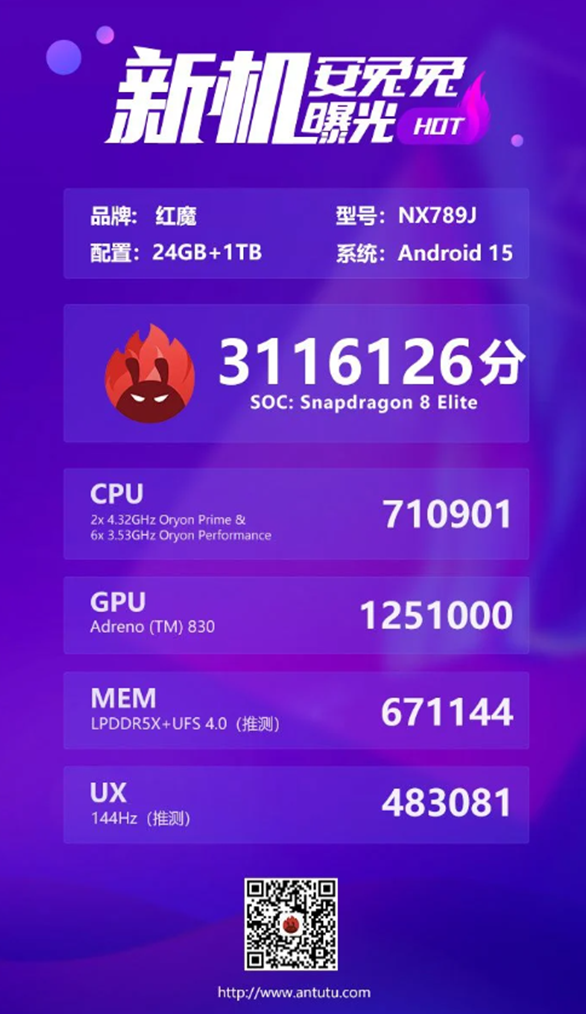
A recent leak from an AnTuTu benchmark listing has given us an exciting look at the Red Magic 10 Pro+. Codenamed NX789J, Red Magic 10 Pro+ broke previous records with a whopping score of 3,116,126 points
Red Magic 10 Pro+ with codenamed NX789J scored 3,116,126 points in AnTuTu benchmark.
This impressive score comes from some serious hardware that includes the recently unveiled flagship Qualcomm Snapdragon 8 Elite processor, 24GB of LPDDR5X RAM and 1TB of UFS 4.0 storage.
It will also feature a 144Hz display promising smooth and responsive gameplay.
In addition to its powerful specs, the Red Magic 10 Pro series is packed with gamer-focused innovations.
One highlight is the ‘ICE X Magic Cooling System,’ which combines liquid metal and a layered alloy structure to reduce core temperatures by up to 21 degrees. This keeps performance steady even in intense gaming sessions.
Moreover, the Snapdragon 8 Elite processor will also get an extra boost from Red Magic’s R3 gaming chip.
The display tech is also too good for the segment.
The benchmark breaks down performance data in four categories: CPU, GPU, memory, and user interface.
Reports suggest the device will come with a high-resolution of 2688 x 1216 pixels, a 144Hz refresh rate, 2,000 nits peak brightness, an under-display selfie camera and fingerprint sensor.
Red Magic 10 Pro to come with a massive 7050mAh battery. Such powerful battery would be perfect to support long hours of gaming, making it a leading contender for best smartphones.
Nubia’s Performance data shows that the phone can deliver smooth gameplay at an average frame rate of 60.1 fps with a minimal variance of just 0.2 fps even demanding games such as Honkai Impact 3.
It also supports resolutions up to 2K at 120fps, allowing for stunning visuals.
The Red Magic 10 Pro series is set to launch in China on 13 November 2024 marking an exciting step forward for mobile gaming enthusiasts.
FAQs
Q1. What benchmark score did the Red Magic 10 Pro+ achieve on AnTuTu?
Answer. The Red Magic 10 Pro+ achieved a record-breaking AnTuTu benchmark score of 3,116,126 points.
Q2. What are the key specifications of the Red Magic 10 Pro series?
Answer. Key specifications include the Snapdragon 8 Elite processor, 24GB of LPDDR5X RAM, 1TB of UFS 4.0 storage, a 144Hz display, and a massive 7050mAh battery.
Q3. When is the Red Magic 10 Pro series set to launch?
Answer. The Red Magic 10 Pro series is set to launch in China on November 13, 2024.
Meta – Red Magic 10 Pro+ breaks records with 3,116,126 AnTuTu score, featuring Snapdragon 8 Elite, 24GB RAM, and 7050mAh battery. Launching in China on November 13.