Highlights
- Some iPhone 17 Pro and Pro Max users report hissing or static sounds from speakers while charging.
- The noise occurs with both Apple’s official accessories and MagSafe charging, sometimes even when not connected to a charger.
- Apple may address the issue in a future iOS 26.3 update, though no confirmed fix has been announced yet.
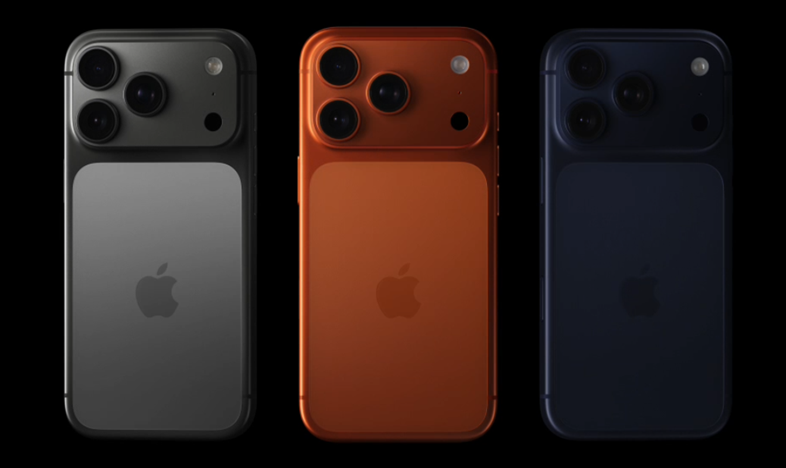
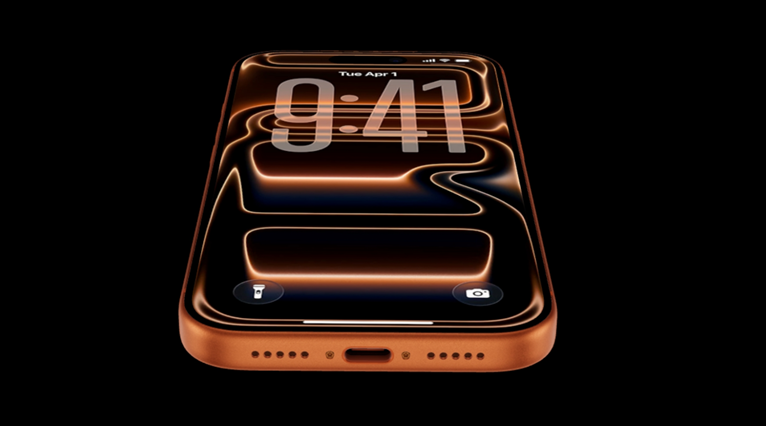
iPhone 17 Pro. (Image credit – Apple)
A small number of iPhone 17 Pro and iPhone 17 Pro Max users are reporting an unusual issue that causes a hissing or static sound from the speakers when the device is charging. While it is not uncommon for newly launched iPhone models to face minor issues affecting a limited group of users, this particular problem has sparked discussion across online forums and communities.
Users Report iPhone 17 Pro Series Charging Issue
According to a report by MacRumors, the issue involves a “static or hissing noise that occurs when the iPhone is charging.” Several users have taken to Reddit, the MacRumors forums, and Apple’s Support Community to share their experiences.
Those affected describe the sound as being “like an old radio” with the noise varying in how and when it appears.
Some users report hearing the static when audio is playing and the volume is turned down, while others claim the noise is present even when no audio is playing at all. In certain cases, users have noticed a faint crackle or hiss while scrolling through webpages during charging.
A few have also mentioned that the noise can be heard at low volume levels even when the iPhone is not connected to a charger.
The severity of the speaker hiss appears to differ from user to user. While many describe it as subtle, at least one extreme example has been shared in the form of a user-uploaded video on YouTube demonstrating the issue more clearly.
Reports suggest that the problem occurs across different types of chargers including Apple’s official charging accessories. Users say the issue is also present during MagSafe charging, although the static noise tends to be quieter in that case. For most affected users, unplugging the iPhone from the charger immediately stops the sound.
Notably, users who first reported the issue as early as September say they are still experiencing it on iOS 26.2. While some individuals have managed to resolve the problem by replacing their iPhone with a new unit, others report that the issue has persisted even after switching devices multiple times.
There is speculation that Apple could address the issue in a future software update, possibly with iOS 26.3, which is expected to roll out in the coming weeks. However, there is currently no concrete indication that a fix is included in the upcoming release.
This is not the first concern raised about the iPhone 17 series. Shortly after the iPhone 17 Pro and Pro Max launched, some users questioned the durability of the devices after noticing scratches on display units at Apple Stores. That issue was later clarified as a display setup problem with Apple adjusting its in-store configurations to prevent material transfer from MagSafe stands to the backs of the phones.
FAQs
Q1. What problem are iPhone 17 Pro users reporting?
Answer. A small number of iPhone 17 Pro and Pro Max users report hearing hissing or static sounds from the speakers while the device is charging. The noise is described as “like an old radio” and varies in severity.
Q2. Does the iPhone 17 charging sound issue occur with all chargers?
Answer. Yes, users have experienced the static noise across different chargers, including Apple’s official accessories and MagSafe charging. The sound usually stops immediately after unplugging the device.
Q3. Has Apple fixed the iPhone 17 charging sound issue yet?
Answer. No confirmed fix has been released. The issue persists on iOS 26.2, though there is speculation that Apple may address it in a future update, possibly iOS 26.3.