Home Blog Page 26

Meta Delays Phoenix Mixed Reality Glasses to 2027, Limited Edition Malibu 2 Wearable Planned for 2026

0

Highlights

  • Meta has postponed its Phoenix mixed reality glasses launch to 2027.
  • Phoenix is rumoured to feature a goggle-like design powered by an external puck, improving comfort, weight and thermal management.
  • Meta plans a limited edition Malibu 2 wearable in 2026 and is developing its next-generation Quest headset.
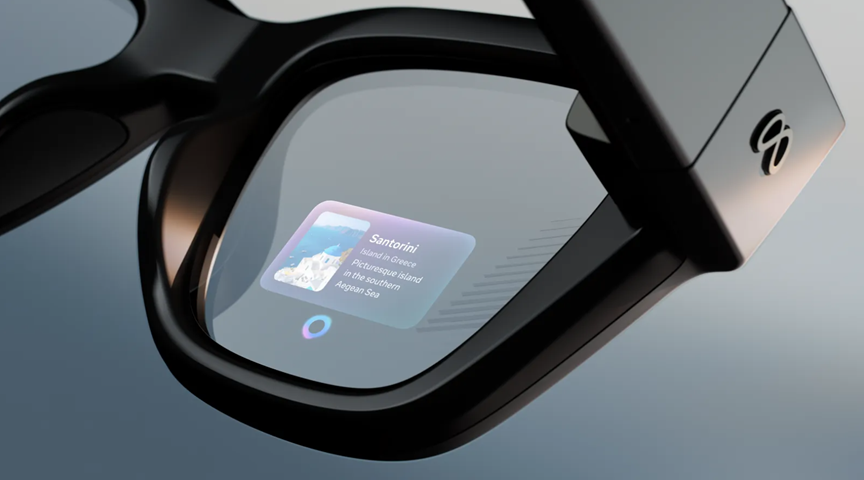
 Meta has reportedly delayed the Phoenix Mixed Reality Glasses to 2027. (Image credit - Meta)
Meta has reportedly delayed the Phoenix Mixed Reality Glasses to 2027. (Image credit – Meta)

Meta’s Ray-Ban Meta Gen 2 smart glasses recently went on sale in India, but the company’s next big wearable launch will now take longer than expected. A new report suggests that Meta has postponed its highly anticipated mixed reality smart glasses, code-named Phoenix, as the company aims to refine the product amid intensifying competition in the MR space. Alongside this, Meta is also said to be preparing a “limited edition” wearable reportedly named Malibu 2. It is expected to debut in 2026 and is in early development stages of its next-generation Quest headset. Here’s what we know so far.

Meta Has Delayed Phoenix Mixed Reality Glasses

According to Business Insider, which cites an internal memo from Maher Saba, VP of Reality Labs Foundation, Meta has moved the Phoenix mixed reality glasses launch to 2027. The product was initially slated for release in the second half of 2026, but the company now believes it needs additional time to refine the experience.

Another internal memo from metaverse leaders Gabriel Aul and Ryan Cairns highlights the reasoning behind the delay. They stated that extending the timeline is “going to give us a lot more breathing room to get the details right.”

They added, “there is a lot is coming in hot with tight bring-up schedules and big changes to our core UX, and we won’t compromise on delivering a fully polished and reliable experience.”

The news comes shortly after Meta launched the Ray-Ban Meta Gen 2 smart glasses in India, priced at Rs. 39,900. Co-developed with EssilorLuxottica, the AI-powered smart eyewear made its global debut in September as the successor to the Ray-Ban Meta Gen 1.

image

Project Phoenix – What to Expect?

The Phoenix mixed reality glasses are rumoured to feature a goggle-like design connected to an external puck that powers the device. This design choice reportedly improves comfort, reduces overall weight, and enhances thermal management. The form factor is said to resemble Apple’s Vision Pro headset.

Malibu 2 Wearable Expected in 2026

VP Maher Saba also mentioned that Meta plans to introduce a new “limited edition” wearable device in 2026, internally referred to as Malibu 2. Beyond this, Meta has already started working on its next-generation Quest headset, which is expected to deliver major improvements in both performance and cost efficiency.

In a memo, executives Gabriel Aul and Ryan Cairns revealed that the upcoming Quest will prioritise immersive gaming and will represent a “large upgrade” over current models.

FAQs

Q1. When will Meta’s Phoenix mixed reality glasses launch?

Answer. Meta has delayed the Phoenix mixed reality glasses to 2027, moving it from the originally planned 2026 release to allow more time for refinement.

Q2. What design features are expected in the Phoenix glasses?

Answer. Phoenix is rumoured to have a goggle-like design connected to an external puck, improving comfort, reducing weight, and enhancing thermal management, similar to Apple’s Vision Pro.

Q3. What other devices is Meta planning before Phoenix?

Answer. Meta is preparing a limited edition Malibu 2 wearable for 2026 and developing its next-generation Quest headset, which will focus on immersive gaming and improved performance at lower cost.


Also Read

https://www.mymobileindia.com/meta-ai-brings-upi-lite-hindi-support-and-deepika-padukones-voice-to-ray-ban-meta-smart-glasses-in-india/

https://www.mymobileindia.com/meta-unveiled-second-gen-ray-ban-meta-smart-glasses-and-ray-ban-display-ar-glasses-at-connect-2025/

OnePlus 15R Confirmed to Feature 50MP IMX906 Main Sensor, 32MP Selfie Camera

0

Highlights

  • The OnePlus 15R will feature a 50MP Sony IMX906 main sensor with OIS and an 8MP ultrawide, plus a major upgrade to a 32MP selfie camera.
  • It is powered by Snapdragon 8 Gen 5, touch response chip, G2 Gaming Chip and a 165Hz display, 120FPS gameplay and TÜV Rheinland Eye Care 5.0 certification.
  • The Indian model packs a 7,400mAh battery, runs Android 16 with 12GB RAM.

image

OnePlus has confirmed the global and Indian launch of the upcoming OnePlus 15R long ago and timely released teasers have been giving us a glimpse of the upcoming phone. But keeping official teasers aside, we know a lot about the device thanks to tips and leaks surfacing online from time to time.  The fresh leak now sheds more light on what to expect when it comes to the camera upgrade. Here’s the full story.

OnePlus 15R – Camera Specs

image

While the design has already surfaced mirroring the recently launched OnePlus Ace 6T in China, fresh information suggests there will be at least one notable upgrade in the camera department. A new leak from tipster Debayan Roy @Gadgetsdata on X (formerly Twitter) reveals the full camera specifications for the OnePlus 15R.

According to the tipster, the rear camera configuration will mirror that of the Ace 6T, featuring a 50MP main sensor with OIS powered by the Sony IMX906, alongside an 8MP ultrawide shooter.

The key difference lies on the front. Unlike the Ace 6T’s 16MP selfie camera, the OnePlus 15R is expected to ship with an upgraded 32MP front camera, marking a significant improvement for selfie enthusiasts.

OnePlus 15R – What Else We Know?

Officially, OnePlus has already confirmed that the 15R will be offered in black and green colour options.

The device will run on the Snapdragon 8 Gen 5 chipset and include a dedicated touch response chip and the G2 Gaming Chip for enhanced gaming performance. It is also set to feature extensive durability ratings, IP66, IP68, IP69, and IP69K, along with a 165Hz display, 120FPS gameplay support and TÜV Rheinland Intelligent Eye Care 5.0 certification.

Powering the Indian variant will be a 7,400mAh battery, slightly smaller than the 8,400mAh unit used in the Chinese Ace 6T. The phone also made an appearance on Geekbench recently, confirming that both global and Indian models will run Android 16 paired with 12GB RAM.

More details from OnePlus are expected to surface in the coming days.

FAQs

Q1. What are the camera specifications of the OnePlus 15R?

Answer. The OnePlus 15R will feature a 50MP Sony IMX906 main sensor with OIS, an 8MP ultrawide camera, and an upgraded 32MP selfie camera compared to the Ace 6T’s 16MP front shooter.

Q2. What performance and durability features will the OnePlus 15R include?

Answer. It will run on the Snapdragon 8 Gen 5 chipset, with a dedicated touch response chip and G2 Gaming Chip. The phone also offers IP66, IP68, IP69, and IP69K durability ratings, a 165Hz display, 120FPS gameplay support, and TÜV Rheinland Intelligent Eye Care 5.0 certification.

Q3. What battery and software details are confirmed for the OnePlus 15R?

Answer. The Indian variant will pack a 7,400mAh battery (smaller than the Ace 6T’s 8,400mAh), run Android 16, and come with 12GB RAM.

Also Read

https://www.mymobileindia.com/oneplus-15r-to-launch-on-dec-17-in-india-with-the-biggest-oneplus-battery-ever/

https://www.mymobileindia.com/oneplus-15r-appears-on-geekbench-with-snapdragon-8-gen-5-and-12gb-ram-ahead-of-india-launch/

Apple’s Chip Architect Johny Srouji May Exit After 16 Years, Says Report

0

Highlights

  • Apple’s Senior VP of Hardware Technologies, Johny Srouji is reportedly considering leaving after 16 years.
  • Srouji spearheaded Apple’s transition to in-house silicon, leading the development of A-series and M-series processors, modems, and Wi-Fi/Bluetooth solutions.
  • His departure would mark the fifth major executive exit in a short span.
image
(Photo by Junseong Lee on Unsplash)

Johny Srouji, the driving force behind Apple’s custom chip development and one of its most influential leaders, is reportedly considering leaving the company. According to a new Bloomberg report, the Senior Vice President of Hardware Technologies has informed CEO Tim Cook that he is “seriously” thinking about stepping down in the near future. The report further adds that he could possibly join another firm rather than retiring.

Is Apple’s Chip Architect Johny Srouji Leaving?

Bloomberg report states, Johny Srouji — senior vice president of hardware technologies and one of Apple’s most respected executives — recently told Cook that he is seriously considering leaving in the near future, according to people with knowledge of the matter. Srouji, the architect of Apple’s prized in-house chips effort, has informed colleagues that he intends to join another company if he ultimately departs.”

The report adds that his planned departure isn’t linked to retirement but rather a potential career shift.

image

Srouji has been instrumental in Apple’s silicon dominance. Under his leadership, Apple successfully transitioned the Mac lineup to its custom M-series processors and moved to in-house cellular modem and Wi-Fi/Bluetooth solutions.

In an effort to retain him, Apple has reportedly offered Srouji substantial compensation and expanded responsibilities. The company has also raised the possibility of promoting him to Chief Technology Officer, which would make him the second-most powerful figure at Apple. However, the report suggests Srouji “would prefer not to work under a different CEO,” hinting at concerns around future leadership.

If Srouji leaves, he would become the fifth major Apple executive to exit in a short span. Earlier this week, Alan Dye (design lead), John Giannandrea (AI chief), Kate Adams (general counsel), and Lisa Jackson (environment and policy VP) all confirmed their departures. Bloomberg further notes that long-time executives Dierdre O’Brien (retail chief) and Greg Joswiak (marketing SVP) are also expected to retire soon, given their decades-long careers at the company.

These developments come amid a major organisational reshuffle at Apple, widely believed to be part of the company’s preparation for Tim Cook’s eventual retirement as CEO.

Who Is Johny Srouji?

 Apple’s Senior VP of Hardware Technologies, Johny Srouji.
Apple’s Senior VP of Hardware Technologies, Johny Srouji.

Srouji joined Apple in 2008, during a crucial phase when the company decided to begin designing its own chips. Over the years, he rose to become the head of Apple’s hardware technologies division. He led the teams responsible for the A-series chips powering iPhones and the M-series processors that now run MacBooks and iPads. His work also enabled Apple to significantly reduce its reliance on Intel, ultimately redefining Apple Silicon’s balance of performance and efficiency.

The newly introduced C1 and N1 chips in multiple Apple devices this year were also developed under his guidance, further strengthening the company’s independence from third-party suppliers.

What Would His Exit Mean for Apple?

In case Srouji leaves, experts believe it would be a major setback for Apple. Known for his low-profile yet powerful leadership style, he has played a central role in shaping Apple’s hardware-software synergy and long-term silicon roadmap. His influence ensured that Apple devices functioned cohesively through tightly integrated internal components.

FAQs

Q1. Who is Johny Srouji and what has he contributed to Apple?

Answer. Johny Srouji is Apple’s Senior Vice President of Hardware Technologies. Since joining in 2008, he led the development of the A-series and M-series chips, enabling Apple’s independence from Intel and powering iPhones, iPads, and Macs.

Q2. Why is Johny Srouji reportedly considering leaving Apple?

Answer. According to Bloomberg, Srouji has told CEO Tim Cook he is “seriously” considering stepping down, not for retirement but for a potential career shift to another company.

Q3. What would Johny Srouji departure mean for Apple?

Answer. Experts believe it would be a major setback, as Srouji has been central to Apple’s silicon roadmap and hardware-software integration. His exit would also add to a wave of recent senior executive departures amid Apple’s organisational reshuffle ahead of Tim Cook’s eventual retirement.

Also Read

https://www.mymobileindia.com/iphone-air-becomes-one-of-apples-fastest-depreciating-models-losing-up-to-48-value-in-10-weeks/

https://www.mymobileindia.com/apple-may-bring-intel-back-as-a-chip-manufacturing-partner-for-future-iphones-and-macs/

Realme Narzo 90 Series 5G India Launch Confirmed on Amazon, Teaser Include Two Models Likely Narzo 90 Pro 5G and Narzo 90x 5G

0

Highlights

  • Realme Narzo 90 Series 5G is confirmed for India via Amazon.
  • Amazon microsite highlights distinct camera layouts, one resembling the iPhone 16 Pro Max likely Narzo 90 Pro 5G and another with vertically stacked lenses likely Narzo 90x 5G.
  • More details are set to be revealed on December 9.
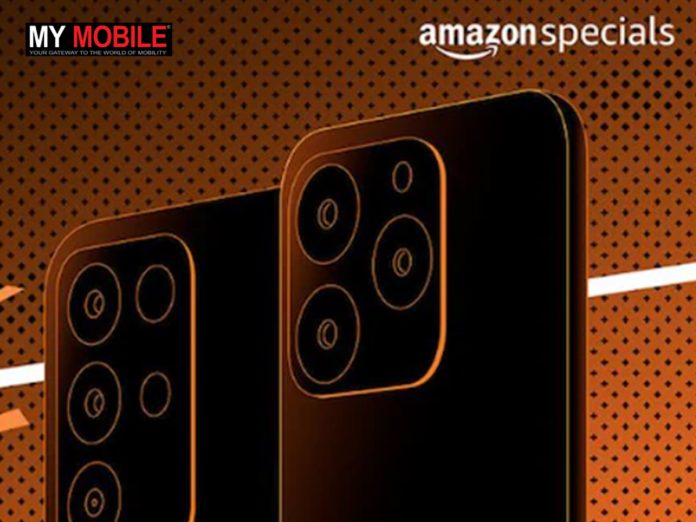
Realme Narzo 90 Series 5G design teased on Amazon India. (Image credit - Realme)
Realme Narzo 90 Series 5G design teased on Amazon India. (Image credit – Realme)

A new teaser shared by Amazon confirms that the Realme Narzo 90 Series 5G will launch in India soon. The teaser image also reveals that two smartphones are set to debut, each sporting a different design. Early reports suggest these devices are likely the Realme Narzo 90 Pro 5G and the Realme Narzo 90x 5G. The lineup will succeed the Narzo 80 Series 5G lineup that debuted in India earlier in April.

Realme Narzo 90 Series 5G India Launch Confirmed on Amazon

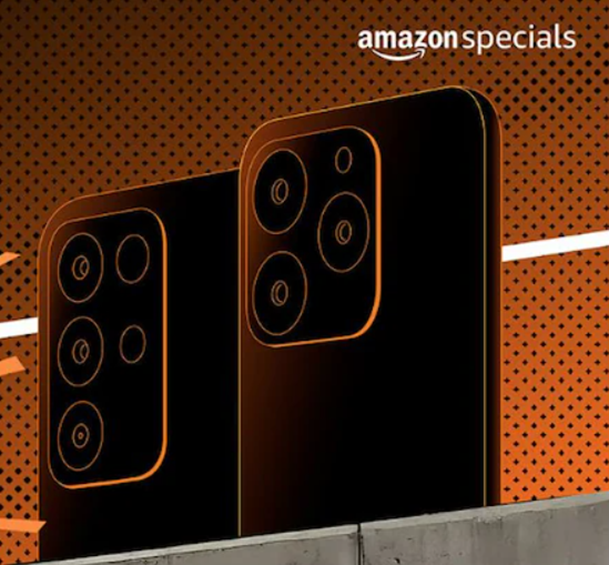
 Realme Narzo 90 Series 5G teaser on Amazon India. (Image credit - Realme)
Realme Narzo 90 Series 5G teaser on Amazon India. (Image credit – Realme)

Amazon has already published a dedicated microsite for the upcoming Realme Narzo 90 Series 5G, confirming that the models will be Amazon Specials and will be sold exclusively through the platform. The comic-style teaser highlights two phones with distinct camera module designs, confirming the presence of two separate variants in the series.

One of the devices features a camera layout that closely resembles the iPhone 16 Pro Max and resembles the Realme Narzo 80 Pro 5G’s design from earlier this year. This suggests that the model is likely the Realme Narzo 90 Pro 5G.

The second device showcases a rectangular camera module with vertically stacked lenses, a design similar to that of the Realme Narzo 80x 5G. This hints that the model could be the Realme Narzo 90x 5G, expected to succeed the earlier variant.

Both smartphones appear to embrace Realme’s recent design approach, featuring flat frames paired with rounded corners.

Realme Narzo 90 Series 5G – What Else We Know?

 Realme Narzo 90 Series 5G poster. (Image credit - Realme)
Realme Narzo 90 Series 5G poster. (Image credit – Realme)

While Realme has not yet disclosed the hardware specifications, the Amazon microsite hints at key upgrades coming to the Narzo 90 Series 5G. Phrases like “supercharged” and “power maxed” suggest improvements in battery capacity and charging speeds. The “Snap Sharp” tagline indicates enhanced camera performance, whereas “Glow Maxed” likely refers to a brighter display with higher peak brightness.

The teaser rounds off with the line, “Gear Up for December 9. The Plot Gets Thicker,” confirming that more information about the Realme Narzo 90 Series 5G will be revealed on that date.

FAQs

Q1. When will the Realme Narzo 90 Series 5G launch in India?

Answer. The teaser confirms that more details about the Realme Narzo 90 Series 5G will be revealed on December 9, marking the official launch timeline.

Q2. Which models are expected in the Realme Narzo 90 Series 5G lineup?

Answer. Two smartphones are teased likely the Realme Narzo 90 Pro 5G and the Realme Narzo 90x 5G, succeeding the Narzo 80 Series launched earlier this year.

Q3. What design and feature upgrades are hinted at in the teaser?

Answer. The teaser highlights distinct camera module designs, flat frames with rounded corners, and phrases like “supercharged”, “power maxed”, “Snap Sharp”, and “Glow Maxed” suggesting improvements in battery, charging, camera performance and display brightness.

Also Read

https://www.mymobileindia.com/realme-narzo-80-lite-5g-debuts-with-dimensity-6300-chip-and-6000mah-battery/

https://www.mymobileindia.com/realme-narzo-80-pro-5g-arrives-in-india-in-new-nitro-orange-colour-sale-starts-may-1-on-amazon/

Samsung Galaxy S26 Series Update – Official Firmware Leak Confirms Major Redesign, Wireless Charging Upgrade Also Expected

0

Highlights

  • Firmware leak shows Galaxy S26, S26+, and S26 Ultra will feature a pill-shaped camera island.
  • The new Samsung Magnetic Wireless Charger may support 25W wireless charging.
  • Wired charging could reach 60W on S26 Ultra, 45W on S26+ and 25W on S26.

image

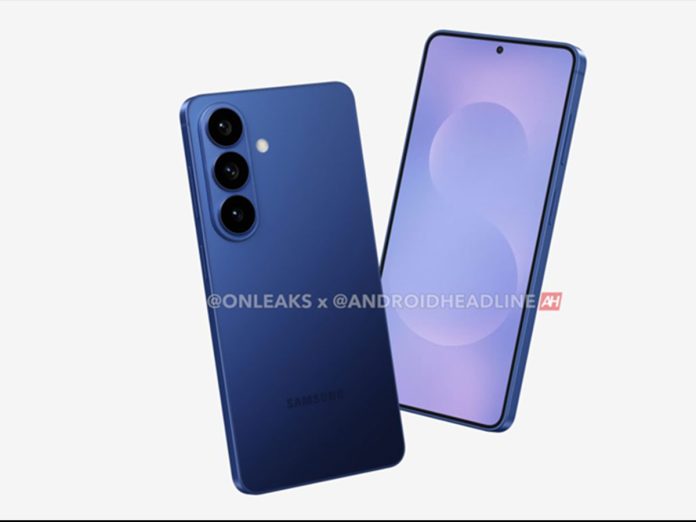
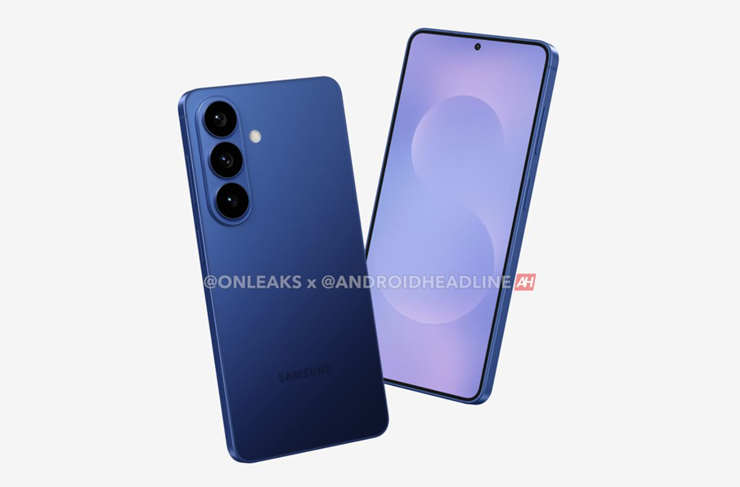
Caption – Samsung Galaxy S26 Series’ previously leaked image. (Image credit – OnLeaks/Android Headline)

Samsung’s Galaxy S26 series has been making headlines for months with multiple leaks teasing a significant design overhaul. While early renders suggested the brand was moving away from its signature floating camera rings. However, nothing was confirmed until Samsung accidentally revealed the new look themselves. That’s not all, we also have an update on possible wireless charge specs upgrade.

Galaxy S26 Series – Renders Leaked

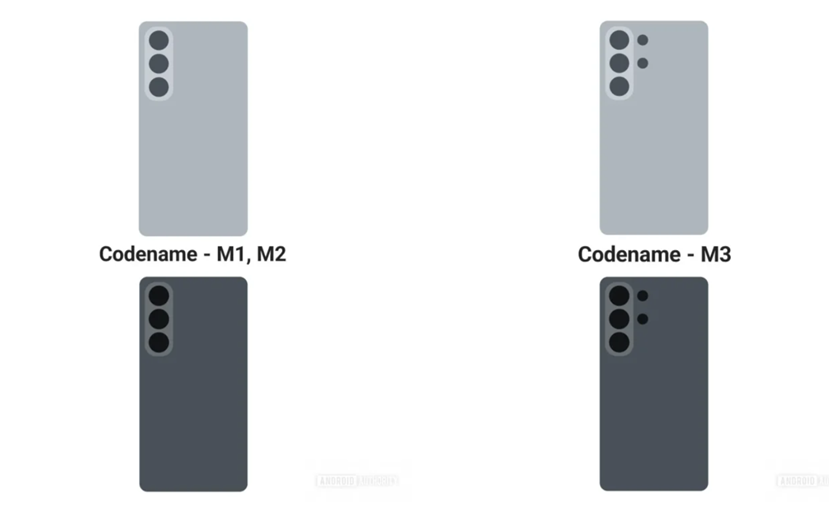
Somewhat official-looking renders of the Galaxy S26, S26+ and S26 Ultra were discovered inside a One UI 8.5 test firmware by Android Authority. These images aren’t final marketing visuals, yet they clearly confirm the redesigned camera layout.

image

Caption – Samsung Galaxy S26 Series’ leaked image. (Image credit – Android Authority)

All three models tagged internally as M1 (S26), M2 (S26+), and M3 (S26 Ultra) now feature a raised, pill-shaped camera island with individual circular cutouts for each lens. This marks a full shift to the same visual language seen on Samsung’s Z Fold lineup since 2021, replacing the separate floating lenses of the Galaxy S25 series.

These internal tags match previous leaks tied to Samsung’s “Miracle” project, which covers the entire S26 family. The series is also expected to ship with One UI 8.5 pre-installed based on Android 16. Meanwhile, Galaxy S25 users are reportedly set to receive the One UI 8.5 beta in the second week of December.

image

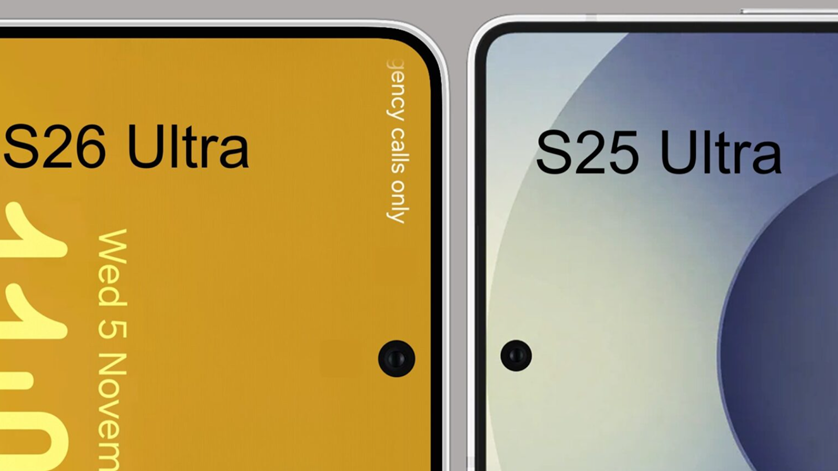
If earlier renders hold true, the Galaxy S26 Ultra will also adopt softer, more rounded corners, moving away from the sharper, Note-style silhouette that has defined past Ultra models and bringing it visually closer to the rest of the lineup.

The leaked firmware images may not be polished, but their legitimacy gives them weight. Now that Samsung’s own software has revealed the redesign, speculation about the camera layout can finally end.

Galaxy S26 Series May Finally Get Faster Wireless Charging

Alongside the design leak, there’s another promising development for Galaxy fans. Samsung may finally be ready to break past the long-standing 15W wireless charging cap on its flagship phones.

image

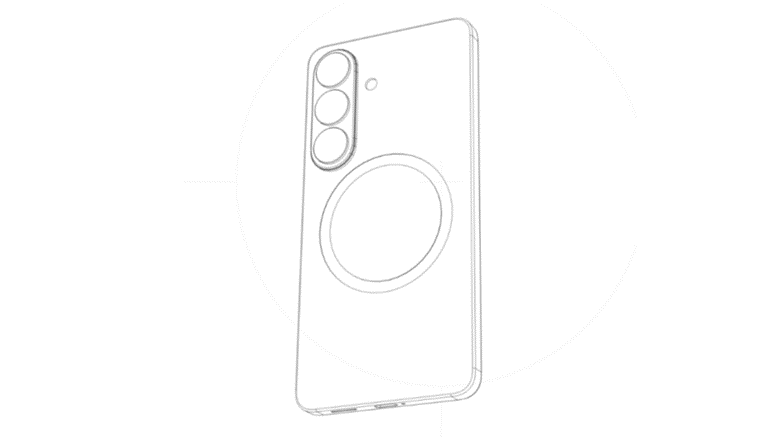
New certifications and retailer listings reveal a Samsung Magnetic Wireless Charger (model EP-P2900), which reportedly supports up to 25W wireless charging. If accurate, this would be Samsung’s fastest wireless charging solution yet. The charger features built-in magnets for Qi2/MagSafe-style alignment, allowing the phone to snap into place for more reliable charging.

The accessory is said to come in dark grey and will support Galaxy S, Galaxy Z, and Galaxy Buds devices. It’s also expected to replace the older square EP-P2400 pad with a new circular design compatible with updated Qi2 coil layouts.

However, the faster speeds might not reach every S26 model. Leaks suggest only the Galaxy S26 Ultra will offer 25W wireless charging, while the standard S26 and S26+ may remain at 15W. This fits Samsung’s long-running pattern of keeping premium features exclusive to the Ultra variant. It also remains unclear whether Samsung has resolved the S Pen interference issues seen in older models when used with magnetic accessories.

Wired charging differences are also expected. According to reports, Galaxy S26 Ultra could be up to 60W (Super Fast Charging 3.0), Galaxy S26 Plus up to 45W and Galaxy S26 could support 25W wired charging.

FAQs

Q1. What major design change is coming to the Galaxy S26 series?

Answer. The Galaxy S26, S26+, and S26 Ultra will feature a raised pill-shaped camera island with circular lens cutouts, replacing the floating lenses of the S25 series.

Q2. Will the Galaxy S26 series support faster wireless charging?

Answer. Yes, leaks suggest the Galaxy S26 Ultra may support 25W wireless charging, while the S26 and S26+ could remain at 15W.

Q3. What are the expected wired charging speeds for the Galaxy S26 lineup?

Answer. Reports indicate 60W wired charging for S26 Ultra, 45W for S26+, and 25W for the standard S26.

Also Read

https://www.mymobileindia.com/samsung-confirms-exynos-2600-to-debut-on-samsung-galaxy-s26-series-next-year/

https://www.mymobileindia.com/samsung-galaxy-s26-series-may-stick-to-2600-nit-displays-despite-m14-oled-upgrade/

Xiaomi 17S Series To Debut in 2026 With Next-Gen Xring O2 Chip

0

Highlights

  • Xiaomi is developing the 17S series with its in-house Xring O2 chipset.
  • The 17S lineup will act as an experimental platform offering enhanced performance and improved baseband architecture.
  • It is expected to remain China-exclusive and will most likely come out in early 2026.
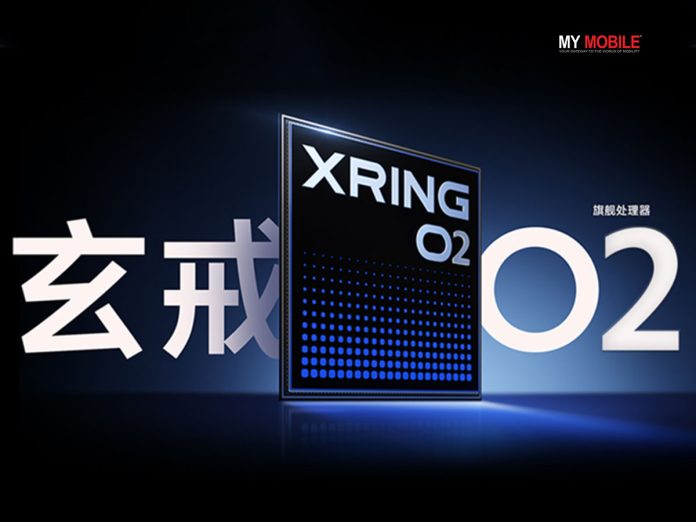
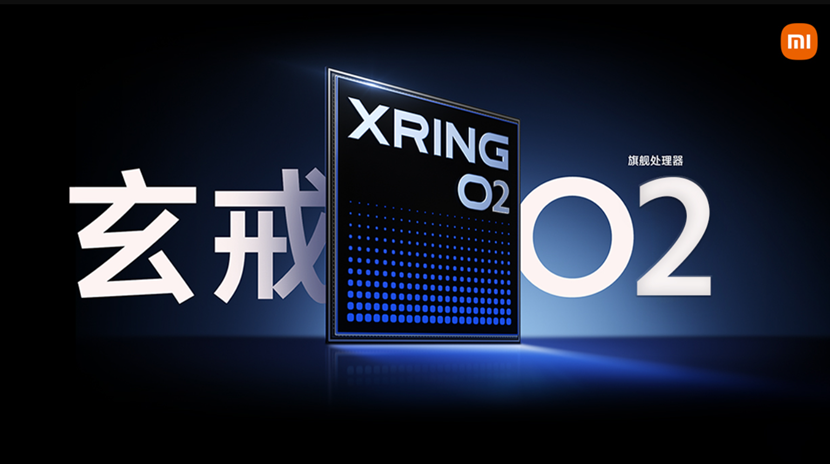
 Xiaomi’s in-house Xring O2 chipset. (Image credit - Xiaomi)
Xiaomi’s in-house Xring O2 chipset. (Image credit – Xiaomi)

Xiaomi’s push toward in-house chip development is gaining momentum once again. We know that the Chinese smartphone manufacturer has launched the Xiaomi 15S Pro in May 2025 with its first self-developed processor, the Xring O1. Now, a new leak suggests the company is already working on the next-generation chip and the smartphone series that will debut it. Here’s what we know.

Xiaomi 17S Series With Xring O2 Chip

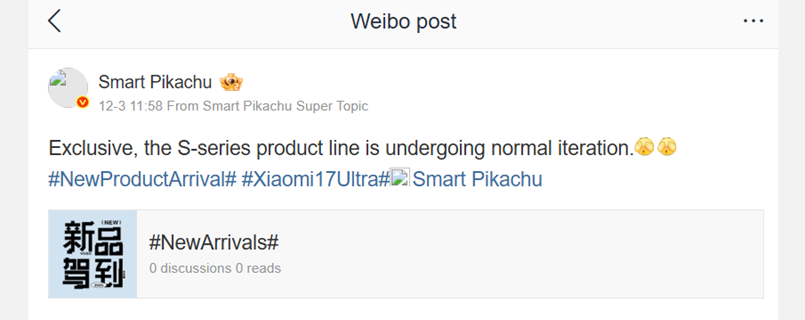
 Tipster Smart Pikachu’s latest Weibo post. (Translated via Google Translate)
Tipster Smart Pikachu’s latest Weibo post. (Translated via Google Translate)

According to the well-known tipster Smart Pikachu on Weibo, the Xiaomi 17S series is now in development. The naming follows Xiaomi’s pattern of offering an “S” lineup alongside its flagship series, serving as an experimental platform powered by the company’s own silicon. This time, the highlight is expected to be the introduction of the second-generation Xring O2 chipset.

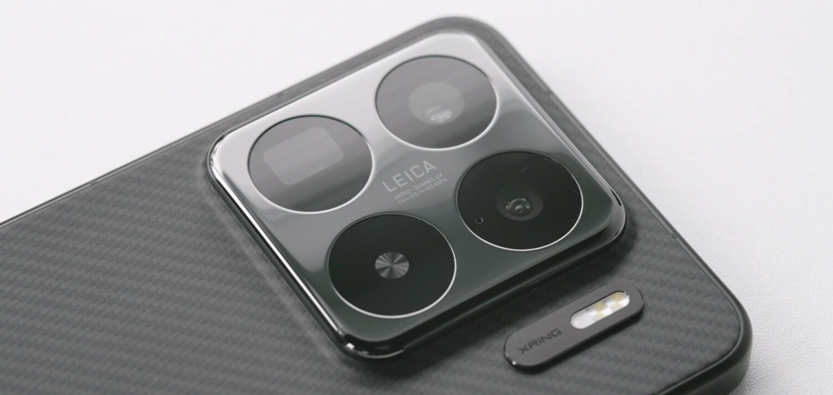
The Xiaomi 15S Pro acted as a mid-cycle upgrade to the Xiaomi 15 Pro, replacing Qualcomm’s chipset with Xiaomi’s home-grown processor. While the rest of the hardware remained familiar, the device played a crucial role in reducing the company’s dependence on external chip suppliers.

image
Xiaomi 15S Pro. (Image credit – Xiaomi)

If the latest leak is accurate, the upcoming Xiaomi 17S series will continue that strategy. The phones are expected to bring enhanced performance and an improved baseband architecture. However, development of the network components is still ongoing, which aligns with expectations of a 2026 launch rather than an earlier release.

Xiaomi 17S Series – What Else We Know?

Just like the current S-series model, the Xiaomi 17S lineup will likely remain exclusive to China. This gives Xiaomi room to refine its silicon in a controlled market before considering global expansion. Meanwhile, international flagship models are expected to continue using Qualcomm’s premium processors.

Meanwhile, the Xring O2 chipset is rumoured to adopt ARM’s Travis core to deliver a significant performance upgrade.

We can expect more details to surface in days leading up to the launch.

FAQs

Q1. What is the Xiaomi 17S series expected to feature?

Answer. The Xiaomi 17S series will debut in 2026, introducing the next-gen Xring O2 chipset with enhanced performance and improved baseband architecture.

Q2. Why is the Xiaomi 17S lineup significant for Xiaomi?

Answer. It continues Xiaomi’s strategy of reducing reliance on external chip suppliers, following the 15S Pro’s use of the in-house Xring O1 processor.

Q3. Will the Xiaomi 17S series launch globally?

Answer. No, it is expected to remain exclusive to China, allowing Xiaomi to refine its silicon locally before considering global expansion.

Also Read

https://www.mymobileindia.com/xiaomi-17t-and-17t-pro-appear-on-certification-tipped-to-launch-by-february-2026-india-launch-also-expect/

https://www.mymobileindia.com/xiaomi-17-ultra-design-leak-hints-at-camera-module-redesign-heres-what-to-expect/

iPhone Air Becomes One of Apple’s Fastest-Depreciating Models, Losing Up to 48% Value in 10 Weeks

0

Highlights

  • The ultra-thin iPhone Air has lost 40–48% of its value within 10 weeks, making it one of Apple’s fastest-depreciating models.
  • While the iPhone 17 series averages 35% depreciation, the Air continues to fall beyond week 10 with the 1TB model losing nearly 48%.
  • Analysts cite battery and camera compromises plus weak positioning between base and Pro models as key issues.

image

Caption – iPhone Air. (Image credit – Apple)

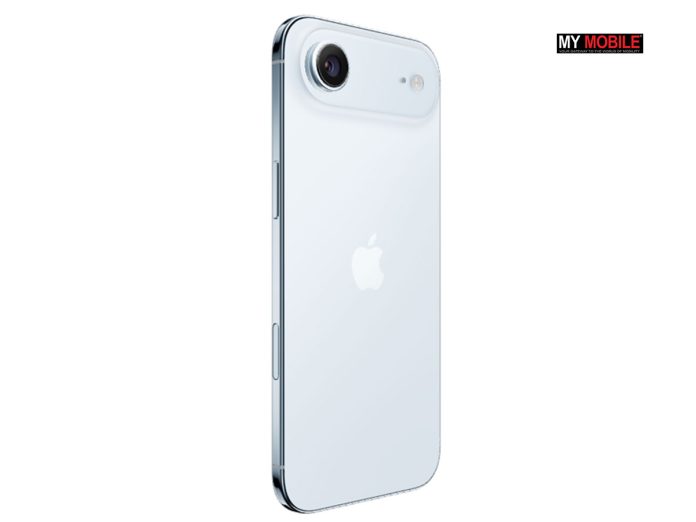
The iPhone Air is rapidly becoming one of Apple’s worst performers in the resale market. According to a new report based on SellCell data, the ultra-thin iPhone Air has already lost between 40% and 48% of its original value within just ten weeks of its launch. It is a sharp decline for a device that debuted with significant hype around its slim design.

SellCell’s analysis covers 52 iPhone SKUs released since the iPhone 14 series. While the iPhone 16 lineup dropped faster during its first week (averaging a 42% decline), the iPhone Air closely followed with a 41% drop, ahead of the iPhone 17, iPhone 17 Pro and iPhone 17 Pro Max, which saw around 40% depreciation.

However, by the sixth week, the situation changed. iPhone Air average value loss is 43.4%, iPhone 16 lineup 40.3% and iPhone 17 lineup (excluding Air) was 36.7%

SellCell adds that “while iPhone 17 depreciation stabilises by week 10, the Air continues to fall, signalling likely long-term issues with resale confidence.”

image
iPhone Air. (Image credit – Apple)

The 256GB model has dropped slightly above 40%, while the 512GB version has fallen by around 45%. And then there is the 1TB model that has lost nearly 48% of its value.

This means early buyers hoping to resell their iPhone Air today will get significantly less money than they may have expected.

In comparison, the rest of the iPhone 17 series has performed far better with depreciation averaging about 35%. That makes the Air the clear outlier and not in a good way.

Analysts suggest the iPhone Air’s biggest problem is its position in Apple’s lineup. While it offers a sleek, lightweight build, it compromises on battery life and camera performance. As a result, many buyers simply don’t see it as a stronger choice than the standard iPhone 17 or the higher-end Pro models. The premium design alone hasn’t been enough to justify the price for most consumers.

This also reinforces a broader challenge Apple has faced. Mid-tier iPhones positioned between the base and Pro models often struggle. Previous examples include the Mini and Plus variants, which also saw demand fall quickly and resale values drop faster than expected.

The report also states that Apple may need to reconsider how it positions such “in-between” models in future iPhone lineups.

FAQs

Q1. How much value has the iPhone Air lost since launch?

Answer. Within just 10 weeks, the iPhone Air has lost 40–48% of its original value, making it one of Apple’s fastest-depreciating models.

Q2. How does the iPhone Air’s resale performance compare to other iPhones?

Answer. By week 10, the iPhone 17 series averaged ~35% depreciation, while the Air continued falling, with the 1TB model losing nearly 48%.

Q3. Why is the iPhone Air struggling in resale value?

Answer. Analysts cite its compromised battery life and camera performance, plus weak positioning between base and Pro models, similar to past Mini and Plus variants.

Also Read

https://www.mymobileindia.com/chinese-smartphone-brands-scraped-ultra-thin-phone-plans-after-iphone-airs-weak-sales-report/

https://www.mymobileindia.com/so-whats-really-happening-with-the-iphone-air-2-amid-conflicting-reports/

Apple May Bring Intel Back as a Chip Manufacturing Partner for Future iPhones and Macs

0

Highlights

  • Apple may reintroduce Intel as a manufacturing partner.
  • It will reportedly start with low-end M-series chips in 2027 and potentially non-Pro iPhone chips in 2028.
  • Intel’s 18A and 14A nodes will be used, giving Apple geographic flexibility and reducing reliance on TSMC’s Taiwan-based facilities.

image

Caption – Apple-Intel partnership for Apple’s lower-end M-series chips. (Image credit – Apple)

Apple may once again rely on Intel for its hardware. But this time, not for chip design. According to analyst Ming-Chi Kuo, Intel is expected to begin manufacturing Apple’s lower-end M-series chips for Macs and iPads starting around 2027. Analyst Jeff Pu has added more detail in a new research note, stating that Intel could also produce Apple’s non-Pro iPhone chips beginning in 2028.

Int@el To Begin Manufacturing Apple Chip

Analyst Kuo claims Intel’s 18A process will be used for the first Intel-made M-series chip. Meanwhile, Pu’s report builds on that timeline by saying Intel’s upcoming 14A process will likely be used a year later to produce base-level iPhone chips.

Right now, Apple depends entirely on Taiwan’s TSMC to manufacture all A-series and M-series chips. Apple handles the design, while TSMC takes care of fabrication.

From M-Series to A-Series – Intel’s Possible Roadmap

image

Jeff Pu’s research (via GF Securities and reported by MacRumors) suggests Intel’s 14A process could be used for a future A22 chip. Currently, Apple’s standard iPhone 17 uses the base A19 chip, a chip Apple also plans to bring to the iPhone 17e. The A19 Pro remains exclusive to premium models and would likely stay with TSMC even if Intel becomes a secondary supplier.

This renewed partnership is very different from the old Intel Mac era. Previously, Intel designed and manufactured the x86 processors that powered Apple’s computers. In the new arrangement, Apple continues to design its own silicon while Intel produces a portion of the chips. TSMC remains the primary producer, especially for high-end Pro chips.

Apple will still retain full control over silicon design, performance goals, and model-level chip allocation. TSMC is expected to remain the exclusive partner for Pro-grade chips, while Intel could support standard and “e” series iPhones going forward.

This potential shift marks a quiet but significant reset in Apple and Intel’s relationship, no visible branding, no co-developed processors, but a major behind-the-scenes move that could reshape how Apple builds future Macs, iPads and eventually iPhones.

Bringing Intel into the supply chain gives Apple more geographic and logistical flexibility. Intel’s 18A and 14A nodes are key to its ambitions as a contract foundry, and securing Apple as a customer would significantly boost that effort. For Apple, using Intel’s North American manufacturing facilities reduces dependency on a single region and provides more room to manage supply-chain risks.

According to Kuo, Intel will start by making low-end M-series chips for Macs and iPads in mid-2027. This early phase will allow Apple to evaluate Intel’s manufacturing quality before expanding any major portion of iPhone production. If all goes well, Intel could then take on part of the A-series chip output in 2028.

FAQs

Q1. What role will Intel play in Apple’s future chip plans?

Answer. Intel is expected to manufacture Apple’s lower-end M-series chips for Macs and iPads starting in 2027, and potentially non-Pro iPhone chips from 2028.

Q2. Which Intel processes will be used for Apple chips?

Answer. The 18A process will be used for the first M-series chips, while the 14A process could later produce base-level iPhone chips.

Q3. Will Intel replace TSMC as Apple’s main chip supplier?

Answer. No. TSMC remains the primary producer, especially for Pro-grade chips, while Intel will support standard and “e” series devices to give Apple more supply-chain flexibility.

Also Read

https://www.mymobileindia.com/apple-reveals-2025-app-store-award-winners-tiimo-pokemon-tcg-pocket-cyberpunk-2077-and-more-take-top-honours/

https://www.mymobileindia.com/apple-watch-rolls-out-hypertension-notifications-in-india-aiming-to-detect-early-signs-of-high-blood-pressure/

Apple, Google and Samsung May Have Opposed India’s Proposal for Mandatory Always-On Smartphone Location Tracking

0

Highlights

  • India’s COAI suggested mandatory always-on A-GPS tracking for smartphones, enabling meter-level location accuracy.
  • Apple, Google and Samsung strongly objected raising privacy concerns, while ICEA warned that the mandate has no global precedent.
  • The government has not made a decision yet.

image

Caption – Brands Oppose India’s Proposal for Mandatory Always-On Smartphone Location Tracking. (Image credit – Unknown)

Apple, Google and Samsung have reportedly raised strong objections to a new proposal in India that seeks to mandate always-on location tracking in smartphones. The move comes after the Government received a proposal from the Cellular Operators Association of India (COAI) in June, which stated that precise user location data could be shared only if continuous device-level tracking is enforced.  Here’s the full story.

India’s Proposal for Mandatory Always-On Smartphone Location Tracking

COAI, which represents major telecom operators like Reliance and Bharti Airtel, has reportedly suggested that smartphone manufacturers integrate satellite-based Assisted GPS (A-GPS) technology that stays active at all times. As per a Reuters report, an email reviewed by the publication indicates that this system would allow authorities to pinpoint user locations with meter-level accuracy. This tracking will be far more precise than the current cell-tower-based triangulation, which only provides approximate areas.

According to reports, neither MeitY nor the Home Ministry has made a decision yet, and a stakeholder meeting is expected soon. This comes shortly after the Department of Telecommunications (DoT) faced backlash and withdrew its circular mandating the Sanchar Saathi app.

Documents and internal emails examined by media outlets suggest the proposal also seeks to remove users’ ability to disable location services.

Currently, users receive pop-up notifications when carriers attempt to access their location data. The proposal reportedly wants those alerts removed as well. Supporters argue that these changes would prevent suspects from being tipped off during criminal investigations and would also help trace stolen or fraudulent devices more effectively.

On the other hand, the India Cellular & Electronics Association (ICEA), which represents Apple and Google, has reportedly raised serious concerns. According to reports, the association sent a confidential letter to the government in July, stating that such a mandate has no precedent “anywhere else in the world.” Samsung has also joined Apple and Google in urging the government not to proceed with these requirements.

Critics argue that enforcing always-on location tracking could undermine user privacy, expose sensitive individuals such as journalists, judges and defence personnel to surveillance risks, and violate global norms on user consent.

For now, the government has not reached a final decision. A meeting between regulators and smartphone makers was reportedly postponed indicating ongoing discussions and unresolved concerns around the proposal.

FAQs

Q1. What does India’s proposal for mandatory always-on location tracking involve?

Answer. The Cellular Operators Association of India (COAI) suggested integrating satellite-based A-GPS that stays active at all times, removing users’ ability to disable location services or receive alerts.

Q2. Why are Apple, Google, and Samsung opposing the proposal?

Answer. They argue it has no global precedent, raises serious privacy concerns, and could expose sensitive groups like journalists, judges, and defence personnel to surveillance risks.

Q3. Has the Indian government made a final decision on the proposal?

Answer. No, regulators have not yet decided. A stakeholder meeting was postponed, and discussions with smartphone makers are still ongoing.

Also Read

https://www.mymobileindia.com/telecom-tariffs-may-rise-again-in-2025-as-subscriber-growth-surges-says-report/

https://www.mymobileindia.com/trai-extends-sms-traceability-deadline-to-december-10-for-telecom-operators/

Samsung Retains Lead as India’s Tablet Market Shrinks 19.7% in Q3 2025, Xiaomi Rises to Third: IDC

0

Highlights

  • India’s tablet shipments fell 19.7% YoY in Q3 2025 to 1.33M units, with slate tablets down 29.4% but detachable tablets up 7.3%.
  • Consumer segment grew 13.5% driven by festive sales, online retail (+53.9%), while commercial shipments plunged 53.5% with education (-61.9%) and small offices (-47.9%) hardest hit.
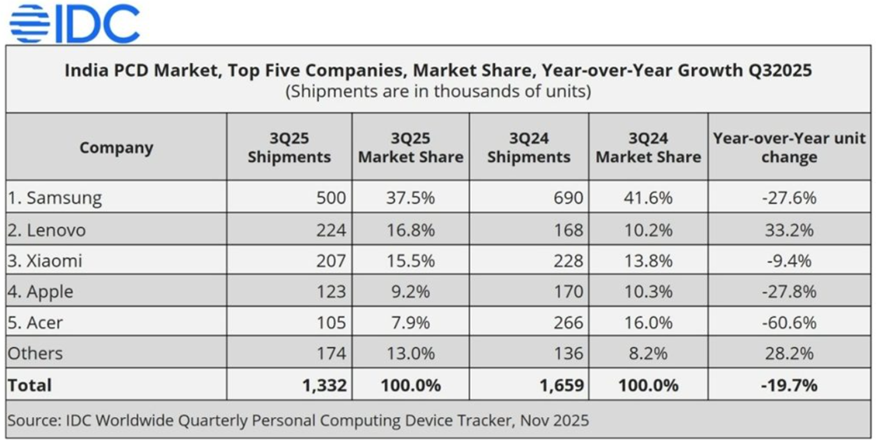
  • Samsung led with 37.5% share followed by Lenovo (16.8%), Xiaomi (15.5%), Apple (9.2%), and Acer (7.9%).

image

Caption – India’s Tablet Market Shrinks 19.7% in Q3 2025. (Image credit – Samsung)

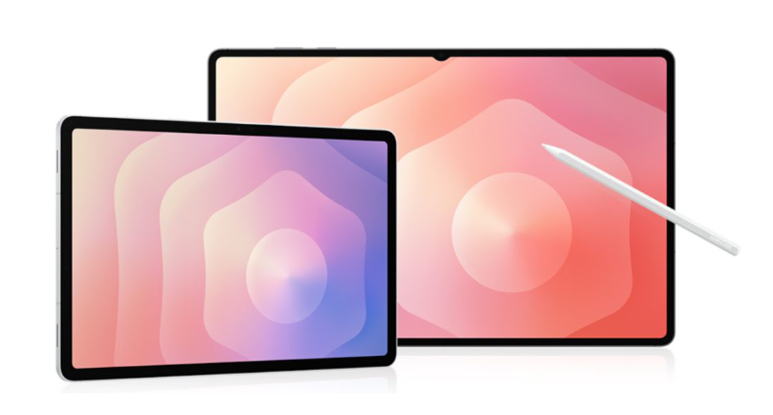
India’s tablet market declined sharply in Q3 2025 with total shipments falling to 1.33 million units and a 19.7 percent drop year-over-year, according to the IDC Worldwide Quarterly Personal Computing Device Tracker. The overall category, which includes slate and detachable tablets, showed mixed performance. Detachable tablets grew 7.3 per cent, but slate tablets dropped 29.4 per cent.

IDC says the main reason for the decline was weak commercial demand, even though the consumer market saw its strongest growth in more than ten years.

The consumer tablet segment grew 13.5 percent year-over-year. This rise was driven by festive season demand, strong promotional offers, bank deals and updated product lineups. Vendors also pushed more inventory into online channels to make the most of major sale events.

This consumer growth stood in contrast to the commercial market, which continued to struggle. Online retail, however, performed well and recorded a 53.9 percent growth compared to last year. On the other hand, commercial tablet shipments fell by 53.5 percent. The education sector was hit the hardest with a 61.9 percent drop due to delayed tenders. Shipments to small offices also fell 47.9 percent as budgets tightened and device replacement cycles became longer.

Priyansh Tiwari, research analyst at IDC India & South Asia, said festive online sales helped boost tablet adoption, especially in smaller cities. He explained that tablets are now being used not just for entertainment but also for work when paired with accessories such as keyboards and styluses. Even with strong consumer demand, he noted that channel inventory is still high and may need correction, although sell-through remains strong.

“Festive e-tail sales provided a significant boost to India’s consumer tablet market, expanding penetration into lower-tier cities through competitive pricing and efficient logistics. Tablets are increasingly emerging as a viable device for both content consumption and creation, especially when bundled with a stylus and keyboard. While channel inventory remains elevated for most vendors and may require correction in the coming quarter, strong sell-through trends indicate that the consumer segment is well-positioned to maintain its growth momentum,” said Priyansh Tiwari , research analyst, IDC India & South Asia.

Top Five Tablet Brands – Samsung Ranks on Top

image

Caption – IDC Worldwide Quarterly Personal Computing Device Tracker, 2025. (Credit – IDC)

Korean consumer brand, Samsung led the Indian tablet market in Q3 2025 with a 37.5 percent share. It topped both the commercial segment with 49.7 percent and the consumer segment with 32.6 percent, supported by government education projects and strong online sales. Lenovo came in second with a 16.8 percent share, helped by its 19.3 percent consumer share and growing enterprise demand. Motorola-branded tablets also supported its push toward younger users.

Xiaomi secured third place with a 15.5 percent share, driven by a strong 21.8 percent share in the consumer category. Competitive pricing, exchange deals and bundled accessories during online sales all played a role. Apple ranked fourth with 9.2 percent, maintaining steady demand in enterprise and education. Acer finished fifth with a 7.9 percent share, benefiting from the completion of education-focused projects and a solid 26.4 percent commercial share.

Bharath Shenoy, Research Manager, Devices Research, IDC India & South Asia, said, “India’s tablet market continues to show resilience, with growth opportunities emerging across both consumer and commercial segments. As advanced AI capabilities become more integrated, tablets are evolving into handy productivity devices, offering personalized experiences and more efficient workflows. At the same time, rising PC prices are expected to increase further in the coming quarters. In this environment, tablets are becoming a compelling choice for first-time buyers and a cost-effective option for government-funded initiatives, effectively filling the gap left by traditional PCs.”

FAQ

Q1. How did India’s tablet market perform in Q3 2025?

Answer. Shipments fell 19.7% year-over-year to 1.33 million units, with slate tablets down 29.4% but detachable tablets up 7.3%.

Q2. What drove consumer tablet growth despite the overall decline?

Answer. The consumer segment grew 13.5% YoY, boosted by festive season demand, online retail (+53.9%), promotions, and bundled accessories.

Q3. Which brands led the Indian tablet market in Q3 2025?

Answer. Samsung topped with 37.5% share, followed by Lenovo (16.8%), Xiaomi (15.5%), Apple (9.2%), and Acer (7.9%).

Also Read

https://www.mymobileindia.com/huawei-launches-huawei-mate-x7-foldable-and-huawei-matepad-edge-tablet-in-china/

https://www.mymobileindia.com/oppo-pad-5-tablet-and-oppo-watch-s-smartwatch-launched-in-china-features-price-and-availability/