Home Blog Page 119

Nothing Headphone (1) Launches With 80-Hour Battery and KEF-Tuned Audio

0

Highlights

  • Nothing Headphone (1) launched featuring a transparent design, PU memory foam earcups and KEF-tuned 40mm drivers for immersive, artist-intended sound.
  • It includes hybrid ANC, spatial audio with head tracking, wear detection, LDAC Bluetooth, and low-latency mode for gamers.
  • The headphones are priced at ₹21,999 with a launch-day offer of ₹19,999 starting July 15, 2025.

image

Caption – Nothing Headphone (1). (Image credit – Nothing)

Nothing has officially launched the Headphone (1), its first-ever over-ear headphones made in collaboration with UK-based audio expert KEF. The company says these headphones are “acoustically engineered by KEF to deliver a sound profile as the artist intended.” Here’s more about the newly launched devices.

Nothing Headphone (1) – Design

image

Caption – A closer look at Nothing Headphone (1) design. (Image credit – Nothing)

Staying true to Nothing’s signature transparent style, the Headphone 1 features see-through sections on the earcups, revealing internal components and acoustic chambers.

The frame is reinforced with formed aluminium, while the earcups are cushioned with PU memory foam to ensure comfort even during long listening sessions.

Nothing Headphone (1) – Key Specs

At the heart of Headphone 1 is a custom 40mm dynamic driver built to push more air for deeper bass and less distortion. It uses a nickel-plated diaphragm for stable sound output. Nothing says the entire audio system with the driver, chambers, and software was tuned and tested in KEF’s labs to create a natural and immersive listening experience.

image

Caption – Nothing Headphone (1) key features. (Image credit – Nothing)

The headphones come with hybrid Active Noise Cancellation (ANC), using both feed-forward and feedback mics. The ANC system adjusts every 600 milliseconds to your surroundings. There’s also a smart wear-detection system that scans for sound leakage every 1,875 milliseconds to maintain sound clarity.

Headphone (1) supports spatial audio with dynamic head tracking to keep sound centred as you move. There’s also a low-latency mode designed for gamers.

For connectivity, it supports high-resolution LDAC Bluetooth and also works via USB-C or a 3.5mm headphone jack for wired listening.

Battery life is a big highlight. With ANC on, you can get up to 35 hours of playback. With ANC off, the battery can stretch up to 80 hours. And if you’re in a rush, just 5 minutes of charging gives you 2.4 hours of listening time with ANC.

Nothing Headphone (1) – Price and Availability in India

image

Caption – Nothing Headphone (1) black colour variant. (Image credit – Nothing)

The Nothing Headphone 1 is priced at ₹21,999 in India. However, buyers can get it at a special launch-day price of ₹19,999 on July 15, 2025.

It will be available in black and white colour variants via Flipkart, Flipkart Minutes, Myntra, Vijay Sales, Croma, and other major retail outlets.

Nothing is also offering 12-month No-Cost EMI options through major banks for offline purchases.

FAQs

Q1. Who collaborated with Nothing to develop the Headphone (1)?

Answer. Nothing partnered with UK-based audio expert KEF, and the headphones are “acoustically engineered by KEF to deliver a sound profile as the artist intended.”

Q2. What is the battery life of the Nothing Headphone (1)?

Answer. With ANC on, the headphones offer up to 35 hours of playback. With ANC off, battery life extends to 80 hours. A 5-minute charge gives 2.4 hours of playback with ANC.

Q3. What are the key audio and connectivity features of the Nothing Headphone (1)?

Answer. It features a custom 40mm dynamic driver, hybrid ANC, spatial audio with head tracking, low-latency mode, and supports LDAC Bluetooth, USB-C, and 3.5mm wired connections.

Q4. What is the design and build quality of the Nothing Headphone (1)?

Answer. The headphones have transparent earcups, a formed aluminium frame, and PU memory foam cushions for comfort during long listening sessions.

Q5. What is the price and availability of the Nothing Headphone (1) in India?

Answer. Priced at ₹21,999, the Headphone (1) will be available at a launch-day price of ₹19,999 on July 15, 2025, via Flipkart, Myntra, Vijay Sales, Croma, and other retailers.

Also Read: Nothing Headphone 1 Full Specs Leak Ahead of July 1 Launch

Also Read: Nothing to launch Headphone 1 and flagship Phone 3 on July 1

Nothing Phone (3) Launched Globally with Glyph Matrix, Snapdragon 8s Gen 4 and Other Upgrades

0

Highlights

  • The Nothing Phone (3) debuts globally with a new Glyph Matrix design, Snapdragon 8s Gen 4 chip, and promises 5 years of Android updates and 7 years of security patches.
  • It further features a 6.67″ 1.5K AMOLED display, 4500 nits peak brightness, 120Hz refresh rate, and a quad 50MP camera setup with 4K@60fps support.
  • The Indian variant packs a 5500mAh battery with 65W fast charging. Prices start at ₹79,999, with offers bringing it down to ₹62,999.

image

Caption – Nothing Phone (3). (Image credit – Nothing)

Nothing has officially launched its latest flagship, the Nothing Phone (3), globally. This follows the predecessor Nothing Phone (2) and brings some big upgrades, which include a brand-new Glyph Matrix design, Snapdragon 8s Gen 4 chip and a commitment to long-term software support.

The company promises five years of Android updates and seven years of security patches for the Phone (3) among other announcements. Here are some key highlights of the new flagship.

The New Glyph Matrix

Nothing has taken the original Glyph Interface to the next level with what it calls the Glyph Matrix. Instead of just LED strips, the back now features a custom micro-LED disc. It is a circular monochrome display consisting 489 LEDs adding a visual flair at the top right-hand side corner of the phone.

image

Caption – A Closer look at Nothing Phone (3)’s new Glyph Display. (Image credit – Nothing)

This works as a simplified and standalone way for the phone to communicate, not just repeating what’s on the main screen. It adds a new layer of interaction when the phone is lying face down.

The Glyph Interface can display notifications, from contact-based caller ID to app-specific signals, pixelated avatars of custom contact icons, and more. It comes with a Glyph Toys section in Settings that houses many widgets to choose from. Users have options such as Glyph Mirror to see a pixelated image of themselves on the rear display to frame selfies, games such as Spin the Bottle and Rock Paper Scissors to play with friends and family, Digital Clock for the time, Battery indicator to keep a track of the battery level, Stopwatch and more.

Nothing CEO Carl Pei, during the launch, claimed that it is a big step up in design and functionality, offering a fresh and playful smartphone experience.

Nothing Phone (3) – Key Specs

image

Caption – Nothing Phone (3) key features. (Image credit – Nothing)

The 6.67-inch flexible AMOLED screen (16.94 cm) on the Phone (3) features a sharp 1.5K resolution (1260 x 2800) and 460 PPI. It delivers brilliant clarity even in sunlight with peak brightness of 4500 nits (HDR) and 1600 nits (HBM). Thanks to Ultra HDR support and deep AMOLED blacks, your photos and videos will look rich and full of depth.

The phone also features a 120Hz adaptive refresh rate and a 1000Hz touch sampling rate, ideal for gaming and fast-paced use. Eye strain is reduced with 2160Hz PWM dimming. It also sports thinner bezels, 0.43 mm slimmer than the Phone (2), resulting in an immersive 92.82% screen-to-body ratio.

The Phone (3) is powered by Qualcomm’s latest Snapdragon 8s Gen 4 chipset, built on TSMC’s 4nm process. It brings a 36% improvement in CPU performance, 88% in GPU, and 60% in AI tasks compared to Phone (2). With an AnTuTu score of over 2 million, it’s built for smooth multitasking, fast gaming, and high-end productivity.

Phone (3) comes with a quad 50MP camera setup including a primary sensor, an ultra-wide, a telephoto periscope with macro, and a 50MP selfie camera on the front. All four cameras support 4K video at 60fps, making this phone perfect for creators.

image

Caption – Nothing Phone (3) camera sample comparison with the predecessor Nothing Phone (2). (Image credit – Nothing)

The main 50MP camera now features a larger 1/1.3-inch sensor, capturing 44% more light than its predecessor. It also has a fast f/1.68 aperture, a 7-element lens, and delivers 70% faster exposure times. With support for lossless 2x zoom, OIS, and EIS, even shaky hands won’t ruin your shots.

The Truelens Engine 4 and improved AI help capture great detail and dynamic range in every shot,  from deep shadows to bright highlights.

Thanks to the Snapdragon AI Engine, on-device generative AI features are now faster and smarter. Image recognition and processing are 125% quicker than Phone (2), offering an overall smarter experience.

Battery life gets a boost as well. The Indian version comes with a 5,500mAh silicon-carbon battery (global model gets 5,150mAh), a big jump from the 4,700mAh on the Phone (2). Nothing claims two days of use on a single charge. Charging speeds have also improved, now supporting 65W fast charging, along with 15W wireless and reverse wireless charging.

Nothing Phone (3) – Price, Offers and Availability in India

image

Caption – Nothing Phone (3) colour variants. (Image credit – Nothing)

The Nothing Phone (3) is priced at ₹79,999 for the 12GB + 256GB variant and ₹89,999 for the 16GB + 512GB variant.

With bank discounts and exchange offers, the effective prices drop to ₹62,999 and ₹72,999, respectively. Pre-booking starts today, and early buyers will receive a free Nothing Ear (worth ₹14,999).

The phone will be available for pre-orders starting July 4 with the official sale scheduled for July 15 via Flipkart, Flipkart Minutes, Vijay Sales, Croma, and other retail outlets.

You can check out the launch video below –

Specification Details
Display 6.67″ 1.5K AMOLED, 120Hz refresh rate, 4500 nits peak brightness, 2160Hz PWM dimming
Processor Qualcomm Snapdragon 8s Gen 4 (4nm)
RAM & Storage 12GB + 256GB
16GB + 512GB
Rear Cameras Quad 50MP (Main, Ultra-wide, Telephoto Periscope, Macro), 4K@60fps support
Front Camera 50MP, 4K@60fps video
Battery 5500mAh (India variant), 65W wired charging, 15W wireless, reverse wireless
Operating System Nothing OS based on Android
5 years Android updates + 7 years security patches
Special Features Glyph Matrix (489 micro-LEDs), TrueLens Engine 4, Ultra HDR, AI features, 1000Hz touch sampling
Build 92.82% screen-to-body ratio, ultra-slim bezels
Price (India) ₹79,999 (12GB+256GB) → ₹62,999 (with offers)
₹89,999 (16GB+512GB) → ₹72,999 (with offers)
Availability Pre-order: July 4
Sale: July 15 via Flipkart, Vijay Sales, Croma, etc.
Free Nothing Ear for early buyers

FAQs

Q1. What is the new Glyph Matrix on the Nothing Phone (3)?

Answer. The Glyph Matrix is a new design upgrade featuring a custom micro-LED disc called the Glyph Display, which acts as a standalone communication interface when the phone is face down.

Q2. What chipset powers the Nothing Phone (3), and how does it perform?

Answer. The phone is powered by the Snapdragon 8s Gen 4 chipset, offering a 36% CPU boost, 88% GPU improvement, and 60% faster AI tasks compared to the Phone (2).

Q3. What are the camera specifications of the Nothing Phone (3)?

Answer. It features a quad 50MP camera setup (primary, ultra-wide, telephoto periscope with macro, and selfie), all supporting 4K video at 60fps and enhanced by Truelens Engine 4 and AI.

Q4. How long will the Nothing Phone (3) receive software support?

Answer. Nothing promises five years of Android updates and seven years of security patches for the Phone (3).

Q5. What is the price and availability of the Nothing Phone (3) in India?

Answer. The 12GB + 256GB variant is priced at ₹79,999, and the 16GB + 512GB variant at ₹89,999, with effective prices dropping to ₹62,999 and ₹72,999 via offers. It will be available from July 15 via Flipkart and other retailers.

Also Read: Nothing Phone (3) Launches Today in India: Time, Live Stream, Specs, Price

Also Read: Nothing Phone (3) Design Leaks Again: 50MP Periscope Telephoto Lens Officially Confirmed with First Camera Samples

Redmi Turbo 5 Pro Might Pack an 8,000mAh+ Battery, Tipster Hints at What to Expect from Poco F8

0

Highlights

  • A new Redmi phone, possibly the Redmi Turbo 5 Pro or K90 Ultra, is rumoured to feature a battery larger than 8,000mAh.
  • Since the Poco F7 was a rebranded Redmi Turbo 4 Pro, the Poco F8 might be based on the Turbo 5 Pro, potentially inheriting the 8,000mAh+ battery and 6.8-inch flat display.
  • The Redmi Note 15 series is expected around September 2025, followed by the Xiaomi 16 series and Redmi K90 lineup later that year.

image

Caption – Poco F7 official image for reference. (Image credit – Poco)

After the Poco F7 launched last week with its huge 7,550mAh battery, a fresh leak suggests Poco might be going even bigger with the upcoming Poco F8. Tipster Digital Chat Station (DCS) has hinted that a new high-performance Redmi phone will feature a battery larger than 8,000mAh, possibly giving us a sneak peek at what’s coming for the Poco F8.

What Does the Recent Leak Mean?

image

Caption – Digital Chat Station’s post on Weibo. (Screenshot by Gizmochina)

DCS didn’t name the Poco F8 directly in his post. Instead, they mentioned a future Redmi phone, expected to launch in 2026, that will feature a flat 6.8-inch display and a battery that exceeds 8,000mAh.

This device could end up being the Redmi Turbo 5 Pro, or maybe the Redmi K90 Ultra, both of which would be natural successors in their respective lines.

To put things in context, the Redmi Turbo 4, Turbo 4 Pro, and K80 Ultra came with 6,550mAh, 7,550mAh, and 7,410mAh batteries. So, a jump to over 8,000mAh seems like a logical next step.

Here’s where things get interesting. The Poco F7 in India is a rebranded version of the Redmi Turbo 4 Pro. So, if that trend continues, the Poco F8 could very well be based on the upcoming Redmi Turbo 5 Pro. That means it might also come with an 8,000mAh battery and a 6.8-inch flat display, matching the leaked details.

Other Upcoming Launches

image

Caption – Digital Chat Station’s post on Weibo. (Screenshot by Gizmochina)

While it’s too early to be certain about 2026 releases, tipster DCS also mentioned in a different post that the Redmi Note 15 series is expected to launch around September 2025 in China.

The Xiaomi 16 series and the Redmi K90 lineup are tipped to follow shortly after with the Xiaomi 16 possibly arriving by the end of September.

FAQs

Q1. What battery size is rumoured for the upcoming Redmi Turbo 5 Pro?

Answer. Tipster Digital Chat Station has hinted that a future Redmi phone, possibly the Redmi Turbo 5 Pro, will feature a battery larger than 8,000mAh.

Q2. How is the Poco F8 connected to the Redmi Turbo 5 Pro?

Answer. Since the Poco F7 was a rebranded Redmi Turbo 4 Pro, it’s likely that the Poco F8 could be based on the Redmi Turbo 5 Pro, potentially sharing the same 8,000mAh+ battery and 6.8-inch flat display.

Q3. When are the next major Redmi and Xiaomi launches expected?

Answer. The Redmi Note 15 series is expected around September 2025, followed by the Xiaomi 16 series and Redmi K90 lineup later that year.

Also Read: POCO F7 Global Model to Launch With Smaller Battery Than Indian Version

Also Read: POCO F7 to Launch Under Rs 35,000 in India, Will Pack Snapdragon 8s Gen 4 and 7550mAh Battery

OPPO K13x 5G Becomes a Top-Rated Phone Under ₹15,000 on Flipkart

0

Highlights

  • The OPPO K13x 5G is among the top-rated smartphones under ₹15,000 on Flipkart.
  • It features Dimensity 6300 5G chip, Android 15 with ColourOS 15, SGS Gold Drop Certification, MIL-STD 810H toughness, IP65 rating and a 120Hz HD+ LCD display for smooth visuals.
  • The phone price starts at ₹11,999 for the 4GB+128GB variant.

The OPPO K13x 5G has earned the title of one of the top-rated smartphones under ₹15,000 on Flipkart, according to OPPO. The company says users have highly rated the phone for its durability, battery life, AI camera features and stylish design, making it a hit among students, Gen Z and young professionals.

image

Caption – OPPO K13x 5G is the top-rated phone on Flipkart in the under ₹15,000 segment. (Image credit – Oppo)

OPPO K13x 5G – Key Highlights

One of the key highlights of the K13x 5G is its focus on durability. It comes with SGS Gold Drop Certification and MIL-STD 810H military-grade toughness. OPPO has equipped the phone with a 360° Damage-Proof Armour Body, which includes aerospace-grade AM04 aluminium alloy, Crystal Shield glass and a Sponge Shock Absorption System inspired by nature.

On top of that, the phone is IP65 rated for water and dust resistance, offering extra peace of mind.

The phone packs a 6000mAh battery with fast-charging support, which means longer usage and less waiting around for a full charge.

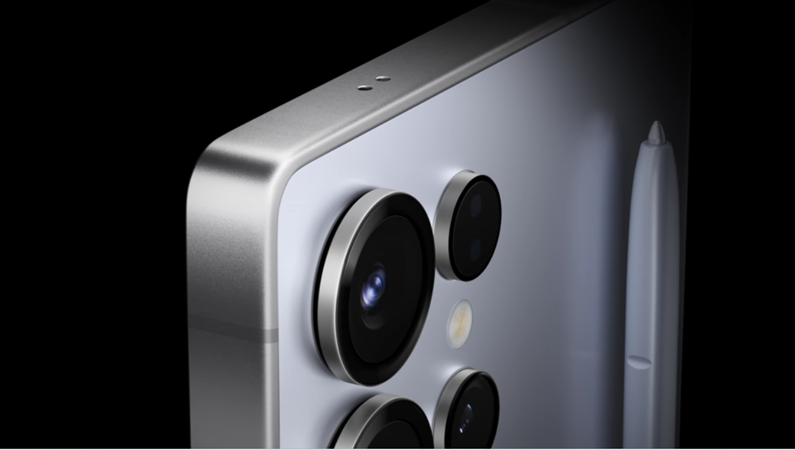
It also features a 120Hz HD+ LCD display, ensuring smoother scrolling and a better viewing experience.

Oppo K13x 5G is powered by MediaTek Dimensity 6300 5G chipset and runs ColourOS 15 based on Android 15. It also comes with a host of AI-powered features, which make the phone particularly popular among the younger generation. The AI features include AI Eraser, AI Unblur, AI Reflection Remover, AI Clarity Enhancer, AI Summary, AI Recorder, AI Studio and Google Gemini.

OPPO K13x 5G – Price and Variants

The OPPO K13x 5G is available in two colour choices, Midnight Violet and Sunset Peach. And as for memory options, buyers can choose from three variants. Below are the prices of each memory variant –

  • 4GB + 128GB at ₹11,999
  • 6GB + 128GB at ₹12,999
  • 8GB + 128GB at ₹14,999

FAQs

Q1. Why is the OPPO K13x 5G considered a top-rated phone under ₹15,000?
Answer. According to OPPO, users have highly rated the phone for its durability, battery life, AI camera features, and stylish design, making it popular among students, Gen Z, and young professionals.

Q2. What durability features does the OPPO K13x 5G offer?

Answer. The phone comes with SGS Gold Drop Certification, MIL-STD 810H military-grade toughness, a 360° Damage-Proof Armour Body, and an IP65 rating for water and dust resistance.

Q3. What are the pricing and memory variants of the OPPO K13x 5G?

Answer. The OPPO K13x 5G is available in three variants – 4GB + 128GB at ₹11,999, 6GB + 128GB at ₹12,999 and 8GB + 128GB at ₹14,999.

Also Read: OPPO Reno 14 Pro and OPPO Reno 14F 5G launched in Taiwan with 6000mAh batteries, premium displays, and Android 15

Also Read: OPPO Find X9 Pro leak reveals 200MP periscope camera and MediaTek Dimensity 9500 chip

Netflix Might Soon Show You Customised Trailers Based on Your Preferences

0

Highlights

  • Netflix is developing tech to create personalised trailers based on your viewing habits, highlighting actors, genres, or scenes you prefer.
  • This personalisation could extend to TV shows, audiobooks, and full-length films, tailoring previews and content to individual tastes.
  • Netflix may revive interactive storytelling, using machine learning to offer story paths that align with your preferences.

image

Caption – Netflix is reportedly working on showing customised trailers for the same show. (Photo by Thibault Penin on Unsplash)

Netflix could be taking personalisation to a whole new level. The streaming giant is reportedly working on technology that not only suggests what you should watch but also customises how you watch it, starting with the trailers. Here’s what we know so far.

Netflix Custom Trailers Based on Preference

According to a new patent issued in December 2024, Netflix is developing a method to create different trailers for the same movie, tailored to individual users. That means what you see in a trailer could vary depending on your viewing habits.

In a statement to Business Insider, Netflix explained, “The trailer may highlight movie clips that showcase an actor or actress that the user has shown an interest in, or may highlight certain segments that show the genre or some of the comedic moments of the movie.”

So if you usually watch romantic comedies, your trailer for a new film might focus more on its light-hearted or love-story moments, while someone who enjoys action could see fight scenes or dramatic sequences instead.

The patent doesn’t stop at movies. It also mentions the potential to apply this tech to full-length films, TV shows, audiobooks, and even trailers for those formats.

Interactive Content Could Make a Comeback

Netflix also filed another patent in February that hints at a return to interactive content, similar to what we saw in Black Mirror: Bandersnatch and Kimmy vs the Reverend.

The twist this time is that Machine learning would help shape the story options based on your profile. So, instead of fixed choices, you might get options that feel more in tune with your taste.

For example, someone who often watches romantic content could be offered romance-themed paths in an interactive film.

While Netflix had removed all interactive titles from its platform by May due to declining interest, these patents suggest the company might be gearing up to bring them back, but smarter and more personalised than before.

FAQS

Q1. What is Netflix’s new approach to trailers?

Answer. Netflix is developing a method to create different trailers for the same movie, tailored to individual users based on their viewing habits and preferences.

Q2. How will the Netflix personalised trailers work?

Answer. The trailer may highlight movie clips that showcase an actor or actress the user likes, or emphasise genres or comedic moments the user typically enjoys.

Q3. Is Netflix bringing back interactive content?

Answer. Yes, Netflix filed a patent suggesting a return to interactive content, where machine learning would shape story options based on your profile and preferences.

Also Read: What to watch in May 2025: New OTT releases on JioCinema, Disney+ Hotstar, Netflix, Prime Video, ZEE5 and more

Also Read: Netflix is getting a major makeover in years: Here’s what’s changing

Instagram Now Lets You Share Spotify Songs With Sound in Stories

0

Highlights

  • Spotify Songs with Sound – Instagram Stories now support audio previews of Spotify songs, letting followers listen without leaving the app.
  • Users can share music by selecting “Instagram Stories” from Spotify’s share menu, which generates a Story with album art and a short audio clip.
  • Instagram is also rolling out new fonts and hand-drawn symbols for Stories and Reels, including a Rosalía-inspired font.

image

Caption – Instagram introduced a new feature for users to share Spotify songs in Stories. (Photo by Brett Jordan on Unsplash)

Instagram has just rolled out a cool new feature where you can now share Spotify songs in your Stories with sound. Earlier, when you shared a Spotify track to Instagram, it only showed the album cover and a link. But now, your followers can listen to a short preview of the song right inside the Instagram app, without switching to Spotify.

How to Share Spotify Songs with Audio in Stories?

This update makes it easier and more fun to share music, albums, or podcasts you’re listening to. A short audio snippet will play directly in the Story, making it more engaging for your followers and helping people discover new music easily.

Here’s how to do it –

  • Open the Spotify app on your phone.
  • Find the song, album, or podcast you want to share.
  • Tap the Share icon on the Now Playing screen.
  • Select “Instagram Stories” from the sharing options.
  • Spotify will create a Story with album art or a custom background and a short audio preview.
  • You can then add stickers, text, or GIFs before posting it.

This comes just after Instagram’s recent update that lets you play Spotify songs directly in Instagram Notes, helping users see and hear trending music in real time.

More Music-Friendly Updates Coming to Instagram

Instagram isn’t stopping there. According to reports, the platform is also adding new fonts for Stories and Reels. One of the first is a limited-time font inspired by singer Rosalía’s handwriting.

Moreover, when you type character combos like “:-)”, “”, or “<3”, you’ll unlock hand-drawn symbols by Rosalía, as reported by TechCrunch.

FAQs

Q1. What’s new about sharing Spotify songs on Instagram Stories?

Answer. Instagram now lets you share Spotify songs with sound in Stories, allowing followers to listen to a short preview directly within the Instagram app.

Q2. How do I share a Spotify song with audio in my Instagram Story?

Answer. Open Spotify, find the track, tap the Share icon, select “Instagram Stories”, and Spotify will create a Story with album art and a short audio preview.

Q3. Are there any other music-related updates coming to Instagram?

Answer. Yes, Instagram is adding new fonts and hand-drawn symbols for Stories and Reels, including a limited-time font inspired by Rosalía’s handwriting.

Also Read: Instagram Now Supports 3:4 Photos – No More Cropping Your Smartphone Shots

Also Read: Instagram Draining Your Android Battery? Google Says Update the App Now

Pixel 10 Pro and Pro XL Full Specs Leak Ahead of Launch – Here’s Everything We Know

0

Highlights

  • Pixel 10 Pro will reportedly feature a 6.3″ OLED LTPO display, while the Pro XL has a 6.8″ OLED LTPO panel.
  • Both models are powered by the Tensor G5 chip, with 16GB RAM, and feature a 42MP front camera and triple rear cameras (50MP main, 48MP ultra-wide, 48MP 5x telephoto).
  • Pixel 10 Pro has a 4870mAh battery with 29W charging, while the Pro XL offers 5200mAh with 39W charging.

The Pixel 10 series is expected to be announced on August 20 and go on sale starting August 28. However, we will not have to wait that long to know more about the phones getting launched under the series.

The full specifications for the upcoming Google Pixel 10 Pro and Pixel 10 Pro XL have leaked, thanks to a new report from AndroidHeadlines. While both models share most of their features, there are a few notable differences when it comes to screen size, base storage, battery capacity, and charging speed. So, here’s what we know.

Google Pixel 10 Pro and Google Pixel 10 Pro XL – What to Expect?

image

Caption – Google Pixel 10 Pro CAD render. (Image credit – OnLeaks/AndroidHeadlines)

According to the recent leak, the Pixel 10 Pro will come with a 6.3-inch OLED LTPO display (2856 x 1280 resolution), 128GB base storage and a 4,870mAh battery that supports 29W wired charging.

image

Caption – Google Pixel 10 Pro XL CAD render. (Image credit – AndroidHeadlines/OnLeaks)

In contrast, the Pixel 10 Pro XL is said to feature a larger 6.8-inch OLED LTPO panel with a 2992 x 1344 resolution, 256GB starting storage and a 5,200mAh battery with 39W wired charging.

Both phones will support adaptive refresh rates from 1Hz to 120Hz and peak brightness up to 3000 nits. For selfies, they’re expected to include a 42MP front camera. On the back, you’ll find a triple-lens setup: a 50MP main sensor, a 48MP ultra-wide lens and a 48MP periscope telephoto camera with 5x optical zoom.

Under the hood, both models will be powered by Google’s next-gen Tensor G5 chip paired with 16GB of RAM. Storage options will include 256GB, 512GB, and 1TB. They’re also set to support 15W wireless charging based on the Qi2 standard.

An interesting detail is that the Pixel 10 Pro might have a slightly smaller battery than the standard Pixel 10, reportedly because of the addition of a vapour chamber cooling system, which the base model lacks.

FAQs

Q1. What are the main differences between the Pixel 10 Pro and Pixel 10 Pro XL?

Answer. The Pixel 10 Pro features a 6.3-inch OLED LTPO display, 128GB base storage, and a 4,870mAh battery with 29W charging, while the Pro XL offers a 6.8-inch display, 256GB base storage, and a 5,200mAh battery with 39W charging.

Q2. What camera setup is expected on the Pixel 10 Pro and Pro XL?

Answer. Both phones are expected to include a 42MP front camera and a triple rear camera setup: a 50MP main sensor, a 48MP ultra-wide lens, and a 48MP periscope telephoto camera with 5x optical zoom.

Q3. What processor and charging features will the Pixel 10 Pro series offer?

Answer. They will be powered by Google’s Tensor G5 chip with 16GB of RAM, and support 15W wireless charging based on the Qi2 standard.

Also Read: Google Pixel 10 May Skip Vapour‑Chamber Cooling (Report)

Also Read: Google Pixel 10 Series Will Likely Bring Gimbal‑Like Camera Stabilisation Feature

Google Photos Update Keeps HDR Quality Intact After Edits, Adds New Ultra HDR Tool

0

Highlights

  • HDR photos in Google Photos will now retain their full dynamic range and metadata after using editing tools like Photo Unblur, Magic Eraser, and Portrait Light.
  • A new Ultra HDR tool offers precise brightness control, while the old HDR tool has been renamed to “Tone” for adjusting light and contrast.
  • Google Photos can now enhance SDR images to HDR, improving brightness, contrast, and clarity for better display on HDR-capable screens.

image

Caption – Google announced new Google Photos Features that will help preserve HDR quality even after editing. (Image credit – Google)

Google Photos is rolling out some new features that make it easier to edit and enhance both HDR and SDR images without losing quality.

“We’ve made improvements to how images are edited in High Dynamic Range (HDR) and Standard Dynamic Range (SDR). Now, HDR photos can keep their full dynamic range and crucial HDR metadata even after editing with features like Photo Unblur, Magic Eraser, and Portrait Light. This means your edited photos will maintain their contrast and highlights to always look their best,” said the company recently in a Google Community post.

One major change is that HDR photos will now keep their full dynamic range and HDR metadata, even after using editing tools like Photo Unblur, Magic Eraser, or Portrait Light. This means your photos will still look bright, detailed, and vibrant on HDR-supported screens, even after you’ve made changes.

Google has also introduced a new “Ultra HDR” tool, which gives you more precise control over brightness. This lets you fine-tune your photos to get exactly the look you’re after. In addition, the older “HDR” tool has been renamed to “Tone” to better reflect its role in adjusting light and contrast.

There’s more good news for SDR photos too. Google Photos can now enhance SDR images to HDR, improving brightness, contrast, and clarity. So, even your older or standard photos will look much better on modern HDR-capable screens.

Google hasn’t confirmed whether these features are arriving via an app update or a server-side rollout, but they’re gradually becoming available for users with HDR-compatible devices.

FAQs

Q1. What happens to HDR photos after editing in the new Google Photos update?

Answer. HDR photos now keep their full dynamic range and crucial HDR metadata even after editing with tools like Photo Unblur, Magic Eraser, and Portrait Light.

Q2. What is the new Ultra HDR tool in Google Photos?

Answer. The Ultra HDR tool gives users more precise control over brightness, allowing them to fine-tune their photos for the exact look they want.

Q3. Can Google Photos enhance SDR images to HDR?

Answer. Yes, Google Photos can now enhance SDR images to HDR, improving brightness, contrast, and clarity for better display on HDR-capable screens.

Also Read: Google Photos Introduces New Updates Feed, Replacing the Sharing Tab

Also Read: Google Photos Enhances HDR Image Editing for Pixel Users, Memories to be Replaced with Timeline Feature

Vivo X200 FE India Launch Confirmed with Dimensity 9300+, 6500mAh Battery and 90W Fast Charging

0

Highlights

  • Vivo has officially teased the X200 FE launch in India with availability in Luxe Grey and Amber Yellow.
  • The exact launch date will be announced soon.
  • The phone features a 6.31″ 1.5K LTPO AMOLED display, Dimensity 9300+ chip, 12GB RAM, and 512GB storage, triple rear camera setup with ZEISS optics, a 50MP selfie camera, a 6500mAh battery with 90W fast charging support and Android 15 with Funtouch OS 15.

image

Caption – Vivo X200 FE India Launch teased. (Image credit – Vivo)

Vivo has officially confirmed that the Vivo X200 FE is set to launch in India soon. The brand has released multiple video teasers on its official social media handles in India.

The phone will be available in two colour options, Luxe Grey and Amber Yellow. Unlike some global markets, India won’t be getting the Blue and Pink versions. The reports suggest the Indian variant will carry the same specs as the Malaysian model that launched recently.

Vivo hasn’t revealed the exact India launch date yet, but it’s expected to be announced soon. Here’s more about the phone.

Vivo X200 FE – Key Features

The X200 FE sports a 6.31-inch 1.5K LTPO AMOLED display with a 120Hz refresh rate, 4320Hz high-frequency PWM dimming and an impressive peak brightness of up to 5000 nits.

Under the hood, it runs on the MediaTek Dimensity 9300+ chip paired with the Immortalis-G720 GPU. It packs 12GB LPDDR5X RAM and 512GB UFS 3.1 storage, promising smooth performance and ample space.

image

Caption – Vivo X200 FE camera features. (Image credit – Vivo)

The phone features a triple rear camera system –

  • A 50MP Sony IMX921 main sensor with OIS
  • An 8MP ultra-wide lens with a 106-degree field of view
  • A 50MP IMX882 periscope telephoto lens with 3x zoom
  • On the front, there’s a 50MP autofocus selfie

The camera system is backed by ZEISS optics and includes Aura Light for better low-light shots.

Powering the phone is a 6500mAh battery with support for 90W fast charging. It runs Android 15 with Funtouch OS 15.

Connectivity includes dual nano SIM slots, 5G (SA/NSA), dual 4G VoLTE, Wi-Fi 7, Bluetooth 5.4, USB Type-C, NFC, and GPS with L1+L5 bands. Audio features include stereo speakers, USB-C audio, and Hi-Res audio support. For security, there’s an in-display optical fingerprint sensor.

The phone has a metal frame and is IP68 and IP69 rated, offering solid protection against dust and water. It weighs 186g and measures 150.83 x 71.76 x 7.99mm.

FAQs

Q1. What are the key performance and display features of the Vivo X200 FE?

Answer. The Vivo X200 FE features a 6.31-inch 1.5K LTPO AMOLED display with a 120Hz refresh rate, 4320Hz PWM dimming, and peak brightness of 5000 nits. It runs on the MediaTek Dimensity 9300+ chip with 12GB LPDDR5X RAM and 512GB UFS 3.1 storage.

Q2. What camera setup does the Vivo X200 FE offer?

Answer. The phone has a triple rear camera system – 50MP Sony IMX921 main sensor with OIS, 8MP ultra-wide lens (106° FoV) and 50MP IMX882 periscope telephoto lens (3x zoom). It also includes a 50MP autofocus selfie camera, ZEISS optics, and Aura Light for better low-light shots.

Q3. What are the battery and charging capabilities of the Vivo X200 FE?

Answer. The Vivo X200 FE is powered by a 6500mAh battery and supports 90W fast charging, offering long-lasting performance and quick top-ups.

Also Read: Vivo X Fold 5 Teased for Launch in India Soon, Featuring Snapdragon 8 Gen 3 and 6000mAh Battery

Also Read: Vivo X200 FE Debuts with 6500mAh Battery, ZEISS Cameras, Compact Build

Vivo X Fold 5 Teased for Launch In India Soon, Featuring Snapdragon 8 Gen 3 and 6000mAh Battery

0

Highlights

  • Vivo has begun teasing the X Fold 5 launch in India with a “Coming Soon” tag on its official microsite.
  • It will be sold via Flipkart and Vivo’s online store.
  • The foldable features an 8.03″ inner and 6.53″ cover display (both LTPO), Snapdragon 8 Gen 3, triple 50MP rear cameras, and dual 20MP front cameras.

Vivo has started teasing the India launch of the Vivo X Fold 5, just days after its debut in China. The teaser comes along with hints at the launch of the Vivo X200 FE, which is also expected to arrive in India soon.

image

Caption – Vivo X Fold 5 glimpse on the official Vivo India microsite. (Image credit – Vivo)

The official Vivo X Fold 5 microsite on Vivo India’s website is now live with a “Coming Soon” tag. The company has also posted teasers on its official social media handles in India.

Vivo has confirmed that the X Fold 5 will be sold via Flipkart and Vivo’s official online store once it launches. While the company hasn’t revealed the exact date yet, it’s expected to announce it in the coming days.

image

Caption – Vivo X Fold 5 teaser on official microsite. (Image credit – Vivo)

Vivo X Fold 5 – Key Features

The upcoming foldable features an 8.03-inch flexible inner screen and a 6.53-inch cover display, both come with 8T LTPO technology. As for the design, the X Fold 5 measures 9.2mm when folded and just 4.3mm when unfolded, weighing 217 grams.

Under the hood, the Vivo X Fold 5 is powered by the Snapdragon 8 Gen 3 chipset, offering flagship-level performance. On the back, it sports a triple 50MP camera setup, which includes –

  • A 50MP main camera with Sony IMX921 sensor, f/1.57 aperture, and OIS
  • A 50MP ultra-wide lens
  • A 50MP 3x telephoto lens with Sony IMX882 sensor
  • For selfies, the phone features dual 20MP front cameras, one on the cover display and another inside.

The phone is also built to last. It comes with multiple durability ratings including IPX8 and IPX9 for water resistance, IP5X for dust resistance, and it can withstand extreme cold down to -20°C. The hinge is supported by carbon fibre and has been tested for 600,000 folds.

Powering the device is a 6000mAh dual-cell battery with 80W wired and 40W wireless charging. Vivo has also included a Shortcut Button for quick access to apps and features.

FAQs

Q1. When is the Vivo X Fold 5 launching in India and where will it be available?

Answer. Vivo has started teasing the India launch of the X Fold 5 with a “Coming Soon” tag on its official microsite. It will be sold via Flipkart and Vivo’s official online store.

Q2. What are the key display and performance features of the Vivo X Fold 5?

Answer. The phone features an 8.03-inch flexible inner screen and a 6.53-inch cover display, both with 8T LTPO technology, and is powered by the Snapdragon 8 Gen 3 chipset.

Q3. What are the durability and battery highlights of the Vivo X Fold 5?

Answer. It includes IPX8/IPX9 water resistance, IP5X dust resistance, a carbon fibre hinge tested for 600,000 folds, and a 6000mAh battery with 80W wired and 40W wireless charging.

Also Read: Vivo X Fold 5 Launches with 8.03″ 2K LTPO Display, Biggest 6000mAh Battery, Snapdragon 8 Gen 3 Chipset and IPX9 Rating

Also Read: Vivo X Fold 5 Teased as Lightweight, Could be the World’s Lightest Foldable