
Home Blog

Samsung Drops Galaxy S26 Edge Plans; Upcoming Galaxy S26 Might Exynos 2600 With External Modem

0

Highlights

  • Samsung has dropped plans for a successor to the Galaxy S25 Edge due to weak sales.
  • The Galaxy S26 series will use Samsung’s first 2nm Exynos 2600 chip.
  • It will rely on an external modem likely Exynos 5410 raising concerns about power efficiency and battery drain.

image

Caption – Galaxy S25 Edge in the picture. (Image credit – Samsung)

Samsung is reportedly pulling back from the ultra-thin smartphone segment. New reports suggest the company has cancelled plans for a successor to the Galaxy S25 Edge due to weak sales performance and limited consumer interest in ultra-slim flagship devices. Here’s more on this.

No Successor to Galaxy S25 Edge?

Earlier leaks had hinted that Samsung was exploring the idea of replacing the Galaxy S26+ with a revamped Edge model in 2026. Those plans were later softened into a more cautious wait-and-see strategy. Now, sources indicate that development of the next Edge model has been fully discontinued.

The Galaxy S25 Edge placed a strong emphasis on achieving an ultra-thin form factor, but that design reportedly came with notable compromises. The phone’s 3,900mAh battery, in particular, faced criticism for struggling to deliver reliable all-day usage.

Camera flexibility was another area impacted by the slim profile. The Galaxy S25 Edge reportedly omitted a telephoto camera, while Apple’s iPhone Air is said to feature only a single rear camera. Together, these limitations suggest that buyers place higher value on longer battery life, versatile camera systems, and improved thermal management than on having an ultra-thin and lightweight design.

A report from October also noted that Apple reduced iPhone Air production by around one million units, pointing to similarly lukewarm demand.

Galaxy S26 Exynos 2600 Chip To Use External Modem

image

Caption – Upcoming Galaxy S26 Series phone leaked render. (Image credit – OnLeaks/Android Headline)

Separately, new details about Samsung’s upcoming Galaxy S26 series have surfaced, particularly around its chipset strategy. The Galaxy S26 and Galaxy S26+ are expected to ship with Samsung’s new Exynos 2600 processor in select markets such as South Korea. The chip is notable as Samsung’s first smartphone processor built on a 2nm process, but it reportedly comes with a key compromise.

According to tipster Erencan Yilmaz on X, the Exynos 2600 does not feature an integrated cellular modem. Instead, it is said to rely on a separate external modem, believed to be the Exynos 5410. A Samsung Semiconductor official has since confirmed to Android Authority that the 2nm Exynos chip does indeed use an external modem.

In contrast, most modern smartphone processors including the Exynos 2400 and Exynos 2500 integrate the modem directly into the chip. Integrated modems generally improve efficiency by reducing data travel, helping to lower power consumption and heat generation during mobile connectivity.

External modem setups are typically less power-efficient. In any case, Samsung has not yet explained how the external modem will impact battery life. We can expect that to become clearer once Exynos-equipped Galaxy S26 devices launch early next year.

FAQs

Q1. Why did Samsung cancel the Galaxy S26 Edge plans?

Answer. Weak sales of the Galaxy S25 Edge and limited consumer interest in ultra-thin flagships led Samsung to discontinue the Edge successor.

Q2. What were the main drawbacks of the Galaxy S25 Edge design?

Answer. Its ultra-thin profile forced compromises, including a small 3,900mAh battery with poor endurance and the omission of a telephoto camera.

Q3. What is notable about the Galaxy S26’s Exynos 2600 chipset?

Answer. Built on a 2nm process, the Exynos 2600 uses an external modem (Exynos 5410), which may reduce power efficiency compared to integrated modem designs.

Also Read

https://www.mymobileindia.com/samsung-galaxy-s26-edge-spotted-on-geekbench-with-snapdragon-8-elite-2/

https://www.mymobileindia.com/samsung-unveils-exynos-2600-worlds-first-2nm-chipset-for-next-gen-galaxy-flagships-expected-in-galaxy-s26/

Realme 16 Pro 5G Series 200MP Camera Teased Ahead of January 6 India Launch, Flipkart Page Goes Live Revealing Key Details

0

Highlights

  • Realme 16 Pro+ is teased as a 200MP Portrait Master with all‑zoom support (1x–10x), advanced LumaColor Algorithm, TÜV certification and 4K HDR video recording.
  • It features Urban Wild Design by Naoto Fukasawa.
  • The expected colour options include Master Gold, Pebble Grey and India‑exclusive Orchid Purple.
 Realme 16 Pro teaser confirming launch date. (Image credit - Realme)
Realme 16 Pro teaser confirming launch date. (Image credit – Realme)

Realme is set to unveil the Realme 16 Pro 5G series in India on January 6, 2025. Ahead of the official launch, the Flipkart landing page for the Realme 16 Pro 5G has gone live, revealing several key specifications and design highlights. Some of these details were also previously hinted at through the product page on Realme’s official Indian website.

Realme 16 Pro 5G Flipkart Landing Page Goes Live

 Realme 16 Pro features. (Image credit - Realme)
Realme 16 Pro features. (Image credit – Realme)

Realme has now officially shared camera specifications and design elements for the upcoming lineup, positioning the Realme 16 Pro+ as a “200MP Portrait Master.” According to the Flipkart listing, the Realme 16 Pro 5G will feature what the brand calls the industry’s leading 200MP all-zoom portrait camera.

The device is also teased to debut the first Master Design in the Realme number series, along with all-day smooth performance, advanced AI Edit Genie 2.0 features, and a flagship-grade high-capacity battery. A sunlight-ready super-bright display has also been confirmed.

image

The all-zoom portrait camera supports multiple focal lengths, including 1x (show – group portrait), 2x, 3.5x (glow – golden portrait), 4x, and 10x (wow – long-zoom portrait).

Realme has also confirmed the use of the all-new LumaColor Algorithm, certified by TÜV Rheinland, alongside camera features such as 3D Photon Matrix, intelligent color and brightness matching, 16-bit RAW Domain Compute, and Vibe Master modes including Lively, Vivid, Emerald, Fresh, and Neon. The phone will also support all-zoom 4K HDR video recording.

image

Additional highlights include the first-ever AI Instant Clip and AI Edit Genie 2.0, which brings features such as AI StyleMe and AI LightMe to the camera experience.

Realme 16 Pro 5G – Other Key Details (Revealed)

image

On the design front, Realme is introducing nature-inspired colour options such as Master Gold, Orchid Purple, and Pebble Grey. The series adopts what the brand calls an Urban Wild Design, aimed at younger urban users. The Realme 16 Pro 5G series design has been credited to world-renowned designer Naoto Fukasawa, with emphasis on a signature luxury finish, class-defining aesthetics, an ultra-slim profile, and a natural material feel. Notably, the Orchid Purple colour variant has been designed exclusively for India, drawing inspiration from Indian festivals and flowers.

image

In terms of performance, the Realme 16 Pro 5G will be powered by a lag-free MediaTek Dimensity-Max chipset. Realme claims the device has achieved a higher AnTuTu score compared to a competitor running on the MediaTek Dimensity 7360-Turbo chipset. However, a previous Geekbench listing suggested that the phone could be equipped with the MediaTek Dimensity 7300 processor.

The smartphone will run on Android 16-based Realme UI 7, which is teased to deliver stunning AI features, smarter AI capabilities, and smoother multitasking. Realme has also promised three years of Android OS updates and four years of security patches, along with reliable after-sales support.

The device is said to offer up to 10.7 hours of gaming, 17 hours of Instagram browsing, 22 hours of YouTube playback, and up to 119.7 hours of Spotify listening time on a single charge.

More details about the Realme 16 Pro 5G series are expected to be revealed in the days leading up to the official launch.

FAQs

Q1. What is the standout feature of the Realme 16 Pro 5G series?

Answer. The Realme 16 Pro+ is teased as a “200MP Portrait Master,” featuring an industry‑leading 200MP all‑zoom portrait camera with multiple focal lengths and 4K HDR video support.

Q2. What design elements and colour options are confirmed for the Realme 16 Pro 5G?

Answer. The series adopts an Urban Wild Design by Naoto Fukasawa, with colours like Master Gold, Pebble Grey, and India‑exclusive Orchid Purple inspired by festivals and flowers.

Q3. What performance and software details are revealed for the Realme 16 Pro 5G?

Answer. Powered by a MediaTek Dimensity‑Max chipset (possibly Dimensity 7300), it runs Android 16‑based Realme UI 7, promises 3 years of OS updates, and offers long battery life with up to 119.7 hours of Spotify playback.

Also Read

https://www.mymobileindia.com/realme-16-pro-series-teased-with-premium-design-and-new-colours-geekbench-listing-reveals-dimensity-7300-chip/

https://www.mymobileindia.com/realme-16-pro-series-tipped-to-launch-in-india-on-january-6-realme-16-pro-box-leaks-online/

REDMI Note 15 5G India Launch Set for January 6; Redmi Pad 2 Pro With 12,000mAh Battery Also Confirmed

0

Highlights

  • Redmi Note 15 5G India launch scheduled for January 6, 2026.
  • It is expected to include a 108MP OIS camera, Snapdragon 6 Gen 3 chipset, 5,520mAh battery, 120Hz FHD+ display and Android 15-based HyperOS 2.
  • Redmi Pad 2 Pro also confirmed with a 12,000mAh battery, 12.1-inch 2.5K LCD at 120Hz, Snapdragon 7s Gen 4, up to 8GB RAM/256GB storage and Android 15 with HyperOS 2.
  • Note 15 Chinese New Year Edition in Special Cherry Red and Mocha Brown colours with leather backs and gold accents available for pre-order now.
Redmi Note 15 5G India launch date confirmed. (Image credit - Redmi)
Redmi Note 15 5G India launch date confirmed. (Image credit – Redmi)

Xiaomi has officially confirmed that the REDMI Note 15 5G will launch in India on January 6, 2026. The mid-range 5G smartphone was first introduced in China in August and is now set to make its way to the Indian market with a few notable upgrades.

Redmi Note 15 5G – India Launch

For India, Xiaomi has confirmed that the REDMI Note 15 5G will feature a 108MP primary rear camera with optical image stabilisation (OIS), a significant upgrade over the 50MP camera found on the Chinese variant. The phone will also support 4K video recording and will be powered by the Snapdragon 6 Gen 3 chipset, which Xiaomi claims delivers a 30 percent CPU boost and a 10 percent GPU improvement compared to its predecessor.

image

Caption – Redmi Note 15 5G India model key features. (Image credit – Redmi)

The smartphone will pack a 5,520mAh battery with support for 45W fast charging. It will also carry an IP66 rating for dust and splash resistance. On the front, the REDMI Note 15 5G will feature a 6.77-inch FHD+ display with a 120Hz refresh rate, offering up to 3,200 nits of peak brightness along with TÜV Triple Eye Care certification.

image

Caption – Redmi Note 15 5G India model display features. (Image credit – Redmi)

In terms of software and additional features, the device is expected to run Android 15-based Xiaomi HyperOS 2. Other confirmed and expected features include an in-display fingerprint sensor, an infrared sensor, stereo speakers, and Dolby Atmos support.

Xiaomi has confirmed that the REDMI Note 15 5G will be available for purchase via Amazon.in, mi.com, and offline retail stores across India. Alongside the smartphone, the company is also teasing the launch of the REDMI Pad 2 Pro, suggesting that the tablet could debut in the country at the same event.

Redmi Pad 2 Pro Confirmed for India With 12,000mAh Battery

image

Caption – Redmi Pad 2 Pro India launch date confirmed. (Image credit – Redmi)

An Amazon landing page for the Redmi Pad 2 Pro has already gone live, confirming that the tablet will be equipped with a massive 12,000mAh battery. While Xiaomi is yet to officially reveal all details for the Indian market, the tablet has already been available in regions such as the UAE and Europe, giving a clear idea of its specifications.

The Redmi Pad 2 Pro features a 12.1-inch LCD panel with a 2.5K resolution and a 120Hz refresh rate. It offers a touch sampling rate of up to 360Hz and delivers peak brightness of up to 600 nits. Redmi also offers a Matte Glass variant with AG nano-texturing globally, though it remains unclear whether this version will be launched in India.

Powering the tablet is Qualcomm’s Snapdragon 7s Gen 4 processor, which includes Cortex-A720 and Cortex-A520 CPU cores, paired with an Adreno 810 GPU. The Redmi Pad 2 Pro comes in multiple configurations with 6GB or 8GB LPDDR4X RAM and 128GB or 256GB UFS 2.2 storage, along with microSD card support for expansion up to 2TB.

image

Caption – Redmi Pad 2 Pro India launch teaser. (Image credit – Redmi)

On the software front, the tablet runs Android 15 with Xiaomi HyperOS 2. Camera hardware is kept simple, with an 8MP front-facing camera and an 8MP rear camera on the Wi-Fi variant. The 5G model upgrades the rear sensor to 13MP. Both front and rear cameras support 1080p video recording at 30fps, which should be sufficient for video calls, online learning, and document scanning.

Redmi Note 15 Series Chinese New Year Edition Goes on Pre-Order in China

 Redmi Note 15 Series Chinese New Year Edition. (Image credit - Redmi)
Redmi Note 15 Series Chinese New Year Edition. (Image credit – Redmi)

Separately, Redmi has announced the Redmi Note 15 Series Chinese New Year Edition through its official Weibo account. The Redmi Note 15 and Redmi Note 15 Pro are now available in a new Cherry Red colour option, while the Redmi Note 15 Pro+ has been introduced in a Mocha Brown finish as part of the festive lineup.

These Chinese New Year Edition models feature leather rear panels along with gold-coloured side frames and camera modules. In addition, Redmi claims they offer exceptional durability. Pre-orders for the special edition smartphones are already live in China with official sales scheduled to begin on January 1, 2025.

 Redmi Note 15 Series Chinese New Year Edition is now available for pre-order. (Image credit - Redmi)
Redmi Note 15 Series Chinese New Year Edition is now available for pre-order. (Image credit – Redmi)

In terms of pricing, the Redmi Note 15 Cherry Red is available at CNY 1,099 (8GB/128GB), CNY 1,299 (8GB/256GB), and CNY 1,499 (12GB/256GB). The Redmi Note 15 Pro Cherry Red is priced at CNY 1,349 (8GB/256GB), CNY 1,599 (12GB/256GB), and CNY 1,799 (12GB/512GB). Meanwhile, the Redmi Note 15 Pro+ Mocha Brown variant is listed at CNY 1,899 (12GB/256GB) and CNY 2,299 (16GB/512GB).

FAQs

Q1. When will the Redmi Note 15 5G launch in India and what are its key upgrades?

Answer. The Redmi Note 15 5G will launch in India on January 6, 2026. It features a 108MP OIS camera, Snapdragon 6 Gen 3 chipset, 5,520mAh battery with 45W fast charging, and a 6.77-inch FHD+ 120Hz display.

Q2. What are the main specifications of the Redmi Pad 2 Pro?

Answer. The Redmi Pad 2 Pro packs a 12,000mAh battery, 12.1-inch 2.5K LCD with 120Hz refresh rate, Snapdragon 7s Gen 4 processor, up to 8GB RAM/256GB storage, and runs Android 15 with HyperOS 2.

Q3. What special editions of the Redmi Note 15 series are available in China?

Answer. Redmi has launched Chinese New Year Edition models in Cherry Red and Mocha Brown with leather backs and gold accents, priced between CNY 1,099–2,299 depending on configuration.

Also Read

https://www.mymobileindia.com/redmi-note-15-5g-india-price-ram-and-storage-options-leak-ahead-of-launch-set-for-january-6/

https://www.mymobileindia.com/redmi-note-15-5g-key-details-confirmed-ahead-of-india-launch-processor-display-battery-and-expected-price/

OnePlus Turbo Surfaces on Geekbench and AnTuTu, Snapdragon 8s Gen 4 Chipset Tipped

0

Highlights

  • The OnePlus Turbo surfaced on Geekbench and AnTuTu, confirming Snapdragon 8s Gen 4, Android 16, 12GB RAM and flagship-level performance scores.
  • It features a 6.78-inch LTPS OLED panel, multiple RAM/storage variants and colour options like Unique Black, Ocean Green, and Light Chaser Silver.
  • The model could pack massive 9,000mAh battery with fast charging, metal frame and ultrasonic in-display fingerprint sensor.
 Recently launched OnePlus 15 for reference. (Image credit - OnePlus)
Recently launched OnePlus 15 for reference. (Image credit – OnePlus)

OnePlus has already confirmed plans to introduce the OnePlus Turbo in China in January 2026. Ahead of its official debut, the alleged handset has now been spotted on both Geekbench and AnTuTu, offering a clearer picture of the chipset and key hardware powering the device.

OnePlus Turbo Appears on Geekbench

According to the Geekbench database, an upcoming OnePlus smartphone for the Chinese market carrying the model number PLU110 has surfaced online. The benchmark listing indicates that the device is powered by the Snapdragon 8s Gen 4 chipset, a detail inferred from the CPU and GPU information mentioned in the metadata.

image

Caption – OnePlus Turbo Appears on Geekbench.

The listing further reveals that the phone is equipped with 12GB of RAM and runs Android 16 out of the box. It has also recorded scores in both single-core and multi-core performance tests, pointing toward flagship-level processing capabilities.

OnePlus Turbo AnTuTu Listing Confirms More Specifications

The OnePlus Turbo has now also appeared on AnTuTu under the same PLU110 model number, further confirming key specifications. The listing shows the phone paired with LPDDR5X RAM and UFS 4.0 storage, alongside the Snapdragon 8s Gen 4 chipset. It also verifies support for a high-refresh-rate display, expected to go up to 165Hz.

image

Caption – OnePlus Turbo AnTuTu Listing.

In terms of performance, the device achieved an impressive overall AnTuTu score of 2,609,327. The breakdown highlights strong results across all segments, including 847,590 in CPU performance, 846,597 for GPU, 347,105 for memory, and 568,035 in user experience tests. These numbers point to a well-balanced performance profile across different workloads.

Tipster Digital Chat Station has further revealed that the OnePlus Turbo will sport a 6.78-inch flat LTPS OLED panel sourced from BOE, offering a 1.5K resolution and a 165Hz refresh rate. The smartphone is expected to launch in multiple configurations, starting from 12GB RAM with 256GB storage and going up to a 16GB RAM and 512GB storage variant. In China, the device is said to arrive in colour options including Unique Black, Ocean Green and Light Chaser Silver.

Additional reports suggest that the OnePlus Turbo will be backed by a massive 9,000mAh battery with fast charging support. Other expected features include a metal middle frame and an ultrasonic in-display fingerprint sensor. Despite housing such a large battery, the phone is tipped to weigh around 217 grams.

Separately, tipster Abhishek Yadav has claimed that another upcoming OnePlus smartphone, internally codenamed “Volkswagen,” will also use the Snapdragon 8s Gen 4 chipset.

FAQs

Q1. What chipset powers the upcoming OnePlus Turbo?

Answer. Benchmark listings confirm the OnePlus Turbo will use Qualcomm’s Snapdragon 8s Gen 4 chipset, paired with LPDDR5X RAM and UFS 4.0 storage.

Q2. What display specifications are expected for the OnePlus Turbo?

Answer. The device will feature a 6.78-inch flat LTPS OLED panel from BOE, offering 1.5K resolution and a 165Hz refresh rate.

Q3. How large is the battery in the OnePlus Turbo?

Answer. It is tipped to pack a massive 9,000mAh battery with fast charging support, while still weighing around 217 grams.

Also Read

https://www.mymobileindia.com/oneplus-turbo-series-launch-2025-affordable-performance/

https://www.mymobileindia.com/oneplus-ace-6-confirmed-to-feature-massive-7800mah-battery-with-120w-fast-charging-ace-6-turbo-may-pack-8000mah-cell/

OpenAI Introduces ChatGPT Adjustable Personality Controls With New Characteristics Feature

0

Highlights

  • OpenAI now lets users fine‑tune ChatGPT’s personality traits like warmth, enthusiasm, emoji use, and formatting style.
  • This update builds on existing preset personalities, giving users more control over tone and style without affecting ChatGPT’s intelligence or accuracy.
  • Settings are available under Personalisation in the app with changes most noticeable in casual conversations.
 (Photo by Emiliano Vittoriosi on Unsplash)
(Photo by Emiliano Vittoriosi on Unsplash)

OpenAI has rolled out another update to ChatGPT, bringing deeper personalisation options to the popular AI chatbot. The company announced a new feature that allows users to customise ChatGPT’s personality traits and response style. Here’s more on that.

ChatGPT Gets New Characteristics Feature

In a post on X (formerly known as Twitter), OpenAI confirmed the rollout of a new feature that allows users to “adjust specific characteristics in ChatGPT, like warmth, enthusiasm, and emoji use.” The update reflects OpenAI’s continued push to let users shape ChatGPT into a version that best suits their everyday conversations and preferences.

The feature is part of the chatbot’s Personalisation settings and gives users more control over how the AI communicates with them.

According to the company, changing these characteristics does not affect ChatGPT’s core abilities. Its intelligence, reasoning, and accuracy remain the same with only the style and tone of responses being altered. As a result, the changes are expected to be most noticeable during casual or conversational interactions rather than task-focused queries.

How To Use ChatGPT’s Characteristics Settings?

image

Caption – Characteristics settings in the Personalisation section. (Image credit – OpenAI)

The Characteristics settings can be accessed by opening the sidebar, heading to Settings or tapping on the user’s name in the mobile app and selecting Personalisation. Within this menu, users will now find a new Characteristics section featuring four adjustable options like Warm, Enthusiastic, Headers & lists, and Emoji.

Each of these traits can be set to more, default, or less. Increasing warmth makes responses feel friendlier and more personable, while lowering it keeps replies more formal and factual. Adjusting Enthusiasm to more gives ChatGPT a more energetic and excited tone, whereas setting it to less results in calmer, more neutral responses. Emoji usage can also be increased or reduced, although there is currently no option to turn emojis off entirely.

For users who want a broader change to ChatGPT’s overall personality, OpenAI continues to offer Base style and tone options within the Personalisation settings. These include eight preset modes i.e. Default, Professional, Friendly, Candid, Quirky, Efficient, Nerdy, and Cynical.

With the introduction of Characteristics, OpenAI is giving users more granular control over how ChatGPT interacts. It allows for a more tailored and personalised chatbot experience without altering its underlying capabilities.

FAQs

Q1. What is the new Characteristics feature in ChatGPT?

Answer. It lets users adjust specific traits like warmth, enthusiasm, emoji use, and formatting style, giving more granular control over ChatGPT’s tone and personality.

Q2. Does changing Characteristics affect ChatGPT’s intelligence or accuracy?

Answer. No, the feature only alters style and tone of responses. ChatGPT’s reasoning, accuracy, and core abilities remain unchanged.

Q3. How can users access the Characteristics settings?

Answer. By opening the sidebar, going to Settings → Personalisation, where a new Characteristics section offers adjustable options for Warm, Enthusiastic, Headers & lists, and Emoji.

Also Read

https://www.mymobileindia.com/openai-launches-faster-smarter-chatgpt-images-as-reports-of-10-billion-amazon-investment-surface/

https://www.mymobileindia.com/chatgpt-adult-mode-set-for-early-2026-launch-know-all-about-how-it-will-work-and-what-users-can-expect/

iPhone 18 Trial Production Set for February as Apple Prepares Split Launch Strategy; Samsung to Supply Majority of iPhone Memory

0

Highlights

  • Apple will begin iPhone 18 trial production in February 2026 with Pro models launching in September 2026 and standard/affordable variants in spring 2027.
  • The iPhone 18 Pro lineup will retain the iPhone 17 design language, add a simplified Camera Control button, A20/A20 Pro chips and advanced Samsung-supplied camera sensors.
  • Due to global LPDDR shortages, Samsung is expected to provide 60–70% of iPhone 18 memory chips.
iPhone 18 trial production is reportedly set for February 2026. (Image credit - Apple)
iPhone 18 trial production is reportedly set for February 2026. (Image credit – Apple)

Apple is said to be gearing up to start trial production of the iPhone 18 shortly after the Chinese New Year. The move signals an early step in Apple’s preparation for its next-generation iPhone lineup, which is expected to follow a staggered launch timeline.

Apple’s Next iPhone Series Launch Plans

The leak, shared by Weibo-based tipster Fixed Focus Digital, claims that limited production runs of the iPhone 18 will begin once manufacturing facilities resume normal operations after the Lunar New Year break that usually concludes in late February. This early trial phase is typically used to validate hardware designs and fine-tune manufacturing processes ahead of mass production.

 Tipster Fixed Focus Digital on Weibo. (Translated Via Google Translate)
Tipster Fixed Focus Digital on Weibo. (Translated Via Google Translate)

According to the same source, production lines for the iPhone 18 Pro variants have already been established, suggesting that Apple has finalised the core hardware design for the Pro models. The leaker also notes that external design changes are likely to be modest, countering expectations of a major visual refresh.

This aligns with earlier reports stating that the iPhone 18 Pro models will largely retain the design language of the iPhone 17 Pro series. The triple rear camera setup is expected to remain housed within the newer camera plateau design, indicating visual continuity across generations.

The report further supports rumours that Apple is moving toward a split iPhone launch cycle. Under this strategy, the iPhone 18 Pro and iPhone 18 Pro Max are expected to debut in September 2026, alongside Apple’s first foldable iPhone. The standard iPhone 18, along with the more affordable iPhone 18e, is then tipped to arrive in spring 2027.

Fixed Focus Digital suggests that the iPhone 18 Pro models will not see major exterior changes, particularly on the rear panel. Apple is reportedly sticking with a familiar camera layout and overall aesthetic, reinforcing the idea of an incremental update rather than a full redesign.

iPhone 18 Lineup – What We Know So Far?

image

Caption – iPhone 17 Series in the picture for reference. (Image credit – Apple)

In terms of hardware upgrades, Apple may introduce a simplified Camera Control button across the iPhone 18 lineup. While the capacitive sensor could be removed to reduce costs, pressure-sensitive functionality is expected to remain intact. The standard iPhone 18 is also rumoured to receive a bump to 12GB of RAM and could be powered by the A20 chip built on TSMC’s 2nm process, although additional details remain scarce for now.

The iPhone 18 Pro and Pro Max models are expected to debut Apple’s A20 Pro chipset and may introduce several advanced camera and biometric technologies. These include potential under-screen Face ID, a variable aperture lens, and a new three-layer stacked image sensor supplied by Samsung. Apple is also reportedly planning to introduce its next-generation, in-house C2 modem with these Pro models.

However, expectations around under-display technology and the removal of the Dynamic Island appear to be tempered by the latest report. The timeline for these changes is now said to be uncertain. Realistically, Apple may choose to reserve something truly “groundbreaking” for its 20th anniversary iPhone, which is expected to launch in 2027. As a result, the 2026 iPhone lineup could end up being a relatively minor refresh over the redesigned iPhone 17 series. Apple is therefore likely to continue using the current pill-shaped cutout for at least another generation while refining its under-display camera technology.

It is also worth noting that the iPhone 18 series is still early in its development cycle. With mass production still some distance away, supply chain details could become clearer over time, and Apple’s plans may still evolve.

For now, the leak points toward another evolutionary update rather than a dramatic design overhaul.

Samsung Expected to Supply Majority of Memory for iPhone 18 Series

Alongside production details, a separate report indicates that Samsung is set to become Apple’s primary memory supplier for the iPhone 18 lineup. The shift is reportedly driven by an ongoing global memory shortage.

image

Caption – (Image credit – Samsung Electronics)

According to a South Korean report, Apple is placing a large order for memory chips from Samsung as its current suppliers, SK Hynix and Micron, are increasingly prioritising high-bandwidth memory (HBM) production for data centres over the low-power LPDDR memory used in smartphones.

HBM demand has surged due to the rapid expansion of AI infrastructure, particularly for accelerators from companies such as NVIDIA. These AI-focused firms are also willing to pay a premium to secure HBM supplies, making it more lucrative for memory manufacturers than smartphone-grade memory.

As a result, memory makers are redirecting capacity away from LPDDR memory and toward server-grade HBM, creating supply pressure for smartphone brands, including Apple. This situation leaves Samsung as the most reliable option.

The report claims that Samsung could account for around 60 to 70 percent of Apple’s total memory chip orders for the iPhone 18 series. With Apple shipping approximately 230 million iPhones annually and requiring both stable pricing and large-scale supply, Samsung is currently the only supplier capable of meeting those demands while competitors focus on higher-margin AI memory products.

FAQs

Q1. When will Apple begin trial production of the iPhone 18?

Answer. Trial production is expected to start in late February 2026, shortly after the Lunar New Year break, to validate designs and manufacturing processes before mass production.

Q2. What is Apple’s launch strategy for the iPhone 18 lineup?

Answer. Apple is planning a split launch cycle: the iPhone 18 Pro and Pro Max will debut in September 2026 alongside the foldable iPhone, while the standard iPhone 18 and iPhone 18e are tipped to arrive in spring 2027.

Q3. Who will supply most of the memory chips for the iPhone 18 series?

Answer. Samsung is expected to supply around 60–70% of the memory chips, as rivals SK Hynix and Micron are prioritising high-bandwidth memory for AI data centres over smartphone-grade LPDDR memory.

Also Read

https://www.mymobileindia.com/fresh-leak-revives-under-display-face-id-rumours-for-iphone-18-pro-launch-in-2026/

https://www.mymobileindia.com/apple-may-split-iphone-18-launches-across-2026-and-2027-foldable-iphone-expected-next-year-says-gurman/

iPhone Fold’s Crease-Free Display Plans Still Uncertain, iPhone Fold and A New Galaxy Foldable Could Copy Original Pixel Fold’s Form Factor

0

Highlights

  • Apple is still testing solutions for a “crease-free” folding display on its first iPhone Fold as design uncertainties raise concerns.
  • Reports suggest the iPhone Fold and Samsung’s upcoming wide foldable may use a similar aspect ratio like the Google’s original Pixel Fold design.
  • Apple and Samsung may revive and refine the Pixel Fold’s shorter, wider tablet-like design.
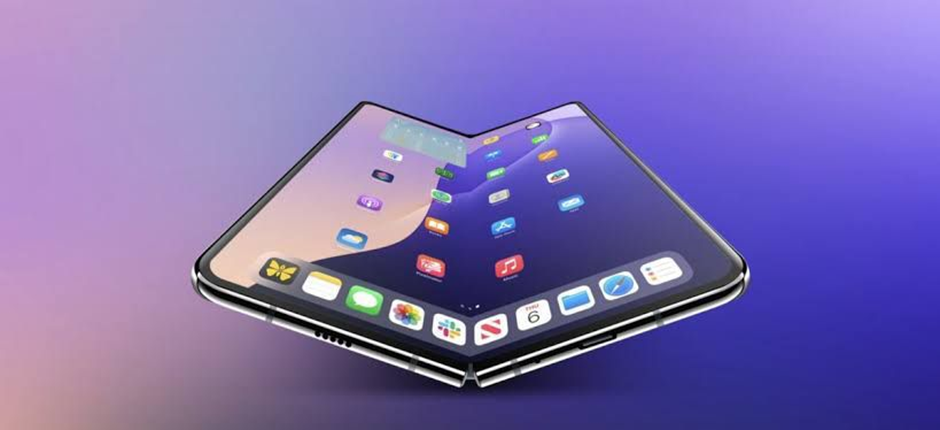
 A concept image of the future iPhone fold. (Image credit - 9to5Mac)
A concept image of the future iPhone fold. (Image credit – 9to5Mac)

Apple is currently in the phase of locking down major design elements and specifications for its next-generation iPhone lineup expected next fall. However, a new leak suggests that one of the most talked-about features of the upcoming iPhone Fold has not yet been finalised. Here’s what we know.

Apple’s Crease-Free iPhone Fold Still Uncertain

Tipster Digital Chat Station’s latest post on Apple Foldable. (Translated via Google Translate)

According to recent information, Apple is still testing multiple approaches to achieve a “crease-free” folding display for its first foldable iPhone. The update comes from well-known Weibo tipster Digital Chat Station, who shared that Apple’s display solution for the iPhone Fold remains a work in progress.

Apple is widely expected to introduce its first-ever foldable iPhone next year, and leaks surrounding the device have intensified over the past few weeks. Reports for quite some time have claimed that achieving a crease-free display has been one of Apple’s biggest challenges.

Unlike rivals such as Samsung, which has been selling foldable smartphones for several years, Apple has so far stayed away from the category. One commonly cited reason is Apple’s insistence on delivering an “Apple quality” experience, which means nearly invisible or “crease-free” fold.

While Digital Chat Station does not express alarm over the display design still being under development, the report adds weight to recent claims that the iPhone Fold could face limited availability at launch. Even if Apple still has time to finalise the glass and hinge design, any delays could further impact production volumes, which analysts already expect to be constrained.

iPhone Fold and Galaxy Wide Fold Could Copy Original Pixel Form Factor

Meanwhile, a separate report from ETNews sheds light on the possible display proportions of Apple’s foldable iPhone. The publication claims that the iPhone Fold will feature a 4:3 aspect ratio for its inner display, similar to the iPad. Interestingly, Samsung is also reportedly developing a new “wide fold” device with the same inner display aspect ratio.

image

Caption – Google Pixel Fold design in 2023. (Image credit – Google)

Google’s original Pixel Fold used a 6:5 aspect ratio, which is only slightly taller than 4:3. As a result, the upcoming foldables from Apple and Samsung could end up closely resembling the first Pixel Fold in terms of overall shape, both when opened and folded.

The ETNews report, cited by tipster @Jukanlosreve, further states that Apple’s foldable will use a 7.58-inch inner display. Samsung’s device is said to feature a slightly larger 7.6-inch inner panel, along with a 5.4-inch outer display. For comparison, the original Pixel Fold came with a 7.6-inch inner screen and a 5.8-inch cover display.


Google launched the first Pixel Fold in 2023, and while the device was praised for its ambition, it fell short in the long term due to issues such as overheating. Still, its form factor stood out at the time, thanks to its shorter and wider outer display that unfolded into a broad internal screen.

image

Caption – Current Samsung Galaxy Z Fold 7 form factor. (Image credit – Samsung)

This approach was notably different from Samsung’s Galaxy Z Fold design, which featured a very tall and narrow cover display and a more portrait-oriented inner screen, an arrangement that remains better optimised for many apps. In later generations, Google moved away from its original book-style foldable design in favour of something closer to Samsung’s approach.

Now, as reports suggest that Google is no longer pursuing that unique form factor, Apple’s upcoming iPhone Fold and a future Samsung foldable may end up revisiting and refining the same wide, tablet-like design introduced by the original Pixel Fold.

FAQs

Q1. Is Apple’s crease-free display for the iPhone Fold confirmed?

Answer. No, Apple is still testing multiple approaches to achieve a crease-free folding display. The design remains uncertain, and this challenge could limit availability at launch.

Q2. What display aspect ratio will the iPhone Fold use?

Answer. Reports suggest the iPhone Fold will feature a 4:3 inner display (7.58-inch), similar to the iPad. Samsung is also working on a foldable with a nearly identical aspect ratio.

Q3. How does the iPhone Fold’s design compare to Google’s Pixel Fold?

Answer. Apple’s upcoming foldable, along with Samsung’s new wide fold, may closely resemble Google’s original Pixel Fold form factor of a shorter and wider with a tablet-like inner screen contrasting Samsung’s current tall, narrow Galaxy Z Fold design.

Also Read

https://www.mymobileindia.com/iphone-fold-cad-renders-leak-reveal-size-and-display-dimensions/

https://www.mymobileindia.com/iphone-fold-may-debut-in-2026-but-face-shipping-delays-until-2027-says-analyst-kuo/

Samsung Wide Fold To Feature 7.6-Inch Tablet-Like Display, Could Compete With Upcoming iPhone Fold

0

Highlights

  • Samsung is developing a foldable with a 7.6-inch inner OLED display (4:3 ratio) and 5.4-inch outer screen, offering a tablet-like experience.
  • The wider format aims to improve ergonomics, balance, and usability for reading, browsing, and media.
  • It is expected to arrive in fall 2026.
Caption - New Samsung foldable device rumours surface online. (Image credit - Samsung)
Caption – New Samsung foldable device rumours surface online. (Image credit – Samsung

After the launch of the Galaxy Z Tri Fold, Samsung is gearing up for a wide-format foldable rumoured to be called the Samsung “Wide Fold.” The upcoming smartphone is said to be designed to compete directly with Apple’s first foldable iPhone. As of now, we believe it could offer a more tablet-style experience compared to Samsung’s existing foldables. Here’s what recent reports say.

Samsung Wide Foldable Smartphone Details

According to a report from South Korea’s ETNews, Samsung is developing a Wide Fold device that will feature a 7.6-inch inner OLED display with a 4:3 aspect ratio. The outer screen is tipped to measure 5.4 inches. If accurate, this marks a clear shift away from the book-style display proportions seen on the current Galaxy Z Fold series.

The wider inner display is expected to deliver a more balanced, two-handed user experience, making it better suited for reading, web browsing, and media consumption. Reports suggest the device will feel closer to using a small notebook or passport, offering improved comfort and usability over taller foldable designs.

Interestingly, the foldable iPhone is also said to feature a similarly sized inner display. Leaks indicate that Apple’s device could come with a 7.58-inch foldable screen using a 4:3 aspect ratio. With nearly matching display dimensions, Samsung appears to be strategically positioning the Wide Fold to go head-to-head with Apple. Although it will still maintain a distinct design approach.

image

Caption – Samsung Galaxy Z Fold 7.

Samsung ‘Wide Fold’ – What To Expect?

Reports suggest that Samsung is prioritising stability and ease of use with the Wide Fold design. A wider display is expected to improve balance when held, making the device more ergonomic during prolonged use.

Samsung has reportedly conducted multiple consumer surveys using concept images of the Wide Fold to better understand user preferences and refine the final design

The Samsung Wide Fold is expected to support 25W wireless charging. Rather than replacing the Galaxy Z Fold series, the new model will reportedly sit alongside it as part of Samsung’s expanding foldable portfolio. By fall 2026, Samsung’s lineup could include a Z Flip, a standard Fold likely the Galaxy Z Fold 8 and the new Wide Fold variant.

Samsung is tipped to launch the Wide Fold smartphone in fall 2026. If this timeline holds, the debut is likely to coincide with the release of Apple’s first foldable iPhone.

FAQs

Q1. What is the Samsung Wide Fold and how does it differ from current foldables?

Answer. The Samsung Wide Fold is a new foldable smartphone featuring a 7.6-inch inner OLED display with a 4:3 aspect ratio and a 5.4-inch outer screen, offering a more tablet-like experience compared to the taller Galaxy Z Fold series.

Q2. When is the Samsung Wide Fold expected to launch?

Answer. Reports suggest the Samsung Wide Fold will debut in fall 2026, likely coinciding with Apple’s first foldable iPhone launch.

Q3. Will the Wide Fold replace the Galaxy Z Fold series?

Answer. No, the Wide Fold is expected to sit alongside the Z Fold lineup (likely the Galaxy Z Fold 8) and Z Flip, expanding Samsung’s foldable portfolio rather than replacing existing models.

Also Read

https://www.mymobileindia.com/apple-targets-over-240-million-iphone-shipments-in-2026-foldable-iphone-expected-to-drive-growth/

https://www.mymobileindia.com/samsung-galaxy-z-trifold-introduced-with-10-amoled-display-snapdragon-8-elite-chip-and-5600mah-battery-price-not-revealed-yet/

Instagram May Focus on Long-Form Video and Premium Content, Hints Adam Mosseri

0

Highlights

  • Instagram head Adam Mosseri hinted the platform may embrace long-form video and subscription-based premium content to sustain growth.
  • Instagram is expanding to larger screens with its Fire TV app, signalling interest in living-room experiences.
  • Mosseri suggested smart glasses and mixed reality could reshape Instagram within the next decade.

image

Caption – (Photo by Brett Jordan on Unsplash)

Instagram could significantly evolve its content strategy in the coming years with greater emphasis on long-form video and premium content. In a recent interview, Instagram head Adam Mosseri shared insights into how the Meta-owned platform is thinking about its future.

Instagram May Reconsider Long-Form Video Strategy

Speaking to Semafor, Mosseri acknowledged that Instagram’s long-standing decision to avoid direct competition with long-form platforms such as YouTube may not hold forever.

“It might turn out that maybe we’ll need premium content to work… It might be that we need long-form video,he told Semafor.

This marks a notable shift in tone, suggesting that Instagram is actively evaluating whether long-form video will be essential for sustaining future growth. This is significant as creators and audiences increasingly spend more time on platforms that support extended video formats.

 Instagram Reels are currently the most popular content form on the platform. (Image credit - Meta)
Instagram Reels are currently the most popular content form on the platform. (Image credit – Meta)

Over the past few years, Instagram has largely prioritised short-form content particularly Reels. It reinforces what Mosseri has previously described as the platform’s “core identity” of helping people connect with friends while discovering new interests. However, changing user behaviour and the growing dominance of video-first platforms may push Instagram to rethink that approach.

Premium Content and New Monetisation Models

Mosseri also touched on the possibility of introducing more premium content experiences. Until now, Instagram has relied heavily on short-form discovery powered by algorithmic feeds. However, subscription-based offerings or paid creator content could help unlock new revenue streams while encouraging deeper user engagement.

That said, Mosseri clarified that even if Instagram embraces longer videos, its approach would differ from YouTube’s. According to him, YouTube thrives on long, high-production-value content, whereas Instagram’s ecosystem is built around constant variety, making that model less effective on the platform.

Expanding Beyond Smartphones

Instagram is also experimenting with ways to extend its presence beyond mobile devices. This is evident from the recent rollout of an Instagram TV app for Fire TV devices, which allows users to watch and share Reels on larger screens. The move signals Instagram’s interest in integrating more closely with living-room experiences.

Wearables and the Future of Instagram

Looking further ahead, Mosseri spoke about a future where smart glasses and other wearable technologies could play a central role. He suggested that such a shift could happen within the next decade, potentially replacing smartphones and transforming how users interact with Instagram through mixed reality and hands-free experiences.

“For avisual platform, [being] in a medium where you probably want most of your interactions with your smart glasses to be audio-only is a much bigger, more open question that we need to think about,” Mosseri said.

His comments highlight the challenges and opportunities that emerging hardware could bring.

FAQ

Q1. Is Instagram planning to introduce long-form video content?

Answer. Yes, Adam Mosseri hinted that Instagram may embrace long-form video in the future to sustain growth and adapt to changing user behaviour.

Q2. What premium content options could Instagram explore?

Answer. Instagram is considering subscription-based offerings or paid creator content, which could unlock new revenue streams and deepen user engagement.

Q3. How is Instagram expanding beyond smartphones?

Answer. Instagram recently rolled out a TV app for Fire TV devices, allowing users to watch and share Reels on larger screens, and is exploring future integration with wearables like smart glasses.

Also Read

https://www.mymobileindia.com/instagram-limits-hashtags-to-five-per-post-and-reel-heres-key-changes-creators-should-know/

https://www.mymobileindia.com/instagram-introduces-your-algorithm-ai-tool-to-give-users-more-control-over-reels-recommendations/

Foxconn’s Women-Led iPhone Factory Adds 30,000 Jobs in Rapid India Expansion: Report

0

Highlights

  • Foxconn’s new iPhone assembly plant near Bengaluru has hired 30,000 workers in under nine months.
  • Around 80% of employees are women aged 19–24, many first-time workers, supported with dormitories, free housing, subsidised meals and Rs 18,000 monthly wages.
  • The 300-acre facility will scale to 50,000 jobs and 12 assembly lines with an investment of Rs 20,000 crore.

image

Caption – Apple has been making efforts to diversify its manufacturing footprint beyond China. (Image credit – Unknown)

Taiwanese manufacturing giant Foxconn has hired close to 30,000 workers at its newly established iPhone assembly facility near Bengaluru within just eight to nine months. According to a report by The Economic Times, this marks one of the fastest factory ramp-ups ever recorded in India.

Located in Devanahalli, the facility is largely operated by women and employs mostly first-time workers between the ages of 19 and 24. The development highlights Apple’s accelerating efforts to diversify its manufacturing footprint beyond China and strengthen India’s role in its global supply chain.

Spanning roughly 300 acres, the plant began test production of iPhone 16 models during April–May earlier this year. It has now moved on to assembling the latest iPhone 17 Pro Max units, sources cited in the report said. More than 80 percent of the devices produced at the facility are being exported, underlining India’s growing importance in Apple’s worldwide manufacturing strategy.

Women make up around 80 percent of the workforce at the Devanahalli plant, many of whom are entering the workforce for the first time. To support employees, Foxconn has constructed six large dormitories, several of which are already operational. More housing facilities are still under development. Once the factory reaches full capacity next year, total employment is expected to rise to about 50,000 workers.

With further expansion plans in place, the Devanahalli unit is projected to accommodate more women workers at a single site than any other government or private facility in India. Employees have relocated from neighbouring states, and the campus is gradually being developed into a self-contained township with residential, medical, educational, and recreational amenities.

Workers at the facility are provided free accommodation, subsidised meals, and earn an average monthly salary of around Rs 18,000, among the highest wages for women in blue-collar manufacturing roles in the country.

Foxconn is investing close to Rs 20,000 crore in the project, which is expected to become India’s largest factory in terms of both workforce size and production capacity once fully operational. At peak scale, the plant is likely to host up to 12 iPhone assembly lines, compared to about four currently, and will surpass Foxconn’s existing iPhone manufacturing facility in Tamil Nadu.

The rapid expansion has been supported by India’s production-linked incentive (PLI) scheme introduced in 2021. As Apple continues to shift a larger share of iPhone manufacturing to India amid global geopolitical uncertainties, all iPhone models are now assembled in the country from the start of production and shipped worldwide.

Apple’s India manufacturing ecosystem is backed by a supply chain of nearly 45 companies involved in components, sub-assemblies, and logistics. New hires at the Devanahalli facility undergo around six weeks of on-the-job training before joining production, as Apple and its partners focus on skill development and strengthening local manufacturing capabilities.

FAQs

Q1. How many jobs has Foxconn created at its new iPhone factory near Bengaluru?

Answer. Foxconn has hired close to 30,000 workers within just eight to nine months, with plans to expand to 50,000 employees by next year.

Q2. Who makes up the majority of the workforce at the Devanahalli plant?

Answer. Around 80% of the workforce are women, mostly first-time workers aged between 19 and 24.

Q3. What iPhone models are being assembled at the new facility?

Answer. The plant began test production of iPhone 16 models earlier in 2025 and is now assembling the iPhone 17 Pro Max with over 80% of units exported.

Also Read

https://www.mymobileindia.com/foxconn-scales-up-hyderabad-operations-to-meet-soaring-global-demand-for-apple-airpods/

https://www.mymobileindia.com/foxconn-begins-iphone-17-production-at-bengaluru-plant-confirms-karnataka-minister/