WhatsApp will introduce a music sharing feature in Status updates.
The feature is currently available in the beta version for Android.
Users will be able to add music to their Status updates by searching for songs or artists.
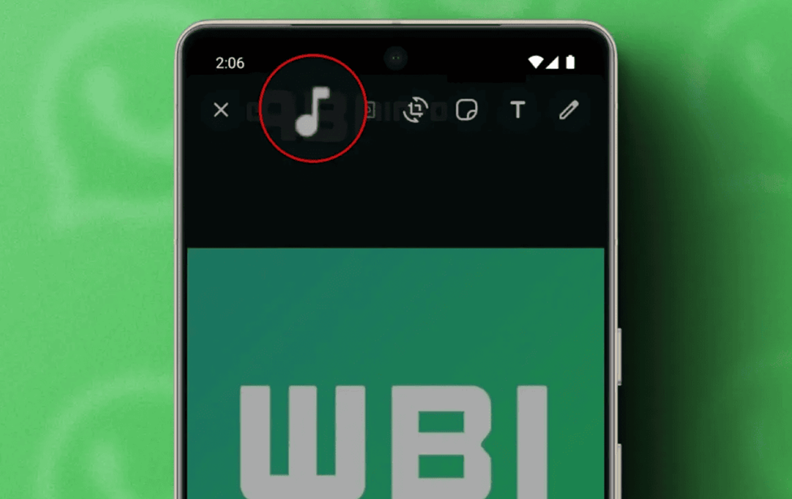
WhatsApp to introduce new music sharing in the Status updates feature. (Image credit – WabetaInfo)
Metahas been consistent with introducing like-minded features in all its social media apps.
Be it Instagram, WhatsApp or Facebook, you will often find some similar links and features between all three.
Now, as per recent updates, WhatsApp will soon have a music sharing on status feature very similar to what we have seen on Instagram before. Let’s find out more about this feature in development.
According to reliable WhatsApp source WabetaInfo, the messaging app users will soon find a new feature that will enable music sharing in Status updates.
WabetaInfo also reveals that the feature is currently available in the beta version of WhatsApp for Android and will soon be rolled out to all users.
With the new update, users will be able to add music to their Status updates, making their posts more fun and engaging. “Meta has a new agreement with Universal Music Group, which includes WhatsApp!” – WabetaInfo mentioned on X (previously Twitter) earlier this year.
WhatsApp is working a new feature to allow iOS and Android users to search, select, and share music in status updates in a future update! Meta has a new agreement with Universal Music Group, which includes WhatsApp!
We will share more details in the future. 🎵💚
— WABetaInfo (@WABetaInfo) October 10, 2024
Music Sharing in WhatsApp Status – How Will It Work?
This update will allow WhatsApp users to access a vast music library where they will be able to find specific songs or artists quickly.
A new “Music” button will be available on the status-sharing screen.
By clicking on it, users can search for their favourite songs or artists, select a track and add it to their Status.
Once the music is selected, it can be then added to the user’s Status with a tap to make the status updates more interactive.
“This new feature will introduce a music button within the drawing editor that appears after selecting a photo or a video for the status update.
By tapping this button, users will be able to search for songs or specific artists, making it easier to find and add their favourite music directly to the status,” WabetaInfo mentioned in a blog post.
WhatsApp users can make their status more lively and create entertaining posts for their friends and followers to enjoy.
The music will be powered by Instagram’s large music library providing WhatsApp users with a wide range of music to choose from.
WhatsApp aims to not only enhance the user experience but also bring all Meta social apps closer together. Such similar features will make it easier for users to transition between them.
FAQs
Q1. What new feature will WhatsApp soon introduce for Status updates?
Answer. WhatsApp will soon introduce a music sharing feature in Status updates, allowing users to add music to their posts.
Q2. How will users add music to their WhatsApp Status updates?
Answer. Users will be able to search for their favourite songs or artists, select a track, and add it to their Status using a new “Music” button on the status-sharing screen.
Q3. Where will be the music library for WhatsApp’s new music-sharing feature?
Answer. This feature will be powered by Instagram’s large music library, providing WhatsApp users with a wide range of music to choose from.
The entry-level Redmi A4 5G is expected to launch in India in November 2024 at ₹8499.
Key specs include a 6.7-inch IPS LCD with a 90Hz refresh rate, a Snapdragon 4s Gen 2 chipset, a 50MP main rear camera and an 8MP front camera.
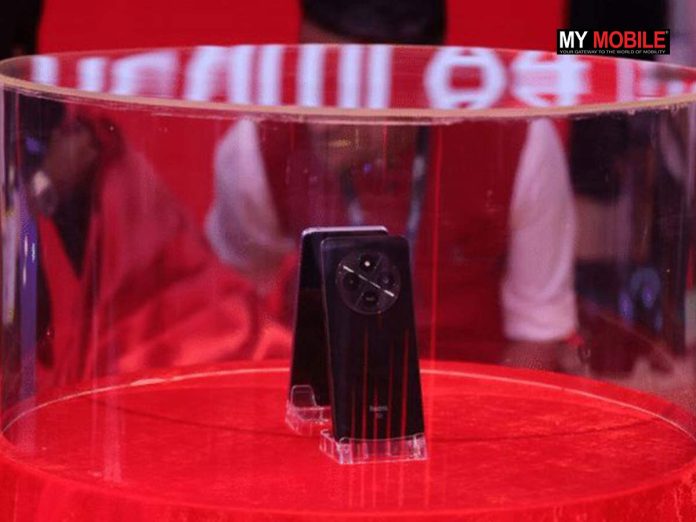
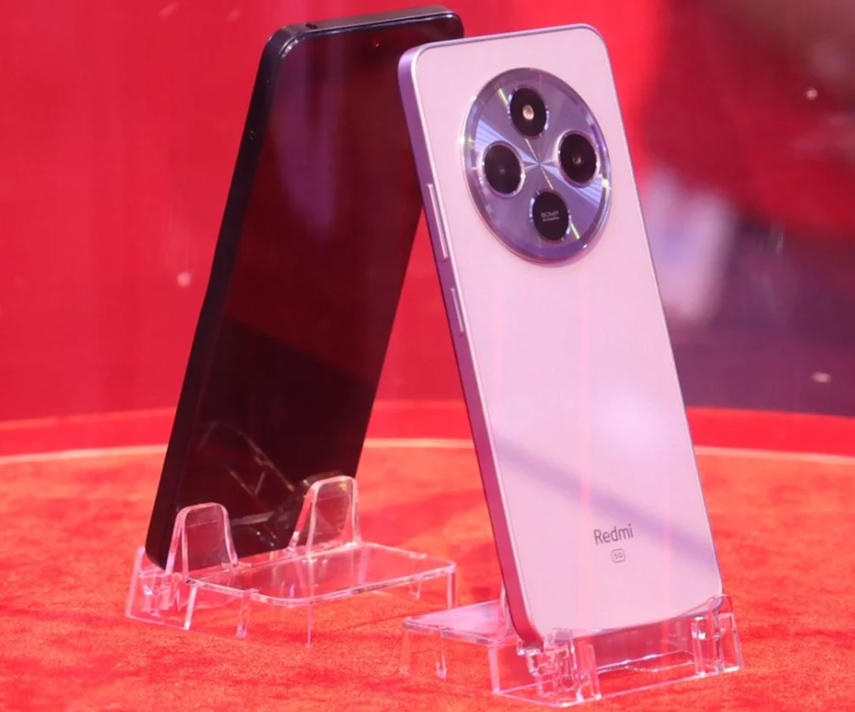
Redmi A4 5G will be launched in India at ₹8,499 for the 4GB RAM + 128GB variant. (Image credit – Smartprix/Gizmochina)
Xiaomi previously announced its entry-level smartphone Redmi A4 5G.
However, the Chinese manufacturer did not reveal any specific details about the upcoming smartphone at the time of announcement.
It now appears we are finally getting some credible information about Redmi A4 5G.
In a recent report, industry sources via Smartprix revealed some key insights of Redmi A4 including its pricing and specifications.
Redmi A4 5G – Price and Availability (Expected)
The entry-level smartphone is expected to launch in India at ₹8499.
As per reports, this price tag is after counting launch offers and discounts for the 4GB RAM + 128GB storage variant.
Although an official update is still awaited, reports suggest the Redmi A4 5G will be available starting in November 2024.
Here’s everything else we have heard about the upcoming budget smartphone.
Redmi A4 5G – Key Specs (Rumoured)
The Redmi A4 5G will be an affordable option for people looking to upgrade to 5G.
The phone will reportedly feature a 6.7-inch IPS LCD display with a 90Hz refresh rate and HD+ resolution. It will offer smoother visuals than traditional 60Hz screens.
It is expected to be powered by the Snapdragon 4s Gen 2 chipset built on a 4nm process, making it the first smartphone in India with this processor. The chipset is designed to deliver efficient performance along with 5G support. It will be an ideal choice for budget-conscious users.
For camera setup, the Redmi A4 5G will most likely sport a 50MP main rear camera with an f/1.8 aperture for sharp images and an 8MP front camera for selfies.
The phone will run on Android 14 with Xiaomi’s new HyperOS 1.0 ensuring a smooth user experience.
Other expected key features include a 5,000mAh battery with 18W fast charging, a side-mounted fingerprint sensor and a USB Type-C port.
Compared to its predecessor, the Redmi A3 4G, the A4 5G brings notable upgrades including 5G connectivity, a faster 90Hz refresh rate and a more powerful chipset.
The predecessor Redmi A3 4G was limited to a 60Hz display and an entry-level 4G processor.
FAQs
Q1. When is the expected launch date for the Redmi A4 5G in India?
Answer. The Redmi A4 5G is expected to be available starting in November 2024.
Q2. What are the key specifications of the Redmi A4 5G?
Answer. The Redmi A4 5G will feature a 6.7-inch IPS LCD with a 90Hz refresh rate, a Snapdragon 4s Gen 2 chipset, a 50MP main rear camera, and an 8MP front camera.
Q3. What is the expected price of the Redmi A4 5G in India?
Answer. The entry-level smartphone is expected to launch in India at ₹8499 for the 4GB RAM + 128GB storage variant.
Google added biometric logins to the Find My Device network.
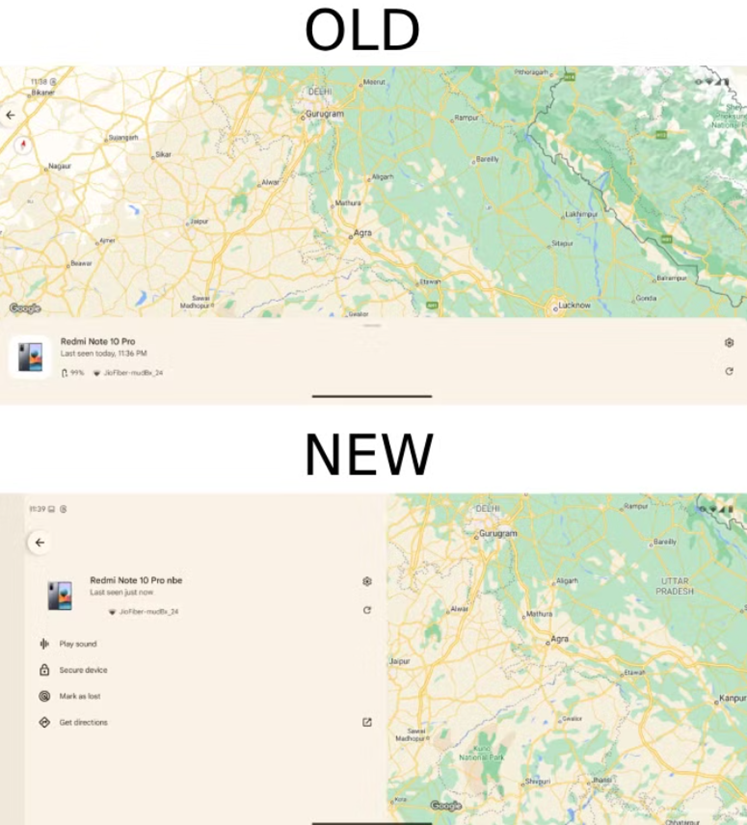
A UI update for tablet users is in the works.
Google is also introducing an Identity Check feature for Chrome.
Google has been constantly working to enhance the Find My Device network app with more features that can improve the overall user experience. In a recent update, Google has added biometric logins to the app.
Find My Device network now has biometric logins making it easier and more secure for users to access the platform.
Moreover, a new report suggests that there is also a user interface (UI) change for tablet users is in the works.
The new UI aims to better utilise larger screens. Both the updates come after Google recently integrated the Find My Device network into its Google Home app.
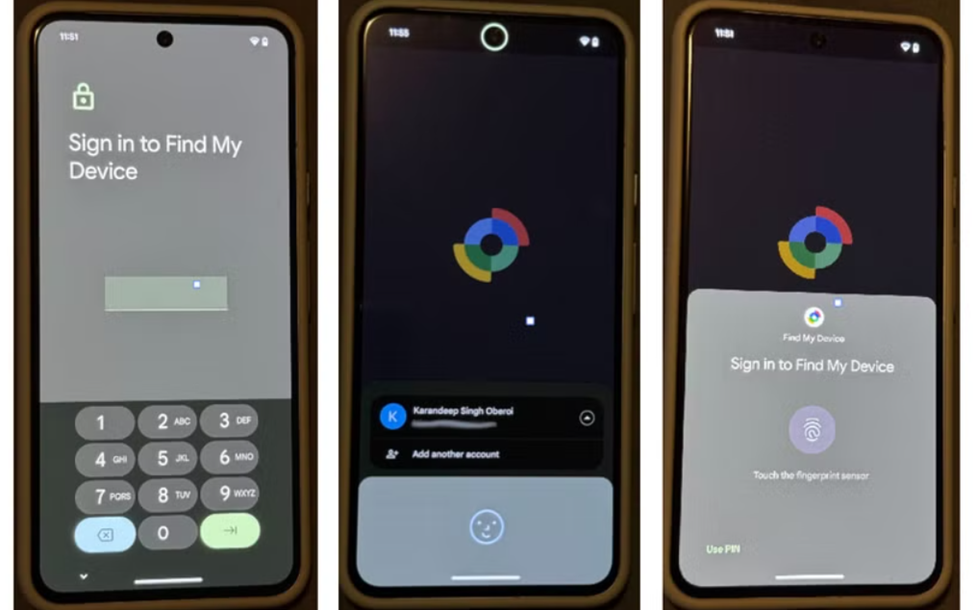
A recent report in Android Authority highlighted that the latest stable version of the Find My Device app (version 3.1.173-1) introduces biometric login functionality. Users can now sign into the app by scanning their fingerprint, or face or entering a PIN.
This new app update now replaces the previous method where users had to enter their Google account password every time they accessed the app.
Biometric logins to the Find My Device network. (Image credit – Android Police)
The new biometric option not only makes the login process faster but also adds an extra layer of security.
Previously, users could select a “Don’t ask again” option that could potentially put the device at risk.
That option is no longer available with biometric login and users can easily authenticate every time they use the app.
Find My UI Tweak for Tablets Coming Soon
Apart from the biometric logins, certain reports now suggest that Google is also working on a visual update for tablet users.
However, the Android Authority reports that the current bottom sheet design on the Find My Device app will soon be replaced by a side panel layout.
Find My UI tweak for tablets. (Image credit – Android Authority
This new design will make better use of the screen space on tablets, while still offering the same core features like Play sound, Secure device, Mark as lost and Get directions.
We have no confirmation on the release date for this tablet-specific UI update.
Identity Check for Enhanced Security in Chrome
Identity Check for Enhanced Security in Chrome
Meanwhile, Google appears to be working on rolling out another significant feature called “Identity Check.”
This new feature will add biometric authentication to access critical settings and will with important apps like Google Chrome. It is expected to launch later this year.
Identity Check will ensure that sensitive information on a user’s device remains secure, even if someone gains unauthorised access to the device by knowing the passcode.
Google’s New Identity Check Feature for Chrome
As per reports, the new feature will prevent unauthorised individuals from changing security settings like PINs, theft protection or accessing Passkeys.
Moreover, Biometric authentication such as face or fingerprint scans will be required.
Identity Check will extend to Google Chrome, where it will require biometric verification before auto-filling passwords, accessing payment information or enabling sync settings. This new layer of security is tied to the upcoming Android 15 QPR1 release.
FAQs
Q1. What new feature has Google added to the Find My Device network app?
Answer. Google has added biometric logins to the Find My Device network, allowing users to sign in using their fingerprint, face, or PIN for added security.
Q2. What is the upcoming UI change for tablet users on the Find My Device app?
Answer. The current bottom sheet design will be replaced by a side panel layout to better utilize the larger screens on tablets.
Q3. What is the purpose of Google’s new “Identity Check” feature in Chrome?
Answer. “Identity Check” will add biometric authentication to access critical settings, preventing unauthorized individuals from changing security settings or accessing sensitive information.
The iQOO 13 will launch in China on October 30 and in India between December 1 and 10.
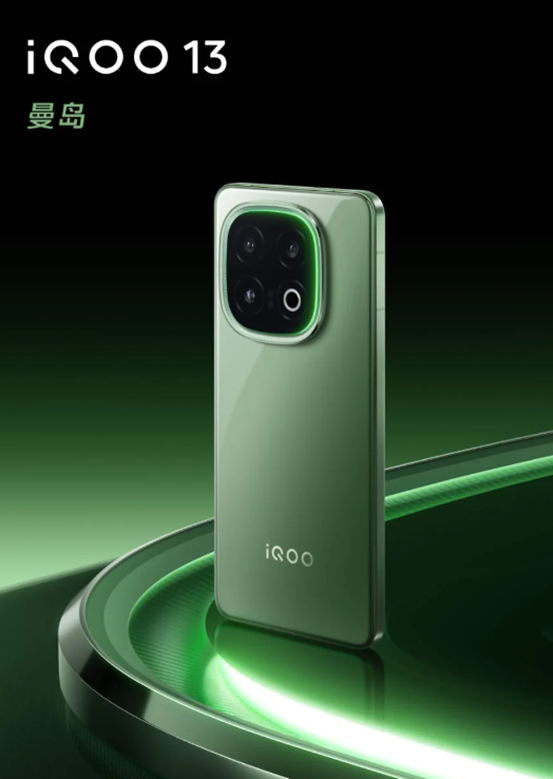
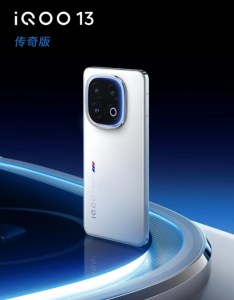
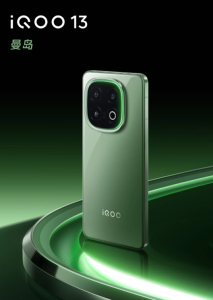
It will be available in four colour options: Green, White, Black, and Gray.
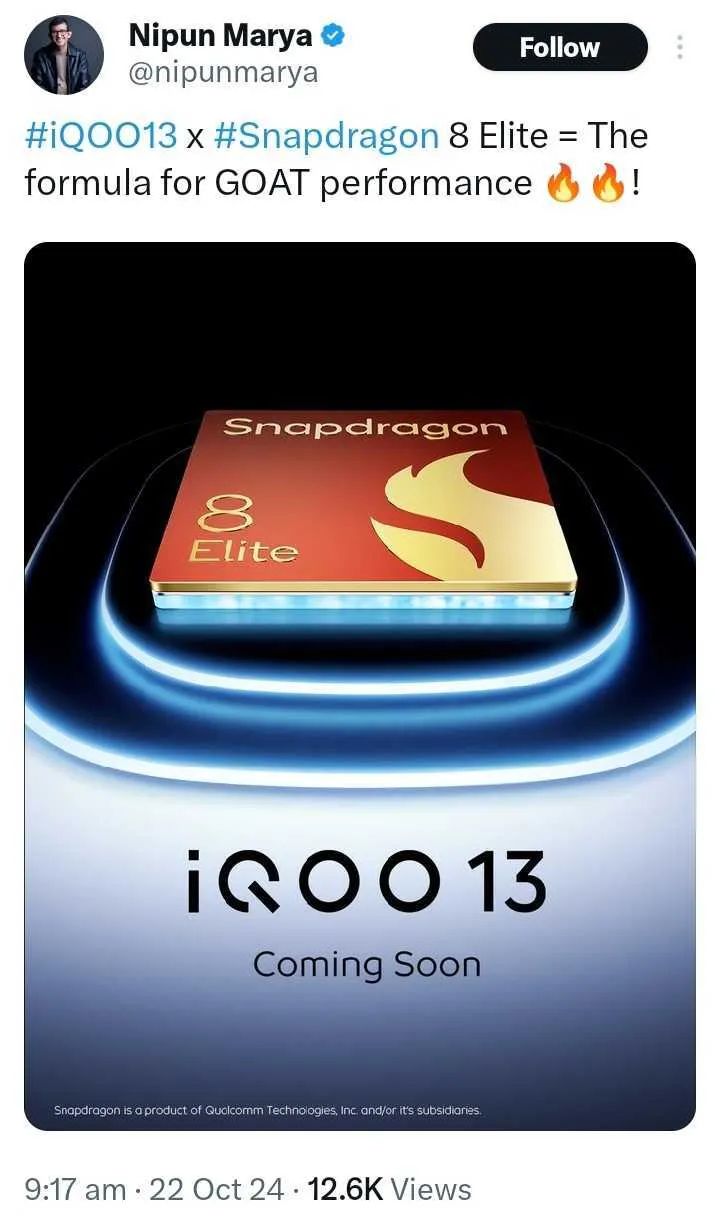
The phone will be powered by the Snapdragon 8 Elite chipset.
Other features include – SuperComputing chip Q2, a 6.82-inch 2K AMOLED display with 144Hz refresh rate and a 6150mAh battery with 120W fast charging.
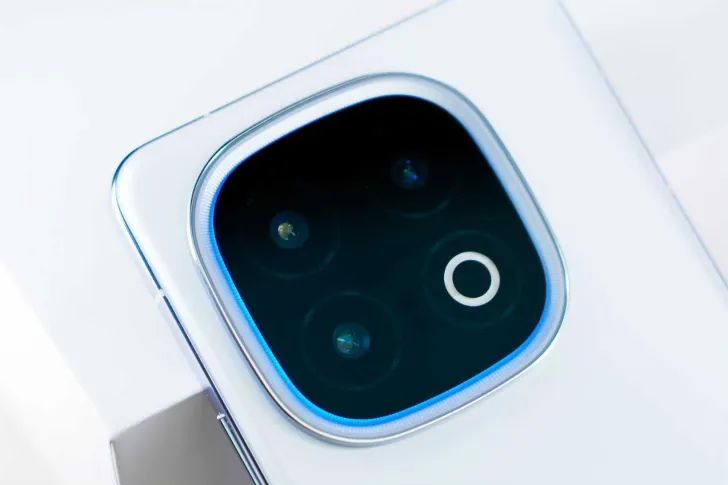
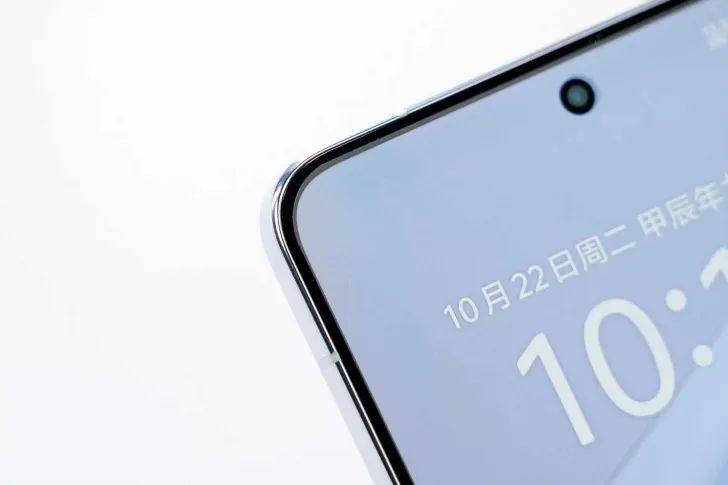
iQOO 13 official images released. (Image Credit – iQOO)
Rumours have been swirling around iQOO 13 for some time now. But recently the Chinese brand itself revealed some of the key details about its upcoming flagship smartphone ahead of its launch.
Nipun Marya, CEO of iQOO India, shared a teaser poster hinting at the iQOO 13 launch in the country.
The iQOO 13 is all set to launch in the Chinese market on October 30. However, in India, the iQOO 13 is expected to arrive sometime between December 1 and 10. After the official reveal, here’s everything we know about the upcoming smartphone.
iQOO 13 – Colours and Back Design (Revealed)
iQOO has confirmed the iQOO 13 will boast BOE’s latest Q10 panel
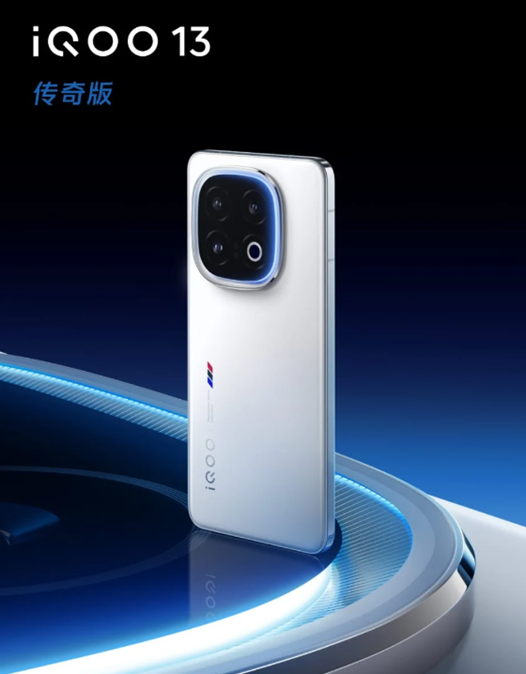
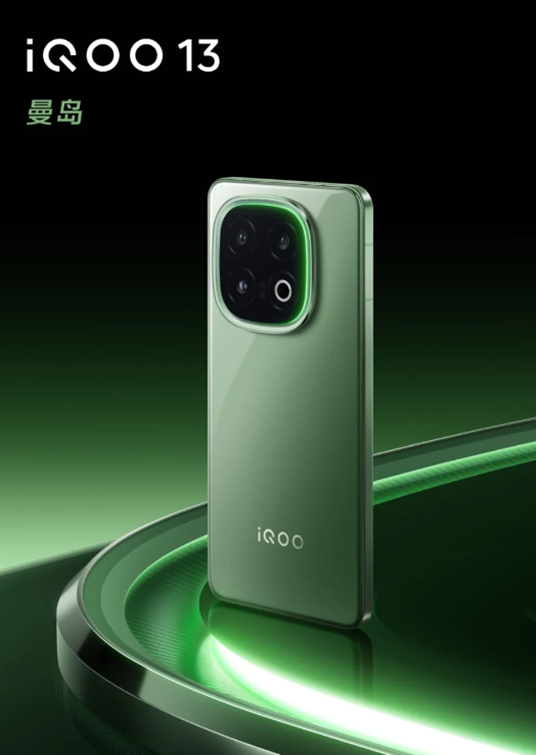
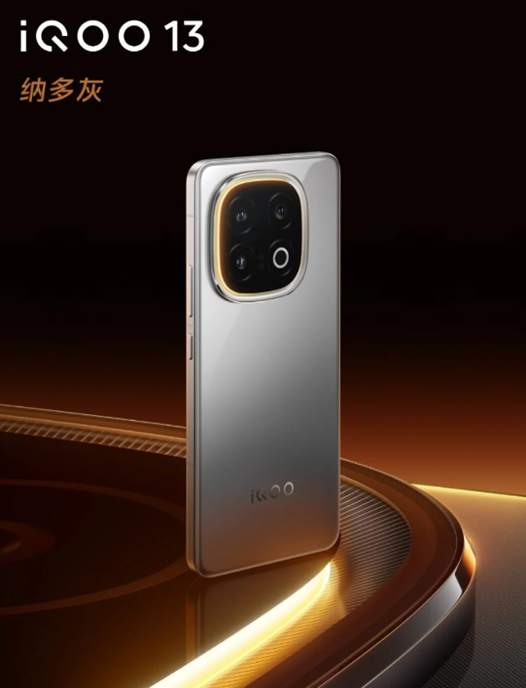
The brand recently revealed official images and a teaser video of the upcoming iQOO 13. As per the images revealed, the phone will come in four colour options including Green, White, Black and Gray.
iQOO 13 four colour variants official images. (Image credit – iQOO)
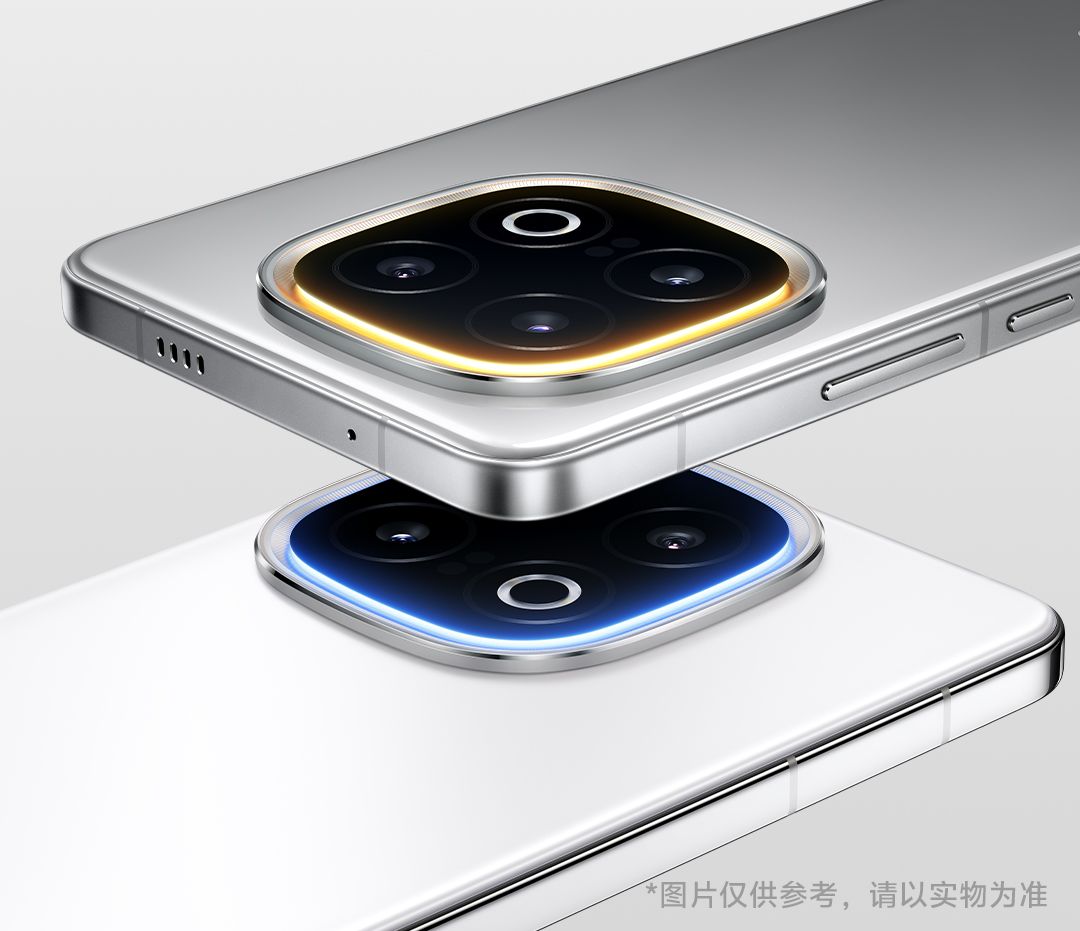
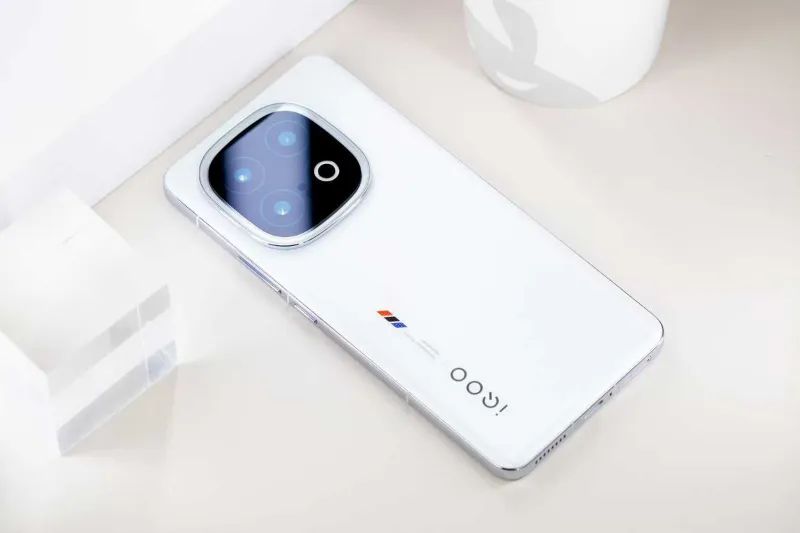
According to the released images, we can now confirm that iQOO 13 will feature a flat, modern design that looks both sleek and stylish.
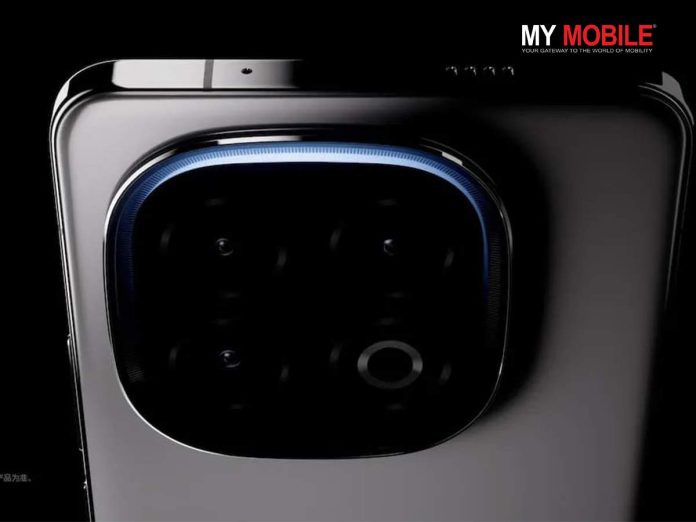
One of the standout design elements is the halo light ring around the camera island, which adds a unique touch. The company recently showcased this light ring in a teaser video.
iQOO 13 – Key Specifications (Expected)
The iQOO 13 will be powered by the newly launched Snapdragon 8 Elite chipset.
The iQOO 13 will be powered by the newly launched Snapdragon 8 Elite chipset, which offers significant improvements in CPU, GPU and AI performance.
This chipset will ensure fast processing speeds and efficient performance.
The phone also includes the SuperComputing chip Q2 enabling up to 144fps gameplay for a smoother gaming experience.
The front of the iQOO 13 features a large 6.82-inch 2K flat AMOLED display with a 144Hz refresh rate, delivering sharp, vibrant visuals and ultra-smooth scrolling.
Backing all this power is a 6150mAh battery with support for 120W fast charging.
For photography, the iQOO 13 will boast a triple-camera setup, with three 50MP sensors for the primary, ultra-wide and telephoto lenses.
This will offer a versatile photography experience. For selfies, the 32MP front-facing camera supports 4K video recording.
With its powerful specs, striking design, and impressive camera capabilities, the iQOO 13 is set to be a strong contender in the flagship smartphone market.
FAQs
Q1. When will the iQOO 13 be launched in the Chinese and Indian markets?
Answer. The iQOO 13 is set to launch in the Chinese market on October 30 and is expected to arrive in India between December 1 and 10.
Q2. What are the key specifications of the iQOO 13?
Answer. The iQOO 13 will be powered by the Snapdragon 8 Elite chipset, featuring a 6.82-inch 2K AMOLED display with a 144Hz refresh rate, a 6150mAh battery with 120W fast charging, and a triple-camera setup with three 50MP sensors.
Q3. What unique design element does the iQOO 13 have?
Answer. One of the standout design elements of iQOO 13 is the halo light ring around the camera island.
The Vivo X200 Ultra is expected to launch in the first half of 2025.
It will most likely feature the Snapdragon 8 Elite chip.
Rumoured specs include a quad-camera setup with a 50MP primary, ultra-wide, telephoto lens and a 200MP periscope telephoto camera.
With the official launch of the Snapdragon 8 Elite, we are now getting updates on all upcoming smartphones that may feature this new powerful chipset.
It appears Vivo X200 Ultra is going to be another smartphone next year to feature Snapdragon 8 Elite. Here’s what we know about this so far.
Vivo has just launched its latest X200 series in the Chinese smartphone market. The series includes the Vivo X200, X200 Pro Mini and X200 Pro.
Just as it was previously reported, all three Vivo X200 series models now launched are powered by the Dimensity 9400 chipset.
However, these three models are not the only Vivo X200 series phones the company has planned.
Vivois expected to add an Ultra model to the series as the launch of the Vivo X200 Ultra is expected for the first half of 2025.
And now the recent reports suggest, that Vivo X200 Ultra may feature Qualcomm’s Snapdragon 8 Elite chip.
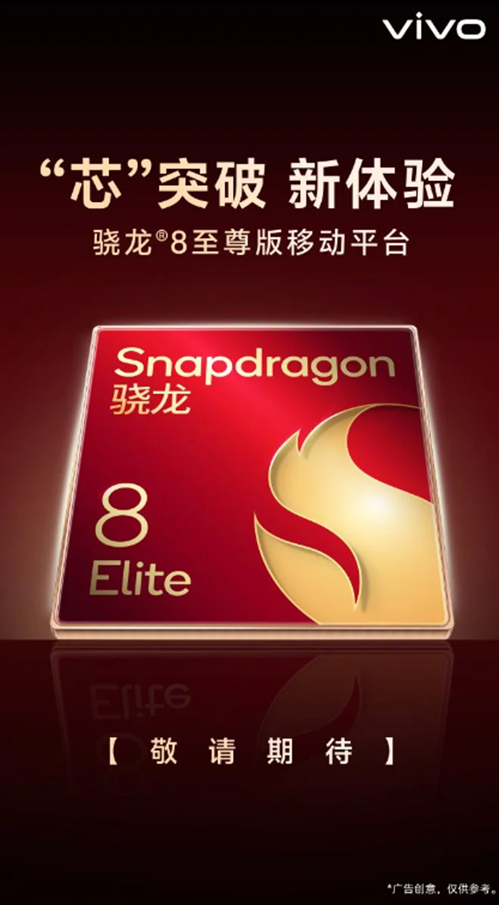
The speculation about X200 Ultra featuring 8 Elite was recently supported Qualcomm teased the newly unveiled Snapdragon 8 Elite-powered device on its Weibo account hinting at the X200 Ultra.
Snapdragon 8 Elite teaser about upcoming smartphones at China launch. (Image credit – Qualcomm)
Just to recall for those readers who don’t remember, there is a tradition of Vivo choosing different processors for the ultra model of their X Series line-up.
The predecessor series models Vivo X100 and X100 Pro were equipped with the Dimensity 9300 chipset and the X100 Ultra later came with the Snapdragon 8 Gen 3 chip.
It appears Vivo will follow a similar pattern with the upcoming X200 series phones as well with the X200 Ultra opting for the Snapdragon 8 Elite processor.
As we await the official release next year, rumours have been circulating about the X200 Ultra’s features.
According to a leak from tipster Digital Chat Station, the phone will come equipped with a quad-camera setup, including a 50-megapixel primary camera, a 50-megapixel ultra-wide sensor, a 50-megapixel telephoto lens, and a 200-megapixel periscope telephoto camera.
There’s also talk that it may support satellite communication.
Media reports suggest that it is expected to compete directly with other high-end flagship models in the Chinese market such as the Samsung Galaxy S25 Ultra, Oppo Find X8 Ultra and Xiaomi 15 Ultra.
Both the X100 and X100 Pro models saw global release, while the X100 Ultra was exclusive to China. There is no confirmation yet on whether the X200 Ultra will be available globally or will remain in the Chinese market only.
As for the price, the Vivo X200 Ultra may be priced around 5,500 Yuan (approximately INR 65,000) in China.
FAQs
Q1. When is the expected launch of the Vivo X200 Ultra?
Answer. The launch of the Vivo X200 Ultra is expected for the first half of 2025.
Q2. What chipset is rumoured to power the Vivo X200 Ultra?
Answer. Recent reports suggest that the Vivo X200 Ultra may feature Qualcomm’s Snapdragon 8 Elite chip.
Q3. What are some of the rumoured camera specifications for the Vivo X200 Ultra?
Answer. The phone will come equipped with a quad-camera setup, including a 50-megapixel primary camera, a 50-megapixel ultra-wide sensor, a 50-megapixel telephoto lens and a 200-megapixel periscope telephoto camera.
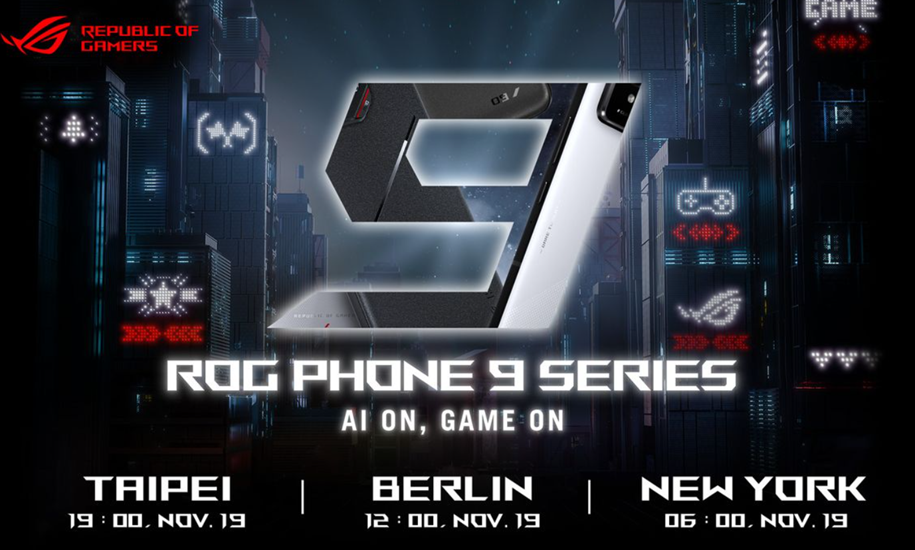
The ROG Phone 9 series will launch on November 19.
It will feature the new Snapdragon 8 Elite chipset.
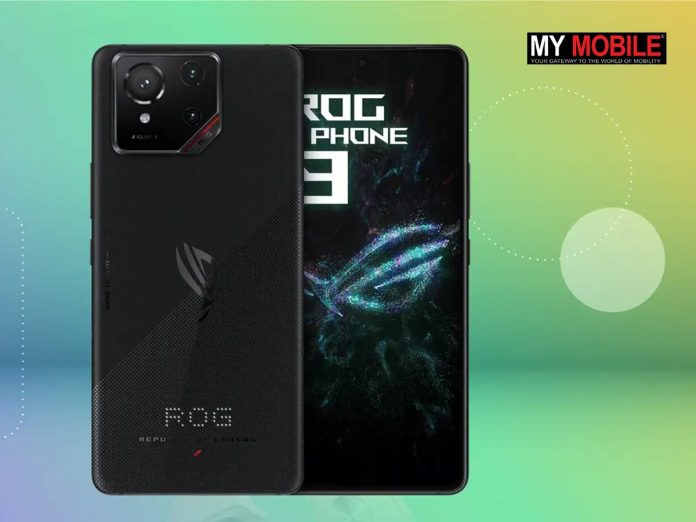
The phone is expected to continue with its gamer-centric look with LED lights.
The ROG Phone 9 series will include the standard model and the higher-end ROG Phone 9 Pro.
ROG Phone 9 series to launch on November 19. (Image credit – Asus Press Note)
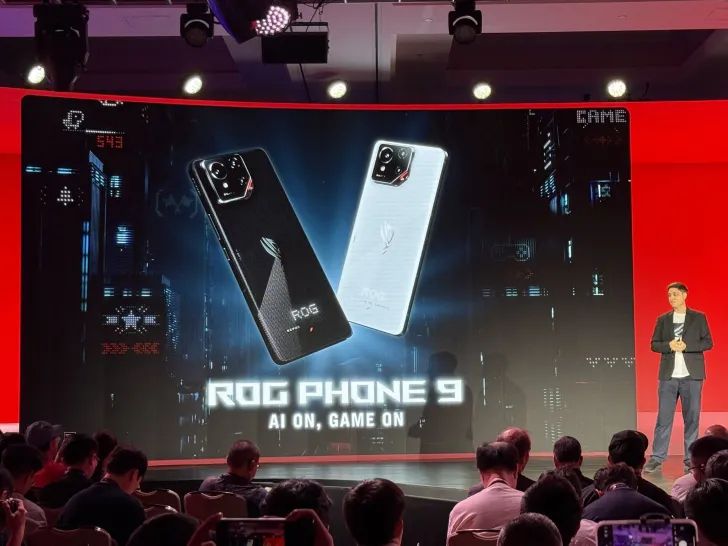
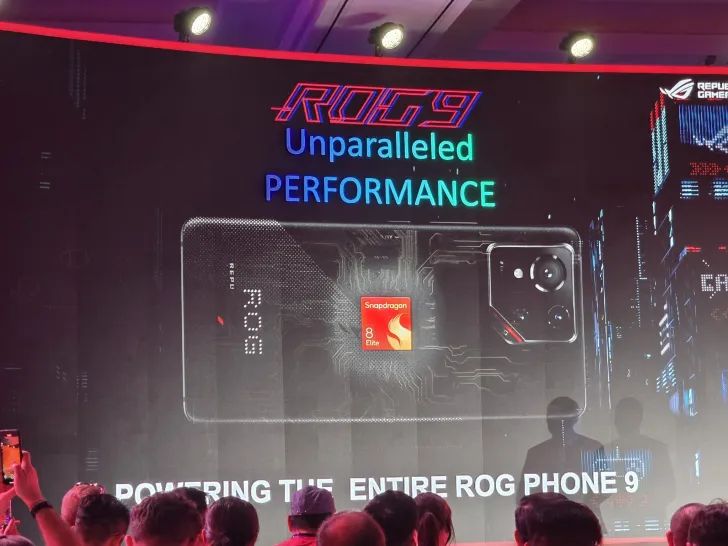
ASUS Republic of Gamers (ROG) has officially confirmed that it will be launching its latest gaming-focused ROG Phone 9 Series on November 19.
This announcement comes around the same time as the Qualcomm Snapdragon Summit, where the flagship Snapdragon 8 Elite mobile chipset has been officially introduced.
The ROG Phone 9 series will be one of the first devices to feature this new chipset, promising unmatched performance and efficiency.
ROG Phone 9 Series – Key Features (Expected)
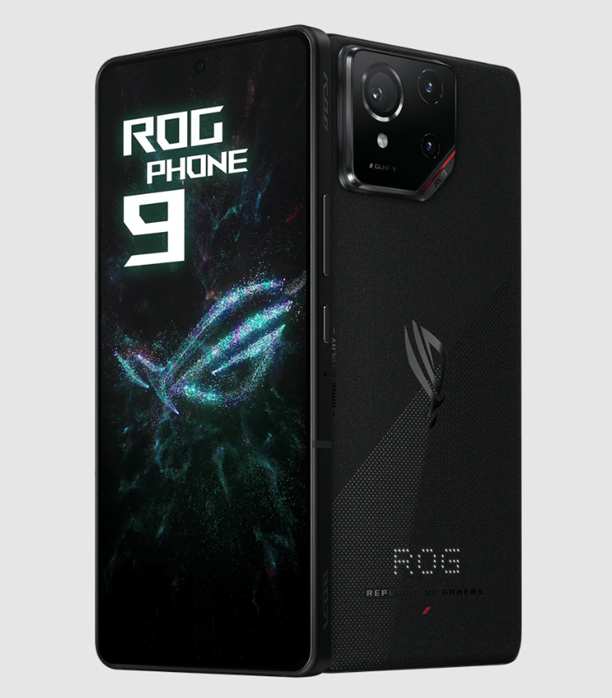
ROG Phone 9 series officially released image 1. (Image credit – Asus)
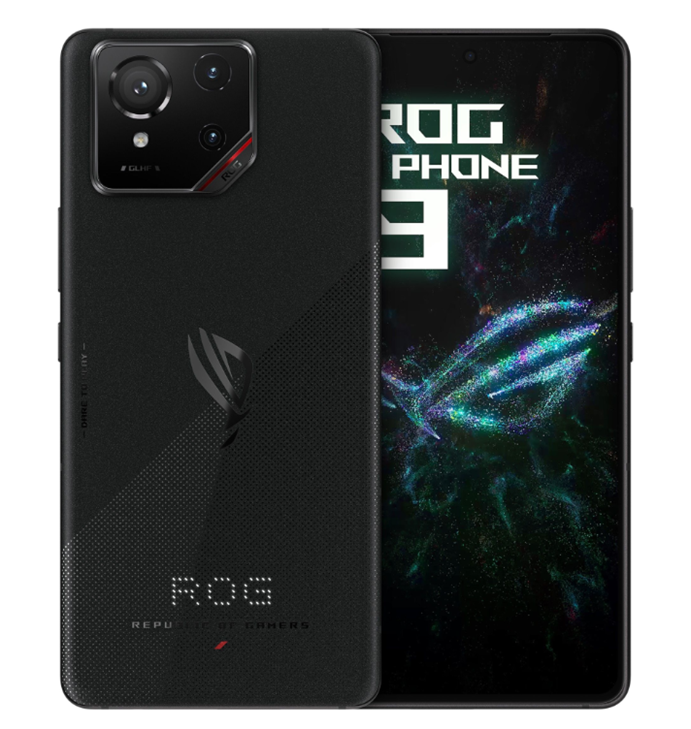
The ROG Phone 9 series is expected to retain its signature gamer-centric look including the familiar LED lights on the back. Asus has also hinted that the phone will continue to leverage AI features for an enhanced gaming experience.
Featuring the New Snapdragon 8 Elite Chipset for Unmatched Performance.
Battery life has always been an important feature of the ROG Phone series. The previous generation ROG Phone 8 Pro was known for its exceptional battery endurance. As per the latest update, the upcoming ROG Phone 9 will now come with Qualcomm’s focus on energy efficiency in the Snapdragon 8 Elite platform.
It is expected to offer even longer gaming sessions without the need for constant charging.
ROG Phone 9 series officially released image 2. (Image credit – Asus)
The series is expected to include at least two models i.e. the standard ROG Phone 9 and the higher-end ROG Phone 9 Pro.
The Snapdragon 8 Elite platform featuring a second-generation Oryon CPU and an enhanced Adreno GPU is set to raise the bar for mobile gaming.
These upgrades are expected to provide gamers with a smoother and lag-free experience.
Continuing the Gamer-Centric Aesthetic with Eye-Catching LED Lights.
Early benchmark tests on Geekbench 6 have shown impressive results. The ROG Phone 9 was outperforming many competing devices in both single and multicore tests.
With the launch date approaching, excitement is building around the ROG Phone 9’s potential to push the boundaries of mobile gaming.
More details are expected to come out as we get closer to the official launch on November 19.
FAQs
Q1. When will the ROG Phone 9 series be launched?
Answer. The ROG Phone 9 series will be launched on November 19.
Q2. What chipset will the ROG Phone 9 series feature?
Answer. The ROG Phone 9 series will feature the new Snapdragon 8 Elite chipset.
Q3. What to expect from the ROG Phone 9 series?
Answer. The ROG Phone 9 series is expected to retain its gamer-centric look with LED lights, leverage AI features, and include at least two models: the standard ROG Phone 9 and the higher-end ROG Phone 9 Pro.
Qualcommhas officially unveiled its flagship mobile chipset Snapdragon 8 Elite at the recent Snapdragon Summit.
The company also announced that its flagship mobile platforms are now adopting the Elite name.
This move aligns with the ARM-based X Elite chips that are currently used in high-end laptops.
The next generation of mobile experiences is here. #Snapdragon 8 Elite features the fastest mobile CPU in the world thanks to the @Qualcomm Oryon CPU, paired with the most powerful on-device #AI ever for a smartphone. pic.twitter.com/OwLlB7oNM4
— Snapdragon (@Snapdragon) October 21, 2024
Claimed to be “the most powerful and world’sfastest mobile system-on-a-chip ever,” Snapdragon 8 Elite is built on the second generation custom-built Qualcomm Oryon CPU, Qualcomm Adreno GPU and enhanced Qualcomm Hexagon NPU.
The chipset is designed for next-generation smartphones that will have on-device multi-modal generative AI applications.
According to Qualcomm, the Snapdragon 8 Elite will also enhance advanced camera capabilities with AI-ISP, gaming performance and enable faster web browsing.
The American chip maker also informed that ASUS, Honor, iQOO, OnePlus, OPPO, RealMe, Samsung, Vivo, Xiaomiand more such smartphone manufacturers will be releasing Snapdragon 8 Elite devices in the coming months.
Some of the first smartphones to receive the Snapdragon 8 Elite SoC include the upcoming OnePlus 13, Xiaomi 15, Honor Magic 7 Pro and Realme GT 7 Pro.
The upcoming OnePlus 13, Xiaomi 15, Honor Magic 7 Pro and Realme GT 7 Pro going to be the first smartphones with the Snapdragon 8 Elite. (Image credit – Qualcomm)
Chris Patrick, senior vice president and general manager of mobile handsets at Qualcomm Technologies Inc said, “We are so excited to bring the power of Qualcomm Oryon to our Snapdragon mobile platforms for the first time. Earlier this year we debuted it in PCs, delivering remarkable experiences and unparalleled battery life to PC users, energizing the industry and getting the attention of consumers. Today, our second generation of the Qualcomm Oryon CPU debuts in our flagship Mobile Platform – it’s a major leap forward and we expect consumers to be thrilled with the new experiences enabled by our CPU technology.”
“With leading CPU, GPU and NPU capabilities, the Snapdragon 8 Elite delivers dramatic performance enhancements and power efficiency 3. In addition, it revolutionises mobile experiences by offering personalised, multi-modal generative AI directly on the device enabling the understanding of speech, context, and images to enhance everything from productivity to creativity tasks while prioritising user privacy, ” Patrick added.
Here’s everything you need to know about the new chipset.
Snapdragon 8 Elite – All-Big Core Design and Memory
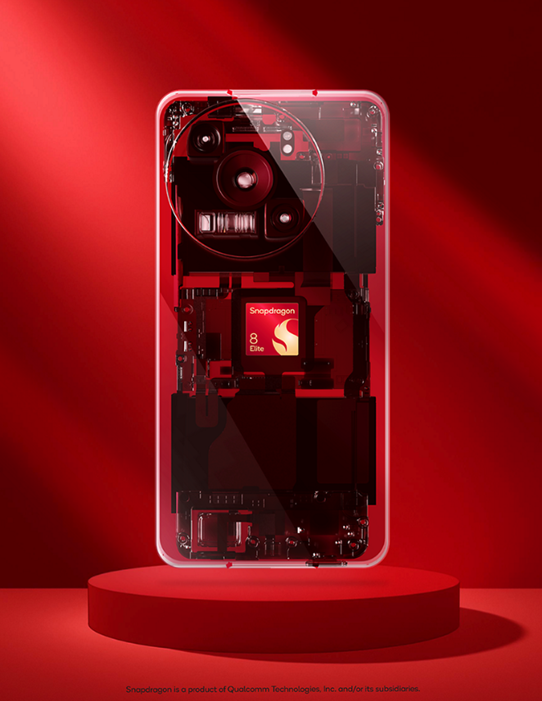
Qualcomm Snapdragon 8 Elite official
The Snapdragon 8 Elite is Qualcomm’s first smartphone chip to feature an all-big core setup.
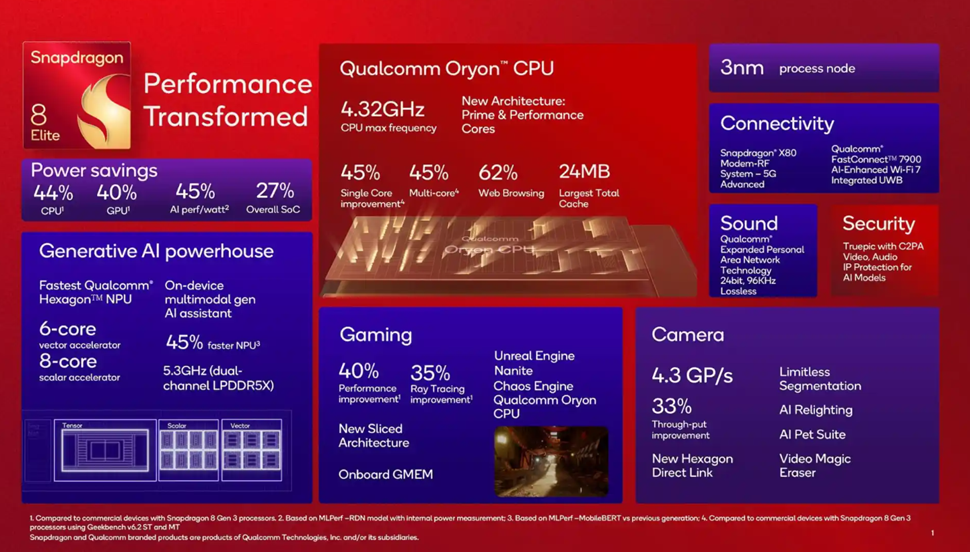
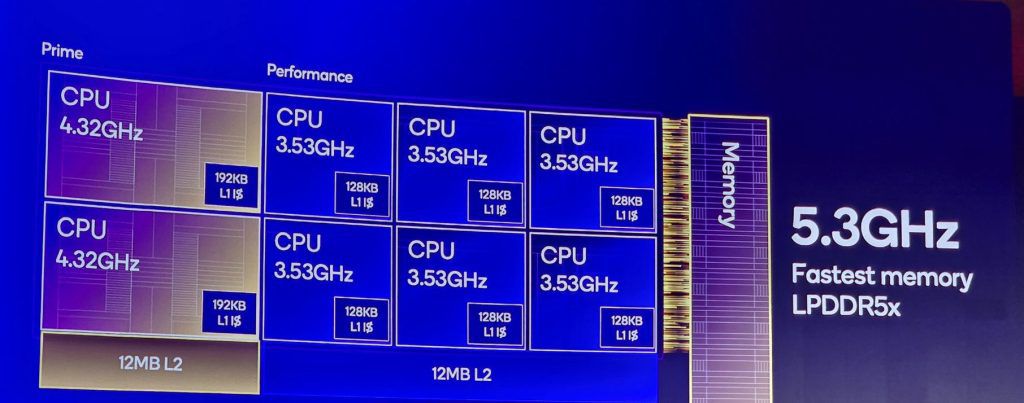
This eight-core processor is equipped with two prime cores clocked at an impressive 4.32 GHz, and six performance cores that go up to 3.53 GHz, making it ideal for power-intensive tasks.
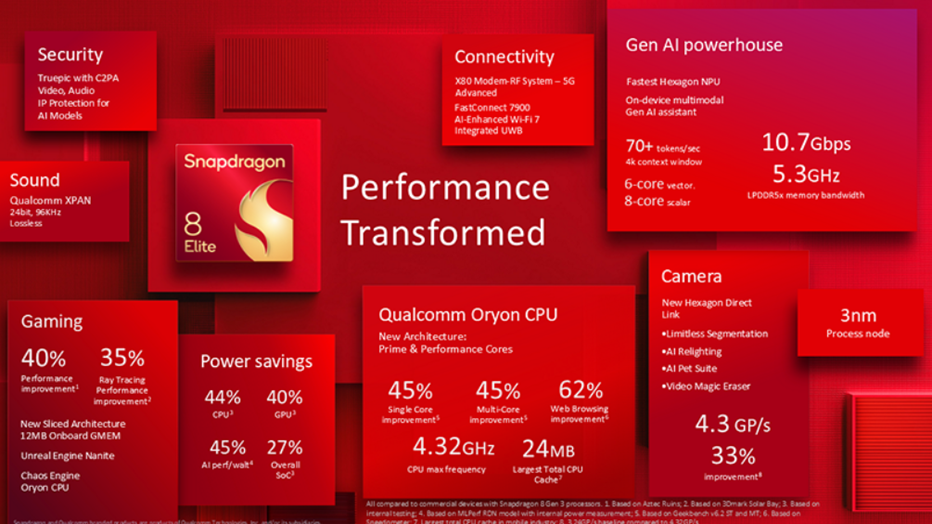
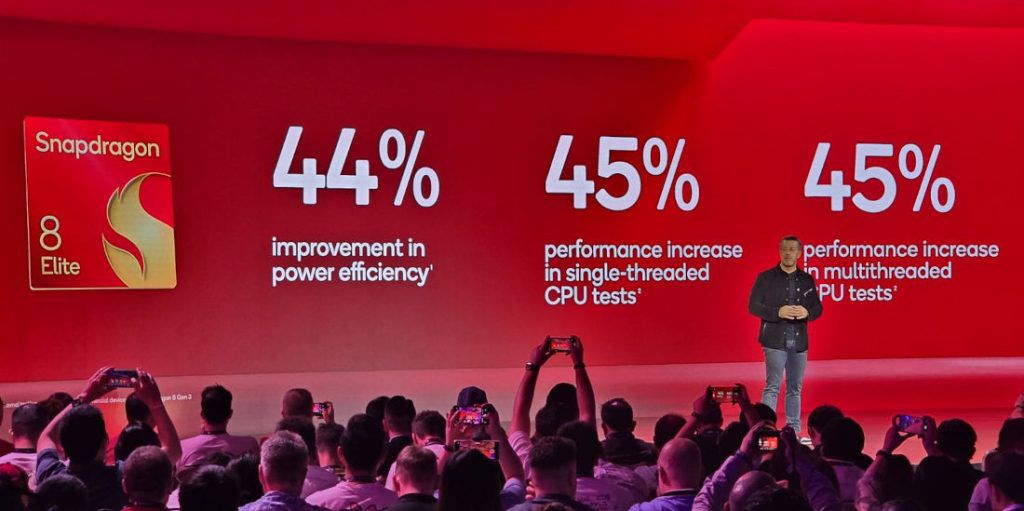
Snapdragon 8 Elite promises a 45% boost in CPU performance and 44% better power efficiency. (Image credit – Qualcomm)
With a 24MB L2 cache and support for ultra-fast 5,300MHz LPDDR5X RAM, the Snapdragon 8 Elite is built to handle demanding applications efficiently.
It is made using TSMC’s cutting-edge 3nm process, which results in significant performance improvements.
Qualcomm claims a 45% boost in CPU performance and 44% better power efficiency compared to its predecessor.
Snapdragon 8 Elite – Design for Gamers With Upgraded Adreno GPU
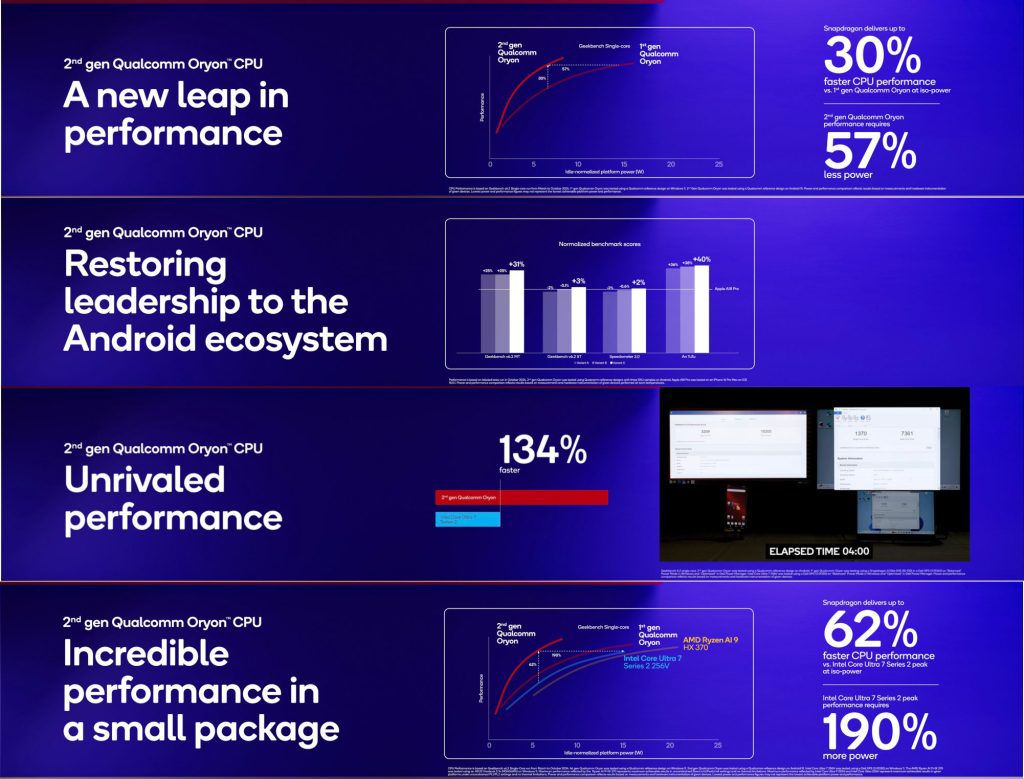
The 2nd Gen Qualcomm Oryon CPU is 30% faster vs 1st gen at iso-power .
The Snapdragon 8 Elite comes with a revamped Adreno GPU offering a 40% increase in both performance and power efficiency.
Moreover, ray tracing performance is 35% faster, providing smoother graphics and more immersive gaming experiences.
Gamers can expect up to 2.5 extra hours of playtime.
It’s also the first Qualcomm chip to support Unreal Engine 5.3 and its advanced Nanite virtualized geometry system bringing console-level graphics to smartphones.
Snapdragon 8 Elite comes with an enhanced GPU for gamers, a new AI-powered ISP, a Snapdragon X80 5G modem and Qualcomm’s FastConnect 7900. (Image credit – Qualcomm)
Snapdragon 8 Elite – AI Enhancements with Hexagon NPU
Qualcomm has again maintained that AI continues to be a main feature of all Qualcomm’s chips. The Snapdragon 8 Elite comes with a new Hexagon neural processing unit (NPU) that offers a 45% boost in AI processing speed while maintaining energy efficiency.
Qualcomm’s AI Engine also supports Gen AI allowing the chip to handle both large and small AI models.
It will give developers more flexibility for incorporating AI-driven features.
Snapdragon 8 Elite – Smarter Mobile Photography
The new Snapdragon 8 Elite also introduces a new AI-powered Image Signal Processor (ISP) replacing the older Spectra ISP for photography.
The AI ISP works with the Hexagon NPU to analyze raw camera data, allowing real-time AI adjustments at 4K/60fps. It also supports advanced photo and video editing features like semantic segmentation and video object erasing.
The new ISP can process up to4.3 gigapixels per second, compared to the previous generation’s 3.2 gigapixels, enabling features like simultaneous recording from three 48MP cameras, real-time adjustments for skin and sky and real-time video re-lighting.
Moreover, it supports up to a single 108MP camera at 30fps or a 320MP snapshot.
Snapdragon 8 Elite – Next-Level Connectivity
It has 2 x Prime cores at up to 4.32 GHz and 6 x Performance cores at up to 3.53 GHz.
For connectivity, the Snapdragon 8 Elite is equipped with the Snapdragon X80 5G modem. It is the first to support 6x downlink carrier aggregation and AI-assisted mmWave range extension. We can expect peak download speeds of up to 10 Gbps and upload speeds of up to 3.5 Gbps.
The modem is paired with Qualcomm’s FastConnect 7900 Mobile Connectivity System, which combines Bluetooth, Wi-Fi and the industry’s first Ultra Wideband (UWB) into a single 6nm chip.
It supports Wi-Fi 7, Bluetooth 5.4, and UWB, ensuring fast and reliable wireless connections across the board.
Snapdragon 8 Elite Vs Snapdragon 8 Gen 3 – A Quick Comparison
Compared to the predecessor, this uses Qualcomm’s 2nd gen custom Qualcomm Oryon CPU for mobile, with up to 4.32 GHz peak CPU speeds.
2 x Oryon Prime CPU at up to 4.32GHz, 6 x Oryon Performance CPUs at up to 3.53GHz 3nm Process Technology Built-in Qualcomm Snapdragon X80 5G modem-RF system
5G speeds of up to 10 Gbps down, mmWave: 8 carriers, 2×2 MIMO, Sub-6 GHz: 4×6 MIMO, Converged mmWave-sub-6 transceiver, Qualcomm 5G AI Suite Gen 3 includes: AI-enhanced performance improvements in power handling, coverage, latency, & QoS, AI-assisted mmWave beam management–mmWave (SA) range extension for CPE, AI-based GNSS Location Gen 3, Qualcomm 5G AI Processor Gen 2 with dedicated tensor hardware accelerator, Qualcomm 5G PowerSave Gen 5, Fully integrated NB-NTN support, Qualcomm Smart Transmit Gen 5 technology with Snapdragon Satellite support, Qualcomm Wideband Envelope Tracking, 5G New Calling support, Qualcomm Power RF Efficiency Suite, Qualcomm® 5G Ultra-Low Latency Suite, Qualcomm(R) RF Uplink Optimization, Global 5G multi-SIM, including Qualcomm DSDA Gen 2.
Qualcomm Adreno next-gen GPU, Real-time Hardware-Accelerated Ray Tracing with Global Illumination, Support for Unreal Engine 5.3 running Nanite on smartphones, Support for Unreal Engine Chaos Physics Engine, Snapdragon Adaptive Game Configuration, Snapdragon Game Super Resolution, Adreno Frame Motion Engine 2.1, Snapdragon Game Post Processing Accelerator, HDR gaming (10-bit color depth, Rec. 2020 color gamut), Snapdragon Shadow Denoiser, API support: OpenGL ES 3.2, OpenCL 3.0 FP, Vulkan 1.3
Hardware-accelerated H.265, VP9, AV1 decoder, HDR Playback Codec support for HDR10+, HDR10, HLG, and Dolby Vision Up to 48MP triple camera, Up to 108 MP single camera with ZSL, Up to 320MP single camera, Qualcomm Spectra Image Sensor Processor (AI ISP, 18-bit triple-ISP)
Limitless real-time Semantic Segmentation photo and video processing, Engine for Visual Analytics 4.0, including hardware acceleration for iToF depth sensors up to 4K 60 FPS, Support for the latest HDR, DCG+VS, DCG, Staggered, QDOL, Less Blanking, and Multiframe HDR image sensors
Rec. 2020 color gamut photo and video capture, Up to 10-bit color depth photo and video capture 10-bit HEIF: HEIC photo capture, HEVC video capture, Google Ultra HDR photo capture
Capture Formats: HDR10+, HDR10, HLG, Dolby Vision, 8K HDR video playback @ 60 FPS, 4K video capture @ 120 FPS, Slow-mo video capture at 1080p @ 480 FPS, Hardware Bokeh Engine 2 for video capture, Pro Sight video capture, Ultra-low light video capture with AI Noise Reduction in 4K60 FPS, Computational HDR video capture: Up to 4 exposures (with QDOL image sensors), Video super resolution, Massive Multi-Frame Noise Reduction with AI, Locally Motion Compensated Temporal Filtering – Enhanced AI video segmentation @ 4K60 FPS, Realtime AI skin and sky tone adjustments in 4K60 FPS, Truepic photo capture with C2PA-compliant certificate authority.
On-Device Display Support: 4K at 60 Hz / QHD+ at 240 Hz, Maximum External Display Support: up to 8K @ 30 Hz, Up to 1080 @ 240 Hz, Variable Refresh Rate support for 240 Hz to 1 Hz, 10-bit color depth, Rec. 2020 color gamut, HDR10, HDR10+, HDR vivid, and Dolby Vision
Qualcomm Hexagon Processor, Fused AI accelerator architecture, Hexagon scalar, vector, and tensor accelerators, Hexagon Direct Link, Micro Tile Inferencing, Large shared memory concurrency support, Upgraded power delivery system, Support for mix precision (INT8+INT16), Support for all precisions (INT4, INT8, INT16, FP16).
Support for LP-DDR5x memory up to 5300 MHz, Memory Density: Up to 24 GB Wi-Fi 7 Peak speed: 5.8 Gbps, Wi-Fi 7 802.11be, 802.11ax (Wi-Fi 6), Multi-gigabit, Integrated 802.11ac 2×2 (2-stream) MU-MIMO, Bluetooth 6.0, LE Audio, Integrated Ultra Wideband (UWB)
Concurrent GPS, Glonass, BeiDou, Galileo, QZSS, NavIC, Triple frequency GNSS (L1/L2C/L5), AI-based GNSS Location Gen 3
USB Version 3.1 Gen 2, USB Type-C Support, UFS 4.0 Qualcomm Quick Charge 5 technology
FAQs
Q1. What is the new name for Qualcomm’s flagship mobile platforms?
Answer. Qualcomm’s flagship mobile platforms are now adopting the Elite name, aligning with the ARM-based X Elite chips used in high-end laptops.
Q2. What is the key processor in the Snapdragon 8 Elite?
Answer. The Snapdragon 8 Elite is built on the second generation custom-built Qualcomm Oryon CPU.
Q3. Which smartphone manufacturers will release Snapdragon 8 Elite devices?
Answer. ASUS, Honor, iQOO, OnePlus, OPPO, RealMe, Samsung, Vivo, Xiaomi, and more will be releasing Snapdragon 8 Elite devices.
Q4. What are the expected performance improvements in the Snapdragon 8 Elite?
Answer. Qualcomm claims a 45% boost in CPU performance and 44% better power efficiency compared to its predecessor.
Q5. What connectivity features does the Snapdragon 8 Elite offer?
Answer. The Snapdragon 8 Elite includes the Snapdragon X80 5G modem, supporting peak download speeds of up to 10 Gbps and pairing with Qualcomm’s FastConnect 7900, which supports Wi-Fi 7, Bluetooth 5.4, and UWB.
OnePlus 13 will be launched on October 31 in China.
The flagship smartphone will be powered by the new Snapdragon 8 Elite chip.
It will feature up to 24 GB of LPDDR5x RAM and up to 1 TB of UFS 4.0 storage.
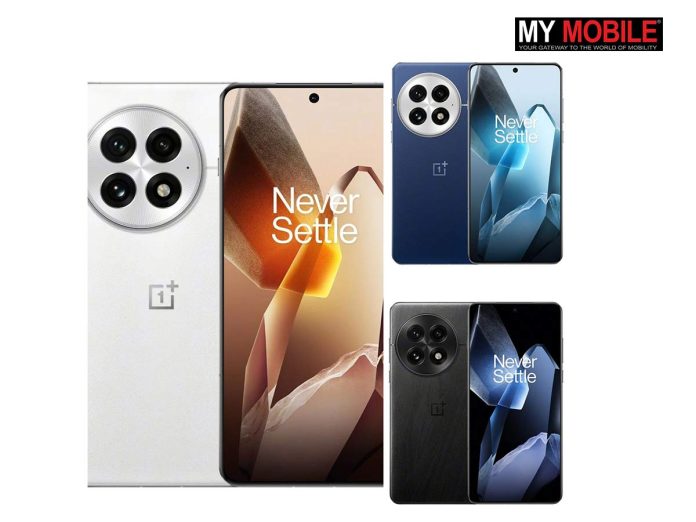
As per official images, the phone will be available in black, white and blue colour variants.
OnePlus 13 official images. (Image credit – OnePlus)
There have been rumours circling around the release of the OnePlus 13 for quite some now.
But now we have finally a confirmation from official sources.
OnePlushas officially announced that it will release the highly anticipated OnePlus 13 on October 31 in the Chinese market.
While the company has teased the design and display details of the phone already, it has been surprisingly silent about other details or key features of the phone as of now.
Qualcomm recently revealed the Snapdragon 8 Elite mobile platform and now OnePlus has confirmed that the OnePlus 13 will be powered by this new powerful chip.
OnePlus China President, Louis Lee, revealed that a special event will be held on October 23 at 10 a.m. local time in China.
This event will focus on the OnePlus 13’s performance, highlighting its capabilities with the newly launched Snapdragon 8 Elite.
OnePlus China President Louis Lee’s latest post on Weibo.
According to Lee, the Snapdragon 8 Elite offers significant improvements in both performance and energy efficiency.
The OnePlus 13, developed closely with Qualcomm, is expected to be among the most powerful Snapdragon 8 Elite flagship devices.
Lee also mentioned that the phone will feature exclusive proprietary technologies designed to enhance gaming performance like never before.
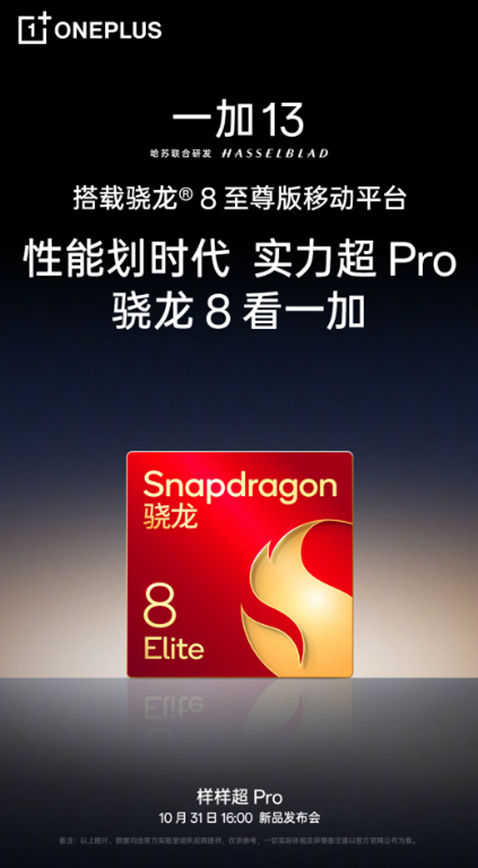
OnePus 13 teaser ahead of China launch. (Image credit – OnePlus)
The Snapdragon 8 Elite, based on TSMC’s 3nm process, boasts a second-generation Oryon CPU with two super cores clocked at 4.32 GHz and six performance cores. This new architecture delivers a 45% boost in energy efficiency compared to the previous generation, making it a perfect fit for the OnePlus 13.
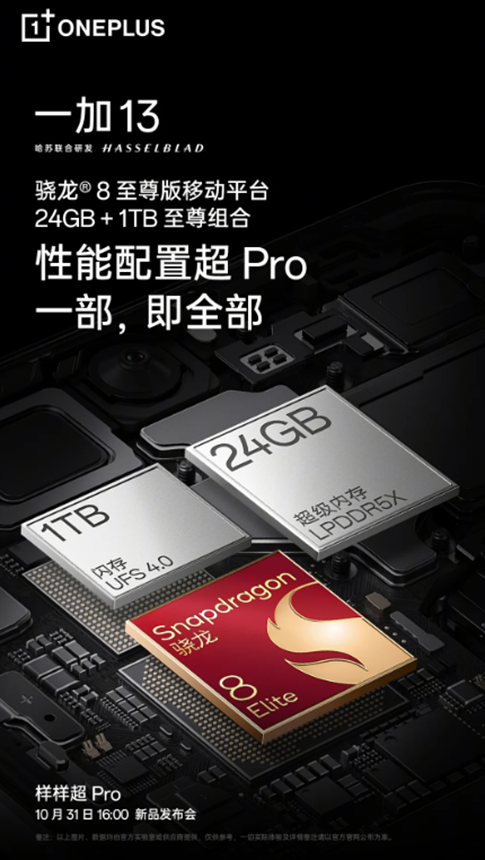
OnePus 13 teaser ahead of China launch. (Image credit – OnePlus)
The OnePlus 13 will also offer up to 24 GB of LPDDR5x RAM and up to 1 TB of UFS 4.0 storage, likely making it the first Android flagship to have such high memory capacity. To fully tap into the chip’s power,
OnePlushas integrated a new chip-level solution called Tidal Engine, developed by the ColorOS 15 team.
In terms of design, the OnePlus 13 will come in three colours: black, white and blue.
The phone features a revamped rear panel and a sleek micro-quad-curved BOE X2 OLED display on the front.
As the launch date approaches, more details about the OnePlus 13 are expected to be revealed.
FAQs
Q1. When will the OnePlus 13 be launched in the Chinese market?
Answer. The OnePlus 13 will be launched on October 31 in the Chinese market.
Q2. What is the key chipset powering the OnePlus 13?
Answer. The OnePlus 13 will be powered by the new Snapdragon 8 Elite chip, offering significant improvements in both performance and energy efficiency.
Q3. What are the memory and storage capacities of the OnePlus 13?
Answer. The OnePlus 13 will offer up to 24 GB of LPDDR5x RAM and up to 1 TB of UFS 4.0 storage.
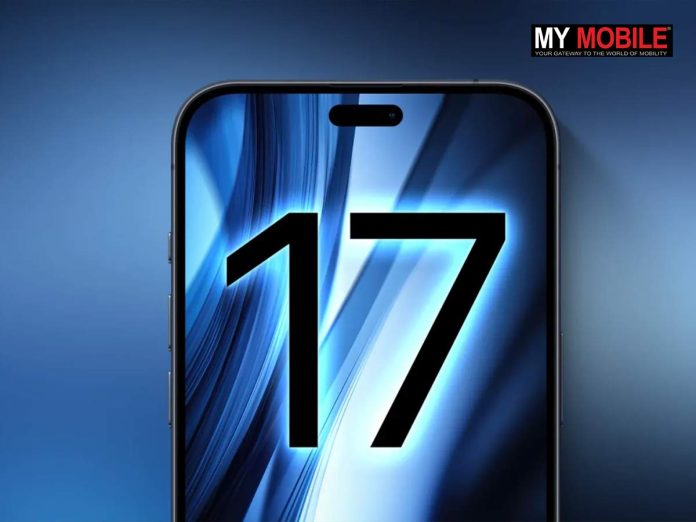
Apple plans to introduce a new iPhone 17 Slim in 2025.
It will most likely come with an A19 chip, a 6.6-inch display, 8GB RAM and a 48MP rear camera.
All iPhone 17 models will have a 24MP front camera.
Analyst Jeff Pu confirms some iPhone 17 Slim key specs in investor note seen by 9to5Mac. (Image credit – 9to5Mac)
We have been hearing about the iPhone 17 Slim for a while now. Rumours and leaks have revealed quite a few details about the next iPhone series phone even though no confirmation has been received from official sources yet.
Now, confirming something that was reported earlier, we have new reports from another non-official industry source.
According to analyst Jeff Pu, Apple is planning a big update to its iPhone lineup in 2025 with the launch of a new iPhone 17 Slim model.
This upcoming iPhone model will most likely focus on a sleek design and simplified features unlike the high-end specifications seen in other models.
According to analyst Jeff Pu and confirmed in a recent 9to5Mac report, the key features of the iPhone 17 Slim include –
Chip: A19
Display: 6.6-inch
RAM: 8GB
Front-camera: 24MP
Rear camera: Single 48MP camera
Biometrics: Face ID
Casing: Aluminum
The iPhone 17 Slim will have an all-new form factor relacing the current Plus model.
However, it is not yet revealed if we can expect any significant change in price, size or other factors of the upcoming device. Some reports have hinted it could even be priced higher than the iPhone Pro Max model.
iPhone 17 Lineup – What To Expect?
Along with the iPhone 17 Slim, the rest of the iPhone 17 lineup will include some significant upgrades:
iPhone 17 and iPhone 17 Slim: Both will feature 8GB of RAM and the A19 chip.
iPhone 17 Pro and Pro Max: These models will come with 12GB of RAM and an upgraded A19 Pro chip.
Pro Max Model: The iPhone 17 Pro Max will feature a smaller Dynamic Island due to new “metalens” technology, which could reduce the size of the Face ID sensor.
Earlier this year, analyst Ming-Chi Kuo suggested that all upcoming iPhone 17 models will include a 24MP front camera.
This is a significant boost from the 12MP sensors that can be found in current iPhone models.
However, the 9to5Mac report hints that all reports and rumours are still in development. There is always a chance that these plans will change in future before actual production.
It is clear Apple is aiming for a major shift in design and performance with the iPhone 17 series. Apple fans will have to wait until September 2025 for the official announcement.
FAQs
Q1. What is the expected release date for the iPhone 17 Slim?
Answer. The iPhone 17 Slim is expected to be released in 2025.
Q2. What are the key features of the iPhone 17 Slim according to Jeff Pu?
Answer. Key features of the iPhone 17 Slim include an A19 chip, a 6.6-inch display, 8GB RAM, a 24MP front camera, a single 48MP rear camera, Face ID and an aluminium casing.
Q3. What camera upgrades are expected for the iPhone 17 series?
Answer. All upcoming iPhone 17 models will include a 24MP front camera, a significant boost from the 12MP sensors in current iPhone models.
Delhi Police is investigating a Telegram channel named Justice League India for its role in the CRPF school blast.
The channel shared a post and CCTV footage related to a bomb blast at a CRPF school in Rohini.
The post contained a pro-Khalistan message.
National Security Guard inspect the blast site in Rohini, New Delhi (Image credit – PTI
A Telegram Channel is now under scanner a day after a bomb blast damaged a wall at the CRPF school in Prashant Vihar, Rohini.
Delhi Police has now reached out to Telegram Messenger for information regarding a channel named “Justice League India.”
According to police sources, the channel had shared a post about the blast, along with CCTV footage of the incident.
“The police are seeking information from other social media platforms as well. Telegram has yet to respond to the Delhi Police. The investigation is ongoing, and no specific organization has been linked to the blast yet. All angles are being investigated,” police sources told ANI.
On October 21, a video of the Delhi blast appeared on the Justice League India Telegram channel. The video had a “Khalistan Zindabad” watermark and was accompanied by a message stating that Khalistani groups were “ready to strike anytime.”
The message read, “If Indian coward agency and their master think they can hire filthy goons to target our members to silence our voice, then they live in fools’ world. They can’t imagine how close we are to them and how capable we are to strike anytime. #KhalistanZindabad #JLI.”
The message is now being viewed in the context of growing tensions between India and Canada over anti-India activities by Khalistani extremists.
Meanwhile, Delhi Chief Minister Atishi criticised the Bharatiya Janata Party (BJP)-led central government as it oversees Delhi’s law enforcement. In a post on X, Atishi accused the Centre of failing to maintain law and order in the national capital. “The responsibility to maintain law and order in Delhi is with BJP’s central government. But BJP ignores this and uses its time to disrupt the work of Delhi’s elected government,” she wrote.
The message posted in Telegram-channels indicates that Khalistani operatives were behind the blast in Delhi
As a response to the comments, BJP leader Shazia Ilmi said, “The puppet CM is known for this. If you make her speak on any topic, it is always about the Centre. Something very serious has happened. The situation is totally in control. Instead of expressing anxiety about the situation and [thinking] what should be done, a political blame game has begun.”
This isn’t the first time Telegram has been used to share such messages.
In the last few years, Telegramhas been notoriously associated with various criminal activities. According to a recent report published in the New York Times, Telegram has become a platform for illegal dealings, with some channels advertising weapons, drugs like cocaine and heroin and more across multiple countries.
The National Investigation Agency (NIA) and the National Security Guard (NSG) have since joined the probe.
Moreover, a case has been registered under the Explosives Act. The area remains under tight security as of now.
Amit Goel, deputy commissioner of police (Rohini), said, “When local police reached the spot, the school’s boundary wall was damaged, and a foul smell was coming from the area. The glass panes and windows of nearby shops and parked cars were also damaged.”
A senior forensic science laboratory officer stated, “Initial inspection of the samples shows the accused used a homemade explosive containing ammonia and phosphate. It looks like a crude bomb.”
“We have earmarked areas that record high footfall or are sensitive. These include Lutyens Delhi, government office buildings, markets, malls, among other places. The deployment has been increased. We have asked district officers to send teams for patrolling and ensure no anti-social elements break laws,” a senior police officer at the police headquarters said on the condition of anonymity.
“The sound was so loud that we initially thought it was an accident. It wasn’t until we saw the damage that we realized it was something more serious,” said a local shopkeeper whose store windows were shattered by the blast.
FAQs
Q1. Why is the Telegram channel under investigation by the Delhi Police?
Answer. Delhi Police is investigating the Justice League India Telegram channel after it shared a post and CCTV footage related to a bomb blast at a CRPF school in Rohini, along with a pro-Khalistan message.
Q2. What security agencies are involved in the investigation of the CRPF school bomb blast?
Answer. The National Investigation Agency (NIA) and the National Security Guard (NSG) have joined the probe, and a case has been registered under the Explosives Act.