Home Blog Page 1314

Ubon ropes in world bodybuilding champion Sangram Chougule as brand ambassador

0

Domestic gadget accessory and consumer electronics brand Ubon has signed world bodybuilding champion Sangram Chougule as its brand ambassador. The association is aimed at promoting Ubon’s entire product range in tier-2 and tier-3 cities.

Chougule is a celebrated fitness motivator with titles such as Mr Universe in 2012 and again Mr Universe in 2014 in the 85kg category, Mr India 6 times and Mr Maharashtra 5 times.

Mandeep Arora, Managing Director, Ubon, said, “We are extremely excited to join hands with one of India’s most famous body builders, Sangram Chougule. His personality and journey resonate with millions of youths which are our target consumer base. He has overcome many challenges in his career through hard work and simplicity which will help us connect deeply with our TG (target group). Through this association, we wish to convey to the youth about the right use of technology in fitness.”

Sangram Chougule said, “Apart from my love for fitness and body building, it’s music that motivates me to perform better each day. It is my pleasure to associate with Ubon, a brand that is a synonym to world-class audio experience with its wide range of products. Being tech-savvy myself, I am so delighted with this new association.”

Poco brings in M3 Pro 5G with MediaTek Dimensity 700 processor, triple rear cameras

0

Poco has launched M3 Pro 5G smartphone which is a successor to the Poco M3 that was launched in India back in February this year. The Poco M3 Pro comes with a high refresh rate display and a triple rear camera setup.

Specs-wise, the smartphone runs MIUI 12, based on Android 11. It features a 6.5-inch full-HD+ hole-punch display with 90Hz refresh rate, DynamicSwitch feature, 91 per cent screen-to-body ratio, and Corning Gorilla Glass protection.

Under the hood, the Poco M3 Pro 5G comes with the MediaTek Dimensity 700 SoC, paired with the Mali-G57 GPU, up to 6GB of RAM, and up to 128GB of UFS 2.2 internal storage.

For photography, the all-new Poco handset comes equipped with a triple rear camera setup that includes a 48-megapixel main camera, a 2-megapixel macro camera and a 2-megapixel depth sensor. For selfies and video calling, there is an 8-megapixel camera at the front, housed in a central hole-punch cutout.

Other key features include a side-mounted fingerprint sensor on the Poco M3 Pro 5G as well as AI Face Unlock. The phone is backed by a 5,000mAh battery with support for 18W fast charging. Poco claims that the smartphone can last two days on a single charge.

Connectivity options include dual-SIM slots, 5G, NFC, dual-band Wi-Fi, Bluetooth v5.1, GPS, 3.5mm audio jack, and USB Type-C port. Sensors onboard include proximity sensor, ambient light sensor, accelerometer, gyroscope, electronic compass, and IR blaster.

The all-new Poco smartphone is priced at Rs 13,999 for the 4GB RAM + 64GB storage model, while the 6GB RAM + 128GB storage variant costs Rs 15,999. The phone comes in Cool Blue, Power Black and Poco Yellow colour options.

It will go on sale starting June 14 at 12pm via Flipkart and the company is offering early bird pricing for both models just for June 14. While the 4GB + 64GB model will cost Rs 13,499, the 6GB + 128GB variant will cost Rs 15,499.

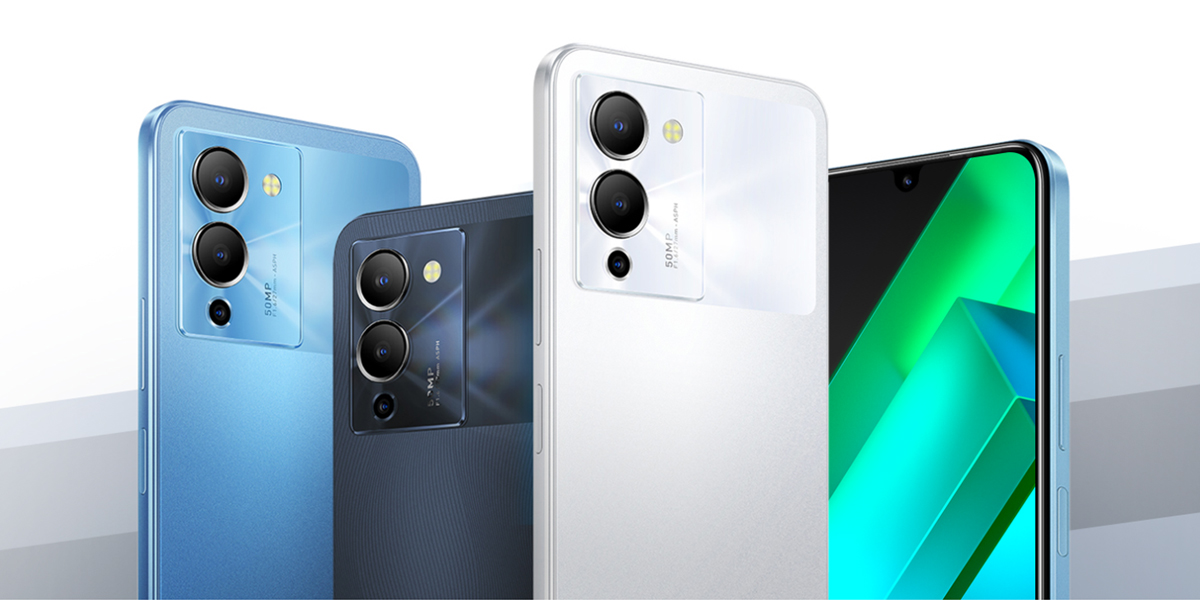
Infinix launches Note 10, Note 10 Pro with 6.95-inch display, 5,000mAh battery in India

0

Infinix has expanded its Note-series with the launch of Note 10 and Note 10 Pro in India. The smartphones come equipped with MediaTek processors and massive 5,000mAh batteries.

Talking about specs, the Infinix Note 10 and Note 10 Pro run on Android 11-based XOS 7.6 software. Both the smartphones sport a 6.95-inch full HD+ Super Fluid display with a 180Hz touch sampling rate. However, only the Infinix Note 10 Pro gets a high refresh rate display with a 90Hz panel.

Under the hood, the Infinix Note 10 is powered by MediaTek Helio G85 chipset paired with up to 6GB of RAM, whereas the Infinix Note 10 Pro is powered by Helio G95 chipset paired with 8GB of RAM. Both the smartphones come with a 5,000mAh battery. While the Infinix Note 10 Pro comes with 33W fast charging support, the Note 10 comes with only 18W charging speed.

In terms of optics, the Infinix Note 10 comes with a triple rear camera that comes with a 48-megapixel primary shooter, a 2-megapixel macro lens and a 2-megapixel portrait lens. At the front, the smartphone comes with a 16-megapixel selfie snapper. On the other hand, the Infinix Note 10 Pro houses a quad rear camera setup that includes a 64-megapixel primary shooter, an 8-megapixel ultra-wide angle sensor, a 2-megapixel macro lens and a 2-megapixel portrait lens. Up front, it has the same camera as the Infinix Note 10 for selfies and video call.

As for prices, the Infinix Note 10 series starts at Rs 10,999 for the 4GB RAM + 64GB storage variant of the Note 10. The 6GB RAM + 128GB storage variant is priced at Rs 11,999. On the other hand, the Infinix Note 10 Pro is priced at Rs 16,999 for the sole 8GB RAM + 256GB storage variant.

If we talk about their availability, the Infinix Note 10 will go on sale starting June 13, while the Infinix Note 10 Pro will go on pre-orders on June 13. The smartphones will be sold via Flipkart and will come in three colour options each. While the Infinix Note 10 comes in 7 Degree Purple, 95 Degree Black and Emerald Green colour options, the Note 10 Pro comes in 7 Degree Purple, 95 Degree Black and Nordic Secret colours.

iQOO Z3 5G with Snapdragon 768G, triple rear cameras and 55W fast charging support launched in India

0

iQOO has come up with yet another smartphone in the Z-series called iQOO Z3 with 5G support in India. The phone falls in the mid-range segment and was first launched in China in March this year.

The iQOO Z3 5G comes in three RAM/ROM variants, and its price in India starts at Rs 19,990 for the base 6GB+128GB model. The 8GB+128 GB variant and the top-of-the-line 8GB+256GB option carry price tags of Rs 20,990 and Rs 22,990 respectively. The smartphone is up for grabs at Amazon and iQOO e-store in Ace Black and Cyber Blue colours.

In terms of technical specs, the iQOO Z3 5G features a 6.58-inch Full-HD+ LCD display with a 120Hz refresh rate, 90.61 screen-to-body ratio and HDR support. The display panel has a waterdrop-style notch that houses the single selfie camera.

Under the hood, the smartphone packs an octa-core Qualcomm Snapdragon 768G SoC paired with integrated Adreno 620 GPU, up to 8GB of LPDDR4x RAM, and up to 256GB of onboard UFS 2.2 storage that is expandable up to 1TB via a microSD card. The handset runs on Android 11-based OriginOS out-of-the-box and supports dual 5G SIM cards.

The all-new iQOO smartphone comes with a triple camera setup on the back, inside a black-coloured rectangular module that houses the 64-megapixel primary camera with f/1.79 aperture. It is further accompanied by an 8-megapixel ultra-wide-angle camera with f/2.2 aperture and a 2-megapixel sensor with an f/2.4 lens. There’s a 16-megapixel shooter at the front for selfies and video calling. Additionally, the camera app comes with modes like night scene, portrait, dynamic photos, AR cute shot, short videos, and more.

Other notable features on the iQOO Z3 5G include 4G LTE, dual-band Wi-Fi, Bluetooth v5.1, GPS, and a 3.5mm headphone jack. It is backed by a 4,400mAh battery with support for 55W fast charging via the USB Type-C port.

Esports Premier League brings Infinix on board as title sponsor

0

India’s first-ever franchise-based esports league, the Esports Premier League (ESPL) has signed smartphone brand Infinix as the title sponsor for its inaugural edition, with an aim to revolutionise the esports in the country and bring its excitement to the mainstream through the nationwide tournament.

The tournament seeks to tap into the growing landscape of esports in the country to help the competitive gaming community. This segment has received a significant boost in the last year as an increasing number of users are spending time on smartphones for gaming.

India Today Group, which has forayed into esports, is geared up to roll out season 1 of the league from June 16. The league will witness a massive total prize pool worth Rs 25 lakhs. It has teamed up with Garena to create an exclusive gaming platform for Free Fire—the most popular battle royale game currently played by gamers and gaming enthusiasts in India. ESPL will enable players from across the country to showcase their skills on this mega national stage for the first time.

The league will be streamed on multiple platforms including OTT giant Disney+ Hotstar as well as the official YouTube and Facebook channels of India Today and Aaj Tak along with their websites.

ESPL intends to be the largest platform to discover and nurture new gaming talent across India. As part of the effort to push gaming to the mainstream, ESPL will offer all the 8 teams and their players’ comprehensive media coverage across various media platforms including digital, print, TV, and more. This will help upcoming esports professionals gain fame and stardom on par with other conventional sports.

Talking about the launch of ESPL and its association with Infinix Mobile, India Today Group Vice Chairperson Kalli Purie said, “This pandemic and the resultant lockdown have contributed to propelling the esports industry into mainstream entertainment. India Today’s gaming and esports platform will provide a thrilling experience to its users through a wide range of games, online tournaments, and an opportunity to win exciting prizes. These are very exciting times as smartphone usage continue to grow exponentially and I believe the partnership with Infinix Mobile will help us intensify our mission of taking esports to the next level in India.”

With the pandemic and lockdown still in place, ESPL will be played as a virtual tournament in its inaugural edition and comprise more than 700 online matches with about 300-plus hours of streaming.

Infinix Mobile is keen on pushing the envelope when it comes to the latest and greatest in technology with its Note 10 line-up of devices.

“The Indian online gaming industry is growing at a rate of almost 27% per annum and is estimated to reach $2.8B by 2022. The current pandemic situation has further fuelled the growth of the gaming industry in India. At Infinix, we are part of this revolution by making devices for the mid-range segment that is feature-rich and enhance the users gaming experience, to further amplify the gaming capability of a user our R&D has developed a technology called Darlink which optimizes and improves the performance of a device on several parameters. Our partnership with India Today for the Esports Premier League is just another step towards achieving the same goal. We look forward to a fruitful association and intend to encourage budding talent in this field,” said Anish Kapoor, CEO, Infinix Mobile.

The tournament, which will be played over a period of two and a half months, will have initial two levels to screen the best eight teams which progress into the grand finale representing eight cities across the country including Delhi, Mumbai, Chennai, Kolkata, Bengaluru, Hyderabad, Punjab and Rajasthan.

Hifiman HE400se headphone with invisible stealth magnets launched in India at Rs 14,999

0

Personal audio brand Hifiman has come up with the HE400se open-back over-ear planar headphones in India. The new pair of cans feature a high-fidelity design with an ultra-wide soundstage and detailed spatial imaging in a new comfortable design and a highly affordable price point. Key features include planar drivers with an acoustically invisible stealth magnet, 3.5mm detachable audio cables and a comfortable lightweight design.

“Hifiman is famous for developing planar magnetic headphones that bring real-world full-range sonics to personal audio. The HE400se is the result of tapping our deep background in planar magnetic design to create a headphone with a wide soundstage and detailed imaging at a price that is within reach of nearly every music lover with a smart portable device or a high-res audio player,” said Dr Fang Bian, Founder, President and CEO of Hifiman Electronics.

Purnachandra Samal, Director-Sales (India) of Hifiman Electronics, said, “The HE400se is carefully crafted and designed for anyone seeking studio-quality audio performance from practically any audio device within an affordable budget. What makes the HE400se a perfect gadget for our Indian fans is the unique design which features hybrid earpads. It not only contributes to performance but also remains cool and comfortable for hours, even in warm weather conditions.”

The HE400se does not use the conventional neodymium magnets found on most drivers. Featured here are acoustically invisible stealth magnets, designed with a special shape allowing sound waves to pass through them without any interference. This is Hifiman’s advanced magnet design which is acoustically transparent, dramatically reducing wave fraction turbulence that’s highly responsible for degrading the integrity of sound waves. The new stealth magnet technology yields pure sonic output that is accurate and full-range.

At the heart of the Hifiman HE400se are the planar drivers that deliver pure audio bliss. As opposed to standard dynamic headphone diaphragms that are never driven to their full capacity, planar headphones feature conductive layers that cover nearly the entire diaphragm. This results in significantly lower distortion than conventional dynamic headphones. Thanks to HE400se’s high sensitivity which makes it a perfect match for low-voltage sources, you can now enjoy rich and pure music without the need for an amplifier. Get wide soundstage and detailed imaging from almost any audio source.

The new Hifiman Electronics’ HE400se is an over-ear open-back headphone built for a studio-quality audio performance. The new design features a lightweight and adjustable headband along with hybrid earpads to help with added comfort during long hours. The varying thickness in the headband conforms to the human skull, which is almost like being custom-tailored for each listener’s head. And the hybrid earpads help keep the ears cool during long listening hours, even in warm weather conditions. The drivers are also protected by a newly designed casing for enhanced durability and element protection. Lastly, the headphones feature durable connections that use dual-sided high-performance cables with 3.5mm connectors. A 6.35mm adapter is also packaged along for maximum compatibility with a wide range of devices.

The Hifiman HE400se open-back planar headphones will be available in India in Silver colour via Amazon.in for Rs 14,999.

Circular Economy: MeitY proposes to replace linear system in electronics manufacturing

0

The Ministry of Electronics and Information Technology (MeitY) has recently presented a policy paper with an intention to replace the existing linear system with a circular economy. The paper, “Circular Economy in Electronics and Electrical Sector,” proposes a paradigm shift in the electrical and electronics manufacturing sector with a circular economy to deal with e-waste.

“It serves as an alternative to the current model of highly extractive and resource-intensive linear economy, and aims at maintaining and retaining value of resources, products and materials at their highest by keeping them in use as long as possible,” MeitY said in its policy paper.

Circular economy as a concept has been gaining ground globally. It uses a superior methodology of extracting the maximum value of electrical and electronic products by reusing, repairing, recovering, re-manufacturing and regenerating products and materials at the end of each service value, instead of simply extracting materials. It intends to replace the current linear system of ‘take-make-dispose’ in the electrical and electronics manufacturing sector.

“India is the third largest consumer of raw materials produced globally and estimated to consume nearly 15 billion tonnes of material by 2030 with the current economic trends. Electronic and Electrical Equipment (EEE)-manufacturing is dependent on high material consumption with metals like iron, copper, silver, gold, aluminum, manganese, chromium and zinc along with various rare earth elements. The rate of extraction of these abiotic resources for EEE manufacturing is significantly higher than the rate of their formation in nature. CE approach will thus be imperative to fulfill the resource needs for the country,” the policy paper mentioned.

As per the proposed action plan, the makers of electrical and electronic products would be incentivised to make products with modular designs to reduce fast obsolescence of products and resources. The plan also focuses on mining of raw materials from electrical and electronic waste generated in urban areas so that manufacturers get continued access to such rare earth metals and other costly minerals at low cost.

“Thus, critical materials including rare earth elements needed for manufacturing of EEE (Electronic and Electrical Equipment) products, solar panels, electric vehicles, and many high-tech defence equipment when mined from the e-waste offers great opportunity for securing availability of these resources in future,” MeitY said.

A mechanism to incentivise the producer through rebate schemes for using recycled products back in the manufacturing process can be implemented. This will add the value proposition to the e-waste value chain and producers will be more inclined towards buyback schemes as it will directly get them the product, with increased value return from raw material extracted cost from the waste,” the ministry noted.

The ministry is also likely to formulate a framework to bring in informal players such as e-waste collectors, aggregators, dealers, retailers, online marketplaces, and auctioning platforms.

The paper covers the entire lifecycle of the products used in EEE manufacturing, and makes short, medium and long term suggestions about CE. For example, in raw material procurement, it recommends mandatory use of a certain percentage of critical materials sources from secondary materials, the medium to long term, and promotion of technology for extraction of maximum number of materials through technology development/transfer, innovative finance mechanisms and schemes.

In the consumption stage, the policy recommendations include resource efficiency or circular economy labeling, eco-labelling on the products in the percentage use of recycled materials in the product to create consumer awareness in recycling aspects of products.

It further recommends regulation to increase EEE warranty from 2 to 6 years, measures against planned obsolescence, legal warranty of second-hand products and promoting green public procurement (GPP) by government agencies.

India produced 2.6 kg e-waste per capita in 2019, while it has around 312 authorised e-waste recyclers, according to the latest data from Global E-Waste Monitor, released in July 2020.

It is estimated that a circular economy path adopted by India could bring in annual benefits of 40 lakh crores or approximately US$ 624 billion in 2050. The greenhouse emission would reduce by 44% along with significant reduction in congestion and pollution. Thus contributing to health and economic benefits to the society.

Obsolescence

Obsolescence is a concept when a company plans for a product to become obsolete after a certain point. Manufacturers and service vendors force updates that cause older models to become slow or unusable or stop producing the associated support.

The concept of planned obsolescence isn’t negative in nature. In fact, it’s part of a natural process for a company—any asset management practice will account for end-of-lifting a product. There is no point providing continuing support for an outdated operating system that hardly anyone uses.

But sometimes it is problematic when companies plan to force users to move onto new hardware and software without a good reason, at least from consumers’ point of view. It invites criticism for creating waste without need. This failure to give consumers the ability to ensure the continued use of their products has led to the ‘Right to Repair’ debate.

Right to Repair

Instead of being forced to buy entirely new products, some users want to be able to purchase devices that can be upgraded over their lifespan. This would include being able to upgrade all aspects of the device, including the processing power, memory, and batteries.

This concept is known as the Right to Repair, and it’s something that people in many countries are demanding legislation. Depending on the products you want to repair, you may or may not actually have that right.

Some companies refuse to release the parts necessary to perform repairs and upgrades. That necessarily means that consumers simply can’t fix a product they own. Instead, they need to turn to the company itself or to third-party vendors that can work on devices.

In India, amendments to the Indian Copyright Act of 1952 and the IT Act of 2002 are needed in order to facilitate use of open software, which would enable users to extend usage of their devices for a longer time.

EEE waste is considered as one of the rich sources of secondary raw materials and can contribute towards resource security and environmental sustainability. India is the third most electronic waste (e-waste) generated country (with 3.2 million tonnes in 2019), however, only 10 per cent of the waste is collected for recycling. The collection and management of EEE waste remain a key challenge. This necessitates the shift to a more circular approach for the sector.

India can tackle systemic challenges which can lead to integration of circularity principles in design, manufacturing, consumption and finally end of life management of products wherein it can ensure recovery and utilization of secondary raw materials, circular products with longer use-life, quality assurance for repair and refurbished products, investment in its labour force and advanced recycling technology to mine secondary materials from e-waste, enabling circular growth in electronic production and hence resulting in enriched livelihood, enhanced quality of life and sustainable access to resources.

Sara Ali Khan to be ‘Chief Style Icon’ for Vivo Y-series

0

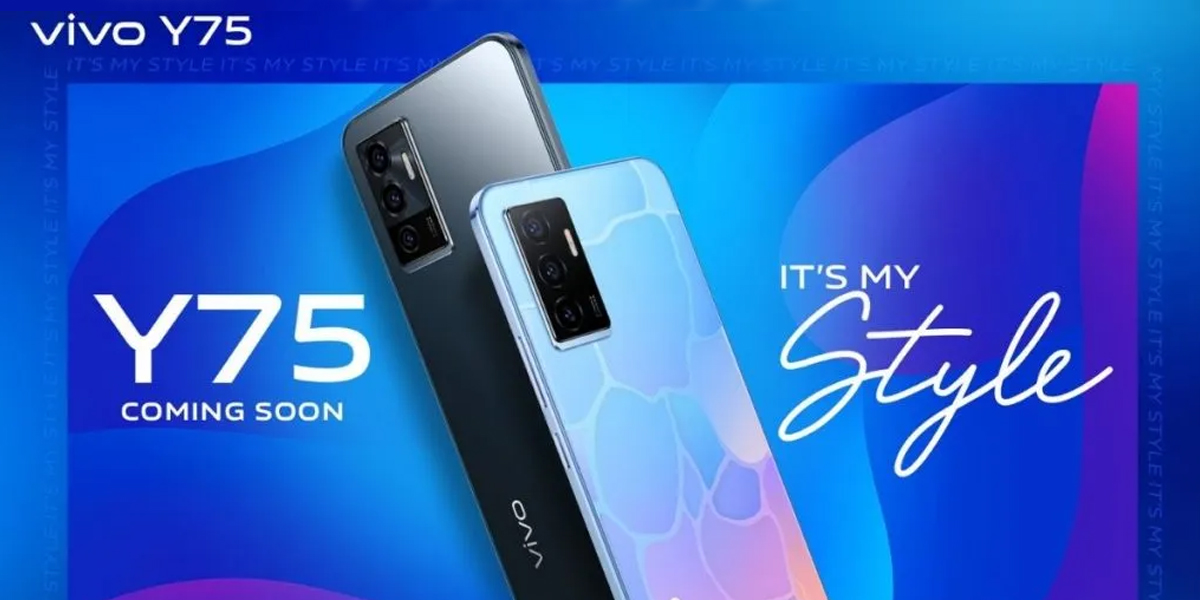
Smartphone brand Vivo has appointed popular Bollywood actress Sara Ali Khan as it’s ‘Chief Style Icon” for its upcoming Y-series smartphones. As part of the association, Sara will be seen across the marketing campaign of upcoming stylish Y series smartphones, starting from Y73.

The association will focus on showcasing the style and design of Y-series smartphones, while offering the latest technology to consumers, said Vivo in a statement. As the “Chief Style Icon” for Y-Series range, Sara Ali Khan will bring out the perfect combination of Style, Strength and Joy for Vivo’s existing as well as potential consumers, it added.

To add more style to the launch of Y73, Sara Ali Khan would also be doing a special unboxing on June 10, unveiling the stylish Y73.

Nipun Marya, Director-Brand Strategy, Vivo India, said, “We are excited to have Sara Ali Khan on board for the upcoming Y-series range. Working with her in the past has brought the desired style statement for our design centric series. At Vivo, our focus is always to meet the evolving consumer needs and preferences, and we are committed to bringing joy to our consumers’ lives. Associating with a style icon will help deliver the key focused message for the upcoming Y-series smartphones.”

Sara Ali Khan said, “Working with Vivo has been an absolute joy in the past and, collaborating with them again for their upcoming series will be an amazing experience. Associating with a brand that understands and focuses on design and latest technology for their consumers is great.”

Adobe ropes in David Wadhwani as Executive Vice President

0

Software major Adobe has appointed David Wadhwani as executive vice president and chief business officer, Digital Media. In this role, Wadhwani will be responsible for the success of Adobe’s global Digital Media business across Adobe Creative Cloud and Adobe Document Cloud, including all product marketing, strategic partnerships, customer support and go-to-market across geographies, working closely with the Digital Media Product organizations.

Wadhwani will report directly to Adobe president and CEO Shantanu Narayen. He previously served as senior vice president and general manager of Adobe’s Digital Media business from 2010 to 2015.

Everyone has a story to tell, and Creative Cloud is providing everyone, from the student to the most demanding professional, with the tools, platform and community to create and amplify their stories. In a world where work needs to be done from anywhere and with anyone, Document Cloud is accelerating document productivity, redefining how people view, edit, share, scan and sign documents across every surface.

By delivering continuous product innovation, executing a rigorous data-driven digital business and expanding into new categories, geographies and customer segments, Creative Cloud and Document Cloud target an addressable market that Adobe estimates to be approximately $62 billion by 2023.

“We’re thrilled to welcome David back to Adobe to lead our Digital Media business. He is a transformational leader with an exceptional record of operational excellence, innovation and growth,” said Shantanu Narayen, president and CEO, Adobe. “David’s extensive experience, impressive track record and passion for Adobe and our customers make him the ideal choice to lead the explosive creativity and document categories through their next phase of growth,” added Narayen.

“I’m excited to return to Adobe at a time when digital content is becoming the foundation of expression and engagement for everyone, from individual artists, storytellers and business owners, to the largest global brands,” said David Wadhwani. “Creative Cloud and Document Cloud are helping millions around the world express themselves and digitize their workflows in innovative ways. The tailwinds in Adobe’s Digital Media business are immense, and I look forward to leveraging this moment to deliver even more value to our customers,” he added.

Wadhwani returns to Adobe from Greylock Partners where he is a Venture Partner. Prior to joining Greylock, he was president and CEO of AppDynamics, leading the company as it transformed to a SaaS-first business and grew annual recurring revenue approximately 10 times in four years. Cisco acquired AppDynamics in 2017 for nearly $4 billion.

As senior vice president and general manager of Adobe’s Digital Media business from 2010 to 2015, Wadhwani played an instrumental role in advancing the company’s category leadership, expanding into new markets and contributing to its successful transformation to a cloud-based subscription business. He joined Adobe in 2005 through the company’s acquisition of Macromedia, Inc., where he had been vice president of developer products.

5G trials: What do experts say on health hazard concerns

0

The trial runs of the fifth-generation of wireless networks for mobile broadband, commonly known as 5G, have started in India, promising benefits of ultra-fast connectivity and low-latency. However, 5G and its rollout have sparked a debate in India over the fears on health concerns. There are even some conspiracy theories which have tried to link it up with the coronavirus among other things.

The debate picked up after actor Juhi Chawla filed a petition in the Delhi High Court against technology upgradation in India. Juhi Chawla filed a lawsuit against 5G rollout stating that the radiation emitted will be extremely harmful and injurious to the health and safety of the people. The actor said that she is not against the implementation of technological advancements, but radiation emitted while using wireless devices is one of the most prominent health concerns among the users. Her statement further adds that there is sufficient reason to believe that the radiation is extremely harmful and injurious to the health and safety of the people.

The Debate

A private television channel recently conducted a debate over the impact of 5G and the health hazard concerns associated with it. The panel of experts discussed various aspects of the 5G trials in India.

Pankaj Mohindroo, Chairman, India Cellular and Electronics Association (ICEA) termed the rumours of health hazards due to 5G trials irrelevant. To back his point, Mohindroo said that India has 10 times stringent norms for radiation as compared to the norms in other countries. He further explained that the world follows the norm of 2 watts of radiation on 10 grams of tissues while in India it is 1.6 watts on 1 gram of tissue. These norms are only followed in three other countries, USA, South Korea and Canada.

Mohindroo further said that the radiation emitted from the cell phones are non-ionizing which only marginally increases the temperature and doesn’t change the cell structure. He added that the effects of non-ionizing radiation can be referred to from a study by International Agency for Research on Cancer.

Dr Harsh Mahajan, a famous radiologist, said that there is no known evidence of the health hazards from radiation emitted from cell phones and the towers, but “we still need to reduce the usage time of cell phones”.

Sanjay Kapoor, former CEO, Bharti Airtel, said that same charges were levelled by the activists at the time of the trials of 2G and 3G services in India, however, “we are yet to find any credible evidence against the radiations emitted from these”.

Aashutosh Srivastava, a Supreme Court advocate and Juhi Chawla’s counsel in this case, referred to the study by International Agency for Research on Cancer in 2011, which mentions carcinogenic radiation as cause of cancer. Srivastava said that “we need to study the effects of these radiations in much more detail before proceeding with the 5G trials”. Srivastava was however confronted by Pankaj Mohindroo during the debate who listed out the categories mentioned in the study and said that the study nowhere mentions the radiations from cell phones or towers as cause of cancer.

What WHO says on 5G trials

World Health Organisation (WHO) on the impact of 5G on health, says that so far only a few studies have been carried out at the frequencies to be used by 5G. It adds that tissue heating is the main mechanism of interaction between radiofrequency fields and the human body and radiofrequency exposure levels from current technologies result in negligible temperature rise in the human body.

Also, as the frequency increases, the WHO says that there is less penetration into the body tissues and absorption of the energy becomes more confined to the surface of the body. And since the overall exposure remains below international guidelines, no consequences for public health are anticipated, it adds.

What is 5G technology and when will it roll out in India?

The fifth-generation of wireless networks or 5G promises to revolutionise mobile broadband and it is an upgradation of technology over the existing 4G. This new technology will not only ensure faster internet speed in our phones, but also help power IoT (Internet of Things) networks to run connected cars and homes smarter. It will also support streaming of rich media.

But 5G is yet to be rolled out in India. Telecom companies Bharti Airtel, Reliance Jio and Vodafone Idea have been given trial spectrum to test 5G technology in the country. Once the trial is over, the 5G rollout is expected to gather pace in the country by 2022.