
Home Blog Page 65

Possible First Look at OnePlus 15 – Leaked Image Shows iPhone-Like Design, New Colours

0

Highlights

  • OnePlus 15 leaked image shows a flat back, squircle camera module, and minimalist aesthetic.
  • The phone reportedly has a 1.5K display with a 165Hz refresh rate, though the front design remains unseen.
  • OnePlus 15 will feature Snapdragon 8 Elite Gen 5, Android 16, in-house imaging tech (no Hasselblad), and a 7,000mAh battery with 100W/50W fast charging.

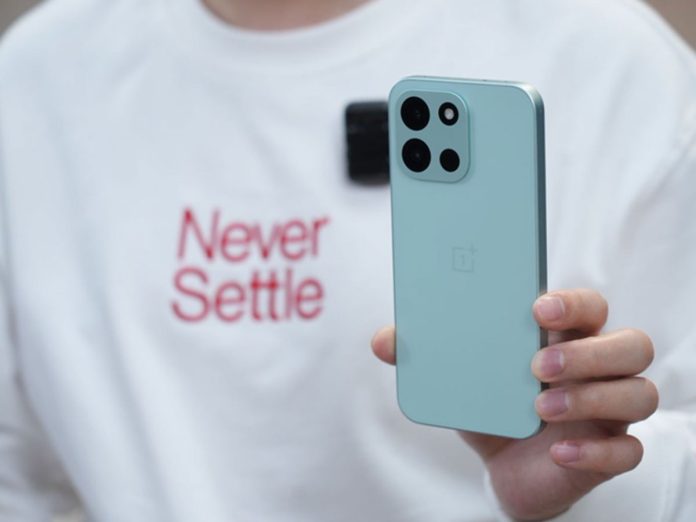
image

Caption – Recently leaked OnePlus 15 image. (Image credit – Weibo user)

The upcoming OnePlus 15 is shaping up to be one of the brand’s most radical redesigns in years. Rumours had previously hinted that OnePlus would completely overhaul the look of its next flagship. Now, a new leak offers the first glimpse at its revamped design. Here’s more on that.

OnePlus 15 – Leak Image Reveals iPhone-Like Design

 Recent Weibo post sharing the OnePlus 15 image.
Recent Weibo post sharing the OnePlus 15 image. (Translated via Google Translate)

The leaked image, shared by a rather unknown Weibo user, shows a device that looks surprisingly similar to an iPhone rather than a typical OnePlus flagship. The resemblance is so close that many are questioning how the company approved such a design.

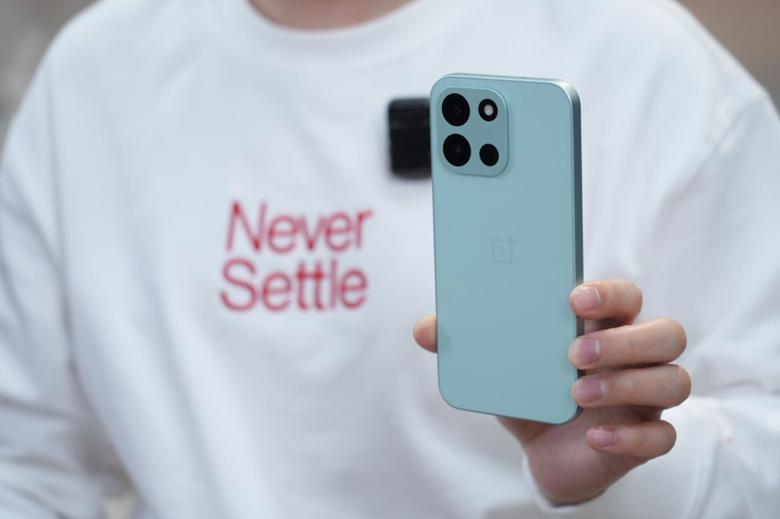
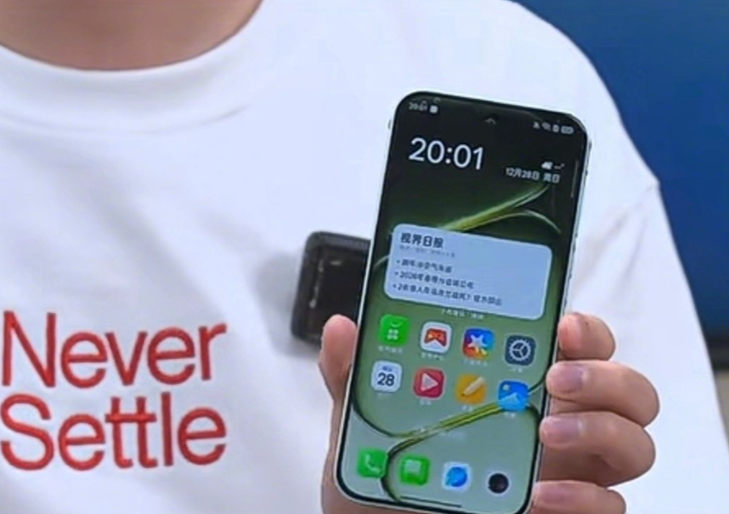
The phone in the render features a squircle-shaped camera module with three lenses, a flat back panel, and a much simpler overall aesthetic. This looks like a notable shift from the bold design language tied to the brand’s old “Never Settle” motto.

OnePlus 15 colours.
OnePlus 15 colours. (Image credit – Weibo user)

The leaked render also highlights the three colours expected for the OnePlus 15. As we can see, the model could arrive in Dune, Absolute Black and Mist Purple.

While the authenticity of the leak remains uncertain since the source isn’t widely recognised, the image aligns with earlier rumours about the phone’s redesign.

The front panel wasn’t revealed in this image, but previous reports suggest the OnePlus 15 could sport a 1.5K display with a 165Hz refresh rate.

OnePlus 15 – Key Features

Beyond design, OnePlus has already confirmed several major details. The OnePlus 15 will debut with the company’s in-house imaging technology, marking the end of its Hasselblad partnership. The brand has even showcased early camera samples captured using the new engine.

The device will be among the first smartphones powered by Qualcomm’s latest flagship chipset, Snapdragon 8 Elite Gen 5, likely paired with up to 12GB of RAM. According to Geekbench listings, the OnePlus 15 will ship with Android 16 out of the box.

Lastly, a massive 7,000mAh battery will fuel the phone with support for 100W wired charging and 50W wireless charging.

FAQs

Q1. What’s new about the OnePlus 15 design?

Answer. A leaked image shows a major redesign with a flat back, squircle-shaped triple camera module, and a minimalist look that closely resembles an iPhone.

Q2. What colours will the OnePlus 15 be available in?

Answer. According to the leak, the OnePlus 15 may launch in three colours: Dune, Absolute Black, and Mist Purple.

Q3. What are the confirmed specs for the OnePlus 15?

Answer. It will feature Snapdragon 8 Elite Gen 5, Android 16, up to 12GB RAM, a 7,000mAh battery, and support for 100W wired and 50W wireless charging. OnePlus is also debuting its own imaging tech, ending the Hasselblad partnership.

Also Read –

https://www.mymobileindia.com/oneplus-15-leak-hints-at-next-gen-boe-x3-display-snapdragon-8-elite-2-and-7000mah-battery/

https://www.mymobileindia.com/oneplus-15-tipped-to-launch-with-self-developed-image-engine-for-enhanced-camera-performance/

Xiaomi 17 Pro and 17 Pro Max Teasers Confirm Secondary Rear Display, Specs and iPhone 17 Inspirations

0

Highlights

  • Xiaomi 17 Pro and Pro Max will feature a secondary display in the camera module for notifications, multitasking, and AI interactions.
  • The Pro Max boasts a 6.8″ 2K display, 7,500mAh battery, and Snapdragon 8 Elite Gen 5 chip. Launch expected on September 26 in China.
  • Xiaomi adopts Apple-style branding with Pro Max, introduces Super Island UI in HyperOS 3 and may include Liquid Glass-style design elements.
 First official glimpse of Xiaomi 17 Series.
First official glimpse of Xiaomi 17 Series. (Image credit – Xiaomi)

Xiaomi has officially started teasing its upcoming Xiaomi 17 series. The Chinese brand has recently confirmed that the new flagship lineup will debut later this month in China. And just days after the announcement, we now have the first official look at the Xiaomi 17 Pro series, revealing a striking new design element. Here’s more on that.

Xiaomi 17 Pro Series to Feature Secondary Rear Display

Xiaomi has shared the first teasers of the lineup on its official social media handles.

Unlike the previous generation, the Xiaomi 17 Pro and 17 Pro Max will feature a secondary display integrated into the rear camera housing. This panel will reportedly support notifications, time display, multitasking, AI-powered interactions, and cross-device functions, taking inspiration from the smaller rear display seen earlier on the Xiaomi Mi 11 Ultra.

The Pro series will continue to carry Leica branding, extending Xiaomi’s collaboration on imaging. The rear camera setup includes three lenses, with two large vertically aligned sensors, a smaller third lens, and an LED flash alongside.

Xiaomi has also confirmed that the Xiaomi 17 Pro will be a compact flagship, while the Pro Max will serve as the larger model, with the lineup also including the standard Xiaomi 17.

Xiaomi 17 Pro and Pro Max – Specifications (Expected)

According to early reports, the Xiaomi 17 Pro will feature a 6.3-inch AMOLED display with 1.5K resolution, 1-120Hz adaptive refresh rate, and a 6,300mAh battery supporting 100W wired and 50W wireless fast charging.

Meanwhile, the Xiaomi 17 Pro Max is expected to pack a 6.8-inch 2K display with an impressive 94% screen-to-body ratio, paired with a massive 7,500mAh battery.

All three models, including the Xiaomi 17, 17 Pro, and 17 Pro Max, will debut with the latest Snapdragon 8 Elite Gen 5 processor. The series is rumoured to launch on September 26 in China, ahead of rival Snapdragon 8 Elite Gen 5-powered flagships like the Honor Magic 8 series, OnePlus 15, iQOO 15, and Realme GT 8 Pro, which are expected in October.

Xiaomi 17 Series and iPhone 17 Comparisons

Many observers have pointed out striking similarities between the Xiaomi 17 lineup and Apple’s new iPhone 17 series.  Here are the main “inspirations” being discussed via Gizmochina’s recent report –

The Pro Max Naming Strategy

image

Caption – Xiaomi 17 Pro Max. (Image credit – Xiaomi/Gizmochina)

First thing that comes to mind when it comes to similarities with the recent iPhone lineup is Xiaomi’s branding.

Initially rumoured as the Xiaomi 16 Pro Max, the company has now confirmed the Xiaomi 17 Pro Max branding. This appears to directly mirror Apple’s iPhone 17 Pro Max, signalling Xiaomi’s intent to compete head-on with Apple’s flagship naming strategy.

HyperOS 3’s Dynamic Island Rival

image

Caption – Xiaomi Super Island on HyperOS 3. (Image credit – Xiaomi/Gizmochina)

Apple first introduced Dynamic Island on the iPhone 14 series in 2022, a feature that quickly spread to Android brands like Oppo, OnePlus, and Samsung.

Now, Xiaomi is introducing its own version with HyperOS 3, naming it Xiaomi Super Island. This feature will allow small window multitasking, support for up to three active islands, and other functions.

Liquid Glass UI Elements

image

Caption – Liquid Glass on HyperOS 3?. (Image credit – Xiaomi)

While this largely remains unconfirmed, leaks suggest that HyperOS 3 based on Android 16 may also adopt Liquid Glass-inspired UI elements. This basically means some of the UI design elements are quite similar to what Apple showcased in iOS 26. This includes frosted blur effects, glossy icons, and a glass-like search bar. Unlike Apple’s bolder approach, Xiaomi is expected to keep the design more subtle and focused on readability.

FAQs

Q1. What’s new about the Xiaomi 17 Pro and Pro Max design?

Answer. Both models feature a secondary rear display integrated into the camera module, supporting notifications, multitasking, and AI-powered interactions.

Q2. What are the expected specs for the Xiaomi 17 Pro and Pro Max?

Answer. The 17 Pro may include a 6.3″ 1.5K AMOLED display and 6,300mAh battery, while the Pro Max is tipped to offer a 6.8″ 2K display and a massive 7,500mAh battery.

Q3. How does the Xiaomi 17 series compare to the iPhone 17 lineup?

Answer. Xiaomi mirrors Apple’s naming with “Pro Max,” introduces a “Super Island” UI similar to Dynamic Island, and may adopt Liquid Glass-inspired design elements in HyperOS 3.

Also Read –

https://www.mymobileindia.com/xiaomi-16-specifications-leak-ahead-of-official-launch/

https://www.mymobileindia.com/xiaomi-15t-and-15t-pro-launch-set-for-september-24-design-renders-and-key-specs-leaked/

‘Hug My Younger Self’ Trend Goes Viral with Google Gemini Nano Banana AI – How To Generate a Self-Portrait?

0

Highlights

  • The ‘Hug My Younger Self’ trend has exploded across Instagram and WhatsApp.
  • The trend uses Google Gemini Nano Banana to create images of people hugging their childhood selves.
  • Users upload a current selfie and a childhood photo, then enter a detailed prompt to generate a realistic portrait using Gemini’s AI tools.
 Images circulating online for the ‘Hug My Younger Self’ Trend.
Images circulating online for the ‘Hug My Younger Self’ Trend.

The internet is no stranger to creative viral trends, and the latest one is striking an emotional chord worldwide. After the hype around retro AI portraits, a new wave called the ‘Hug My Younger Self’ trend has taken over social media. This time, it’s less about vintage aesthetics and more about nostalgia, self-reflection, and emotional warmth.

The trend gained traction soon after Google introduced its Gemini Nano Banana model, which has already impressed users with its ability to generate unique AI portraits. While retro saree-style AI images went viral initially, the focus has now shifted to something more meaningful, visualising yourself hugging your childhood self.

What Is the ‘Hug My Younger Self’ Trend?

The ‘Hug My Younger Self’ trend lets people generate AI portraits where their current self embraces their younger version. These images capture a sense of nostalgia, love, and acceptance. Unlike flashy edits, the portraits highlight something deeper, reminding us of who we once were and how far we’ve come.


The movement picked up speed after Instagram user @shreyya_official shared a detailed prompt guide on how to create these touching AI images. The results show how present-day photos can seamlessly blend with childhood memories to create something truly heartwarming.

How to Create ‘Hug My Younger Self’ Images Using Gemini Nano Banana?

If you’re curious to try this viral trend yourself, here’s a step-by-step breakdown:

  • Install or Open Google Gemini Download the Google Gemini app from your device’s app store.
  • Log In – Sign in with your Google account, either through the app or browser, to access the AI image generator.
  • Prepare Your Photos – Choose a clear, well-lit selfie of your present self. You’ll also need a childhood photo where your face is clearly visible.
  • Upload the Photos – Upload both the recent and childhood photos to Gemini. Clear visibility of facial features is essential for accurate results.
  • Enter the Prompt – Use the prompt format shared by shreyya_official for best results – “Using my present photo and my childhood photo, create a realistic and heartwarming image where my current self is hugging my younger self. Make sure both faces and features are preserved accurately so the resemblance is clear. The mood should express self-love, nostalgia, and warmth, with natural lighting and a soft, emotional atmosphere.”
  • Generate the Image – Tap on the Generate button and let Gemini Nano Banana process the request. Within seconds, your ‘Hug My Younger Self’ portrait will be ready.
  • Save and Share – Download your AI-generated image and share it on Instagram, WhatsApp, or any social platform to join the viral trend.

The ‘Hug My Younger Self’ trend has quickly become a global obsession, turning AI portraits into a powerful tool for nostalgia, self-love, and emotional storytelling. This had us wondering what the next AI trend could be?

FAQS

Q1. What is the ‘Hug My Younger Self’ trend?

Answer. It’s a viral AI portrait trend where users generate images of their current self hugging their childhood self, evoking nostalgia, self-love, and emotional warmth.

Q2. How do I create a ‘Hug My Younger Self’ image using Google Gemini?

Answer. Upload a clear selfie and a childhood photo to the Gemini app, then use a detailed prompt to generate a realistic, heartwarming image with preserved facial features.

Q3. Why are this AI trends gaining popularity on social media?

Answer. Unlike flashy edits, it blends emotional storytelling with AI, allowing users to reflect on their personal growth. It’s widely shared on Instagram and WhatsApp.

Also Read –

https://www.mymobileindia.com/viral-nano-banana-ai-trend-google-gemini-surpasses-chatgpt-as-top-app-top-prompts-to-generate-creative-3d-figurines-learn-to-create-instagrams-viral-vintage-saree-ai-photo/

Meta Ray-Ban Display Glasses Leak Ahead of Meta Connect 2025, Show Off Built-In HUD and New Design

0

Highlights

  • Meta Ray-Ban Display Glasses leaked video reveals some key design details and features.
  • The video shows a monocular heads-up display over the right eye, enabling Meta AI voice control, navigation, messaging, and real-time translation.
  • The glasses may launch at Meta Connect 2025 on September 17 and can be priced around $800.

image

Caption – A still from the leaked Meta Ray-Ban video teaser. (Image credit – Meta)

Meta’s upcoming smart glasses have surfaced in an early leak, revealing a new model with a built-in heads-up display (HUD) and a refreshed design. Here’s a quick update on what transpired during the recent leak.

Meta Ray-Ban Display Glasses Features (Leaked)


Just days before Meta Connect 2025, an early video briefly posted on YouTube gave us our first proper look at the “Meta Ray-Ban Display” glasses. First spotted by UploadVR @UploadVR and later mirrored on X (formerly Twitter), the clip highlights the company’s continued partnership with EssilorLuxottica, keeping the Ray-Ban branding and classic styling but with key upgrades, most notably, an integrated display.


The leaked video shows the glasses featuring a monocular HUD placed over the right eye. The new model demonstrates various functions including the following –

  • Using Meta AI voice commands
  • Turn-by-turn navigation
  • Reading and responding to messages
  • Real-time translation of text in the real world

The glasses are also shown working with an sEMG wristband, which Meta previously referred to as a “Neural” wristband when demonstrating its Orion AR concept.

 A closer look at the Meta Ray-Ban via leaked video teaser.
A closer look at the Meta Ray-Ban via leaked video teaser. (Image credit – Meta)

As for the design, the new glasses appear noticeably thicker around the temple area compared to the current Meta Ray-Ban models to accommodate the display technology. This design change was reportedly something EssilorLuxottica had initially “balked” at, according to earlier reports.

Meta Ray-Ban – Price and Launch Timeline

The Meta Ray-Ban Display glasses had already been rumoured earlier this year with leaks suggesting a price tag of around $800. While it was previously believed that display-equipped Ray-Bans wouldn’t launch until 2026, the timing of this accidental video release hints at a much sooner debut. Most reports now are speculating about a possible launch at Meta Connect 2025 on September 17.

The leak also comes as the AR/XR space heats up. Android-powered XR smart glasses are rumoured to arrive in 2026, following the launch of Samsung’s “Project Moohan” headset, expected later this year.

FAQs

Q1. What new features do the Meta Ray-Ban Display Glasses offer?

Answer. The leaked video shows a built-in monocular HUD over the right eye, enabling Meta AI voice control, navigation, real-time translation, and message interaction.

Q2. How do the glasses integrate with Meta’s Neural wristband?

Answer. The glasses work with Meta’s sEMG-based “Neural” wristband, allowing gesture-based input, first demonstrated in Meta’s Orion AR concept.

Q3. When are the Meta Ray-Ban Display Glasses expected to launch and at what price?

Answer. Leaks suggest a launch at Meta Connect 2025 on September 17, with an estimated price around $800, earlier than the previously rumoured 2026 release window.

Also Read –

https://www.mymobileindia.com/meta-ray-ban-smart-glasses-launched-in-india-with-ai-built-in-speaker-and-camera-at-rs-29900/

https://www.mymobileindia.com/samsung-xr-glasses-to-launch-in-q3-2025-with-ray-ban-meta-like-features-and-no-display/

Apple Rolls Out iOS 26 With Major Features, iOS 18.7 Out As Alternative – How To Install, Supported Devices, Download Issue Fixes and More

0

Highlights

  • iOS 26 update rollout introduces the Liquid Glass UI, real-time translation, smarter screenshots, FaceTime safety and redesigned core apps.
  • iOS 26 supports iPhones from 2019 onward; older models like XR and XS get iOS 18.7, which is a lighter update with security fixes.
  • Users can install via Settings > General > Software Update. Common download issues can be resolved by freeing space, restarting, or using Finder.
iOS 26 update is now rolling out globally.
iOS 26 update is now rolling out globally. (Image credit – Apple)

Apple has officially released iOS 26, marking one of the biggest visual overhauls of the iPhone operating system. The update introduces the Liquid Glass design alongside several new features and it is now available globally.

As usual, the rollout began at 10AM PT / 1PM ET / 5PM UTC, hitting millions of users at the same time. In addition to the flagship update, Apple has also launched iOS 18.7 for users who are not ready or eligible for iOS 26. This dual release gives iPhone owners more flexibility, though history shows Apple rarely maintains parallel iOS versions for long, usually just a couple of months before encouraging users to transition to the latest platform. (You can find more on the iOS 18.7 update at the end of the article)

Here’s everything you need to know about the new update.

What Is iOS 26?

Instead of releasing iOS 19, Apple skipped ahead to iOS 26. The company has shifted to a year-based versioning system, similar to the auto industry’s model-year naming. While iOS 26 and its companion operating systems were released in 2025, the “26” branding reflects the upcoming year.

Apple’s senior vice president of Software Engineering Craig Federighi said, “iOS 26 shines with the gorgeous new design and meaningful improvements to the features users rely on every day, making iPhone even more helpful. Experiences are more expressive and personal, from the Lock Screen and Home Screen, to new capabilities across Phone and Messages that help users focus on the connections that matter most. And with powerful new Apple Intelligence capabilities integrated across the system, users can get things done easier than ever.”

Alongside this, Apple pushed out iOS 18.7, a lighter update that addresses security vulnerabilities. This version is especially important for users whose devices are not eligible for iOS 26.

The New Liquid Glass Design

The most talked-about feature from WWDC 2025 was the Liquid Glass design. iOS has looked largely unchanged for years, aside from home screen customisation. Now, Apple is refreshing both the home and lock screens with a translucent aesthetic that adapts to light and dark modes.

Buttons in core apps like Phone and Maps also get a floating effect that aims to be less distracting but still visible. While some critics say the look recalls Microsoft’s Aero design from Windows Vista nearly two decades ago, others see it as a bold and modern shift.

Key Features in iOS 26

 iOS 26 update.
Captain – iOS 26 update.

Apple has packed iOS 26 with a long list of upgrades. Some of the most notable include –

  • Phone app redesign – Contacts, call history, and voicemails now appear on a single screen. A new Hold Assist feature alerts you when a support agent picks up your call so you don’t waste time listening to hold music.
  • Live Translation in Phone, FaceTime, and Messages – Powered by Apple Intelligence, this feature translates conversations in real time, whether by call, video, or text.
  • Polls in group chats – Users can now create polls in group messages to easily make decisions such as where to meet or travel plans.
  • Filtering unknown senders in Messages – Spam texts like unpaid toll alerts will now be filtered into a separate folder.
  • Visual Intelligence – Similar to reverse Google image search, this lets you search anything visible on your screen, such as shoes in an Instagram post, by screenshotting it.
  • Photos app tabs return – Library and Collections are once again separated for easier navigation.
  • Camera app improvements – Buttons and menus are reorganised for simpler use, and the app now alerts you when your lens needs cleaning.
  • FaceTime Communication Safety – On-device nudity detection will pause communications if explicit content is detected, boosting child safety while preserving privacy.
  • New lock screen options – Features include 3D wallpapers, more widgets, updated clocks, and improved focus mode tools.
  • Alarm flexibility – Users can now adjust snooze settings from 1 to 15 minutes, instead of being stuck with the default 9 minutes.
  • Screenshot updates – Screenshots now include “highlight to search,” Google search options, and the ability to query ChatGPT directly.

iPadOS 26 Upgrades

Apple’s iPad lineup also benefits from the iOS 26 design and feature updates –

  • Multitasking and real windowing – Multiple apps can run on-screen simultaneously, with resizable and movable windows. This feature can be toggled off if not preferred.
  • Liquid Glass design – Brings the same translucent look to lock and home screens, plus menus.
  • New menu bar – Swiping down now reveals options like File, Edit, and Windows, along with a search function.

AirPods Get New Features Too

Captain - iOS 26 update brings Live Translation feature to AirPods.
iOS 26 update brings Live Translation feature to AirPods.

With iOS 26, AirPods gain multiple upgrades –

  • Studio-quality recording – Delivers clearer audio in noisy environments.
  • Camera remote control – Lets users capture photos or videos with a press, including a 3-second countdown for photos.
  • Live translation – Available on AirPods Pro 3, AirPods Pro 2, and AirPods 4 with ANC when paired with iPhones running iOS 26.
  • Heart rate monitoring – Exclusive to the new AirPods Pro 3, syncing data with Apple Health and other fitness apps.

Siri Update Status

Apple confirmed that the much-anticipated AI-powered Siri upgrade, first teased at WWDC 2024, is delayed until sometime “in the coming year.”

Reports suggest Apple is preparing to base Siri on third-party AI models like ChatGPT or Anthropic’s Claude, and may also launch a lightweight AI chatbot to compete with ChatGPT. A major Siri upgrade is expected in 2026.

iOS 26 Supported Devices

iOS 26 supports iPhones released since 2019, starting with the iPhone 11 series. However, the iPhone XR, XS, and XS Max will not get the new OS and will instead remain on iOS 18.7.

image

Captain – Devices compatible with iOS 26.

List of supported iPhones for iOS 26 –

  • iPhone SE (second generation or later)
  • iPhone 11
  • iPhone 11 Pro
  • iPhone 11 Pro Max
  • iPhone 12
  • iPhone 12 mini
  • iPhone 12 Pro
  • iPhone 12 Pro Max
  • iPhone 13
  • iPhone 13 mini
  • iPhone 13 Pro
  • iPhone 13 Pro Max
  • iPhone 14
  • iPhone 14 Plus
  • iPhone 14 Pro
  • iPhone 14 Pro Max
  • iPhone 15
  • iPhone 15 Plus
  • iPhone 15 Pro
  • iPhone 15 Pro Max
  • iPhone 16
  • iPhone 16 Plus
  • iPhone 16 Pro
  • iPhone 16 Pro Max
  • iPhone 16e
  • iPhone 17
  • iPhone Air
  • iPhone 17 Pro
  • iPhone 17 Pro Max

The iPhone 17 lineup ships with iOS 26 pre-installed. For advanced Apple AI features, users need an iPhone 15 Pro or newer.

How to Install iOS 26 in India?

image
Users can tap on More Details on the update page to view the version number and know more details of that version. (Image credit – Apple)

Here is how to install the update on your devices.

Turn on automatic updates

  • Open Settings.
  • Tap General.
  • Tap Software Update.
  • Tap Automatic Updates.

Choose one of the following options:

  • Automatically Install – When an update is available, iPhone downloads and installs the update overnight while charging and connected to Wi-Fi. You’re notified before an update is installed.
  • Automatically Download – Downloads updates automatically when your iPhone connects to Wi-Fi, charging, and locked so you can install them later. To see this option, first turn off Automatically Install.

Install software updates

  • Open Settings.
  • Tap General.
  • Tap Software Update. The screen shows the installed version of iOS and whether an update is available.
  • If an update is available, tap Download and Install, then follow the onscreen instructions.

Fixing iOS 26 Download Issues

If you face installation errors, here are five solutions –

  • Check your internet – Use a stable Wi-Fi connection; avoid public networks. Restart your router if needed.
  • Free up storage – Ensure 8–10GB of free space by deleting unused apps, videos, or messages.
  • Restart your iPhone – Power cycle to clear update errors.
  • Delete the corrupt update file – Go to Settings → General → iPhone Storage, remove iOS 26, and redownload.
  • Use Finder on Mac – Connect your iPhone, check for updates, and install via Finder to bypass stuck downloads.

iOS 18.7 Update- A Smaller, Safer Alternative

For those hesitant to update, iOS 18.7 provides a lighter option. The file size is about one-fifteenth that of iOS 26, making it quicker to install. It delivers bug fixes and security patches, though Apple has not disclosed the exact vulnerabilities addressed. It is a detail it typically shares once enough devices are updated.

Device compatibility – iOS 18.7 is available for every iPhone since 2018, including iPhone XR, XS, XS Max, and the entire iPhone 16 lineup including the budget-friendly 16e.

iOS 26 supports all of these devices except the three oldest in that group.

FAQs

Q1. What is iOS 26 and how is it different from previous versions?

Answer. iOS 26 introduces a major visual overhaul with the new Liquid Glass design, revamped core apps, and advanced features like real-time translation and Visual Intelligence.

Q2. Which iPhones support iOS 26?

Answer. iOS 26 is compatible with iPhones released since 2019, starting from iPhone 11 and SE (2nd gen). Older models like iPhone XR, XS, and XS Max will remain on iOS 18.7.

Q3. What are the standout features of iOS 26?

Answer. Key upgrades include redesigned Phone and Camera apps, FaceTime safety tools, smarter screenshot options, polls in group chats, and enhanced spam filtering in Messages.

Q4. What is iOS 18.7 and who should install it?

Answer. iOS 18.7 is a lighter update for older devices, offering security patches and bug fixes. It’s ideal for users whose iPhones aren’t eligible for iOS 26 or prefer a smaller install.

Q5. How can I fix issues while downloading iOS 26?

Answer. Solutions include using stable Wi-Fi, freeing up 8–10GB of space, restarting your iPhone, deleting corrupt update files, or installing via Finder on a Mac.

Also Read

https://www.mymobileindia.com/ios-26-release-date-confirmed-full-list-of-supported-iphones-ipads-macs-and-key-new-features/

https://www.mymobileindia.com/ios-26s-adaptive-power-feature-helps-iphone-batteries-last-longer/

Spotify Finally Lets Free Users Play Any Song They Want, But Not Without A Catch

0

Highlights

  • Spotify’s latest update for free users allows them to search and play any song directly, ending the long-standing shuffle-only limitation.
  • After one chosen track, playback reverts to shuffle mode.
  • Users also have a daily cap on on-demand time before skip limits return.
 Spotify’s latest update is ending the shuffle-only limitation for free users, allowing them to search and play songs.
Spotify’s latest update is ending the shuffle-only limitation for free users, allowing them to search and play songs. (Image credit – Spotify)

Spotify is making a major change for its free-tier listeners. Just days after rolling out lossless audio for Premium subscribers, the streaming giant has now lifted one of the biggest restrictions for free users – the inability to play specific songs on demand. Here’s more on the new update.

Free Spotify Users Can Now Search and Play Any Track

Previously, free users were forced into a shuffle-only experience. Even when selecting a specific song from an album or playlist, Spotify would shuffle tracks randomly. To make matters worse, skips were capped at six per hour, leaving many frustrated.

With the latest update, Spotify now allows free users to “pick and play any song you want”. The change is being rolled out globally, finally giving non-paying listeners more control over their music.

There Is A Catch?

While this is a big win for free-tier listeners, there are still limitations. According to CNET, users can only listen to one chosen song before playback switches back to shuffle mode.

Spotify spokesperson Luke Mackay explained the new system in a statement to The Verge, “Only Spotify Premium users have complete control to play and skip music without restrictions. Mobile listeners of the updated free experience will be able to tap on any song or search for what they’d like to play, or if they don’t like a track or simply want to hear what’s next, skip the occasional song and carry on listening. Each user has a daily allocated amount of on-demand time. Once this limit is reached, users will then be limited to six-skips per hour.”

Spotify Ads and Sharing Features Remain

The free version of Spotify will still include ads, but this update reduces one of the biggest reasons people turned to YouTube or rival platforms to hear specific tracks without restrictions.

It also helps boost Spotify’s social sharing push. In the past, non-paying users couldn’t immediately play songs shared by friends on Instagram, X (Twitter), or other platforms. Now, this update makes shared links far more seamless, encouraging engagement across social media.

FAQs

Q1. Can free Spotify users now play specific songs on demand?

Answer. Yes, free users can now search and play any song directly. However, after one chosen track, playback reverts to shuffle mode with limited skips.

Q2. Are there any limits to this new on-demand feature for free users?

Answer. Absolutely. Free users have a daily allocation of on-demand time. Once it’s used up, they’re restricted to six skips per hour and shuffle-only playback resumes.

Q3. Does this update affect Spotify’s ad-supported experience or social sharing?

Answer. Ads remain part of the free tier, but users can now instantly play songs shared via platforms like Instagram or X, making social sharing more seamless and engaging.

Also Read –

https://www.mymobileindia.com/spotify-finally-rolls-out-free-lossless-24-bit-audio-streaming-for-premium-users/

https://www.mymobileindia.com/spotify-introduces-in-app-messaging-to-share-music-podcasts-and-audiobooks-seamlessly/

iPhone 17 Series Outpaced iPhone 16 in First-Week Demand, iPhone 17 Pro Max Leading the Pack: Kuo

0

Highlights

  • Analyst Ming-Chi Kuo reports that iPhone 17 pre-orders have outpaced iPhone 16 with Apple increasing production by 25% YoY.
  • The iPhone 17 Pro Max saw a 60% production boost over its predecessor, yet shipping times remain steady.
  • The new iPhone Air shows no shipping delays, suggesting Apple may have overestimated early demand.

image

Caption – Ming-Chi Kuo shared iPhone 17 demand analysis. (Image – Apple YouTube Channel)

The iPhone 17 series is off to a stronger start than last year’s lineup, according to renowned analyst Ming-Chi Kuo. After reviewing production targets and shipping lead times from the first week of pre-orders, Kuo reports that demand for the iPhone 17 models has surpassed that of the iPhone 16 series

Kuo shared detailed posts on X (formerly Twitter) revealing some key facts about how the first week of launch has been for iPhone. Here are some key points.

iPhone 17 Off To Stronger Start Compared to iPhone 16

iPhone 17 Pro Max.
iPhone 17 Pro Max. (Image credit – Apple)

The iPhone 16 series struggled with weaker-than-expected pre-orders in its first week. In contrast, Apple’s latest iPhone 17 lineup appears to be rebounding, showing higher demand despite increased production volumes.

Kuo based his analysis on two key factors. One is Production volumes, as estimated through Apple’s supply chain sources and the other is Shipping delays, measured by how quickly delivery times extended after pre-orders opened.

Apple set its Q3 production target for the iPhone 17, 17 Pro, and 17 Pro Max 25% higher compared to the same period in 2024. Despite this increase, delivery times are now around a week longer, suggesting stronger demand for the new models.

Kuo concludes, “In terms of total production volume for the third quarter for the Pro Max, Pro, and standard models, the iPhone 17 is approximately 25% higher YoY compared to the iPhone 16, but the shipping time has only increased by about one week, indicating stronger overall pre-order demand for […] three iPhone 17 models. Conclusion: The first weekend pre-order demand for the iPhone 17 series is stronger than last year’s iPhone 16.”

Among the lineup, the iPhone 17 Pro Max stands out as the most sought-after device. Apple reportedly boosted its production by about 60% compared to the iPhone 16 Pro Max, yet shipping times remain nearly identical between the two generations, highlighting the phone’s popularity.

“The strongest demand is still for the Pro Max. The iPhone 17 Pro Max’s production volume in 3Q25 is approximately 60% higher than that of the 16 Pro Max in the same period last year, yet the shipping times remain similar,” writes Kuo.

iPhone Air’s Different Story

 iPhone Air. (Image credit - Apple)
iPhone Air. (Image credit – Apple)

The newly introduced iPhone Air presents a different picture. Apple set production for the Air at three times the volume of last year’s iPhone 16 Plus. So far, this seems to have been the right move. Pre-orders remain open with no noticeable shipping delays. Kuo writes, “The iPhone Air is available in stock at launch, which on the surface looks softer than the iPhone 16 Plus last year (2 weeks delivery time). However, the Air’s 3Q25 build plan is roughly 3x (~+200% YoY) that of the 16 Plus in 3Q24, and there’s no direct historical analog for its positioning in the lineup. A fair assessment of demand will require observing sell-through over a longer period.”

According to Kuo’s X post, you can still order an iPhone Air today and receive it on launch day.

This could mean Apple has overestimated initial demand for its ultra-slim model. Kuo cautions that the Air’s performance will need to be evaluated over the coming months before drawing conclusions about its long-term success. The analyst specifies, “Since Apple has not previously offered a product positioned like the Air, it would be more objective to observe demand trends after the initial sales period.”

The iPhone 17 series officially goes on sale this Friday. As anticipation builds, all eyes are on the Pro Max as Apple’s star performer, while the iPhone Air’s trajectory will be closely monitored to see if it can carve out a strong place in the lineup.

FAQs

Q1. How does the iPhone 17 series compare to the iPhone 16 in first-week demand?

Answer. According to Ming-Chi Kuo, the iPhone 17 series saw stronger pre-order demand than the iPhone 16, with Apple increasing production by 25% year-over-year.

Q2. Which iPhone 17 model is the most popular so far?

Answer. The iPhone 17 Pro Max leads in demand. Despite a 60% production boost over the iPhone 16 Pro Max, its shipping times remain steady, indicating high consumer interest.

Q3. What does the shipping delay suggest about iPhone 17 demand?

Answer. Shipping times are extended by about one week despite higher production volumes, which Kuo interprets as a sign of stronger overall demand for the iPhone 17 lineup.

Q4. How is the new iPhone Air performing in pre-orders?

Answer. Apple tripled production compared to the iPhone 16 Plus, but pre-orders show no shipping delays. Kuo suggests demand may be overestimated and should be monitored post-launch.

Also Read –

https://www.mymobileindia.com/apple-a19-vs-a19-pro-chip-what-are-the-main-differences-between-the-iphone-17-chips/

https://www.mymobileindia.com/samsung-trolls-apple-iphone-17-launch-with-icant-campaign-targets-camera-specs-and-lack-of-foldables/

Oppo Reno 15 Series Leak Hints at 200MP Camera and New Pro+ Version

0

Highlights

  • Oppo is expected to launch Reno 15, Reno 15 Pro, and a new top-tier Reno 15 Pro+ model by late November or December 2025.
  • Reno 15 Pro and Pro+ may feature a 200MP main sensor alongside a 50MP periscope telephoto lens across all models.
  • All phones will sport 1.5K resolution screens with varying sizes and tech (LTPS/LTPO), plus a refined metal frame and cold-carved glass back.

image

Caption – A look at Oppo Reno 14 for reference. (Image credit – Oppo)

It appears Oppo is preparing to refresh its popular Reno lineup once again. Reports suggest that the Oppo Reno 15 series is expected to launch in late November or December 2025.

The brand typically updates the Reno range twice a year with the Reno 14 series debuting in May. Now, fresh leaks from reliable tipster Digital Chat Station give us the first glimpse of what to expect from the next-generation Reno phones. Here’s what we know so far.

Oppo Reno 15 Series – New Leak

image

Caption – Digital Chat Station’s recent post on Weibo. (Translated via Google Translate)

According to the Digital Chat Station’s post, Oppo will continue offering three models in its Reno lineup.

While the exact names haven’t been confirmed yet, the devices are expected to be called the Reno 15, Reno 15 Pro, and for the first time we will have a Reno 15 Pro+. The Pro+ would mark the introduction of a new top-tier option in the Reno family.

Oppo Reno 15 Series – Expected Specifications

All three models will reportedly feature 1.5K resolution displays but with slight variations in size and technology. It appears Reno 15 will have a 6.59-inch LTPS display, Reno 15 Pro to feature a 6.31-inch LTPS display and Reno 15 Pro+ 6.78-inch LTPO display for smoother refresh rates and better power efficiency

Design-wise, the Reno 15 lineup is said to maintain a 2.5D straight screen, a metal frame, and the one-piece cold-carved glass back design introduced with the Reno 14 series.

Cameras are expected to be a major highlight this year. Both the Reno 15 Pro and Reno 15 Pro+ are tipped to feature a massive 200MP main sensor, which would be a first for the Reno series. Additionally, all three models are rumoured to include a 50MP periscope telephoto lens for zoom photography.

While the leak reveals display and camera details, key specs such as processors, charging speeds, and pricing remain under wraps. More information is expected to surface as the official launch approaches.

Oppo Reno 15 Series – Launch Timeline

If the leaks prove accurate, the Oppo Reno 15 series will officially debut before the end of 2025. If this timeline turns out to be accurate, fans will have a few months before seeing how many of these features make it into the final devices.

FAQs

Q1. What models are expected in the Oppo Reno 15 series?

Answer. The lineup will likely include Reno 15, Reno 15 Pro, and a new top-tier Reno 15 Pro+, marking the first time Oppo introduces a Pro+ variant in the Reno family.

Q2. Will the Reno 15 series feature a 200MP camera?

Answer. Yes. Both the Reno 15 Pro and Reno 15 Pro+ are rumoured to include a 200MP main sensor, a first for the Reno series, along with a 50MP periscope telephoto lens.

Q3. What display specifications are expected across the Reno 15 models?

Answer. All three models will feature 1.5K resolution screens: Reno 15 with a 6.59″ LTPS display, Reno 15 Pro with a 6.31″ LTPS, and Reno 15 Pro+ with a 6.78″ LTPO panel for better refresh rate and efficiency.

Also Read –

https://www.mymobileindia.com/oppo-find-x9-design-officially-revealed-showing-industrys-slimmest-bezels/

https://www.mymobileindia.com/oppo-reno-14-pro-and-oppo-reno-14f-5g-launched-in-taiwan-with-6000mah-batteries-premium-displays-and-android-15/

Apple A19 Vs A19 Pro Chip – What Are the Main Differences Between the iPhone 17 Chips?

0

Highlights

  • Both Apple A19 vs A19 Pro chips use TSMC’s 3nm process with identical 6-core CPUs.
  • The Apple A19 Pro features a 6-core GPU vs the A19’s 5-core
  • Each chip includes a 16-core Neural Engine for on-device AI tasks and A19 Pro adds vapour chamber cooling, 12GB RAM, and 6MB cache.
  • Both support Wi-Fi 7 and Bluetooth 6, but differ in 5G modems.
  • The A19 Pro also unlocks ProRes RAW, enhanced ISP, and broader 5G support.
 Apple A19 chipset. (Image credit - Apple)
Apple A19 chipset. (Image credit – Apple)

Apple has officially launched the iPhone 17 series with major performance and AI improvements. The lineup debuts with two new chipsets, one is the Apple A19 and the other is the Apple A19 Pro. While both processors share a lot in common, some notable differences set them apart. Here’s a detailed breakdown of what sets the new iPhone 17 chipsets apart, starting with the configuration.

Apple A19 & A19 Pro – Architecture and Configuration

Both chips are manufactured on TSMC’s 3nm (N3P) node, ensuring better efficiency and performance compared to earlier generations. They feature the same 6-core CPU setup with 2 performance cores and 4 efficiency cores with performance cores clocked at 4.26GHz. This makes them nearly identical in terms of CPU design and power efficiency.

 Apple A19 Pro chipset. (Image credit - Apple)
Apple A19 Pro chipset. (Image credit – Apple)

The real difference lies in the GPU –

  • Apple A19 – 5-core GPU
  • Apple A19 Pro – 6-core GPU

iPhone 17 Air uses the A19 Pro but with a cut-down 5-core GPU, similar to the standard A19. Both chips support hardware-accelerated ray tracing, but the extra GPU core on the Pro models gives them an edge for gaming and graphics-heavy applications.

Apple A19 & A19 Pro – AI Capabilities

Both chipsets focus heavily on on-device AI performance.

Apple has equipped them with a 16-core Neural Engine, powering new iOS 26 features like real-time photo enhancements, live translation, predictive text, and more. These tasks run directly on the device, improving both speed and privacy.

Apple A19 & A19 Pro – Performance and Cooling Enhancements

Apple introduced a new vapour chamber cooling system with the iPhone 17 Pro series allowing the A19 Pro to sustain higher performance during demanding tasks like gaming or 4K video editing.

Benchmarks show only single-digit percentage gains in raw performance, but the biggest improvement is in sustained workloads, where the A19 Pro maintains peak performance longer than the A19.

Memory and cache also differ –

  • A19 – 8GB LPDDR5X RAM + 4MB L2 cache
  • A19 Pro – 12GB LPDDR5X RAM + 6MB L2 cache

The Pro models also unlock exclusive features such as ProRes RAW support and an upgraded ISP (Image Signal Processor) for improved photography and videography.

Apple A19 & A19 Pro – Connectivity Features

 Apple C1X and N1. (Image credit - Apple)
Caption – Apple C1X and N1. (Image credit – Apple)

The A19 series introduces Apple’s new N1 wireless networking chip, supporting Wi-Fi 7 and Bluetooth 6. For 5G, Apple takes a split approach –

  • iPhone 17 Pro & Pro Max – Qualcomm Snapdragon 5G modem
  • iPhone 17 Air – Apple’s in-house C1X 5G modem, optimised for power efficiency but limited to sub-6GHz bands

This gives Pro models broader 5G support while the Air prioritises battery efficiency.

In conclusion, both the Apple A19 and A19 Pro are powerful and efficient chips designed for the latest iPhone 17 series. The A19 Pro stands out with better GPU performance, larger RAM and cache, ProRes RAW support, and improved thermal management, making it the clear choice for power users, gamers, and professionals.

FAQs

Q1. What’s the main difference between the Apple A19 and A19 Pro chips?

Answer. The A19 Pro features a 6-core GPU, 12GB RAM, and 6MB L2 cache, compared to the A19’s 5-core GPU, 8GB RAM, and 4MB cache.

Q2. Do both chips support the same AI and connectivity features?

Answer. Yes. Both include a 16-core Neural Engine for on-device AI tasks and support Wi-Fi 7, Bluetooth 6, and Apple’s new N1 wireless chip. However, 5G modem types differ by model.

Q3. Why is the A19 Pro better for sustained performance?

Answer. Thanks to its vapour chamber cooling system, the A19 Pro maintains peak performance longer during demanding tasks like gaming and 4K video editing, unlike the standard A19.

Also Read –

https://www.mymobileindia.com/apple-introduces-iphone-airultra-thin-5-6mm-design-6-5-inch-oled-display-and-a19-pro-chip/

https://www.mymobileindia.com/apples-affordable-iphone-17e-could-get-dynamic-island-a19-chip-and-design-changes/

Samsung Galaxy S26 Series Camera Protective Films Leak Ahead of Launch

0

Highlights

  • Samsung Galaxy S26 series leak shows the protective films for Galaxy S26 Edge, Pro, and Ultra.
  • It reveals the rear camera layouts with the Ultra’s film covering only its three main sensors.
  • All models may feature anti-reflective displays; S26 Pro is tipped to include a 10MP telephoto and 50MP sensor, while S26 Ultra retains the HP2 main sensor.
  • Leaked specs suggest the S26 Pro and Ultra may see slight camera hardware downgrades compared to their predecessors.
First look at the Samsung Galaxy S26 dummies. (Image credit - @SonnyDickson on X)
First look at the Samsung Galaxy S26 dummies. (Image credit – @SonnyDickson on X)

Samsung is gearing up to unveil its Galaxy S26 series in February 2025, which will include the Galaxy S26 Edge, Galaxy S26 Pro, and Galaxy S26 Ultra. Ahead of the official launch, the camera protective films for all three models have surfaced online, offering a closer look at their rear design. Here’s what we know so far.

Samsung Galaxy S26 Series Camera Protective Films Leak

Samsung Galaxy S26 Series Camera Protective Film image.
Samsung Galaxy S26 Series Camera Protective Film image. (Image credit – @UniverseIce on X)

The latest leak comes from popular tipster Ice Universe @UniverseIce, who shared the image of protective films on X (formerly Twitter).

The images confirm the design of the camera modules across the Galaxy S26 Edge, Galaxy S26 Pro, and Galaxy S26 Ultra, matching earlier dummy unit leaks. Interestingly, the protective film for the Galaxy S26 Ultra only covers its three main sensors inside the pill-shaped camera housing.

Additional Details About the Galaxy S26 Series

Apart from the protective film leak, earlier reports also suggested that all three Galaxy S26 smartphones will feature displays with an anti-reflective coating for improved visibility.

When it comes to camera hardware, the Galaxy S26 Pro is rumoured to include –

  • The main camera of the same size as its predecessor
  • The industry’s smallest 10MP telephoto camera
  • An additional 50MP rear sensor
  • A 1080p resolution display

Meanwhile, the Galaxy S26 Ultra is tipped to feature –

  • The same ISOCELL HP2 main sensor (f/1.4)
  • A 50MP periscope telephoto camera (1/2.52″ sensor)
  • A 10MP telephoto lens (f/2.4, 1.0μm pixels, 1/3.94″, 3x zoom)

However, based on these rumoured specs, both the Galaxy S26 Pro and Galaxy S26 Ultra appear to be receiving downgrades in their camera hardware compared to previous generations.

With the official launch just months away, these leaks continue to build anticipation around Samsung’s upcoming flagship series, especially for users closely following design and camera improvements.

FAQs

Q1. What does the leaked camera protective film reveal about the Galaxy S26 Ultra?

Answer. The film shows a pill-shaped housing that covers only the Ultra’s three main sensors, confirming earlier dummy unit leaks about its rear camera layout.

Q2. Are there any display upgrades expected in the Galaxy S26 series?

Answer. Yes. All three models, Galaxy S26 Edge, Pro, and Ultra, are rumoured to feature an anti-reflective coating on their displays for improved outdoor visibility.

Q3. Is Samsung upgrading or downgrading camera hardware in the S26 Pro and Ultra?

Answer. Leaked specs suggest slight downgrades. The S26 Pro may include the industry’s smallest 10MP telephoto lens, while the Ultra retains its HP2 sensor but adds modest telephoto upgrades.

Also Read –

https://www.mymobileindia.com/samsung-galaxy-s26-series-design-leaks-via-dummy-units-revealing-camera-bar-and-possible-qi2-charging/

https://www.mymobileindia.com/samsung-galaxy-s26-series-could-go-back-to-using-exynos-chips/