Home Blog Page 486

Xiaomi Tests New Feature to Banish System-Wide Ads with One Click

0
Xiaomi Unveils HyperOS Update

• Xiaomi explores single toggle to disable all system ads
• Feature could address long-standing user complaints
• Testing phase underway on Xiaomi 13 Pro
• Move may balance user experience and revenue needs

In a move that could delight many Xiaomi fans, the Chinese tech giant is reportedly testing a feature that would allow users to disable system-wide ads with a single toggle.

This development, first reported by Smartprix, could mark a significant shift in Xiaomi’s approach to balancing user experience with its revenue model.
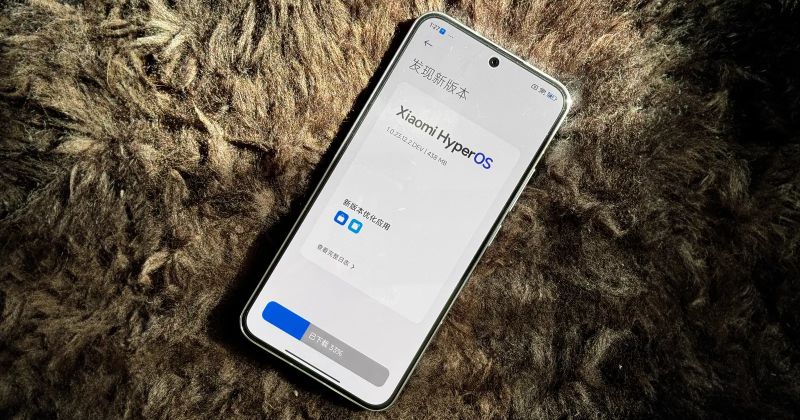
Xiaomi’s custom Android skin, formerly known as MIUI and now rebranded as HyperOS.

Xiaomi’s custom Android skin, formerly known as MIUI and now rebranded as HyperOS, has long been a mixed bag for users.

While praised for its feature-rich nature, it has also been criticised for its aggressive use of system-wide advertisements.

These ads, a key part of Xiaomi’s strategy to keep hardware prices low, have been a thorn in the side of many users.

Say Bye-Bye to Ads

The new feature, currently being tested on the Xiaomi 13 Pro, could be a game-changer.

If implemented, it would allow users to disable all system ads with a single tap, dramatically simplifying what has been a complex and frustrating process.

Xiaomi promises to knock it off with at least some of the obnoxious MIUI ads

Previously, turning off ads on Xiaomi phones was akin to navigating a maze.

Users had to dig through various menus and settings, disabling multiple options scattered throughout the system.

This cumbersome process often led people to seek third-party solutions or online guides, raising concerns about security and potential bloatware.

Striking a Balance
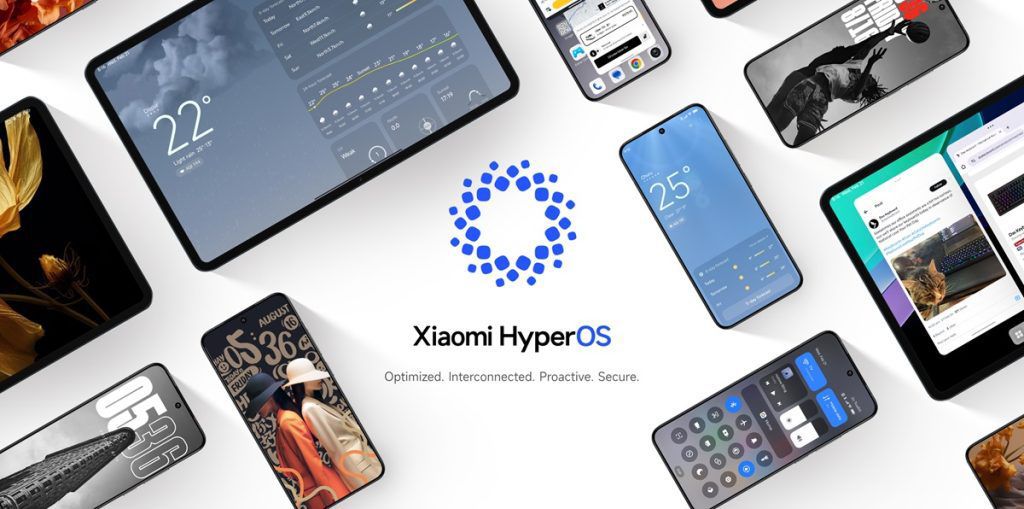
Xiaomi HyperOS is the largest reconstruction of Xiaomi’s OS subsystem

Xiaomi’s business model has long relied on keeping hardware prices competitive by generating revenue through other means, including in-app advertising.

This approach has allowed the company to offer feature-packed devices at attractive price points, but it’s also been a source of user frustration.

The potential introduction of an easy ad-disable option suggests that Xiaomi is listening to user feedback.

What’s Next?

It’s important to note that this feature is still in the testing phase. There’s no official word yet on when or if it will be rolled out more widely.

The test build on the Xiaomi 13 Pro offers a promising glimpse, but it remains to be seen whether this will become a permanent feature across Xiaomi’s device lineup.

If implemented, this toggle could be a win-win solution.

Users who prioritise an ad-free experience can easily opt out, while Xiaomi can continue to generate ad revenue from those who don’t mind the occasional advert.

FAQs

Why does Xiaomi include ads in its phones?

Xiaomi’s business model relies on keeping hardware prices competitive by generating revenue through other means, including in-app advertising. This strategy allows them to offer feature-rich devices at lower price points compared to some competitors.

How did users previously disable ads on Xiaomi phones?

In the past, disabling ads on Xiaomi devices was a complex process. Users had to navigate through various menus and settings, disabling multiple options scattered across the system. This was often frustrating and time-consuming for many users.

Will the new toggle completely remove all ads from Xiaomi phones?

While the feature is still in testing, it appears to be designed to disable system-wide ads. However, it’s important to note that this may not affect ads within third-party apps or services not directly controlled by Xiaomi’s operating system.

When will this feature be available to all Xiaomi users?

As of now, there’s no official information on a widespread rollout. The feature is currently being tested on the Xiaomi 13 Pro, and its availability for other models or regions remains uncertain.

How might this change impact Xiaomi’s business model?

If implemented widely, this feature could potentially affect Xiaomi’s ad revenue. However, it may also improve user satisfaction and loyalty, potentially leading to increased sales or market share. The overall impact will likely depend on how many users choose to disable ads.

Also Read: HyperOS Update: Xiaomi Picks 9 Devices For Rollout in Early 2024

Also Read: Xiaomi Confirms HyperOS Roll-out in India; Xiaomi 13 Pro and Pad 6 to be the First Devices To Get it

Also Read: POCO F5 Marks the Beginning of Xiaomi’s HyperOS Era in India; More Devices To Follow

 

Indian Twitter Rival Koo has Shut Down: What Lead to its Demise?

0
  • Koo shuts down due to funding challenges despite initial success.
  • Raised over £66 million, valued at £275 million at its peak.
  • Faced difficulties in sustaining momentum and securing long-term capital.
  • Highlights need for patient capital and unique value propositions.

In a surprising development that has sent ripples through India’s tech ecosystem, Koo, once hailed as the homegrown alternative to Twitter, is shutting down.

This closure marks the end of an ambitious venture that sought to challenge global social media giants and carve out a uniquely Indian space in the digital world.

But what led to Koo’s downfall, and what lessons can we draw from its journey?

“We explored partnerships with multiple larger internet companies, conglomerates, and media houses, but these talks didn’t yield the outcome we wanted,” according to the founders.

Aprameya Radhakrishna and Mayank Bidawatka, Founders of Koo said,

Here’s the final update from our end. Our partnership talks fell through and we will be discontinuing our service to the public. We explored partnerships with multiple larger internet companies, conglomerates, and media houses but these talks didn’t yield the outcome we wanted. Most of them didn’t want to deal with user-generated content and the wild nature of a social media company. A couple of them changed priority almost close to signing. While we would’ve liked to keep the app running, the cost of technology services to keep a social media app running is high and we’ve had to take
this tough decision.

A prolonged funding winter which hit us at our peak hurt our plans at the time and we had to tone down on our growth trajectory.

Koo’s Dream of an Indian Twitter

India’s Twitter alternative Koo is now shutting down due to lacck of funding.

When Koo launched in 2020, it rode a wave of nationalistic fervour and anti-Twitter sentiment.

With its focus on Indian languages and a promise to be a free-speech platform, Koo quickly gained traction.

Government officials and celebrities flocked to the app, giving it an air of credibility and potential.

The app’s initial success seemed to validate the idea that India could produce its own social media powerhouse.

Koo’s rise appeared to be a testament to the country’s growing tech prowess and its ability to create platforms tailored to local needs.

Why Koo Has Failed

Despite raising over £66 million and achieving a valuation of £275 million, Koo struggled to maintain its momentum.

However, the dream of becoming India’s Twitter was short-lived. Koo’s founders, Aprameya Radhakrishna and Mayank Bidawatka, recently announced the platform’s closure, citing the challenges of securing long-term capital.

Despite raising over £66 million and achieving a valuation of £275 million, Koo struggled to maintain its momentum.

The founders’ attempts to sell or merge the platform, including discussions with content aggregator DailyHunt, fell through, leaving them with no viable path forward.

Lack of Funding

Koo’s demise offers several important lessons for India’s tech sector.

At the heart of Koo’s troubles lay a fundamental mismatch between investor expectations and the realities of building a social media platform.

As Radhakrishna pointed out, creating world-class products in fields like social media or AI requires patient, long-term capital.

The pressure to deliver quick returns often undermines the ability of startups to grow sustainably and compete effectively.

That’s the case now for a lot of VC-backed startups.

Lessons for the Indian Startup Ecosystem

The pressure for a quick turnaround on investments was too much for Koo to handle

Koo’s demise offers several important lessons for India’s tech sector:

1. The need for patient capital: Building platforms that can compete globally requires investors willing to take a long-term view, rather than expecting quick profits.

2. The challenges of scale: Achieving the network effects necessary to compete with established social media giants is an enormous challenge that requires substantial resources.

3. The importance of differentiation: Simply being an ‘Indian alternative’ may not be enough; startups need to offer unique value propositions to attract and retain users.

4. The role of the ecosystem: A more supportive ecosystem, including government policies and investor attitudes, is crucial for nurturing ambitious tech ventures.

 The Future of Indian Social Media


Can any Indian startup truly challenge the dominance of global tech giants?

As Koo exits the stage, questions remain about the future of homegrown social media platforms in India.

Can any Indian startup truly challenge the dominance of global tech giants?

Or should the focus shift to creating niche platforms that serve specific needs rather than trying to be all things to all users?

Koo’s story may have ended, but the quest to put India on the global tech map continues.

The next chapter in this journey will hopefully be written with the wisdom gained from Koo’s rise and fall.

FAQs

Why did Koo fail to compete with Twitter?

Koo struggled to secure the long-term funding needed to compete with established global platforms. Despite initial success, the app couldn’t achieve the scale and user base necessary to challenge Twitter’s dominance.

What does Koo’s closure mean for India’s tech startup scene?

The shutdown of Koo serves as a cautionary tale for Indian startups, highlighting the need for patient capital and the challenges of competing with global tech giants. It may lead to a reevaluation of funding strategies and expectations in the Indian startup ecosystem.

Could Koo have survived with a different business model?

While it’s difficult to say definitively, a more niche focus or alternative revenue streams might have helped Koo’s sustainability. However, the fundamental challenge of competing against well-funded global platforms would likely have remained.

What lessons can other Indian startups learn from Koo’s experience?

Koo’s journey underscores the importance of securing long-term funding, having a clear differentiation strategy, and managing growth expectations realistically. It also highlights the need for a supportive ecosystem that allows startups time to develop and scale.

Will we see another Indian alternative to global social media platforms?

It’s possible, but any future attempts will likely need to address the challenges Koo faced, including securing substantial long-term funding and offering a unique value proposition to users. The success of such ventures may depend on changes in the Indian startup ecosystem and investor attitudes.

Also Read: Twitter Rebrands TweetDeck as ‘X-Pro’, Puts It Behind A Paywall

Also Read: Reviving the Classic Twitter Bird: How to Restore the Original Logo on iPhone, Android, and Web Browsers

Also Read: X Enters, Iconic Bird Logo Exits: Elon Musk Rebrands Twitter Social Media Platform

Samsung Galaxy Watch 7 Series Will Come with Exynos W1000 Chip

0
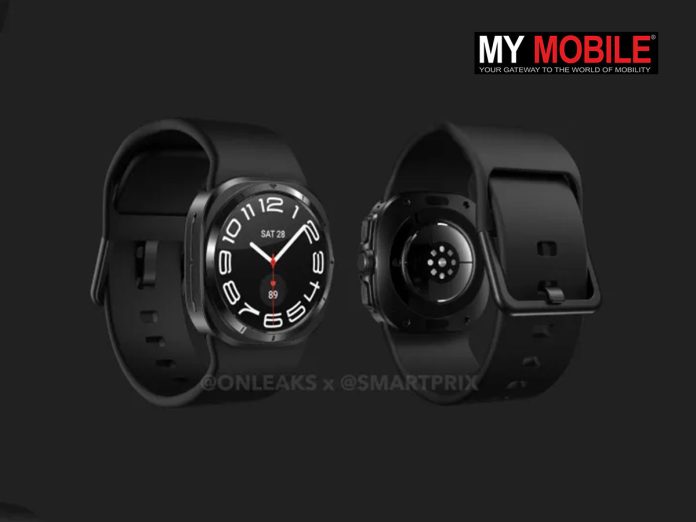
Galaxy Watch7 Ultra features a squarish outer bezel with a circular display
  • Built on advanced 3nm process for enhanced efficiency.
  • 5-core CPU configuration with Cortex-A78 and Cortex-A55 cores.
  • Mali-G68 MP2 GPU supports up to qHD resolution.
  • Integrated connectivity options include Bluetooth LE, 4G LTE, Wi-Fi, GPS, and NFC.

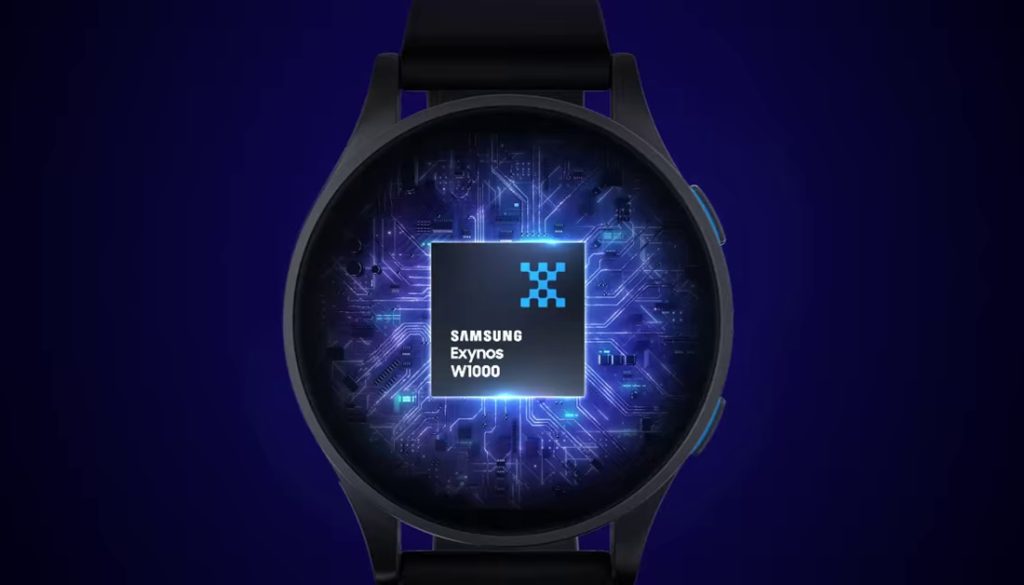
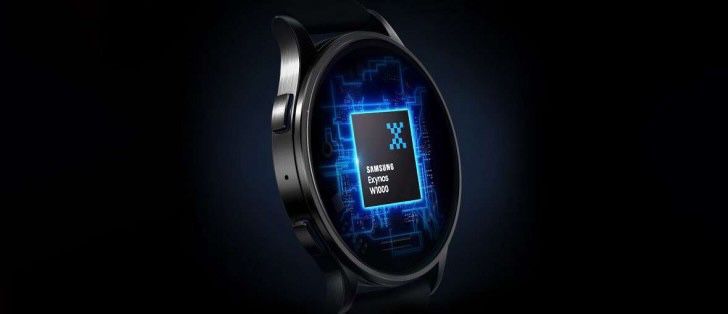
Ahead of its July 10 Unpacked event, Samsung has officially announced the Exynos W1000 chipset, set to power its upcoming Galaxy Watch7 and Watch7 Ultra.

This reveal offers a tantalizing glimpse into the future of wearable technology, promising significant performance upgrades and enhanced efficiency.

Galaxy Watch 7 Series and Exynos W1000

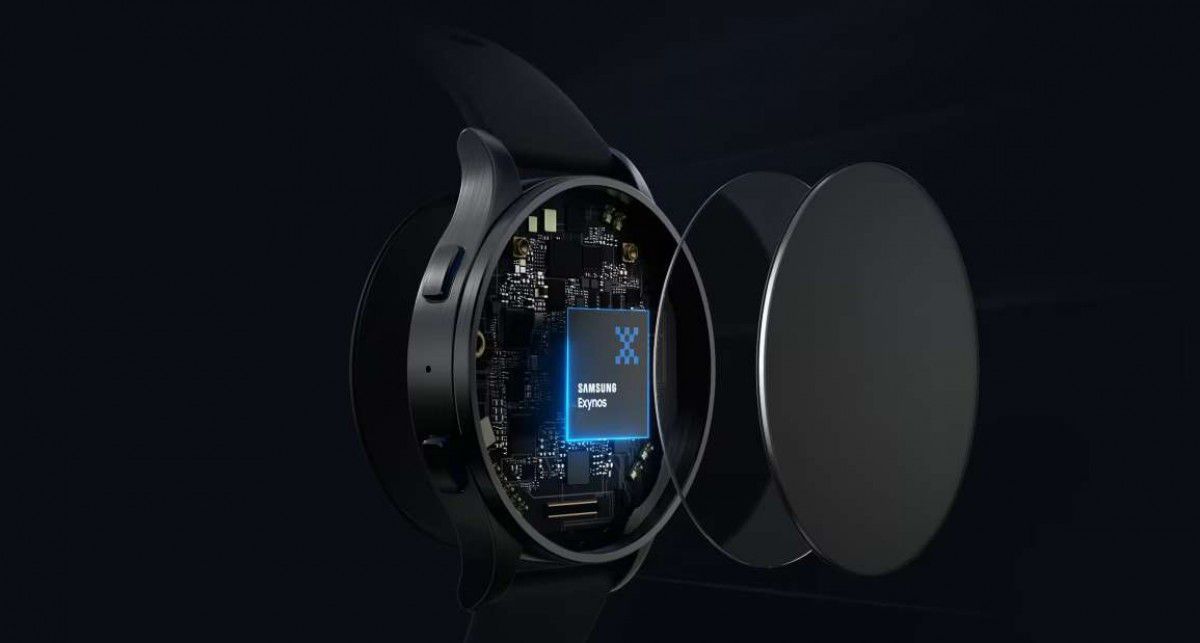
The chip uses the system in a package (SiP) method

The Exynos W1000 is built on an advanced 3nm process, showcasing Samsung’s commitment to pushing the boundaries of semiconductor technology.

At its heart lies a powerful 5-core CPU configuration, featuring a high-performance Cortex-A78 core clocked at 1.6GHz, complemented by four Cortex-A55 cores running at up to 1.5GHz.

The chipset employs Fan-Out Panel Level Packaging .

This architecture translates to impressive performance gains, with Samsung boasting 2.7x faster app launches, 3.4x improved single-core performance, and a 3.7x boost in multi-core tasks.

Graphics prowess comes courtesy of a Mali-G68 MP2 GPU, capable of driving displays up to qHD resolution (960×540).

This makes it particularly well-suited for the rumored larger screen of the Galaxy Watch 7 Ultra.

Samsung Galaxy Watch 7 rumoured to debut 3nm Exynos W1000 processor

To manage thermal challenges in compact wearable form factors, the chipset employs Fan-Out Panel Level Packaging (FO-PLP) technology.

The Exynos W1000 is not just about raw performance. It incorporates several features aimed at enhancing the overall smartwatch experience:

Samsung says the Exynos W1000 is nearly 3x faster at opening apps than the W930.

Support for 2.5D Always-on Display, promising more detailed and colorful watch faces
Integrated connectivity options including Bluetooth LE, 4G LTE, Wi-Fi b/g/n, GPS, and NFC
• 32GB of eMMC storage, aligning with recent Galaxy Watch 7 series leaks
• System in Package (SiP) integration for efficient power management
• Embedded Package on Package (ePoP) design for DRAM and NAND flash memory

Key specifications of the Exynos W1000 include:

Samsung decided to get this announcement out of the way before the July 10 Unpacked event.

• 3nm GAA process
• Penta-core CPU (1x Cortex-A78 @ 1.6GHz, 4x Cortex-A55 @ 1.5GHz)
• Mali-G68 MP2 GPU
• FHD 60fps video encoding/decoding
• Support for HEVC(H.265), H.264, VP8 codecs
• LTE Cat.4/5 modem
• WiFi 802.11n, Bluetooth 6, multi-constellation GNSS support
• LPDDR5 memory support

Samsung claims the Exynos W1000 will enable flagship-level experiences in wearables, with efficiency improvements potentially extending battery life to 2-3 days.

Samsung Galaxy Watch 7 Series: Leaks Reveal Multiple Models and Faster Charging

While primarily destined for the Galaxy Watch7 and Watch7 Ultra, speculation suggests it might also find its way into the rumored Galaxy Ring.

With the Unpacked event just around the corner, tech enthusiasts and Samsung fans alike eagerly await the full reveal of how this impressive chipset will transform the next generation of Galaxy wearables.

FAQs

What is the Exynos W1000 chip?

The Exynos W1000 is Samsung’s latest chipset for next-gen wearables, featuring a 5-core CPU and built on an advanced 3nm process for improved performance and efficiency.

What devices will feature the Exynos W1000?

The Exynos W1000 is set to power Samsung’s upcoming Galaxy Watch7 and Watch7 Ultra, and might also be included in the rumored Galaxy Ring.

What are the key performance features of the Exynos W1000?

The Exynos W1000 offers 2.7x faster app launches, 3.4x improved single-core performance, and a 3.7x boost in multi-core tasks, thanks to its Cortex-A78 and Cortex-A55 cores.

What connectivity options does the Exynos W1000 support?

The chip supports Bluetooth LE, 4G LTE, Wi-Fi b/g/n, GPS, and NFC, ensuring comprehensive connectivity for wearable devices.

How does the Exynos W1000 enhance battery life in wearables?

The advanced 3nm process and efficient power management techniques, such as System in Package (SiP) integration, potentially extend battery life to 2-3 days.

Also Read: Apple Watch Series 9: Five Features To Admire & Two Reasons for Second Thoughts

Also Read: Samsung Galaxy Watch 6 Classic 5K Leaked Renders Show Rotating Bezel Comeback, Reveal Full Design; Launch Soon

Also Read: Samsung Galaxy Watch 7 Pro Gears Up for Potential India Launch with BIS Certification

Xiaomi 14T Pro Spotted on IMDA as Global Launch Nears

0
  • IMDA certification confirms 5G, Wi-Fi, Bluetooth, and NFC ahead of Xiaomi 14T Pro launch.
  • Expected to feature MediaTek Dimensity 9300+ chipset.
  • Rumored 50MP Light Hunter 800 main camera with Leica branding.
  • Anticipated 5,500mAh battery with 120W fast charging.

Xiaomi’s upcoming flagship, the 14T Pro launch, is inching closer to its global debut.

Recent appearances on multiple certification websites, including IMDA, NBTC, and IMEI, strongly suggest that an international launch is imminent.

The Xiaomi 14T Pro will be the successor of the Xiaomi 13T Pro.

Certification Details

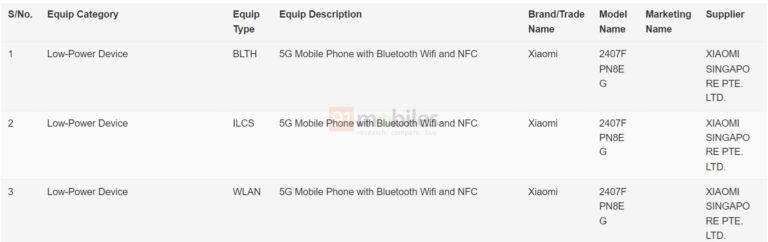
The IMDA (Infocomm Media Development Authority) certification, a key step for electronic devices entering the Singapore market, has listed the Xiaomi 14T Pro under model number 2407FPN8EG.

This listing confirms several connectivity features:

Xiaomi 14T was Spotted on the IMDA certification website.

• 5G support
• Wi-Fi
• Bluetooth
• NFC

While the certification doesn’t reveal extensive technical specifications, the ‘G’ in the model number typically indicates a global variant.

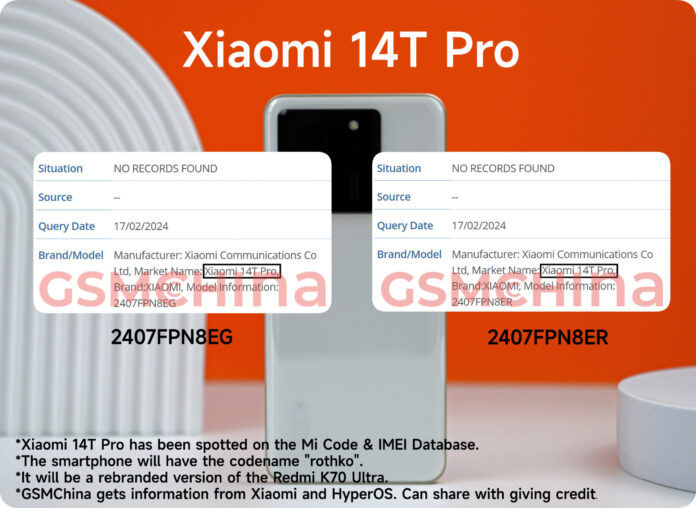
Xiaomi 14T Pro appeared on the IMEI database as well.

Expected Specifications

Though Xiaomi hasn’t officially confirmed the details, rumors, and leaks paint an exciting picture of the 14T Pro:

Processor: The device is expected to feature the MediaTek Dimensity 9300+ chipset, a powerful upgrade from its predecessor’s Dimensity 9200+.

Camera: Speculation points to a 50MP Light Hunter 800 main sensor, complemented by 8MP and 2MP auxiliary cameras.

Leica branding and Xiaomi’s AI imaging technology are likely to enhance the photography experience.

Battery: A sizable 5,500mAh battery with 120W fast charging support is anticipated, offering an improvement over the previous model’s 5,000mAh capacity.

Potential Rebranding

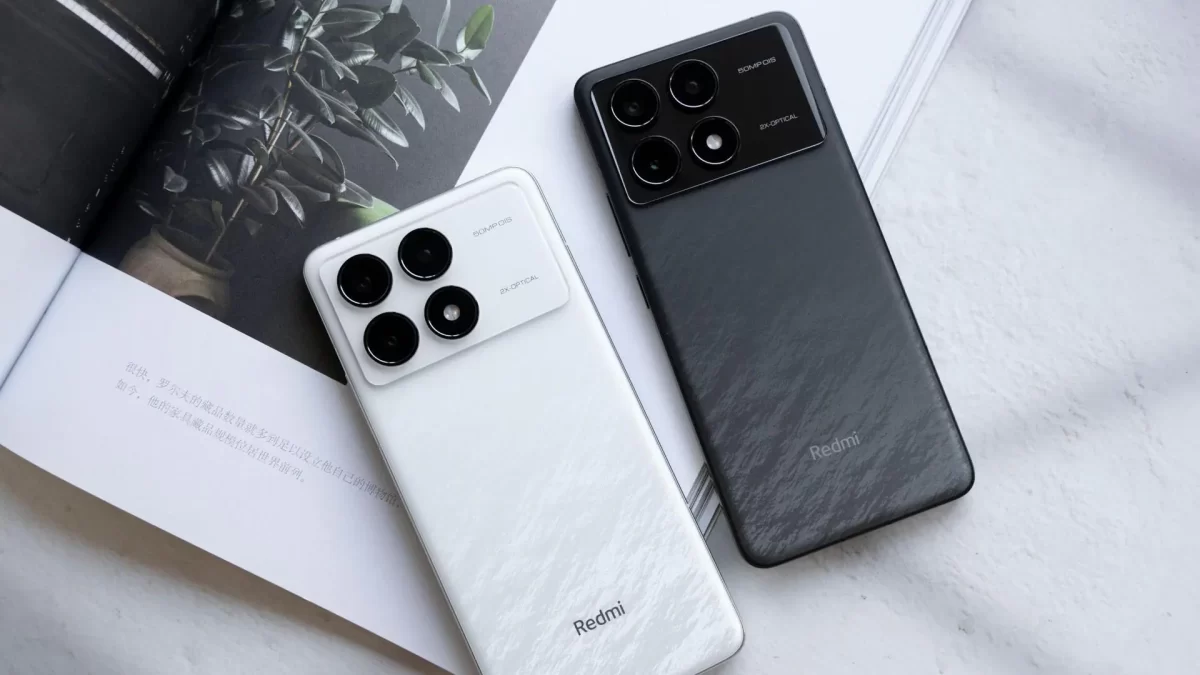
Redmi K70 Pro Champion Edition was a collaboration between Redmi and Lamborghini

There’s a possibility that the Xiaomi 14T Pro might launch in some markets as a rebranded version of the Redmi K70 Ultra.

This follows the pattern set by its predecessor, the 13T Pro, which was a rebranded Redmi K60 Ultra in certain regions.

While an official launch date hasn’t been announced, the multiple certifications suggest that Xiaomi is in the final stages of preparation for a global release.

The 14T Pro appears poised to offer significant upgrades over its predecessor, potentially cementing Xiaomi’s position in the competitive flagship smartphone market.

As always with pre-release information, it’s important to approach these details with a degree of caution.

FAQs

What certifications has the Xiaomi 14T Pro received?

The Xiaomi 14T Pro has appeared on certification websites such as IMDA, NBTC, and IMEI, indicating that its global launch is imminent.

What are the expected connectivity features of the Xiaomi 14T Pro?

According to the IMDA listing, the Xiaomi 14T Pro will support 5G, Wi-Fi, Bluetooth, and NFC connectivity.

What processor is rumored to be in the Xiaomi 14T Pro?

The Xiaomi 14T Pro is expected to feature the MediaTek Dimensity 9300+ chipset, an upgrade from its predecessor’s Dimensity 9200+.

What camera specifications are anticipated for the Xiaomi 14T Pro?

The device is rumored to have a 50MP Light Hunter 800 main sensor, along with 8MP and 2MP auxiliary cameras, enhanced by Leica branding and Xiaomi’s AI imaging technology.

Is there a possibility of the Xiaomi 14T Pro being rebranded for different markets?

Yes, there is speculation that the Xiaomi 14T Pro might be rebranded as the Redmi K70 Ultra in some markets, following a pattern seen with previous models.

Also Read: Xiaomi 14 Ultra to Reportedly Feature a Titanium Special Edition; 16GB RAM and 512GB Storage

Also Read: Xiaomi 14 Ultra Renders Showcase Colour Options, Leica Branding

Also Read: Xiaomi 14 Ultra Set for Debut in China on 22nd February; Globally Launch to Take Place at MWC 2024

Google’s Carbon Emissions Up by 50 Percent Despite Green Goals Commitment

0
  • Google Carbon emissions increased by 48% since 2019.
  • Data centers now account for 25% of total emissions.
  • Investing in efficient Tensor Processing Units (TPUs).
  • 64% of energy sourced from carbon-free sources.

In a surprising turn of events, Google’s environmental impact has increased significantly over the past five years.

The tech giant’s latest Environmental Report reveals a 48% jump in carbon emissions since 2019, with a 13% rise in the last year alone.

This increase comes despite Google’s public commitment to achieve net-zero emissions across its operations and value chain by 2030.

Why Has Google’s Environmental Impact Gone Up?

Google’s impact on the environment is quite huge.

The company points to growing demand for data centers and supply chain issues as major contributors to this rise.

In fact, data center power consumption shot up by 17% in 2023, now accounting for a quarter of Google’s total emissions.

Google isn’t ignoring the problem, though. The company is exploring several strategies to reduce its carbon footprint.

One promising avenue is the development of more efficient Tensor Processing Units (TPUs) for AI operations.

These new chips could potentially slash the energy needed for AI training by 100 times, leading to massive reductions in associated emissions.

The tech giant is also investing heavily in renewable energy. Currently, 64% of Google’s energy comes from carbon-free sources, including geothermal power.

The company has recently signed contracts for nearly 4 gigawatts of clean energy in various locations around the world.

Google Investing in Eco-friendly Initiatives

Google has been working to invest in sustianable practices.

Other eco-friendly initiatives include a push towards plastic-free packaging for Pixel devices.

Since 2023, almost all Pixel packaging is now 99% plastic-free, with the Pixel 8 series achieving 100% plastic-free status.

Google acknowledges that some regions, particularly in Asia-Pacific, present challenges for carbon-free energy adoption.

However, the company is leveraging its AI capabilities to address environmental issues in creative ways.

For example, Google Maps uses AI models to optimize traffic flow and reduce vehicle emissions.

Google AI model Gemini compared to ChatGPT for ecosystem integration
Google continues to enhance Gemini, adding new functionalities and integrations

As Google continues to expand its AI offerings, including the recent push for Gemini, the company faces a significant challenge.

It must find ways to balance the power-hungry nature of AI development with its environmental commitments.

With just six years left to reach its net-zero goal, all eyes will be on Google to see if it can reverse this trend and make good on its green promises.

FAQs

Why have Google’s carbon emissions increased?

Google’s carbon emissions have risen due to growing demand for data centers and supply chain issues, with a 17% increase in data center power consumption in 2023 alone.

What is Google’s commitment to reducing carbon emissions?

Google has committed to achieving net-zero emissions across its operations and value chain by 2030, despite recent increases in their carbon footprint.

What strategies is Google exploring to reduce its carbon footprint?

Google is developing more efficient Tensor Processing Units (TPUs) for AI operations, investing in renewable energy, and pushing towards plastic-free packaging for Pixel devices.

How much of Google’s energy comes from renewable sources?

Currently, 64% of Google’s energy is sourced from carbon-free sources, including geothermal power, with recent contracts signed for nearly 4 gigawatts of clean energy globally.

What challenges does Google face in reducing its environmental impact?

Google faces challenges in adopting carbon-free energy in certain regions, particularly in Asia-Pacific, and must balance the energy demands of AI development with its environmental commitments.

Also Read: Google To Reportedly Bring Gemini Nano AI Assistance Called Pixie to Upcoming Pixel 9 Series

Also Read: Google Bard Expands Globally with Gemini Pro and Launches New Image Generation Feature

Also Read: Google Rebrands Bard to Gemini; Introduced Access to Gemini Ultra 1.0 and Mobile App for Android, iOS

iQOO Z9 Lite 5G to Launch on July 15 with MediaTek Dimensity 6300 Chipset

0
  • iQOO Z9 Lite 5G launch in India is on July 15 with MediaTek Dimensity 6300 chipset.
  • Antutu score of 4.14 lakhs for smooth everyday performance.
  • Available during Amazon Prime Day sale with 6GB RAM and 128GB storage.
  • Stylish “Aqua Flow” design and rumored pricing between Rs. 10,499 and Rs. 11,499.

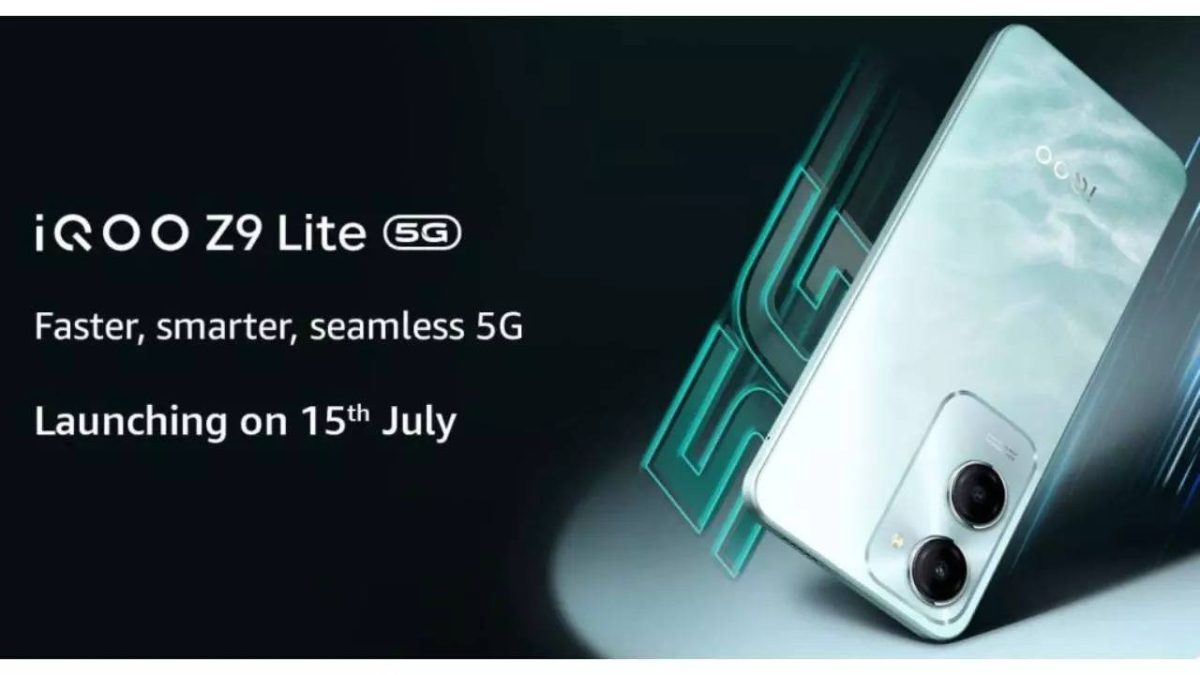
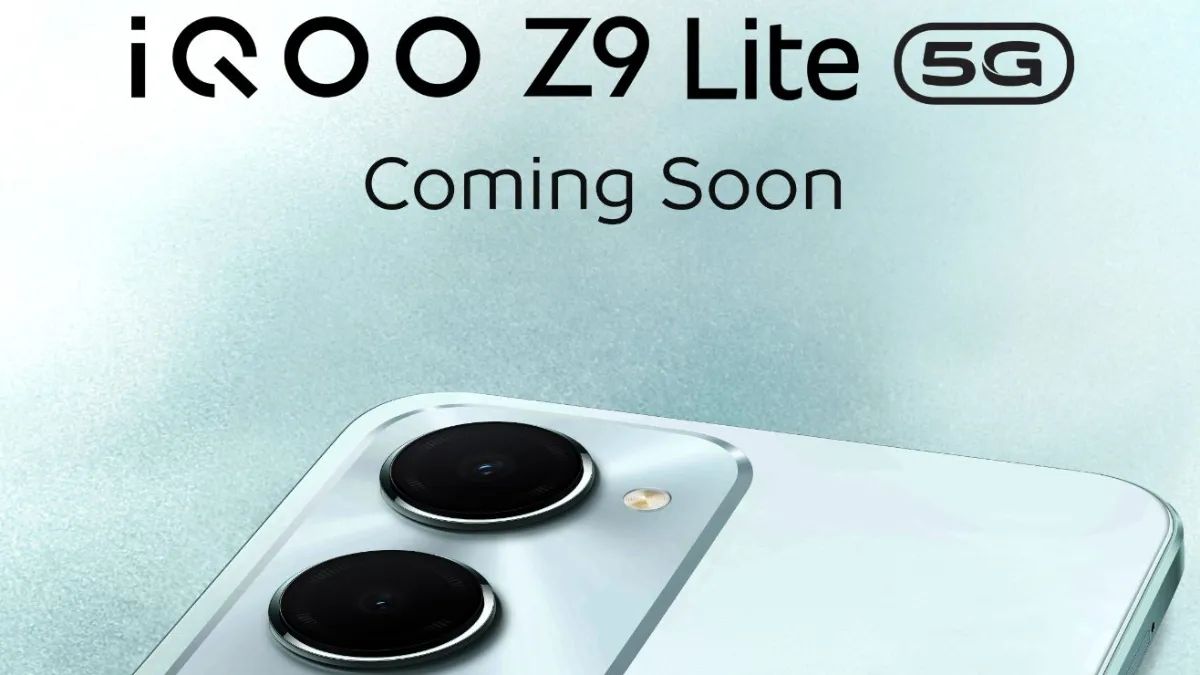
iQOO has confirmed a July 15 launch date in India for the iQOO Z9 Lite 5G, generating excitement among tech enthusiasts and budget-conscious consumers alike.

Some details have been confirmed by the company ahead of the launch and they concern the chipset and memory variants on the phone.

iQOO Z9 Lite 5G To Have MediaTek Dimensity 6300

iQOO Z9 Lite 5G is about to be announced on Amazon on 15th July.

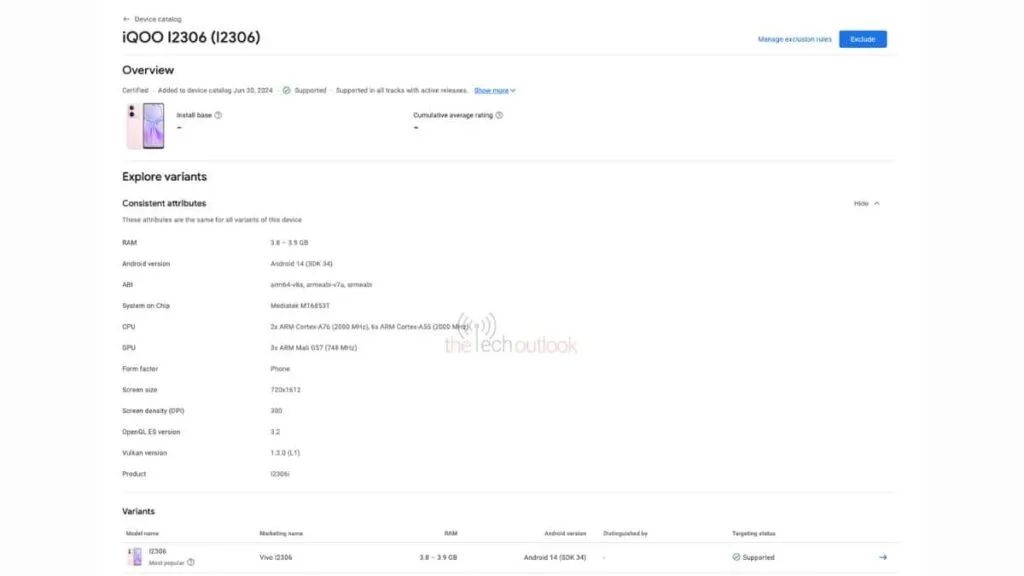
At the heart of the Z9 Lite 5G lies the MediaTek Dimensity 6300 chipset. Built on a 6nm manufacturing process, this processor promises to deliver impressive performance for its price range.

iQOO has already boasted about the device’s Antutu score of 4.14 lakhs, suggesting smooth operation for everyday tasks and even some light gaming.

Amazon Playing a Crucial Role in the Launch

The iQOO Z9 Lite will be exclusive on Amazon India’s website.

The timing of the release is strategic, with the Z9 Lite 5G expected to hit shelves during Amazon’s Prime Day sale on either July 20 or 21.

This could mean attractive launch offers for early adopters. Amazon’s listing has also revealed some key specifications, including 6GB of RAM and 128GB of storage.

There’s a possibility of additional memory configurations, though this remains to be confirmed.

iQOO Z9 Lite 5G Design Specs and Possible Pricing

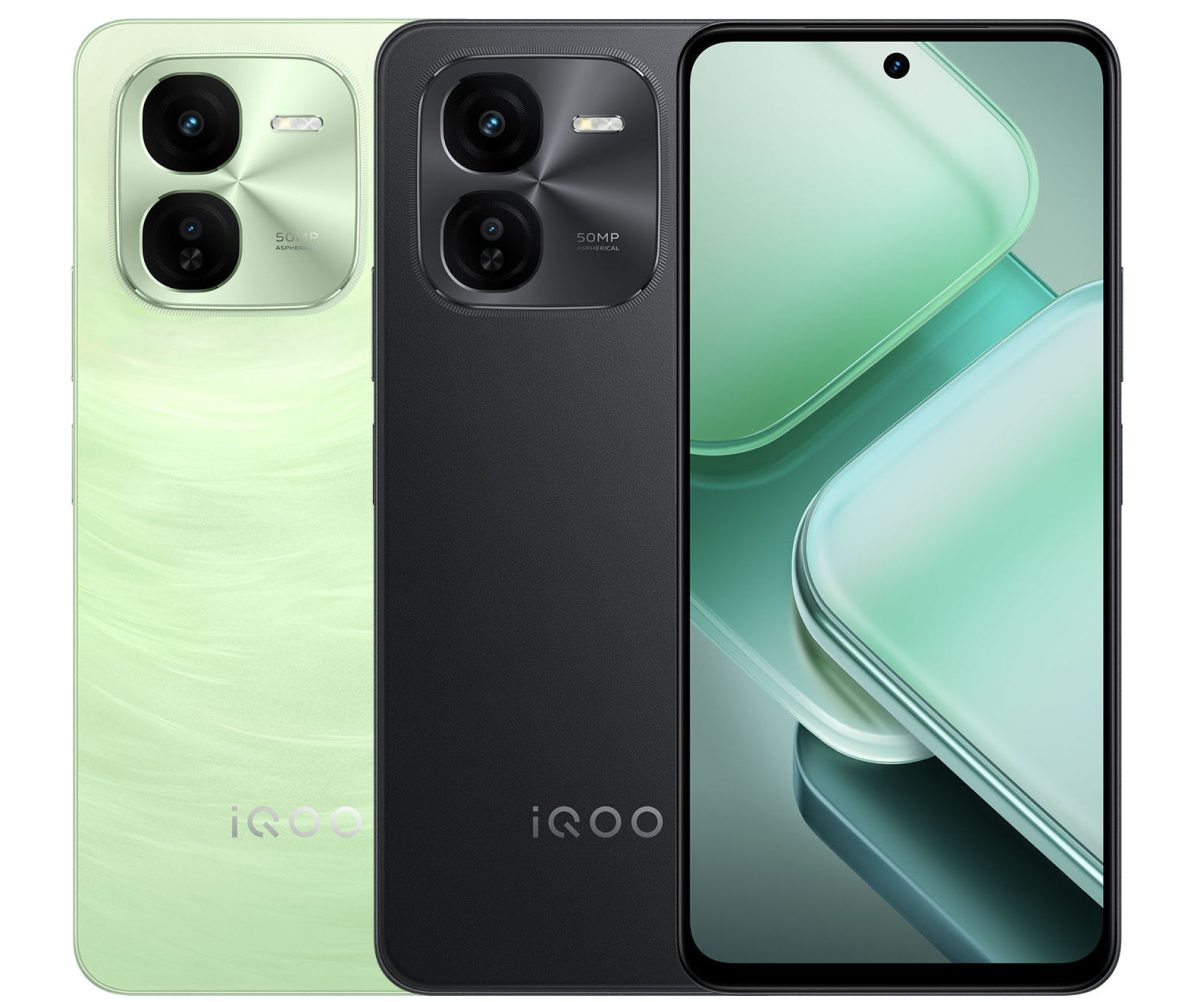
iQOO Z9 Lite expected to launch as brand’s first entry-level 5G phone.

Design-wise, iQOO has teased a sleek white-blue color variant, officially dubbed “Aqua Flow.”

This suggests the company is paying attention to aesthetics as well as performance, aiming to appeal to style-conscious users in the budget segment.

Speculation is rife that the Z9 Lite might be a rebranded version of the recently launched Vivo T3 Lite.

If this proves true, we could expect a 6.56-inch HD+ LCD display with a 90 Hz refresh rate, offering smooth scrolling and responsive touch input.

The camera setup might include a 50MP primary sensor paired with a 2MP depth sensor, a common configuration in this price range that should deliver decent photography capabilities for casual users.

Expected in 4GB, 6GB, and 8GB RAM variants with 128GB storage
The iQOO Z9 Lite i is expected in 6GB, and 8GB RAM variants with 128GB storage

Pricing is always a crucial factor in the budget smartphone market. The Vivo T3 Lite, which the Z9 Lite is rumored to be based on, was priced between Rs. 10,499 and Rs. 11,499.

It’s reasonable to expect the Z9 Lite to land in a similar price bracket, possibly even slightly lower to gain a competitive edge.

However, the official pricing will only be revealed at the July 15 launch event.

WhatsApp Image 2024-07-03 at 4.14.43 PM
WhatsApp Image 2024-07-03 at 4.15.11 PM
WhatsApp Image 2024-07-03 at 4.14.44 PM
WhatsApp Image 2024-07-03 at 4.14.43 PM WhatsApp Image 2024-07-03 at 4.15.11 PM WhatsApp Image 2024-07-03 at 4.14.44 PM

FAQs

When is the iQOO Z9 Lite 5G launching in India?

The iQOO Z9 Lite 5G is set to launch in India on July 15, 2024, generating excitement among tech enthusiasts and budget-conscious consumers.

What processor does the iQOO Z9 Lite 5G feature?

The iQOO Z9 Lite 5G is powered by the MediaTek Dimensity 6300 chipset, built on a 6nm manufacturing process, promising impressive performance for its price range.

What are the confirmed specifications of the iQOO Z9 Lite 5G?

The device boasts an Antutu score of 4.14 lakhs, indicating smooth operation, and comes with 6GB of RAM and 128GB of storage. Additional memory configurations may also be available.

What is the design of the iQOO Z9 Lite 5G?

The iQOO Z9 Lite 5G features a sleek “Aqua Flow” color variant, suggesting a focus on aesthetics and style in addition to performance.

What is the expected pricing for the iQOO Z9 Lite 5G?

The iQOO Z9 Lite 5G is rumored to be priced between Rs. 10,499 and Rs. 11,499, similar to the Vivo T3 Lite, which it is speculated to be based on.

Also Read: iQOO Z9 5G Set to Launch in India with MediaTek Dimensity 7200: What You Need To Know

Also Read: iQOO Z9 Key Specs Revealed by Company Ahead of 12th March Launch in India

Also Read: iQOO Z9 Set to Launch in India on 12th March: All You Need to Know

Samsung Galaxy S25 Series To Reportedly Drop the Plus Model

0
  • Samsung to simplify Galaxy S25 lineup to two models.
  • Galaxy S25+ model likely to be discontinued.
  • Galaxy S25 Ultra rumored to feature a 200MP main camera.
  • Both models expected to have next-gen Qualcomm Snapdragon chipsets.

In a surprising twist, Samsung appears to be shaking up its flagship smartphone lineup for 2025.

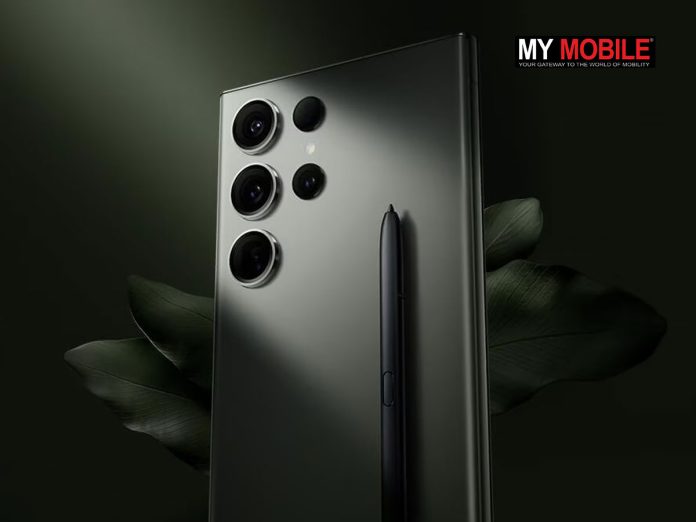
The flagship smartphone with a Titanium frame and 200-megapixel quad rear camera setup
The Galaxy S25 series will not have a Plus version, it looks like.

Recent leaks from Android Headlines, suggest the tech giant may abandon its traditional three-model approach, opting instead for a simplified two-device strategy with the Galaxy S25 series.

Farewell to the Plus

According to reports, Samsung plans to drop the middle child of its flagship family the Galaxy S25+.

This leaves consumers with two clear choices: the standard Galaxy S25 and the premium Galaxy S25 Ultra.

Why is Samsung Dropping the S25 Plus?

No record found for the Galaxy S25 Plus.

Several factors may be driving this decision:

  • Lackluster sales: The Plus models have historically underperformed compared to their siblings.
  • Blurring lines: Recent Plus variants offered minimal differences from the base model beyond screen and battery size.
  • Production efficiency: Streamlining the lineup could reduce manufacturing complexity.
  • Pushing premium: Removing the middle option might encourage more users to opt for the high-end Ultra.

What We Know So Far

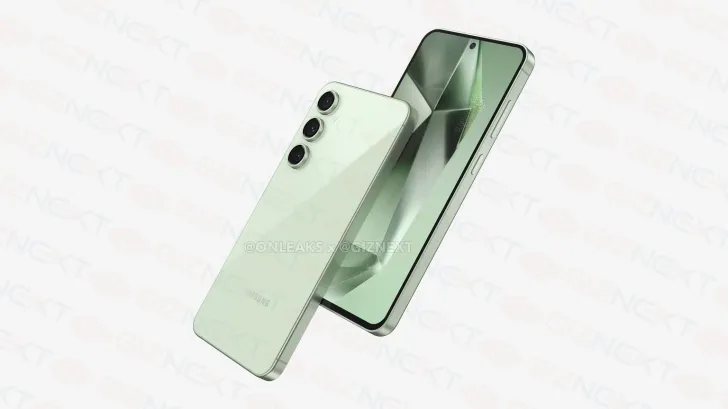
Leaked renders snow Galaxy S24 FE in black and green color options
The Galaxy S25 Plus will not be a big miss given its lower popularity.

While details are still emerging, early leaks hint at some exciting features:

Galaxy S25: Expected to retain a 50MP main camera and 12MP selfie shooter.
Galaxy S25 Ultra: Rumored to boast an impressive camera array (200MP main, 50MP ultrawide, dual 50MP telephoto lenses).
Both models are likely to feature Qualcomm Snapdragon chipsets.
Potential battery capacities: 4000mAh for S25, 5000mAh for S25 Ultra.

It’s actually very very early in the Galaxy S25 leak cycle so we definitely advice you to take all these projected specs with a grain of salt.

However, you can be assured that the S25 series will most definitely include the next generation of Qualcomm’s flagship SoC.

Looking Ahead

Samsung Leads India’s Smartphone Charts

With a projected January 2025 launch, there’s still plenty of time for plans to change.

Samsung’s upcoming Unpacked event in July 2024 might offer more clues about the company’s future direction.

This bold move could reshape the smartphone landscape, forcing competitors to rethink their own lineups.

For consumers, it might mean clearer choices but potentially higher prices to access top-tier features.

As always in the tech world, only time will tell if Samsung’s gamble pays off.

One thing’s for sure – the Galaxy S25 series launch just got a lot more interesting.

FAQs

What changes are expected in the Galaxy S25 lineup?

Samsung is rumored to streamline its flagship lineup by eliminating the Galaxy S25+ model, leaving only the standard Galaxy S25 and the Galaxy S25 Ultra.

Why is Samsung considering dropping the Galaxy S25+?

The decision may be driven by factors such as underwhelming sales of Plus models, minimal differences from the base model, and the aim to simplify production and encourage consumers to opt for the Ultra variant.

What are the rumored camera specifications for the Galaxy S25 Ultra?

The Galaxy S25 Ultra is expected to feature a 200MP main camera, a 50MP ultrawide lens, and dual 50MP telephoto lenses, offering impressive photography capabilities.

Which processor will the Galaxy S25 series use?

Both the Galaxy S25 and S25 Ultra are likely to be powered by the latest Qualcomm Snapdragon chipsets, ensuring high performance.

When is the Galaxy S25 series expected to be launched?

The Galaxy S25 series is projected to be launched in January 2025, with more details possibly being revealed at Samsung’s Unpacked event in July 2024.

Also Read: Samsung Camera Upgrades for Galaxy S24, S25, and S26 Ultra Series Leaked

Also Read: Samsung Galaxy S25 Sans Physical Buttons; Details Inside

Also Read: Rising Qualcomm Chipset Costs May Impact Samsung Galaxy S25 Pricing

OnePlus 13 Water Resistance Leaked Ahead of Launch; IP68 or IP69

0
  • OnePlus 13 to potentially feature IP68 or IP69 water resistance rating.
  • Snapdragon 8 Gen 4 chip and 2K “micro-curved” screen.
  • Hasselblad-branded triple 50MP camera system.
  • 100W wired charging and wireless charging support.

OnePlus has been making waves in the smartphone market with its recent releases, and the upcoming OnePlus 13 might just be its most ambitious offering yet.

A new leak suggests that the company is set to address one of the main criticisms of its previous models: water resistance.

oneplus_ace_2_pro_oneplus_1713520133097
OnePlus 13 is coming out soon with one of the highest IP ratings in the smartphone world

OnePlus 13 Water Resistance Upgrade

According to Digital Chat Station, a reliable leaker on Weibo, the OnePlus 13 could feature either an IP68 or IP69 rating.

This would be a significant improvement over the IP65 rating of the OnePlus 12, which was considered a weak point in an otherwise well-received device.

OPPO A3 Pro: IP69 Rating, Expected Specs
OPPO A3 Pro has an IP69 Rating making it the only one in the Indian market.

IP68: This rating, currently used by Samsung’s flagships, offers protection against continuous water immersion.
IP69: The highest rating available, providing resistance to high-pressure and high-temperature water jets, in addition to the IP68 level of protection.

If OnePlus opts for the IP69 rating, it would actually surpass the water resistance capabilities of its main competitors, including the iPhone and Samsung Galaxy devices.

Potential Impact

Here are some renders of the OnePlus 13 and 13R.

This upgrade could be a game-changer for OnePlus, addressing a key area where it has lagged behind other flagship manufacturers.

By offering top-tier water resistance, OnePlus could strengthen its position in the premium smartphone market and attract users who prioritize durability.

Other Rumored Specifications

OnePlus 13 Camera and Battery Details Leaked

Previosu leaks also hints at several other impressive features for the OnePlus 13:

Snapdragon 8 Gen 4 chip
• 2K “micro-curved” screen
• Silicon-based “super-large” battery
• 100W wired charging and wireless charging support
• Hasselblad-branded triple 50MP camera system, including a 3x 50MP periscope lens
• Ultrasonic fingerprint scanner
• Larger vibration motor

However, while these leaks are exciting, it’s important to remember that they are unconfirmed.

OnePlus has not officially announced any specifications for the OnePlus 13.

However, given the company’s history of continuous improvement, some level of upgrade to the water resistance rating seems likely.

The OnePlus 13 Appears Quite Exciting

OnePlus 13 won’t feature wireless charging, but it compensates with a larger 6,000mAh battery and 100W wired fast charging

If these rumors prove true, the OnePlus 13 could be a significant leap forward for the company.

By addressing previous shortcomings and potentially surpassing competitors in key areas like water resistance, OnePlus seems poised to challenge the top tier of smartphone manufacturers.

The combination of cutting-edge processing power, advanced camera capabilities, and industry-leading durability could make the OnePlus 13 a formidable contender in the flagship smartphone market.

As we await official confirmation from OnePlus, these leaks have certainly raised expectations for what could be one of the most exciting smartphone releases of the year.

OnePlus 13 Specs

GENERAL

Sim Type Dual Sim, GSM+GSM
Dual Sim Yes
Sim Size Nano+Nano SIM
Device Type Smartphone
Release Date January 23, 2025 (Expected)

DESIGN

Dimensions 163.3 x 75.8 x 9.2 mm (6.43 x 2.98 x 0.36 in)

DISPLAY

Type Color LTPO AMOLED Screen (1.07B)
Touch Yes
Size 6.8 inches, 1440 x 3168 pixels, 120 Hz
Aspect Ratio 20:9
PPI ~ 510 PPI
Screen to Body Ratio ~ 93.5%
Glass Type Corning Gorilla Glass Victus
Features Always-on display, 5000nit Brightness, 2160Hz PWM, Curved Display, ProXDR
Notch Yes, Punch Hole

MEMORY

RAM 12 GB
Storage 256 GB
Storage Type UFS 4.0
Card Slot No

CONNECTIVITY

GPRS Yes
EDGE Yes
3G Yes
4G Yes
5G Yes
5G Bands n1/n3/n5/n7/n8/n20/n28A/n38/n40/n41/n77/n78/n66
VoLTE Yes, Dual Stand-By
Vo5G Yes
Wifi Yes, with wifi-hotspot
Wifi Version Wi-Fi 7 (802.11be)
Bluetooth Yes, v5.4
USB Yes, USB-C v3.2
USB Features USB Tethering, USB on-the-go, USB Charging
IR Blaster Yes

EXTRA

GPS Yes with A-GPS
Fingerprint Sensor Yes, In Display
Face Unlock Yes
Sensors Aaccelerometer, Gyro, Proximity, Compass, Color Spectrum
3.5mm Headphone Jack No
NFC Yes, Yes, eSE, HCE
Water Resistance Yes
IP Rating IP67
Extra Features LPDDR5X RAM, Super Linear Stereo Dual Speakers, Dolby Atmos, Spatial Audio, eSIM Support

CAMERA

Rear Camera 50 MP f/1.6 (Wide Angle)
50 MP f/2.6 (Telephoto)
50 MP f/2.2 (Ultra Wide) with autofocus
Camera Sensor Sony’s LYT-808 (50MP), OmniVision OV64B (64MP), Sony IMX581 (48MP)
Features 4th Gen Hasselblad Camera, Hasselblad Camera for Mobile, Nightscape, Dolby Vision, Smart Scene Recognition, Portrait Mode, Master Mode, Panorama, Tilt-Shift mode, Long Exposure, Dual-View Video, Retouch, Movie Mode, XPan Mode, Focus Peaking, Raw file, Raw Plus file, Filters, Super Stable, Video Nightscape, Video HDR, Focus Lock, Time-lapse, Google Lens
Video Recording 8K @ 24 fps UHD, 4K @ 30/60 fps UHD, 1080p @ 30 fps FHD
Flash Yes, LED
Front Camera Punch Hole 50 MP f/2.4 (Wide Angle) with Screen Flash
Front Video Recording 4K @ 30 fps UHD, 1080p @ 30 fps FHD, 720p @ 30 fps HD

TECHNICAL

OS Android v15
Custom UI OxygenOS 15
Chipset Qualcomm Snapdragon 8 Gen4
CPU Octa Core Processor
Java No
Browser Yes

MULTIMEDIA

Supports JPEG, PNG, BMP, GIF, WEB, HEIF, HEIC, DNG
Email Yes
Music MP3, AAC, AAC+, WMA, AMR-NB, AMR-WB, WAV, FLAC, APE, OGG, MID, M4A, IMY, AC3, EAC3, EAC3-JOC, AC4
Video Dolby Vision, HDR10, HDR10+, +HLG, HDRViVid, MKV, MOV, MP4, H.265 (HEVC), AVI, WMV, TS, 3GP, ASF, FLV, WEB
FM Radio No
Document Reader Yes

BATTERY

Type Non-Removable Battery
Size 5500 mAh, Li-Po Battery
Fast Charging Yes, 120W SUPERVOOC Charging
Wireless Charging Yes, 65W AIRVOOC
Reverse Charging Yes, 10W

FAQs

What are the rumored water resistance ratings for the OnePlus 13?

The OnePlus 13 is rumored to feature either an IP68 or IP69 rating, offering enhanced protection against water immersion and high-pressure water jets.

What processor is expected in the OnePlus 13?

The OnePlus 13 is rumored to be equipped with the Snapdragon 8 Gen 4 chip, providing top-tier processing power.

What are the camera specifications for the OnePlus 13?

The OnePlus 13 is expected to feature a Hasselblad-branded triple 50MP camera system, including a 3x 50MP periscope lens for improved photography.

What charging capabilities will the OnePlus 13 offer?

The OnePlus 13 is anticipated to support 100W wired charging and wireless charging, ensuring fast and convenient power options.

How does the OnePlus 13 compare to its predecessor in terms of durability?

With a potential upgrade to IP68 or IP69 water resistance, the OnePlus 13 could significantly improve upon the IP65 rating of the OnePlus 12, offering better durability.

Also Read: OnePlus 13 Leaked Renders Reveal New Camera Design and Specs

Also Read: OnePlus 13 Rumours Hint at Powerful Upgrades and Design Refresh

Xiaomi Mix Fold 4 Leak Images Reveals Premium Design, Powerful Specs

0
  • Mix Fold 4 Leak shows sleek design with faux leather back and IPX8 water resistance.
  • Snapdragon 8 Gen 3 processor for top-tier performance.
  • Advanced camera system with Leica lenses.
  • Over 5,000mAh battery with wireless charging support.

Xiaomi is gearing up to make waves in the foldable smartphone market with its upcoming Mix Fold 4.

Expected to be unveiled in August alongside the Mix Flip, this device is already generating buzz thanks to a Mix Fold 4 leak from renowned leaker Evan Blass.

Design and Build

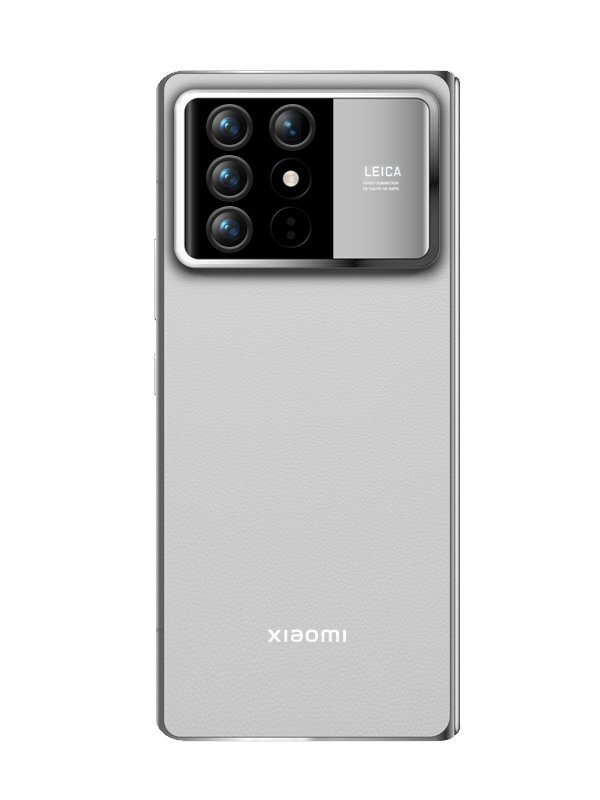
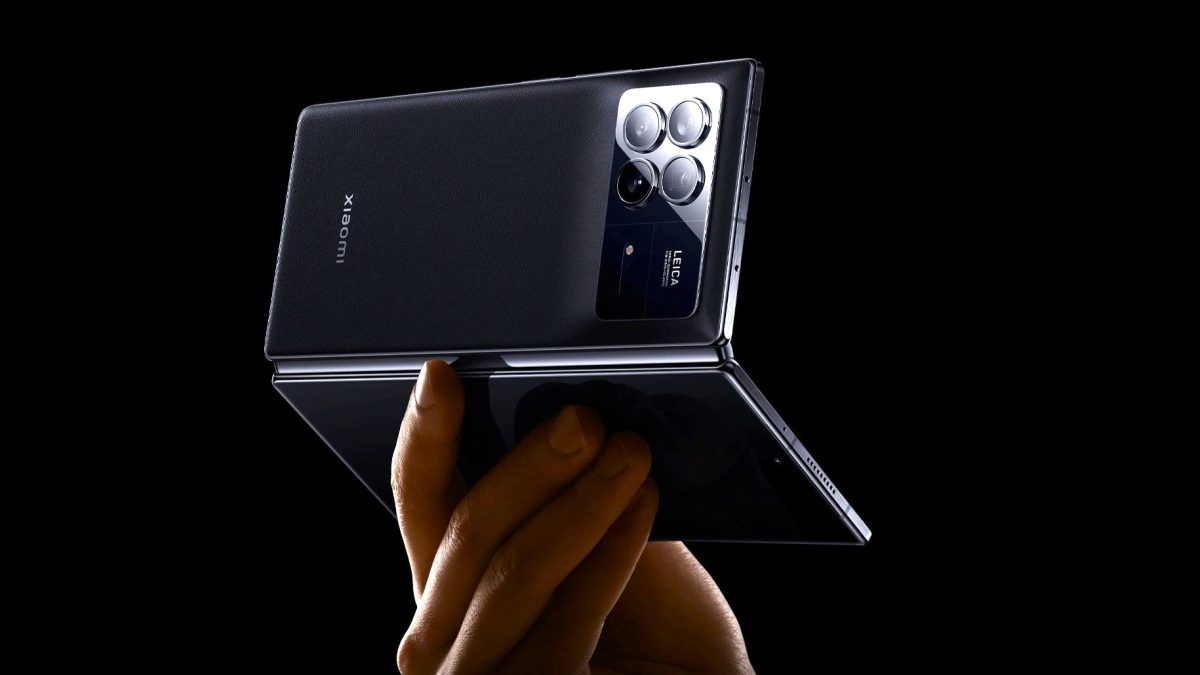
The leaked image reveals a sleek and premium design for the Mix Fold 4:

• Faux leather back panel for a luxurious feel
• Raised rectangular camera module housing four sensors
• Leica branding, highlighting the continued partnership
• Rumored thickness of less than 10mm
• IPX8 water resistance rating

It’s important to note that the leaked render is labeled as a “work product,” so the final design may have some variations.

However, the overall aesthetic appears to be a significant upgrade from its predecessor.

It is also highly likely that the Mix Fold 4 will have a new kind of folding display that is more resistant to scratching. It’s also unlikely that the device will be available outside of China.

Here’s what the Mi Mix Fold 4 might look like from the back.

Even so the leaked image does give us the very first likely look of what we can expect from this new upcoming foldable.

The market is getting crowded with several offerings and it looks like Xiaomi at least has made a lot of effort to make its product appear different.

However, the leaked images are not the end of it. We also have some other leaked specs that paint a more complete picture of the device.

Mix Fold 4: Expected Performance

Xiaomi 14 Ultra offers 60x zoom capability
Xiaomi 14 is also powered by the Snapdragon 8 Gen 3

At the heart of the Mix Fold 4 lies Qualcomm’s latest and greatest:

• Snapdragon 8 Gen 3 processor
• Positioning it to compete with other high-end foldables like the Vivo X Fold 3 Pro and Honor Magic V3

All this indicates a very promising performance upgrade on the part of the Mix Fold 4.

However, it should be noted that around the time of the launch, Qualcomm may likely have announced the Snapdragon 8 Gen 4 SoC.

Mi Mix Fold 4 Potential Camera System

The Mi Mix 4 could have a very good camera setup.

Xiaomi seems to be doubling down on photography capabilities:

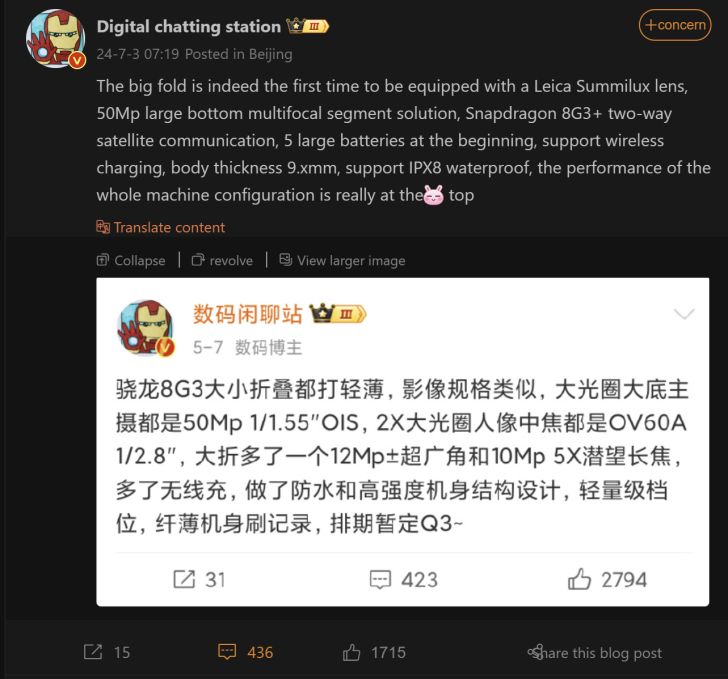
50MP main camera with Leica Summilux lenses
• Previous reports suggest a quad-camera setup:

– OIS-enabled 50MP primary (1/1.55-inch sensor)
– 12MP ultrawide lens
– OmniVision OV60A 2x optical zoom telephoto
– 10MP periscope telephoto with 5x optical zoom

The Xiaomi Mi Mix lineup has not been widely known for its camera prowess.

Could that be changing with the Mi Mix 4 Fold? It is likely given the quality of hardware that is expected to power the device.

Battery and Other Features

iPhone’s operating system introduces the ability to send SMS to anyone using satellite connectivity
The Xiaomi Mi Mix Fold 4 is likely to get an iPhone-like Satellite SOS messaging feature

While full details are yet to emerge, we know the Mix Fold 4 will pack:

• Battery capacity exceeding 5,000mAh
• Wireless charging support

The Mix Fold 4 may have a few tricks up its sleeve:

• Satellite connectivity support (hinted at by 3C certification)
• This could provide emergency communication in areas without cellular coverage

The Road Ahead

Reputed leaker DigitalChat Station has previously hinted at what we can expect with the Mi Mix Fold 4

The inclusion of features like satellite connectivity and the partnership with Leica indicate that Xiaomi is not just focused on raw performance, but also on providing unique and practical features to set the Mix Fold 4 apart from its competitors.

While pricing information is not yet available, the high-end specifications suggest this device will be positioned as a premium offering.

FAQs

What are the key design features of the Xiaomi Mix Fold 4?

The Mix Fold 4 features a faux leather back panel, a raised rectangular camera module with four sensors, Leica branding, and a thickness of less than 10mm, along with an IPX8 water resistance rating.

Which processor will power the Xiaomi Mix Fold 4?

The Xiaomi Mix Fold 4 will be powered by the Snapdragon 8 Gen 3 processor, positioning it to compete with other high-end foldable smartphones.

What is the expected camera setup for the Xiaomi Mix Fold 4?

The Mix Fold 4 is rumored to have a quad-camera setup with a 50MP main camera, 12MP ultrawide lens, OmniVision OV60A 2x optical zoom telephoto, and a 10MP periscope telephoto with 5x optical zoom.

What battery capacity and charging features does the Mix Fold 4 have?

The Mix Fold 4 is expected to have a battery capacity exceeding 5,000mAh and will support wireless charging.

Will the Mix Fold 4 be available outside of China?

It is currently unlikely that the Mix Fold 4 will be available outside of China, as suggested by the leaked information

Also Read: Xiaomi Upcoming August Launches: Xiaomi MIX Fold 3, Pad 6 Max, and Redmi K60 Ultra

Also Read: Xiaomi Mix Fold 3 Confirmed to Launch Next Month – August ,but Only in China: to Feature Leica Cameras

Apple Patent Reveals Vision Pro Head Gesture Controls for Enhanced Accessibility

0
  • Patent shows head pose changes could control device settings.
  • Potential uses include adjusting volume or screen brightness.
  • Expanded head gestures may improve accessibility.
  • visionOS 3 update and affordable Vision Pro variant in development.

A newly discovered patent from Apple, filed with the United States Patent and Trademark Office, has revealed a use case in which the Vision Pro headset is controlled by head movements, potentially broadening its accessibility and usability.

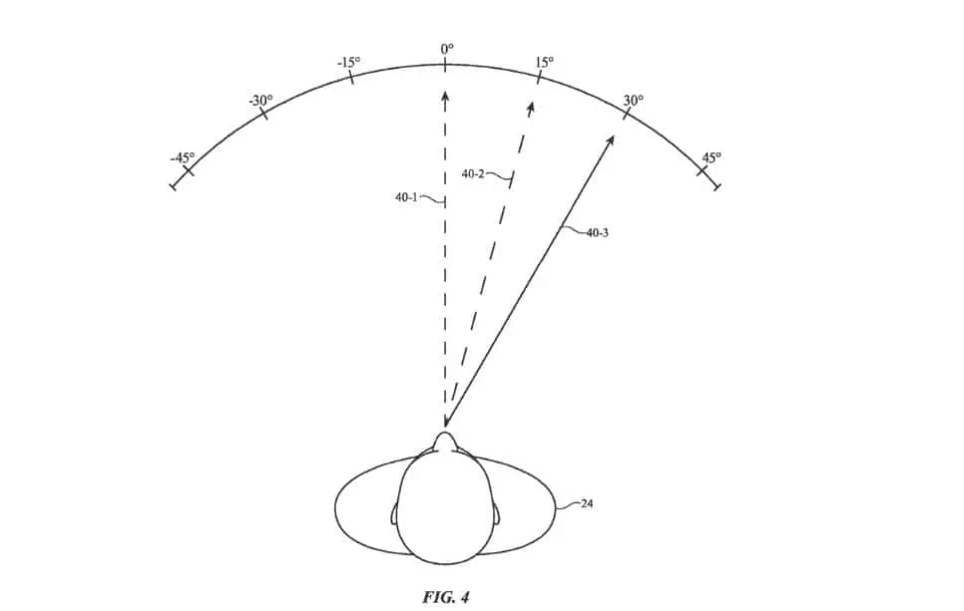
Some functionality of this head-tracking feature already resides on the Vision Pro and currently allows users to move an on-screen pointer with their head.

This new patent filing proposes more sophisticated and practical usage cases for this technology.

Expanding Vision Pro Head Gesture Controls

Some functionality of this head-tracking feature already resides on the Vision Pro

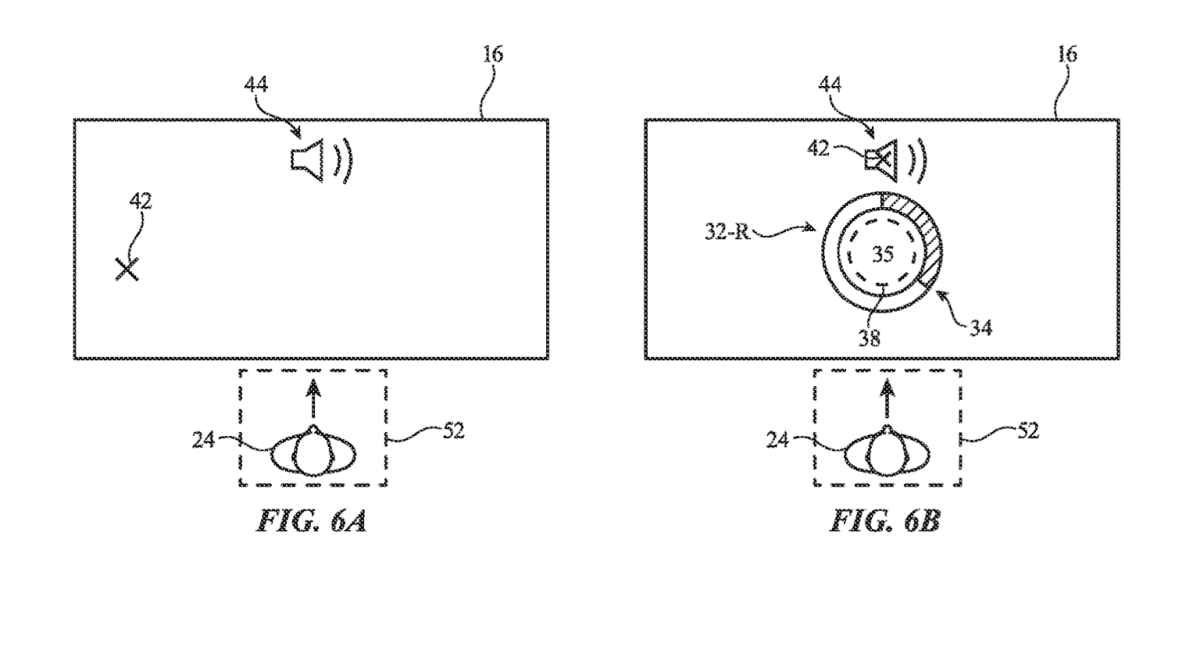
According to the patent, Apple is investigating ways to use head pose changes to control various device settings.

“Based on head pose changes, the scalar quantity of the device setting and the position of the indicator on the slider may be updated. The direction of movement may correspond to the direction of movement of the indicator in the slider,” the patent reads.

As per the description, it looks like the technology was developed for a “head-mounted device,” which solidifies its connection to the Vision Pro.

While specifics aren’t provided, this could potentially be used for tasks like adjusting volume or screen brightness.

Accessibility Implications

Expanded head gesture functionality on the Vision Pro could be useful for users who may struggle with hand controls

One of the most exciting aspects of this potential feature has to do with what it may allow in terms of accessibility.

Expanded head gesture functionality for users who may struggle with hand controls could provide a far greater measure of inclusivity in how one interacts with the Vision Pro.
It should be noted that not all patented technologies work their way into final products.

This new patent filing for the Vision Pro proposes more sophisticated and practical usage cases for this technology.
Apple does, like many other tech companies, file a good deal of patents just to protect the potential innovations.

This does, however, reflect the firm’s ongoing research and development of the Vision Pro platform.

Future of visionOS and Vision Pro

The affordable Vision Pro is expected to launch by late 2025 with a target price of $1,500

While this head gesture patent speaks to possible near-term improvements, Apple is reportedly working on longer-term developments for its mixed reality ecosystem.

  • visionOS 3: A major update to the Vision Pro’s operating system is said to be coming as soon as 2025.
  • Affordable Vision Pro: While there could be a second generation of it, some reports have claimed Apple is working more on the more affordable version of the Vision Pro. Priced around $1,500, the device may be launched as far away as late 2025.
  • Display Changes: Early rumors suggest the budget-friendly Vision Pro could have a bigger screen, but at a reduced resolution to its current offering.

FAQs

What new functionality is suggested by Apple’s patent for the Vision Pro?

The patent suggests using head pose changes to control various device settings, such as adjusting volume or screen brightness, through head gestures.

How could the new head gesture controls improve accessibility?

Expanded head gesture functionality could provide a more inclusive way for users with difficulty using hand controls to interact with the Vision Pro.

Does this patent guarantee the new features will be included in Vision Pro?

Not necessarily. While the patent provides insight into Apple’s research, not all patented technologies make it into final products.

What are Apple’s future plans for the Vision Pro platform?

Apple is reportedly working on visionOS 3 for a 2025 release and developing a more budget-friendly Vision Pro variant, potentially launching in late 2025 with a target price of around $1,500.

What are the expected features of the affordable Vision Pro?

The affordable Vision Pro might feature a larger display with a lower resolution compared to the current model, aiming to provide a more budget-friendly option.

Also Read: Apple Vision Pro Transforms UK Surgery with Augmented Reality: A New Era For Healthcare?

Also Read: Unlocking the Future With Apple Vision Pro: Top Apps and Gaming Guide