
Home Blog Page 286

Realme 14 Pro vs Poco X7 – The Best Smartphone Under ₹25,000?

0

Highlights

  • The Realme 14 Pro is priced at ₹24,999 and the Poco X7 at ₹21,999.
  • The Realme 14 Pro features a larger battery (6000mAh), a colour-changing rear panel and a peak brightness of 4500 nits.
  • The Poco X7 offers slightly better performance with the Dimensity 7300 Ultra processor and a more versatile camera system.

The mid-range smartphone market in India has seen some exciting additions with the launch of devices like the Realme 14 Pro and Poco X7. Both phones come packed with impressive features making them strong contenders under the ₹25,000 price segment.

If you’re considering either of these devices, here’s a detailed comparison to help you decide.

Realme 14 Pro vs Poco X7 – Price In India

The Realme 14 Pro is priced at ₹24,999 for its 8GB RAM and 128GB storage variant. Meanwhile, the Poco X7 comes in slightly cheaper at ₹21,999 for the same configuration.

Both devices deliver great value for money, but the Poco X7 offers a more budget-friendly option.

Realme 14 Pro vs Poco X7 – Key Features

Realme 14 Pro Poco X7
●      6.77″ (17.2 cm) 120Hz OLED Display

●      MediaTek Dimensity 7300 Energy Octa-core

●      50+2 MP Rear Camera

●      16 MP Front Camera

●      8 GB RAM and 128 GB Storage

●      6000 mAh Battery

●      45W Fast Charging

●      Android v15

●      6.67″ (16.94 cm) 120Hz AMOLED Display

●      MediaTek Dimensity 7300 Ultra Octa-core

●      50+8+2 MP Rear Camera

●      20 MP Front Camera

●      8 GB RAM and 128 GB Storage

●      5500 mAh Battery

●      45W Fast Charging

●      Android v14


Realme 14 Pro vs Poco X7 – Design and Display

image
Realme 14 Pro. (Image credit – Realme)
  • Realme 14 Pro – Boasts a unique colour-changing rear panel, adding a premium touch. It is also highly durable with IP69, IP68 and IP69K ratings offering excellent protection against dust and water.
image
Poco X7. (Image credit – Poco)
  • Poco X7 – Features a plastic back with a square-shaped camera module. Despite being more affordable, it also offers IP66, IP68 and IP69K ratings making it surprisingly durable.

For the display, both smartphones impress:

  • Realme 14 Pro – Sports a 77-inch AMOLED display with a 120Hz refresh rate and an impressive 4500 nits peak brightness for exceptional clarity even in bright sunlight.
  • Poco X7 – Comes with a 67-inch 1.5K OLED display also offering a 120Hz refresh rate but a slightly lower 3000 nits peak brightness.

Realme 14 Pro vs Poco X7 – Performance and Battery

  • Realme 14 Pro – Powered by the MediaTek Dimensity 7300 chipset paired with 8GB RAM and up to 256GB storage.
  • Poco X7 – Features the slightly more advanced Dimensity 7300 Ultra processor with 8GB RAM delivering faster performance and better efficiency.

Both devices are equipped with the Mali-G615 GPU for enhanced graphics.

For battery life –

  • Realme 14 Pro – Packs a larger 6000mAh battery with 45W fast charging, making it the better choice for longer usage.
  • Poco X7 – Offers a 5500mAh battery with the same 45W fast charging support.

Realme 14 Pro vs Poco X7 – Cameras

  • Realme 14 Pro – dual-camera setup including a 50MP OIS main camera featuring the Sony IMX882 sensor and a depth sensor. For selfies, it has a 16MP front camera.
  • Poco X7 – triple-camera setup consisting of a 50MP main camera (Sony LYT-600 sensor), an 8MP ultrawide camera and a 2MP macro lens. For selfies, it features a 20MP front camera.

Realme 14 Pro vs Poco X7 – Which One Should You Buy?

Realme 14 Pro prioritises a larger battery, a unique design with a colour-changing back and superior brightness for outdoor visibility. On the other hand, the Poco X7 offers a more affordable option with slightly better performance, a versatile camera system and solid durability.

FAQs

Q1. What are the prices of the Realme 14 Pro and Poco X7 in India?

Answer. The Realme 14 Pro is priced at ₹24,999 for its 8GB RAM and 128GB storage variant, while the Poco X7 is priced at ₹21,999 for the same configuration.

Q2. What are the key display features of the Realme 14 Pro and Poco X7?

Answer. The Realme 14 Pro features a 6.77-inch AMOLED display with a 120Hz refresh rate and 4500 nits peak brightness. The Poco X7 has a 6.67-inch 1.5K OLED display with a 120Hz refresh rate and 3000 nits peak brightness.

Q3. Which processor powers the Realme 14 Pro and Poco X7?

Answer. The Realme 14 Pro is powered by the MediaTek Dimensity 7300 chipset, while the Poco X7 features the slightly more advanced Dimensity 7300 Ultra processor.

Q4. do the cameras of the Realme 14 Pro and Poco X7 compare?

Answer. The Realme 14 Pro has a dual-camera setup with a 50MP main camera and a 16MP front camera. The Poco X7 offers a triple-camera setup with a 50MP main camera, an 8MP ultrawide camera, a 2MP macro lens, and a 20MP front camera.

Q5. What makes the Realme 14 Pro unique in terms of design and battery?

Answer. The Realme 14 Pro boasts a unique colour-changing rear panel and a larger 6000mAh battery with 45W fast charging. It also features IP69, IP68, and IP69K ratings for excellent protection against dust and water.

Read More: Realme 14 Pro 5G Launched in India Starting at Rs. 24,999

Read More: Poco X7 5G: The Most Durable Smartphone in Its Segment, Now Available on Flipkart at Rs. 19,999

PS6 Leaks Tease A Next-Gen Console With Unmatched Power

0

Highlights

  • Leaks suggest the PS6 will feature new hardware including a GPU based on AMD’s UDNA architecture and a CPU based on Zen 4 or Zen 5 architecture.
  • Sony’s continued partnership with AMD ensures backward compatibility.
  • The advanced features might result in a higher price tag potentially rivalling high-end gaming PCs.
  • The PS6 is expected to launch around 2028 as rumours hint of a new portable gaming console with similar AMD technology.
image
A recent leak about the PS6 suggests it might arrive in 2028 with new hardware. (Image credit – Unknown)

For some of you, the PS5 Pro might still be dominating all the gaming conversations but it appears the gaming community is already moving to the next-gen gaming console. According to a fresh leak, Sony’s next big console the PS6 is all set to redefine gaming with groundbreaking hardware and performance. Here’s what we know so far based on the recent leaks.

PS6 – What We Know So Far?

The latest leaks come from trusted source Zhangzhonghao, who is known for accurate hardware predictions. According to the reports, Sony will continue its partnership with AMD ensuring key features like backward compatibility remain intact.

At the core of the PS6 is a rumoured GPU based on AMD’s upcoming UDNA architecture expected to debut in the Radeon 9000 series graphics cards launching in 2026. This cutting-edge tech could enable the PS6 to deliver stunning visuals and unparalleled performance.

The console might also feature a CPU based on AMD’s Zen 4 or Zen 5 architecture addressing any potential performance bottlenecks between the processor and GPU. If true, this balance between processing power and graphical performance could set a new standard for console gaming.

Sony’s history of pushing hardware innovation has fans wondering if the PS6 will come with a hefty price tag. The PS5 Pro already commands a premium and the PS6 with its advanced features, could rival high-end gaming PCs in cost.

In addition to the PS6, rumours suggest Sony is also working on a new portable gaming console, potentially leveraging similar AMD technology. While details remain vague, this move could expand Sony’s ecosystem, giving gamers more ways to play their favourite titles.

The PS6 is expected to launch around 2028, but Sony hasn’t confirmed anything yet. While these leaks are exciting, it’s worth remembering that details could change as development progresses.

FAQs

Q1. What key features are expected in the PS6 according to the recent leaks?

Answer. The PS6 is expected to feature a GPU based on AMD’s upcoming UDNA architecture and a CPU based on AMD’s Zen 4 or Zen 5 architecture, providing stunning visuals and unparalleled performance.

Q2. How might the PS6’s pricing compare to current consoles?

Answer. Given Sony’s history of pushing hardware innovation, the PS6 might come with a hefty price tag, potentially rivalling high-end gaming PCs in cost.

Q3. When is the PS6 expected to launch, and are there any other related rumours?

The PS6 is expected to launch around 2028. Additionally, there are rumours that Sony is working on a new portable gaming console using similar AMD technology.

Also Read : Sony to Work with AMD Again for PS6 Chip After Talks with Intel Fails

Also Read : Sony PlayStation 5 Pro Rumored Launch and Features: What We Know So Far

ASUS ROG Phone 9 FE Global Launch Expected After Spotted In Key Certifications

0

Highlights

  • ASUS plans to launch the ROG Phone 9 FE an affordable “Fan Edition” soon.
  • The phone receives certifications in Malaysia and Thailand.
  • Expected features – Snapdragon 8 Gen 3 chip, AirTrigger buttons, AeroActive cooling accessories, and advanced heat dissipation systems.
  • The phone may share hardware setups similar to the ROG Phone 8 including a 6.78-inch AMOLED display, various camera enhancements and a 5500mAh battery.

ASUS seems to be gearing up to expand its ROG Phone 9 lineup with the introduction of the ROG Phone 9 FE, which could be a more affordable “Fan Edition.” Recent certifications in Malaysia (SIRIM) and Thailand (NBTC) confirm the model number “ASUS_AI2401_N,” hinting at an imminent launch in these regions.

This model number was also spotted earlier on the GSMA certification site, further solidifying its existence.

image
Asus ROG Phone 9 FE SIRIM certification. (Image credit – 91Mobiles)
image
Asus ROG Phone 9 FE NBTC certification. (Image credit – 91Mobiles)

Here’s everything we know about the phone.

ASUS ROG Phone 9 FE – Specifications (Expected)

While ASUS hasn’t officially revealed the ROG Phone 9 FE’s specs, its similarities in model numbers with the ROG Phone 8 (AI2501C) suggest it may share some features with its predecessor. Reports indicate it could feature the Snapdragon 8 Gen 3 chip instead of the higher-performing Snapdragon 8 Elite used in other ROG Phone 9 models.

This could mean slightly reduced performance to keep the price more budget-friendly.

ASUS is likely to maintain some of the signature ROG Phone features in the FE variant, such as the following –

  • AirTrigger buttons for gaming.
  • AeroActive cooling accessories for temperature control.
  • Advanced heat dissipation systems for smooth performance.

One interesting question is whether the ROG Phone 9 FE will include the Anime Vision display on the back or not.

If it mirrors the ROG Phone 8 in features, we might see a similar hardware setup.

ROG Phone 8 Highlights (For Reference)

image
ROG Phone 8. (Image credit – Asus)

The ROG Phone 8 comes with a 6.78-inch FHD+ Samsung E6 AMOLED display featuring a 1-165Hz refresh rate, 2500 nits peak brightness and Gorilla Glass Victus 2 protection. It is powered by the Snapdragon 8 Gen 3 chip paired with LPDDR5X RAM and UFS 4.0 storage.

Its camera setup includes:

50MP Sony IMX890 sensor with gimbal stabilization.

  • 13MP ultra-wide lens.
  • 32MP telephoto lens with OIS.
  • 32MP front camera.

The phone packs a 5500mAh battery with 65W HyperCharge and 15W wireless charging. Other features include Wi-Fi 7, Bluetooth 5.4, NFC and IP68 water resistance certification.

FAQs

Q1. What new device is ASUS expected to launch soon?

Answer. ASUS is expected to launch the ROG Phone 9 FE, a more affordable “Fan Edition” of the ROG Phone 9, following certifications in Malaysia and Thailand.

Q2. What chip is the ROG Phone 9 FE likely to feature?

Answer. The ROG Phone 9 FE is expected to feature the Snapdragon 8 Gen 3 chip instead of the higher-performing Snapdragon 8 Elite used in other ROG Phone 9 models.

Q3. What signature ROG Phone features are likely to be included in the FE variant?

Answer. The ROG Phone 9 FE is likely to include AirTrigger buttons, AeroActive cooling accessories and advanced heat dissipation systems for smooth performance.

Q4. How does the ROG Phone 8 serve as a reference for the ROG Phone 9 FE’s expected features?

Answer. The ROG Phone 9 FE may share similar features with the ROG Phone 8, such as a 6.78-inch AMOLED display, a Snapdragon 8 Gen 3 chip and advanced camera and battery technologies.

Q5. When and where was the model number for the ROG Phone 9 FE spotted?

Answer. The model number “ASUS_AI2401_N” for the ROG Phone 9 FE was spotted in certifications in Malaysia (SIRIM), Thailand (NBTC) and earlier on the GSMA certification site.

Also Read: ASUS ROG Phone 9 Details Revealed: Images, Design, Key Gaming Features, Specifications, and More

Also Read: ASUS ROG Phone 9 to Feature Snapdragon 8 Elite: Launch Date and Design Revealed

Samsung Galaxy S25 Pricing May Remain Steady Despite Rising Costs

0

Highlights

  • Samsung Galaxy S25 pricing might remain steady in regions like Europe and Korea despite rising costs.
  • In Korea, the Galaxy S25 is rumoured to start at 1,155,000 won with the Galaxy S25+ and S25 Ultra priced higher.
  • In Europe, prices are expected to be similar to last year’s Galaxy S24 lineup.
image
Samsung Galaxy S25 will be unveiled in the January 22 Galaxy Unpacked event. (Image credit – Samsung)

Samsung Galaxy S25 Series launch is almost here and we still have not seen any end to speculations when it comes to pricing. While earlier rumours hinted at a price hike for the Galaxy S25 series, two new leaks suggest that Samsung may be freezing prices in certain regions including Europe and Korea.

Predicting smartphone pricing before a launch is tricky with rumours often varying by region. Concerns about the Galaxy S25’s pricing have centred on rising manufacturing costs, which could push an already expensive phone’s price even higher.

However, according to recent reports, Samsung might not pass the extra costs to consumers.

In Korea, FnNews reports suggest the Galaxy S25 is rumoured to start at 1,155,000 won, while the Galaxy S25+ and S25 Ultra could cost 1,353,000 won and 1,698,400 won, respectively for the 256GB variants. The 512GB models are expected to cost slightly more.

Meanwhile, a recent Gizmochina report leaked expected Europe prices suggesting the Galaxy S25 will start at €909, the Galaxy S25+ at €1159 and the Galaxy S25 Ultra at €1459. These prices are similar to last year’s Galaxy S24 lineup giving some hope to fans that Samsung is keeping prices steady.

As of now, all these rumours remain unconfirmed with the Galaxy S25 series set to launch in the coming days. However, if they eventually turn out to be accurate they could indicate more consumer-friendly trade-in deals and promotions.

For example, Samsung is already running a Galaxy Reserve promo offering a $50 credit and a chance to win $5,000 before the launch.

Moreover, expected free storage upgrades and fair trade-in values could make upgrading to the Galaxy S25 series even more appealing if Samsung holds the line on pricing. Fans are now waiting for the official unveiling to see if these leaks prove true or if we are in for a surprise.

FAQs

Q1. What are the expected prices for the Samsung Galaxy S25 series in Korea?

Answer. In Korea, the Galaxy S25 is rumoured to start at 1,155,000 won, with the Galaxy S25+ at 1,353,000 won and the Galaxy S25 Ultra at 1,698,400 won for the 256GB variants.

Q2. How do the expected prices for the Galaxy S25 series in Europe compare to Galaxy S24 prices?

Answer. In Europe, the Galaxy S25 is expected to start at €909, the Galaxy S25+ at €1159, and the Galaxy S25 Ultra at €1459 similar to last year’s Galaxy S24 prices.

Q3. What promotions and deals might Samsung offer with the Galaxy S25 launch?

Answer. Samsung is already running a Galaxy Reserve promo offering a $50 credit and a chance to win $5,000 before the launch. Additional consumer-friendly promotions such as free storage upgrades and fair trade-in values are anticipated.

Read More: Samsung Galaxy S25 Series May Come With a Price Hike; S25 Slim Spotted on Geekbench

Google Pixel 11 Codenames Leak, Pixel 10a Might Stick to Tensor G4 With For Cost Cutting

0

Highlights

  • Leaks reveal Google has chosen bear-themed codenames for the 2026 Pixel 11 series.
  • The Pixel 10a might use the Tensor G4 chip instead of the more expensive Tensor G5 to cut costs.
  • The lineup includes an entry-level phone, two Pro models and a high-end foldable.
  • Pixel 11 series is set to follow the patterns introduced with the Pixel 9.
image
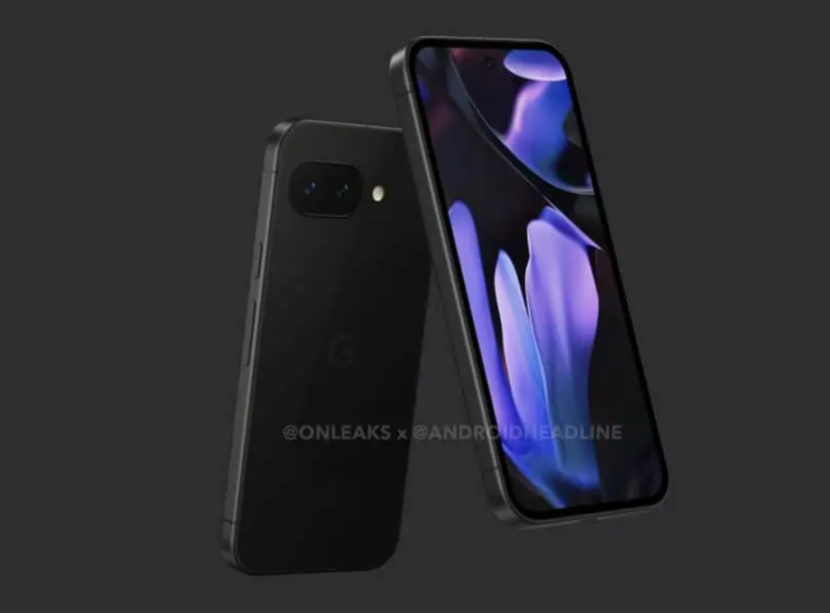
Google Pixel 9a leaked image. (Image credit – OnLeaks/Andriod Headline)

Excitement for the upcoming Pixel 9a and Pixel 10 series featuring Google’s fully in-house Tensor G5 chip in 2025 has been building up for quite some time now. But it seems Google is already looking forward to what’s coming in 2026. Some recent leaks have revealed some key chipset and codename details about the 2026 Pixel lineup.

Here’s everything we know about the series.

According to documents reviewed by Android Authority, Google has chosen a bear-themed naming scheme for its Pixel 11 series.

Here are the leaked codenames and shorthand for the 2026 Pixel phones:

  • Pixel 10a: “stallion” or “STA5”
  • Pixel 11: “cubs” or “4CS4”
  • Pixel 11 Pro: “grizzly” or “CGY4”
  • Pixel 11 Pro XL: “kodiak” or “PKK4”
  • Pixel 11 Pro Fold: “yogi” or “9YI4”

This marks another shift in Google’s naming strategy, which moved away from fish-themed codenames with the Pixel 6.

Previous Pixel Phone Codenames –

  • Pixel 6 – Birds
  • Pixel 7 – Cats
  • Pixel 8 – Dogs
  • Pixel 9 – Reptiles
  • Pixel 10 – Equines (or horses)
  • Pixel 11 – Bears

The lineup includes an entry-level phone, two Pro models and a high-end foldable, all continuing a pattern Google introduced with the Pixel 9 series.

One notable rumour in today’s leak is about the Pixel 10a. Google is reportedly debating whether to equip the Pixel 10a with the new Tensor G5 chip or stick with the Samsung-designed Tensor G4 used in the Pixel 9 series. This decision may come down to cost, as the first fully custom Tensor G5 chip is reportedly large and expensive to produce.

The Tensor G4, which debuted with the Pixel 9 lineup in 2024 and is expected to power the Pixel 9a in 2025, could be a more affordable option for the Pixel 10a. This would help keep the price of Google’s A-series phones in check especially as their prices have been steadily rising over the years.

While these plans are still far from finalised, it will be interesting to see how Google balances innovation with cost-effectiveness in its mid-range lineup. For now, the Pixel 11 codenames and the potential break-in Tensor patterns offer an exciting glimpse into what’s coming next.

FAQs

Q1. What are the codenames for the 2026 Pixel 11 series?

Answer. According to reports, Google has chosen bear-themed codenames for the 2026 Pixel 11 series: “stallion” for Pixel 10a, “cubs” for Pixel 11, “grizzly” for Pixel 11 Pro, “kodiak” for Pixel 11 Pro XL, and “yogi” for Pixel 11 Pro Fold.

Q2. Why might Google stick with the Tensor G4 chip for the Pixel 10a?

Answer. Google is debating whether to use the Tensor G5 or stick with the Tensor G4 for the Pixel 10a due to cost considerations, as the Tensor G5 is reportedly expensive to produce.

Q3. What does the Pixel 11 lineup include?

Answer. The Pixel 11 lineup includes an entry-level phone, two Pro models, and a high-end foldable, continuing a pattern introduced with the Pixel 9 series.

Read More: Google Pixel 9a Prototype Leak Reveals New Design Changes

Samsung Plans to Launch Four Foldables in 2025 Including A Tri-Fold Device, Says Report

0

Highlights

  • Samsung plans to launch four foldable devices in 2025 including its first-ever tri-fold foldable.
  • The tri-fold phone will come with two hinges and a larger display.
  • The Galaxy Z Fold 7 might drop the built-in S Pen digitizer.
  • The “tri-fold” device is expected to launch in Q3 2025 with limited production of 200,000 units.
  • The lineup will include the Galaxy Z Flip 7, Galaxy Z Fold 7 and a more affordable Galaxy Z Flip FE.
image
Samsung will reportedly launch 4 foldable devices in 2025. (Image credit – Samsung)

Done with flip and folds, it appears tri-folds are soon going to be a new trend! Samsung is reportedly gearing up for a big year in 2025 with plans to release four foldable devices including its first-ever “tri-fold” foldable.

Popular tipster @Jukanlosreve in his recent post on X (formerly Twitter) revealed the details of Samsung’s foldable lineup for this year. Based on a video report from The Elec, Jukanlosreve suggested that the Galaxy Z Fold 7 might drop the built-in S Pen digitizer, which could result in a slimmer design but require an S Pen that needs charging.

While the foldable market hasn’t grown as quickly as expected, Samsung remains committed with rumours pointing to the release of the Galaxy Z Flip 7 and Galaxy Z Fold 7.  Joining the lineup is the Galaxy Z Flip FE, a more affordable flip-style foldable aimed at attracting new customers to Samsung’s foldable ecosystem.

The most exciting addition is Samsung’s rumoured “tri-fold” device.

Unlike the Galaxy Z Fold series, this new foldable will feature two hinges resulting in a larger display that measures between 9.9 and 10 inches when fully opened, which makes it significantly bigger than the Galaxy Z Fold 6’s 7.6-inch screen.

Set to launch in Q3 2025 alongside the other foldables, Samsung reportedly plans to produce only 200,000 units of this innovative device suggesting it’s more of an experimental product rather than a mass-market release.


Though Samsung has been rumoured to be working on a “tri-fold” foldable for years, Huawei beat them to the market with its Mate XT last year.

image
Huawei Mate XT. (Image credit – Huawei)

In the meantime, Samsung is preparing for the launch of the Galaxy S25 this week, with reservations now open and added discounts available ahead of the event.

FAQs

Q1. What are Samsung’s plans for foldable devices in 2025?

Answer. Samsung plans to launch four foldable devices in 2025 including its first-ever “tri-fold” foldable with two hinges and a larger display.

Q2. What changes are expected for the Galaxy Z Fold 7?

Answer. The Galaxy Z Fold 7 might drop the built-in S Pen digitizer resulting in a slimmer design but requiring an S Pen that needs charging.

Q3. When is the “tri-fold” foldable expected to launch and how many units will be produced?

Answer. The “tri-fold” device is expected to launch in Q3 2025, with limited production of 200,000 units, making it more of an experimental product rather than a mass-market release.

Read More: Samsung to Cut 2025 Foldable Production After Galaxy Z Fold 6 and Flip 6 Underperform

iPhone SE 4 Leak Hints at Dynamic Island, Raises Questions On Rumoured ‘iPhone 16E’ Name

0

Highlights 

  • A leaked image suggests the new iPhone SE 4 will feature Dynamic Island.
  • It also raises doubts about the “iPhone 16E” name.
  • iPhone SE 4 Key features – a 6.1-inch OLED display, Face ID, a USB-C port, a 48-megapixel rear camera, an upgraded A-series chip, 8GB of RAM and Apple’s first in-house 5G modem.
  • The iPhone SE 4 is expected to launch around March or April 2025.
image
iPhone SE 4 Leaked image. (Image credit – Evan Blass on X)

We have been getting all sorts of reports on the iPhone SE 4 for the past few months. We recently reported the leaked dummy unit images and now it seems we finally have a more credible report on the phone. The well-known leaker Evan Blass recently shared some new iPhone SE 4 details on X (formerly Twitter) in a private pot.

Here’s everything we know based on the recent leak.

Doubts On Rumoured ‘iPhone 16E’ Name

Blass shared an image of source code referencing “iPhone SE (4th Gen),” which raises questions about the rumoured “iPhone 16E” name for the device.

However, the name in the code could simply be a placeholder, so there’s no confirmation yet on what the phone will officially be called.

iPhone SE 4 To Feature Dynamic Island

image
Recently leaked image of iPhone SE 4 along with new iPad Air and entry-level iPad 11 models. (Image credit – Evan Blass on X)

Adding to the excitement, Blass also shared an image of the new iPhone SE, showing it with a Dynamic Island instead of the familiar notch. Currently, the Dynamic Island is only available on the iPhone 14 Pro, all iPhone 15 models and the upcoming iPhone 16 lineup.

Previous rumours had been divided on whether the next iPhone SE would feature a notch or a Dynamic Island leaving us to wait for official confirmation.

iPhone SE 4 – What We Know So Far?

While no additional details were included in this leak, earlier rumours suggest the iPhone SE 4 could resemble the base iPhone 14 or iPhone 16 in design.

Key features are expected to include a 6.1-inch OLED display, Face ID, a USB-C port, a single 48-megapixel rear camera, an upgraded A-series chip, 8GB of RAM to support Apple Intelligence features and Apple’s first in-house 5G modem.

Apple analyst Ming-Chi Kuo has predicted the iPhone SE 4 will be released around March or April 2025, similar to the launch windows of its predecessors.

The current iPhone SE still resembles the iPhone 8 with older features like a Touch ID button, Lightning port and large bezels starting at $429. However, a price increase is expected for the next model.

In addition to the iPhone SE 4, Blass also mentioned updates for the iPad Air and entry-level iPad 11, though neither appears to have any significant design changes. These devices are also likely to launch by March or April this year.

FAQs

Q1. What new feature is expected in the iPhone SE 4 according to the leak?

Answer. The iPhone SE 4 is expected to feature Dynamic Island instead of the familiar notch, as per the recent leak.

Q2. What are the anticipated key features of the iPhone SE 4?

Answer. iPhone SE 4 key features may include a 6.1-inch OLED display, Face ID, a USB-C port, a 48-megapixel rear camera, an upgraded A-series chip, 8GB of RAM, and Apple’s first in-house 5G modem.

Q3. When is the iPhone SE 4 predicted to be released?

Answer. Apple analyst Ming-Chi Kuo predicts the iPhone SE 4 will be released around March or April 2025 along with updates for the iPad Air and entry-level iPad 11.

WhatsApp Introduces Music for Status Updates

0

Highlights

  • WhatsApp is testing a new feature allowing users to add music to their status updates.
  • The feature will use Meta’s extensive music library similar to Instagram’s music features.
  • Beta testers can select and pair songs with photos or videos with song titles and artist names displayed. The feature also offers direct links to artists’ Instagram profiles.
  • Instagram also introduced a new video editing app called Edits.
image
WhatsApp is rolling out a feature to share music through status updates. (Photo by Deeksha Pahariya on Unsplash)

WhatsApp is rolling out an exciting feature that lets users add music to their status updates. The feature has been spotted in the 2.24.22.11 beta update and is now being tested more widely through the latest WhatsApp beta for Android (version 2.25.2.5) on the Google Play Beta Program.

According to trusted WhatsApp Beta source WABetaInfo, the “Music for Status Updates” feature adds a music button to the status editor. Users can access Meta’s massive track library similar to the one used on Instagram to search for songs, trending tracks or specific artists.

This allows users to pair their favourite tunes with their photo or video statuses making updates more dynamic and fun.

Beta testers who have tried the feature say it’s simple to use. Once a song is selected, users can choose a 15-second clip for photos or adjust the length of videos. The status will display the song’s title and artist name, and viewers can even explore the artist’s Instagram profile directly through WhatsApp.

image
The “Music for Status Updates” feature is currently available for select beta testers. (Image credit – WABetaInfo)

This update not only makes WhatsApp statuses more engaging but also aligns with features already popular on Instagram, creating a more cohesive experience across Meta’s platforms.

As of now, the feature is limited to a select group of beta testers, but WhatsApp plans to roll it out to more users in the coming weeks. To try it, make sure you’re using the latest beta version of WhatsApp.

Meanwhile, Instagram also made headlines with a new video editing app called Edits, launching in March 2025. This app promises advanced tools like AI effects, green screens and watermark-free exports with seamless integration into Instagram for real-time analytics. With TikTok facing regulatory challenges, Edits is Instagram’s latest move to attract creators and dominate short-form video content.

FAQs

Q1. What new feature is WhatsApp testing for status updates?

Answer. WhatsApp is testing a feature that allows users to add music to their status updates, similar to Instagram’s music features.

Q2. How can users pair songs with their statuses on WhatsApp?

Answer. Users can select a song and pair it with their photo or video statuses. The status will display the song’s title and artist name, and viewers can explore the artist’s Instagram profile directly through WhatsApp.

Q3. What is Instagram’s new video editing app called?

Answer. Instagram’s new video editing app is called “Edits,” launching in March 2025.

Q4. What does Instagram’s Edits app do?

Answers. Edits app offers advanced tools like AI effects, green screens and watermark-free exports with seamless integration into Instagram for real-time analytics

Read More: WhatsApp Adds Double Tap Message Reactions and Creative Tools

Read More: India Removes WhatsApp Pay Limit, Reshaping Digital Payments

iOS 19 Leak Suggests Redesigned Camera App Inspired by visionOS

0

Highlights

  • A new leak suggests iOS 19 will feature a redesigned Camera app inspired by visionOS.
  • It will come with a cleaner look, simplified options and quick settings on top.
  • The new Camera app hints at a broader UI overhaul in iOS 19.
  • iOS 19 is expected to launch later this year likely with the iPhone 17.
  • It will support older devices like the iPhone 11, iPhone XR and iPhone SE (2020).
The first iOS 19 leak shows a redesigned Camera app similar to visionOS. (Image credit – Indian Express)

You may still feel that iOS 18 is new but leaks about iOS 19 are already making headlines. This upcoming update is rumoured to bring significant design changes, starting with a redesigned Camera app that borrows heavily from visionOS, which is the operating system used for the Vision Pro headset.

Here’s what we are hearing about iOS 19.

Redesigned Camera App in iOS 19

In a recent YouTube video by Jon Prosser (Front Page Tech), a preview of the redesigned Camera app for iOS 19 was shared. According to Prosser, the new Camera app will feature a much cleaner look with a translucent background.

Key changes include:

  • Simplified Options – The app now offers just two main options: Photo and Video. Selecting either unlocks additional features.
  • Photo Features – Includes depth, spatial, pano and style.
  • Video Features – Offers slo-mo, timelapse and action modes.
  • Quick Settings on Top – Users can now easily adjust the resolution and frame rate for videos right from the top of the screen.

Prosser explained that this redesign takes cues from visionOS hinting that the new Camera app might be part of a broader UI overhaul in iOS 19. This would mark a significant departure from the familiar iOS design, which has remained largely consistent for years.

In recent updates, Apple has gradually introduced more customisation options for the iOS interface. However, a visionOS-inspired UI would be the most dramatic design change in years, giving iOS a more modern and unified appearance across devices.

While the final design of the Camera app might differ from what was shown in Prosser’s video, it offers a clear idea of what Apple could be working on.

Check out the full video giving an EXCLUSIVE iOS 19 first look –

iOS 19 – Expected Release and Compatibility

iOS 19 is expected to launch later this year likely coinciding with the release of the iPhone 17. However, we might get an early preview of its features at WWDC in June.

Leaked details about iOS 19’s compatibility suggest it will support older devices like the iPhone 11, iPhone XR and even the iPhone SE (2020). Apple’s commitment to providing software updates for older models continues to set it apart from competitors.

FAQs

Q1. What is the significant change in the Camera app for iOS 19?

Answer. The redesigned Camera app for iOS 19 inspired by visionOS will feature a much cleaner look with a translucent background, simplified options for Photo and Video and quick settings on top.

Q2. What hints at a broader UI overhaul in iOS 19?

Answer. The new Camera app, with its visionOS-inspired design, suggests a broader UI overhaul in iOS 19, marking a significant departure from the familiar iOS design.

Q3. When is iOS 19 expected to be released and which devices will it support?

Answer. iOS 19 is expected to launch later this year, likely with the release of the iPhone 17. It will support older devices like the iPhone 11, iPhone XR, and iPhone SE (2020).

Read More: Apple’s First 5G Modem Coming in 2025, But May Not Compete with Qualcomm

Read More: Apple Might Explore Releasing Its Own TV Set

Samsung’s One UI 7 Delayed? Galaxy S24 Gets Second January 2025 Update

0

Highlights

  • Samsung is not ready to release One UI 7 as of now.
  • The Galaxy S24 series has received its second January 2025 update still based on One UI 6.1
  • The new update includes the January 2025 security patch and addresses over 50 critical vulnerabilities.
  • One UI 7 has been in beta testing since December 2024 with major upgrades like improved animations, simplified camera app, vertical app drawer, Now Bar and Gemini AI integration.
  • More details are expected at Samsung’s January 22 event.
image
Galaxy S24’s (Image credit – Samsung)

It seems Samsung isn’t ready to release One UI 7 just yet as the Galaxy S24 series has received its second January 2025 update in South Korea still based on One UI 6.1. While the update brings security and performance improvements, it’s clear the stable version of One UI 7 needs more time before it’s ready for public rollout.

The new update with firmware ending in AXL3 is small at 377MB. It focuses mainly on security and packs in the January 2025 security patch. Samsung has detailed over 50 fixes in this update, addressing critical vulnerabilities flagged by Google and Samsung. Issues with components like the Bootloader, Notification Manager and Messages app have also been resolved.

image
Galaxy S24’s One UI 6.1-based January second update is live in Korea. (Image credit – @tarunvats33 on X)

This update is expected to roll out to more regions soon. While it’s not the anticipated One UI 7 release, keeping your Galaxy S24 up-to-date with the latest security enhancements is still essential.

Samsung has been testing One UI 7 since December 2024 through its Beta Program with three beta versions already out. A fourth Beta is rumoured to be on the way, but the stable version isn’t quite ready for prime time.

However, the wait might not be too long. Samsung’s big event on January 22 is just around the corner, where they are expected to announce more about the One UI 7 rollout including details on the first devices to receive the update.

What’s New in One UI 7?

One UI 7 is shaping up to be one of Samsung’s most exciting updates in recent years, with several major upgrades and features:

  • Improved Animations – Smoother transitions for better multitasking and app-switching.
  • Simplified Camera App – A cleaner interface for easier navigation and one-handed use when switching modes and zooming.
  • Vertical App Drawer – Finally, a vertical app drawer is here, with the option to switch back to the horizontal layout.
  • Now Bar – Samsung’s answer to Apple’s Dynamic Island, this feature displays helpful information on the lock screen for activities like music, recording, and reminders.
  • Split Notification Center and Quick Settings – Swipe down from the right of the selfie camera for Quick Settings or from the left for notifications, a feature already popular on many Chinese devices.
  • Redesigned Battery Indicator – New icons and adaptive charging options, like limiting charging to 80%.
  • New Widgets – Fresh widgets and improvements to Galaxy AI features.
  • Gemini AI Integration – Samsung is integrating Gemini AI into apps like Samsung Calendar, Samsung Notes and Samsung Reminder. This upgrade promises smarter features and easier access making productivity tasks more seamless.

More details about One UI 7 and its rollout schedule will most likely come out during Samsung’s January 22 event.

FAQs

Q1. Why hasn’t Samsung released One UI 7 yet?

Answer. According to reports, Samsung isn’t ready to release One UI 7 just yet as the Galaxy S24 series has received its second January 2025 update in South Korea still based on One UI 6.1. The stable version of One UI 7 needs more time before it’s ready for public rollout.

Q2. What does the latest update for the Galaxy S24 series include?

Answer. The new update with firmware ending in AXL3 is small at 377MB. It focuses mainly on security and packs in the January 2025 security patch. Samsung has detailed over 50 fixes in this update, addressing critical vulnerabilities flagged by Google and Samsung. Issues with components like the Bootloader, Notification Manager, and Messages app have also been resolved.

Q3. What can we expect from the One UI 7 update?

Answer. One UI 7 is shaping up to be one of Samsung’s most exciting updates in recent years, with several major upgrades and features, including improved animations, a simplified camera app, a vertical app drawer, the Now Bar, a split notification centre and quick settings, a redesigned battery indicator, new widgets, and Gemini AI integration. More details are expected at Samsung’s January 22 event.

Read More: Samsung One UI 7 Enhances Security and Privacy in the Age of AI, Giving Users Greater Transparency and Choice

Read More: Samsung One UI 7 Sneak Peek Reveals Cool New Features, Dex App Discontinued for Windows