Google Pixel 9a is set to debut with a Tensor G4 chip, a 48MP dual-camera setup, a 5,100mAh battery and a starting price of approximately ₹50,000.
Oppo F29 series will launch featuring the Oppo F29 5G with Snapdragon 6 Gen 1 and Oppo F29 Pro 5G with MediaTek Dimensity 7300 Energy SoC.
Infinix Note 50 Pro Plus launching with advanced AI-powered tools, a 50MP periscope camera with 100x zoom and a premium ArmorAlloy build under ₹43,400.
March is turning out to be an exciting month for smartphone fans with some major smartphone launches from brands like Oppo, Google and Realme lined up. We just had the Realme P3 Series debut today and now even more smartphones are gearing up for their debut this week.
If you’re wondering, here’s a quick list of anticipated smartphone launches you need to look forward to in the rest of the week.
Smartphones Launching This Week
Google Pixel 9a
Google Pixel 9a display and rear panel (Image credit – Sudhanshu Ambhore on X)
Google’s affordable flagship the Pixel 9a is expected to debut this week with some major design changes, including a smaller camera bump. Under the hood, it will likely be powered by the Tensor G4 chip, paired with 8GB RAM and up to 256GB storage.
The Pixel 9a could get a 5,100mAh battery that supports 33W wired and 7.5W wireless charging.
The smartphone is expected to feature a dual-camera setup, but this time with a 48MP main sensor, a 13MP ultrawide and a selfie punch-hole that may house a 13MP front camera. The Pixel 9a is rumoured to cost around ₹50,000.
The phone will likely come in Black, White, Pink and Violet colours.
Oppo F29 and Oppo F29 Pro
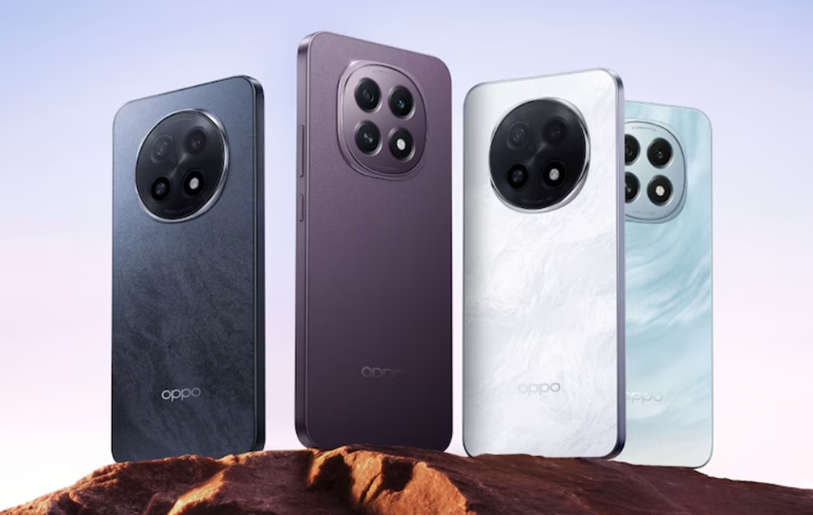
Oppo F29 5G series handsets. (Image credit – Oppo)
Oppo is launching its new F29 series on March 20, and it’s shaping up to be one of the most durable smartphones in the segment, featuring three IP ratings and a 360° armour body for extra protection.
The standard Oppo F29 5G with most likely come with a Snapdragon 6 Gen 1 chipset. As per reports, it has an AnTuTu score of over 7,40,000. According to the official microsite, the phone will be offered in 8GB + 128GB and 8GB + 256GB RAM and storage configurations.
As for the Oppo F29 Pro 5G, it will be powered by a MediaTek Dimensity 7300 Energy SoC, which is said to have an AnTuTu score of 6,50,000. The Pro model will be available in 8GB + 128GB, 8GB + 256GB, and 12GB + 256GB RAM and memory combination.
The Oppo F29 Pro 5G will be available in Marble White and Granite Black, while the Oppo F29 5G will launch in Solid Purple and Glacier Blue colours.
Both models could pack a massive 6,500mAh battery for long-lasting performance.
Infinix Note 50 Pro Plus
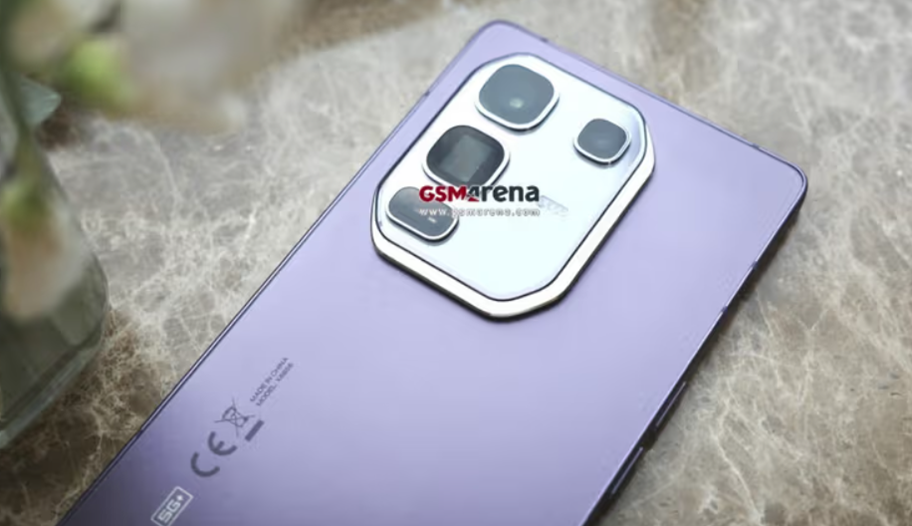
Infinix Note 50 Pro Plus leaked image. (Image credit – GSMArena)
The Infinix Note 50 Pro Plus is confirmed to launch on March 20 and is expected to introduce a premium ArmorAlloy build with a unique HyperCasting manufacturing process. Moreover, the smartphone is rumoured to come with advanced AI-powered features, making it a standout in the Infinix lineup.
Other expected features include a 50-megapixel periscope camera with 100x zoom,audio tuning by JBL, and One Tap Infinix AI. According to a recent 91Mobiles report, the Infinix Note 50 Pro+ will enter the sub $500 (around Rs 43,400) price segment.
With these exciting launches, smartphone buyers have plenty of options to look forward to this week. Which one are you most excited about?
FAQs
Q1. What are the expected key features of the Google Pixel 9a?
Answer. The Google Pixel 9a features a Tensor G4 chip, 48MP main and 13MP ultrawide cameras, a 5,100mAh battery with 33W wired and 7.5W wireless charging, and a rumoured price of ₹50,000.
Q2. What will be the highlights of the Oppo F29 series?
Answer. The Oppo F29 5G comes with a Snapdragon 6 Gen 1 chipset, while the Oppo F29 Pro 5G uses a MediaTek Dimensity 7300 Energy SoC, both featuring 6,500mAh batteries and IP ratings for durability.
Q3. What will reportedly make the Infinix Note 50 Pro Plus unique?
Answer. The Infinix Note 50 Pro Plus offers a 50MP periscope camera with 100x zoom, a premium ArmorAlloy build, advanced AI-powered features, and a price under ₹43,400.
HP unveiled over 80 AI-powered innovations at its recent HP Amplify event.
The range includes AI PCs, advanced print tools, productivity software and new gaming hardware.
Key product highlights – HP EliteBook 8 Series, OmniBook X Series, AI Companion, and AI-enhanced printing solutions.
New gaming laptops and accessories under OMEN and HyperX brands offer improved performance, personalised AI features and durable designs for gamers and creators.
HPhas just launched over 80 new AI-powered PCs, print tools, and software enhancements at its annual HP Amplify event in Nashville, Tennessee. These innovations are designed to redefine work, gaming, and productivity through AI-driven experiences.
“HP is translating AI into meaningful experiences that drive growth and fulfilment,” said HP CEO Enrique Lores.“We are shaping the future of work with game-changing AI innovations that seamlessly adapt to how people want to work,” Enrique further added.
Alex Cho, President of Personal Systems, at HP Amplify 2025, Nashville, Tennessee. (Image credit – ChannelFutures)
A recent survey by AMDand Intel found that 82% of IT decision-makers plan to buy AI PCs before the end of the year. In response, HP has introduced the“world’s largest portfolio of AI PCs”, according to Alex Cho, President of Personal Systems.
“We’re enabling the future of work in all its forms,” said Cho. “We have completely refreshed our commercial lineup. If you are advanced compute customers, data scientists, high-performance users, we have you covered too. Our workstation lineup is now stronger than ever before.”
“For those who work independently, at home, for our students, our consumer lineup is also getting a massive upgrade. I have heard you all about our consumer lineup. I’m here to tell you we are here. We are stronger than ever before, and we’re going to go drive some superior experiences in the market and gaming,” he continued.
HP’s AI-Powered Future
HP’s latest AI-driven innovations reflect its commitment to enhancing productivity, security, and gaming experiences. Whether it’s the new range of AI PCs, advanced print solutions, or powerful gaming hardware, HP is pushing boundaries with AI technology.
“Our portfolio is now meaningful, making AI tangible,” said Alex Cho. “I hope you see that we are not just bringing great innovation, but we are also your best partner. We have the massive portfolio, but we also have the tools, the partnerships, the trainings and the playbooks to help you make it real for your customers and in your environments.”
HP’s Expanding AI PC Lineup
HP expanding its EliteBook series. (Image credit – HP)
Some of the key AI-powered PCs launched include:
HP EliteBook 8 Series – Designed for enterprise users, offering up to 224% better power efficiency and 43x faster AI image generation compared to previous models.
HP EliteDesk 8 Series – The world’s first business desktop PC portfolio built to protect against quantum computing hacks, reducing power consumption while maintaining high performance.
HP EliteStudio 8 AiO G1i – The first all-in-one PC with built-in KVM functionality, allowing users to connect their notebook and access all peripherals seamlessly.
OmniBook X Series – Available as a 14-inch flip or a 17.3-inch clamshell, designed for power users and productivity.
OmniBook 7 & 5 Series – Offering a mix of powerful computing, streaming, and gaming capabilities with Intel Ultra and AMD Ryzen processors.
With Windows 11 upgrades on the horizon, HP is ensuring that select AI PCs qualify as Copilot+ PCs for next-gen computing.
AI Software Innovations
HP is not just launching new hardware; it’s also rolling out AI-powered software solutions to enhance the PC experience:
HP AI Companion – An on-device AI research assistant that provides instant answers and secure file analysis even without an internet connection. New features coming this spring include voice/text commands and built-in keylogger protections.
HP Go10 – A zero-touch multi-carrier 5G solution debuting on the HP EliteBook 6 G1q, enabling automatic network switching for mobile professionals.
Poly Camera Pro – Enhancing video conferencing with AI-powered features like Magic Background, presenter overlays, seamless streaming integrations, and auto-framing.
AI-Powered Print Upgrades
HP is also bringing AI-driven enhancements to printing and document management:
AI-powered document summarisation – Automatically creates email drafts with scanned documents for quick sharing.
AI-based redaction – Ensures sensitive information stays secure on HP devices without requiring a cloud connection.
HP LaserJet Enterprise 8000 Series – The first printers to protect against quantum computer hacks, offering enhanced security for regulated industries.
HP Latex R530 Printer – A compact all-in-one printer capable of handling both rigid and flexible media.
HP Workforce Experience Platform (WXP) Enhancements
HP is enhancing its Workforce Experience Platform (WXP) to provide IT professionals with AI-driven insights:
AI Sentiment Analysis – Analyse feedback to improve employee experience.
Fleet Explorer – A natural language processing (NLP) tool that allows IT teams to query fleet data instantly.
Vyopta Integration – Helps monitor collaboration environments and optimise performance.
Pre-built scripts, alerts and dashboards
New Gaming Hardware
HP also introduced new gaming laptops and accessories under its OMEN and HyperX brands:
OMEN 16 Slim Gaming Laptop – A sleek yet powerful machine featuring Intel Core Ultra 9 285H processors and NVIDIA GeForce RTX 5070 GPU for top-tier performance.
OMEN Transcend 14 Gaming Laptop – A portable gaming powerhouse delivering 25% more power for gaming and content creation.
OMEN AI – A personalised AI tool that recommends the best system settings based on the user’s device and game, accessible via OMEN Gaming Hub.
HyperX Cloud III S Wireless Gaming Headset – Features up to 120 hours of battery life on 2.4GHz and 200 hours on Bluetooth, along with crystal-clear acoustics and customisable earcup plates.
FAQs
Q1. What key innovations did HP unveil at the HP Amplify event?
Answers. HP introduced over 80 AI-powered innovations, including AI-driven PCs, advanced print tools, productivity software and new gaming hardware.
Q2. What are some notable features of HP’s AI-powered PCs?
Answer. The HP EliteBook 8 Series offers 224% better power efficiency, while the EliteDesk 8 Series provides protection against quantum computing hacks.
Q3. What gaming products were announced under the OMEN and HyperX brands?
Answer. HP launched the OMEN 16 Slim Gaming Laptop, OMEN Transcend 14 Gaming Laptop, and HyperX Cloud III S Wireless Gaming Headset with advanced features like AI settings and long battery life.
Q4. What AI software solutions did HP introduce?
Answer. HP revealed the HP AI Companion, an on-device research assistant, and HP Go10, a zero-touch 5G solution for seamless network switching.
Q5. What AI-powered enhancements are being added to HP printers?
Answer. HP introduced features like AI-powered document summarisation, AI-based redaction for sensitive data, and quantum-safe security on LaserJet Enterprise 8000 Series printers.
Google Tensor G5 will be the first Tensor chip fully designed by Google and manufactured by TSMC using a 3nm-class process node.
Key upgrades expected include a new IMG DXT GPU, a fully custom ISP for enhanced camera performance, a custom memory controller and a new Chips&Media video codec.
The Tensor G5 is expected to be Google’s most advanced chip to date and will debut in the Pixel 10 series.
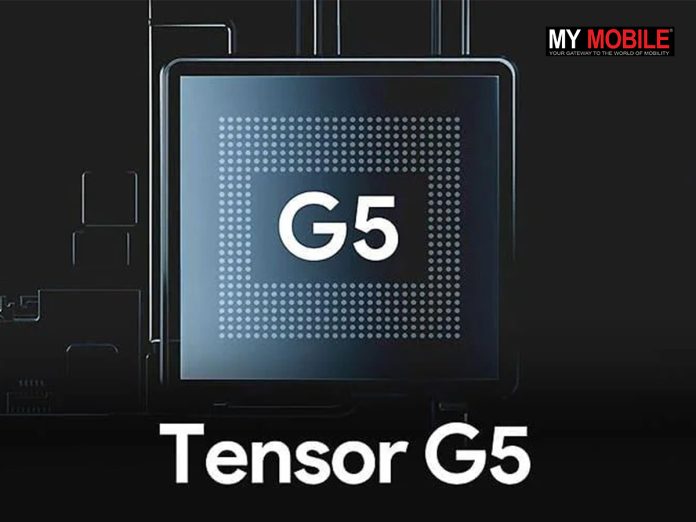
Google Tensor G5 to succeed the previous generation Tensor G4. (Image credit – Google)
The Google Tensor G5 is set to power the upcoming Pixel 10 series and is reportedly shaping up to be a major upgrade. Unlike previous Tensor chips, which were developed in collaboration with Samsung, the G5 will be entirely designed by Google and manufactured by TSMC using its 3nm-class process node.
A new report from Android Authority confirms this shift and provides deeper insight into the G5’s internal components.
Tensor G5 – What’s Changing?
New GPU – Google is reportedly switching from the Arm Mali-G715 MP7 (used in the Tensor G4) to Imagination Technologies’ IMG DXT GPU for better graphics performance.
Fully Custom ISP – Google will introduce a fully custom Image Signal Processor (ISP), moving away from the partially modified Samsung ISPs used in previous Tensor chips. This could significantly enhance Pixel 10’s camera performance.
Explaining this, the Android Authority report reads, “The previous chips only had a few custom Google-designed blocks to complement the regular Samsung ISPs, but that changes now. The Tensor G5 will have a fully custom ISP from the front-end to the back-end parts of the pipeline.”
Custom Memory and Power Modules – The chip will feature a custom memory controller, system-level cache, and power modules likely optimising efficiency and speed.
New Video Codec – Instead of using its BigWave AV1 video codec and Samsung’s Multi Format Codec (MFC), Google will now rely on Chips&Media’s WAVE677DV, which supports AV1, VP9, HEVC, and H.264 for video encoding and decoding.
The report notes, “This is where things start deviating from past generations — previous Tensor chips used a combination of two video codecs: Google’s “BigWave” AV1 codec core and Samsung’s MFC (Multi Format Codec) for the other formats. It would seem logical for Google to use something built in-house, perhaps even for all the formats, but that’s not the case. Instead, Google uses third party IP to handle all the formats. Specifically, the core used is Chips&Media’s WAVE677DV, spec’d to handle up to 4K120 encoding and decoding in AV1, VP9, HEVC and H.264.”
Third-Party Components – Tensor G5 will integrate third-party USB, PCIe, and I3C components, along with interfaces for DSI (display), DisplayPort, flash storage, and LPDDR5x memory.
The Tensor G5 is set to be the most advanced Tensor chip yet with these upgrades and is bringing big improvements in performance, graphics, camera processing and efficiency to the Pixel 10 series.
FAQs
Q1. What makes the Tensor G5 different from previous Tensor chips?
Answer. The Tensor G5 is the first Tensor chip fully designed by Google and manufactured by TSMC using a 3nm-class process node, unlike earlier chips co-developed with Samsung.
Q2. What are the key upgrades in the Tensor G5?
Answer. Key upgrades include a new IMG DXT GPU for better graphics, a fully custom ISP for improved camera performance, and a new Chips&Media video codec supporting multiple formats.
Q3. What improvements can we expect from the Tensor G5 in the Pixel 10 series?
Answer. The Tensor G5 will bring significant advancements in performance, graphics, camera processing, and efficiency, making it Google’s most advanced chip yet.
Google has acquired Wiz for $32 billion marking its largest acquisition to date.
The deal aims to strengthen Google’s cloud security capabilities amid growing AI and cybersecurity demands.
Speculation suggests Donald Trump’s influence may have facilitated the deal after it initially fell apart.
Google has agreed to pay $28 million to settle a class-action lawsuit alleging that it favoured white and Asian employees.
Caption – Google acquired New York-based cloud security startup Wiz. (Photo by Nathana Rebouças on Unsplash)
Googlehas officially signed a $32 billion all-cash deal to acquire Wiz, a New York-based cloud security startup. This is Google’s largest acquisition to date and a significant move to enhance its cloud security capabilities amid the rapid growth of AI and cybersecurity threats.
Wiz will be integrated into Google Cloud, and the deal is expected to close in 2026.
Highlighting its expertise in security and AI, Google’s statement read,“Google Cloud is a leader in cloud infrastructure, with deep AI expertise and a track record of industry-leading security innovation. Bringing all this to Wiz will help make their solutions even better and more scalable, benefiting customers and partners across all major clouds.”
This acquisition almost happened last year but fell apart. In July 2023, Wiz rejected Google’s $23 billion offer, stating that it wanted to pursue an IPO instead. However, the IPO market remained weak, and major tech companies now expect Donald Trump’s administration to be more favourable toward large acquisitions than President Joe Biden’s stricter policies.
A source familiar with the matter told CNBC that antitrust concerns and investor hesitations played a role in Wiz walking away from the deal last year.
At the time, Wiz co-founder Assaf Rappaport told employees, “Saying no to such humbling offers is tough.”
Just a month after Wiz rejected the deal, a federal judge ruled that Google holds a monopoly in the search market, a case that had been filed four years earlier.
Alphabet CEO Sundar Pichai was among the tech executives who attended Donald Trump’s presidential inauguration in January, and Google donated $1 million to the event’s fund. This has fueled speculation that tech giants anticipate a more business-friendly environment under Trump, compared to Biden’s stricter approach to regulating mergers and acquisitions.
What This Means for Google and Wiz
Wiz was founded in 2020 and has quickly become a major player in cloud security. The company achieved $100 million in annual recurring revenue within just 18 months. Its cybersecurity solutions, which include prevention, active detection, and response, are widely used by large enterprises.
Caption – Wiz Co-Founder Assaf Rappaport at the Web Summit 2021 at the Altice Arena in Lisbon, Portugal. (Image credit – Harry Murphy /Sportsfile /Getty Images)
Rappaport shared his excitement about the acquisition in a blog post, saying, “Becoming part of Google Cloud is effectively strapping a rocket to our backs: it will accelerate our rate of innovation faster than what we could achieve as a standalone company.”
The move is expected to help Google compete more aggressively with Microsoft, which has also been expanding its cloud security offerings.
Google’s Track Record in Acquisitions
Despite its tech dominance, Google has historically been cautious about massive acquisitions. Before Wiz, its biggest deal was the $12.5 billion purchase of Motorola in 2012, which it later sold to Lenovo for $2.9 billion. Google also made a notable cybersecurity acquisition in 2022, purchasing Mandiant for $5.4 billion.
Alphabet currently has $96 billion in cash and marketable securities, giving it the financial strength for such a high-value deal.
Importantly, Wiz’s security solutions will continue to function across competing cloud platforms like Amazon Web Services (AWS), Microsoft Azure, and Oracle Cloud, ensuring that customers outside of Google’s ecosystem can still benefit from its services.
Meanwhile, Alphabet’s stock fell about 2% despite the big announcement, bringing its total decline for the year to 15%. The Wall Street Journal was the first to report that Google and Wiz were in advanced talks.
Google Settles Discrimination Lawsuit for $28 Million
In a separate legal matter, Google has agreed to pay $28 million to settle a class-action lawsuit alleging that it favoured white and Asian employees over others by paying them more and placing them on higher career tracks.
The settlement, which won preliminary approval last week from Judge Charles Adams of the Santa Clara County Superior Court in California, covers at least 6,632 Google employees in California who worked at the company between February 15, 2018, and December 31, 2024.
Judge Adams described the settlement as, “A good result for the class.”
A Google spokesperson, Courtenay Mencini, confirmed the settlement but denied any wrongdoing. Mencini said, “We continue to disagree with the allegations that we treated anyone differently, and remain committed to paying, hiring and leveling all employees fairly.”
The lawsuit was led by Ana Cantu, a former Google employee who identifies as Mexican and racially Indigenous. She represented Hispanic, Latinx, Indigenous, Native American, American Indian, Native Hawaiian, Pacific Islander, and Alaska Native employees. The case is officially listed as Cantu v. Google LLC et al, California Superior Court, Santa Clara County, No. 21CV392049.
Cantu claimed that despite seven years of excellent performance in Google’s People Operations and Cloud departments, she was stuck at the same job level while white and Asian employees were promoted and paid more.
She also alleged that Google placed white and Asian employees in higher job levels, even when they did the same work, and that those who complained were denied raises and promotions.
Cantu’s claims were based on California’s Equal Pay Act, and she eventually left Google in September 2021.
The case took an unexpected turn when Cantu’s lawyers agreed to exclude Black employees from the proposed class, a move that Google had requested. After legal fees and penalties, net settlement proceeds total $20.4 million. Judge Adams has scheduled a final approval hearing for September 11, 2025.
FAQs
Q1. What is the significance of Google’s acquisition of Wiz?
Answer. Google’s $32 billion acquisition of Wiz is its largest to date, aimed at enhancing its cloud security capabilities amid the rapid growth of AI and cybersecurity threats.
Q2. Why did the initial deal between Google and Wiz fall apart?
Answer. The 2023 deal fell apart due to antitrust concerns and investor hesitations, with Wiz opting to pursue an IPO instead. However, the IPO market remained weak.
Q3. Will Wiz’s solutions remain available on other platforms?
Answer. Yes, Wiz’s security solutions will continue to function across competing cloud platforms such as AWS, Microsoft Azure, and Oracle Cloud.
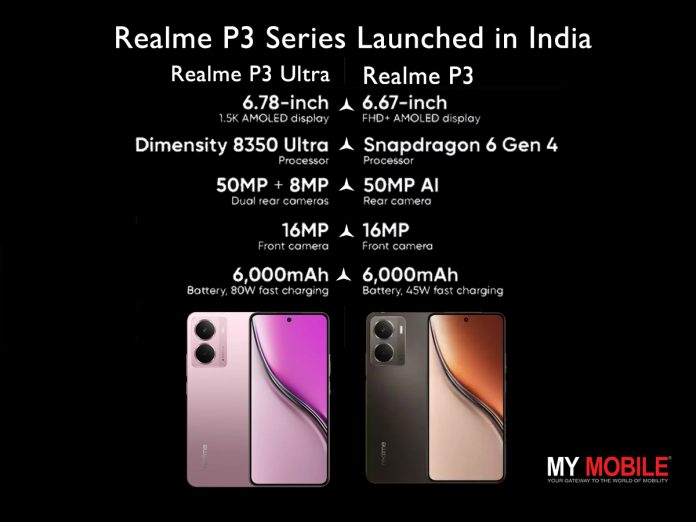
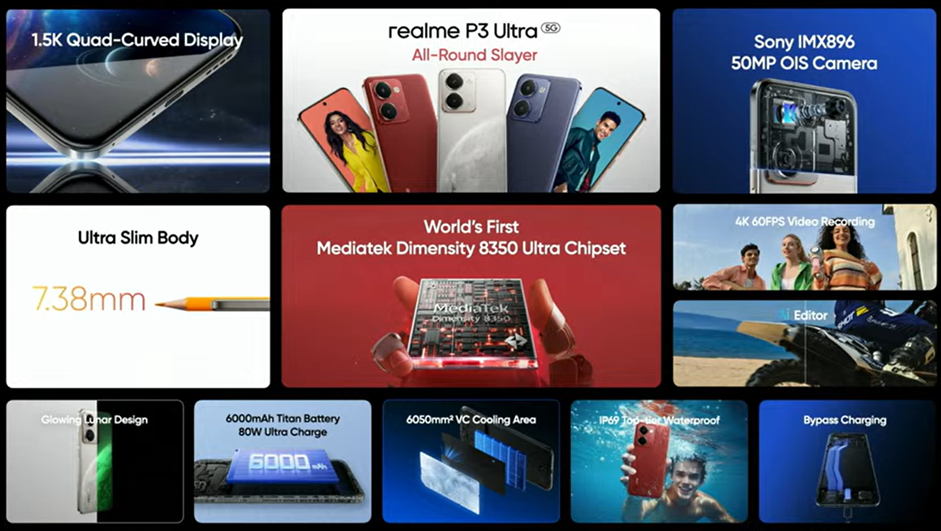
Realme launched the P3 Series in India with two models – Realme P3 Ultra 5G starting at ₹26,999 and Realme P3 5G starting at ₹16,999.
Key highlights include the MediaTek Dimensity 8350 Ultra chipset in the P3 Ultra, Snapdragon 6 Gen 4 in the P3 5G, 6,000mAh Titan Battery, IP69 certification and 50MP AI cameras.
Innovative designs like the glow-in-the-dark Lunar Design for P3 Ultra and interstellar-inspired themes P3 5G.
Realme P3 Series officially launched. (Image credit – Realme)
Realmehas officially launched the Realme P3 Series in India, featuring the Realme P3 Ultra 5G and Realme P3 5G. These smartphones bring cutting-edge performance, innovative designs and impressive durability. Here’s a closer look at what they offer.
Commenting on the launch, realme spokesperson said, “We are excited to introduce the realme P3 Ultra 5G and realme P3 5G, two smartphones that redefine AI-powered performance, seamless multitasking, and unstoppable gaming. The realme P3 Ultra 5G stands out with its luminous color-changing fiber with the World’s First MediaTek Dimensity 8350 Ultra Chipset delivering cutting-edge speed and innovation. Meanwhile, the realme P3 5G, featuring India’s first Snapdragon 6 Gen 4 chipset with its massive battery and top-tier waterproofing, is built for durability and endurance. Both devices are designed to bring next-level AI, powerful gaming, and unmatched user experience to our consumers”.
Realme P3 Ultra, Realme P3 – Price and Availability in India
The Realme P3 Ultra 5G starts at Rs 26,999 for the base variant and comes in multiple memory configurations. Meanwhile, the Realme P3 5G has a starting price of Rs 16,999 and also offers three storage options.
Caption – Realme P3 Ultra 5G price and sale details. (Image credit – Realme)
Realme P3 5G price and sale details. (Image credit – Realme)
For those eager to get their hands on these devices early, the Realme P3 5G will be available through an early access sale today between 6 PM and 10 PM via realme.com, Flipkart, and retail stores.
The first official sale for the Realme P3 Ultra 5G is set for March 25th at 12 PM, available through realme.com, the Realme Store app, Flipkart, and retail outlets. Pre-booking starts today at 2 PM, and buyers can avail discounts of up to Rs 4,000 with select bank offers.
In terms of colours, the Realme P3 5G comes in Space Silver, Comet Grey, and Nebula Pink, while the Realme P3 Ultra 5G is available in Neptune Blue and Orion Red.
Model
Storage Variant
Price
Realme P3 Ultra
8GB + 128GB
Rs 26,999
Realme P3 Ultra
8GB + 256GB
Rs 27,999
Realme P3 Ultra
12GB + 256GB
Rs 29,999
Realme P3 5G
6GB + 128GB
Rs 16,999
Realme P3 5G
8GB + 128GB
Rs 17,999
Realme P3 5G
8GB + 256GB
Rs 19,999
Realme P3 Ultra 5G – A Multitasking Beast
The Realme P3 Ultra 5G is powered by the world’s first MediaTek Dimensity 8350 Ultra chipset, designed for seamless multitasking and high-performance gaming. It delivers ultra-stable 90FPS gaming in BGMI for up to three hours straight and boasts an AnTuTu score of over 1.45 million, making it the most powerful device in its segment.
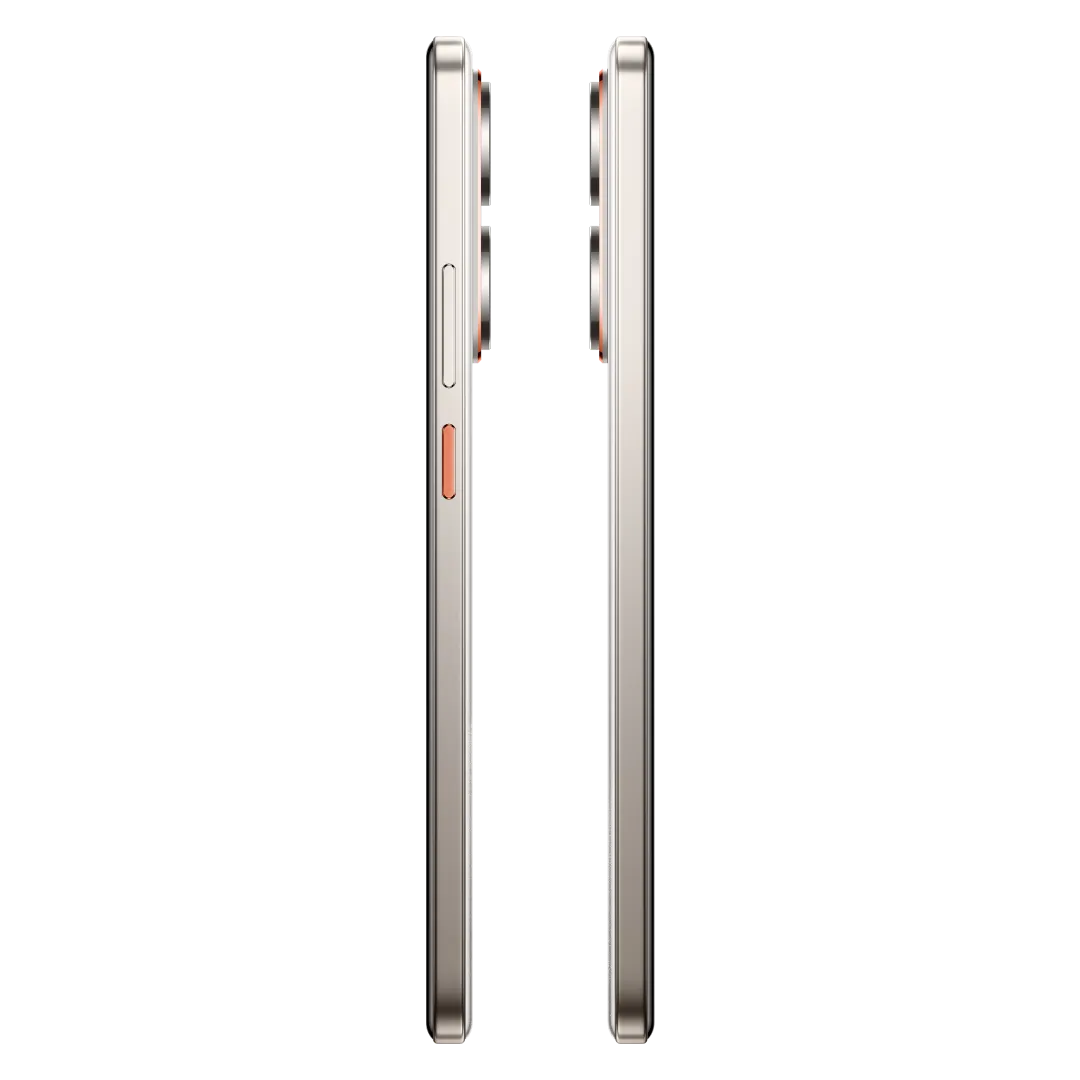
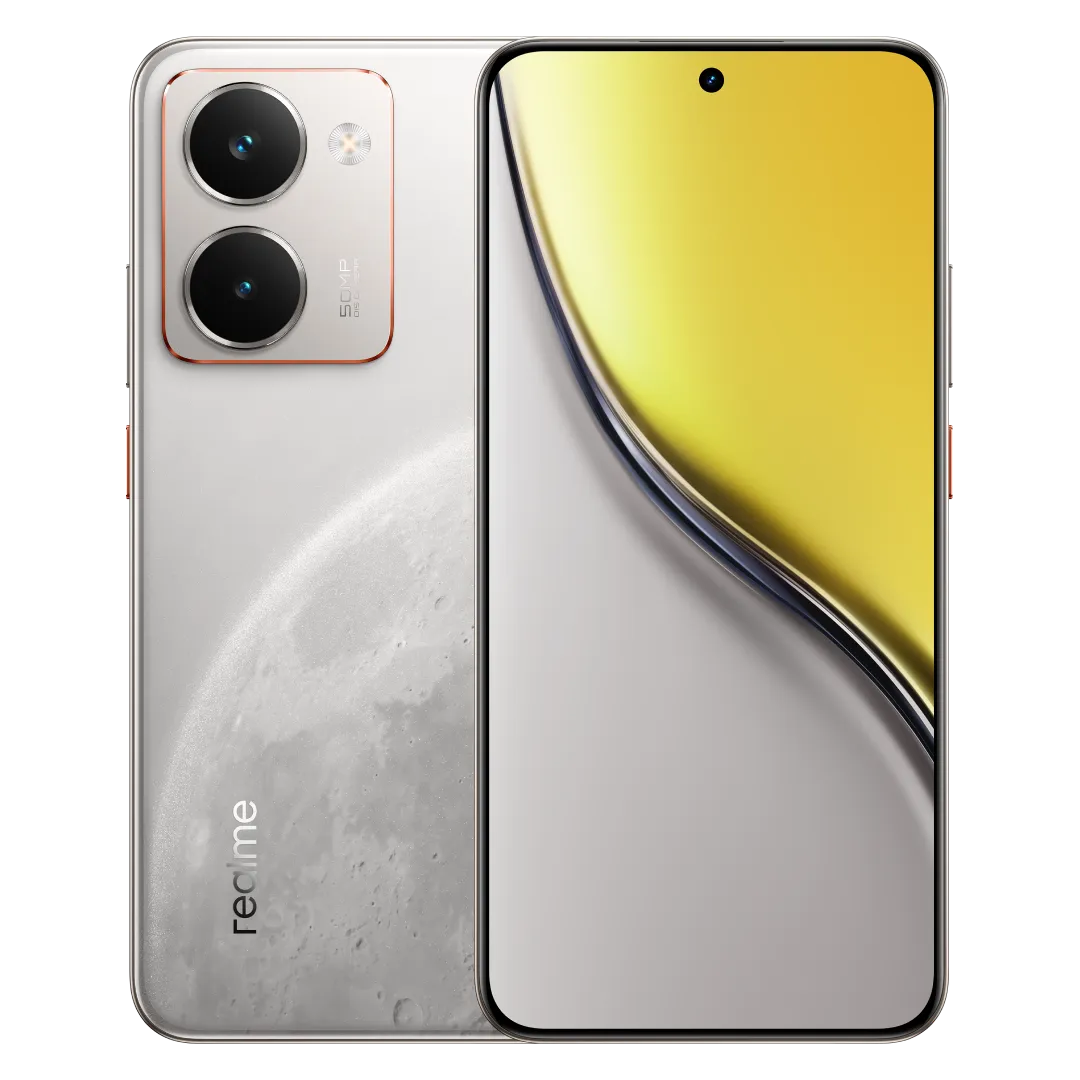
Realme has introduced a world-first Glow-in-the-Dark Lunar Design, which adapts to ambient light to create a mesmerizing blend of textures and colours. The Realme P3 Ultra 5G is also India’s slimmest 1.5K quad-curved AMOLED display smartphone and is available in Neptune Blue, Orion Red, and Glowing Lunar White.
Realme P3 Ultra 5G – Photography and Durability
For photography enthusiasts, the 50MP AI camera features Sony’s IMX896 sensor alongside an 8MP Ultra-Wide camera, delivering cinema-quality imaging, superior light intake and enhanced portrait clarity.
Content creators will love its 4K 60FPS video recording for 30 minutes without lag and smooth 4K video editing, even for 2GB files.
The device is built to last, boasting IP66, IP68, and IP69 ratings, making it resistant to dust, water, and extreme temperatures.
Realme P3 5G – Durability Meets Innovation
Realme P3 5G features. (Image credit – Realme)
The Realme P3 5G is the first smartphone in India to feature the Snapdragon 6 Gen 4 chipset, delivering an impressive AnTuTu score of 750K.
Designed for ultimate durability, it holds IP66, IP68, and IP69 certifications, offering exceptional resistance against dust, water, and extreme conditions.
Like its Ultra counterpart, the Realme P3 5G also features a massive 6000mAh Titan Battery, with the highest energy density graphite battery in its segment, ensuring long-lasting performance.
The 50MP AI camera comes with advanced photography features, delivering stunning captures.
It also stands out with its interstellar-inspired design, available in three eye-catching colours, including Nebula Pink, Space Silver, and Comet Grey.
Realme P3 Ultra and Realme P3 5G – What’s New?
Both the Realme P3 Ultra 5G and Realme P3 5G are fresh additions to the lineup, each bringing unique features to the table.
The Realme P3 Ultra 5G introduces a ‘Glowing Lunar’ design, which glows in the dark, similar to the Realme P3 Pro. It also features a Cosmic Star Ring design around its camera sensors, adding a futuristic touch.
Under the hood, it is the first smartphone to be powered by the MediaTek Dimensity 8350 Ultra chipset, designed to enhance gaming and camera performance with advanced AI-powered features.
Meanwhile, the Realme P3 5G is positioned just above the Realme P3x in the lineup. It stands out with a massive 6,000mAh battery, ensuring long-lasting usage.
It is also one of the few smartphones in this price range to offer IP69 water and dust resistance, making it highly durable. Moreover, the device comes with AI-powered enhancements and dedicated gaming features for an optimised user experience.
Realme P3 Ultra Alternatives
Motorola Edge 50 Pro – Rs 27,999
Nothing (3a) Pro – Rs 29,999
POCO X7 Pro – Rs 27,999
iQOO Neo 10R – Rs 26,999
Realme P3 5G Alternatives
Redmi Note 14 – Rs 18,999
iQOO Z9s – Rs 19,999
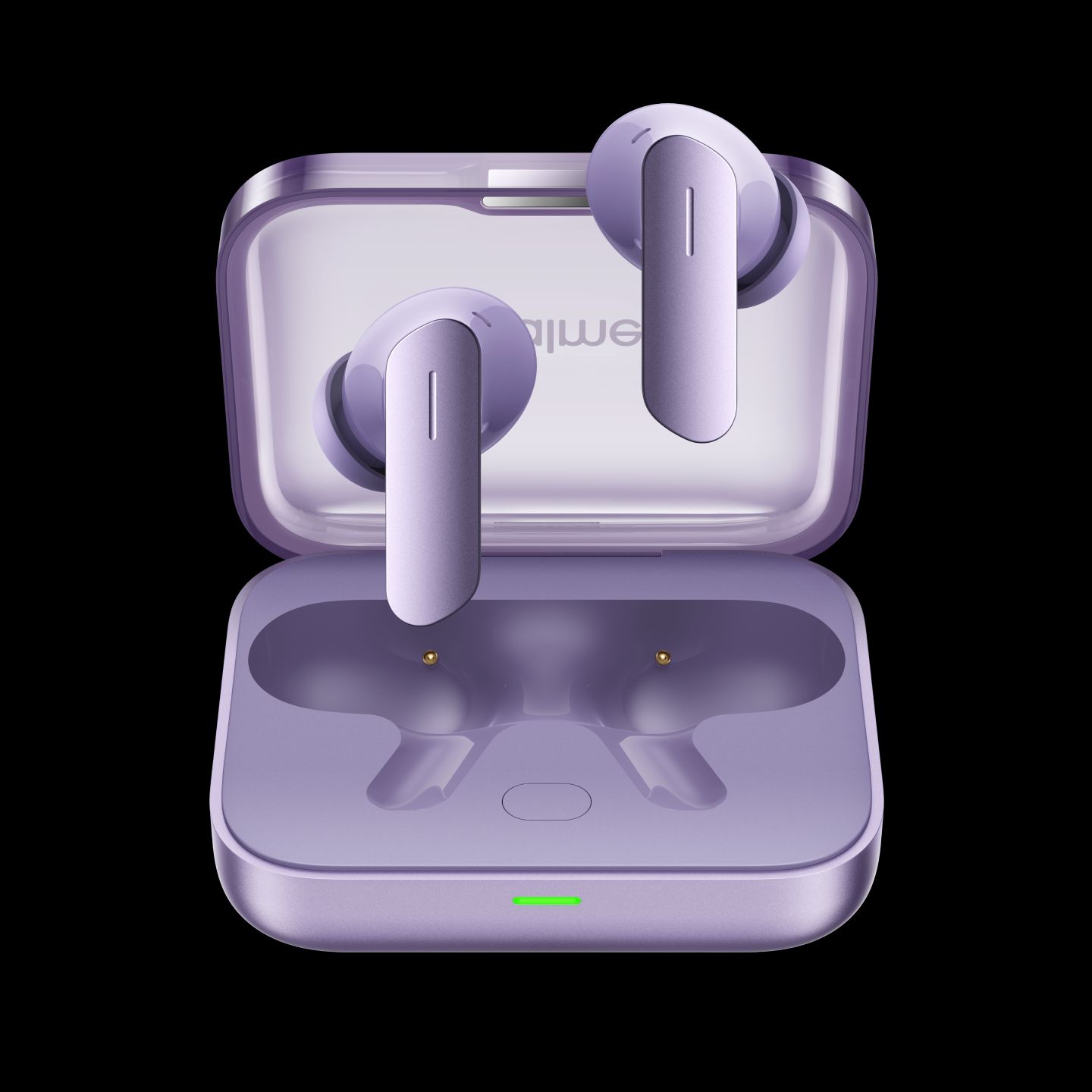
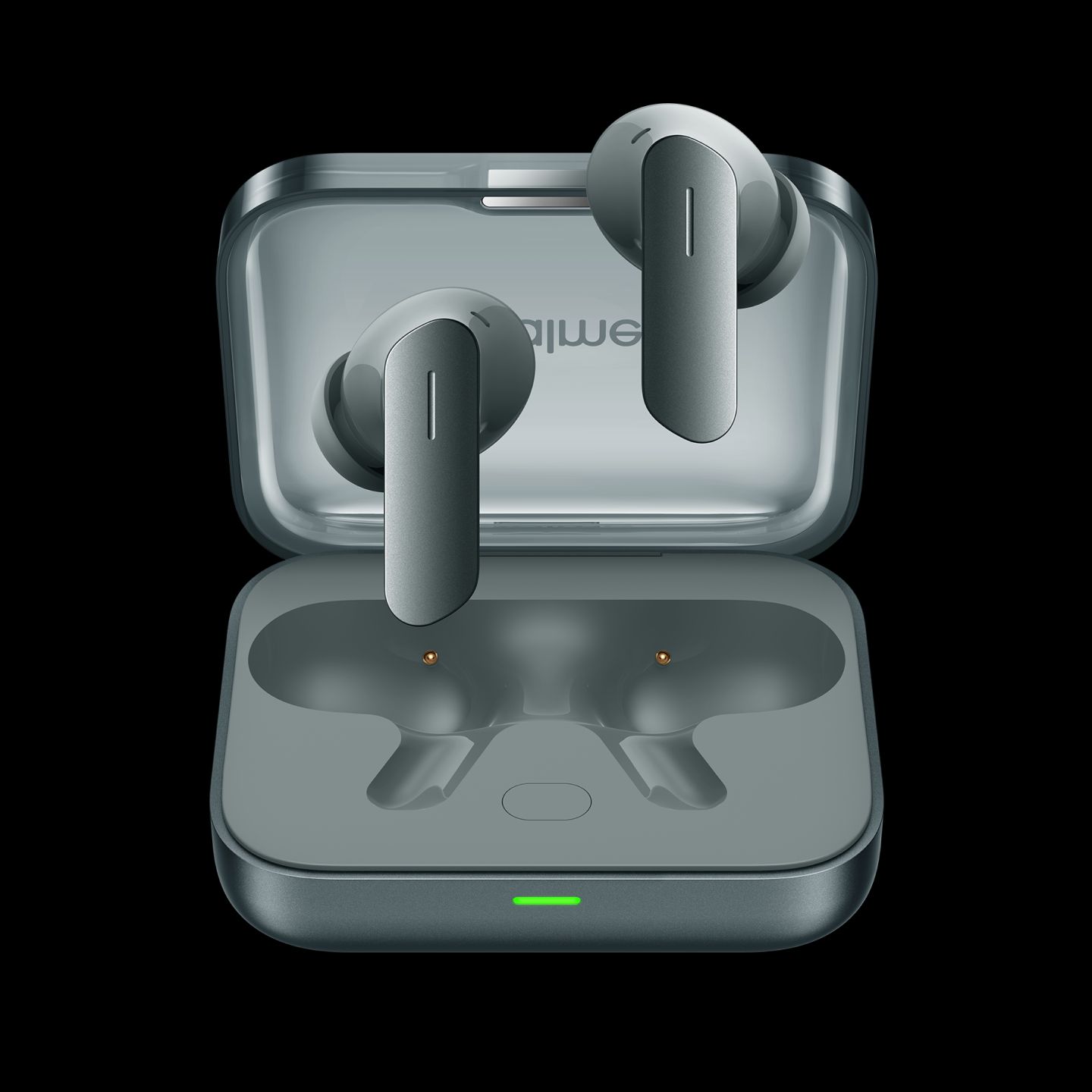
Key Highlights: realme Buds Air7
Ultra-Lightweight and Crystal Alloy Compact Design
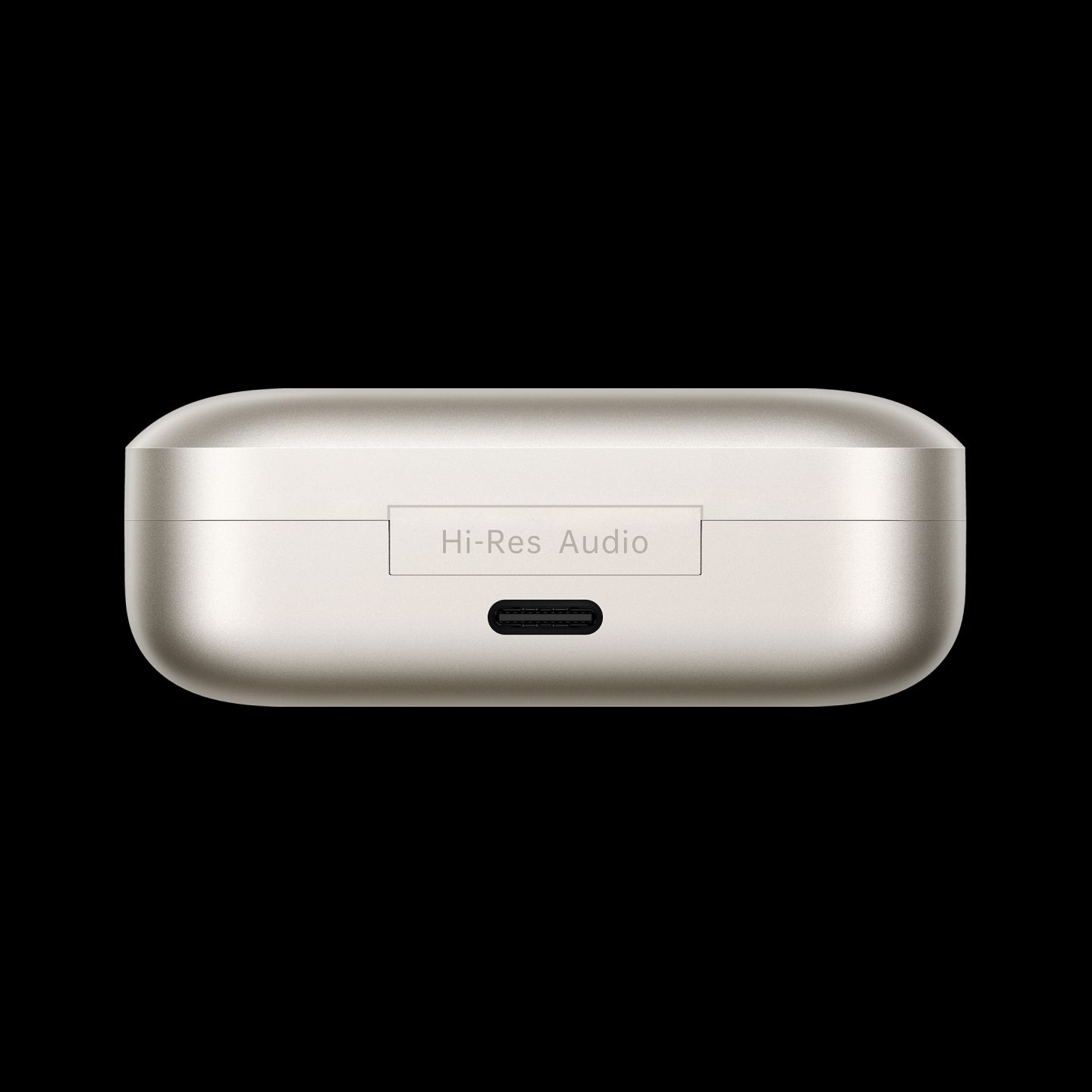
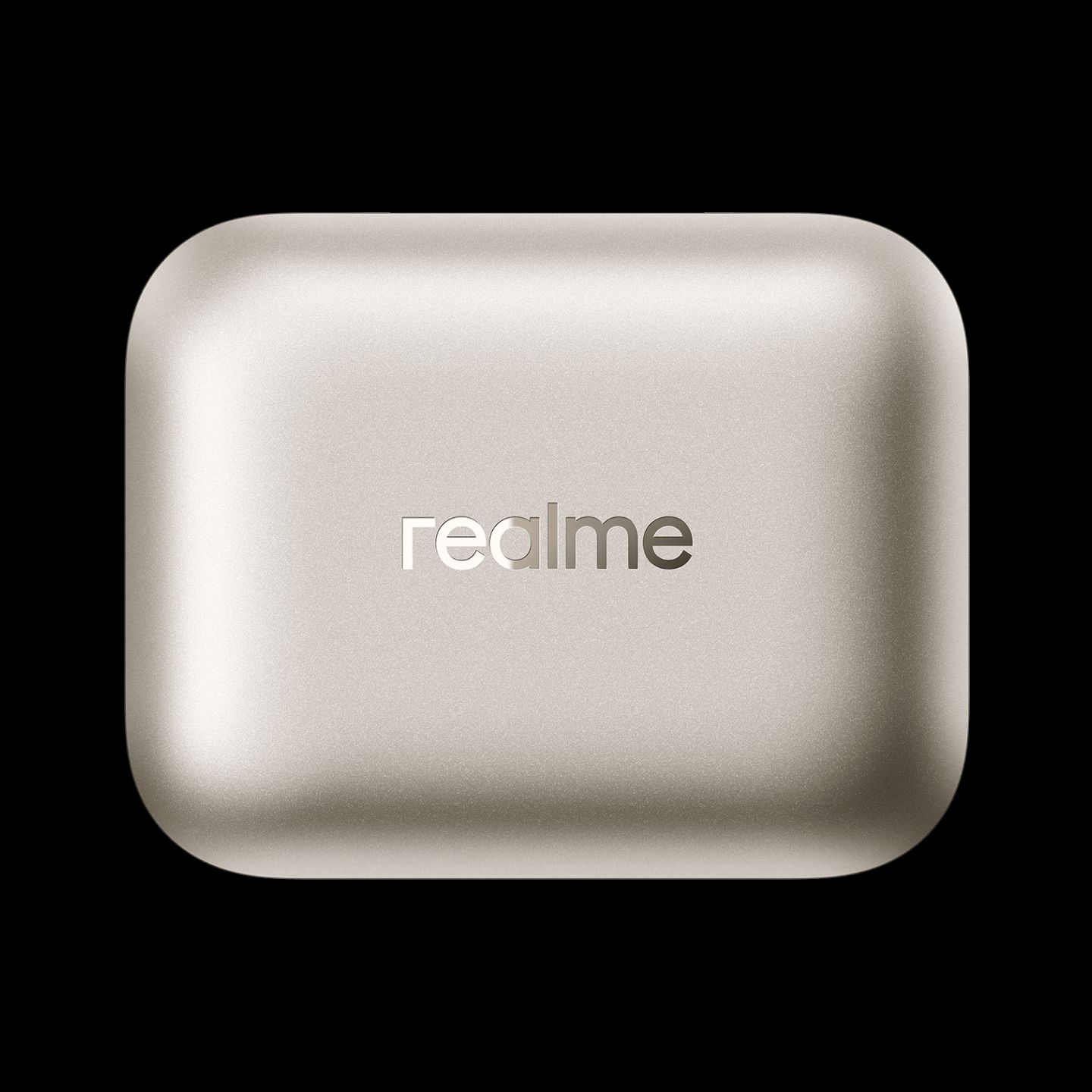
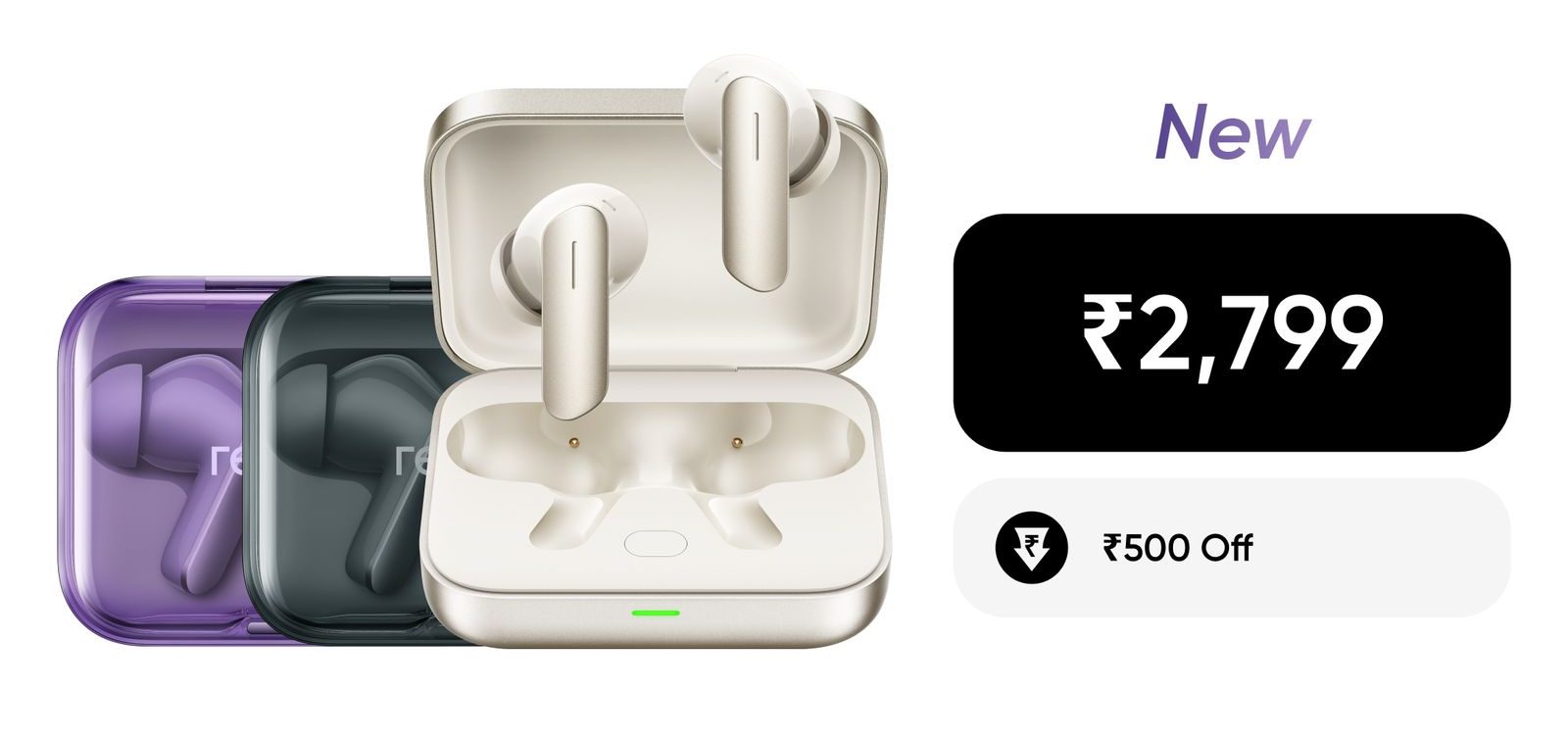
The Air 7 features an ultra-lightweight build with a premium crystal alloy design, offering durability and elegance. Its compact, pocket-friendly charging case measures 61.53mm x 48.53mm x 24.3mm (golden variant) and 61.53mm x 48.53mm x 23.77mm (transparent version), ensuring effortless portability and comfort.
High-Fidelity Sound with Deep Bass and Smart ANC
Equipped with a 12.4mm Deep Bass Driver and N52 Magnet, the Air 7 delivers powerful bass and crystal-clear treble. An SHTW Copper Wire Coil ensures precise audio delivery, while Smart ANC reduces noise by up to 52 dB for an immersive experience. It also features 360° Spatial Audio for a surround sound feel, enhancing the overall listening experience.
Extended Battery Life with 52-Hour Playback and Fast Charging
The Air 7 offers an impressive 52 hours of total playback, making it a reliable choice for users with active lifestyles.
Hi-Res Audio Certification for Superior Quality
The Air 7 is Hi-Res Audio Certified, ensuring superior sound quality and performance, making it a top choice for both casual listeners and audiophiles.
Intuitive Touch Controls with Voice Assistant Support
The Air 7 features responsive touch controls that make it easy to manage music, calls, and voice assistants effortlessly. A double-tap allows users to play/pause music or answer/hang up calls, while a triple-tap skips to the next song. A long press of 2 seconds rejects incoming calls, offering a seamless and intuitive user experience. This functionality enhances convenience, making the Air 7 a top choice for both casual listeners and tech enthusiasts.
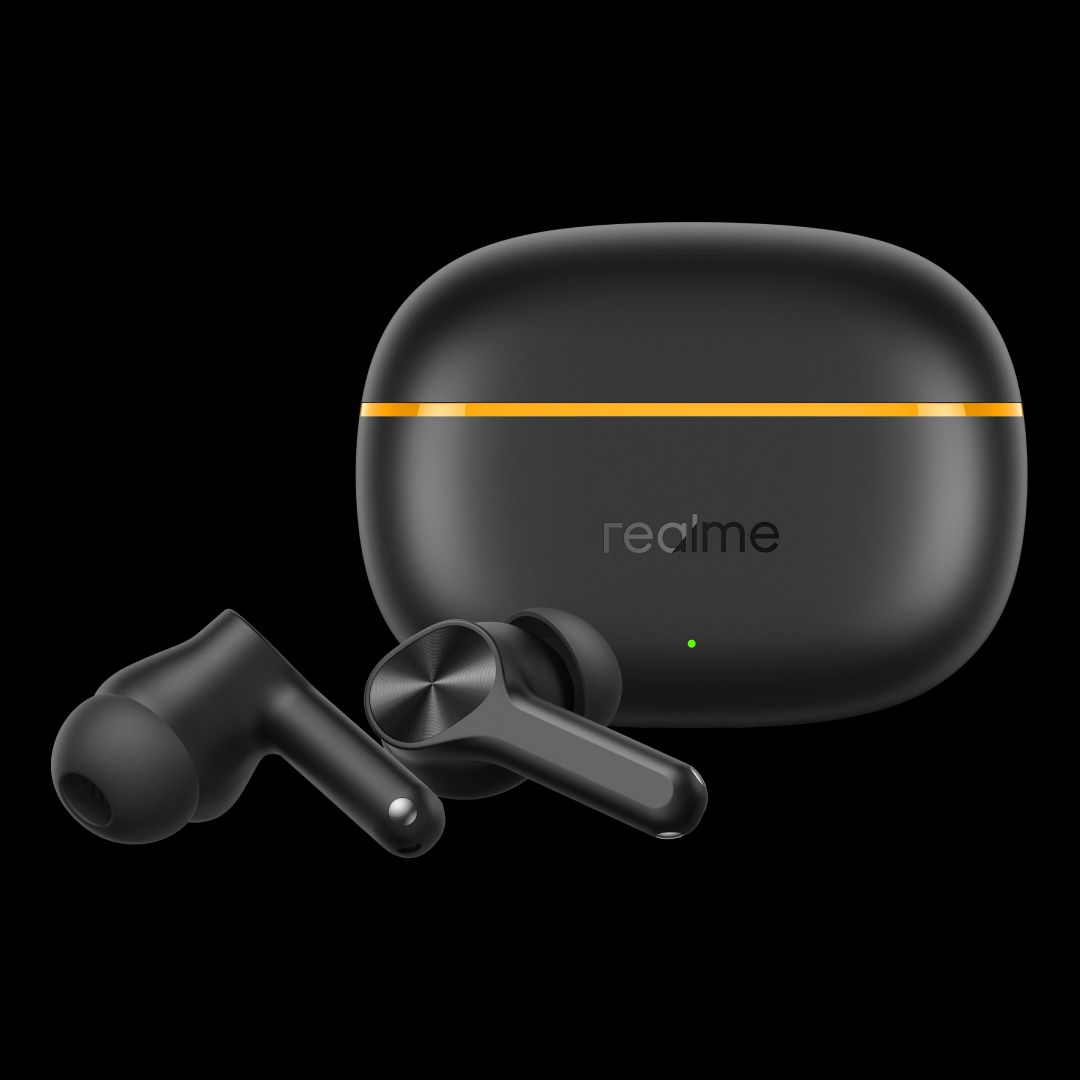
key Highlights: realme Buds T200 Lite
Powerful Dynamic Bass Driver for Deep Audio
Equipped with a 12.4mm Dynamic Bass Driver that is 24% larger than its predecessor, the Buds T200 Lite delivers rich and powerful bass, enhancing the overall audio experience. The enhanced driver ensures deeper bass and clear treble, setting a new benchmark in its category. Whether you’re streaming music, watching movies, or taking calls, these buds offer a dynamic and immersive sound experience.
Extended 48-Hour Battery Life with Fast Charging
With an impressive 48 hours of total playback—26% longer than the previous generation—the Buds T200 Lite ensures uninterrupted entertainment and long-lasting performance. Its fast-charging capability reduces downtime, making it perfect for users with active lifestyles.
AI Deep Call Noise Cancellation for Clear Conversations
Featuring dual-mic AI deep call noise cancellation, the Buds T200 Lite intelligently filters ambient noise, ensuring crystal-clear voice clarity during calls. This technology makes it ideal for conversations in noisy environments, providing a seamless communication experience.
Seamless Connectivity with Dual-Device Pairing and Bluetooth 5.4
The Buds T200 Lite supports Bluetooth 5.4 for a stable and reliable connection, along with dual-device pairing that allows users to switch effortlessly between two devices. Additionally, with IPX4 water resistance, the Buds T200 Lite is built to withstand sweat and splashes, ensuring durability for everyday use.
realme P3 Ultra 5G
Product
Variant
Price
Bank Offers
Offer Price
Sale Dates
realme P3 Ultra 5G
8 + 128
26,999
INR 3,000 bank offer
+
INR 1,000 exchange offer
+
6 months No Cost EMI
+
1 Year Extended warranty (only on pre-booking)
22,999
Pre-Book Start from Today 2PM
First Sale: March 26, 12 PM – March 28, 12 AM
8 + 256
27,999
23,999
12 +256
29,999
25,999
Available onrealme.com, Flipkart and stores near you.
realme P3 5G
Product
Variant
Price
Bank Offers
Offer Price
Sale Dates
realme P3 5G
6 + 128
16,999
2000 Bank offer
14,999
Early Bird sale Start from Today 6 PM to 10 PM
First Sale: March 26, 12 PM – March 28, 12 AM
8 + 128
17,999
15,999
8 + 256
19,999
17,999
Available onrealme.com, Flipkart & stores near you
realme Buds Air7
Product
Price
Bank Offers
Offer Price
Sale Dates
realme Buds Air 7
3,299
500 Bank offer
2,799
First Sale: March 24, 12 PM Onwards
Available onrealme.com, Flipkart & stores near you
realme Buds T200 Lite
Product
Price
Bank Offers
Offer Price
Sale Dates
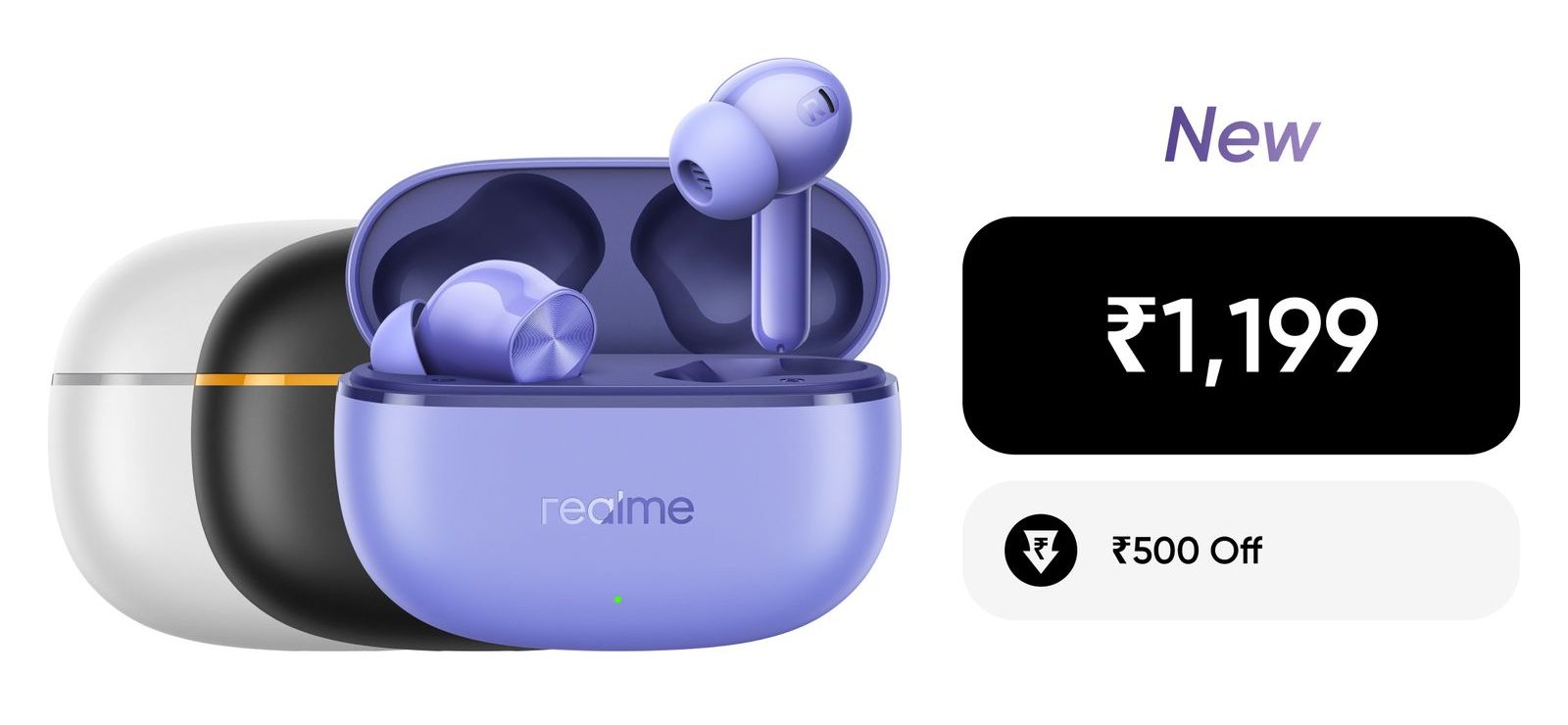
realme Buds T200 Lite
1,399
200 Bank Offer
1,199
First Sale: Today, 2 PM Onwards
Available onrealme.com, Flipkart, Amazon and stores near you.
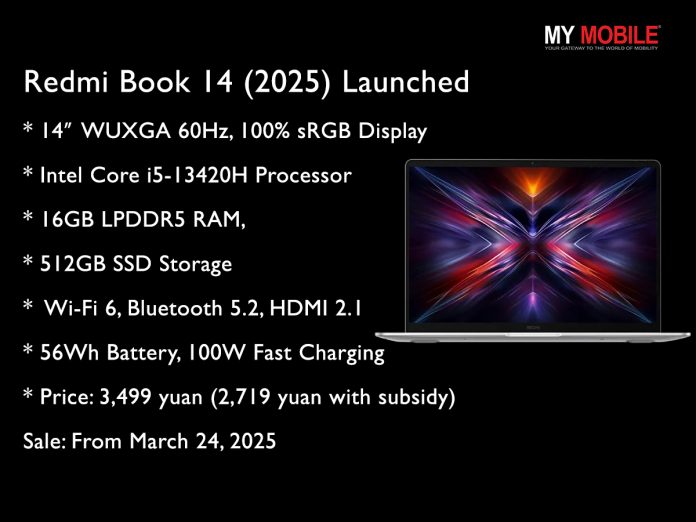
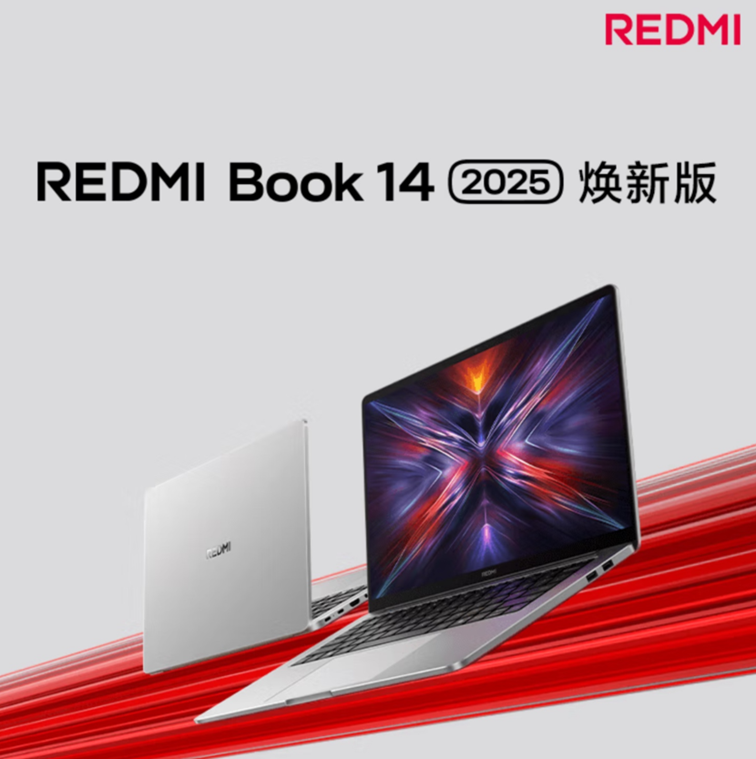
The Redmi Book 14 (2025) Refreshed Edition launched as a more budget-friendly variant aimed at the Chinese market.
Other features – a 14-inch WUXGA 60Hz display, Intel Core i5-13420H processor, 16GB LPDDR5 RAM, 512GB SSD, dual-band Wi-Fi 6 and 100W fast charging.
The laptop is priced at 3,499 yuan with potential discounts due to a 20% government subsidy.
It will be available for purchase starting March 24, 2025.
Redmihas quietly introduced the Redmi Book 14 (2025) Refreshed Edition, a more budget-friendly version of its earlier Redmi Book 14 (2025). This refreshed model is aimed at the Chinese market and comes with a few changes to make it more affordable. Here’s what we know about the newly launched Redmi Book so far.
Redmi Book 14 (2025) Refreshed Edition – What’s New?
Redmi Book 14 (2025) Refreshed Edition. (Image credit – Redmi)
The biggest change is the processor. Instead of the Intel Core 5-210H, this version comes with an Intel Core i5-13420H featuring eight cores (four performance and four efficiency), twelve threads, and a maximum turbo frequency of 4.6GHz.
It also has 12MB of Intel Smart Cache and Intel UHD Graphics with 48 execution units clocked at 1.4GHz for basic graphics performance.
Redmi Book 14 (2025) Refreshed Edition – Key Features
While the standard Redmi Book 14 (2025) features a 2.5K 120Hz display, the Refreshed Edition comes with a 14-inch WUXGA (1920 × 1200) screen with a 60Hz refresh rate. It still supports 100% sRGB colour gamut and has an anti-glare panel, but users looking for a higher refresh rate and sharper resolution might see this as a trade-off.
The Refreshed Edition retains 16GB LPDDR5 RAM and 512GB PCIe SSD storage, ensuring smooth multitasking. In terms of ports, it includes –
1x HDMI 2.1
2x USB-A 3.2 Gen 1
1x USB-C (supports charging and data transfer)
5mm headphone jack
For wireless connectivity, it supports dual-band Wi-Fi 6 and Bluetooth 5.2.
The laptop packs a 56Wh battery with 100W USB-C fast charging, allowing it to charge up to 50% in just 35 minutes. It retains its lightweight 1.37kg metal body, a backlit keyboard and dual DTS-tuned speakers. It comes pre-installed with Windows 11.
Redmi Book 14 (2025) Refreshed Edition – Price and Availability
The Redmi Book 14 (2025) Refreshed Edition is priced at 3,499 yuan. However, with a 20% government subsidy, the price could drop to around 2,719 yuan.
The laptop will be available for purchase starting March 24.
FAQs
Q1. What is the Redmi Book 14 (2025) Refreshed Edition?
Answer. It is a more budget-friendly version of the Redmi Book 14 (2025), aimed at the Chinese market with some changes to reduce cost.
Q2. What processor does the Redmi Book 14 (2025) Refreshed Edition use?
Answer. The laptop features an Intel Core i5-13420H processor with 8 cores (4 performance and 4 efficiency), 12 threads, and a maximum turbo frequency of 4.6GHz.
Q3. What display does the Redmi Book 14 (2025) Refreshed Edition have?
Answer. It comes with a 14-inch WUXGA (1920 × 1200) screen with a 60Hz refresh rate, supporting 100% sRGB colour gamut and anti-glare technology.
Q4. What are the key features of the Redmi Book 14 (2025) Refreshed Edition?
Answer. It includes 16GB LPDDR5 RAM, 512GB PCIe SSD, dual-band Wi-Fi 6, Bluetooth 5.2, a 56Wh battery with 100W USB-C fast charging, a backlit keyboard, and dual DTS-tuned speakers.
Q5. What is the price of the Redmi Book 14 (2025) Refreshed Edition?
Answer. The laptop is priced at 3,499 yuan and may drop to around 2,719 yuan with a 20% government subsidy. It will be available for purchase starting March 24, 2025.
Zepto to start delivering Apple products such as iPhones, AirPods, Apple Watches and accessories in just 10 minutes.
Customers can also enjoy launch offers and no-cost EMI options.
The announcement follows similar services introduced by Blinkit to deliver Apple devices in major Indian cities.
The product range available currently varies by location.
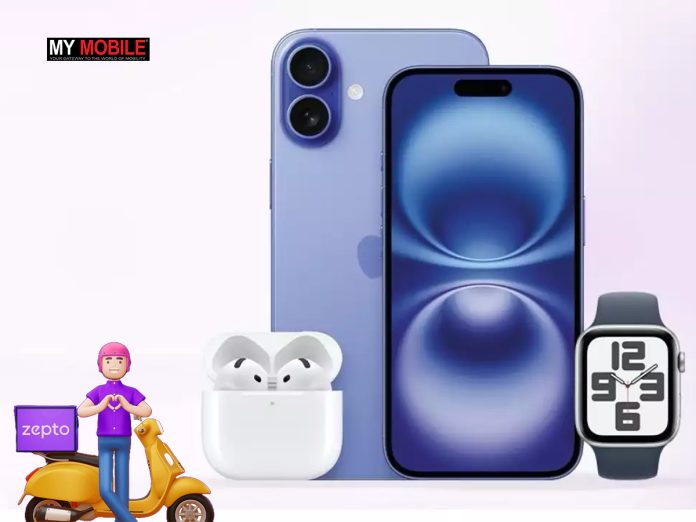
Caption – Zepto adds more Apple products in its 10-minute deliveries. (Image credit – Zepto)
The quick-commerce startup Zepto has expanded its electronics category by adding Apple products to its platform. This means customers can now order iPhones, AirPods, Apple Watches and more and have them delivered in just 10 minutes. Here’s what we know.
Apple Products Now Available on Zepto
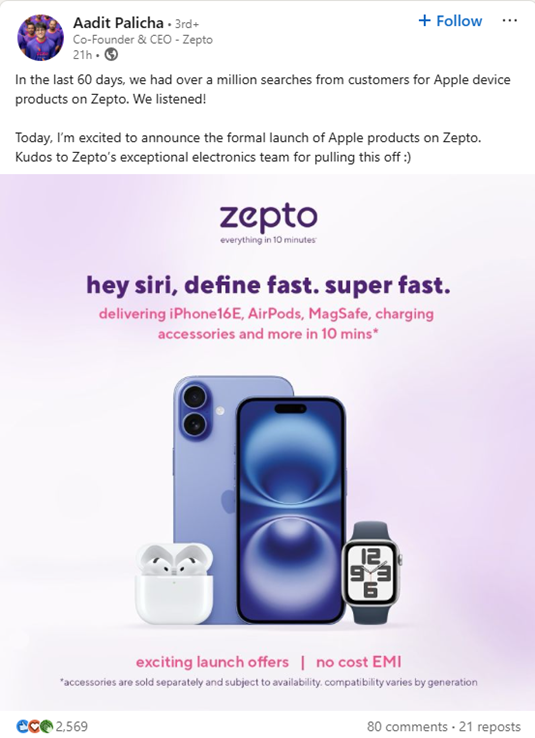
Zepto’s co-founder and CEO Aadit Palicha announced the news on LinkedIn stating that the decision came after noticing a surge in Apple-related searches on the platform.
Caption – Xepto co-founder and CEO Aadit Palicha’s LinkedIn Post.
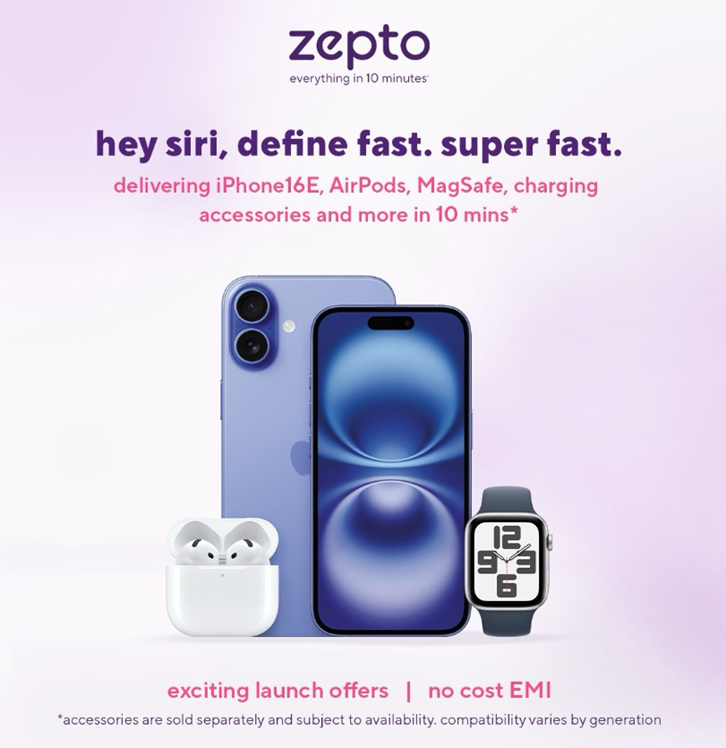
An image shared in his post revealed that Zepto is now offering the newly launched iPhone 16e, AirPods, MagSafe chargers and other Apple accessories in select locations across India. Customers can also enjoy launch offers and no-cost EMI options when purchasing these devices.
A quick search on Zepto’s platform shows that the product range extends beyond iPhones with iPads, Apple Pencils, Apple Watches, and Mac charging accessories also available. However, availability varies depending on location.
This isn’t the first time Zepto has offered Apple products for quick delivery.
Last year, the company, along with Blinkit and BigBasket, started delivering the iPhone 16 within 10 minutes across India on its official launch date, September 20, 2025, as reported by Business Standard.
Zepto Following Blinkit’s Lead
Zepto’s move comes after Blinkit took a similar step last month. Blinkit’s co-founder and CEO Albinder Dhindsa announced on X (formerly Twitter) that the platform would now deliver even more Apple devices including MacBook Air, iPads and iPhones.
New launch on Blinkit 🚨
You can now get MacBook Air, iPad, AirPods, Apple Watch, and other Apple accessories delivered in 10 minutes!
We’ve started delivering in – Delhi NCR, Mumbai, Hyderabad, Pune, Lucknow, Ahmedabad, Chandigarh, Chennai, Jaipur, Bengaluru and Kolkata! pic.twitter.com/Az3VJd3EoE
— Albinder Dhindsa (@albinder) February 27, 2025
Currently, Blinkit’s Apple deliveries are available in Delhi NCR, Mumbai, Hyderabad, Pune, Lucknow, Ahmedabad, Chandigarh, Chennai, Jaipur, Bengaluru and Kolkata. And now Zepto seems to be following suit.
With quick-commerce platforms stepping into premium tech deliveries, getting an iPhone at your doorstep in just 10 minutes might soon become the new normal.
FAQs
Q1. What Apple products can customers now order from Zepto?
Answer. Customers can order iPhones, AirPods, Apple Watches, MagSafe chargers, Apple Pencils, iPads, and Mac charging accessories, depending on their location.
Q2. How quickly does Zepto deliver Apple products?
Answer. Zepto has recently started delivering Apple products in just 10 minutes, depending on location.
Q3. Are there any special offers available when buying Apple products from Zepto?
Answer. Yes, customers can enjoy launch offers and no-cost EMI options for these devices.
Q4. Why has Zepto added Apple products recently?
Answer. The decision was based on a surge in Apple-related searches on Zepto’s platform, as noted by Zepto’s co-founder and CEO Aadit Palicha.
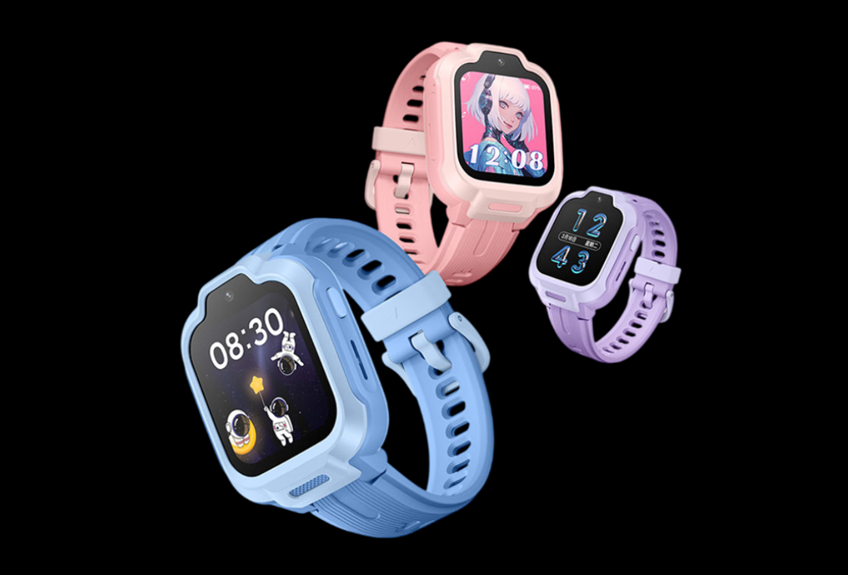
Redmi launches Its first Kids’ Smartwatch in China for 499 yuan (approx $69 or INR 5,976).
The smartwatch is equipped with a 1.68-inch display, 20-meter water resistance, video calls via a 5MP camera and a 950mAh battery providing up to three days of use.
Educational and Parental Control Features – Supports children’s WeChat with controlled messaging and payment management, including classroom modes, anti-addiction settings and educational apps.
Smartwatch is now available for reservation on JD.com and will go on sale starting March 24.
Caption – Redmi First Kids’ Smartwatch launched in China. (Image credit – Redmi)
Redmihas officially entered the kids’ smartwatch market with its first-ever wearable for children in China. It isn’t a surprising move. While the global smartwatch market struggled in 2024 seeing a 7% drop in shipments, the kids’ smartwatch segment is booming. Packed with features, the Redmi Kids Smartwatch is now available for reservation on JD.com and will go on sale starting March 24 for 499 yuan (approx $69 or INR 5,976). Here’s all we know about the newly unveiled device.
Xiaomi (MI) Redmi Children’s Watch – Key Features
The kid’s smartwatch sports a 1.68-inch display with a 360 x 390 resolution and 315 PPI pixel density, ensuring bright and clear visuals for texts, notifications, and educational content.
A 5MP front camera enables high-quality photos and smooth video calls, allowing parents to check in anytime and even see their child’s surroundings in real-time.
For seamless communication, it supports full-network 4G connectivity across all major Chinese carriers. Safety is a priority, with a nine-layer location tracking system combining GPS, Beidou, Wi-Fi, A-GPS, and AI positioning. Parents can access 90 days of location history and set up safety zones with instant alerts.
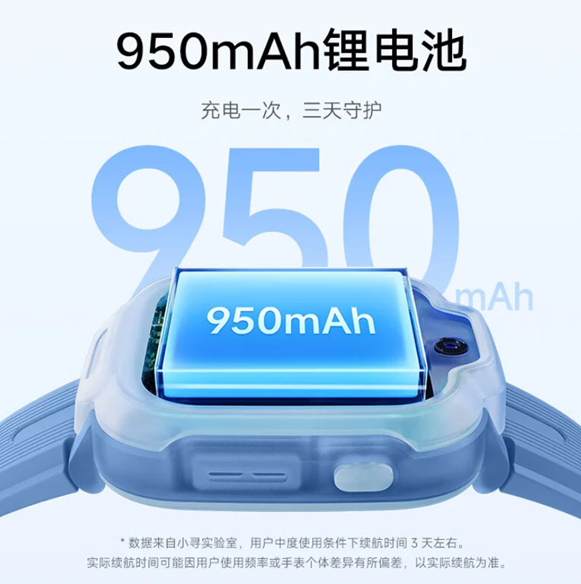
The watch is powered by a 950mAh high-energy-density lithium battery, offering up to three days of use per charge. It also features 20-meter water resistance, using professional-grade waterproofing and sealing techniques, perfect for everyday activities like handwashing or playing in the rain (though not suitable for showers or swimming).
Xiaomi (MI) Redmi Children’s Watch For Safe Social Interaction
The smartwatch supports children’s WeChat for controlled messaging and payment management features, allowing parents to limit or disable spending. It includes classroom modes and anti-addiction settings to help kids focus on their studies.
With over 170 reliability tests passed, the watch promises durability and safety.
It comes with 4GB of storage and supports educational apps for stories, music, math, English and logical thinking. Other features include customisable watch faces, a K12 exercise system with multiple sports modes and AES256 encryption for privacy protection.
FAQs
Q1. What are the communication features of the Redmi Kids Smartwatch?
Answer. The smartwatch supports full-network 4G connectivity, allowing for seamless communication across major Chinese carriers. It also features a 5MP front camera for high-quality photos and video calls, enabling parents to check in with their children and see their surroundings in real-time.
Q2. How does the Redmi Kids Smartwatch ensure the safety of children?
Answer. The watch incorporates a nine-layer location tracking system, combining GPS, Beidou, Wi-Fi, A-GPS, and AI positioning. Parents can access 90 days of location history and set up safety zones with instant alerts.
Q3. How long does the battery last on the Redmi Kids Smartwatch?
Answer. The watch is powered by a 950mAh high-energy-density lithium battery, offering up to three days of use per charge.
Q4. What educational features are included in the Redmi Kids Smartwatch?
Answer. The smartwatch supports educational apps for stories, music, math, English, and logical thinking. It also includes a K12 exercise system with multiple sports modes.
Q5. Does the Redmi Kids Smartwatch have parental control features?
Answer. Yes, the watch supports children’s WeChat with controlled messaging and payment management, allowing parents to limit or disable spending. It also includes classroom modes and anti-addiction settings to help kids focus on their studies.
DoT and WhatsApp are collaborating under Meta’s Scam Se Bacho initiative to tackle online scams.
Initiatives include educational content, train-the-trainer workshops and integrating scam-reporting tools with WhatsApp via the Sanchar Saathi portal.
Informational materials will be translated into regional languages like Hindi, Bengali, Tamil and more.
DoT and WhatsApp announce a joint initiative to tackle online scams. (Image credit -DoT/WhatsApp)
The Department of Telecommunications (DoT) has partnered with WhatsAppto expand Scam Se Bacho, Meta’s initiative aimed at tackling online scams and spam. As part of this effort, both organisations will conduct workshops, share informative content on WhatsApp and explore new ways to spread awareness about digital fraud.
Joel Kaplan, Chief Global Affairs Officer at Meta, recently met with the Union Minister of Communication and Development of the North East Region, Jyotiraditya Scindia, to discuss the progress of this collaboration.
Scam Se Bacho!
Union Minister Shri @JM_Scindia ji met Shri Joel Kaplan, @Meta’s Chief Global Affairs Officer, to discuss @DoT_India and Meta’s collaboration on digital safety.
WhatsApp joins forces to combat telecom misuse and curb digital frauds.
— Office Of JM Scindia (@Officejmscindia) March 18, 2025
Department of Telecommunications (DoT) and WhatsApp join forces to combat misuse of telecom resources with ‘Scam Se Bacho’ campaign against online scams and spam.
The partnership aims to enhance digital safety through training workshops and citizen awareness campaigns.
All user…
— DoT India (@DoT_India) March 18, 2025
Joel Kaplan (left), Chief Global Affairs Officer at Meta and the Union Minister of Communication and Development of the North East Region Jyotiraditya Scindia (Right). (Image credit – @Officejmscindia on X)
Commenting on the partnership, the Union Minister of Communication and Development of North East Region, Shri Jyotiraditya Scindia said, “As India advances on its path of digital transformation, ensuring the safety and security of our citizens remains a top priority. Our partnership with Meta strengthens this commitment to protect our people from fraudulent communications and cyber threats. By harnessing WhatsApp’s vast digital reach, we are strengthening efforts to ensure that our digital ecosystem remains secure and resilient for all.”
Meanwhile, Chief Global Affairs Officer, Meta, Joel Kaplan said, “The best way to stop people falling victim to scams and online fraud is to make sure they know what to look out for and what they can do to stay safe. That’s why Meta invests a great deal in technology and resources to try and stay ahead of the scammers and give people the information they need. By working with the Department of Telecommunications, we can combine our technological expertise with the government’s commitment to citizen safety and help give Indians the knowledge they need to stay safe.”
The initiative will include train-the-trainer workshops for DoT officials, Sanchar Mitras, Telecom Service Providers (TSPs), and field units. WhatsApp will also work with DoT’s Sanchar Saathi initiative to build citizen-friendly services on WhatsApp, making it easier for people to report fraud and secure their mobile connections.
The Sanchar Saathi portal already helps users report fraud calls and messages, track mobile connections, and block lost or stolen devices. Now, WhatsApp and DoT will develop easy-to-understand content to educate users on how to spot and report scams through the portal.
To make this information accessible to more people, DoT will translate these materials into multiple regional languages, including Hindi, Bengali, Marathi, Tamil, Telugu, Kannada, Malayalam and Gujarati.
FAQs
Q1. What is the objective of the collaboration between DoT and WhatsApp?
Answer. The partnership aims to combat online scams and spam through Meta’s Scam Se Bacho initiative by conducting workshops, sharing informative content, and raising digital awareness.
Q2. What Meta initiatives will be introduced to protect citizens against online scams?
Answer. Train-the-trainer workshops, integration of scam-reporting tools on WhatsApp via the Sanchar Saathi portal, and user-friendly content to spot and report scams will be introduced.
Q3. How will the Scam Se Bacho initiative ensure accessibility for a wider audience?
Answer. Informational materials will be translated into multiple regional languages, including Hindi, Bengali, Tamil, Telugu, Kannada, and Malayalam, to reach diverse users effectively.
Apple reportedly plans to debut its next-gen 5G modem the C2 chip in the iPhone 18 Pro and Pro Max models in 2026.
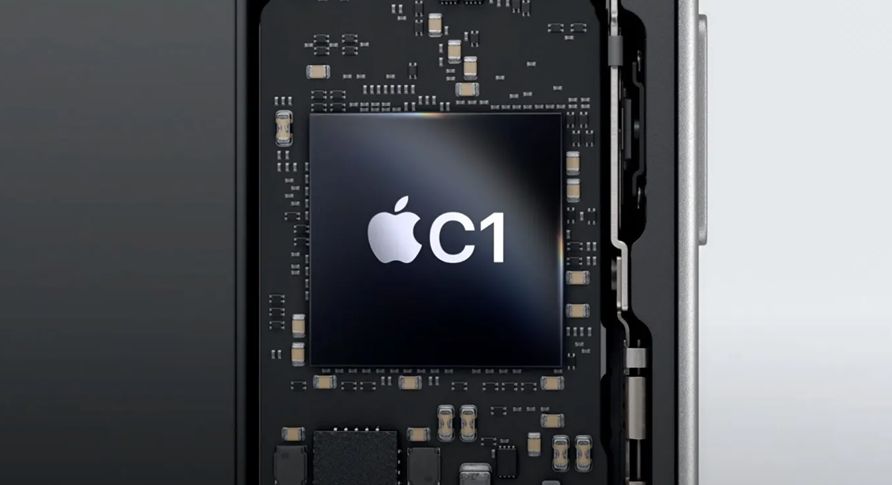
The C1 chip was introduced in the iPhone 16e and is more power-efficient than Qualcomm’s modems.
The non-Pro iPhone 18 models might continue with Qualcomm’s modems temporarily.
Recent reports hint at Apple’s plans for the next-gen in-house modem. (Image credit – Apple)
Apple took a big step this year by introducing its first in-house 5G modem the C1 Chip with the iPhone 16e. However, it seems the company is holding off on bringing its custom modem to flagship iPhones at least until next year.
Analyst Jeff Pu of GF Securities has backed up recent rumours stating that Apple is already working on a newer version of its modem the C2 Chip for the iPhone 18 Pro series. Here’s what we know so far.
Apple’s 5G Modem Plans for the iPhone 18 Pro
According to 9to5Mac in one of its recent reports, a note to investors seen by their team confirms Pu believes that Apple’s C2 modem will debut in the iPhone 18 Pro and iPhone 18 Pro Max in 2026. This aligns with an earlier Bloomberg report suggesting that the C2 chip will first appear in higher-end iPhones next year.
Apple’s C1 modem, which is already in the iPhone 16e, combines 4nm baseband technology with a 7nm transceiver. Early lab tests suggest it is more power-efficient than Qualcomm’s current 5G modems.
Pu also mentioned that Apple hopes to use the C1 chip in the ultra-thin iPhone 17 Air later this year, though there’s still a chance the company might stick with Qualcomm’s modem instead.
It remains unclear whether the base iPhone 18 will also get Apple’s C1 modem while the C2 remains exclusive to the Pro models, or if the non-Pro iPhones will continue using Qualcomm’s modems for another year.
Since the modem is a crucial component for connectivity, Apple likely wants to ensure that its in-house technology is fully ready before replacing Qualcomm’s solution. While tests indicate that the C1 modem delivers comparable speeds to Qualcomm’s modems in most cases, it still doesn’t support high-speed 5G mmWave connectivity.
FAQs
Q1. When will Apple introduce its next-gen 5G modem the C2 chip?
Answer. The C2 chip is expected to debut in the iPhone 18 Pro and Pro Max models in 2026.
Q2. What are the key features of Apple’s C1 modem in the iPhone 16e?
Answer. The C1 modem combines 4nm baseband technology with a 7nm transceiver, and is more power-efficient than Qualcomm’s modems, but lacks high-speed 5G mmWave support.
Q3. Will non-Pro iPhone models get Apple’s in-house modem?
Answer. It is unclear if the base iPhone 18 models will receive the C1 modem, while the C2 chip will remain exclusive to Pro models. Non-Pro models may still use Qualcomm modems.