Home Blog Page 225

ChatGPT Can Now Replace Gemini as Your Default AI Assistant on Android

0

Highlights

  • Android users can now set ChatGPT as their default AI assistant via the latest beta update.
  • It will replace Google’s Gemini, though integration isn’t fully seamless yet.
  • Meanwhile, Gemini will replace Google Assistant on most Android devices later in 2025
  • Google’s updates to Gemini include improved features like lockscreen access and device controls.

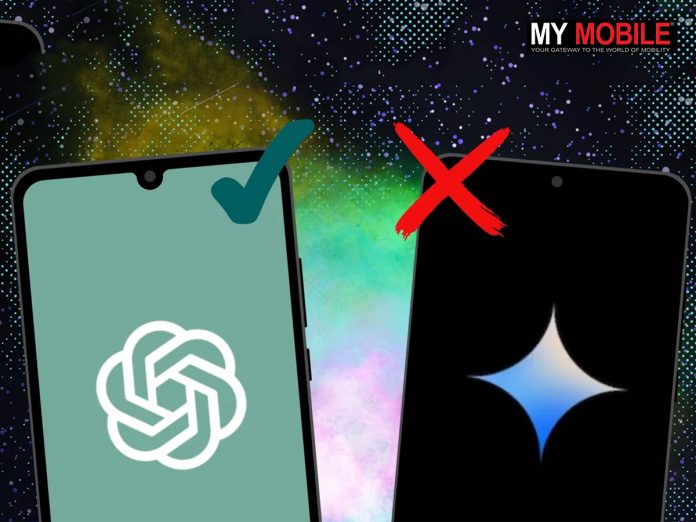
Android users now have another option when choosing their default AI assistant. The latest beta update for the ChatGPT app allows it to be set as the primary assistant, replacing Google’s Gemini if desired. Here’s what we know.

ChatGPT as a Default AI Assistant on Android
image
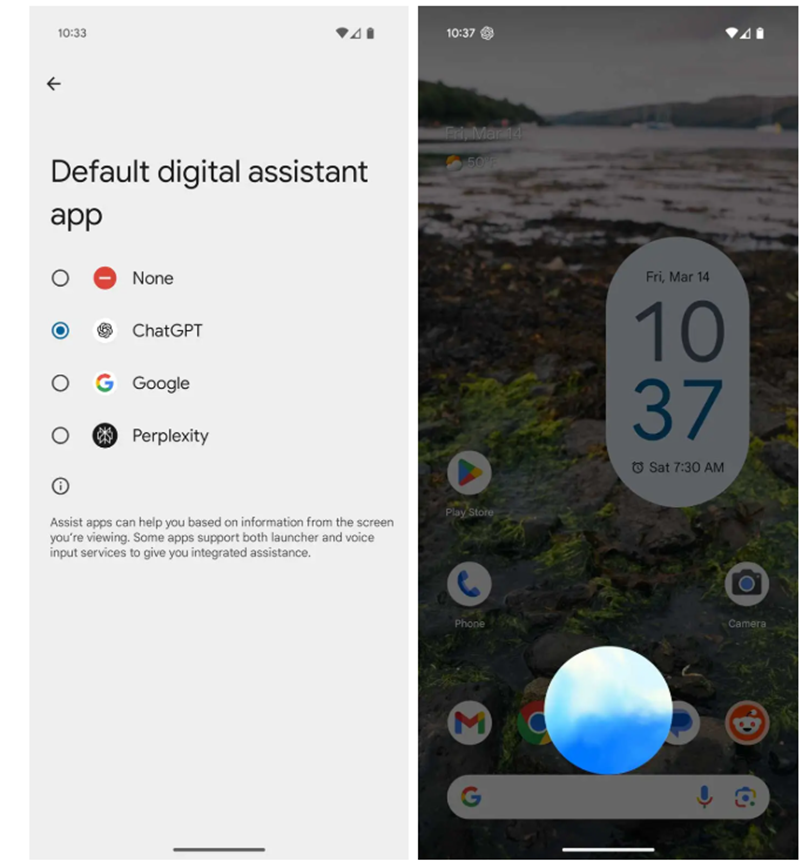
Android users would soon be able tp choose ChatGPT as their default AI assistant. (Image credit – 9to5Google)

If you’re happy with Gemini, you might not feel the need to change anything. But for those who prefer a different AI experience, Android lets you swap out the assistant activated by long-pressing the power button or swiping up from the corner of the screen.

Several AI assistants including Gemini and Perplexity already support this feature. Now, with the beta release of ChatGPT version 1.2025.070, OpenAI’s model joins the list. If you install the latest beta, you’ll find ChatGPT listed as an option in the default digital assistant settings.

How It Works?

As of now, ChatGPT’s integration isn’t as seamless as Gemini or even Perplexity. When you activate it using the power button shortcut, ChatGPT initially tries to open in full chat mode before switching to an overlay, a mode preferred for quick interactions.

This overlay is the same one introduced with the new Quick Settings shortcut earlier in 2025.

Google Assistant’s Exit in 2025
image
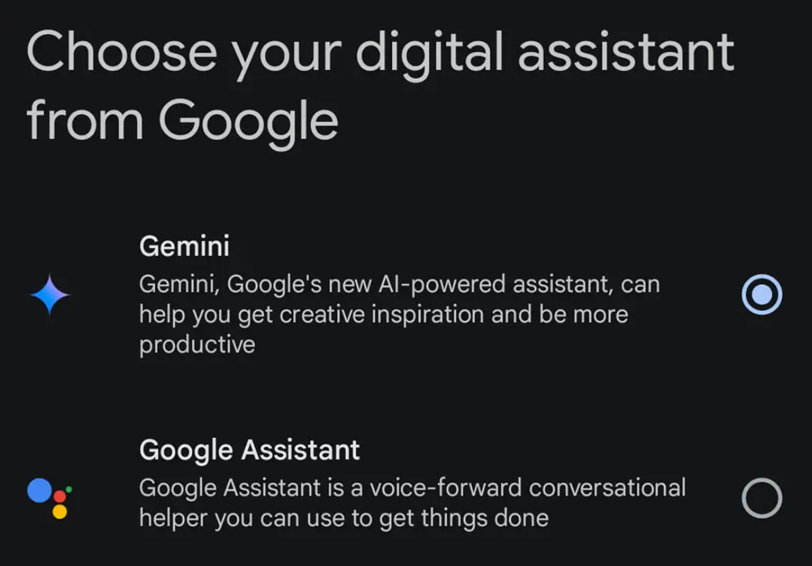
Google announced that “classic Google Assistant will no longer be accessible on most mobile devices.” (Image credit – 9to5Google)

Meanwhile, Google has announced that Gemini will fully replace Google Assistant on most Android phones later in 2025.

According to Google, the transition comes after various updates to Gemini, including Deep Research and other improvements. Users will receive an official date soon, but those still using Assistant will begin seeing upgrade prompts in the coming months.

There are a few exceptions such as devices running Android 9 or earlier with less than 2GB of RAM will retain the old Assistant experience.

This shift follows major Android brands like Pixel, Samsung, OnePlus, and Motorola making Gemini their default assistant in recent phone launches. Google states that “millions of people have already made the switch.”

When Gemini first launched in February 2024, it lacked many core Assistant features. Since then, Google has been working to close the gap by adding lockscreen access and device control utilities.

Beyond phones, Google confirmed that Gemini will also roll out to smartwatches, cars, tablets, and headphones. We’ve already seen Gemini take over Google Assistant on Pixel Buds, and signs suggest it’s coming to Wear OS watches soon.

Additionally, Google is developing a new Gemini-powered experience for smart speakers, displays, and TVs. Testing is already underway on the Nest Mini and Nest Audio, while a TV integration was previewed earlier this year. More details are expected in the coming months.

FAQs

Q1. Can ChatGPT replace Google’s Gemini as the default AI assistant on Android?

Answer. Yes, with the latest beta update (version 1.2025.070), ChatGPT can be set as the default AI assistant on Android, replacing Gemini.

Q2. When will Google Assistant be replaced by Gemini on Android devices?

Answer. Google has announced that Gemini will fully replace Google Assistant on most Android devices later in 2025, with upgrade prompts starting soon.

Q3. What devices will Gemini be available on besides smartphones?

Answer. Gemini will expand to smartwatches, TVs, smart speakers, tablets, cars, headphones, and more, with testing already underway on Nest devices and Wear OS watches.

Also Read: ChatGPT App for iPhone Arrives in India; US Users Complain of Battery Drainage & Overheating – Check List of Countries with ChatGPT App on iOS

Also Read: Android 16 Beta 2 Update: New Camera Features, Eligible Devices & Release Timeline
Sony Unveils Next-Gen Display With Advanced RGB LED Technology

0

Highlights

  • Sony’s next-gen display system features independently RGB LEDs and advanced backlight technology.
  • The display achieves 99% DCI-P3 and ~90% ITU-R BT.2020 color space coverage, supports peak brightness of 4000 cd/m² and improves upon OLED’s limitations with wide dynamic range.
  • The tech is expected to launch in 2025 and will be integrated into TVs and professional displays.
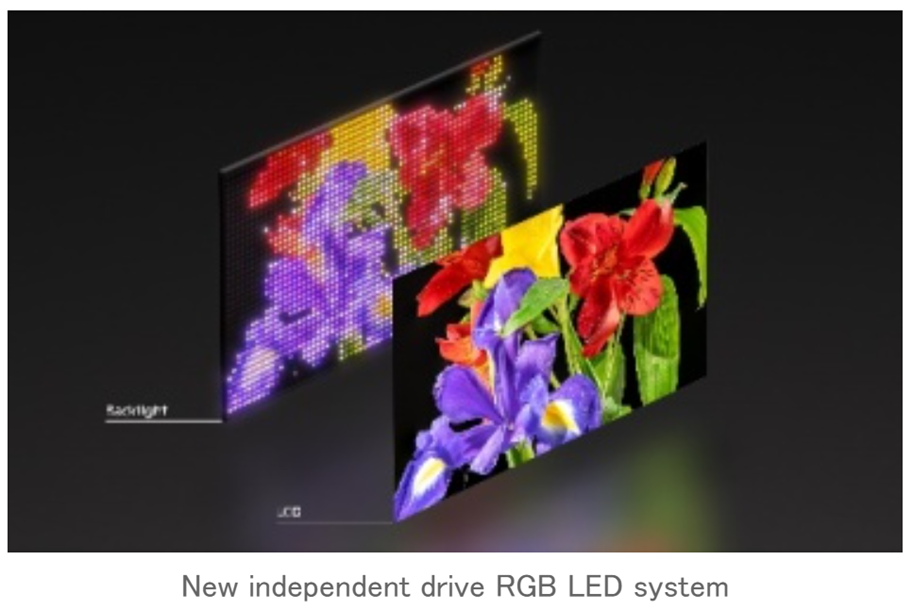
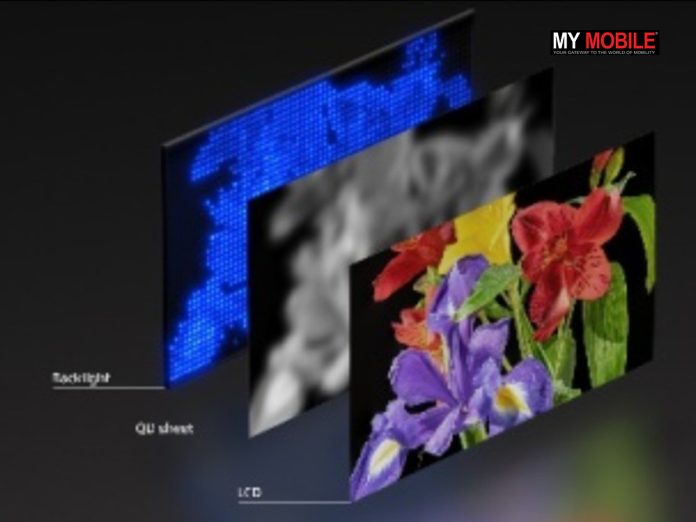
Sony’s new independent RGB LED system introduced officially. (Image credit – Sony)

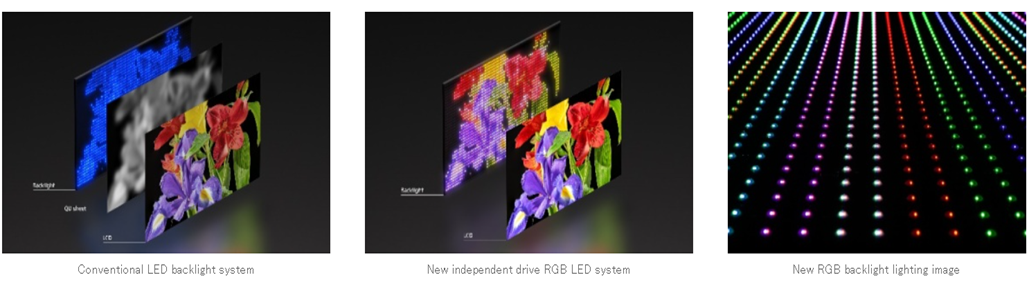
Sony has introduced a next-generation display system featuring independently driven RGB LEDs with a high-density backlight. This setup allows the red, green and blue lights to function separately, enhancing color purity and expanding the colour range for more vibrant images, especially on large screens.

Sony’s proprietary advanced backlight control technology ensures accurate colour reproduction and smooth light gradations across the display. This is particularly important for cinematic content where subtle colours, deep blacks and precise lighting play a key role in storytelling.

Sony emphasised that this system is designed to reflect creators’ original vision, making it ideal for both professional film production and home entertainment. The company has long supported creators through its professional monitors used for colour grading and BRAVIA TVs as reference displays, and this new development builds on that expertise.

Sony said, “[They] will continue to expand the possibilities of visual expression through cutting-edge technology, building the future of entertainment together with creators.

Sony’s New Display System – Key Features

Wide Colour Gamut Performance

image

The display covers over 99% of the DCI-P3 color space and about 90% of the ITU-R BT.2020 standard with the independent RGB LED design. This results in highly accurate and vivid colors.

Advanced Backlight Control for High Picture Quality

Sony’s backlight technology works with the RGB LED system to optimise color reproduction across large screens. A dynamic power allocation function adjusts the brightness of each RGB channel based on the scene, maintaining a balance between luminance and gradation.

Unlike conventional TVs that tend to over-brighten elements like stars or the moon in dark scenes, Sony’s approach ensures that single-color scenes like deep blue skies or rich autumn foliage are displayed with stunning detail. The system also achieves peak brightness above 4000 cd/m², setting a new benchmark for Sony displays.

Wide Dynamic Range and Smooth Gradation

Processing at 96 bits with high speed and precision, the system delivers deep blacks, bright whites, and seamless mid-tones. It also improves on OLED’s limitations by rendering moderately bright, saturated colors more accurately. Additionally, the display maintains wide viewing angles with minimal color shift or brightness loss.

Accurate Colour Reproduction

A dedicated control processor ensures that densely packed RGB LEDs function efficiently, preventing white clipping in bright areas and black crushing in dark ones. With twice the processing power of traditional local dimming technology, the system captures subtle color variations more accurately than ever before.

Sony’s Industry Collaborations and New Display Tech’s Availability

To bring this display to market, Sony is collaborating with key partners including MediaTek Inc. known for its Pentonic SoCs in smart TVs on control processors, ROHM Co., Ltd. on LED drive ICs and Sanan Optoelectronics Co., Ltd. on LED development.

As for the mass production of the new display system, it is expected to begin in 2025 with Sony planning to integrate it into both consumer televisions and professional content creation displays.

FAQs

Q1. What is the key feature of Sony’s next-gen display technology?

Answer. Sony’s next-gen display uses independently driven RGB LEDs with advanced backlight technology, enhancing color purity, dynamic range, and smooth light gradations.

Q2. What color space coverage does the new Sony display achieve?

Answer. The display covers over 99% of the DCI-P3 color space and about 90% of the ITU-R BT.2020 standard, ensuring highly accurate and vivid colors.

Q3. When will Sony’s new display system be available?

Answer. Mass production is expected to begin in 2025, and the system will be integrated into both consumer televisions and professional content creation displays.

Also Read: LG Channels: LG Smart TVs Get 100+ Free Channels in India

Redmi Note 14S Launched – A Phone Featuring Familiar Specs

0

Highlights

  • Redmi Note 14S launched for mid-range users in Central and Eastern Europe.
  • It is reportedly a rebranded Redmi Note 13 Pro 4G model with minor updates.
  • Key features – 6.67-inch AMOLED FHD+ display, Helio G99 Ultra processor, 200MP main camera, 5,000mAh battery with 67W fast charging and optical under-display fingerprint scanner.
  • The phone is priced around $260/€240/INR 22,606 (8GB+256GB variant).
  • It is available in Blue, Purple and Black colours.
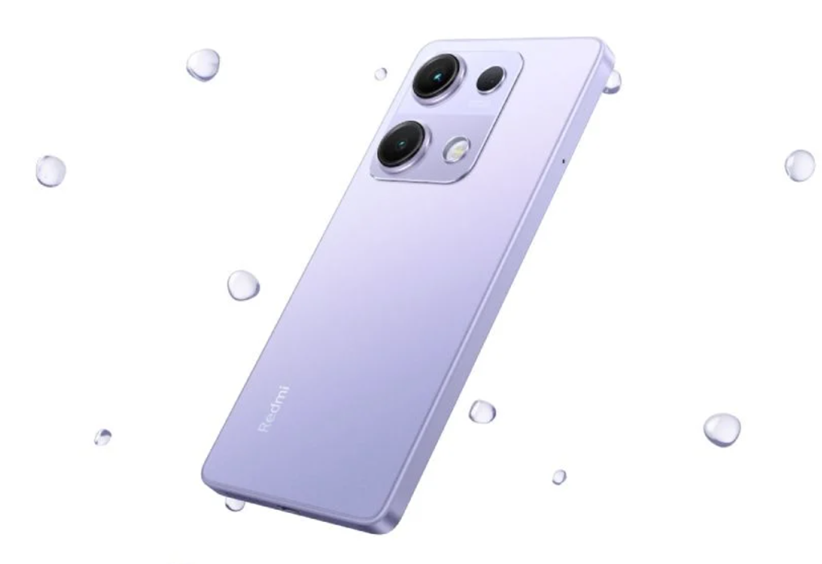
image
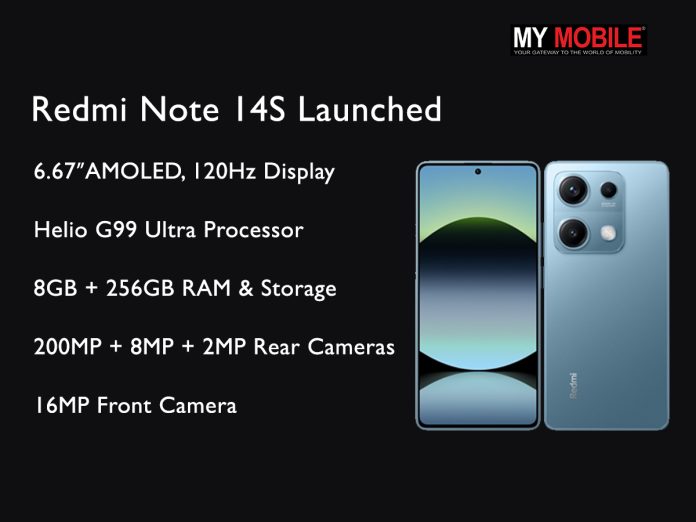
Redmi Note 14S launched in Central and Eastern Europe. (Image credit – Redmi)

Xiaomi has officially launched the Redmi Note 14S in Central and Eastern Europe. The phone is now listed on Xiaomi’s Czech Republic website, confirming its details. Here’s what we know about the phone.

Redmi Note 14S – A Familiar Phone

At first glance, the Redmi Note 14S might seem like a brand-new model, but it’s actually a rebranded Redmi Note 13 Pro 4G, which was first introduced in January last year. The only noticeable difference is a slightly updated back design.

Aside from that, the specs remain unchanged, except for a minor weight reduction. The Note 14S is 179 grams, making it slightly lighter than its predecessor’s 188 grams.

Redmi Note 14S – Key Specs and Features

image
Redmi Note 14S features a 200MP main sensor with 8MP ultrawide and 2MP macro sensor. (Image credit – Redmi)

The phone sports a 6.67-inch AMOLED display with an FHD+ resolution, a smooth 120Hz refresh rate, and Corning Gorilla Glass protection. Under the hood, it runs on MediaTek’s Helio G99 Ultra processor, paired with 8GB of RAM and 256GB of storage.

However, the Helio G99 is a 4G-only chipset, so there’s no 5G support here. Interestingly, Xiaomi hasn’t specified which version of its HyperOS software the phone comes with.

For cameras, the Redmi Note 14S features a 200MP main sensor, an 8MP ultrawide lens, and a 2MP macro camera. On the front, there’s a 16MP selfie shooter.

A 5,000mAh battery powers the device, supporting 67W fast charging. The phone also comes with an optical under-display fingerprint scanner. One small but useful upgrade is improved water and dust resistance, now rated at IP64 instead of last year’s IP54.

Overall, though, this is essentially the same phone as the Redmi Note 13 Pro 4G.

Redmi Note 14S – Price and Availability

image

image
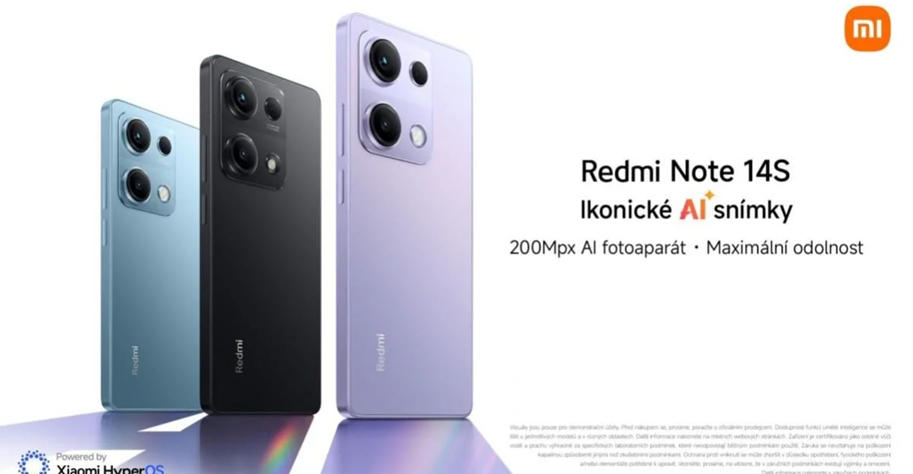
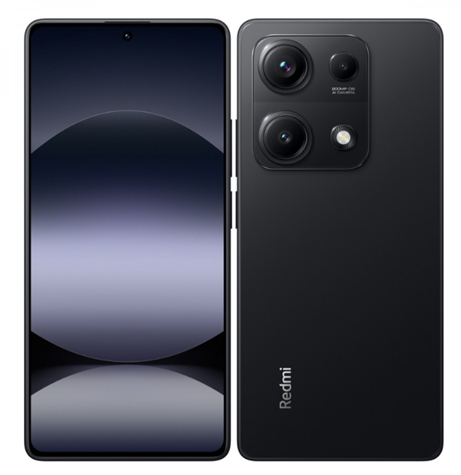
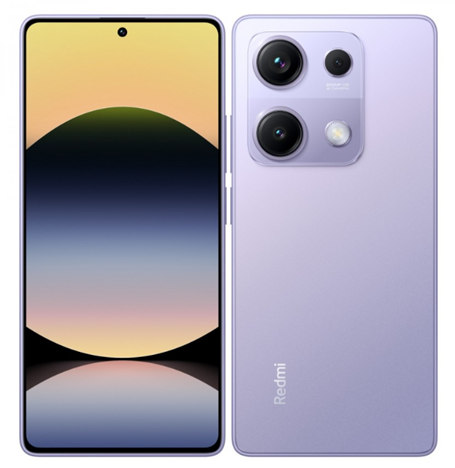
Redmi Note 14S colour variants. (Image credit – Redmi)

The Redmi Note 14S is available in Blue, Purple, and Black colour options. Pricing varies by country, which is as follows –

  • Ukraine – UAH 10,999
  • Czechia – CZK 5,999
  • Global Estimate – $260 / €240 / INR 22,606 (for the 8GB RAM + 256GB storage variant)

While the Redmi Note 14S doesn’t bring many changes, it still offers solid specs for those looking for a capable mid-range device.

FAQs

Q1. How is Redmi Note 14S different from the Redmi Note 13 Pro 4G?

Answer. The Redmi Note 14S is essentially a rebranded version of the Redmi Note 13 Pro 4G. It features minor updates such as a redesigned back, a reduced weight (179g vs. 188g), and improved water and dust resistance (IP64 instead of IP54).

Q2. What are the key specifications of the Redmi Note 14S?

Answer. The phone includes a 6.67-inch AMOLED FHD+ display with a 120Hz refresh rate, a MediaTek Helio G99 Ultra processor, 8GB of RAM, 256GB of storage, a 200MP main camera, a 5,000mAh battery with 67W fast charging, and an optical under-display fingerprint scanner. However, it lacks 5G support.

Q3. What is the battery capacity and charging speed of the Redmi Note 14S?

Answer. The device is powered by a 5,000mAh battery and supports 67W fast charging.

Q4. In which colours is the Redmi Note 14S available?

Answer. The phone comes in Blue, Purple, and Black colour options.

Q5. What is the water and dust resistance rating of the Redmi Note 14S?

Answer. The phone has an IP64 rating, an improvement over the Redmi Note 13 Pro 4G’s IP54 rating.

Also Read: Redmi Note 14 5G Gets a Limited-Time Holi Discount in India

Also Read: Xiaomi Unveils Watch S4, Buds 5 Pro, Smart Band 9 Pro, and Electric Scooter 5 Max at MWC 2025

Apple to Bring Live Translation Feature to AirPods with iOS 19 Update

0

Highlights

  • Apple’s iOS 19 update will introduce live translation for AirPods enabling real-time conversations between different languages.
  • It’s unclear if the feature will support older AirPods models.
  • iOS 19 update will also bring a design overhaul for consistency across Apple platforms.
  • Apple is also exploring future AirPods features like integrated AI cameras.
image
Live Translation Feature will soon be added to Apple AirPods with iOS 19 Update. (Image credit – Apple)

Apple’s next iOS 19 update is just a few months away and it appears Apple is working on a live translation feature for AirPods. According to a recent Bloomberg report, this new capability will allow AirPods to translate real-time conversations between different languages, making communication easier for users.

Here’s everything we know about the feature so far.

Live Translation Coming to AirPods with iOS 19

Bloomberg’s trusted Apple reporter Mark Gurman, citing sources familiar with the matter, recently reported that AirPods will be able to translate a live “in-person conversation” from one language to another. This feature will roll out later this year as part of the iOS 19 update and will work with current AirPods models.

For example, if an English-speaking user is listening to someone speaking in another language, the AirPods’ microphones will pick up the speech, and the iPhone will automatically translate it.

The iPhone will also translate English speech into the other language in real time, enabling smooth back-and-forth communication.

It’s still unclear whether this feature will be limited to the latest AirPods Pro or if older models will also support it. Last year, Apple introduced new hearing health features for the second-generation AirPods Pro with iOS 18, so there’s a possibility the translation feature could be exclusive to newer models.

Other wearables such as Google’s Pixel Buds Pro 2 and Samsung’s Galaxy Buds3 and Buds3 Pro already support similar features.

Apple’s Plans for iOS 19 and AirPods

Bloomberg also reported that iOS 19 will bring a major design update, aiming to make the interface more consistent across iOS, macOS, and visionOS. Apple also plans to “simplify the way users navigate and control their devices.”

Moreover, Apple has been exploring the idea of integrating cameras into future AirPods. These cameras could enable AI-powered features like Visual Intelligence, potentially allowing users to access smart features without taking their iPhone out of their pocket.

However, this technology is still in the early stages of development.

As of now, live translation in AirPods looks set to be one of the standout features of iOS 19, which will make Apple’s wireless earbuds even more useful for travelers and multilingual conversations.

FAQs

Q1. What is the live translation feature coming to AirPods?

Answer. The live translation feature, introduced with iOS 19, enables AirPods to translate real-time conversations between different languages. The AirPods’ microphones will capture the speech, and the iPhone will automatically translate it, facilitating smooth back-and-forth communication.

Q2. Will all AirPods models support the live translation feature?

Answer. It is unclear whether older AirPods models will support the feature. Like previous updates, it is possible that the live translation feature could be exclusive to newer models, such as the second-generation AirPods Pro.

Q3. What other features and updates are coming with iOS 19?

Answer. In addition to live translation, iOS 19 will introduce a major design overhaul for consistency across iOS, macOS, and visionOS. Apple is also exploring potential future AirPods features, such as integrated cameras for AI-powered capabilities.

Also Read: Apple M4 MacBook Air on Sale for Just ₹89,900

Also Read: Apple’s HomePod Delayed Until After WWDC Due to iOS 19 Redesign

Apple To Bring End-to-End Encryption to Android-to-iPhone RCS Messaging

0

Highlights

  • Apple plans to integrate end-to-end encryption into RCS messaging on iPhones.
  • It enhances security for cross-platform communication between Android and iPhone users.
  • Apple alongside the GSM Association played a significant role in developing the RCS Universal Profile 3.0, which now includes encryption.
image
Apple announces that Android-to-iPhone RCS messages will soon be end-to-end encrypted. (Image credit – Apple)

Apple has announced that it will add support for end-to-end encryption in RCS messaging on iPhones. This move, in collaboration with the GSM Association, brings RCS closer to iMessage in terms of security.

The latest RCS Universal Profile 3.0, which includes end-to-end encryption, was just released today. However, Apple hasn’t confirmed exactly when it will roll out this update to users. The company played a key role in leading a cross-industry effort to bring this security feature to the RCS Universal Profile.

Apple first introduced RCS support to iPhones with iOS 18.1 last fall. RCS improves messaging between iPhone and Android users by replacing traditional SMS with a more modern standard. It includes features like typing indicators, emoji reactions, read receipts, and support for higher-resolution photos and videos.

Until now, the RCS Universal Profile didn’t support end-to-end encryption, meaning messages sent through it weren’t as secure as those on iMessage. But with this new update, Apple has committed to integrating encryption into its ecosystem.

In a statement to 9to5Mac, Apple said, “End-to-end encryption is a powerful privacy and security technology that iMessage has supported since the beginning, and now we are pleased to have helped lead a cross industry effort to bring end-to-end encryption to the RCS Universal Profile published by the GSMA. We will add support for end-to-end encrypted RCS messages to iOS, iPadOS, macOS, and watchOS in future software updates.”

Meanwhile, reiterating commitment to secure messaging experience, Google said, “We’ve always been committed to providing a secure messaging experience, and Google Messages users have had end-to-end encrypted (E2EE) RCS messaging for years. We’re excited to have this updated specification from GSMA and work as quickly as possible with the mobile ecosystem to implement and extend this important user protection to cross-platform RCS messaging.”

Apple’s commitment to this update is a big step in improving the security of cross-platform messaging.

For those unfamiliar, end-to-end encryption ensures that only the sender and recipient can read messages. The decryption keys stay on users’ devices preventing any intermediaries from accessing the conversations. iMessage has had this level of security since its launch and now RCS messages will soon get the same protection.

FAQs

Q1. What is end-to-end encryption and how does it enhance messaging security?

Answer. End-to-end encryption ensures that only the sender and recipient can read messages. The decryption keys stay on users’ devices, preventing any intermediaries from accessing the conversations.

Q2. What role has Apple played in improving the security of RCS messaging?

Answer. Apple played a key role in leading a cross-industry effort to bring end-to-end encryption to the RCS Universal Profile. The company collaborated with the GSM Association to include encryption in the newly released RCS Universal Profile 3.0.

Q3. What features does RCS provide compared to traditional SMS?

Answer. RCS improves messaging by including features like typing indicators, emoji reactions, read receipts, and support for higher-resolution photos and videos. It replaces traditional SMS with a more modern and secure standard.

Also Read: Apple’s HomePod Delayed Until After WWDC Due to iOS 19 Redesign

Also Read: Apple Unveils 8 New Emojis for iPhones in iOS 18.4 Update

Oppo A5 Pro (4G) Launched in Malaysia – Features Snapdragon 6s Gen 1, 5800mAh Battery and Military-Grade Durability

0

Highlights

  • Oppo launched budget-friendly smartphone Oppo A5 Pro (4G) in Malaysia.
  • Key specifications – Features a 6.67-inch HD+ LCD, Snapdragon 6s Gen 1 chipset, 8GB RAM, 256GB storage, IP69 rating and dual-camera setup with a 50MP main sensor.
  • Available in Mocha Brown and Olive Green for RM 899 (approx $200 or INR 17,409) in Malaysia.
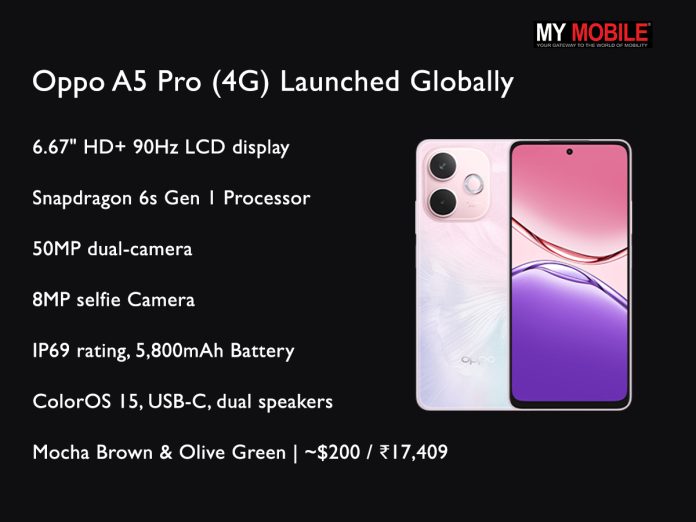
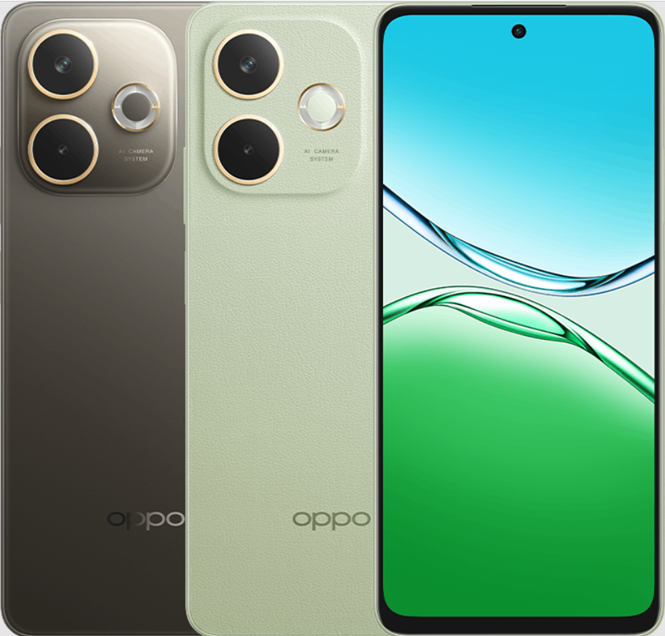
image
Oppo A5 Pro (4G) officially unveiled in Malaysia. (Image credit – Oppo)

Oppo has launched the 4G variant of the Oppo A5 Pro in Malaysia, following the release of its 5G model in China and the global market. This budget-friendly smartphone stands out with rugged durability and a massive battery, making it a solid choice for users who need a tough and long-lasting device. Here’s all we know about the phone.

Oppo A5 Pro (4G) – Specifications & Features

The Oppo A5 Pro (4G) features a 6.67-inch HD+ LCD display with a 90Hz refresh rate and 1000 nits peak brightness for better outdoor visibility. Under the hood, it runs on the Snapdragon 6s Gen 1 chipset (built on an 11nm process), paired with 8GB of LPDDR4X RAM and 256GB of UFS 2.1 storage.

One of its biggest highlights is its IP69 rating, making it highly resistant to water and dust. It can survive submersion in water up to 1.5 meters for 30 minutes and has passed 14 military-grade durability tests, ensuring better protection against accidental drops.

The phone is powered by a 5,800mAh battery with 45W fast charging, promising long-lasting performance.

For photography, the dual-camera setup includes a 50-megapixel main sensor and a 2-megapixel monochrome depth sensor. On the front, there’s an 8-megapixel selfie camera for video calls and selfies.

Other features include dual SIM support, Wi-Fi 5, Bluetooth 5.0, dual speakers, a USB-C port and a side-mounted fingerprint scanner. The phone runs ColorOS 15 based on Android 15 out of the box.

Oppo A5 Pro (4G) – Price & Availability

The Oppo A5 Pro (4G) comes in Mocha Brown and Olive Green colour variants. The phone is priced at RM 899 (approx $200 or INR 17,409) for the 8GB + 256GB variant.

For those looking for a 5G option, the Oppo A5 Pro 5G is also available in Malaysia with the same 8GB + 256GB configuration, priced at RM 1,099 (approx $250 or INR 21,762).

Oppo A5 Pro (4G) Full Specifications

Specification Details
Display 6.67-inch HD+ LCD, 90Hz refresh rate, 1000 nits peak brightness
Processor Snapdragon 6s Gen 1 (11nm)
RAM & Storage 8GB LPDDR4X RAM, 256GB UFS 2.1 storage
Rear Camera 50MP (main) + 2MP (depth)
Front Camera 8MP selfie camera
Battery 5,800mAh, 45W fast charging
Durability IP69 rating, military-grade durability
Operating System ColorOS 15 (Android 15)
Connectivity Dual SIM, Wi-Fi 5, Bluetooth 5.0, USB-C
Audio Dual speakers
Colors Mocha Brown, Olive Green
Price ~$200 / ₹17,409

FAQs

Q1. What is the screen size and display type of the Oppo A5 Pro (4G)?

Answer. The Oppo A5 Pro (4G) features a 6.67-inch HD+ LCD display with a 90Hz refresh rate and 1000 nits peak brightness.

Q2. What chipset powers the Oppo A5 Pro (4G)?

Answer. The Oppo A5 Pro (4G) runs on the Snapdragon 6s Gen 1 chipset, built on an 11nm process.

Q3. What is the battery capacity and charging speed of the Oppo A5 Pro (4G)?

Answer. The phone is powered by a 5,800mAh battery with 45W fast charging.

Q4. What are the camera specifications of the Oppo A5 Pro (4G)?

Answer. The Oppo A5 Pro (4G) has a dual-camera setup with a 50-megapixel main sensor and a 2-megapixel monochrome depth sensor. It also has an 8-megapixel front camera for video calls and selfies.

Q5. What is the price and availability of the Oppo A5 Pro (4G) in Malaysia?

Answer. The Oppo A5 Pro (4G) is priced at RM 899 (approx $200 or INR 17,409) for the 8GB + 256GB variant and is available in Mocha Brown and Olive Green.

Also Read: OPPO India Introduces the Sky Blue Variant to the Reno13 Series

Also Read: OPPO A5 Pro 4G Launched with Snapdragon 6s Gen 1, 5800mAh Battery

OnePlus Pad 2 Pro Specs Revealed – Snapdragon 8 Elite, 10,000mAh Battery and 80W Charging

0

Highlights

  • OnePlus Pad 2 Pro launch is set for H1 2025 in China.
  • Expected specifications – Snapdragon 8 Elite, with a 13.2-inch 3.4K LCD screen, 16GB RAM, up to 1TB storage, 10,000mAh battery and 80W fast charging.
  • It most likely will feature an 8-megapixel front camera and a 13-megapixel rear camera.
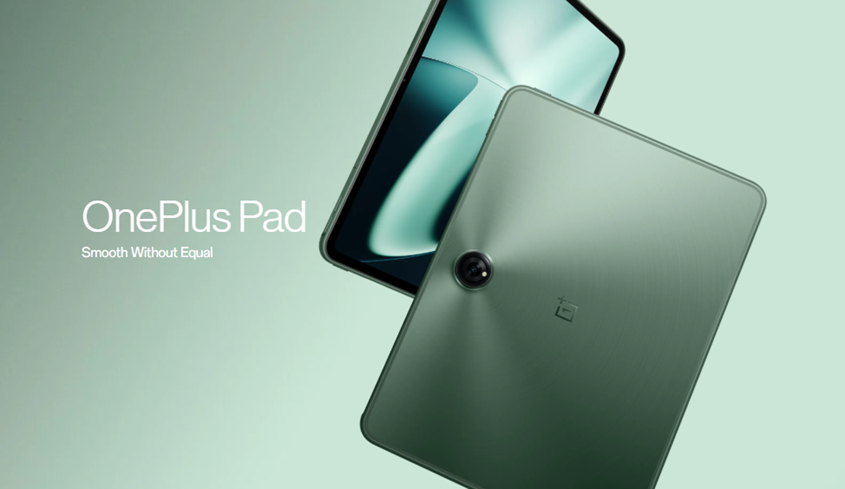
image
OnePlus Pad 2 Pro details leaked. (Image credit – OnePlus)

A new leak from tipster Digital Chat Station has revealed key details about the upcoming OnePlus Pad 2 Pro, which is set to launch in H1 2025 in China. This flagship tablet will join the ranks of the Oppo Pad 4 Pro, Vivo Pad 4 Pro and Xiaomi Pad 7s Pro, all expected to hit the market this year.

Here’s what we know about the device based on recent leaks.

OnePlus Pad 2 Pro – Expected Specifications

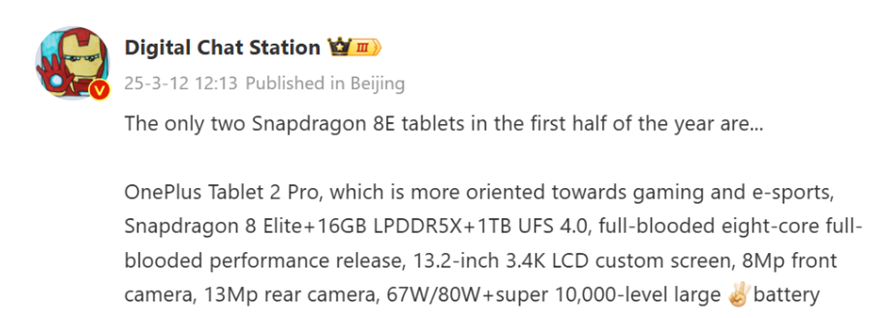
image
Tipster DCS’s recent Weibo post. (Translated via Google Translate)

According to Tipster Digital Chat Station, the OnePlus Pad 2 Pro will be powered by the Snapdragon 8 Elite chipset, making it one of the most powerful tablets in the market.

It will feature a large 13.2-inch custom LCD screen with a 3.4K resolution, designed to enhance gaming and multimedia experiences.

Under the hood, the tablet will pack 16GB of LPDDR5X RAM and up to 1TB of UFS 4.0 storage, ensuring smooth multitasking and ample space for files and apps. Keeping it running will be a massive 10,000mAh battery, with support for 67W or 80W fast charging.

For optics, the OnePlus Pad 2 Pro will come with an 8-megapixel front camera for video calls and selfies, while the 13-megapixel rear camera will handle photography and document scanning.

OnePlus Pad 2 Pro – Similarities with Oppo Pad 4 Pro

OnePlus previously launched the OnePlus Pad Pro in June 2024, powered by the Snapdragon 8 Gen 3. Shortly after, Oppo introduced the Oppo Pad 3 Pro, featuring the Snapdragon 8 Gen 3 Leading Edition but otherwise sharing similar specs.

Given this history, the Oppo Pad 4 Pro and OnePlus Pad 2 Pro are expected to be quite similar. Leaks suggest the Oppo Pad 4 Pro will also have a 13.2-inch LCD display, Snapdragon 8 Elite chipset, and 80W charging support.

FAQs

Q1. When is the OnePlus Pad 2 Pro expected to launch?

Answer. The OnePlus Pad 2 Pro is set to launch in H1 2025 in China.

Q2. What are the key specifications of the OnePlus Pad 2 Pro?

Answer. The OnePlus Pad 2 Pro will be powered by the Snapdragon 8 Elite chipset, featuring a 13.2-inch 3.4K LCD screen, 16GB RAM, up to 1TB of storage, a 10,000mAh battery, and 80W fast charging support.

Q3. What are the camera features of the OnePlus Pad 2 Pro?

Answer. The OnePlus Pad 2 Pro will have an 8-megapixel front camera for video calls and selfies, and a 13-megapixel rear camera for photography and document scanning.

Also Read: Poco F7 Pro Key Specifications Revealed: Snapdragon 8 Gen 3, Android 15 & More

Also Read: OPPO Pad 4 Pro, Vivo Pad 4 Pro & Xiaomi Pad 7S Pro April Launch – Key Specs Revealed

Infinix Note 50x India Launch on March 27, To Feature Dimensity 7300 Ultimate and XOS 15

0

Highlights

  • Infinix Note 50x launch is set for March 27 in India exclusively on Flipkart.
  • It will be powered by MediaTek’s Dimensity 7300 Ultimate chipset, supporting 90FPS gaming and quipped with a “Gem Cut” camera module.
  • The device will run Android 15-based XOS 15 offering a revamped UI, AI-powered tools and improved gaming experiences.
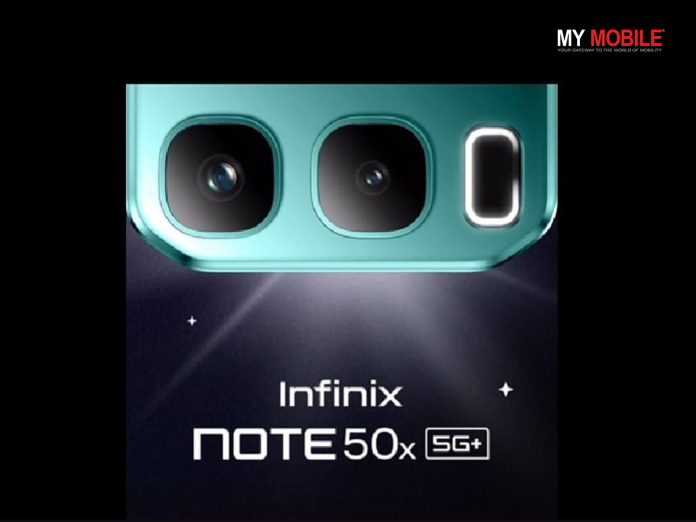
image
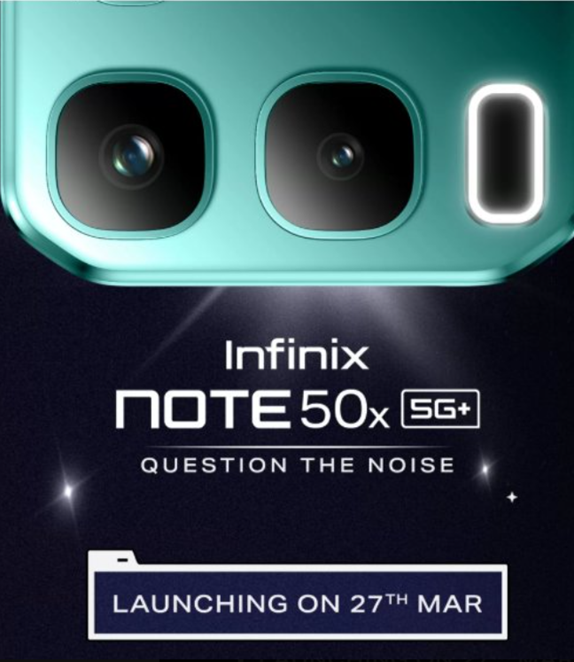
Infinix Note 50x launch date confirmed. (Image credit – Infinix)

Infinix is gearing up to launch the Note 50x in India on March 27, with sales taking place exclusively through Flipkart. While the company previously revealed the phone’s design, it has kept the specifications under wraps. Here’s what we know about the phone so far.


Infinix Note 50x – What To Expect?

According to reports, the Infinix Note 50x will be powered by MediaTek’s Dimensity 7300 Ultimate chipset. This octa-core processor features four Cortex A78 cores clocked at up to 2.5GHz, ensuring smooth performance.

Graphics will be handled by the Mali-G615 MC2 GPU, and we’ve learned that the Note 50x will support 90FPS gaming, making it a compelling choice for mobile gamers.

Infinix has already confirmed that the Note 50x will sport a “Gem Cut” camera module on the back, featuring Active Halo Lighting. This LED strip will serve multiple functions, including indicating charging status, acting as a selfie timer, lighting up for notifications, and creating a dynamic effect during game boot-up.

Infinix Note 50x To Come With XOS 15 – Features and Improvements

According to a recent 91Mobiles exclusive report, the Infinix Note 50x will run Android 15-based XOS 15 right out of the box. The company has confirmed several key features of this updated UI, focusing on personalisation, AI-powered tools and improved gaming experiences.

Here are XOS 15 key features –

  • XOS 15 introduces a revamped UI with smoother animations, including a new boot-up animation.
  • Users can customise system icons by shape, colour, and size, with over 25 font styles to choose from for a more personalised look.

Caption – XOS 15 colours. (Image credit – 91Mobiles)

  • The One Tap Wallpaper feature allows users to create a uniform look across the lock screen, home screen, and other main screens using images from their gallery.
  • It also adds the Vogue Portraits offer additional options for unique wallpaper customisation.
  • XOS 15 brings Mobile Anti-Theft, a new security feature aimed at protecting user data.
  • It also includes PC Connection, enabling screen mirroring and file sharing between devices.
  • The XArena-powered Game Mode enhances the gaming experience with personalised settings, while Smart Panel provides quick access to tools and shortcuts on the home screen.
  • The Dynamic Bar offers a non-intrusive way to view important notifications and even supports Google Maps.
  • XOS 15 includes One-Tap Infinix AI, designed to boost productivity and convenience. AI-powered features include AI Note for smart note-taking, AI Wallpaper Generator, Writing Assistant, Circle-to-Search and an AI virtual assistant Folax.
  • Additionally, AI Call Assistant helps with auto-answering and call summarisation.

More details are expected to surface in the coming days as we get closer to the March 27 launch event.

FAQs

Q1. When and where will the Infinix Note 50x launch in India?

Answer. The Infinix Note 50x will launch in India on March 27, with sales taking place exclusively through Flipkart.

Q2. What chipset powers the Infinix Note 50x?

Answer. The Infinix Note 50x will be powered by MediaTek’s Dimensity 7300 Ultimate chipset.

Q3. What operating system and features will the Infinix Note 50x have?

Answer. The Infinix Note 50x will run Android 15-based XOS 15, offering a revamped UI, AI-powered tools, improved gaming experiences and enhanced personalisation.

Also Read: Infinix Note 50X Chipset Revealed Ahead of Launch

Also Read: Infinix Note 50X 5G Set to Launch in India on March 27, Design Revealed

iPhone 17 Air Could Be Apple’s Thinnest iPhone Yet But There’s a Catch

0

Highlights

  • Apple plans to make the iPhone 17 Air its thinnest iPhone ever at around 5.5mm.
  • The iPhone 17 Air will feature a camera bar spanning almost the full width of the phone, making it 9.5mm at its thickest part.
  • Only iPhone 17 Pro and Pro Max will receive vapor chamber cooling and better thermal management.
image
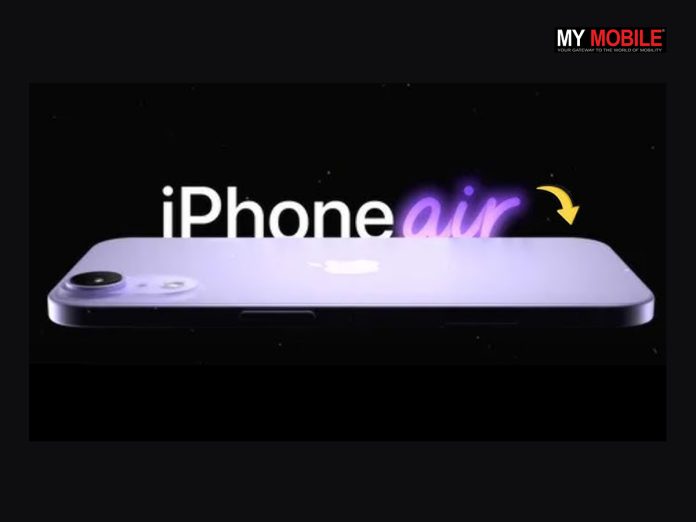
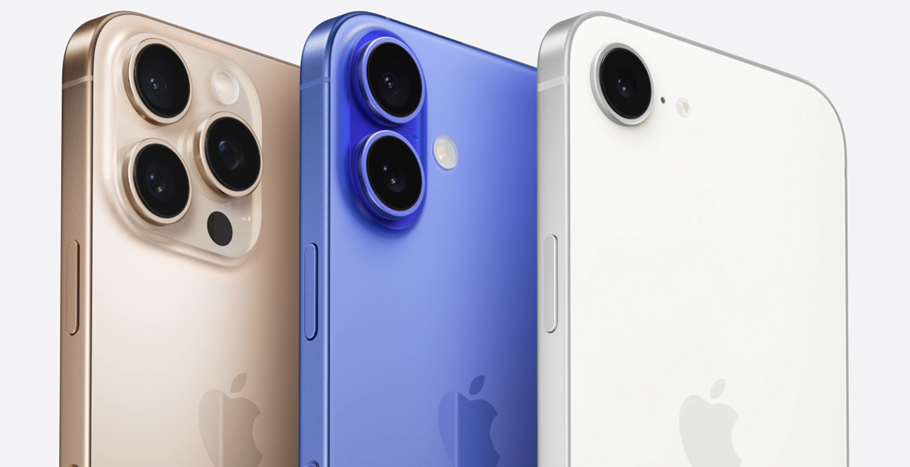
New rumours reveal key details of next iPhone series. (Image credit – Apple)

Apple is reportedly making the iPhone 17 Air its thinnest iPhone ever, though this might come at the cost of downgraded specifications. Earlier this year, Apple analyst Ming-Chi Kuo surprised many by predicting that the iPhone 17 Air could be even thinner than expected. Now, another leaker has backed up his claim.

According to Kuo, the iPhone 17 Air will be around 5.5mm at its thinnest part. Leaker Ice Universe supports this claim and adds that the camera bar will be 4mm thick, making the phone 9.5mm at its thickest point. In imperial measurements, that translates to approximately 0.22 inches for the body and 0.37 inches at its thickest part.

image
Ice Universe’s recent Weibo post. (Translated via Google Translate)

The camera design is also changing, rather than a traditional bump, the iPhone 17 Air is expected to feature a camera bar spanning almost the full width of the phone, even though it will house only a single camera.

With this design, the iPhone 17 Air will be significantly thinner than previous estimates, which suggested a thickness of around 6.25mm.

iPhone 17 Pro Models Will Get Better Cooling, Not the Air

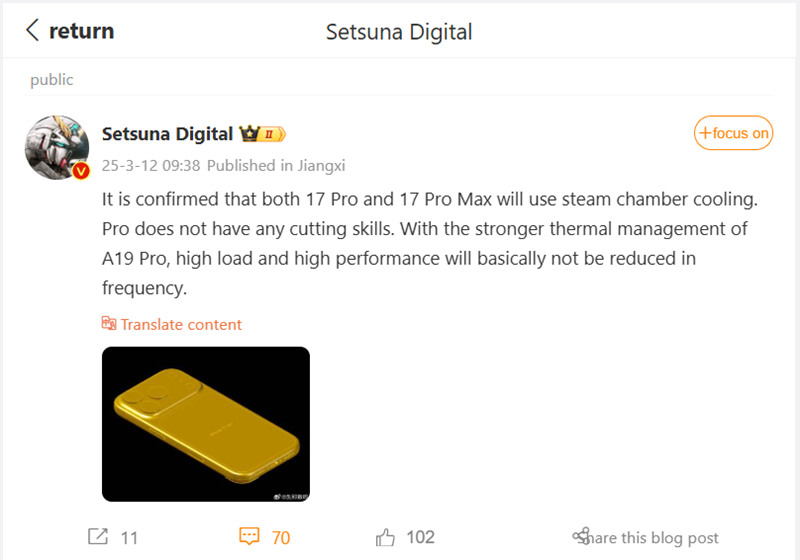
Apple was previously rumoured to be upgrading the entire iPhone 17 lineup with vapor chamber cooling, something Android phones have had for years. But now, a new report by tipster Setsina Digital on Weibo suggests only the iPhone 17 Pro and Pro Max will get it.

image
Setsuna Digital’s recent post on Weibo. (Translated via Google Translate)

Vapor chambers help dissipate heat more efficiently, reducing performance throttling. The A19 Pro chip, expected in the Pro models, will also have better thermal management, meaning sustained performance should be much smoother.

So, while the iPhone 17 Air might be Apple’s slimmest iPhone ever, it looks like Apple is keeping the best performance and cooling tech for the Pro models.

FAQs

Q1. How thin will the iPhone 17 Air be?

Answer. The iPhone 17 Air will be around 5.5mm at its thinnest part.

Q2. What is unique about the camera design of the iPhone 17 Air?

Answer. The iPhone 17 Air will feature a camera bar spanning almost the full width of the phone, housing only a single camera.

Q3. Which iPhone 17 models will receive vapor chamber cooling and better thermal management?

Answer. Only the iPhone 17 Pro and Pro Max will receive vapor chamber cooling and better thermal management.

Also Read: Apple’s 18.8-inch Foldable Prototype Features In-Display Face ID

Also Read: iPhone 17 Air Leak Reveals Bold Camera Bar Design

Apple’s ‘HomePad’ Delayed Until After WWDC Due to iOS 19 Redesign

0

Highlights

  • Apple’s HomePad delayed initially due to new Siri capability challenges and now to align with iOS 19 redesign.
  • Mass production of the HomePad delayed from Q1 2025 to Q3 2025.
  • Apple is ensuring the HomePad seamlessly integrates into the evolving software ecosystem before launch.
image
Latest report suggests Apple’s ‘HomePad’ delayed again. (Image credit – Apple)

Apple was expected to launch a new Home product, often referred to as ‘HomePad,’ this month. However, delays have pushed its release back, initially due to challenges in developing new Siri capabilities.

Now, according to analyst Ming-Chi Kuo, another major reason for the delay is ensuring the device’s interface aligns with iOS 19’s redesign. Here’s what we know.

Software Issues Holding Back Apple HomePad

In a post on X (formerly Twitter), Kuo explained, “Three months ago, I predicted that mass production of the new display-equipped HomePod would slip from 1Q25 to 3Q25 (after WWDC) due to software development issues. Beyond Apple Intelligence, the issues also involve ensuring the HomePod’s interface aligns with new OS updates (like iOS 19) set to roll out across other devices in 2H25. This alignment is essential for seamlessly integrating new products into Apple’s ecosystem.”

Back in December, Kuo had already warned that software challenges could delay Apple’s display-equipped HomePod until Q3 2025. At that time, Mark Gurman still expected a March launch, though later reports suggested a spring release was uncertain.

Initially, many believed the delay was entirely due to Apple Intelligence, the AI-powered Siri upgrade originally planned for iOS 18.4. However, Apple has now pushed that update further into 2025.

Now, Kuo suggests that while AI-powered Siri is a factor, iOS 19’s major redesign is also playing a big role in the HomePad’s delay. Apple wants to ensure the new device fits seamlessly into its evolving software ecosystem before launching it.

9to5Mac’s Ryan Christoffel, in their report, highlights, “Kuo’s explanation doesn’t necessarily justify delaying a major product. Siri’s development challenges are one thing, but if the new homeOS that HomePad will run offers a sneak peek of what’s coming with iOS 19, I don’t see how that’s a bad thing at all.”

“Unless, perhaps, Apple expects iOS 19’s design to be in flux over the beta season this summer. In that case, maybe it wants to save itself the trouble of redesigning homeOS elements after the fact by just shipping the new OS once its design plans are more stable,” Christoffel further added.

FAQs

Q1. Why has the release of Apple’s new Home product, “HomePad,” been delayed?

Answer. Initially, the delay was due to challenges in developing new Siri capabilities. Additionally, ensuring the device’s interface aligns with the iOS 19 redesign has also contributed to the delay.

Q2. What does analyst Ming-Chi Kuo say about the HomePad’s production timeline?

Answer. Ming-Chi Kuo predicts that the mass production of the display-equipped HomePod has been delayed from Q1 2025 to Q3 2025 (after WWDC) due to software development issues and the need to align with new OS updates like iOS 19.

Q3. What is the role of iOS 19 in the HomePad’s delay?

Answer. The redesign of iOS 19 is a significant factor in the HomePad’s delay, as Apple wants to ensure that the new device fits seamlessly into its evolving software ecosystem before launching it.

Also Read: Apple delays smart home hub, developing AirPods with cameras, and planning visionOS 3 update

Also Read: Apple M4 MacBook Air on sale for just Rs 89,900