Home Blog Page 165

Motorola Launches Moto Buds Loop and Moto Buds Bass in India – Price, Features, and Availability

0

Highlights

  • Moto Buds Loop feature an open-ear design, 12mm Bose-tuned drivers, dual mics with CrystalTalk AI, and up to 39 hours of battery life.
  • Moto Buds Bass offer 12.4mm bass-tuned drivers, 50dB Adaptive ANC, triple mics with ENC, and up to 48 hours of battery life.
  • Both models are now available via Flipkart, motorola.in, and retail stores across India.
image
Moto Buds Loop and Moto Buds Bass launched in India. (Image credit – Motorola)

Motorola has expanded its audio lineup in India with the launch of two new TWS earbuds, the Moto Buds Loop and Moto Buds Bass. Both models cater to different listening preferences, offering unique designs and features. Here’s everything you need to know about the newly launched earbuds, starting with pricing and availability.

Price and Availability

  • Moto buds Loop – Rs. 7,999 (Rs. 6,999 with Rs. 1,000 bank discount), available from September 1 at 12 PM.
  • Moto buds Bass – Rs. 1,999, available from September 8 at 12 PM.

Both models will be sold via Flipkart, motorola.in and leading retail outlets across India.

Moto Buds Loop – Open-Ear Design with Long Battery Life

image
Moto Buds Loop. (Image credit – Motorola)

The Moto Buds Loop come with a lightweight open-ear design built on a reinforced memory alloy frame. With IP54 water resistance, these earbuds are made to withstand sweat and splashes, making them ideal for active use. They are available in a stylish Trekking Green finish.

For sound, the buds are equipped with 12mm ironless drivers tuned by Bose, along with EVO certification and Spatial Audio support. Calls are enhanced by a dual-mic setup powered by CrystalTalk AI for clear voice quality.

image
Moto Buds Loop key features. (Image credit – Motorola)

Battery life is another highlight, delivering up to 8 hours of playtime on a single charge and 39 hours with the case. A quick 10-minute charge offers 3 hours of listening. The earbuds also support Moto AI, Smart Connect, voice commands, and multi-device pairing through the Moto Buds app.

Moto Buds Bass – Deep Bass and Powerful ANC

image
Moto Buds Bass. (Image credit – Motorola)

The Moto Buds Bass focus on immersive sound featuring 12.4mm bass-tuned composite dynamic drivers with Hi-Res LDAC Audio support. These earbuds also carry an IP54 rating and are available in Dark Shadow, Blue Jewel, and Posy Green finishes.

A key feature is Active Noise Cancellation up to 50dB, with modes like Noise Cancelling, Transparency, Adaptive, and Off. Adaptive ANC automatically adjusts to your surroundings and also enables Spatial Audio. Users can control ANC, EQ presets, and gestures through the Moto Buds App.

image
Moto Buds Bass Key features. (Image credit – Motorola)

On the battery front, the buds offer up to 7 hours of playback per charge (ANC off) and 48 hours with the charging case. A 10-minute quick charge provides 2 hours of music. Connectivity options include Bluetooth 5.3 and Google Fast Pair for seamless pairing. Each earbud carries a triple-microphone system with ENC, CrystalTalk AI, and wind noise reduction for clearer calls.

FAQs

Q1. What are the prices and availability dates for Moto Buds Loop and Moto Buds Bass?

Answer. Moto Buds Loop are priced at ₹7,999 (₹6,999 with bank discount) and available from September 1.  Moto Buds Bass cost ₹1,999 and go on sale from September 8. Both will be sold via Flipkart, motorola.in, and retail outlets.

Q2. What are the key features of Moto Buds Loop?

Answer. Moto Buds Loop offer an open-ear design, 12mm Bose-tuned drivers, dual mics with CrystalTalk AI, IP54 rating, and up to 39 hours of battery life. They also support Spatial Audio, Moto AI, and multi-device pairing.

Q3. What makes Moto Buds Bass suitable for immersive audio?

Answer. Moto Buds Bass feature 12.4mm bass-tuned drivers, Hi-Res LDAC Audio, and up to 50dB Active Noise Cancellation with Adaptive, Transparency, and Off modes.

Q4. How long does the battery last on each model?

Answer. Moto Buds Loop offer up to 8 hours on a single charge and 39 hours with the case.  Moto Buds Bass provide up to 9 hours (ANC off) and 43 hours with the case.  Both support quick charging.

Q5. What connectivity and control options do these earbuds support?

Answer. Moto Buds Bass include Bluetooth 5.3 and Google Fast Pair, while both models are compatible with the Moto Buds app for ANC modes, EQ presets, and gesture controls.

Also Read –

https://www.mymobileindia.com/moto-buds-and-moto-buds-launched-in-collaboration-with-bose-at-an-effective-launch-offer-price-of-just-rs-3999-and-rs-7999-respectively-in-india-sale-offers-specs-availability/

https://www.mymobileindia.com/moto-buds-loop-with-swarovski-design-teased-for-india-launch/

Google Pixel 10’s Tensor G5 Shows Better Heat Control but Still Trails Rivals in Performance Tests

0

Highlights

  • The Tensor G5 chip in the Pixel 10 shows major progress in heat control, resolving overheating issues.
  • While slightly better than the Pixel 9, the Pixel 10 struggles in benchmarks and demanding games.
  • Tensor G5 excels in sustained performance and AI features.
image
Google Pixel 10. (Image credit – Google)

Google has positioned its Tensor chipsets as unique alternatives to Qualcomm’s Snapdragon processors. They claimed to be prioritising AI-driven experiences over raw speed. With the new Pixel 10 series, the company claims that the Tensor G5 delivers its “biggest leap in performance yet.”

Early reviews, however, paint a mixed picture. While the chip runs cooler than before, benchmark results still leave much to be desired. Here’s what early indicates.

Tensor Improvements

image
Google Tensor chips. (Image credit – Google)

Since its debut, the Tensor lineup has focused less on topping benchmark charts and more on delivering Google’s AI vision. Over the years, issues such as poor cellular reception and sluggish performance were gradually fixed.

By the Pixel 8 generation, overheating became the main concern, one that continued into the Pixel 9 series. With the Pixel 10, though, Google seems to have finally addressed the problem.

9to5Google’s Damien Wilde noted in his review, “I haven’t noticed any overheating, and the phone doesn’t get particularly hot to the touch, save a few times during setup—basically like every phone in existence. I’m hoping that cooling and temperatures remain key focus points for the SoC’s future development, as heat and power management haven’t been Tensor’s greatest strength.”

Real-World Usage Vs Benchmarks

In day-to-day use, the Pixel 10 series doesn’t show any dramatic jump compared to the Pixel 9. Regular tasks and gaming feel largely the same, and this is echoed in benchmark scores. Reviews from GSMArena and ShortCircuit confirm that while the Pixel 10 performs slightly better than its predecessor, it still falls far short of Snapdragon-powered flagships. Android Authority also found similar results, adding that the performance gap between the standard Pixel 10 and the Pro models has narrowed compared to previous years.

When it comes to demanding games like Genshin Impact, the Pixel 10 struggles to maintain a stable 60fps at the highest settings. GPU benchmarks also reveal that Tensor G5’s graphics performance lags well behind competitors.

image
Google’s Tensor G5 powers the Pixel 10. (Image credit – Google)

Where Tensor G5 does stand out is in sustained performance. Benchmarks show that the Pixel 10 maintains higher stability, which means less performance drop-off over time than even powerful rivals like the Galaxy S25 Ultra. While peak numbers aren’t impressive, the chip manages to hold on to its performance for longer periods without worsening heat issues. Of course, actual results vary depending on the type of game or app in use.

Final Conclusion Based on Early Pixel 10 Review

The Pixel 10’s Tensor G5 is a notable step forward in managing thermals and offering consistent performance, but it still can’t compete head-to-head with Snapdragon flagships in raw power or graphics. For users who prioritise AI features and stable performance over benchmark bragging rights, the Pixel 10 remains a compelling choice.

FAQs

Q1. How does the Tensor G5 in Pixel 10 improve over previous generations?

Answer. The Tensor G5 shows major improvements in thermal management, resolving overheating issues seen in the Pixel 8 and Pixel 9 series. It runs cooler and maintains stable performance over time.

Q2. Does the Pixel 10 outperform Snapdragon-powered phones?

Answer. No, while the Pixel 10 performs slightly better than its predecessor, it still trails behind Snapdragon flagships in raw speed and graphics benchmarks.

Q3. Is the Pixel 10 suitable for gaming?

Answer. The Pixel 10 struggles to maintain stable 60fps in demanding games like Genshin Impact at high settings. Its GPU performance lags behind rivals, though sustained performance is more consistent.

Also Read –

https://www.mymobileindia.com/googles-tensor-g5-pixel-10-and-g6-pixel-11-major-process-upgrades-revealed/

https://www.mymobileindia.com/googles-tensor-g5-chip-reportedly-designed-set-to-power-pixel-10-series-in-2025/

Realme 15T 5G Leak Reveals Slim Design, Dimensity 6400 Max Chipset, AI Camera Features and Pricing

0

Highlights

  • Leak reveals the Realme 15T 5G will be touted as the thinnest and lightest in its class.
  • It offers Dimensity 6400 Max chipset, a triple rear camera setup, 60W fast charging, reverse charging, and 5-year battery health support.
  • The phone is expected in three configurations with price starting at ₹20,999.
  • Colour options will most like include Silk Blue and Suit Titanium.
image
Realme 15T 5G’s leaked images. (Image credit – @yabhishekhd on X)

The Realme 15T 5G is getting closer to launch, but we don’t have to wait any long for key features thanks to the fresh leak. A tipster on X (formerly Twitter) has shared major details the phone’s design, specifications, colour options, storage variants and expected pricing. So, here’s everything we know about the phone so far.

Realme 15T 5G – Design and Key Features (Leaked)

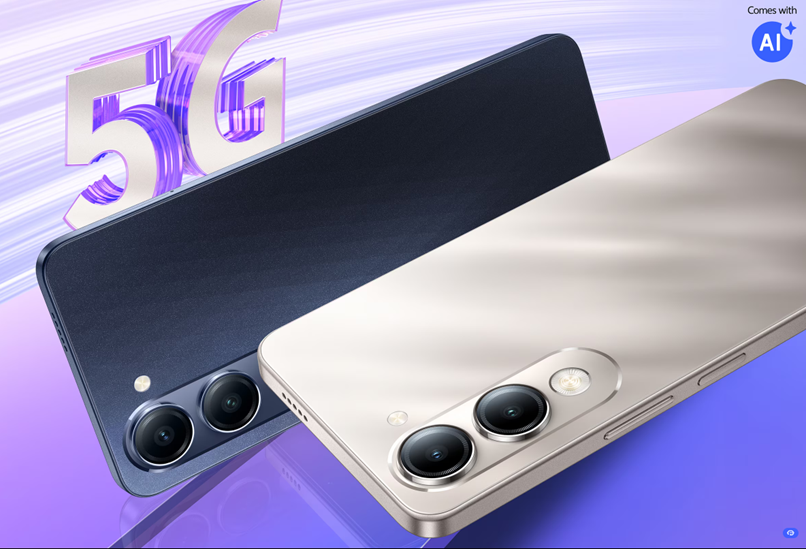
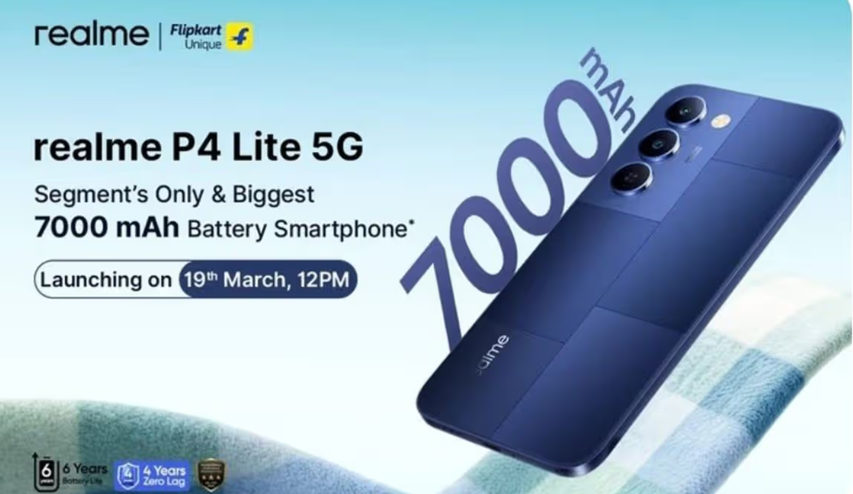
According to new leaks by tipster @yabhishekhd on X, the Realme 15T 5G is being promoted as the thinnest and lightest in its class.” The device reportedly measures 7.79mm in thickness and weighs 181 grams, making it one of the most compact phones in its segment.

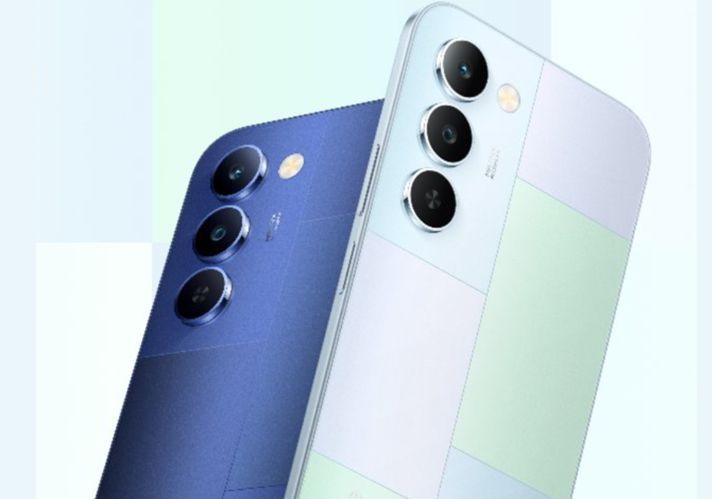
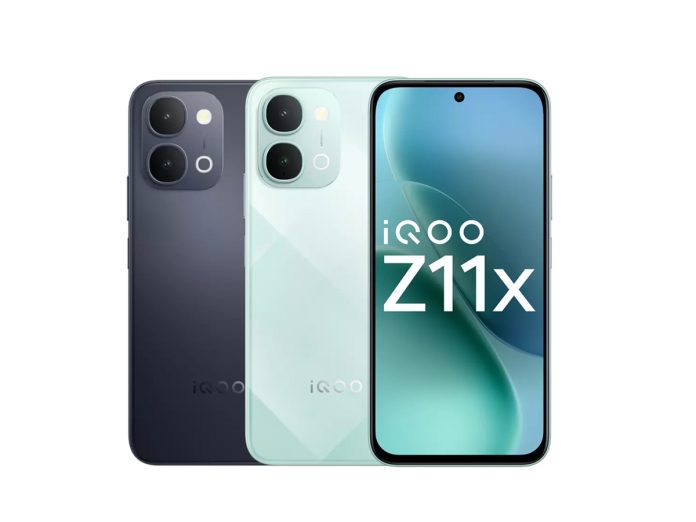
The tipster has shared several images of what seems to be official marketing material of the upcoming phone.

image

image

image

image

Caption – Realme 15T 5G’s leaked details. (Image credit – @yabhishekhd on X)

The phone resembles older iPhone models with flat edges, rounded corners, and a squircle-shaped camera module in the top-left corner of the rear panel. The module houses three camera sensors along with an LED flash. While two color variants will feature a clean matte-like back, one version will showcase a marble-textured finish for a more stylish appeal.

Under the hood, the Realme 15T 5G is expected to run on the MediaTek Dimensity 6400 Max 5G processor (6nm). Benchmark results on AnTuTu reveal a score of 480,000+ points, pointing toward solid mid-range performance. To ensure stable usage during heavy workloads, the device will also feature a 6050 mm² vapor chamber cooling system.

The phone will support 60W fast charging with an 80W charging adapter likely included in the box. Battery-centric features such as 5-year battery health, bypass charging, and reverse charging are also part of the package.

The Realme 15T 5G will emphasise AI-based camera capabilities. Some of the highlighted features include AI Glare Remover, AI Landscape, AI Live Photo, AI Edit Genie, AI Unblur, AI Ultra Clarity 2.0, and AI Smart Remover 2.0, enhancing both photography and editing experiences directly on the device.

Variants, Pricing, and Availability

The tipster also shared pricing details in a separate post on X. The phone is expected to launch in three configurations –

  • 8GB + 128GB – INR 20,999
  • 8GB + 256GB – INR 22,999
  • 12GB + 256GB – INR 24,999

With introductory offers, the starting price may drop even further. According to the images shared, color options will include Silk Blue, Flowing Silver, and Suit Titanium.

image
Realme 15T 5G’s colour options. (Image credit – @yabhishekhd on X)

Certification Listings and Global Launch

The Realme 15T 5G has already been spotted on Bluetooth SIG, FCC, EEC, TKDN, NBTC, and Geekbench databases, confirming support for 2G/3G/4G/5G networks, dual-band Wi-Fi (2.4GHz + 5GHz), Bluetooth BR/EDR/LE, NFC, and Android 15-based Realme UI 6.0. Certification details also suggest that the phone will be launched not just in India, but also in Europe, Indonesia, the USA, and Thailand.

With multiple leaks and certifications piling up, the Realme 15T 5G seems set for an imminent launch.

FAQs

Q1. What processor powers the Realme 15T 5G?

Answer. The Realme 15T 5G is expected to feature the MediaTek Dimensity 6400 Max 5G chipset built on a 6nm process. It scored over 480,000 points on AnTuTu, indicating solid mid-range performance.

Q2. What are the key camera features of the Realme 15T 5G?

Answer. The phone will offer AI-powered camera tools like AI Glare Remover, AI Ultra Clarity 2.0, AI Smart Remover 2.0, and AI Edit Genie.

Q3. What are the expected variants and pricing for the Realme 15T 5G?

Answer. Three configurations are expected: 8GB+128GB at ₹20,999, 8GB+256GB at ₹22,999, and 12GB+256GB at ₹24,999.

Q4. Will the Realme 15T 5G launch globally?

Answer. Yes, certification listings confirm support for global markets including India, Europe, USA, Indonesia, and Thailand.

Also Read –

https://www.mymobileindia.com/realme-to-unveil-15000mah-battery-smartphone-and-ac-cooled-phone-on-august-27/

https://www.mymobileindia.com/realme-p4-and-p4-pro-5g-debuts-in-india-with-7000mah-battery-144hz-display-and-ai-features/

Samsung Confirms September 4 Galaxy Event – Galaxy S25 FE and Tab S11 Series Expected

0

Highlights

  • Samsung is expected to unveil the Galaxy S25 FE and Tab S11 series at the September 4 Galaxy Event.
  • The Galaxy S25 FE may feature an Exynos 2400 chip, while the Tab S11 lineup includes a 14.6″ Ultra and an 11″ model.
  • A budget Tab S10 Lite is also expected.
  • Early reservations for Galaxy Tabs are open and customers who reserve by September 3 can get $50 off.

image

Caption – Samsung Confirms September 4 Galaxy Event details. (Image credit – Samsung)

Samsung isn’t slowing down after last month’s Galaxy Z Fold 7 and Z Flip 7 launch. The company has now confirmed another Galaxy Event scheduled for Wednesday, September 4, which will be streamed live on Samsung’s YouTube channel and website starting at 5:30 AM ET.

In its announcement post, Samsung promises the unveiling of “premium AI tablets” along with “the newest member of the Galaxy S25 family.” This strongly points toward the introduction of the Galaxy Tab S11 lineup and the Galaxy S25 FE smartphone, both of which have been the subject of numerous leaks in recent weeks.

The Korean tech giant also posted a teaser-cum-invitation video titled “Invitation for Galaxy Event September 2025” on its official YouTube Channel.

Unlike Samsung’s bigger “Unpacked” shows that highlight cutting-edge flagships such as the Galaxy S26 series or the rumoured tri-fold phone, this event seems more focused on practical upgrades.

Let’s take a look at everything expected to come out in the event.

Galaxy S25 FE

image

Caption – Previously leaked render of the upcoming Samsung Galaxy S25 FE.

Rumours suggest the Galaxy S25 FE will replace the Snapdragon 8 Elite found in the S25+ with Samsung’s Exynos 2400 chip, while keeping most of the higher-end features intact.

Pricing hasn’t been revealed. But if Samsung manages to keep the cost in check or if carriers roll out competitive multi-year deals, the FE could be an appealing option heading into the holiday season.

Galaxy Tab S11 Series

image

Caption – Leaked renders of the upcoming Galaxy Tab S11 series. (Image credit – WinFuture)

The Galaxy Tab S11 range is also expected to make an appearance. While the overall design language seems similar to last year’s series, Samsung is making a few strategic changes. The 14.6-inch Ultra model will return as the flagship tablet, while the mid-sized 12.4-inch version is being skipped this year.

Samsung is also bringing back the 11-inch model, giving buyers more size flexibility. Even without major surprises, these tablets are set to remain some of the best Android options available.

Galaxy Tab S10 Lite

image

Caption – Samsung Galaxy Tab S10 Lite. (Image credit – Samsung)

Alongside the flagship tablets, Samsung will also introduce the Galaxy Tab S10 Lite, priced at $349. Positioned against Apple’s entry-level iPad, it could be a strong budget-friendly option for those who want Samsung’s ecosystem at a lower price point.

Pre-Orders and Reservations

Samsung has opened early reservations for the Galaxy Tab lineup on its official website. Customers who reserve a unit by September 3 will receive $50 off additional products once they complete their order between September 4 and October 5.

FAQs

Q1. When is Samsung’s next Galaxy Event scheduled?

Answer. Samsung has confirmed its Galaxy Event for Wednesday, September 4, starting at 5:30 AM ET, streamed live on YouTube and its official website.

Q2. Which devices are expected to launch at the event?

Answer. Samsung is expected to unveil the Galaxy S25 FE smartphone and the Galaxy Tab S11 series, including a 14.6-inch Ultra model and an 11-inch variant.

Q3. What chipset might power the Galaxy S25 FE?

Answer. Rumours suggest the Galaxy S25 FE will feature Samsung’s Exynos 2400 chip, replacing the Snapdragon 8 Elite found in the S25+.

Q4. Are there any pre-order benefits for the Galaxy Tab lineup?

Answer. Customers who reserve a Galaxy Tab by September 3 will receive $50 off additional products when completing their order between September 4 and October 5.

Also Read –

https://www.mymobileindia.com/samsung-galaxy-s26-ultra-may-stick-with-5000mah-battery-but-faster-charging-expected/

https://www.mymobileindia.com/samsung-galaxy-s25-fe-specs-design-and-price-leaked-ahead-of-launch/

WhatsApp Rolls Out AI Writing Help Tool with Private Processing on iOS and Android

0

Highlights

  • WhatsApp’s new AI-powered Writing Help tool is now available to more iOS and Android users, offering message refinement with five tone options.
  • Powered by Meta’s Private Processing, the tool ensures messages are processed anonymously and encrypted, without scanning chat history or storing data.
  • The feature is opt-in and disabled by default and users must enable it manually.

image

Caption – WhatsApp has rolled out the AI Writing Help Tool. (Image credit – WhatsApp)

WhatsApp is expanding access to its new AI-powered Writing Help tool, designed to make messages clearer, more polished, and even more fun. The feature was first spotted in the WhatsApp beta for Android 2.25.23.7 and was initially available only to a small group of users for testing. This limited rollout allowed WhatsApp to quietly iron out bugs and gather feedback before moving to a wider release. Now, more users on both iOS and Android can try out the feature.

In a dedicated blog post, WhatsApp explained that Writing Help acts as an AI assistant to refine messages while keeping conversations private and secure. Users can draft a message in either a one-on-one or group chat and tap the new pencil icon to get started.

The tool generates “at least three” alternative phrasings, based on one of five tone options. It has “Rephrase” that improves clarity and flow without changing meaning, “Professional” to adjust wording for more formal communication, “Funny” to add humour or a playful twist, “Supportive” that makes the message softer and more uplifting and “Proofread” to fix grammar or spelling mistakes.

After reviewing, users can keep their original message or swap it with one of the AI-generated suggestions. Importantly, the recipient will not see any indication that AI was used.

Privacy and Meta’s “Private Processing”

image

Caption – WhatsApp Writing Help tool is powered by Meta’s Private Processing technology. (Image credit – WABetaInfo)

A key question is whether the feature compromises privacy. WhatsApp says Writing Help is powered by Meta’s Private Processing technology, which ensures that neither Meta nor WhatsApp can read the user’s messages or the AI’s rewritten suggestions. The company emphasises that the system processes only the message currently in the input box, it does not scan past chat history.

Meta also confirmed that the feature is opt-in only, disabled by default. Moreover, it must be enabled manually. The company claims no user data is stored, and all processing is both anonymous and encrypted.

Currently, Writing Help remains in testing with no confirmed release timeline. However, given Meta’s push to integrate AI features across its apps, a wider rollout is expected in the near future.

FAQs

Q1. What is WhatsApp’s new AI Writing Help tool?

Answer. It’s an AI-powered assistant that refines messages with options like Rephrase, Professional, Funny, Supportive, and Proofread to improve clarity and tone.

Q2. How does WhatsApp ensure privacy with this feature?

Answer. The tool uses Meta’s Private Processing, which keeps messages encrypted and anonymous. It processes only the current input and doesn’t scan chat history.

Q3. Is the AI Writing Help feature enabled by default?

Answer. No, it’s opt-in only. Users must manually enable it, and WhatsApp confirms that no user data is stored during processing.

Also Read –

https://www.mymobileindia.com/whatsapp-tests-voicemail-style-voice-message-feature-for-missed-calls-report/

https://www.mymobileindia.com/whatsapp-introduces-call-scheduling-reactions-and-more-to-enhance-calling-experience/

Nothing Phone (3) Under Scrutiny After Stock Photos Mistakenly Shown as Camera Samples

0

Highlights

  • Demo units of the Nothing Phone (3) in New Zealand displayed licensed stock images as camera samples.
  • Co-founder Akis Evangelidis clarified the images were placeholders meant to be replaced before launch, calling the incident an “unfortunate oversight.”
  • The misstep has sparked criticism over transparency, potentially affecting consumer confidence in a brand known for design and openness.
image
Nothing Phone (3). (Image credit – Nothing)

It appears Nothing Phone (3) has landed itself in a fresh controversy. According to reports, it was discovered that retail demo units of the phone were showcasing stock images as if they were actual photos taken with the device. The incident has raised concerns over the company’s transparency in product marketing. Here’s what we know.

Nothing Phone (3) Controversy

image
Nothing Phone (3) retail demo units were busted for showcasing stock images. (Screenshot credit – Android Authority)

According to a report by Android Authority, demo units in New Zealand displayed images under the tagline “Here’s what our community has captured with Phone (3).” However, attentive users quickly realised the photos weren’t captured by the smartphone at all. Instead, they were licensed stock photographs shot by professional photographers using high-end cameras.

Some of these images had even been circulating online since 2023, well before the Phone (3) was introduced.

One photographer named Roman Fox has confirmed to Android Authority that his image of a car’s headlight was featured on the demo device and was originally taken with a Fujifilm XH2s. While Nothing had legally acquired the photo through a stock image library, the presentation of it as a community-captured Phone (3) sample is what sparked the criticism.

Nothing’s Response

Responding to the issue, Nothing co-founder Akis Evangelidis clarified in a post on X (formerly Twitter) that the images were only meant to serve as “placeholders” in early demo units. He explained that the company intended to replace them with genuine Phone (3) photos ahead of the official rollout.

However, due to what he called an “unfortunate oversight,” the swap never happened. Evangelidis stressed that the incident was not a deliberate attempt to mislead buyers.

The situation has raised questions about how smartphone makers market their devices. Critics of the brand have been quick to point out that for a brand that has consistently emphasised design innovation and transparency, the misstep feels particularly damaging.

Even minor lapses like this can affect consumer confidence and despite Nothing’s explanation, some potential buyers may now view the Phone (3) with scepticism.

FAQs

Q1. What recent controversy is Nothing Phone (3) facing?

Answer. Retail demo units in New Zealand displayed licensed stock images as if they were captured by the Phone (3), misleading users about its camera capabilities.

Q2. How did Nothing respond to the issue of stock images?

Answer. Co-founder Akis Evangelidis stated the images were placeholders meant for early demo units and were mistakenly not replaced due to an “unfortunate oversight.”

Q3. Why has the incident of stock images used as Nothing Phone (3) raised concerns among users?

Answer. Critics argue the misstep undermines Nothing’s emphasis on transparency and design integrity, potentially affecting consumer trust in the brand.

Also Read –

https://www.mymobileindia.com/nothing-phone-3-launched-globally-with-glyph-matrix-snapdragon-8s-gen-4-and-other-upgrades/

https://www.mymobileindia.com/nothing-phone-3-design-leaks-again-50mp-periscope-telephoto-lens-officially-confirmed-with-first-camera-samples/

Apple Secures Nearly Half of TSMC’s 2nm Chip Supply, iPad Pro’s Tandem OLED Tech Likely to Come to Future iPhones

0

Highlights

  • Apple has secured nearly half of TSMC’s upcoming 2nm chip output for its A20 processor.
  • It is expected to feature in the iPhone 18 series, outpacing rivals like Qualcomm and AMD.
  • TSMC is scaling up capacity at its Baoshan and Kaohsiung fabs, aiming for 2nm mass production in 2025 despite global challenges.
  • LG is trying to convince Apple to adopt Tandem OLED tech, already in iPad Pro, for iPhones in future.
image
TSMC will reportedly begin scaling up its 2nm process in the coming quarter for Apple’s A20 processor. (Image credit – 9to5Mac)

Apple is reportedly set to take a major share of TSMC’s upcoming 2nm chip production. This is because its next-generation A20 processor is expected to debut in the iPhone 18 series. A fresh report now sheds light on TSMC’s production roadmap, the surge in demand and how Apple is positioning itself to dominate early access. Here’s all we know.

Apple Secures TSMC’s 2nm production

image
TSMC is reportedly expanding previously planned monthly capacity at its facilities in both Baoshan and Kaohsiung to meet the increased demand. (Image credit – GSMArena)

According to the DigiTimes report via 9to5Mac, TSMC will begin scaling up its 2nm process in the coming quarter. Citing industry supply chain sources, the report says the Taiwanese semiconductor giant is said to be charging as much as $30,000 per wafer, an all-time high price point. Despite the steep cost, demand remains extremely strong with Apple securing “nearly half” of TSMC’s 2nm output.

To cope with this surge, TSMC has reportedly expanded planned monthly capacity at its Baoshan and Kaohsiung facilities. Meanwhile, its 4nm and 3nm production lines are already fully booked through late 2026. Analysts expect this to significantly boost TSMC’s profitability, even with challenges such as global trade tensions, fluctuating exchange rates, and rising operational expenses.

The DigiTimes report reads, “Supply chain sources note that although some in the market once believed TSMC’s rivals—such as Samsung Electronics and Japan’s Rapidus—had the strength to grab orders, TSMC has not been affected and is continuing to advance its process roadmap as planned. The globally watched 2nm node will ramp up in Q4. According to TSMC’s plan, the Hsinchu Baoshan Fab 20 and Kaohsiung Fab 22, which both broke ground in 2022, will be key 2nm bases and will begin production in 2025.”

The report also highlights the competition for 2nm chips beyond Apple. Qualcomm is expected to be the second-largest customer, followed by AMD, MediaTek, Broadcom, and Intel. Looking further ahead, DigiTimes claims that by 2027, “in addition to NVIDIA, customers entering mass production will include Amazon’s Annapurna, Google, Marvell, Bitmain, and more than 10 other major players.”

Despite growing competition, Apple is expected to remain TSMC’s top customer for 2nm chips. The report notes that early adoption of 2nm technology is already outpacing what TSMC saw during the transitions to 3nm and 5nm generations.

LG Pushing Tandem OLED for Future iPhones

image
The latest Apple iPad Pro models feature the Tandem OLED panels supplied primarily by LG Display. (Image credit – Apple)

In other Apple news, it is being reported that the Cupertino giant may also bring major display upgrades alongside chip developments to its iPhones in the coming years. The latest iPad Pro models already feature Tandem OLED panels supplied primarily by LG Display. Now, LG is lobbying Apple to bring the same display technology to iPhones.

While Apple has not yet committed, reports suggest the company could introduce Tandem OLED screens in its 2028 iPhone lineup. If approved, LG could secure a stronger position against Samsung Display, Apple’s other key display supplier. LG currently holds 348 U.S. patents in the Tandem OLED domain.

The Tandem OLED panels have already been proven as a viable option for smartphones after Chinese smartphone company Honor featured the tech from BOE in its Magic6 PSR Porsche last year.

Tandem OLED works by stacking two OLED layers, which boosts brightness, extends display lifespan, and improves energy efficiency.

Interestingly, a previous report noted that Apple is considering a “simplified tandem” approach for iPhones, stacking only the blue subpixels, while keeping red and green subpixels on a single layer. This method offers a cost-effective solution to address blue subpixel degradation without significantly raising manufacturing costs.

FAQs

Q1. How much of TSMC’s 2nm chip supply has Apple secured?

Answer. Apple has secured nearly half of TSMC’s upcoming 2nm chip output, primarily for its next-generation A20 processor expected in the iPhone 18 series.

Q2. What is Tandem OLED and how might Apple use it?

Answer. Tandem OLED stacks two OLED layers to boost brightness, extend lifespan, and improve energy efficiency. Apple may adopt a simplified version in iPhones by 2028.

Q3. Why is TSMC’s 2nm production significant?

Answer. TSMC’s 2nm node is ramping up in Q4, with mass production planned for 2025. Despite high wafer costs ($30,000), demand is strong, led by Apple and other tech giants.

Also Read –

https://www.mymobileindia.com/tsmc-begins-trial-production-of-2nm-chips-ahead-of-schedule-apple-to-get-it-first/

https://www.mymobileindia.com/apples-iphone-17-pro-could-be-powered-by-tsmcs-2nm-chipset-report/

Spotify Introduces In-App Messaging to Share Music, Podcasts and Audiobooks Seamlessly

0

Highlights

  • Spotify launches in-app messaging that allows users to send songs, podcasts, and audiobooks directly within the app.
  • It is available on mobile for users aged 16+ and includes emoji reactions, text replies and smart contact suggestions.
  • Spotify messages are encrypted and users will have control over interactions with tools to block, report, or opt out.

image

Caption – Spotify Introduces In-App Messaging. (Image credit – Spotify)

Spotify has officially launched a new in-app messaging feature that lets users share music, podcasts, and audiobooks while chatting with friends. The update is available for both free and premium users and aims to make content sharing more interactive and social.

The feature was announced in a blog post titled “Introducing Messages, A New Way To Share What You Love on Spotify with Friends and Family.” Spotify explained that the addition comes after consistent user demand for a dedicated space to share songs and playlists within the app itself. Currently, the feature is rolling out on mobile devices in select markets, limited to users aged 16 and above.

How Spotify In-App Messaging Works?

Spotify messaging supports one-on-one conversations only. Here’s how it works –

  • Users can send tracks, podcasts, or audiobooks directly from the Now Playing screen by tapping the share icon, selecting a friend, and hitting send.
  • Once a message request is accepted, both users can react with emojis, reply with text, and share content back and forth.
Caption – Now users can share content using Spotify messages. (Image credit – Spotify)

Spotify will also suggest contacts to message based on prior interactions, shared playlists, or whether users are on a Family or Duo plan. The Messages tab can be accessed by tapping on the profile photo in the top left corner of the app.

Suggested contacts are determined by whether you’ve previously shared Spotify content, joined Jams, Blends, or collaborative playlists, or if you share the same plan with someone.

That said, Spotify also encourages users to continue sharing content on platforms like Instagram, Facebook, WhatsApp, Snapchat, TikTok, and more. “As always, you should continue sharing Spotify content directly through your favorite platforms like Instagram, Facebook, WhatsApp, Snapchat, TikTok, and more. Messages on Spotify are designed to complement these integrations, not replace them, and we’re excited to continue offering more ways to drive hype for the Spotify content you love, wherever you are,” reads the Spotify post.

Privacy and Security Controls

Spotify says users will have full control over who they interact with. Message requests can be accepted or declined, and it’s possible to block contacts or opt out of the feature entirely via Settings. All messages are encrypted and monitored under Spotify’s Terms of Use and Platform Rules. Reported content will be reviewed, and proactive detection tools are in place to catch harmful or illegal activity.

FAQs

Q1. What is Spotify’s new in-app messaging feature?

Answer. Spotify has introduced one-on-one messaging that lets users share music, podcasts, and audiobooks directly within the app. It’s designed to make content sharing more social and interactive.

Q2. Who can use Spotify’s messaging feature?

Answer. The feature is available to both free and premium users aged 16 and above. It’s currently rolling out on mobile devices in select markets.

Q3. How does Spotify ensure privacy and safety in messages?

Answer. Users can accept or decline message requests, block contacts, or opt out entirely via Settings. All messages are encrypted and monitored under Spotify’s platform rules.

Also Read –

https://www.mymobileindia.com/spotify-update-brings-playlist-sorting-dj-song-requests-and-more-handy-features/

https://www.mymobileindia.com/spotify-rolls-out-new-features-to-boost-personalisation-and-playlist-control/

Samsung Galaxy S26 Ultra May Stick With 5,000mAh Battery, But Faster Charging Expected

0

Highlights

  • The Galaxy S26 Ultra is likely to retain its 5,000mAh battery, but may upgrade to 60W fast charging.
  • The device is expected to be under 8mm thick, making it slimmer than previous Ultra models.
  • Samsung may replace the floating lens layout with a unified camera island, enabling hardware upgrades to both sensors.
image
Samsung Galaxy S25 Ultra for reference. (Image credit – 9to5Google)

The rumours around the Samsung Galaxy S26 Ultra have been buzzing for months. Some leaks have previously suggested that the flagship model might finally get a bigger battery than Samsung’s usual 5,000mAh cell. However, the latest evidence indicates that Samsung may not be increasing the battery capacity after all. Here’s what we know so far.

Galaxy S26 Ultra – Hints About Possible Battery Specs

image
Battery spotted on China’s Quality Certification Centre. (Image credit – SamMobile)

According to documentation spotted by SamMobile on China’s Quality Certification Centre, a battery with model number EB-BS948ABY has been listed with the standard 5,000mAh capacity. While the filing doesn’t explicitly confirm it belongs to the Galaxy S26 Ultra, the timing strongly suggests it.

This aligns with reports from some leakers who have insisted Samsung would stick with its tried-and-tested battery size rather than move to a larger 5,500mAh unit.

While the unchanged battery capacity might disappoint some fans, the Galaxy S26 Ultra is still expected to deliver an important upgrade. Several leaks point toward a bump in charging speeds from 45W to 60W, ending years of stagnation in this department. Notably, tipster Ice Universe has repeatedly dismissed rumours of a 5,500mAh cell, while confirming that Samsung is preparing faster charging for its Ultra model.

Keeping the 5,000mAh battery could also benefit the design. Reports suggest that the Galaxy S26 Ultra will measure under 8mm in thickness, making it slimmer compared to previous Ultra models. Meanwhile, Samsung is also expected to bring improved batteries to other models in the S26 lineup, with the Galaxy S26 Edge getting a 4,200mAh cell and the rumoured Galaxy S26 Pro equipped with a 4,300mAh battery.

Galaxy S26 Ultra Might Get New Camera Island Design

image

Caption – New reports share more details on Galaxy S26 Ultra’s camera island. (Image credit – SamMobile)

Meanwhile, design leaks suggest Samsung might revamp the camera module on the Galaxy S26 Ultra.

Samsung is reportedly considering an approach somewhat similar to what we have been hearing about Apple’s upcoming iPhone 17 Pro’s camera island. Instead of the separate floating lenses seen since the Galaxy S22 Ultra, the S26 Ultra may reintroduce a unified camera island design. This change could allow for hardware improvements to both the main and telephoto sensors.

In short, while the Galaxy S26 Ultra may not deliver the bigger battery many were hoping for, it could offer faster charging, a slimmer build and major camera island upgrades, making it one of Samsung’s most refined Ultra flagships yet.

FAQs

Q1. Will the Galaxy S26 Ultra have a larger battery than its predecessor?

Answer. No, recent certification leaks suggest the Galaxy S26 Ultra will retain the 5,000mAh battery used in previous Ultra models. Rumours of a 5,500mAh upgrade have been dismissed by reliable sources.

Q2. Is Samsung improving charging speeds on the Galaxy S26 Ultra?

Answer. Yes, the Galaxy S26 Ultra is expected to support 60W fast charging, up from the previous 45W limit. This marks a significant upgrade in Samsung’s charging tech.

Q3. Is Samsung changing the camera design on the Galaxy S26 Ultra?

Answer. Yes, the S26 Ultra may adopt a unified camera island design, moving away from the floating lens layout seen since the S22 Ultra. This could enable hardware improvements to key sensors.

Also Read –

https://www.mymobileindia.com/samsung-galaxy-ultra-series-camera-upgrades/

https://www.mymobileindia.com/samsung-galaxy-a07-leak-reveals-colours-design-and-key-specs-ahead-of-launch/

Samsung Galaxy S25 FE Specs, Design and Price Leaked Ahead of Launch

0

Highlights

  • Galaxy S25 FE leak reveals Exynos 2400 chipset, 8GB RAM, 128GB storage, a 6.7″ FHD+ OLED 120Hz display and a triple rear camera setup (50MP + 12MP + 8MP).
  • The phone sports a slimmer 7.4mm frame, weighs 190g, and comes in black, icy blue, white, and graphite colours
  • Samsung is expected to officially unveil the S25 FE in September.
image
Samsung Galaxy S25 FE leaked render. (Image credit – 9to5Google)

Samsung’s popular Fan Edition (FE) series is set to get a new model addition soon in the form of the Galaxy S25 FE. But while we wait for more details, a fresh retail listing has revealed almost everything about the upcoming FE model. From specs to design details, the listing offers a near-complete look at Samsung’s upcoming affordable flagship. Here’s what we know.

Galaxy S25 FE Retail Listing Reveals Key Details

The Galaxy S25 FE recently appeared on a Portuguese retail site, though the listing was quickly taken down. According to the details, the smartphone will be powered by the Exynos 2400 chipset, the same processor used in last year’s Galaxy S24 and S24+. It will reportedly launch with 8GB of RAM and 128GB of storage.

image

Caption – Galaxy S25 FE render. (Image credit – Gizmochina)

On the front, the phone features a 6.7-inch FHD+ OLED display with a 120Hz refresh rate and Gorilla Glass Victus+ protection. A 12MP selfie camera sits inside a punch-hole cutout. The rear camera system includes a 50MP main sensor, a 12MP ultra-wide lens, and an 8MP telephoto shooter. Powering it all is a 4,900mAh battery that supports 45W wired fast charging and 15W wireless charging.

The retail listing also confirms the in-box contents, which include only the smartphone, a USB-C to USB-C cable, and a SIM ejector pin, consistent with Samsung’s recent packaging approach.

Galaxy S25 FE – Design and Colours

image image image

image

Caption – Samsung Galaxy S25 FE’s previously leaked renders. (Image credit – 9to5Google)

In terms of design, the Galaxy S25 FE appears to be more refined than its predecessor. The device will reportedly have a slimmer 7.4mm frame and weigh just 190 grams, making it both lighter and thinner compared to last year’s 213g, 8mm-thick Galaxy S24 FE. The bezels are also narrower.

Samsung is expected to launch the phone in four colour options, which include black, icy blue, white, and graphite.

Galaxy S25 FE – Expected Price and Launch Timeline

MediaMarkt briefly showed a price tag of €789.99, which converts to roughly $920. However, this is likely a placeholder rather than the final retail price.

Samsung typically announces its Fan Edition smartphones in September, so the Galaxy S25 FE could be officially unveiled very soon.

FAQs

Q1. What are the key specifications of the Galaxy S25 FE?

Answer. The Galaxy S25 FE is expected to feature the Exynos 2400 chipset, 8GB RAM, 128GB storage, and a 6.7-inch FHD+ OLED display with 120Hz refresh rate. It also includes a 50MP + 12MP + 8MP rear camera setup and a 12MP selfie camera.

Q2. How does the Galaxy S25 FE differ in design from its predecessor?

Answer. The S25 FE will have a slimmer 7.4mm frame and weigh just 190g, making it lighter and thinner than the previous S24 FE. It also features narrower bezels and Gorilla Glass Victus+ protection.

Q3. What is the expected price and launch timeline for the Galaxy S25 FE?

Answer. A retail listing briefly showed a price of €789.99 (approx $920), though this may be a placeholder. Samsung typically launches Fan Edition models in September, so the S25 FE could be unveiled soon.

Also Read –

https://www.mymobileindia.com/samsung-galaxy-s25-fe-5g-full-specs-leaked-ahead-of-launch-know-all-about-display-camera-battery-and-more/

https://www.mymobileindia.com/galaxy-s25-fe-leak-shows-familiar-design-with-minor-upgrades/