Home Blog Page 120

Google Rolls Out Gemini 2.5 Pro, Deep Search and AI-Powered Business Calls

0

Highlights

  • Gemini 2.5 Pro launches in AI Mode, offering advanced capabilities in reasoning, math and coding.
  • Deep Search enables smarter research, automating hundreds of queries to generate fully cited, comprehensive reports.
  • Agentic AI introduces business calling via Google Search, letting AI contact local businesses, gather pricing/availability and organise info.
image
Google Rolls Out Gemini 2.5 Pro. (Image credit – Google)

Google is expanding its AI offerings with the launch of Gemini 2.5 Pro in AI Mode. It comes with two major new features, Deep Search and AI-powered business calling. These updates are currently available for AI Pro and AI Ultra subscribers in the U.S. Here’s what we know.

Gemini 2.5 Pro Now in AI Mode

Users subscribed to AI Pro or Ultra tiers can now select Gemini 2.5 Pro from a dropdown in Search. This upgraded model is built for advanced reasoning, math and coding. It offers more detailed and accurate responses, especially for complex questions.

Deep Search – Smarter, More Complete Research

image
Google Deep Search. (Image credit – Google)

One of the most powerful additions is Deep Search, a tool designed for in-depth research. It runs hundreds of automated searches, pulls information from a variety of sources, and puts together fully cited, comprehensive reports in just seconds.

Whether you’re diving into academic research, planning a home purchase, or doing financial analysis, Deep Search aims to make it faster and easier.

AI Can Now Call Businesses for You

Google also introduced a new Agentic AI feature that allows Search to make calls to local businesses on your behalf.

For example, if you search for “pet groomers near me,” you can tap “Have AI check pricing” and let the AI handle the inquiry. It will contact multiple businesses, ask about prices and availability, and then organise the info in a clear, comparable format.

Businesses still have control over how this works through their Google Business Profile settings, so privacy and consent are respected.

Who Can Use It and When?

According to Robby Stein, VP of Product for Google Search, these new features are part of a phased rollout.

Gemini 2.5 Pro and Deep Search have been available since June 16, 2025, for U.S.-based AI Pro and Ultra subscribers enrolled in the AI Mode experiment via Labs. The Agentic Calling feature is rolling out to all U.S. Search users with extra perks like expanded usage limits for Pro and Ultra members.

FAQs

Q1. What is Gemini 2.5 Pro and who can access it?

Answer. Gemini 2.5 Pro is an upgraded AI model focused on advanced reasoning, math, and coding. It’s available in AI Mode for AI Pro and Ultra subscribers in the U.S.

Q2. How does Deep Search improve research capabilities?

Answer. Deep Search runs hundreds of automated queries, gathers info from multiple sources, and generates fully cited reports, ideal for academic, financial, or home planning tasks.

Q3. What does the new Agentic AI calling feature do?

Answer. It lets Google Search contact local businesses on your behalf to get pricing and availability info, then organises it clearly; businesses control participation via their profiles.

Read More: https://www.mymobileindia.com/google-gemini-gets-ipad-app-and-expands-audio-overviews-to-over-45-languages/

Read More: https://www.mymobileindia.com/google-veo-3-now-live-in-india-for-gemini-pro-users/

Nothing Phone (3) Teardown Reveals Strong Build and Surprising Repairability, Phone (3) First OS Update Rolls Out

0

Highlights

  • Teardown shows strong build and decent repairability for Nothing Phone (3).
  • Nothing OS 3.5 update brings major improvements like Caller ID integration with Glyph, Flip to Record, smoother visuals, improved camera HDR and 120fps gaming support.
  • Charging and audio bugs resolved with better power accuracy, fixed spatial audio glitches, lower latency and more.

image

Caption – Nothing Phone (3). (Image credit – Nothing)

The Nothing Phone (3) may have stirred mixed opinions post-launch with its design, but it appears the phone is going to be a winner when it comes to durability and repairability. In a new teardown video by JerryRigEverything, we get a close look at how the Phone (3) performs under stress. We also get to know what lies beneath its flashy exterior and it is a tough-built phone.

Nothing Phone (3) – Teardown Video

image

Caption – Nothing Phone (3) appears in JerryRigEverything’s teardown video. (Image credit – JerryRigEverything on YouTube)

During JerryRigEverything’s famous scratch test, the Gorilla Glass 7i front panel of the Nothing Phone (3) holds up as expected. It gets visible scratches appearing at Mohs level 6 and deeper grooves at level 7. The aluminium frame scratches under a razor blade, but the camera glass and metal rings around it stay intact.

In the usual burn test, the display does show damage but continues to function, nothing out of the ordinary there.

image

Caption – Nothing Phone (3) goes through JerryRigEverything’s bend test. (Image credit – JerryRigEverything on YouTube)

As always, the highlight is the bend test and the Phone (3) passes with flying colours. Even with some oddly placed antenna lines along the sides, the phone doesn’t flex or bend under pressure.

image

Caption – Nothing Phone (3) internal setup shown in teardown. (Image credit – JerryRigEverything on YouTube)

The second half of the video dives into the teardown itself. Removing the back panel requires some effort, a full razor blade is needed to cut through the adhesive. But once inside, you see some interesting design choices.

The camera bump is built into the rear glass, and the Glyph Matrix’s button cover is part of the back panel too. While it may look like you’re seeing the internals through the transparent design, Nothing uses a protective shield inside to keep things safe and tidy.

image

Caption – Nothing Phone (3) glyph interface internals. (Image credit – JerryRigEverything on YouTube)

One of the coolest parts is the closer look we get at the Glyph Matrix. This coin-shaped panel features 489 pixels, and because of the capacitive button used to cycle through its modes, the wireless charging coil has a special cutout to make room. Despite all the tech packed in, the phone is repairable enough to earn a C rating from the EU, not bad at all.

Check out the full video below –

Nothing Phone (3) Gets First Major Update

Nothing is now rolling out the first big update for the Phone (3), bringing the Nothing OS 3.5 (build V3.5-250711-2047) with a bunch of new features and important fixes.

image

Caption – Nothing Phone (3). (Image credit – Nothing)

Glyph Interface – You can now see Caller ID by long-pressing the Glyph button during a call. Users can also set custom icons for essential notifications. The update introduces generative ringtones with synced Glyph lighting and random vibrations. Visuals are smoother, Glyph Toys are more stable, and the Glyph button is now harder to trigger by accident.

Essential Space – There’s a new Flip to Record feature. Flip the phone face down and press the Essential Key to quickly start a voice note, which is then saved as a meeting to-do.

Camera & Display – The camera gets big upgrades like the better HDR, improved Night Mode, and cleaner Snapshot shots. HDR video also looks more natural. The UltraXDR Display now handles highlights and shadows more smoothly.

Gaming & Performance – A popular Battle Royale game can now run at 120fps, and Wi-Fi latency during gaming is lower. Pocket mode has been improved to prevent accidental touches, and users can now choose a custom gallery app in Private Space.

Audio & Charging Fixes –  Spatial audio glitches during playback have been resolved. Charging is now more stable and accurate, fixing slow speeds and wrong battery readings. Overall system performance and power efficiency have also been improved.

The update is rolling out in phases. To check manually, go to Settings > System > Feedback.

FAQs

Q1. How durable and repairable is the Nothing Phone (3)?

Answer. The phone held up well in scratch, burn, and bend tests, with Gorilla Glass 7i and a sturdy aluminium frame; it earned a C rating for repairability from the EU.

Q2. What improvements come with the Nothing OS 3.5 update?

Answer. The update adds Caller ID to the Glyph button, generative ringtones, Flip to Record, camera HDR upgrades, smoother visuals, 120fps gaming, and improved battery efficiency.

Q3. Are any charging or audio bugs addressed in the update?

Answer. Yes, spatial audio glitches have been resolved, charging is now more accurate and stable, and overall system performance has improved.

Also Read:
Nothing Phone 3 design leaks again; 50MP periscope telephoto lens officially confirmed with first camera samples

Also Read:
Nothing Phone 3 FCC listing reveals bigger battery and faster charging; details of new secondary display surfaces

No Realme 15 Pro+ Confirmed This Year, Realme 15 and 15 Pro Full Specs Leak Ahead of Launch

0

Highlights

  • Realme 15 Pro+ has been dropped with the brand confirming only Realme 15 and 15 Pro will launch on July 24.
  • Realme 15 features Dimensity 7300+ chip, 144Hz display, 7,000mAh battery, 80W fast charging, 50MP cameras, IP69 rating and ultra-slim 7.66mm body.
  • Realme 15 Pro uses Snapdragon 7 Gen 4 chip, swaps the 8MP ultrawide for 50MP and is 0.03mm thicker than the standard model.
image
Realme 15 Series launch promotional poster. (Image credit – Realme)

Realme has already confirmed that its upcoming Realme 15 series is launching on July 24. And now we have an official confirmation that the series will include only two models, the Realme 15 and the Realme 15 Pro. What this means is that there won’t be a Realme 15 Pro+ this time around unlike the previous generation.

No Realme 15 Pro+

The confirmation came from Francis Wong, Realme’s Head of Product Marketing. Wong posted on X (formerly Twitter) that they “won’t be launching a (Realme) 15 Pro+ anymore.Instead, the Realme 15 Pro will take the place of the 14 Pro+ as the top-tier model in the lineup, while the Realme 15 will follow up on the standard 14 Pro.

This move is part of Realme’s effort to simplify its product line and though it’s unclear whether other models like the Realme 14x, 14 Pro Lite, or 14T will get successors.

However, calling the 15 Pro a true replacement for the 14 Pro+ might be a stretch especially in the camera department, where the new model seems to take a step back.

Realme 15 and Realme 15 Pro – Specs Leaked

Meanwhile, full specs of the Realme 15 and 15 Pro have already leaked via the Realme official listing pages and tipster Sudhanshu Ambhore @Sudhanshu1414 on X from India.

image
Realme 15 and Realme 15 Pro leaked render. (Image credit – @Sudhanshu1414 on X)

The Realme 15 will come with a MediaTek Dimensity 7300+ chip, a 144Hz display with a 6,500-nit peak brightness and a bold new design. It packs a 7,000mAh battery, supports 80W wired charging and is just 7.66mm thin. The phone also boasts IP69 water and dust resistance, a dual 50MP rear camera setup with 4K support and a 50MP selfie shooter.

It will be available in Silk Pink, Velvet Green and Flowing Silver colour variants.

An Indian tipster added that the Realme 15 has a 6.8-inch display, an 8MP ultrawide camera alongside the 50MP main sensor and an optical in-display fingerprint scanner.

The Realme 15 Pro is quite similar but comes with a few key differences, the biggest is the Pro model is powered by the Snapdragon 7 Gen 4. Moreover, 15 Pro has a 50MP ultrawide sensor instead of an 8MP one and is just 0.03mm thicker.

Aside from these, the two phones are nearly identical, though the Pro model will likely cost more.

FAQs

Q1. Will there be a Realme 15 Pro+ in this lineup?

Answer. No, Realme has officially confirmed that only the Realme 15 and Realme 15 Pro will launch; the Pro+ model has been discontinued to simplify the lineup.

Q2. What are the key specifications of the Realme 15?

Answer. It features a MediaTek Dimensity 7300+ chip, 144Hz display, 7,000mAh battery, 80W fast charging, IP69 rating, and dual 50MP rear cameras with a 50MP selfie sensor.

Q3. How does the Realme 15 Pro differ from the standard Realme 15?

Answer. The 15 Pro uses a Snapdragon 7 Gen 4 chip, upgrades the ultrawide camera to 50MP, and is 0.03mm thicker; other features are nearly identical to the Realme 15.

Read More: https://www.mymobileindia.com/realme-narzo-80-lite-5g-debuts-with-dimensity-6300-chip-and-6000mah-battery/

Read More: https://www.mymobileindia.com/realme-gt-8-pro-leak-reveals-2k-flat-display-200mp-periscope-camera-and-snapdragon-8-elite-2/

Oppo K13 Turbo and Turbo Pro Show Off Built-in Cooling Fan, OnePlus Ace 6 Ultra Rumoured To Steal The Feature

0

Highlights

  • Oppo K13 Turbo and Turbo Pro debut built-in active cooling fan teased in a video.
  • It boosts gaming performance with 300% better thermal efficiency and IPX-rated water resistance.
  • The phones will have an optional Super Cooling Set accessory to add external fan support and enable sustained high frame rates.
  • OnePlus Ace 6 Ultra may adopt similar fan tech with rumours indicating broader industry interest.
image
Oppo K13 Turbo Series marketing posters in China. (Image credit – Oppo)

The Oppo K13 Turbo and K13 Turbo Pro are set to launch on July 21. However, Oppo has been teasing some of its standout features leading up to the launch. One of the highlights is a built-in active cooling fan and it’s already grabbing attention. Here’s everything we know about the feature so far.

Oppo K13 Turbo Series – New Cooling Feature

In a new teaser video, Oppo shows off the fan in action, and it’s powerful enough to blow out candles with ease. According to the company, the fan design improves cooling efficiency by 300%, cuts down on space use by 70% and boosts fan power by 120% compared to traditional cooling systems.

The fan is all about maintaining top-tier gaming performance. With it, Oppo promises consistent high frame rates without thermal throttling. Wei Wei, product manager for the K series, claims the phones can run Honor of Kings at an average of 120.36fps and Game for Peace at 119.76fps, both with impressive stability when the fan is active.

image
Oppo K13 Turbo series will come with an optional Super Cooling Set to attach an external fan. (Image credit – Oppo)

Oppo is also offering an optional Super Cooling Set accessory. It includes a magnetic case that lets users attach an external fan for even better heat control during intense gaming sessions.

Despite the internal fan, both the K13 Turbo and Turbo Pro will have IPX6, IPX8, and IPX9 water resistance ratings, a rare engineering feat for phones with moving parts.

OnePlus Ace 6 Ultra Could Get K13 Turbo’s Cooling Feature

Interestingly, reports suggest OnePlus might be paying close attention.

image
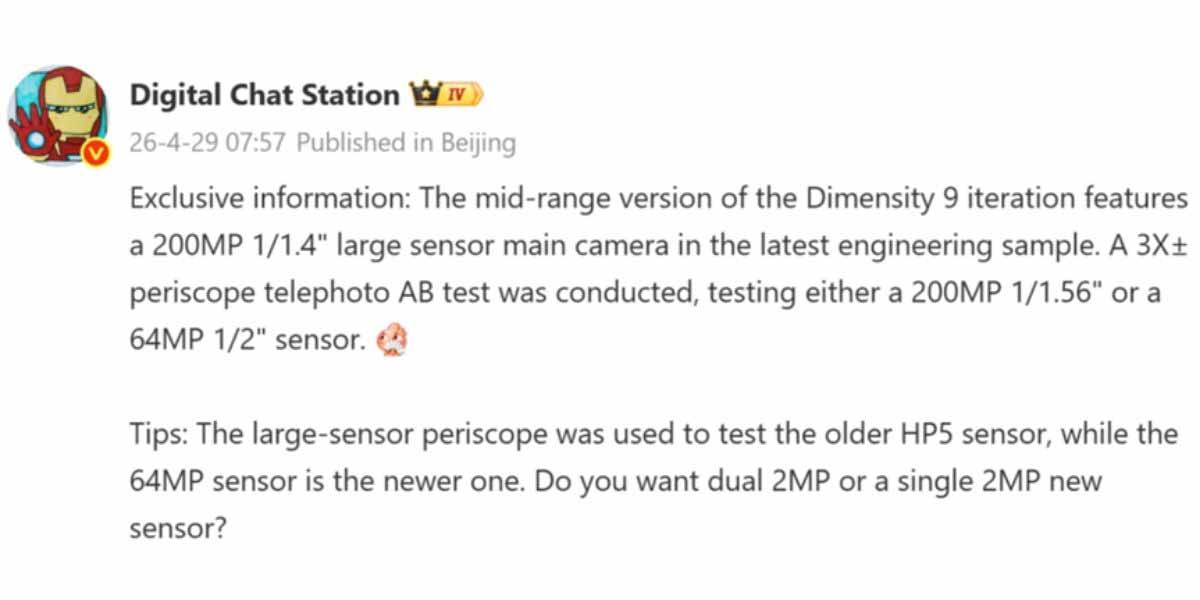
Tipster Digital Chat Station’s recent post on Weibo. (Translated via Google Translate)

A new rumour suggests the upcoming OnePlus Ace 6 Ultra could adopt a similar combo of built-in cooling fan and strong water resistance. While OnePlus hasn’t confirmed anything yet, the Ace 6 Ultra is expected around the same time next year, so a decision may come soon.

According to the leak shared by popular Weibo tipster Digital Chat Station, several other smartphone brands in China are also experimenting with internal fans, hinting this could be the next big hardware trend in mobile gaming.

FAQs

Q1. What special cooling feature does the Oppo K13 Turbo series offer?

Answer. The phones include a built-in active cooling fan that boosts efficiency by 300%, reduces space use by 70%, and increases fan power by 120%, supporting smoother gameplay.

Q2. How does Oppo maintain water resistance despite having a built-in fan?

Answer. Despite the moving parts, both the K13 Turbo and Turbo Pro feature IPX6, IPX8, and IPX9 water resistance ratings, marking an engineering milestone.

Q3. Is the cooling fan technology expected to appear in other smartphones?

Answer. A rumour suggests the OnePlus Ace 6 Ultra may adopt similar internal fan tech, with other Chinese brands also experimenting with active cooling for mobile gaming.

Also Read:

Galaxy S25 FE Leak Shows Familiar Design with Minor Upgrades

0

Highlights

  • Galaxy S25 FE leaked render shows the phone design closely resembles the Galaxy S24 FE.
  • Minor tweaks include a slimmer bottom bezel and unchanged camera layout.
  • Rumoured upgrades include a 12MP selfie camera and a 200mAh bigger battery, while keeping the Exynos 2400e chip and 8GB RAM.
image
– Samsung Galaxy S25 FE leaked render. (Image credit – Evan Blass on X)

A new leak has revealed what the upcoming Galaxy S25 FE might look like and at first glance, it’s almost a mirror image of last year’s Galaxy S24 FE.

Galaxy S25 FE – Leaked Render

Popular tipster Evan Blass shared a render of the Galaxy S25 FE on X (formerly Twitter) and the image shows off the phone in a clean white finish alongside the previously leaked grey variant.

The render gives us a full view of the front and back. And as many online pointed out, not much seems to have changed in terms of design.

image

image
– A comparison between the official image of Galaxy S24 FE (left) and the leaked render of the upcoming Galaxy S25 FE (right). (Image credit – Samsung/EvanBlass)

The overall look closely matches that of the Galaxy S24 FE. The bottom bezel might be a tad slimmer, but the bezels are still uneven and the front and rear camera placements appear unchanged. This likely means Samsung hasn’t made any major changes to the sensor sizes or internal layout either.

There is a bit of good news, though. Rumours suggest the selfie camera could finally get a slight bump to a 12MP sensor, replacing the 10MP shooter on the S24 FE. If true, this could mean slightly better selfies, helped by improved image processing.

Battery life might also see a small improvement with leaks pointing to a 200mAh boost over the S24 FE’s 4,700mAh battery. Under the hood, the S25 FE is expected to run on the same Exynos 2400e chip, paired with 8GB RAM. It will ship with Android 16 and One UI 8.0, so you can expect minor software upgrades but not a huge leap in performance.

Overall, we can say that the Galaxy S25 FE is shaping up to be more of a refined refresh than a major redesign.

FAQs

Q1. How does the Galaxy S25 FE design compare to its predecessor?

Answer. The design is nearly identical to the Galaxy S24 FE, with the only visible change being a slightly slimmer bottom bezel; camera placements and layout remain unchanged.

Q2. What upgrades are expected in the Galaxy S25 FE?

Answer. The phone may feature a 12MP selfie camera (up from 10MP), a 200mAh battery boost to 4,900mAh, and run on the Exynos 2400e chip with 8GB RAM, Android 16, and One UI 8.0.

Q3. What colors and variants have leaked for the Galaxy S25 FE?

Answer. Leaked renders show the device in clean white and grey finishes; the design reflects a refined refresh rather than a major overhaul.

Also Read:

Samsung Galaxy Tab S11 Ultra First Look Reveals Smaller Notch And Familiar Design

0

Highlights

  • Samsung Galaxy Tab S11 Ultra leaked render reveals design refinements.
  • The tablet will have a smaller U-shaped notch, possible S Pen connector repositioning and a familiar dual-camera setup with larger rings.
  • Expected specs include Dimensity 9400+ chip, up to 16GB RAM, 11,700mAh battery, 1TB storage and One UI 8 based on Android 16.
image
Currently available in the market is the Galaxy Tab S10+. (Image credit – Samsung)

While the launch of Samsung’s flagship tablet the Galaxy Tab S11 Ultra is expected in September 2025, it  appears we don’t have to wait that long to have more information. A new leak has shared the first real look at the upcoming device and we can’t help but notice few design changes. Here’s the full report on the recent leak.

Galaxy Tab S11 – First Look (Leaked)

image
Galaxy Tab S11 leaked render. (Image credit – Evan Blass on X)

Recently, reliable tipster Evan Blass @evleaks on X (formerly Twitter) posted a high-resolution render of the upcoming Galaxy Tab S11 Ultra. The image shows off both the front and back of the tablet and highlights some big design changes.

One of the noticeable changes in the design of the tablet is the front notch. It’s now a much smaller U-shaped cutout on the 14.6-inch AMOLED screen, compared to the wider notch seen on last year’s Galaxy Tab S10 Ultra. This likely means Samsung is switching from a dual 12MP front camera setup to just a single 12MP camera. The bezels remain slim, with little to no noticeable change.

The S Pen is still included, but the back no longer shows the familiar magnetic charging strip. This suggests Samsung may have moved the stylus connector, possibly to the frame, taking a page from Apple’s iPad Pro.

On the rear, the tablet keeps a dual-camera setup but with larger camera rings, mirroring the design language of the upcoming Galaxy S25 series.

Galaxy Tab S11 – Key Specs (Rumoured)

When it comes to specs, the Tab S11 Ultra is expected to be powered by MediaTek’s new Dimensity 9400+ chip, which should offer up to 10% better CPU performance compared to the previous Dimensity 9300+.

Battery capacity is also getting a slight bump, from 11,200mAh on the Tab S10 Ultra to a rumoured 11,700mAh this year. The tablet will likely run One UI 8 based on Android 16 with RAM options of 12GB or 16GB and storage going up to 1TB.

Interestingly, Samsung is reportedly dropping the Plus model this year, meaning the Galaxy Tab S11 lineup will probably include just two models, the standard and Ultra versions, both arriving in September.

FAQs

Q1. What design changes are seen in the Galaxy Tab S11 Ultra?

Answer. It features a smaller U-shaped notch, slimmer bezels, and the S Pen connector may be relocated from the back to the frame; the dual-camera setup gets larger rings.

Q2. What are the expected specifications of the Galaxy Tab S11 Ultra?

Answer. The tablet is expected to run on Dimensity 9400+ chip, offer up to 16GB RAM, 11,700mAh battery, up to 1TB storage, and ship with One UI 8 based on Android 16.

Q3. When will the Galaxy Tab S11 Ultra launch and what models are expected?

Answer. Samsung is likely to launch the Tab S11 lineup in September 2025, offering only two models, standard and Ultra, as the Plus variant may be dropped.

Also Read:

 iPhone 17 Pro Models to Get Scratch-Resistant, Anti-Reflective Display Upgrade

0

Highlights

  • iPhone 17 Pro and Pro Max to debut new scratch-resistant, anti-reflective display layer.
  • It will improve durability and reduce screen glare over Ceramic Shield.
  • Apple resolves production challenges while enabling mass manufacturing of the upgraded glass.
  • Display refinement will position Apple’s flagship phones to offer enhanced outdoor visibility and resilience.

image

Caption – New report reveals more about upcoming iPhone display tech. (Image credit – Apple)

It seems Apple has finally worked out the production issues with its new scratch-resistant, anti-reflective display layer. And latest report suggests the upcoming iPhone 17 Pro and iPhone 17 Pro Max will be the first to get the improved display tech.

According to a MacRumors report citing a reliable source, Apple suppliers have managed to achieve a good enough production yield for the upgraded glass to go into mass manufacturing. However, this new display tech will be exclusive to the Pro models and it won’t be available on the regular iPhone 17 or the rumoured iPhone 17 Air.

This new display layer has been in the rumour mill since 2024. Back in March this year, popular tipster Instant Digital on Weibo had revealed that the iPhone 17 glass “will be made into a super-hard [anti-reflective] layer…[and] be more scratch-resistant.”

It’s said to offer better scratch resistance than Apple’s current Ceramic Shield, which means the iPhone 17 Pro models could be more durable in everyday use.

Earlier this year, things weren’t looking good for the upgrade. Apple had trouble scaling the coating process, adding the anti-reflective layer was taking too long and slowing down production, almost leading to the feature being scrapped. But the process has now been streamlined, bringing the feature back on track.

Currently, iPhones come with a fingerprint-resistant oleophobic layer and Ceramic Shield protection. But unlike iPads and Macs, iPhones haven’t focused much on reducing screen glare.

Meanwhile, Samsung has already raised the bar with its latest smartphones using Gorilla Glass Armor, which “cuts down on reflections by up to 75 per cent” and enhances visibility in bright lighting. With this new display tech, Apple seems ready to respond with a similar level of refinement.

FAQs

Q1. Which iPhone models will feature the new scratch-resistant, anti-reflective display?

Answer. The upgraded display layer will be exclusive to the iPhone 17 Pro and iPhone 17 Pro Max, and won’t be available on the regular iPhone 17 or the iPhone 17 Air.

Q2. What makes the new iPhone 17 Pro display layer better than the current Ceramic Shield?

Answer. It offers enhanced scratch resistance and anti-reflective properties, reducing screen glare and improving durability beyond what Ceramic Shield currently provides.

Q3. How did Apple overcome production issues with the new display technology?

Answer. Apple streamlined the coating process after initial delays, allowing suppliers to achieve a suitable yield for mass manufacturing and preventing the feature from being scrapped.

Google Pixel Watch 4 May Stick with Old Chipset But With Bigger Battery and Faster Charging

0

Highlights

  • Pixel Watch 4 may reuse the older Snapdragon W5 Gen 1 chipset with Google planning to debut its own Tensor chip in Pixel Watch 5 next year.
  • The battery capacity will increase slightly with 327mAh for the 41mm and 459mAh for the 45mm model.
  • The launch will likely be alongside the Pixel 10 series.
image
Google Pixel Watch 4 leaked render. (Image credit – OnLeaks/91Mobiles)

As we get closer to Google’s 2025 Pixel launch event, there’s still a lot of mystery around the upcoming Pixel Watch 4. While we’ve seen some leaked renders and colour options, details about its internal specs have been mostly under wraps. But that is now slowly changing with a new report revealing some key details.

Pixel Watch 4 To User Old Chipset

According to a new report from Android Authority, the Pixel Watch 4 won’t be bringing a major performance upgrade. In fact, Google is reusing the same Snapdragon W5 Gen 1 chipset found in the Pixel Watch 2 and 3. This chip was launched back in 2022 and is built on a 4nm process and features four Cortex-A53 cores.

There’s a newer Snapdragon W6 on the horizon, featuring one Cortex-A78 and four A55 cores, but Google isn’t making the jump yet. Instead, it seems the company is waiting to introduce its own custom Tensor chip with the Pixel Watch 5 in 2026. That chip is expected to have the same setup as the W6 and even the Exynos W1000 used in Samsung’s Galaxy Watch8 series.

image
Google Pixel Watch 4 leaked renders. (Image credit – OnLeaks/91Mobiles)

image

Pixel Watch 4 To Get Bigger Battery and Faster Charging

The Pixel Watch 4 is expected to come in two sizes, 41mm (“meridian” / FME23) and 45mm (“kenari” / FK23). Leaked renders have already hinted at a thicker design, increasing from 12.3mm to 14.3mm. That extra bulk is likely due to a larger battery.

The expected battery specs are as follows –

  • The 41mm version will pack a 327mAh battery, up from 307mAh (+7%).
  • The 45mm model will get a 459mAh battery, up from 420mAh (+9%).

That’s a decent bump, but given the older W5 Gen 1 chip’s average efficiency, it may not translate to major improvements in battery life. On the plus side, charging speeds will be faster, though specific numbers haven’t leaked yet.

The Pixel Watch 4 will be available in Bluetooth and 4G variants, and you’ll get several new band styles, including two-tone leather, Active Sport bands, and metal mesh options.

Google is expected to officially unveil the Pixel Watch 4 alongside the Pixel 10 series, most likely at its next big hardware event in the coming weeks.

FAQS

Q1. Will the Pixel Watch 4 use a new chipset?

Answer. No, it’s expected to reuse the Snapdragon W5 Gen 1 chipset found in Pixel Watch 2 and 3, instead of upgrading to the newer Snapdragon W6.

Q2. What battery improvements are expected in the Pixel Watch 4?

Answer. The 41mm model will feature a 327mAh battery (up from 307mAh), and the 45mm model will get a 459mAh battery (up from 420mAh); faster charging is also planned.

Q3. When will the Pixel Watch 4 be launched and what variants are expected?

Answer. It’s likely to launch alongside the Pixel 10 series at Google’s 2025 hardware event, offering Bluetooth and 4G variants with new band styles including leather and mesh.

Also Read: Pixel Watch 3 and Pixel Buds Pro 2 Introduced at Made by Google Event 2024

Also Read: Pixel 9 Launch Event 2024: Live Streaming, What to Expect, and India Availability

Vivo T4R 5G Teased in India as the Slimmest Quad-Curved Display Phone at 7.39mm

0

Highlights

  • Vivo T4R 5G teased as India’s slimmest quad-curved display phone with launch date to be announced soon.
  • It will measure just 7.39mm thick and feature a premium curved design across all sides.
  • Expected specs include a 50MP IMX882 rear camera with OIS, 32MP front shooter, MediaTek Dimensity 7400 chip, up to 12GB RAM and a 6.77″ FHD+ OLED display at 120Hz.
  • It will be available via Flipkart, the Vivo India site and offline stores.

image

Caption – Vivo T4R 5G launch teaser. (Image credit – Vivo)

Vivo is all set to expand its T4 series in India with the upcoming launch of the Vivo T4R 5G. The company has officially started teasing the phone, revealing a side profile image that highlights its sleek design.

Vivo claims the T4R will be “India’s slimmest quad-curved display phone,” and it has shared the exact thickness, just 7.39mm. That’s impressively slim and gives it a premium look, as also seen in the teaser image.

image

Caption – Vivo T4R 5G profile revealed in a teaser. (Image credit – Vivo)

As expected, the phone will feature a quad-curved display and we can expect more details to be revealed gradually over the coming days as Vivo continues to tease the device ahead of its official launch.

From the teaser, the camera module looks similar to what’s on the upcoming iQOO Z10R, which hints that the T4R might come with similar specs. That could include a 50MP rear camera using the Sony IMX882 sensor with OIS, a secondary 2MP camera, and a 32MP front camera, all capable of 4K video recording.

Under the hood, the vivo T4R 5G is expected to be powered by the MediaTek Dimensity 7400 chipset and offer up to 12GB of RAM. It may also sport a 6.77-inch FHD+ OLED display with a 120Hz refresh rate and those signature quad curves on all sides.

image

Caption – Vivo T4R 5G launch teaser. (Image credit – Vivo)

Once launched, the T4R 5G will be available for purchase on Flipkart, vivo India’s online store, and at offline retail outlets. The launch date should be announced soon.

As of now, that’s all we know but more information can be expected closer to the launch.

FAQs

Q1. What is the thickness of the Vivo T4R 5G and what makes its display unique?

Answer. The Vivo T4R 5G is just 7.39mm thick, making it India’s slimmest quad-curved display phone, with curved edges on all sides for a premium look.

Q2. What are the expected specifications of the Vivo T4R 5G?

Answer. It’s likely to feature a MediaTek Dimensity 7400 chipset, up to 12GB RAM, a 6.77″ FHD+ OLED display with 120Hz refresh rate, and a 50MP IMX882 rear camera with OIS.

Q3. Where will the Vivo T4R 5G be available after launch?

Answer. It will be sold via Flipkart, Vivo India’s online store, and at offline retail outlets. The official launch date is yet to be announced.

Also Readvivo X200 FE Debuts in India with Compact Design, 6500mAh Battery, and Flagship Specs

Also Readvivo X Fold5 Introduced in India with ZEISS Cameras, 6000mAh Battery, and ₹15,000 Discount

Galaxy Z Fold 7 Appears Thinner Than Honor’s “World’s Slimmest Foldable,” Samsung Explains S Pen Trade-Off, Exynos 2600 Still Not Confirmed for Galaxy S26

0

Highlights

  • Galaxy Z Fold 7 revealed to be slimmer than Honor’s Magic V5 in a recently leaked comparison video. Samsung dropped S Pen support for Fold 7 to achieve a thinner design, using lighter components and a redesigned hinge.
  • Future stylus inclusion depends on tech improvements and demand.
  • Exynos 2600 chip for Galaxy S26 is still uncertain due to yield issues.
image
Galaxy Z Fold 7 was recently launched globally during Samsung’s Unpacked Event. (Image credit – Samsung)

Honor recently claimed its new Magic V5 is the “world’s slimmest foldable,” but a side-by-side comparison with Samsung’s Galaxy Z Fold 7 tells a different story. Despite Honor listing the Magic V5 at 8.8mm when folded and Samsung stating the Fold 7 is 8.9mm thick, a hands-on video suggests Samsung’s foldable may actually be thinner.

Galaxy Z Fold 7 vs Honor Magic V5 – What the Video Shows?

image
Galaxy Z Fold 7 vs Honor Magic V5 thickness comparison. (image credit – @UniverseIce on X)

Tech leaker @UniverseIce posted a video on X (formerly Twitter) comparing the two foldables. At first glance, both devices appear equally slim, but placing a card across the top reveals that the Galaxy Z Fold 7 edges out the Magic V5 ever so slightly. In fact, a small ball rolling along the card highlights the height difference even more.

A micrometre reading also backs up this observation, showing that Samsung’s device is technically thinner. Another video even suggests the Magic V5 looks more like Oppo’s Find N5 in terms of thickness.

We have to thank folks at 9to5Google for combining the two videos and making it easier to understand the comparison. You can check out the joint video here –

While Honor claims 8.8mm for the Magic V5 (specifically the Ivory White variant), it’s possible the company is using a different measuring method. As of now, Honor hasn’t responded to the claims. Honor’s official website, however, adds the following text as a disclaimer to the 8.8mm measurement –

“Data comes from the HONOR Lab. 8.8mm refers to the thickness of the Ivory White model in the folded state. The overall thickness does not include the inner and outer screen protective films and the raised part of the camera… The actual data may vary depending on configurations, manufacturing processes and measurement methods. Please refer to the actual device.”

Samsung Explains Why Galaxy Z Fold 7 Dropped S Pen Support

In separate news, Samsung is finally being open about the changes made to the Galaxy Z Fold 7, especially the decision to drop S Pen support. In an interview with ET News, Samsung MX Managing Director Kang Min-seok admitted the move was intentional.

image
The Galaxy Z Fold 6 with compatible S Pen. (Image credit – Samsung)

The Fold 7 emphasised that consumers want a ‘thin and light product,” Kang said. “Please think of it as a ‘trade-off’ where you lose one if you choose one.”

Kang explained that removing features like the digitiser for S Pen, the under-display camera, and skipping battery or charging upgrades was all done to achieve the Fold 7’s ultra-slim 8.9mm profile.

Samsung isn’t done with the S Pen, though. Kang said they’re “researching and developing thinner and innovative technologies” to possibly bring the stylus back in future models when the “level of perfection” is high enough and consumer demand justifies it.

To make the Fold 7 lighter and thinner, Samsung reworked the frame and hinge. The new “Armor Flex” hinge is 27% thinner and 43% lighter than what was used on the Fold 6. The 8-inch foldable display is also 39% thinner and 43% lighter with a layer of titanium at the base to improve durability.

Even the 200MP camera sensor was made smaller, down by 18%, though the camera bump is still quite prominent. On the Flip 7, Samsung used high-density circuit boards to create more internal space, which helped increase battery capacity by 300mAh without making the device thicker.

Kang said both devices reflect Samsung’s goal of delivering products that are “perfected in all experiences”, even if some design choices remain controversial.

Is Galaxy X26 Getting an Exynos Chip?

image
Samsung’s Exynos 2600 chip. (Image credit – Gizmochina)

Meanwhile, there’s still uncertainty about whether Samsung’s Exynos 2600 chip will power the upcoming Galaxy S26 series, expected to launch in January 2026. At a recent event, Park Yong-in, President of Samsung System LSI, said the chip is “progressing well” and teased “good results,” but didn’t confirm its use in the S26.

Interestingly, Samsung used the Exynos 2500 in the Galaxy Z Flip7 and the Exynos 2400 in the Z Flip7 FE, breaking from its usual reliance on Qualcomm Snapdragon chips. But the Fold 7 stuck with Snapdragon, hinting that the Exynos 2500 might not have met performance or efficiency targets.

The Exynos 2600 reportedly faces yield issues, just like the 2500 did. Mass production requires at least 70% yield, and sources say the chip hasn’t hit that number yet. Samsung originally planned to use the Exynos 2500 for the Galaxy S25, but scrapped it in favour of the Snapdragon 8 Gen 4 Elite.

So while Samsung is pushing its own chips, whether the Exynos 2600 powers the S26 will ultimately depend on whether the company can get production levels high enough in time.

FAQs

Q1. Is the Galaxy Z Fold 7 thinner than Honor’s Magic V5 foldable?

Answer. Despite official specs listing Fold 7 at 8.9mm and Magic V5 at 8.8mm, hands-on videos and micrometre readings suggest the Fold 7 may actually be slimmer.

Q2. Why did Samsung remove S Pen support from the Galaxy Z Fold 7?

Answer. Samsung prioritized a thinner design by removing the digitizer for S Pen, under-display camera, and skipping battery upgrades to achieve the 8.9mm profile.

Q3. Will the Galaxy S26 use the Exynos 2600 chip?

Answer. Samsung hasn’t confirmed it yet; the chip faces yield issues and must hit a 70% production threshold before it can be used in mass-market devices like the S26.

Also ReadLeak Reveals Galaxy Z Fold 7, Flip 7, and Flip 7 FE Full Specs Ahead of Launch; All to Ship with Android 16

Also ReadGalaxy Z Fold 7 New Leaked Promo Stand Image Hints at a Much Thinner Design