
Home Blog Page 92

Future iPhones May Feature Advanced Tandem OLED Displays for Brighter Screens: Report

0

Highlights

  • Apple plans to bring tandem OLED technology currently used in the M4 iPad Pro to future iPhones.
  • It will offer higher brightness, better power efficiency and longer lifespan.
  • Apple has mapped out a two-year production timeline, which means tandem OLED iPhones likely won’t arrive until after 2028.
image
Report suggests new iPhone display tech is under development. (Image credit – Apple)

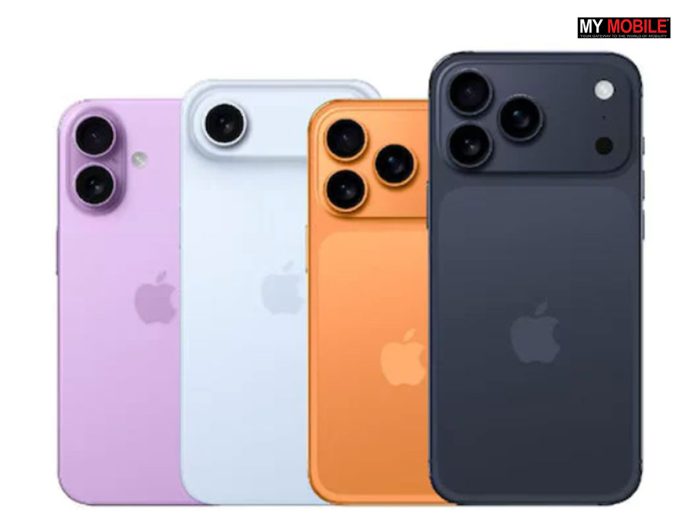
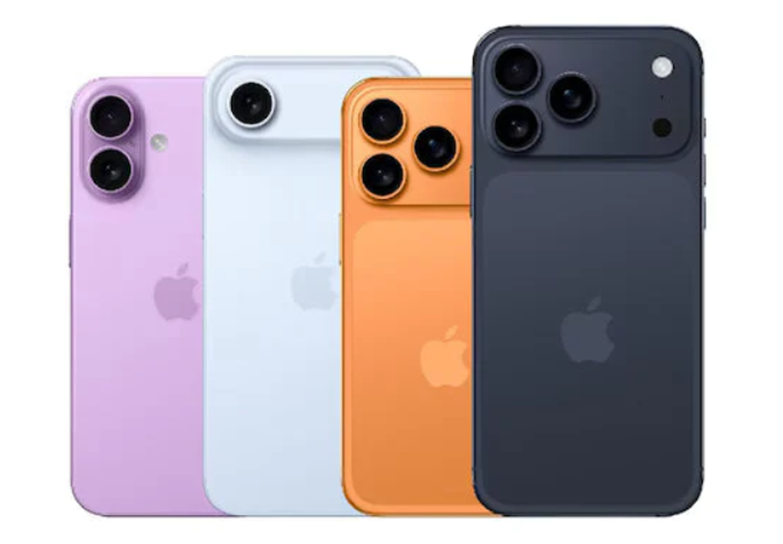
If this new report hold any ground, Apple is probably gearing up to introduce tandem-structure OLED panels to future iPhones. This is key display advancements currently exclusive to the M4 iPad Pro lineup. Here’s more on that.

Advanced Tandem OLED Displays for Future iPhone

According to a recent The Elec report, Apple has mapped out a two-year production timeline to adapt the superior tandem OLED technology for iPhones. However, since the company has not yet finalised whether it will collaborate with Samsung Display or LG Display, iPhones featuring tandem OLED panels likely won’t debut until after 2028.

The tandem OLED displays used in Apple’s latest iPad Pro models stack two RGB organic light-emitting layers, which significantly boost brightness, improve power efficiency and extend panel lifespan, advantages not found in the current single-stack OLED displays used in iPhones.

For iPhones, Apple is reportedly evaluating a variation called “simplified tandem” OLED, which stacks two layers only for the blue sub-pixel, while the red and green sub-pixels remain on a single layer. This version still aims to improve performance while reducing complexity and manufacturing costs.

LG Display is believed to have pitched this simplified tandem OLED approach to Apple, backed by its confidence in the technology. In fact, LG proposed a tandem OLED solution for iPhones several years ago and is now reportedly ahead of Samsung in this area.

Notably, LG has already supplied more tandem OLED panels for the iPad Pro than Samsung and has experience with two-stack OLEDs in its automotive display segment. In contrast, Samsung’s automotive OLEDs typically use a single-stack method.

Given LG’s lead, Apple is reportedly showing stronger interest in LG’s tandem OLED tech. That said, Apple is expected to diversify its supply chain to ensure production scalability and cost efficiency, which could bring China’s BOE into the mix as well.

As with all early-stage technology plans, there’s a possibility that Apple’s strategy may evolve over time. But if the company proceeds as expected, tandem OLED displays could significantly elevate display performance in future iPhones post-2028.

FAQs

Q1. What is tandem OLED technology, and how does it benefit iPhones?

Answer. Tandem OLED technology stacks two RGB organic light-emitting layers, which significantly enhances brightness, improves power efficiency, and extends the display’s lifespan, advantages over the current single-stack OLED panels used in iPhones.

Q2. When are iPhones expected to feature tandem OLED displays?

Answer. Apple is reportedly working on a two-year production timeline, but due to supplier decisions still pending, tandem OLED-equipped iPhones are unlikely to launch before 2028.

Q3. Which companies are involved in developing tandem OLED panels for Apple?

Answer. Apple is evaluating options from LG Display and Samsung Display, with LG currently leading due to its experience and early proposals. Apple may also consider BOE to diversify its supply chain for scalability and cost efficiency.

Related Links –

https://www.mymobileindia.com/apple-display-roadmap-leaked-macbook-pro-may-get-oled-displays-and-lose-the-notch-by-2026/

https://www.mymobileindia.com/apples-smart-home-hub-with-7-inch-display-could-launch-by-year-end-says-gurman/

New Leaked Photo Highlights Ultra-Thin iPhone 17 Air Battery, Apple Develops Advanced Custom Image Sensor for iPhone

0

Highlights

  • Leaked images reveal a 2.49mm-thick battery for the iPhone 17 Air, making it Apple’s slimmest iPhone yet.
  • iPhone 17 Air may limit it to a single rear camera and a 2,800–2,900mAh battery to achieve a slim profile.
  • Apple is reportedly testing a new stacked image sensor with dynamic range up to 30 stops, rivalling cinema cameras.
  • It features LOFIC tech and real-time noise cancellation for superior imaging.
image
Upcoming iPhone 17 Air again appears in a leaked photo while Apple patents a new image sensor tech for future iPhones. (Image credit – Apple)

We have had quite a few looks at the upcoming 17 iPhone Series models including the iPhone 17 Air.  Now, a newly surfaced photo has given us a clearer look at the incredibly thin battery reportedly designed for Apple’s upcoming iPhone 17 Air. Meanwhile, Apple’s patent shows a new type of image sensor that would change the photography capabilities of future iPhones. Here’s more on both reports.

iPhone 17 Air’s New Leaked Photo

image
New photo shows iPhone 17 Air battery side-by-side with that of the iPhone 17 Pro. (Image credit – Yeux1122)

Leaker Majin Bu recently shared multiple photos of the alleged iPhone 17 Air battery. Adding to the credibility, Chinese blogger Yeux1122 posted a side profile image comparing it to the iPhone 17 Pro battery, showcasing the dramatic difference in thickness.

The latest image shows the battery side-by-side with that of the iPhone 17 Pro.

The iPhone 17 Air is rumoured to be Apple’s slimmest iPhone to date with a thickness of just 5.5mm. To maintain the thin form factor, Apple has had to make some compromises including limiting the device to a single rear camera unlike the triple-camera setup seen on the Pro models.

Battery life may also take a hit. Leaks suggest that the iPhone 17 Air will be powered by a 2800mAh battery. That’s a notable downgrade compared to the 3500mAh capacity in the iPhone 16 and iPhone 16 Pro. The upcoming iPhone 17 Pro Max, in contrast, is expected to house a much larger 5000mAh battery.

Apple Reportedly Building Its Own Custom Image Sensor

image
Apple patent reveals new image sensor with dynamic range for future iPhones. (Image credit – Apple)

In parallel with hardware developments like the iPhone 17 Air, Apple is reportedly working on its own custom image sensor that could dramatically improve camera performance in future iPhones.

According to a leaker on Weibo, Apple is developing a new sensor with dynamic range levels that could rival the human eye, estimated between 20 to 30 stops. For comparison, current smartphones typically manage 10 to 13 stops, while professional cinema cameras like the ARRI ALEXA 35 push toward the higher end of that range.

A recently filed Apple patent titled “Image Sensor With Stacked Pixels Having High Dynamic Range And Low Noise” outlines a new stacked sensor design. The sensor consists of two layers, the top “sensor die” captures light, and the bottom “logic die” handles image processing such as exposure control and noise reduction.

One of the standout features is the Lateral Overflow Integration Capacitor (LOFIC) system, which allows each pixel to store varying amounts of light based on scene brightness. This enables the sensor to capture both highlights and shadows more accurately, even in high-contrast environments like a person standing in front of a bright window.

Another innovation involves minimising electronic noise with each pixel has a dedicated memory circuit that actively measures and cancels heat-related signal noise in real time right on the chip, before any software processing occurs.

According to the Weibo source Fixed Focus Digital, this isn’t just a patent on paper. The sensor has reportedly already been developed and is now undergoing tests in early hardware prototypes. This could indicate Apple’s intention to integrate it into future consumer devices.

Currently, Apple relies on Sony for iPhone camera sensors, which also use a two-layer approach. However, Apple’s version introduces new features and a more compact design. If Apple transitions to its own sensor, it would gain end-to-end control over the image processing pipeline, mirroring its successful shift away from Intel and Qualcomm by developing in-house chips.

FAQs

Q1. How thin is the iPhone 17 Air expected to be?

Answer. The iPhone 17 Air is rumoured to be Apple’s slimmest iPhone yet, with a thickness of just 5.5mm, achieved by using a dramatically thinner battery compared to the iPhone 17 Pro.

Q2. What is Apple’s new custom image sensor designed to do?

Answer. Apple’s custom image sensor aims to deliver a dynamic range between 20 to 30 stops, rivalling cinema cameras. It uses a stacked pixel design with LOFIC tech and real-time noise cancellation for improved highlight and shadow detail.

Q3. Why is Apple developing its own image sensor?

Answer. Apple currently relies on Sony for camera sensors. By developing its own, Apple seeks end-to-end control over the image processing pipeline, similar to its shift away from Intel and Qualcomm.
Also Read
Most of iPhones Sold in the US Now Made in India, Vietnam Leads in Apple’s Other Products: Tim Cook

Also Read
Apple Q3 2025 Earnings: $94.04B Revenue, 3 Billion iPhones Sold – Tim Cook on Rising Tariff and AI Investments

Pixel 10 Pro Fold, Pixel Watch 4 and Buds 2a May Not Launch Until October Despite August Reveal

0

Highlights

  • While the Pixel 10 series will be announced on August 20, only the Pixel 10, 10 Pro, and 10 Pro XL will launch on August 28.
  • Pixel 10 Pro Fold, Pixel Watch 4, and Pixel Buds 2a are reportedly postponed until October 9.
  • Google hasn’t confirmed anything officially and details will likely remain unconfirmed until the event.
image
Pixel 10 Pro Fold, Pixel Watch 4 and Buds 2a reportedly won’t be available until October. (Image  credit – Android Headlines)

Google has officially confirmed that the Pixel 10 series will be announced on August 20, 2025. Reports have previously indicated that the new devices and accessories would go on sale shortly after the event. However, that might not be the case. We are hearing murmurs that not all the products are expected to be unveiled at the Made by Google event. Here’s more on that.

Google Pixel Launch Schedule

According to a report from WinFuture, Google is currently facing supply chain issues affecting the Pixel 10 Pro Fold, Pixel Watch 4, and Pixel Buds 2a. While these products are still slated to be announced during the August 20 launch event, fans may have to wait longer to get their hands on them.

The report suggests that the standard Pixel 10, Pixel 10 Pro, and Pixel 10 Pro XL models will be available in stores on August 28.

However, the Pixel 10 Pro Fold, Pixel Watch 4, and Pixel Buds 2a are reportedly delayed until October 9, 2025.

Though the exact cause of the delay hasn’t been confirmed, the report speculates that the use of new components in these devices may be responsible for the supply chain bottlenecks.

This delay is especially disappointing for those looking forward to the Pixel 10 Pro Fold, which risks falling further behind the highly praised Samsung Galaxy Z Fold 7. Similarly, the Pixel Watch 4’s postponement gives Samsung’s Galaxy Watch 8 lineup more time to win over potential buyers. Those planning to purchase the Pixel 10 series at launch will also miss out on the full ecosystem experience as the Pixel Watch won’t be available for another five weeks.

Last Year’s Pixel Device Launch Schedule

This scattered launch schedule is not really a surprise, though. For context, last year’s launch timeline for the Pixel device was also staggered.

In 2024, the Pixel 9 and Pixel 9 Pro XL hit the shelves on August 22, just over a week after their August 13 announcement. However, the smaller Pixel 9 Pro and Pixel 9 Pro Fold were delayed until September 4, while the Pixel Watch 3 launched on September 10, followed by the Pixel Buds Pro 2 on September 26. Google didn’t provide specific reasons for those delays and it’s unlikely to issue an explanation this time either.

It’s worth noting that all of this is based on a leak and Google has yet to confirm any availability details. We expect to hear more during the official Pixel 10 series announcement on August 20.

FAQs

Q1. When will the Pixel 10 series be officially announced and released?

Answer. Google will announce the Pixel 10 series on August 20, 2025. The standard Pixel 10, Pixel 10 Pro, and Pixel 10 Pro XL are expected to be available in stores starting August 28, 2025.

Q2. Why are the Pixel 10 Pro Fold, Pixel Watch 4, and Pixel Buds 2a delayed?

Answer. These devices are reportedly delayed until October 9, 2025, due to supply chain issues, possibly caused by the use of new components in their design.

Q3. Has Google confirmed the delayed availability of these products?

Answer. No, the delay is based on a leak from WinFuture, and Google has not officially confirmed the availability timeline. More details are expected during the August 20 announcement.

WhatsApp to Introduce Guest Chats Feature – Here’s What It Means and How It Might Work

0

Highlights

  • WhatsApp is testing a new feature that allows users to invite non-WhatsApp users into one-on-one encrypted chats.
  • Guest chats will support only basic text messaging and no media, voice/video messages, GIFs or group chats will be allowed.
  • This feature aligns with Meta’s efforts to comply with EU regulations by promoting cross-platform communication.

image

Caption – (Photo by BoliviaInteligente on Unsplash)

WhatsApp is working on a new feature called Guest Chats, which will let users communicate with people even if they don’t have a WhatsApp account. The feature was spotted in the Android beta version 2.25.22.13 by the trusted WhatsApp Beta leaker named WABetaInfo. It is expected to roll out to the stable versions of WhatsApp on both Android and iOS in the near future. Here’s more on that.

WhatsApp Guest Chat Feature

As per WABetaInfo, the beta contains references to this upcoming functionality, which enables users to generate a link to an online chat. The recipient doesn’t need to have WhatsApp installed or even own a WhatsApp account. They can simply use the link to join the conversation.

image

Caption – WhatsApp to soon allow non-WhatsApp users to join conversations on the platform. (Image credit – WABetaInfo)

To start a guest chat, a WhatsApp user can invite a contact without the app by sending them a chat link. Once the recipient clicks the link, they can join an online chat that is end-to-end encrypted. The interface for this is expected to resemble WhatsApp Web.

However, there will be some restrictions. Guest chats will support only basic text messaging. Media sharing, voice or video messages, GIFs, and group chats will not be available in this mode. The feature will be limited strictly to one-on-one conversations.

While technical specifics are still under wraps, this move aligns with Meta’s broader goal of ensuring platform interoperability, particularly in response to new EU regulations. WhatsApp has also been working on integrating chats from platforms like iMessage, Telegram, Google Messages, and Signal.

There’s no official timeline for when Guest Chats will be available for all users. Reports suggest it is likely to arrive in a future update for both Android and iOS unless there are major technical roadblocks.

FAQs

Q1. What is WhatsApp’s new Guest Chats feature?

Answer. Guest Chats is an upcoming WhatsApp feature that allows users to chat with people who don’t have a WhatsApp account. By sharing a chat link, anyone can join a one-on-one encrypted conversation without installing the app.

Q2. What limitations will Guest Chats have?

Answer. Guest Chats will support only basic text messaging. Features like media sharing, voice/video messages, GIFs, and group chats will not be available. The interface is expected to resemble WhatsApp Web.

Q3. Why is WhatsApp introducing Guest Chats?

Answer. The feature supports Meta’s broader goal of platform interoperability, especially in response to EU regulations. It complements WhatsApp’s efforts to integrate chats from other messaging platforms like iMessage, Telegram, and Signal.

Related Links –

https://www.mymobileindia.com/whatsapp-to-soon-let-users-import-profile-pictures-from-facebook-and-instagram/

https://www.mymobileindia.com/whatsapp-beta-brings-ai-powered-quick-recap-for-chats-and-begins-testing-ads-in-status-channels/

Google Makes Fun Of Apple Over Siri Delay in Bold New Pixel 10 Ad Ahead of August Launch

0

Highlights

  • Google’s new Pixel 10 teaser mocks Apple’s year-long delay in delivering promised AI-powered Siri features.
  • The ad highlights Google’s working on-device AI via Gemini contrasting it with Apple’s still-unreleased Apple Intelligence features.
  • The Pixel 10 series including Pixel 10, 10 Pro, 10 Pro XL and 10 Pro Fold will launch alongside Pixel Watch 4 and Pixel Buds 2a on August 20.
image
A still from Google’s new ad for the upcoming Pixel 10 series. (Image credit – Google)

Google is gearing up to launch the Pixel 10 series on August 20. The series will include the Pixel 10, Pixel 10 Pro, Pixel 10 Pro XL and Pixel 10 Pro Fold, alongside the Pixel Watch 4 and Pixel Buds 2a.

Ahead of the big reveal, leaks about these devices have been pouring in from all corners. Google itself has been adding to the buzz by teasing bits of its next-gen lineup. The latest teaser, however, takes a more cheeky turn while directly mocking Apple.

Google Pixel 10 Latest Ad

Google has just released a new 30-second teaser for the Pixel 10 on its official YouTube channel and it’s a bold jab at Apple’s highly delayed “Apple Intelligence” feature. The ad doesn’t bother to flaunt hardware or specs. Instead, it focuses on a simple but sharp message, zeroing in on one of Apple’s most criticised missteps of the past year, the long-promised, still-undelivered smart Siri update.

The ad’s narration lands the blow saying, “If you buy a new phone because of a feature that’s coming soon… But it’s been coming soon for a full year.. You could change your definition of soon. Or you could just change your phone.”

To put this in context, Apple first introduced its personalised Siri features powered by Apple Intelligence at WWDC 2024. These features were used to promote the iPhone 16 lineup with the promise that the new AI-powered Siri functionality would arrive “soon.”

However, Apple failed to deliver on that timeline and eventually confirmed that the updated Siri experience would be delayed until spring 2026, an entire year later than initially promised. This delay hasn’t gone unnoticed by consumers, and it has even led to class action lawsuits for alleged false advertising.

Google is clearly leaning into this moment. With AI being the current tech battleground, the company isn’t holding back in reminding users that it already has working on-device AI thanks to Gemini running on its Pixel lineup.

The ad’s message is cocky, confident and perfectly timed to build hype just weeks before the official August 20 launch.

FAQs

Q1. When is the Google Pixel 10 series launching?

Answer. Google is gearing up to launch the Pixel 10 series on August 20.

Q2. What products are included in the Pixel 10 series launch?

Answer. The series will include the Pixel 10, Pixel 10 Pro, Pixel 10 Pro XL, Pixel 10 Pro Fold, alongside the Pixel Watch 4 and Pixel Buds 2a.

Q3. What is Google mocking in its latest Pixel 10 ad?

Answer. Google’s teaser mocks Apple’s highly delayed “Apple Intelligence” feature, specifically the still-undelivered smart Siri update that was promised in 2024 but delayed until spring 2026.

Related links –

https://www.mymobileindia.com/google-pixel-10-series-launch-tipped-for-august-20-pixel-10-pro-prototype-and-new-ringtones-leak/

https://www.mymobileindia.com/pixel-buds-2a-leak-reveals-refreshed-design-with-noise-cancellation/

Apple’s 18.8-Inch Rumoured Foldable Device Faces Delay, May Miss 2026 Production Timeline

0

Highlights

  • Apple’s 18.8-inch foldable device is now likely postponed to 2027 due to internal delays, according to analyst Jeff Pu.
  • The device may be a MacBook-iPad hybrid with a touch-based screen, but its final identity depends on whether it runs macOS or iPadOS.
  • Apple’s foldable iPhone is possibly part of the iPhone 18 lineup and is still expected to launch in late 2026.

image

Caption – Latest reports hint at possible delays in Apple’s large-screen foldable device. (Image credit – GSMArena)

Apple’s much-anticipated 18.8-inch foldable device was once rumoured to be the company’s first product with a folding screen. However, the device now seems to be facing internal delays that could push its launch well beyond 2026. While recent speculation has centred around a late 2026 or early 2027 debut for Apple’s foldable iPhone, plans for the larger foldable iPad or MacBook-like device appear to have shifted. Here’s what we know.

Delay in Apple’s Large Foldable

A new report from Jeff Pu, lead analyst at GF Securities and known for his Apple-related insights, suggests that Apple has internally delayed its 18.8-inch foldable product. This update comes via a research note tied to Apple’s recent third-quarter earnings.

Pu expressed that he sees “limited innovation” in the upcoming iPhone 17 lineup, but noted “intact progress” on the iPhone 18 Fold, still on track for a launch in the second half of 2026.

However, Pu added, “the 18.8-inch foldable device is likely to be postponed.” While no specific reason was cited, it’s now unlikely that the larger foldable will enter mass production in Q4 2026, as previously expected. A 2027 release now seems more plausible.

There’s ongoing debate about what form this larger foldable will ultimately take.

For example, Bloomberg’s Mark Gurman has reported on a 20-inch foldable iPad slated for 2028, while analyst Ross Young believes Apple could launch a foldable tablet-style product in 2026 or 2027. The exact nature of the device, whether it’s an iPad or Mac, remains unclear.

Pu suggests the foldable device may be a MacBook-iPad hybrid featuring a touch-based screen and support for macOS. Apple analyst Ming-Chi Kuo has similarly described it as a MacBook, while Ross Young has mentioned an 18.8-inch foldable notebook. In December, The Wall Street Journal reported that Apple was developing a 19-inch MacBook with a foldable display.

Conversely, both Gurman and research firm Omdia have referred to it as an iPad. The final identity of the device may ultimately depend on the operating system it uses, macOS would place it in the Mac category, while iPadOS would make it part of the iPad lineup.

Gurman has also suggested that Apple’s recent design changes in iOS 26 and macOS Tahoe, aimed at aligning both platforms more closely, could pave the way for foldable devices and touchscreen Macs, supporting the possibility of a hybrid form factor.

For now, Apple’s foldable iPhone continues to build with signs pointing to a 2026 release, while the larger Apple foldable device remains uncertain.

FAQS

Q1. Why has Apple’s 18.8-inch foldable device been delayed?

Answer. Apple’s 18.8-inch foldable device has reportedly faced internal delays, making a 2026 launch unlikely. Analyst Jeff Pu suggests it may now be postponed to 2027, though no specific reason for the delay was cited.

Q2. What form will Apple’s larger foldable device take?

Answer. The exact form is still uncertain. It could be a MacBook-iPad hybrid with a touch-based screen, depending on whether it runs macOS or iPadOS. Analysts are split, with some calling it a foldable notebook and others referring to it as a foldable iPad.

Q3. Is Apple still planning to release a foldable iPhone?

Answer. Yes, Apple’s foldable iPhone, possibly part of the iPhone 18 lineup, is still expected to launch in the second half of 2026, with development reportedly progressing intact.

Related Links –

https://www.mymobileindia.com/apple-product-roadmap-future-releases/

https://www.mymobileindia.com/samsung-to-supply-crease-free-display-for-apples-foldable-iphone-expected-in-2026/

Most of iPhones Sold in the US Now Made in India, Vietnam Leads in Apple’s Other Products, Reveals Tim Cook

0

Highlights

  • Tim Cook confirmed that the majority of iPhones sold in the US during Q2 2025 were manufactured in India.
  • Vietnam has become the primary manufacturing base for US-bound MacBooks, iPads, and Apple Watches, while China now focuses on non-US markets.
  • Apple saw record iPhone sales in India and other emerging markets.
Apple CEO Tim Cook. (Image credit – Reuters)

Apple CEO Tim Cook has confirmed that most iPhones sold in the US during the second quarter were manufactured in India. This is despite ongoing criticism from US President Donald Trump over Apple’s shift in production.

Speaking after Apple’s Q2 earnings on July 31, Cook said India has emerged as the key manufacturing hub for iPhones sold in the US, while China now mainly caters to other international markets.

“In terms of the country of origin, it’s the same as I referenced last quarter. There hasn’t been a change to that, which is the vast majority of the iPhone sold in the US or the majority, I should say, have a country of origin of India,” Cook told analysts.

Meanwhile, Vietnam has become the primary base for US-bound production of Apple’s other hardware products like MacBooks, iPads and Apple Watches. “The products for other international countries, the vast majority of them are coming from China,” Cook added.

India – Both A Key Market and Manufacturing Hub for Apple

Cook’s remarks also reflect Apple’s broader strategy to strengthen its presence in India and not just as a production base but also as a growing consumer market. He highlighted that Apple is seeing record-breaking revenue from iPhone sales in India.

“We saw iPhone growth in every geographic segment and double-digit growth in emerging markets including India, the Middle East, South Asia, and Brazil,” Cook said.

Apple has reported a 10% year-over-year increase globally in quarterly revenue, reaching $94 billion. India was among over 25 countries where Apple hit all-time high revenue figures in the June quarter. During the earnings call, Cook also revealed plans to open more Apple Stores across India to further expand its retail presence.

Trump’s Objection to Apple’s India Manufacturing

President Donald Trump has previously expressed his disapproval of Apple manufacturing iPhones in India for US consumers. During a visit to Doha in May this year, Trump remarked, “I had a little problem with Tim Cook… I said to him, my friend, I am treating you very good… but now I hear you are building all over India. I don’t want you building in India.”

Trump has also announced a 25% tariff on imports from India. While electronics like smartphones, laptops, and other consumer tech are currently exempt from these new tariffs, analysts caution that this exemption might not last.

Tim Cook on Tariff Costs and Future Impact

Addressing the financial implications of tariffs, Tim Cook said the company continues to monitor the evolving global trade landsca

“For the June quarter, we incurred approximately $800 million of tariff-related costs. For the September quarter, assuming the current global tariff rates, policies, and applications do not change for the balance of the quarter, and no new tariffs are added, we estimate the impact to add about $1.1 billion to our costs,” Cook explained. He noted these figures could vary based on any changes in tariff policies in the coming months.

FAQs

Q1. Where are most iPhones sold in the US currently manufactured?

Answer. Most iPhones sold in the US during Apple’s Q2 2025 were manufactured in India, as confirmed by CEO Tim Cook. India has become a key production hub for US-bound iPhones.

Q2. Which country is now producing Apple’s other hardware products for the US market?

Answer. Vietnam has taken the lead in manufacturing Apple’s other hardware products such as MacBooks, iPads, and Apple Watches for the US market.

Q3. How are global tariffs affecting Apple’s production costs?

Answer. Apple incurred approximately $800 million in tariff-related costs during the June quarter. For the September quarter, the estimated impact is around $1.1 billion, depending on future changes in global tariff policies.

Read More: https://www.mymobileindia.com/apple-begins-trial-production-of-iphone-17-in-india-ahead-of-september-2025-launch/

Read More: https://www.mymobileindia.com/foxconn-to-boost-iphone-production-in-india-with-1-5-billion-investment-adds-new-semiconductor-plant/

Vivo Y400 5G Debuts in India with Snapdragon 4 Gen 2, 6,000mAh Battery and AMOLED Display

0

Highlights

  • Vivo Y400 5G has been launched at the prices of ₹21,999 for 128GB and ₹23,999 for 256GB.
  • It features a Snapdragon 4 Gen 2 chipset, 8GB RAM, a 6.67″ AMOLED display with 120Hz refresh rate and a 6,000mAh battery with 90W fast charging.
  • It comes with launch-day discounts, EMI options, and bundled deals including discounted TWS earbuds and OTT access.
image
Vivo Y400 5G has been officially available for pre–order in India now. (Image credit – Vivo)

Vivo has launched its latest mid-range smartphone, the Vivo Y400 5G, in India. It joins the Vivo Y400 Pro 5G, which was introduced in the country last month. This new model packs a Snapdragon 4 Gen 2 chipset, a massive 6,000mAh battery and several other standout features. The brand is positioning the phone as a solid choice for those looking for a phone under ₹20,000.

Here’s everything we know about the phone.

Vivo Y400 5G Price in India, Sale Details and Launch Offers

The Vivo Y400 5G is available in two configurations –

  • 8GB + 128GB priced at ₹21,999
  • 8GB + 256GB priced at ₹23,999

It can be purchased through Vivo’s official website and Flipkart. As part of the launch offers, Flipkart is providing an instant ₹1,000 discount on select credit and debit cards. You’ll also get an additional ₹1,000 exchange bonus.

The first sale goes live on August 7, 2025, at 12 PM via Flipkart and pre-booking has already begun.

Buyers can also take advantage of several launch-day benefits including cashback offers, EMI options, and bundled deals. Customers using SBI Card, DBS Bank, IDFC FIRST Bank, Yes Bank, BOBCARD, or Federal Bank can get up to 10% cashback or choose up to 10 months of zero down payment financing.

There’s also a bundled deal on the TWS 3e ANC earbuds, available at a discounted price of ₹1,499. Additionally, Jio prepaid users will receive two months of free premium access to 10 OTT apps.

image
Vivo Y400 5G colour variants. (Image credit – Vivo)

The phone comes in two colour options, Glam White and Olive Green.

Vivo Y400 5G – Key Specifications

The Vivo Y400 5G is powered by the 4nm Snapdragon 4 Gen 2 chipset, paired with 8GB RAM and up to 256GB of internal storage. It uses LPDDR4X RAM and UFS 3.1 storage. The device runs Funtouch OS 15 based on Android 15.

It features a 6.67-inch (16.94 cm) AMOLED display with a 120Hz refresh rate and up to 1800 nits of peak brightness. The screen offers Full HD resolution, 394 PPI, P3 wide color gamut support and capacitive multi-touch functionality.

On the rear, the phone sports a dual-camera setup with a 50MP main sensor and a 2MP secondary lens. Camera modes include Night, Portrait, Photo, Video, 50MP, Panorama, Documents, Slo-mo, Time-lapse, Pro, Dual View, Live Photo, and even Underwater Photography. For selfies, there’s a 32MP front-facing camera with Night, Portrait, Photo, Video, Dual View, and Live Photo modes.

Powering the phone is a large 6,000mAh battery, which supports 90W fast charging to ensure quick top-ups even with such a high-capacity cell.

The device is IP68 and IP69 certified for dust and water resistance. It measures 16.229 × 7.531 × 0.799 cm and weighs 198 grams. For security, the phone includes an in-display optical fingerprint sensor.

FAQS

Q1. What processor powers the Vivo Y400 5G?

Answer. The Vivo Y400 5G is powered by the Snapdragon 4 Gen 2 chipset built on a 4nm architecture, paired with 8GB LPDDR4X RAM and up to 256GB UFS 3.1 storage.

Q2. What are the display features of the Vivo Y400 5G?

Answer. It features a 6.67-inch AMOLED display with Full HD resolution, 120Hz refresh rate, 1800 nits peak brightness, and P3 wide color gamut support.

Q3. How good is the camera setup on the Vivo Y400 5G?

Answer. The phone has a 50MP + 2MP dual rear camera and a 32MP front camera, supporting modes like Night, Portrait, Dual View, Live Photo, and even Underwater Photography.

Q4. What battery and charging specs does the Vivo Y400 5G offer?

Answer. It comes with a 6,000mAh battery that supports 90W fast charging, ensuring quick top-ups despite the high capacity.

Q5. What is the price and availability of the Vivo Y400 5G in India?

Answer. The phone is priced at ₹21,999 for 128GB and ₹23,999 for 256GB, with sales starting August 7, 2025, via Flipkart. Launch offers include discounts, EMI options, and bundled deals.

Also Read: Vivo Y400 debuts with Snapdragon 685, 6000mAh battery and IP68/69 rating

Also Read: Vivo Y50 5G and Y50m 5G launched in China with Dimensity 6300, 90Hz display and 6000mAh battery

OnePlus 15R (Ace 6) Leak Hints at Flagship-Level Upgrades in a Budget-Friendly Package

0

Highlights

  • New leak reveals OnePlus 15R will feature a Snapdragon 8 Elite chipset, a 165Hz 1.5K OLED display and a 7,000mAh battery.
  • It may include a triple rear camera setup, an ultrasonic fingerprint scanner, and improved IP68/IP69 ratings for water and dust resistance.
  • The phone will debut in China as the OnePlus Ace 6 and is expected to launch globally as the OnePlus 15R in early 2026.

image

Caption – OnePlus 13R for reference. (Image credit – OnePlus)

A new leak has revealed that the upcoming OnePlus 15R may deliver flagship-grade specs at a budget-friendly price point. The rumoured upgrades include a faster processor, a larger battery, enhanced durability and more. Here’s what we know about the upcoming phone so far.

OnePlus 15R/Ace 6 – Flagship Specs

According to the leak by tipster Gadgetsdata,the  OnePlus 15R is expected to launch in China as the OnePlus Ace 6 and will offer several significant hardware upgrades.

On the front, the device is said to feature a flat OLED display with a 1.5K resolution and an ultra-smooth 165Hz refresh rate. These display specs suggest that OnePlus could be aiming to market the 15R as a gaming-focused smartphone.

Backing that up is the rumoured inclusion of Qualcomm’s Snapdragon 8 Elite chipset. It is the same flagship processor powering top-tier Android phones like the OnePlus 13. If true, this would represent a major performance boost over the previous model.

Battery life is another area where the 15R may see an upgrade. While the OnePlus 13R already packed a sizable 6,000mAh battery, its successor is expected to come with an even larger 7,000mAh unit, likely with support for 80W or faster charging.

In terms of cameras, the rear setup is expected to include a main sensor, an ultra-wide lens, and a telephoto shooter, similar to the previous generation. However, the camera hardware may receive further enhancements for improved imaging. Another notable change is the rumoured switch to an ultrasonic fingerprint sensor, offering quicker and more accurate unlocking compared to the optical sensor used in the 13R.

Design-wise, the OnePlus 15R is expected to retain its metal frame, but with improved durability. It will reportedly come with both IP68 and IP69 ratings for dust and water resistance, a jump from the IP65 rating seen on the OnePlus 13R.

With these upgrades in mind, a price increase seems likely. The OnePlus 15R could launch as a rebranded version of the Ace 6 in international markets, offering flagship-level performance and features without the flagship price tag.

FAQs

Q1. What processor is expected in the OnePlus 15R?

Answer. The OnePlus 15R is rumoured to feature Qualcomm’s Snapdragon 8 Elite chipset, the same flagship processor used in top-tier Android phones like the OnePlus 13, offering a major performance boost.

Q2. How is the battery capacity changing in the OnePlus 15R?

Answer. The OnePlus 15R is expected to upgrade from the 6,000mAh battery in the 13R to a larger 7,000mAh unit, likely supporting 80W or faster charging.

Q.3 What improvements in durability are expected for the OnePlus 15R?

Answer. The device is rumoured to retain its metal frame but will feature enhanced durability with IP68 and IP69 ratings for dust and water resistance, up from the IP65 rating on the OnePlus 13R.

Also Read: OnePlus Ace 5 Ultra Becomes First Smartphone with 40W UFCS Certification

Also Read: OnePlus Nord CE5 Review – A Good Under ₹25K Phone with Stunning AMOLED Display and Massive 7100mAh Battery

BGMI Biggest Problems We Need Krafton To Work On

0

Highlights

  • Major updates like version 3.9 often introduce bugs such as crashes, frame drops, and mic echo issues.
  • Krafton continues to prioritise Erangel for events, sidelining fan-favourite maps like Livik and Karakin.
  • Voice chat bugs remain unresolved across devices and cheating continues despite Krafton’s ban efforts.
image
BGMI game issues discussed. (Image credit – Krafton)

BGMI is popular and is potentially India’s go-to battle royale game. But there are issues that are getting hard to ignore. BGMI’s 3.9 update brought in some cool stuff such as the hoverboards, neon zones and even a flashy Transformers crossover.

But we have to echo the opinion of many BGMI veterans online, long-standing problems are still ruining the experience for regular players. Without wasting too much time, here are some of the BGMI problems that we need Krafton to start working on.

Updates Break the Game

Every big update seems to break something. In version 3.9, players are dealing with crashes, frame drops, and a mic echo bug that makes team communication nearly impossible.

It’s frustrating because BGMI runs beta builds before updates go live. You’d expect things to be more stable by now. Instead, players are stuck reinstalling the game, clearing cache, or tweaking settings just to make it playable again.

This isn’t a new issue. The real bug has been Krafton’s update strategy as many players online have already pointed out. The updates need to work on core stability before enough complaints flood Reddit and YouTube.

Same Maps and Sidelining Fan Favourites

Krafton clearly loves Erangel! It’s always the centre of major updates. In 3.9, the Transformers content was added only to Erangel, while other maps like Livik were left out of the full experience.

Livik did get hoverboards and neon zones, but it missed out on the core crossover fun. That’s disappointing, especially since Livik is a fan favourite for its fast-paced matches.

Karakin, another much-loved map known for close-range action, has also been ignored. It hasn’t seen any big updates or events in ages. A dedicated event or mode could easily bring it back into rotation, but right now, Krafton’s focus on Erangel is limiting variety.

Voice Chat Is Still a Mess

The voice chat issues are still here, going all the way back to version 3.6. If you’re not using earphones, your squad hears a loud echo. And even with headphones, players report static, high-pitched noises, or what some describe as a “tornado sound” that blasts into their ears.

This affects everyone including iPhone users using Bluetooth or wired headsets. For a team-based battle royale, this is more than annoying and it ruins the experience. And despite constant reports from the community, there’s still no proper fix.

Cheaters Are Still a Problem

Cheating in BGMI is still a big issue even after Krafton’s regular ban updates and their flashy “Ban Pan” videos. Speed hacks, wall cheats and aimbots continue to show up, making it impossible for honest players to compete fairly.

The anti-cheat system needs serious improvements. Banning accounts after the fact isn’t enough. BGMI needs better real-time detection and tougher punishment systems to stay ahead of cheaters instead of constantly playing catch-up.

While Krafton keeps releasing new skins and limited-time events, we are hoping it will soon stop ignoring the basics. We are referring to the lag, poor matchmaking, broken voice chat and bad optimisation across different phones. For a game with such a massive fanbase in India, we hope makers will soon pay attention to what’s impacting the actual gameplay.

FAQs

Q1. Why does BGMI become unstable after major updates?

Answer. BGMI’s major updates, like version 3.9, often introduce bugs such as crashes, frame drops, and mic echo issues. Despite running beta builds beforehand, the game frequently requires players to reinstall, clear cache, or tweak settings to restore playability—indicating a lack of core stability in Krafton’s update strategy.

Q2. Why are fan-favourite maps like Livik and Karakin being ignored?

Answer. Krafton continues to focus heavily on Erangel, adding exclusive content like the Transformers crossover only to that map. While Livik received minor features like hoverboards and neon zones, it missed out on the full event experience. Karakin hasn’t seen any major updates or events in a long time, limiting gameplay variety.

Q3. Is BGMI doing enough to stop cheaters?

Answer. Not really. Despite regular ban updates and promotional “Ban Pan” videos, cheating remains widespread with speed hacks, wall cheats, and aimbots still affecting matches. Krafton’s current anti-cheat system lacks effective real-time detection and stronger punishments, making it hard for honest players to compete fairly.

Also Read: BGMI 2.8 Update Features and Highlights

Also Read: BGMI Launches Official Redeem Codes – Know More About How to Grab Exclusive Skins, Outfits, and More