India’s IT Minister Ashwini Vaishnaw urged platforms like YouTube, Meta, X, and Netflix to comply with India’s constitutional framework under new rules.
Social media companies must now remove unlawful content within 3 hours of notification, a sharp reduction from the earlier 36-hour window.
European regulators also intensified investigations into harmful AI-generated content on major platforms.
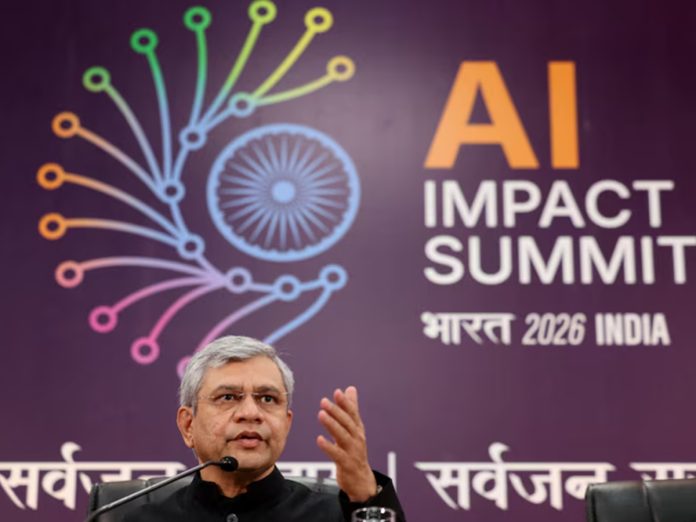
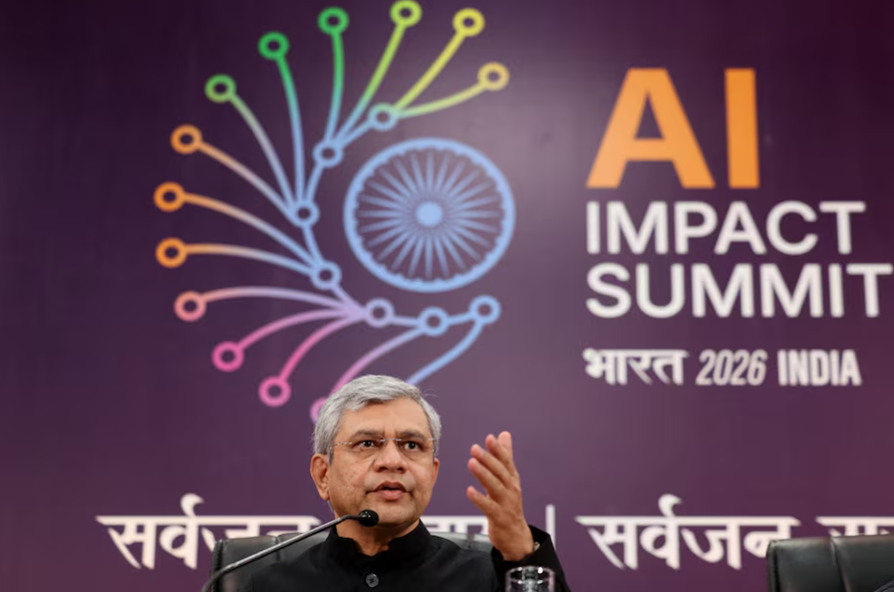
Union Minister Ashwini Vaishnaw, during a press conference at Bharat Mandapam, AI Impact Summit, in New Delhi. (Image credit – Reuters)
The Indian government has issued a clear message to global technology platforms, urging them to operate within the country’s constitutional boundaries following stricter content moderation rules.
Union Minister of Electronics and Information Technology Ashwini Vaishnaw said on Tuesday that major digital platforms such as YouTube, Meta, X, and Netflix must function in alignment with India’s constitutional framework.
“It’s very important for the multinationals to understand the cultural context of the country in which they are operating,” the minister said during a briefing at the India AI Impact Summit.
His remarks came on the sidelines of the India AI Impact Summit in Delhi, where leading executives from global artificial intelligence companies are joining world leaders for discussions this week.
Vaishnaw also highlighted the growing concerns around deepfakes, stating that stronger regulatory measures are needed to address the issue. He confirmed that discussions with industry stakeholders have already begun to explore potential solutions.
India’s Stricter Content Takedown Timeline
The minister’s comments follow the government’s move last week to significantly tighten content removal timelines. Under the updated rules, social media companies are now required to remove unlawful content within three hours of receiving notification. Previously, platforms had up to 36 hours to act.
The new mandate could present compliance challenges for companies such as Meta, YouTube and X, as they adjust their moderation systems to meet the shortened deadline.
The push for tougher oversight comes amid rising global scrutiny of social media companies and their content governance practices. Governments worldwide are pressing platforms to take quicker action against harmful and illegal material, demanding greater transparency and accountability.
Authorities in Spain recently directed prosecutors to investigate X, Meta, and TikTok over allegations that AI-generated child sexual abuse material was being circulated on their platforms. The move reflects intensified scrutiny by European regulators targeting large technology firms over the spread of harmful and unlawful content.
FAQs
Q1. What message did Ashwini Vaishnaw give to global tech platforms?
Answer. He urged platforms like YouTube, Meta, X, and Netflix to operate within India’s constitutional framework and respect the country’s cultural context.
Q2. What is the new timeline for removing unlawful content in India?
Answer. Social media companies must now take down unlawful content within 3 hours of notification, compared to the previous 36-hour deadline.
Q3. Why is India tightening content moderation rules?
Answer. The move addresses rising concerns over deepfakes and harmful content, aligning with global scrutiny as regulators worldwide demand faster, more transparent action.
Google I/O 2026 will take place May 19–20, 2026, at Shoreline Amphitheatre in Mountain View, California.
Major updates across Android, AI, cloud, developer tools, and hardware are anticipated with Gemini-powered teasers highlighting AI’s central role.
The announcement coincides with CEO Sundar Pichai’s visit to New Delhi for the India AI Impact Summit 2026.
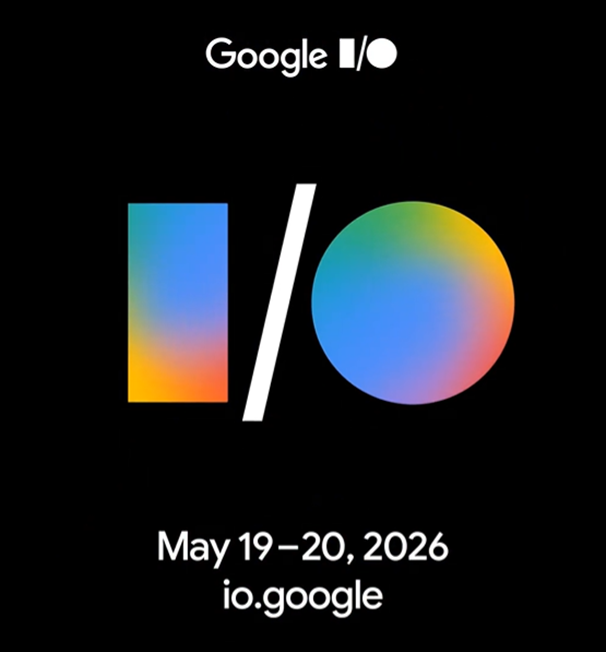
Google I/O 2026 dates announced. (Image credit – Google)
Google has confirmed the dates for its next flagship developer conference, Google I/O 2026. The annual event will be held on May 19–20, 2026, at the Shoreline Amphitheatre in Mountain View, California, according to an announcement on the company’s official blog.
The conference will also be streamed live online, enabling developers and tech enthusiasts worldwide to tune in virtually. At Google I/O 2026, the company is expected to unveil significant software updates spanning Android, artificial intelligence, cloud services, developer tools, and its broader technology roadmap for the coming year.
Google I/O 2026 – What to Expect?
Google I/O 2026 announcement. (Image credit – Google)
Confirming the dates, Google CEO Sundar Pichai shared a post on X, writing,“See you all at Google I/O starting May 19th! io.google.”
The official “save the date” webpage includes an interactive teaser powered by Gemini models, reinforcing the pivotal role generative AI is expected to play at this year’s conference.
Developers turn to Google I/O for major announcements regarding the next version of Android, updates to web and app development frameworks, and new machine learning tools. In past editions, Google has also used the platform to introduce hardware products including Pixel smartphones and AI-driven features.
Beyond product announcements, Google I/O often serves as a strategic platform for the company to outline its long-term technology vision.
Sundar Pichai Attends India AI Impact Summit 2026
The announcement of Google I/O 2026 comes as Sundar Pichai is currently in India to participate in the India AI Impact Summit 2026, taking place in New Delhi from February 16 to 20.
Nice to be back in India for the AI Impact Summit – a very warm welcome as always and the papers looked great too:) pic.twitter.com/szM9g2wB4d
The summit gathers global technology leaders, policymakers, and researchers to discuss artificial intelligence deployment, governance, and real-world applications.
During his visit, Pichai held a formal meeting with Prime Minister Narendra Modi in New Delhi, highlighting the importance of the trip. The discussion comes at a time when India is positioning itself as a global AI hub, with a strong emphasis on digital public infrastructure, innovation, and the responsible adoption of artificial intelligence technologies.
At the India AI Impact Summit 2026, Pichai is also expected to address broader themes surrounding the transition from AI experimentation to large-scale, real-world implementation.
Meanwhile, Demis Hassabis, CEO of Google DeepMind, is also attending the summit in India.
FAQs
Q1. When and where will Google I/O 2026 take place?
Answer. Google I/O 2026 is scheduled for May 19–20, 2026, at the Shoreline Amphitheatre in Mountain View, California, with sessions streamed live online.
Q2. What major announcements are expected at Google I/O 2026?
Answer. The event will feature updates across Android, AI, cloud services, developer tools, and possibly new hardware, with Gemini-powered teasers highlighting AI’s role.
Q3. Why is Sundar Pichai currently in India?
Answer. Pichai is attending the India AI Impact Summit 2026 in New Delhi, where he met Prime Minister Narendra Modi and discussed AI adoption, governance, and innovation.
Infinix introduced the Note 60 Pro with Snapdragon 7s Gen 4 and the Note 60 with Dimensity 7400 Ultimate.
Both models feature 6.78-inch OLED 144Hz displays, JBL stereo speakers, and advanced vapor chamber cooling.
The Pro packs a 6,500mAh battery with self-healing tech, 90W fast charging, 30W wireless charging, heart-rate sensing fingerprint reader, customisable One-Tap Button and a unique Active Matrix Display on the camera island.
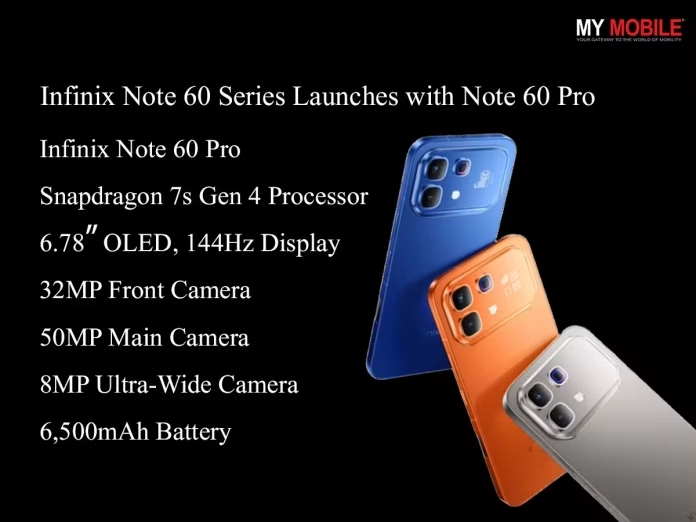
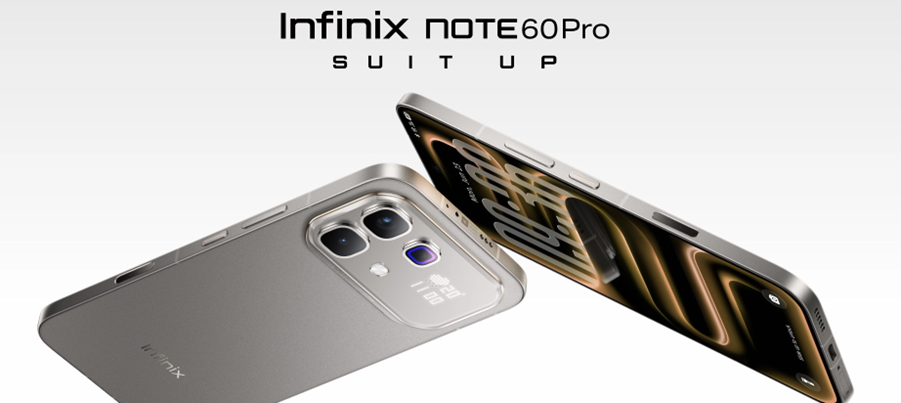
Infinix Note 60 Series unveiled featuring the Infinix Note 60 Pro. (Image credit – Infinix)
Infinix has officially introduced its latest Note lineup with the launch of the Infinix Note 60 Pro and Infinix Note 60. The new series brings significant upgrades including large 6,000mAh+ batteries, advanced cooling systems, and high-refresh-rate OLED displays. Notably, the Pro model marks a milestone for the brand as the first Infinix smartphone since 2019 to feature a Snapdragon chipset. Here’s more about the newly launched devices.
Infinix Note 60 Pro – Key Features
At the heart of the Infinix Note 60 Pro is the Snapdragon 7s Gen 4, a 4nm processor introduced last year. The device is available with 8GB or 12GB of RAM and comes with 256GB of internal storage.
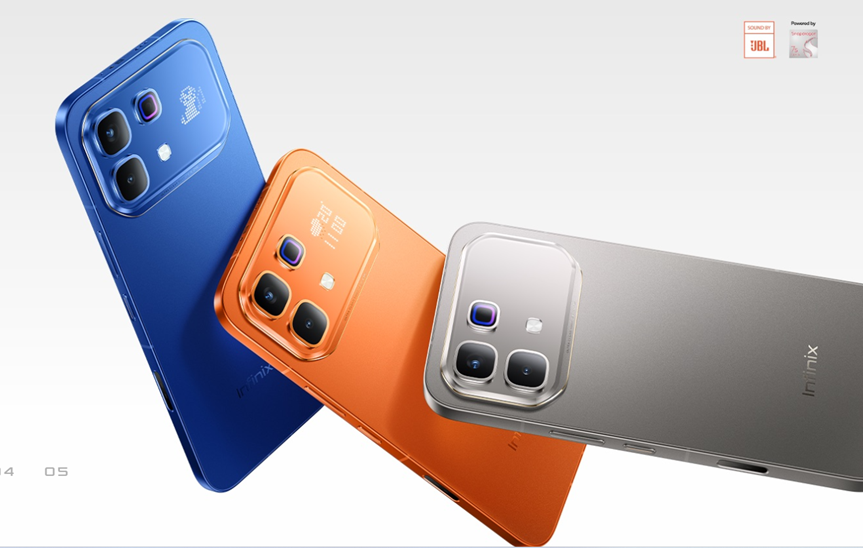
Infinix Note 60 Pro. (Image credit – Infinix)
To ensure consistent performance during demanding tasks such as gaming, Infinix has equipped the Pro model with a 3D IceCore vapor chamber measuring 4,758mm², along with a 0.36mm copper sheet. Together, this cooling setup can reduce temperatures by up to 3°C during intensive gameplay sessions.
One of the standout features of the Pro variant is the Active Matrix Display positioned on the camera island. This dot-style secondary displayshows notification icons and allows users to personalise it with scrolling emojis and Pixel Pets. It even supports mini-games like Dot Dash and Star Blast.
2 days to go.
Your light. Your style. 100% customizable Active Matrix Display, avant-garde by design.
The main display, on the other hand, is the 6.78-inch OLED display at the front. The screen offers a resolution of 1,080 x 2,436 pixels, a smooth 144Hz refresh rate, and peak brightness of up to 4,500 nits. PWM dimming is included to manage brightness levels effectively, while Gorilla Glass 7i provides protection.
The multimedia experience is enhanced by dual JBL speakers positioned at the top and bottom. The device features a high-strength aluminium alloy frame with contoured edges designed for a comfortable grip.
Bringing back a feature less common in the era of in-display fingerprint sensors, the side-mounted fingerprint reader on the Pro can measure heart rate, heart rate variation, and blood-oxygen levels via the My Health App.
On the opposite side, a customisable One-Tap Button allows users to switch modes, such as activating Silent mode, or quickly launch apps like the flashlight and SnapMemo organiser.
The Infinix Note 60 Pro is equipped with a 50MP main camera featuring 0.8µm pixels, an f/1.59 aperture lens, and optical image stabilisation (OIS). It supports in-sensor 2x zoom and 4-in-1 pixel binning that outputs 12.5MP images. Accompanying the primary sensor is an 8MP ultra-wide camera with a 112° field of view and an f/2.2 aperture, along with a flicker sensor. The main camera can record 4K video at 30fps.
Battery performance is another major highlight. The Note 60 Pro houses a 6,500mAh battery, though certain regions will receive a 6,000mAh version. A unique feature called Battery Self-Healing Technology uses low current to repair micro-cracks within the battery. Infinix claims this process restores 1% of battery health every 200 charge cycles, potentially extending battery longevity to at least six years under normal usage.
On a full charge, the Pro can deliver up to 34 hours of video playback (31 hours for the smaller battery variant) or up to 22 hours of navigation (20 hours for the 6,000mAh model).
Charging is equally impressive. The 90W wired fast charging can reach 50% in 16 minutes and 100% in 41 minutes (14 minutes and 35 minutes respectively for the smaller battery version). The phone also supports 30W wireless charging.
The Pro launches with Android 16 layered with XOS 16. Infinix promises three major OS upgrades and five years of security updates, meaning support will continue up to XOS 19.
Additional features include an IR blaster, IP64-rated “rain-proof” protection, and enhanced drop resistance.
The Torino Black edition of the Note 60 Pro has been designed by the renowned Italian design firm Pininfarina.
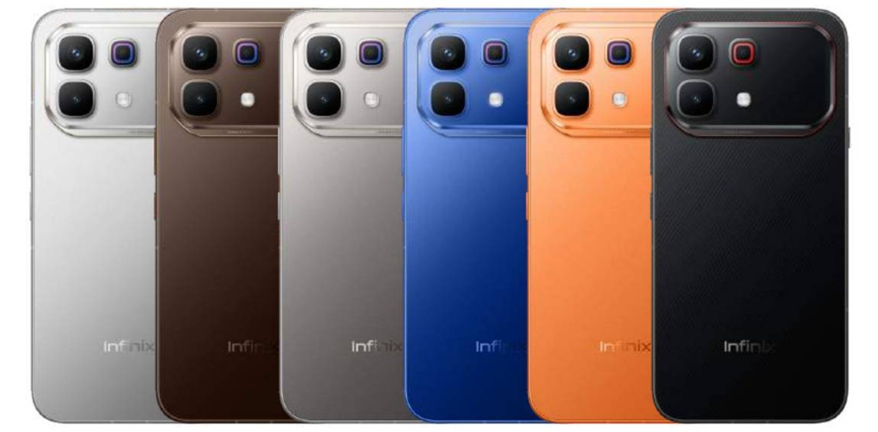
Infinix Note 60 Series colour variants. (Image credit – Infinix)
Infinix Note 60 – Features with Key Differences
Separately, there is also a standard Infinix Note 60 model as well. The standard model shares a lot of the features and design elements with the pro model. One of the key differences, however, is that the standard model is powered by the Dimensity 7400 Ultimate chipset. Although, it does comes with 8GB of RAM paired with either 128GB or 256GB of storage. Like the Pro, it also utilizes a 3D IceCore vapor chamber for thermal management.
It shares the same 6.78-inch OLED display with 144Hz refresh rate and 4,500 nits peak brightness, protected by Gorilla Glass 7i.JBL stereo speakers are also present. However, instead of the Active Matrix Display, the standard model features an Active Halo RGB LED light on the back.
Battery capacity varies by region, with either 6,500mAh or 6,150mAh units available. Wired charging is reduced to 45W, though 30W wireless charging remains supported.
The vanilla model maintains the same metal frame design, IP64 rating, and includes an IR blaster as well.
FAQs
Q1. Which processor powers the Infinix Note 60 Pro?
Answer. The Note 60 Pro is powered by Qualcomm’s Snapdragon 7s Gen 4 chipset, making it the first Infinix phone since 2019 to feature a Snapdragon processor.
Q2. What unique display features does the Note 60 Pro offer?
Answer. It has a 6.78-inch OLED display with 144Hz refresh rate and 4,500 nits peak brightness, plus an Active Matrix Display on the rear camera island for notifications, emojis, and mini-games.
Q3. How does the Note 60 Pro manage heat during gaming?
Answer. It uses a 3D IceCore vapor chamber (4,758mm²) and a copper sheet to reduce temperatures by up to 3°C during intensive tasks.
Q4. What battery innovations are included in the Note 60 Pro?
Answer. The Pro packs a 6,500mAh battery with Battery Self-Healing Technology, restoring 1% health every 200 charge cycles, potentially extending life to six years.
Q5. How does the standard Infinix Note 60 differ from the Pro model?
Answer. The Note 60 uses a Dimensity 7400 Ultimate chipset, offers up to 6,500mAh battery with 45W wired charging, and features an Active Halo RGB LED light instead of the Pro’s secondary display.
Apple is reportedly accelerating work on three AI-driven devices, smart glasses, an AI pendant, and camera-equipped AirPods.
The glasses feature cameras for photo/video capture and environmental awareness, while the pendant acts as an eyes and ears companion device linked to iPhone.
Apple is also developing AirPods with integrated cameras, potentially launching this year.
(Photo by Declan Sun on Unsplash)
Apple is reportedly ramping up development of three new artificial intelligence-focused wearable devices, according to a fresh report from Bloomberg. The products in the pipeline include smart glasses, an AI-powered pendant and AirPods equipped with cameras, all designed around Apple’s Siri digital assistant.
Apple Smart Glasses to Rival Meta
Apple’s AI smart glasses are intended to compete with offerings from Meta Platforms. The glasses are expected to feature a high-resolution camera capable of capturing photos and videos. These glasses will reportedly not include a display, but will relyon built-in speakers, microphones, and cameras to deliver functionality.
Prototypes are said to include two cameras with one for high-resolution photo and video capture and another dedicated to “computer vision” to provide environmental context. This context-aware capability could enable features similar to Visual Intelligence on the iPhone.
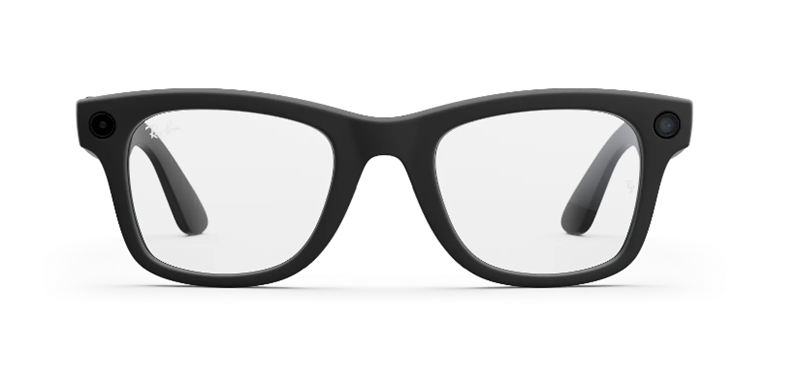
Meta Smart Glasses. (Image credit – Meta)
Such environmental awareness may also enhance navigation through Apple Maps, integrate with Reminders, and support additional real-time assistance. The report states, “The goal is for the glasses to function as an all-day AI companion, capable of understanding what a user is seeing and doing in real time,”
Apple is reportedly designing its own frames in-house in multiple sizes and colours. While the company explored partnerships with other manufacturers, it ultimately chose to handle design and development internally.
Bloomberg’s Mark Gurman said, “Early prototypes of the glasses connect via a cable to a standalone battery pack and an iPhone, but newer versions have the components embedded in the frame. The design uses high-end materials, including acrylic elements intended to give the glasses a premium feel. Apple is already discussing launching the device in additional styles over time.”
Apple’s AI Pendant
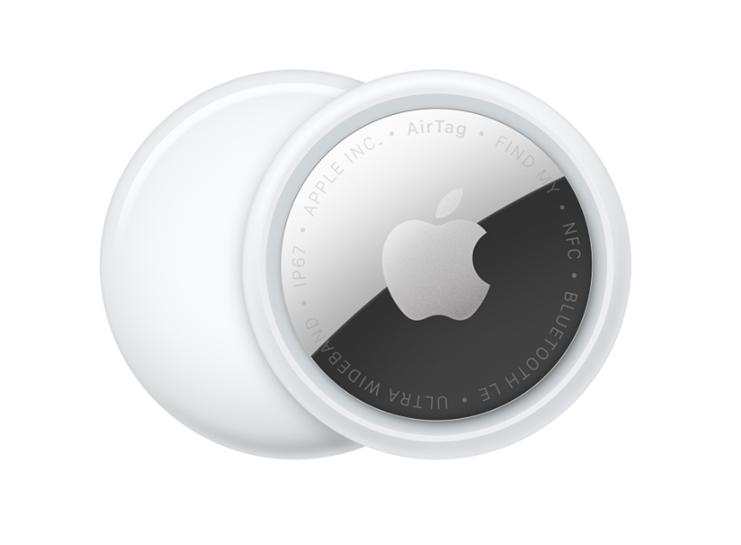
Apple is also said to be developing an AI-powered pendant device, resembling a wearable pin. Last month, The Information described it as a thin, flat, circular disc similar in size to an AirTag, featuring an aluminium-and-glass shell, two cameras, a speaker, and three microphones.
Bloomberg’s latest report notes that the device is “reminiscent of the failed Humane AI pin,” but with key distinctions. Notably, Apple’s version will not include a display or projector.
Apple’s AI-powered pendant device is expected to be the size of an AirTag. (Image credit – Apple)
“The pendant would essentially serve as an always-on camera for the smartphone that also includes a microphone for Siri input. Some Apple employees call it the “eyes and ears” of the phone. One area of debate for the product has been whether or not to include a speaker, which would allow users to hold back-and-forth conversations with the device directly. That means they could leave their iPhone in their pocket or bag or not wear AirPods,”the report adds.
Apple reportedly envisions users wearing the AI pin either clipped to clothing or as a necklace. However, Gurman cautions that the device remains in early development and could still be scrapped. If development proceeds as planned, it could debut as early as next year.
Camera-Equipped AirPods
In addition to the smart glasses and AI pendant, Apple is continuing the development of AirPods with integrated cameras. These upgraded earbuds could launch as soon as this year.
FAQs
Q1. What AI-focused wearables is Apple currently developing?
Answer. Apple is working on smart glasses, an AI-powered pendant (wearable pin), and AirPods with integrated cameras, all designed around Siri.
Q2. How will Apple’s smart glasses differ from AR headsets?
Answer. Unlike AR headsets, Apple’s glasses won’t have a display. Instead, they’ll use cameras, microphones, and speakers to provide real-time environmental awareness and AI assistance.
Q3. What is unique about Apple’s AI pendant?
Answer. The pendant acts as the “eyes and ears” of the iPhone, featuring cameras and microphones for Siri input. It relies on the iPhone for processing power and may be worn as a necklace or clipped to clothing.
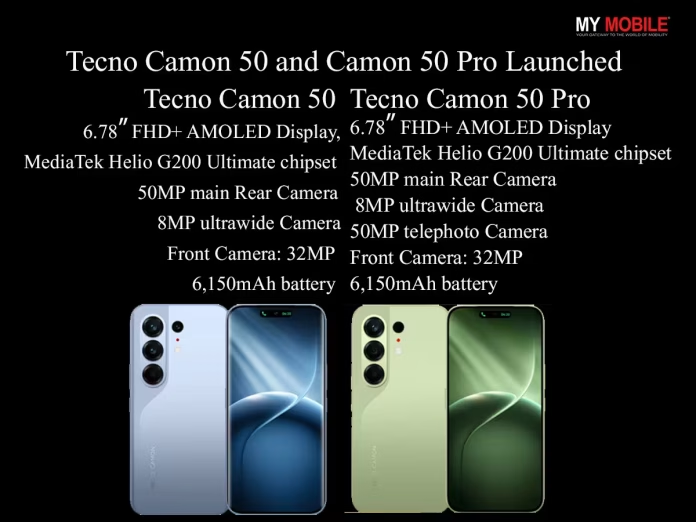
Tecno unveiled the Camon 50 and Camon 50 Pro with MediaTek’s Helio G200 chipset, 6.78-inch FHD+ 144Hz AMOLED displays, 32MP selfie cameras and more.
Pro adds a curved display and a dedicated 50MP telephoto lens with 3x optical zoom, while the standard model uses a flat panel and lacks the telephoto camera.
The Camon 50 is priced at around KES 37,500 ($290) and the Camon 50 Pro at around KES 44,000 ($341) in Kenya.
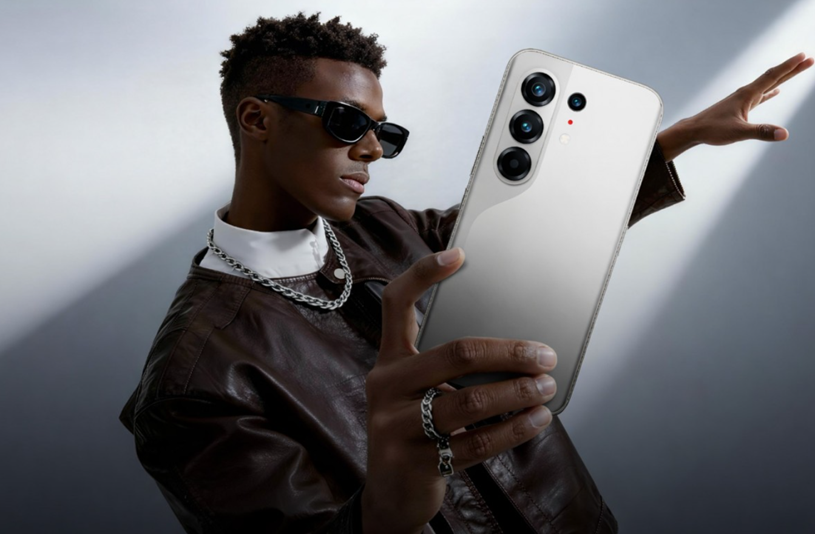
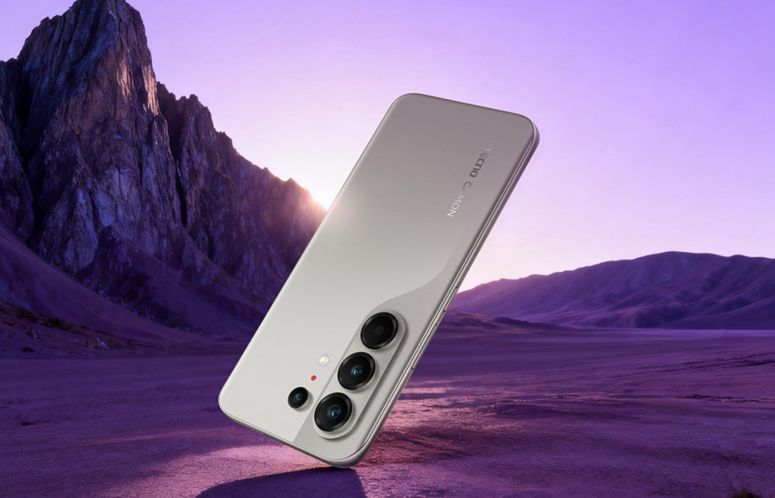
Tecno Camon 50 and Camon 50 Pro Launched officially. (Image credit – Tecno)
Tecno Mobile has officially unveiled the Tecno Camon 50 and Tecno Camon 50 Pro ahead of their expected global showcase at MWC next month. The smartphones are already available in several African markets, bringing high-refresh-rate AMOLED displays, large batteries, and MediaTek’s Helio G200 chipset to the mid-range segment.
While both models share many core specifications, the Pro variant stands out with a curved display and an additional 3x telephoto camera. Here’s more on both models.
Tecno Camon 50 Pro – Key Features
The Tecno Camon 50 Pro features a curved 6.78-inch AMOLED display with Full HD+ resolution and a 144Hz refresh rate. The panel houses a 32-megapixel front-facing camera and includes an under-display optical fingerprint scanner for security.
Powering the device is MediaTek’s Helio G200 Ultimate chipset, paired with 8GB of RAM and 256GB of internal storage.
On the rear, the Camon 50 Pro sports a triple-camera setup. It includes a 50-megapixel primary camera (23mm equivalent) using Sony’s LYT700C (1/1.56-inch) sensor with optical image stabilisation (OIS). An 8-megapixel ultrawide camera (14mm equivalent, f/2.2 aperture) is also included.
Additionally, the Pro model gets a dedicated 50-megapixel telephoto lens (70mm equivalent) with 3x optical zoom, offering enhanced versatility for portrait and zoom photography.
Tecno Camon 50 – Key Features
The standard Tecno Camon 50 shares the same 6.78-inch FHD+ AMOLED display specifications, including the 144Hz refresh rate, 32-megapixel selfie camera, and under-display fingerprint scanner. However, it uses a flat panel instead of a curved one.
Like the Pro model, it is powered by the Helio G200 Ultimate chipset and comes with 8GB RAM and 256GB storage.
In terms of cameras, the Camon 50 includes the same 50-megapixel primary sensor with Sony LYT700C and OIS, along with the 8-megapixel ultrawide lens. However, it does not feature the telephoto camera found on the Pro variant.
Tecno Camon 50 and Camon 50 Pro – Battery, Software and Durability
Both the Tecno Camon 50 and Camon 50 Pro pack large 6,150mAh batteries, supported by 45W wired fast charging.
The devices run HiOS 16 based on Android 16 and come integrated with Tecno’s AI suite for enhanced software capabilities. For durability, the smartphones carry IP69K, IP69, and IP68 ratings, offering protection against dust and water ingress.
Tecno Camon 50 and Camon 50 Pro – Colour Options and Pricing
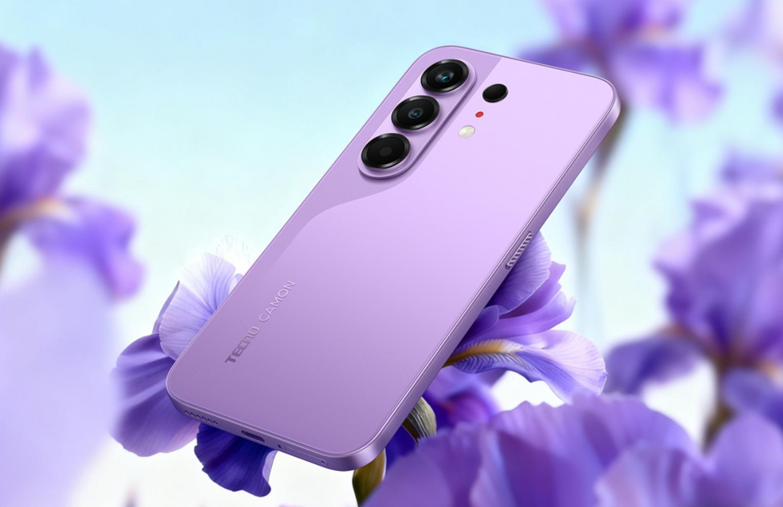
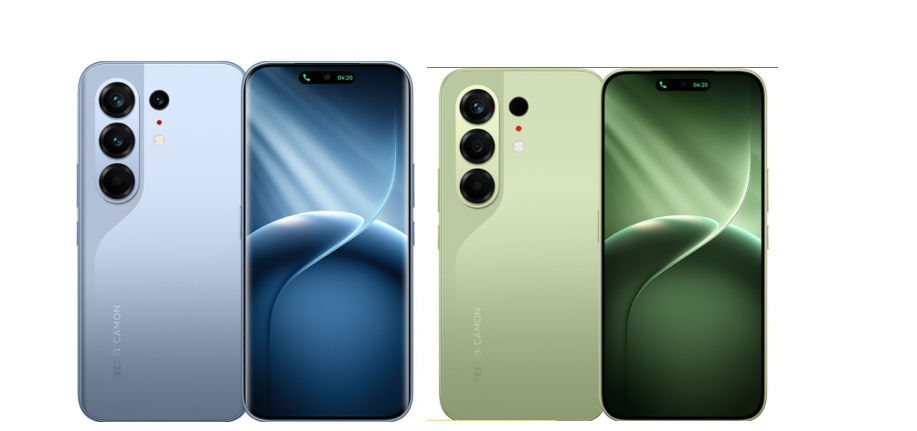
Tecno Camon 50 Pro (left) and Camon 50 (right). (Image credit – Tecno)
The Tecno Camon 50 series is available in Moonlight Black, Malachite Green, Nebula Titanium, Fir Green, Lavender Mist, and Mint Cream. The Camon 50 Pro is offered in the same colourways, along with an exclusive Ethereal Blue variant.
In Kenya, the Tecno Camon 50 is priced at KES 37,500 (approximately $290), while the Camon 50 Pro starts at KES 44,000 (around $341). Both models are currently listed by Kenyan online retailers.
FAQ
Q1. What chipset powers the Tecno Camon 50 series?
Answer. Both the Tecno Camon 50 and Camon 50 Pro are powered by MediaTek’s Helio G200 Ultimate chipset, paired with 8GB RAM and 256GB internal storage.
Q2. How do the Camon 50 and Camon 50 Pro differ in design and cameras?
Answer. The Camon 50 has a flat AMOLED display and a dual-camera setup (50MP main + 8MP ultrawide), while the Camon 50 Pro features a curved AMOLED display and adds a 50MP telephoto lens with 3x optical zoom to its triple-camera system.
Q3. What display specifications do the Tecno Camon 50 series smartphones offer?
Answer. Both models sport a 6.78-inch FHD+ AMOLED display with a 144Hz refresh rate, along with a 32MP front-facing camera and under-display fingerprint scanner.
Q4. What battery and durability features are included in Tecno Camon 50 series?
Answer. Each device packs a 6,150mAh battery with 45W fast charging and carries IP69K, IP69, and IP68 ratings for dust and water resistance.
Q5. What are the pricing and colour options for the Camon 50 series?
Answer. The Camon 50 is priced at KES 37,500 ($341). Both come in multiple colours, with the Pro offering an exclusive Ethereal Blue variant.
Nothing has confirmed a March 5 launch event, scheduled just a day after Apple’s March 4 event.
CEO Carl Pei announced the event with a graffiti-style invite mocking Apple’s minimalist design.
The event is expected to debut the Nothing Phone 4a and 4a Pro, along with the Nothing Headphone (a).
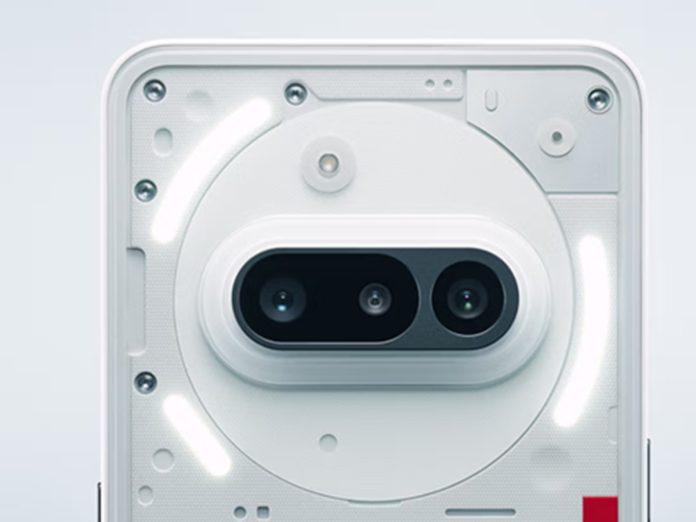
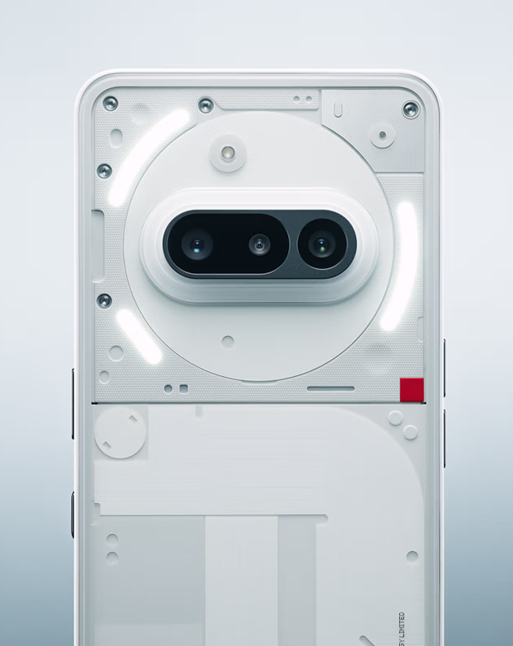
Nothing Phone 4a, Phone 4a Pro launch date confirmed. (Image credit – Nothing)
Nothing has officially confirmed a new product launch event scheduled for March 5. Interestingly, the event will take place just a day after Apple hosts its “Special Apple Experience” on March 4 in London, New York and Shanghai.
Nothing’s announcement was made by CEO Carl Pei via a post on X in an unusual way.
Nothing’s Cheeky Invite Takes Aim at Apple
Nothing’s launch announcement post. (Image credit – @getpeid on X)
Unlike Apple’s minimalist invite, Nothing opted for a bold and playful approach. The company effectively “vandalised” Apple’s clean design with a punk-rock style, spray-painted overlay. Carl Pei used a vibrant, dripping pink graffiti-style font to stamp the Nothing brand name across the top and alter the date to March 5.
The move highlights Nothing’s signature disruptive branding strategy, positioning its launch as a counterpoint to Apple’s event.
Both smartphones are expected to feature UFS 3.1 onboard storage and slightly larger batteries compared to their predecessors in the Phone 3a series. The devices are also tipped to run on Snapdragon chipsets and may launch at a higher price point than the previous generation.
The purported Nothing Phone 4a Pro recently appeared on Geekbench, reportedly powered by Qualcomm’s Snapdragon 7s Gen 4 processor. Benchmark scores indicate 707 points in the single precision test, 1,077 points in the half precision test, and 1,265 points in the quantised test.
In terms of configurations, both the Phone 4a and Phone 4a Pro are expected to be available in 8GB RAM + 128GB storage variants. Colour options could include Black and White for the standard model, while the Pro variant may arrive in Black and Silver finishes.
In addition to smartphones, Nothing is reportedly preparing to launch a new pair of over-ear headphones, likely to be branded as the Nothing Headphone (a).
FAQs
Q1. When is Nothing’s next product launch event scheduled?
Answer. Nothing has confirmed its launch event for March 5, 2026, just a day after Apple’s March 4 “Special Apple Experience.”
Q2. How did Nothing announce the event?
Answer. CEO Carl Pei revealed the event via X with a graffiti-style invite mocking Apple’s minimalist design, showcasing Nothing’s disruptive branding.
Q3. What products are expected to debut at the upcoming Nothing event?
Answer. Industry rumours suggest the launch of the Nothing Phone 4a and Phone 4a Pro, along with new Nothing Headphone (a) over-ear headphones.
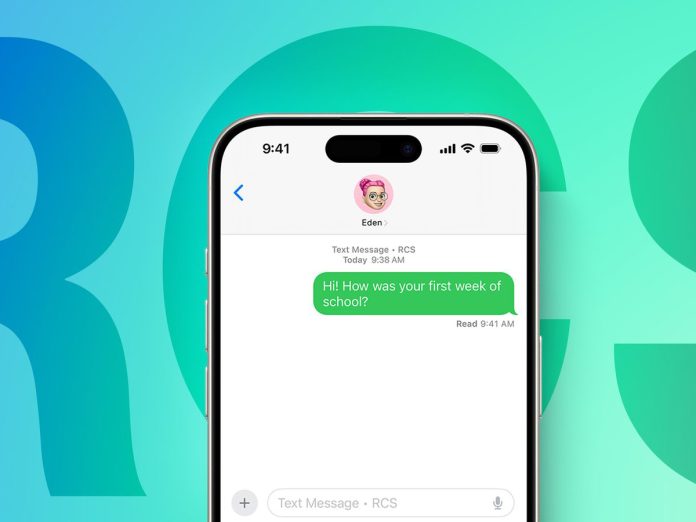
Apple has begun testing end-to-end encryption (E2EE) for RCS messages with the release of the iOS 26.4 beta, alongside iPadOS 26.4 and macOS Tahoe 26.4. The move marks a significant step toward securing cross-platform messaging between iPhone and Android users.
Apple released the first developer betas of iOS 26.4, iPadOS 26.4, and macOS Tahoe 26.4. The updates are currently available to developers with a public launch expected in the spring. Here’s more detail on that.
End-to-End Encryption Expands to RCS Messaging
Apple has been collaborating with the GSMA to bring end-to-end encryption to RCS messaging. While Apple’s iMessage platform has long supported E2EE for messages exchanged between iPhones, cross-platform conversations between iPhone and Android users have lacked full encryption.
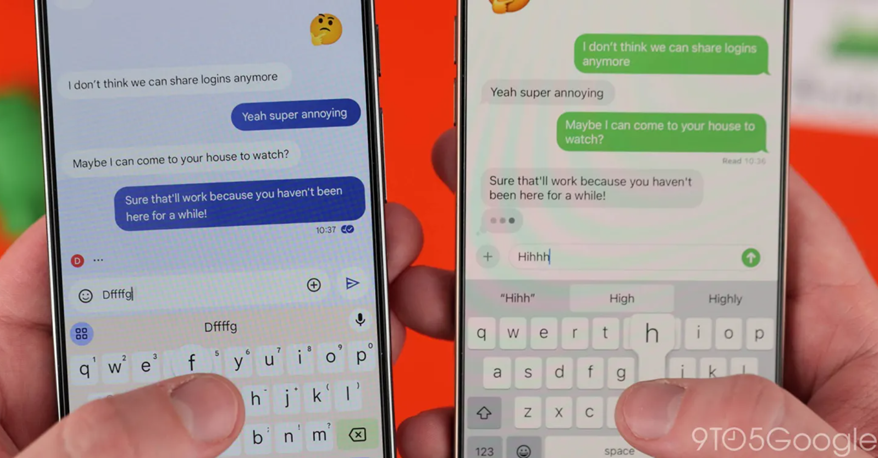
Although RCS chats between Android devices already support E2EE, communications between Android and iPhone users have not previously been secured at the same level. With the integration of end-to-end encryption for RCS, Apple aims to ensure that cross-platform messages become as secure as iMessage conversations.
How RCS Encryption Works in iOS 26.4 Beta?
Developers testing the iOS 26.4 beta will notice a new toggle in the Settings app that enables end-to-end encrypted RCS messaging. The feature is switched on by default for supported devices and carriers.
According to Apple, most carriers that currently support RCS are also expected to support RCS end-to-end encryption. However, during the first beta phase, RCS encryption on Apple devices is available for testing only when iMessage is disabled.
Users running the beta software will see a lock icon appear in RCS chats, indicating that end-to-end encryption is active. The lock symbol will now also appear in iMessage conversations.
Apple has noted that RCS encryption will roll out gradually to beta users, meaning not all testers will gain immediate access.
RCS Universal Profile 3.0 Required
To enable full end-to-end encryption for RCS, Apple will need to adopt RCS Universal Profile 3.0. The GSMA recently published this updated standard with Apple’s involvement. Currently, Apple supports RCS Universal Profile 2.4.
The newer Universal Profile 3.0 specification also introduces additional cross-platform messaging. These include the ability to edit and delete text messages, as well as reply inline to specific messages during conversations between Android and iPhone users.
FAQs
Q1. What new security feature is Apple testing in iOS 26.4 beta?
Answer. Apple is testing end-to-end encryption (E2EE) for RCS messaging, making cross-platform chats between iPhone and Android users more secure.
Q2. How can users tell if RCS encryption is active on their device?
Answer. A lock icon will appear in RCS chats (and iMessage conversations) when end-to-end encryption is enabled.
Q3. What standard is required for full RCS encryption support?
Answer. Apple will need to adopt RCS Universal Profile 3.0, which adds features like editing, deleting, and inline replies in cross-platform messaging.
Day 2 of the India AI Impact Summit 2026 shifted focus from broad strategy to real-world AI deployment.
Sessions ran across Bharat Mandapam and Sushma Swaraj Bhawan, featuring leaders like Ashwini Vaishnaw, J. P. Nadda, Amitabh Kant, and Roshni Nadar.
The agenda emphasised AI infrastructure, regulation and global cooperation.
India AI Impact Summit Day 2.
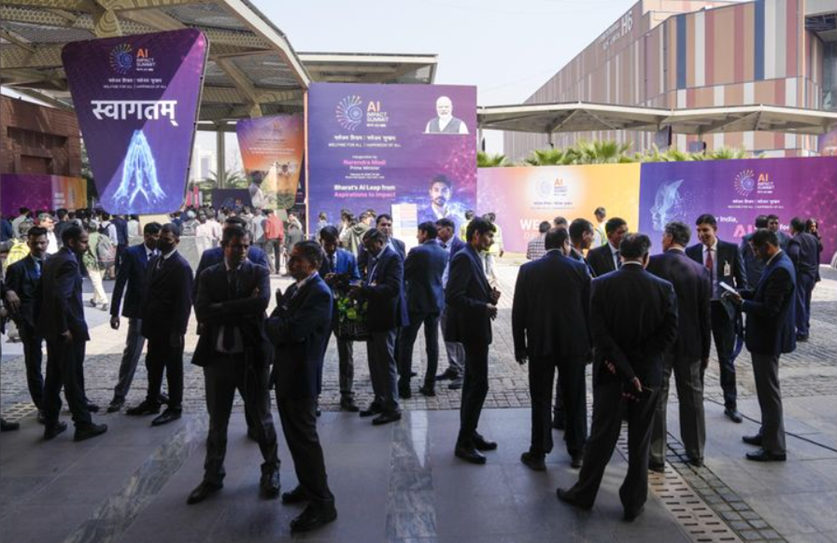
The India AI Impact Summit 2026 has entered its second day, shifting gears from headline announcements to practical applications of artificial intelligence. Following a crowded and chaotic opening day, Tuesday’s agenda is centred on how AI is being implemented across healthcare, education, governance and economic development.
According to reports from multiple outlets covering the summit, Day 2 sessions are being conducted at Bharat Mandapam and Sushma Swaraj Bhawan in New Delhi.
Day 2 -Venue and Timings
The primary keynote sessions are being hosted at Bharat Mandapam, while parallel discussions, masterclasses, and showcases are taking place at Sushma Swaraj Bhawan and designated expo areas.
Keynote addresses began at 9:30 AM and are scheduled to continue until 8:45 PM. Multiple panel discussions, workshops, and sector-focused showcases are running simultaneously across various halls throughout the day.
India AI Impact Summit Day 2 – Key Speakers
Day 2 features participation from senior government officials and global technology leaders. Among the prominent speakers are Union IT Minister Ashwini Vaishnaw, Union Health Minister J. P. Nadda, and former G20 Sherpa Amitabh Kant.
P. Nadda is also scheduled to unveil key healthcare-focused initiatives including Artificial Intelligence in Healthcare for India (SAHI) and the Benchmarking Open Data Platform for Health AI (BODH), as highlighted in summit coverage.
Industry representation includes Roshni Nadar, Chairperson of HCL Technologies, who is participating in discussions centred on Women & Youth in AI. International experts engaged in AI policy and public welfare are also contributing to conversations on global cooperation.
Sessions to Watch on Day 2
The second day features multiple thematic tracks covering AI infrastructure, governance, healthcare, education, climate, agriculture, and economic impact.
Key sessions include –
AI Masterclass in Robotics (9:30 AM)
AI in Health: Saving Lives at Scale (10:20 AM)
AI in Governance: Revolutionising Government Efficiency (11:40 AM)
AI in Work: Humans, AI, or Both? (1:45 PM)
Building India’s AI Governance Architecture (3:30 PM)
AI in Climate and Agriculture (3:40 PM)
AI for ALL & AI by HER (6:00 PM)
Women & Youth in AI (7:15 PM)
Flagship AI Impact Casebooks spanning sectors such as health, education, agriculture, and gender inclusion are also being unveiled during the day.
Day 2 Focus – From Vision to Deployment
Unlike Day 1, which largely revolved around broad strategic discussions, Day 2 is focused on execution. Panels are examining how AI can be deployed to assist rural communities, enhance public service delivery, strengthen digital public infrastructure, and expand educational access.
Discussions also cover AI regulatory frameworks, digital public goods, and cross-border collaboration, underscoring India’s ambition to play a leading role in shaping global AI governance.
Day 1 Marked by Overcrowding and Organisational Issues
While the summit opened on Monday as the first global AI gathering hosted in the Global South, welcoming delegates from over 30 countries, the inaugural day was marred by disruptions.
Attendees reported long entry queues lasting up to three hours, overcrowding inside the venue, and repeated crashes of the registration system. Some participants who had registered weeks in advance were reportedly denied entry. Due to limited seating, several attendees were asked to sit on the ground.
Confusion intensified when sections of the exhibition area were suddenly cleared ahead of security sweeps for high-level arrivals. According to coverage by Reuters, journalists faced uncertainty over entry protocols with confusion surrounding digital QR codes and physical access passes. Some physical passes promised for collection were reportedly unavailable.
Technical glitches were also reported on the summit’s website. During certain sessions, speakers were not clearly visible, nameplates were missing, and audio quality was subpar. A few sessions did not begin as per the schedule displayed online. There were also allegations of theft raised during the day.
As Day 2 unfolds with a sharper focus on deployment and policy frameworks, attention remains on how effectively the summit can translate ambition into action.
FAQs
Q1. What was the main focus of Day 2 at the India AI Impact Summit 2026?
Answer. Day 2 shifted focus to real-world AI deployment, highlighting applications in healthcare, education, governance, climate, agriculture, and economic development.
Q2. Who were some of the key speakers on Day 2 at the India AI Impact Summit 2026?
Answer. Prominent speakers included Union IT Minister Ashwini Vaishnaw, Union Health Minister J. P. Nadda, former G20 Sherpa Amitabh Kant, and HCL Chairperson Roshni Nadar.
Q3. What notable initiatives and sessions were unveiled on Day 2 at the India AI Impact Summit 2026?
Answer. Key initiatives included SAHI (AI in Healthcare for India) and BODH (Benchmarking Open Data Platform for Health AI), alongside sessions on AI in governance, robotics, climate, and women & youth in AI.
Samsung will launch the Galaxy S26 series on February 25, 2026 with the S26 Ultra introducing a new “zero-peeking privacy” display feature.
Early benchmarks show the Snapdragon 8 Elite Gen 5 variant outperforming the Exynos 2600, especially in single-core performance, though multi-core scores are close.
The Galaxy S26 Ultra may retain a 12MP Sony selfie camera, similar to past Ultra models.
Samsung Galaxy S26 Series Set for February 25 Launch. (Image credit – Samsung)
The upcoming Samsung Galaxy S26 series is all set to make its official debut on February 25. Ahead of the launch, early benchmark listings of the purported Galaxy S26 and Galaxy S26 Ultra have surfaced online, highlighting performance differences between chipset variants.
At the same time, Samsung has teased a new “zero-peeking privacy” feature that is expected to debut with the premium model. That’s not all, we also have the latest tip on possible camera features of S26 Ultra. Here’s a roundup of all the new details surfacing about the upcoming Samsung flagship lineup.
Samsung Electronics has released a teaser video on YouTube showcasing what it calls the Privacy Display feature. The short clip depicts commuters on a metro train attempting to glance at a user’s Galaxy S26 series phone screen. The user then enables a “zero-peeking privacy” feature, which blocks visibility of the screen content from side angles.
The teaser ends with the tagline, “Can your phone do that?” and confirms the Galaxy S26 lineup launch date as February 25.
Samsung had previously hinted at the Privacy Display technology, which is designed to prevent shoulder surfing. The feature is expected to be one of the standout upgrades of the Samsung Galaxy S26 Ultra.
Functionally, the feature will operate similarly to privacy screen protectors or laptop privacy filters. The display will appear normal when viewed head-on, but from side angles, it will look blacked out. This could prove especially useful when accessing sensitive information such as PINs, OTPs, or personal data in crowded environments like buses or elevators.
Reports suggest that the Privacy Display may remain exclusive to the Galaxy S26 Ultra. Users are also expected to have customisation options, such as dimming notifications or restricting visibility for specific apps.
Snapdragon 8 Elite Gen 5 vs Exynos 2600 – Early Benchmark Comparison
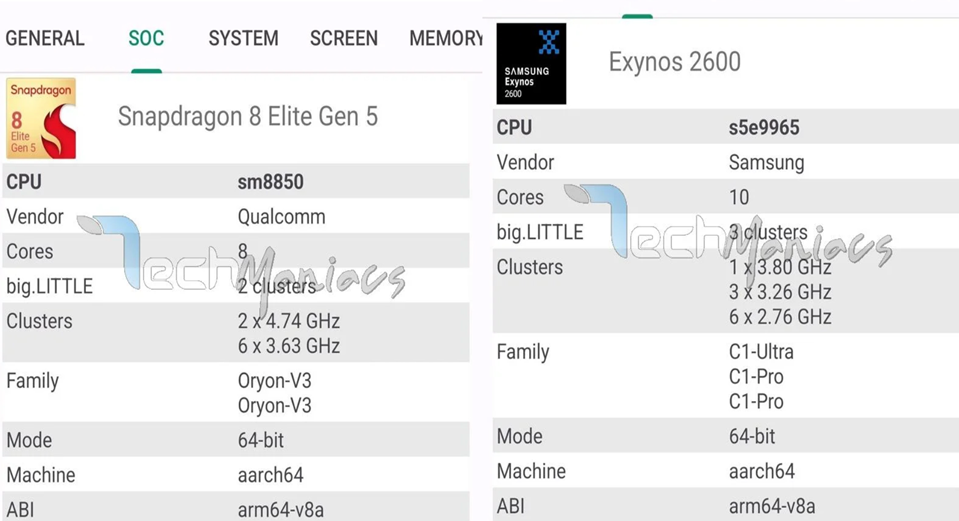
As the launch approaches, fresh benchmark comparisons have surfaced via Greek outlet TechManiacs. The report compares the Snapdragon-powered Galaxy S26 Ultra with the Exynos-equipped standard Galaxy S26.
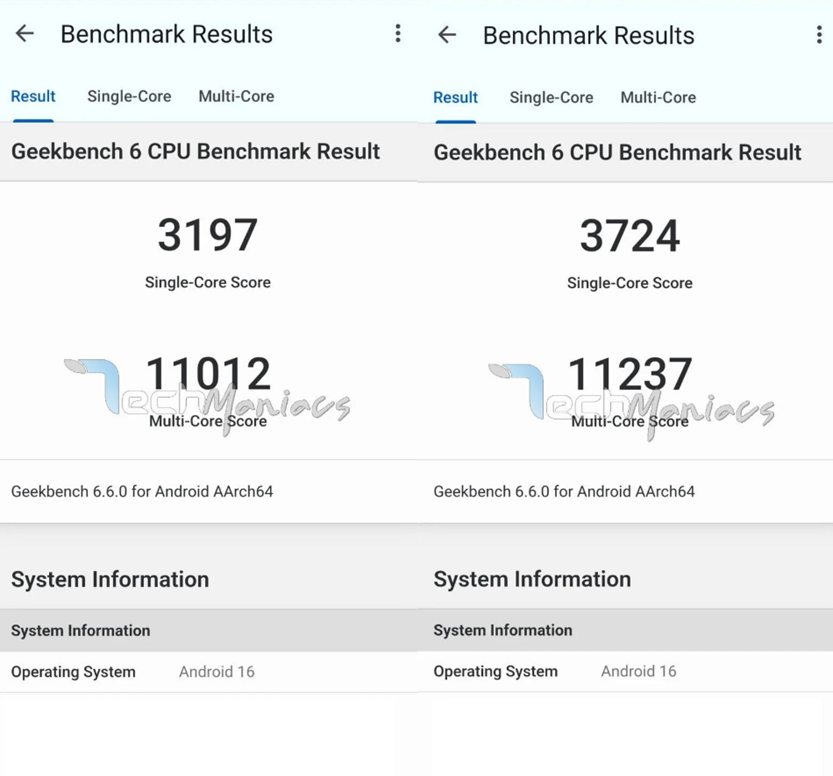
Exynos 2600-powered Galaxy S26 (left) vs Snapdragon 8 Elite Gen 5-powered Galaxy S26 Ultra (right) benchmarks. (Screenshot by TechManiacs)
According to Geekbench listings, the Galaxy S26 Ultra powered by the Snapdragon 8 Elite Gen 5 “for Galaxy” scored 3,724 in single-core and 11,237 in multi-core tests. These figures align closely with earlier benchmark leaks, particularly in single-core performance.
In contrast, the Galaxy S26 running on the Exynos 2600 achieved 3,197 in single-core and 11,012 in multi-core scores. The difference in single-core performance is especially noticeable.
Screenshots showing SoC details of the tested Galaxy S26 Ultra (right) and S26 (left). (Screenshot by TechManiacs)
It remains unclear whether the tested Galaxy S26 Ultra model featured 12GB or 16GB of RAM, as TechManiacs concealed certain hardware details in the listing. For reference, non-Ultra variants in the lineup are expected to offer up to 12GB of RAM.
The higher single-core score of the Snapdragon variant appears to be aided by an overclocked Prime core. The Snapdragon 8 Elite Gen 5 “for Galaxy” has its Prime core clocked at 4.74GHz, slightly higher than the standard 4.61GHz version found in devices such as the OnePlus 15.
By comparison, the Exynos 2600’s ARM C1-Ultra core is clocked at 3.80GHz. While the Snapdragon chip leads in single-core performance, the multi-core difference is marginal, with the Snapdragon variant holding approximately a 2% advantage.
Despite trailing in single-core benchmarks, the Exynos 2600 may benefit from Samsung’s deca-core architecture and advanced 2nm GAA process, potentially improving performance under parallel workloads. However, as these are pre-release benchmarks, the results should be viewed cautiously.
Galaxy S26 Ultra May Retain 12MP Selfie Camera
In another development, well-known tipster Ice Universe has claimed that the Galaxy S26 Ultra could feature a 12-megapixel Sony front camera sensor. The reported specifications include a 1/3.2-inch sensor size, 1.12μm pixel size, f/2.2 aperture, and an 85-degree field of view.
It seems that I forgot to add information about the front camera of the Galaxy S26 Ultra. It is like this: 12MP , SONY, 1/3.2″ , 1.12um F2.2 85° https://t.co/w652u985XJ
If accurate, these details closely mirror the front camera hardware used in the Samsung Galaxy S25 Ultra, Samsung Galaxy S24 Ultra, and Samsung Galaxy S23 Ultra. This could disappoint users expecting a significant upgrade in selfie quality, low-light performance, or autofocus features in Samsung’s 2026 flagship.
Apart from this, previous reports have revealed that the Galaxy S26 Ultra will feature 60W fast charging. The model will be powered by the Snapdragon 8 Elite Gen 5 processor and sport a 6.89-inch 2K 120 Hz AMOLED LTPO display.
The Samsung Galaxy S26 series is shaping up to be one of the most closely watched smartphone launches of the year. Multiple details related to enhanced privacy tools, chipset competition between Snapdragon and Exynos variants, and camera upgrades have been teased or tipped so far. All eyes are now on February 25 for the official unveiling.
FAQs
Q1. When will the Samsung Galaxy S26 series launch?
Answer. The Galaxy S26 lineup is officially set to debut on February 25, 2026, with Samsung teasing new privacy and performance features.
Q2. What is the new Samsung “zero-peeking privacy” feature?
Answer. Exclusive to the Galaxy S26 Ultra, this Privacy Display blocks screen visibility from side angles, preventing shoulder surfing in crowded spaces.
Q3. How do the Snapdragon 8 Elite Gen 5 and Exynos 2600 compare in benchmarks?
Answer. Early Geekbench results show the Snapdragon variant leading in single-core performance, while multi-core scores are close, with only a slight Snapdragon edge.
Lava has launched the Bold N2 in India at ₹7,499, offering 4GB RAM and 64GB storage.
Sales start February 27 via Amazon India in two colour options.
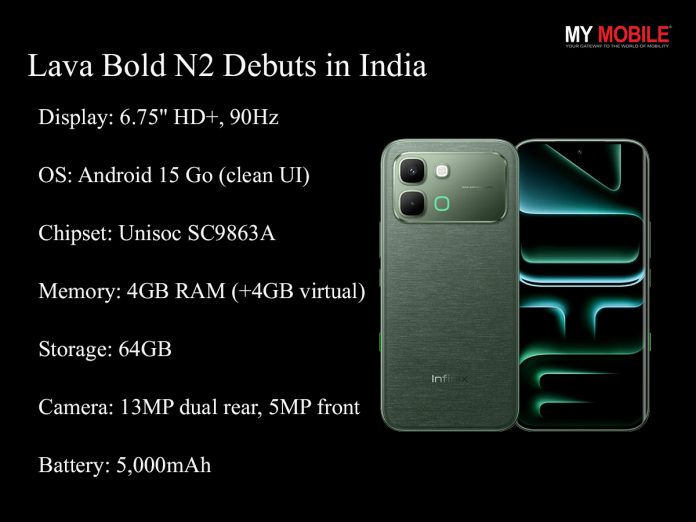
The phone features a 6.75-inch HD+ 90Hz display, Android 15 Go edition, Unisoc SC9863A chipset, 5,000mAh battery, dual rear cameras with a 13MP primary sensor, a 5MP selfie camera and IP64 rating.
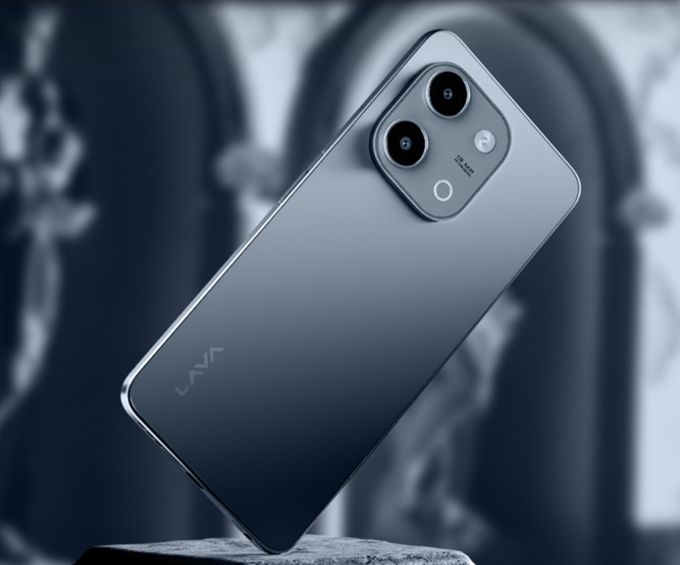
Lava Bold N2 Debuts in India. (Image credit – Lava)
Lava International has expanded its affordable smartphone portfolio with the launch of the Lava Bold N2 in India. The device is set to go on sale later this month and will be available exclusively through an online marketplace in two colour options. Here’s more on the handset, starting with its price and availability.
Introducing Bold N2: Be Fearless. Be Bold.
Price: ₹7,499
Sale Starts 27th Feb, 12PM
Only On Amazon
✅ 17.13cm (6.75″) HD+ Display
✅ 13MP AI Dual Rear Camera | 5MP Selfie Camera
✅ 4GB+4GB* RAM | 64GB ROM
✅ IP64 Dust & Water Resistant
✅ Clean Android experience – No… pic.twitter.com/GxBodeLFUV
The Lava Bold N2 price in India is fixed at Rs. 7,499 for the single variant that comes with 4GB RAM and 64GB internal storage. The smartphone will be available for purchase starting February 27 via Amazon India.
Buyers can choose between two colour variants, Indus Black and Siachen White.
Lava is also offering free doorstep servicing for customers purchasing its smartphones, adding extra value for users in this price segment.
Lava Bold N2 – Key Features
The Lava Bold N2 is a dual-SIM smartphone that runs on Android 15 Go edition. According to the company, the handset does not come with bloatware or ads, promising a “clean Android experience” for users.
The smartphone sports a 6.75-inch HD+ display with a 90Hz refresh rate. It features a water drop-style notch on the front. Lava states that the device carries an IP64 rating, offering resistance against dust and splashes.
Lava Bold N2 features. (Image credit – Lava)
Under the hood, the Bold N2 is powered by the Unisoc SC9863A octa-core chipset. It is paired with 4GB of RAM and 64GB of onboard storage. The handset also supports virtual RAM expansion of up to 4GB, utilising available internal storage space for improved multitasking performance.
For photography, the Lava Bold N2 comes with a dual rear camera setup, headlined by a 13-megapixel primary sensor. The secondary rear camera’s specifications have not been detailed. On the front, the device houses a 5-megapixel camera for selfies and video calls.
The smartphone is backed by a 5,000mAh battery. For security, it includes a side-mounted fingerprint scanner.
FAQs
Q1. What is the price and availability of the Lava Bold N2 in India?
Answer. The Lava Bold N2 is priced at ₹7,499 and will be available from February 27 via Amazon India in Indus Black and Siachen White colour options.
Q2. What operating system does the Lava Bold N2 run on?
Answer. The smartphone runs on Android 15 Go edition, offering a clean Android experience without bloatware or ads.
Q3. What are the key display features of the Lava Bold N2?
Answer. It features a 6.75-inch HD+ display with a 90Hz refresh rate and a water drop-style notch.
Q4. What is the battery capacity of the Lava Bold N2?
Answer. The device is backed by a 5,000mAh battery, providing long-lasting usage for budget-conscious users.
Q5. What security and durability features does the Lava Bold N2 include?
Answer. The smartphone comes with a side-mounted fingerprint scanner and carries an IP64 rating for dust and splash resistance.