Alleged Motorola Razr 60 Ultra has been spotted on India’s BIS certification portal.
It hints at an early 2025 launch.
The device is expected to feature the upcoming Snapdragon 8s Elite chipset aligning with the rumoured April 2025 release.
Motorola with the popularity of its G, Edge and Razr series smartphones witnessed significant growth in the Indian smartphone market last year. The Razr lineup is a series of foldable flip phones competing directly with Samsung’s Galaxy Z Flip devices and might see its next big release sooner than expected.
A Motorola device with model number XT2551 has been spotted on India’s BIS certification portal.
Based on earlier reports, this device is likely the Motorola Razr 60 Ultracodenamed Orion. The model number also suggests it is the successor to the Motorola Razr 50 Ultra (XT2451).
Motorola Razr 60 Ultra spotted on India’s BIS certification. (Screenshot credit – 91Mobiles)
The BIS listing hints at a potential early launch for the Razr 60 Ultra. For reference, the Razr 50 Ultra was certified in April 2024 and officially launched in India by July 2024. Following this timeline, the Razr 60 Ultra could debut as early as the second quarter of 2025.
While the design and other specifications of the Razr 60 Ultra remain a mystery, there’s speculation that it could feature the upcoming Snapdragon 8s Elite chipset. The chipset is rumoured for an April 2025 release aligning with the rumour timeline. This chipset introduction could align with the device’s launch offering cutting-edge performance for the foldable segment.
The Motorola Razr 60 Ultra is expected to offer some significant upgrades on the specifications of its predecessor Razr 50 Ultra.
To recall, the Motorola Razr 50 Ultra comes with a 6.9-inch full-HD+ (1,080×2,640 pixels) LTPO pOLED inner display with up to 165Hz refresh rate, up to 300Hz touch sampling rate, and 413ppi pixel density. Meanwhile, the cover screen is a 4-inch (1,080×1,272 pixels) LTPO pOLED panel with up to 165Hz refresh rate and HDR10+ support. It is powered by Qualcomm’s Snapdragon 8s Gen 3 chipset paired with up to 12GB of LPDDR5X RAM and 512GB UFS 4.0 storage.
The phone has a dual outer camera setup with a 50-megapixel primary sensor with optical image stabilisation (OIS) support and a 50-megapixel telephoto lens with 2x optical zoom. It sports a 32-megapixel camera on the inner screen for selfies and video calls.
Motorola fans can look forward to more updates as leaks and official announcements unfold in the coming months.
FAQs
Q1. What hints at an early 2025 launch for the Motorola Razr 60 Ultra?
Answer. The Motorola Razr 60 Ultra (model number XT2551) has been spotted on India’s BIS certification portal suggesting a potential early 2025 launch.
Q2. How does the Razr 60 Ultra position itself in the market?
Answer. The Razr 60 Ultra will compete directly with Samsung’s Galaxy Z Flip devices continuing the popularity of the Razr series in the Indian market.
Q3. What are the speculations about the chipset in the Razr 60 Ultra?
Answer. There is speculation that the Razr 60 Ultra could feature the upcoming Snapdragon 8s Elite chipset rumoured for an April 2025 release.
The OnePlus Open 2 based on Oppo’s Find N5 is confirmed to be the world’s thinnest folding flagship.
CEO Pete Lau shared an image of Weibo confirming the February launch.
The Find N5 and Open 2 are rumoured to potentially feature up to 6,000 mAh.
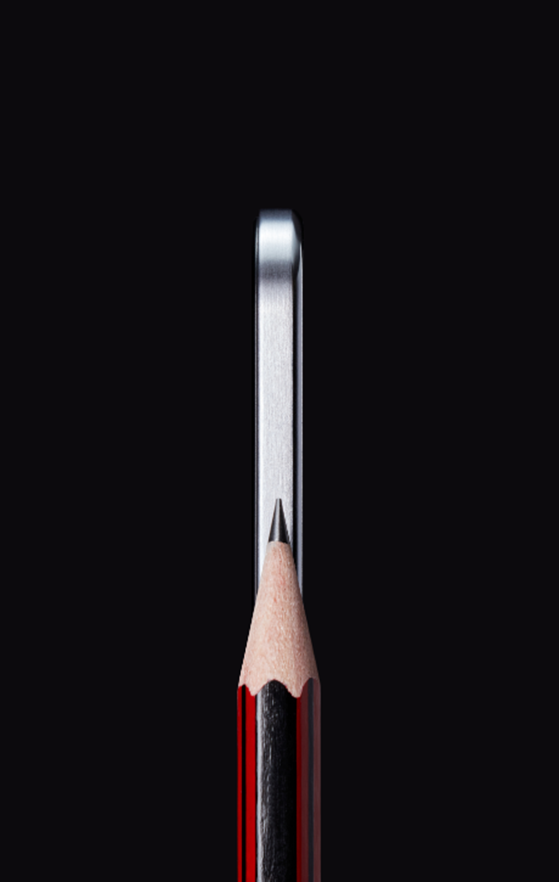
Image shared by OnePlus CEO Pete Lau (or Liu Zuohu) recently on Weibo. (Image credit – Pete Lau on Weibo)
It has been already reported that the OnePlus Open 2 based on Oppo’s upcoming Find N5 is set to enter the foldable market soon. Recently, the co-founder and CEO of the Chinese smartphone maker OnePlus Pete Lau (or Liu Zuohu) has confirmed that it will be “the world’s thinnest folding flagship.” Here’s what Lau hinted at.
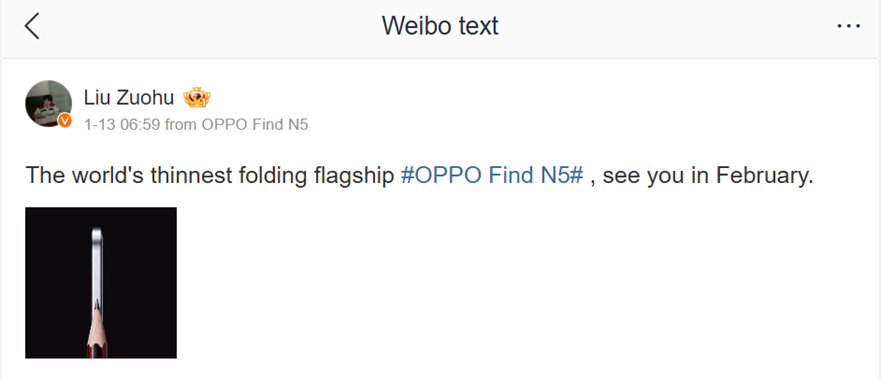
In a post on Weibo, Lau shared an image of the Find N5 next to a pencil highlighting its ultra-slim profile. The device in the image appears remarkably thin even when opened suggesting that when closed, it will be slimmer than current foldable phones.
Pete Lau (or Liu Zuohu) recent post on Weibo. (Translated from Chinese via Google Translate)
The post also confirms a February launch as it says “see you in February.”
For comparison, the Honor Magic V3 holds the current record at 9.2mm closed and 4.4mm open. Oppo’s Find N5 aims to surpass this benchmark offering a book-style foldable that redefines portability.
The OnePlus Open 2 is expected to share much of its hardware with the Oppo Find N5 making it a compelling option for the US foldable market. The Open 2 could offer fresh competition after Samsung’s Galaxy Z Fold 6 received a lukewarm response last year and Google Pixel 9 Pro Fold took the spotlight in its place.
Despite its slim profile, the Find N5 and Open 2 are rumoured to feature a significantly larger battery, potentially reaching up to 6,000 mAh. Balancing a thin design with enhanced battery capacity highlights the innovation behind these devices.
Oppo plans to reveal more details about the Find N5 in February 2025 with announcements from OnePlus expected to follow shortly afterwards.
FAQs
Q1. What is the OnePlus Open 2’s notable feature according to Pete Lau?
Answer. The OnePlus Open 2 is confirmed to be the “world’s thinnest folding flagship” with an ultra-slim profile.
Q2. How does the OnePlus Open 2 compare to other foldable phones in the market?
Answer. The OnePlus Open 2, expected to share hardware with Oppo’s Find N5, aims to offer strong competition in the US foldable market especially against Samsung’s Galaxy Z Fold 6 and Google’s Pixel 9 Pro Fold.
Q3. What innovation is rumoured for the Find N5 and Open 2 despite their slim profile?
Answer. Despite their slim profile, the Find N5 and Open 2 are rumoured to feature a significantly larger battery potentially up to 6,000 mAh.
the Nothing Phone (3) is set to mark the company’s entry into AI.
In a leaked email, CEO Carl Pei described it as a ‘first step toward our AI-powered platform.’
The leaked email highlights Nothing’s year of innovation with the Nothing Phone (3) being the next big step.
Nothing Phone (3) is confirmed for a 2025 release concentrating on affordable variants.
The exact launch date remains unknown.
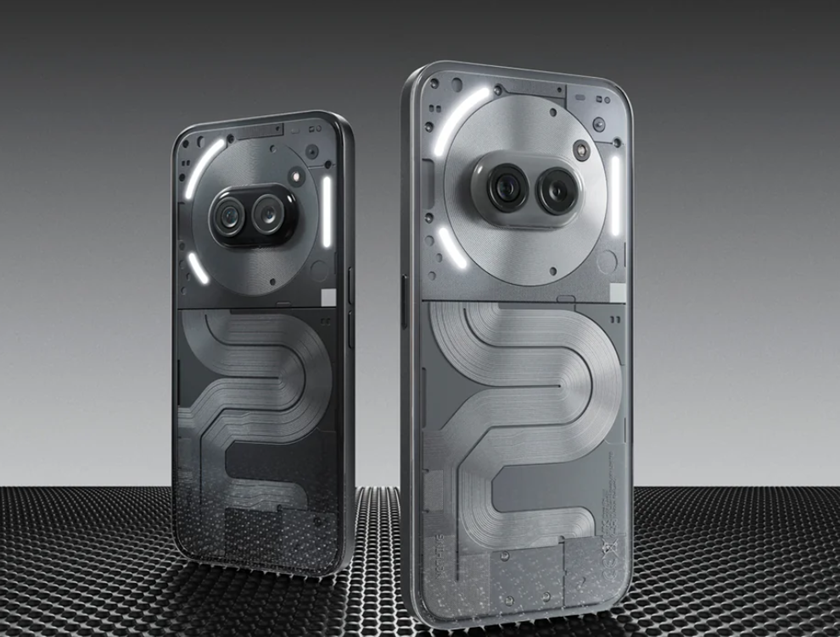
Nothing Phone (3) is confirmed for a 2025 release as a ‘first step toward our AI-powered platform.’ (Image credit – Nothing)
Every tech company is looking at the possibility of an AI-powered future for the world and for the company itself. The British smartphone manufacturer Nothing is now different and a recent leak online confirms the company’s plans for an AI-driven future.
According to an alleged leaked email from Nothing’s founder Carl Pei, the Nothing Phone (3) will be the company’s entry into the world of artificial intelligence. The upcoming flagship is described as a “first step toward our AI-powered platform” promising to “redefine” the user experience. Here’s everything you need to know based on the leak.
I just hope the Nothing Phone 3 is fully compatible with Verizon in the US this time around.
— Rashad G (@Radgatt) January 13, 2025
Popular tipster Evan Blass recently shared a leaked email in a post on X (formerly Twitter). The email highlights “Nothing’s year of innovation” and teases the Nothing Phone (3) as the company’s next big step. While previous hints suggested AI would play a role in Nothing’s future, this email solidifies it as a central focus for the device.
The email reads: “This year will mark the launch of our flagship Nothing Phone (3). It will introduce breakthrough innovations in user interface, taking our first step toward our Al- powered platform. We’re aiming at redefining the user experience of personal computing devices – creating technology that knows you, makes your life easier, and is present where you are. Technology that enables us to achieve our greatest creative potential.”
After a quiet 2024 for flagship releases, Nothing concentrated on its more affordable Nothing Phone (2a) series, which saw four variants launch throughout the year. The Nothing Phone (3), confirmed for a 2025 release, marks the company’s return to flagship territory with a clear focus on integrating AI.
While the exact launch date remains unknown, the promise of an “AI-powered platform” signals that Nothing is gearing up to push boundaries in user experience and device capabilities.
Nothing fans might have to wait for some time for more details as Nothing moves closer to revealing its next big innovation.
FAQs
Q1. What is the significance of the Nothing Phone (3) according to the recent leak?
Answer. The Nothing Phone (3) is described as the company’s “first step toward our AI-powered platform” promising to “redefine” the user experience.
Q2. When is the Nothing Phone (3) expected to be released?
Answer. The Nothing Phone (3) is confirmed for a 2025 release, although the exact launch date remains unknown.
Q3. What was Nothing’s focus during 2024?
Answer. During 2024, Nothing focused on its more affordable Nothing Phone (2a) series, launching four variants throughout the year.
It will allow users to anonymously submit notes on posts similar to the X (formerly Twitter) feature.
Meta is shifting from professional fact-checking to a community-driven content moderation system.
Users can adjust the amount of political content they see on Threads.
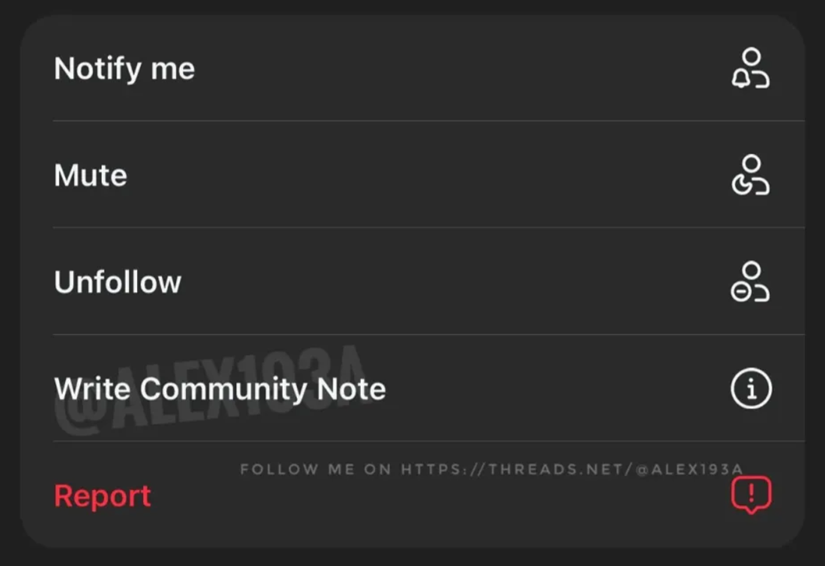
Community Notes feature coming to Meta’s Threads. (Image credit – Alessandro Paluzzi on Threads)
Tech companies often don’t take too long to adapt to new features when they already are popular on a competing platform. Yes, Meta has begun testing its version of Community Notes on Threads.
The decision to add a fact-check feature comes after the company decided to phase out the previous professional fact-checking program. This change is modelled after a similar feature on X (formerly Twitter) and could be a step toward a more community-driven content moderation system. Here’s everything we know about the new features.
Community Notes on Threads
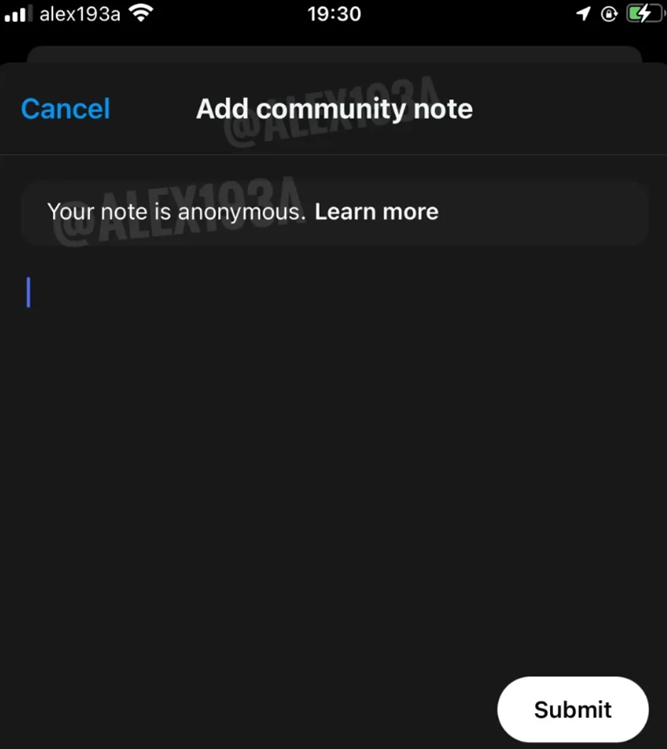
Threads users can add community notes anonymously. (Image credit – Alessandro Paluzzi on Threads)
Developer Alessandro Paluzzi, known for sharing early glimpses of Meta features, posted screenshots showing how Community Notes might work on Threads. A new Write Community Note option appears in the menu for individual posts. Users can anonymously submit notes, which will appear under the post if rated as helpful.
View on Threads
The design closely mirrors how X implements Community Notes, a feature that began as “Birdwatch” before Elon Musk rebranded it.
Meta has not officially commented on the rollout, though Engadget has reached out for more details.
Threads’ Changing Moderation Approach
Community Notes are just one part of Meta’s updated moderation strategy for Threads. Previously, the app avoided promoting political content. However, it will now suggest political posts and let users decide how much they want to see.
Head of Instagram and Threads Adam Mosseri shared a short video explaining this new feature. Mosseri wrote, “You can dial up or down politics on your Threads, but I’ve gotten a number of questions about the political content control on Threads so to quickly clarify where it is and how it works. To get there, go to your profile, the top-right menu, then Account, and then you’ll see Political content.”
View on Threads
Users can choose from three settings for political content in their feed –
See less – Reduces political content.
Standard – Shows some political content.
See more – Treats political content like any other post.
As the testing phase continues, Threads users may soon see how these features shape their experience on the platform.
FAQs
Q1. What new feature is Meta testing on Threads?
Answer. Meta is testing Community Notes on Threads, allowing users to anonymously submit notes on posts similar to X’s (formerly Twitter) feature.
Q2. What change has Meta made to its content moderation approach on Threads?
Answer. Meta is shifting from professional fact-checking to a community-driven content moderation system including political content suggestions.
Q3. How can users control the amount of political content they see on Threads?
Answer. Users can adjust the amount of political content they see on Threads with three settings: See less, Standard and See more.
It adds Touch to Share for seamless sharing with iOS devices and improves IPv6 Wi-Fi and Bluetooth stability.
Introduces new watermark styles, improves 4K video quality, colour performance, AI features in Google Messages and updates widgets.
Adds charging status to Live Alerts and security with the December 2024 patch.
Recently launched OnePlus 13 received its first OS update. (Image credit – OnePlus)
OnePlus 13 was launched last week and is already receiving its first software update packed with new improvements, features and fixes. If you’ve recently purchased the device, you can now check for the 1GB update. It includes enhancements for Wi-Fi, Bluetooth, cameras and more.
The update also incorporates the December 2024 security patch, all running on top of Android 15.
OnePlus 13 gets a new 1GB software update.
This OTA with December 2024 security patch should roll out to all devices soon. Have you updated your device?
Changelog in the second image. #OnePlus13 pic.twitter.com/RbCulX6caV
— Ishan Agarwal (@ishanagarwal24) January 13, 2025
The update is currently being rolled out in India, Europe, North America and Global regions. The firmware version of the OnePlus 13R for India is CPH2691_15.0.0.403(EX01). Meanwhile, European and global regions have CPH2645_15.0.0.403(EX01). In North America, the version is CPH2647_15.0.0.403(EX01).
According to the brand, the update is released in phases and a wider rollout of the OTA update will begin soon.
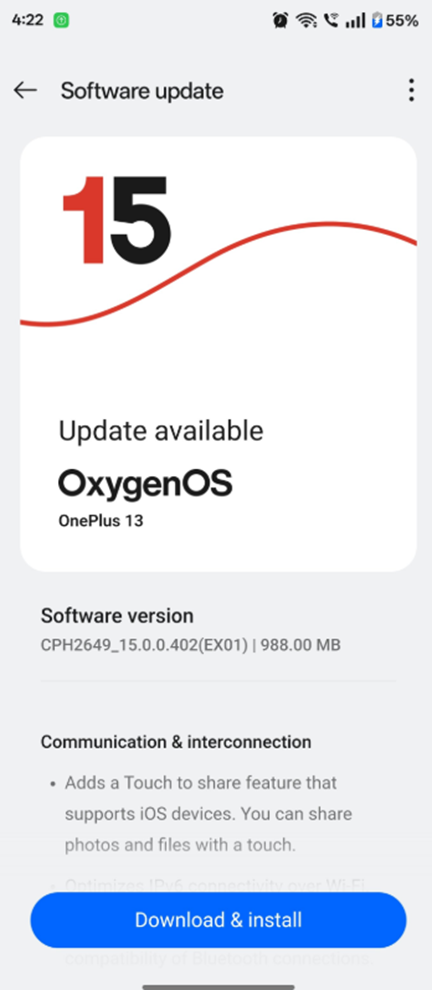
OS Updates prompt on OnePlus 13. (Screenshot credit – @ishanagarwal24 on X)
Here’s a breakdown of what’s included in OxygenOS 15 vCPH2655_15.0.0.402 –
Communication & Connectivity
New feature: Adds “Touch to Share” for seamless photo and file sharing with iOS devices.
Optimises IPv6 Wi-Fi connectivity.
Improves Bluetooth stability and expands compatibility.
Enhances overall network stability and user experience.
Camera
Introduces new watermark styles such as Hasselblad, Master’s Signature, Film, Classic Camera and more.
Enhances clarity in Portrait and Photo modes.
Improves the quality of 4K videos recorded at 60 fps.
Improves colour performance in main and telephoto lenses.
Fixes brightness issues in rear camera photos.
Enhances tone and colour accuracy in Photo mode.
Audio
Improves audio quality for a better listening experience.
System
Adds charging status to Live Alerts enhancing usability.
Boosts system stability and performance.
Integrates the latest Android security patch from December 2024 for enhanced security.
Apps & Widgets
Introduces AI features in Google Messages.
Adds a 1×2 Weather widget for the Home screen.
Improves the appearance of the step tracker widget and storage cleaner widget.
FAQs
Q1. What new feature enhances photo and file sharing with iOS devices on the OnePlus 13?
Answer. The update adds “Touch to Share” for seamless photo and file sharing with iOS devices.
Q2. Which security patch is included in the first software update for the OnePlus 13?
Answer. The update incorporates the December 2024 security patch running on top of Android 15.
Q3. What improvements does the update bring to the camera on the OnePlus 13?
Answer. The update introduces new watermark styles, enhances clarity in Portrait and Photo modes, improves the quality of 4K videos recorded at 60 fps and improves colour performance in the main and telephoto lenses.
HUAWEI has opened pre-orders for the Band 9 in India at Rs 3,999.
Key features – 1.47-inch AMOLED touchscreen, 5ATM water resistance and 100 workout modes.
Health features – TruSeen 5.5 for heart rate monitoring, TruSleep 4.0 for sleep tracking, stress and menstrual cycle tracking and SpO2 monitoring.
It will officially launch on January 17.
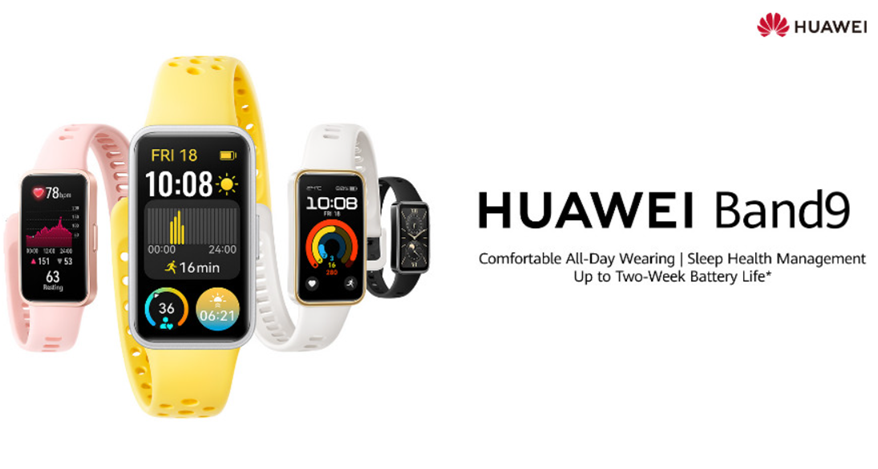
HUAWEI Band 9 will launch officially on January 17th. (Image credit – Huawei)
HUAWEI has opened pre-orders for the HUAWEI Band 9 in India, the latest addition to its fitness tracker lineup and a successor to last year’s HUAWEI Band 8. Here’s everything we know about the HUAWEI Band 9.
HUAWEI Band 9 – Key Features
The Band 9 boasts a 1.47-inch AMOLED 2.5D touchscreen with a resolution of 194×368 pixels and a crisp 282 PPI. It supports customizable watch faces that can match your outfit and offers 5ATM water resistance, making it suitable for swimming and other water-based activities.
HUAWEI Band 9 key features. (Image credit – Huawei)
Fitness enthusiasts can benefit from 100 workout modes and a 9-axis sensor that ensures precise tracking, even during intense exercises. The swimming mode can measure strokes, laps and performance metrics accurately.
HUAWEI’s TruSeen 5.5 technology offers highly accurate heart rate monitoring, utilizing three sensor channels for better precision. The tracker also features Pulse Wave Arrhythmia Analysis providing alerts for irregularities in heart rhythm.
Sleep tracking gets an upgrade with TruSleep 4.0, which delivers better accuracy and even detects abnormal breathing patterns during sleep. Other features include stress tracking, menstrual cycle tracking and SpO2 monitoring.
Weighing just 14 grams, the Band 9 has a slim and lightweight design. It promises up to 14 days of battery life and supports fast charging taking only 45 minutes for a full charge.
HUAWEI Band 9 – Specifications at a Glance
Display – 47-inch HD AMOLED, 2.5D touch
Connectivity – Bluetooth 5.0, supports Android 8.0+ and iOS 13.0+
Health Features – TruSeen 5.5, TruSleep 4.0, stress and menstrual tracking
Workout Modes – 100 with auto-detection for 4 common exercises
Water Resistance – 5ATM (up to 50m)
Additional Features – Music control, remote camera control, quick message reply, call alerts
Dimensions and Weight – 45 × 24.86 × 8.99 mm; 14g
Battery Life – Up to 14 days, 45-minute fast charge
HUAWEI Band 9 – Pricing and Availability
Caption – HUAWEI Band 9 is currently available for pre-order from Flipkart. (Image credit – Huawei)
The HUAWEI Band 9 is priced at Rs. 3,999 and comes in Black, Pink, White and Yellow colour choices. It’s available for pre-order on Flipkart starting January 13 with the official launch set for January 17.
The fitness tracker will also be available on Amazon soon.
FAQs
Q1. What is the display specification of the HUAWEI Band 9?
Answer. The HUAWEI Band 9 features a 1.47-inch AMOLED 2.5D touchscreen with a resolution of 194×368 pixels and a crisp 282 PPI.
Q2. How many workout modes does the HUAWEI Band 9 support?
Answer. The HUAWEI Band 9 supports 100 workout modes ensuring precise tracking with a 9-axis sensor during various exercises.
Q3. What health monitoring features does the HUAWEI Band 9 offer?
Answer. The HUAWEI Band 9 includes TruSeen 5.5 for heart rate monitoring, TruSleep 4.0 for sleep tracking, stress tracking, menstrual cycle tracking and SpO2 monitoring.
Q4. What is the battery life of the HUAWEI Band 9?
Answer. The HUAWEI Band 9 promises up to 14 days of battery life and supports fast charging, taking only 45 minutes for a full charge.
Q5. What is the price and availability of the HUAWEI Band 9 in India?
Answer. The HUAWEI Band 9 is priced at Rs. 3,999 and is available for pre-order on Flipkart starting January 13, with the official launch set for January 17. It will also be available on Amazon soon.
The iPhone 17 Air is expected in the second half of 2025 and could replace the Plus model.
It is expected to have an ultra-thin design rumoured to be just 5.5mm thick.
Apple might ditch the physical SIM card slot and go for only eSIM support to achieve the ultra-thin build.
Rumoured Feature – A18 or A19 chip with 8GB RAM, a 6.6-inch OLED display with 120Hz ProMotion refresh rate and 48-megapixel and 24-megapixel cameras.
It’s expected to come with a price tag between $1,299 and $1,500.
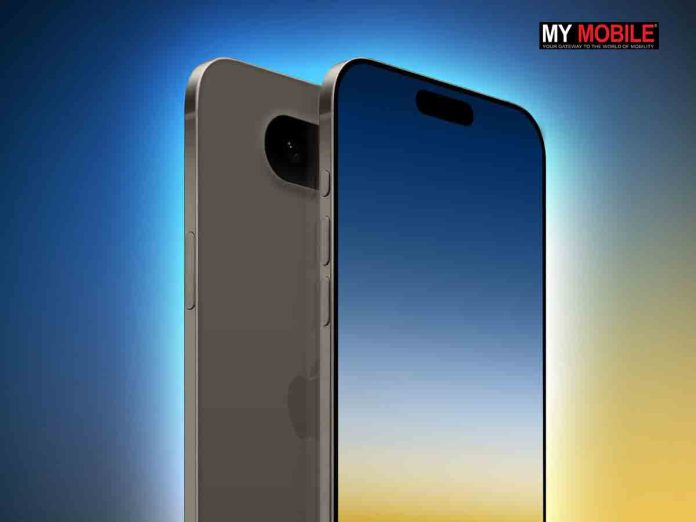
iPhone 17 Air could come with no physical SIM card slot to achieve the thinnest form. (Image credit – Apple)
Apple is known for keeping its iPhone lineup consistent but multiple reports on the upcoming iPhone 17 series suggest there could be something unexpected happening this year. Apple could introduce something entirely new in the second half of 2025. Reports suggest Apple is planning to replace the ‘Plus’ model with a sleek and ultra-thin iPhone 17 Air with many rumours suggesting that the phone might be called the iPhone Slim.
Now, according to a recent report by the well-known analyst at TF Securities Ming-Chi Kuo, this could be the slimmest iPhone Apple has ever made. Here’s everything we know based on the recent report.
Kuo revealed new details about the iPhone 17 Air in a recent Medium post. He claims the phone will be just 5.5mm thick making it slimmer than the iPhone 6, which held the title of the thinnest iPhone at 6.9mm.
This would also make it thinner than the rumoured Samsung Galaxy S25 Slim, which is said to be about 6mm thick.
For comparison, the current iPhone 16 is 7.8mm thick while earlier reports suggested the iPhone 17 Air might be 6.25mm. If Kuo’s claims hold true, this device will redefine slimness in smartphones.
Apple might ditch the physical SIM card slot altogether offering only eSIM support to achieve such a thin build. However, this could be a problem in regions like China where eSIM adoption is still limited.
The iPhone 17 Air is rumoured to come with a price tag between $1,299 and $1,500 (approximately Rs. 1,09,000 to Rs. 1,26,000). It’s expected to feature either an A18 or A19 chip with 8GB RAM and support for Apple Intelligence features. This device could also be the first iPhone to ship with Apple’s in-house 5G and Wi-Fi chips, enhancing connectivity.
The iPhone 17 Air is said to sport a 6.6-inch OLED display with a 120Hz ProMotion refresh rate for smooth visuals. The screen might offer improved scratch resistance and will likely include Apple’s Dynamic Island feature.
As for cameras, the device could feature a 48-megapixel single rear camera paired with a 24-megapixel front-facing camera ensuring premium photography and selfies.
FAQs
Q1. What makes the iPhone 17 Air unique in design?
Answer. The iPhone 17 Air is rumoured to be just 5.5mm thick, making it the slimmest iPhone ever. Apple might also ditch the physical SIM card slot offering only eSIM support to achieve this ultra-thin build.
Q2. What are the expected key features of the iPhone 17 Air?
Answer. The iPhone 17 Air is rumoured to feature either an A18 or A19 chip with 8GB RAM, a 6.6-inch OLED display with a 120Hz ProMotion refresh rate, and 48-megapixel and 24-megapixel cameras. It may also include Apple’s in-house 5G and Wi-Fi chips.
Q3. What is the expected price range of the iPhone 17 Air?
Answer. The iPhone 17 Air is rumoured to come with a price tag between $1,299 and $1,500 (approximately Rs. 1,09,000 to Rs. 1,26,000).
Amazon’s Great Republic Day Sale 2025 offers significant discounts on home appliances.
Sale includes refrigerators, microwave ovens, washing machines, air conditioners and more.
Top deals include the Samsung 653 L Frost Free Smart Refrigerator, LG 32 L Convection Microwave Oven, LG 9 Kg AI Direct Drive Washing Machine, Daikin 1.5 Ton Inverter Split AC and others with savings of up to 60%.
Exclusive bank offers on Credit Cards with additional savings on Amazon Pay ICICI Cards are available.
No-cost EMI options on select products.
Amazon’s Great Republic Day Sale 2025 is here with incredible discounts on home appliances. Whether you’re looking to upgrade your washing machine, refrigerator, air conditioner or microwave, the 2025 sale has everything for every need.
With huge price drops and attractive bank offers, it’s the perfect time to shop. Here’s a look at the best deals, along with details on bank discounts and tips to maximize your savings.
Top Deals on Refrigerators
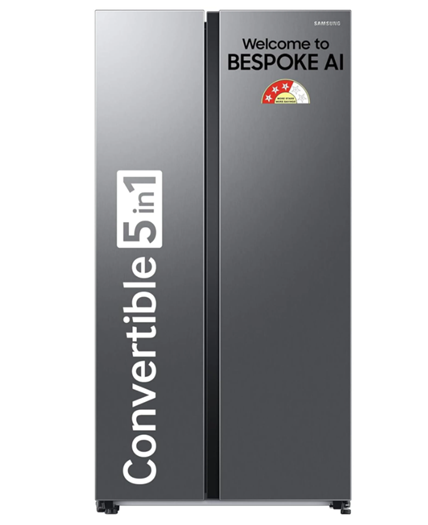
Samsung 653 L Frost Free Smart Refrigerator
Samsung 653 L Frost Free Smart Refrigerator
This side-by-side refrigerator boasts a 653-litre capacity and a convertible design for flexible storage. Features include Wi-Fi connectivity, smart energy monitoring and a quiet durable digital inverter compressor.
Normal Price: Rs 1,13,000
Sale Price: Rs 79,990
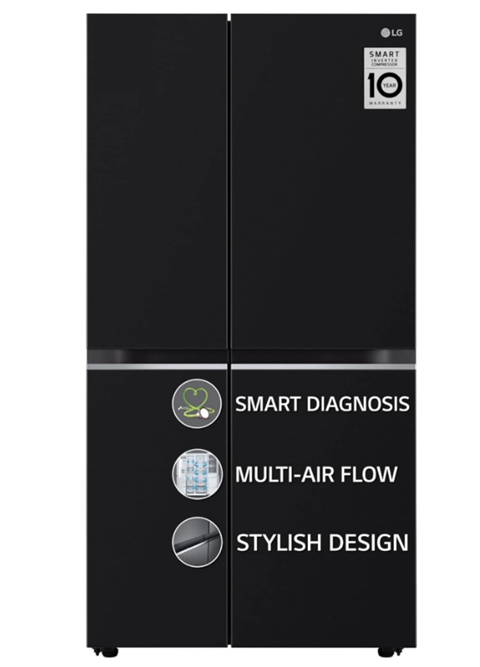
LG 655 L Frost Free Refrigerator
LG 655 L Frost Free Refrigerator
This spacious dual-compartment fridge features auto-defrost, advanced cooling, and an energy-efficient inverter compressor for keeping food fresh longer while reducing energy consumption.
Normal Price: Rs 1,22,899
Sale Price: Rs 73,990
Top Deals on Microwave Ovens
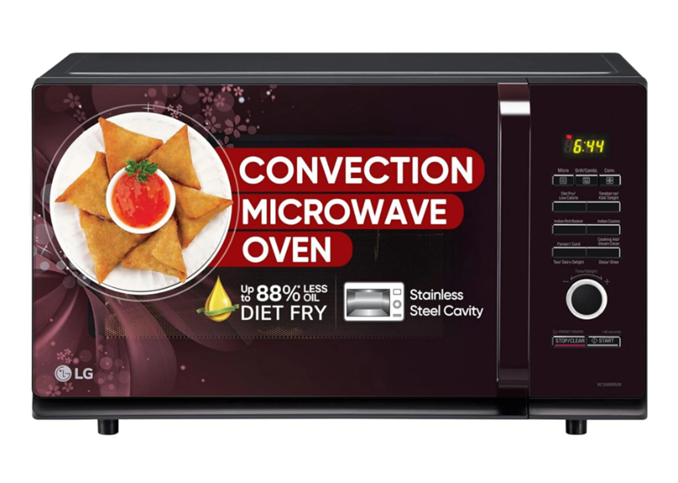
LG 32 L Convection Microwave Oven
LG 32 L Convection Microwave Oven
A perfect fit for families of four to six, this convection microwave offers multiple cooking modes energy-efficient performance and a durable stainless steel cavity.
Normal Price: Rs 23,999
Sale Price: Rs 17,990
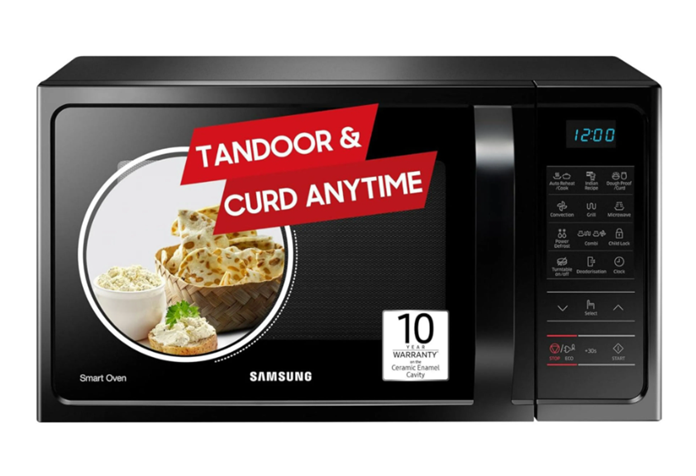
Samsung 28 L Convection Microwave Oven
Samsung 28 L Convection Microwave Oven
This model includes grilling, reheating, and other cooking modes. Its ceramic enamel cavity ensures easy cleaning and enhanced durability with child safety locks for added protection.
Normal Price: Rs 15,590
Sale Price: Rs 12,790
Top Deals on Washing Machines
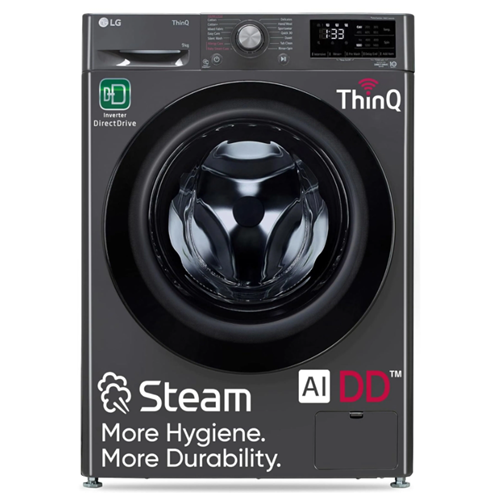
LG 9 Kg, 5 Star, AI Direct Drive Technology Washing Machine
This fully automatic front-load washing machine comes with AI Direct Drive Technology for intelligent fabric care. It features steam cleaning, multiple cycle settings, inverter technology for energy efficiency, and Wi-Fi connectivity for smart controls.
Normal Price: Rs 53,990
Sale Price: Rs 38,990
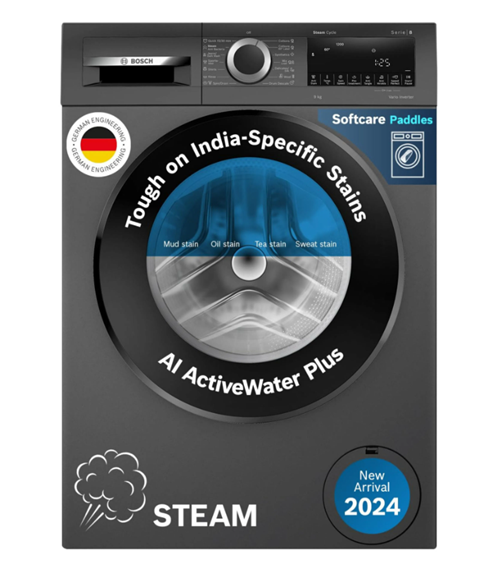
Bosch 9kg 5 Star Anti Stain Washing Machine
Bosch 9kg 5 Star Anti Stain Washing Machine
A fully automatic front-load model with anti-stain technology and a built-in heater, this washing machine offers versatile cycle options like quick wash and heavy-duty settings making it ideal for various laundry needs.
Normal Price: Rs 59,990
Sale Price: Rs 38,900
Top Deals on Air Conditioners
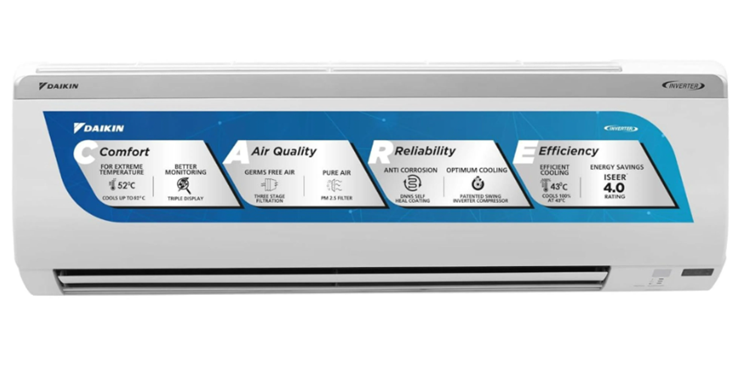
Daikin 1.5 Ton Inverter Split AC
Daikin 1.5 Ton Inverter Split AC
Ideal for mid-sized rooms, this AC includes a patented inverter swing compressor for high energy efficiency and dew-clean technology for healthier air.
Normal Price: Rs 58,400
Sale Price: Rs 36,990
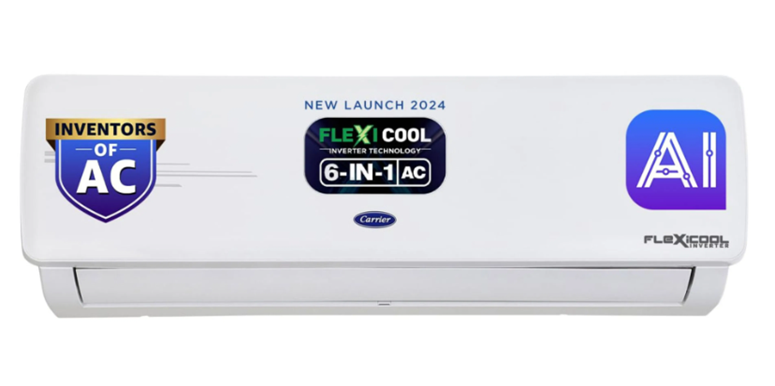
Carrier AI Flexicool Inverter Split AC
Carrier AI Flexicool Inverter Split AC
This AC features Flexicool inverter technology that adjusts cooling based on room heat load. It also includes multiple cooling modes and a robust warranty on key components.
Normal Price: Rs 67,790
Sale Price: Rs 34,990
Other Appliance Deals
PHILIPS Air Fryer NA120/00
PHILIPS Air Fryer NA120/00
This 4.2-litre air fryer uses Rapid Air technology for even cooking without flipping. It features 12 preset cooking methods, adjustable time and temperature settings, and a powerful 1500W motor that uses up to 70% less energy than traditional ovens. Over 100 recipes are accessible via the HomeID app.
Normal Price: Rs 5,995
Sale Price: Rs 4,999
ECOVACS Deebot Y1 Pro 2-In-1 Robot Vacuum Cleaner
ECOVACS Deebot Y1 Pro 2-In-1 Robot Vacuum Cleaner
This 2-in-1 robot vacuum and mop offers 6500Pa suction power and a runtime of up to 320 minutes, cleaning up to 4000 ft². Features include LiDAR navigation, carpet sensor technology, and app control for customised cleaning.
Normal Price: Rs 59,990
Sale Price: Rs 19,999
Bank Offers and Cashback Deals
Check out these exclusive bank offers:
SBI Credit Card – Get up to 10% instant discount.
Amazon Pay ICICI Card – Save 5% for Prime members and 3% for non-Prime members.
Amazon Pay Later – Purchase items worth up to Rs 60,000 with a pay-later facility.
No-Cost EMI – Available on select products starting at just Rs 99 per day.
Don’t miss out on these fantastic offers during Amazon’s Great Republic Day Sale 2025!
FAQs
Q1. What are the key features of the Samsung 653 L Frost Free Smart Refrigerator?
Answer. This refrigerator boasts a 653-litre capacity and a convertible design for flexible storage. It features Wi-Fi connectivity, smart energy monitoring, and a quiet, durable digital inverter compressor.
Q2. How does the LG 655 L Frost Free Refrigerator help with energy efficiency?
Answer. The LG 655 L Frost Free Refrigerator features advanced cooling and an energy-efficient inverter compressor, which helps keep food fresh longer while reducing energy consumption.
Q3. Is the LG 32 L Convection Microwave Oven suitable for families?
Answer. This convection microwave offers multiple cooking modes, energy-efficient performance, and a durable stainless steel cavity, making it perfect for families of four to six.
Q4. What are the benefits of the ceramic enamel in the Samsung Convection Microwave?
Answer. The ceramic enamel cavity ensures easy cleaning and enhanced durability, with child safety locks for added protection.
Q5. What is AI Direct Drive Technology in the LG 9 Kg Washing Machine?
Answer. AI Direct Drive Technology provides intelligent fabric care with steam cleaning, multiple cycle settings, inverter technology for energy efficiency, and Wi-Fi connectivity for smart controls.
Q6. How does the Bosch 9kg Washing Machine cater to various laundry needs?
Answer. It offers versatile cycle options like quick wash and heavy-duty settings, making it ideal for various laundry needs, along with anti-stain technology and a built-in heater.
Q7. Is Daikin 1.5 Ton Inverter Split AC suitable for mid-sized rooms?
Answers. Yes, this AC includes a patented inverter swing compressor for high energy efficiency and dew-clean technology for healthier air.
Q8. How does the Flexicool inverter technology in the Carrier AC benefit users?
Answer. Flexicool inverter technology adjusts cooling based on room heat load and includes multiple cooling modes with a robust warranty on key components.
Q9. What are the key features of the PHILIPS Air Fryer NA120/00?
Answer. This 4.2-litre air fryer uses Rapid Air technology for even cooking without flipping, featuring 12 preset cooking methods, adjustable time and temperature settings and a powerful 1500W motor.
Q10. What makes the ECOVACS Deebot Y1 Pro a versatile cleaning solution?
Answer. This 2-in-1 robot vacuum and mop offers 6500Pa suction power, a runtime of up to 320 minutes, LiDAR navigation, carpet sensor technology, and app control for customised cleaning.
Vivo is set to launch the X200S and X200 Ultra in the second quarter.
The Vivo X200S will be available in black and silver and the X200 Ultra in black and a new shade.
The X200S will be a slight upgrade over the X200 debuted in October 2024.
The Vivo X300 series is expected to debut in Q4 2025 with the X300 and X300 Pro.
The X300 Ultra to arrive in the first half of 2026.
Vivo is gearing up for the release of its latest X Series smartphones including the Vivo X200S and X200 Ultra in China. According to reports, the X200S will get a few upgrades over the Vivo X200 debuted in October 2024. The new models are expected to launch in the second quarter of this year. Here’s everything we know based on the recent leaks.
Vivo X200S and X200 Ultra Colour Variants
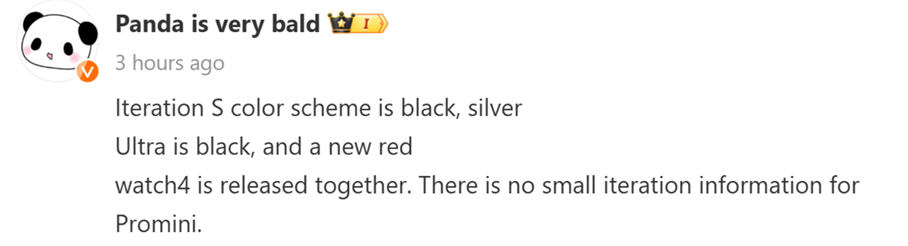
The leak posted by tipster Panda is Very Bald on Weibo.
A new leak by tipster Panda is Very Bald on Weibo recently revealed the colour options of the upcoming Vivo X200S and X200 Ultra.
The Vivo X200 currently comes in black, white, titanium and blue in the Chinese market. The upcoming X200S will reportedly be available in black and silver. Meanwhile, the X200 Ultra is expected to launch in black and a yet-to-be-revealed new shade.
For reference, the previous X100 Ultra was sold in titanium, white and grey. So, Vivo seems to be refreshing its colour palette for the Ultra variant this year.
Vivo Watch 4 to Debut With The X200S and X200 Ultra
The leaker also mentioned that Vivo plans to unveil the Vivo Watch 4 smartwatch during the same launch event. While no specifics about the Watch 4 have been shared, it is expected to be the successor to the Vivo Watch 3, which was announced in November 2023.
The Watch 3 featured a round dial while the Watch GT, introduced in 2024, adopted a square dial design. It seems likely that the Watch 4 will retain the round-dial aesthetic.
Notably, Vivo does not plan to introduce “S” versions of the X200 Pro Mini or X200 Pro keeping the focus on its flagship and Ultra models.
Vivo X300 Series – What to Expect?
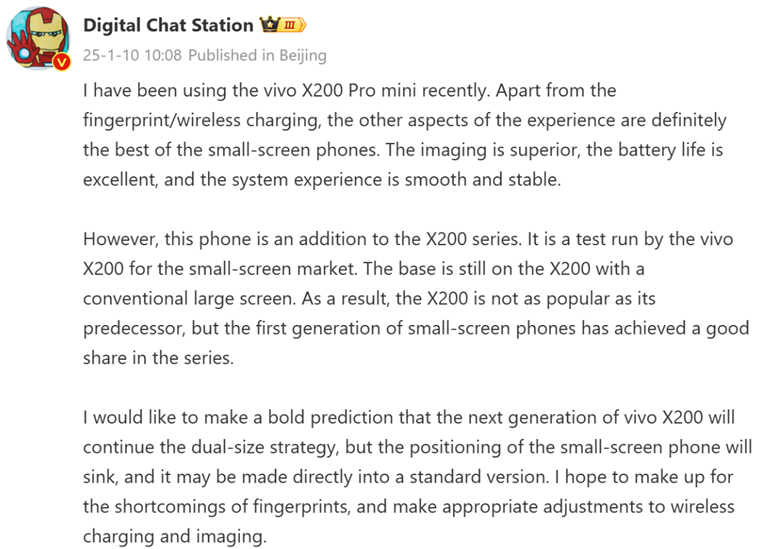
Tipster Digital Chat Station’s recent post on Weibo.
In a separate leak, tipster Digital Chat Station shared insights about the Vivo X300 series, expected to debut in Q4 2025 in China. The current X200 lineup includes the X200, X200 Pro and X200 Pro Mini. However, it seems Vivo will revert to launching just two flagship models in the X300 series including the X300 and X300 Pro.
While a Pro Mini variant is not anticipated this time, the X300 Ultra is rumoured to follow in the first half of 2026.
The X200 Pro Mini featuring a compact 6.31-inch display was likely a market experiment. Digital Chat Station suggests that the standard Vivo X300 will adopt a similarly compact screen marking a departure from the 6.6-inch display seen on the X200.
This compact design could position the X300 as a more accessible flagship possibly with improved cameras and the addition of wireless charging to address criticisms of its predecessor.
FAQs
Q1. What colour options will the Vivo X200S and X200 Ultra have?
Answer. The Vivo X200S will reportedly be available in black and silver, while the X200 Ultra is expected to launch in black and a new shade is yet to be revealed.
Q2. When is Vivo expected to launch the X200S and X200 Ultra?
Answer. The Vivo X200S and X200 Ultra are expected to launch in the second quarter of this year.
Q3. What are the first details about the Vivo X300 series?
Answer. The Vivo X300 series is expected to debut in Q4 2025 with two models, the X300 and X300 Pro. The X300 Ultra is rumoured to follow in the first half of 2026. The standard Vivo X300 may feature a compact screen and improved cameras.
The next-generation iPad 11 will feature the A17 Pro chip with support for Apple Intelligence.
This chip will replace the current A14 chip.
The iPad 11 is expected to launch this spring alongside updates to the iPad Air, a new iPhone SE and refreshed Magic Keyboards.
iPad 11 will reportedly feature the A17 Pro chip. (Image credit – Apple)
Apple’s upcoming entry-level iPad 11 will be powered by the A17 Pro chip, according to Bloomberg’s Mark Gurman. This decision confirms that the new iPad will support Apple Intelligence, though it wasn’t clear which chip Apple would use for this lower-end device until now.
The A17 Pro chip built using the first-generation N3B 3nm process hasn’t been smooth sailing for Apple. The process has been criticised for being costly, having low yields and offering only modest performance gains compared to earlier chips.
Many tech experts assumed Apple was ready to move on from the N3B process. Apple’s transition to the M4 chip in May 2024 just six months after introducing the M3 series in late 2023 also made tech enthusiasts think that Apple took the criticism seriously.
Apple also has a track record of placing older chips in entry-level devices. For example, the base iPhone 14 models retained the A15 Bionic chip from the iPhone 13 lineup. However, the iPhone 16 lineup broke this pattern with all models featuring the latest A18 chip suggesting that Apple might have moved on from the A17 entirely.
Apple surprised everyone by using the A17 Pro chip in the iPad mini 7th generation, a lower-volume product. Now Gurman suggests Apple plans to extend the use of the first-generation N3B process to its high-volume entry-level iPad 11 as well.
In his recent newsletter, Gurman wrote, “The new entry-level iPads — J481 and J482 — will get faster processors and Apple Intelligence. The current models have the A14 chip and 4 gigabytes of memory. Look for the new versions to have the A17 Pro chip, matching the iPad mini, and a bump to 8 gigabytes of memory. That’s the minimum needed to support the new AI platform.”
iPad mini 7 binned version of the A17 Pro with a 5-core GPU likely as a cost-saving measure. A similar strategy may be used for the iPad 11 making it a practical choice for balancing performance and production costs.
Apple is expected to launch the iPad 11 this spring along with upgrades to the iPad Air, a new iPhone SE and refreshed Magic Keyboards.
FAQs
Q1. What chip will power the next-generation iPad 11?
Answer. The next-generation iPad 11 will be powered by the A17 Pro chip confirming support for Apple Intelligence.
Q2. How does the A17 Pro chip compare to previous chips?
Answer. The A17 Pro chip, despite being built using a costly and low-yield N3B 3nm process, will replace the current A14 chip in the iPad 11. This follows Apple’s decision to use the A17 Pro chip in the iPad mini 7th generation.
Q3. When is the iPad 11 expected to launch?
Answer. The iPad 11 is expected to launch this spring alongside updates to the iPad Air, a new iPhone SE and refreshed Magic Keyboards.