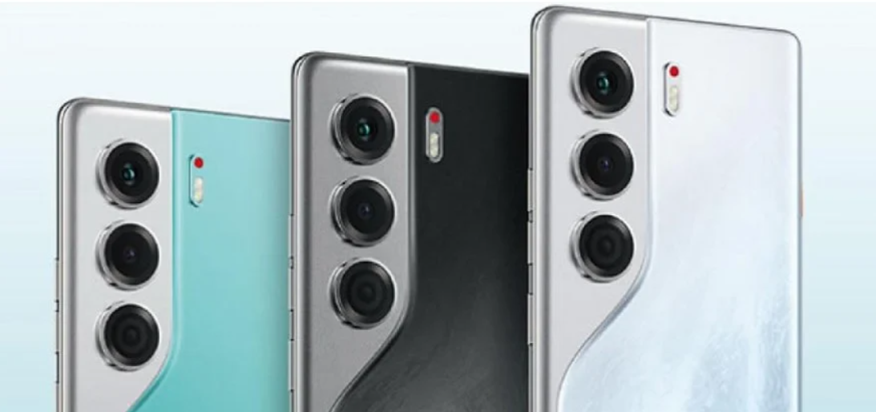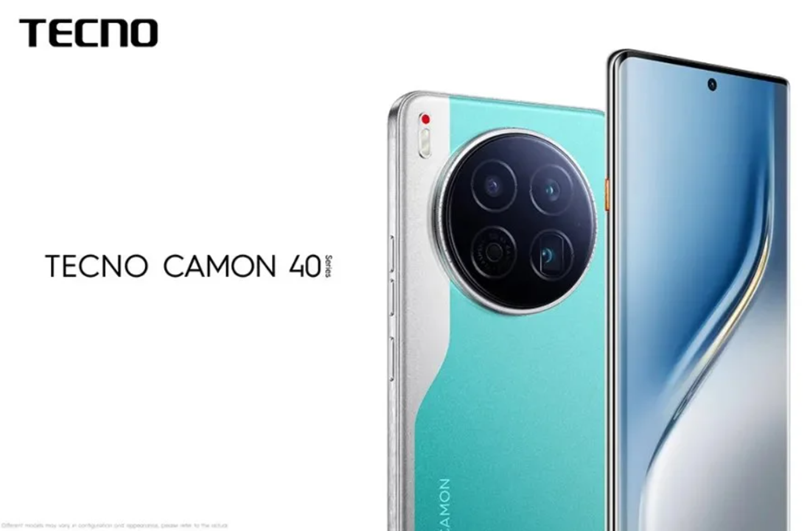

The Realme Neo7 will feature MediaTek Dimensity 9300+ chipset and a 7700mm² VC cooling system.
Other features – 16GB of RAM, Mali-G720 Immortalis MC12 GPU, 7000mAh battery and 80W SuperVOOC fast.
Realme is gearing up for the launch of Realme Neo7 soon. (Image credit – Gizmochina/Realme)
We are now getting regular updates about the upcoming Realme mid-range smartphonethe Realme Neo7. After the confirmation of its massive battery capacity, the more recent updates have been about its processing power.
The smartphone recently appeared on Geekbench listings and now Realme has revealed key details about its cooling system.
Realme Neo7 will feature a 7700mm² VC (vapour chamber) cooling system. (Image credit – Realme)
Realme has announced that its Neo7 will be equipped with a massive 7700mm² VC (vapour chamber) cooling system, promising top-tier gaming and multitasking capabilities.
Realme’s post on Weibo.
The Neo7’s vapour chamber cooling system is a significant upgrade over its predecessors as the 7700mm² VC chamber provides 70% ultra-wide coverage. It also features a redesigned air cavity structure with 15% more water storage capacity improving heat dissipation by an impressive 85%.
This innovation ensures that the phone’s front remains cool during extended use and offers a smoother gaming experience.
Realme Neo7 – Geekbench Appearance
Realme Neo7 surfaces on Geekbench. (Screenshot credit – Gizmochina)
The Realme Neo7 was also spotted in the Geekbench listing recently by Gizmochina. The smartphone scored 1,501 in single-core and 5,399 in multi-core tests on Geekbench, showcasing the power of the MediaTek Dimensity 9300+ chipset.
Realme Neo7 – Other Key Features
The MediaTek Dimensity 9300+ chipset in Realme Neo7 will be paired with up to 16GB of RAM, the octa-core processor has one core running at 3.40GHz, three at 2.85GHz and four at 2.0GHz.

Its Mali-G720 Immortalis MC12 GPU ensures smooth graphics for gaming and media.
The phone will run Realme UI 6.0 based on Android 15, offering the latest software features and enhancements for multitasking and gaming.
The Neo7 is backed by a large 7000mAh battery with support for 80W SuperVOOC fast charging, ensuring quick top-ups and reduced downtime. Despite the sizable battery, the device measures just 8.5mm in thickness, keeping it sleek and practical.
Realme Neo7 – Expected Pricing
There is no update on the Realme Neo7 price point as of now. However, Realme is positioning the Neo7 as a high-performance mid-range device and is promising the ‘strongest performance, battery life and quality’.

For reference, the Realme GT Neo6, launched earlier this year, featured a Snapdragon 8s Gen 3 chipset, a 5500mAh battery, and 120W charging, priced at 2099 yuan (~$288) for the 12GB + 256GB variant. It remains to be seen where the Neo7 will fall in terms of pricing.
FAQS
Q1. What cooling system does the Realme Neo7 feature?
Answer. Realme has announced that its Neo7 will be equipped with a massive 7700mm² VC (vapour chamber) cooling system, promising top-tier gaming and multitasking capabilities.
Q2. What chipset powers the Realme Neo7 and how did it perform on Geekbench?
Answer. The Realme Neo7 is powered by the MediaTek Dimensity 9300+ chipset. The smartphone scored 1,501 in single-core and 5,399 in multi-core tests on Geekbench, showcasing its power.
Q3. What is the battery capacity and charging capability of the Realme Neo7?
Answer. The Neo7 will feature a large 7000mAh battery with support for 80W SuperVOOC fast charging, ensuring quick top-ups and reduced downtime.
Q4. What software will the Realme Neo7 run on?
Answer. The phone will run Realme UI 6.0 based on Android 15, offering the latest software features and enhancements for multitasking and gaming.
Samsung to first tease their Smart Glasses alongside the Galaxy S25 launch in January 2025
Actual launch expected in Q3 2025.
The Samsung Smart Glasses will run on Android tied to Google’s “Gemini” platform.
Samsung’s collaboration with Google on the XR platform began in February 2023.
Expected Key Features: gesture recognition, payment support, no built-in display and around 50g weight.
Samsung Smart Glasses are all set to release in 2025. (Image credit – iStock)
Do you rememberSamsung’s launch strategy for Galaxy Ring earlier this year? Well, for those of you of can’t recall, the Korean company briefly unveiled the Ring for the first time during the Unpacked event in January 2024. Post the unveiling, a detailed showcase was held at MWC in February and later an official release of Galaxy Ring was in July.
We are getting reports that Samsung might be following thesame plan for its Smart Glasses in 2025.
According to a report from Korean news outlet Yonhap News (via @Jukanlosreve), the initial unveiling of Smart Glasses will be a teaser rather than a full launch likely in the form of a video or image alongside the launch of the Galaxy S25 in January 2025.
Just in: Samsung is set to unveil a prototype of its augmented reality (AR) glasses, currently in development, during the Galaxy S25 Unpacked event early next year, likely in the form of videos or images.
Additionally, prior to revealing the prototype, Samsung plans to introduce…
— Jukanlosreve (@Jukanlosreve) December 3, 2024
The smart glasses are expected to come to the market in the third quarter of 2025. This means Samsung will have a lot of time to refine and promote the product after its initial reveal in January.
The Korean news report also mentions that the software platform for these smart glasses will be unveiled ‘this month.’
As for the expected features, Samsung has been collaborating with Google on the software since announcing a partnership in February 2023. The glasses will run on Android and will be linked to Google’s Gemini platform to enhance their functionality.
In July, Samsung confirmed that the upcoming XR platform would debut in 2023 aligning with this latest report.
Weighing around 50g, Samsung’s smart glasses are said to work similarly to Ray-Ban Meta smart glasses, lacking a built-in display. Key features reportedly include gesture recognition and support for payments.
The Galaxy S25 is expected to be unveiled on January 22, 2025 with Samsung’s smart glasses making a cameo at the same event. This strategic timing could boost excitement around Samsung’s foray into the XR space, setting the stage for a full-scale launch later in the year.
FAQs
Q1. When will Samsung’s Smart Glasses be initially unveiled and fully launched?
Answer. The initial unveiling of Smart Glasses will be a teaser alongside the launch of the Galaxy S25 in January 2025 with the full launch expected in the third quarter of 2025.
Q2. What software platform will Samsung’s Smart Glasses use?
Answer. The Smart Glasses will run on Android and are tied to Google’s “Gemini” platform, enhancing their functionality.
Q3. What key features are expected in Samsung’s Smart Glasses?
Answer. The Smart Glasses will offer gesture recognition, and support payments, operating similarly to Ray-Ban Meta smart glasses without a built-in display.
Intel CEO retires after 40 years with the company.
CFO David Zinsner and Products CEO Michelle Johnston Holthaus will serve as co-CEOs for now.
Independent Board Chair Frank Yeary as interim executive chair.
Intel recently faced many obstacles including competition from Nvidia, tech delays and financial losses.
Intel CEO Pat Gelsinger. (Image credit – Unknown)
Intel CEO Pat Gelsinger retired from his position on December 1 marking the end of his 40-year career at the company.
Gelsinger announced his decision in a post on X (formerly Twitter), describing the move as a pivotal moment in his professional journey.
Leading Intel has been the honor of my lifetime. I am forever grateful for the many colleagues around the world who I have worked with as part of the Intel family and can look back with pride at all that we have accomplished together. Thank you all!
— Pat Gelsinger (@PGelsinger) December 2, 2024
According to a recent Bloomberg report, Gelsinger’s retirement announcement came amid the company’s ongoing difficulties including its inability to compete with Nvidia and losing significant market share. Gelsinger reportedly was given a choice of either stepping down or being removed from his role.
Gelsinger rejoined Intel as CEO in February 2021 and was immediately tasked with revitalising the company. However, his tenure encountered significant obstacles.
Intel lagged behind competitors like Nvidia in capitalising on the AI chip surge. The company faced delays in new technologies and stability issues with CPUs undermined Intel’s reputation.
The recently launched Core Ultra 9 200S-series processors received lukewarm feedback with Intel VP Robert Hallock acknowledging a disappointing launch.
Moreover, Intel was notably absent as Microsoft partnered with other companies for its AI PC launch.
In September, Gelsinger announced plans to spin off Intel’s chipmaking business and suspend factory construction projects in Poland and Germany due to delays in developing Intel’s next-generation 18A chipmaking process.
Despite receiving nearly $8 billion in U.S. government funding under the CHIPS and Science Act for factories in states like Arizona and Ohio, Intel reported a $7 billion operating loss in its chipmaking division for 2023.
In response, the company initiated layoffs impacting over 15,000 employees, aiming to save $10 billion.
Reflecting on his time at Intel, Gelsinger stated in a press release, “Leading Intel has been the honour of my lifetime… It has been a challenging year for all of us as we have made tough but necessary decisions to position Intel for the current market dynamics.”
Meanwhile, there are rumours of a Qualcomm acquisition surfacing for some time now. Although, Qualcomm CEO Cristiano Amon dismissed the speculation, saying, “We have not identified any large acquisition that is necessary.”
Following Gelsinger’s departure, Intel CFO David Zinsner and Intel Products CEO Michelle Johnston Holthaus will serve as co-CEOs during the search for a permanent replacement. The Independent Board Chair Frank Yeary will take on the role of interim executive chair.
If the new CEO goes ahead with a bigger change , these are deal ideas that Intel could revisit:
1. Splitting Factory and Product Divisions
This would involve completely separating Intel’s factory business from the more profitable unit that develops products.
Under Gelsinger’s leadership, Intel was increasing its manufacturing operations to become a foundry, a maker of components for outside customers, to compete with Taiwan Semiconductor Manufacturing Co. (TSMC), a pioneer in the foundry approach.
Intel only has a few big clients for its foundry operations, and production of high-end chips isn’t large enough to make the division profitable.
Though Intel might be able to find a suitor for its product division, the foundry operation would be a difficult sell.
The largest US chip foundry, GlobalFoundries Inc., has its own issues, as it lacks the funds and exposure to run the type of manufacturing Intel’s factories were designed for.
Furthermore, it’s unclear if a new Intel CEO or the rest of the board would be ready to dismantle a company that once ruled the chip industry.
This move could also complicate Intel’s ability to secure $7.9 billion in federal grants under the US Chips and Science Act, which is aimed at revitalizing domestic chip production.
2. Lure a Suitor Like Qualcomm
Bloomberg has reported that Qualcomm considered an Intel acquisition, but its interest has waned as of last week.
Qualcomm might consider buying parts of Intel, like the product business.
Qualcomm, like many in the chip industry, doesn’t manufacture its own semiconductors.
It designs chips and relies on partners like TSMC for production.
Because of this, it is unlikely Qualcomm would be interested in Intel’s factory operations.
Broadcom Inc. also previously assessed the possibility of pursuing an Intel deal but didn’t move forward with talks.
Any significant chip merger would face regulatory hurdles around the world — something both Qualcomm and Broadcom are well aware of.
Broadcom’s previous attempt to acquire Qualcomm was blocked by President Donald Trump in 2018.
3. Selling Altera
Intel’s Altera unit, acquired in 2015 for about $17 billion, makes chips that can be reprogrammed for different uses after manufacture.
Intel has held negotiations about selling a portion of the business to financial investors, potentially paving the way for an initial public offering (IPO) for the unit.
Buyout firms like Francisco Partners, Bain Capital, and Silver Lake Management have been considering offers to invest in Altera.
Recently, Bloomberg reported that Lattice Semiconductor Corp. was exploring an offer for all of Altera.
Lattice is working with advisers and seeking a private equity backer to explore a potential bid.
The idea of unloading Altera could gain fresh momentum under a new Intel CEO.
4. An Apollo Investment
Apollo made an offer to invest multibillion dollars into Intel earlier this year.
The New York-based firm indicated it would be willing to make an equity-like investment of up to $5 billion, but negotiations didn’t result in an announcement.
Apollo has an existing relationship with Intel and agreed in June to buy a stake in a venture controlling an Intel chip plant in Ireland for $11 billion, making it more likely that the two partners will engage in further talks.
5. A Mobileye Transaction
Intel acquired Mobileye, a maker of self-driving technology, in 2017.
Though Mobileye went public in 2022, Intel still owns the majority of the company.
Intel said in September it’s not currently planning to divest its majority stake in Mobileye.
However, Bloomberg reported earlier in the month that Intel is contemplating options for its 88% holding.
Intel could offload some of its stake in the public market or through a sale to a third party.
In any case, this could be a less-than-ideal investment for Intel, which paid about $15 billion for Mobileye, and the company currently has a market value of $14.1 billion.
Let me know if you need any further adjustments!
FAQs
Q1. When is Pat Gelsinger set to retire from Intel?
Answer. Intel’s CEO Pat Gelsinger retired from his position on December 1, 2024, marking the end of his 40-year career at the company.
Q2. Who will lead Intel after Gelsinger’s retirement?
Answer. Following Gelsinger’s departure, Intel CFO David Zinsner and Intel Products CEO Michelle Johnston Holthaus will serve as co-CEOs during the search for a permanent replacement. Independent Board Chair Frank Yeary will take on the role of interim executive chair.
Q3. What challenges did Intel face under Gelsinger’s tenure?
Answer. Intel faced significant obstacles including lagging behind competitors like Nvidia in AI chip development, delays in new technologies, stability issues with CPUs, and substantial financial losses, leading to layoffs and project suspensions.
Q4. When was Pat Gelsinger made CEO of Intel?
Answer. Gelsinger rejoined Intel as CEO in February 2021.
Ex-employee has filed a lawsuit against the company alleging violation of privacy.
Apple is accused of surveillance and restrictive policies.
The lawsuit claims Apple’s policies allow the company to search personal devices.
The employee also alleges he was forced to remove job-related information from his LinkedIn profile.
Ex-Apple Employee Amar Bhakta sued the company for surveillance. (Photo by Denis Cherkashin on Unsplash)
An Ex-Apple employee has filed a lawsuit accusing the tech giant of violating its workers’ privacy through surveillance and restrictive policies.
The lawsuit submitted on Sunday was filed by Amar Bhakta, who has been part of Apple’s digital advertising division since 2020.
Bhakta claims Apple imposes policies that force employees to “give up their right to privacy” as a condition of employment. According to the lawsuit, Apple reserves the right to “engage in physical, video, and electronic surveillance of them” even when employees are off-duty or at home.
“For Apple employees, the Apple ecosystem is not a walled garden. It is a prison yard. A panopticon where employees both on and off duty are subject to Apple’s all-seeing eye,” the lawsuit states.
Apple has been accused in a new lawsuit of illegally monitoring its workers’ personal devices and iCloud accounts while also barring them from discussing their pay and working conditions pic.twitter.com/KCAhH9iNFE
— Reuters Legal (@ReutersLegal) December 2, 2024
The lawsuit alleges that Apple requires employees to use only Apple-made products for work. However, due to restrictions placed on work devices, many employees reportedly end up using their personal iPhones and iPads. Bhakta’s suit claims that
Apple’s policies allow the company to search personal devices including accessing data like emails, photos, videos and notes stored under an employee’s personal account.
Bhakta also alleges that Apple’s policies restrict employees’ freedom of speech including discussions about their working conditions, wages, or political activities. These restrictions allegedly harm their professional growth by limiting their ability to network or publicly showcase their expertise.
Apple has been accused in a new lawsuit of illegally monitoring its workers’ personal devices and iCloud accounts while also barring them from discussing their pay and working conditions.
The complaint filed in California state court on Sunday by Amar Bhakta, who works in…
— Gabriela Iglesias🇺🇲 (@iglesias_gabby) December 3, 2024
Bhakta claims that he was stopped from speaking on podcasts about his work in digital advertising and was directed to remove information about his job at Apple from his LinkedIn profile.
Media outlet Semafor noted, “Apple used its privacy policies to harm his employment prospects. For instance, it forbade Bhakta from participating in public speaking about digital advertising and forced him to remove information from his LinkedIn page about his job at Apple.”
The lawsuit sheds light on Apple’s employee policies and raises questions about how privacy and workplace freedom intersect in today’s tech-driven world. Neither Bhakta nor Apple has publicly commented further on the case.
FAQs
Q1. What is the primary accusation in the lawsuit filed by the Apple employee?
Answer. The lawsuit claims Apple imposes policies that force employees to “give up their right to privacy” as a condition of employment. According to the lawsuit, Apple reserves the right to “engage in physical, video, and electronic surveillance of them” even when employees are off-duty or at home.
Q2. How does Apple’s policy reportedly affect employees’ professional growth?
Answer. Ex-Apple Employee alleges that Apple’s policies restrict employees’ freedom of speech, including discussions about their working conditions, wages, or political activities. These restrictions allegedly harm their professional growth by limiting their ability to network or publicly showcase their expertise.
Q3. What specific restrictions did Ex-Apple employees face in Apple?
Answer. An ex-Apple employee claims in a lawsuit that he was forbidden from speaking on podcasts about his work in digital advertising and was directed to remove information about his job at Apple from his LinkedIn profile.
Honor 300 Series featuring Honor 300, Honor 300 Pro and Honor 300 Ultra launched in China.
The Honor 300 series price starts at 2,299 yuan (around USD 330 or INR 27,115).
The company also unveiled Honor MagicBook laptops and X8 TWS earbuds alongside.
Honor 300 Series featuring Honor 300, Honor 300 Pro and Honor 300 Ultra has been launched in the Chinese market. (Image credit – Honor)
Honor has officially unveiled its latest Honor 300 Series smartphones in an event in China. At the same event, the company also introduced the MagicBook X14 Plus 2025 and MagicBook X16 Plus 2025 laptops alongside Honor X8 TWS earbuds. However, in this post, we are going to take a deep dive into the 300 Series.
The Honor 300 Series features three smartphone models including the Honor 300, Honor 300 Pro and Honor 300 Ultra. Here’s a closer look at the specs, features and pricing of these new devices.
Honor 300 Series – Availability and Pricing
Honor 300 Series comes in some stylish colour options for all three models. (Image credit – Honor)
The standard 300 and 300 Pro models are available in stylish colours. The Honor 300 comes in Ink Rock Black, Jade Dragon Snow, Chaka Green, Cangshan Grey and Luyan Purple. The Pro model offers Ink Rock Black, Starlight Sand, and Chaka Green.
HONOR has announced the HONOR 300, HONOR 300 Pro and HONOR 300 Ultra smartphones at an event in China.
The 300 Ultra model, on the other hand, is available in Ink Rock Black and Camellia White colour options.
The Honor 300 series starts at 2,299 yuan (around USD 330 or INR 27,115) for the Honor 300 with 8GB RAM and 256GB storage. The Honor 300 Pro starts at 3,399 yuan (about USD 470 or INR 39,825) for the 12GB RAM and 256GB storage variant.
Meanwhile, the Honor 300 Ultra starts at a premium price point of 4199 yuan ($610 or INR 51,689) for the 12GB RAM and 512GB storage option. The top-tier model with 16GB RAM and 1TB of storage will set you back 4699 yuan ($680 or INR 57,620).
Here are the complete pricing details –
Model
Price
Honor 300 – 8 RAM & 256GB Storage
2,299 yuan (approx USD 320 or INR 27,115)
Honor 300 – 12 RAM & 256 GB Storage
2,499 yuan (approx USD 350 or INR 29,657)
Honor 300 – 12 RAM & 512 GB Storage
2,799 yuan (approx USD 384 or INR 32,538)
Honor 300 – 16 RAM & 512 GB Storage
2,999 yuan (approx USD 412 or INR 34,911)
Honor 300 Pro – 12 RAM & 256 GB Storage
3,399 yuan (approx USD 470 or INR 39,825)
Honor 300 Pro – 12 GB RAM & 512 GB Storage
3,699 yuan (approx USD 510 or INR 43,215)
Honor 300 Pro – 16 GB RAM & 512 GB Storage
3,999 yuan (approx USD 550 or INR 46,604)
Honor 300 Ultra – 12 GB RAM & 512 GB Storage
4199 yuan (approx USD 610 or INR 51,689)
Honor 300 Ultra – 16 GB RAM & 1 TB Storage
4699 yuan (approx USD 680 or INR 57,620)
Honor 300 and 300 Pro – Key Features
Honor 300 key specs revealed in China marketing material. (Image credit – Honor)
The standard Honor 300 model features a sleek straight screen design while the Pro model opts for a more immersive “hyperbolic” curved display on both the front and back.
The Honor 300 has a 6.7-inch 2664×1200 straight screen, while the Pro offers a 6.78-inch 2700×1224 quad-curved screen. Both feature a 120Hz refresh rate, 3840Hz PWM dimming, peak brightness of 4000nits and support for 1.07 billion colours.
Honor 300 Pro key specs revealed in China marketing material. (Image credit – Honor)
Under the hood, the Honor 300 is powered by the Snapdragon 7 Gen 3, while the Pro runs on the Snapdragon 8 Gen 3. Both models come with a 5300mAh battery supporting 100W wired charging but the Pro adds 80W wireless charging and Wi-Fi 7 connectivity.
HONOR 300
On the camera front, both phones sport a 50MP front camera for selfies. The Honor 300 features a dual rear camera setup with a 50MP Sony IMX906 main sensor and a 12MP ultra-wide-angle macro lens. The Pro steps up with a triple camera system, adding a 50MP telephoto lens to the mix.
Honor claims both phones can capture “SLR-level elegant portraits” and use an AI light-control engine for great shots in any lighting.
Both phones run on MagicOS 9.0, offering features like post-shot focus adjustment, background blur for artistic effects and frame expansion. High-definition dynamic photos (Live Photos) let users capture moments in motion.
Honor 300 Ultra – Key Features
The Honor 300 Ultra offers a premium design with a 7-layer plain leather back embossed with a subtle pattern as well as a glass version. The phone is slim and lightweight with a thickness of 8.2mm and a weight of 198g for the leather model or 199g for the glass version.
The display matches the Pro model with a 6.78-inch 2700×1224 OLED quad-curved screen, a 120Hz refresh rate, and eye-care features like AI sleep assistance and motion sickness relief.
The phone is powered by a customized Snapdragon 8 Gen 3, which is slightly downclocked compared to the standard version. It’s paired with a 36842mm² stainless steel bionic VC heat dissipation system for thermal management.
The 300 Ultra features a triple rear camera setup with a 50MP Sony IMX906 sensor, a 12MP ultra-wide-angle lens, and a 50MP periscope telephoto lens with optical image stabilization. It offers up to 3.8X optical zoom and 100X digital zoom. Honor calls it the series’ “strongest telephoto portrait camera” and includes the AI light-control engine for optimal shots in any lighting.
Honor 300 Ultra packs a 5300mAh battery with 100W wired and 80W wireless charging in China. (Image credit – Honor)
Like the other two models in the series, the Ultra runs on MagicOS 9.0, supporting focus stacking, background blurring, image expansion, and 2K Live Photos. It packs a 5300mAh battery with 100W wired and 80W wireless charging. Honor claims the phone charges to 59% in 15 minutes and fully charges in 35 minutes.
Additional features include dual stereo speakers, a linear vibration motor, IP55 dust and water resistance, NFC, Wi-Fi 7 and satellite communication capabilities for off-grid navigation.
FAQs
Q1. What models are included in the Honor 300 Series?
Answer. The Honor 300 Series features three smartphone models: Honor 300, Honor 300 Pro, and Honor 300 Ultra.
Q2. What are the colour options available for the Honor 300 and 300 Pro?
Answer. The Honor 300 comes in Ink Rock Black, Jade Dragon Snow, Chaka Green, Cangshan Grey, and Luyan Purple. The Pro model offers Ink Rock Black, Starlight Sand, and Chaka Green.
Q3. What is the starting price of the Honor 300 Ultra?
Answer. The Honor 300 Ultra starts at a premium price point of 4199 yuan ($610 or INR 51,689) for the 12GB RAM and 512GB storage option.
Q4. What are the key display features of the Honor 300 and 300 Pro?
Answer. The Honor 300 has a 6.7-inch 2664×1200 straight screen, while the Pro offers a 6.78-inch 2700×1224 quad-curved screen. Both feature a 120Hz refresh rate, 3840Hz PWM dimming, peak brightness of 4000nits, and support for 1.07 billion colours.
Q5. What unique camera features does the Honor 300 Ultra offer?
Answer. The 300 Ultra features a triple rear camera setup with a 50MP Sony IMX906 sensor, a 12MP ultra-wide-angle lens, and a 50MP periscope telephoto lens with optical image stabilization. It offers up to 3.8X optical zoom and 100X digital zoom.
Apple has patented a design that adds multiple user-configurable Action Buttons to iPhones.
The patent indicates that the same tech will be used in other Apple devices, including iPads and Macs.
iPhone might have multiple user-configurable Action Buttons in the future. (Image credit – Apple)
Apple is working on developing some innovative tech that can change how we know Apple products as of today. We recently reported about Apple’s patent for blood pressure monitoring tech for the Apple Watch featuring liquid-filled sensing chambers for accurate readings. Now it appears that is not the only patent Apple has filed recently.
As per the recent reports, Patently Apple has spotted another Apple patent and this one is for the iPhones. The patent document reveals that Apple is working on adding multiple Action Buttons on iPhones as all three left-side buttons on the iPhone will become user-configurable.
The patent also hints that Apple will be using the same feature in other Apple products as well, including both iPads and Macs.
Here’s what the recent Apple patent papers reveal.
New Apple iPhone Patent Details
9to5Mac reveals the patent document uses complicated language, which is unhelpful in explaining the tech details.
Explaining the tech, the patent’s abstract section mentions, “An electronic device detects a first input on a first input region separate from a display of the electronic device, including detecting a first portion of the first input followed by a second portion of the first input. In response to detecting the first input on the first input region: in accordance with a determination that the first portion of the first input satisfies a first set of one or more criteria, the electronic device displays, a first preview that corresponds to the first operation of the first application.”
“In accordance with a determination that the second portion of the first input meets a second set of criteria, the electronic device performs the first operation of the first application. In accordance with a determination that the second portion of the first input meets the second set of criteria, the electronic device performs the second operation of the second application,” it further adds.
While this may or may not be helpful in understanding what exactly Apple is working on, the patent document also includes some illustrations to give us a clearer picture.
For example, the below illustration shows the Action button and two volume buttons on the left with an on-screen 3D image of the phone. The interface will let users choose the buttons and assign a function.
Illustration shown in Apple patent. (Image credit – Apple)Illustration shown in Apple patent. (Image credit – Apple)
In another illustration (given below), we can see the volume-down button can be used to call a favourite contact.
Illustration shown in Apple patent. (Image credit – Apple)
It will also use haptic motors to share tactile feedback as the buttons are used.
All the illustrations in the patent show the new tech on iPhones. However, the document does mention that the company will use the same tech for iPads and Macs.
It reads, “In some embodiments, the device is a portable communications device, such as a mobile telephone, that also contains other functions, such as PDA and/or music player functions. Example embodiments of portable multifunction devices include, without limitation, the iPhone […] and iPad devices from Apple Inc. of Cupertino, California. Other portable electronic devices, such as laptops or tablet computers with touch-sensitive surfaces (e.g., touch-screen displays and/or touchpads), are, optionally, used.”
FAQs
Q1. What is the new feature mentioned in Apple’s patent for iPhones?
Answer. The patent document reveals that Apple is working on adding multiple Action Buttons on iPhones as all three left-side buttons on the iPhone will become user-configurable.
Q2. Will the new Action Button feature be available only on iPhones?
Answer. No, the patent hints that Apple will be using the same feature in other Apple products as well, including both iPads and Macs.
Q3. What are some functionalities of the new Action Buttons on iPhones?
Answer. The patent reveals that the buttons can be assigned different functions, such as using the volume-down button to call a favourite contact, and will use haptic motors to share tactile feedback as the buttons are used.
WhatsApp will stop supporting iOS versions earlier than 15.1.
The change will be rolled out starting May 5, 2025.
It will mainly affect older iPhone models like iPhone 5s, 6 and 6 Plus.
WhatsApp is providing a five-month notice recommending users update their devices.
WhatsApp will end support for older iOS devices next year. (Photo by Deeksha Pahariya on Unsplash)
If you have an older iPhone, this update is for you. It appears WhatsApp is planning a big update that will change things for users using devices with older versions of iOS. Here’s what we know so far.
According to a recent update by trusted source WABetaInfo, WhatsApp will stop supporting iOS versions earlier than 15.1 starting May 5, 2025.
This change will impact users of older iPhone models, specifically the iPhone 5s, iPhone 6, and iPhone 6 Plus, as these devices are limited to iOS 12.5.7.
WhatsApp to drop support for older iOS versions and iPhone models starting May 2025!
WhatsApp will stop supporting versions older than iOS 15.1 affecting users with iPhone 5s, iPhone 6, and iPhone 6 Plus.https://t.co/rp77DJ7h27 pic.twitter.com/isliFb4mo8
— WABetaInfo (@WABetaInfo) December 2, 2024
Currently, WhatsApp supports iOS 12 and newer. However, those with older hardware that can’t support iOS 15.1 will lose access to the app.
The change will impact:
iPhone 5s, iPhone 6, and iPhone 6 Plus
Newer iPhones in iOS versions older than 15.1.
The report explains, “Currently, WhatsApp supports iOS 12 and later, but with a future update, the app will require iOS 15.1 or newer to work properly. To help affected users adapt to this change, WhatsApp is providing a five-month notice period, giving them ample time to update their devices if possible or consider alternatives if their hardware does not support newer iOS versions.”
Users with newer iPhone models running outdated iOS versions can update their devices to continue using WhatsApp.
Users running iOS versions older than 15.1 will not be able to use WhatsApp after May 2025. (Screenshot credit – WABetaInfo)
As per the reports, WhatsApp explained that newer iOS versions provide updated APIs and technologies needed to enable new features. The platform can introduce advanced features that rely on newer APIs and migrate its codebase to the latest technologies after the update.
The WABetaInfo report, “Additionally, it’s easy to assume that WhatsApp has closely monitored the number of users still running older versions of iOS. Data may indicate that a significantly smaller portion of users relies on these outdated systems. WhatsApp can ensure that it provides a better overall experience to the majority of its users by focusing on newer iOS versions, while minimizing the impact on those who continue to use older devices.”
This update applies to both the standard WhatsApp app and WhatsApp Business, as both share the same system requirements.
However, Android users will not be affected by this change.
FAQs
Q1. When will WhatsApp stop supporting iOS versions older than 15.1?
Answer. According to a recent update by trusted source WABetaInfo, WhatsApp will stop supporting iOS versions earlier than 15.1 starting May 5, 2025.
Q2. Which iPhone models will be affected by WhatsApp’s update?
Answer. The change will impact users of older iPhone models, specifically the iPhone 5s, iPhone 6, and iPhone 6 Plus as these devices are limited to iOS 12.5.7.
Q3. What should users with newer iPhones do to continue using WhatsApp?
Answer. Users with newer iPhone models running outdated iOS versions can update their devices to continue using WhatsApp. To update your device, go to Settings > General > Software Update and install the latest iOS version.
Skoda has launched the Kylaq compact SUV with prices starting at ₹7.89 lakh.
Introductory offer applicable to the first 33,333 units.
It includes a complimentary 3-year/1-lakh-kilometer warranty.
The Kylaq is available in four trims – Classic, Signature, Signature Plus and Prestige.
Skoda officially launched Kylaq and its variants. (Image credit – Express Drives)
Skoda has announced the full price list for its all-new Kylaq compact SUV with prices starting at ₹7.89 lakh and going up to ₹14.40 lakh (ex-showroom). These introductory prices apply to the first 33,333 units, after which the prices may be revised. Buyers of these initial units will also benefit from a complimentary 3-year/1-lakh-kilometer warranty.
The Kylaq is available for online booking now with deliveries set to begin on January 27. Offline bookings and dealership demo units will also roll out on the same date.
Skoda Kylaq – Variants and Pricing
The side view of the new Skoda Kylaq. (Image credit – Skoda)
The Kylaq is offered in four trims: Classic, Signature, Signature Plus and Prestige.
Classic: Starting at ₹7.89 lakh, available only with a manual transmission.
Signature: Priced from ₹9.59 lakh, offered with both manual and automatic options.
Signature Plus: Begins at ₹11.40 lakh with enhanced features.
Prestige: Top-tier variant starting at ₹13.35 lakh with premium features and an automatic transmission option.
Skoda Kylaq – Key Features Variant Wise
Classic (Manual Only) –
LED headlamps and taillamps
Electrically adjustable ORVMs
Rear parking sensors
Adjustable steering wheel and driver’s seat
6 airbags, ABS, EBD, and more
Signature (Manual/Automatic) –
Cruise control
16-inch alloy wheels
Tyre pressure monitoring
Wired Android Auto and Apple CarPlay
Cooled glovebox and USB-C ports
Skoda Kylaq rear. (Image credit – Skoda)
Signature Plus –
Wireless Android Auto and Apple CarPlay
1-inch infotainment system
8-inch digital cockpit
Rear-view camera
Automatic climate control and headlamps
Sustainable bamboo-fibre dashboard pad
Prestige –
Electric sunroof with anti-pinch
17-inch dual-tone alloy wheels
Crystalline LED projector headlamps
Six-way electrically adjustable ventilated front seats (first-in-segment)
Paddle shifters for the automatic variant
Skoda Kylaq – Engine, Fuel Efficiency and Performance
A view of Skoda Kylaq interiors. (Image credit – Express Drives)
The Kylaq is powered by a 1.0-litre TSI engine producing 114 bhp and 178 Nm of torque. Transmission options include a 6-speed manual or a 6-speed automatic torque converter. The SUV boasts a 0-100 km/h time of 10.5 seconds (manual) and a top speed of 188 km/h.
According to Skoda, the manual variant of the Kylaq ranks among the top three fuel-efficient compact SUVs, achieving approximately 20 kmpl. The automatic variant is slightly less efficient, with 1-2 kmpl lower mileage.
FAQs
Q1. What is the starting price of the Skoda Kylaq compact SUV?
Answer. Skoda has announced the full price list for its all-new Kylaq compact SUV with prices starting at ₹7.89 lakh.
Q2. What introductory offer is available for the first 33,333 units of the Skoda Kylaq?
Answer. These introductory prices apply to the first 33,333 units, after which the prices may be revised. Buyers of these initial units will also benefit from a complimentary 3-year/1-lakh-kilometer warranty.
Q3. When will deliveries for the Skoda Kylaq begin?
Answer. The Kylaq is available for online booking now, with deliveries set to begin on January 27. Offline bookings and dealership demo units will also roll out on the same date.
Q4. What are the different variants of the Skoda Kylaq?
Answer. The Kylaq is offered in four trims: Classic, Signature, Signature Plus, and Prestige.
Q5. What engine powers the Skoda Kylaq and what are its performance specifications?
Answer. The Kylaq is powered by a 1.0-litre TSI engine producing 114 bhp and 178 Nm of torque. It achieves a 0-100 km/h time of 10.5 seconds (manual) and a top speed of 188 km/h.
A Chennai resident lost ₹7 lakh in a work-from-home scam.
It involved writing fake positive reviews for hotels.
The scammer asked the man to transfer money under the “registration fees” and “software upgrades.”
The victim has filed a complaint and investigations are ongoing.
Scammers gave the complainant a fake website to write fake reviews about 90 hotels (Image credit – ToI.)
Scams are not getting any lessers and scamsters are finding innovative ways to find targets every hour. The recent incident happened with a Chennai resistant. Here’s the entire story.
A Chennai resident recently fell victim to a work-from-home scam losing a staggering ₹7 lakh. This case highlights the growing threat of online scams targeting job seekers.
According to a report by The Hindu, the victim came across a website promoting online jobs with high returns for writing fake positive reviews for hotels. Tempted by the promise of easy money, he reached out to the website and followed their instructions.
The victim was initially asked to transfer small amounts of money labelled as “registration fees” or “software upgrades.” However, these minor transactions gradually rounded up, which led to a total loss of ₹7 lakh.
Realizing he had been scammed, the victim filed a complaint with the authorities. Investigations are currently underway to track down the individuals behind the fraudulent website.
Some Lessons for Job Seekers
This incident serves as an important reminder for job seekers to stay vigilant when exploring online opportunities.
Stay aware of –
Unrealistic Offers: Jobs promising high returns with little effort are likely scams.
Upfront Fees: Legitimate employers don’t ask for payment for applications or training.
Fake Websites: Always verify the authenticity of a company before engaging with it.
Safety Tips For Job Seekers:
Always do proper research on the companies thoroughly before applying.
Be cautious of unsolicited job offers.
Never share personal or financial information without verifying the source.
If something seems too good to be true, it probably is.
As work-from-home opportunities continue to rise in popularity, scammers are finding new ways to exploit unsuspecting individuals. We advise you to stay informed and cautious can help prevent falling prey to such frauds.
FAQs
Q1. How much did the Chennai resident lose in the work-from-home scam?
Answer. A Chennai resident recently fell victim to a work-from-home scam losing a staggering ₹7 lakh.
Q2. What did the recent Chennai job scam involve?
Answer. The victim came across a website promoting online jobs with high returns for writing fake positive reviews for hotels and was asked to transfer small amounts of money labelled as “registration fees” or “software upgrades.”
Q3. What are some safety tips for job seekers to avoid scams?
Answer. Some safety tips include: Always doing proper research on companies before applying, being cautious of unsolicited job offers, never sharing personal or financial information without verifying the source and remembering that if something seems too good to be true, it probably is.
The AI-powered Death Clock app estimates users’ date of death.
It works on the basis of factors like stress, exercise and diet,
It also provides personalised life expectancy insights and lifestyle recommendations.
The app has gained over 125,000 downloads since its release.
“Death Clock AI analyzes your life choices to determine when you will die, and how you can improve your habits to live even longer,” App Store reads. (Image credit – Death Clock)
You might still argue that AI can do everything that humans can. But it appears AI is going one step ahead of humans and starting to do things that humans definitely can’t. Well, like predicting when a person might die. We are not joking, AI is getting serious.
The recently launched AI-powered app Death Clock has quickly gained popularity with over 125,000 downloads since its release. The data revealed in a report by Bloomberg citing Sensor Tower shows how humans have always been curious about death.
The app basically estimates users‘ date of death based on factors like stress, exercise and diet and offers lifestyle recommendations to improve longevity.
Death Clock has analysed over 1,200 life expectancy cases with 53 million participants, providing users with what its developer Brent Franson describes as “pretty significant” results.
For a subscription fee of $40 per year, users receive a second-by-second countdown of their estimated remaining time and tips for healthier living.
Franson emphasises the app’s significance, stating, “There’s probably not a more important date in your life than the day that you’re going to die.”
The app has quickly climbed to the top spot in the health and fitness app category, reflecting growing consumer interest in tools that promote longevity.
How Does Death Clock App Work?
The app makes the date of death prediction based on factors like stress, exercise and diet. (Image credit – Death Clock)
“Have you ever asked yourself when will I die? Our advanced life expectancy calculator will accurately* predict your death date for you depending on where you live, how much you smoke and your lifestyle to show your own death clock countdown. To predict your death date, simply input your date of birth, sex, smoking habits, your BMI and the country you live in. If you don’t know your BMI simply use the BMI calculator form,” the app reads.
Life expectancy is a critical metric in economics and financial planning, often used by governments, companies, and individuals for welfare policies and forecasting. The US, however, lags behind other developed nations in life expectancy.
For instance, the US Social Security Administration estimates that an 85-year-old man has a 10% chance of dying within a year with an average remaining lifespan of 5.6 years.
Franson believes Death Clock provides a more accurate,personalised alternative to traditional life expectancy tables.
What Research Shows?
The app’s concept aligns with recent academic research on ageing and its implications.
The study “On the Limits of Chronological Age” explores how the ageing process varies and argues that chronological age alone cannot accurately determine economic behaviours or societal roles. Researchers from Harvard and London Business School suggest moving beyond the calendar age to fully leverage the benefits of longer lifespans.
Another paper Value Per Statistical Life (VSL) examines VSL, a cost-benefit analysis metric used in pollution regulations and workplace safety compensation highlighting how average life expectancy data often falls short for such critical decisions.
These studies point to the need for personalised tools, like Death Clock, for more reliable life expectancy measures.
AI is also playing a transformative role in improving life expectancy. Advanced medical technologies, such as wearables with heart rate monitors and oxygen consumption gauges, when combined with AI, are expected to reduce mortality further.
The research underscores how factors like loneliness can decrease life expectancy, while practices such as gratitude may extend it. A Harvard study found that grateful women had a 9% lower risk of death within three years.
Economic disparities also significantly impact life expectancy. Nobel laureate Angus Deaton, in his work on “Deaths of Despair,” highlighted the gap between wealthy and low-income Americans.
As interest in longevity grows, tools like Death Clock paired with advancements in AI and medical technology could help individuals take control of their health and extend their lives.
FAQs
Q1. What does the Death Clock app estimate?
Answer. The app basically estimates users’ date of death based on factors like stress, exercise and diet and offers lifestyle recommendations to improve longevity.
Q2. How many downloads has the Death Clock app achieved since its release?
Answer. The recently launched AI-powered app Death Clock has quickly gained popularity with over 125,000 downloads since its release.
Q3. What is a significant statement made by the app’s developer, Brent Franson?
Answer. Franson emphasizes the app’s significance, stating, “There’s probably not a more important date in your life than the day that you’re going to die.”