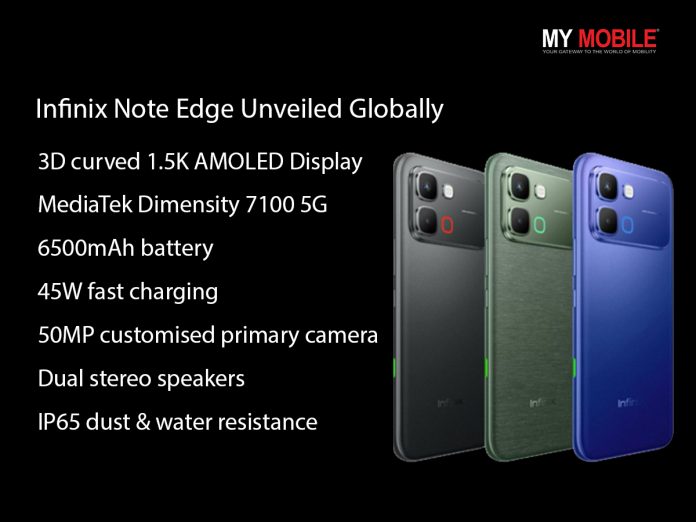
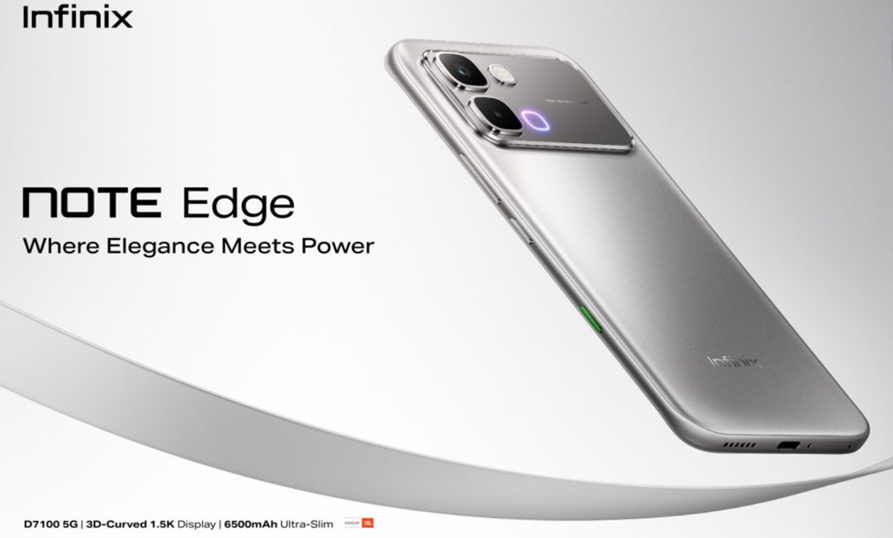
Infinix Note Edge launched globally at from USD 200 (about ₹18,165).
It features a 3D curved 1.5K AMOLED display, MediaTek Dimensity 7100 5G, 6500mAh battery with 45W fast charging, 50MP customised sensor, XOS 16 (Android 16) and FOLAX AI assistant.
It comes with 3 OS upgrades and 5 years of security updates.
Infinix has officially announced the Infinix Note Edge for global markets, expanding its Note Series. The model comes with a strong focus on long battery life and advanced display technology, all packed into a slim and lightweight design. Here’s everything you need to know about the new smartphone.
Infinix Note Edge – Design and Colours
The Infinix NOTE Edge features an ultra-slim body measuring just 7.2mm in thickness and weighs 185g. It adopts a “3D curved” design and comes with a distinctive “Pearl Light Ripple Shadow” finish.
The smartphone is offered in four colour options, which includes Lunar Titanium, Stellar Blue, Shadow Black, and Silk Green. The Silk Green variant uses a polyurethane process to deliver a brushed, leather-like texture.
On the front, the NOTE Edge sports a 3D curved AMOLED display with a 1.5K resolution and a 120Hz refresh rate. Infinix claims the panel can reach up to 4500 nits of peak brightness and features ultra-narrow, symmetrical bezels measuring 1.87mm.
For durability, the display is protected by Corning Gorilla Glass 7i, while the phone carries an IP65 rating for dust and water resistance. Audio is handled by dual stereo speakers tuned by JBL.
The NOTE Edge marks a milestone for the brand as the first smartphone globally to be powered by the MediaTek Dimensity 7100 5G chipset. According to Infinix, the processor delivers an AnTuTu V11 score of over 810,000 and supports up to 90fps gameplay in titles such as Honor of Kings.
Connectivity is enhanced by Infinix’s Ultra Powerful Signal (UPS) 3.0 AI technology, which is designed to optimize low-frequency signals in weak or congested environments like subways, basements, and industrial areas.
One of the key highlights of the NOTE Edge is its 6500mAh battery, the largest battery Infinix has ever used in a smartphone. Despite the large capacity, the battery fits into the slim 7.2mm chassis thanks to advanced high-density battery packaging.
Infinix states that the battery uses a “self-repairing” system based on dynamic recrystallization, allowing it to retain over 80% of its capacity even after 2,000 charge cycles, which the company equates to around six years of typical usage. The device supports 45W fast charging with claims of reaching 50% charge in 27 minutes.
The rear camera setup is led by a customised 50MP primary sensor with a 1/2-inch size, optimised for improved low-light photography. New camera features include a “Live Photo” mode that captures short video clips with audio alongside still images as well as AI-powered editing tools.
The Infinix NOTE Edge runs on XOS 16 based on Android 16. It includes the “FOLAX” AI assistant, which can be accessed via a customisable side button. The assistant supports functions such as screen analysis, translation, and content summarisation. Infinix has promised three major Android updates, taking the device up to XOS 19, along with five years of security updates.
Infinix Note Edge – Pricing and Availability
The Infinix NOTE Edge is priced starting at USD 200 (approximately Rs. 18,165) with final pricing varying by region. The smartphone is set to roll out across multiple countries globally.
FAQs
Q1. What is the standout feature of the Infinix Note Edge?
Answer. The phone features a 3D curved 1.5K AMOLED display with 120Hz refresh rate, 4500 nits brightness, Gorilla Glass 7i protection, and IP65 rating.
Q2. Which processor powers the Infinix Note Edge?
Answer. It is the world’s first smartphone powered by the MediaTek Dimensity 7100 5G chipset, delivering an AnTuTu V11 score of over 810,000 and supporting up to 90fps gameplay.
Q3. How large is the battery and what charging support does it offer?
Answer. The device packs a 6500mAh battery, Infinix’s largest yet, with 45W fast charging that reaches 50% in 27 minutes.
Q4. What camera setup does the Note Edge include?
Answer. It has a customised 50MP primary rear sensor optimised for low-light photography, plus features like Live Photo mode and AI-powered editing tools.
Q5. What is the price and software update policy for the Infinix Note Edge?
Answer. The smartphone starts at USD 200 (~₹18,165) globally, runs on XOS 16 (Android 16), and promises three major Android updates along with five years of security patches.
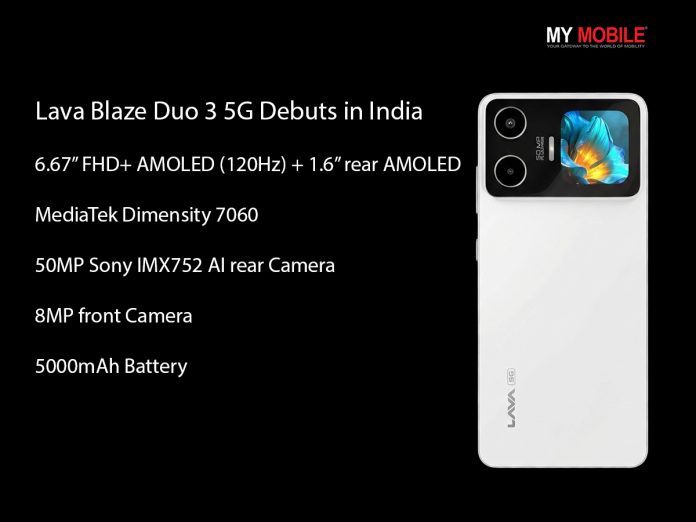
Lava Blaze Duo 3 5G debuts as India’s first affordable dual-screen phone.
It features a 1.6-inch rear AMOLED display, 6.67-inch FHD+ AMOLED, MediaTek Dimensity 7060, 6GB+6GB LPDDR5 RAM (virtual), 128GB UFS 3.1 storage, 50MP Sony IMX752 AI rear camera and 5000mAh battery with 33W fast charging.
It is available in Moonlight Black and Imperial Gold colours.
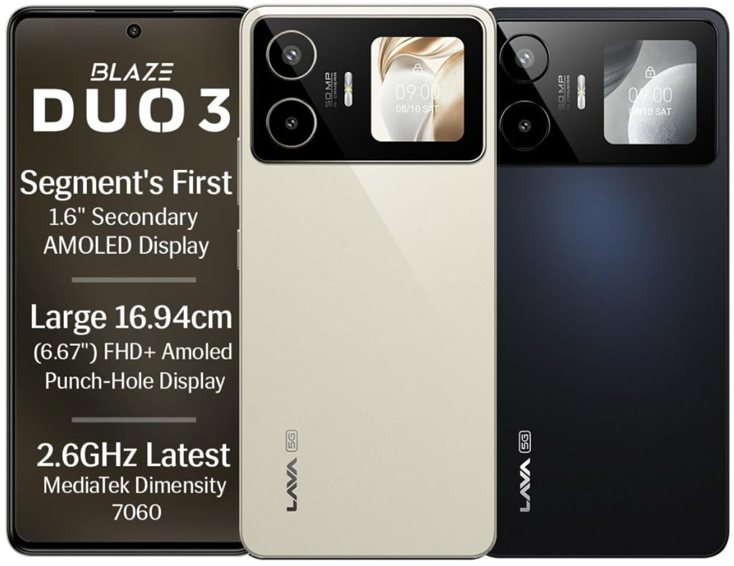
Lava Blaze Duo 3 5G Debuts in India. (Image credit – Lava)
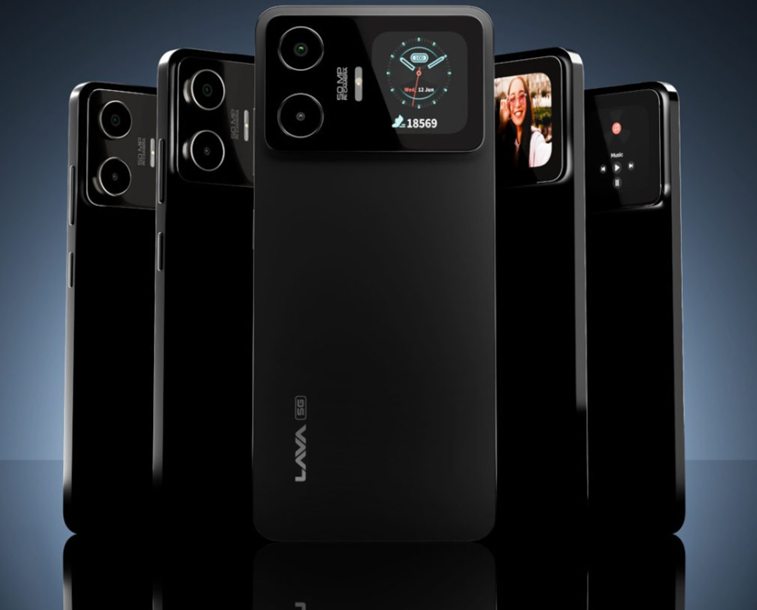
Lava has officially launched the Lava Blaze Duo 3 5G in India, introducing what the company describes as the country’s first dual-screen smartphone in this price segment. The key highlight of the device is a secondary AMOLED display placed on the rear panel.
Commenting on the launch, Sumit Singh, Head of Product, Lava International Limited, said, “Blaze Duo 3 will feature a dual-screen display at an accessible price point, catering to young Lava patrons. The product has been conceptualised with a strong focus on design, convenience, and purpose. Over the past few years, Lava’s product philosophy has been recognised for its alignment with a deep understanding of what Indian consumers truly value. Blaze Duo 3 is designed for those who seek individuality, style, and smarter ways to stay connected. It seamlessly blends functionality with flair and redefines what users can expect from a smartphone in this segment.”
The standout feature of the Lava Blaze Duo 3 is its 1.6-inch AMOLED rear display. This secondary screen is designed to offer quick access to information without unlocking the phone. Users can check notifications, control music playback, and view custom animations directly from the rear display. It also doubles as a viewfinder, enabling users to take high-resolution selfies using the primary rear camera.
On the front, the smartphone sports a 6.67-inch FHD+ AMOLED display with a 120Hz refresh rate, aimed at delivering smoother visuals during media consumption and gaming.
In terms of design, the Lava Blaze Duo 3 maintains an ultra-slim profile measuring 7.55mm. It is available in two colour options namely Moonlight Black and Imperial Gold.
Lava Blaze Duo 3 – Key Features
Powering the Blaze Duo 3 is the MediaTek Dimensity 7060 processor, clocked at up to 2.6GHz. Lava has equipped the phone with a unified memory setup listed as (6GB+6GB) LPDDR5 RAM, which uses virtual RAM technology to enhance multitasking performance. Storage is handled by 128GB of UFS 3.1 internal storage.
In the camera department, the Lava Blaze Duo 3 features a dual rear camera setup led by a 50MP AI primary camera using the Sony IMX752 sensor. On the front, the device houses an 8MP selfie camera.
Thanks to the rear AMOLED display, users can also use the 50MP main camera for selfies, which can result in better image quality compared to a typical front-facing camera.
The smartphone packs a 5000mAh battery with support for 33W fast charging. Additional features include an in-display fingerprint sensor, stereo speakers, an IR blaster, and a USB Type-C port.
On the software side, the device runs on a clean version of Android 15. Lava has confirmed an Android 16 update along with two years of security updates. The company has highlighted a “bloatware-free” experience with no ads or unwanted notifications, and has committed to one Android OS upgrade and two years of security patches.
Pricing and Availability
The Lava Blaze Duo 3 5G is priced at Rs. 16,999 and is currently available for purchase via Amazon India.
FAQs
Q1. What makes the Lava Blaze Duo 3 5G unique?
Answer. It is India’s first affordable dual-screen smartphone, featuring a 1.6-inch AMOLED rear display for notifications, music control, and selfies.
Q2. What are the main display specifications of Lava Blaze Duo 3?
Answer. The phone has a 6.67-inch FHD+ AMOLED front display with a 120Hz refresh rate, plus the 1.6-inch rear AMOLED screen.
Q3. Which processor powers the Lava Blaze Duo 3?
Answer. It runs on the MediaTek Dimensity 7060 processor, clocked up to 2.6GHz, paired with 6GB+6GB LPDDR5 RAM (virtual) and 128GB UFS 3.1 storage.
Q4. What camera setup does the Lava Blaze Duo 3 offer?
Answer. The Blaze Duo 3 features a 50MP Sony IMX752 AI primary rear camera and an 8MP front camera with the rear display doubling as a selfie viewfinder.
Q5. What is the price and availability of the Lava Blaze Duo 3 5G?
Answer. The smartphone is priced at ₹16,999 and is available for purchase via Amazon.in.
Instagram now supports dubbing and lip-sync in nine languages including five new Indian ones.
Fonts supporting Devanagari and Bengali-Assamese scripts are being introduced, enabling creators to style captions in Hindi, Marathi, Bengali, and Assamese.
These updates follow Meta’s push to enhance creator features.
(Photo by Brett Jordan on Unsplash)
Instagram has begun rolling out its AI-powered Reels translation and dubbing feature across India, alongside new Indian language fonts for creators. The features were first announced in November 2025 during Meta’s exclusive “House of Instagram” event in Mumbai and are now becoming available to users nationwide.
Reels AI Translation Now Supports More Indian Languages
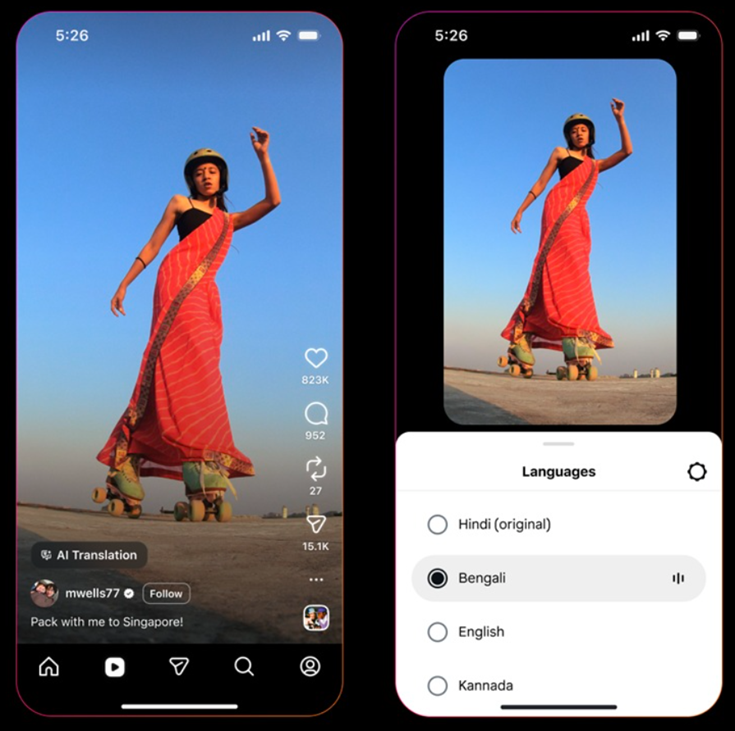
Powered by Meta AI, Instagram now allows creators to translate and dub their Instagram and Facebook Reels into five additional Indian languages. These include Bengali, Tamil, Telugu, Kannada, and Marathi.
This way creators can make their content more accessible to diverse audiences across India while also extending their global reach.
The Reels dubbing and lip-sync feature currently supports the following languages –
English
Hindi
Spanish
Portuguese
Bengali
Tamil
Telugu
Kannada
Marathi
Meta says the tool is designed to preserve the creator’s original voice and tone during translation. It also includes a lip-sync feature that matches the translated audio with mouth movements, helping maintain a natural and realistic visual experience.
New Indian Fonts Coming to Instagram Edits
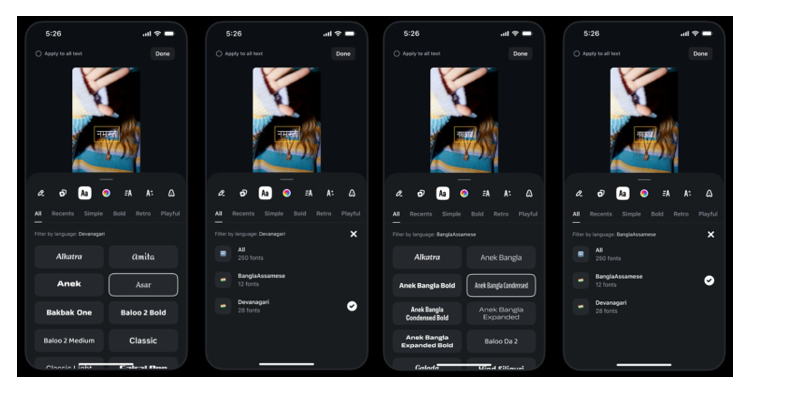
Alongside Reels translation, Meta is introducing new fonts that support Devanagari and Bengali-Assamese scripts. These fonts allow creators to style text and captions in Indian languages such as Hindi, Marathi, Bengali, and Assamese. The update is set to roll out on Android devices in the coming days.
How to use the new Indian fonts on Instagram?
To access the new fonts, creators can follow these steps –
Open the editing timeline and select “Text” from the bottom toolbar.
Tap the “Aa” icon to view the available fonts.
Devices set to Devanagari or Bengali-Assamese scripts will show these fonts by default.
Other users can swipe down in the “all fonts” tab to filter fonts by language.
Meta noted that these updates are part of a series of new features launched over the past month to support creators. Recent additions to Meta’s creator tools include options to restyle photos and videos in Instagram Stories, make edits using Meta AI, bulk edit captions, reverse videos, use lip-sync to animate photos and access more than 400 additional sound effects.
Availability
Reels translation, dubbing, and lip-sync features are rolling out starting today across India. The new Indian language fonts will begin arriving on Android devices in the coming days.
FAQs
Q1. What new feature has Instagram introduced for Reels in India?
Answer. Instagram has rolled out an AI-powered translation and dubbing tool that supports nine languages, including five new Indian ones (Bengali, Tamil, Telugu, Kannada, and Marathi).
Q2. How does the Instagram Reels dubbing and lip-sync feature work?
Answer. The tool preserves the creator’s original voice and tone while translating, and includes a lip-sync function that matches mouth movements with the dubbed audio for a natural viewing experience.
Q3. What new Instagram fonts are being added to Instagram edits?
Answer. Meta is introducing fonts that support Devanagari and Bengali-Assamese scripts, allowing creators to style captions in Hindi, Marathi, Bengali, and Assamese.
Noise Junior Champ 3, priced at ₹2,999, is designed for children with safety and learning features.
It is available in Black Blaze, Astro Orbit, Cotton Cloud and Arctic Storm variants with customisable poppy bumpers.
The smartwatch is currently available on noisejunior.com, Amazon India and Flipkart.
If you are thinking of getting your kids their first smart device, the Noise Junior Champ 3 smartwatch could just be it. It offers a nice combination of cool design, useful interactive features for kids and parental controls. We have managed to get our hands on this smartwatch and here’s our review.
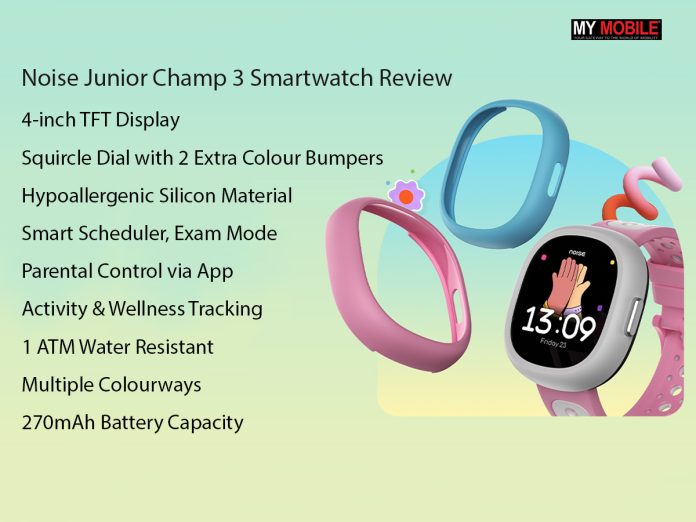
Key Features
Key Features
4-inch TFT Display
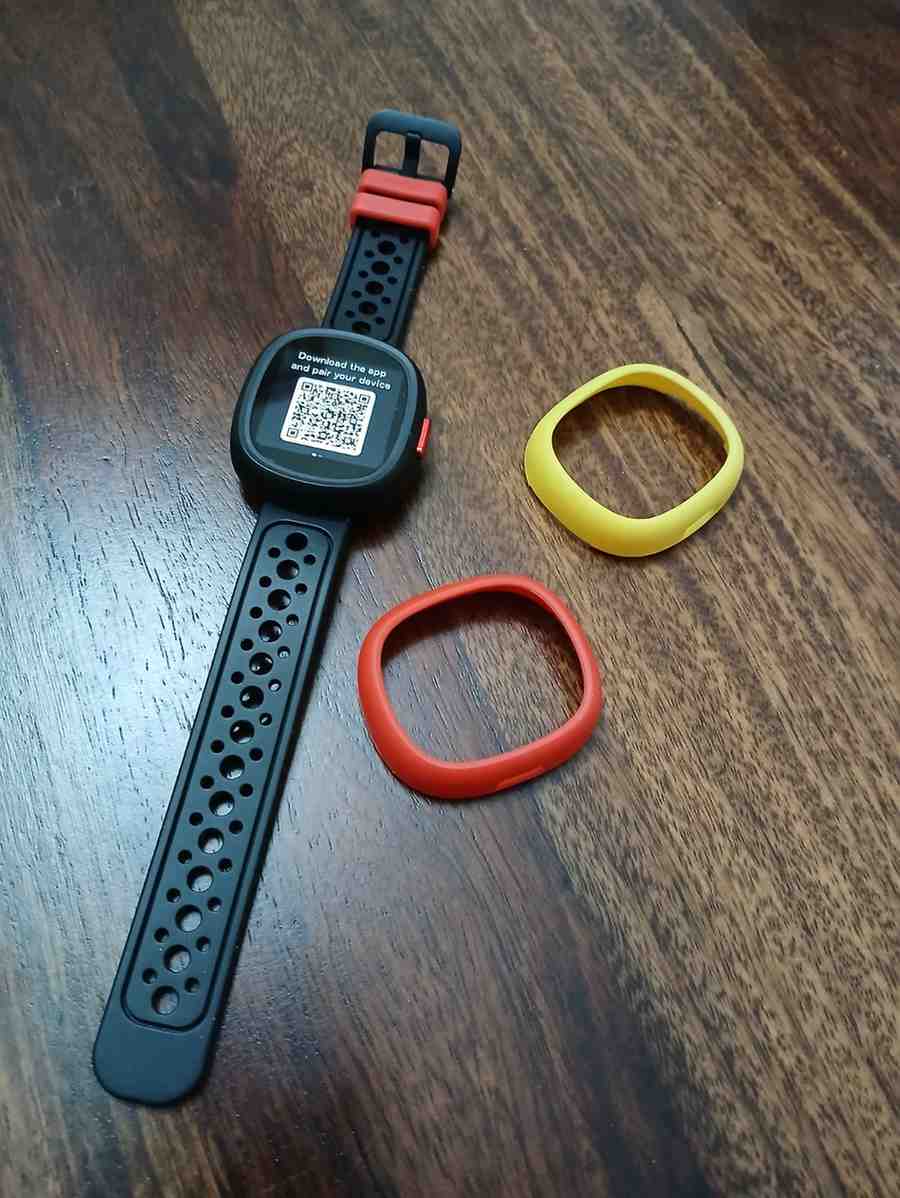
Squircle Dial with 2 Extra Colour Bumpers
Hypoallergenic Silicon Material
Smart Scheduler, Exam Mode
Parental Control via App
Built-in Learning Hub (Games, Educards, Quizzes, and Challenges)
Activity & Wellness Tracking
1 ATM Water Resistant
Multiple Colourways with DIY Bumper Customisation
270mAh Battery Capacity
Pros and Cons
Pros
Cons
● Kid-friendly lightweight design
● Hypoallergenic silicone strap for all-day comfort
● School Mode
● Fun learning features like EduCards and Challenges
● Splash-proof
● Easy parental controls
● Limited screen resolution
● No advanced fitness or health tracking
● Limited appeal for older kids
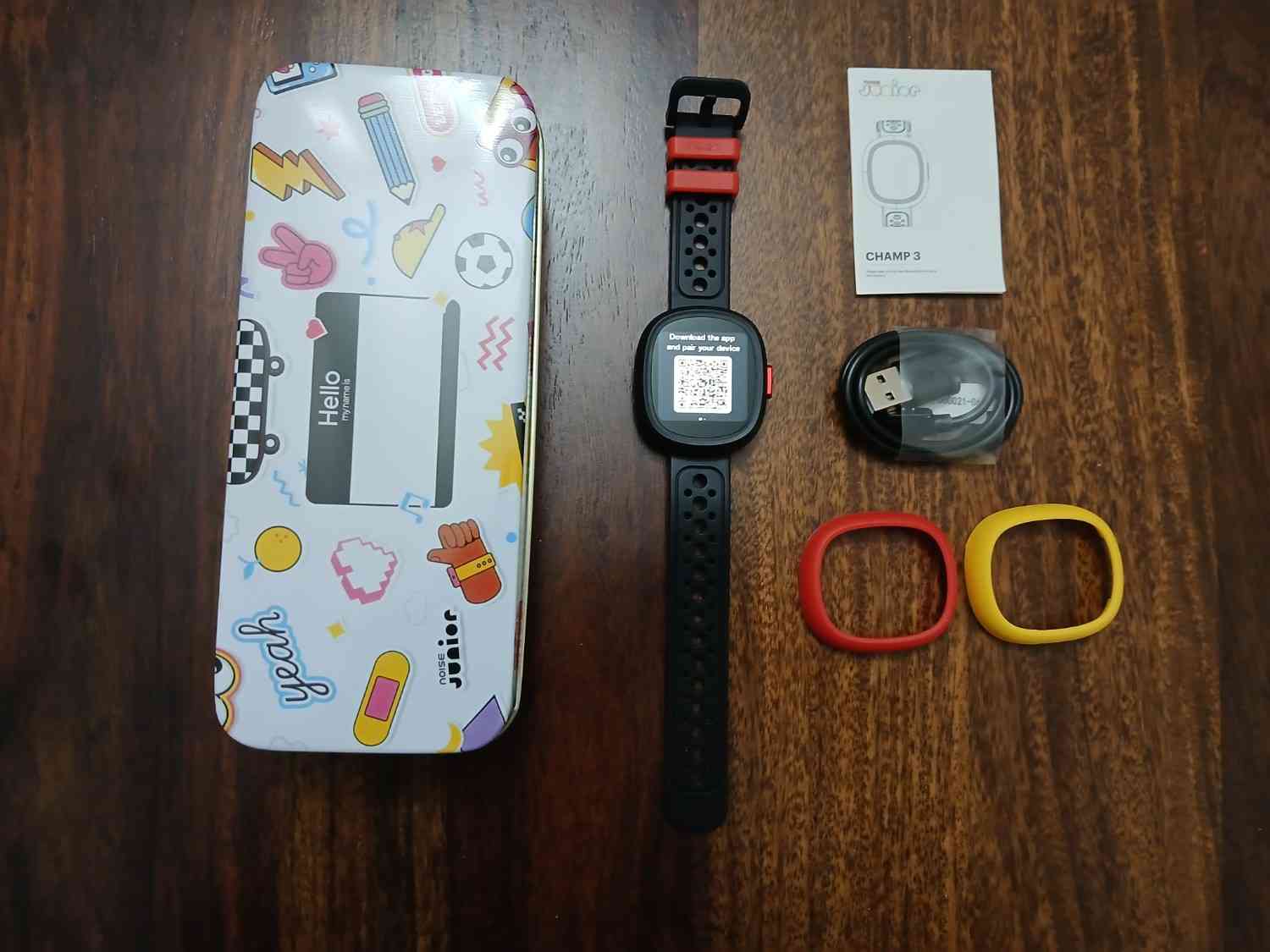
Unboxing
Design and Display
Design and Display
We recently got to use the Noise Junior Champ 3 smartwatch that is designed with kids in mind. Here’s a quick work on its design and display that makes up its first impression.
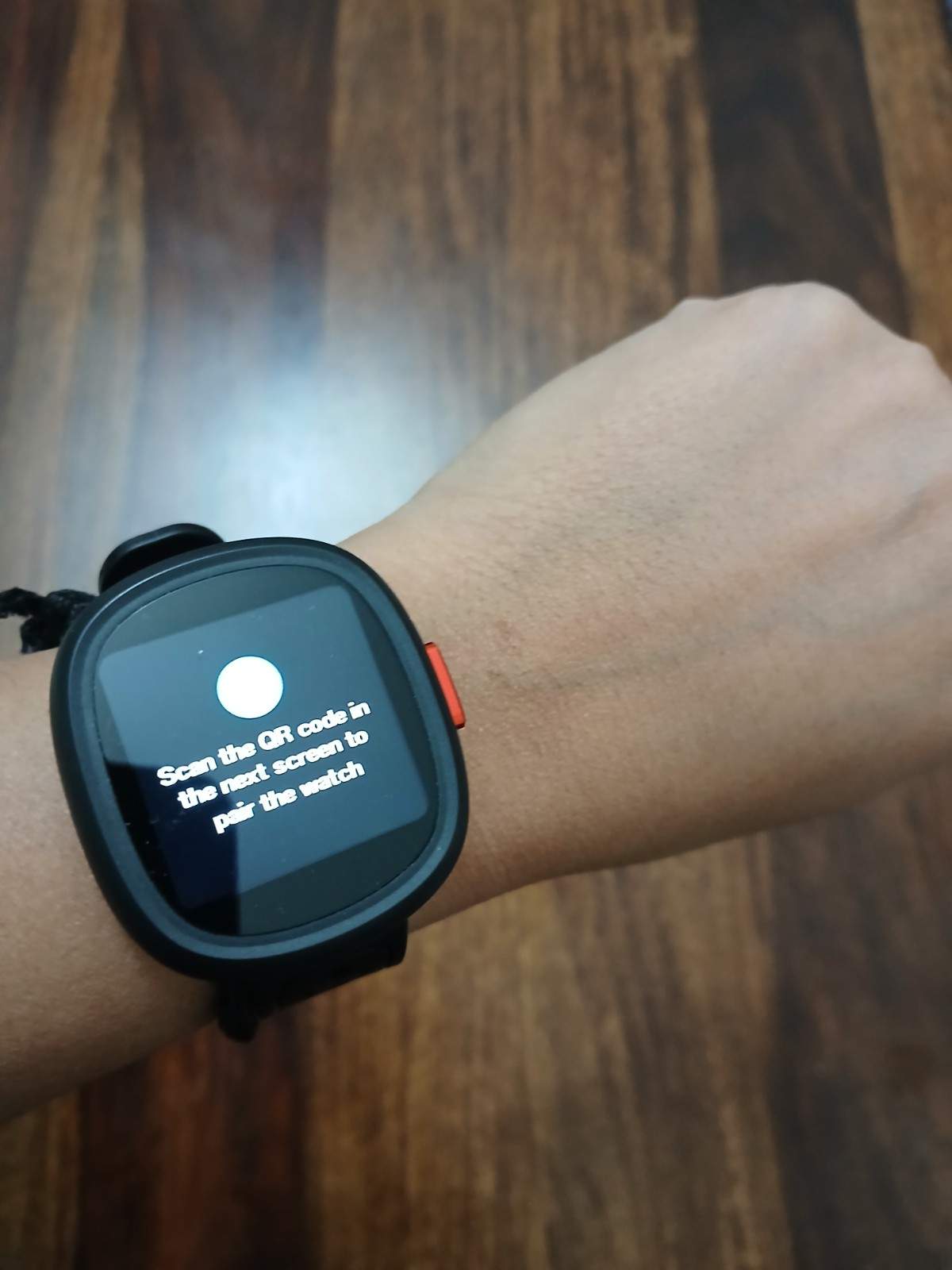
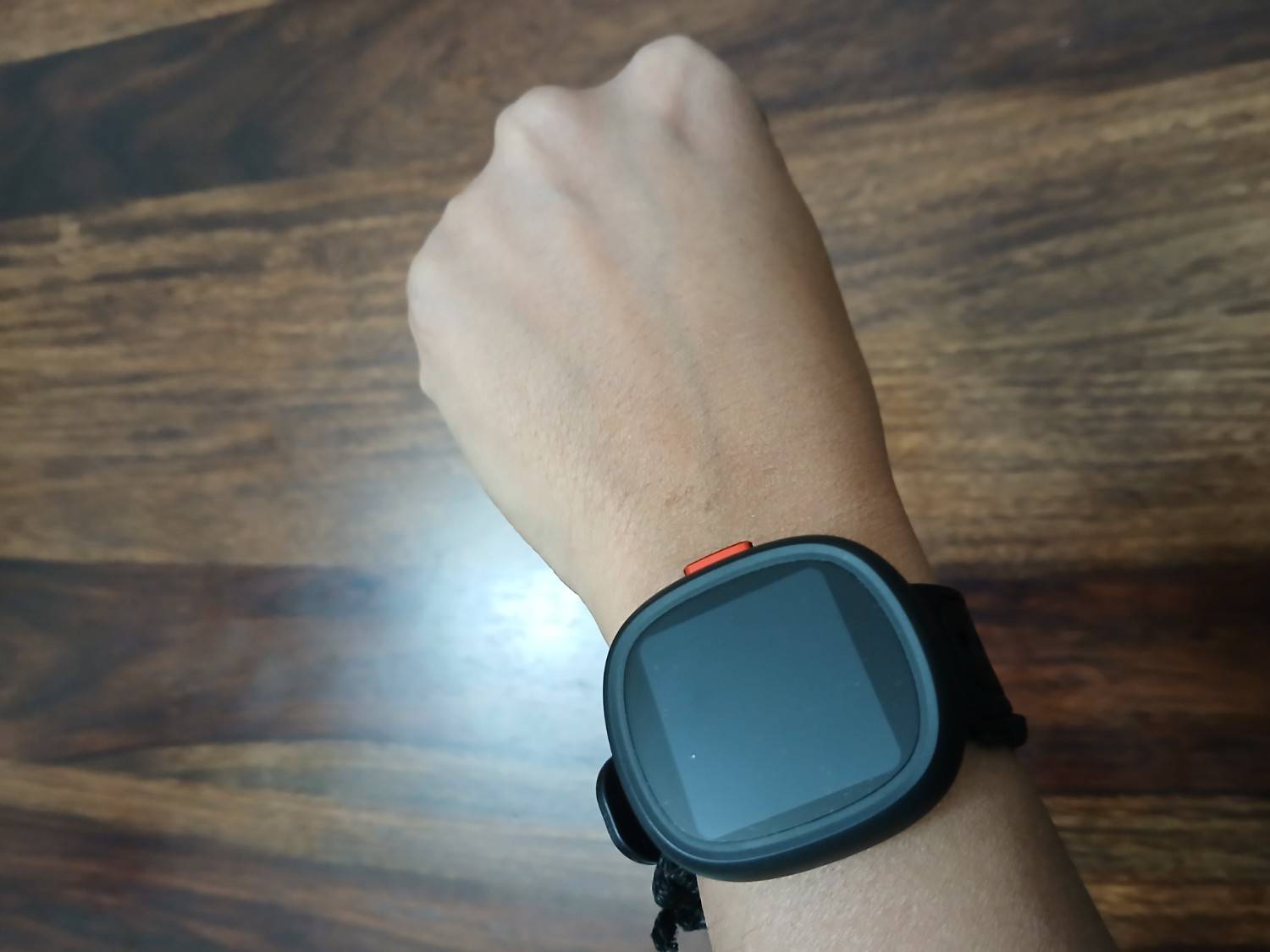
Junior Champ 3 comes with a 1.4-inch IPS LCD display with a resolution of 240 x 240 pixels. It features a squircle shaped dial that looks fun and modern without feeling bulky on the wrist. The watch is quite compact and weighs just 31 grams. The lightweight design will make it comfortable for kids to wear throughout the day without any irritation.
The screen is bright enough for indoor use and easy to read at a glance. Icons and text appear clear. Overall, we feel the display size works perfectly well for kids’ small wrists.
Noise has used a hypoallergenic silicone strap. It feels soft on the skin and is suitable for long hours of wear. It doesn’t cause discomfort even during extended use.
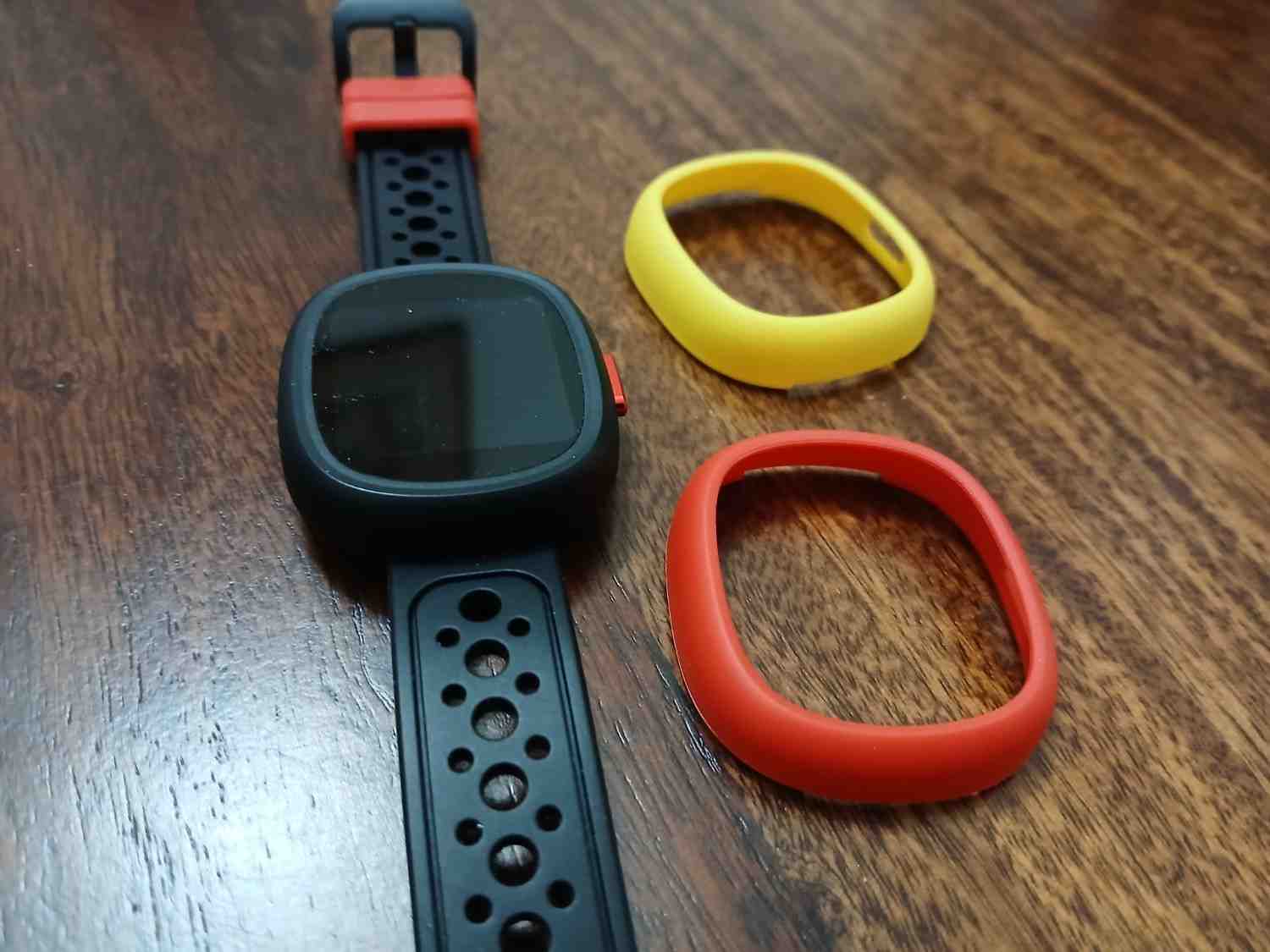
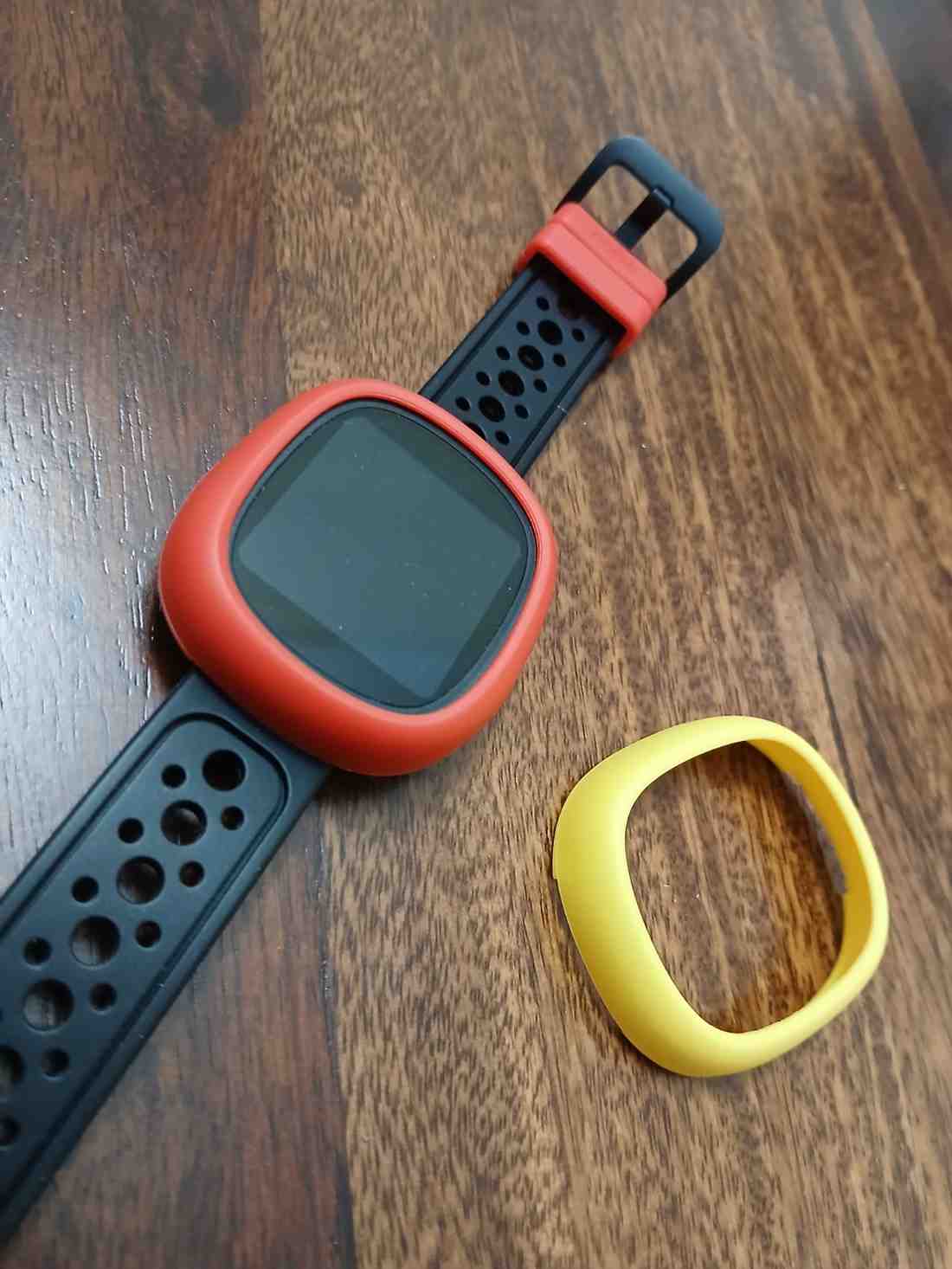
Adding to the cool design are the two extra colour bumpers you get inside the box in red and yellow. These extra bumpers allow kids to switch things up and give the watch a more personalised look.
The build quality seems solid. The smartwatch comes with 1 ATM water resistance. This means it’s splash-proof and can easily handle everyday situations like hand-washing or getting caught in light rain. Although it is not meant for swimming or wearing in the shower.
Performance and App Connectivity
Performance and App Connectivity
Noise Junior Champ 3 is being branded as a smartwatch specifically designed for children’s first smart device. It is clear that Noise has focused on creating a safe, engaging, and learning-friendly experience for kids.
One of the most useful features we found on the smartwatch is School Mode. As you enable it, it keeps the watch distraction-free during study or school hours. Most features are muted so kids aren’t constantly checking the screen. But important reminders will still show up.
There is also the Noise Junior app that allows parents to get good control over daily routines. Parents can set tasks, schedules, and small challenges directly from the app. Moreover, Noise has tried to make it into a fun experience with kids earning Noise Coins and badges whenever they complete these tasks. It seems to be a great way to make everyday activities like homework or chores feel more rewarding.
We also feel the EduCards feature is a good addition. These are fun learning cards that parents can upload from the app to the watch. They can include facts, quizzes or simple activities.
Overall, the performance feels smooth for its purpose and the features are well thought out for young users. It does a good job of combining basic smartwatch functionality with learning and habit-building.
Battery Life
Battery Life
The Noise Junior Champ 3 comes with a 270mAh battery. It is decent for a smartwatch designed for kids. The watch balances usage and battery efficiency with its simple feature set and modest display.
In everyday use, this means parents won’t have to worry about charging it too frequently. Kids can comfortably wear it through the day without interruptions. The battery capacity feels well-suited for its purpose and makes the Champ 3 reliable enough for daily routines, school time and play.
Verdict – Should You Buy the Noise Junior Champ 3 Smartwatch?
Verdict – Should You Buy the Noise Junior Champ 3 Smartwatch?
Priced at ₹2,999, The Noise Junior Champ 3 combines a cool yet comfortable, splash-proof design with a clear display that’s perfect for kids. The focus on learning and habit building through features like School Mode, tasks, challenges, Noise Coins, and EduCards is impressive. These also make daily routines feel more engaging and fun. Parents also get good control via the Noise Junior app, which makes setting schedules and rewards easy.
It surely doesn’t pack advanced smartwatch features and is only meant to keep kids connected. At the same time, it also leaves spaces for entertainment and learning in a safe and distraction-free way. So, if you want a smartwatch particularly tailored for children, the Noise Junior Champ 3 is surely a safe bet.
Reasons To Buy
Reasons To Buy
Cool Kid’s smartwatch
Easy parental control
Lightweight design and comfortable fit
Fun learning features
Reasons Not To Buy
No advanced fitness or health tracking
Basic performance aimed only at kids
Alternatives
Boat Wanderer Smart Kids Watch – ₹4,999
sekyo ‘Carepal Pro’ 4G Kids Smart Watch – ₹4,949
Noise Junior Explorer 2 Smart Watch – ₹5,999
FAQs
Q1. Is the Noise Junior Champ 3 designed for kids?
Answer. Yes, it is marketed as a child’s first smartwatch with simple and safe features.
Q2. What is School Mode on the Noise Junior Champ 3?
Answer. School Mode limits distractions by muting features while allowing important reminders.
Q3. How do kids earn rewards on the Noise Junior Champ 3?
Answer. Kids earn Noise Coins and badges by completing tasks, challenges, and daily goals.
Q4. What are EduCards on the Noise Junior Champ 3?
Answer. EduCards are learning cards uploaded by parents to share quizzes, facts, or activities.
Q5. Is the Noise Junior Champ 3 water-resistant?
Answer. Yes, it has 1 ATM water resistance, making it splash-proof for daily use.
ASUS Vivobook S16 (S3607QA) is the latest addition to Asus Vivobook Multicolour Series in India
Price started at INR 67,990, the laptop is available in BFF Peachy and Salvia Green colours.
Buyers can purchase the Vivobook S16 from the ASUS eShop and Flipkart.
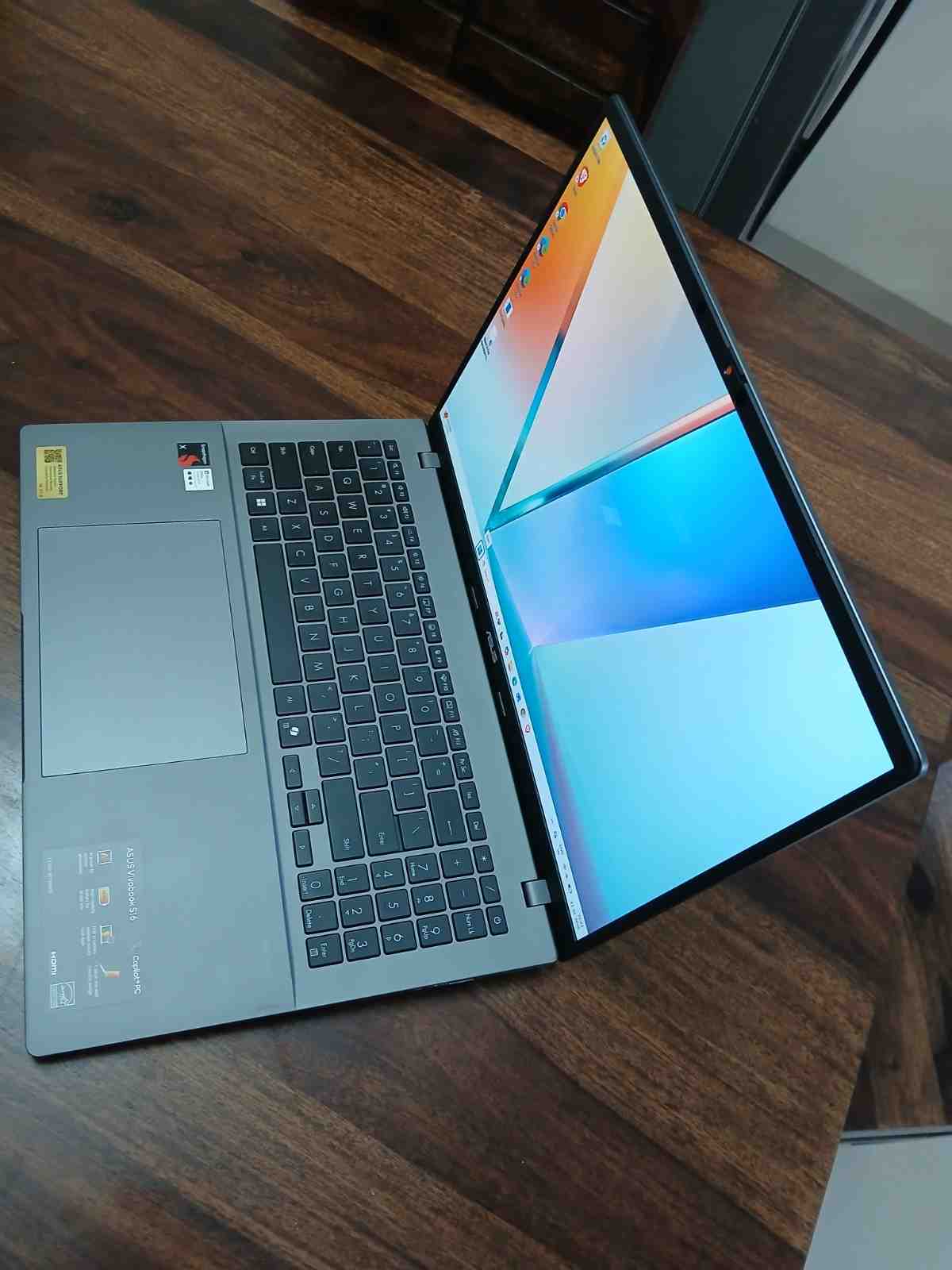
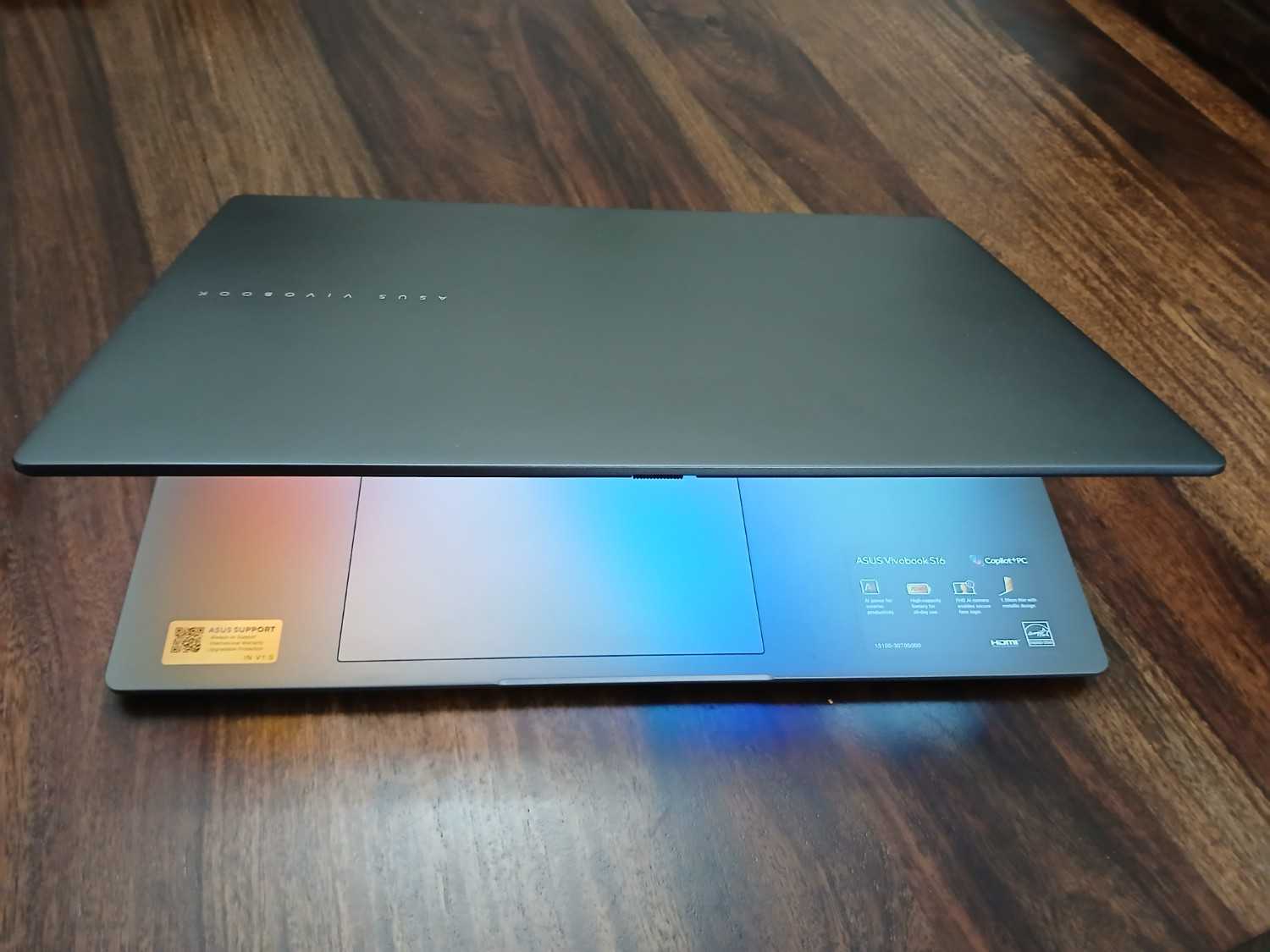
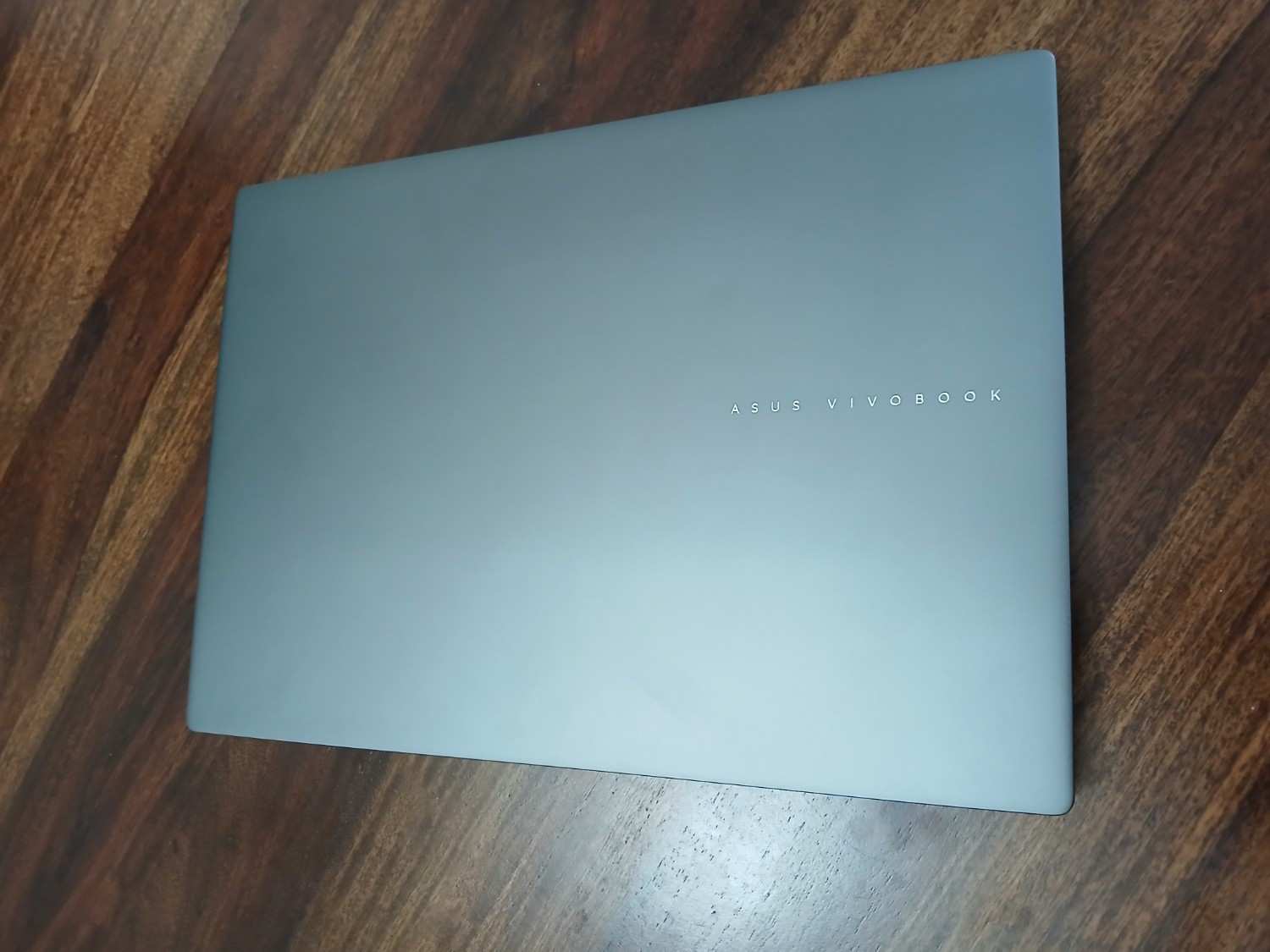
Asus Vivobook S16 is clearly designed for working professionals, students or anybody looking for reliable easy to carry around laptop. We have used the laptop for over two weeks as our primary computer. So, in case you are wondering whether it is a reliable option or not, here’s our hands-on Asus Vivobook S16 review.
Key Features
Key Features
16-inch WUXGA (1920×1200) OLED
Snapdragon X (X1 26 100) Processor
Qualcomm Hexagon NPU up to 45TOPS
16GB LPDDR5X on board 8448MHz RAM
512 GB PCIe Gen 4 SSD
Wi-Fi 6E(802.11ax) (Triple band) 2×2
Bluetooth v5.3 Wireless Card
Backlit ASUS ErgoSense keyboard
70 WHr Battery with fast charge
Windows 11 Home
Pros and Cons
Pros
Cons
● Slim and lightweight design
● Good build quality
● Great 16-inch display for the segment
● Excellent battery life
● Smooth and reliable performance
● Reasonably priced
● 60Hz refresh rate
● Soldered RAM
Design, Build and I/O ports
Design, Build and I/O ports
Dimensions – 357.0 x 250.7 x 15.9 (about 17.9mm)
Weight – 1.74 kg (approx)
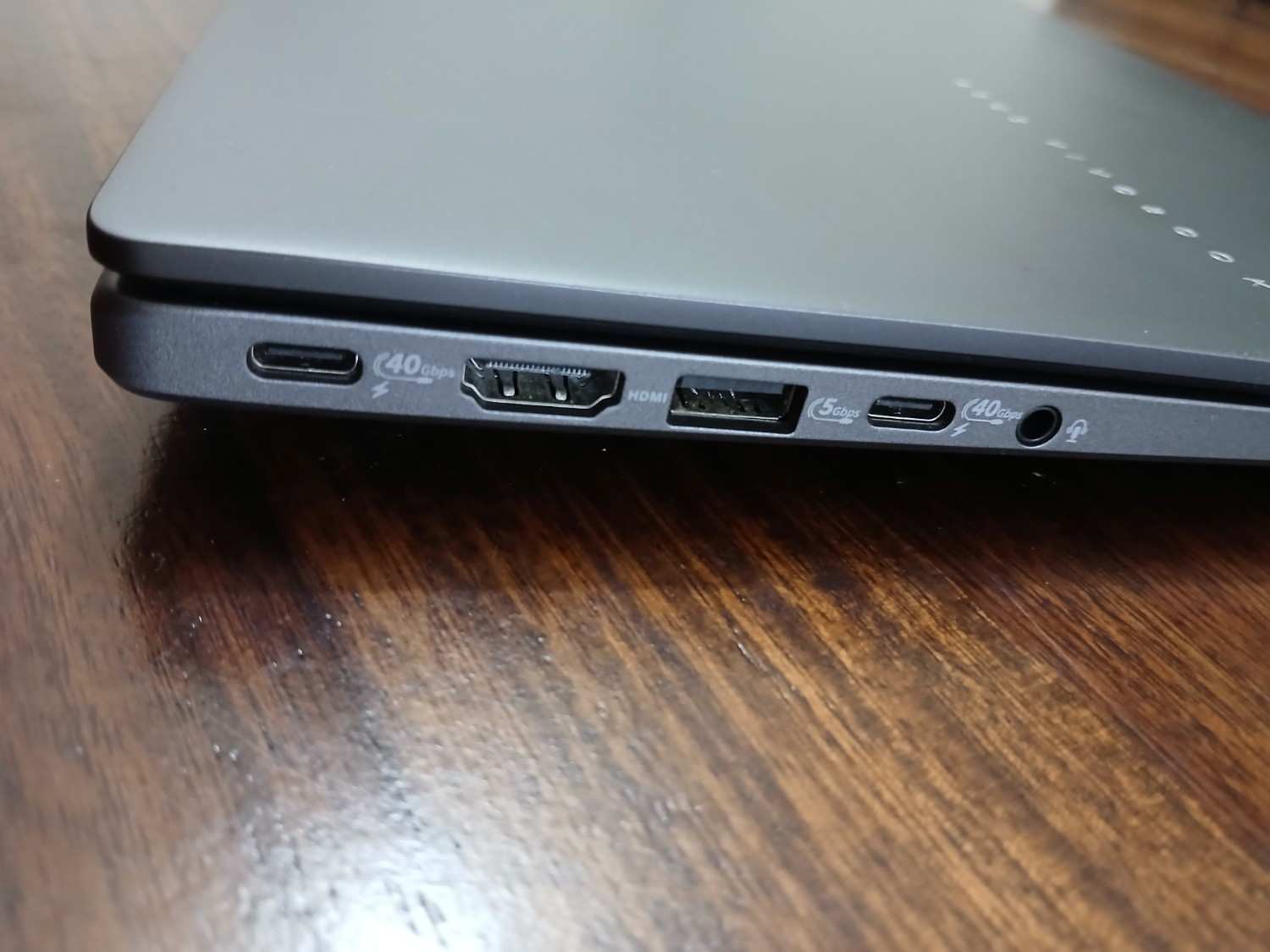
2 x USB4 Type-C; 2 x USB 3.2 Gen 1 Type-A; 1 x HDMI 2.1 (TMDS); 1 x Audio jack
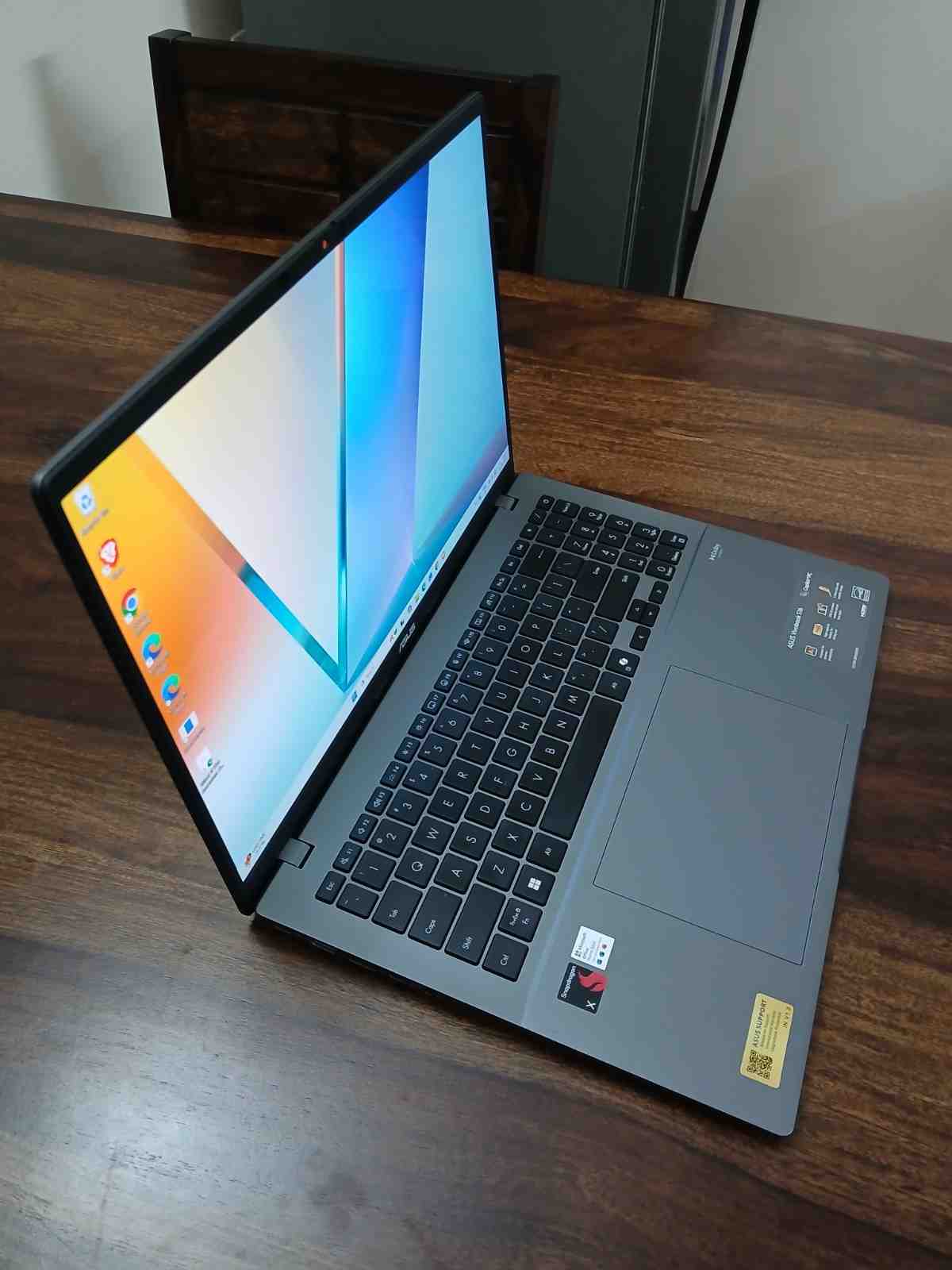
We have been able to spend a good number of days with the Asus Vivobook S16 recently and right from the first look, it feels like a well-made, premium laptop. Before we get to other details, let’s start with design.
Vivobook S16 has a slim profile of just 1.59cm and weighs around 1.74kg. The slim and lightweight design makes the laptop easy to carry around in a backpack. Whether it’s daily office use or travelling with it, the laptop never feels bulky or heavy.
The build quality is solid, too. It comes with US MIL-STD 810H military-grade certification, which gives confidence about its durability during everyday use.
The premium metal finish gives it a clean and modern look. Asus has added a CNC-engraved logo on the lid for a subtle touch of elegance without making the design look flashy. On the front, there’s an FHD IR camera that works with the ASUS AI camera features. There’s also a physical privacy shutter, something we always like to see on a laptop for peace of mind.
When it comes to connectivity, the Asus Vivobook S16 is well-equipped. It offers two USB4 Type-C ports that support up to 40Gbps data transfer speeds and can handle 4K UHD external displays. Alongside that, you get two USB 3.2 Gen 1 Type-A ports for regular accessories, an HDMI 2.1 (TMDS) port for connecting to monitors or TVs, and a standard audio jack.
Overall, the port selection feels practical and versatile that covers most everyday needs.
Keyboard and Trackpad
Keyboard and Trackpad
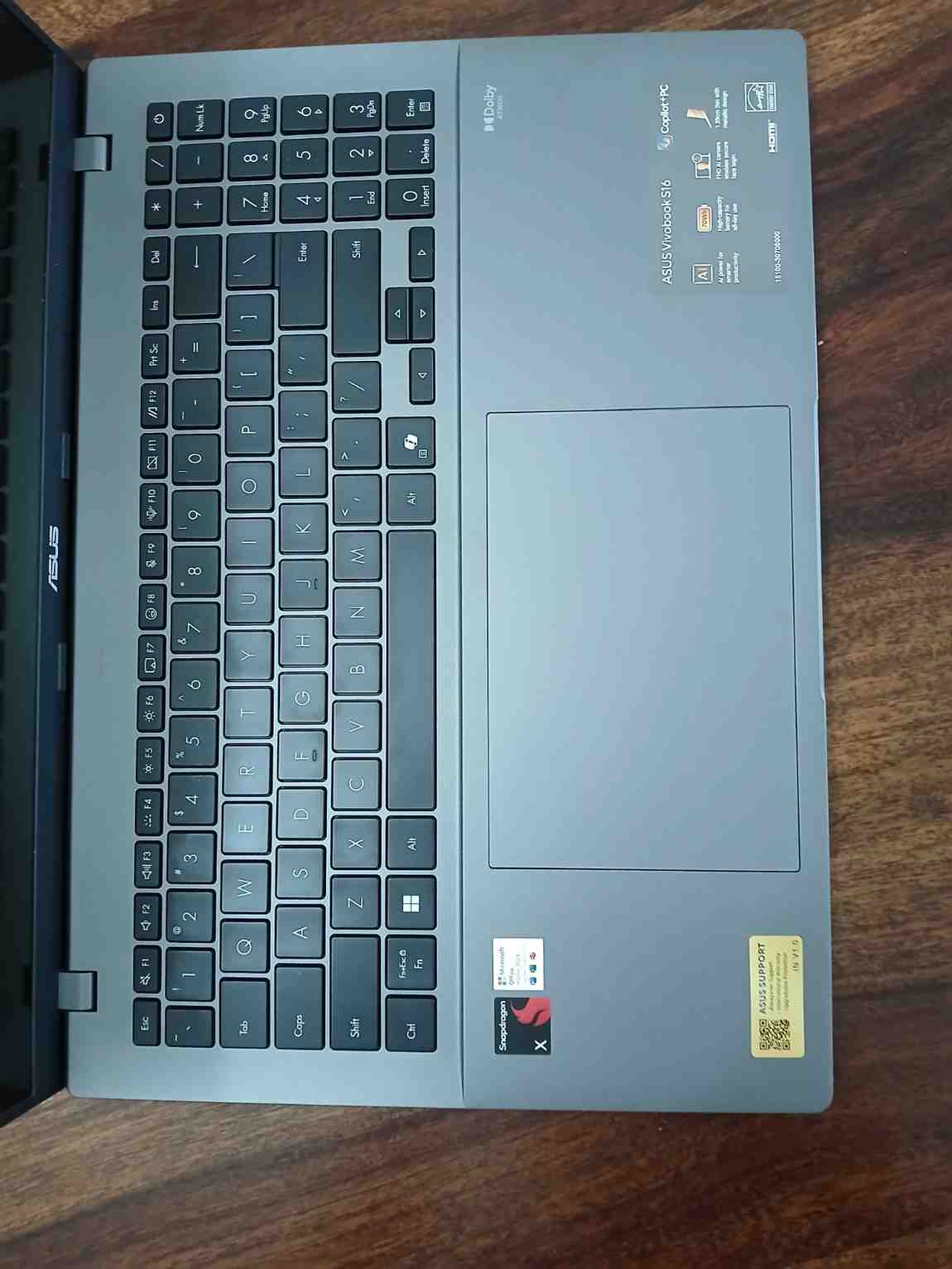
Backlit ASUS ErgoSense keyboard with dedicated Copilot key
ASUS ErgoSense touchpad with ASUS Smart Gestures
We feel the Asus Vivobook S16 is perfect daily work as the keyboard and trackpad experience has been very comfortable. The laptop comes with a backlit ASUS ErgoSense keyboard and includes a dedicated Copilot key for quickly accessing AI features in Windows.
The backlight is evenly lit and makes typing in low-light conditions easy. It’s a full-sized keyboard with a dedicated number pad. The keys offer 1.7mm of key travel and that really helps during long typing sessions. The typing experience feels soft and responsive.
The ASUS ErgoSense touchpad is equally good. It supports ASUS Smart Gestures that makes everyday navigation smooth and intuitive. The touch response is spot on and gliding through gestures like scrolling, switching apps, or adjusting brightness feels effortless.
Altogether, the keyboard and trackpad make the Vivobook S16 a reliable laptop for long hours of work and everyday use.
Display and Multimedia Experience
Display and Multimedia Experience
16-inch WUXGA (1920×1200) OLED
2 Built-in speakers with Smart Amplifier technology
Built-in microphone with ASUS AI Noise-Canceling Technology
Dolby Atmos certified
The display is one of the highlights of Asus Vivobook S16. It features a large 16-inch WUXGA OLED panel with a resolution of 1920 x 1200 and a 16:10 aspect ratio. The extra vertical space is very great for browsing, writing, or working on documents. It delivers rich colours and deep blacks. 95% DCI-P3 colour gamut makes visuals look vibrant and punchy.
The display offers a 0.2ms response time and a 60Hz refresh rate. As for brightness, it goes up to 300 nits. We have extensively used the laptop both indoors and outdoors and it works well for most lighting conditions. You obviously cannot expect this to work in bright outside daylight. But overall, we didn’t see any major issues when it comes to brightness.
We also feel Asus has designed this laptop for both work and entertainment. It comes with dual built-in speakers that are Dolby Atmos certified and supported by Smart Amplifier technology. The sound output is clear and loud enough for watching movies, attending online meetings, or listening to music. The audio experience is well-balanced for a thin laptop.
The built-in microphone is backed by ASUS AI Noise-Cancelling Technology and helps reduce background noise during calls as well.
Performance
Snapdragon X (X1 26 100) Processor
Qualcomm Hexagon NPU up to 45TOPS
16GB LPDDR5X on board 8448MHz RAM
512 GB PCIe Gen 4 SSD
Windows 11 Home
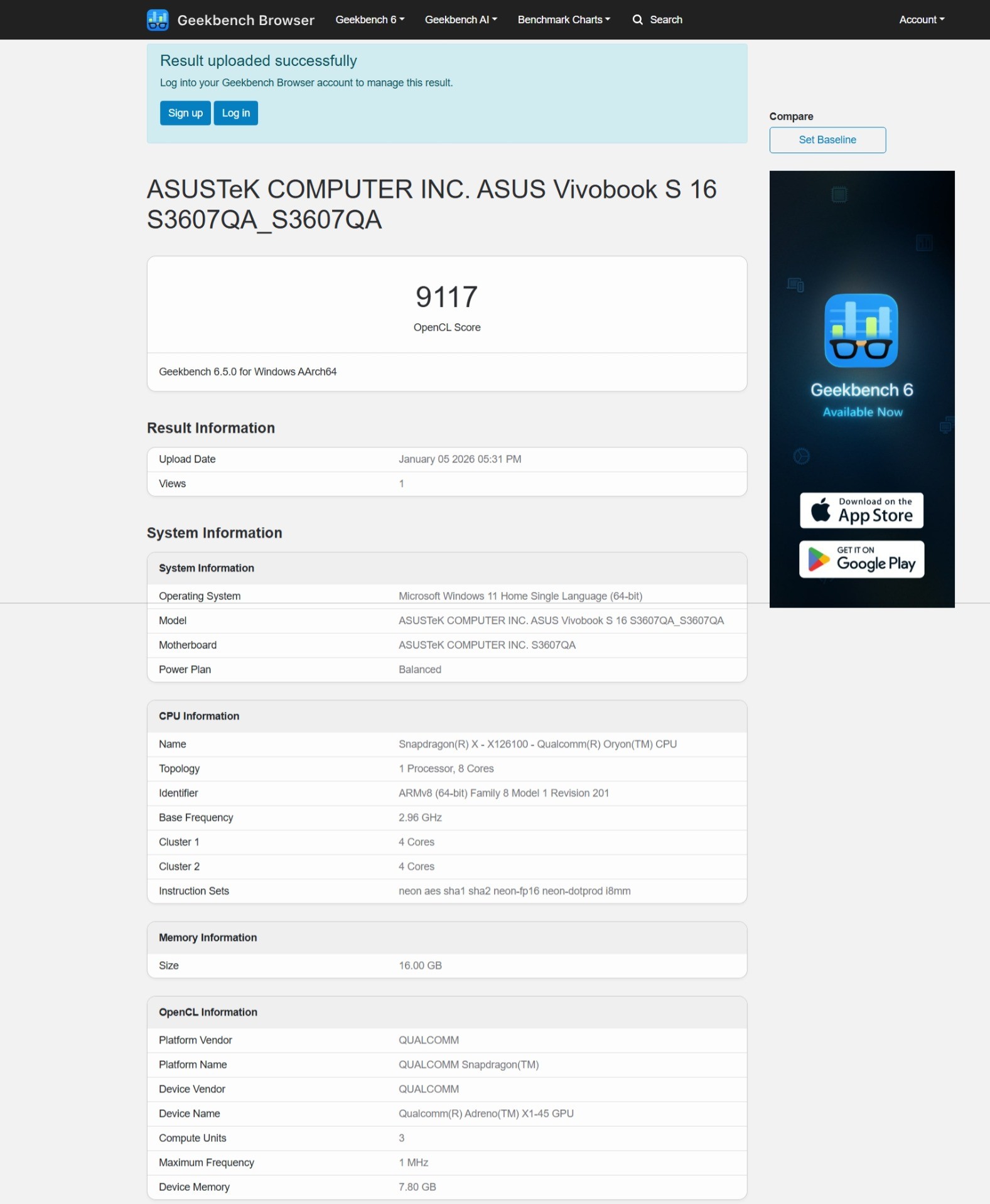
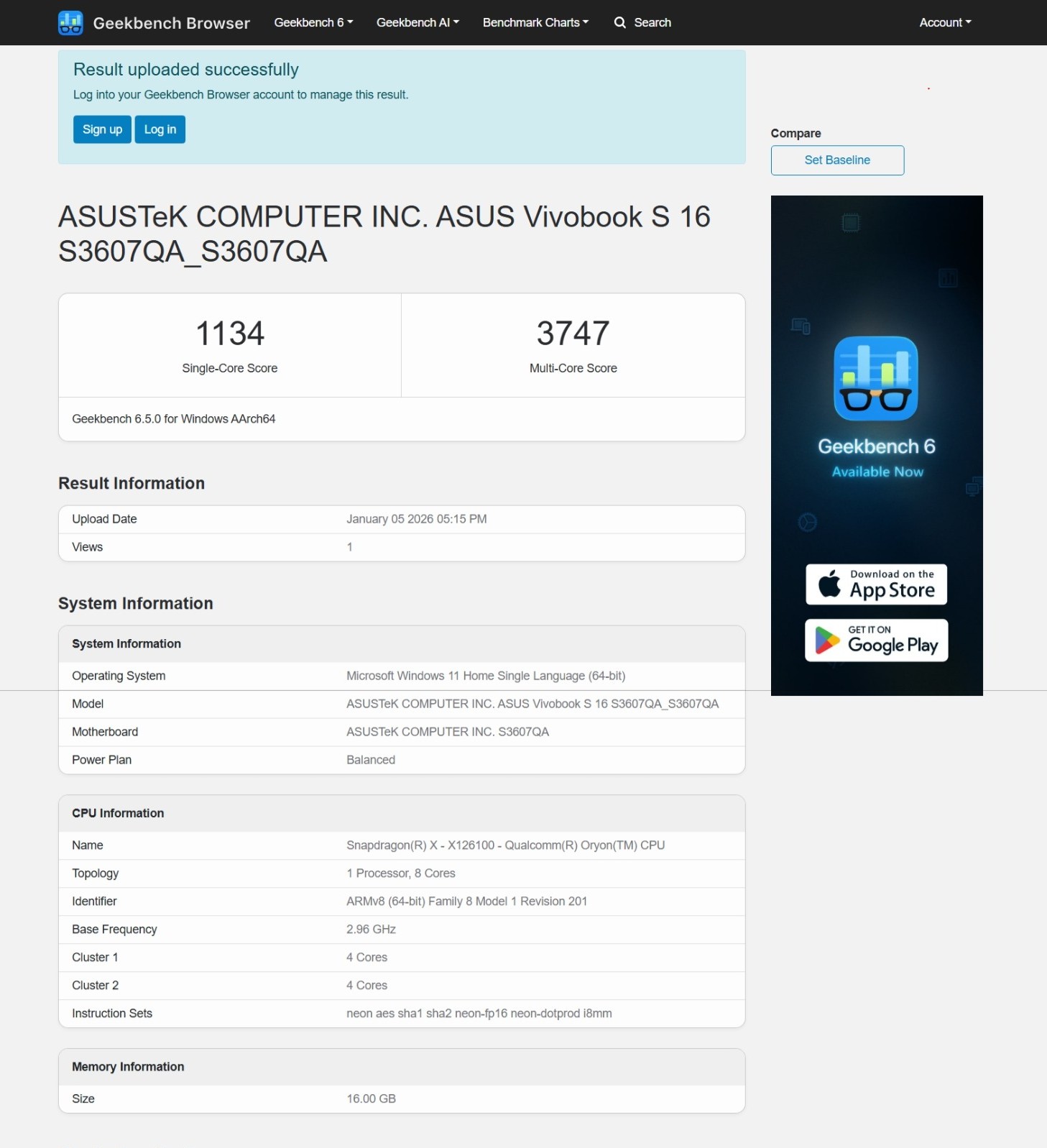
We have been using the Asus Vivobook S16 as our daily work laptop for over two weeks. The performance has been smooth and reliable for everyday tasks. The laptop is powered by the Snapdragon X (X1 26 100) processor, which comes with 8 cores and 8 threads, a 30MB cache and clock speeds of up to 2.97GHz. On the memory side, you get 16GB of LPDDR5X RAM clocked at 8448MHz, which feels more than sufficient for multitasking. The 512GB PCIe Gen 4 SSD keeps boot times fast and apps loading quickly.
The laptop handles regular tasks like web browsing, document work, video streaming, and multitasking without any hiccups.
Asus IceCool Thermal Technology and customisable fan profiles available through the MyASUS app, you can push performance up to a 30W TDP when needed. Even under load, the laptop stays fairly cool and quiet, making it suitable for long work sessions without discomfort.
The Vivobook S16 runs on Windows 11 Home and comes bundled with Microsoft Office Home 2024 with lifetime validity along with Microsoft 365 Basic for one year. This adds good value especially for students and working professionals.
It is also equipped with Qualcomm Hexagon NPU, which offers up to 45 TOPS of AI performance. This helps with on-device AI tasks and works well with Windows 11 features. It is especially useful for users who want to explore AI-powered tools going forward.
For connectivity, it comes with Wi-Fi 6E support for faster and more stable wireless connections, along with Bluetooth 5.3 for pairing accessories.
Battery Life and Charging
Battery Life and Charging
70 WHr with fast charge
ASUS USB-C Easy Charge
65 W adapter
We have to say that battery life is the strongest point of the Asus Vivobook S16. The laptop packs a large 70WHr battery and supports fast charging along with ASUS USB-C Easy Charge.
Asus claims up to 32 hours of battery backup. The real-world usage naturally varies but with Vivoboook S16 is surprisingly strong when it comes to power. The battery performance has been very impressive in our daily use.
We used the laptop moderately to heavily that included web browsing, document work, video streaming, and video calls. And during our time, we comfortably got around 15 to 20 hours of battery life. The laptop easily lasts a full workday with still some battery left. If you plan on using this laptop for work and after work hours, the battery is where it becomes very reliable.
Charging speeds are also quick with a 65W adapter. It can go from 0 to 100 percent in under two hours. This means even a short charging session can give you enough power to get through several hours of work.
Overall, the combination of strong battery life and fast charging makes the Vivobook S16 a reliable option for all-day productivity.
Verdict – Should You Buy Asus Vivobook S16?
Verdict – Should You Buy Asus Vivobook S16?
If you are looking for a well-rounded laptop without spending a big amount, the Asus Vivobook S16 is a strong contender. With a sleek design, premium build quality and practical ports, the Vivobook S16 suits students, professionals, and anyone who wants a capable all-day laptop.
It delivers reliable daily performance with Snapdragon X processor, generous RAM and storage, and smart thermal setup. The large OLED screen and solid audio makes it a perfect laptop for both work and entertainment. The long battery life is one of the strongest points of Vivobook S16.
Overall, if you want a versatile, everyday laptop with excellent battery life and a great display, the Asus Vivobook S16 is worth considering.
Reasons To Buy
Good display
Premium-looking design
Solid build quality
Great battery life
Reasons Not to Buy
Not for gaming
Not for GPU-intensive tasks
Alternatives
HP Victus 16-s0095AX – ₹77,000
Lenovo LOQ 15ARP9 83JC00GDIN AI Gaming Laptop – ₹75,890
Asus Vivobook 16X 2023 K3605ZC-MBN544WS Laptop – ₹65,999
FAQs
Q1. What processor does the Asus Vivobook S16 use?
Answer. It is powered by the Snapdragon X (X1 26 100) processor with 8 cores and built-in AI support.
Q2. Does the Asus Vivobook S16 support AI features?
Answer. Yes, it includes a Qualcomm Hexagon NPU offering up to 45 TOPS for on-device AI tasks.
Q3. What display does the Asus Vivobook S16 have?
Answer. It features a 16-inch WUXGA OLED display with a 16:10 aspect ratio and 95% DCI-P3 colour gamut.
Q4. How good is the battery life on the Vivobook S16?
Answer. It packs a 70WHr battery and supports fast charging via a 65W USB-C adapter.
Q5. What connectivity options are available on the Asus Vivobook S16?
Answer. The laptop offers USB4 Type-C ports, HDMI 2.1, Wi-Fi 6E, and Bluetooth 5.3.
Realme Buds Air8 True Wireless Stereo earbuds were officially launched in India earlier this month.
The earbuds are available in three colour variants – Gold, Dark Grey, and Purple.
Priced at ₹3,599, Buds Air8 are available for purchase on realme.com, Flipkart and Amazon.
Does the latest Realme Buds Air8 offer real value or is this just another device upgrade? Let’s get into our hands-on review to know more.
Realme Buds Air8 – Key Features
Realme Buds Air8 – Key Features
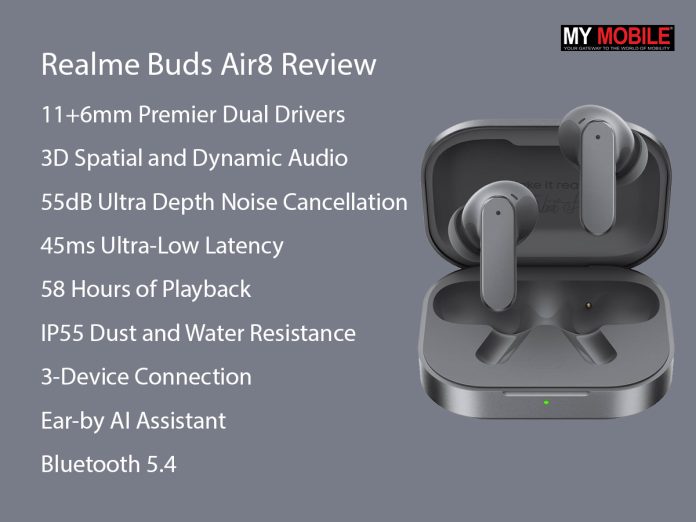
11+6mm Premier Dual Drivers
Hi-Res Audio Certification and LHDC 5.0 Technology
3D Spatial and Dynamic Audio
55dB Ultra Depth Noise Cancellation
45ms Ultra-Low Latency
58 Hours of Playback
IP55 Dust and Water Resistance
3-Device Connection
Ear-by AI Assistant
Bluetooth 5.4
Realme Buds Air8 – Pros and Cons
Pros
Cons
Premium design
Solid sound quality
Good ANC performance
Long battery life
IP55 Dust and water resistant
Useful AI features
● Limited LHDC support
● App has limited customisation options
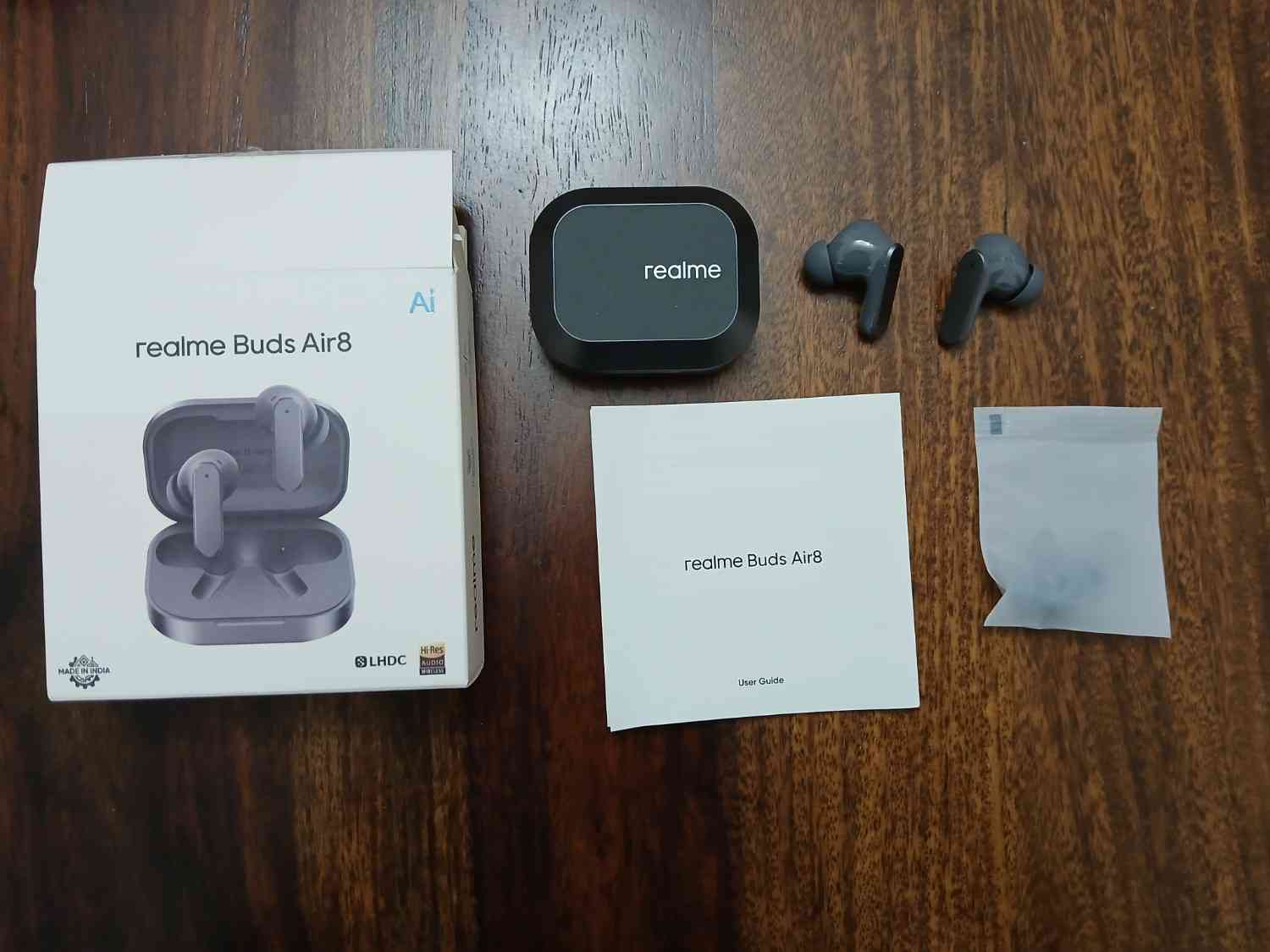
Realme Buds Air8 – Unboxing
Realme Buds Air8 – Design and Fit
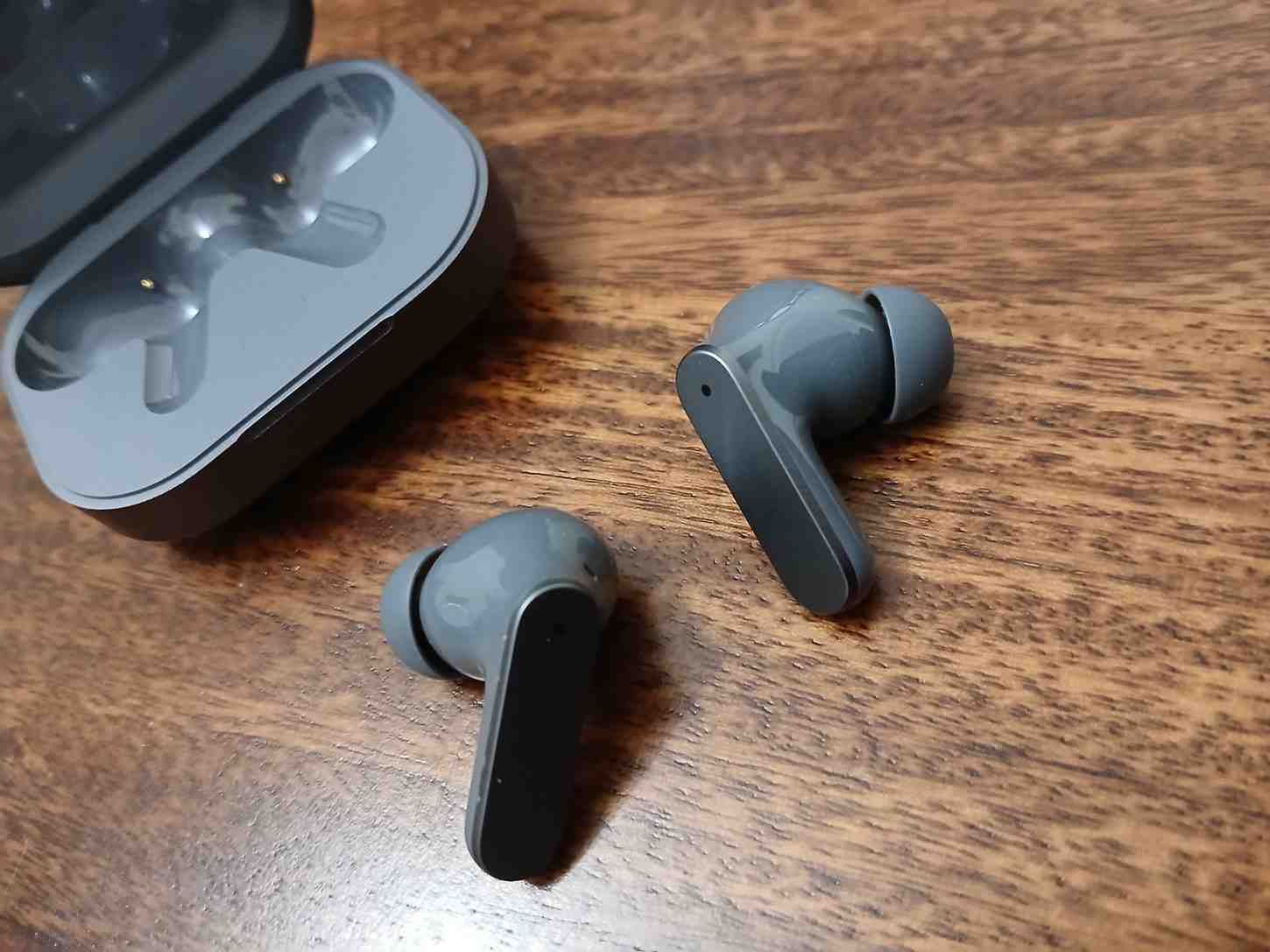
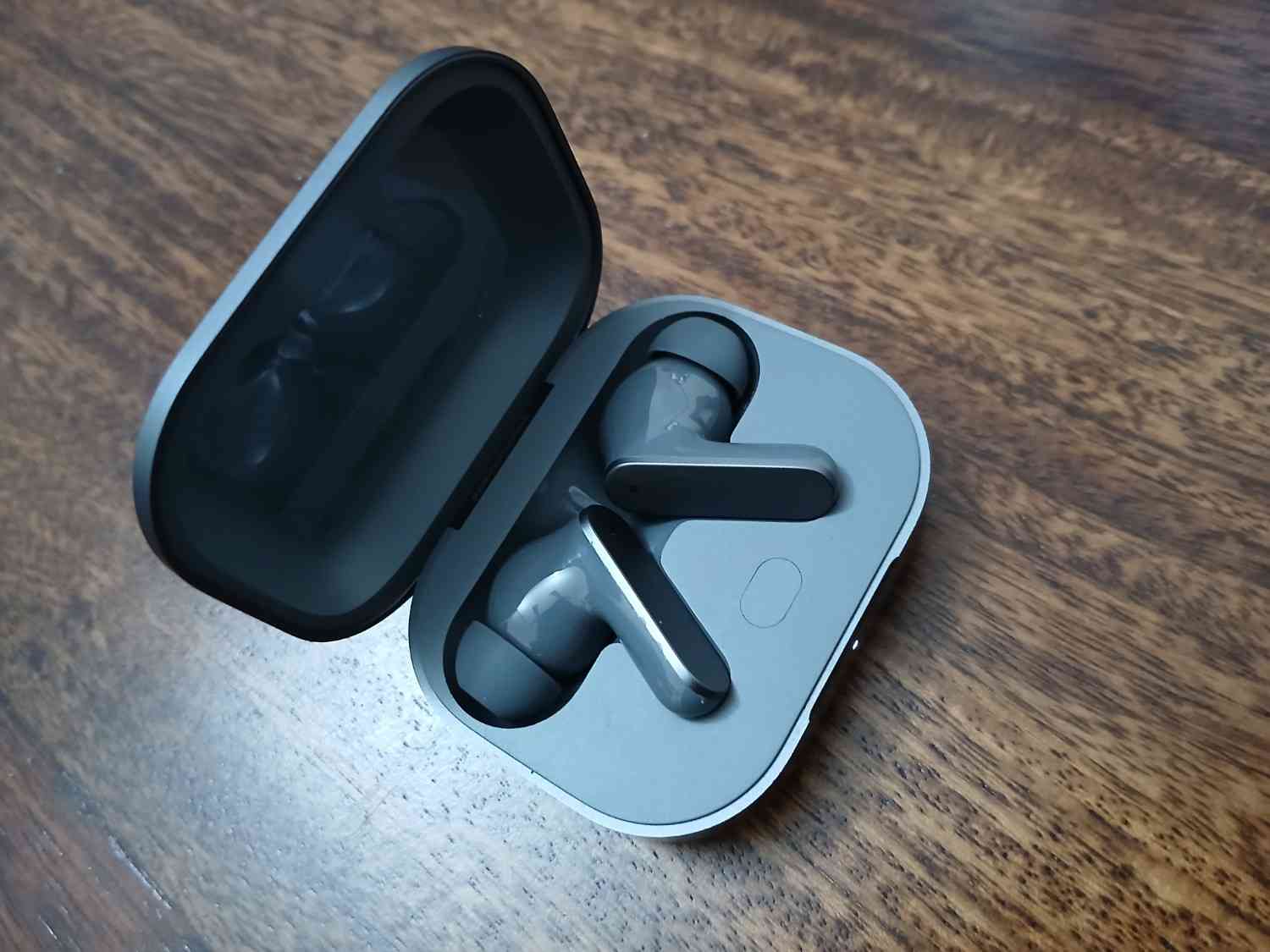
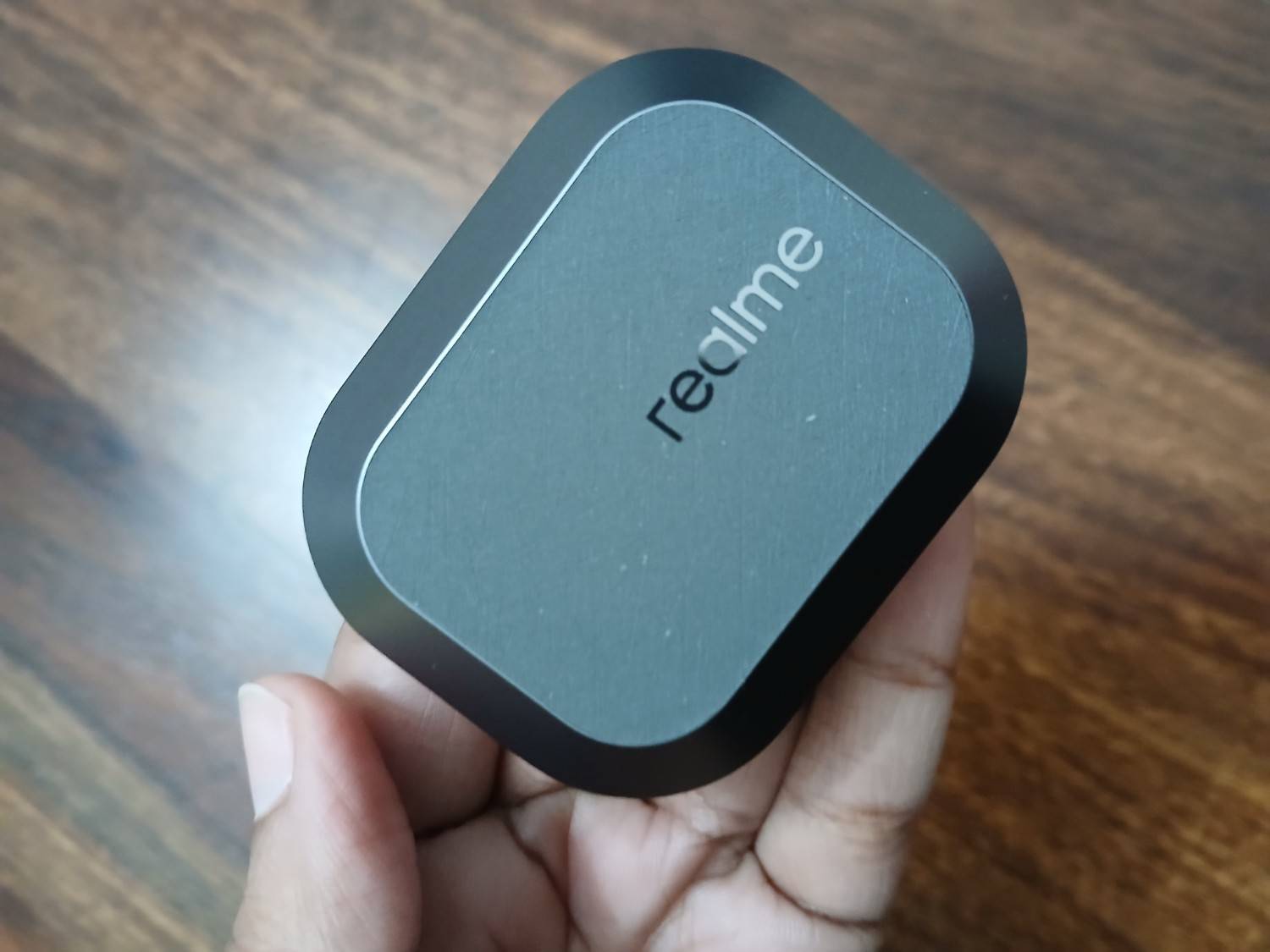
Let’s start with the design because Realmehas clearly put some thought behind it this time. Buds Air8 are designed by the renowned design master, Naoto Fukasawa. The influence is clearly visible in the clean, minimal and well-thought-out look. We received the Master Grey colour variant for this review. It has a very classy, premium feel.
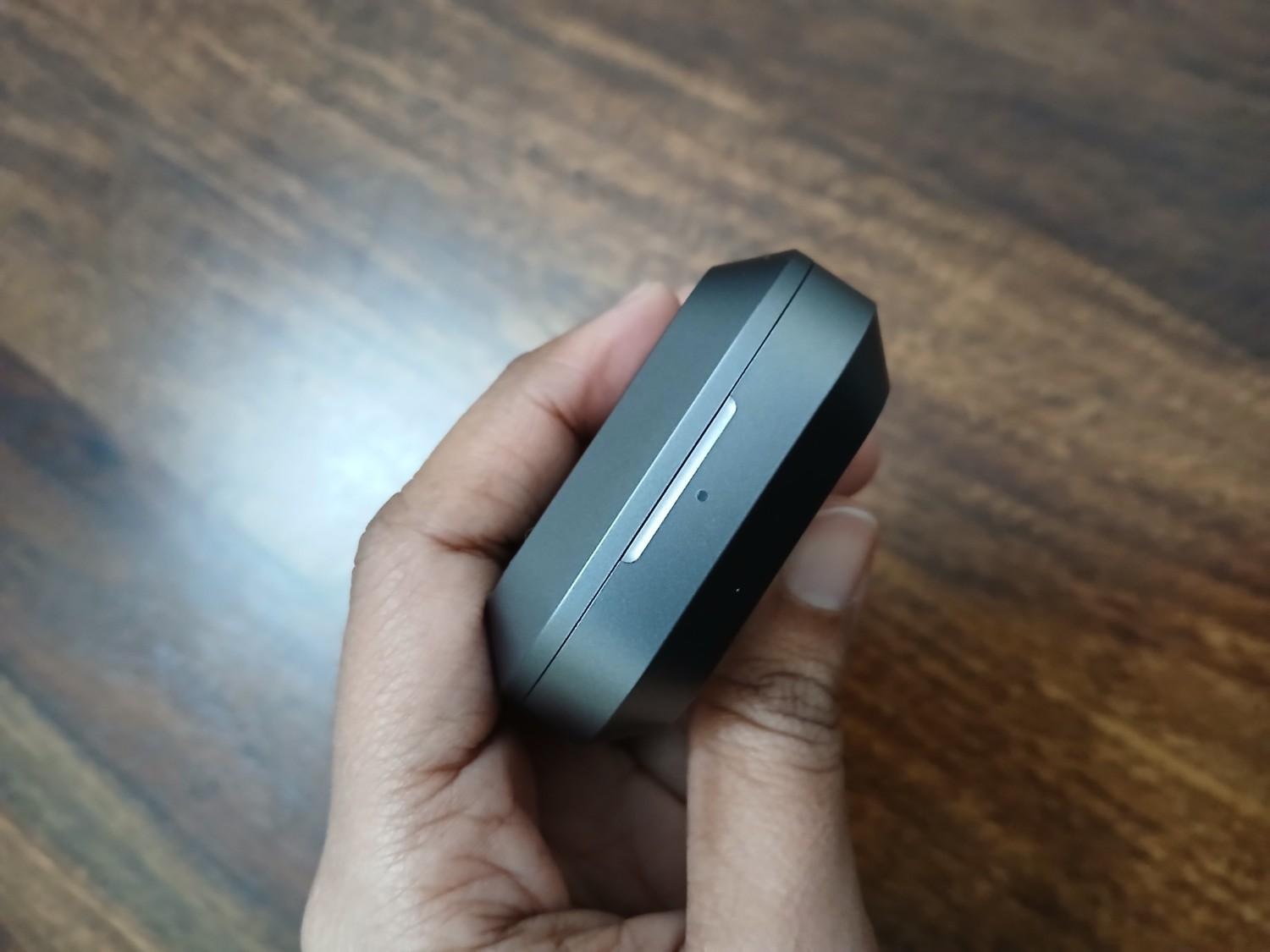
The charging case follows a geometric three-part design with a smooth matte finish on the outside. It feels nice in hand and does a good job of resisting fingerprints. Opening the case reveals glossy interiors and the rounded corners give it a soft touch. Realme has also used bio-based organic silicone natural materials.
The case itself is compact and lightweight, making it easy to slip into a pocket or bag. We carried it around daily and it never felt inconvenient.
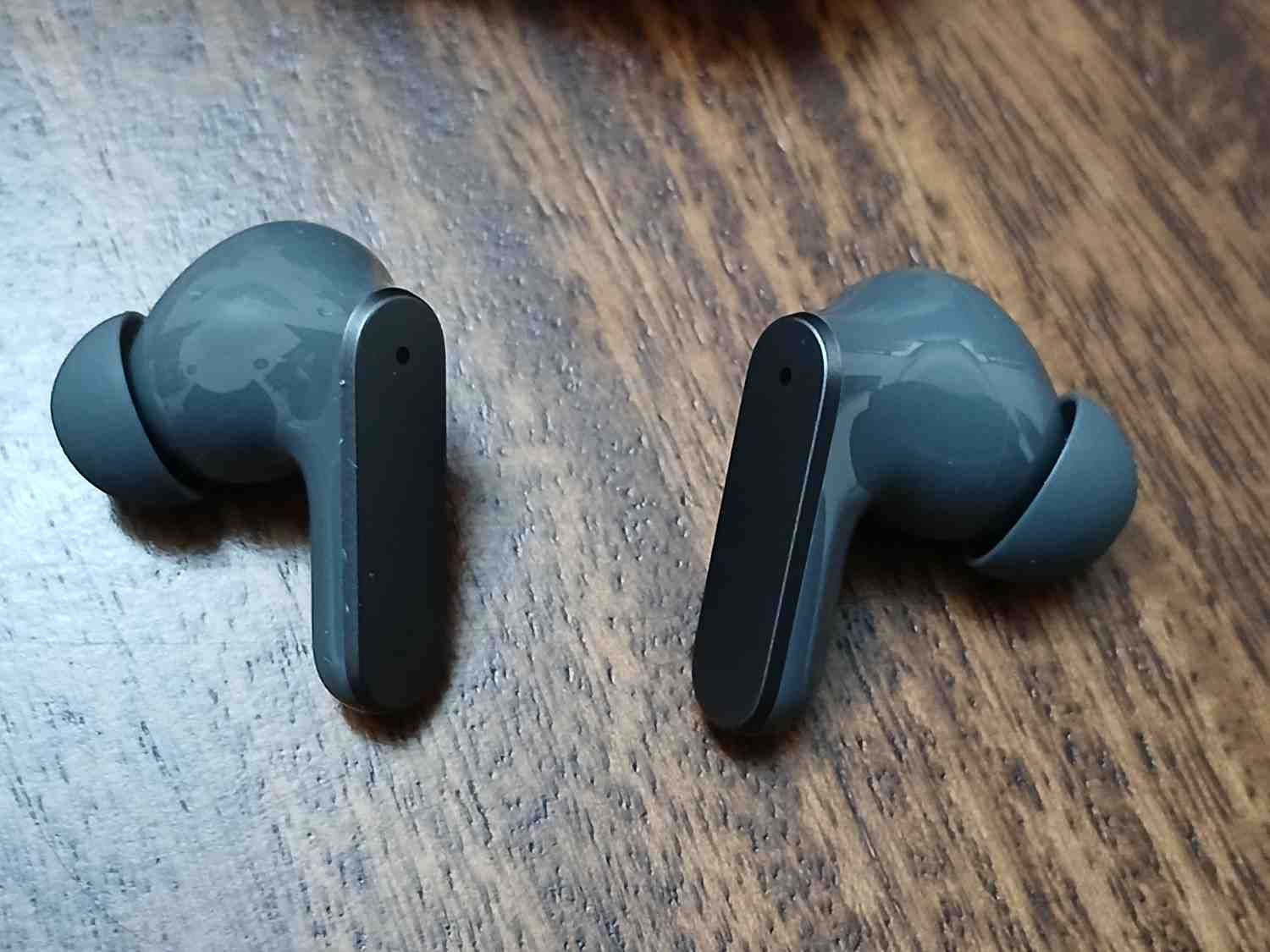
As for the earbuds, we found them very comfortable to wear. We used them for long listening sessions including work calls and music and didn’t experience any discomfort. The in-ear fit feels secure and is suitable for workouts as well as daily commuting.
The build quality is solid as well. The earbuds come with IP55 dust and water resistance, which adds peace of mind during workouts or light rain.
Overall, the Realme Buds Air8 strike a good balance between contemporary aesthetics and everyday comfort.
Realme Buds Air8 – Sound Quality and Noise Cancellation
The sound quality is one of the strongest points of Buds Air8. The earbuds come with a dual-driver setup that includes an 11mm driver paired with a 6mm driver. They support SBC, AAC, and LHDC audio codecs. They also carry Hi-Res Audio certification and support LHDC 5.0 with a claimed sampling rate of up to 96kHz and transmission speeds of up to 1000kbps.
While using the buds, what stood out the most was how they actually sound in real-world use. The sound experience is very satisfying. The bass feels deep, punchy, and powerful. But it doesn’t overpower the vocals or other elements in the mix. The mid-range performance is clear and well-balanced. Instruments don’t feel crowded.
We also like that the sound remains crisp and detailed without turning harshat higher volumes. This makes longer listening sessions comfortable.
When it comes to noise control, these earbuds offer up to 55dB real-time active noise cancellation. In daily use, the ANC works effectively in reducing background noise like traffic or outside chatter. The real-time adaptive ANC changes its intensity depending on the surrounding noise levels.
Moreover, you can easily switch between balanced, deep, and mild noise reduction modes via the Realme Link app.
All in all, the strong sound performance and capable noise cancellation are things that make the Buds Air8 a solid choice for both music listening and everyday use.
Realme Buds Air8 – Features
The Realme Buds Air8 use a six-microphone setup with three microphones on each earbud. This includes feedforward, feedback, and dedicated talk microphones. We tested the buds for calls and the voice comes through clearly, even in slightly windy conditions or when there is background noise around.
The buds come with Bluetooth 5.4 with a claimed effective range of up to 10 metres. The connection is quick and stable with minimal dropouts. The earbuds connect instantly when you open the case.
The good thing is that the earbuds support three-device connection, which is very convenient. You can easily switch between a phone, laptop, and tablet throughout the day. Swift Pair also makes pairing with PCs fast and hassle-free.
For games, Buds Air8 offer 45ms ultra-low latency mode. We tried playing some of the audio-heavy games with these buds and the audio sync felt nearly perfect. We didn’t notice any major lags between visuals and sound.
Realme is also offering a set of AI-based features. The Buds Air8 offer AI Live Translator and face-to-face translation with support for more than 30 languages. It’s a useful feature for quick conversations. The earbuds also support AI Voice Assistant 2.0 powered by Google Gemini, allowing users to ask for weather updates, general knowledge, or basic advice directly through voice commands.
The Realme Link app can customise ANC levels, adjust EQ settings, enable gaming mode, and update the firmware. The app interface is clean and easy to understand, which makes it simple to fine-tune the earbuds to your preference.
Realme Buds Air8 – Battery Life and Charging
Each earbud of Realme Buds Air8 packs a 62mAh battery and the charging case comes with a larger 530mAh capacity. The earbuds are claimed to deliver up to 14 hours of playback on a single charge and ANC turned off, AAC audio enabled and volume set at around 50 percent. The total playback time goes up to a claimed 58 hours with charging case. The battery capacity feels more than enough for several days of regular use.
We have used the Buds Air8 as our primary audio accessory for well over a week and we easily got through long listening sessions. An average user can easily work around work calls and casual music playback without constantly checking the battery level.
As for charging speeds, the earbuds take about one hour to charge fully. Meanwhile, Realme claims that the Buds Air8 can retain up to 80 percent battery health even after 1,000 charging cycles with regular use.
Verdict – Should You Buy Realme Buds Air8?
The Realme Buds Air8 offer a comfy fit, powerful bass with clear mids and highs and stable connectivity. The low-latency mode makes them good companion for gaming and video watching. The six-mic setup handles calls well even in noisy environments. Battery life is solid and the Realme Link app adds useful customisation options.
Overall, we feel the Buds Air 8 strike a good balance between performance, comfort and useful everyday features. Priced at ₹3,599, these are a good option for most users who want a well-rounded pair of earbuds for daily use.
Reasons To Buy
Great sound quality
Proper noise cancellation
Good battery
Reasons Not to Buy
Limited customisation
AI features dependent on the network
Alternatives
Samsung Galaxy Buds Core – ₹4,099
OnePlus Buds 3 Truly Wireless Bluetooth Earbuds – ₹3,999
Sony WF-C510 Wireless Bluetooth Earbuds – ₹4,389
FAQS
Q1. What audio technologies are supported by the Realme Buds Air 8?
Answer. The Realme Buds Air 8 support SBC, AAC, and LHDC audio codecs. They are Hi-Res Audio certified and support LHDC 5.0, with a sampling rate of up to 96kHz and transmission speeds of up to 1000kbps. The earbuds also include Realme’s NextBass algorithm and 3D spatial audio with HRTF-based processing.
Q2. What noise cancellation features do the Realme Buds Air 8 offer?
Answer. The earbuds offer up to 55dB active noise cancellation and feature Ear Canal Adaptive ANC.
Q3. What gaming and low-latency features are available on the Realme Buds Air 8?
Answer. The Realme Buds Air 8 include a 45ms ultra-low latency mode designed for gaming and video playback.
Q4. What AI-based features are included in the Realme Buds Air 8?
Answer. The earbuds support AI Live Translator and face-to-face translation with support for more than 30 languages. They also feature AI Voice Assistant 2.0 powered by Google Gemini, allowing users to access information such as weather updates, general knowledge, and basic assistance through voice commands.
Q5. What connectivity and app features do the Realme Buds Air 8 support?
Answer. The Realme Buds Air 8 use Bluetooth 5.4 and support up to three-device connection. They also offer Swift Pair for quick pairing with PCs.
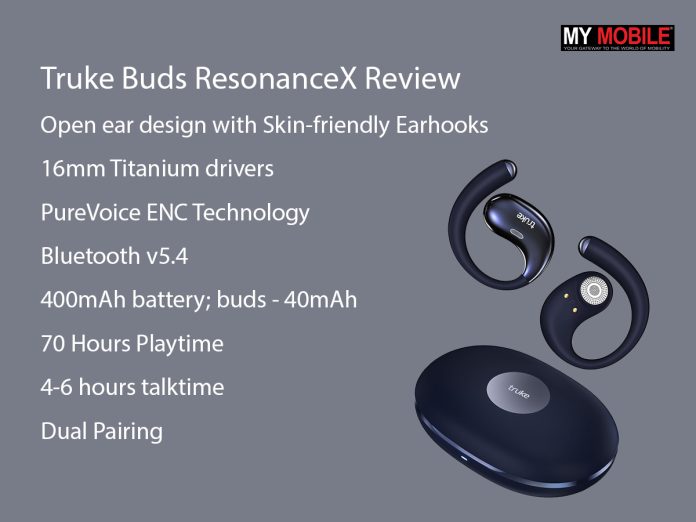
Truke Buds ResonanceX are available at a special price of ₹1,699.
They come in colour choices of Indigo Blue and Ash Black.
You can buy them online at the brand’s official website and on Amazon.
We have been using the new Truke Buds ResonanceX for almost a week now. Read on to know more about our hands-on review of this very non-traditional audio accessory.
Truke Buds ResonanceX – Key Features
Open ear design with Skin-friendly Earhooks
16mm Titanium drivers
PureVoice ENC Technology
Bluetooth v5.4
Charging case – 400mAh battery; buds – 40mAh
70 Hours Playtime
4-6 hours talktime
Dual Pairing
Truke Buds ResonanceX – Pros and Cons
Pros
Cons
● Premium design
● Comfortable fit
● Good sound quality
● Good battery
● No app support
● Large case size
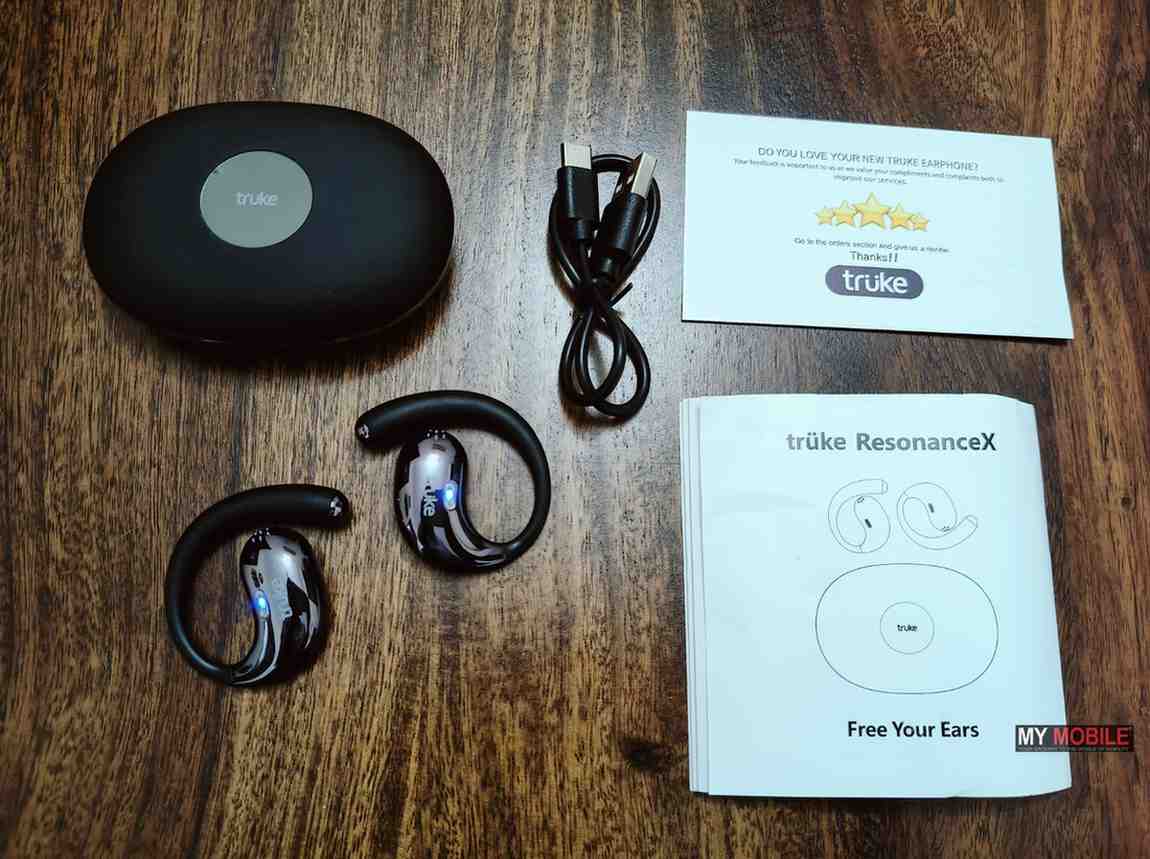
Truke Buds ResonanceX – Unboxing
Truke Buds ResonanceX – Design and Fit
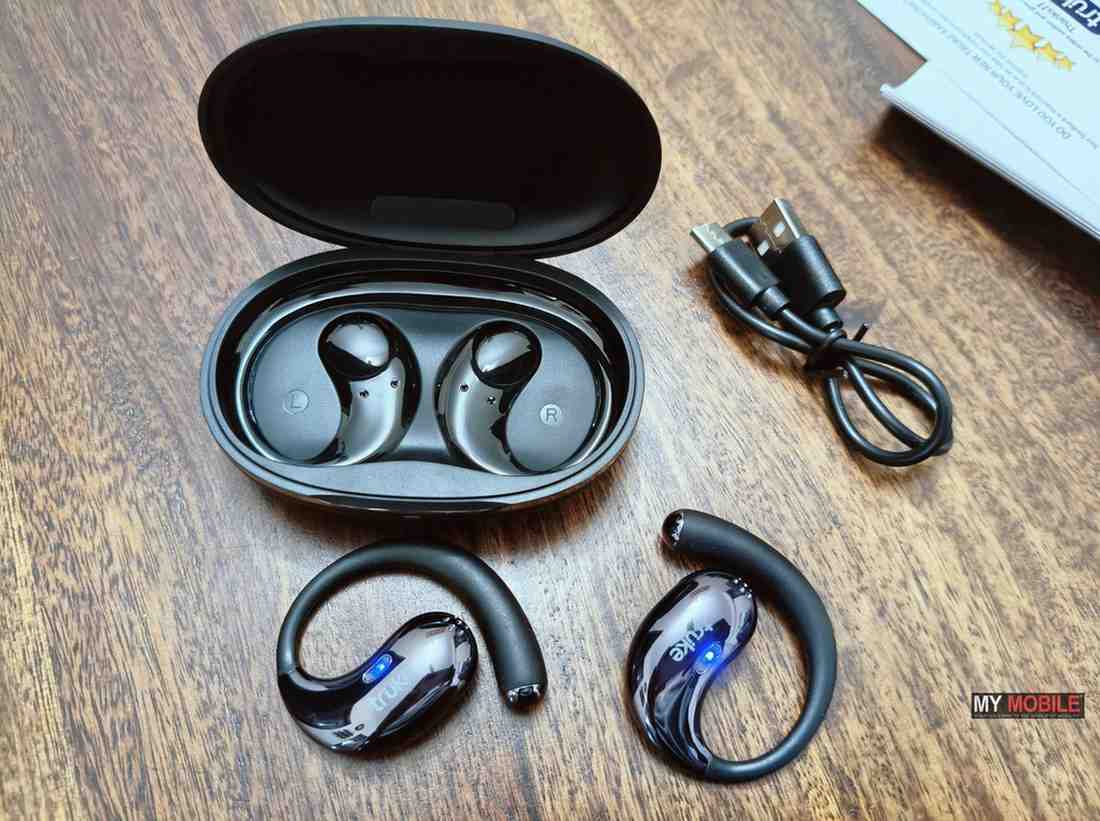
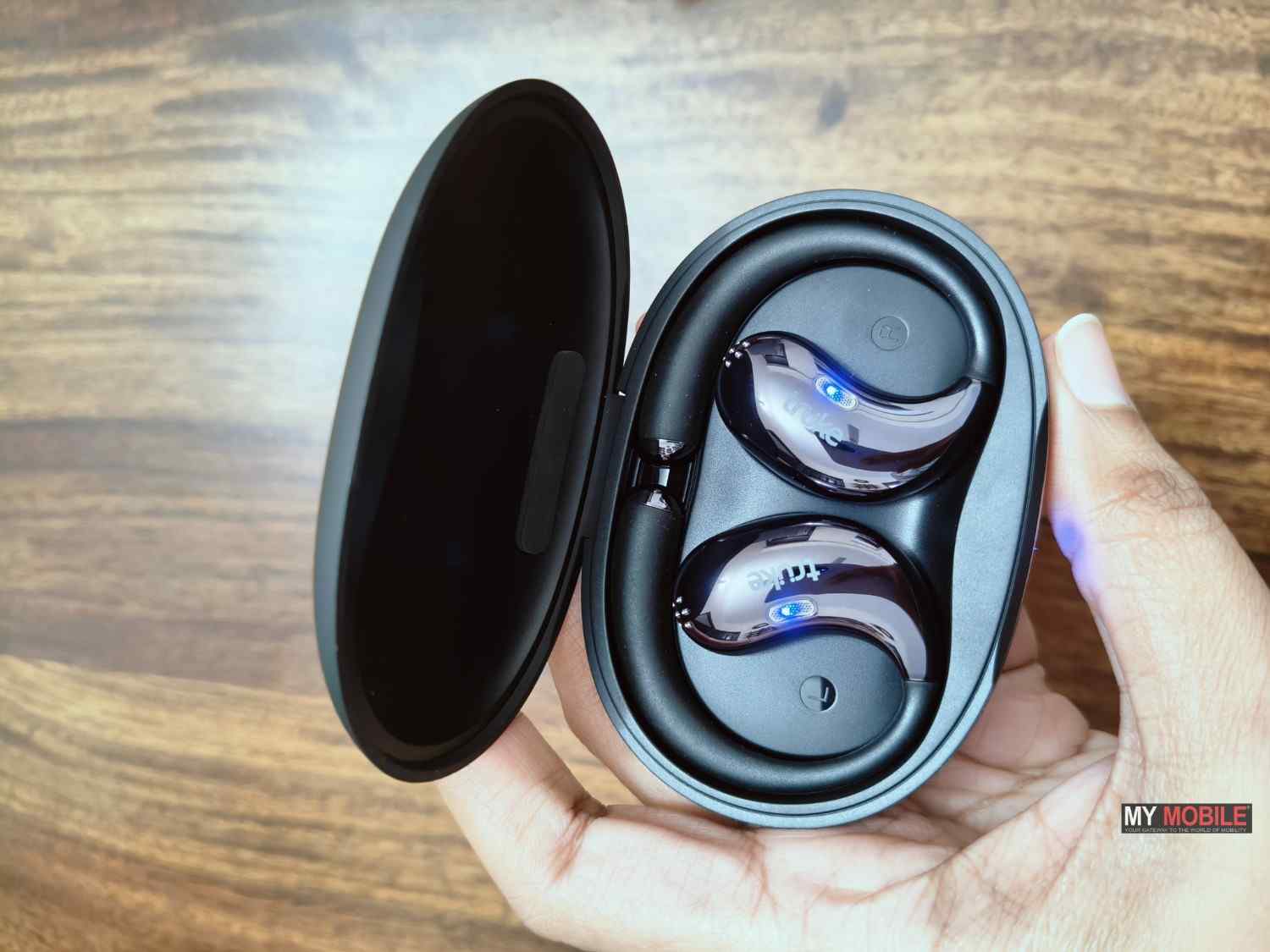
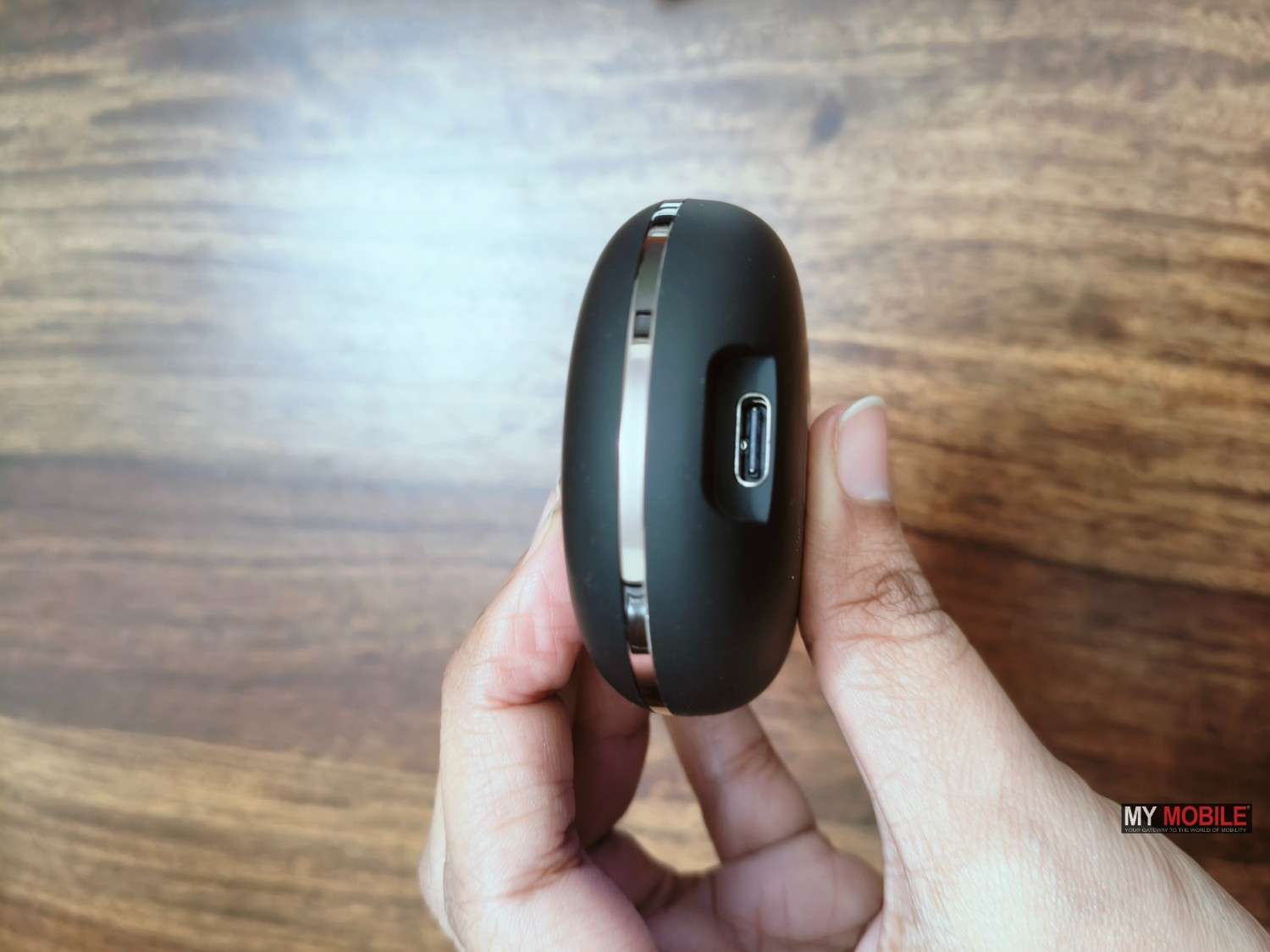
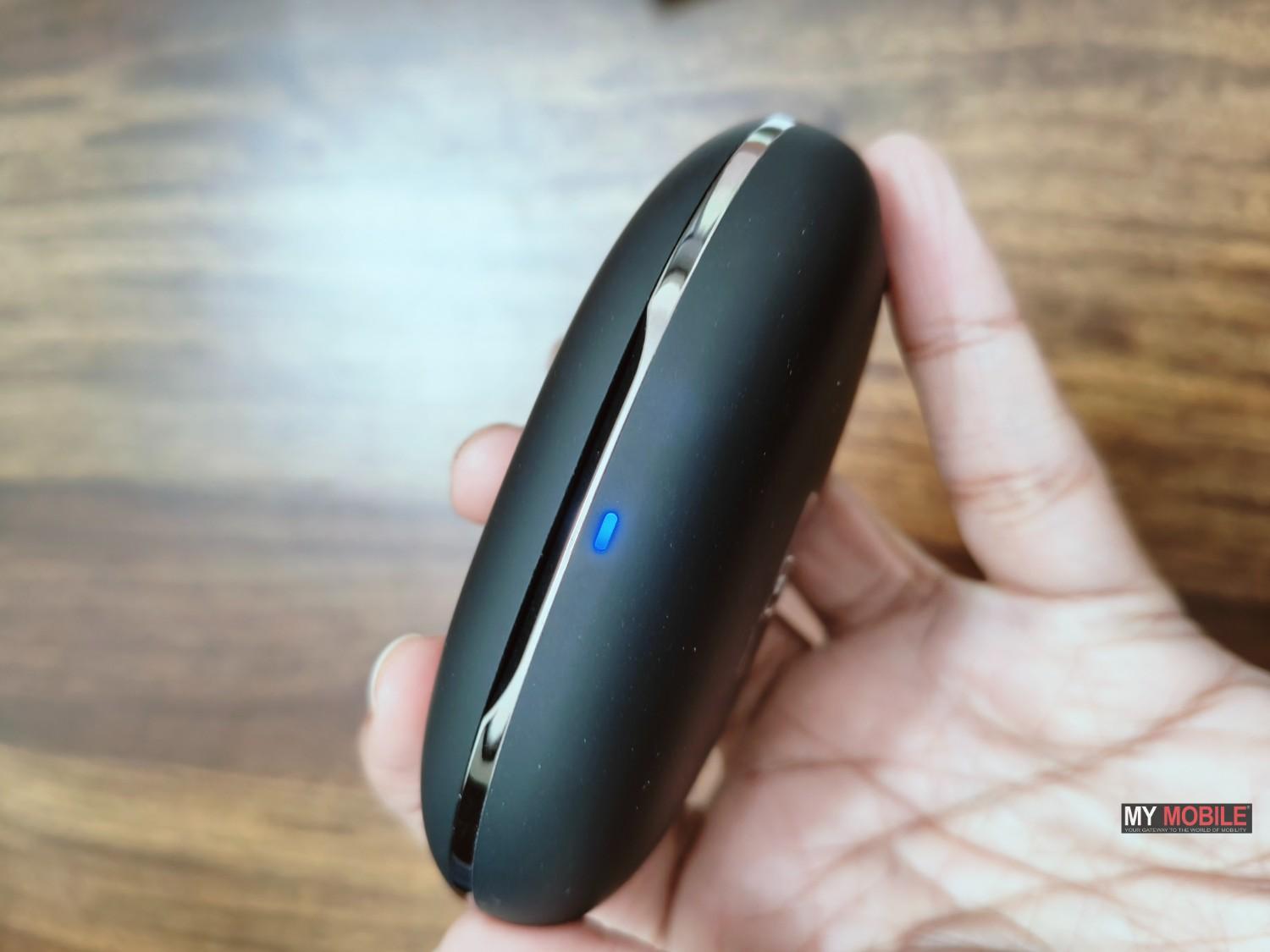
The Truke Buds ResonanceX come in a pebble-shaped charging case that feels nice in the hand. We had the Ash Black colour variant for this review. It has a soft and rubber-like matte finish. The good thing is that it does a good job of keeping fingerprints and smudges away.
The case is sleek and lightweight, though it is slightly larger than what you usually see with regular earbuds. The slimness makes it easy to carry around though. There is stylish Truke branding on the front in an otherwise simple and clean design.
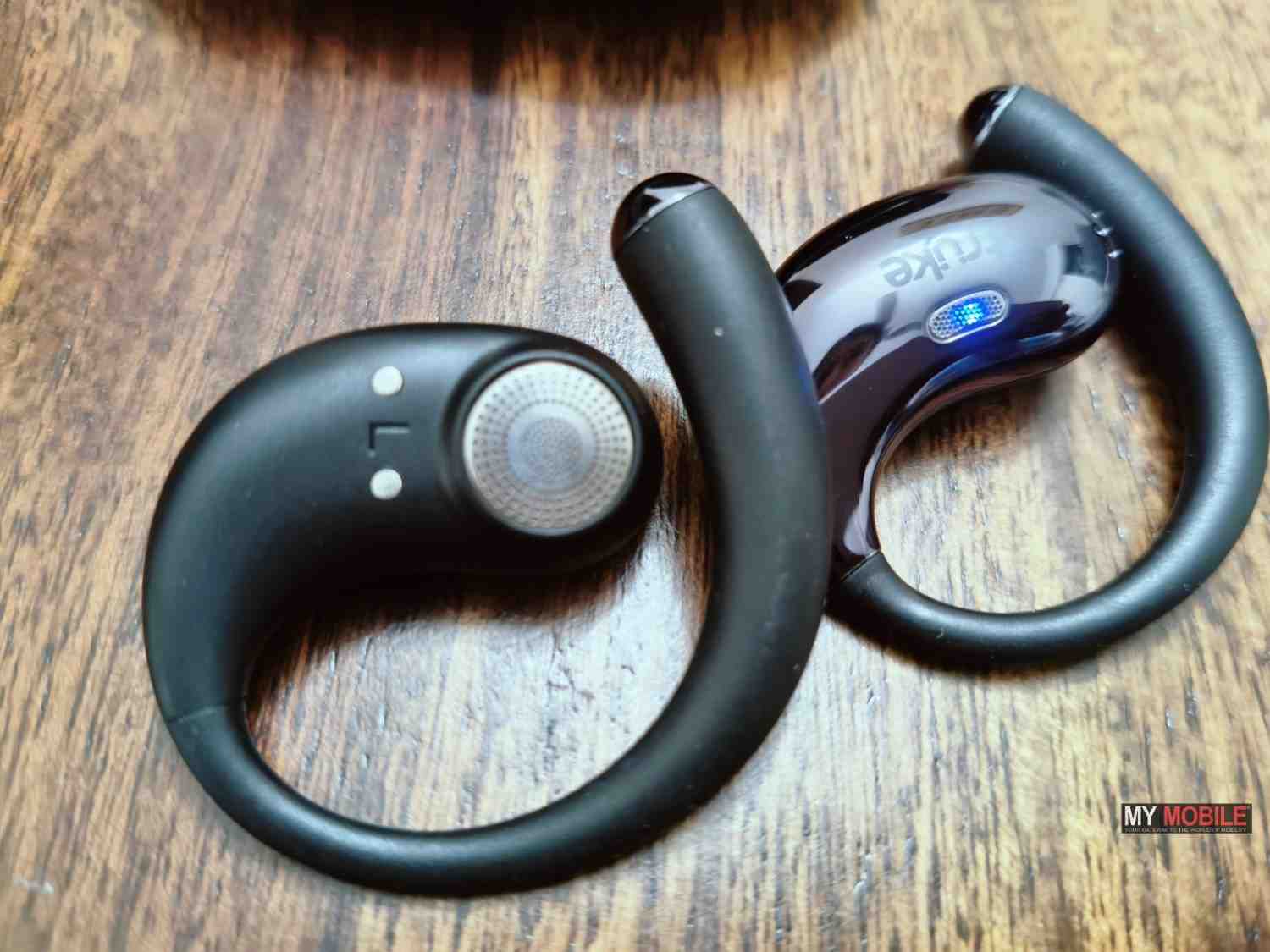
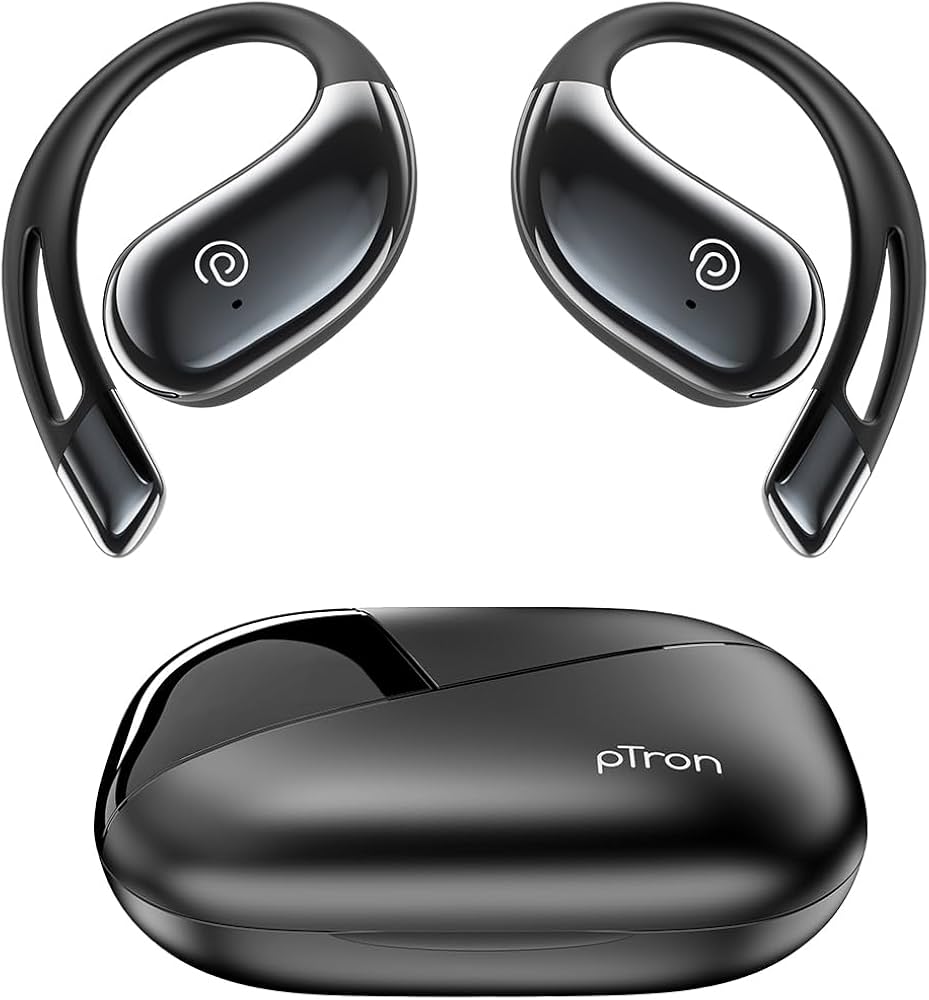
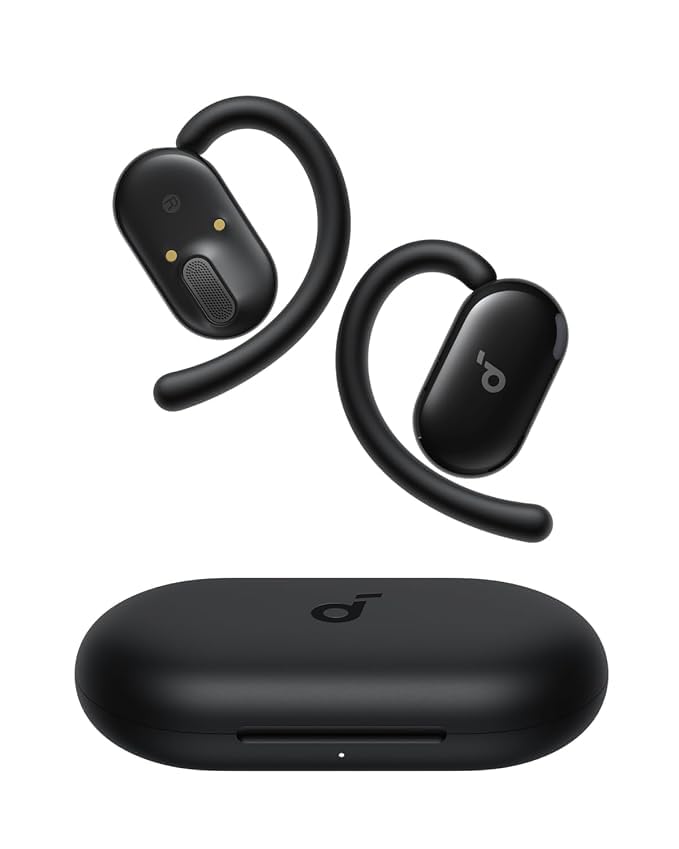
The ResonanceX has open-ear earbuds and uses an ear-hook design for fit. The hook sits comfortably behind the upper part of the ear. There are no eartips involved in this design since it doesn’t go inside the ear canal. The ear hooks feel comfortable with no itchiness or skin irritation.
This is the design of earbuds that also ensures there is no pressure on the ears. You can also hear surrounding sounds, which makes them comfortable for longer use and safer for outdoor activities. If you are new to open-ear earbuds, the fit may not feel very tight at first. However, the earbuds stay in place and you will get used to them over time.
Truke Buds ResonanceX – Sound Quality
The earbuds are powered by 16mm Titanium drivers. After using the buds as a primary audio accessory for almost a week, we feel the sound output is quite good for an open-ear design.
Music and vocals sound clear at moderate volume levels. The sound quality is suitable for casual listening, podcasts, and calls.
The ResonanceX is worth considering if you are someone who dislikes how traditional earbuds completely block outside noise during walks. You can enjoy your music or podcasts while still staying alert. Voices in podcasts and calls come through clearly.
The open-ear design does come with a few compromises. You won’t get deep bass or an immersive, surround-like sound experience with these like you do with regular in-ear earbuds. The audio can sound a bit boxy if you push the volume too high.
However, the Truke Buds ResonanceX delivers a good sound experience for its price.
Truke Buds ResonanceX – Features
Truke Buds ResonanceX come with dual pairing feature, which means you can easily connect it with a smartphone or PC. The connection feels smooth without any unnecessary steps. Media handoff works well and you don’t have to manually disconnect from one device to use the other.
The earbuds support SBC and AAC audio codecs, which is fairly standard in this price range.
The calling experience is similar to what you would expect from budget wireless earbuds. The quad-mic setup along with ENC does a decent job of picking up your voice and reducing background noise.
There is a dedicated Gaming Mode for series gamers. Tapping the left earbud three times activates this mode and reduces latency to around 40ms. We did not notice any audio lag or delay during gameplay.
Truke Buds ResonanceX – Battery Life
Each earbud of Truke Buds ResonanceX packs a 40mAh battery. The charging case, on the other hand, houses a larger 400mAh battery.
Truke claims up to 70 hours of total battery life. We tried to track the exact battery output while we were using the buds and the results fall in the same range of 60 to 70 hours. The earbuds easily delivered around 4 to 6 hours of talk time on a single charge. Music playback lasted close to 8 to 10 hours at moderate volume levels. If you are a casual everyday user, you won’t need to charge the earbuds or the case very often.
The case uses a Type-C USB cable for charging. The device takes up to two hours to fully charge. As for the earbuds themselves, it take around 90 minutes to reach a full charge once placed inside the case.
Overall, the battery life and charging performance of the Truke Buds ResonanceX feel reliable.
Verdict – Should You Buy Truke Buds ResonanceX?
The Truke Buds ResonanceX are a solid pick if you want open-ear earbuds that keep you aware of your surroundings. The open-ear design is comfortable. It comes with features like dual pairing and smooth media handoff. The dedicated Gaming Mode with low latency is a nice addition if you play games on your phone. Battery life is another strong point. It offers up to around 70 hours of overall playtime and a case that easily lasts through a week of regular use.
These aren’t earbuds for deep bass lovers or anyone expecting immersive, noise-isolating sound. They’re good for gym sessions, walks, commuting, and casual media use.
The standout point here is design. The ResonanceX is worth considering if you are looking for some non-traditional earbuds that feel comfortable for longer hours and don’t put too much stress on your pocket as well.
Reasons to Buy
Premium design
For casual listening
Comfortable and safe for longer hours
Good battery backup
Reasons Not to Buy
Not for deep bass or immersive listening
No noise isolation
Alternatives
pTron Bassbuds Trendz Open Ear Wireless Earbuds – ₹799
Noise Pure Pods Wireless Open Ear Earbuds – ₹1,999
soundcore V20I by Anker Open Ear Headphones – ₹1,899
FAQs
Q1. Do the Truke Buds ResonanceX support dual device connectivity?
Answer. Yes, the Truke Buds ResonanceX support dual pairing. You can connect them to two devices at the same time, such as a smartphone and a laptop. The earbuds switch smoothly between devices without needing manual input.
Q2. What audio codecs are supported on the Truke Buds ResonanceX?
Answer. The earbuds support SBC and AAC audio codecs.
Q3. Is there a low-latency or gaming mode on the Truke Buds ResonanceX?
Answer. Yes, the earbuds come with a dedicated Gaming Mode. Tapping the left earbud three times activates this mode, reducing latency to around 40ms for a better audio and visual sync during gaming.
Q4. How is the calling quality on the Truke Buds ResonanceX?
Answer. The earbuds feature a quad-mic setup with PureVoice ENC technology. This helps reduce background noise and keeps your voice clear during calls.
Q5. How do the Truke Buds ResonanceX pair with devices?
Answer. Pairing is simple and quick. As soon as you take one of the earbuds out of the charging case, it automatically enters pairing mode.
Apple is expected to unveil the iPhone 18 Pro, Pro Max, and foldable iPhone in September 2026
The standard iPhone 18, 18e, and Air 2 will be launched later in the spring 2026.
Apple is projected to grow shipments to 250M units, raising market share to 21%.
iPhone 17 Pro in the picture for reference. (Image credit – Apple)
The next iPhone lineup is still a few months away but that doesn’t mean we have to wait to know more about what Apple is planning. A new investor note from analyst Jeff Pu has outlined key hardware details of Apple’s upcoming iPhone 18 series including the long-rumoured foldable iPhone.
The report also suggests that Apple is well-positioned to grow its market share in 2026, even as the global smartphone market is expected to contract. Here’s everything we know based on the recent report.
iPhone 18 Lineup – Specs and Launch Timeline
As per the report, Apple is expected to introduce three iPhone models in the fall of 2026. We will have the iPhone 18 Pro, iPhone 18 Pro Max, and a foldable iPhone, often referred to as the iPhone Fold.
The standard iPhone 18 is said to launch later, in the spring, alongside the iPhone 18e and the iPhone Air 2.
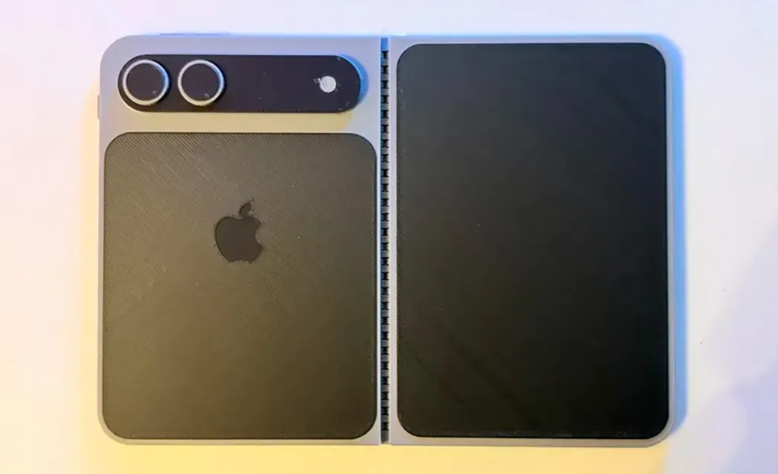
3D mockup of possible iPhone Fold design.
Pu reiterated earlier claims that the foldable iPhone will rely on Touch ID instead of Face ID. Based on data from GF Securities, the foldable model is expected to feature a combination of aluminium and titanium in its build, along with a 7.8-inch internal display and a 5.3-inch external screen.
Here’s a quick look at tipped specs (via 9to5Mac) –
iPhone 18 Pro
iPhone 18 Pro Max
iPhone Fold
Display
6.3-inch
6.9-inch
7.8-inch, sub 5.3-inch
Processor
A20 Pro, N2, WMCM
A20 Pro, N2, WMCM
A20 Pro, N2, WMCM
DRAM
LPD5 12GB
LPD5 12GB
LPD5 12GB
Front Camera
18MP, 6P
18MP, 6P
18MP (Folded), 18MP (Unfolded)
Rear Camera
48MP 7P VA, Periscope 48MP, 48MP 6P
48MP 7P VA, Periscope 48MP, 48MP 6P
48MP 7P, 48MP 6P
Face ID
Structured light, smaller Dynamic Island
Structured light, smaller Dynamic Island
None (Touch ID)
Casing
Aluminium
Aluminium
Titanium + Aluminium
BB
Apple C2
Apple C2
Apple C2
Launch
Sep-26
Sep-26
Sep-26
Focus on AI-Ready Hardware in 2026
The analyst also connected Apple’s 2026 iPhone lineup to the company’s broader artificial intelligence strategy. According to Pu, all iPhone 18 models are expected to move to N2 silicon, adopt WMCM packaging, and ship with 12GB of LPDDR5 memory.
These upgrades are reportedly intended to support more advanced on-device AI workloads. Pu added that the enhanced hardware will play a key role in enabling a more capable Siri experience, which Apple is expected to roll out in 2026 as part of its evolving AI roadmap.
Apple Poised to Buck Smartphone Market Slowdown
According to Pu, worldwide smartphone shipments are forecast to decline by 4% in 2026, “primarily due to memory costs impact amid tepid end-market, especially for Android low-to-mid end sales.” Despite this broader slowdown, Apple is expected to perform better than the overall market.
The analyst estimates that Apple will ship around 250 million iPhones in 2026, representing a 2% year-on-year increase. If this projection holds, Apple’s global smartphone market share would rise to 21%, up from 20% in 2025 and 19% in 2024.
Pu also pointed to strong demand for the current-generation iPhone 17 lineup as another positive factor. He described demand as “resilient,” noting that Apple has reportedly increased its build forecast for the first quarter of 2026 to 59 million units, up from an earlier estimate of 56 million units.
FAQs
Q1. Which iPhone models are expected in the iPhone 18 lineup?
Answer. Apple is tipped to launch the iPhone 18 Pro, iPhone 18 Pro Max, and a foldable iPhone (iPhone Fold) in September 2026, with the standard iPhone 18, 18e, and Air 2 arriving later in spring.
Q2. What are the key specs of the foldable iPhone?
Answer. The foldable iPhone may feature a titanium-aluminum build, Touch ID instead of Face ID, a 7.8-inch internal display, and a 5.3-inch external screen.
Q3. How is Apple preparing its iPhone 18 series for AI?
Answer. All models are expected to use N2 silicon, WMCM packaging, and 12GB LPDDR5 RAM to support advanced on-device AI workloads and an upgraded Siri experience in 2026.
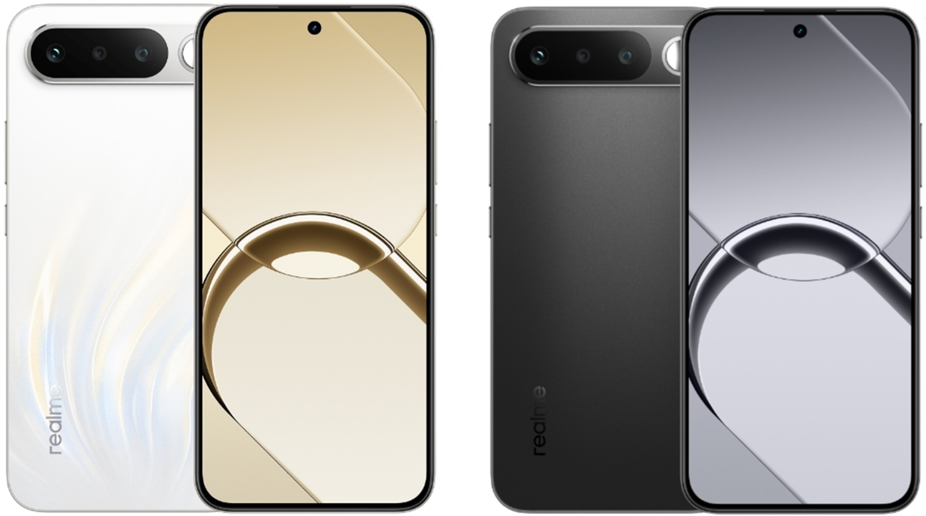
Realme 16 5G leaked to feature 6.57-inch FHD+ AMOLED panel, 4,500 nits brightness and IP66/IP68/IP69/IP69K dust and water resistance.
It is powered MediaTek Dimensity 6400, up to 12GB RAM + 256GB storage, Android 16, 7,000mAh battery with 60W fast charging and dual rear cameras.
In the leaked retail listing, the phone can be seen in black and white colour options.
Realme 16 official teaser.
The Realme 16 5G is reportedly in the works even though Realme has not officially acknowledged the handset yet. A new retailer listing has surfaced online, revealing several key specifications. Reports suggest that the phone could launch soon in select markets. Here’s everything we know about the phone.
Realme 16 5G – Key Specifications (Leaked)
According to a listing from a Vietnamese retailer, the Realme 16 5G is said to come with a 6.57-inch full-HD+ AMOLED display offering a 120Hz refresh rate and up to 4,500 nits of peak brightness. The screen is reportedly protected by AGC DT-Star D+ shield glass, designed to improve resistance against scratches and drops.
The handset is also listed with extensive durability credentials including IP66, IP68, IP69, and IP69K ratings for dust and water resistance.
In terms of optics, the leaked listing suggests a dual rear camera setup consisting of a 50-megapixel primary sensor paired with a 2-megapixel secondary lens. On the front, the smartphone is said to feature a 50-megapixel camera for selfies and video calls. The device may support video recording at up to 1080p resolution at 30fps.
The Realme 16 5G is expected to be powered by the MediaTek Dimensity 6400 chipset, paired with up to 12GB of RAM and up to 256GB of internal storage. The listing also mentions support for microSD card expansion. Software-wise, the handset is tipped to run Android 16-based firmware out of the box.
Connectivity options listed include dual SIM support, 5G and 4G LTE, Wi-Fi 5, GPS, NFC, OTG, Bluetooth 5.3, and a USB Type-C port. The phone is said to pack a large 7,000mAh battery with support for 60W wired fast charging.
Realme 16 colour options.
As per the retailer information, the Realme 16 5G could be offered in black and white colour options. It is listed with dimensions of 158.3 x 75.13 x 8.1mm and a weight of 183 grams.
Realme has not yet confirmed the existence or launch timeline of the Realme 16 5G. For reference, the Realme 15 5G was launched in select global markets in July 2025, while the Realme 16 Pro and Realme 16 Pro+ models made their debut in India later in 2025.
More details about the Realme 16 5G are expected to emerge as the launch draws closer.
FAQS
Q1. What display features are tipped for the Realme 16 5G?
Answer. A 6.57-inch full-HD+ AMOLED screen with 120Hz refresh rate, 4,500 nits brightness, and AGC DT-Star D+ protective glass.
Q2. What battery and charging specs are mentioned in the leak?
Answer. The phone is expected to pack a 7,000mAh battery with support for 60W wired fast charging.
Q3. Which processor is the Realme 16 5G likely to use?
Answer. It is tipped to be powered by the MediaTek Dimensity 6400 chipset, paired with up to 12GB RAM and 256GB storage.
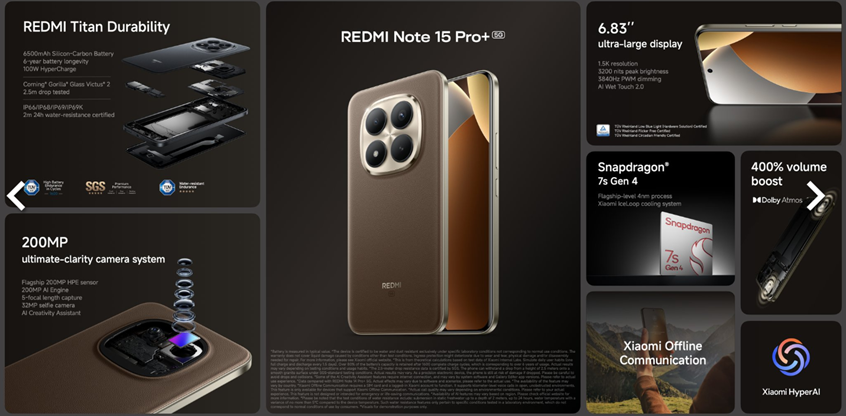
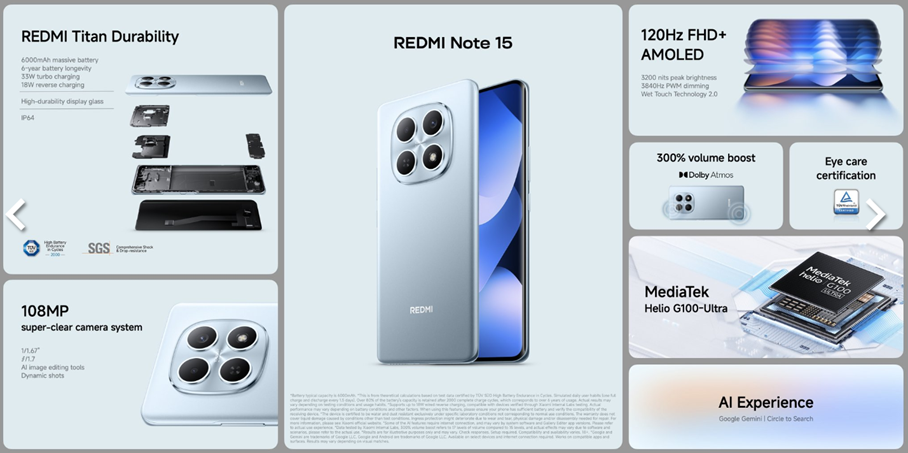
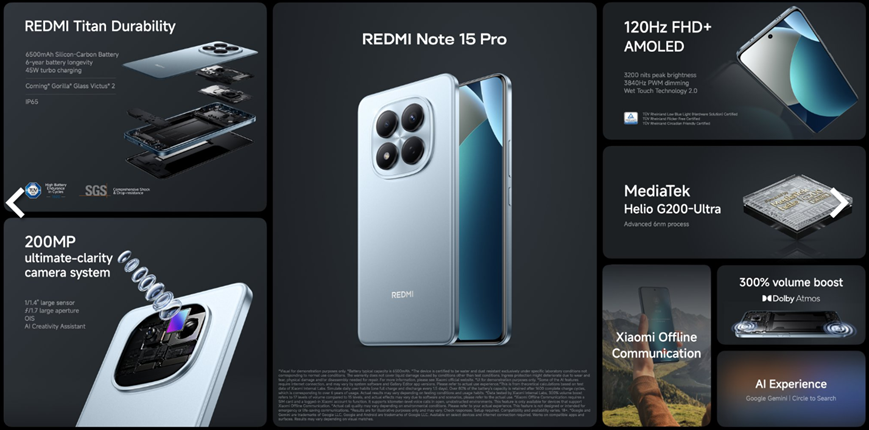
Redmi Note 15 Pro series launched globally with 6,500mAh SiC batteries supporting 100W fast charging and 22.5W reverse charging.
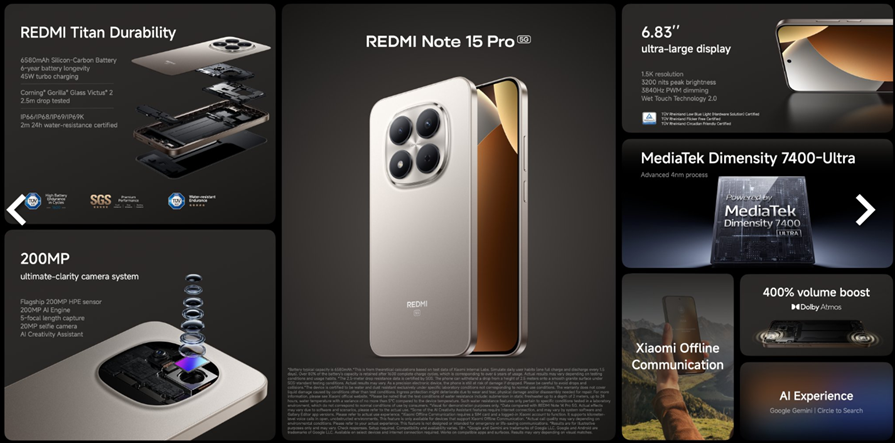
The Pro+ 5G and Pro 5G debut 200MP HPE sensors with advanced AI imaging, large 6.83-inch OLED displays, and Snapdragon 7s Gen 4 or Dimensity 7400 Ultra chipsets.
Prices start at USD 399–449, with regional discounts in Europe and upcoming India launch.
Xiaomi has officially launched the Redmi Note 15 Pro series for global markets, bringing the Redmi Note 15 Pro+ 5G and Redmi Note 15 Pro 5G to more regions worldwide. The new lineup focuses on enhanced durability, long battery life, and AI-powered photography. While the phones debuted in China last year, the global variants arrive with a few changes, particularly in the camera and battery departments.
Redmi Note 15 Pro Series – Key Features
This generation of Redmi Note devices is built around what Xiaomi calls “Redmi Titan Durability”. For the first time in the Redmi Note family, the Pro models use silicon carbide (SiC) batteries. Both the Redmi Note 15 Pro+ 5G and Redmi Note 15 Pro 5G pack 6,500mAh batteries with 10% SiC content, supporting 100W HyperCharge fast charging and 22.5W reverse charging.
As part of the “Titan Durability” approach, Xiaomi has reinforced the mid-frames, added multi-layer shock absorption, used Gorilla Glass Victus 2, and integrated high-strength motherboards in the Pro models. The devices have reportedly been tested for drop resistance from heights of up to 2.5 metres.
All Pro models including the 4G variant are also equipped with a Xiaomi Surge battery management chip. According to the company, this helps the battery retain at least 80% of its original capacity even after 1,600 charge cycles, which Xiaomi claims is equivalent to around six years of typical usage.
The Redmi Note 15 Pro+ 5G and Redmi Note 15 Pro 5G debut new 200-megapixel HPE camera sensors with a 1/1.4-inch size. These sensors support 2x and 4x in-sensor zoom, DAG HDR, and advanced AI image processing. Both smartphones feature large 6.83-inch OLED displays.
In terms of performance, the Redmi Note 15 Pro+ 5G is powered by the Snapdragon 7s Gen 4 chipset, while the Redmi Note 15 Pro 5G runs on the Dimensity 7400 Ultra.
The Redmi Note 15 Pro+ 5G goes a step further with a fiberglass back panel for improved impact absorption. It also offers the most comprehensive water resistance in the lineup with IP66, IP68, IP69, and IP69K ratings, covering protection against splashes, immersion, and high-pressure hot and cold water jets.
Other Redmi Note 15 Models
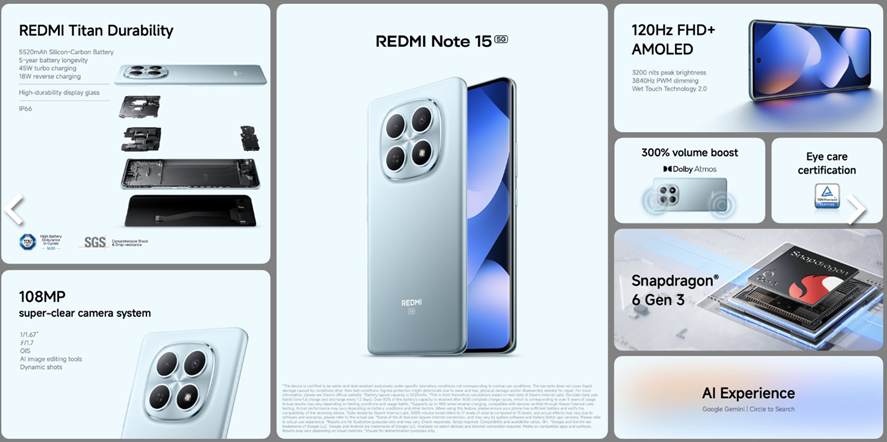
The standard Redmi Note 15 is the slimmest Redmi Note smartphone to date, measuring just 7.35mm in thickness. It houses a 5,520mAh SiC battery. Its LTE counterpart, the Redmi Note 15 4G, is slightly thicker at 7.9mm but packs a larger 6,000mAh battery.
These two models are powered by the Snapdragon 6 Gen 3 and Helio G100 Ultra chipsets, respectively, and feature 108-megapixel cameras with 3x in-sensor zoom.
The Redmi Note 15 Pro 4G also offers a 200-megapixel camera, although it uses an older sensor. It features a smaller 6.77-inch display, which is shared with the Redmi Note 15 and Redmi Note 15 4G. While these three models are not as rugged as the Pro+ and Pro 5G, Xiaomi says they still offer enhanced dust and water resistance.
Redmi Note 15 Pro – Pricing and Availability
The Redmi Note 15 Pro+ 5G is available in Mocha Brown, Glacier Blue, and Black colour options with prices starting at USD 449 (approximately Rs. 40,545) for the 8GB RAM + 256GB storage variant. The Redmi Note 15 Pro 5G comes in Titanium Color, Glacier Blue, Mist Purple, and Black, starting at USD 399 (around Rs. 36,030) for the same memory configuration.
The smartphones are already rolling out in several global markets and are expected to launch in India soon.
Xiaomi has also announced European pricing for the Redmi Note 15 series, noting that early bird discounts and trade-in bonuses are available via Mi.com. These listed prices are the official MSRPs. In the UK, the Pro+ model is discounted by £80, while the Pro 5G receives a €50 discount in Germany. Xiaomi advises buyers to check their local Mi.com listings, as offers vary by region and model. Reviews of the Redmi Note 15 Pro 5G and Pro+ 5G are already available, while reviews of the remaining models are currently in progress.
FAQs
Q1. What is special about the Redmi Note 15 Pro series batteries?
Answer. They use silicon carbide (SiC) batteries for the first time in the Redmi Note lineup, offering 6,500mAh capacity, 100W HyperCharge fast charging, and 22.5W reverse charging.
Q2. How durable are the Redmi Note 15 Pro models?
Answer. Xiaomi’s “Redmi Titan Durability” includes reinforced frames, Gorilla Glass Victus 2, multi-layer shock absorption, and drop resistance tested up to 2.5 metres.
Q3. What camera setup do the Pro+ 5G and Pro 5G feature?
Answer. Both debut new 200MP HPE sensors with 1/1.4-inch size, supporting 2x/4x in-sensor zoom, DAG HDR, and advanced AI image processing.
Q4. Which processors power the Pro+ 5G and Pro 5G models?
Answer. The Redmi Note 15 Pro+ 5G runs on Snapdragon 7s Gen 4, while the Redmi Note 15 Pro 5G uses Dimensity 7400 Ultra.
Q5. What are the global prices of the Redmi Note 15 Pro series?
Answer. The Pro+ 5G starts at USD 449 (~Rs. 40,545), and the Pro 5G starts at USD 399 (~Rs. 36,030), with regional discounts in Europe.