Home Blog Page 215

Apple May Be Bringing Haptic Buttons to iPhones, iPads and Apple Watches

0

Highlights

  • Apple is reportedly reviving haptic buttons.
  • A new leak suggests Apple is developing solid-state haptic buttons for iPhones with plans to bring them to iPads and Apple Watches too.
  • Unlike mechanical buttons, these won’t wear out over time.
  • They can support different types of presses offering more flexibility and control.

image

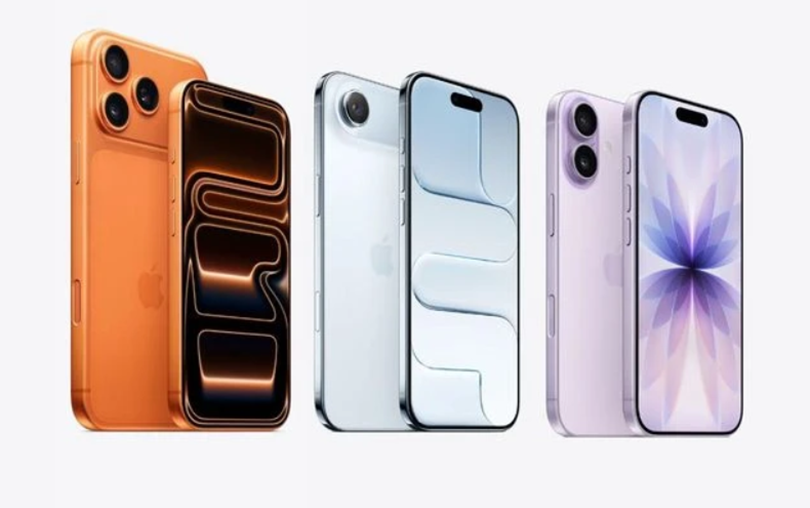
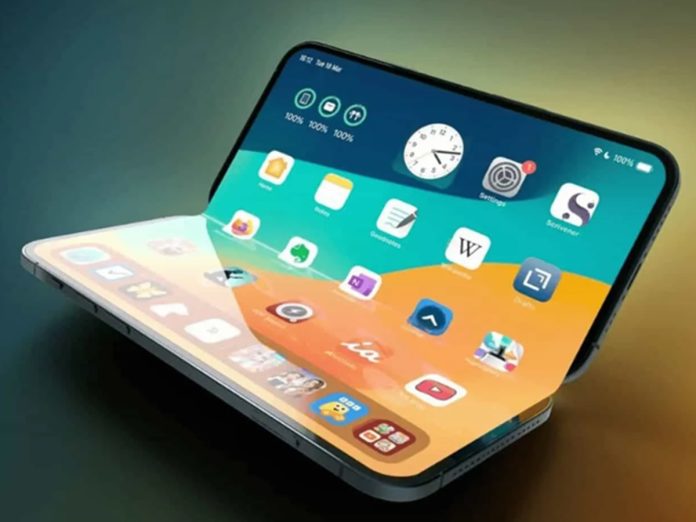
Caption – Apple is still working on Haptic buttons, as per reports. (Image credit – Apple)

Apple has been rumoured for a while now to be working on haptic buttons for iPhones. So far, nothing has officially launched though. Now, according to a new rumour, it looks like Apple could be going all-in on haptic buttons.

Popular leaked on Weibo, Instant Digital has claimed that not only is Apple back to developing haptic buttons for future iPhones, but it might also be planning to bring them to iPads and Apple Watches as well.

image

Caption  – Recent Instant Digital post on Weibo. (Translated via Google Translate)

Haptic buttons were previously rumoured for the iPhone 16 Pro and Pro Max, but those plans were reportedly dropped. And prior to that, before the launch of iPhone 15 in 2022, analyst Ming-Chi Kuo revealed that Apple was working on solid-state versions of clickable power and volume buttons. Kuo said, “My latest survey indicates that the volume button and power button of two high-end iPhone 15/2H23 new iPhone models may adopt a solid-state button design (similar to the home button design of iPhone 7/8/SE2 & 3) to replace the physical/mechanical button design.”

Now, if this new rumour is accurate, the project is back on. There’s no timeline just yet, so it’s unlikely we’ll see this feature in any Apple product this year.

The company clearly sees some big advantages. These are solid-state “buttons”, which don’t actually move. That means no mechanical wear and tear. Plus, they can support different actions, like a light press vs. a firm press, or short tap vs. long press, offering more flexibility and control.

he source of the rumour claims the main reason Apple hasn’t released devices with haptic buttons yet is because of issues with mistouches. It seems the company hasn’t quite figured that part out. It will be interesting to see if it will finally find a resolution in time for the iPhone 18 series.

FAQs

Q1. What are haptic buttons, and why is Apple considering them?

Answer. Haptic buttons are solid-state “buttons” that don’t physically move, reducing mechanical wear and tear. They can recognise different types of presses, such as light vs. firm presses or short taps vs. long presses, providing more flexibility and control.

Q2. Which Apple devices might get haptic buttons in the future?

Answer. According to a new leak, Apple is reportedly working on haptic buttons not just for iPhones, but also for iPads and Apple Watches, suggesting a broader rollout across multiple products.

Q3. Why hasn’t Apple released haptic buttons yet?

Answer. The main reason Apple hasn’t launched devices with haptic buttons is due to mistouch issues, meaning accidental presses were problematic. This issue reportedly led to the cancellation of haptic buttons for iPhone 16 Pro models, but Apple may resolve it in time for the iPhone 18 series.

Also Read:

HMD’s Upcoming Smartwatches and Skyline Phones Leak – HMD Skyline 2, Skyline 2 GT, Rubber 1 and Rubber 1S Specs Revealed

0

Highlights

  • HMD is reportedly launching new smartwatches – Rubber 1 and Rubber 1S.
  • These will come with health tracking, waterproofing features and possibly a built-in camera.
  • HMD’s partnership with Xplora hints at a kid-friendly smartwatch experience.
  • HMD Skyline 2 leaks suggest the Skyline 2 will have a Snapdragon 7s Gen 3 processor, a 108MP main camera and a 5,000mAh battery.
  • The HMD Skyline 2 GT will likely offer a brighter display, Snapdragon 7 Gen 3, 12GB RAM and an improved camera setup.

HMD Global is getting ready to launch its first smartwatches – Rubber 1 and Rubber 1S. And they’re not stopping there. Leaks have also revealed key specs for two upcoming smartphones – the HMD Skyline 2 and HMD Skyline 2 GT. Here’s everything we know so far.
HMD Rubber 1 and Rubber 1S Smartwatches (Specs Leaked)

According to the post by HMD_MEME (@smashx_60) on X (formerly Twitter), HMD is working on two Wear OS smartwatches called the HMD Rubber 1 and Rubber 1S. One of them might even include a camera, which would be a first for Wear OS devices.

The Rubber 1 is expected to feature a 1.85-inch OLED display, a 400mAh battery, USB-C and Qi wireless charging support and a 5 ATM waterproof rating. It will offer Bluetooth 5.3, Wi-Fi, NFC and health tracking for heart rate, blood oxygen and step count.

image

Caption – JrTrack 4 Kids Smartwatch. (Image credit – JrTrack)

Interestingly, it could include a 2MP camera, something almost unheard of in smartwatches. As reported by Notebookcheck, the camera might be positioned above the display, similar to the JrTrack 4 Kids Smartwatch.

The Rubber 1S will come with a smaller 1.05-inch OLED display and a 290mAh battery. It has the same waterproof rating and health tracking features but ditches NFC in favor of Bluetooth 5.0 and Wi-Fi.

Both watches are expected to run Google’s Wear OS, possibly using a kid-friendly interface like the one seen in the Galaxy Watch for Kids, which launched earlier this year.

Given the basic health features and the presence of a camera, these smartwatches may be aimed at kids. HMD partnered with Xplora Technologies, a company known for children’s smartwatches, in October 2024. HMD could be looking to create a similar setup to the Galaxy Watch for Kids, which includes Family Link parental controls and teacher-approved apps.

HMD Skyline 2 and Skyline 2 GT Smartphones (Specs Leaked)

Separate leaks by the same tipster on X also revealed detailed specs for two upcoming HMD phones. These are Skyline 2 and Skyline 2 GT.

image

Caption – A possible depiction of either the HMD Skyline 2 or the Skyline 2 GT. (Image credit – @smashx_60 on X)

Before we look at the leaked specs, here’s a picture posted by the same leaker @smashx_60 on X. While the post didn’t specify which particular phone it was, we can assume this could be a depiction image of either the HMD Skyline 2 or the Skyline 2 GT.

According to the leaker, the HMD Skyline 2 will feature –

  • A 55-inch pOLED screen with FHD+ resolution
  • 144Hz refresh rate
  • 1,200-nit peak brightness
  • Snapdragon 7s Gen 3 processor
  • 5,000mAh battery with 33W wired and Qi 2.0 wireless charging
  • Triple rear cameras – 108MP main with OIS, 13MP, and 50MP sensors
  • 50MP front camera
  • IP54 rating for dust and splash resistance
  • Stereo speakers and magnetic wireless charging support
  • Android 15 with three major OS upgrades promised

Meanwhile, the Skyline 2 GT will have the same screen size and resolution but with a brighter 2,000-nit peak brightness. It will be powered by the Snapdragon 7 Gen 3 processor.

Other HMD Skyline 2 GT features include –

  • A 108MP main camera with OIS
  • Two additional 50MP sensors and a 3D ToF sensor
  • 50MP front camera
  • 12GB RAM
  • 5,000mAh battery with faster 45W wired charging
  • Qi 2.0 wireless charging with magnetic alignment
  • IP67 rating for better dust and water resistance
  • A dedicated camera button and another customisable button

As of now, there’s no word on the official launch date or pricing for any of these devices.

FAQs

Q1. What smartwatches is HMD launching, and what are their key features?

Answer. HMD is set to launch two Wear OS smartwatches, the Rubber 1 and Rubber 1S. The Rubber 1 will have a 1.85-inch OLED display, 400mAh battery, USB-C and Qi wireless charging, 5 ATM waterproofing, and health tracking features. It may include a 2MP camera positioned above the display. The Rubber 1S will have a smaller 1.05-inch OLED display, a 290mAh battery, similar waterproofing and health tracking, but no NFC.

Q2. What are the key specifications of HMD Skyline 2?

Answer. The Skyline 2 will feature a 6.55-inch pOLED screen with FHD+ resolution, 144Hz refresh rate, Snapdragon 7s Gen 3 processor, a 5,000mAh battery with 33W wired and Qi 2.0 wireless charging, and a triple rear camera setup with a 108MP main sensor.

Q3. What do we know about HMD Skyline 2 GT?

The Skyline 2 GT will have the same screen size as Skyline 2 but a brighter 2,000-nit display, a Snapdragon 7 Gen 3 processor, 12GB RAM, 45W wired charging, and an improved camera setup with a 3D ToF sensor.

Q4. Will the new HMD smartwatches be designed for kids?

Answer. While not confirmed, the presence of a camera and basic health features suggests the Rubber 1 and Rubber 1S may be aimed at kids. HMD previously partnered with Xplora Technologies, known for children’s smartwatches, and the interface may resemble the Galaxy Watch for Kids with parental controls and kid-friendly apps.

Also Read:

WhatsApp Will Stop Working on These iPhones and Android Smartphones Starting June 1st

0

Highlights

  • WhatsApp will no longer work on iPhones running iOS 15 or earlier and Android phones with Android 5.0 or below from June 1.
  • If your phone can update to iOS 15.1 or Android 5.1, you can continue using WhatsApp.
  • If not, backing up chats to a Google account is recommended to prevent data loss when switching to a new phone.

image

Caption – (Photo by Mariia Shalabaieva on Unsplash)

Starting June 1, WhatsApp will stop working on some older iPhones and Android phones. This change was initially expected in May 2025, but users were given a little more time to upgrade their devices. Now, the deadline is here.

It’s part of Meta’s regular update cycle. WhatsApp is raising its minimum software requirements to keep things secure and running smoothly. According to reports, the support for the app is specifically being dropped from on iPhones running iOS 15 or earlier. The app is also dropping support for Android 5.0 and below.

Here’s a full list of devices that will no longer support WhatsApp:

iPhones –

  • iPhone 5s
  • iPhone 6
  • iPhone 6 Plus
  • iPhone 6s
  • iPhone 6s Plus
  • iPhone SE (1st gen)

Android Phones –

  • Samsung Galaxy S4
  • Samsung Galaxy Note 3
  • Sony Xperia Z1
  • LG G2
  • Huawei Ascend P6
  • Moto G (1st Gen)
  • Motorola Razr HD
  • Moto E 2014

What Should Users With the Above Phones Do?

All of these phones are old, but that doesn’t mean you should rush to toss yours out. First, check if your device is still getting software updates. If you can update your iPhone to iOS 15.1 or later, or your Android phone to Android 5.1 or later, WhatsApp will keep working just fine.

If you think your phone might be affected, don’t panic.

WhatsApp recommends backing up your chat history to your Google account. That way, you won’t lose anything when you switch to a new phone. Just open WhatsApp, go to Settings, tap Chats, then choose Chat Backup and follow the steps.

Why Is WhatsApp Dropping Support?

Older devices that no longer receive software updates are more vulnerable to security threats. Without regular patches, there’s a higher risk of data breaches. That’s why WhatsApp is encouraging users to move to newer phones and operating systems.

In recent months, WhatsApp has rolled out several updates to boost user privacy and protect personal data.

FAQs

Q1. Which devices will lose WhatsApp support starting June 1?

Answer. WhatsApp will stop working on iPhones running iOS 15 or earlier and Android phones with Android 5.0 or below. Some affected models include iPhone 6, iPhone SE (1st Gen), Samsung Galaxy S4, Sony Xperia Z1, LG G2, and Moto G (1st Gen).

Q2. What should users with affected phones do to keep WhatsApp?

Answer. If your phone can update to iOS 15.1 or Android 5.1, WhatsApp will continue working. Otherwise, WhatsApp recommends backing up your chat history to your Google account before switching to a new device.

Q3. Why is WhatsApp dropping support for older devices?

Answer. Older phones that no longer receive software updates are more vulnerable to security threats and data breaches. WhatsApp is encouraging users to move to newer devices and operating systems to ensure better privacy and security.

Also Read:

Google Lens Is Coming to YouTube Shorts for Smarter Searches

0

Highlights

  • Google is integrating Google Lens to YouTube Shorts.
  • It will allow users to identify landmarks, objects and locations directly from Shorts videos.
  • Users can simply pause a Short, tap “Lens,” and highlight anything to instantly get search results over the video.
  • Shorts with affiliate links or paid promotions won’t support the feature.

image

Caption – Users will soon be able to use the Google Lens feature during YouTube Shorts. (Image credit – Google)

YouTube Shorts is getting a smart new feature. According to a recent announcement, Google Lens is being added to the platform as part of a beta test. This means you’ll soon be able to search for more info about what you’re seeing in a Short, right from the video itself.

The rollout starts this week for all Shorts users.

Google announced the update on its support page, saying, “In the coming weeks you’ll be able to use Lens to search what you see while watching Shorts. For example, if you’re watching a Short filmed in a location that you want to visit, you can select a landmark to identify it, and learn more about the destination’s culture and history!”

Users would be able to try out the feature by following the steps below –

  • Once the feature is enabled on your YouTube account, go to the Shorts player by tapping the Shorts tab or selecting any Short from the Home screen.
  • Pause the video by tapping the screen.
  • Tap on “Lens” in the top menu.
  • Then, highlight, draw, or tap on anything in the Short to let Google Lens search it for you.

Once you do that, search results and visual matches will appear right over the video and you can easily jump back into the Short whenever you’re done.

During the beta phase, ads won’t be shown in the Lens results.

Moreover, Shorts that have YouTube Shopping affiliate links or paid promotions won’t support the Lens feature for now. Still, it’s easy to see this tool eventually playing a big role in YouTube’s shopping and product discovery ecosystem down the line.

FAQs

Q1. What is Google Lens in YouTube Shorts?

Answer. Google Lens is being added to YouTube Shorts, allowing users to search for objects, landmarks, or locations directly within the video for more information.

Q2. How can users activate the Google Lens feature in Shorts?

Answer. Users can pause a Short, tap “Lens” in the top menu, then highlight, draw, or tap on any part of the video to get search results instantly.

Q3. Are there any limitations during the beta test of Google Lens in YouTube Shorts?

Answer. The feature won’t display ads in search results and Shorts with affiliate links or paid promotions won’t support Google Lens for now.

Also Read: HMD 105 4G and HMD 110 4G feature phones with YouTube Shorts launched in India

Also Read: YouTube Shorts to be available on PC and tablet too – Will it pose challenges to Instagram?

Tinder Tests Height Preference Feature for Paid Users

0

Highlights

  • Tinder is testing a height preference option for influencing recommendations.
  • The feature is available only for Gold and Premium subscribers
  • The feature won’t block or hide profiles that don’t match the preference but will only adjust recommendations subtly.
  • The update has sparked criticism on social media with some calling it superficial filtering.

Tinder is testing a new feature that lets paid users set height preferences on their profiles, something that’s already stirring debate online. A Reddit user first spotted the new “height preference” option and now Tinder has officially confirmed that it’s part of a global test.

image

Caption – The Reddit post about spotting the height filter.

Speaking to TechCrunch after the Reddit reveal, the Tinder VP of Communications Phil Price Fry said, “We’re always listening to what matters most to our Tinder users — and testing the paid height preference is a great example of how we’re building with urgency, clarity, and focus.”

“This is part of a broader effort to help people connect more intentionally on Tinder. Our new product principles guide every decision, and this one speaks directly to a few: prioritising user outcomes, moving fast, and learning quickly. Not every test becomes a permanent feature, but every test helps us learn how we can deliver smarter, more relevant experiences and push the category forward,” the company added in a statement given to TechCrunch.

image

Caption – The height filter spotted on the Tinder app recently. (Screenshot credit – User Extra_Barracudaaaa on Reddit)

The feature is only available to users with Tinder Gold or Tinder Premium subscriptions and won’t show up for free users.

However, this new setting isn’t a strict filter. Tinder says it’s more of a suggestion that will influence recommendations, not block or hide profiles that don’t match your stated preference.

Dating apps have long allowed filters based on age, lifestyle choices, and relationship goals. But this move leans more into appearance-based filtering, something that’s often criticised for encouraging superficial matches. Tinder has already been known for prioritising photos and quick swipes over deeper connection factors.

Naturally, the idea of a height preference has sparked backlash on social media, especially among men.

“Tinder is adding a height filter so that women can filter out short men. It never began for short men,” one user wrote.

Another added, “Add a weight preference to balance it out.”

A thzrd simply commented, “Deleting Tinder was one of the best things I ever did.”

It’s still unclear if the feature will become a permanent part of the app. But for now, Tinder says it’s focused on testing and learning from user reactions.

FAQS

Q1. What is Tinder’s new height preference feature?

Answer. Tinder is testing a height preference option for Gold and Premium subscribers, allowing users to indicate their preferred height range for matchmaking.

Q2. Does the height preference feature block profiles that don’t match?

Answer. No, Tinder states that the height setting is a suggestion, not a strict filter, meaning profiles outside the preference won’t be hidden or blocked, but recommendations may adjust.

Q3. How have users reacted to Tinder’s height preference feature?

Answer. The update has sparked criticism on social media, with some calling it superficial filtering, and others demanding similar preferences for weight.

Also Read: Singles on Tinder are opting for situationships – Tinder’s Year in Swipe Report

Also Read:Blind dates back in town – Tinder brings back its classic feature

Infinix XPAD 20 Tablet Launched Globally With Four Colours and Storage Options

0

Highlights

  • Infinix XPAD 20 has been officially announced with no update on price.
  • Key features – 11-inch FHD+ IPS LCD with TÜV Rheinland Low Blue Light Certification, MediaTek Helio G88 chipset, 7000mAh battery, 10W charging, Wi-Fi 5 and Android 15.
  • Available in four RAM + storage configurations up to 8GB RAM & 256GB storage.
  • There are four colour variants, including Rising Red, Forest Green, Stellar Grey and Dreamy Purple.

image

Caption – Infinix XPAD 20 Tablet officially unveiled. (Image credit – Infinix)

Infinix has officially launched its new Infinix XPAD 20 tablet in the global market and it comes in four storage variants and four colour options. Reports haven’t made the pricing clear yet, but here’s everything we know about the device.

Infinix XPAD 20 Tablet – Availability

The tablet is available in four memory and RAM configurations, which are –

  • 4GB RAM + 128GB storage
  • 6GB RAM + 128GB storage
  • 8GB RAM + 128GB storage
  • 8GB RAM + 256GB storage

image

Caption – Infinix XPAD 20 colour variants. (Image credit – Infinix)

Buyers can choose from four colour variants –

  • Rising Red
  • Dreamy Purple
  • Forest Green
  • Stellar Grey

imageimage

Caption – Infinix XPAD 20 accessories. (Image credit – Infinix)

Infinix also offers accessories like a protective case and keyboard + stylus options likely sold separately.

Infinix XPAD 20 Tablet – Key Features

The XPAD 20 features an 11-inch IPS LCD Eye Care display that’s TÜV Rheinland Low Blue Light Certified. It supports FHD+ resolution (1200 x 1920 pixels) with an 83.70% screen-to-body ratio, 72% NTSC colour gamut and a 1500:1 contrast ratio.

image

Caption – Infinix XPAD 20 key features. (Image credit – Infinix)

It also offers 60Hz/90Hz refresh rate, 180Hz touch sampling, 25KHz PWM dimming, and up to 440 nits of brightness.

The XPAD 20 runs on the MediaTek Helio G88 chipset, clocked at 2.0 GHz, paired with an ARM Mali-G52 2EEMC2 GPU. All variants use LPDDR4X RAM and eMMC storage. You can also expand the storage up to 1TB with a microSD card. The tablet comes preloaded with Android 15 and promises two years of security updates.

The tablet has an 8MP rear camera with LED flash and 1080P at 30FPS video recording, while the 5MP front camera also comes with a flash and supports 720P video at 30FPS. Powering the device is a 7000mAh battery, supported by 10W wired fast charging.

It supports 2G/3G/4G networks, and includes a nano SIM + microSD card tray, Wi-Fi 5, Bluetooth 5.2, GPS, USB Type-C, OTG, a 3.5mm audio jack and a G-sensor. Infinix is also highlighting AI-powered features and multi-device collaboration support.

The XPAD 20 measures 257.67 x 169.22 x 7.9 mm and weighs just 498 grams.

FAQs

Q1. What are the available storage and colour options for the Infinix XPAD 20?

Answer. The tablet comes in four RAM + storage configurations: 4GB + 128GB, 6GB + 128GB, 8GB + 128GB, and 8GB + 256GB. Available colours include Rising Red, Dreamy Purple, Forest Green, and Stellar Grey.

Q2. What are the key features of the Infinix XPAD 20’s display?

Answer. The XPAD 20 features an 11-inch FHD+ IPS LCD Eye Care display, TÜV Rheinland Low Blue Light Certified, with 60Hz/90Hz refresh rate, 180Hz touch sampling, and up to 440 nits of brightness.

Q3. What connectivity and battery features does the Infinix XPAD 20 include?

Answer. The tablet supports 2G/3G/4G networks, nano SIM + microSD card tray, Wi-Fi 5, Bluetooth 5.2, GPS, USB Type-C, OTG, and a 3.5mm audio jack, powered by a 7000mAh battery with 10W wired charging.

Also Read:

Nothing Says It Has “Killed the Glyph Interface” Ahead of Phone (3) Launch

0

Highlights

  • Nothing just confirmed that its signature rear light Glyph Interface is now being phased out.
  • Some fans speculate that the Phone (3) could feature a dot matrix-style display, aligning with Nothing OS 3.0’s design aesthetic.
  • While the Nothing Glyph lights were eye-catching, their practical use was limited.

image

Caption – Nothing shared an unexpected teaser about the Glyph Interface. (Image credit – Nothing)

Nothing is gearing up to launch its first true flagship, the Nothing Phone (3), this July. The brand has been teasing the upcoming device every now and then with mysterious posts on social media. However, a recent teaser was rather an unexpected update. The signature light setup on the back of previous models, which is better known as the Glyph Interface, is being phased out.

In a short video shared on X (formerly Twitter), Nothing says, we killed the Glyph Interface” and shows the lights from the Phone (1) blinking before fading to black.

It’s a cryptic teaser, but one thing is clear that the Phone (3) won’t have the Glyph Interface as we know it.

Does this mean the Phone (3) will ditch the rear lights completely?

Not necessarily. Some fans are speculating that it could be replaced by a dot matrix-style display, something that matches the aesthetic of Nothing OS 3.0, which also uses this pattern in its design. In fact, Nothing even teased the Phone (3) launch with that same dot matrix look. But for now, it’s all just guesswork.

While the decision to phase out the brand identifier Glyph Interface might seem unexpected, it’s not entirely shocking. The Glyph lights were certainly eye-catching, but they never had a clear, practical use beyond a few niche features like showing notifications when the phone was placed face-down. Integration with apps like Uber and Calendar added some value, but it relied on users changing how they naturally use their phones.

With Phone (3), it looks like Nothing is aiming for a fresh start and possibly a more functional, flagship-focused design.

FAQs

Q1. Is Nothing completely removing the Glyph Interface from Phone (3)?

Answer. Yes, Nothing has confirmed that the Glyph Interface is being phased out, as revealed in a teaser video where the lights fade to black, signaling the end of the feature.

Q2. Will Phone (3) have an alternative rear design?

Answer. While Nothing hasn’t officially confirmed details, some fans speculate that it could feature a dot matrix-style display, aligning with Nothing OS 3.0’s aesthetic.

Q3. Why is Nothing removing the Glyph Interface?

Answer. The Glyph lights were visually striking, but their practical use was limited, mainly for face-down notifications. Nothing may be shifting toward a more functional flagship design.

Also Read:

Instagram Now Supports 3:4 Photos, No More Cropping Your Smartphone Shots

0

Highlights

  • Instagram now fully supports the 3:4 aspect ratio to ensure smartphone shots appear exactly as they were taken.
  • Previously, images were slightly cropped when uploaded but now users can post 3:4 images without losing any part of their composition.
  • The update reflects Instagram’s move toward vertical content, following changes in user profile grids earlier this year.

image

Caption – New Instagram update announced. (Photo by Cedrik Wesche on Unsplash)

Instagram is finally making life easier for smartphone photographers. The app now supports 3:4 aspect ratio photos, meaning your pictures will appear exactly how you shot them, which means there will be no more unexpected cropping.

Adam Mosseri, head of Instagram, shared the news on Threads. Mosseri wrote, “Instagram now supports 3:4 aspect ratio photos – the format that almost every phone camera defaults to. From now on, if you upload a 3:4 image, it’ll now appear just exactly as you shot it.”


View on Threads


Most smartphone cameras including iPhones shoot in the 3:4 (or 4:3 in landscape) aspect ratio by default. That’s the format filling up most people’s photo galleries. But until now, Instagram didn’t fully support it. Instead, the platform stuck with its long-standing 1:1 square format and 4:5 portrait format.

At first glance, 4:5 and 3:4 might seem similar, which is why many users didn’t notice their images were being slightly cropped. But that small difference meant parts of the top and bottom of your photos were often cut off when posting. Even if you tried pinching and adjusting the image in Preview, you were forced to sacrifice some part of your photo.

image

Caption – New update explainer posted by Instagram on its broadcast channel. (Image credit – Instagram)

Anyhow, Instagram now lets you upload 3:4 images without cropping, whether it’s a single photo or part of a carousel. An example shared through Instagram’s broadcast channel shows just how much of your original framing is now preserved.

Of course, you can still post in square (1:1) or 4:5 formats if you prefer. But this update means your photos can finally appear on Instagram just the way your phone captured them.

This move is part of Instagram’s ongoing shift away from its square-photo origins. Back in January, the platform also began using rectangular frames in user profile grids, reflecting how vertical content,  whether photos or videos, continues to dominate.

FAQS

Q1. What does Instagram’s new update change for smartphone photographers?

Answer. Instagram now supports the 3:4 aspect ratio, ensuring photos appear exactly as they were taken, without cropping any part of the image.

Q2. How were 3:4 images affected before this Instagram update?

Answer. Previously, Instagram forced slight cropping in its 1:1 and 4:5 formats, cutting off parts of the top and bottom of photos, even when users tried adjusting them.

Q3. Can users still post photos on Instagram in square or portrait formats?

Answer. Yes, Instagram still supports 1:1 square and 4:5 portrait formats, but this update allows users to upload 3:4 images without losing any part of their composition.

Also Read:

WhatsApp Status Gets Music, Collage and Sticker Upgrades for More Creative Sharing

0

 Highlights

  • WhatsApp adds new features for users to create photo collages, music stickers and custom photo stickers for Status posts.
  • It will also allow users to add songs directly to their Status with 15-second clips for photos and 60-second clips for videos.
  • The new “Add Yours” sticker allows users to start a trend or conversation, encouraging friends to respond with their own updates.

image

Caption – New WhatsApp features for Status updates revealed. (Image credit – WhatsApp)

WhatsApp is rolling out four new features for its Status section, giving you more fun and creative ways to share updates with friends and family. Just like Instagram or Facebook Stories, WhatsApp Status lets you post photos, videos, or text that disappear after 24 hours but now, with added flair.

Announcing the new features on its Newsroom page, WhatsApp said, “Status is your place to let the people in your life know what’s going on, no matter where they may be.” These updates are private and end-to-end encrypted, so only your saved contacts can view them.

Here’s what’s new.

Layouts for Collages

Now you can turn up to six photos into a collage, arranging them however you like using WhatsApp’s built-in editing tools. It’s a simple way to share a collection of memories in one post.

More Ways to Share Music

You can now add a song as your status or turn it into a music sticker that can be placed on top of a photo or video. This adds a musical vibe to your updates, whether it’s a selfie, a scenic shot, or a special moment.

Since March, WhatsApp has allowed users to select songs from its built-in music library. You can post 15-second clips with photos or 60-second clips with videos.

Photo Stickers

Want to make your status posts more personal? You can turn any photo into a sticker, resize and reshape it as needed, and add it to your story. It’s a fun way to make your images pop.

Add Yours Stickers

This interactive feature lets you invite friends to join a trend or conversation. Pick a photo, add the “Add Yours” sticker, and your friends can respond by posting their own version to their Status. It’s a cool way to get people talking and sharing.

According to WhatsApp, these new features will start rolling out soon and will be available to all WhatsApp users in the coming months.

FAQs

Q1. What new features are coming to WhatsApp Status?

Answer. WhatsApp is adding photo collages, music stickers, custom photo stickers, and the “Add Yours” sticker for more interactive and creative updates.

Q2. How does the new music feature work in WhatsApp Status?

Answer. Users can now add songs directly to their Status, with 15-second clips for photos and 60-second clips for videos, making updates more engaging.

Q3. What is the “Add Yours” sticker in WhatsApp Status?

Answer. The “Add Yours” sticker lets users start a trend or conversation, allowing friends to respond by posting their own version to their Status.

Also Read: WhatsApp is testing a much-needed logout option on phones: Report

Also Read: WhatsApp launches official app for iPad with full feature support, available on App Store now

Vivo Pad5 Tablet and Vivo TWS Air3 Earbuds Launched

0

Highlights

  • Vivo Pad5 launched with 12.1-inch 2.8K LCD screen with 144Hz refresh rate, MediaTek Dimensity 9300+ chipset, 10,000mAh battery and accessory support.
  • Vivo TWS Air3 comes with 12mm dynamic drivers, DeepX 3.0 stereo sound, AI noise reduction and up to 45 hours of playback.
  • The Pad5 starts at 2499 yuan with sales from June 6.
  • The Air3 earbuds are priced at 99 yuan and are launching on May 29, 2025.

Along with the launch of the Vivo S30 series, Vivo also introduced its newest tablet the Vivo Pad5 and the Vivo TWS Air3 earbuds. While the Pad5 is aimed at users looking for powerful performance and a big display, the Air3 earbuds are designed for everyday listening with great sound and battery life at a budget-friendly price. Here’s more about both devices.

Vivo Pad5 – Key Features, Pricing and Availability

image

Caption – Vivo Pad5 launched officially at the starting price of 2499 yuan for the 8GB RAM + 128GB storage variant. (Image Credit – Vivo)

The vivo Pad5 features a sleek all-metal body that’s just 6.62mm thick and weighs 590g. It comes with a large 12.1-inch LCD display that supports a crisp 2.8K resolution and a smooth 144Hz refresh rate. The screen reaches up to 900 nits of peak brightness, making it great for both work and entertainment.

Powering the tablet is the MediaTek Dimensity 9300+ chipset built on a 4nm process, paired with the Immortalis-G720 GPU. It also includes vivo’s 3D heat dissipation system with a large 34,200mm² cooling area. You get up to 16GB RAM and 512GB storage, depending on the variant.

image

Caption – Vivo Pad5 kry features. (Image Credit – Vivo)

Other features include –

  • 8MP rear camera and 5MP front camera for video calls
  • Six speakers for immersive audio
  • Android 15 with OriginOS 5 for tablets
  • Wi-Fi 7, Bluetooth 5.4, NFC, USB Type-C, and USB-C audio
  • A massive 10,000mAh battery with 44W fast charging

The tablet supports accessories like the Smart Touch Keyboard, Pencil2s stylus and a double-sided flip cover.

  • Available Colour – Blue, Grey and Pink
  • Sales begin in China on June 6

image

Caption – Vivo Pad5 colour variants. (Image Credit – Vivo)

Vivo Pad5 Pricing –

  • 8GB + 128GB – 2499 yuan (approx USD 346 / ₹29,635)
  • 8GB + 256GB – 2799 yuan (approx USD 388 / ₹33,185)
  • 12GB + 256GB – 3099 yuan (approx USD 430 / ₹36,740)
  • 16GB + 512GB – 3499 yuan (approx USD 485 / ₹41,480)

Accessory Pricing –

  • Double-sided flip cover – 199 yuan (approx USD 27 / ₹2,360)
  • Smart Touch Keyboard – 599 yuan (approx USD 83 / ₹7,100)
  • Pencil – 499 yuan (approx USD 69 / ₹5,915)

Vivo TWS Air3 – Key Features, Pricing and Availability

image

Caption – Vivo TWS Air3 launched officially, available for 99 yuan. (Image credit – Vivo)

The vivo TWS Air3 are semi-in-ear earbuds that weigh just 3.6g each, making them easy to wear for long hours. They come with 12mm dynamic drivers and a 4-layer voice coil, tuned by vivo’s Golden Ears acoustic team for rich bass and clear treble.

They support spatial audio and DeepX 3.0 stereo sound, with sound modes for audiobooks, bass, vocals, and treble. For calls, you get AI noise reduction and an L-shaped anti-wind mic design, which improves noise filtering by 51%.

Other key features:

  • Up to 10 hours of playback on a single charge, and 45 hours total with the charging case
  • Fast charging – 10 minutes gives 3 hours of use
  • Bluetooth 6.0 with dual-device connectivity
  • Ultra-low latency: 44ms for gaming, 33ms for karaoke
  • BlueOS integration for smartwatch features like calls, voice prompts, and WeChat messages
  • Fun extras like Cute Pet pop-ups, remote camera control, Find Earphones, voice control, and custom touch gestures
  • IP54 rating for dust and water resistance

image

Caption – Vivo TWS Air3 key features. (Image credit – Vivo)

Quick Specs-

  • Audio – Supports AAC, SBC, LC3
  • Battery – 10h (buds), 45h (with case)
  • Size – Earbuds – 30.01 × 19.04 × 17.95mm; Case –8 × 48.3 × 24.4mm
  • App – vivo Earphones app for controls and updates

Price and Availability –

image

Caption – Vivo TWS Air3 colour variants. (Image credit – Vivo)

  • Available Colours – Cloud White, Cherry Pink, Deep Sea Blue
  • Price – 99 yuan (approx USD 14 / ₹1,175)
  • Sales start May 29, 2025 via official vivo channels.

FAQs

Q1. What are the key features of the Vivo Pad5 tablet?

Answer. The Vivo Pad5 features a 12.1-inch 2.8K LCD display with a 144Hz refresh rate and 900 nits of peak brightness. It is powered by the MediaTek Dimensity 9300+ chipset, comes with up to 16GB RAM and 512GB storage, and includes a 10,000mAh battery with 44W fast charging.

Q2. What makes the Vivo TWS Air3 earbuds stand out?

Answer. The Vivo TWS Air3 earbuds have 12mm dynamic drivers, DeepX 3.0 stereo sound, AI noise reduction, and an L-shaped anti-wind mic design for better call clarity. They offer up to 10 hours of playback on a single charge and 45 hours total with the case.

Q3. When will the Vivo Pad5 and TWS Air3 be available for purchase?

Answer. The Vivo Pad5 will be available in China from June 6, while the Vivo TWS Air3 earbuds will launch on May 29, 2025.