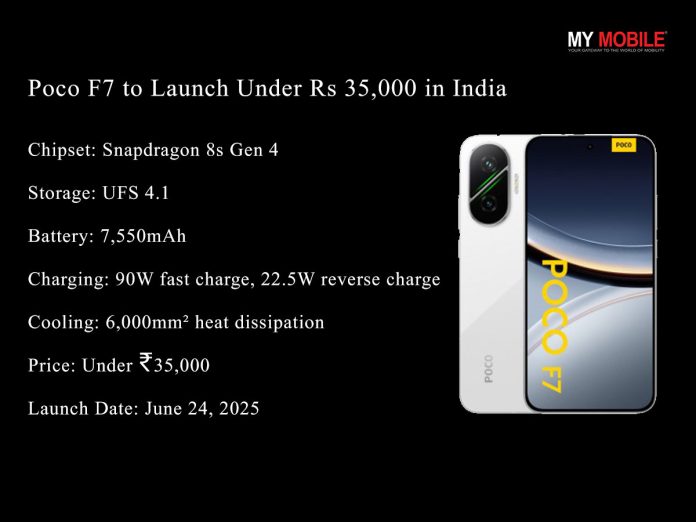
Ahead of the June 24 launch, the brand has confirmed that the Poco F7 will be priced under Rs 35,000
Expected specs – Snapdragon 8s Gen 4, 12GB LPDDR5x RAM (expandable to 24GB via Turbo RAM), UFS 4.1 storage and a 6,000mm² cooling system.
It packs a 7,550mAh battery with 90W fast charging and 22.5W reverse charging.
Poco P7 – Pricing
Caption – Poco P7 price segment confirmed on the Flipkart landing page. (Image credit – Poco/Flipkart)
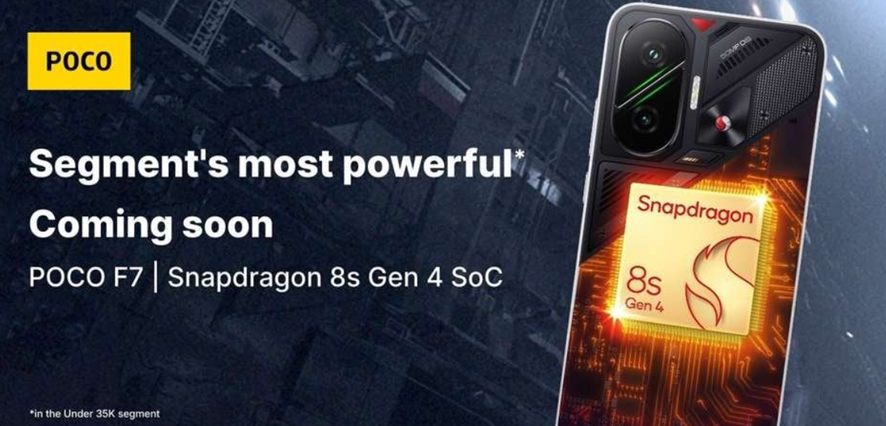
Poco is all set to launch the Poco F7 in India on June 24 and new details keeping surfacing online ahead of the release. Recently, the brand has hinted at the possible price segment via its Flipkart landing page and an official poster. And it turns out, Poco F7 will be priced under Rs 35,000 (approx $400).
This aggressive pricing puts the Poco F7 in direct competition with the iQOO Neo 10, which also runs on the same Snapdragon 8s Gen 4 chipset. But Poco isn’t just stopping at the processor.
Poco P7 – What Else We Know?
The Flipkart page now confirms that the F7 will come with 12GB of LPDDR5x RAM and support for up to 24GB of Turbo RAM (virtual RAM). It will also offer UFS 4.1 storage for faster read/write speeds. To keep the phone cool during gaming or heavy usage, it includes a 6,000mm² heat dissipation unit.
Battery life seems to be another major highlight. The F7 will pack a massive 7,550mAh battery with support for 90W fast charging. On top of that, it features 22.5W reverse charging, so you can even use it as a power bank to charge other devices.
The Poco F7 is expected to be a rebranded version of the Redmi Turbo 4 Pro, which is currently only available in China. Interestingly, the Indian variant keeps the same 7,550mAh battery, while the global version might come with a slightly smaller 6,550mAh unit.
While the Poco F7 and iQOO Neo 10 are going head-to-head in the sub-Rs 35,000 segment, the Nothing Phone 3 is also expected to use the same Snapdragon 8s Gen 4 chip. However, it could be priced much higher, between Rs 50,000 ($580) and Rs 60,000 ($690), positioning it as a more premium offering.
FAQs
Q1. What is the expected price and launch date of the Poco F7 in India?
Answer. The Poco F7 is set to launch in India on June 24, with a price tag of under ₹35,000, making it a competitive option in the mid-range flagship segment.
Q2. What are the key performance and hardware features of the Poco F7?
Answer. The phone will be powered by the Snapdragon 8s Gen 4, include 12GB LPDDR5x RAM (expandable up to 24GB with Turbo RAM), UFS 4.1 storage, and feature a 6,000mm² heat dissipation unit for thermal control.
Q3. How large is the battery on the Poco F7, and what charging features does it support?
Answer. It will pack a 7,550mAh battery with support for 90W fast charging and 22.5W reverse charging, enabling it to double as a power bank.
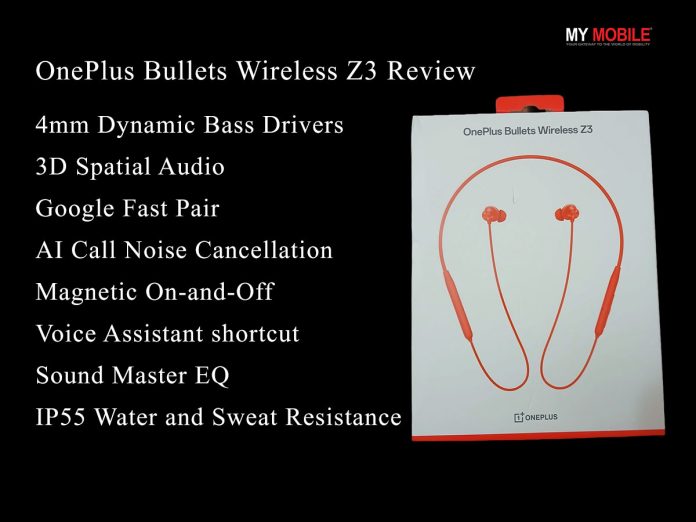
OnePlus has launched a new neckband-style headset, the OnePlus Bullets Wireless Z3, in India.
Key features – 12.4mm Dynamic Bass Drivers, Bluetooth v5.4, 220mAh Battery, Google Fast Pair, AI Call Noise Cancellation and more.
These will be available in Mambo Midnight and Samba Sunset colour options.
The headphones are priced at ₹1,699.
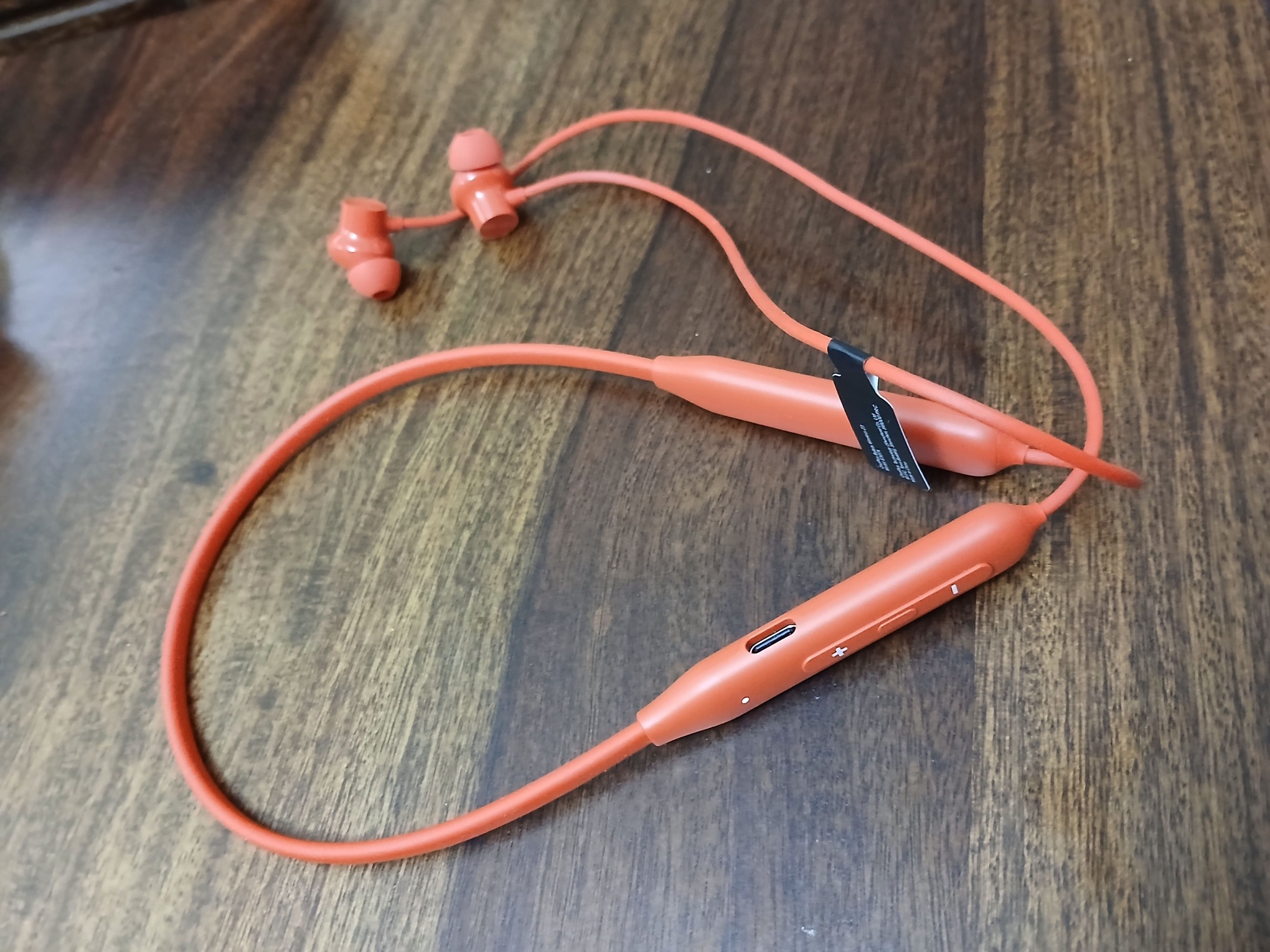
OnePlus has just introduced its latest neckband-style headset in the OnePlus Bullets Wireless Z Series. Neckband-style headsets might not seem to be a popular choice these days, but they do have a specific market. These are ideal for running, working out, travelling or basically any outdoor activity. Let’s see how OnePlus’s latest audio gear fares in our hands-on OnePlus Bullets Wireless Z3 Review.
OnePlus Bullets Wireless Z3 – Key Features
OnePlus Bullets Wireless Z3 – Key Features
4mm Dynamic Bass Drivers
3D Spatial Audio
Google Fast Pair
AI Call Noise Cancellation
Magnetic On-and-Off
Voice Assistant shortcut
Sound Master EQ
IP55 Water and Sweat Resistance
Bluetooth v5.4 (10m range)
220mAh Battery with up to 36 hours of battery life
Fast charge support – 10 mins for 27 hours of power
OnePlus Bullets Wireless Z3 – Pros & Cons
OnePlus Bullets Wireless Z3 – Pros & Cons
Pros
Cons
● Lightweight and Comfortable
● Decent sound quality
● Solid Battery Life with fast charging support
● IP55 Rating
● Good connectivity
● Affordable
● No active noise cancellation
● No App support
● No charging cable in the box
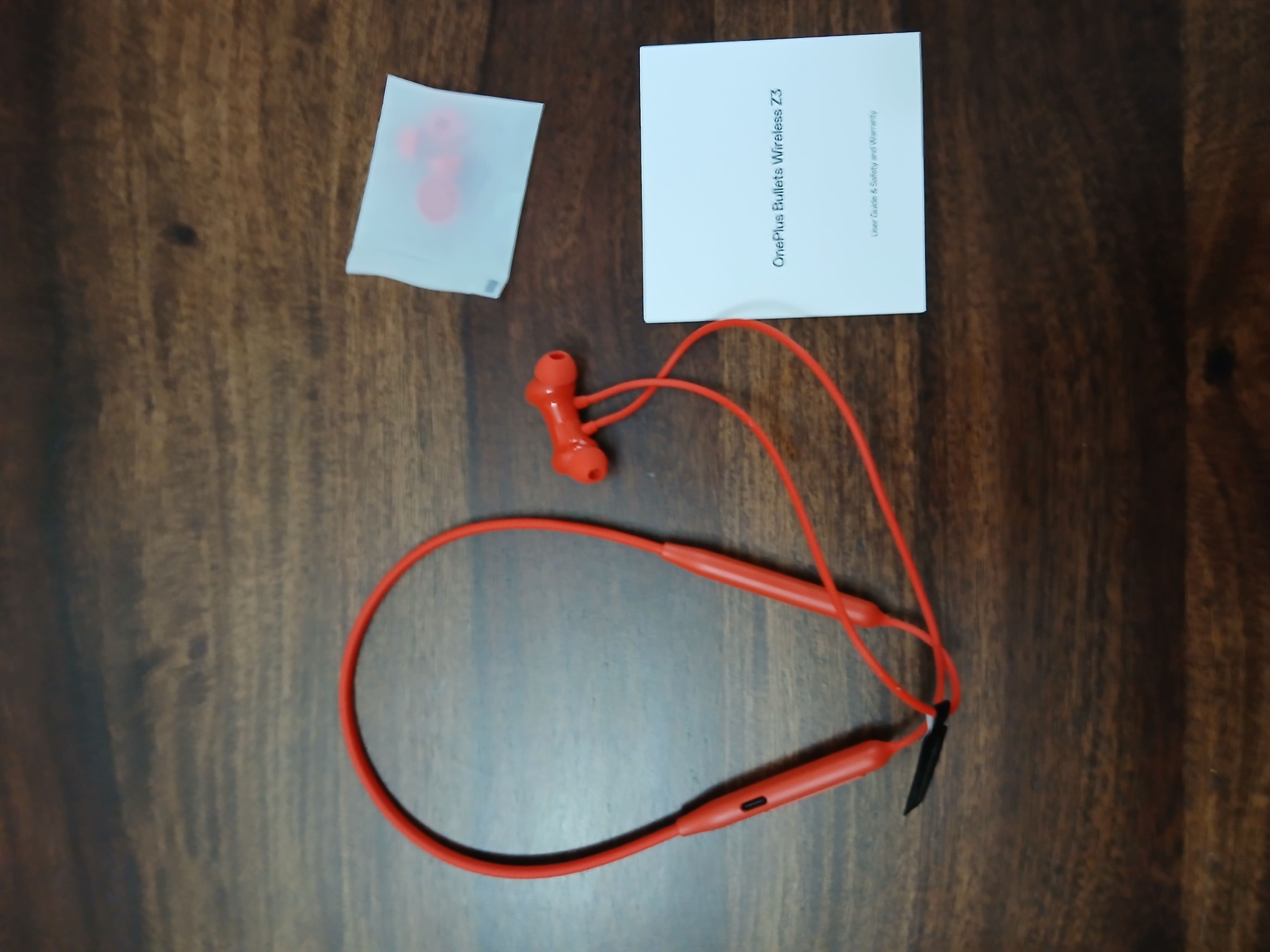
OnePlus Bullets Wireless Z3 – UNBOXING
OnePlus Bullets Wireless Z3 – Design and Build Quality
OnePlus Bullets Wireless Z3 – Design and Build Quality
To start with, let’s talk about the design. OnePlus Bullets Wireless Z3, if you remember how the previous generation model looked like, wouldn’t look very different. OnePlus has clearly decided to stick to the same design. The whole concept of wireless neckband headsets has definitely fallen back with TWS earbuds gaining popularity but there are obviously some specific takes out there.
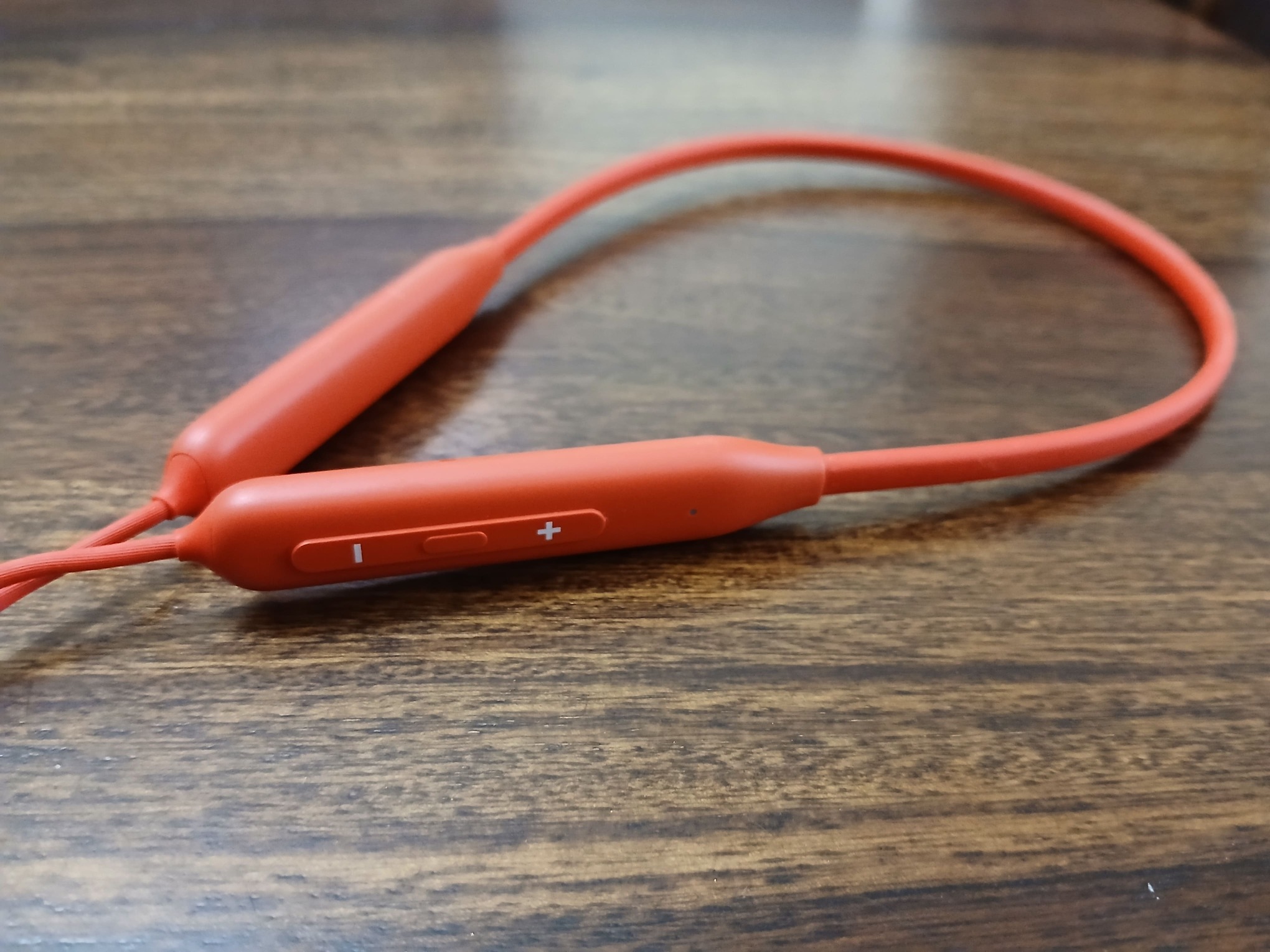
The silicon headband connected to the earplugs via a small but perfectly sized wire. The headband is lightweight and comfortable with the overall weight of the device being just 26g. It has a smooth finish and soft feel. The lightweight design also helps if you want to keep the headsets hanging on neck when not in use.
We didn’t really feel any discomfort even during long hours of usage.
We had the Sambo Sunset colour variant for this review, which is too vibrant of a colour for a wearable audio device. If you aren’t into vibrant tones, you have another Mambo Midnight (black) colour option to choose from.
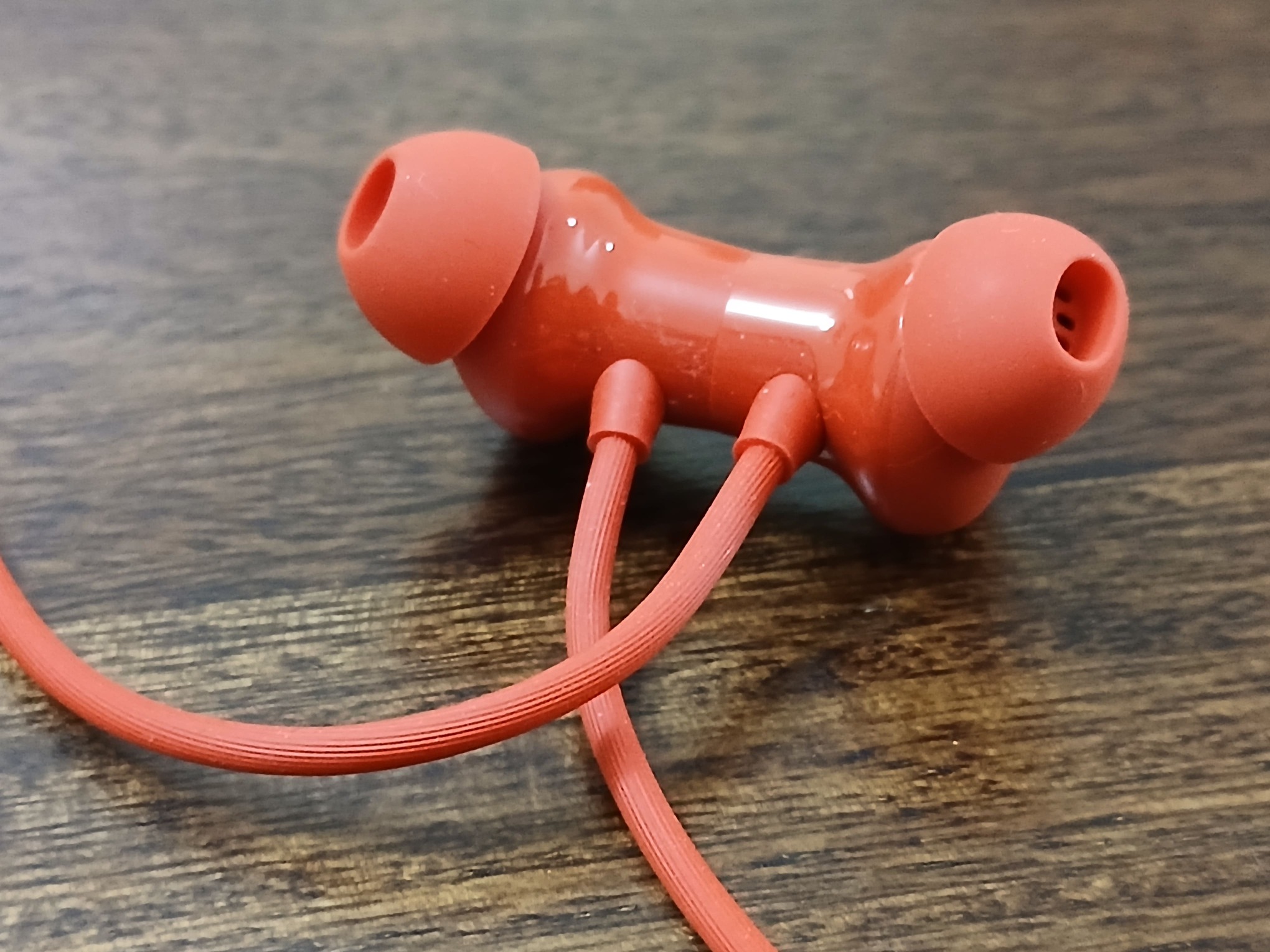
Just like the Bullets Wireless Z2, the back of the earbuds in Wireless Z3 also comes magnetic pull that snaps together when not in use. These also have an auto-connection or disconnection feature, which is quite useful when you are not using the headset.
The build quality is decent for the price. It has an IP55 rating, which means you can rest worry-free about sweat or even light rain. Having said that, we are assuming you have to be careful about immersing these in water, which will definitely cause damage.
OnePlus Bullets Wireless Z3 – Audio Quality
OnePlus Bullets Wireless Z3 – Audio Quality
The OnePlus Bullets Wireless Z3 come with large 12.4mm drivers and connect via Bluetooth 5.4, supporting both SBC and AAC codecs. And just to make it clear, these are the same specs we have seen in the previous-gen headband as well. Sound-wise, they follow OnePlus’ familiar tuning and have balanced mids and treble with a heavy dose of bass.
The bass is extremely boosted. While it seems fun for bass-heavy tracks and some users may even enjoy it, but it can feel overwhelming for some users. It can surely get loud enough. In any case, this is quite subjective. Meanwhile, the mid-range is actually very pleasant. Vocals sound smooth, giving a warm and natural feel to the music.
The treble holds up well, too. It also delivers clear details without sounding dull. There is also 3D Spatial Audio that promises a 360-degree sound field. Moreover, OnePlus has customisation features with four professionally-tuned EQ presets to sync with the kind of music you are listening to. You get preset options such as Balanced, Serenade, Bass and Bold.
There are also AI Call Noise Cancellation and environmental noise cancellation features. What’s missing, however, is the active noise cancellation feature.
Overall, the OnePlus Bullets Wireless Z2 are a good option for bass lovers who want a budget wireless option with good mids, decent treble and clear call/audio quality.
OnePlus Bullets Wireless Z3 – Battery Life
OnePlus Bullets Wireless Z3 – Battery Life
Battery life is where Bullets Wireless Z3 scores well. It comes with a 220mAh battery capacity and promises up to 36 hours of battery life with 50 per cent volume. This sounds like something that can support more than a day’s use. After testing it with moderate to heavy hourly use, we can say a fully charged Bullets Wireless Z3 can easily run for a full day with some juice left. This means if you are a moderate user, the headset could last over 3-4 days on a single charge.
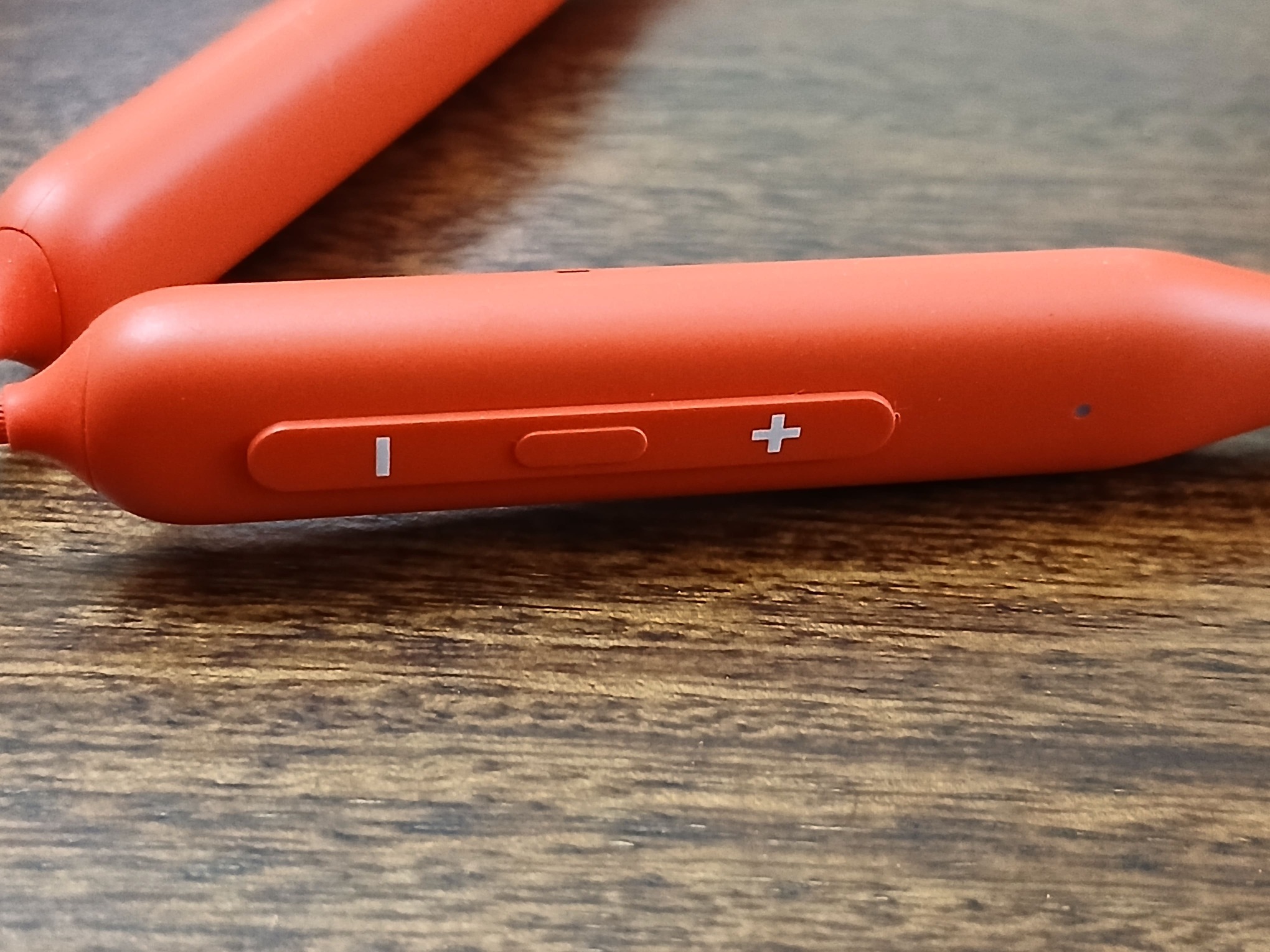
As of charging, we have fast charging support with a USB Type-C port. The brand claims a 10-minute charge will give the headset up to 27 hours of power.
Verdict – Should You Buy OnePlus Bullets Wireless Z3?
Verdict – Should You Buy OnePlus Bullets Wireless Z3?
OnePlus Bullets Wireless Z3 comes in a familiar design with 12.4mm dynamic drivers and support for AAC and SBC codecs. The headset has an IP55 dust and water resistance rating, an in-line remote and Bluetooth 5.4 support for Google Fast Pair. The AI Call Noise Cancellation and ENC work quite well, though you won’t get ANC support here. With up to 36 hours of battery life and fast charge support, you can easily expect these to run smoothly for at least a couple of days with moderate use.
Overall, these new neckband-style OnePlus Bullets Wireless Z3 promise to be a good audio accessory that checks most of the compulsory boxes. If you are looking for an affordable neckband-style audio device, these are worth your consideration.
Reasons to Buy
Reasons to Buy
Affordable
Lightweight and comfortable
Good battery life
Reasons Not To Buy
No App support
No ANC
Alternatives
Realme Buds Wireless 3 Neo
Realme Buds Wireless 3 Neo
Features –
4 Mm Dynamic Bass Boost Driver
Upto 32 Hours Playback
Fast Charge
Ai Enc
45Ms Low Latency
IP55 Dust&Water Resistant
Bluetooth V 5.4
Price – ₹1,299
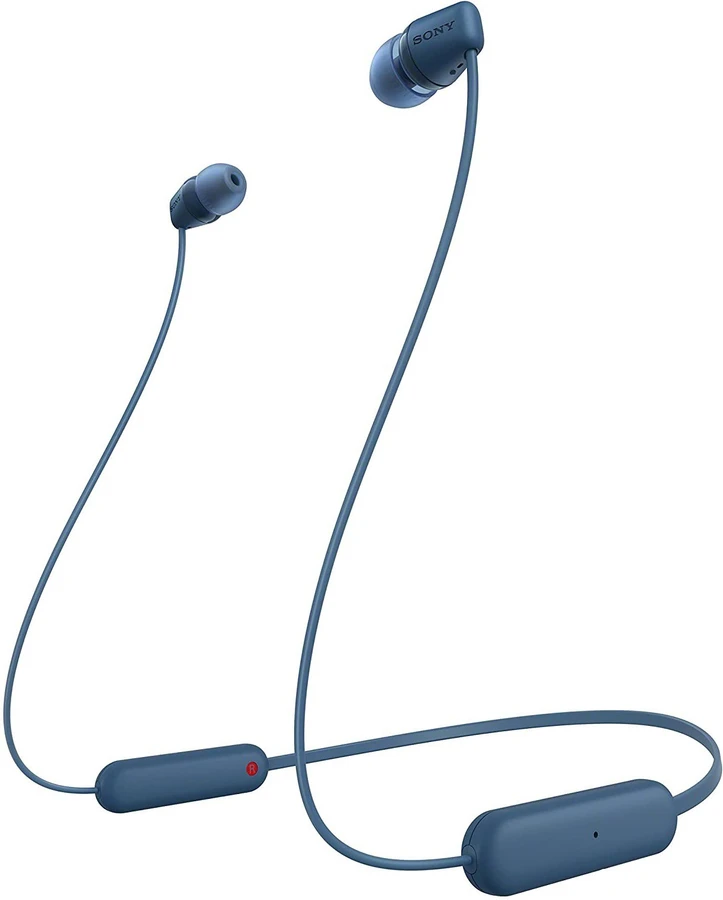
Sony WI-C100 Wireless Headphones
Features –
Customisable Equaliser for Deep Bass
Headphones Connect app for Android & iOS
25 Hrs Battery
DSEE-Upscale
Splash Proof
360RA
Fast Pair
in-Ear Bluetooth Headset with mic for Phone Calls
Price – ₹1,499
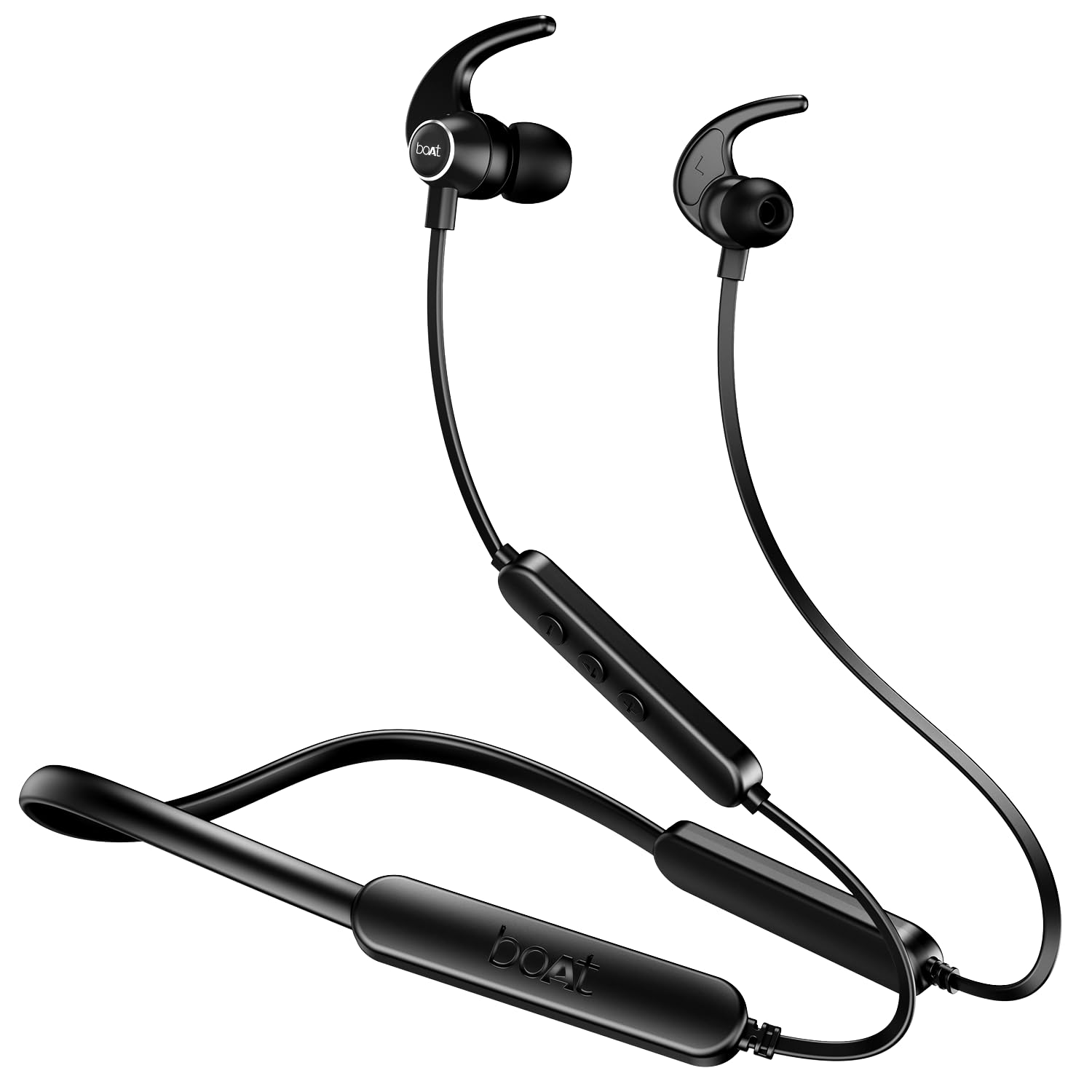
boAt Rockerz 255 Pro+
Features –
60HRS Battery
Fast Charge
IPX7 rating
Dual Pairing
Low Latency
Magnetic Earbuds
Bluetooth Neckband
Wireless with Mic Earphones
Price – ₹1,199
Feature
Details
Driver Size
12.4mm Dynamic Bass Drivers
Audio Technology
3D Spatial Audio
Pairing
Google Fast Pair
Noise Cancellation
AI Call Noise Cancellation
Controls
Magnetic On-and-Off, Voice Assistant Shortcut
Equalizer
Sound Master EQ
Durability
IP55 Water and Sweat Resistance
Bluetooth Version
Bluetooth v5.4 (10m range)
Battery Capacity
220mAh
Battery Life
Up to 36 hours
Fast Charging
10 mins charge = 27 hours playback
FAQs
Q1. What is the battery life of the OnePlus Bullets Wireless Z3?
Answer. The headset offers up to 36 hours of playback at 50% volume, and a 10-minute charge provides up to 27 hours of usage thanks to fast charging support.
Q2. Does the OnePlus Bullets Wireless Z3 support noise cancellation?
Answer. While it doesn’t have active noise cancellation, it features AI-powered environmental noise cancellation (ENC) for clearer calls.
Q3. What are the key audio and connectivity features?
Answer. It comes with 12.4mm drivers, 3D Spatial Audio, supports AAC and SBC codecs, and uses Bluetooth 5.4 with a 10-meter range.
Q4. Are the OnePlus Bullets Wireless Z3 headset water-resistant?
Answer. Yes, the Bullets Wireless Z3 has an IP55 rating, making it resistant to dust and light splashes, ideal for workouts and outdoor use.
Q5. What are the colour options and expected price?
Answer. It will be available in Mambo Midnight and Samba Sunset colourways and is expected to be priced around ₹1,699 in India.
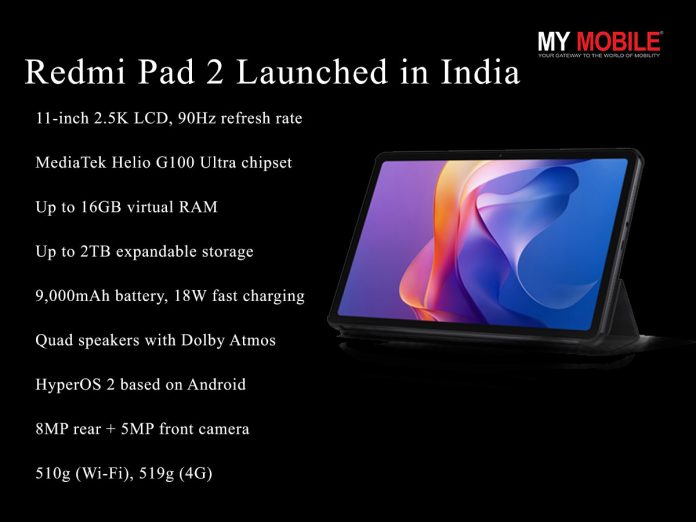
Redmi Pad 2 launched in India with Wi-Fi and 4G LTE versions starting at ₹13,999
Key Features – 11-inch 2.5K LCD screen with 90Hz refresh rate, MediaTek Helio G100 Ultra chipset, up to 16GB virtual RAM, 9,000mAh battery and 18W fast charging.
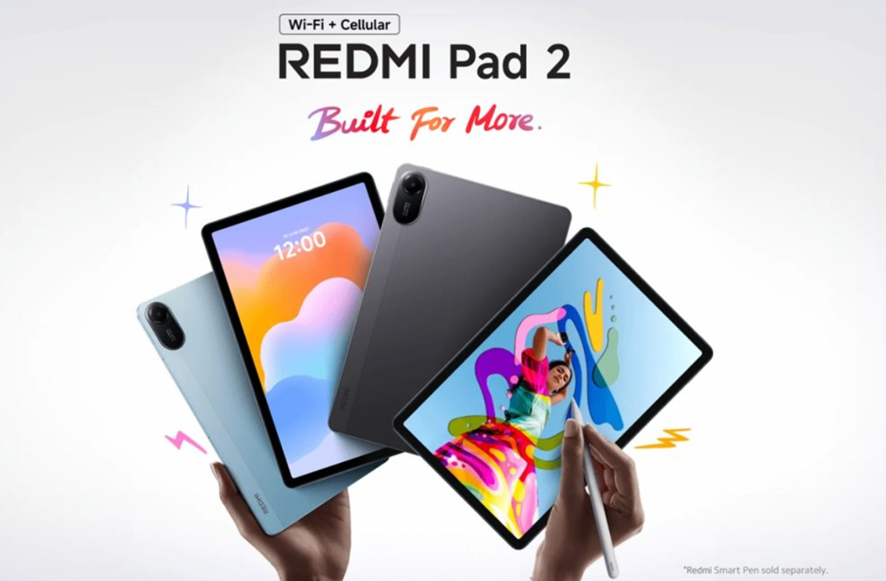
Optional accessories such as the Redmi Smart Pen and Redmi Pad 2 Cover are available separately.
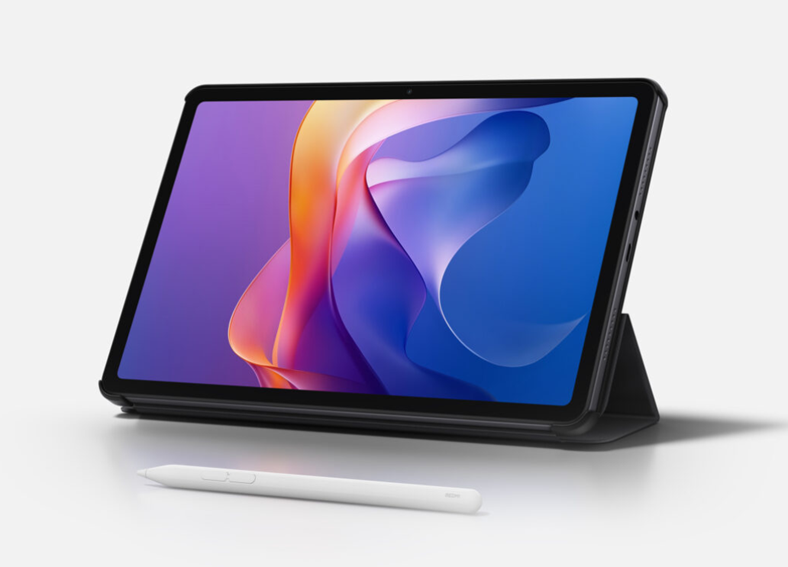
Caption – Redmi Pad 2 arrives in India. (Image credit – Redmi)
Redmi has officially launched the Redmi Pad 2 in India, just weeks after its debut in Southeast Asia. Designed as a budget-friendly Android tablet, it focuses on offering a great display, strong audio, long battery life and seamless connectivity within the Xiaomi ecosystem. Here’s a closer look at everything it brings to the table.
Redmi Pad 2 – Price and Availability in India
The Redmi Pad 2 will be available in Graphite Grey and Mint Green colours with following configurations –
Wi-Fi (4GB + 128GB) – ₹13,999 (approx $160)
4G (6GB + 128GB) – ₹15,999 (approx $185)
4G (8GB + 256GB) – ₹17,999 (approx $210)
Accessories –
Redmi Pad 2 Cover – ₹1,299
Redmi Smart Pen – ₹3,999
Caption – Redmi Pad 2 accessories. (Image credit – Redmi)
The tablet and accessories will go on sale via Amazon, Flipkart, Mi.com and authorised retail stores. Buyers can also get a Rs 1,000 instant discount with select HDFC card EMI transactions at launch.
Redmi Pad 2 – Key Features
The Redmi Pad 2 features a vibrant 11-inch LCD screen with 2.5K resolution and a 90Hz refresh rate, making it smooth and sharp for watching videos or browsing. It supports 10-bit color depth (1.07 billion colors), a 16:10 aspect ratio and 600 nits peak brightness in outdoor mode. Audio is handled by a quad-speaker setup with Dolby Atmos and Hi-Res Audio.
Powered by the MediaTek Helio G100 Ultra chipset, the Pad 2 comes with 4GB, 6GB, or 8GB RAM with support for virtual RAM expansion up to 16GB. Storage options go up to 2TB via microSD. It runs on HyperOS 2, based on Android, and includes smart features like Call Sync and Shared Clipboard for smoother multitasking across Xiaomi devices.
The tablet packs a 9,000mAh battery and supports 18W fast charging (a 15W charger is included). For photos and video calls, there’s an 8MP rear camera and a 5MP front camera.
Slim at just 7.36mm thick, the Pad 2 is available in both Wi-Fi and 4G LTE versions. The Wi-Fi-only model weighs 510 grams, while the 4G version weighs 519 grams and adds GPS and dual SIM support.
Other features include dual microphones, 3.5mm headphone jack, USB Type-C port, Redmi Smart Pen support and an IP52 rating for dust and splash resistance.
Q1. What are the key display and audio features of the Redmi Pad 2?
Answer. The tablet features an 11-inch 2.5K LCD screen with a 90Hz refresh rate, 600 nits brightness, 10-bit color depth, and quad speakers with Dolby Atmos.
Q2. What is the battery capacity and charging speed of the Redmi Pad 2?
Answer. It packs a 9,000mAh battery with 18W fast charging, though it comes with a 15W charger in the box for daily use.
Q3. What are the price and availability details of the Redmi Pad 2 in India?
Answer. The tablet starts at ₹13,999 for the Wi-Fi model, and ₹15,999 for the 4G version, with sales beginning via Amazon, Flipkart, Mi.com, and retail stores.
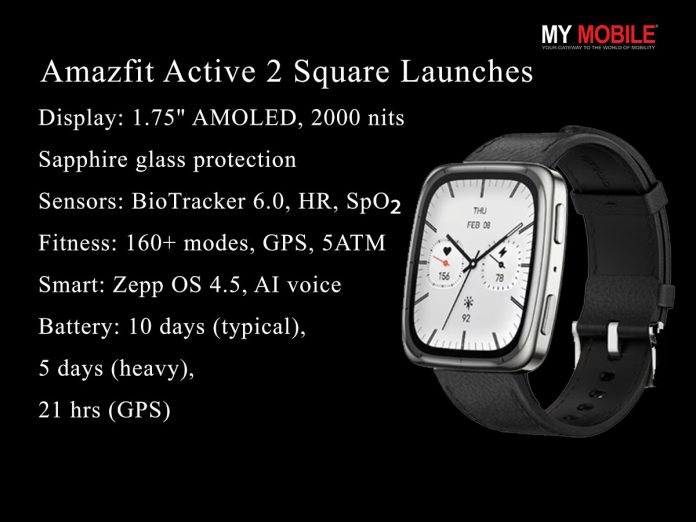
Amazfit Active 2 Square launched featuring a 1.75-inch square AMOLED display with 2000 nits brightness, Sapphire glass protection and a polished stainless steel frame.
Other features – BioTracker 6.0, Zepp Flow AI voice assistant, heart rate & SpO2 monitoring, and over 160 sports modes.
It is currently available globally for $149.99 / €149.90.
Amazfit has officially launched the Active 2 Square, a sleek new smartwatch. This new wearable combines a stylish design with practical features, making it a solid option for everyday use and fitness tracking. The announcement comes soon after the brand unveiled Helio Strap. In any case, here’s everything we know about Amazfit Active 2 Square.
Caption – Amazfit Active 2 Square is available in a single black colour. (Image credit – Amazfit)
Amazfit Active 2 Square – Price and Availability
The Amazfit Active 2 Square is now available globally for $149.99 / €149.90, and can be purchased via Amazon or the official Amazfit website.
The smartwatch is currently limited to the global market such as the US and Europe. It is available for purchase in a single Black colour variant. As of now, the brand has not revealed any details about the smartwatch’s future availability and pricing in the Indian market.
Amazfit Active 2 Square – Key Features
The Active 2 Square, as the name suggests, features a 1.75-inch square AMOLED display with rounded corners. It boasts 2000 nits of peak brightness, a 390×450 resolution and Sapphire glass protection. The display is housed in a polished stainless steel frame, and the watch comes with a variety of strap options, so you can switch between a sporty or more elegant look depending on your style.
The watch is packed with sensors including the new BioTracker 6.0, gyroscope, ambient light sensor, barometer and accelerometer. It runs on Zepp OS 4.5 and includes the Zepp Flow AI voice assistant.
On the health side, you’ll get tracking for heart rate, SpO2 (blood oxygen), stress levels, and skin temperature.
For fitness lovers, the Active 2 Square supports over 160 workout modes. It also comes with built-in GPS, Bluetooth 5.2, a microphone and speaker for Bluetooth calling and 5ATM water resistance, making it suitable for swims and workouts alike.
Amazfit says the Active 2 Square delivers up to 10 days of battery lifewith regular use,5 days with heavy use, and around 21 hours with continuous GPS.
Bluetooth 5.2, Microphone, Speaker (Bluetooth Calling)
Water Resistance
5ATM
Battery Life
Up to 10 days (typical), 5 days (heavy use), 21 hours (GPS mode)
Price
$149.99 / €149.90
Availability
Global (US & Europe), India launch not announced
Color Options
Black (Single Variant)
FAQs
Q1. What type of display does the Amazfit Active 2 Square have?
Answer. It features a 1.75-inch square AMOLED display with 2000 nits peak brightness, Sapphire glass protection, and a polished stainless steel frame.
Q2. How long does the battery last on the Amazfit Active 2 Square?
Answer. The smartwatch offers up to 10 days of battery life with regular use, 5 days with heavy usage, and around 21 hours with continuous GPS tracking.
Q3. What fitness and health features does the Amazfit Active 2 Square support?
Answer. It includes over 160 workout modes, heart rate & SpO2 monitoring, stress tracking, skin temperature measurement, and built-in GPS for accurate activity tracking.
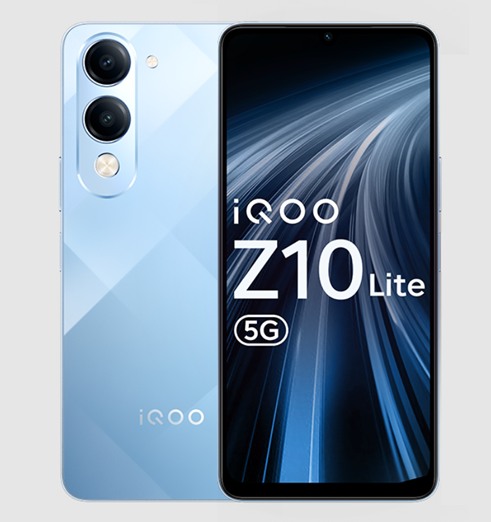
iQOO Z10 Lite 5G launched in India at the starting price of ₹9,999.
The phone features a 6.74-inch 120Hz LCD display, Dimensity 6300 chip, a 6,000mAh battery, 15W charging, 50MP + 2MP dual rear camera and Funtouch OS 15 based on Android 15.
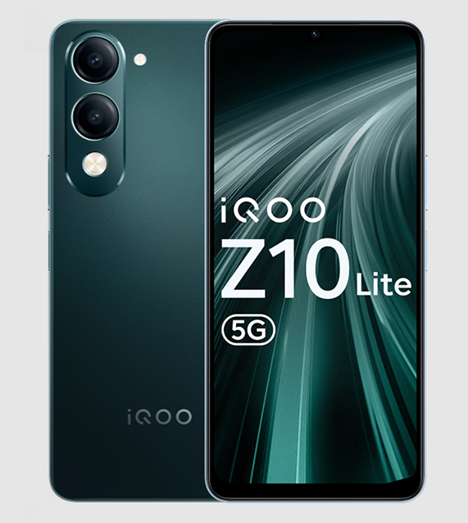
It comes in Cyber Green and Titanium Blue colours.
The sale is starting June 25 via Amazon and the iQOO India website.
iQOO has added a new budget phone to its Z10 series, the iQOO Z10 Lite 5G. Priced at just Rs 9,999, it sits below the previously launched Z10 and Z10x in the Z10 Series. According to reports, an iQOO Z10 Pro is also expected to arrive later this year. Meanwhile, here’s a quick look at what the Z10 Lite offers.
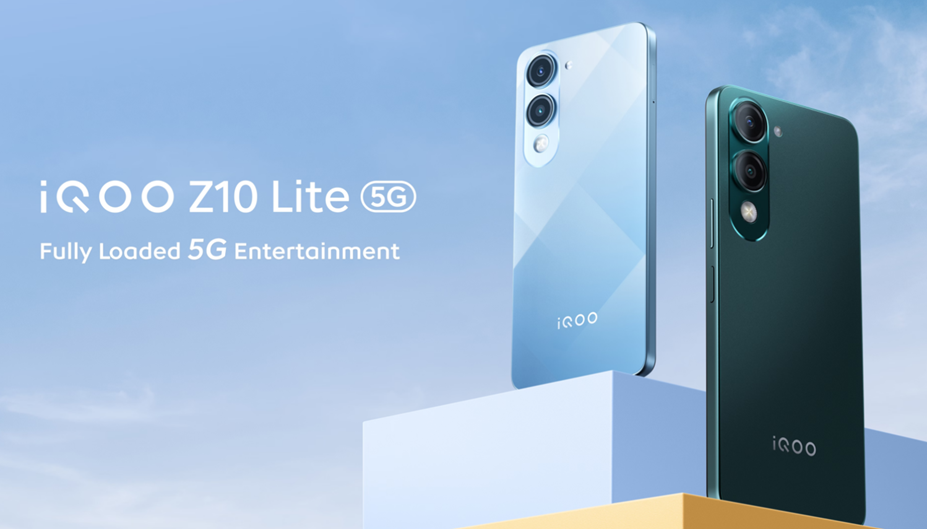
Caption – iQOO Z10 Lite 5G goes on sale in India starting June 25. (Image credit – iQOO)
iQOO Z10 Lite 5G – Key Features
The iQOO Z10 Lite features a 6.74-inch LCD display with a waterdrop notch. It has a 1600 × 720 pixel resolution and supports a smooth 120Hz refresh rate. The screen also includes a high brightness mode (up to 100 nits), which makes it easier to use under direct sunlight.
Under the hood, the phone is powered by the MediaTek Dimensity 6300 chipset. It comes in three variants, which are 4GB RAM + 128GB storage, 6GB RAM + 128GB storage and 8GB RAM + 256GB storage.
There’s support for virtual RAM expansion and a side-mounted fingerprint sensor. The Z10 Lite runs on Funtouch OS 15 basedon Android 15 and promises two years of Android updates and three years of security patches.
One of the highlights of the Z10 Lite is its massive 6,000mAh battery, designed for all-day use. It supports 15W charging via USB Type-C and yes, the charger comes in the box.
The phone has a dual rear camera setup featuring a 50MP main sensor with autofocus and a 2MP depth sensor. On the front, there’s a 5MP selfie camera. Both front and rear cameras can shoot up to 1080p video at 30fps.
The device supports dual 5G SIMs, Wi-Fi 5, Bluetooth 5.4, GPS with multiple satellite systems, FM radio, and has an IP64 rating. It’s 8.19mm thick and weighs around 202 grams.
iQOO Z10 Lite 5G comes in Cyber Green and Titanium Blue colours. The sale is starting June 25 via Amazon and the iQOO India website.
The prices are as follows –
₹9,999 for the 4GB + 128GB variant
₹10,999 for the 6GB + 128GB variant
₹12,999 for the 8GB + 256GB variant
As a launch offer, buyers using select SBI Credit or Debit cards can get an instant ₹500 discount.
FAQs
Q1. What is the price of the iQOO Z10 Lite 5G in India?
Answer. The iQOO Z10 Lite 5G starts at Rs 9,999 for the 4GB + 128GB variant, Rs 10,999 for 6GB + 128GB, and Rs 12,999 for 8GB + 256GB.
Q2. What are the key features of the iQOO Z10 Lite 5G display?
Answer. The phone features a 6.74-inch LCD display with a 120Hz refresh rate, 1600 × 720 resolution, and a high brightness mode (up to 100 nits) for outdoor visibility.
Q3. How powerful is the battery in the iQOO Z10 Lite 5G?
Answer. It packs a massive 6,000mAh battery, supports 15W charging via USB Type-C, and comes with a charger in the box.
Q4. What camera setup does the iQOO Z10 Lite 5G offer?
Answer. The phone has a 50MP main rear camera with autofocus, a 2MP depth sensor, and a 5MP selfie camera, both capable of 1080p video at 30fps.
Q5. When will the iQOO Z10 Lite 5G be available for purchase?
Answer. The sale begins on June 25 via Amazon India and iQOO’s official website, with an Rs 500 instant discount for select SBI Credit and Debit card users.
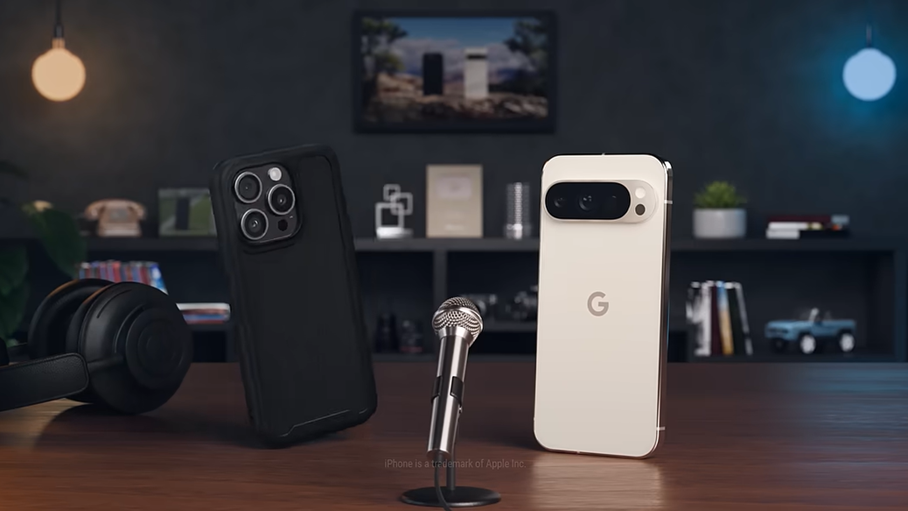
A Pixel 9 Pro jokes in the video that iOS 26’s Live Translation, Hold Assist and Call Screening have been available on Pixel devices for years.
Samsung also recently poked fun at Apple while comparing iOS 26’s Liquid Glass look and AI tools to its more advanced One UI 7 and Galaxy AI.
Caption – Screengrab from the latest #BestPhonesForever video. (Credit – Made by Google)
Playful rivalries in the tech world aren’t new and are often a constant reminder that great ideas can come from anywhere. This time, we are getting some fun banter over iOS 26 features Apple recently announced.
Following Samsung’s recent digs, Google is now having some fun at Apple’s expense after the launch of iOS 26. In its latest #BestPhonesForever ad, Google gently teases Apple for adding features to iPhones that Pixel users have been using for years.
The video was released on June 17 and features a light-hearted chat between a Pixel 9 Pro and an iPhone. As the iPhone excitedly talks about iOS 26’s new features like Live Translation in messages, Hold Assist and Call Screening, the Pixel calmly replies that it’s had all of them for a while.
Google further highlights that Live Translate came with the Pixel 6 in 2021, Hold for Me arrived on the Pixel 5 in 2020 and Call Screen has been around since the Pixel 3 in 2018.
The ad ends with a cheeky moment when the iPhone asks what’s coming in the Pixel 10, hinting that Apple might again “take inspiration” for its next release.
While the tone is playful, Google’s message is clear that many of iOS 26’s headline features aren’t exactly new in the smartphone world. Samsung also recently poked fun at Apple, mocking iOS 26’s Liquid Glass look and limited AI features in comparison to its own One UI 7 and Galaxy AI tools.
Online reactions are mixed. Some users enjoy the friendly back-and-forth and point out how Apple is catching up with Android. Others note that Android often borrows from iOS too, so the inspiration goes both ways.
The timing is no coincidence since Google is gearing up to launch the Pixel 10 series in August. Rumours suggest upgrades like a telephoto lens on the base model and improved wireless charging.
FAQs
Q1. What features did Google mock in its latest video about iOS 26?
Answer. Google’s ad points out that Live Translation, Hold Assist, and Call Screening, touted as new iOS 26 features, have been available on Pixel devices for years.
Q2. How does Samsung fit into the rivalry with Apple’s iOS 26?
Answer. Samsung recently poked fun at Apple by comparing iOS 26’s Liquid Glass look and AI tools to its own One UI 7 and Galaxy AI, implying Apple is behind.
Q3. Why did Google release this ad now?
Answer. The timing aligns with Google gearing up for its Pixel 10 launch in August, teasing features that Apple might later incorporate into future iPhones.
The OnePlus 15 might ditch Hasselblad branding for the first time in years.
It’s expected to feature three 50MP lenses including a periscope option, but may shift to a square-style camera bump instead of round.
The phone will be powered by the Snapdragon Elite Gen 2 chip and is set to launch in China later this year with a global release in early 2026.
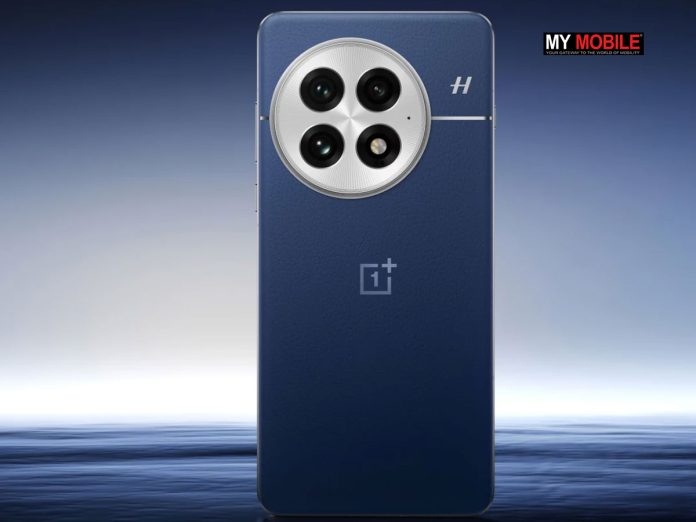
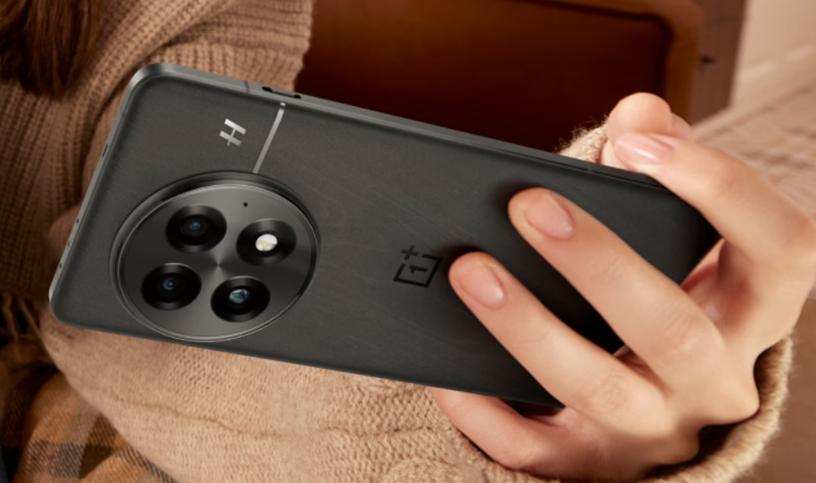
Caption – Is OnePlus removing the Hasselblad branding from the upcoming flagship? (Image credit – OnePlus)
The OnePlus 15 could mark a big change for the brand as reports suggest it might be the first flagship in years to launch without the Hasselblad brand name on its camera setup.
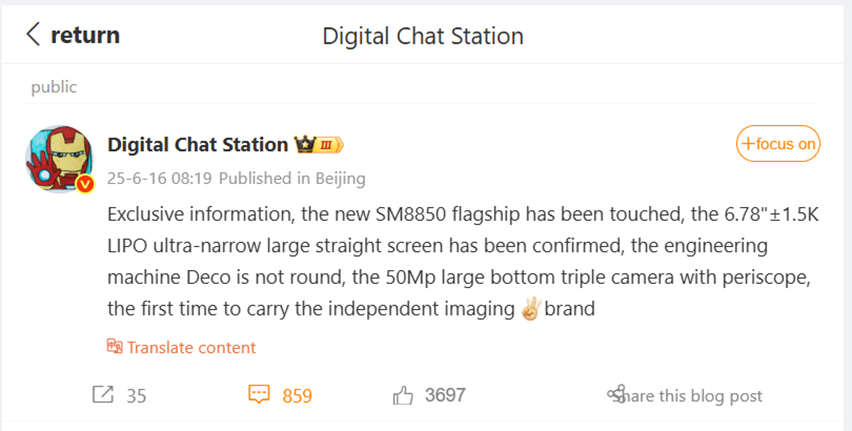
According to a new leak from a reliable tipster Digital Chat Station on Weibo, the OnePlus 15 is expected to be powered by the SM8850 chip, which is linked to the upcoming Snapdragon Elite Gen 2. But the bigger news is about its camera design and branding. Here’s what we know.
Caption – Digital Chat Station’s post on OnePlus’s next flagship. (Translated Via Google Translate)
OnePlus 15 – Camera Design and Branding Changes
The phone is said to feature a triple-camera setup with all 50MP lenses, including a periscope option. That sounds similar to the OnePlus 13, which also had a triple-50MP system.
However, there’s a noticeable change in design as the OnePlus 15 reportedly won’t have the large round camera bump that we’ve seen on recent models. While the exact shape isn’t confirmed, there’s a chance OnePlus could switch to a square-style bump like the one used on the OnePlus 13T.
Another major shift is that the camera module won’t carry the familiar Hasselblad branding.
Since 2021, OnePlus has highlighted its partnership with Hasselblad on its flagship phones, especially in the camera software. Without the branding, it’s possible the OnePlus 15 might not include Hasselblad’s signature image tuning or post-processing features, though the actual impact on image quality is still unclear.
The OnePlus 15 series is expected to launch in China later this year with a global (including US) release likely early next year.
FAQs
Q1. Is OnePlus dropping Hasselblad branding from the OnePlus 15 camera?
Answer. Yes, reports suggest the OnePlus 15 won’t feature Hasselblad branding, potentially impacting its image tuning and post-processing features.
Q2. What changes are expected in the OnePlus 15 camera design?
Answer. The OnePlus 15 is rumoured to have a triple 50MP camera setup, including a periscope lens, but it may switch to a square-style camera bump instead of a round one.
Q3. When will the OnePlus 15 be released?
Answer. The OnePlus 15 is expected to launch in China later this year, followed by a global release in early 2026.
Instagram is testing a repost button for the main Feed.
It will allow users to reshare their own and others’ posts directly in the feed.
Some users have already spotted the button, but many are receiving an “unable to post” warning.
Instagram is also exploring an Instagram-only app and new feed customisation options.
Caption – Repost button coming to Instagram soon. (Photo by Solen Feyissa on Unsplash)
It looks like Instagram might finally be adding a repost button to the main Feed. Since this is a feature users have been asking for for years, this will most definitely be something Instagram users will appreciate. The company has confirmed it’s testing this native repost option and some users have already started seeing it pop up in their accounts.
However, we would like to remind our readers that this isn’t Instagram’s first attempt at reposts. Some might remember the platform tested a similar feature back in 2022. Although it looks like the platform is more serious about making it official now.
Caption – Some users reportedly have seen a repost button on an Instagram post. (Image credit – @howfxr on X)
According to early reports and confirmed screenshots shared with TechCrunch, users will be able to repost not just their own content, but also posts from others, right into the main Feed. Many users confirmed spotting the repost button on X (formerly Twitter) but were reportedly getting an “unable to post” warning upon clicking on the button.
There’s a repost button on Instagram posts now, but I can’t use it 👀
I’m getting a “Unable to post” warning when I tap it. Maybe reposts are coming soon to Instagram, just like in Threads. pic.twitter.com/he4Rwbqcai
— ㆅ (@howfxr) June 13, 2025
As of now, the only official way to share someone else’s post is by adding it to your Story. That led many users to rely on third-party apps or simple screenshots to re-share content. A native repost button could help streamline the process and ensure original creators get proper credit, potentially boosting their reach and visibility.
This move also comes at a time when Instagram is facing growing pressure from competing platforms, many of which already have repost options as a core feature. So it’s not surprising Instagram is finally catching up.
The platform has also hinted at other updates, like an Instagram-only app and more feed customisation options beyond the usual chronological view.
As of now, there’s no confirmed timeline for a wider rollout.
FAQs
Q1. What is Instagram testing with its new repost feature?
Answer. Instagram is testing a native repost button for the main Feed, allowing users to reshare their own and others’ posts directly in the feed.
Q2. Can all Instagram users access the repost button yet?
Answer. No, some users have spotted the button, but many are receiving an “unable to post” warning, indicating that the feature is still in early testing.
Q3. What other updates is Instagram working on?
Answer. Instagram has hinted at an Instagram-only app and new feed customisation options, suggesting bigger changes beyond just the repost button.
WhatsApp for iPhone now allows users to copy specific parts of a message, similar to an upcoming iOS 26 Messages feature.
How It Works – Long-press a message, then press and hold the text to see selection handles. Drag to highlight the part you need, then tap Copy.
WhatsApp has also launched an iPad version, started testing usernames and confirmed ads in Status & Channels for monetisation recently.
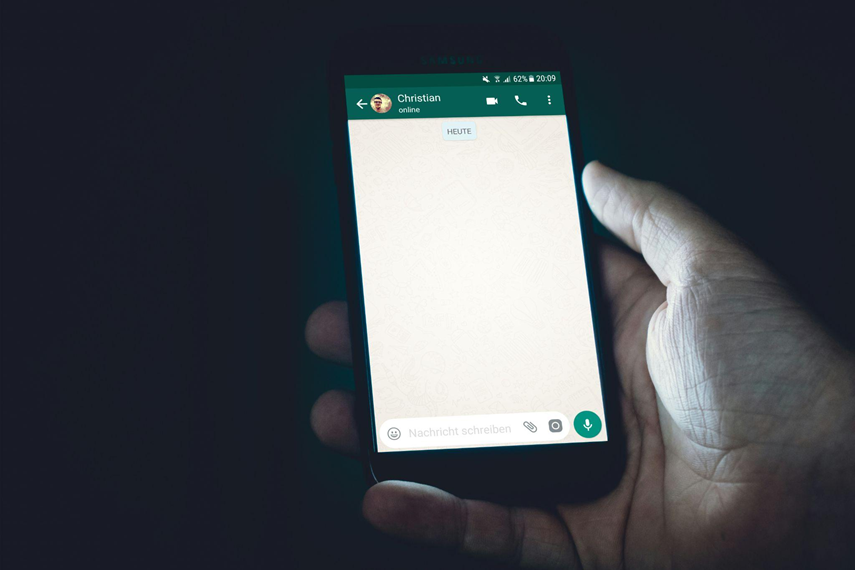
Caption – WhatsApp’s new feature allows you to copy just part of a message. (Photo by Christian Wiediger on Unsplash)
It was just recently revealed that an update is coming to Messages in iOS 26 that will finally allow users to copy just part of a message, instead of the entire thing. Yes, copying text in iMessage on iPhone requires users to grab the entire message bubble in the current system. So, if you got excited about this upcoming iOS 26’s feature, but you’re not using the beta, WhatsApp has you covered.
With version 25.16.81, WhatsApp for iPhone already lets you highlight and copy just a portion of a message. So, if you only need a specific bit of text from a long message, you can now grab exactly what you want.
Here’s how it works – just long-press the message bubble, then press and hold again on the text. You’ll see the familiar iOS text selection handles pop up. Drag to highlight the part you need, then tap Copy. That’s it.
If this sounds familiar, it’s because Apple only just announced a similar feature for Messages in iOS 26. While Apple’s version is still in beta, WhatsApp users can already use it now.
This new feature is part of a bigger update wave from WhatsApp. Earlier this month, the app also rolled out its long-awaited iPad version and started testing support for usernames. Meta has also confirmed it will begin showing ads in the Status and Channels tabs, part of a wider effort to refresh the app and increase monetisation.
If you don’t see the partial text copy option yet, head to the App Store and make sure your WhatsApp is updated.
Meanwhile, the Apple iOS 26 update release with this feature is reportedly coming this fall with the first public beta set for July.
FAQs
Q1. What new feature allows users to copy only part of a message in WhatsApp?
Answer. WhatsApp for iPhone now lets users highlight and copy specific parts of a message, instead of the entire bubble, similar to an upcoming iOS 26 Messages feature.
Q2. How can users copy partial text from a message in WhatsApp?
Answer. Long-press the message bubble, then press and hold the text again to reveal iOS selection handles. Drag to highlight the portion you need, then tap Copy.
Q3. What other updates has WhatsApp introduced recently?
Answer. WhatsApp has launched its iPad version, started testing usernames, and confirmed that ads will appear in the Status and Channels tabs for monetisation.
Threads’ new fediverse features now allow users to see a reverse-chronological feed of posts from federated accounts like Mastodon, WordPress, and Flipboard.
Searching for external users by handle (@username@mastodon.social) is now possible with a fediverse badge to identify non-Threads profiles.
The updates make following and interacting with cross-platform accounts easier.
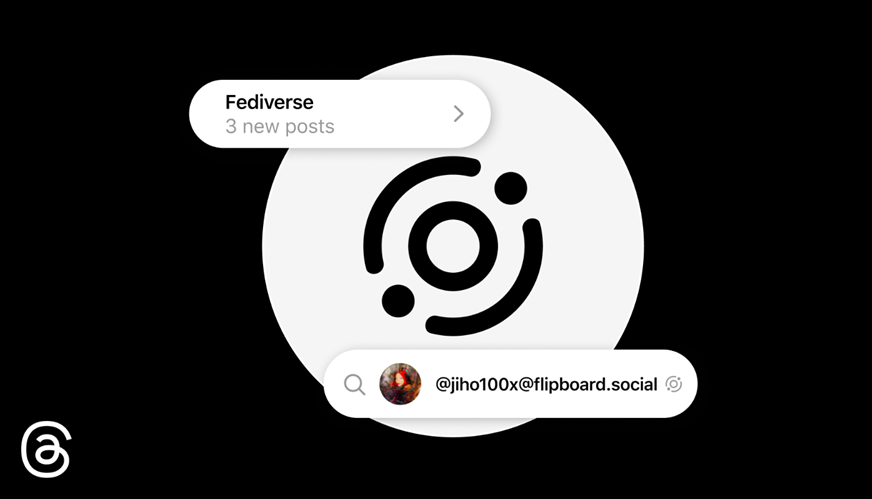
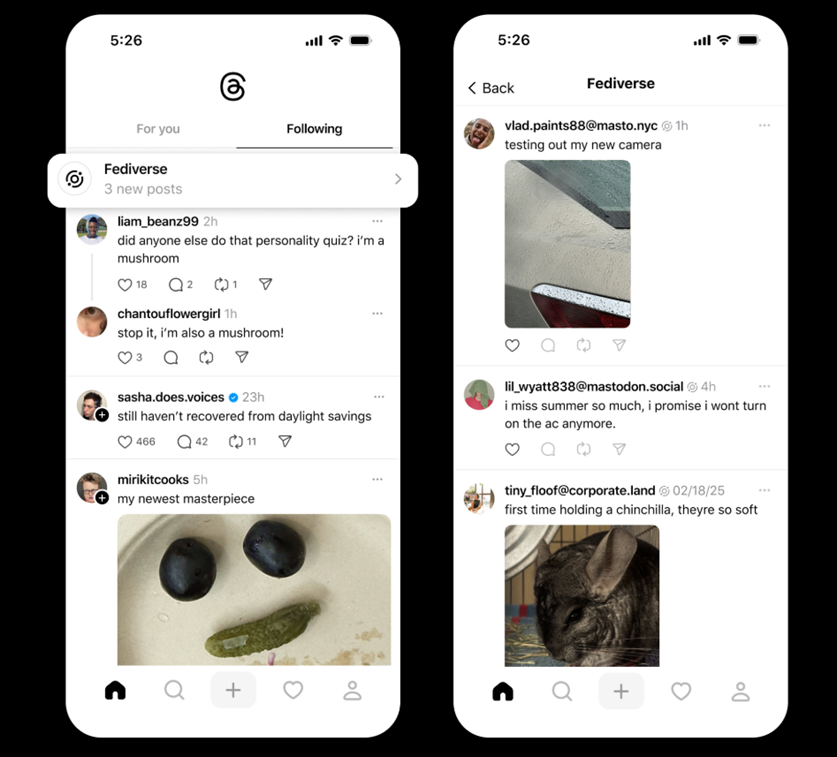
Caption – Two new fediverse features have been added on Threads. (Image credit – Meta)
Threads is finally making it easier to discover and follow content from other platforms in the fediverse. The app now has two major updates, which include a dedicated fediverse feed and the ability to search for external profiles by handle.
So, if you’ve turned on fediverse sharing in Threads, you’ll see a new reverse-chronological feed from now onwards. This feed shows posts from federated accounts you follow on services like Mastodon, WordPress, Flipboard and other ActivityPub-powered platforms.
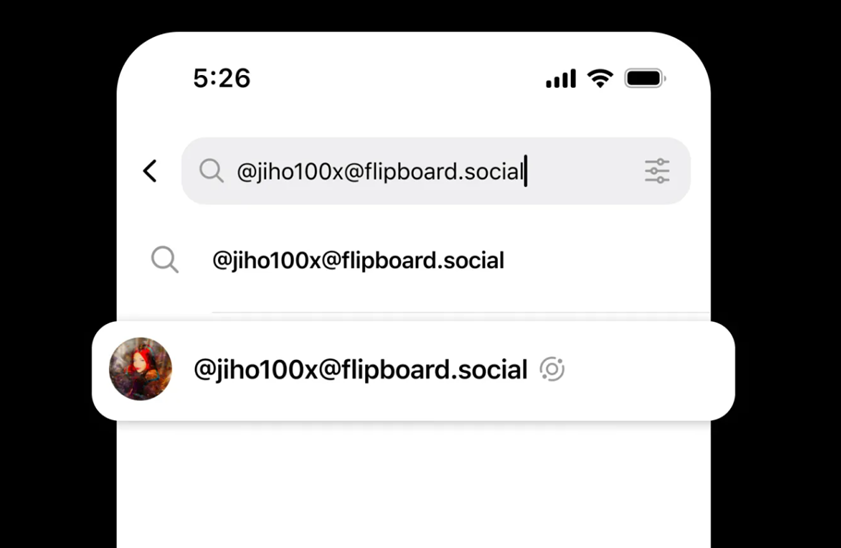
Threads is also making it simpler to find people posting from outside the app. You can now search for users by their handle such as @username@mastodon.social directly in the Threads search bar. These accounts will have a fediverse badge so you can easily identify that they’re not native to Threads.
Caption – Searching for a federated user just got easier on Threads. (Image credit – Meta)
As The Verge explains, “When you set up fediverse sharing, Threads automatically connects to whatever accounts you’ve followed, but you can also now search for users on Mastodon and elsewhere from the Threads search bar. If you follow them, you’ll start to see their posts in Threads too.”
Before this update, following a Mastodon user through Threads was tricky. As Mark Zuckerberg put it last December, you could only follow people from other servers if they had liked, followed, or replied to federated profiles on Threads.
Now, with the new fediverse feed, you’ll see posts from these external accounts in a new section at the top of your Following tab. Like your regular feed, posts appear in reverse chronological order.
This new feed is intentionally separate from your main Following and For You feeds. Threads engineer Peter Cottle told The Verge that this helps reduce confusion around content moderation, user identity, and expectations.
Overall, these updates mark a big step forward in Threads’ efforts to be more fediverse-friendly, helping users stay connected across platforms in a more seamless way.
FAQs
Q1. What is the new fediverse feed in Threads?
Answer. Threads now includes a reverse-chronological feed that displays posts from federated accounts on platforms like Mastodon, WordPress, and Flipboard, making cross-platform content easier to follow.
Q2. How can users find and follow federated profiles in Threads?
Answer. Users can now search for external accounts by handle (e.g., @username@mastodon.social) directly in the Threads search bar. These accounts will have a fediverse badge to indicate they are not native to Threads.
Q3. Why is the fediverse feed separate from the main Threads feed?
Answer. Threads engineer Peter Cottle explained that keeping the fediverse feed separate helps reduce confusion around content moderation, user identity, and expectations when interacting with external posts.