Highlights
- Redmi is testing a full-screen refresh rate of 185Hz.
- 185Hz refresh rate is available only on Redmi K100 Pro Max and other gaming phones.
- 185Hz display will deliver liquid-smooth scrolling, faster touch response, and clearer motion.
As per a fresh leak from Digital Chat Station, Redmi is testing a redefining smartphone display that enables an 185Hz refresh rate throughout the full user interface (UI). While some phones already include a dedicated gaming mode with 185Hz, Redmi is aiming to extend this extraordinary smoothness to every screen, menu, and app on the device. Testing is underway in China, although Xiaomi has not announced an official model name or release date. This move is supposed to create a new standard for smartphone screens, making scrolling, animations, and general use seem much more fluid.
Redmi 185Hz Refresh Rate Testing Details

Redmi is actively testing an ultra-fast 185Hz refresh rate across the entire smartphone screen. Standard phones usually top out at 120Hz or 165Hz for global system navigation because running higher rates continuously drains the battery and heats up the phone quickly. If Redmi successfully overcomes these power and thermal challenges, it will be among the first brands to offer a true full-system 185Hz experience.
Redmi Is Testing 185Hz Refresh Rate Across the Full Display
While prior high-refresh-rate smartphones confine 185Hz to supported mobile games, Redmi’s test device pushes the ultra-fast refresh rate farther by applying it throughout the whole operating system. The leak appeared online in November 2026, hinting at further internal display trials by Xiaomi’s sub-brand.
How 185Hz Refresh Rate Could Improve Smartphone Gaming
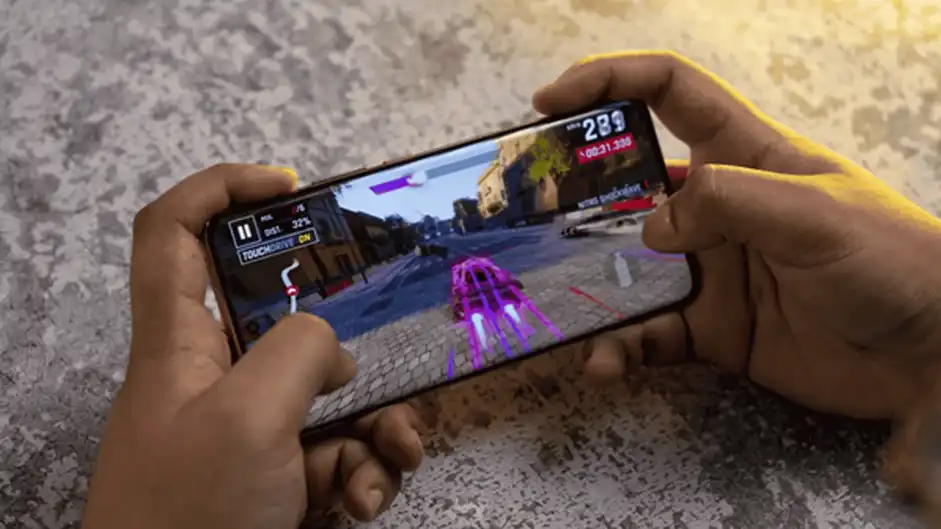
Image: XIMITIME
A smartphone with an 185Hz refresh rate refreshes the screen image 185 times a second, making fast-paced action far smoother than normal 60Hz or 120Hz displays. That added speed means sharper images, less motion blur, and quicker touch response while gaming competitively on a mobile device.
Some top gaming phones already toggle 185Hz within certain games, but Redmi is experimenting with applying this ultra-fast refresh rate to the full system UI. A 185Hz full-display screen, if properly executed, makes launching games, moving between applications and navigating in-game menus seem instantaneous.
Redmi 185Hz Display vs 120Hz Display: What’s the Difference?
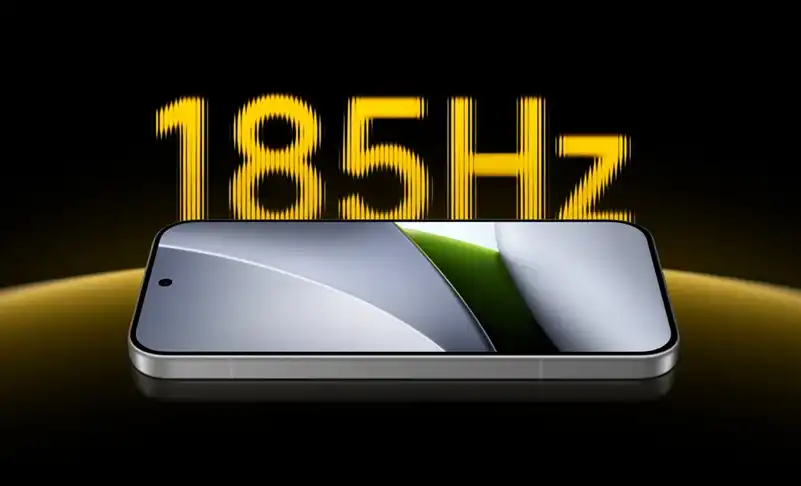
The main difference between an 185Hz display and a 120Hz display is how often the screen is refreshing the picture on display. 120Hz means the screen refreshes 120 times a second. This is smooth for normal use and games. The 185Hz display enhances that rate by over 50%, refreshing 185 times per second to make animations, swiping, and quick action seem even crisper and smoother.
120Hz is pretty much common on mid-range and premium smartphones, but Redmi is pushing the boundaries to try 185Hz across all applications and system menus. You will notice a sharper motion clarity and a smaller input latency if you upgrade from 120Hz to 185Hz. But it also needs greater battery optimisation and thermal management so that the device doesn’t overheat when used for long hours every day.
Will Redmi Smartphones Get 185Hz Displays?
Industry leaks suggest that Redmi is now testing a full-screen 185Hz refresh rate on a future smartphone prototype. But Xiaomi has not confirmed when, or if, this functionality would enter mass production. There are also serious technical challenges in getting 185Hz on all the screen apps, especially with battery life and heat.
Redmi 185Hz Display Technology: What We Know So Far
Recent leaks reveal that Redmi is experimenting with display hardware capable of delivering a constant 185Hz refresh rate across the entire device UI. Most current high-refresh phones limit ultra-fast rates to specific games to conserve battery power. Redmi’s ongoing testing attempts to make 185Hz the standard operating frequency for system apps, home screens, and third-party software alike.