Bumble’s new feature lets users search for matches based on shared interests.
Aims to connect people based on personality rather than just appearance.
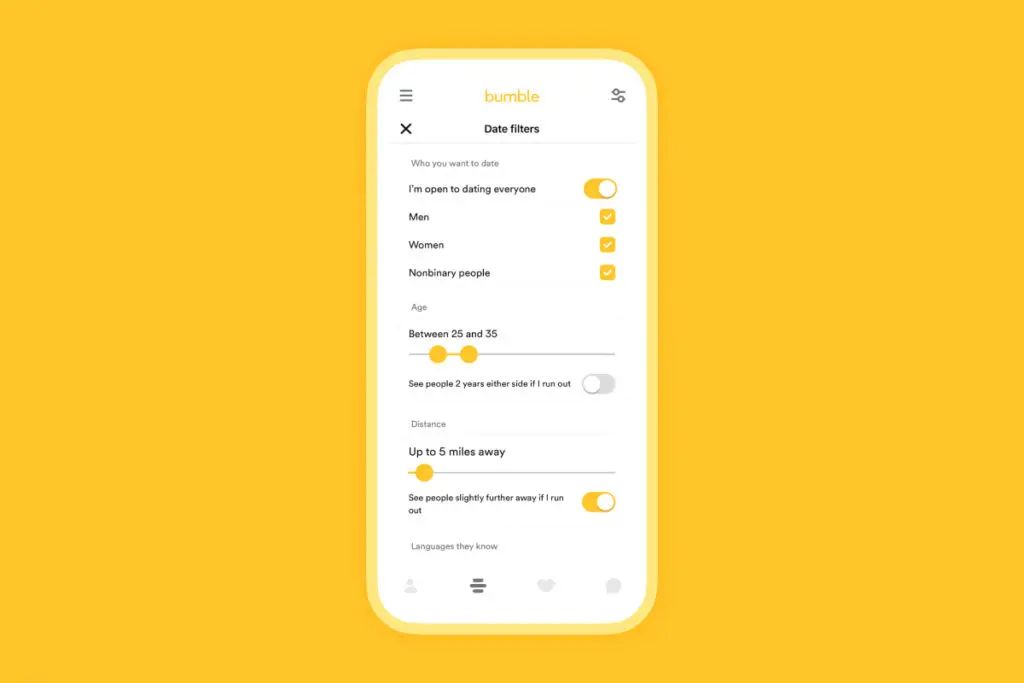
Users can filter by interests using the “narrow your search” and “advanced filters” options.
Bumble’s advanced filters now allow users to match by interest. (Image credit – Bumble)
While apps are supposed to make life easier, dating apps are often a challenge when it comes to finding someone you truly connect with. The focus always seems to be more on physical appearance instead of personality. Moreover, the challenge the coming across the real personality is a whole other challenge altogether.
Bumble, with its online dating cum networking setup, has managed to bridge this gap where people get to know about the personality of the person on the other side of the screen much better than other dating apps we have today.
It appears Bumble is now aiming to work more towards allowing people to connect based on personalities and not only appearance. The app is introducing a new feature that lets users search for matches based on shared interests.
To use this tool, users just need to click “narrow your search,” followed by “advanced filters,” then select “filter by your interests.” Each user can display up to five interests on their profile.
However, there’s a chance a shared interest might not appear if someone hasn’t chosen it for their profile.
Use Bumble Filters to Find the Right Connections
Bumble has recently added over 30 new interest options, so users can be selective rather than choosing them all just to cast a wider net. If no matches are available with those selected interests, users can choose to see other profiles outside their filters.
Many of the interest options are lighthearted like memes, tacos or travelling.
Some, however, offer a deeper glimpse with interests such as mindfulness, slow living and therapy. While it’s not a deep dive into someone’s personality, it offers a bit more insight than just a photo.
Moreover, Bumble is expanding its Opening Moves feature, introduced in April.
The Opening Moves feature allows users to set a specific question for new matches to respond to, instead of crafting a new opener each time. Now, users can set up to three Opening Moves and they can even include images with captions to make the conversation starter more engaging.
FAQs
Q1. How can Bumble users search for matches based on shared interests?
Answer. Users need to click “narrow your search,” followed by “advanced filters,” then select “filter by your interests.”
Q2. What is the maximum number of interests Bumble user can display on their profile?
Answer. On Bumble, each user can display up to five interests on their profile.
Q3. What is the Opening Moves feature on Bumble?
Answer. The Opening Moves feature allows users to set a specific question for new matches to respond to, and now users can set up to three Opening Moves and include images with captions to make the conversation starter more engaging.
It allows users to filter chats by categories like family and friends.
Users can add both group and one-on-one chats to any list by tapping the “+” icon.
The new tool is based on chat filters and follows updates like adding contacts from any device.
WhatsApp new feature will help you keep track of your chats. (Image credit – WhatsApp)
WhatsApphas introduced a new feature called Custom Lists to help users better manage their busy conversations. This new Lists tool is an improved version of the chat filters feature released earlier this year.
The Meta-owned app shared the details of the new feature in a blog post titled “Focus on What Matters With Custom Lists.”
With Lists, users can filter chats by custom categories, creating separate lists for family, friends, coworkers, neighbours, or anyone else. WhatsApp explains that these lists are designed to “help you focus on the conversations that are most important when you need them.”
WhatsApp explains in a blog post, “Earlier this year we introduced chat filters as a way to find messages faster.
We’ve had great feedback that they help you keep track of your chats, and we’re excited to have quickly evolved them into Lists.
With Lists, you can now filter your chats with custom categories of your choice. Whether that’s a list for family, work or your local neighbourhood, Lists help you focus on the conversations that are most important, when you need them.”
Similar to the Favorites feature, users can add both group and one-on-one chats to any list. To start creating a list, simply tap the “+” icon in the filter bar at the top of the Chats tab.
This update is currently rolling out. However, it may take a few weeks to reach users worldwide.
This feature is the latest in a series of updates to WhatsApp. The platform now also allows users to add contacts from any device, not just the primary smartphone linked to their account.
WhatsApp recently hit 100 million users in the US, though its global user base has grown to a remarkable two billion.
FAQs
Q1. What is the new chat filter feature introduced by WhatsApp?
Answer. WhatsApp has introduced a new feature called custom lists to help users better manage their busy conversations.
Q2. How can users start creating a custom list on WhatsApp?
Answer. To start creating a list, simply tap the “+” icon in the filter bar at the top of the Chats tab.
Q3. When is the WhatsApp Custom list feature rolling out?
Answer. This WhatsApp update with the Custom List feature is currently rolling out. However, it may take a few weeks to reach users worldwide.
Q4. How create custom lists on WhatsApp?
Answer.Creating a custom list is an simple process.
Tap the “+” icon in the filter bar at the top of the Chats tab and assign a name to your new list. Users can then add any chat, both individual and group, to their preferred list. Editing existing lists is just as simple, allowing for dynamic organisation as your communication needs evolve.
Adding chats to custom lists feels similar to how users “favorite” important conversations. Once a list is created, it appears prominently in the filter bar, allowing for quick switching between different chat groups.
Telegram’s latest update lets users choose video quality up to 1080p in larger channels.
Also, adjust playback speed and add media to existing messages.
The updates are rolling out now.
Telegram Large Channels Get Option To Select Video Quality. (Image credit – Telegram)
Telegram videos are getting a major upgrade. Users can now choose the quality of received videos, enable Picture-in-Picture (PiP) and adjust playback speed.
Messaging apps like Telegram and WhatsApp have typically delivered better media quality than standard SMS, and with RCS now widely available, Telegram is pushing to enhance its video experience though it may be somewhat limited.
Telegram – Select Video Quality Manually
In this new update, Telegram introduces a few big changes for video sharing.
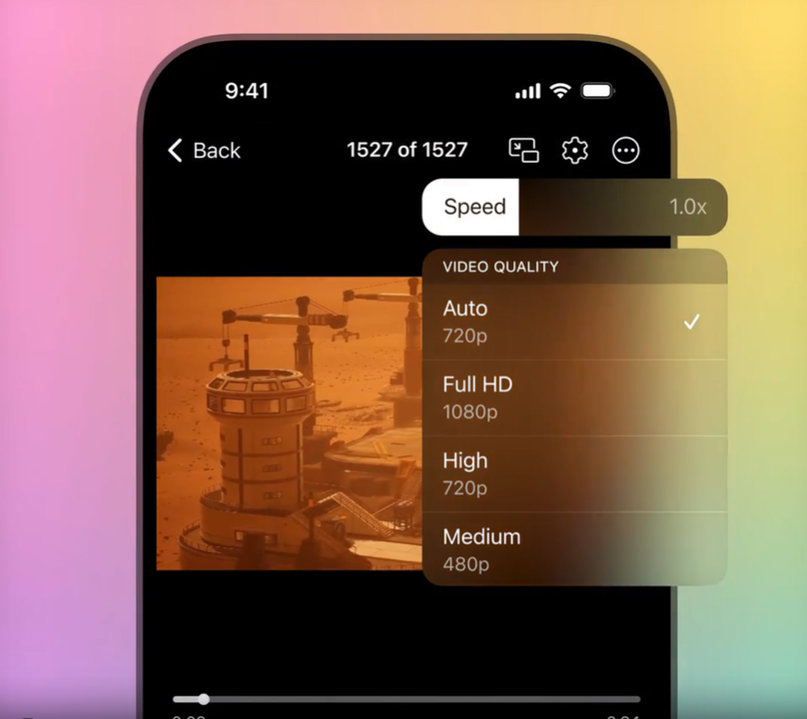
First, users in larger channels—those with “thousands of subscribers”—can manually select video quality up to 1080p rather than watching a default compressed version.
“For videos newly uploaded to large channels, the video player now automatically selects a quality level based on your connection to save your data and load videos faster. Users can also manually select their preferred quality level – High, Medium or Low,” Telegram explains in a blog post.
Telegram – Adjusting Playback Speed
For all users, Telegram is adding a speed adjustment feature, allowing them to change playback speed by tapping the settings cog during playback or by pressing down on the right side of the video.
Telegram explained the feature in detail, “For years, videos on Telegram have supported multiple speed settings – and now users can seamlessly speed up videos with new gestures without tapping through settings.”
“Just hold down on the right side of a video to activate 1.5x speed – and slide right gradually to increase the speed to up to 2.5x. Release your finger to return to normal speed,” the announcement further added.
Telegram – Add Media to Sent Messages
Another feature in this update lets users add media to existing messages. This helps when sending a video or photo along with a message, as it ensures the media stays with the text in the same bubble instead of showing up separately.
“If you forget to attach your photo, video or file before sending, you can quickly edit the message to add media in just two taps – rather than deleting it and starting over,” Telegramexplains.
Telegram adds faster loading, better quality and new speed controls to videos, last edit timestamps, attaching media to sent messages, increased limits for mini apps, new monetization options for developers – and much more.
While the video quality selector islimited to bigger channels, the speed adjustment and media attachment options are available to everyone. It’s hoped the quality selector will eventually be available for all users in future updates.
Telegram says this update is rolling out now.
Last Edit Timestamps for Messages
Edited messages will now display a timestamp indicating when they were last modified. If a message is edited multiple times, the latest edit time will be shown. In small groups and private chats, detailed read receipts will indicate when members opened a message.
Chat-Specific Hashtags
Group and channel owners can now create chat-specific hashtags using the format #hashtag@username. Tapping on a hashtag like #travel will display results from the entire platform, while #travel@durov will show only results from that specific channel. A new menu in public chats makes it easy to add the chat’s username to hashtags.
Telegram Ads in Bots
Bots and mini apps are now able to participate in revenue sharing from Telegram Ads – giving services another way to help support their development.
Telegram Ads are unobtrusive and privacy-conscious – supporting Telegram’s sustainable monetization strategy, while sharing 50% of ad revenue with content creators and bot developers.
Increased Message Limits for Bots
All Telegram bots can send up to 30 messages per second to their users – completely free of charge. To better accommodate large-scale services, bots are now able to enable increased message limits and send up to 1000 messages per second.
Sending messages with increased limits costs just 0.1 Star per message, paid with Telegram Stars from the bot’s balance. Developers can receive Stars from paid content and digital products in their bot.
Exact Reaction Counters
In case you want to know the exact number of heart (or star, or pumpkin) reactions your posts receive, press and hold the counters for more details
FAQs
Q1. What new features are introduced in the latest Telegram update?
Answer. Users can now choose the quality of received videos, enable Picture-in-Picture (PiP) and adjust playback speed.
Q2. What video quality options are available for users in larger channels?
Answer. Users in larger channels—those with “thousands of subscribers”—can manually select video quality up to 1080p rather than watching a default compressed version.
Q3. Are the new features available to all Telegram users?
Answer. The quality selector is limited to bigger channels, while the speed adjustment and media attachment options are available to everyone.
Apple plans to use in-house Wi-Fi and Bluetooth chips for the iPhone 17
The company aims to reduce dependence on Broadcom.
The new chips will be made by TSMC’s N7 process and support Wi-Fi 7.
iPhone 17 will use Apple’s in-house Wi-Fi and Bluetooth chip. (Image credit – Apple)
Apple’s 2024 launch cycle is almost over, although rumours and speculations about what to expect from its 2025 lineup never stopped throughout the year. We have been constantly getting reports of what Apple is planning for iPhone 17 and later releases even iPhone 16 launch date was still unknown. Now, with the iPhone 16 out and about, reports are in full swing.
A recent report now suggests that Apple is planning to go for the in-house Wi-Fi and Bluetooth chip for the iPhone 17 line. Here’s what we are hearing.
Credible Analyst Ming-Chi Kuo recently shared an update on X (previously Twitter) about how Apple is working on reducing its dependence on Broadcom, which currently supplies Wi-Fi and Bluetooth chips.
Kuo hinted that Apple now plans to use “its own Wi-Fi chips, which will be made by TSMC’s N7 process and support the latest Wi-Fi 7 spec.”
Broadcom currently supplies over 300 million Wi-Fi+BT chips (hereafter referred to as Wi-Fi chips) per year to Apple. However, Apple will rapidly reduce its reliance on Broadcom. With new products in 2H25 (e.g., iPhone 17), Apple plans to use its own Wi-Fi chips, which will be…
— 郭明錤 (Ming-Chi Kuo) (@mingchikuo) October 31, 2024
In a subsequent post, Kuo also mentioned that Apple 5G and Wi-Fi chips will be basically two separate chips built using different TSMC processes. This, as per Kuo, means the upcoming iPhone SE4 could have an Apple 5G modem and still incorporate a Broadcom Wi-Fi chip.
Starting from 2H25, both Apple’s 5G and Wi-Fi chips will gradually be used in new products simultaneously. However, since these are two different chips (using different TSMC processes), the early switch-over timelines will differ due to separate production schedules. For example,…
— 郭明錤 (Ming-Chi Kuo) (@mingchikuo) October 31, 2024
What’s interesting about Kuo’s latest update is that even though they highlight the iPhone 17, he mentions ‘new products’, which could very well mean multiple products.
Kuo previously reported that the new Apple-designed 5G chip would first appear in the iPhone SE in the first half of 2025, followed by the iPhone 17 Air in the second half.
This could end in one of two possibilities, either other iPhone 17 models will also receive the new chip or it might also be used in non-iPhone products. It could potentially be integrated into new Apple Watch or iPad models or we might even see the first Macs with cellular capabilities.
Nonetheless, it appears that Apple’s in-house 5G, Wi-Fi and Bluetooth technologies are finally close to launching after years of research and development (and plenty of online rumours).
FAQs
Q1. What is Apple planning for the iPhone 17’s Wi-Fi and Bluetooth chips?
Answer. Credible Analyst Ming-Chi Kuo recently shared an update on X (previously Twitter) about how Apple is working on reducing its dependence on Broadcom. Kuo hinted that Apple now plans to use “its own Wi-Fi chips, which will be made by TSMC’s N7 process and support the latest Wi-Fi 7 spec.”
Q2. When and where could Apple’s in-house 5G chip first appear?
Answer. Kuo previously reported that the new Apple-designed 5G chip would first appear in the iPhone SE in the first half of 2025, followed by the iPhone 17 Air in the second half.
Q3. When is iPhone 17 coming out?
Answer. Apple might release iPhone 17 by the second half of next year.
OpenAI has officially launched its new AI-powered search engine called ChatGPT Search. Introduced in a blog post, OpenAI shared details of the new way and “much better way” of search that provides “fast, timely answers with links to relevant web sources.”
ChatGPT Search is now available and designed to answer search queries by providing links to web sources, images and more. The search function works through a conversational and natural language interface.
As OpenAI describes it: “ChatGPT can now search the web in a much better way than before. You can get fast, timely answers with links to relevant web sources, which you would have previously needed to go to a search engine for. This blends the benefits of a natural language interface with the value of up-to-date sports scores, news, stock quotes and more.”
The ChatGPT Search experience includes a list of citations displayed along the right side of the screen, with web links showing exactly where each piece of information is sourced.
Users who were earlier on the “SearchGPT” waitlist along with the ChatGPT Plus and Team users will get first access. Moreover, Enterprise and Edu subscribers can expect to gain access in the next few weeks, while free users will have broader access over the coming months.
ChatGPTSearch will be available on the web, desktop and mobile apps.
Quoted in the announcement were some industry experts who noted the changing times in the web search landscape.
Pam Wasserstein, President of Vox Media, said, “ChatGPT search promises to better highlight and attribute information from trustworthy news sources, benefiting audiences while expanding the reach of publishers like ourselves who produce premium journalism.”
The CEO & Publisher of Le Monde, Louis Dreyfus said, “We are convinced that AI search will be, in a near future and for the next generations, a primary way to access information, and partnering with OpenAI positions Le Monde at the forefront of this shift. It allows us to test innovations at an early stage while safeguarding journalism’s core values and integrity.”
Moreover, noting Axel Springer’s partnership with OpenAI, SVP Global Strategic Partnerships Axel Springer SE, Mathias Sanchez mentioned, “As AI reshapes the media landscape, Axel Springer’s partnership with OpenAI opens up tremendous opportunities for innovative advancements. Together, we’re driving new business models that ensure journalism remains both trustworthy and profitable.”
Get real-time weather updates powered by AccuWeather on ChatGPT Search. (Image credit – OpenAI)Get real-time stock updates on ChatGPT Search. (Image credit – OpenAI)Get real-time sports scores on ChatGPT Search. (Image credit – OpenAI)Get real-time news on ChatGPT Search. (Image credit – OpenAI)Get real-time maps on ChatGPT Search. (Image credit – OpenAI)
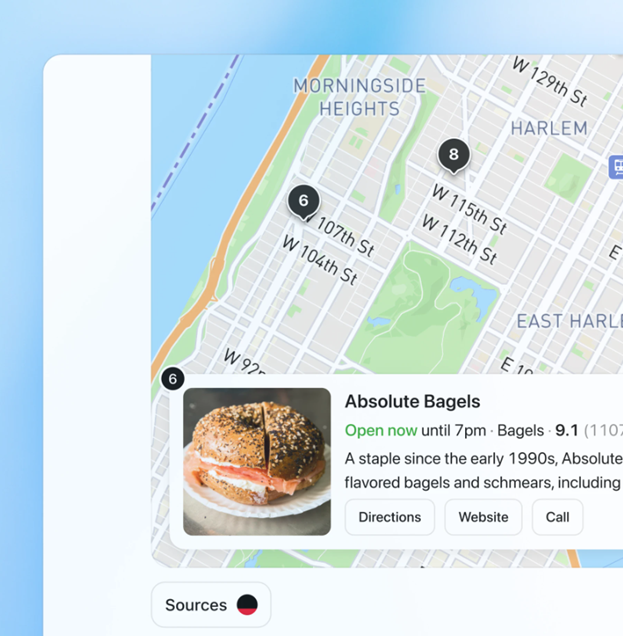
Apart from the general information and web links, ChatGPT Search will provide real-time weather updates (powered by AccuWeather), stock data, sports scores, news and maps.
OpenAI notes that its news content comes after the company “collaborated extensively with the news industry and carefully listened to feedback.”
This announcement comes as reports suggest OpenAI is planning to launch its next major model update in December.
FAQs
Q1: What is ChatGPT Search and how does it work?
Answer. ChatGPT Search is OpenAI’s new AI-powered search engine designed to answer search queries with links to web sources, images, and more, using a conversational and natural language interface.
Q2. Who gets first access to ChatGPT Search?
Answer. Users who were earlier on the “SearchGPT” waitlist along with the ChatGPT Plus and Team users will get first access. Enterprise and Edu subscribers can expect access in the next few weeks, with broader access for free users over the coming months.
Q3. What kind of real-time updates does ChatGPT Search provide?
Answer. ChatGPT Search will provide real-time weather updates (powered by AccuWeather), stock data, sports scores, news, and maps, including content that comes after extensive collaboration with the news industry.
Samsung plans to launch a Slim version of the Galaxy S25.
If successful, these design elements might be incorporated into the Galaxy S26.
Somehow smartphone manufacturers have been putting a lot of thought and resources into developing slimmer phones.
It appears the race to make the slimmest smartphone has finally reached the top order. While we are still processing the slim iPhone 17 rumours, the grapevine now buzzing about a slim Galaxy S25 too.
According to industry insiders quoted by the Korean publication ETNews, Samsung is reportedly planning to launch a Slim version of one of the Galaxy S25 phones.
This will be released a few months after the initial Galaxy S25 series lineup, which is expected to debut early next year with the usual three models.
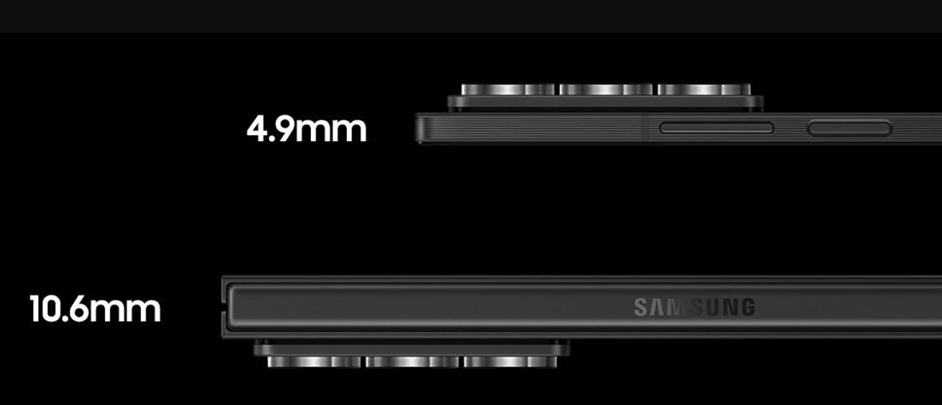
Samsung Galaxy Z Fold Special Edition slimmer at 4.9mm. (Image credit – GSMArena/Samsung)
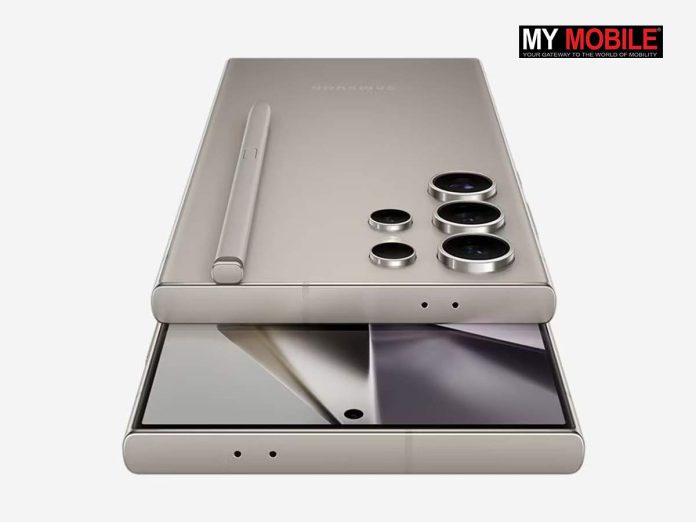
This slimmer Galaxy S25 model is expected to arrive following a similar approach to the Galaxy Z Fold Special Edition, with a focus on achieving a more compact and slim design. However, it’s still unclear which of the S25 models will be the basis for the Galaxy S25 Slim version.
Insiders say that Samsung wants to test the market’s interest in slimmer smartphones and if the response is positive, they might incorporate these design elements into the Galaxy S26.
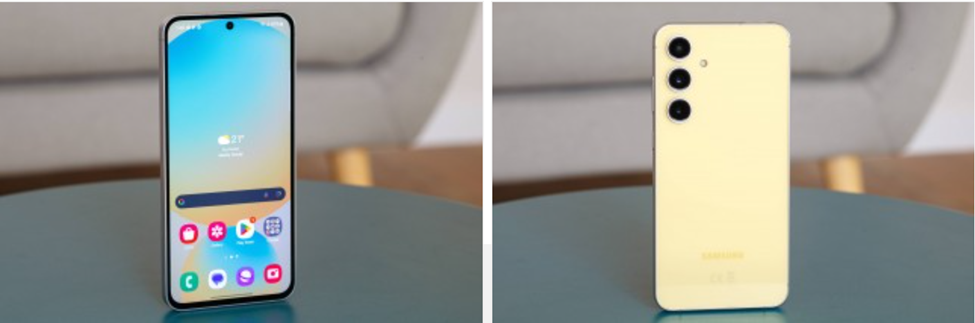
Samsung Galaxy S24 FE is 8mm thick. (Image credit – GSMArena)
Earlier reports from The Elec also suggested that Samsung might turn the Galaxy S25 FE into a Slim model, which would align with this strategy, as the FE models typically launch a few months after the main lineup.
This timing helps avoid competing directly with the initial Galaxy S25 series, a concern Samsung also reportedly has with the new Slim model.
This is not the first time we will be getting a slim Samsung phone. About a decade ago, Samsung launched the Galaxy Alpha, which was a slim 6.7mm smartphone. This was to inspire the Galaxy S6 design the next year.
Interestingly, Apple is also rumoured to be working on a Slim model for next year potentially replacing its Plus model, which struggled to gain traction after it replaced the mini model.
FAQs
Q1. Is Samsung releasing a Slim version of the Galaxy S25?
Answer. Insiders say that Samsung wants to test the market’s interest in slimmer smartphones and if the response is positive, they might incorporate these design elements into the Galaxy S26.
Q2. When is the Samsung Galaxy S25 Slim expected to be released?
Answer. According to industry insiders quoted by the Korean publication ETNews, Samsung is reportedly planning to launch a Slim version of one of the Galaxy S25 phones a few months after the initial Galaxy S25 series lineup, which is expected to debut early next year.
OnePlus 13 is launched in China as the brand’s latest flagship.
It offers significant performance improvements with the Snapdragon 8 Elite processor.
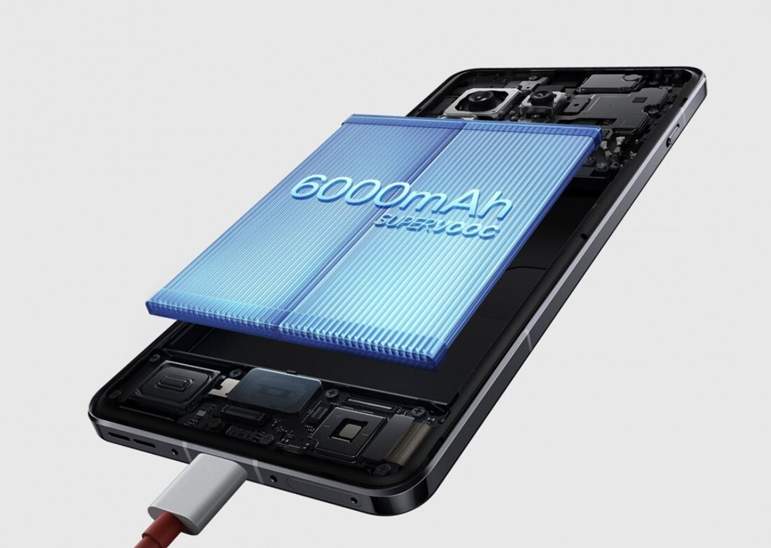
The OnePlus 13 has upgraded camera sensors and a larger 6,000mAh battery compared to the OnePlus 12.
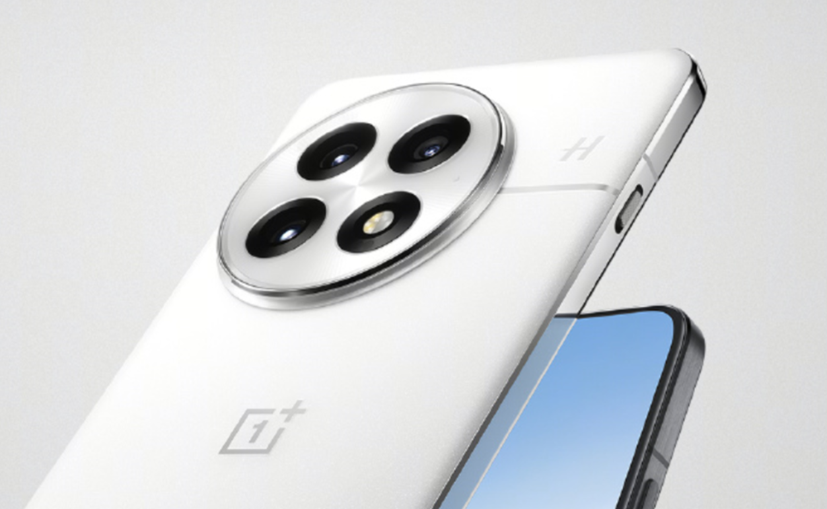
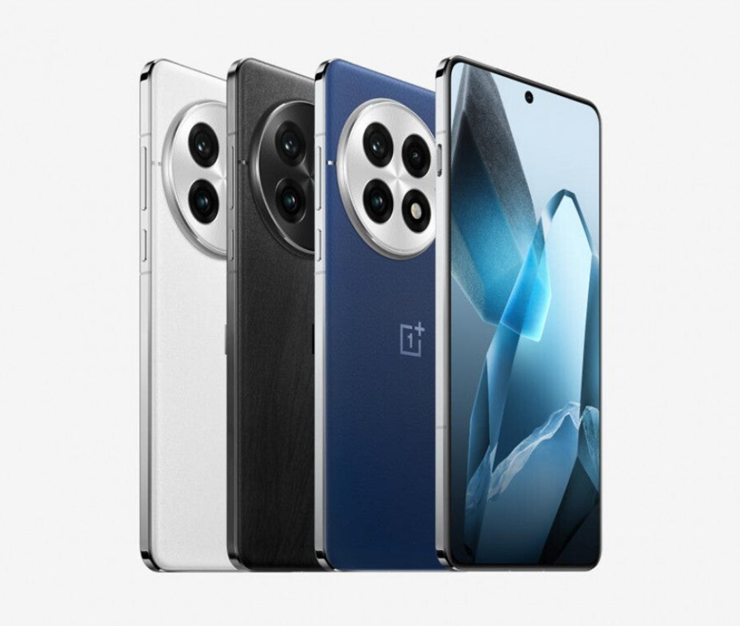
OnePlus 13 has been launched in China as OnePlus’ latest flagship smartphone. (Image credit – OnePlus)
OnePlushas officially launched its latest flagship smartphone OnePlus 13 in China. While we are not sure about its global release date as of now, some reports expect it to be released worldwide in early 2025.
Anyhow, the official launch of the OnePlus flagship has us wondering about what major upgrades the Chinese manufacturer is bringing.
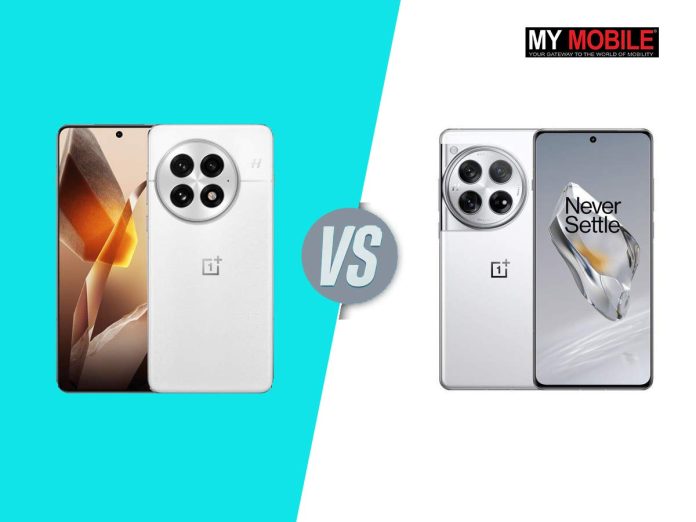
So, here’s a look at the upgrades and changes it brings over the previous model the OnePlus 12.
OnePlus 13 Vs OnePlus 12 – Key Feature Upgrades
Features
OnePlus 13
OnePlus 12
Processor
Snapdragon 8 Elite Octa-core
Snapdragon 8 Gen 3 Octa-core
Display
6.82″ (17.32 cm) 120Hz LTPO AMOLED
6.82″ (17.32 cm) 120Hz ProXDR LTPO
RAM and Storage
12 GB RAM
256 GB Storage
12 GB RAM
256 GB Storage
Camera Rear
50MP main + 50MP Ultra-wide + 50MP 3x Zoom
50MP Main + 48MP ultra-wide + 64 MP 3x Zoom
Camera Front
32MP
32 MP
Battery
6000mAh
5400mAh
Charging
100W Wired, 50W Wireless, 10W reverse wireless
100W Wired, 50W Wireless, 10W reverse wireless
IP Rating
IP69 (protected against water jets)
IP65 (splash protection)
Slimness
Slimmer at 8.5mm
9.2mm
Weight
210g
220g
OnePlus 13 Vs OnePlus 12 – Design
With OnePlus 13, the focus clearly has been on enhancing the design.
The OnePlus 13 has a fresh and polished appearance with the biggest change being in the camera module.
The look of the camera module at the back now stands apart from the metallic frame rather than blending into it.
The recently launched OnePlus 13 comes in colour and finish combinations. (Image credit – OnePlus)
The OnePlus 13 comes in three distinctive finishes including –
White Dew Dawn (white glass)
Obsidian Secret Realm (black finish)
Blue Hour (“baby skin” soft touch faux leather finish)
In comparison, the previous generation OnePlus 12 was only available with a glass back in different colours.
Moreover, the new model also has functional upgrades with an IP68/IP69 rating for improved water and dust resistance, compared to the IP65 rating on the OnePlus 12.
OnePlus 13 Vs OnePlus 12 – Performance
OnePlus 13 comes with the new Snapdragon 8 Elite and a large 9925mm² VC cooling unit. (Image credit – OnePlus)
The OnePlus 13 offers a great boost in performance compared to its predecessor, thanks to the new and powerful Snapdragon 8 Elite processor.
The Snapdragon 8 Elite provides a significant performance boost, with 45% more CPU power, 44% better power efficiency, 40% faster GPU performance, and 35% faster ray tracing. While the OnePlus 12 with its Snapdragon 8 Gen 3 was already powerful, the OnePlus 13 takes things further with even more advanced hardware.
It also comes with an improved cooling system with a large 9925mm² VC cooling unit. This advanced thermal setup supports the Qualcomm Snapdragon 8 Elite, the latest high-end chip for top-tier Android devices.
OnePlus 13 Vs OnePlus 12 – Camera
Both the OnePlus 12 and OnePlus 13 feature triple rear cameras, but with different sensors.
The OnePlus 12 includes a 50MP Sony LYT808 main sensor with OIS, a 64MP OmniVision OV64B periscope telephoto lens (OIS, 3x zoom) and a 48MP Sony IMX581 ultra-wide camera with autofocus. On the front, it has a 32MP selfie camera.
The OnePlus 13, however, upgrades the setup with a 50MP Sony LYT808 main sensor with OIS, a 50MP LYT600 periscope telephoto with a multi-prism reflective structure (OIS, 3x zoom) and a 50MP Samsung S5KJN5 ultra-wide lens with a 114° field of view. For selfies, it also offers a 32MP front camera.
Both models benefit from Hasselblad’s image processing for enhanced photography.
The OnePlus 12 came with a solid 5,400mAh battery, supporting 100W wired fast, charging 50W wireless charging, and 10W reverse wireless charging.
Meanwhile, the OnePlus 13 maintains these charging speeds but as a major upgrade, it packs an even larger 6,000mAh battery for longer-lasting power.
FAQs
Q1. What design changes does the OnePlus 13?
Answer. The OnePlus 13 has a fresh and polished appearance with the biggest change being in the camera module. It comes in three finishes: Silk Glass (White), velvet leather (Blue) and Obsidian (Black), and has an IP68/IP69 rating for improved water and dust resistance.
Q2. What processor powers the OnePlus 13 and how does it improve performance?
Answer. The OnePlus 13 is powered by the new Snapdragon 8 Elite processor, which provides a significant performance boost, with 45% more CPU power, 44% better power efficiency, 40% faster GPU performance, and 35% faster ray tracing.
Q3. What camera upgrades does the OnePlus 13 compared to OnePlus 12?
Answer. The OnePlus 13 upgrades the camera setup with a 50MP Sony LYT808 main sensor with OIS, a 50MP LYT600 periscope telephoto with OIS and 3x zoom, and a 50MP Samsung S5KJN5 ultra-wide lens with a 114° field of view.
Q4. How does the battery of the OnePlus 13 compare to the OnePlus 12?
Answer. The OnePlus 13 packs a larger 6,000mAh battery compared to the OnePlus 12’s 5,400mAh battery, maintaining the same charging speeds of 100W wired fast charging, 50W wireless charging, and 10W reverse wireless charging.
November will see the launch of Realme GT 7 Pro, iQOO Neo 10 series and Redmi K80 series.
Realme GT 7 Pro is confirmed for November 4, 2024, featuring Snapdragon 8 Elite chip, 6.78-inch AMOLED display and a 6500mAh battery with 120W charging.
Other potential upcoming launches include the Huawei Mate 70 series, OnePlus Ace 5 series, Honor’s 300 series, Vivo’s S20 series, OPPO’s Reno 13 series, Nubia Z70 Ultra and Red Magic 10 series.
We are in the last leg of the year and with that, the 2024 flagship smartphone season is coming to an end.
This, however, doesn’t mean we don’t have anything to look forward to in the smartphone industry for the rest of the year.
As per recent reports, November will kick off a series of launches for mid-range phones. It appears we will soon be seeing plenty of sub-flagship releases.
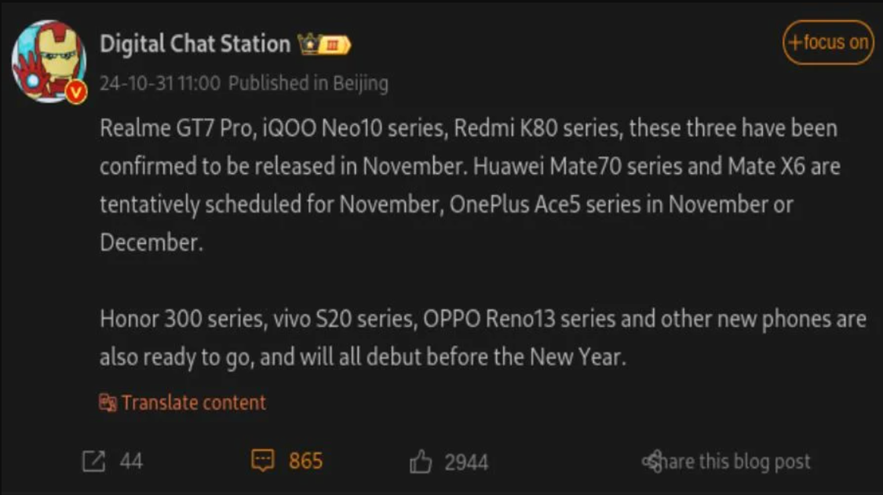
The well-known leaker Digital Chat Station recently shared insights on Weibo on smartphones set to launch by the end of the year. Here’s what we can gather from their tip.
Leaker Digital Chat Station’s post on Weibo hinting at potential November and December launches.
New Mid-Range Phones Coming in 2024
According to Digital Chat Station’s post, November will bring several new models including the Realme GT 7 Pro, the iQOO Neo 10 series (with both Neo 10 and Neo 10 Pro) and the Redmi K80 series (including K80 and K80 Pro).
Realme has already announced that the GT 7 Pro will officially launch on November 4, 2024.
Huawei may also release its Mate 70 series and Mate X6 foldable in November. OnePlus could roll out its Ace 5 series (starting with the Ace 5, with a Pro model expected in mid-2025) sometime between November and December.
Digital Chat Station also hinted at other year-end releases including Honor’s 300 series, Vivo’s S20 series and OPPO’s Reno 13 series.
Moreover, new models from Nubia (Z70 Ultra) and Red Magic (10 series) are also expected.
What is Confirmed?
As for confirmed details, we have confirmed from Realme that the GT 7 Pro will launch on November 4, 2024.
Realme has shared some key specs for the GT 7 Pro. It will feature the powerful Snapdragon 8 Elite chip and an 11,480mm² dual-layer VC cooling system to help manage heat.
The GT 7 Pro’s display will be a 6.78-inch Samsung Eco² AMOLED panel with a 1.5K resolution, reaching up to 2000 nits of peak brightness and displaying 1.07 billion colours.
For cameras, the phone will pack a 50MP IMX906 main sensor, an 8MP ultrawide and a 50MP IMX882 periscope telephoto lens with 3x optical zoom. For selfies, it will have a 16MP front camera.
Powering the device will be a massive 6500mAh battery, which supports 120W wired charging.
As the launch timeline approaches, we can expect more details to emerge.
FAQs
Q1. When will the Realme GT 7 Pro be launched and what are its key features?
Answer. The Realme GT 7 Pro will launch on November 4, 2024.
Q2. What are some other mid-range phones expected to launch by the end of 2024?
Answer. November will bring new models including the iQOO Neo 10 series, Redmi K80 series, Huawei Mate 70 series, OnePlus Ace 5 series, Honor’s 300 series, Vivo’s S20 series, OPPO’s Reno 13 series, Nubia Z70 Ultra and Red Magic 10 series.
Q3. What specifications are confirmed for the Realme GT 7 Pro?
Answer. The Realme GT 7 Pro will feature a 50MP IMX906 main sensor, 8MP ultrawide, 50MP IMX882 periscope telephoto lens, a 16MP front camera, Snapdragon 8 Elite chip, and 6500mAh battery with 120W wired charging.
iQOO launched its flagship iQOO 13 with Snapdragon 8 Elite and Q2 chip.
It will be now available in China starting at 3,999 yuan ($561).
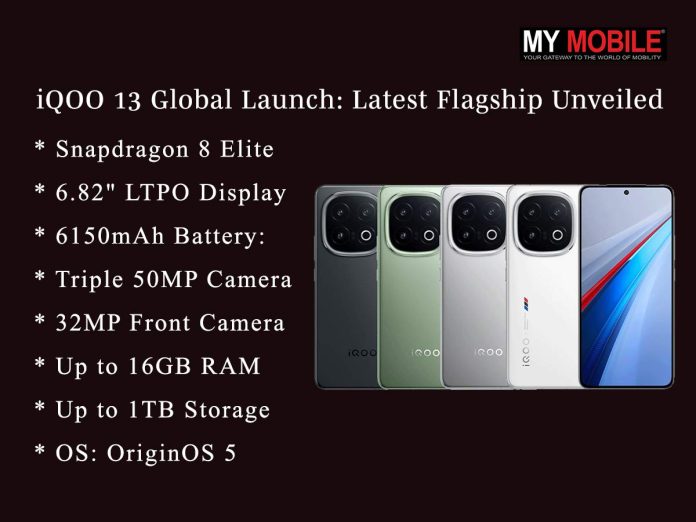
It features a 6.82-inch 8T LTPO display with 144Hz refresh rate, 6150mAh battery and advanced eye protection.
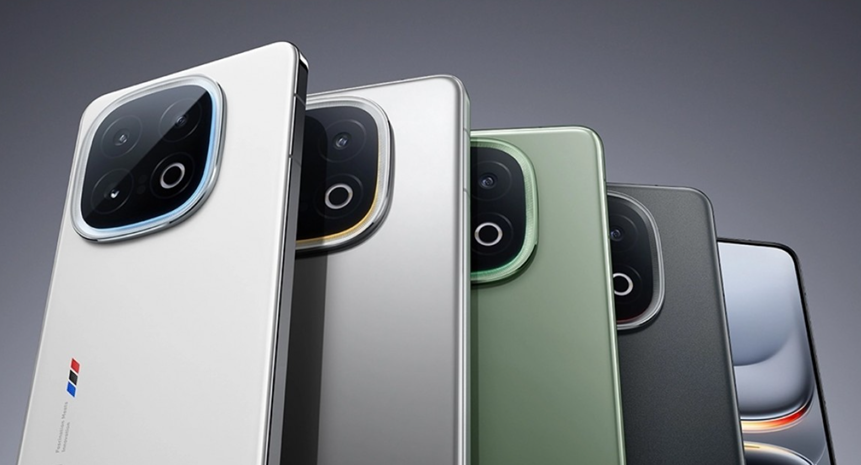
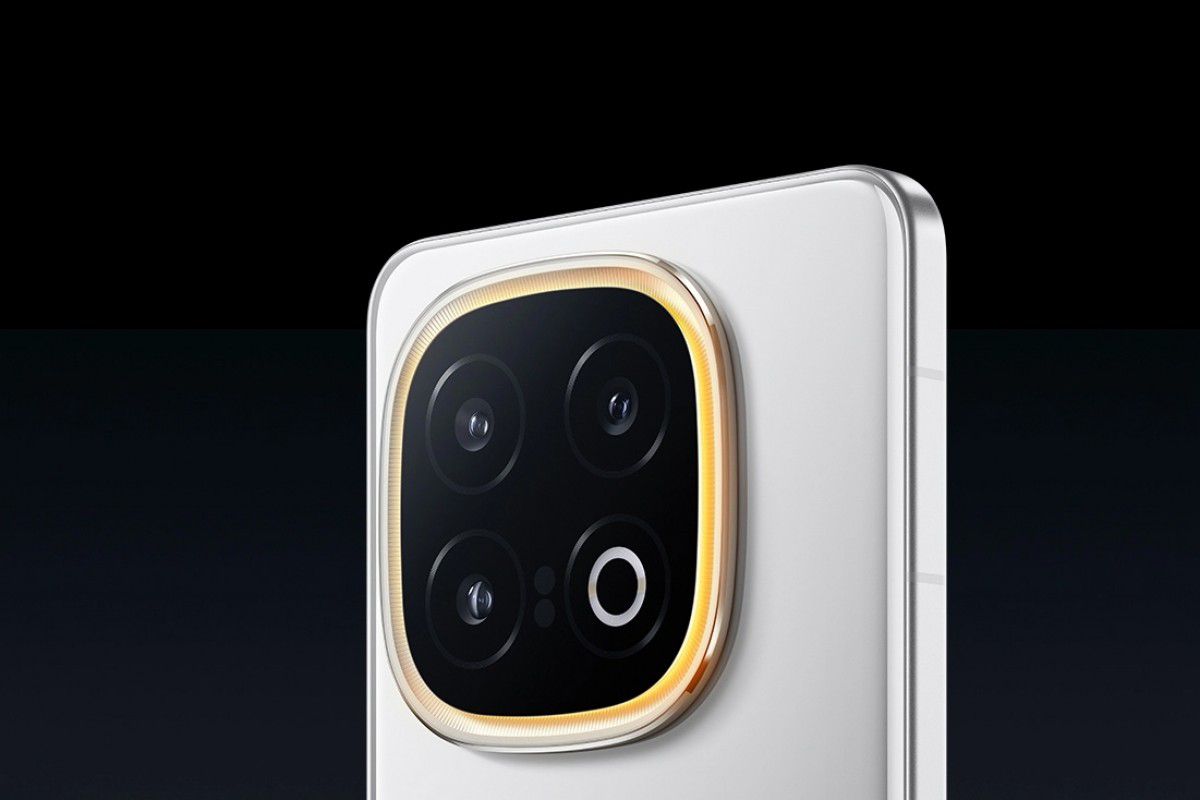
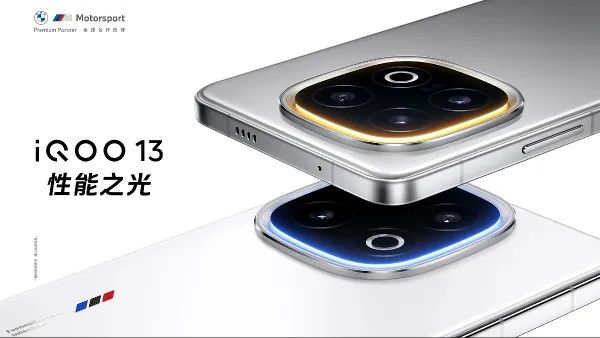
iQOO 13 comes in Legend White, Track Black, Nardo Grey, and Isle of Man Green colours. (Image credit – iQOO)
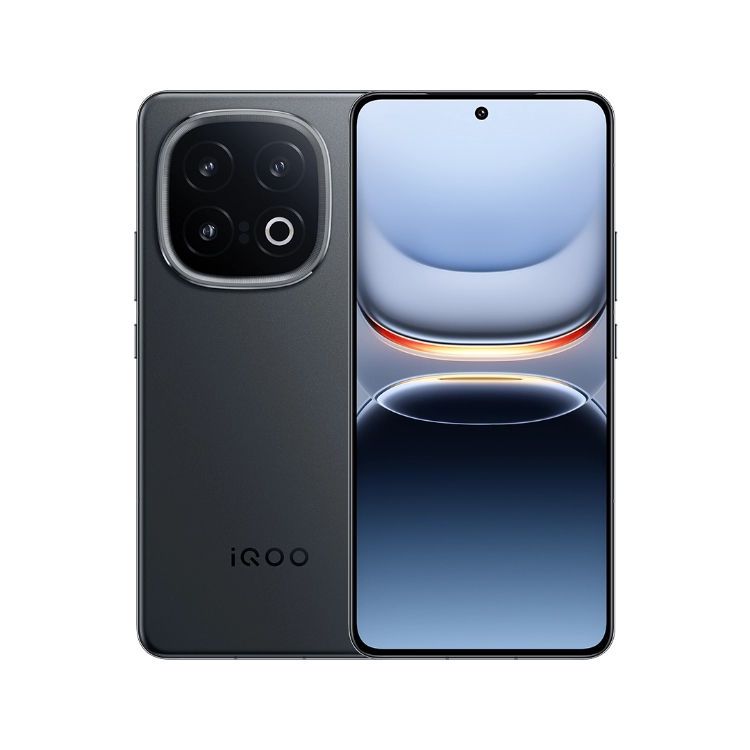
iQOO has launched its 2024 flagship the iQOO 13 featuring Qualcomm’s new Snapdragon 8 Elite and and the second-generation SuperComputing Chip Q2. Currently only launched in the Chinese market, iQOO 13 price in China starts at 3,999 yuan (approx $561 or INR 47,170).
Here’s a closer look at what this new model has to offer.
iQOO 13 – Display Features
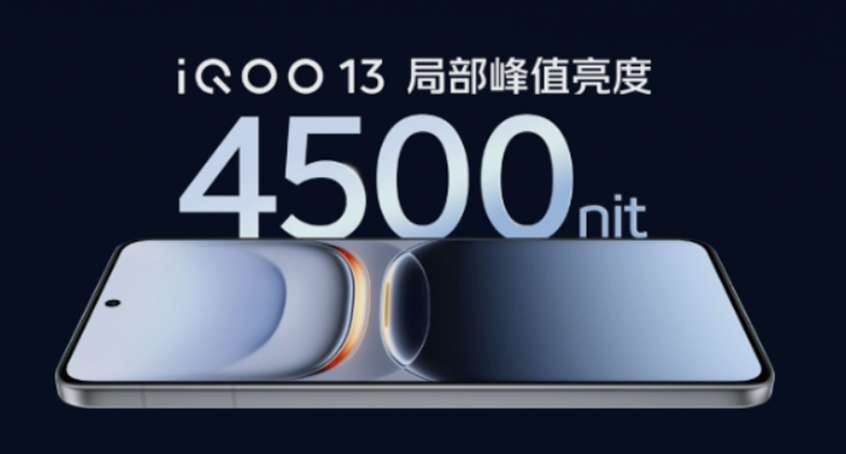
iQOO 13 goes to a peak brightness of 1800 nits and a local peak brightness of up to 4500 nits. (Image credit – IQOO)
The iQOO 13 features a large 6.82-inch 8T LTPO flat display with a high resolution of 3168×1440. Developed with BOE’s Q10 luminous material, the display supports a 144Hz refresh rate and reaches a peak brightness of 1800 nits, with a localpeak brightness up to 4500 nits.’
The back of the iQOO 13 features a substantial RGB lit camera ring which features 72 light effects.
This advanced screen also delivers a 50% boost in colour accuracy, a longer lifespan and 15% less smearing, all while using 10% less power.
To enhance eye comfort, iQOO has integrated Vivo’s custom eye protection system. This includes circular polarized light technology to ease eye strain and a high-frequency PWM dimming of 2592Hz at full brightness, making it more comfortable during ext
iQOO 13 – Hardware and Performance
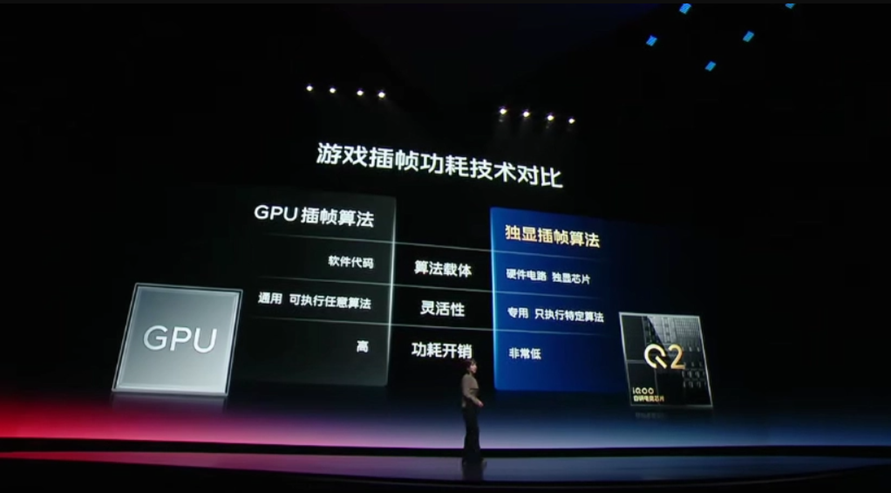
The iQOO 13 can reach 144fps in compatible games thanks to the Q2 chip’s frame rate interpolation. (Image credit – iQOO)
The iQOO 13 packs the latest Snapdragon 8 Elite processor, paired with LPDDR5X Ultra memory and UFS 4.1 flash storage. This combination gives the device a powerful performance score of over 3.15 million on AnTuTu.
iQOO revealed that the device can handle 60fps gaming in Naraka: Bladepoint and 90fps with ray tracing in Dark Zone Breakout and Honkai Impact 3.
It is reported to sustain Genshin Impact at 60fps for up to 12 hours, reflecting iQOO’s focus on both performance and temperature management.
The iQOO 13’s primary camera is a 50MP Sony IMX921 compared to a 50MP Omnivision OV50H lens.
Thanks to the Q2 chip’s frame rate interpolation, the iQOO 13 can reach 144fps in compatible games, with super-resolution gaming in 2K.
These capabilities support over 140 super-frame games and more than 100 super-resolution games with 98 games compatible with both features simultaneously.
The BOE-made LTPO 2.0 AMOLED panel features a 1,440 x 3,200px resolution and a 1-144Hz variable refresh rate.
The iQOO 13 comes with a massive 6150mAh battery capacity, an upgrade from its predecessor’s 5000mAh.
It uses iQOO’s third-generation silicon negative electrode technology. Despite the larger battery, the phone remains slim at 7.99mm, even thinner than the iQOO 12.
The device includes a 100W charger that supports PD output for use with PCs and tablets, and a bypass charging option to power the phone directly from the adapter without affecting battery life cycles.
iQOO 13 – Camera Features
The phone is powered by Snapdragon 8 Elite SoC with optimizations by working with Qualcomm, and claims 3.15 million points on AnTuTu. Naraka: Bladepoint mobile game supports 60fps action mode, and Dark Zone Breakout mobile game has 90fps support with ray tracing, said iQOO.
For photography, the iQOO 13 sports a triple-camera setup with three 50MP sensors. These include –
There is halo light around the camera deco, which is turned off by default and can be turned on easily.
A 1/1.56-inch IMX 921 primary sensor with f/1.88 aperture and OIS
A 1/2.93-inch IMX816 portrait telephoto lens with f/1.85 aperture
A 119.4° ultra-wide-angle lens with a 1/2.76-inch sensor
iQOO 13 ships with OriginOS 5 based on Android 15 in China .
The front camera includes a 32MP sensor for clear selfies. The camera system supports features like professional portrait lighting, multi-focal length portraits, advanced night mode, 3D imaging and a humanistic street photography mode for vibrant street shots.
iQOO 13 – Price and Availability
iQOO 13 is available in four subtle colours in the Chinese market. (Image credit – iQOO)
iQOO 13 will be available in China in four colour options including Legend, Track, Isle of Man and Nardo Gray.
The iQOO 13 China prices are as follows –
iQOO 13 arrives as a successor to the iQOO 12 from last year.
12GB+256GB: 3999 yuan (approx $561 or INR 47,170)
16GB+256GB: 4299 yuan (approx $603 or INR 50,702)
12GB+512GB: 4499 yuan (approx $631 or INR 53,056)
16GB+512GB: 4699 yuan (approx $659 or INR 55,411)
16GB+1TB: 5199 yuan (approx $730 or INR 61,381
FAQ
Q1. What processor does the iQOO 13 use?
Answer. The iQOO 13 features Qualcomm’s new Snapdragon 8 Elite and the second-generation SuperComputing Chip Q2.
Q2. What are the display features of the iQOO 13?
Answer. The iQOO 13 features a large 6.82-inch 8T LTPO flat display with a high resolution of 3168×1440, supports a 144Hz refresh rate and reaches a peak brightness of 1800 nits.
Q3. What are the camera specifications of the iQOO 13?
Answer. The iQOO 13 sports a triple-camera setup with three 50MP sensors, including a 1/1.56-inch IMX 921 primary sensor with f/1.88 aperture and OIS, a 1/2.93-inch IMX816 portrait telephoto lens with f/1.85 aperture, and a 119.4° ultra-wide-angle lens with a 1/2.76-inch sensor. The front camera includes a 32MP sensor.
Q4. How is the front camera of iQOO 13?
Answer. The front camera includes a 32MP sensor for clear selfies. The camera system supports features like professional portrait lighting, multi-focal length portraits, advanced night mode, 3D imaging and a humanistic street photography mode for vibrant street shots.
Honor launched the Magic 7 series with the Magic 7 and Magic 7 Pro featuring Snapdragon 8 Elite.
Both models have a high-resolution 50MP main camera, a 200MP periscope telephoto lens on the Pro, along with 100W wired and 80W wireless charging.
Smartphones will be available in China from November 8.
Honor Magic 7 Series launched in China. (Image credit – Honor)
Hnor has officially launched its new Magic 7 series in China, featuring the Honor Magic 7 and Magic 7 Pro.
Both smartphones built on last year’s Magic 6 models introduce advanced AI features and upgraded specs for an enhanced user experience.
Here’s a closer look at what they offer.
Honor Magic 7 & 7 Pro – Key Specifications
Honor Magic 7 series comes with an impressive HDR brightness of up to 5000 nits. (Image credit – Honor)
The Honor Magic 7 sports a 6.78-inch ultra-narrow flat OLED display, while the Magic 7 Pro has a 6.8-inch quad-curved OLED display.
Both models support a 1-120Hz LTPO adaptive refresh rate delivering smooth visuals with an impressive HDR brightness of up to 5000 nits, making it one of the brightest screens available.
Both models are equipped with Honor’s AI Oasis Eye-Care tech, which reduces blue light exposure and aids in lutein absorption. The displays have also received TÜV Rheinland certifications for flicker-free viewing and eye comfort.
Powering both devices is the new Snapdragon 8 Elite processor, built on a second-gen 3nm process with two prime cores at 4.32GHz and six performance cores at 3.53GHz. The phones include the Adreno 830 GPU for a 40% improvement in gaming performance.
An ultra-wide liquid cooling system helps maintain temperatures below 44.8°C.
The Magic 7 series runs on MagicOS 9.0,based on Android 15, bringing advanced AI features like the YOYO Smart Assistant.
This allows users to manage app notifications and subscriptions through voice commands. The OS also includes improved privacy features such as AI Face Swap Detection for secure video calls.
Honor Magic 7 & 7 Pro – Camera Setup
The Honor Magic 7 is equipped with a 50MP Ultra-Dynamic Eagle Eye main camera, a 50MP ultra-wide lens, and a 50MP telephoto sensor with 3x optical zoom and OIS.
Honor Magic 7 Pro comes with a 200MP periscope telephoto lens. (Image credit – Honor)
The Magic 7 Pro has a similar 50MP main camera with variable aperture (f/1.4-f/2.0) and a 200MP periscope telephoto lens capable of 100x digital zoom with OIS.
For selfies, both models have a 50MP front camera. The Pro model also includes a ToF depth-sensing camera for enhanced 3D facial recognition and portrait effects.
Both devices feature AI-driven photography modes like AI Eagle Eye Burst and super portrait mode optimising image quality in any lighting condition.
Honor Magic 7 & 7 Pro – Battery, Charging and Other Features
The Magic 7 has a 5650mAh battery, while the Pro model packs a larger 5850mAh battery. Both support 100W wired fast charging and 80W wireless charging. Honor’s third-gen Qinghai Lake battery tech, along with the E2 chip, improves battery health and longevity.
Both phones offer secure unlocking through a 3D ultrasonic fingerprint sensor that works even with wet hands and 3D facial recognition. They’re also water and dust-resistant with IP68 and IP69 ratings and support 5G, Wi-Fi 7, Bluetooth 5.4, NFC and DTS Ultra for enhanced audio.
The Magic 7 supports Beidou satellite messaging, while the Pro model includes Tiantong satellite communication for connectivity even without a network signal.
The Magic 7 series also features 10x drop resistance, certified by SGS.
The Honor Magic 7 measures 162.1 x 75.8 x 7.95 mm and weighs about 199g, while the Magic 7 Pro measures 162.7 x 77.1 x 8.8 mm and weighs around 223g.
Honor Magic 7 & 7 Pro – Pricing and Availability
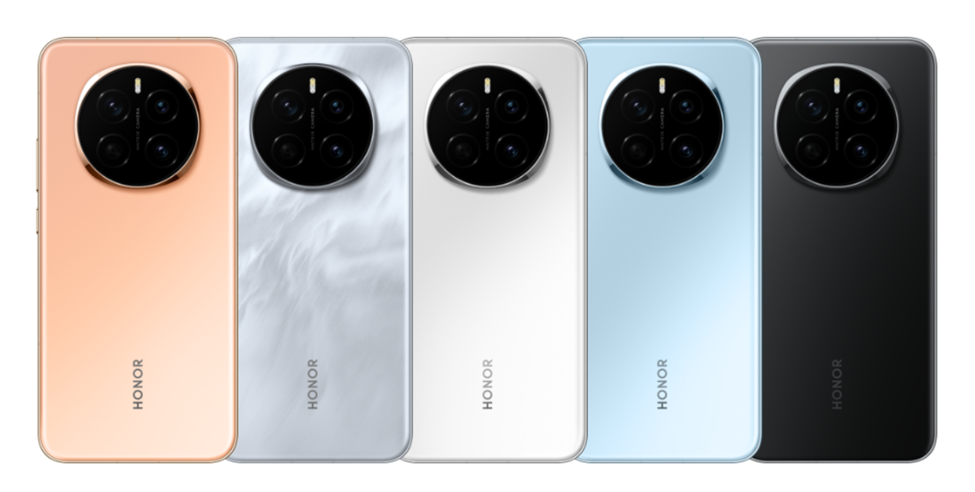
Honor Magic 7 Series price starts at 4,499 Yuan (approx $631 or INR 53,051) in China. (Image credit – Honor)
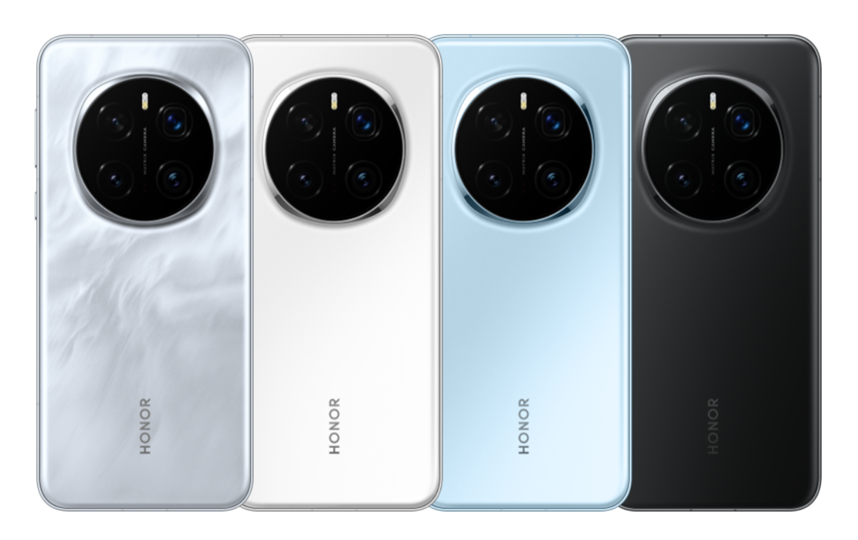
The Honor Magic 7 comes in five colours including Sunrise Gold, Moon Shadow Grey, Snowy White, Sky Blue and Velvet Black. The Magic 7 Pro, on the other hand, is available in Moon Shadow Grey, Snowy White, Sky Blue and Velvet Black.
Q1. What are the display specifications for the Honor Magic 7 and Magic 7 Pro?
Answer. The Honor Magic 7 sports a 6.78-inch ultra-narrow flat OLED display, while the Magic 7 Pro has a 6.8-inch quad-curved OLED display. Both models support a 1-120Hz LTPO adaptive refresh rate delivering smooth visuals with an impressive HDR brightness of up to 5000 nits.
Q2. What processor is used in the Honor Magic 7 series?
Answer. Powering both devices is the new Snapdragon 8 Elite processor, built on a second-gen 3nm process with two prime cores at 4.32GHz and six performance cores at 3.53GHz.
Q3. What camera features are included in the Honor Magic 7 Pro?
Answer. The Magic 7 Pro has a 50MP main camera with variable aperture (f/1.4-f/2.0) and a 200MP periscope telephoto lens capable of 100x digital zoom with OIS. For selfies, it includes a 50MP front camera and a ToF depth-sensing camera for enhanced 3D facial recognition and portrait effects.
Q4. What are the pricing and availability details for the Honor Magic 7 and Magic 7 Pro?
Answer. The Honor Magic 7 is priced starting at 4,499 Yuan (approx $631 or INR 53,051) for the 12GB RAM + 256GB Storage model, while the Magic 7 Pro starts at 5,699 Yuan (approx $799 or INR 67,176) for the 12GB RAM + 256GB Storage model. The Magic 7 series will be available starting at 10:08 AM (CST) on November 8 in China.