Home Blog Page 1320

The present and future of wearables in India

0

Wearable devices bring us closer to technology in a seamless manner and allow us more control over our lives. For instance, the virtue of such devices to monitor our health parameters enables us to identify any anomalies in heartbeat or blood pressure levels well in time, giving us the scope to take preventive measures and treatments accordingly. The same capability is applied to everything that wearable technology can get attached to, making wearable technology more desirable and acceptable.

Wearable technology in India

Wearable technology is classified into basic (run without apps) and smart (run with apps). India being a price sensitive market, the demand for basic wearable gadgets is higher than its counterpart. Therefore, fitness bands have conventionally had a stronghold in the market. Wearing technology on the wrist is well-embraced in India, and this trend has invited many tech-first and other companies to try their hands at innovation. That’s why we can see century old watch-making brands such as Titan and others also offering tech-infused wrist bands.

Today, the market offers a vast range of wearable technology, and the demand for smart wearables is improving in India. In addition to fitness bands and smartwatches, there are smart shoe sole, smart chest trap, smart glasses, smart ring and more. The ample scope of innovations within the sector will never let people’s excitement fade in wearable technology. But can Indian firms live up to the excitement and expectations of people here?

APAC leads wearable technology innovation

Holding onto the power of manufacturing and technology knowledge, APAC leads the production and distribution of wearable technology. As per Wearable Technology Market report, “Manufacturers in China and India offer wearable devices at a low price, making them affordable for customers.” Every day, more players are discovering something new to gain a competitive edge, intensifying the competition. Resultantly, lowering the price of the gadgets, even advanced gadgets, and making it more affordable for the larger sect. It is the right time for the Indian firms to level-up their game in wearable technology to grab the lead.

Impact of COVID-19 on wearables

A skewed slump in the production of wearables was witnessed due to the outbreak of COVID-19 pandemic, the impact of which could be seen in the increased prices and shortage of supply in the segment. However, the same situation has inspired some genius minds to add more innovation to the segment. It was recorded that some wearable gadgets could detect the onset of COVID-19 symptoms much before the traditional method. As a matter for fact, our smartwatch with SPO2 monitor helped many of our consumers keep a tab on their blood oxygen levels, which proved to be instrumental in the ongoing fight against the pandemic.

Therefore, wearable technology goes beyond offering a fancy tech gadget and enables common man to function effectively.

From the land of tigers to technology innovators

For India, wearable technology can do what Apple did for the US – position it as a world leader in innovative technology. The reason why most of us preferred imported gadgets over indigenous ones were quality, level of innovation and international popularity. Now with the strengthening of local manufacturers, improved R&D and brimming number of tech innovators in India, we are able to bridge the gaps and continue to do so. Our nation is already producing never-seen-before wearables that are potential blockbuster gadgets for the world.

The acceptance of made-in-India wearables among Indians for their durability, design, and reasonable pricing will strengthen homegrown companies’ position locally and give them the power to eye international success.

The author, Arnav Kishore, is Co-Founder, Fire-Boltt, a homegrown personal audio and wearable brand.

Vaio’s all-new SE14, SX14 laptops to go live in Indian market

0

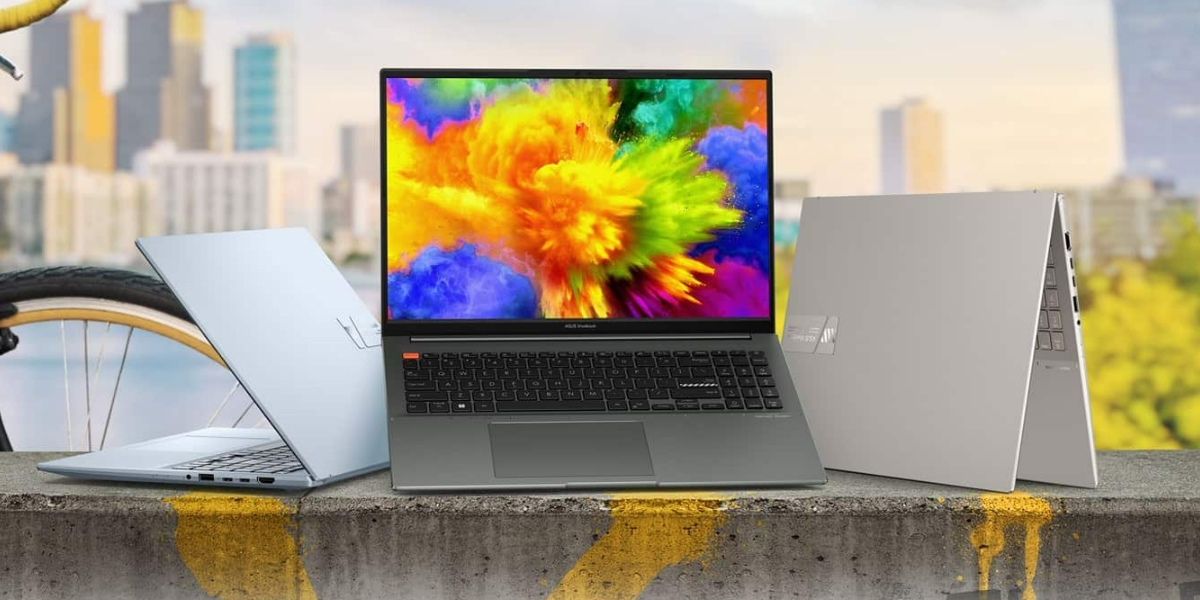
Popular Japanese laptop brand Vaio is coming up with its new updated series- SE14 and SX14 in India. The brand is all geared up to go live with Amazon.

The new Vaio SE14 starts at Rs 88,990. It comes up with intel 11th Gen processor. The brand-new model focuses on new SuperFin technology, new core and graphics and new platform integration. It offers additional advantages such as airflow enhancement and better power-saving features, and comes with TPM (Trusted Platform Module) 2.0, BIOS Security, Chassis Lock Slot, Multiple I/O ports and multi-screen output.

The minimalist design of the model with metal+plastic chassis and up to 12 hours battery life for outside work and conference optimization will help the new SE14 to become the most-desired debutant design in current times. The Vaio SE14 consists of features which make it more friendly and performance driven, it has technologically powerful and futuristic design, Intel Tiger Lake CPU with Iris Xe Integrated GPUs, Thunderbolt 4 with light gaming support, single/multiple conference mode and 1080P IR front web camera.

Staring with a price of Rs 1,72,990, the new Vaio SX14 is designed to meet today’s mobile computing needs. The Vaio SX14 is faster, lighter and its durable design makes mobility less cumbersome. The new model is helping customers to be more practical with their laptop choices. The newly-launched tech-beast caters to the learning needs and privacy concerns of the customers by offering fingerprint and face recognition with an instant login facility. Its exceptional security helps to prevent malicious intent and data theft.

The new Vaio SX14 laptop comes with some impeccable features which include a, Intel Core I7 processor, 14-inch screen and 4K Ultra HD display and crystal-clear sound with the Dolby Audio speakers. A USB Type-C TM port, 3 USB ports, an HDMI port, a VGA connector and a LAN connection makes it a user-friendly device that provides multiple connectivity options for users; it’s easy-to-collaborated and increased battery life helps customers to stay connected for hours. It reduces the high frequency of typing noise as it has a fine-tuned keycap tooling and also comes up with a storage capacity up to 1TB.

Alex Chung, CEO, Nexstgo, said, “Vaio in collaboration with Nexstgo intends to reach out to the people of India once again, and with this latest launch of Vaio SE14 and Vaio SX14. The new Vaio SX14 and Vaio SE14 are all about innovation, technological advancements and the product which offers the experience to customers. Providing them with highly-advanced, future-forward technology, we aim to deliver their tech-savvy dreams in a gadget, and these new models will help us do just that.”

Harman introduces 5G Test Lab-as-a-Service offering

0

Samsung-owned Harman today announced the introduction of a new end-to-end 5G testing lab for 5G CP devices. This will equip technology providers like device manufactures, chipmakers, telcos and more with the ability to execute a variety of protocol and functional tests, along with validating and examining applications in a real 5G radio environment.

The Harman 5G testing lab provides an independent environment in which technology providers can ensure positive performance and pre-validate any 5G CP device, while also examining applications across additional parameters, third-party integrations and use cases.

The 5G lab enables a holistic, device-to-cloud performance analysis – enabling chipset conformance testing, pre-certification testing, network operator approval testing, application performance verification and more. As a result, technology providers can receive detailed and authentic insight into the full-spectrum user experience of a device and accelerate their path to market.

“Advances in technologies like 5G yield significant opportunity to accelerate innovation across nearly every industry – from healthcare and manufacturing, transportation to consumer device support. But, to turn innovation into impact, testing the reliability and effectiveness of new technologies is crucial,” said David Owens, Senior Vice President of Harman Digital Transformation Services. “Now, with the new comprehensive HARMAN 5G Testing Lab, technology providers have a one-stop shop to not only test and verify their solutions cohesively from device-to-cloud – but collect additional detailed insight about device performance across multiple variables and truly raise the bar for consumer 5G experiences,” Owens added.

Harman’s testing lab will simulate a 5G radio and core network to measure multiple levels of end-to-end application performance. The lab will first assess radio output, testing frequency, signal quality and modulations – followed by measuring data throughout application layers to assess the output of specific use cases like VR, video and more. In addition, the lab can also simulate different network conditions, such as weather or unexpected network interference, and introduce partner applications to deliver a completely holistic assessment of how new 5G devices will operate in the field – and in the hands of consumers.

Infinix Hot 10 Play Review: A good buy on a budget

0

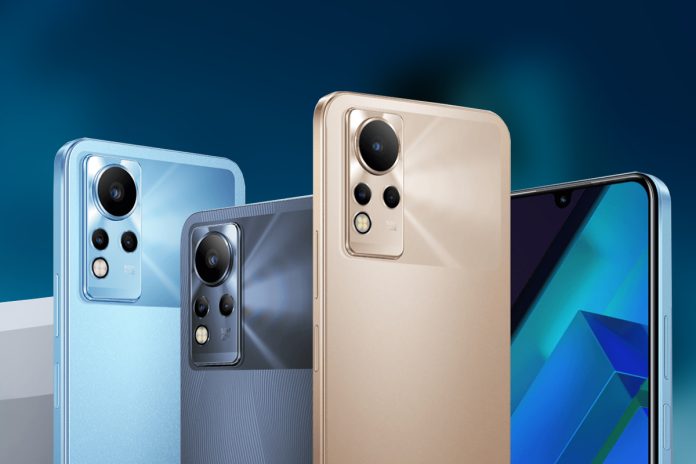
Expanding its popular Hot series, Infinix has come up with the Hot 10 Play in India. The smartphone has some interesting features, such as a 6.82-inch display, Helio G35 SoC and 6,000mAh battery, which are said to be tailored for youths who love watching high-quality videos and gameplay on a cinematic display. Priced at Rs 8,499, the device comes in four colour options- Morandi Green, Aegean Blue, Obsidian Black and 7° Purple. Let’s go deeper into this phone to understand how worthy it is for you.

Design

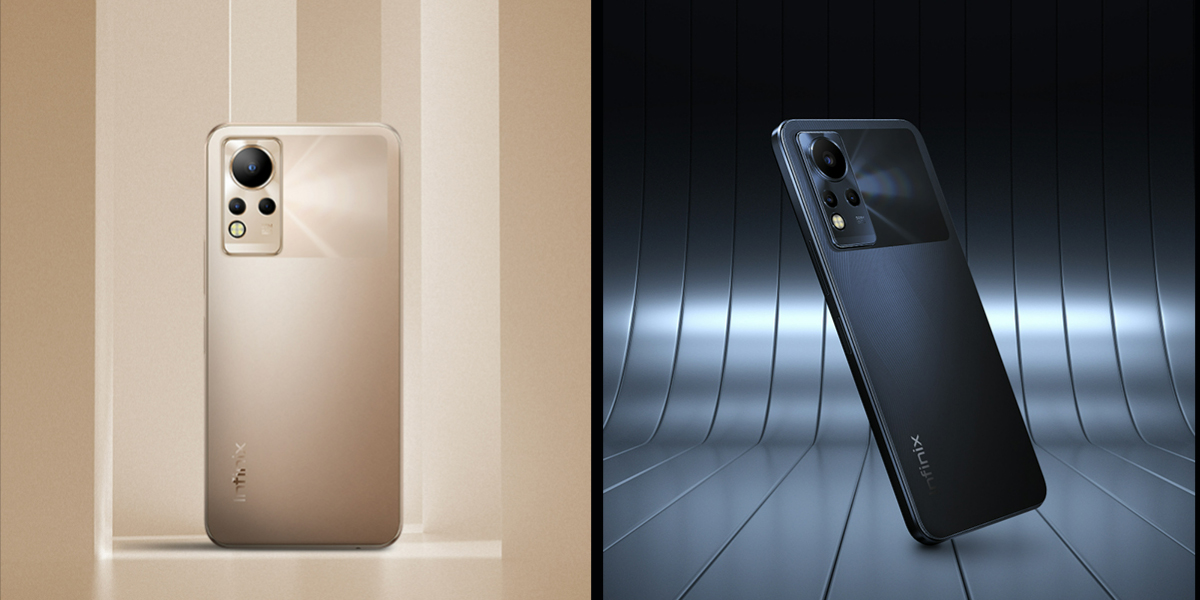
There are no much changes in terms of design, if we compare this phone with its predecessors. It’s lightweight and offers comfortable grip in your hands. It has a glass front, plastic back and plastic frame and has thin bezels giving more space for the display. Sporting a gem-cut texture design with flow pattern, the smartphone offers a glossy finish on the back that make it appear glittery, thus making the colour pop out and appear reflective. At the front is a water-drop notch which houses the selfie camera that makes it visually appealing, whereas on the back, there’s a dual rear camera panel at the top left and a centrally-aligned fingerprint sensor just next to it.

While there is nothing on the top, you’ll find a micro-USB charging port, a 3.5 mm headphone jack, a mouth piece located at the bottom. On the left side, there is a 2-in-1 card slot that houses two 4G Nano-SIMs and a microSD card simultaneously, whereas the right side of the device features volume rockers and the power button situated at a very accurate spot, making them easier to reach with your thumb. These buttons are all sturdy and clicky and will not irritate you.

Overall, the smartphone is quite handy and looks decent from every angle. You’ll find no smudges on the back even after using it for a long time.

Display

The all-new Infinix Hot 10 Play features a 6.82-inch HD+ LCD IPS drop notch display with a resolution of 720 x 1640 pixels and a 90.66% screen-to-body ratio. The screen also comes with a narrow bezel and aspect ratio of 20.5:9. The display also has 440 nits of brightness and a 1500:1 contrast ratio. For durability, it comes with NEG’s more premium Dinorex T2X-1 glass protection on top of the display.

The display, by and large, produces accurate colours and fair contrast. The colours are saturated giving you a better viewing experience especially when you are watching a film or web series on OTT platforms such as Netflix, Amazon Prime Video etc. The display exudes enough brightness to make the phone comfortable to use outdoors. Even under direct sunlight, you’ll be able to read text with ease. On the flip side, the display is a bit large as it’s the trend now, and you’ll have to shuffle your fingers to swipe down from the top.

Platform

The Hot 10 Play is powered by Helio G35 octa-core processor, which has a CPU clock speed of up to 2.3Ghz and a highly efficient 12nm production process. The processor is further backed by the Mediatek HyperEngine technology for intelligent dynamic management of CPU, GPU and memory. The smartphone offers 4GB RAM and 64GB internal storage which is further expandable up to 256GB via microSD card. It operates on Android 10 with the latest XOS 7 skin enabling users to enjoy a smooth and faster software UX with refreshed icons and newly-designed interface screens.

In terms of performance, the smartphone is quite good for browsing internet, using different apps, watching videos and playing games (but not graphic-intensive). Although it’s definitely not for heavy gamers, the handset handled multitasking fairly well. You’ll notice a few lags, especially when the battery is very low.

While it offers a very clean user interface, the phone comes with some unwanted / default apps and promotional content – thanks to XOS 7 – that you can uninstall and remove, as per their importance.

Connectivity options on board include GPS, Wi-Fi 802.11 ac and Bluetooth. For enhanced security, the device features a face unlock feature and a multifunctional fingerprint sensor that is not just for unlocking the smartphone but also for accepting calls, dismissing alarms, and quick-start apps. The fingerprint sensor is rear-mounted and fast enough to unlock your phone in a matter of micro-seconds.

Cameras

The Infinix Hot 10 Play comes equipped with a dual rear camera setup with a 13-megapixel main sensor with f/1.8 aperture and an AI lens. It has a quad LED flash and offers modes like slow motion video, and document mode. The handset also features an 8-megapixel selfie camera with f/2.0 aperture and LED flash. The front camera features include AI Portrait, 3D Face Beauty mode, wide selfie mode, AR Animoji, AR face motion detection, and more.

Photos shot with these cameras in the sunlight conditions are decent, with fairly good details, sharpness and colours. But they definitely struggled in the low light conditions, as the photos had weak details and exposure was largely poor. Portrait mode did a decent job, thanks to its blur capability. Both the cameras are able to shoot videos in full HD, 1080p at 30 frames per second. Hence, you’ll be able to get some good cinematic shoots.

Battery

Having a heavy-duty 6,000mAh battery happens to be one of the key selling points of Infinix Hot 10 Play, which is further backed by Power Marathon technology that optimises the power and increases battery backup by up to 25%. The battery gives a standby time of more than 55 days, delivering up to 23 hours of nonstop video playback, 53 hours of 4G talk-time, 44 hours of music playback, and 23 hours of web surfing. The company will not let you down on these claims. However, charging is a bit slow since the phone does not support fast charge. It’d be better to charge this phone while going to bed in the night.

Conclusion

The Infinix Hot 10 Play looks decent, has a large display, a clean user interface, and a reliable battery backed by Power Marathon technology. Camera is one department that will not satisfy you, followed by the device’s average performance. Overall, it’s a good buy in the given price bracket but you can’t ignore the competitors offering specs that are almost on a par with the Hot 10 Play. You can buy the device on Flipkart today.

After Samsung, Lenovo to skip MWC 2021 in person

0

Lenovo is the latest in the line of companies deciding not to attend the Mobile World Congress (MWC) in-person in Barcelona this year.

The consumer electronics major will attend virtually instead of in person and has informed the GSM Association, the organiser of MWC, said reports quoting a Lenovo spokesperson telling The Verge yesterday.

The event is scheduled to be held between June 28 and July 1, in spite of the ongoing COVID-19 pandemic that has devastated several countries like India and Brazil in the second wave.

Big tech players such as Samsung, Google, Nokia, Ericsson, Sony and Oracle have already decided not to attend the event in person.

Said to be one of the top three tech events in the world, along with the Consumer Electronics Show in the United States and IFA in Germany, MWS has been held in Barcelona usually between February-end and early March each year. The tech mecca was cancelled last year due to COVID-19.

Second COVID-19 wave: Slowdown expected in India’s smartphone market

0

The smartphone market in India started the year 2021 with a healthy 18% year-over-year (YoY) growth in the first quarter (January-March), totalling 38 million units, but declined by 14% from a strong 4Q20 (October-December), according to International Data Corporation, a market research firm.

While the vaccine roll-out program at the beginning of the year instilled positive sentiments, the onset of the second wave of COVID-19 infections towards the end of the quarter resulted in subdued consumer demand. Thus, the inventory cycle which had shrunk earlier in 2H20 started to get longer since mid-1Q21, IDC said.

“The April-June quarter is expected to face growth challenges under the weight of the second wave of infections. However, the high shipments from the first quarter should be able to suffice for the immediate demand. But IDC estimates the impact to be less pronounced compared with last year, with factories being operational today and only limited restrictions on logistics/transportation and state-level lockdowns instead of a nationwide lockdown,” said Navkendar Singh, Research Director, Client Devices and IPDS, IDC India.

“The recovery in 2021 might not be as smooth as expected earlier, with uncertainty around the lasting impact of the second wave and a possible third wave in next few months. IDC expects a rebound in consumer sentiments in the second half of 2021, resulting in a single-digit growth annually. However, the degree of growth will be restricted due to reduced discretionary spending, supply constraints, and anticipated price hikes in components in upcoming quarters,” he added.

Key market trends:

Online channels continued their growth momentum ahead of the overall market at 25% YoY, despite a slip in its share to 46% quarter-over-quarter (QoQ), while offline channels grew at 13% YoY. However, both the channels started to face higher channel inventory towards the second half of the quarter.

MediaTek-based smartphone shipments continued to lead for three consecutive quarters with a share of 52%, widening the gap with Qualcomm, which had a 35% share.

Almost 7% of overall shipments were 5G, leading to a 3% YoY increase in ASP to US$176. Further, the premium segment (US$500+), grew 143% YoY, with 71% of those based on 5G. Apple, Samsung and OnePlus continued to dominate in that space; the iPhone 11 and 12 together accounted for 28% of shipments; followed by the debut of the Galaxy S21 series and the OnePlus 9 series.

Separately, feature phone shipments declined by 8% YoY, despite Reliance Jio launching its new 4G device bundled with telco offers. However, the 2G segment witnessed 3% growth driven by itel and Lava.

“IDC expects a boost in 5G shipments with more affordable options, stickiness through financing/trade-in programs and steeper discounts/cashback offers. Additionally, vendors continue to focus on India as a manufacturing hub, which can be seen in their efforts in locally sourcing more components, ongoing investments in R&D capabilities, and adding new surface-mounting lines to cater to the growing local demand as well as for exports from India,” said Upasana Joshi, Associate Research Manager, Client Devices, IDC India.

Top 5 players:

Xiaomi continued to lead, despite only posting 3% YoY growth. Three of the top 5 models nationally were the Redmi 9/9A/9 Power, accounting for 10% of the overall shipments. The Mi10i was the leading 5G model in 1Q21. Poco, Xiaomi’s sub-brand, continued to cement its online position, driven by affordable models like Poco C3 and M3. Also, the top 8 online models were from Xiaomi/Poco, with a 30% contribution.

Samsung retained its second spot, growing fastest amongst the top 5 vendors with 43% YoY growth in 1Q21. Online channels accounted for 41% of its shipments, growing by 55% YoY, while its offline channels continued to witness slower growth despite the new launches during March.

Vivo was at the third position, with shipments declining by 3% YoY. However, it continued to maintain its lead in the offline channel with a 29% share, ahead of Samsung. It regained its title sponsorship for the IPL cricket league, ensuring high decibel promotional activities around newly-launched models in March and April of 2021.

Oppo regained its fourth slot with shipment growth of 35% YoY in 1Q21. Its affordable A15 series featured in the highest shipped models nationally, along with newly launched 5G models accounting for 8% of Oppo’s shipments.

Realme slipped to the fifth slot after falling 4% YoY in 1Q21. It continued to be the third-largest online brand with a 16% share and more than two-thirds of its shipments going through the online channel. The company also launched the most affordable 5G model, the Narzo 30 Pro in 1Q21, expanding deeper into the 5G space.

Lava Z2 Max with 7-inch display, 6,000mAh battery launched at Rs 7,799

0

Domestic handset maker Lava has come up with a new smartphone called Z2 Max which comes with a big screen and massive battery. The smartphone is aimed to support online education amid the second wave of COVID-19 pandemic in India.

In terms of specs, the Lava Z2 Max sports a 7-inch HD+ (720×1,640 pixels) display with 258ppi pixel density, 20.5:9 aspect ratio, and Gorilla Glass 3 protection. The phone is powered by an unknown quad core MediaTek Helio SoC with 2GB of DDR4X RAM and 32GB of storage which can be expanded up to 256GB via microSD card.

The dual-SIM smartphone runs Android 10 (Go edition) and packs a huge 6,000mAh battery. It has inbuilt box speakers that render loud and clear audio.

Talking about optics, the Lava Z2 Max houses a dual rear camera setup that includes a 13-megapixel primary sensor with an f/1.85 lens and a 2-megapixel secondary sensor. There is an 8-megapixel sensor at the front with an f/2.0 lens housed in a notch.

The smartphone comes in Stroked Blue and Stroked Cyan colour options. Priced at Rs 7,799, the Lava Z2 Max is available on Flipkart and at the company’s e-store & major offline channels across India.

Infinix introduces Dar-Link technology, latest XOS 7.6 upgrade for upcoming Hot 10S

0

Infinix is coming up with the revolutionary Dar-Link game boosting technology in its upcoming smartphone Hot 10S, which is slated to be launched soon. This technology innovation claims to enhance the system by improving the graphics display and touchscreen sensitivity. Infinix is also bringing to the table the latest XOS 7.6 skin emphasising an all-new design, which will be an ode to nature.

At present, while playing games on smartphones consumers face several specific issues like screen tearing or staggering, heating of devices during longer gameplay, poor colours on-screen and delay in the responsiveness of touch panel. The Dar-Link technology addresses all the pain points, bringing the gaming interaction and display experience to a new level, and amplifies the user’s sensory experience in games like Call of Duty, Free Fire, PUBG, etc.

Preventing screen tearing: In the case of games with a frame rate of 40fps (40 frames per second), a display refresh rate of 60Hz to 90Hz will not match. A smartphone with such a level of display refresh rate will only result in screen tearing. The Dar-Link technology increases the game’s frame rate to 60Hz-90Hz so that it matches the display’s frame rate to avoid any screen tearing.

No heating: Playing heavy capacity mobile games line Asphalt, Free Fire, etc. for a long period of time can deteriorate the chipset performance gradually. This is due to the continuous resource distribution from chipset to game resulting in heat generation from the device. This reduces the performance and affects the gaming experience. The Dar-Link game boosting technology intelligently adjusts the operating speed of CPU/GPU, manages and allocates resources according to different game scenarios to maintain the efficient operation of the smartphone. This solves the problem of mini-freezes while gaming and makes the game run more smoothly. In addition, it also reduces the temperature of the device and ensures a more pleasing gaming experience for every user.

Good colour reproduction: Every game’s graphics are built using millions of shades from the colour palette. Every smartphone’s display comes with the varying capability of NTSC colour gamut (For instance, Hot 10S has 72% NTSC colour gamut). Dar-Link optimises the colour of the graphics and replicates them best on the device’s screen.

Responsive touch panel: Normally, the speed of moving our finger on the smartphone screen is faster than the display response. The Dar-Link technology elevates the performance of the touch panel and makes it respond quickly by reducing the latency between the finger touch and display response.

Taking inspiration from the fabulous design elements Sierra Aurora Green, the newest XOS7.6 comes with a revolutionary visual appearance with lesser elements. It features a whole new integrated refreshed icon, new design, refreshing wallpapers, and moved down interaction area for smoother reachability to lead users to a secure, smart and localised and high-quality entertainment experience.

To ensure enhanced security, XHide will enable the users to hide their private apps, message notification and media so that no one gets to see them without their consent. Users can store their important files in the XHide, which acts as a secure encrypted vault and requires identity verification to access. The X-Proof feature protects the privacy by keeping the display opaque, making it hard for anyone else to snoop on the screen while users are chatting or using their phone in public. The Kids Mode allows the users to decide and select the apps for their kids to access. It also enables in putting a time and data limit along with keeping a track on the app usage.

For smart and localised usage, the upgraded operating system comes with an XClone feature that creates a replica of the apps to help users login to multi-accounts and keep them online simultaneously. The Wi-Fi Smart comm feature allows the users to auto-connect to the saved network from their mobile data whenever they enter the saved Wi-Fi network or turn the Wi-Fi off automatically when the saved network is unavailable. The Photo Compressor feature saves space by compressing the pictures in the AI Gallery.

For uninterrupted entertainment, XOS 7.6 comes with the Video Assistant feature for the users to add their favourite OTT apps in it. Once enabled, they can auto reject all the incoming calls and messages; record any snippet or take a screenshot from videos; play YouTube in the background; check WhatsApp messages on TICKR while watching videos; and open WhatsApp/Chrome directly by activating Multi-window. Through the Thunder Back feature, users can add any app in PiP mode and keep switching between them seamlessly.

Both the latest technologies will be available on Infinix’s upcoming handset Hot 10S, which will be available on Flipkart.

How technology, both radical and incremental, determines the growth of the esports industry

0

Over the years, the esports industry has seen tremendous growth in terms of its reach and viewership. Once considered as a subset of sports culture, esports is now evolving into a full-fledged industry. The advancements in technologies have played a very important role in keeping this industry vertical interesting and is one of the key drivers that has led to this growth.

The mobile gaming market may hit a CAGR of 14% during 2020-2025. Experts are citing reasons such as growing smartphone penetration and increasing adoption of advanced technologies for developing games behind this rise. Futuristic technological trends like location-based games, cloud gaming and AR/VR-powered games are also fuelling the demand for esports gaming.

Technological changes over time that fuelled esports growth:

Below listed are some technological adoptions that pushed the overall growth of esports worldwide.

Gaming hardware

The technological evolution of hardware spans across specialized hardware devices including processors, monitors, input devices, audio systems, mobile phones, streaming equipment etc. The growth of hardware has enhanced the overall gaming experience and taken it to the next level making gameplay more engaging and real.

High-speed internet connections

Among many driving factors that have been accelerating esports growth is access to high-speed internet. The access to high-speed internet connection over 3G/4G spectrum and broadband has impacted the overall gaming experience. In the past, a normal internet connection was not adequate and gamers witnessed lags during gameplay. But now, fast-paced internet connections are ensuring seamless gameplay.

Easy access to blazing-fast internet helps to develop a larger gaming community of highly targeted esports audience. India has got its smartphone population covered with a high speed 4G network and the launching of 5G is underway which will further strengthen the building blocks of online esports.

Easy accessibility to smartphones

Growing uses of smartphones have brought the esports phenomenon to a whole new level. Mobile gaming comprises 80% gamers in India. The only reason behind this growth is access to affordable smartphones.

Availability of affordable smartphones and reduced data cost fuelled mobile gaming penetration further. Now, gamers have a choice to buy high-end gaming mobiles under their budget without compromising the camera, display quality and other gaming-specific features. Smartphone makers such as Asus ROG, Xiaomi and ZTE have started producing smartphones optimized for mobile gaming and pro-gamers. It’s expected that due to the steep rise in the quality of smartphones under budget, the total number of online mobile gamers in India will cross 510 million by FY 2022.

“Smartphone makers such as Asus ROG, Xiaomi and ZTE have started producing smartphones optimized for mobile gaming and pro-gamers. It’s expected that due to the steep rise in the quality of smartphones under budget, the total number of online mobile gamers in India will cross 510 million by FY 2022”

 AR/VR Gaming 

AR and VR have set out to bring radical change to the esports industry with top-notch innovations for engrossing and enthralling gaming experiences. These new technological innovations helped in bringing 3D effects to gaming. With Augmented Reality, game developers connected the digital characters with the real world in an imaginary reality environment. The AR-powered games blend real and virtual environments for the captive experience.

AR and VR have changed the dimensions of gaming at scale. They help to create an imaginary setting during the gameplay, which stimulates a gamer’s physical presence. It creates a complete virtual world for the gamers. This is just the beginning as a lot more advancements are slated to come over time.

Artificial Intelligence

People would have never thought that AI would be integral to the gaming industry. This cutting-edge technology is now gradually making its presence felt. The artificial intelligence-powered tools are making it possible to watch and analyse esports tournaments for making data-driven decisions.

Teams and players are now using AI tools to find ways to improve their gaming strategy. For instance, FalconAI introduced AI-powered tools to help esports players improve their skills in various games such as League of Legends and Valorant, etc.

Cloud-based gaming

Cloud gaming is all set to revolutionize the way games are played. It will reduce the dependency on local hardware for playing games. Tech giants are working on developing cloud gaming platforms like Google Stadia to allow gamers to play games on their low-end devices with only requirement being a fast internet connection. No more expensive hardware and lengthy downloads. In cloud gaming, storage and processing is done in cloud data centers while gamers can stream graphics on their devices.

What’s next? 

The growing penetration of technological innovations in esports has intensified the thrill and joy of playing games. Technologies like virtual reality, artificial intelligence, and gesture control are shaping the future of esports globally. We are hoping to see more high-end sophisticated technology adoptions in the esports industry. They will completely change the way we play games and consume gaming content.

The author, Tarun Gupta, is Founder, Ultimate Battle, a leading esports platform.

Soundcore Life Dot2 ANC with hybrid ANC launched at Rs 7,999

0

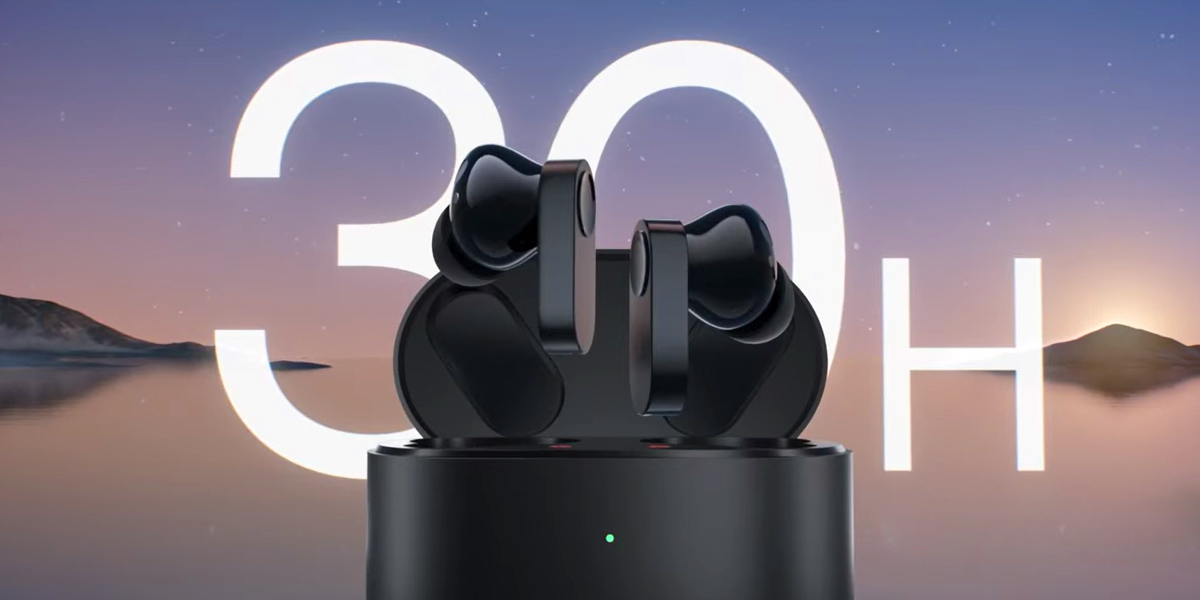
Following the successful launch of its Liberty Air2 Pro more recently, Anker-owned audio brand Soundcore today introduced the next in its ANC series called Life Dot2 ANC, which claims to feature advanced active noise cancellation and 35 hours of playtime. Priced at Rs 7,999, the product is available on Flipkart and very soon in top retail chains across India. It comes with a warranty of 18 months.

“It’s been only two weeks that we have launched Liberty Air2 Pro and have received a fantastic response through the online channel. Its hybrid ANC has been an instant hit among the buyers especially those who are working from home. Seeing the response, we decided to launch the next in TWS – ‘Life Dot2 ANC’, rich in specifications and the perfect value for money,” said Gopal Gopal Jeyaraj – Country Head, Anker Innovations.

The Soundcore Life Dot2 ANC boasts pure sound via targeted active noise cancelling and multi-mode noise cancellation. The hybrid active noise cancelling monitors eliminate up to 90% of noise from the environment. The multi-mode noise cancellation comes with specific modes that includes – transport, outdoor and indoor. The transport mode blocks out lower frequencies; indoor mode reduces mid-range sounds like voices in an office; and transparency mode comes with two levels of ambient sound enhancement. The TWS features 6 beam-forming microphones and a noise cancelling algorithm that isolate vocals from background noise, ensuring superior clarity on calls.

Its over-sized 11mm dynamic drivers generate loud thumping sound and 50% more bass ensuring ear-bouncing beats without sacrificing clarity and treble. The Life Dot2 ANC can deliver up to 35 hours of long playtime supported by Anker’s fast charging technology. The TWS comes with IPX4 rating that makes it resistant to splashes, spills and more.

The earbuds are designed for long-lasting comfort matching the longer hours of use with secured fit. The Life Dot2 ANC can be controlled via the Soundcore app to choose from 1 of 22 sound profiles, adjust noise cancelling, and even configure the wireless earbuds’ touch controls.