Home Blog Page 384

Realme Narzo 80 Pro 5G Arrives In India In New Nitro Orange Colour, Sale Starts May 1 on Amazon

0

Highlights

  • Realme marks its 7th anniversary in India with a vibrant Nitro Orange variant of the Narzo 80 Pro 5G.
  • The device boasts a 6.77-inch OLED display, MediaTek Dimensity 7400 processor, up to 12GB RAM, 256GB storage, 50MP main camera, 6000mAh battery and 80W fast charging.
  • The Narzo 80 Pro 5G special edition launches on May 1 via Amazon starting at ₹17,999.

image

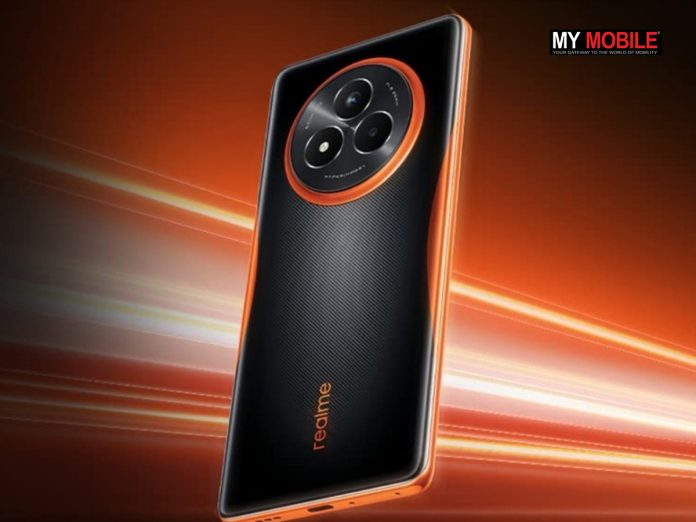
Caption – Realme Narzo 80 Pro 5G New Nitro Orange Colour will be available on Amazon. (Image credit – Realme)

Realme is celebrating its 7th anniversary in India with a new Nitro Orange variant of the Narzo 80 Pro 5G. The special edition features an eye-catching orange and black rear panel with a circular camera module that includes two sensors and an LED flash, quite like the existing models. Otherwise, there are no changes to the phone’s specs.

image

Caption – Caption – Realme Narzo 80 Pro 5G New Nitro Orange Colour. (Image credit – Realme)

Here’s everything you may want to know about the new device.

Realme Narzo 80 Pro 5G – Key Features

The Narzo 80 Pro 5G sports a 6.77-inch OLED display with FHD+ resolution, 100% DCI-P3 color gamut, up to 4500 nits peak brightness, a 120Hz refresh rate, and 240Hz touch sampling rate.

It’s powered by the MediaTek Dimensity 7400 processor, paired with up to 12GB RAM and 256GB UFS 3.1 storage. It also supports up to 14GB dynamic RAM and runs on Realme UI 6.0 based on Android 15.

For cameras, the phone includes a 50MP Sony IMX882 main sensor with OIS and a 2MP monochrome sensor at the back. On the front, there’s a 16MP selfie camera. It packs a large 6000mAh battery with support for 80W wired fast charging.

Other features include an IP69 rating, Cyclone VC Cooling system, WiFi 5, Bluetooth 5.4, dual speakers, dual microphones with noise cancellation, Hi-Res audio, USB Type-C port, dual Nano SIM slots, and an under-display fingerprint sensor.

The phone also comes with a Hyperglow Esports display and supports Bypass charging, GT Boost, Next AI features, 90FPS gameplay for BGMI, and even works with wet hands. It’s slim and lightweight at 7.55mm thick and 179g.

Realme Narzo 80 Pro 5G – Price and Availability

This special edition of the Realme Narzo 80 Pro goes on sale starting May 1 exclusively via Amazon.

The phone will be available in three configurations with the price starting from ₹17,999 for the 8GB RAM  128GB storage variant. Other variants include an 8GB RAM + 256GB Storage model at ₹19,499 and a 12GB RAM + 256GB storage at ₹21,499.

FAQs

Q1. What is special about the Realme Narzo 80 Pro 5G Nitro Orange edition?

Answer. Realme is celebrating its 7th anniversary in India with a Nitro Orange variant featuring an eye-catching orange and black design, but no changes to the phone’s specs.

Q2. What are the key features of the Realme Narzo 80 Pro 5G?

Answer. The phone has a 6.77-inch OLED display, MediaTek Dimensity 7400 processor, up to 12GB RAM, 256GB storage, 50MP main camera, 6000mAh battery, and 80W fast charging.

Q3. When will the Realme Narzo 80 Pro 5G Nitro Orange edition be available and at what price?

Answer. The special edition goes on sale starting May 1 via Amazon, with prices beginning at ₹17,999 for the 8GB+128GB model, ₹19,499 for 8GB+256GB, and ₹21,499 for 12GB+256GB.

Also Read: Realme Celebrates 7 Years in India with Big Discounts on Smartphones

Also Read: Realme Narzo 80 Pro 5G, 80x 5G Launching April 9 with Special Student Offers

Meta Launches AI App Built With Llama 4 with Voice Chat, Image Tools and Cross-Platform Support

0

Highlights

  • Meta has launched an AI app powered by Llama 4 that enhances conversational interactions.
  • The app includes full-duplex speech technology for real-time conversations, voice-driven image creation and editing and a Discover feed for browsing and sharing prompts.
  • Meta AI App works on phones, desktops and Ray-Ban Meta smart glasses.
  • It’s currently available in the US, Canada, Australia and New Zealand.

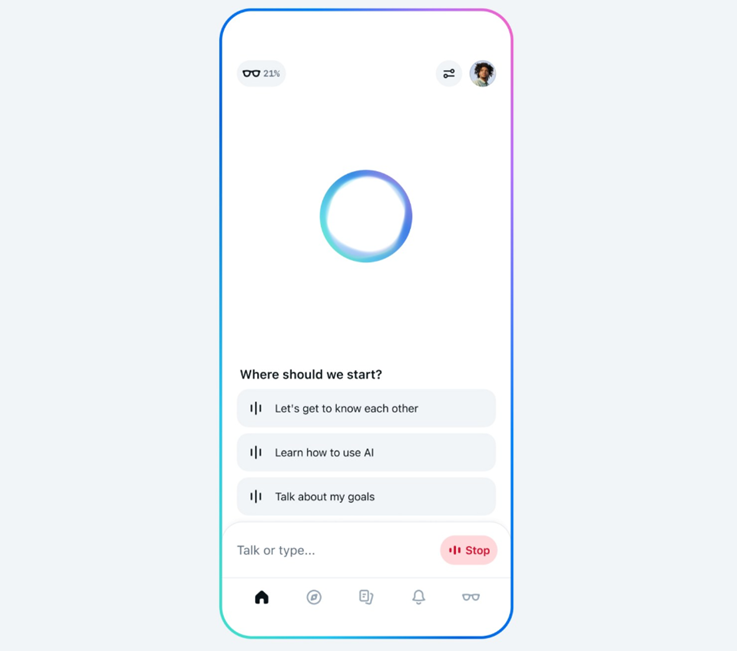
image

Caption – A new Meta AI app built with Llama 4. (Image credit – Meta)

Meta has launched a new AI app powered by its Llama 4 model, designed to make conversations with AI feel more natural and personal. The first version focuses on voice-led interactions and connects with Meta’s broader platform including Instagram, Facebook, WhatsApp and Messenger.

The standout feature of the Meta AI app is its conversational voice capability. Thanks to full-duplex speech technology, the app doesn’t just read responses, it speaks them in real time while making chats feel more like real conversations. Users can also create and edit images using voice or text prompts.

Announcing the App details in a press note, Meta explained, “While speaking with AI using your voice isn’t new, we’ve improved our underlying model with Llama 4 to bring you responses that feel more personal and relevant, and more conversational in tone. And the app integrates with other Meta AI features like image generation and editing, which can now all be done through a voice or text conversation with your AI assistant.”

“We’ve also included a voice demo built with full-duplex speech technology, that you can toggle on and off to test. This technology will deliver a more natural voice experience trained on conversational dialogue, so the AI is generating voice directly instead of reading written responses. It doesn’t have access to the web or real-time information, but we wanted to provide a glimpse into the future by letting people experiment with this. You may encounter technical issues or inconsistencies so we’ll continue to gather feedback to help us improve the experience over time,” Meta further added.

There’s a Discover feed where people can browse, remix, and share prompt ideas. Meta has added clear indicators for voice activity, like microphone icons and a toggle for the “Ready to talk” mode, to make sure users know when the AI is listening.

The app is currently available in the US, Canada, Australia, and New Zealand.

Meta AI isn’t just for phones. It also works on desktops and Ray-Ban Meta smart glasses. In some regions, the app replaces the Meta View app for the glasses, letting users switch smoothly between hardware and app-based AI interactions. You can even start a conversation on your glasses and pick it up later on the app or website.

The web version of Meta AI includes voice features, a new image creation tool and a document editor that lets you export files as PDFs or analyse uploads. Meta AI also uses data from your connected Facebook and Instagram accounts to deliver more personalised results. This is currently available in the US and Canada.

With this new app, Meta is stepping up its game in the AI assistant space, directly competing with ChatGPT and Google Gemini.

FAQ

Q1. What is the Meta AI app, and what powers it?

Answer. The Meta AI app is an AI assistant powered by Meta’s Llama 4 model. It enhances conversational interactions and integrates with Instagram, Facebook, WhatsApp, and Messenger.

Q2. What are the standout features of the Meta AI app?

Answer. The app features full-duplex speech technology for real-time conversations, voice-driven image creation and editing, and a Discover feed for browsing and sharing prompts.

Q3. Where is the Meta AI app available, and what devices support it?

Answer. The app is currently available in the US, Canada, Australia, and New Zealand. It works on phones, desktops, and Ray-Ban Meta smart glasses, replacing the Meta View app in some regions.

Also Read: Meta Blocks Apple Intelligence Features on Facebook, WhatsApp and More of its Apps on iOS
Also Read: Meta AI on WhatsApp: Photo Editing Feature Coming Soon

Apple Expands iPhone Production in India with New Tata and Foxconn Plants

0

Highlights

  • Apple is launching a new Tata Electronics plant in Hosur, Tamil Nadu to produce older iPhone models.
  • Another $2.6 billion Foxconn facility in Bengaluru, Karnataka, is set to manufacture iPhone 16 and 16e models.
  • Apple is also investing $500 billion in the U.S. over four years to create 20,000 jobs.
  • Apple aims to relocate most iPhone production for the U.S. market to India by the end of next year.

image

Caption – New update on iPhone production plans in India. (Image credit – Apple)

Apple is continuing to shift iPhone production from China to India, partly due to pressure from the Trump administration to manufacture more devices in the U.S.

According to Reuters, a new iPhone assembly plant run by Tata Electronics in Hosur, Tamil Nadu, has just started operations. This factory is focused on making older iPhone models. Reuters states, “A new Tata Electronics plant in Hosur in south India’s Tamil Nadu state started operations in recent days to make older iPhone models on one assembly line, one source said.”

A second iPhone plant, built by Taiwan’s Foxconn in Bengaluru, Karnataka, is set to go live in a few days. The same report says, “Another $2.6 billion plant run by Taiwan’s Foxconn (2317.TW) that is under construction in Bengaluru, Karnataka state, will also start initial operations with one assembly line within days, according to four sources, including one government official.”

This facility is expected to make iPhone 16 and iPhone 16e models and could produce 300 to 500 iPhones per hour.

From a job creation angle, the Foxconn plant is expected to employ 50,000 people by the end of 2027. It’s part of a $2.6 billion investment in the region. For comparison, Apple is investing $500 billion in the U.S. over four years, with a goal of creating 20,000 jobs.

Apple’s long-term plan is to shift most iPhone production for the U.S. market out of China and into India by the end of next year. The company currently benefits from exemptions on Trump-era tariffs for Chinese imports, but those are expected to be temporary.

FAQs

Q1. Why is Apple shifting iPhone production from China to India?

Answer. Apple is moving production due to pressure from the Trump administration to manufacture more devices in the U.S. and aims to shift most iPhone production for the U.S. market to India by the end of next year.

Q2. What new iPhone manufacturing plants are being established in India?

Answer. Apple has started operations at a new Tata Electronics plant in Hosur, Tamil Nadu, focusing on older iPhone models. Additionally, a $2.6 billion Foxconn facility in Bengaluru, Karnataka, is set to begin operations soon and will manufacture iPhone 16 and iPhone 16e models.

Q3. How will Apple’s new Indian plants impact jobs?

Answer. The Foxconn plant is expected to employ 50,000 people by the end of 2027.

Also Read: Apple’s First Foldable iPhone: What We Know About the Design, Release Date, and Price

Also Read: Apple to Double Made-in-India iPhone Production This Year: Report

iPhone 17 Air Dummy Leak Shows Off Ultra-Thin Design Compared to iPhone 16 Pro

0

Highlights

  • A new video from Sam Kohl’s AppleTrack channel shows highly realistic dummy units of ultra-thin iPhone 17 Air.
  • Kohl also gives a side-by-side comparison of 17 Air with the current iPhone 16 Pro models.
  • The iPhone 17 Air stands out for its sleek design, while the Pro models may feature a bold new camera bar; the regular iPhone 17 is expected to resemble the iPhone 16.

We’ve been seeing iPhone 17 design leaks for months now, everything from schematics to renders, cases, and dummy units. But the latest dummy models are so realistic, they could easily be mistaken for the real thing.

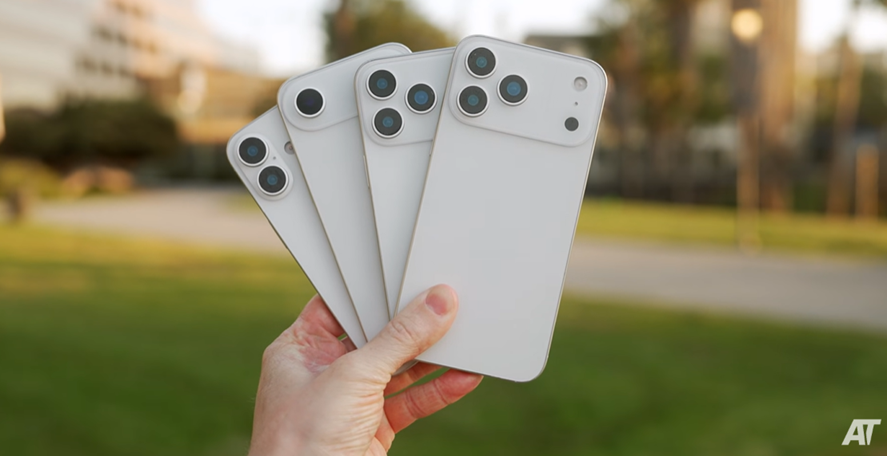
The newest look at the iPhone 17 lineup comes from Sam Kohl’s AppleTrack YouTube channel. In his latest video, Sam compares physical mock-ups of the rumoured iPhone 17, iPhone 17 Air, iPhone 17 Pro, and iPhone 17 Pro Max. At this point, it wouldn’t be surprising if working prototypes running a version of iOS 19 show up by early May.

image

Caption – Latest leaked dummy units of the upcoming iPhone 17 Series. (Image credit – Apple Track on YouTube)

The video rounds up the latest rumoured specs and design changes. What stands out most is how much this hands-on preview could pass for an actual unboxing video in September.

One of the dummy units even appears slightly bent, a detail that could spark controversy if Apple really does go with an ultra-thin design for the iPhone 17 Air this fall.

image

image

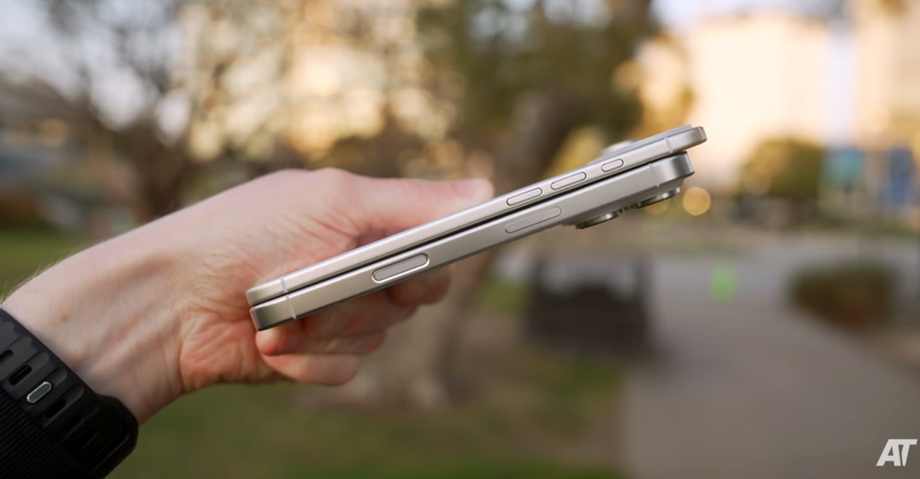
Caption – A side-by-side comparison of the upcoming iPhone 17 Air with the current iPhone 16 Pro. (Image credit – Apple Track on YouTube)

To compare, Kohl puts the dummy iPhone 17 Air unit next to the current iPhone 16 Pro giving us a side-by-side comparison of how thin the upcoming iPhone is going to be. Noting the difference, Sam said, “It looks ridiculously thin when you are holding it by itself. […] It is nearly half as thin as the current Pro phones and it does not feel real in your hand either.”

If the leaks are accurate, the iPhone 17 Air is set to be the standout model this year, thanks to its sleek, thin profile. Meanwhile, the iPhone 17 Pro and Pro Max could grab attention with a large, bold camera bar. As for the regular iPhone 17, it’s expected to look pretty similar to the iPhone 16.

Overall, the dummy models are incredibly convincing. You can check out Sam’s hands-on video for a closer look at what might be coming next in the iPhone lineup.

FAQs

Q1. What makes the iPhone 17 Air stand out from the rest of the lineup?

Answer. The iPhone 17 Air is set to be the standout model this year, thanks to its sleek, thin profile.

Q2. How accurate are the iPhone 17 dummy models shown in the video?

Answer. The dummy models are incredibly convincing and so realistic, they could easily be mistaken for the real thing.

Q3. Are there any concerns about the iPhone 17 Air’s design?

Answer. One of the dummy units even appears slightly bent—a detail that could spark controversy if Apple really does go with an ultra-thin design for the iPhone 17 Air this fall.

Also Read: iPhone 17 ‘Air’ is Ultra Thin – What Does It Mean for Apple’s Next iPhone Lineup?

Also Read: iPhone 17 Lineup Leaks: New Dummy Models in Two Colours Show Design Details

Samsung Galaxy S25 Edge to Feature 12MP Selfie Camera Like Rest of S25 Series: Report

0

Highlights

  • The Galaxy S25 Edge will feature a 12MP front camera with a 1/3.2-inch sensor, similar to other models in the S25 series.
  • Samsung continues its trend of using the same 12MP selfie sensor from the Galaxy S23 and S24 series, dismissing earlier 10MP rumours.
  • The phone is expected to arrive in South Korea on May 23 and the US on May 30.

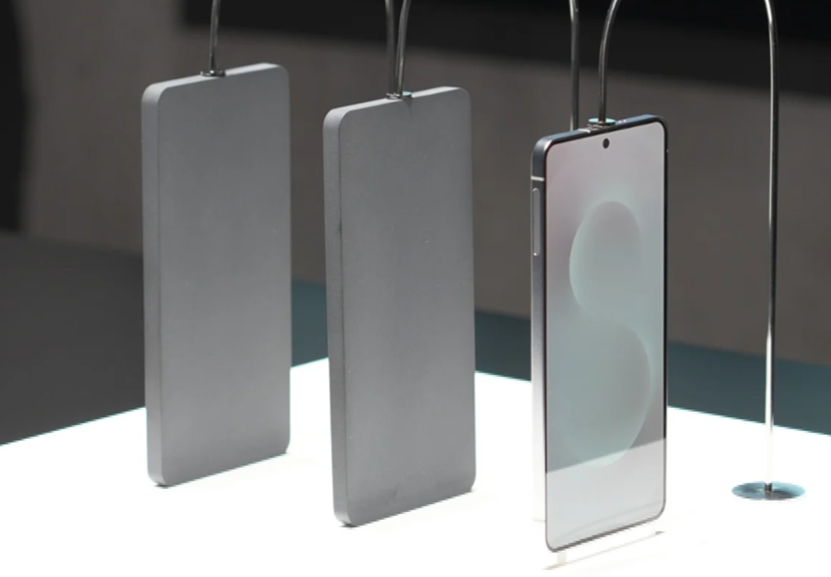
image

Caption – Upcoming Samsung Galaxy S25 Edge on display. (Image credit – SamMobile)

Samsung is gearing up to launch the Galaxy S25 Edge, its upcoming flagship that will sit between the S25+ and S25 Ultra in the lineup. The phone is expected to go official on May 13, and while many specs have already leaked, new information confirms the selfie camera setup. Here’s what we know.

Samsung Galaxy S25 Edge – Selfie Camera Details Leaked

image

Caption – Galaxy S25 Edge camera details spotted on a regulatory website. (Image credit – Sammyguru)

The Galaxy S25 Edge will come with a 12MP front camera, according to a listing on a regulatory website. The listing also mentions a 1/3.2-inch sensor, which is the same size and resolution used in the Galaxy S25 Ultra and other models in the S25 family.

This points to the possibility that all S25 models are using the same selfie sensor, promising solid image and video quality.

Samsung has stuck with the same 12MP selfie camera since the Galaxy S23 series and seems to be continuing that trend. If the latest report is accurate, the S25 Edge will use the same S5K3LU sensor found in previous models, including the Galaxy S23, S23+, S23 Ultra, S24, S24+, S24 Ultra, S25, S25+ and S25 Ultra.

There were earlier rumours that Samsung might switch to a 10MP selfie camera for the Galaxy S25 Edge, but current information suggests the company has placed orders for 12MP sensors instead.

As for the ultrawide camera, it’s still uncertain whether it will use a 12MP or 50MP sensor. However, this 1/3.2-inch sensor doesn’t appear to be intended for the ultrawide lens. More details should surface soon.

The Galaxy S25 Edge is rumoured to be entering the South Korean market on May 23 and later the US market on May 30. As of now, the rumoured price of the phone is €1,200-€1,400 (approx ₹1,13,000-₹1,32,000). Reports have already indicated that Samsung is looking at a limited 40,000-unit production as an initial test run.

FAQs

Q1. What selfie camera does the Samsung Galaxy S25 Edge feature?

Answer. The Galaxy S25 Edge comes with a 12MP front camera featuring a 1/3.2-inch sensor, the same as other models in the S25 series.

Q2. Has Samsung changed its selfie sensor for the S25 Edge?

Answer. No, Samsung continues using the same 12MP selfie sensor found in previous models like the Galaxy S23, S24, S25, and their Plus and Ultra variants.

Q3. When will the Samsung Galaxy S25 Edge launch, and what is the expected price?

Answer. It is rumoured to launch in South Korea on May 23 and the US on May 30, with a price range of €1,200-€1,400 (₹1,13,000-₹1,32,000).

Also Read: Galaxy S25 Edge Shows Up in New Hands-On Video: Side-by-Side Compared to S25 Ultra and iPhone 16 Series

Lava Announces Feature Phones with D2M Tech for Live TV Without Internet

0

Highlights

  • Lava is launching Direct-to-Mobile (D2M) technology phones, which will enable live TV, OTT streaming and text messaging without internet.
  • The phone will be developed in-house under the Make in India initiative with Tejas Network and Saankhya Labs.
  • Phones will reportedly feature a MediaTek MT6261 chipset and a UHF antenna for broadcasts.
  • More details are expected during the upcoming WAVES 2025 event from May 1–4 in Mumbai.

image

Caption – Lava will introduce Direct-to-Mobile feature phones at WAVES 2025. (Image credit – Lava)

Lava International is set to launch new feature phones powered by Direct-to-Mobile (D2M) technology at the upcoming WAVES (World Audio Visual and Entertainment Summit) 2025. These phones will let users watch live TV, OTT content, listen to audio, and receive text messages without needing internet or Wi-Fi, by using terrestrial TV broadcast signals. Here’s what we know about the devices so far.

Lava’s D2M Feature Phones

The new Lava feature phones are part of the government’s Make in India initiative and have been developed in-house by Lava’s R&D team along with engineers from Tejas Network.

While Lava hasn’t shared full specs yet, it has confirmed that the phones will run on the MediaTek MT6261 chipset and include the SL3000 software-defined receiver chip by Saankhya Labs.

The phones will come with a 2.8-inch QVGA display, support GSM connectivity for calls, and include a UHF (ultra high frequency) antenna to receive live TV broadcasts. They will also feature a 2,200mAh battery for long-lasting use.

Lava says the software on these phones integrates Saankhya Labs’ SDK (software development kit) to help deliver entertainment and information to underserved communities.

Pricing and availability details haven’t been announced yet.

Lava will reveal more during WAVES 2025, which runs from May 1 to May 4 at the Jio World Convention Centre in Mumbai. The event will also showcase advancements in AI, VR, AR, XR, and the Metaverse.

While we wait for further announcements from Lava, it is interesting to note that HMD too has confirmed plans to bring D2M-enabled phones to India soon.

FAQs

Q1. What technology powers Lava’s new feature phones?

Answer. Lava’s feature phones use Direct-to-Mobile (D2M) technology, allowing live TV, OTT streaming, and text messaging without internet or Wi-Fi via terrestrial signals.

Q2. Who helped develop Lava’s D2M feature phones?

Answer. These phones were developed as part of the Make in India initiative, with Lava’s R&D team collaborating with Tejas Network and Saankhya Labs.

Q3. When and where will Lava reveal more details about the phones?

Answer. Lava will showcase these D2M-enabled feature phones at WAVES 2025 (May 1–4) at the Jio World Convention Centre in Mumbai, alongside AI and XR advancements.

Also Read: Lava BOLD 5G launching on April 8: Features 120Hz AMOLED Display, 64MP Camera, and More

Google to Host Special Android Event on May 13 Ahead of I/O 2025

0

Highlights

  • Google will host The Android Show: I/O Edition on May 13 with Android ecosystem president Sameer Samat ahead of I/O 2025.
  • The event signals a change in Android announcements, as Google I/O has increasingly focused on AI, leaving less room for Android-related updates.
  • The event aims to restore focus on Android, following last year’s highlights like Android 15 beta features and AI-driven enhancements.

Google has announced a new Android-focused event just ahead of its annual developer conference. The Android Show: I/O Edition event will take place on May 13 at 10AM PT / 1PM ET, streaming live on YouTube and the official Android website. The session will feature Sameer Samat, president of the Android ecosystem.

The announcement was made on all official Android social media handles.


View this post on Instagram


A post shared by Android (@android)


This comes a full week before Google I/O 2025, which kicks off on May 20. The early event signals a shift in how Google is handling Android announcements, especially since recent I/O keynotes have focused more on AI than Android itself.

“We’ll be sharing news now to get you ready for I/O where we’ll have even more special announcements and surprises in store,” said Samat. Google confirmed that Android will still be part of I/O through keynotes and developer sessions.

Android used to be the centrepiece of Google I/O when each version had a new dessert statue. But in recent years, the spotlight has moved to AI. At last year’s I/O, the focus was on revamping Google Search with AI and expanding Gemini across Android and apps like Gmail, Docs, and Calendar.

Android wasn’t left out entirely, though. Google used the stage to highlight Android 15 beta features like AI-powered scam call detection, Circle to Search, and Theft Detection Lock. With this new Android event, it’s clear Google wants to give the platform its own dedicated space again.

FAQs

Q1. What is Google’s new Android-focused event?

Answer. Google will host The Android Show: I/O Edition on May 13, featuring Android ecosystem president Sameer Samat, ahead of Google I/O 2025.

Q2. Why is Google hosting a separate Android event before I/O 2025?

Answer. Recent Google I/O events have focused more on AI, leaving less room for Android updates. This event aims to give Android a dedicated spotlight.

Q3. What Android updates were highlighted at Google I/O last year?

Answer. Google introduced Android 15 beta features, including AI-powered scam call detection, Circle to Search, and Theft Detection Lock.

Also Read: Google’s Gemini AI is Coming to Watches, Tablets, Cars, and More by 2025

Also Read: Google to Develop Android OS in Private: Report

WhatsApp to Add Sticker Reactions for Messages and Media, Says Report

0
whatsapp

Highlights

  • WhatsApp is developing a feature allowing users to react to messages, media and documents using stickers instead of just emojis.
  • Users will be able to pick stickers from the Sticker Store, third-party apps, and saved stickers including animated stickers.
  • The feature is still in development with no confirmed release date yet.

image

Caption – (Photo by Alexander Shatov on Unsplash)

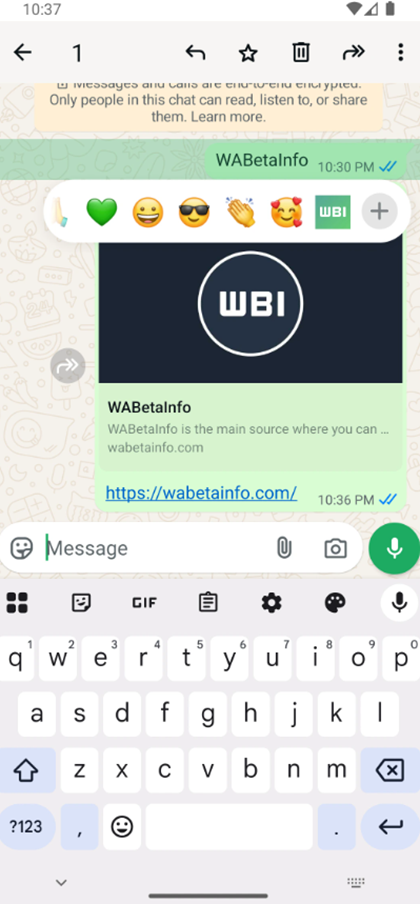
WhatsApp is working on a new feature that will let users react to messages, media files, and documents using stickers, offering more ways to express themselves beyond just emojis.

Currently, WhatsApp reactions are limited to a set of seven emojis including common ones like the heart, thumbs up, and folded hands, along with recently used emojis. But according to a new report by WABetaInfo, this is about to change.

image

Caption – WhatsApp users can soon react to messages with stickers. (Image credit – WABetaInfo)

A recent report by trusted WhatsApp Beta source WABetaInfo says that WhatsApp is developing a feature that will allow users to react with stickers, not just emojis. Once the feature rolls out, users will be able to pick stickers from the sticker keyboard including those downloaded from WhatsApp’s official Sticker Store.

The feature was spotted in the latest WhatsApp beta for Android 2.25.13.23 update.

That’s not all, users will also be able to react using third-party stickers they’ve imported from other apps available on Google Play Store and Apple App Store, as well as any saved stickers they already have in the app.

Animated stickers will be supported too, giving users more fun and personalised ways to respond in chats, whether it’s a message, photo, video, or document.

WABetaInfo writes, “users will be able to use third-party stickers imported via external apps, as well as stickers they have previously saved. It’s worth noting that animated stickers will also be supported as reactions. This includes stickers designed using the Lottie Framework, which enables smooth and lightweight animations while maintaining high visual quality and ensuring efficient performance across different devices.”

“The inclusion of animated stickers aims to make the reaction experience even more dynamic, as these visuals can convey emotions and reactions in a more expressive way than static emojis,” the report adds.

As for when it’ll launch, the report says the sticker reaction feature is still in development, and there’s no confirmed release date for users worldwide yet.

FAQs

Q1. What new feature is WhatsApp developing for message reactions?

Answer. WhatsApp is working on a feature that allows users to react to messages, media, and documents using stickers, expanding beyond the current emoji-only reactions.

Q2 Will WhatsApp users be able to use third-party stickers for reactions?

Answer. Yes, users can import stickers from third-party apps on the Google Play Store and Apple App Store, as well as use animated stickers and saved stickers.

Q3. When will sticker reactions be available on WhatsApp?

Answer. The feature is still in development, and there is no confirmed release date for worldwide users yet, according to reports from WABetaInfo.

Also Read: WhatsApp Rolls Out Advanced Chat Privacy Feature for More Secure Conversations

Also Read: WhatsApp Makes It Easier to Create and Share Your Own Sticker Packs

OpenAI Adds Shopping Features to ChatGPT Search

0

Highlights

  • OpenAI has updated ChatGPT search to provide product suggestions, images, reviews and direct buy links.
  • The shopping feature is powered by structured third-party data, with no ads or commissions.
  • OpenAI may explore affiliate fees in the future.
  • Pro and Plus users will soon get memory-based shopping, trending searches and WhatsApp integration.

image

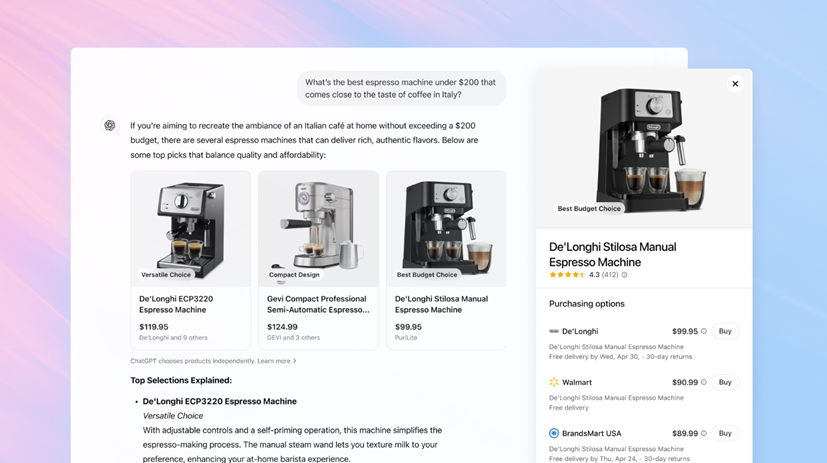
Caption – Shopping features are now on ChatGPT. (Image credit – OpenAI)

OpenAI has updated its ChatGPT search tool to make online shopping easier and more personalised, the company announced recently.

Now, when you search for products in ChatGPT, it will suggest a few options, show images and reviews, and give you direct links to buy them. You can ask very specific questions in plain language and get tailored results. For now, the feature is being tested in categories like fashion, beauty, home goods, and electronics.

The update is rolling out in GPT-4o, the default model for ChatGPT. It is currently available to Pro, Plus, Free, and even logged-out users around the world.

This move is part of OpenAI’s effort to offer a better way to find products online and compete with Google, which has long dominated online shopping searches. OpenAI believes ChatGPT can deliver a more personal and less ad-heavy experience.

According to OpenAI, users made over a billion web searches in ChatGPT just last week. The company says the new shopping feature is powered by structured data from third-party sources like product descriptions, pricing, and reviews. Importantly, there are no ads or paid placements involved right now, and OpenAI doesn’t earn any commission from purchases made through ChatGPT.

Although OpenAI CEO Sam Altman has traditionally opposed ads in ChatGPT, he recently told Stratechery’s Ben Thompson that he’s now open to “tasteful” advertising, possibly through affiliate fees without letting companies pay for better search placement.

Pro and Plus users will soon also get memory-based shopping. That means ChatGPT will remember your previous chats and use them to recommend products just for you. This memory feature is already used more broadly in search, but it won’t be available in the EU, U.K., Switzerland, Norway, Iceland, or Liechtenstein due to regulatory restrictions.

ChatGPT search is also getting trending searches, similar to Google’s autocomplete. This means you can see what others are looking up when you start typing. And now, you can even use ChatGPT search in WhatsApp by messaging the chatbot directly.

Previously, OpenAI tested shopping features through its AI “agent” platform called Operator, which took longer to find products. The new ChatGPT search with shopping is much quicker and allows users to search in a more interactive, natural way.’

FAQs

Q1. What new shopping features has OpenAI added to ChatGPT?

Answer. OpenAI has updated ChatGPT search to provide product suggestions, images, reviews, and direct buy links, making online shopping more interactive and personalized.

Q2. Does ChatGPT shopping search include ads or paid placements?

Answer. No, the feature does not include ads or commissions for purchases. OpenAI may explore affiliate fees in the future but won’t allow companies to pay for placement.

Q3. What additional features are coming to ChatGPT shopping search?

Answer. Soon, Pro and Plus users will get memory-based shopping, trending searches, and WhatsApp integration, though some regions face regulatory restrictions.

Also Read: OpenAI Might Be Building Its Own AI-Powered Social Network

Also Read: ChatGPT Search Will Now Be Available Free for Everyone

Finance Minister Urges Action After UPI Outages, Sets Goal of 1 Billion Daily Transactions

0

Highlights

  • Finance Minister Nirmala Sitharaman urged stakeholders to address UPI infrastructure gaps and improve reliability, user experience and cybersecurity.
  • Sitharaman set a target of achieving 1 billion daily UPI transactions within 2–3 years, while promoting global acceptance and ecosystem expansion.
  • UPI saw a 72% CAGR in transactions from 2019–20 to 2024–25 with ₹261 lakh crore transaction value and 45 crore active users annually.

image

Caption – Finance Minister urges action after UPI Outages. (Image credit – ToI)

Finance Minister Nirmala Sitharaman has asked all key stakeholders, including the National Payments Corporation of India (NPCI), to work together to fix infrastructure issues following a series of recent UPI outages.

Her comments came during a review meeting held in response to transaction failures on March 26, April 2, and April 12, the third disruption in less than two weeks.

Sitharaman set an ambitious target of reaching one billion UPI transactions per day within the next 2–3 years. She also stressed the importance of improving UPI’s overall reliability, user experience, and cybersecurity.

In a statement posted on Twitter, the Finance Ministry said, “FM Smt. @nsitharaman urged all stakeholders to work collaboratively to address infrastructure gaps, enhance the end-user experience and cybersecurity architecture. The Union Finance Minister directed @NPCI_NPCI to reinforce UPI’s robustness and prevent future disruptions.”

The meeting was attended by key officials including Finance Secretary Ajay Seth, Financial Services Secretary M Nagaraju, and NPCI CEO Dilip Asbe. Discussions focused on boosting UPI’s capacity, ensuring real-time monitoring, and strengthening the system to avoid similar disruptions in the future.

Sitharaman also encouraged efforts to make UPI more widely accepted internationally by developing interoperable systems and expanding its international reach. At the same time, she called for bringing more users and merchants into the UPI ecosystem.

UPI continues to grow rapidly. It recorded a 72% compound annual growth rate (CAGR) in transactions between 2019–20 and 2024–25. Meanwhile, 26 crore new users and 5.5 crore merchants joined the platform from 2021–22 and 2024–25 alone.

As of now, UPI boasts 45 crore active users annually. In the financial year 2024–25, the platform handled ₹261 lakh crore in transaction value (up 30%) and 18,586 crore transactions by volume (up 42%).

FAQs

Q1. Why did Finance Minister Nirmala Sitharaman call for action on UPI?

Answer. She urged stakeholders to fix UPI infrastructure issues after outages on March 26, April 2, and April 12, stressing the need for improved reliability.

Q2. What is the target for UPI daily transactions set by the Finance Minister?

Answer. Sitharaman set a goal of 1 billion daily UPI transactions within the next 2–3 years, aiming to expand UPI’s global reach and merchant adoption.

Q3. How has UPI grown in recent years?

Answer. UPI saw a 72% CAGR in transactions from 2019–20 to 2024–25, reaching ₹261 lakh crore transaction value and 45 crore active users annually.

Also Read: India to Bring Crypto Regulation Agenda in G20 Meeting, Says Finance Minister Nirmala Sitharaman

Also Read: UPI Transactions Witness a 650% Rise at Semi-Urban & Rural Stores: Report