OpenAI CEO Sam Altman has publicly denied allegations of sexual abuse made by his sister Ann Altman. In a statement, Sam called the allegation “utterly untrue” and expressed concern for his sister’s well-being.
Ann Altman accused Sam of sexually abusing her from 1997 to 2006 causing severe emotional distress, mental anguish and depression.
The family detailed their efforts to support Ann and refuted her claims.
OpenAI CEO Sam Altman. (Image credit – Unknown)
OpenAI CEO Sam Altman has publicly denied allegations of sexual abuse made by his sister, Ann Altman, in a recent lawsuit. In a statement shared on X (formerly Twitter), Sam, along with his family, called the claims “utterly untrue” and expressed concern for Ann’s well-being.
What Are The Allegations?
Ann Altman, 30, has accused Sam of sexually abusing her from 1997 to 2006, beginning when she was just 3 years old. The lawsuit, filed on Monday, alleges that the abuse took place during their childhood in Missouri and continued until Ann was a minor, while Sam had become an adult. Ann has previously made similar accusations against her brother on social media.
The lawsuit claims that the alleged abuse caused Ann “severe emotional distress, mental anguish, and depression,” effects she continues to struggle with.
Sam Altman’s Response
My sister has filed a lawsuit against me. Here is a statement from my mom, brothers, and me: pic.twitter.com/Nve0yokTSX
— Sam Altman (@sama) January 7, 2025
In his statement shared on behalf of himself, his mother and his brother, Sam strongly refuted the allegations, calling them false and deeply hurtful.
“Our family loves Annie and is very concerned about her well-being. Caring for a family member who faces mental health challenges is incredibly difficult. We know many families facing similar struggles understand this well,” the statement begins.
The family detailed efforts they have made over the years to support Ann, including paying her bills, assisting with rent, covering medical expenses and offering to buy her a house. Despite these efforts, the statement claims Ann has repeatedly demanded more money.
“Annie has made deeply hurtful and entirely untrue claims about our family, and especially Sam. We’ve chosen not to respond publicly, out of respect for her privacy and our own. However, she has now taken legal action against Sam, and we feel we have no choice but to address this,” the family said.
Other Claims in the Lawsuit
The family also revealed that Ann has accused them of withholding their late father’s 401k funds, hacking her Wi-Fi and even “shadowbanning” her on platforms like ChatGPT and Twitter.
“The worst allegation she has made is that she was sexually abused by Sam as a child (she has also claimed instances of sexual abuse from others). Her claims have evolved drastically over time. Newly for this lawsuit, they now include allegations of incidents where Sam was over 18,” the statement reads.
The family described the situation as “immensely painful,” stating that Ann has refused conventional treatments and often lashes out at family members who try to help.
“This situation causes immense pain to our entire family. It is especially gut-wrenching when she refuses conventional treatment and lashes out at family members who are genuinely trying to help,” the statement concludes, reiterating that the allegations are “utterly untrue.”
The lawsuit has drawn significant attention with both parties standing firm in their positions. More developments are expected as the legal proceedings unfold.
FAQs
Q1: What are the allegations made by Ann Altman against Sam Altman?
Answer. Ann Altman accused Sam of sexually abusing her from 1997 to 2006, causing her severe emotional distress, mental anguish and depression.
Q2. How has Sam Altman responded to the allegations?
Answer. Sam Altman has publicly denied the allegations, calling them “utterly untrue” and expressing concern for Ann’s well-being.
Q3. What other claims has Ann Altman made in the lawsuit?
Answer. Ann has accused the family of withholding their late father’s 401k funds, hacking her Wi-Fi, and “shadowbanning” her on platforms like ChatGPT and Twitter.
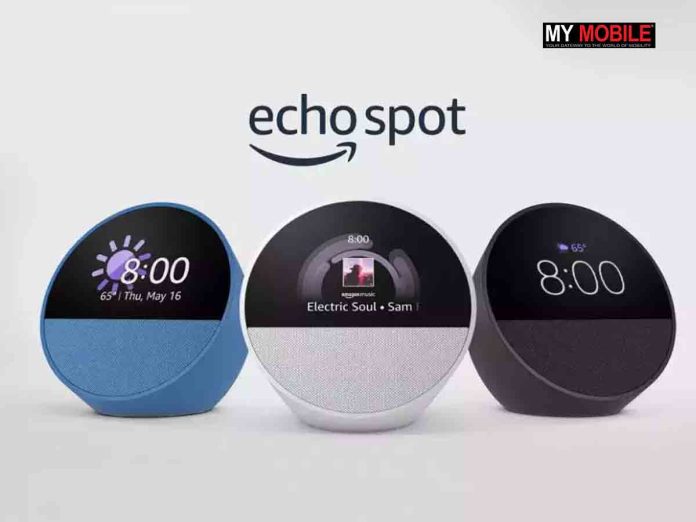
Amazon launched the new Echo Spot at an introductory price of Rs 6,449.
It is available in Black and Blue colour choices on Amazon, Blinkit and Croma stores.
Features – customisable 2.83-inch touchscreen, 1.73-inch front-firing speaker, night mode, Alexa integration for music control and smart home connectivity.
It also supports audio calls to other Alexa-enabled devices, provides quick answers for various queries and has a microphone on/off button.
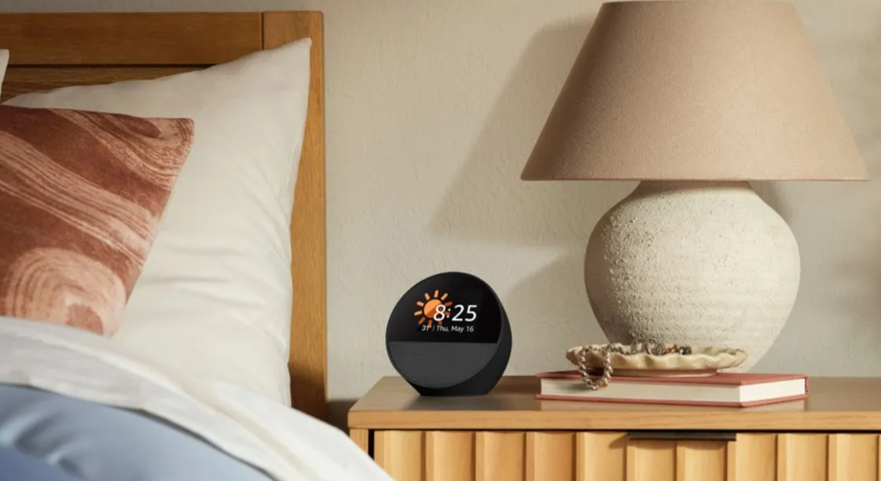
New Echo Spot unveiled with customisable display and smart home integration features. (Image credit – Amazon)
Amazon has introduced a brand-new Echo Spot in India, a refreshed take on its Alexa-enabled smart alarm clock. The new version brings a customisable display, enhanced sound and smart home integration making it more versatile than ever. Here’s everything we know about the newly launched device.
Echo Spot – Price and Availability
The new Echo Spot is priced at Rs 8,999, but it’s available at a limited-time introductory price of Rs 6,449.
Customers can purchase it on Amazon, Blinkit, and Croma stores.
It comes in Black and Blue colour
New Echo Spot colour variants. (Image credit – Amazon)
Echo Spot – Features and Specifications
Customisable Touchscreen Display
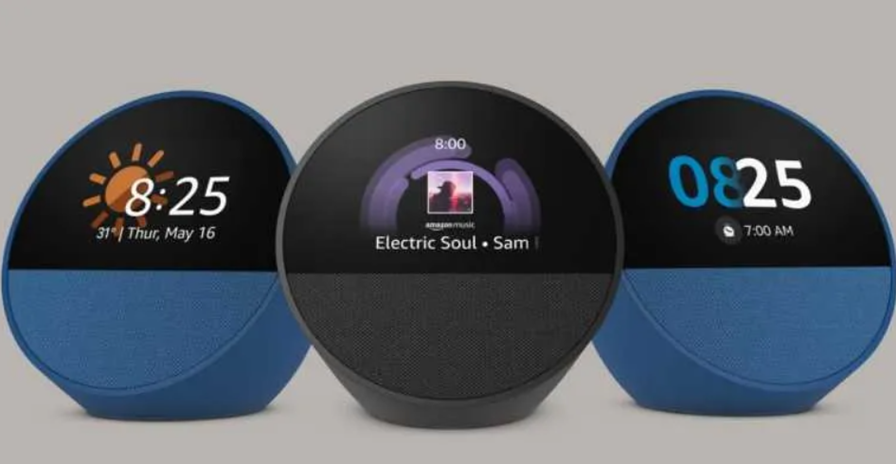
The Echo Spot sports a 83-inch touchscreen that can be customised with themes in colours such as orange, violet, magenta, lime, teal and blue.
Users can mix and match these colour themes and choose from eight custom clock faces for personalisation.
The display also supports viewing alarms, time, weather updates and song titles at a glance.
Enhanced Sound Quality
It features a 73-inch front-firing speaker that delivers vibrant sound for music, podcasts, and audiobooks.
Alexa supports streaming from services like Amazon Music, Apple Music, Spotify and JioSaavn.
Smart Features
The device offers a night mode to make checking the time less intrusive during sleep.
With Alexa, users can control music playback, skip tracks, adjust volume or even use the volume adjustment buttons on top of the device.
The Echo Spot connects to compatible smart home devices and supports setting up Alexa Routines to automate daily tasks using voice commands.
Smart Calls and Assistance
Alexa allows users to make audio calls to other Alexa-enabled devices.
It provides quick answers for weather updates, recipes, timers, alarms, reminders and more.
Privacy and Controls
The Echo Spot includes multiple layers of privacy features such as a microphone on/off button and the ability to view and delete voice recordings.
Amazon has also added new visual animations and fun colour options making this smart alarm clock both functional and visually appealing.
FAQs
Q1. What is the introductory price and regular price of the new Echo Spot in India?
Answer. The new Echo Spot is priced at Rs 8,999 but is available at a limited-time introductory price of Rs 6,449.
Q2. Where can customers purchase the new Echo Spot?
Answer. Customers can purchase the new Echo Spot on Amazon, Blinkit and Croma stores.
Q3. What are some key features of the Echo Spot’s display?
Answer. The Echo Spot features a 2.83-inch touchscreen that can be customized with various themes and clock faces, supporting viewing alarms, time, weather updates and song titles.
Q4. What smart functions does the Echo Spot offer with Alexa integration?
Answer. The Echo Spot allows users to control music playback, make audio calls to other Alexa-enabled devices, receive quick answers to various queries and connect to compatible smart home devices.
OnePlus has announced a new customer service initiative for its OnePlus 13 Series devices in India.
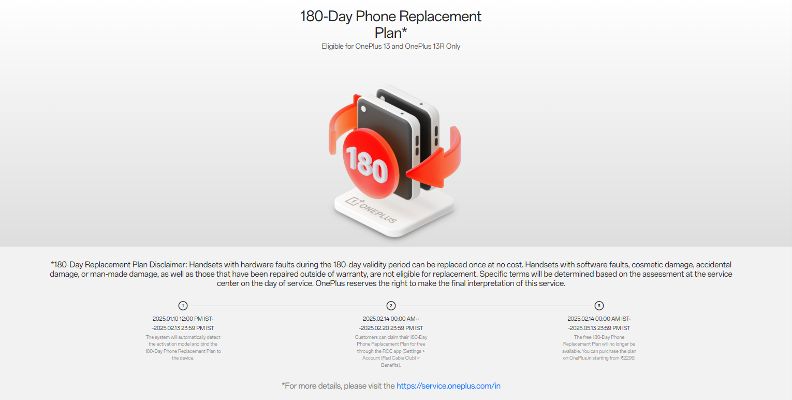
Customers who purchase a OnePlus 13 or OnePlus 13R before February 13, 2025, will be eligible for a 180-day replacement plan.
This plan allows for a one-time device replacement within the first 180 days of purchase should the device experience a hardware-related issue.
Global technology brand OnePlus today announced that users who buy a OnePlus 13 Series device before February 13, 2025 will have the ultimate peace of mind guarantee: Free replacement within the first 180 days of purchase in an unlikely event of a hardware issue with their new OnePlus 13 or OnePlus 13R.
This unique and first-of-its-kind plan will enable them to immediately get a free replacement device.
“We are proud to introduce this protection plan, further enhancing the user experience,” said Robin Liu, CEO of OnePlus India.“The 180-day phone replacement plan for the OnePlus 13 series reflects our confidence in the reliability of our products and our ongoing care for users, continuously elevating the quality of service for local consumers.”
An Initiative Driven by Brand Assurance
An Initiative Driven by Brand Assurance
This industry-leading initiative shows OnePlus’ commitment to putting its users first and covers all device components, including screens, back covers, batteries, and motherboards, etc.
In the unlikely event of any hardware quality issue arising within the 180-day period, customers are entitled to a one-time device replacement, bypassing repairs entirely and ensuring a worry-free experience.
The exchange process is simple and user-friendly. Customers can visit any authorized service center to confirm eligibility and receive a replacement device.
From January 10 to February 13, the service will be offered free of charge to anyone who purchases the OnePlus 13 series.
Post this period, this premium service remains accessible via an optional paid protection plan.
Priced at 2599 INR for the OnePlus 13 and 2299 INR for the OnePlus 13R, this plan extends the service for an additional three months, providing continued peace of mind.
Advancing Innovation and Service Excellence in India
The “180-Day Phone Replacement Plan” is part of OnePlus’s Project Starlight in India, a strategic vision for future investment in the region to enhance device durability, deliver exceptional service, and create features tailored specifically for the Indian market.
To elevate its service efficiency and quality, OnePlus has significantly expanded its service network and enhanced its after-sale service support in India by increasing the number of service centers and optimizing service processes.
Through Project Starlight, OnePlus will continue to deliver faster customer responses, better transparency, enhanced user education programs, and more convenient in-store experiences.
OnePlus 13 Series: Confidence in Performance and Reliability
The OnePlus 13 Series launched globally at the Winter Launch Event last night. Both OnePlus 13 and OnePlus 13R boast enhanced imaging, sophisticated design, advanced AI, and reliable performance tailored for everyday use.
Driven by the latest Snapdragon mobile platforms and optimized with OxygenOS 15, these devices offer seamless multitasking, gaming excellence, and boosted productivity and creativity.
Equipped with robust triple-camera systems, both models empower users to capture professional-grade photos and videos in any setting.
With improved durability and elegant design, the OnePlus 13 series offers a comfortable, stylish, and resilient grip.
Supported by the “180-Day Phone Replacement Plan”, the OnePlus 13 series is a smart, dependable, and comprehensive flagship option in the market.
FAQs
1.What are the additional offers on Oneplus 13?
Answer. Additional offers*:
Free 180-Day Phone Replacement Plan which allows free replacement within the first 180 days of purchase in an unlikely event of a hardware issue with a new OnePlus 13
Green Line Worry-Free Solution as part of Project Starlight which offers free lifetime warranty for any phone suffering from the green line issue
Two complimentary airport lounge access
Customers can own the OnePlus 13 by paying only 65% of its price with 24-months of No-cost EMI. This guarantees 35% Assured Buyback via Easy Upgrades Program applicable for customers purchasing from OnePlus.in and offline stores with ICICI Bank Credit Cards
For 16GB/512GB & 24GB/1TB variants, corporate users from select companies can get additional INR 3750 & INR 4500 discount respectively on OnePlus.in under the corporate employee program.
Jio prepaid users can claim free premium access to 10 OTT apps for six months
2.What are the open sale offers of Oneplus 13?
Answer.Existing OnePlus and other smartphone users can receive exciting benefits on exchanging their old device for the all-new OnePlus 13. For instance, if an interested OnePlus 13 consumer chooses to exchange their older smartphone that may have an exchange value of INR 18,000, they can avail this exchange value of INR 18,000 and couple this with a special exchange bonus of up to INR 7,000 over and above the existing offers bringing the net effective price of the OnePlus 13 down to INR 39,999.
3.What is the price & availability of Oneplus 13?
Answer.Starting at INR 69,999, the OnePlus 13 will go on open sale from January 10th 2025 and will be available in the 12+256GB, 16+512GB and 24+1TB variants. The OnePlus Community can purchase the device online at OnePlus.in, OnePlus Store App, Amazon.in and offline retail partners such as OnePlus Experience Stores, Reliance Digital, Croma, Vijay Sales, Bajaj Electronics, and others.
Mobile users in India are targeted by the Premium Rate Service scam.
It involves missed calls from international numbers leading to exorbitant charges when returned.
Reliance Jio advises customers to never call back unknown international numbers to avoid high charges from premium rate services.
Tips – Block suspicious numbers, avoid returning unknown calls, restrict international calls, spread awareness and report the scam to authorities.
Indian mobile users are being targeted by the Premium Rate Service scam. (Image credit – Unknown)
Mobile users in India are being targeted by a growing phone scam involving missed calls from international numbers. Known as the Premium Rate Service scam, it tricks people into returning these calls, leading to exorbitant charges. Victims have reported bills running into thousands of rupees after returning seemingly harmless missed calls.
Reliance Jio, one of India’s largest telecom operators, has issued a strong advisory to its customers:
“Never call back unknown international numbers,” the company stated in an email. It also added, “These premium rate services can charge extremely high rates per minute, even for brief connections.”
How Premium Rate Service Scam Works?
Here’s how scammers lure users into falling for the trap:
Missed Calls from International Numbers – Scammers make brief calls that disconnect quickly, leaving a missed call notification.
Expensive Callbacks – When users return the call, they are connected to premium rate services, which charge hefty fees, sometimes hundreds of rupees per minute.
Signs of a Scam Call
Be on the lookout for these red flags:
Calls from unknown international country codes.
Extremely short ring durations.
Calls received at odd hours such as late at night or early morning.
Repeated calls from similar numbers.
How to Stay Safe From Such Scam Calls?
Follow these tips to avoid falling victim to the scam:
Block Suspicious Numbers – Use your phone’s blocking feature to stop calls from questionable numbers.
Don’t Return Unknown Calls – Avoid calling back missed numbers with unfamiliar country codes unless you know the caller.
Restrict International Calls – Ask your telecom provider to block outgoing international calls if you don’t need them.
Spread Awareness – Share information about the scam with family and friends to keep them informed.
Report the Scam – Notify local authorities and your telecom provider about suspicious calls and keep records of your call logs.
Telecom companies are working with international partners to track and block scam numbers. However, scammers frequently switch to new numbers, making it challenging to eliminate the threat entirely. Staying vigilant and informed is key to staying safe.
The Premium Rate Service scam isn’t unique to India and has been reported in multiple countries. Fraudsters exploit premium rate services to earn money, often operating across borders to evade detection. Despite efforts by telecom companies worldwide, scammers’ evolving tactics make this an ongoing issue.
What to Do If You’re a Victim Of Scam Call?
If you suspect you’ve been targeted –
Contact your mobile service provider immediately to report unusual charges.
Request a detailed billing review to identify fraudulent transactions.
Dispute any unauthorized charges and ask your provider for additional protective measures.
Awareness is your best defence. Avoid returning missed calls from unknown international numbers and educate others about the risks. By taking proactive measures, you can safeguard yourself from falling victim to this costly scam.
FAQs
Q1. What is the Premium Rate Service scam involving missed calls from international numbers?
Answer. The Premium Rate Service scam involves missed calls from international numbers that trick people into returning these calls, leading to exorbitant charges.
Q2. What advice has Reliance Jio given to its customers regarding scam calls?
Answer. Reliance Jio advises customers to never call back unknown international numbers as these premium rate services can charge extremely high rates per minute.
Q3. How can users protect themselves from the Premium Rate Service scam?
Answer. Users can protect themselves by blocking suspicious numbers, avoiding returning unknown calls, restricting international calls, spreading awareness and reporting scams to authorities.
WWE 2K25 was officially announced during Night RAW on January 7 live on Netflix.
WWE 2K25 will be available on Xbox One, Xbox Series X|S, PlayStation 4, PlayStation 5 and PC via Steam. More details coming on January 28, 2025.
The game promises a star-studded roster including Cody Rhodes and CM Punk.
WWE 2K25 officially announced. (Image credit -WWE)
WWE has officially unveiled the latest instalment in its popular wrestling video game series WWE 2K25. The announcement was made during a landmark episode of Monday Night RAW, which aired live on Netflix for the first time on January 7.
During the special event, WWE star Roman Reigns alongside his manager Paul Heyman introduced the game to fans worldwide.
WWE’s 2K25 Announcement
WWE shared the news on X (formerly Twitter) posting, “#WWE2K25 #RawOnNetflix #WWERaw Add it to your Wishlist now on Xbox, PlayStation, & Steam! https://wwe.2k.com.”
👀#WWE2K25 #RawOnNetflix #WWERaw
Add it to your Wishlist now on Xbox, PlayStation, & Steam!https://t.co/quca4Is1IQ pic.twitter.com/oX8eV2tPJY
— WWE (@WWE) January 7, 2025
The shared URL leads to the official WWE 2K website, which teases, “WWE 2K returns bigger, bolder, and better than ever in a breakthrough year for the franchise! WWE 2K25 is preparing to charge down the ramp with all the authenticity and action fans love from the best in sports entertainment. Discover game-changing features, iconic Superstars, and more details on January 28th, 2025.”
WWE 2K25 – Platforms and Availability
No better way to celebrate the debut of #RAWonNetflix than with a special first look at #WWE2K25 pic.twitter.com/yEaLXH2Wx4
— Xbox (@Xbox) January 7, 2025
WWE 2K25 will be available on –
Consoles: Xbox One, Xbox Series X|S, PlayStation 4 and PlayStation 5.
PC: Via Steam.
Although the release date hasn’t been confirmed, WWE has promised more details including game-changing features and new superstars on January 28th 2025.
What Is WWE 2K?
The WWE 2K series is a wrestling simulation franchise that allows players to step into the ring as their favourite WWE superstars or create custom wrestlers to compete in thrilling matches. The series debuted with WWE 2K14 in 2013 and has been very popular amongst wrestling fans ever since.
The first screenshots of WWE 2K25 showcase several popular superstars, including:
Cody Rhodes
CM Punk
Damian Priest
Liv Morgan
Bayley
WWE 2K25 is gearing up to be a must-play for wrestling fans and gamers alike with its promise of enhanced features, a star-studded roster and exciting gameplay improvements.
FAQs
Q1. When was WWE 2K25 officially announced?
Answer. WWE 2K25 was officially announced during Monday Night RAW on January 7, which aired live on Netflix for the first time.
Q2. On which platforms will WWE 2K25 be available?
Answer. WWE 2K25 will be available on Xbox One, Xbox Series X|S, PlayStation 4, PlayStation 5, and PC via Steam.
Q3. When can we expect more details about WWE 2K25?
Answer. WWE has promised to share more details, including game-changing features and new superstars on January 28, 2025.
Q4. Which WWE superstars are showcased in the first screenshots of WWE 2K25?
Answer. The first screenshots of WWE 2K25 showcase several popular superstars, including Cody Rhodes, CM Punk, Damian Priest, Liv Morgan and Bayley.
HMD Global has launched the budget-friendly HMD Key smartphone for £59.
Specifications – 6.52-inch HD display, Unisoc 9832E chipset, 2GB RAM + 32GB storage, 8MP rear camera, 4,000mAh battery and Android 14 (Go Edition) with 2 years of updates.
The phone will be available in Icy Blue and Midnight Black colours.
It’s currently on sale in the UK, New Zealand and Australia via the HMD website.
More regional availability is yet to be announced.
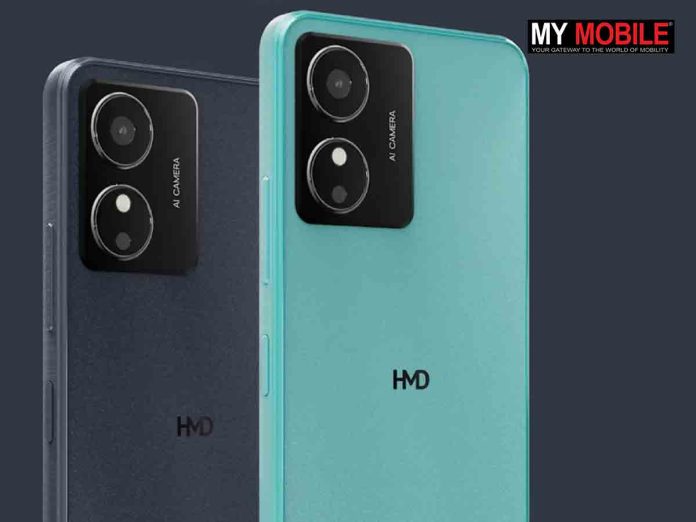
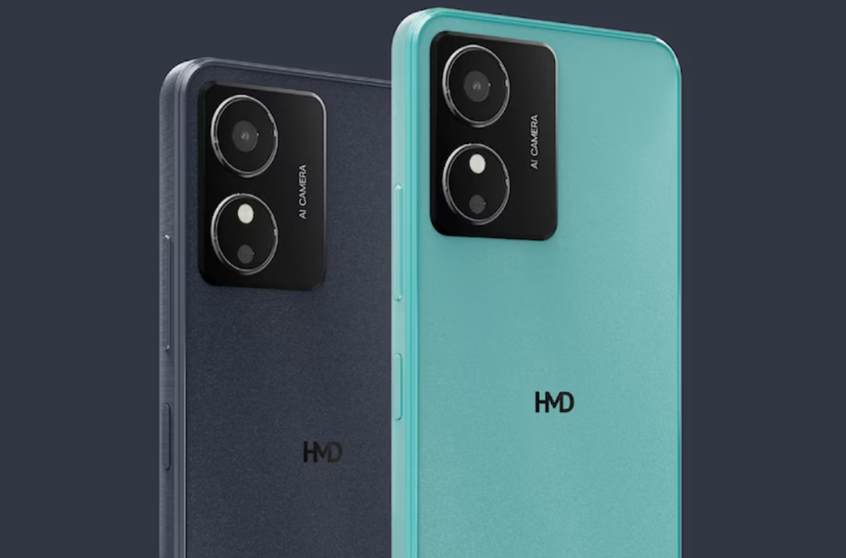
HMD Key was recently launched in select global markets. (Image credit – HMD)
HMD Global has introduced its latest budget-friendly smartphone HMD Key aimed at global markets. Following the launch of the HMD Arc and the Blue Topaz edition of the HMD Skyline, the HMD Key brings a familiar design with practical features.
Here’s everything you need to know about this affordable device.
“Smartphones don’t have to be expensive to be smart and the HMD Key makes sure users get what they expect from their smartphone whilst catering to those on a budget. It’s got all the essential photography modes plus performance-boosting virtual memory, and the smooth Android experience,” said Lars Silberbauer, Global Chief Marketing Officer at Human Mobile Devices (HMD).
How HMD Key Is Different From Predecessors?
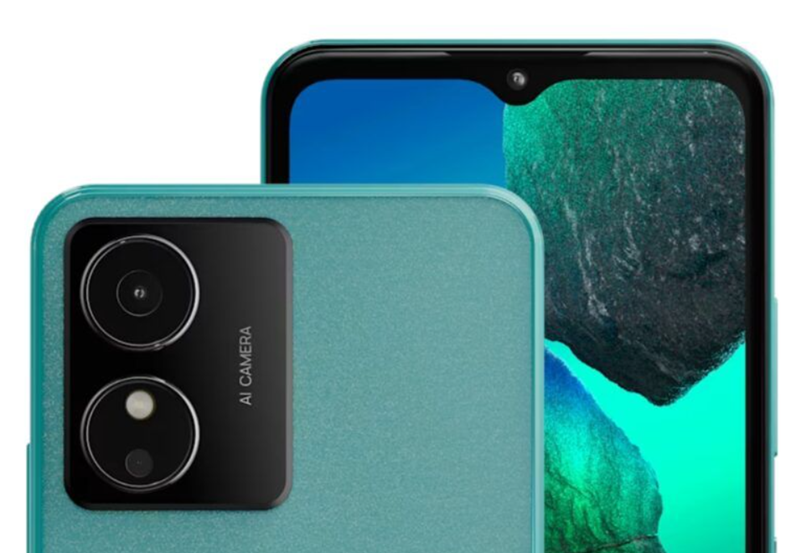
HMD Key features an 8MP lens on the back. (Image credit – HMD)
The HMD Key announcement comes after the brand unveiled another budget offering named HMD Arc. However, the latter is not really an upgrade when it comes to specs. Here’s a quick comparison –
The Arc features a Unisoc 9863A chipset and a 4GB + 64GB memory configuration offering better performance than the Key’s Unisoc 9832E and 2GB + 32GB setup.
The Arc packs a 13MP rear camera compared to the Key’s 8MP lens.
The Arc comes with a larger 5,000mAh battery, while the Key houses a 4,000mAh unit.
While the HMD Arc’s price hasn’t been disclosed, it’s expected to be slightly higher than the HMD Key’s £59.
HMD Key – Price and Availability
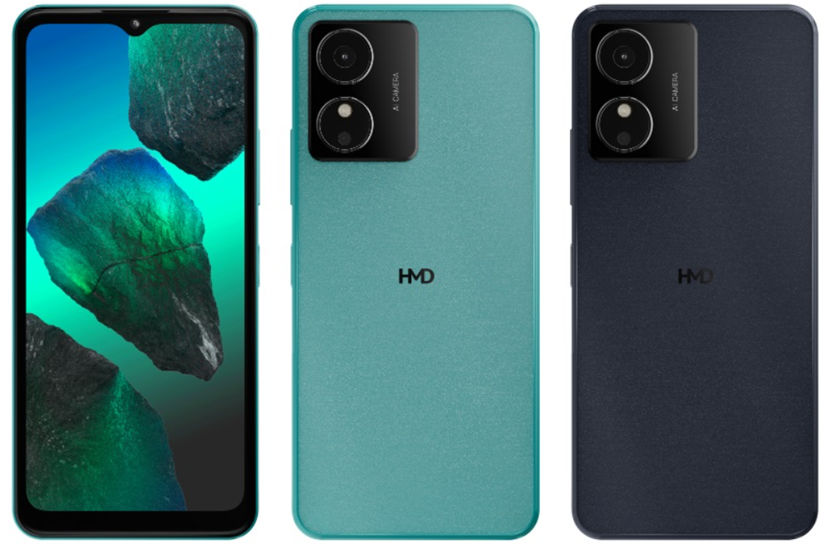
HMD Key colour variants include Icy Blue and Midnight Black. (Image credit – HMD)
Price – £59 (approximately ₹6,300) for the single 2GB + 32GB model.
Colours – Available in Icy Blue and Midnight Black.
Availability – Currently on sale via the HMD website in the UK, New Zealand and Australia. There’s no word on its availability in other regions yet.
HMD Key – Specifications
HMD Key – Specifications
Display –52-inch HD screen with a 60Hz refresh rate. 20:9 aspect ratio, 1280 x 576 pixels resolution, and 460 nits peak brightness.
Processor – Powered by the Unisoc 9832E chipset.
Memory – 2GB RAM + 32GB internal storage, expandable up to 128GB via microSD, 2GB virtual RAM support.
Operating System – Android 14 (Go Edition) with quarterly security updates for 2 years.
Cameras –
Rear – 8MP primary camera with LED flash. Modes include portrait, night, pro, slow motion, time-lapse, and panorama.
Front – 5MP selfie camera.
Battery – 4,000mAh battery with 10W charging.
Connectivity – 4G, Wi-Fi, Bluetooth 4.2, GPS/AGPS/Galileo, USB Type-C and a 3.5mm audio jack.
Durability – IP52 rating for splash resistance.
FAQs
Q1. How much does the HMD Key cost and what are its color options?
Answer. The HMD Key is priced at £59 (approximately ₹6,300) and is available in Icy Blue and Midnight Black.
Q2. What display features does the HMD Key offer?
Answer. The HMD Key features a 6.52-inch HD screen with a 60Hz refresh rate, a 20:9 aspect ratio, 1280 x 576 pixels resolution and 460 nits peak brightness.
Q3. What are the key specifications of the HMD Key?
Answer. The HMD Key includes a Unisoc 9832E chipset, 2GB RAM + 32GB internal storage (expandable up to 128GB via microSD), an 8MP rear camera, a 5MP selfie camera and a 4,000mAh battery with 10W charging.
Q4. What operating system does the HMD Key run on and what kind of updates does it receive?
Answer. The HMD Key runs on Android 14 (Go Edition) and receives quarterly security updates for 2 years.
Q5. Where is the HMD Key currently available for purchase?
Answer. The HMD Key is currently available for purchase via the HMD website in the UK, New Zealand and Australia.
BSNL offers several prepaid plans under ₹200 including Plan ₹107 for basic voice calls, Plan ₹153 for unlimited voice calls with 3GB data and Plan ₹199 for both voice and data needs.
Each plan provides benefits such as unlimited voice calls, daily data limits and free SMS.
These plans are ideal for light users, casual users and regular internet users looking for affordable connectivity.
Top BSNL prepaid plans under Rs 200 explained for users looking for affordable connectivity options. (Image credit – Unknown)
BSNL has some great prepaid plans for those looking for affordable yet reliable connectivity. With plans tailored to fit different needs be it voice calls or data, BSNL offers excellent options under ₹200.
Here’s a simple breakdown of the best plans that deliver maximum value without burning a hole in your pocket.
BSNL – Plan ₹107
For users who need a basic plan for voice calls, Plan ₹107 is a great option.
Benefits – 200 minutes of free voice calls (local and STD across India).
Ideal For – Light users who focus on voice calls and don’t need data.
BSNL – Plan ₹153
This plan is perfect for those who want unlimited voice calls and a bit of data for casual use.
Benefits –
Unlimited voice calls (local/STD) including roaming on MTNL networks in Mumbai and Delhi.
3GB of data (speed drops to 40 Kbps after usage).
Ideal For – Staying connected with family and friends without worrying about call or data limits.
BSNL – Plan ₹199
For users who need a well-rounded plan for both voice and data, Plan ₹199 is a top pick.
Benefits –
Unlimited voice calls (local/STD), including roaming on MTNL networks.
2GB daily data (speed drops to 40 Kbps after usage).
100 free SMS per day.
Ideal For – Regular internet users who need data for browsing, social media and texting.
BSNL Bonus – Plan ₹229
While this plan slightly exceeds ₹200, it offers excellent value for those with higher data needs.
Benefits –
Unlimited voice calls (local/STD), including MTNL networks.
3GB daily data (speed drops to 40 Kbps after usage).
Ideal For – Heavy data users who want a budget-friendly plan with great benefits.
Whether you’re looking for a no-frills calling plan or a well-rounded pack with voice, data and SMS benefits, BSNL’s prepaid options under ₹200 cater to a variety of needs while staying budget-friendly.
FAQs
Q1. What benefits does BSNL Plan ₹107 offer?
Answer. Plan ₹107 offers 200 minutes of free voice calls (local and STD across India), making it ideal for light users who focus on voice calls and don’t need data.
Q2. What are the benefits of BSNL Plan ₹153?
Answer. Plan ₹153 includes unlimited voice calls (local/STD), including roaming on MTNL networks in Mumbai and Delhi and 3GB of data (speed drops to 40 Kbps after usage). It’s perfect for casual users who want to stay connected with family and friends.
Q3. What is the ideal user profile for BSNL Plan ₹199?
Answer. Plan ₹199 is ideal for regular internet users who need both voice and data. It offers unlimited voice calls (local/STD), including roaming on MTNL networks, 2GB daily data (speed drops to 40 Kbps after usage), and 100 free SMS per day.
Q4. How does the BSNL Plan ₹229 compare to other plans under ₹200?
Answer. While Plan ₹229 slightly exceeds ₹200, it provides excellent value for heavy data users with benefits like unlimited voice calls (local/STD), including MTNL networks, and 3GB daily data (speed drops to 40 Kbps after usage).
Zomato has introduced a 15-minute food delivery feature for select users.
The feature is live in limited areas and highlights quick-to-prepare meals from nearby restaurants.
This service directly challenges Swiggy’s Bolt launched in October 2024 in 400 cities.
Zomato’s quick commerce arm Blinkit also offers fast delivery services.
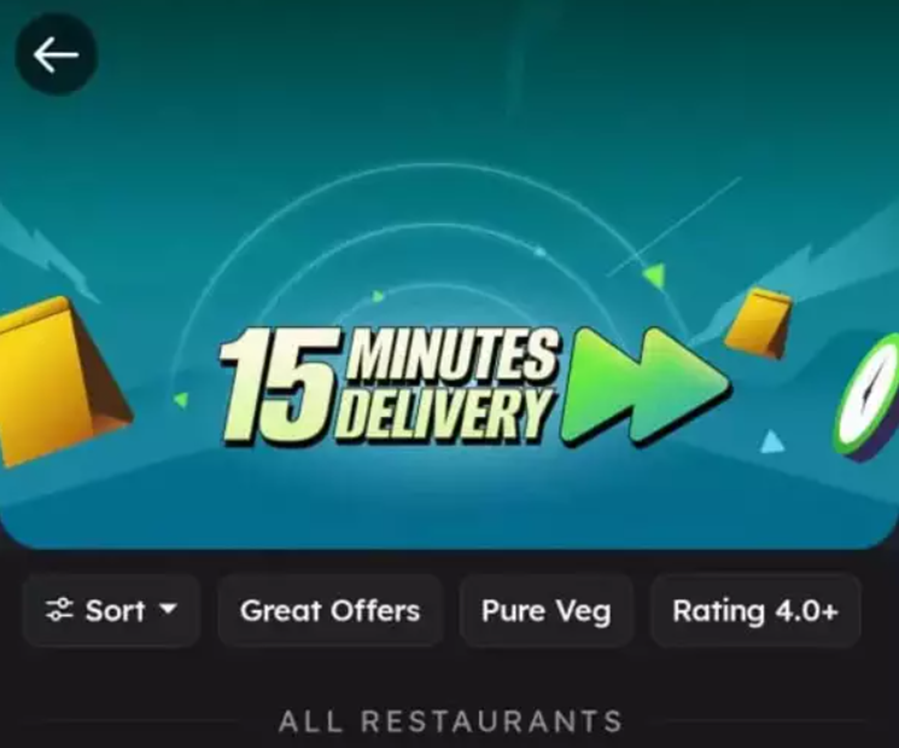
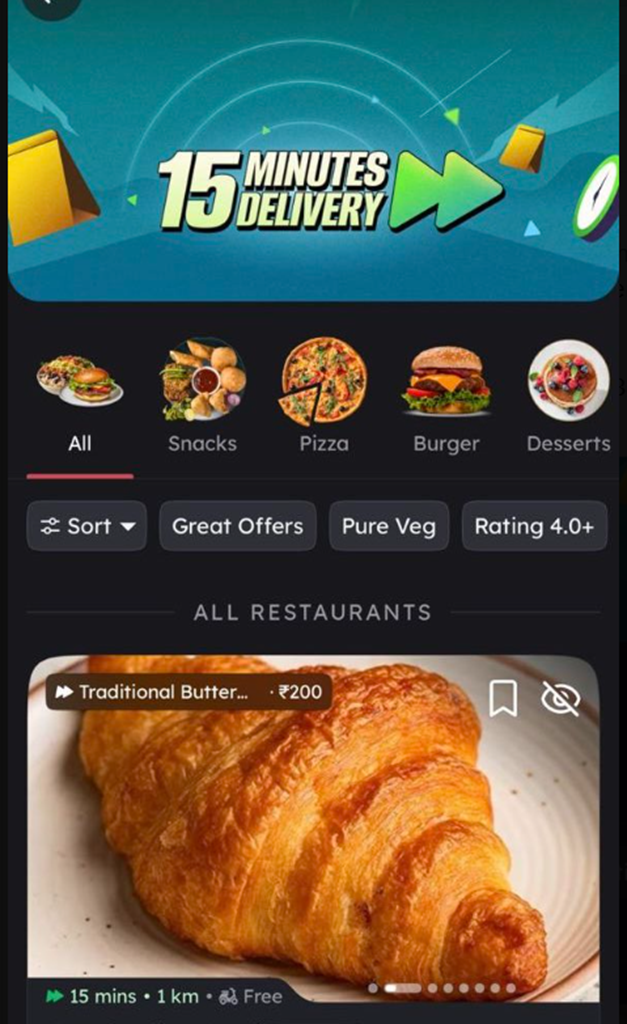
Zomato starts 15-minute food delivery. (Image – @undermarket on X)
After quick e-commerce, it is now the time for quick food delivery. Yes, the market is warming to compete for who will deliver cooked meals faster to you and the latest to join the trend is Zomato.
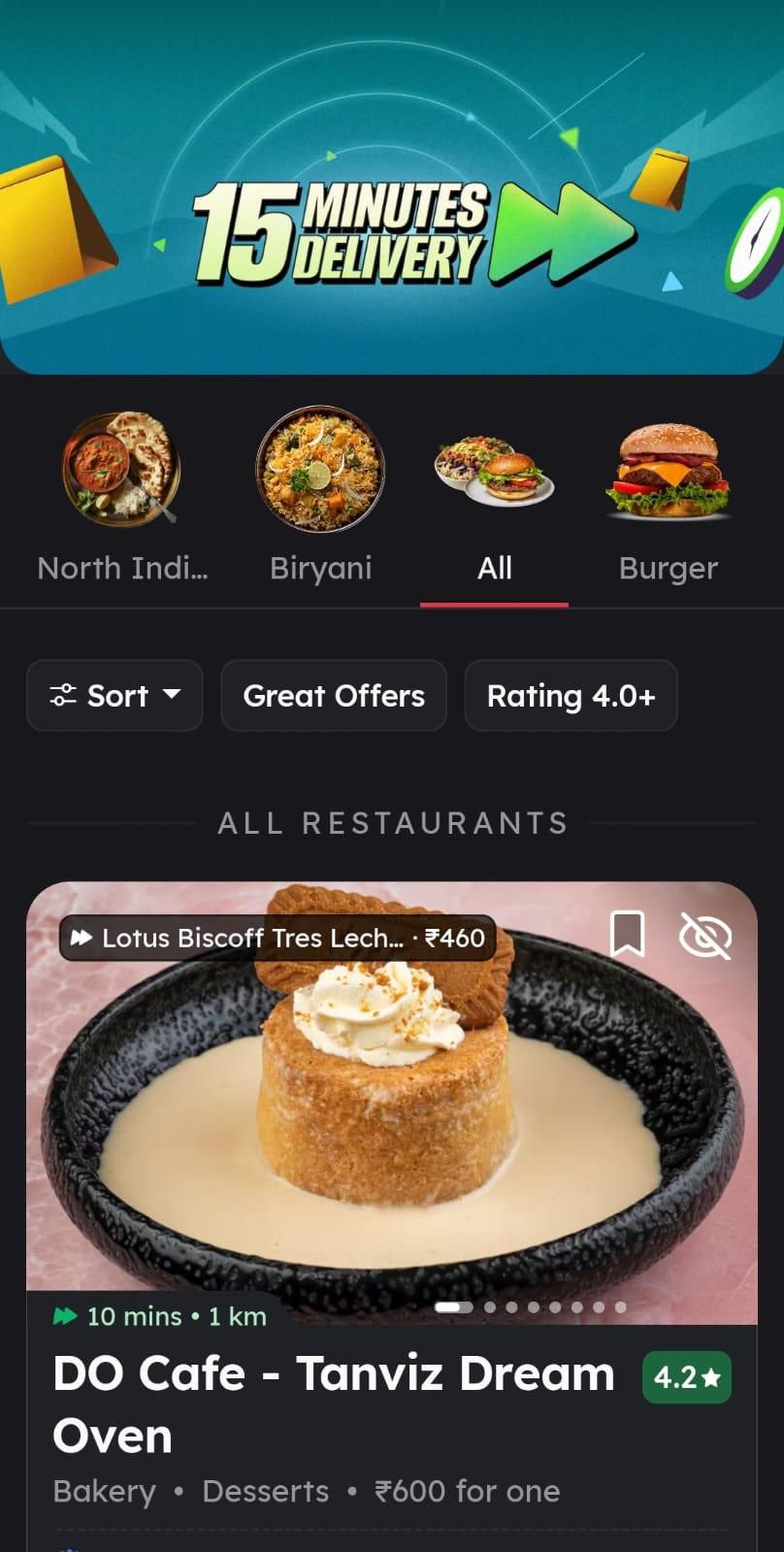
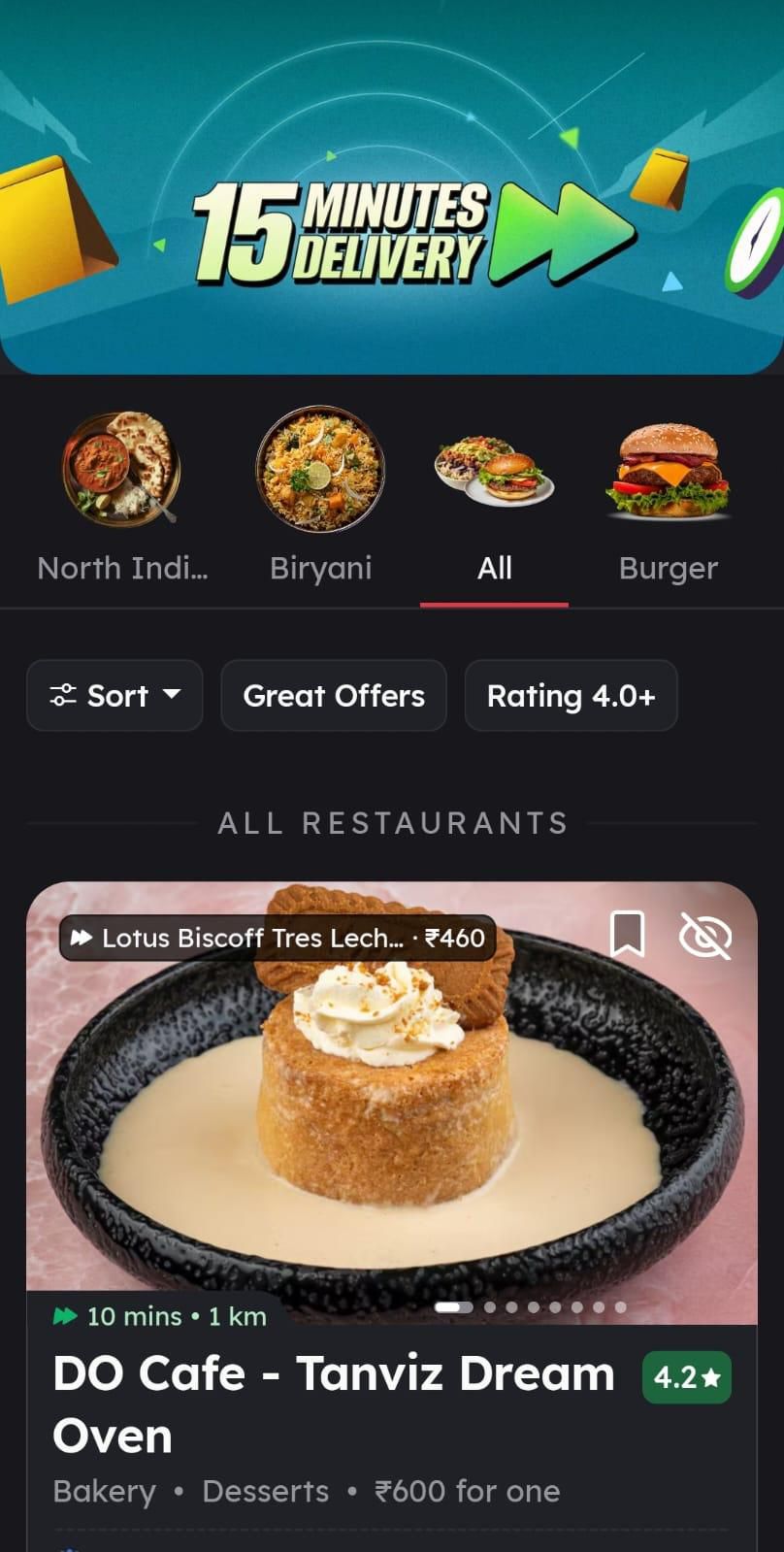
The popular food delivery app Zomato has quietly rolled out a 15-minute food delivery feature on its app offering users a quick way to get meals from nearby restaurants. While the company hasn’t officially announced the service yet, it’s already live for select users and can be found under a dedicated “15-minute delivery” tab in the app’s Explore section.
EMBED TWEET –
Zomato’s 15-minute food delivery service is currently spotted for some users. (Image credit – @undermarket on X)
How Does 15-Minute Delivery on Zomato Work?
The new feature highlights quick-to-prepare and ready-to-eat meals from restaurants located within a 1.5 to 2 km radius. Currently, the service is limited to specific areas but is expected to expand rapidly, according to a report by The Economic Times.
This isn’t Zomato’s first foray into quick food delivery. The company previously launched a service called Zomato Instant, which was discontinued in 2023.
It was replaced by “Everyday,” a platform offering home-style meals prepared in central kitchens, which has since expanded across major Indian cities.
Now, with this 15-minute delivery initiative, Zomato is directly taking on Swiggy’s Bolt launched in October 2024. Bolt has already gained traction accounting for over 5% of Swiggy’s food delivery orders and operating in 400 cities as of December.
Competition in Quick Food Delivery
Zomato isn’t new to the fast delivery market. Its quick commerce arm Blinkit runs a service called Bistro,delivering ready-to-eat meals from its dark stores. Similarly, Zepto offers its Cafe service, delivering food in just 10 minutes.
Apart from these giants, smaller startups like Swish and Zing are also vying for a share of the growing rapid delivery market. Although quick commerce for groceries and daily essentials is expanding, food delivery remains the main revenue driver and the only profitable segment for players like Zomato and Swiggy.
FAQs
Q1. What new feature has Zomato introduced for food delivery?
Answer. Zomato has introduced a 15-minute food delivery feature for select users, highlighting quick-to-prepare meals from nearby restaurants.
Q2. Who is Zomato competing with through this new service?
Answer. Zomato’s 15-minute delivery service directly challenges Swiggy’s Bolt, which launched in October 2024 and operates in 400 cities.
Q3. What are other fast delivery services that Zomato offers?
Answer. Zomato’s quick commerce arm Blinkit runs a service called Bistro delivering ready-to-eat meals from its dark stores.
Apple is set to unveil new iPads and the iPhone SE 4 by April 2025.
The new iPhone SE 4 and the new iPad 11 are expected to feature the A18 chip and the A17 Pro chip, respectively.
Rumours say these devices will come pre-installed with iOS 18.3 with iOS 18.4 releasing in April.
The announcement is expected between March and April.
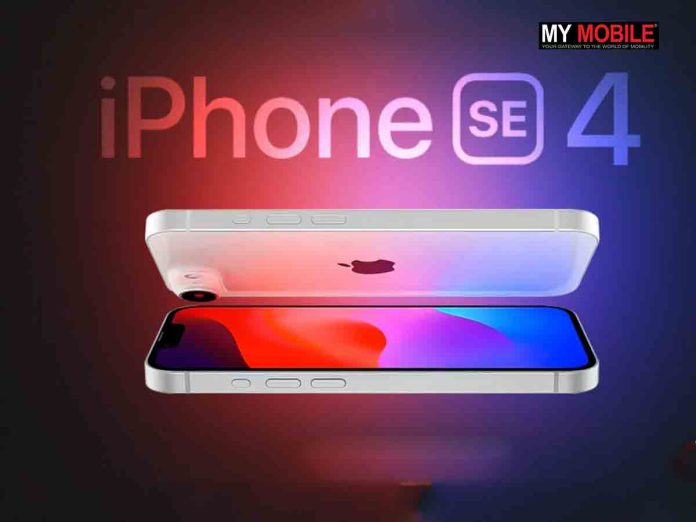
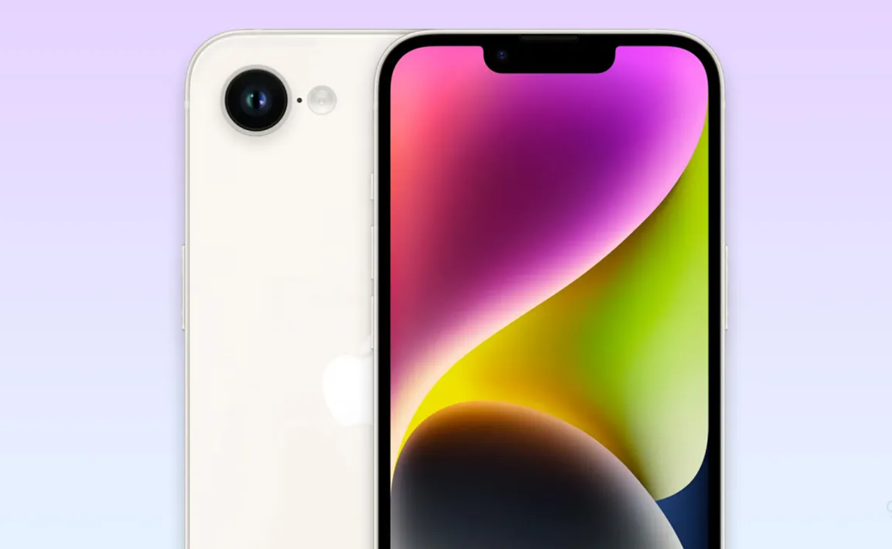
Apple will most likely announce the new iPhone SE 4 Apple between March and April 2025. (Image Credit – Apple)
It has already been reported widely that Apple will be introducing new iPads and iPhone SE in the first six months of 2025. Bloomberg’s trusted Apple reporter Mark Gurman previously confirmed the reports that the iPhone SE 4 and updated iPads are indeed coming in the first half of 2025. But more recently, Gurman has revealed that these products are expected to be unveiled “by April.”
Rumours suggest Apple will introduce three devices including the iPhone SE 4, which is expected to resemble theiPhone 14 featuring a single rear camera and the A18 chip from the iPhone 16. Other than this, we can also expect an iPad 11 launch featuring the A17 Pro chip with Apple Intelligence and an updated iPad Air after the M2 refresh last year.
According to certain leaks online, these devices will ship with iOS 18.3 pre-installed, a software update that typically rolls out in late January. While iOS 18.3 is key to supporting the new hardware, the products won’t necessarily launch alongside it.
Instead, Apple is likely to announce them between March and April, aligning with the start of spring in the northern hemisphere.
Apple has also confirmed that iOS 18.4 will be released in April introducing Apple Intelligence for non-English languages. However, this update will come after the launch of the new devices.
The new iPad is expected to feature an A17 Pro chip with Apple Intelligence. (Image Credit – Apple)
Last year, Apple launched the M4 iPad Pro and M2 iPad Air in May, bundled with iPadOS 17.4. This year’s timeline appears slightly earlier, with a focus on spring.
Apple could reveal these products through a special event or a series of pre-recorded videos, a format it has used for prior launches.
FAQs
Q1. When is Apple expected to launch new iPads and the iPhone SE 4?
Answer. Apple is set to unveil new iPads and the iPhone SE 4 by April 2025.
Q2. What software will the new devices come pre-installed with?
Answer. These devices will come pre-installed with iOS 18.3, with iOS 18.4 releasing in April introducing Apple Intelligence for non-English languages.
Q3. How might Apple reveal these new products?
Answer. Apple could reveal these products through a special event or a series of pre-recorded videos, a format it has used for prior launches.
OnePlus officially launched the OnePlus 13 Series during its winter event introducing the premium OnePlus 13 and the affordable OnePlus 13R to the Indian market. Prices for the series start at ₹42,999, while the sale is set to begin on January 10.
Which powerhouse will you choose?
🔄 Retweet for the stunning #OnePlus13
💬 Comment for the sleek #OnePlus13R
One lucky winner will stand a chance to win #OnePlusBudsPro3!
Watch the OnePlus Winter Launch Event to catch them in action: pic.twitter.com/1xWFIbEU9x
— OnePlus India (@OnePlus_IN) January 7, 2025
“At OnePlus, we’ve always believed in pushing boundaries and delivering user-centric innovations that elevate the everyday experience,” said Robin Liu, CEO of OnePlus India. “With the OnePlus 13 Series, we’re bringing ‘Pro. Everywhere.’ to life, offering pro-level configurations and experiences at a competitive price point. From how you capture the world around you, to how your phone performs under pressure, to the design that fits into your everyday lifestyle, we’ve considered it all. The OnePlus 13 Series smartphones aren’t just phones; they are your ultimate companions for work and play.”
OnePlus 13 Series – What’s New?
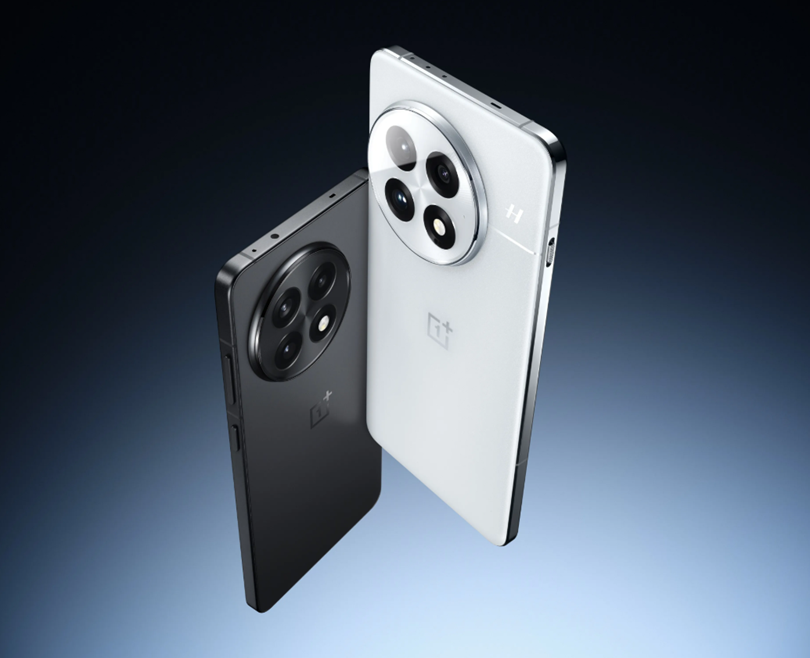
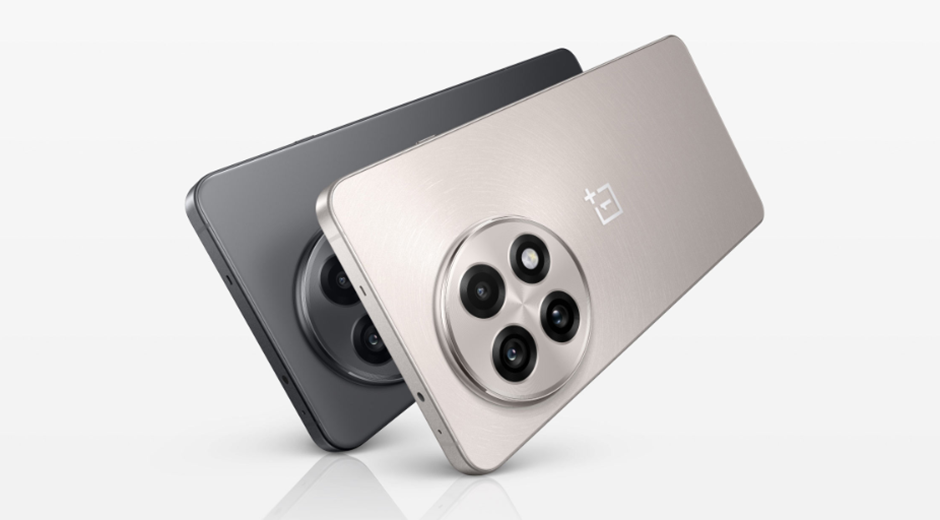
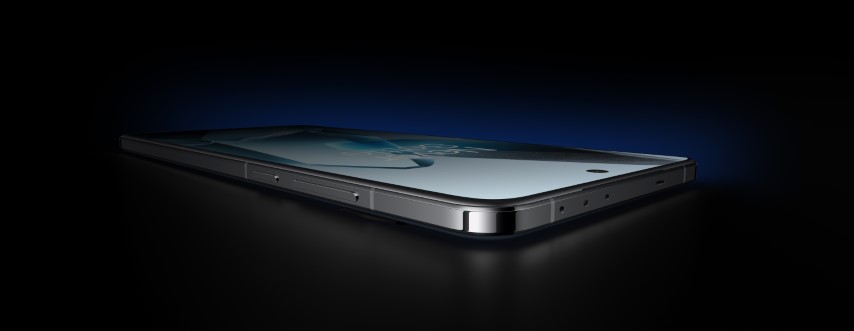
The OnePlus 13 and 13R come with refreshed designs offering a flat frame instead of the curved sides seen in their predecessors. Here’s what all is new in the latest devices
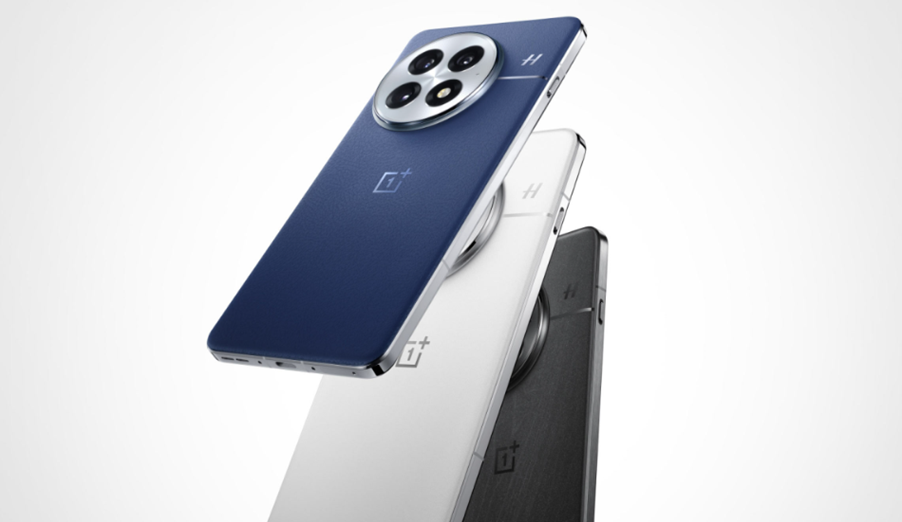
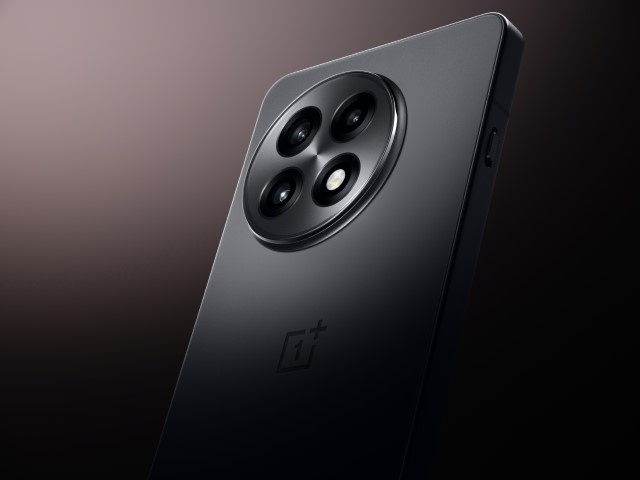
OnePlus 13 design. (Image credit – OnePlus)
Display Design:
The OnePlus 13 features a quad-curved display offering an immersive visual experience.
The OnePlus 13R goes for a flat display and an overall flat look moving away from the curved design of the previous OnePlus 12R.
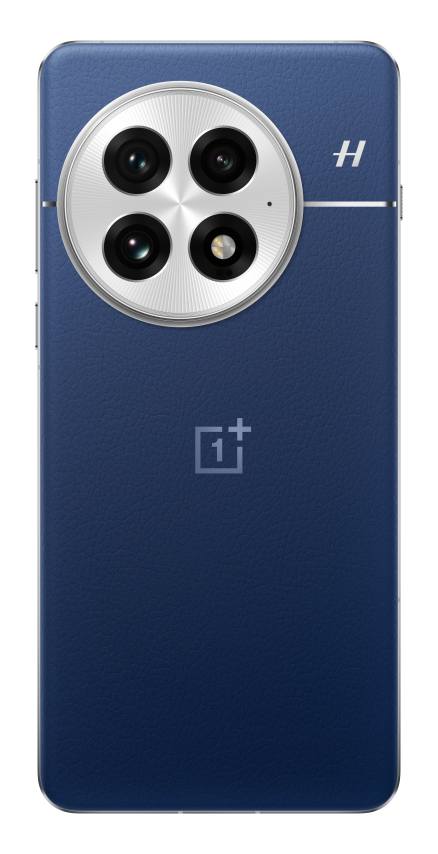
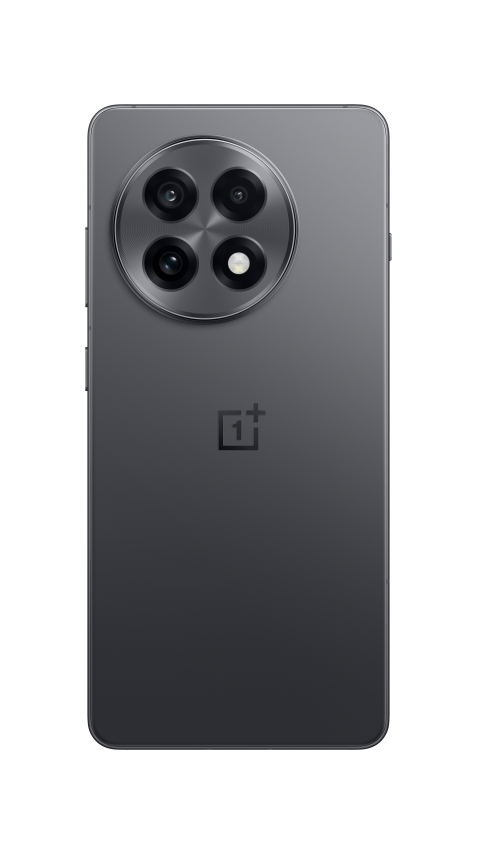
OnePlus 13R design. (Image credit – OnePlus)
Camera Module:
Both models now sport a revamped circular camera module with the side frame removed for a sleeker look.
Hardware Upgrades:
Faster, newer chipsets for enhanced performance.
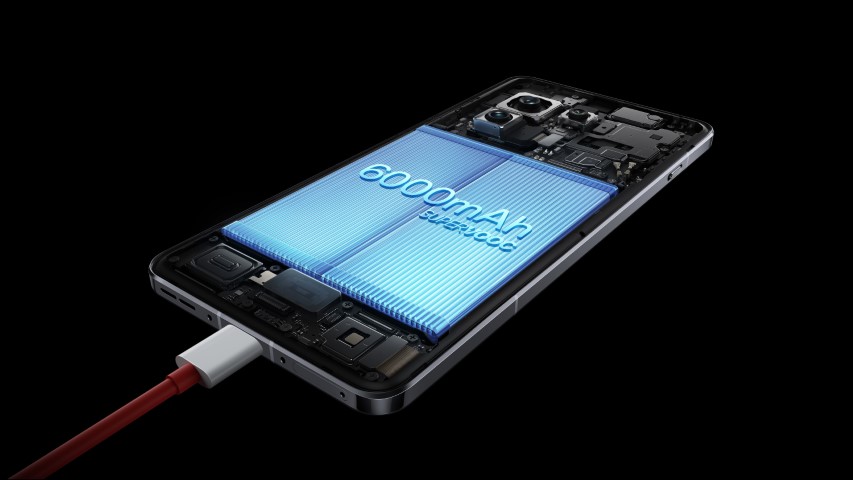
A larger 6,000mAh battery for longer usage.
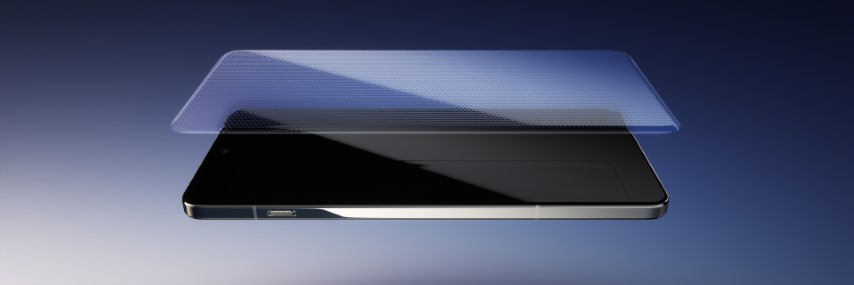
The OnePlus 13 boasts IP68/69 ratings offering the highest dust and water protection for smartphones.
OnePlus 13 – Key Features
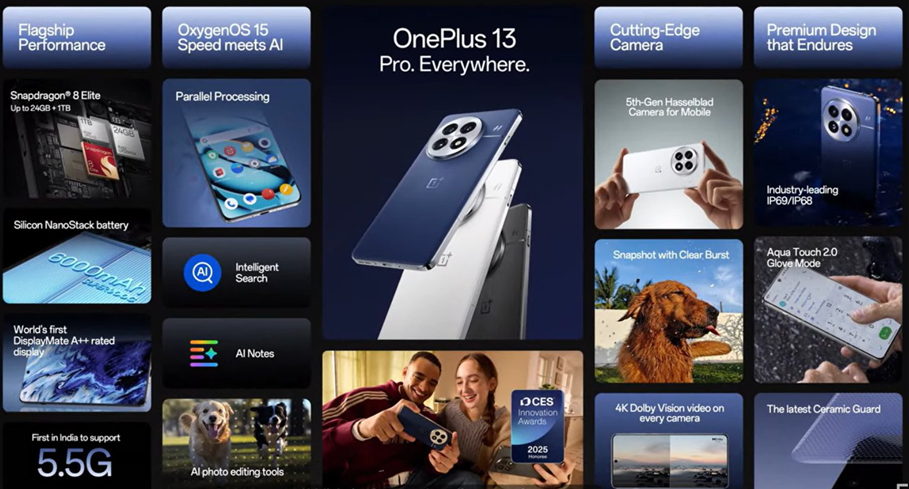
OnePlus 13 key features. (Image credit – OnePlus)
The OnePlus 13 comes packed with top-tier hardware and AI-powered features designed to deliver a premium smartphone experience. Here’s a quick look at the device –
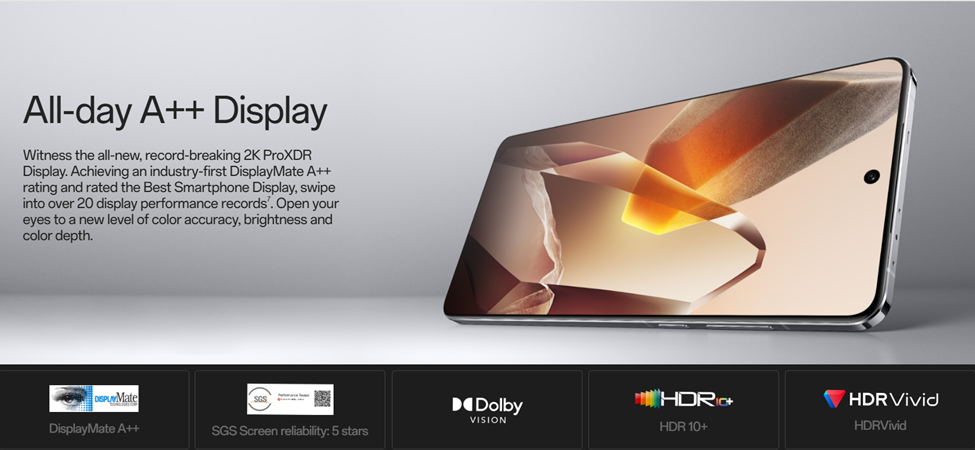
OnePlus 13 display tech. (Image credit – OnePlus)
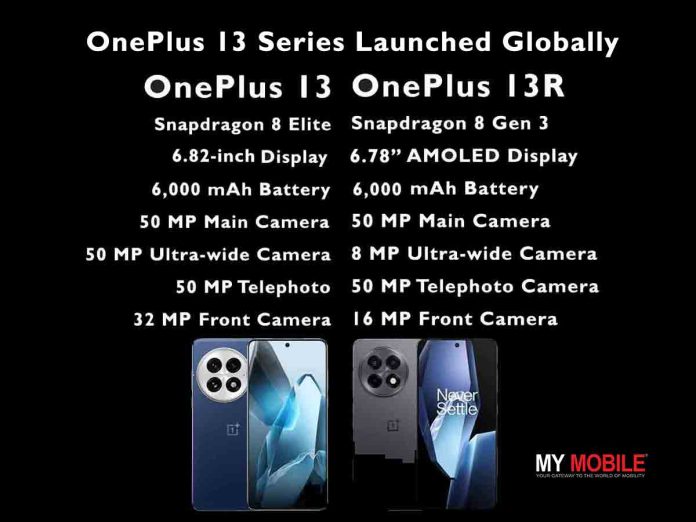
Display – A 6.82-inch QHD+ LTPO 3K panel with HDR10+, 120Hz refresh rate, and 4,500 nits peak brightness, rated DisplayMate A++.
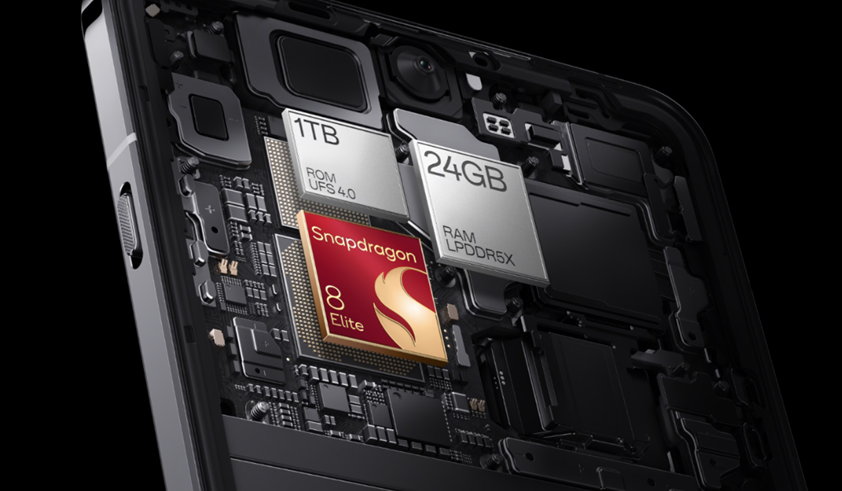
OnePlus 13 RAM and memory features. (Image credit – OnePlus)
Performance – Powered by Snapdragon 8 Elite, coupled with up to 24GB LPDDR5X RAM and 1TB UFS 4.0 storage. Dual Cryo-velocity cooling ensures smooth performance for gamers.
Battery – A 6,000mAh battery with 100W wired and 50W wireless charging.
OnePlus 13 camera features. (Image credit – OnePlus)
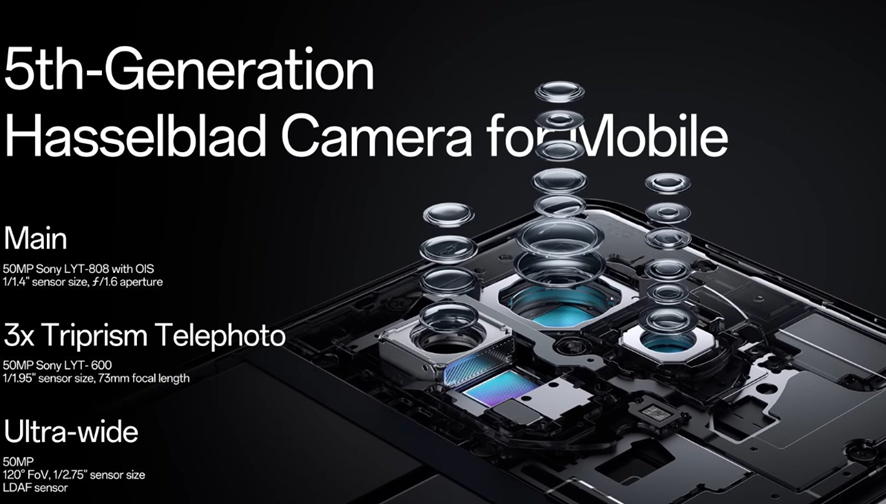
Camera – A 50MP Sony LYT 808 primary sensor, a 50MP telephoto lens with 3x optical and 120x digital zoom, and a 50MP ultra-wide sensor. The 32MP front camera ensures sharp selfies.
Features like Clear Burst, Action Mode, and AI-assisted photography elevate the camera experience.
AI and Durability – Enhanced by Google Gemini AI, it offers smarter productivity tools. The phone is IP68 and IP69 certified for durability.
OnePlus 13 – Pricing, Offers and Availability
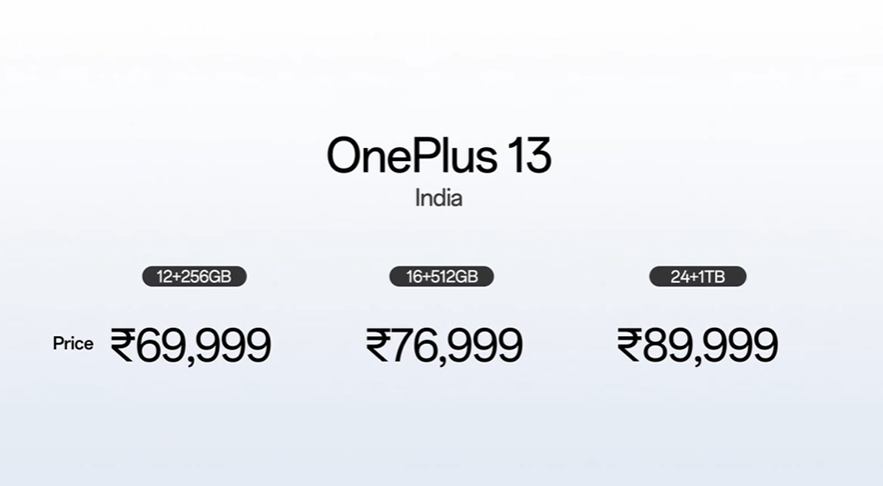
OnePlus 13 prices before discounts and offers. (Image credit – OnePlus)
Following are the India prices for all available variants –
₹69,999 (12GB+256GB)
₹76,999 (16GB+512GB)
₹89,999 (24GB+1TB)
Available offers include –
ICICI credit card users: ₹5,000 off (starting at ₹64,999).
Exchange bonus for OnePlus users: ₹7,000 (effective price ₹57,999).
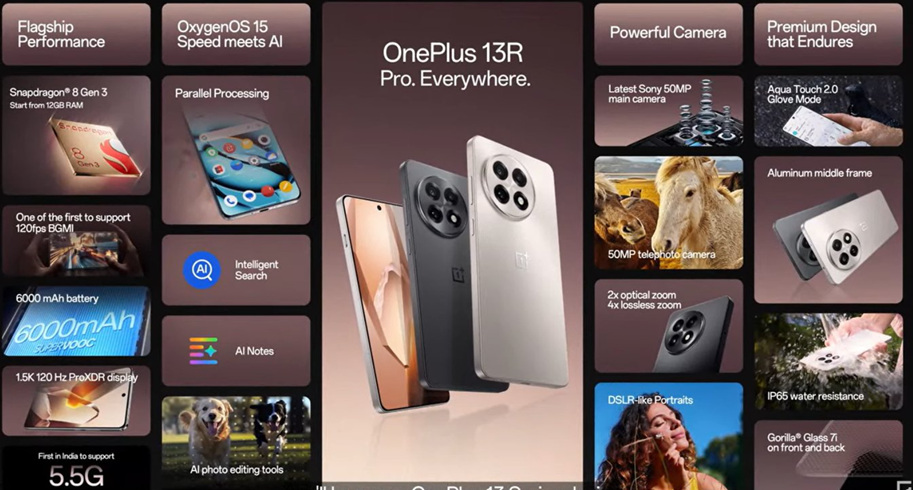
The OnePlus 13R offers an impressive feature set at a more affordable price point. Here’s a rundown of all the key features of the OnePlus 13R –
Display: A 6.78-inch 1.5K AMOLED panel with 120Hz refresh rate and 4,500 nits brightness. Eye comfort features with RadiantView Eye Care.
Performance: Powered by Snapdragon 8 Gen 3, paired with up to 16GB LPDDR5X RAM and 512GB UFS 4.0 storage.
Battery: A 6,000mAh battery with 80W fast charging.
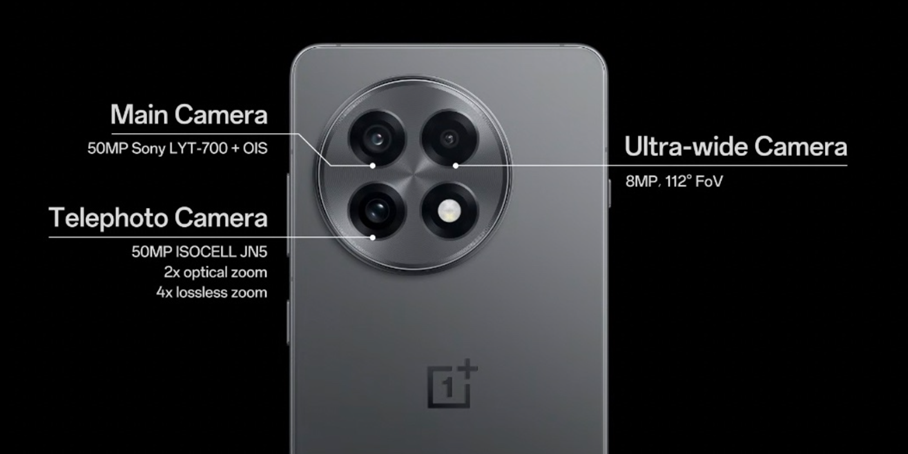
Caption – OnePlus 13R camera features. (Image credit – OnePlus)
Camera: A 50MP primary camera, 8MP ultra-wide sensor, and 50MP telephoto lens. The 16MP front camera ensures quality selfies.
Durability: IP65-certified for dust and water resistance.
OnePlus 13R – Pricing, Offers and Availability
OnePlus 13R prices before discounts or offers. (Image credit – OnePlus)
OnePlus 13R price in India is as follows –
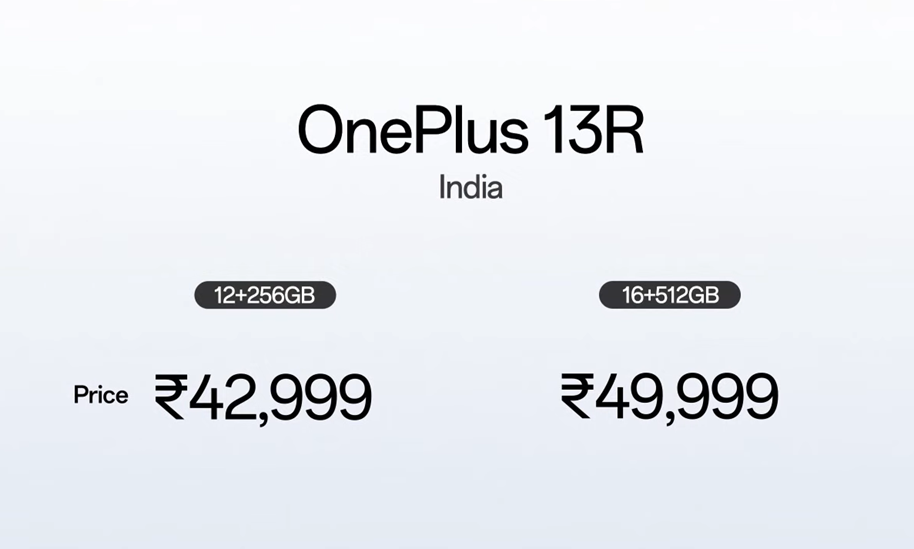
₹42,999 (12GB+256GB)
₹49,999 (16GB+512GB)
Discounts:
ICICI credit card users: ₹3,000 off (starting at ₹39,999).
Exchange bonus for OnePlus users: ₹4,000.
Sale Date – Open sale starts January 13, 2025.
Key Benefits Across Both Models
180-day replacement plan.
Lifetime display warranty.
12-month no-cost EMI options.
Airport lounge access.
Check out the complete launch event below –
Oneplus 13
OnePlus 13R
OnePlus 13 vs OnePlus 13R: Specifications
Feature
OnePlus 13
OnePlus 13R
Display
6.82-inch QHD+ LTPO 3K, HDR10+, 120Hz, 4500 nits
6.78-inch 1.5K AMOLED, 120Hz, 4500 nits
Processor
Snapdragon 8 Elite
Snapdragon 8 Gen 3
RAM & Storage
Up to 24GB LPDDR5X RAM, 1TB UFS 4.0 storage
Up to 16GB LPDDR5X RAM, 512GB UFS 4.0 storage
Camera Setup
50MP triple-camera: primary, telephoto (3x optical/120x digital zoom), ultra-wide
50MP primary, 8MP ultra-wide, 50MP telephoto
Front Camera
32MP
16MP
Battery
6,000mAh, 100W wired, 50W wireless charging
6,000mAh, 80W fast charging
Durability
IP68/IP69 certified
IP65 certified
Price (Starting)
₹69,999
₹42,999
Sale Date
January 10, 2025
January 13, 2025
Offers
₹5,000 ICICI discount, ₹7,000 exchange bonus
₹3,000 ICICI discount, ₹4,000 exchange bonus
FAQs
Q1. What are the key features of the OnePlus 13?
Answer. The OnePlus 13 features a 6.82-inch QHD+ LTPO 3K panel with HDR10+, 120Hz refresh rate, and 4,500 nits peak brightness. It is powered by Snapdragon 8 Elite, with up to 24GB LPDDR5X RAM and 1TB UFS 4.0 storage. It also includes a 50MP triple-camera setup, a 6,000mAh battery with 100W wired and 50W wireless charging, and AI-assisted photography.
Q2. What are the pricing and offers available for the OnePlus 13?
Answer. The OnePlus 13 is priced as follows: ₹69,999 (12GB+256GB), ₹76,999 (16GB+512GB), and ₹89,999 (24GB+1TB). ICICI credit card users get ₹5,000 off, and there is an exchange bonus for OnePlus users of ₹7,000.
Q3. When will the OnePlus 13 and 13R be available for purchase?
Answer. The OnePlus 13 will be available on open sale starting January 10, 2025, and the OnePlus 13R will be available on open sale starting January 13, 2025.
Q4. What are the key features of the OnePlus 13R?
Answer. The OnePlus 13R features a 6.78-inch 1.5K AMOLED panel with 120Hz refresh rate, powered by Snapdragon 8 Gen 3, with up to 16GB LPDDR5X RAM and 512GB UFS 4.0 storage. It includes a 50MP primary camera, 8MP ultra-wide sensor, 50MP telephoto lens, and a 6,000mAh battery with 80W fast charging.
Q5. What are the pricing and offers available for the OnePlus 13R?
Answer. The OnePlus 13R is priced at ₹42,999 (12GB+256GB) and ₹49,999 (16GB+512GB). ICICI credit card users get ₹3,000 off, and there is an exchange bonus for OnePlus users of ₹4,000.
Q6.OnePlus Launches New Flagship Series: OnePlus 13 and OnePlus 13R .Details?
Answer.Today, global technology brand OnePlus officially announced the global launch of its latest flagship devices, the OnePlus 13 Series, at its Winter Launch Event. Comprising the OnePlus 13 and OnePlus 13R, this new powerhouse series combines upgraded camera systems that elevate photography and cinematography to a professional level, meaningful AI capabilities with the newly released OxygenOS 15, and refined designs crafted from innovative materials with refreshing colourways. Together, these innovations deliver powerful, reliable performance, creating a next-generation experience in photography, gaming, connectivity, and everyday use.
Q7.What are the top features of Oneplus 13?
Answer. OnePlus 13 features the Qualcomm Snapdragon 8 Elite, the most powerful Snapdragon Mobile Platform yet, and up to 24GB of RAM for lightning fast performance. The device is protected by OnePlus’ industry leading Dual Cryo-Velocity vapor chambers and powered by a Silicon NanoStack battery, the first OnePlus smartphone to offer a 6,000 mAh Silicon NanoStack battery worldwide. This allows the OnePlus 13 to deliver long lasting battery life while maintaining a slim, comfortable profile certified to IP68 and IP69 rating, making it an ideal companion for users who demand exceptional resilience from their devices.
The OnePlus 13 is equipped with a powerful triple camera system enhanced by OnePlus’ partnership with Hasselblad. It packs a 50MP Sony LYT-808 main camera, a 50MP Ultra-Wide camera and a 50MP 3X Triprism Telephoto camera which captures shots at more than 10X zoom, thanks to its AI Telephoto feature. Meanwhile, the OnePlus 13 has also been tuned to take excellent shots at high speed with its Dual Exposure Algorithm, Clear Burst and Action Mode to help snap perfect shots of fast moving cars, people or pets.
OnePlus 13 also features a range of OnePlus AI tools with OxygenOS 15, the latest version of OnePlus’ operating system. It offers AI capabilities like Circle to Search which makes finding things easier,
Intelligent Search for searching through local files as well as AI Translation. In addition to this, OnePlus 13 can also deploy a range of imaging tools like AI Unblur, AI Detail Boost and AI Reflection Eraser to make photos even better. OxygenOS 15 also delivers a smarter, smoother, and lighter user experience with countless tweaks and improvements over OxygenOS 14.
All this is displayed on a beautiful 2K 120Hz ProXDR display, the first ever to be rated A++ by the experts at DisplayMate for its unrivalled clarity, depth and natural colour. The display also carries the latest in technology designed to protect your eyes, achieving TÜV Rheinland Eye Care 4.0 certification, and Aqua Touch 2.0 which allows it to sense touches even through oily residue or sheepskin and woolen gloves.
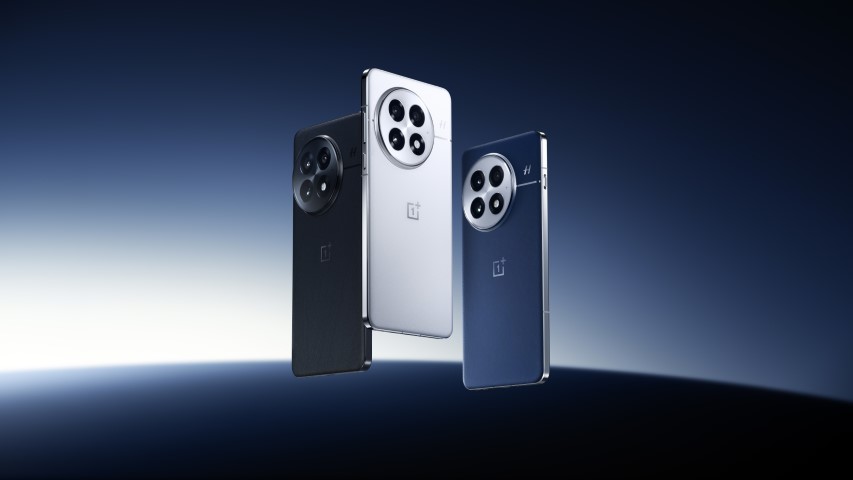
OnePlus 13 embodies OnePlus’s commitment to premium craftsmanship in each of its three colourways – Midnight Ocean, Arctic Dawn, and Black Eclipse.
Q8.What are the top features of Oneplus 13R?
Answer.OnePlus 13R is designed for users who still want flagship level performance and AI technology but at a more affordable price point. At its heart is the Snapdragon 8 Gen 3 Mobile Platform, a flagship-level chipset, and up to 16GB of LPDDR5X RAM in India, all powered by a 6,000mAh battery and protected by a Dual Cryo-Velocity vapor chamber.
It features a 6.78-inch 1.5K ProXDR flat display and has achieved TÜV Rheinland Intelligent Eye Care 4.0 certification. It comes with Aqua Touch 2.0 technology. The device also uses frame interpolation algorithms to boost supported 60fps games to 120fps, making for one of the best gaming experiences for titles such as BGMI.
The camera system on OnePlus 13R has also taken a massive leap from OnePlus 12R. Its main 50MP camera, equipped with the all-new Sony LYT-700 sensor and OIS, excels in low-light conditions and also features the Dual Exposure Algorithm for fast moving shots. Complementing this is a 50MP telephoto camera with 2x optical zoom for sharp, detailed portraits, while the 8MP ultra-wide camera captures expansive scenes.
OnePlus 13R shares the same design language as OnePlus 13 and is available in two nature-inspired colourways – Nebula Noir and Astral Trail – that add an elegant touch to its refined design. The OnePlus 13R is the first OnePlus device to feature Corning’s newly-developed Gorilla Glass 7i, engineered to provide superior scratch resistance and durability, on its front and rear. OnePlus 13R is also IP65 rated, meaning it can survive all kinds of everyday challenges.
Q9.What are the New Accessories to Stay Charged: Magnetic Case, Magnetic Charger, and On-the-Go Power Solutions ?
Answer.OnePlus introduces a range of accessories specifically designed for OnePlus 13, including an all-new collection of Magnetic Cases. Each case is fully compatible with MagSafe accessories, offering comprehensive protection while preserving a slim and aesthetic design. We are launching three cases – OnePlus 13 Wood Grain Magnetic Half-pack Case in Wood Black, OnePlus 13 Aramid Fiber Magnetic Case and OnePlus 13 Sandstone Magnetic Case.
The AIRVOOC 50W Magnetic Charger provides fast and efficient wireless charging for devices equipped with magnetic functions or using a magnetic case. With support for up to 50W wireless charging, OnePlus 13 can achieve a full charge in just 75 minutes, ensuring users stay powered throughout the day.
Q9. Do I get Enhanced Connectivity and 5.5G Support with Oneplus 13?
Answer .OnePlus 13 Series also takes staying in touch to the next level, both with and without signal. OnePlus 13 and OnePlus 13R support Beacon Link, a feature that uses Bluetooth connectivity to allow devices up to 200 meters apart to operate as walkie talkies, perfect for activities such as hiking where network connectivity is limited. Beacon Link will be updated in summer 2025 to allow users to send messages over Bluetooth too.
OnePlus 13 Series devices will also introduce Steady Connect which extends Bluetooth connection range to up to 360 meters. This means gym goers can secure their phone safely in a locker and just take their Bluetooth headphones with them to work out. Steady Connect will also help Bluetooth connections stay active in areas of heavy traffic and interference like subway stations.
Finally, OnePlus 13 is the first smartphone in India to support the 5.5G network thanks to OnePlus and Jio’s extensive collaboration. This allows OnePlus 13 to receive faster data speeds and reliable connections.
Q10. What are the top features of the OnePlus Buds Pro 3?
Answer.New Sapphire Blue Colour and Enhanced Connectivity
Alongside the OnePlus 13 series, OnePlus introduces exciting upgrades for the OnePlus Buds Pro 3. Now available in a new Sapphire Blue colourway, the Buds Pro 3 perfectly complements the flagship series with a premium aesthetic.
The latest update introduces Steady Connect, which drastically improves Bluetooth connection strength and reliability, even in challenging, high-interference environments like airports and railway stations. In India, users can maintain connectivity up to 360 meters away in open areas. Expanding on their already remarkable capabilities, the Buds Pro 3 will introduce an AI Translation feature when paired with the OnePlus 13 series, providing seamless convenience for everyday face-to-face communication. In a bilingual interaction, users can hear their preferred language through their OnePlus Buds Pro 3, while their conversation partner sees the translation in their own preferred language on the user’s phone app. Furthermore, the latest OTA update delivers significant improvements to Bluetooth range and connection stability, ensuring an elevated experience for all Buds Pro 3 users, particularly when paired with compatible OnePlus phones.
Besides these updates, the OnePlus Buds Pro 3 continue to deliver exceptional sound quality through dual drivers and dual DACs in each earbud, producing powerful bass, crisp treble, and an expansive soundstage. These earbuds feature Adaptive Noise Cancellation of up to 50dB, enabling dynamic adjustments based on the surrounding environment to optimize sound quality and battery efficiency. When facing a drained battery, a mere ten-minute charge unlocks over 5 hours of continuous playback, while a full charge provides an impressive 43 hours of immersive listening with the OnePlus Buds Pro 3 and their charging case. With fast charging capabilities and the premium leather-look case, the Buds Pro 3 in stylish Sapphire Blue boast an ergonomic design and premium features like Google Spatial Audio compatibility. Intuitive touch controls for volume adjustment, music playback, and quick toggling between noise-cancelling and transparency modes ensure a brilliant, all-around audio experience.
Starting at INR 11,999, the OnePlus Buds Pro 3 will go on open sale from January 10th 2025, 12PM onwards and will be available in the all-new Sapphire Blue variant. As a launch offer, customers can enjoy a temporary price drop of INR 1000 till January 26th 2025. ICICI Bank Credit Card customers get an additional INR 1,000 Instant Bank Discount bringing the net effective price of the OnePlus Bud Pro 3 down to INR 9,999
Customers looking for EMI options can avail up to 6 Months No-Cost EMI. The OnePlus Community can purchase the device online at OnePlus.in, OnePlus Store App, Amazon.in, Flipkart, Myntra and offline via OnePlus Experience Stores.