Home Blog Page 224

iQOO Z10 Lite 5G Launching June 18 with Sleek Design, 6000mAh Battery and Snapdragon Chipset

0

Highlights

  • iQOO Z10 Lite launch in India is scheduled for June 18.
  • It will feature a refined flat design, a 6,000mAh battery, a dual-camera setup with an aura light and two colour options including Titanium Blue and Cyber Green.
  • Expected to feature a Snapdragon chipset as hinted by iQOO’s teasers and confirmed sub-₹10,000 price tag.

iQOO is back with a new budget 5G phone named the iQOO Z10 Lite 5G. This is the follow-up to last year’s Z9 Lite, and it brings a mix of design tweaks and hardware upgrades that should make it even more appealing. The brand recently confirmed that the smartphone’s India launch is set for June 18. Here’s everything we know about the upcoming device.

iQOO Z10 Lite 5G – What We Know So Far?
image

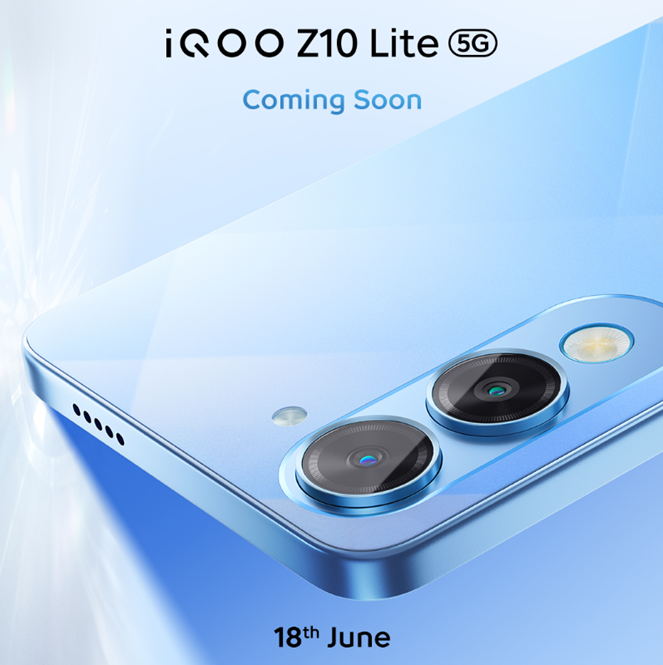
Caption – iQOO Z10 Lite official poster confirming launch date and camera module design. (Image credit – iQOO)

iQOO has been releasing multiple teasers leading up to the launch date confirming several key details. We already know about the launch date, thanks to an official teaser posted on X (formerly Twitter).

Official images posted on iQOO India’s official social media handles recently show off a refined flat design including a new pill-shaped rear camera island with a dual-camera setup. One small but noticeable change is the addition of two LED lights, which includes a regular flash placed outside the camera module and another soft light just below the lenses that looks like an “aura light.”

image

Caption – iQOO Z10 Lite colour variants confirmed officially. (Image credit – iQOO)

The brand has also confirmed that Z10 Lite will be available in at least two colours, which includes Titanium Blue and Cyber Green.

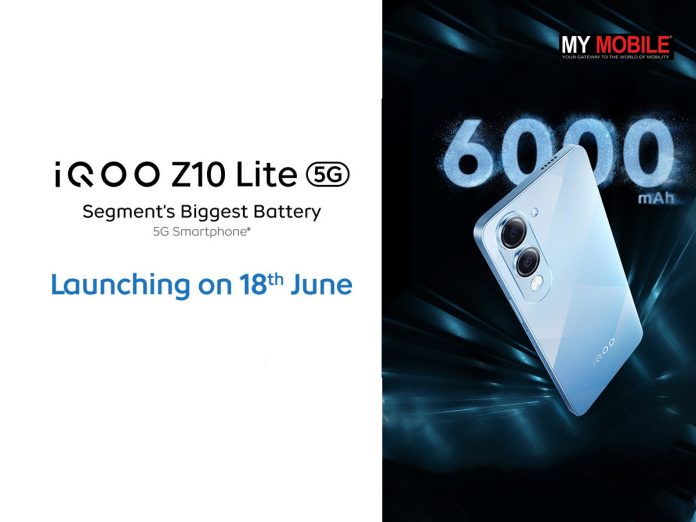
One of the biggest upgrades is the battery. The Z10 Lite will pack a 6,000mAh battery, up from 5,000mAh in the Z9 Lite. iQOO is calling it the “segment’s biggest battery 5G smartphone.” Despite the big battery, the phone is expected to remain lightweight and user-friendly.

image

Caption – iQOO Z10 Lite battery capacity confirmed in an official teaser. (Image credit – iQOO)

While iQOO hasn’t officially revealed the chipset yet, they’ve tagged Snapdragon India in teasers on X, strongly hinting at a Snapdragon SoC inside. For comparison, the Z9 Lite came with the MediaTek Dimensity 6300.

Other expected features include –

  • A 56-inch 720p IPS LCD display with 840 nits peak brightness
  • A plastic build with a flat back and middle frame
  • Likely to retain the IP64 rating for dust and water resistance

As for the pricing, iQOO has confirmed that the Z10 Lite will be priced under ₹10,000, which will make it one of the most affordable 5G phones with a massive battery.

FAQs

Q1. When is the iQOO Z10 Lite launching, and what colours will it be available in?

Answer. The iQOO Z10 Lite is launching in India on June 18, and will be available in Titanium Blue and Cyber Green.

Q2. What is the biggest upgrade in the iQOO Z10 Lite?

Answer. The most significant upgrade is the 6,000mAh battery, making it the largest battery in its 5G segment, while maintaining a lightweight and user-friendly design.

Q3. What chipset is expected in the iQOO Z10 Lite?

Answer. While iQOO hasn’t officially confirmed the chipset, teasers tagging Snapdragon India strongly hint at a Snapdragon processor.
Realme GT 8 Pro Leak Reveals 2K Flat Display, 200MP Periscope Camera and Snapdragon 8 Elite 2

0

Highlights

  • Realme GT 8 Pro will reportedly feature a 200MP periscope telephoto camera with a Samsung HP9 sensor, promising high-quality low-light photography.
  • Other expected features include an upgraded 2K flat OLED screen, Snapdragon 8 Elite 2 chip, 7,000mAh battery, and 100W fast charging, alongside Realme UI 7.
  • A possible price is expected to start at 3,999 Yuan ($560), with launch in late 2025.

image

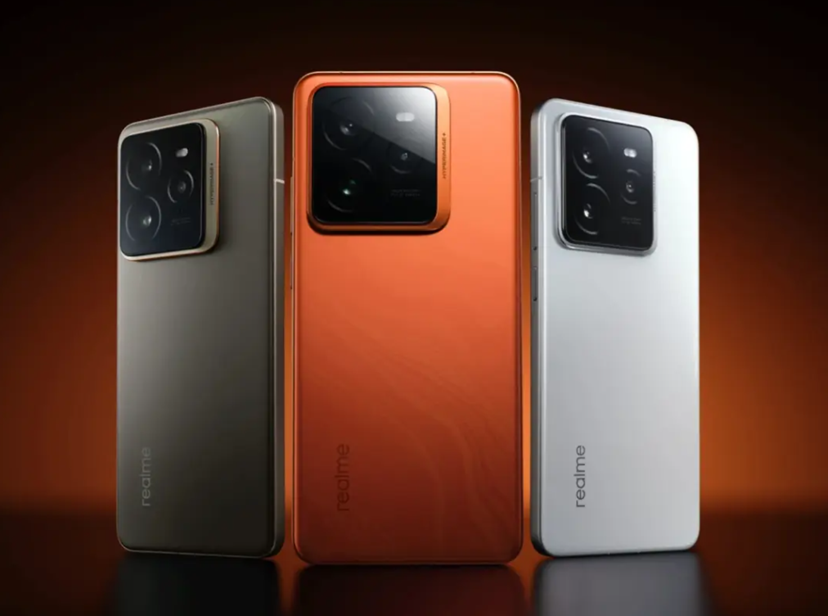
Caption – Previous-gen Realme GT 7 Pro for reference. (Image credit – Realme)

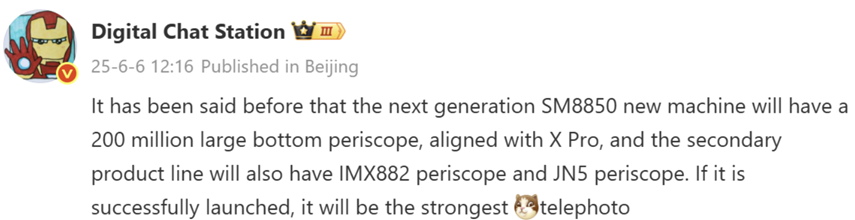
Realme is getting ready to launch its next big flagship, the Realme GT 8 Pro, in China later this year. As per reports, the launch will most likely be in the last quarter of 2025. According to a fresh leak from tipster Digital Chat Station, this could be Realme’s most premium flagship yet, packed with high-end features and hardware upgrades. Here’s what we know.

Realme GT 8 Pro – What to Expect?

image

Caption – Tipster Digital Chat Station’s post on Weibo. (Screenshot credit – Gizmochina)

Popular tipster Digital Chat Station, in one of their recent posts on Chinese social media Weibo, revealed that one of the highlights of the Realme GT 8 Pro is a 200MP periscope telephoto camera. It will likely use the Samsung HP9 sensor, which is also expected on the OPPO Find X9 Pro. This large 1/1.4-inch sensor supports 4 x 4 pixel binning, enabling it to capture bright and sharp 12MP shots with 2.24μm pixels, especially in low light.

The tipster claims this could be the most powerful telephoto camera in its segment, if it makes it to the final device.

image

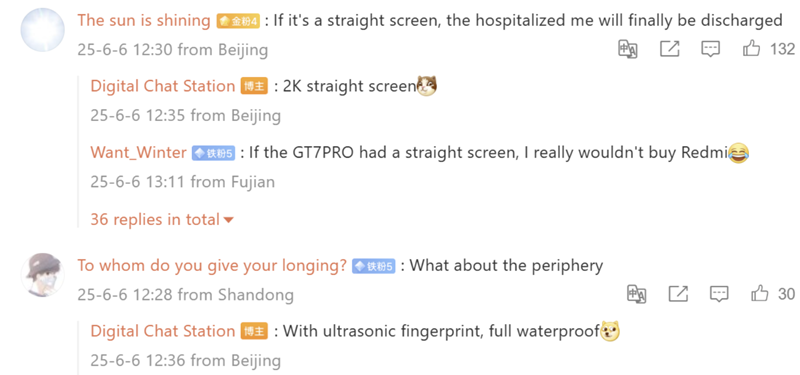
Caption – Tipster Digital Chat Station replied to follow-up question in comments on Weibo. (Screenshot credit – Gizmochina)

While answering some follow-up questions on the post, the tipster also revealed that GT 8 Pro will also come with a flat OLED display offering a 2K resolution, a step up from the 1.5K curved screen on its predecessor. Like before, you’ll still get an ultrasonic in-screen fingerprint sensor and a waterproof design.

Powering the phone is expected to be the Snapdragon 8 Elite 2 chip. It will also reportedly feature a metal mid-frame, Realme UI 7 based on Android 16 and a massive 7,000mAh battery with 100W fast charging.

With all these upgrades, a price hike is expected. Rumours suggest a starting price of 3,999 Yuan (around $560).

The leak also mentions that Realme’s secondary product line, possibly the Neo 8 series, might also get periscope cameras like the Sony IMX882 or Samsung JN5 and could launch sometime after the GT 8 Pro.

FAQs

Q1. What are the key camera and display features of the Realme GT 8 Pro?

Answer. The GT 8 Pro features a 200MP periscope telephoto camera with Samsung HP9 sensor, capable of capturing bright and sharp images in low light, alongside a 2K flat OLED display.

Q2. What hardware upgrades does the Realme GT 8 Pro bring?

Answer. The GT 8 Pro is powered by the Snapdragon 8 Elite 2 chip, has a 7,000mAh battery with 100W fast charging, a metal mid-frame, and runs Realme UI 7 based on Android 16.

Q3. When is the Realme GT 8 Pro expected to launch, and what’s the price?

Answer. The phone is expected to launch in China in late 2025, with leaks suggesting a starting price of 3,999 Yuan (around $560).

Xiaomi Pad 7S Pro Leak Reveals 12.5-Inch Display, 120W Fast Charging and In-House Chip

0

Highlights

  • Xiaomi Pad 7S Pro will reportedly feature a 12.5-inch LCD display, 120W fast charging, and Xiaomi’s in-house XRing O1 chipset.
  • Leaks suggest a launch by the end of June with Bluetooth SIG and 3C certification listings confirming key specs.
  • Xiaomi plans to release four new tablets this month with the Pad 7S Pro expected to lead the lineup.

image

Caption – Xiaomi Pad 7S Pro leak reveals key details. (Image credit – Xiaomi)

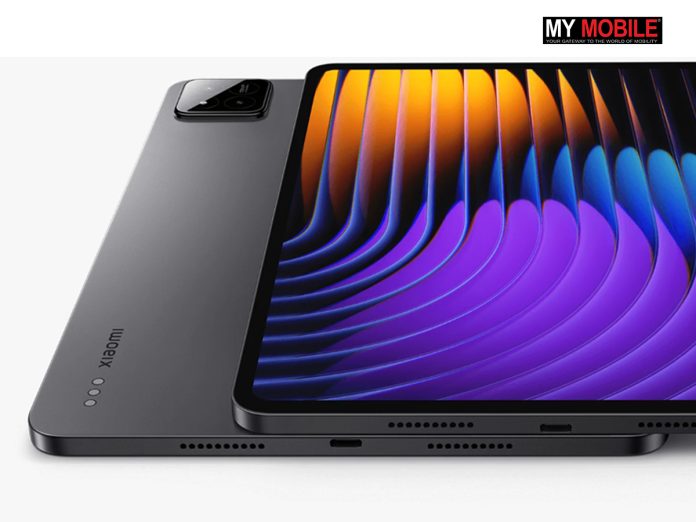
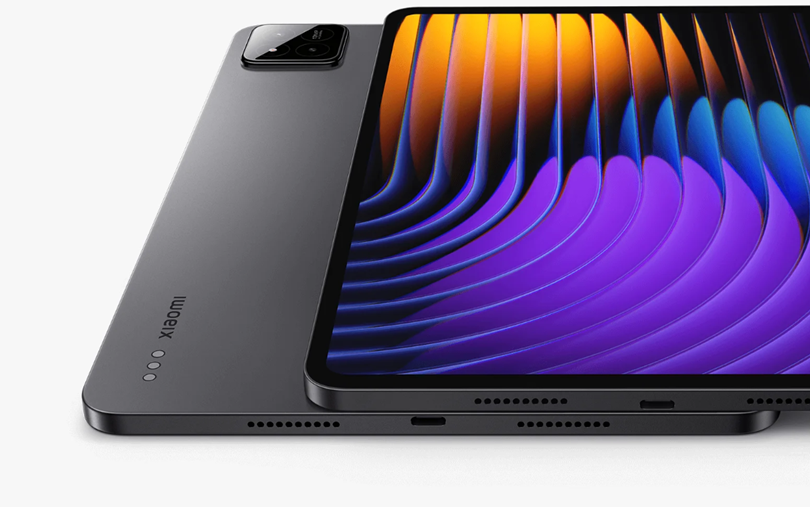
Xiaomi is gearing up to launch two powerful new tablets soon, the Redmi Gaming Tablet and the Xiaomi Pad 7S Pro. A fresh leak has now shared key details about the Pad 7S Pro, giving us a clearer idea of what to expect. Here’s what we know.

Xiaomi Pad 7S Pro Leak

According to tipster Digital Chat Station on Weibo, the Pad 7S Pro will likely be powered by Xiaomi’s in-house XRing O1 chipset, the same one found in the Xiaomi Pad 7 Ultra. The leak also mentions four new tablets set to launch this month, and one of them featuring a large display and this chip is believed to be the 7S Pro.

image

Caption – Tipster Digital Chat Station’s recent post on Weibo. (Translated via Google Translate)

The Pad 7S Pro is expected to come with a 12.5-inch LCD display and support 120W fast charging. It’ll slot into the lineup between the Xiaomi Pad 7 Pro and the Pad 7 Ultra, so pricing will likely reflect that middle ground.

Both the Pad 7S Pro 12.5-inch and its Soft Light version have recently shown up on Bluetooth SIG, confirming the screen size and hinting at an official launch in China this month. The device was also spotted on China’s 3C certification site, listed with a 120W charger.

Xiaomi is expected to ditch the Snapdragon 8 Gen 2 for the XRing O1 chip in this model. Thanks to its larger size, the Pad 7S Pro could manage heat and modem-related issues better than phones, giving it more headroom for high CPU performance and smoother use with HyperOS.

Although Xiaomi hasn’t officially confirmed anything yet, all signs point to a launch by the end of June. And with four new tablets rumoured this month, the Pad 7S Pro might just be the start of Xiaomi’s next big tablet push.

FAQs

Q1. What are the key specifications of the Xiaomi Pad 7S Pro?

Answer. The Pad 7S Pro features a 12.5-inch LCD display, 120W fast charging, and Xiaomi’s in-house XRing O1 chipset, replacing the Snapdragon 8 Gen 2.

Q2. When is the Xiaomi Pad 7S Pro expected to launch?

Answer. Leaks suggest a launch by the end of June, with Bluetooth SIG and 3C certification listings confirming key specs.

Q3. How does the Pad 7S Pro compare to other Xiaomi tablets?

Answer. The Pad 7S Pro is positioned between the Xiaomi Pad 7 Pro and Pad 7 Ultra, offering improved heat management and modem efficiency for smoother use.

Redmi Note 14 Series Gets a Stylish New Sand Gold Colour Variant

0

Highlights

  • Xiaomi expands its Sand Gold colour variant to the Redmi Note 14 4G, Note 14 Pro 4G, and Note 14 Pro 5G, though the base Redmi Note 14 5G is left out.
  • No hardware changes with models still featuring a 6.67-inch AMOLED display, high-refresh rate, and powerful chipset options for smooth performance.
  • The Sand Gold variant is part of a global launch, appearing on Xiaomi’s website with AliExpress listings.
  • Pricing of the new variant may vary by region.

image

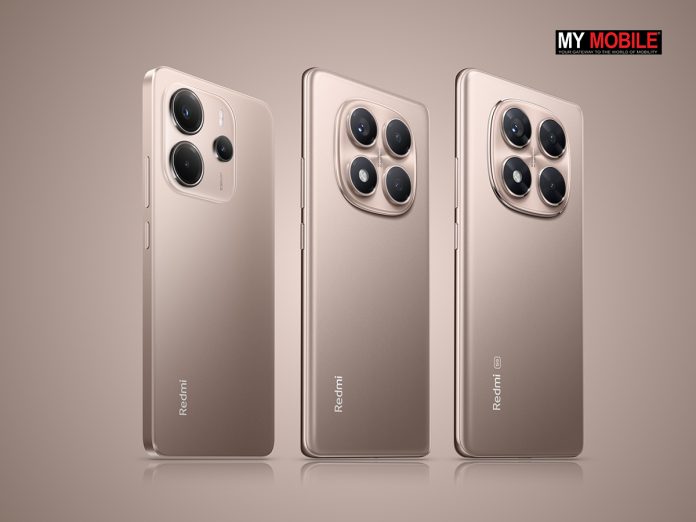
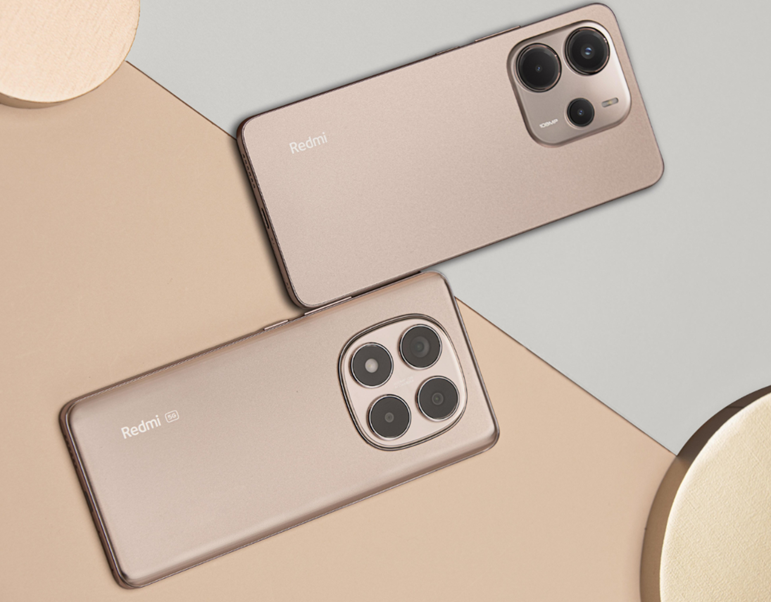
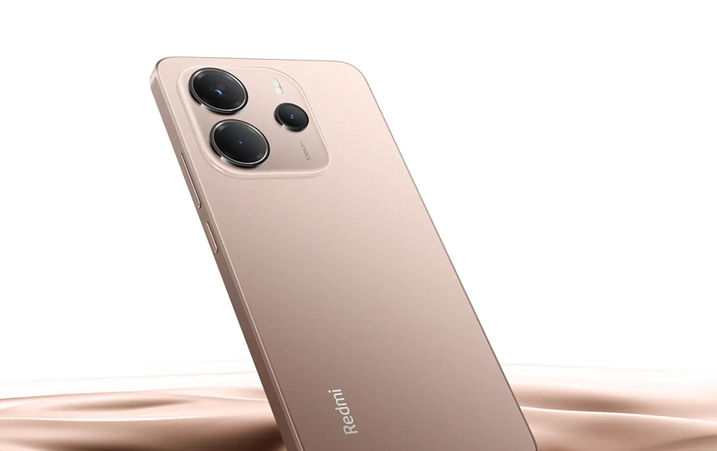
Caption – Redmi Note 14 Series is now available globally in the Sand Gold colour variant. (Image credit – Xiaomi)

Xiaomi is adding a touch of elegance to the Redmi Note 14 lineup with a fresh new Sand Gold colour. After introducing this gold finish on the Redmi Note 14 Pro+ back in March 2025, the brand is now expanding the option to more models in the series.

The Redmi Note 14 4G, Note 14 Pro 4G and Note 14 Pro 5G are all getting the new Sand Gold treatment. Oddly enough, the base Redmi Note 14 5G has been left out of this colour update. Aside from the new look, everything else under the hood remains unchanged.

image

Caption – New colour variant of Xiaomi Redmi Note 14 4G. (Image credit – Xiaomi)

image

Caption – New colour variant of Xiaomi Redmi Note 14 Pro 4G. (Image credit – Xiaomi)

image

Caption – New colour variant of Xiaomi Redmi Note 14 Pro 5G. (Image credit – Xiaomi)

All three models come with a 6.67-inch AMOLED display, boasting a 1.5K resolution and a smooth 120Hz refresh rate. In terms of cameras, the Note 14 4G features a 108MP + 2MP + 2MP setup, while both Pro versions are equipped with a 200MP + 8MP + 2MP triple camera system.

As for the chipset, the Note 14 4G runs on the Helio G99 Ultra chip, the Note 14 Pro 4G uses the Helio G100 Ultra and the Note 14 Pro 5G is powered by the Dimensity 7300 Ultra.

These Sand Gold variants are part of Xiaomi’s global launch, so they should start showing up on regional websites soon. According to certain reports, these new colour variants can now only be found on Xiaomi’s global website, which all point to AliExpress listings.

The gold finish is subtle and stylish, adding a bit of premium flair without changing the internals or most likely the price. As of now, the pricing may vary slightly depending on the region.

 FAQs

Q1. Which Redmi Note 14 models are getting the Sand Gold colour?

Answer. The Redmi Note 14 4G, Note 14 Pro 4G, and Note 14 Pro 5G are receiving the Sand Gold variant, but the Redmi Note 14 5G is excluded.

Q2. Does the new Sand Gold variant in Redmi come with any hardware changes?

Answer. No, the Sand Gold models retain the same specifications, including a 6.67-inch AMOLED display, high-refresh rate, and powerful chipset options.

Q3. Where can users buy the Sand Gold Redmi Note 14 models?

Answer. These variants are part of Xiaomi’s global launch and have appeared on Xiaomi’s website, with some listings directing users to AliExpress.

Also Read: Redmi Pad 2 launches globally with 9000mAh battery, 90Hz display and budget-friendly pricing; India launch on June 18

Also Read: Redmi Pad 2 to launch on June 5: Leaks and teasers confirm key specs

WhatsApp Beta Users on Android Get New Auto-Download Quality Feature

0

Highlights

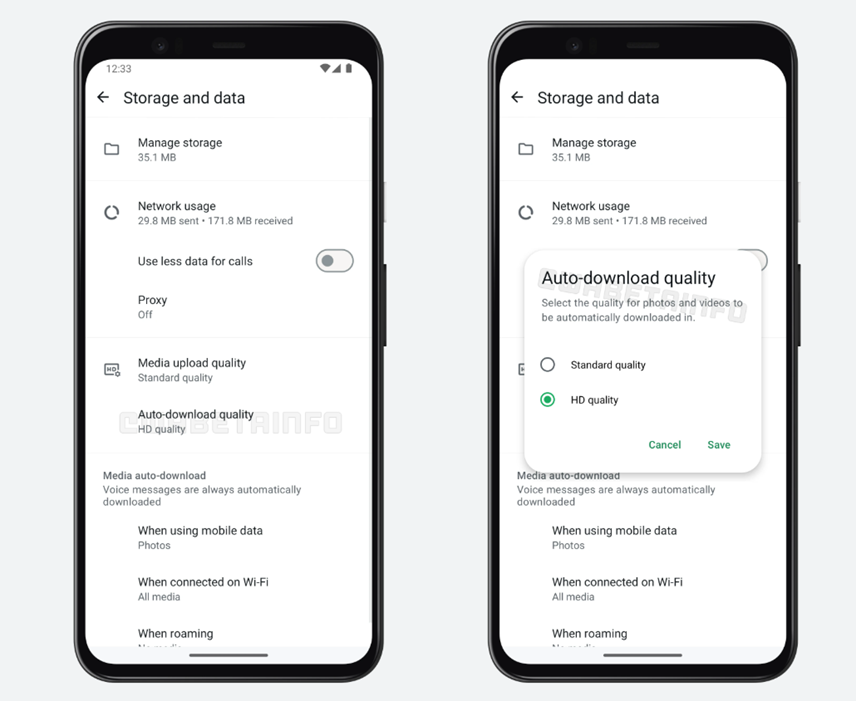
  • WhatsApp introduces an Auto-download quality feature for Android beta users in Beta version 2.25.18.11.
  • It allows users to choose between the Standard compressed version and the HD version of media downloads.
  • The feature is located under Settings > Storage and data in the app.
  • WhatsApp uses a dual-upload system for HD media, ensuring both Standard and HD versions are sent due to end-to-end encryption, making downloads more efficient.

image

Caption – WhatsApp adds Auto-download quality feature for Android Beta testers. (Photo by Dima Solomin on Unsplash)

WhatsApp is rolling out a new feature for Android beta users that lets you choose the quality of photos and videos that get automatically downloaded to your phone.

According to trusted WhatsApp Beta source WABetaInfo, the feature is now available for users on WhatsApp beta version 2.25.18.11 with more beta users expected to get access in the coming weeks. It’s called “Auto-download quality” and can be found under Settings > Storage and data, just below the “Media upload quality” option.

There are two choices –

  • Standard quality, which downloads a compressed version of the media
  • HD quality, which downloads the high-resolution version directly

image

Caption – The Auto-download quality feature is available for Android beta users in Beta version 2.25.18.11. (Image credit – Wabetainfo)

Even if you select standard quality for auto-download, you’ll still be able to view the HD version manually within the chat, as long as it’s still stored on WhatsApp’s servers.

WABetaInfo report also revealed that WhatsApp has implemented a dual-upload system for HD media. When you send a photo or video in HD, the app uploads both the standard and HD versions. This is necessary because WhatsApp uses end-to-end encryption and can’t compress files on its servers. So, your phone handles both versions before sending them out.

This way, if the person receiving the media has set downloads to standard quality, only the compressed version will be downloaded to their device, keeping things quick and data-friendly, while still offering the HD option if needed.

FAQs

Q1. What is the new “Auto-download quality” feature in WhatsApp?

Answer. WhatsApp now lets Android beta users choose between Standard quality (compressed media) or HD quality (high-resolution media) for automatic downloads.

Q2. Where can users find this feature in the WhatsApp app?

Answer. The “Auto-download quality” option is located under Settings > Storage and data, just below the “Media upload quality” setting.

Q3. How does WhatsApp handle HD media uploads?

Answer. WhatsApp uses a dual-upload system, where both Standard and HD versions of the media are sent due to end-to-end encryption, ensuring efficient downloads.

Apple’s Upcoming iOS 26 Redesign to Feature Striking ‘Liquid Glass’ Look: Report

0

Highlights

  • iOS 26 will reportedly introduce a sleek Liquid Glass design with translucent textures, shiny highlights, and a more polished interface.
  • Apple plans to unify its design across devices by bringing the “Liquid Glass” look to macOS, iPadOS, watchOS, and tvOS.
  • The new design aligns with future hardware updates including a rumoured 2027 iPhone featuring an all-screen.

image

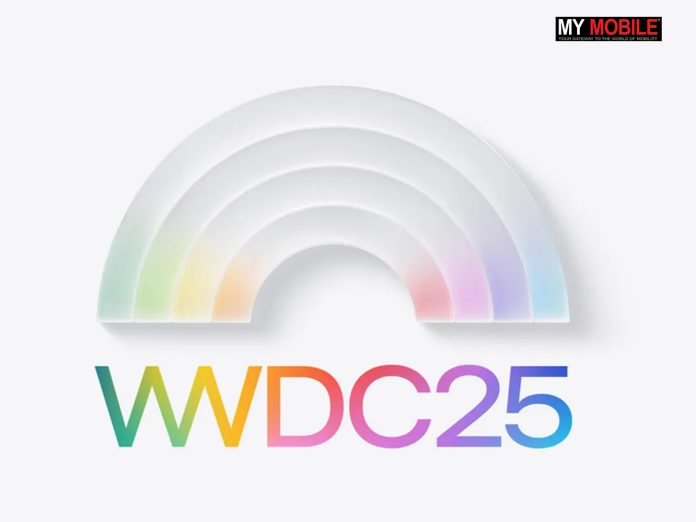
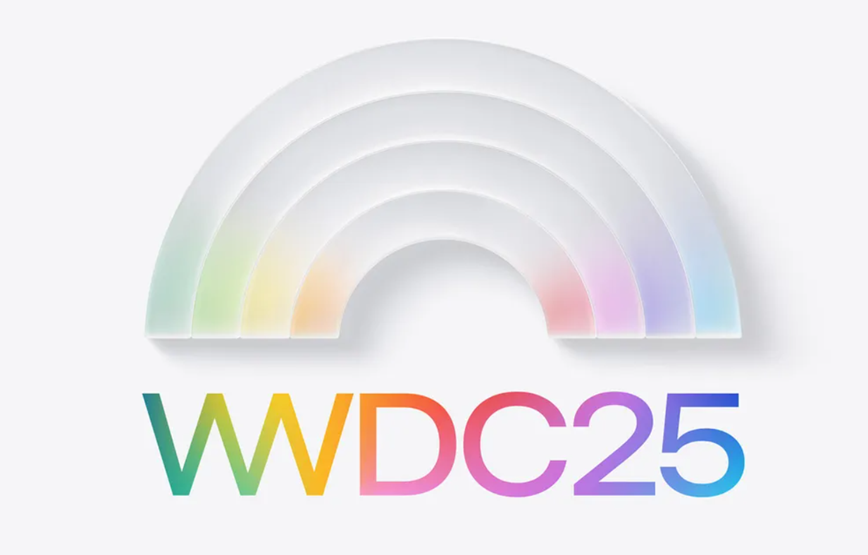
Caption – iOS 26 is expected to be unveiled at the WWDC25 event scheduled for June 9. (Image credit – Apple)

Apple is getting ready to reveal its next big software update for the iPhone. This was expected to be called iOS 19 according to the number sequence but Apple is now likely to launch it as iOS 26. One of the biggest changes, however, is a brand-new look built around what Apple is calling “Liquid Glass” UI elements.

According to Bloomberg’s Mark Gurman’s latest Power On newsletter, Apple will showcase this sleek new design at WWDC on June 9. The update will give the iPhone interface a more polished and modern appearance with translucent, glass-like textures and shiny highlights throughout the system.

Gurman also posted on X (formerly Twitter) the Bloomberg report link with caption “Power On: Apple’s new Liquid Glass interface in iOS 26 sets the stage for the 20th anniversary glass-focused iPhone overhaul.”

Expect to see this new visual style across everyday UI elements such as buttons, toolbars and tab bars, all adopting a reflective, glossy look. The home screen is also getting a refresh with app icons likely to have a rounder shape and shiny borders.

But this isn’t just about the iPhone. Apple plans to roll out this design language across macOS, iPadOS, watchOS and tvOS, creating a more unified look across all Apple devices. While the overall layout and navigation will still be tailored to each device, the shared design elements will make the entire ecosystem feel more cohesive.

The “Liquid Glass” visuals are also said to align with future hardware updates like the rumoured 2027 iPhone with an all-screen, curved-edge design and minimal bezels.

More details will be officially shared during Apple’s WWDC keynote on June 9.

FAQs

Q1. What is the biggest visual change in iOS 26?

Answer. Apple is introducing a “Liquid Glass” UI, which features translucent, glass-like textures and shiny highlights throughout the system for a more polished and modern appearance.

Q2. Will the iOS 26 redesign be exclusive to iPhones?

Answer. No, Apple plans to roll out the “Liquid Glass” design across macOS, iPadOS, watchOS, and tvOS, creating a more unified look across all Apple devices.

Q3. How does this redesign relate to future hardware updates?

Answer. The “Liquid Glass” visuals align with Apple’s rumored 2027 iPhone, which may feature an all-screen, curved-edge design with minimal bezels.

Nothing Phone (3) Teaser Hints at Cleaner Design, Ditches Visible Screws

0

Highlights

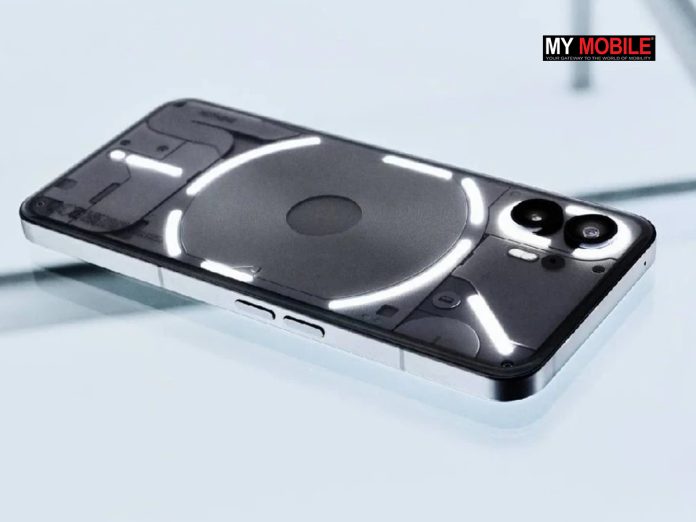
  • Nothing Phone (3) teaser hints at ultra-precise engineering, removing visible screws for a cleaner and more seamless aesthetic.
  • The Glyph Interface is reportedly dropped but the latest teaser doesn’t confirm if the signature transparent back will remain.
  • Nothing Phone (3) is set to launch on July 1, expected to be the brand’s first true flagship.

The Nothing Phone (3) is shaping up to be one of the most anticipated smartphone launches of this season. The UK-based brand has already shared several teasers leading up to the launch timeline. One of the most notable was the decision to drop the Glyph Interface that defined the look of earlier models. Now, a new teaser has arrived.

Nothing Phone (3) – Latest Teaser

image

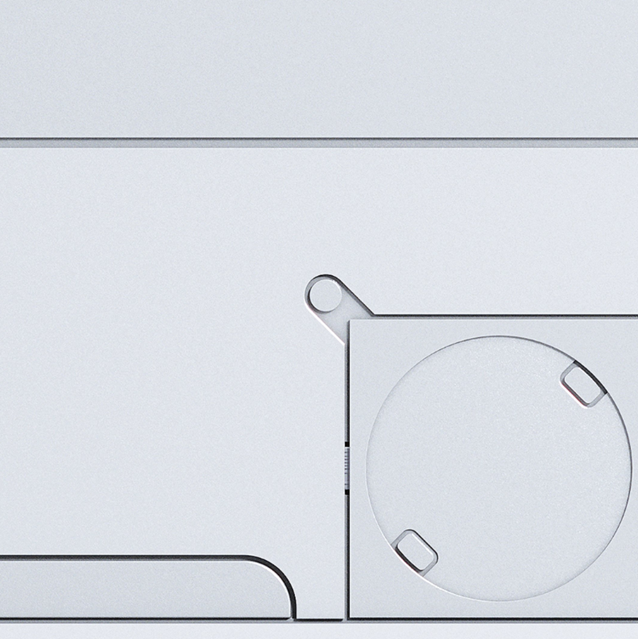
Caption – Nothing Phone (3) teaser image posted on X. (Image credit – Nothing)

A new teaser posted on X (formerly Twitter) offers a fresh glimpse of the Phone (3), pointing to subtle but deliberate design changes. While the industrial look remains, Nothing describes the device in the caption of the X post as the result of “ultra-precise engineering.”

The teaser includes an image showing a portion of the phone’s rear, highlighting clean lines and sharp detailing.

One noticeable shift is the absence of the previously exposed screws. Instead, one screw now appears to be hidden under a plastic circular cap, blending into the design more seamlessly. This change could address past criticism, where the visible screws were seen as a slightly awkward design choice.

The teaser doesn’t confirm whether the phone will keep the transparent back that has become a Nothing trademark, although earlier sketches suggested that some level of transparency would return.

What’s not visible this time is the new dot-matrix style lighting system that’s rumoured to replace the old Glyph Interface. It was shown in a teaser a few days ago but it hasn’t been seen here.

It’s still unclear if there will be changes to the phone’s overall shape, but one thing is clear is that Nothing is refining its design language with a more polished, cohesive look.

As for the rest of the details, Nothing has already confirmed the Phone (3) will launch on July 1 and is expected to be the brand’s first true flagship, priced at around £800.

FAQs

Q1. What design changes are hinted at in the Nothing Phone (3) teaser?

Answer. The teaser suggests a cleaner, more seamless look, removing visible screws and possibly hiding elements under a plastic cap for a refined aesthetic.

Q2. Is the Nothing Phone (3) keeping its transparent back and Glyph Interface?

Answer. The Glyph Interface has been dropped, but it’s unclear if the signature transparent back will remain, though past sketches hinted at some level of transparency.

Q3. When is the Nothing Phone (3) launching and what is its expected price?

Answer. Nothing has confirmed a July 1 launch date, and it is expected to be the brand’s first true flagship, priced around £800.

Also Read: Nothing Phone 3 and Headphone 1 leak reveals colour options and pricing details

Also Read: Nothing Phone 3 launching in July: Here’s what we know so far

Xiaomi Smart Band 10 Marketing Materials Leaked

0

Highlights

  • Xiaomi Smart Band 10 leaks confirm a 1.72-inch AMOLED screen (60Hz) with ultra-thin bezels, reaching 1,500 nits brightness for better outdoor visibility.
  • Marketing material shows Xiaomi claims of up to 21 days of battery life with support for 150+ sports modes including pro-level swimming and heart rate tracking.
  • The smart band will come with colourful frames, versatile accessories ans enhanced sleep management tools.

More details about the upcoming Xiaomi Smart Band 10 have leaked online, thanks to newly surfaced marketing materials. This follows an earlier reveal of the fitness tracker’s specs and renders, giving us an even clearer look at what Xiaomi has in store. Here’s what we know based on the latest leaks.

Xiaomi Smart Band 10 – Leaked Details

imageimage

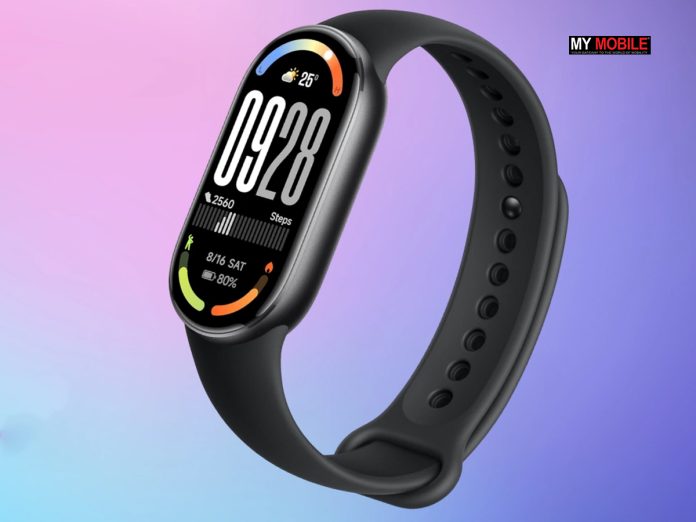
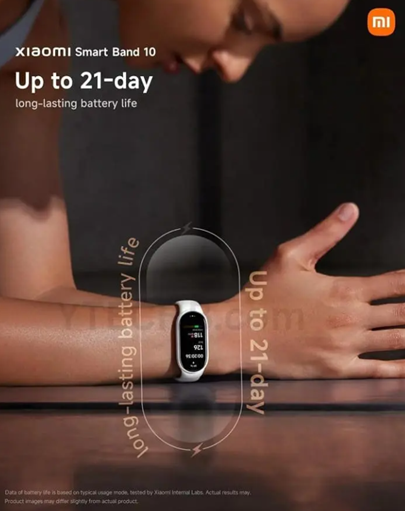
Caption – Xiaomi Smart Band 10 leaked marketing poster. (Image credit – YTechB)

The Smart Band 10 is set to feature a larger 1.72-inch AMOLED display with a 60Hz refresh rate and ultra-thin, symmetrical bezels. The screen is noticeably bigger than the previous generation and can hit up to 1,500 nits of peak brightness, making it easier to read outdoors in bright sunlight.

Battery life is also a highlight as Xiaomi claims up to 21 days of use on a single charge, depending on how you use the band.

image

image

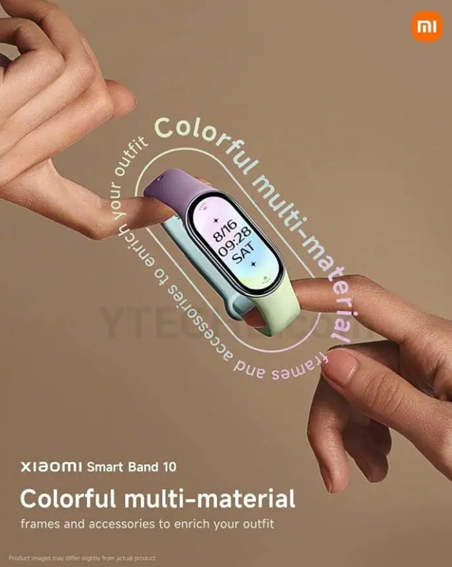
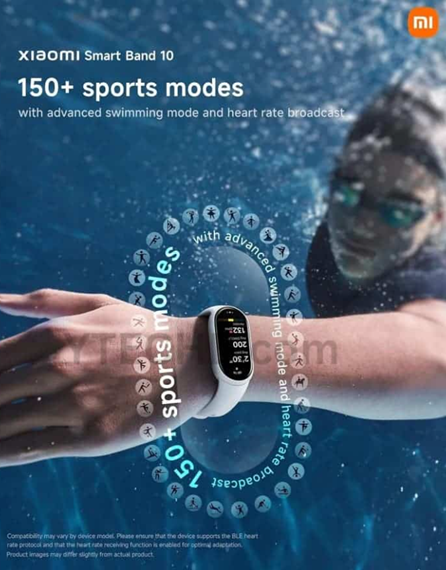
Caption – Xiaomi Smart Band 10 leaked marketing poster. (Image credit – YTechB)

Fitness enthusiasts can expect a big upgrade too, with support for over 150 sports modes, including a pro-level swimming mode and heart rate broadcast feature for real-time performance tracking.

The design is getting more stylish this time around. The Smart Band 10 will offer colourful frames and accessories made from different materials, aiming to be both trendy and versatile. Users will have more options to match their personal style.

image

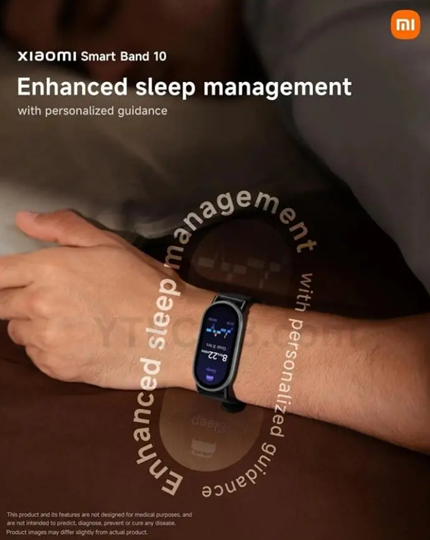
Caption – Xiaomi Smart Band 10 leaked marketing poster. (Image credit – YTechB)

Sleep tracking has also been improved. Xiaomi will offer enhanced sleep management tools with customised suggestions to help users sleep better and recover more efficiently.

With this stream of leaks picking up pace, it looks like the Xiaomi Smart Band 10 might be officially announced very soon.

FAQs

Q1. What display enhancements does the Xiaomi Smart Band 10 offer?

Answer. It features a larger 1.72-inch AMOLED display with a 60Hz refresh rate, ultra-thin bezels, and 1,500 nits peak brightness for improved outdoor visibility.

Q2. What fitness and health tracking features are included?

Answer. The Smart Band 10 supports 150+ sports modes, including pro-level swimming, real-time heart rate broadcasting, and enhanced sleep tracking with recovery insights.

Q3. How long does the battery last on the Xiaomi Smart Band 10?

Answer. Xiaomi claims up to 21 days of battery life on a single charge, depending on usage, making it one of the longest-lasting fitness trackers in its segment.

Also Read: Xiaomi beats Apple to become world’s top wearable brand in Q1 2025: Canalys

Also Read: Xiaomi Watch S4 15th Anniversary Edition launched with XRing T1 4G chip, AMOLED display and 9-day battery

Samsung Expands Sleep Apnea Detection on Galaxy Watches to 36 More Countries

0

Highlights

  • Samsung’s Sleep Apnea detection is now available across 34 European nations, Australia, and Singapore.
  • The feature has CE certification for the EU, along with approvals from the FDA, South Korea, Brazil and Canada.
  • Available via the Samsung Health Monitor app, it tracks two sleep cycles before showing results.

image

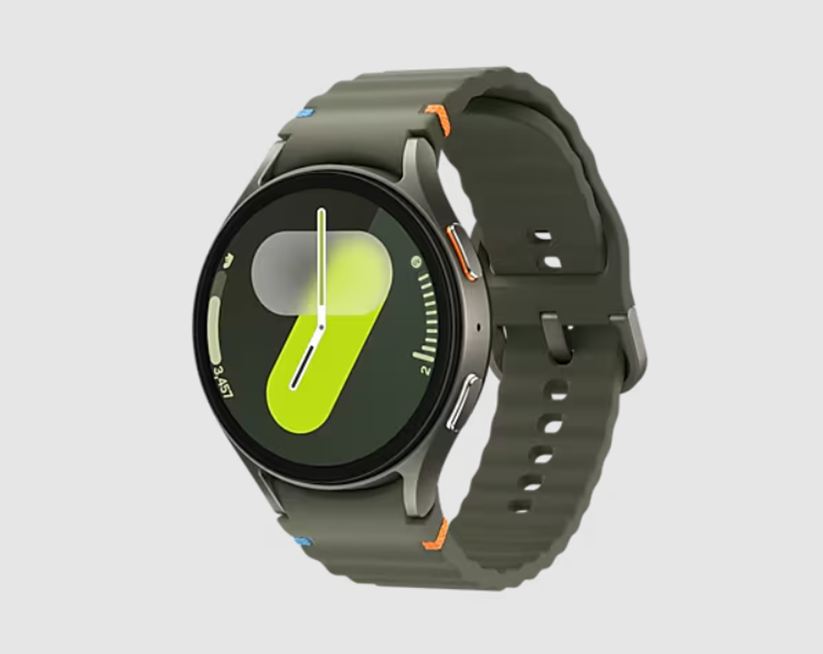
Caption – Sleep Apnea Detection was introduced by Samsung in the Galaxy Watch 7 and the Galaxy Watch Ultra for the first time. (Image credit – Samsung)

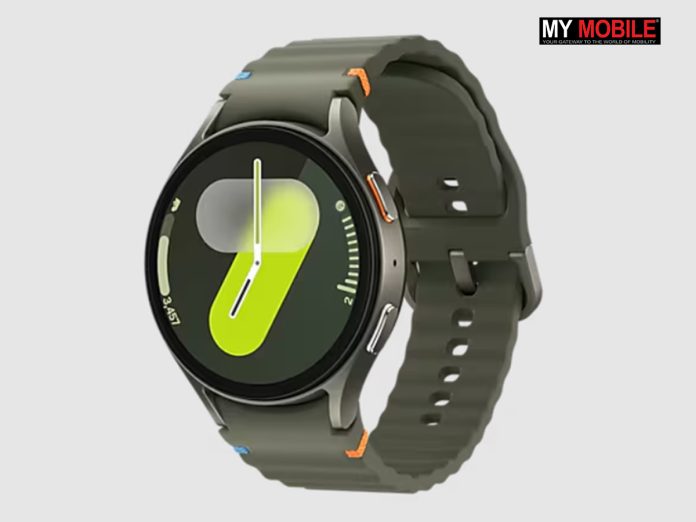
Samsung is making sure one of its most important smartwatch health features is more accessible. The Sleep Apnea detection in Galaxy Watches is now rolling out to 36 new countries, which includes 34 across Europe, plus Australia and Singapore. This feature was first introduced on the Galaxy Watch 7 and Galaxy Watch Ultra in the U.S. and is now finally going global.

Sleep Apnea Feature on Galaxy Watch

In a newsroom post, Samsung shared that the Sleep Apnea detection tool has received CE (Conformité Européenne) certification for the European Economic Area. That means it meets the EU’s standards for health, safety, and environmental protection, clearing the way for the wider release.

The feature is available via the Samsung Health Monitor app, using the Galaxy Watch’s BioActive Sensor. It’s designed to detect signs of moderate to severe obstructive sleep apnea, offering insights that could encourage users to seek medical advice if needed.

Samsung highlights that this feature has already received De Novo authorisation from the U.S. FDA and is also approved by South Korea’s Ministry of Food and Drug Safety, Brazil’s ANVISA and Health Canada. That gives it credibility in multiple regions as a helpful screening tool.

To use it, you’ll need a Galaxy Watch running Wear OS 5.0 or later, paired with a phone using Android 9.0 or newer. The watch needs to track two sleep cycles before it can show results, as it uses that data to check for breathing irregularities during sleep.

However, Samsung is clear that this is not a medical device. The data from your watch should be viewed as a prompt to seek medical advice, not a confirmed diagnosis. If your watch suggests possible sleep apnea, it’s best to consult a healthcare professional.

FAQs

Q1. What is Samsung’s Sleep Apnea detection feature, and how does it work?

Answer. It is available via the Samsung Health Monitor app, using the Galaxy Watch’s BioActive Sensor to track two sleep cycles and detect moderate to severe sleep apnea.

Q2. Which countries are getting the Sleep Apnea feature on the Galaxy Watch now?

Answer. The feature is now rolling out to 36 more countries, including 34 European nations, Australia, and Singapore, after receiving CE certification for the EU.

Q3. Is Samsung’s Sleep Apnea detection tool a medical device?

Answer. No, Samsung clarifies that this tool is not a confirmed medical diagnosis. It serves as a screening feature and advises users to consult a healthcare professional.

Also Read: Samsung Galaxy Watch8 to feature familiar Exynos W1000 chip

Also Read: Leaked images hint at design change for Samsung Galaxy Watch 8 series

watchOS 26 to Finally Support Third-Party Control Center Widgets on Apple Watch: Report

0

Highlights

  • The watchOS 26 update will let Third-Party Widgets in Control Center.
  • Apple is finally allowing developers to integrate custom widgets, expanding functionality beyond Apple’s built-in toggles.
  • Users will add, remove, and rearrange widgets via the Watch app on iPhone, making quick access to features like hydration tracking easier.
  • Apple may unveil watchOS 26 alongside iOS 26, macOS 26 & iPadOS 26 at WWDC25 on June 9

image

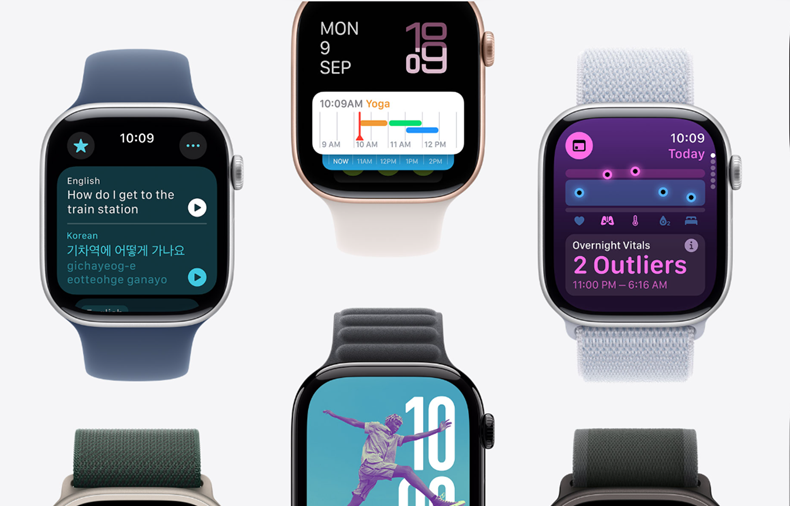
Caption – watchOS 26 is set to introduce third-party widgets in Control Center. (Image credit – Apple)

Apple is getting ready to make a long-requested change to the Apple Watch. According to an exclusive report by 9to5Mac, watchOS 26 will bring support for third-party widgets in the Control Center. It is something users have been asking for over the years.

As of now, Control Center on the Apple Watch has only included Apple’s own tiles and toggles. But with this update, developers will be able to integrate their own widgets directly into Control Center, allowing users to access more app features and shortcuts at a glance.

A trusted source reveals that the new layout will be fully customisable through the Watch app on iPhone. This means you’ll be able to add, remove, or rearrange widgets much more easily than the current method, which requires you to do it manually on the watch.

This opens up tons of possibilities such as a hydration tracker with a quick log button, a shortcut to lock your doors via a smart home app, or even one-tap access to your favourite workout. Essentially, it brings Control Center more in line with Apple Watch complications, giving users more power and flexibility over what they see and use most.

Of course, there’s always a chance this feature might get delayed or tweaked before the official rollout. Even though the source has been reliable in the past, it’s possible this feature could arrive later in the cycle if it doesn’t make it to the WWDC25 keynote.

Speaking of WWDC25, Apple is expected to announce iOS 26, macOS 26, iPadOS 26, and watchOS 26, with a focus on design upgrades and long-awaited features. With AI reportedly playing a smaller role this year, attention will likely shift to things like improved window management on iPad.

Apple’s keynote is set to kick off on Monday, June 9.

FAQs

Q1. What major change is coming to Apple Watch with watchOS 26?

Answer. Apple is introducing support for third-party widgets in the Control Center, allowing developers to integrate app shortcuts and features for easier access.

Q2. How will users customise Control Center widgets in watchOS 26?

Answer. Users can add, remove, and rearrange widgets through the Watch app on iPhone, making it more flexible and customizable than ever before.

Q3. When will Apple announce watchOS 26 and other updates?

Answer. Apple is expected to unveil watchOS 26 at WWDC25 on June 9, alongside iOS 26, macOS 26, and iPadOS 26, focusing on design enhancements and new features.