OnePlus 13T leaked image shows squircle-shaped camera module, flat sides, balanced 50:50 weight distribution and a sleek new aesthetic.
Expected features – 6.3-inch 1.5K display, Snapdragon 8 Elite chipset, 80W fast charging and a unique game camera shortcut possibly linked to an Action Button.
It will be available in Cloud Ink Black, Morning Mist Gray and Heartbeat Pink colour options.
The phone is expected to launch in China by April 2025.
Caption – Shot from the recently leaked video of OnePlus 13T (Image credit – Gizmochina)
The OnePlus 13T is just around the corner with a launch expected in China by the end of April 2025. And ahead of the big reveal, we’re getting a closer look at the phone’s refreshed design, colour options and more.
OnePlus 13T Appears In Leaked Video
A leaked video featuring OnePlus 13T has surfaced online and revealed the redesigned back of the OnePlus 13T, which lines up with earlier concept renders. Instead of OnePlus’s usual circular camera island, the phone now features a squircle-shaped camera module.
It houses a triple-camera setup, expected to include a 50MP main sensor, a 50MP 2x telephoto lens, and likely an ultrawide camera, though full sensor details haven’t been confirmed yet.
Along with the new shape, the phone adopts flat sides, giving it a more squared-off and modern look. It’s clear OnePlus is going for a fresh aesthetic with this compact flagship.
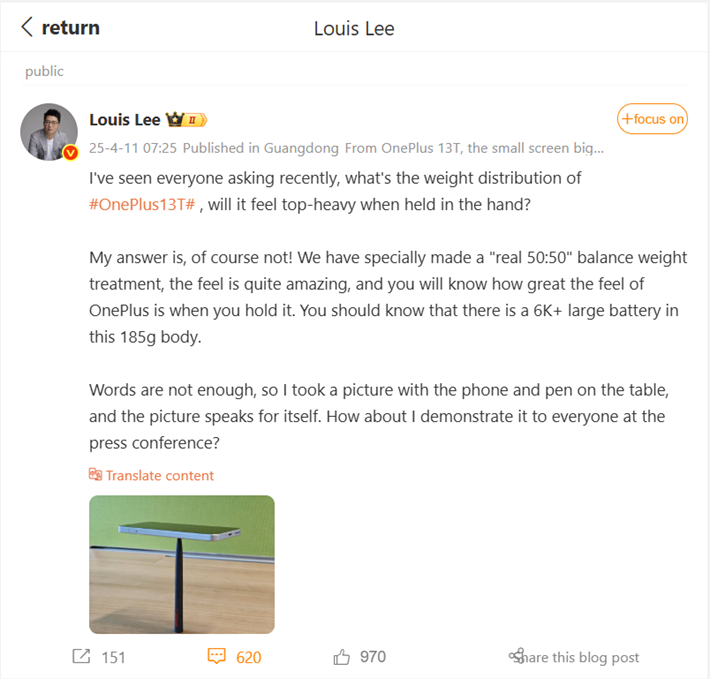
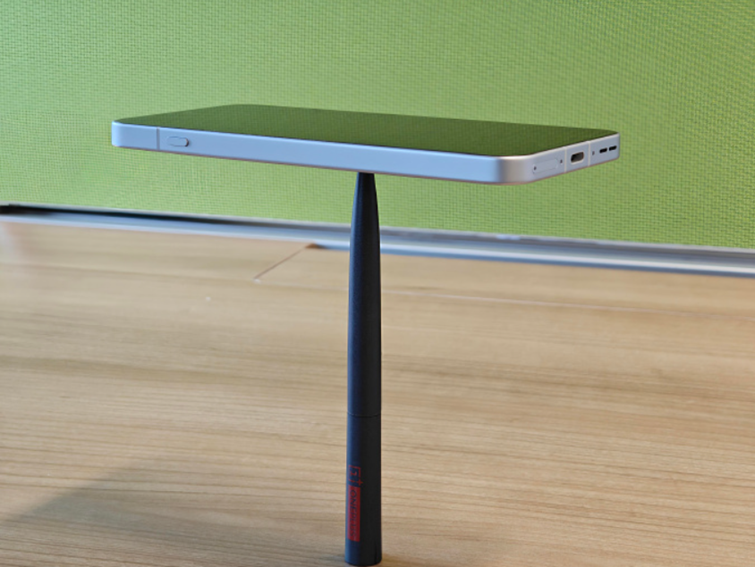
The video also gave us a glimpse of the good weight distribution of the phone that OnePlus has managed to achieve. OnePlus China President Louis Lee also teased the phone’s perfect 50:50 weight distribution in a Weibo post.
Caption – OnePlus China President Louis Lee’s Weibo post. (Translated Via Google Translate)
He even demonstrated it by balancing the 185g phone packed with a 6,000mAh+ battery on a pen, highlighting how comfortable it should feel in the hand.
Caption – Image posted by OnePlus China President Louis Lee to showcase OnePlus 13T’s weight distribution.
Another interesting feature teased by Lee is a new “game camera” shortcut, possibly tied to the rumoured Action Button replacing OnePlus’s usual alert slider. This feature would let users take live screenshots during gameplay, and it’s said to work across all mobile games.
OnePlus 13T Leaked Image
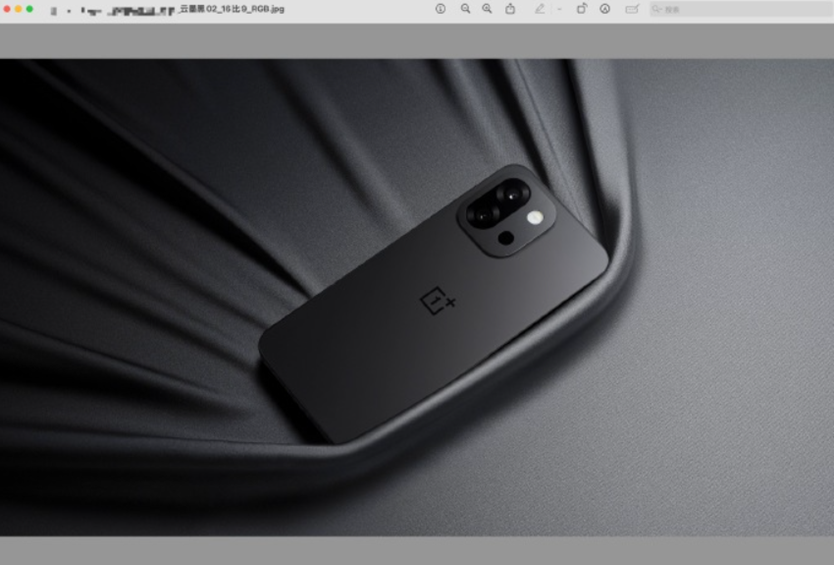
Caption – Leaked image of OnePlus 13T. (Image credit – DCS on Weibo)
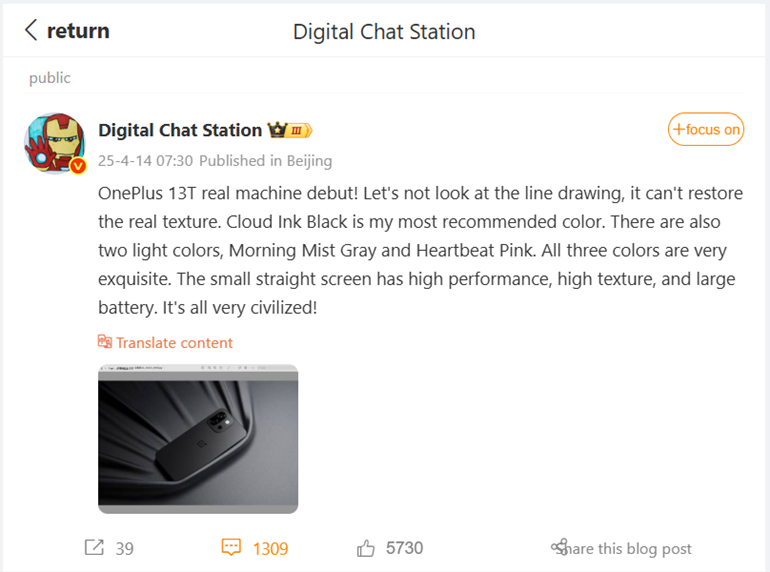
We also got a clearer look at the phone in a new high-quality render, thanks to tipster Digital Chat Station on Weibo. The phone appears in a slick “Cloud Ink Black” colour and features a noticeably different camera layout compared to its siblings.
Caption- Tipster Digital Chat Station’s recent post on Weibo. (Translated Via Google Translate)
The tipster also mentions two more colour options, including Morning Mist Gray and Heartbeat Pink with the latter briefly spotted in an earlier video leak.
OnePlus 13T – What Else To Expect?
As for specs, the OnePlus 13T will reportedly come with a 6.3-inch flat display offering 1.5K resolution. That puts it in the more compact flagship category, great for those who prefer smaller phones. Powering everything is the Snapdragon 8 Elite chipset, the same one found in the OnePlus 13. It’ll also support 80W fast charging, helping quickly top up that large 6,000mAh+ battery.
As of now, the OnePlus 13T is confirmed for China only with no word yet on an international launch.
FAQs
Q1. What design changes are introduced in the OnePlus 13T?
Answer. The OnePlus 13T features a squircle-shaped camera module, flat sides, balanced 50:50 weight distribution, and a refreshed aesthetic.
Q2. What are the key specifications of the OnePlus 13T?
Answer. The OnePlus 13T comes with a 6.3-inch 1.5K display, Snapdragon 8 Elite chipset, 80W fast charging, and a “game camera” shortcut, possibly linked to an Action Button.
Q3. What colour options will be available for the OnePlus 13T?
Answer. The phone will be available in Cloud Ink Black, Morning Mist Gray and Heartbeat Pink.
The U.S. plans to impose tariffs on electronics like smartphones and semiconductors.
Apple shifted inventory to the U.S. to avoid tariffs but production costs may rise.
The tariffs are tied to national security, but experts warn that U.S.-made iPhones could cost around $3,500, creating uncertainty in global supply chains.
Caption – Apple’s exemption from ‘Reciprocal’ Tariff won’t last long. (Image credit – ABC News)
The U.S. government is getting ready to introduce new tariffs on electronics like smartphones, laptops, semiconductors and related parts within the next month or two. According to U.S. Commerce Secretary Howard Lutnick, this move is aimed at boosting domestic manufacturing and reducing reliance on foreign supply chains especially in Southeast Asia.
“We need to have semiconductors, chips, and flat panels made in America. We can’t be reliant on Southeast Asia for all the things that operate for us,” Lutnick said, as reported by ABC News on April 13, 2025.
These electronics imports will now fall under what Lutnick described as a “special focus type of tariff.” This follows President Donald Trump’s earlier decision on April 11 to temporarily exempt smartphones, laptops, and other electronics from a set of “reciprocal” tariffs that took effect on April 2, also referred to as “Liberation Day.”
A U.S. Customs and Border Protection notice that became effective April 5 had excluded certain items like hard drives, memory chips, and processors from the new 125% reciprocal tariff and a 10% global tariff. These exemptions gave a temporary break to companies like Apple and Samsung.
But that grace period is expected to end soon. Lutnick confirmed that many of these electronics, including previously exempted items, will now face tariffs under the new policy. In fact, Apple reportedly shifted its inventory from India and China to the U.S. at the end of March to beat the deadline.
Lutnick also stressed that these decisions are tied to national security, not trade negotiations.“These are things that are national security that we need to be made in America,” he said.
However, the shift toward domestic manufacturing comes with concerns. Experts have warned that if Apple starts making iPhones in the U.S., the price could soar to around $3,500. The Trump administration says it’s trying to balance support for American firms with minimizing the impact on consumers, but the quick policy changes have created uncertainty around global supply chains.
Meanwhile, Apple nearly faced a 145% tariff on Chinese imports, a combination of the 125% reciprocal tariff and a 20% “fentanyl tariff,” as Trump explained in a Truth Social post. But with the current exemptions, only the 20% fentanyl-related tariff remains.
Bloomberg reported on the tariff exemption policy development, “The exclusions, published late Friday by US Customs and Border Protection, narrow the scope of the levies by excluding the products from Trump’s 125% China tariff and his baseline 10% global tariff on nearly all other countries.”
“The exclusions would apply to smartphones, laptop computers, hard drives and computer processors and memory chips. Those popular consumer electronics items generally aren’t made in the US. Setting up domestic manufacturing would take years.”
“The products that won’t be subject to Trump’s new tariffs also include machines used to make semiconductors. That would be important for Taiwan Semiconductor Manufacturing Co., which has announced a major new investment in the US as well as other chipmakers.”
It’s important to note that tariffs are added on top of the declared import value, which could hurt companies’ profit margins. That doesn’t automatically mean major price hikes for consumers, but even small increases could be on the horizon.
As these new tariffs roll out, the push for U.S.-based chip and electronics production could have a big impact on how tech products are made and where.
FAQs
Q1. What is the purpose of the new U.S. electronics tariffs?
Answer. The tariffs aim to boost domestic manufacturing, reduce reliance on Southeast Asian supply chains, and address national security concerns.
Q2. How will the new tariffs affect Apple?
Answer. Temporary exemptions for items like memory chips are ending. Apple shifted inventory to the U.S. to avoid tariffs, but production costs may rise.
Q3. What are experts warning about U.S.-made iPhones?
Answer. Experts warn that producing iPhones in the U.S. could increase costs significantly, potentially pricing them around $3,500.
Tim Cook is reportedly determined to make Apple’s AR glasses industry-leading and beat Meta.
Apple needs to perfect multiple product aspects along with mass production at an affordable price.
Meta’s prototype Orion AR glasses are years away from mass production.
Caption – The race for industry-leading AR Glasses is intensifying between Apple and Meta. (Image credit – Meta)
Tim Cook’s one major goal right now is to make industry-leading AR glasses before Meta does. According to a new report from Bloomberg’s Mark Gurman, Cook is “hell-bent” on beating Meta in the race to build the best AR glasses and he “cares about nothing else.”
Even though true AR glasses are still years away, Appleis reportedly working on its own smart glasses equipped with cameras and microphones, similar to Meta’s Ray-Bans. Gurman says these will be an “interim solution” while the company continues to push toward more advanced AR glasses. And yes, Apple’s version will tap into Siri and Visual Intelligence as part of its larger AI strategy.
That said, Apple is being cautious about privacy, especially when it comes to capturing media, which would set its glasses apart from Meta’s more casual, always-recording style.
According to Gurman’s report, building true AR glasses is going to take time. Apple still needs to perfect several key components, which include –
Super high-resolution displays
A powerful chip that can handle AR tasks
A tiny battery that can last for hours
And apps that actually make the product as essential as the iPhone
On top of all that, everything needs to be mass-produced at a price people are willing to pay.
As Gurman explains, “A variety of technologies need to be perfected, including extraordinarily high-resolution displays, a high-performance chip and a tiny battery that could offer hours of power each day. Apple also needs to figure out applications that make such a device as compelling as the iPhone. And all this has to be available in large quantities at a price that won’t turn off consumers.”
Despite the technical hurdles, Tim Cook is all in. An Apple engineer even said he “cares about nothing else.” In fact, the report says AR glasses are “the only thing he’s really spending his time on,” at least when it comes to product development.
Meanwhile, Meta isn’t standing still. The company revealed its prototype Orion AR glasses last year. They’re still far from ready and likely years away from mass production, which currently costs thousands of dollars. But that just makes the race even more intense, and Cook clearly doesn’t want to lose.
FAQs
Q1. What is Tim Cook’s primary focus regarding product development?
Answer. Tim Cook is focused on developing industry-leading AR glasses, aiming to beat Meta in the race to create the best augmented reality technology.
Q2. What challenges does Apple face in creating true AR glasses?
Answer. Apple needs to perfect high-resolution displays, powerful chips, long-lasting tiny batteries, essential apps, and achieve mass production at an affordable price.
Q3. How does Meta’s AR glasses development compare to Apple’s efforts?
Answer. Meta revealed its prototype Orion AR glasses, which are years from mass production and currently cost thousands of dollars, intensifying competition with Apple.
Apple plans to make iPadOS 19 more like macOS, enhancing productivity, multitasking and app window management.
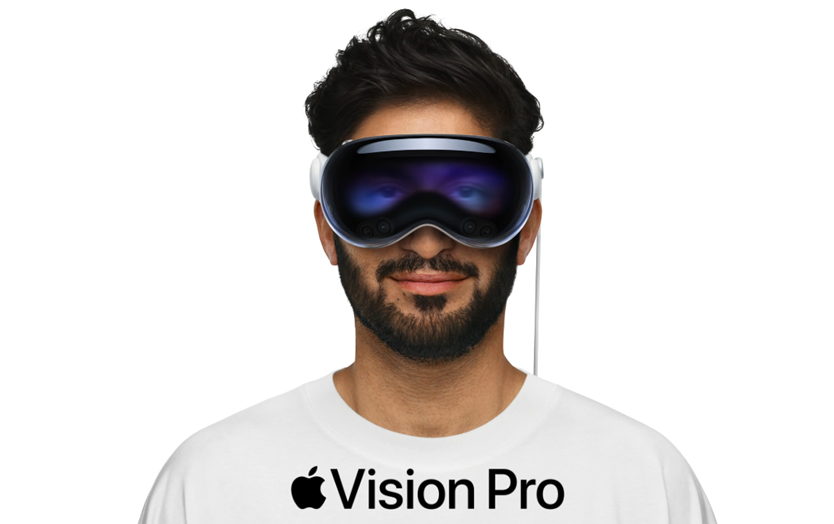
Apple is also developing two new Vision Pro versions – a lighter, more affordable model and a version designed to connect to a Mac for professional use.
Along with iPadOS 19, iOS 19 and Mac are set for major design updates with the lighter Vision Pro aiming to reduce weight and cost.
It appears Appleis gearing up for a big software revamp with iPadOS 19 and we might also get a lighter, more affordable Vision Pro. Here’s a quick update on Apple’s future plans based on recent rumours.
iPadOS 19 To Be More Like macOS
Caption – Recent reports share new updates on iPadOS 19. (Image credit – 9to5Mac)
According to Bloomberg’s Mark Gurman, the iPadOS 19 is going to feel “more like macOS.” After years of users asking for more powerful features on the iPad, it looks like Apple is finally making a move in that direction.
Gurman says the update will focus on improving productivity, multitasking, and managing app windows, making the iPad behave more like a Mac.
“I’m told that this year’s upgrade will focus on productivity, multitasking and app window management — with an eye on the device operating more like a Mac. It’s been a long time coming, with iPad power users pleading with Apple to make the tablet more powerful,” he shared.
This change is part of a bigger shift across Apple’s lineup. Along with iPadOS 19, we’re expecting a major redesign of the iPhone with iOS 19, and the Mac is also set to get its first design refresh in five years.
For a while now, the iPad’s hardware has been more advanced than its software, which has been a common frustration among users. While this new update won’t turn iPadOS into macOS, it sounds like a solid step in the right direction.
Apple Working On Lighter and More Affordable Vision Pro
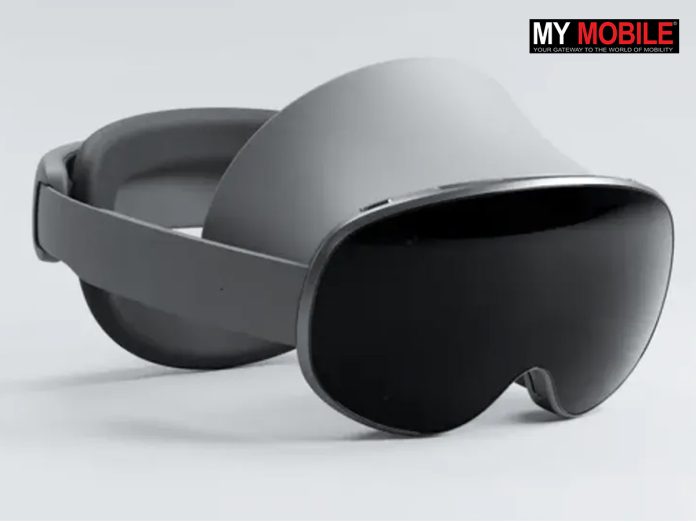
Caption – Apple is developing new Vision Pro models. (Image credit – Apple)
Apple is also working on two new versions of its Vision Pro headset. One is a lighter and more affordable model, and the other is a new version aimed at enterprise users, designed to work with a Mac.
Originally, Apple had planned a simple upgrade from an M2 chip to an M5 chip for the Vision Pro, without any major design changes. But now, that plan has changed. The new Vision Pro will connect directly to a Mac, targeting professional use cases where wireless latency is a problem like during surgery or in flight simulators.
As Gurman puts it, “Instead, it’s now working on a Vision Pro that plugs into a Mac. The difference between the two ideas is the level of immersion.” This version will still use pass-through visuals, just like the current model, rather than transparent lenses.
Meanwhile, the lighter and cheaper version of the Vision Pro is still very much in development. There had been some confusion over whether the project was delayed, but Gurman says it’s still a high priority for Apple.
Right now, the Vision Pro weighs nearly 1.5 pounds, which can lead to neck and head strain. It’s also seven times more expensive than Meta’s Quest 3. Apple reportedly wants this new model to tackle both those issues.
There aren’t many details yet on how exactly Apple will achieve the lighter and more affordable design, but this could be a big step toward CEO Tim Cook’s long-term goal of sleek AR glasses.
FAQs
Q1. How will iPadOS 19 be different from previous versions?
Answer. iPadOS 19 is set to focus on productivity, multitasking, and app window management, making it operate more like macOS and addressing user requests for more powerful software.
Q2. What are Apple’s plans for the Vision Pro headset?
Answer. Apple is working on two new versions, a lighter, more affordable model and a version designed for enterprise users that connects directly to a Mac.
Q3. Why is Apple redesigning the Vision Pro?
Answer. The current Vision Pro weighs nearly 1.5 pounds, causing neck and head strain, and is significantly more expensive than competitors. The redesign aims to address these concerns with a lighter and more affordable model.
Motorola Edge 60 Fusion launched in India recently with sales starting from April 9 on Flipkart, Motorola and leading retail stores.
Available in Pantone Amazonite, Pantone Slipstream, and Pantone Zephyr colour options.
Motorola Edge 60 Fusion price in India starts at Rs. 22,999 for the base 8GB + 256GB storage option. while the 12GB + 256GB variant costs Rs. 24,999.
Succeeding its predecessor Edge 50 Fusion, the new Motorola Edge 60 Fusion was launched in India earlier this month. It is a mid-range device with a 6.7-inch 1.5K pOLED HDR10+ quad-curved display, 4nm MediaTek Dimensity 7400 processor with up to 12 GB RAM, virtual RAM up to 24 GB, up to 256 GB internal storage and Android 15 as its key features. We have managed to use the smartphone extensively in the last week and here’s our hands-on review for your reference.
Motorola Edge 60 Fusion – Key Features
Motorola Edge 60 Fusion – Key Features
94 cm (6.67 inch) 1.5K Quad-Curved pOLED Display
Dimensity 7400 Processor
Up To 12 GB RAM
256 GB Internal Storage
50MP + 13MP Rear Camera
32MP Front Camera
5500 mAh Battery
68W Fast Charger
Android 15 with Hello UI
Motorola Edge 60 Fusion – Pros & Cons
Pros
Cons
● Refreshing design and colour options
● Good build quality with MIL-STD-810H certifications
● Lightweight and slim
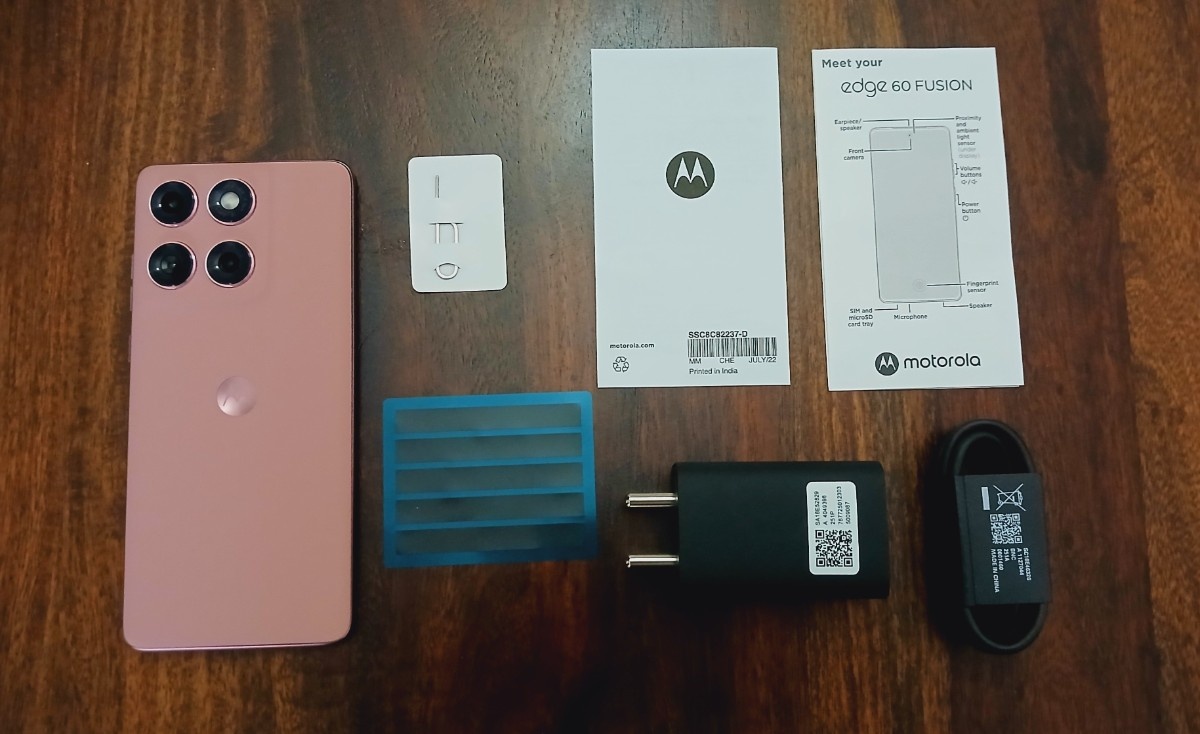
● Solid battery specs (charger in the box)
● Good display
● Good camera performance
● Decent Moto AI features
● No NFC support
● Speaker performance is underwhelming
Motorola Edge 60 Fusion – Unboxing
Motorola Edge 60 Fusion – Design and Build Quality
Motorola Edge 60 Fusion – Design and Build Quality
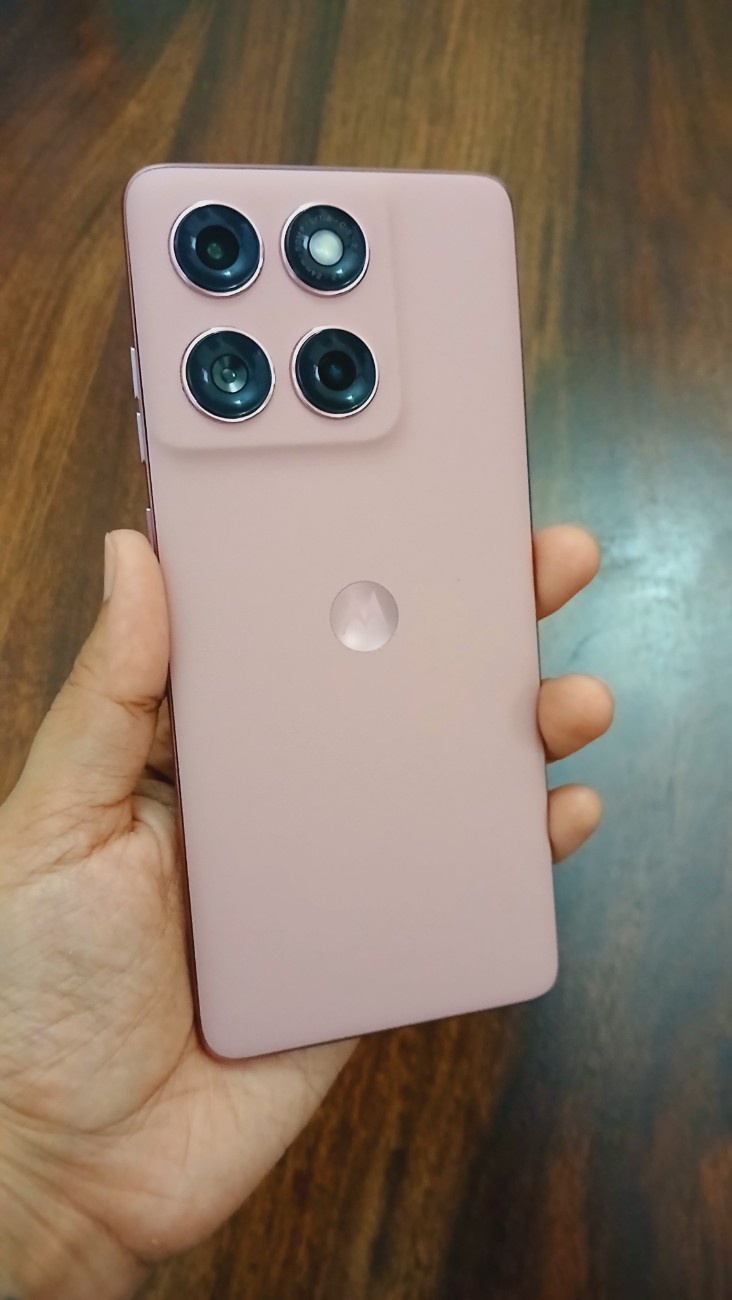
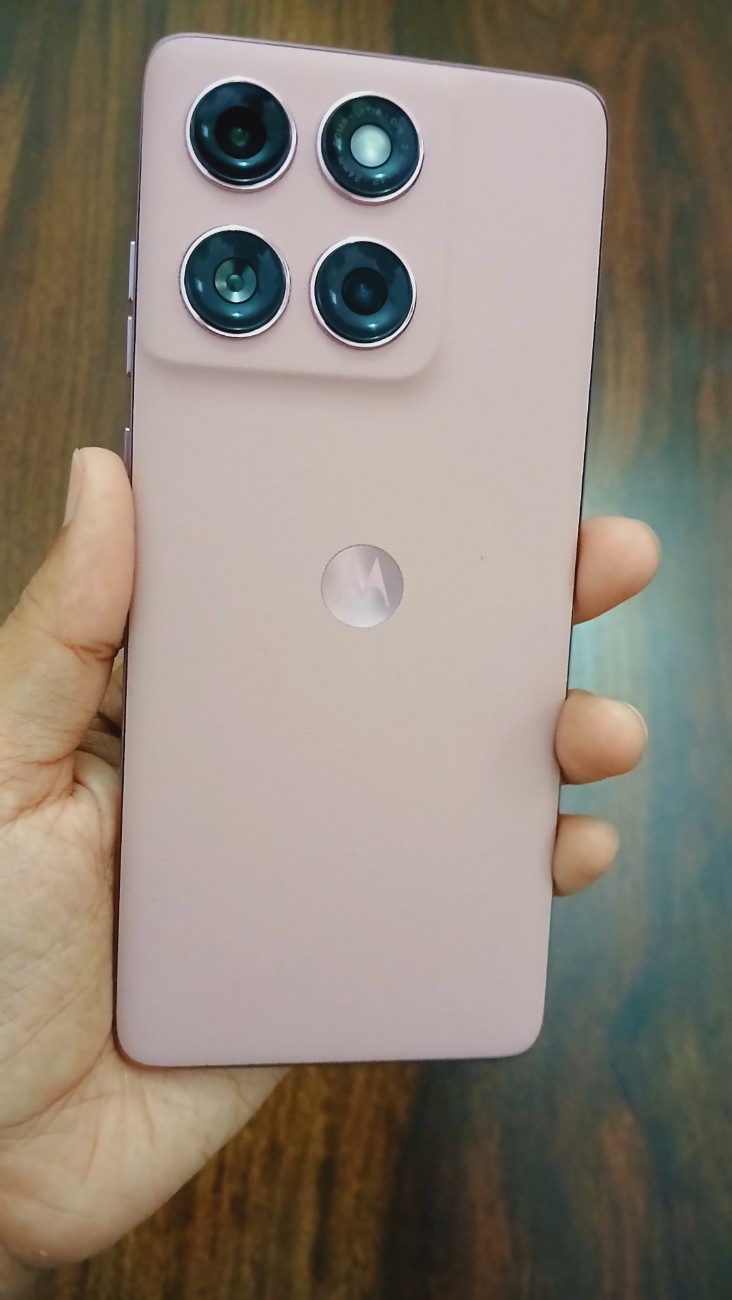
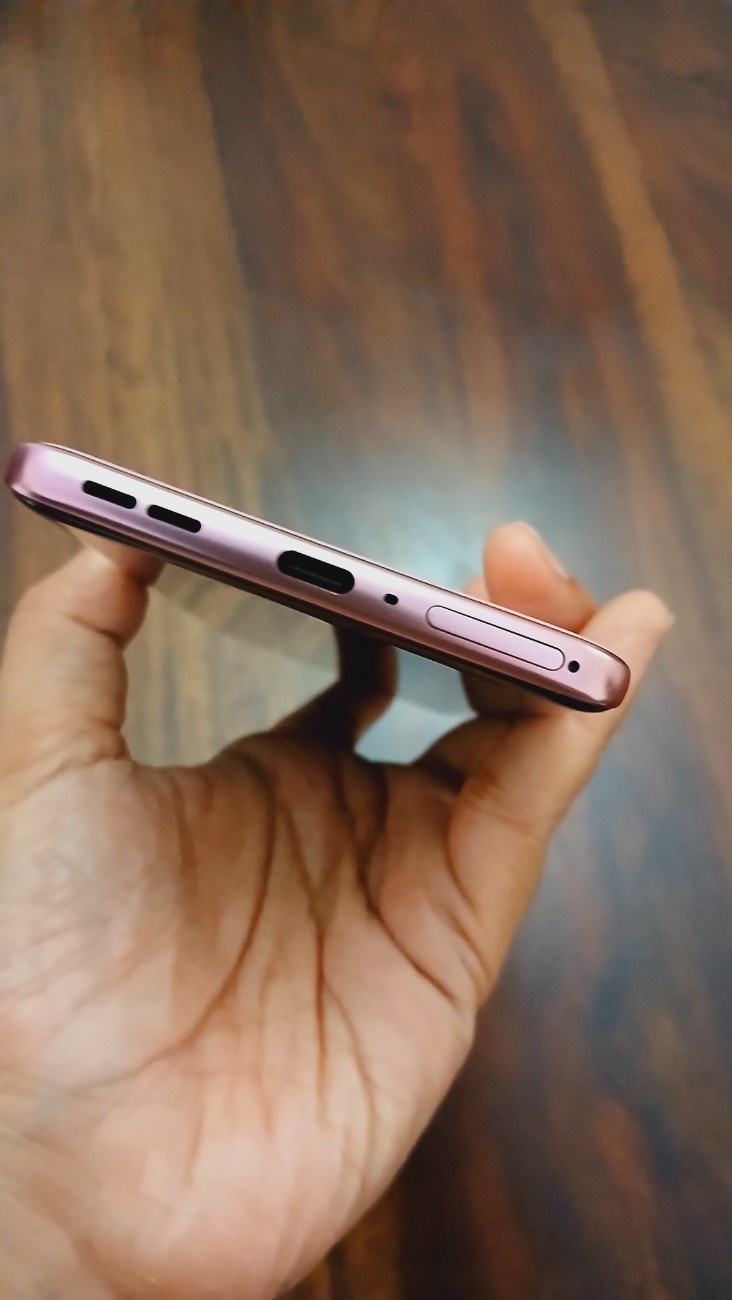
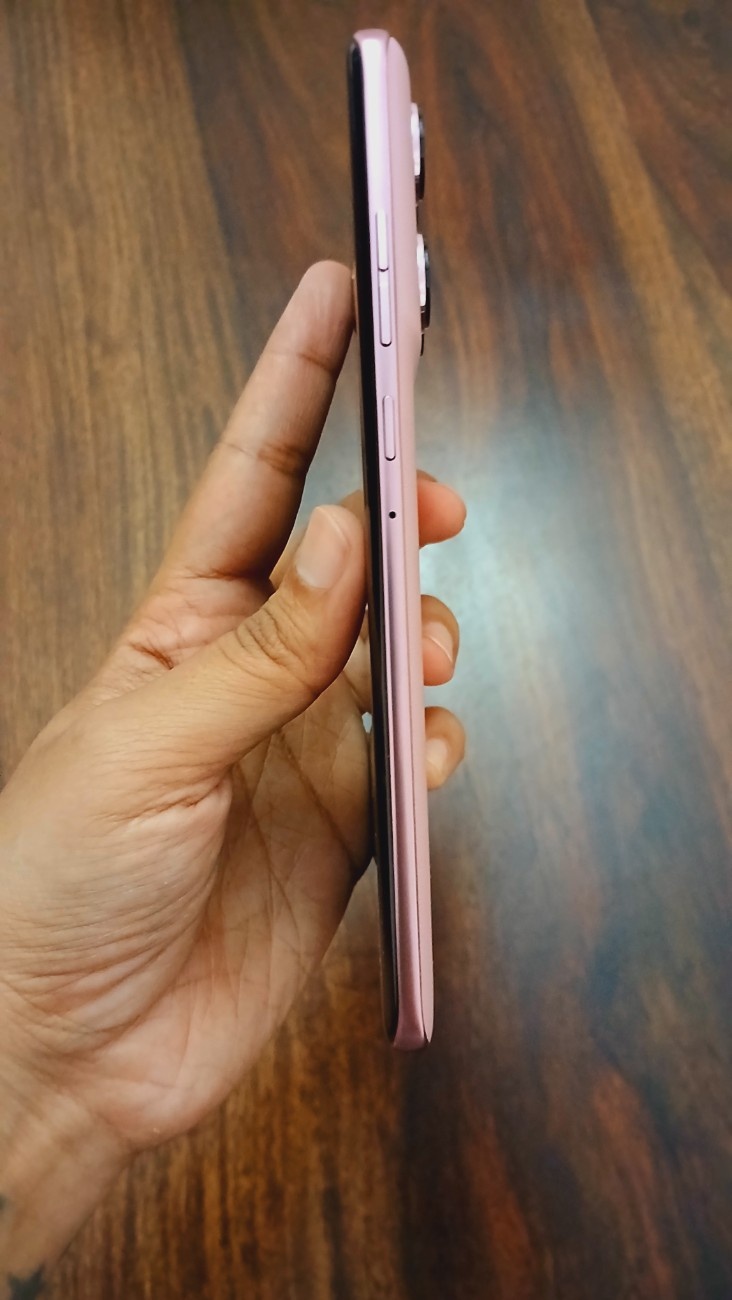
The design of the Motorola Edge 60 Fusion has not deviated too much from the previous generation Edge 50 Series. It comes with Motorola’s classic textured leather back design complemented with a quad-curved display. The phone gives premium vibes in both look and feel.
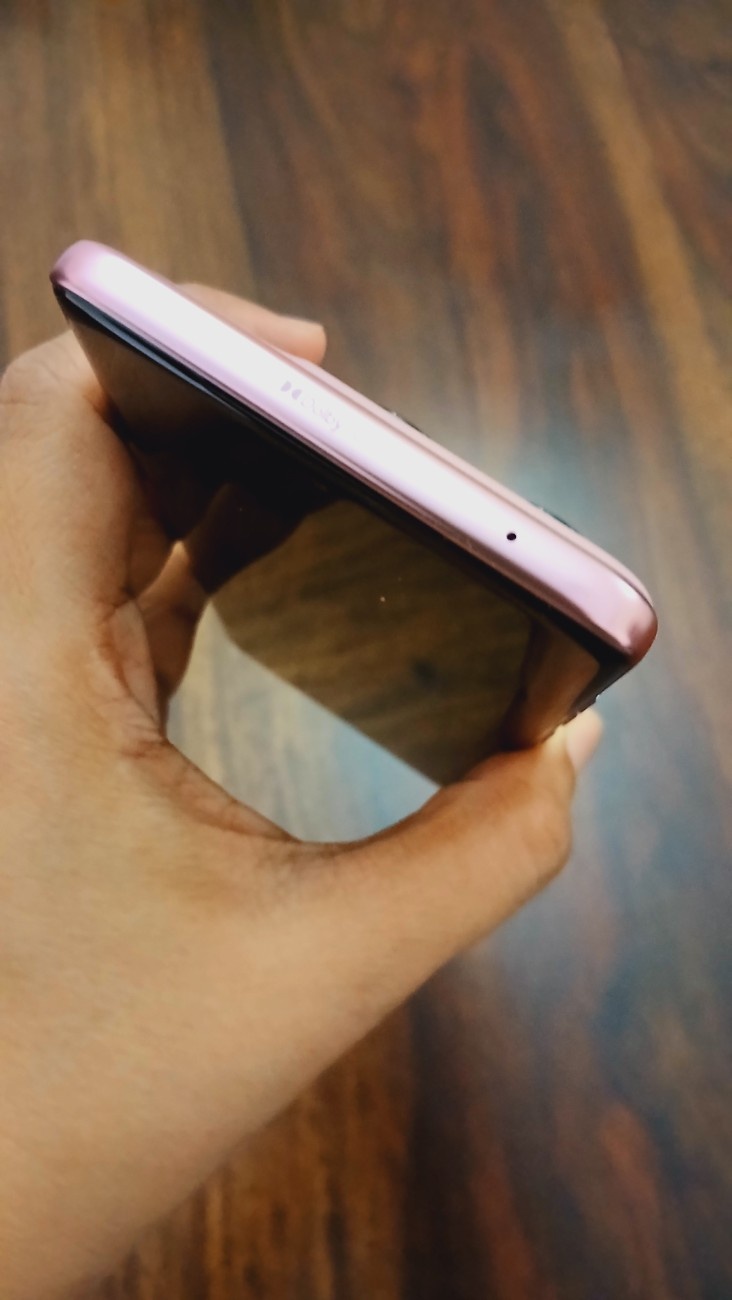
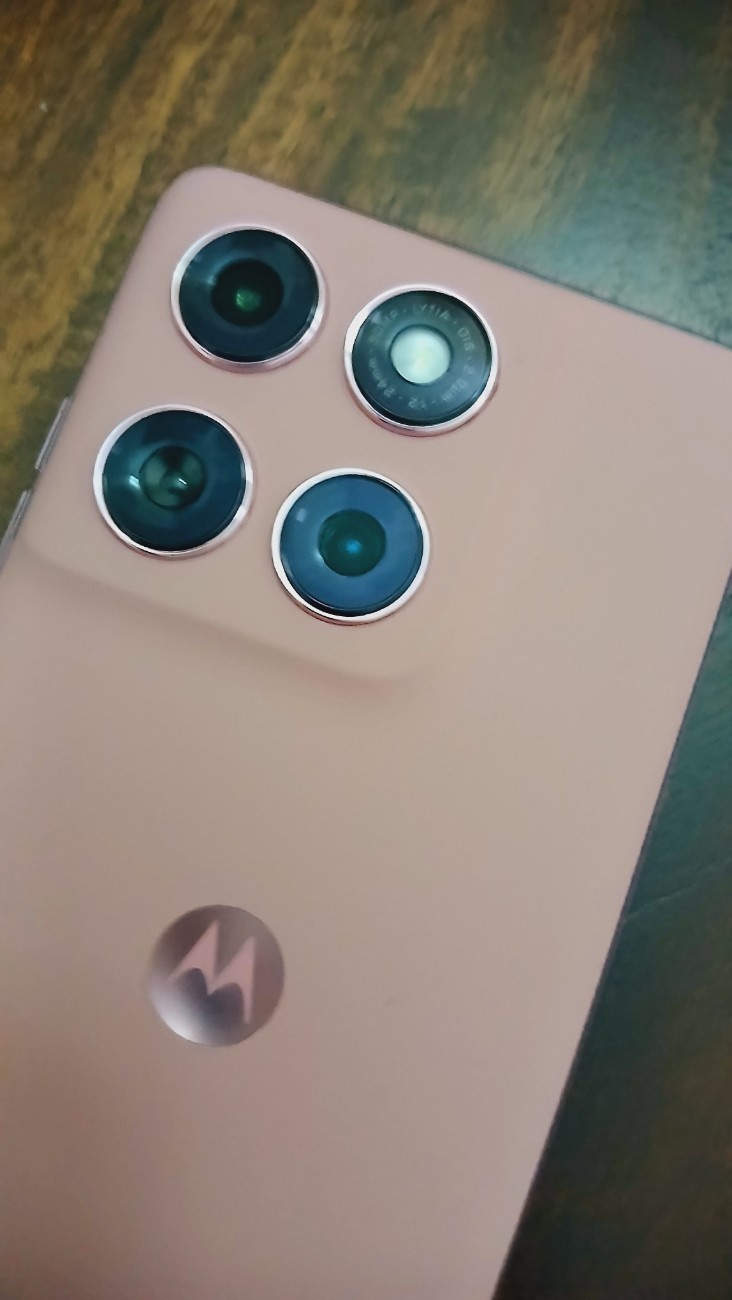
We had the Pantone Zephry colour variant for this review and it is a very soft pink colour tone that gives the phone a refreshingly new look. The plastic frame comes in a metallic finish that matches the back colour.
The square-shaped camera module is subtle and houses four lens rings. The overall look and feel of the phone are quite minimalistic. There is nothing too loud when it comes to the design. The Motorola logo at the back in the same tone of metallic finish, adds a nice touch.
The phone is lightweight at 180 grams and feels very slim at 8.2mm thick. Thanks to the curved edges, it feels quite easy to hold. The build quality feels good and it comes with a MIL-810H Military Grade certification. Motorola is also claiming it to be the segment’s most durable smartphone with IP68 and IP69 rating that includes underwater protection.
It also has Smart Water Touch 3.0 tech to ensure smooth functioning even when the display is wet.
Motorola Edge 60 Fusion – Display
Motorola Edge 60 Fusion – Display
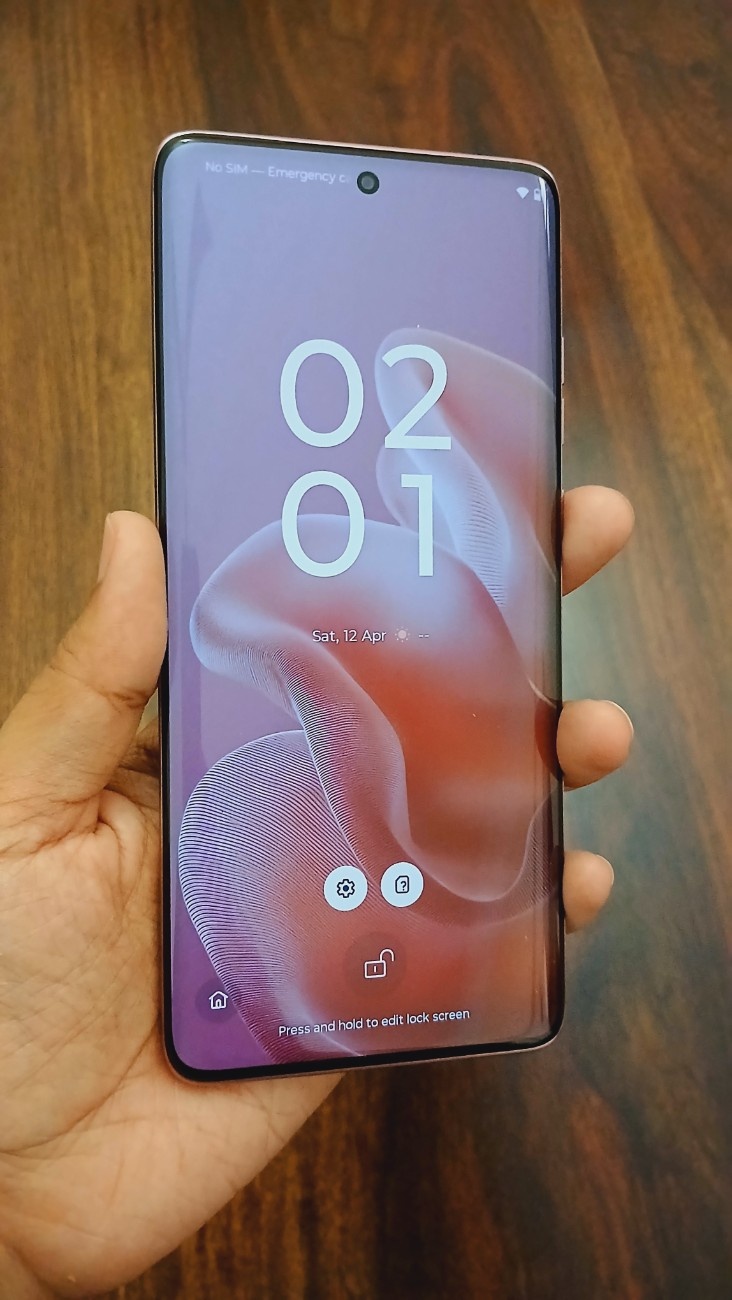
For the Edge 60 Fusion, Motorola has more or less decided to stick with sticks with the same “all-curved” 6.7-inch pOLED display as its predecessor. But it’s not all the same in terms of specs. The display this time gets a bump in resolution to 1.5K (1220 x 2712) and offers an even brighter peak brightness of 4,500 nits. However, the surprising thing is that the refresh rate has dropped from 144Hz to 120Hz.
The picture quality of this punch-hole display is great with perfect contrast and vibrant colours thanks to the 10-bit panel and full DCI-P3 colour coverage. It also has stereo speakers with Dolby Atmos support, which makes watching content even better. The quad-curved display definitely adds to the phone’s style and makes the visuals a lot more immersive than the average flat displays.
Moreover, it comes with Widevine L1 and HDR10+ certification for streaming full HD content on OTT platforms. At the time of reviewing, Netflix HDR wasn’t supported, but HDR worked just fine on YouTube and Amazon Prime Video.
Outdoor visibility is solid, thanks to the 1400 nits high brightness mode. We didn’t face any significant issue in using the phone even in direct sunlight.
Motorola Edge 60 Fusion – Performance
Motorola Edge 60 Fusion – Performance
The Motorola Edge 60 Fusion runs on the MediaTek Dimensity 7400 chip. The processor is supported with up to 12GB of RAM. The unit we had for this review came with 12GB (+ 4GB boost) RAM and 256 GB storage. While this should be enough for moderate to heavy users, the phone has the option to expand memory in case it is needed.
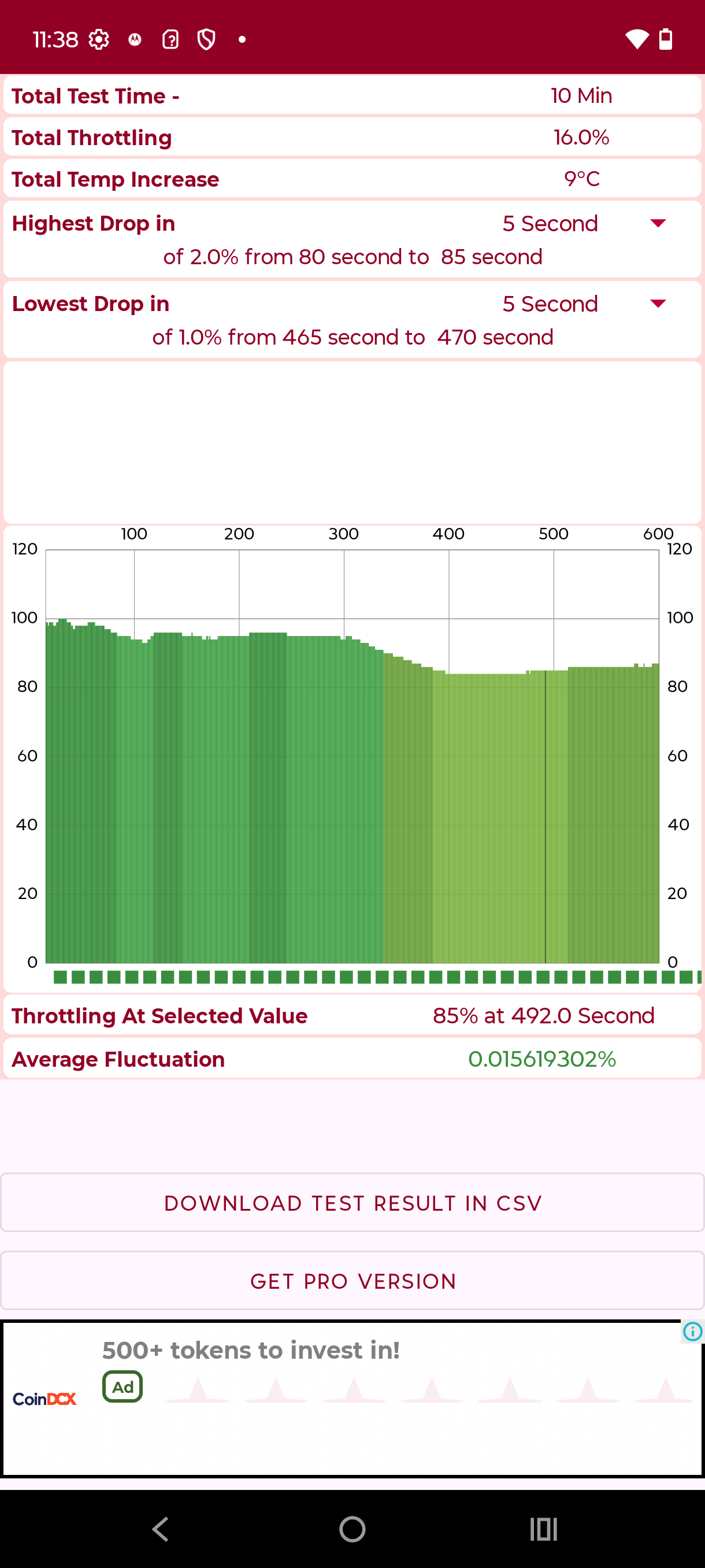
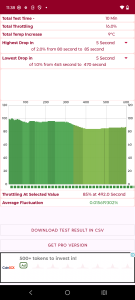
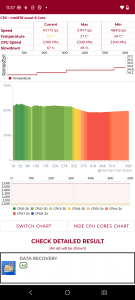
When it comes to everyday performance, the phone handles everything smoothly. We didn’t face any lag while scrolling through apps, switching between them, or multitasking. It stays cool with no heating issues during regular use and RAM management is also impressive. We tested keeping multiple apps running in the background and the phone managed without any stutterings. Switching between apps was seamless.
As for games, even though it is well-equipped, graphic games like BGMI sometimes weren’t as smooth as some other phones that cost less. We recommend using medium settings for optimum performance.
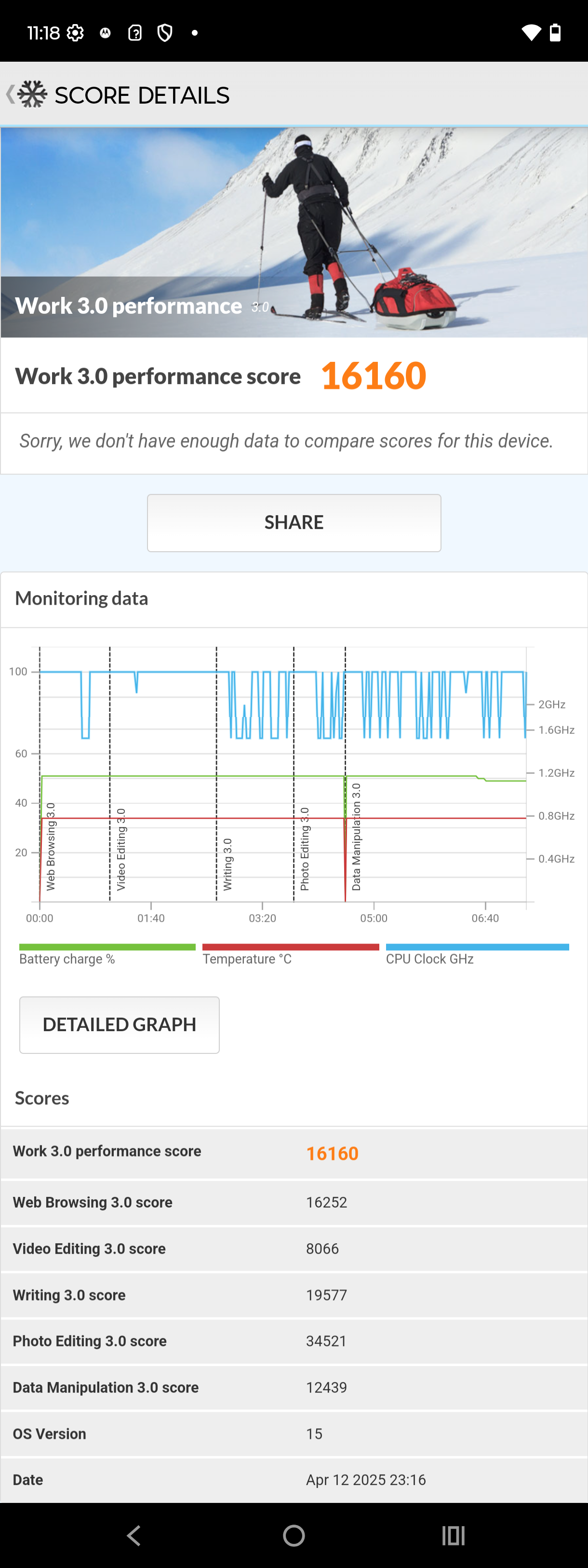
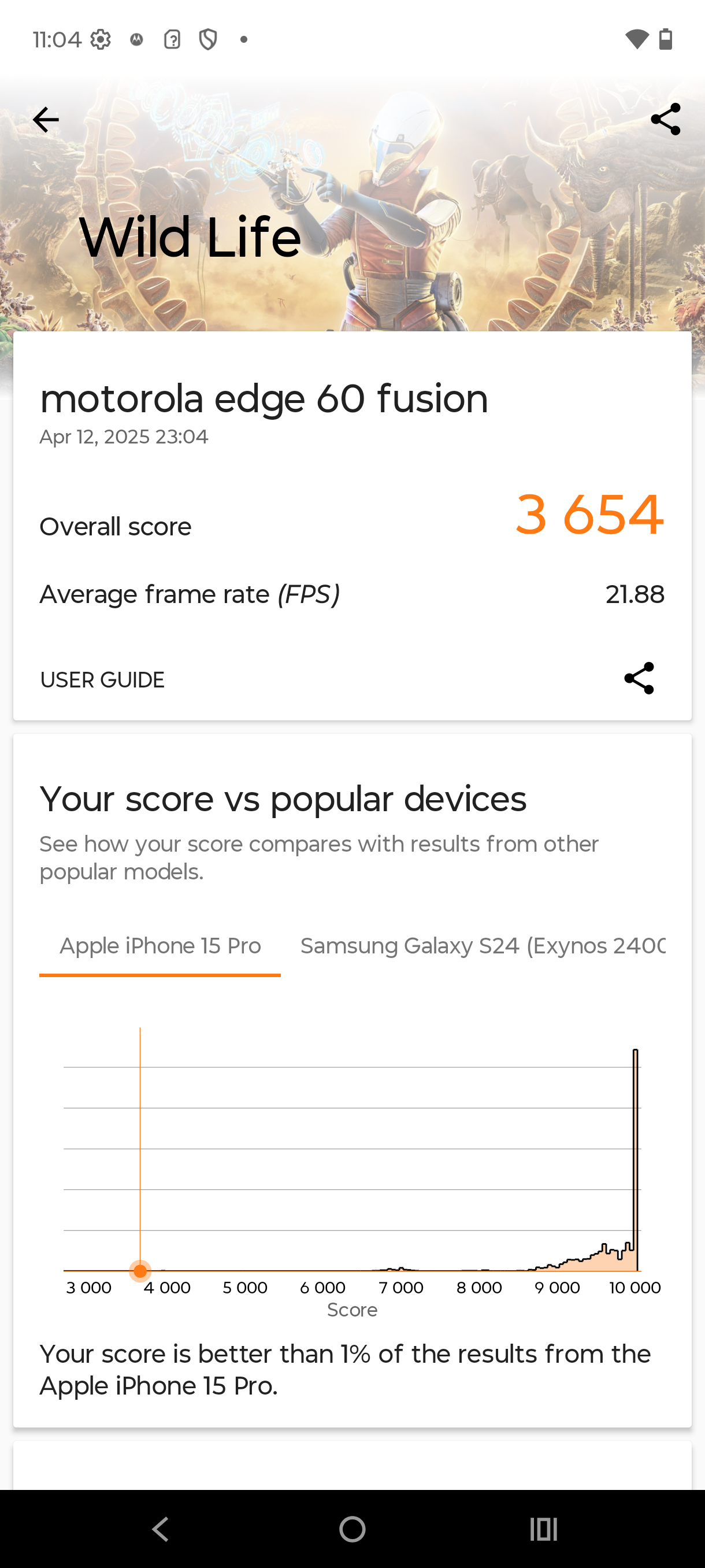
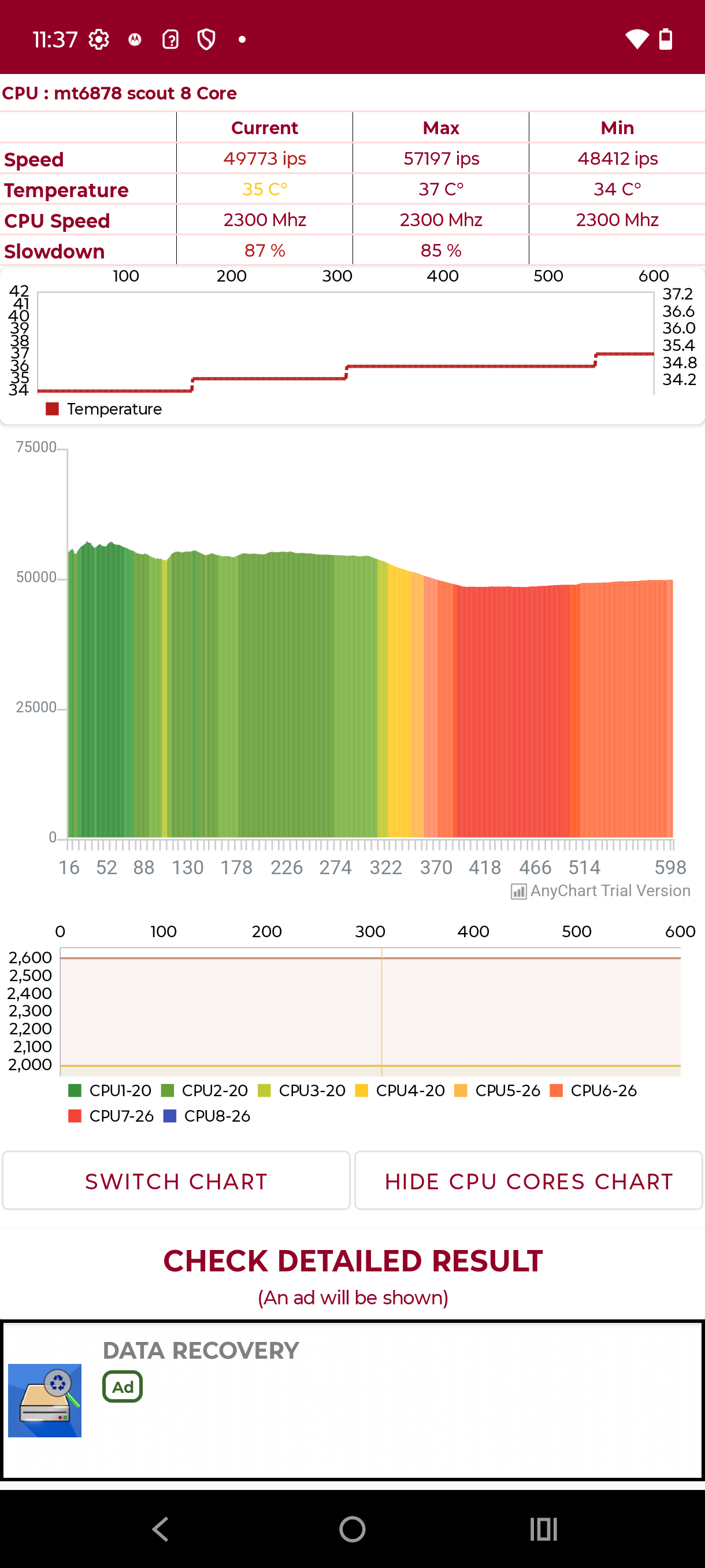
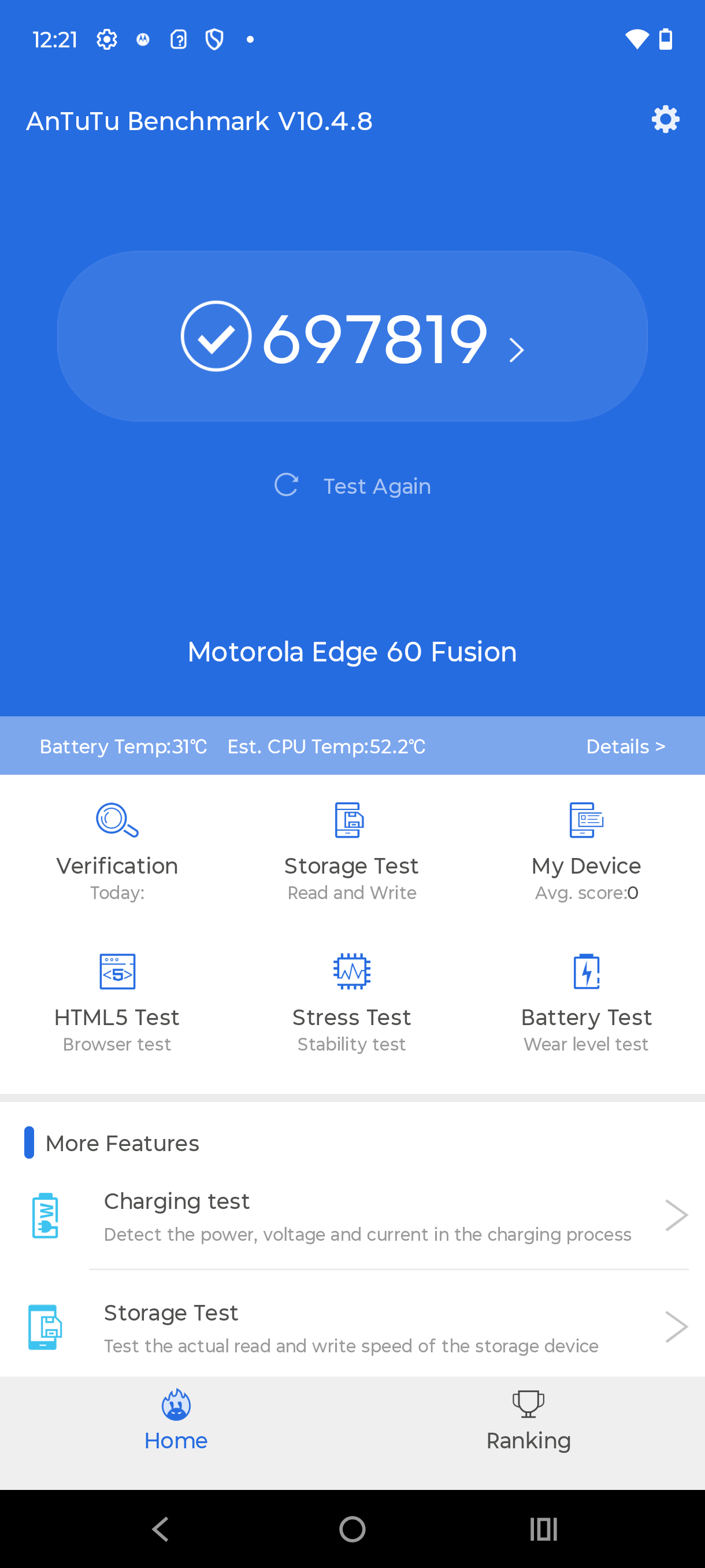
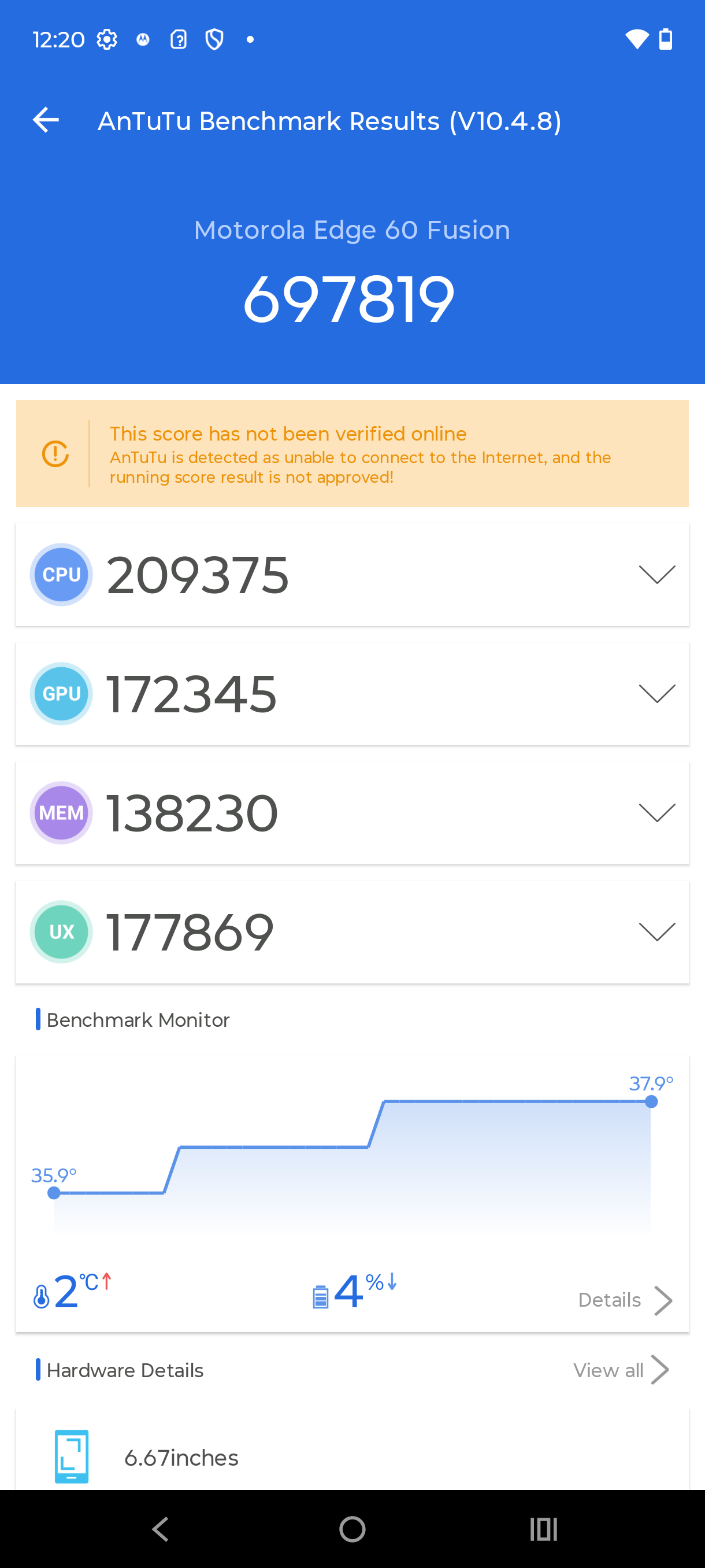
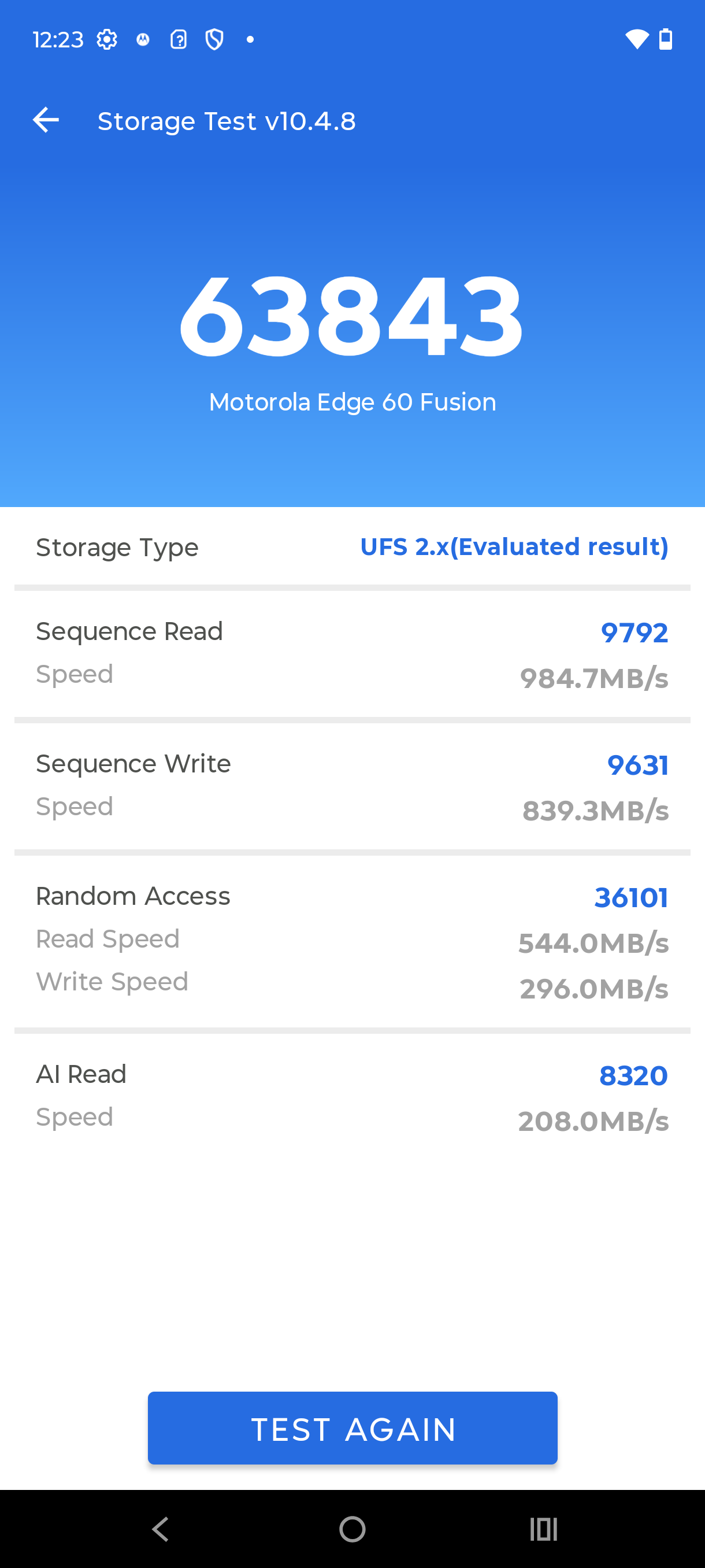
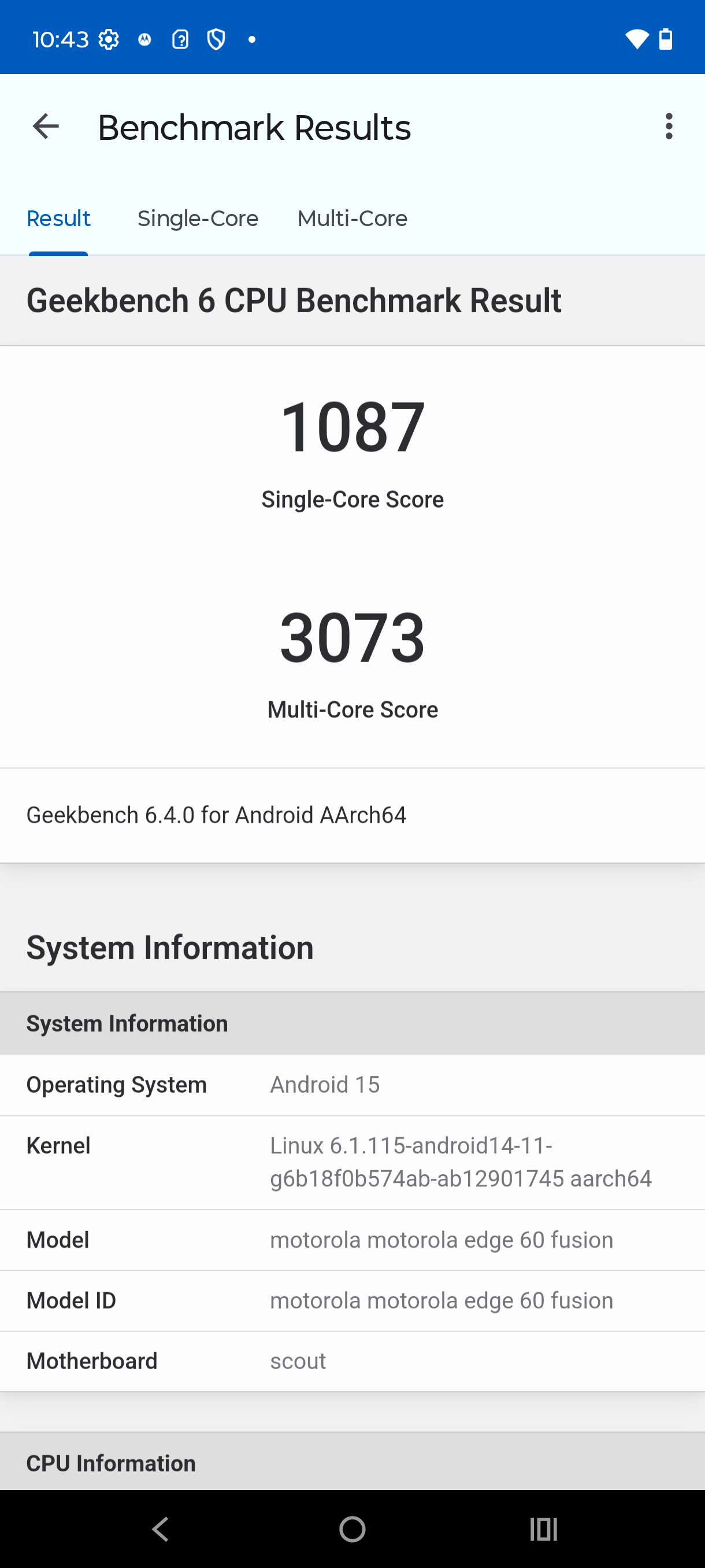
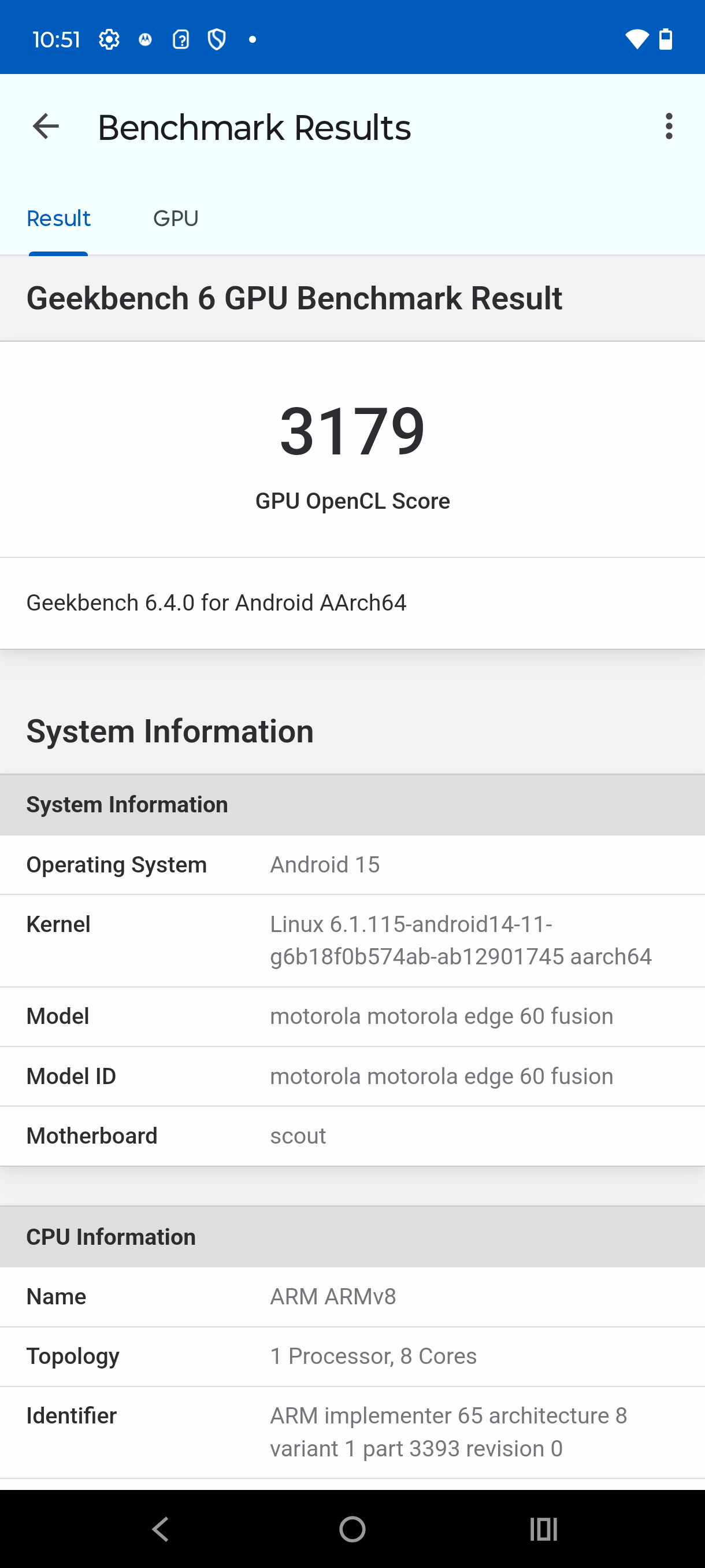
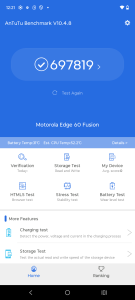
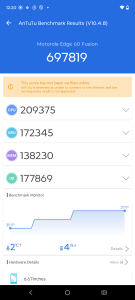
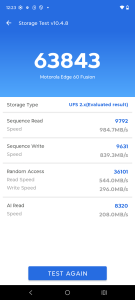
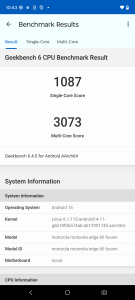
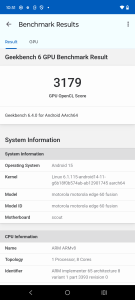
We also tested the phone on major benchmarking platforms and it managed decent scores including 697819 on AnTuTu v10.4.8. Check out the benchmark results below –
On the software front, the phone runs Hello UI based on Android 15. It comes with minimal bloatware, which is great. The interface is clean and simple, just like Motorola usually offers.
Motorola has also promised three major OS updates and four years of security updates for this phone, which adds to the overall value.
Motorola Edge 60 Fusion – Camera Performance
Motorola Edge 60 Fusion – Camera Performance
In the camera department, the Motorola Edge 60 Fusion keeps things pretty much the same as its predecessor the Edge 50 Fusion. You still get a dual-camera setup at the back with a 50MP main sensor and a 13MP ultra-wide lens. The selfie camera also remains unchanged at 32MP.
What’s new this time is a 3-in-1 light sensor that Motorola has added. Motorola claims it helps in exposure, gets accurate colours and reduces screen flicker when you’re taking photos.
The 13MP ultra-wide camera delivers solid results as images are detailed with a good dynamic range. In some pictures, we noticed that the colours tend to be a bit oversaturated. But it is nothing that can disturb the overall picture too much. There is also up to 2x lossless zoom, which works well.
The Macro mode is quite capable too but we noticed that it fails to pick up fine details at times when you’re shooting close-ups of plants or textured surfaces.
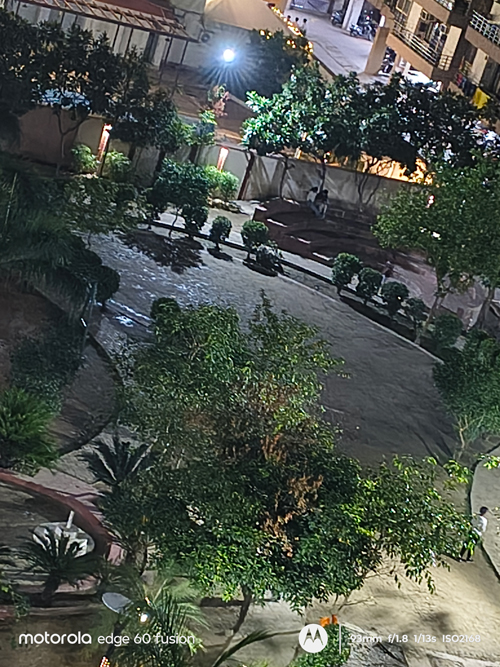
Motorola Edge 60 Fusion Night samples
Motorola Edge 60 Fusion Day samples
The camera performs well in natural lighting. In low light, the Night Vision mode kicks in to help deliver usable shots. The AI also helps clean up the images by reducing noise and improving clarity.
The camera still uses AI tools just like the previous model, but with a few new enhancements. We noticed in multiple shots that the AI steps in to boost brightness and make the shots look more vibrant.
As for videos, the Edge 60 Fusion camera system supports 2160p@30fps video recording. It comes with EIS support in that resolution. We tried to record videos in different lighting conditions and it seems to be capturing good quality videos when you have proper lighting. Here are some video samples for reference.
Motorola Edge 60 Fusion Day Video
Motorola Edge 60 Fusion NIght Video
Motorola Edge 60 Fusion – Battery and Charging
Motorola Edge 60 Fusion – Battery and Charging
Motorola has upgraded the Edge 60 Fusion with a bigger 5,500mAh battery, which is up from the 5,000mAh battery on last year’s Edge 50 Fusion. This is perfect for an average user in our opinion and can easy sail you thought a day or even more than a day with moderate usage.
The phone supports 68W fast charging with a charger included in the box, which has become a nice addition. Charging is pretty quick too. As we tested, the phone went from 20% to 100% in just about 45 minutes.
Verdict – Should You Buy the Motorola Edge 60 Fusion?
Verdict – Should You Buy the Motorola Edge 60 Fusion?
The Motorola Edge 60 Fusion as a mid-ranger smartphone is a very well-balanced device. It packs everything you might expect from a decent phone at this price range plus a very refreshing look.
It gives you a good multimedia performance, reliable battery life, decent camera results and a clean software experience. If you’re looking for a reliable smartphone that looks cool and offers good overall performance, the Motorola Edge 60 Fusion can easily be one of the options to consider in this segment.
Reasons To Buy
Reasons To Buy
Refreshing design
Good display
Good hardware
Nice camera performance
Solid battery specs
Reasons Not To Buy
Not particularly for gaming
Alternatives
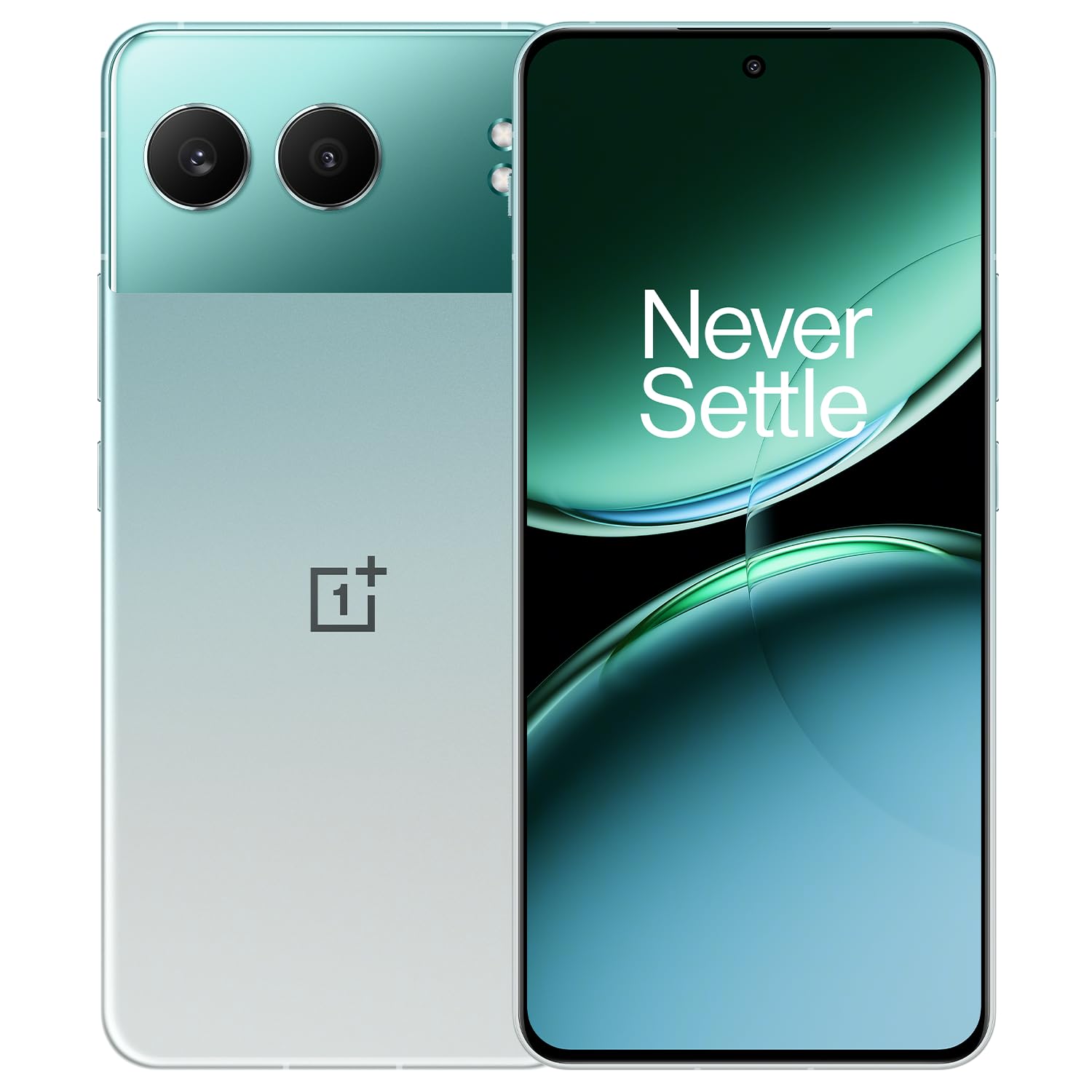
OnePlus Nord 4 5G
OnePlus Nord 4 5G
Key Specifications
7″ (17.02 cm) 120Hz AMOLED Display
Snapdragon 7 Gen 3 Octa core Processor
50+8 MP Rear Camera
16 MP Front Camera
8 GB RAM
128 GB Storage
5500 mAh Battery and 100W Fast Charging
Android v14
Price – ₹21,990
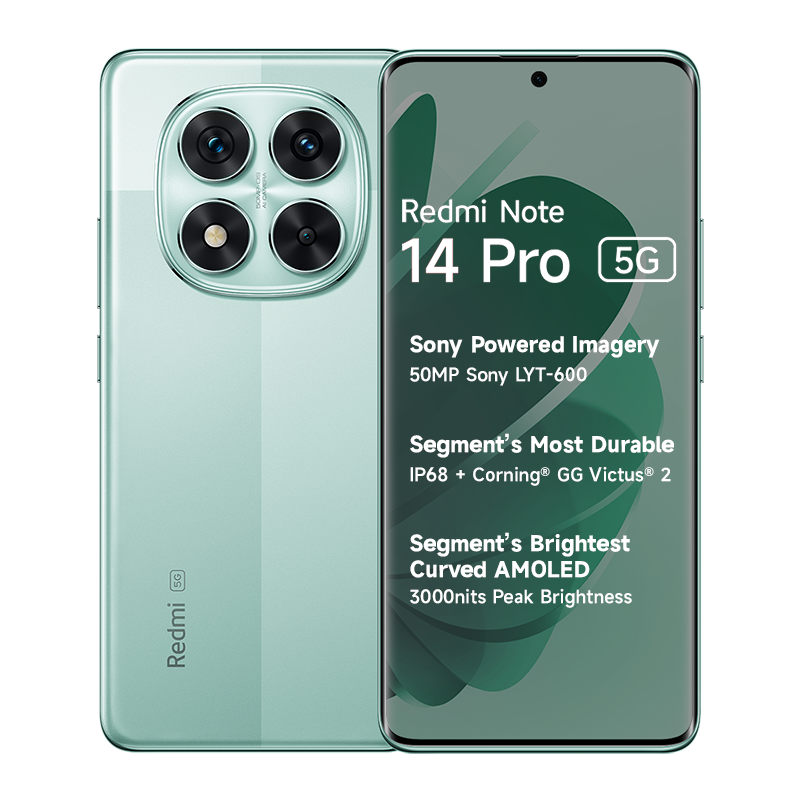
Redmi Note 14 Pro 5G
Redmi Note 14 Pro 5G
Key Specifications
67″ (16.94 cm) 120Hz AMOLED Display
MediaTek Dimensity 7300 Ultra Octa core Processor
50+8+2 MP Rear Camera
20 MP Front Camera
8 GB RAM
128 GB Storage
5500 mAh Battery and 45W Fast Charging
Android v14
Price – ₹22,148
Nothing Phone (3a)
Nothing Phone (3a)
Key Specifications
77″ (17.2 cm) 120Hz Flexible AMOLED Display
Snapdragon 7s Gen 3 Octa core Processor
50+8+50 MP Rear Camera
32 MP Front Camera
8 GB RAM
128 GB Storage
5000 mAh Battery and 50W Fast Charging
Android v15
Price – ₹24,469
FAQs
Q1. When was the Motorola Edge 60 Fusion launched in India, and where can it be purchased?
Answer. The Motorola Edge 60 Fusion was launched in India earlier this month, with sales starting from April 9. It is available on Flipkart, Motorola’s official website, and leading retail stores.
Q2. What are the colour options available for the Motorola Edge 60 Fusion?
Answer. The smartphone is available in three Pantone-inspired colours – Amazonite, Slipstream, and Zephyr.
Q3. What is the price of the Motorola Edge 60 Fusion in India?
Answer. The base model with 8GB RAM and 256GB storage is priced at Rs. 22,999, while the 12GB + 256GB variant costs Rs. 24,999.
Q4. What are the key specifications of the Motorola Edge 60 Fusion?
Answer. It comes with 6.67 inch 1.5K Quad-Curved pOLED Display, Dimensity 7400 Processor, up to 12 GB RAM (with virtual RAM up to 24 GB), 256 GB internal storage, 50MP and 13MP rear cameras, 32MP front camera and 5500 mAh battery with a 68W fast charger.
Q5. What are the battery capacity and charging capability of the Motorola Edge 60 Fusion?
Answer. The smartphone comes with a powerful 5500 mAh battery and supports 68W fast charging, ensuring quick and reliable power replenishment.
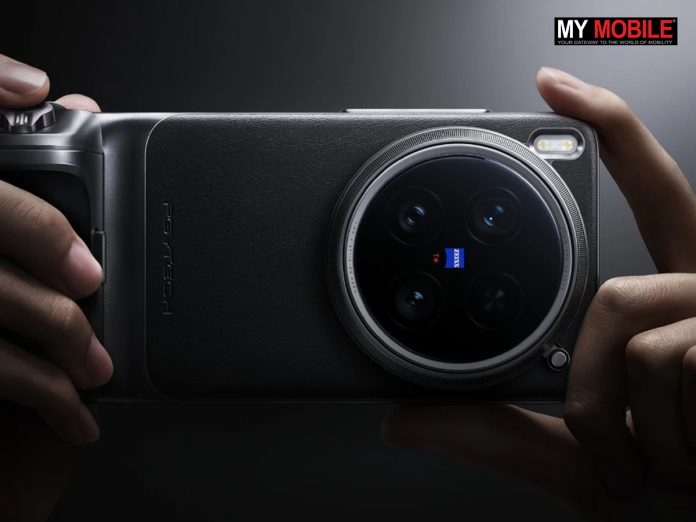
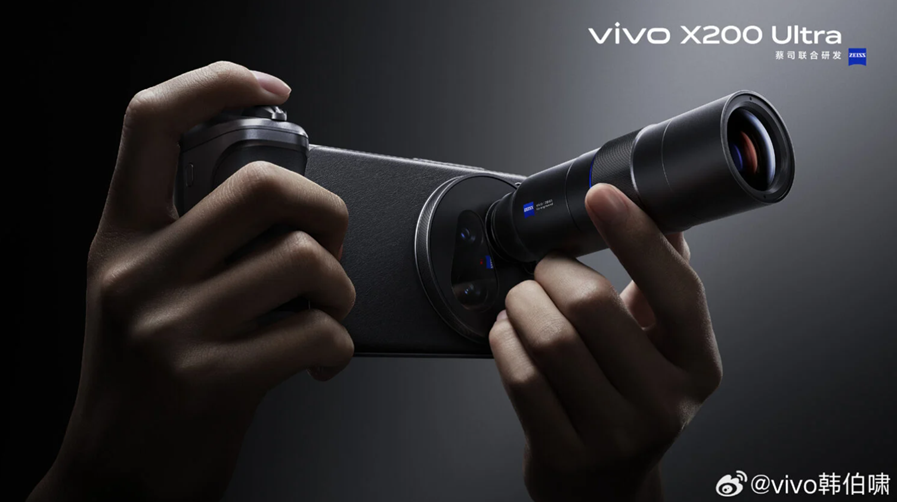
Vivo X200 Ultra is launching April 21 with a 200MP periscope camera.
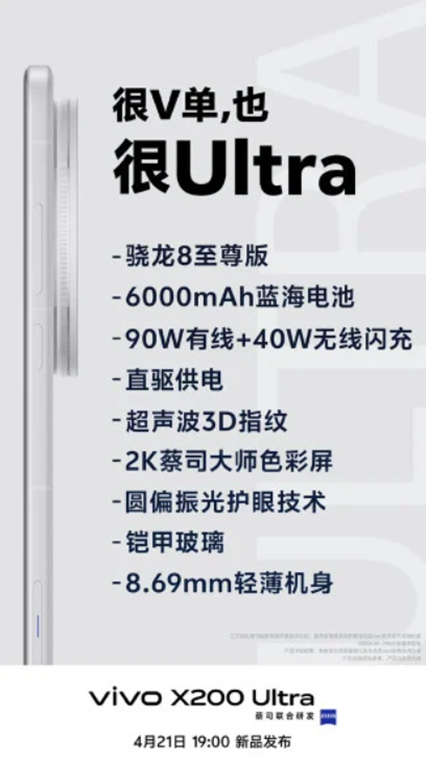
Other confirmed features include Snapdragon 8 Elite chipset, VS1 & V3+ image chips, 6.82-inch 2K display, and 6,000mAh battery with 90W wired and 40W wireless charging.
Vivo will also introduce the X200s, two tablets and a smartwatch alongside the X200 Ultra.
Caption – Vivo X200 Ultra is all set to launch soon. (Image credit – Vivo)
Vivo’s most powerful smartphone of the year is the Vivo X200 Ultra and it is all set to launch on April 21. As it has already been clear that it’s going big on camera tech. A 200MP periscope camera with support for a detachable 200mm super-telephoto lens is expected to make X200 Ultra one of the most powerful camera phones out there.
While the brand has teased this before, we now have more officially confirmed details on the phone’s core specs. Here’s what we know.
Vivo X200 Ultra – Key Features
Caption – Vivo X200 Ultra key features confirmed. (Image credit – Vivo)
As rumoured, the X200 Ultra will be powered by Qualcomm’s Snapdragon 8 Elite chipset. Vivo is also adding its own VS1 and V3+ custom chips to handle image and video processing before and after capture. This combination should bring serious improvements to both performance and photography.
On the front, the X200 Ultra features a 2K Zeiss Master Color display with circular polarized light technology, which Vivo says helps reduce eye strain. While the exact size hasn’t been confirmed, leaks suggest a 6.82-inch panel. The screen is protected by Armous Glass, and unlocking is handled by an ultrasonic 3D fingerprint sensor built into the display.
Powering the phone is a 6,000mAh battery with support for 90W wired and 40W wireless charging. There’s also bypass charging, a feature that sends power directly to the phone’s internals rather than the battery, ideal for gaming or other intensive use without overheating.
Despite all this tech, the phone keeps a slim profile at 8.69mm thick.
Vivo X200 Ultra – Colours, Durability
The X200 Ultra will come in red, black and silver colour options.
The silver version will feature a striped design on the back for better grip. You also get IP68/69 water resistance and support for Beidou-3 short message service, but this will likely be limited to the top-tier variants.
Other Expected Launches
The X200 Ultra is not the only launch Vivo is gearing up for. Alongside it, the company will launch a more affordable X200s, two new tablets and a smartwatch. With just days to go, expect more updates to roll in soon.
FAQs
Q1. What are the standout features of the Vivo X200 Ultra?
Answer. The Vivo X200 Ultra features a 200MP periscope camera, Snapdragon 8 Elite chipset, VS1 & V3+ image chips, 2K Zeiss Master Color display, and a 6,000mAh battery with 90W wired and 40W wireless charging.
Q2. What design and durability options does the Vivo X200 Ultra offer?
Answer. The X200 Ultra comes in red, black, and silver, with the silver variant featuring a striped back for better grip. It also has IP68/69 water resistance.
Q3. What other products will Vivo launch alongside the X200 Ultra?
Answer. Vivo will also introduce the X200s smartphone, two new tablets, and a smartwatch during the launch event.
Google and Samsung are reportedly working together on Android XR smart glasses.
Google’s prototype is reportedly the foundation for Samsung’s 2026 product release.
Samsung may unveil the glasses in 2025 with a full release expected in 2026.
Caption – Google’s prototype Android XR glasses might be released by Samsung as soon as next year. (Image credit – Google/Samsung)
It seems we will soon have Google and Samsung working together for a new pair of smart glasses. A new report has revealed that the Android XR smart glasses Google recently showcased are actually a prototype for a product Samsung is planning to release in 2026. While earlier reports hinted at an earlier launch, it now looks like we’ll have to wait a bit longer.
Google’s XR Glasses Demoed at TED2025
Google has been working on Android XR glasses for a while now with internal demos reportedly dating back to December 2024. The most detailed public glimpse came just this week at TED2025, where Google VP Shahram Izadi demoed the smart glasses and their features.
However, the full demo is still behind a paywall and hasn’t been made widely available yet.
That said, Google hasn’t officially announced any plans to launch these glasses. Instead, all signs point to Samsung taking the lead on bringing them to market.
Samsung and Google Are Collaborating
According to The Korea Economic Daily, the smart glasses Google has been showing are the same device Samsung plans to release next year. The report confirms that Google and Samsung are “jointly working” on this XR device.
The report explains, “the two tech firms are jointly working to develop new smart glasses, slated for release next year, people familiar with the matter said on Friday. The two companies unveiled images of the smart glasses under development at the XR Unlock event held at Google Campus in New York last December. Shahram Izadi, a Google vice president in charge of AR and XR, recently wore a prototype of the smart glasses and demonstrated some of its features at the TED2025 conference held in Vancouver, Canada.”
Samsung has already been working on Project Moohan, its Android XR headset, which has been shown off twice in person so far. It’s expected to launch sometime later this year.
Launch Timeline
Earlier reports hinted that Samsung might launch its smart glasses by the end of 2025. However, it now seems more likely that the company will only unveil them this year with a full release happening in 2026.
FAQs
Q1. What is the collaboration between Google and Samsung regarding smart glasses?
Answer. Google and Samsung are jointly working on Android XR smart glasses, with Google’s prototype serving as the foundation for Samsung’s planned release in 2026.
Q2. What features were showcased in Google’s demo of the XR glasses at TED2025?
Answer. Google showcased AR and XR functionalities during the TED2025 demo, although the full demonstration remains behind a paywall and hasn’t been widely shared.
Q3. When will Samsung’s Android XR smart glasses be launched?
Answer. Samsung may unveil the glasses in 2025, with an official release expected to happen in 2026, delaying earlier reports of a 2025 launch.
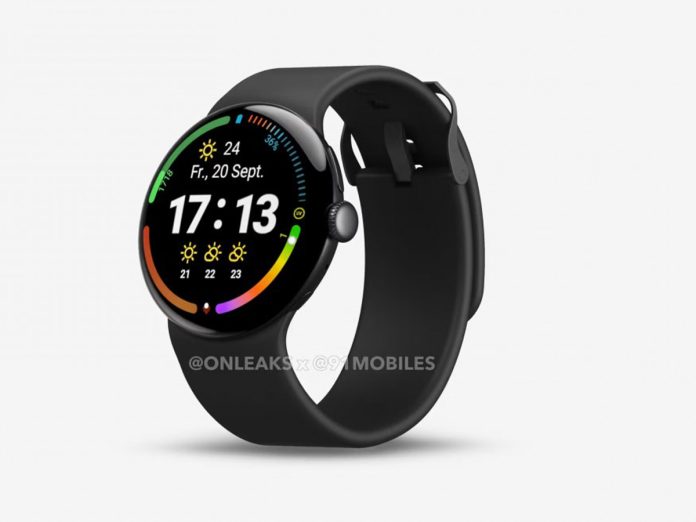
Google is gearing up to launch the Pixel Watch 4 later this year, likely alongside the Pixel 10 series. While there’s still some time before the official announcement, we now have an early peek at the watch’s design.
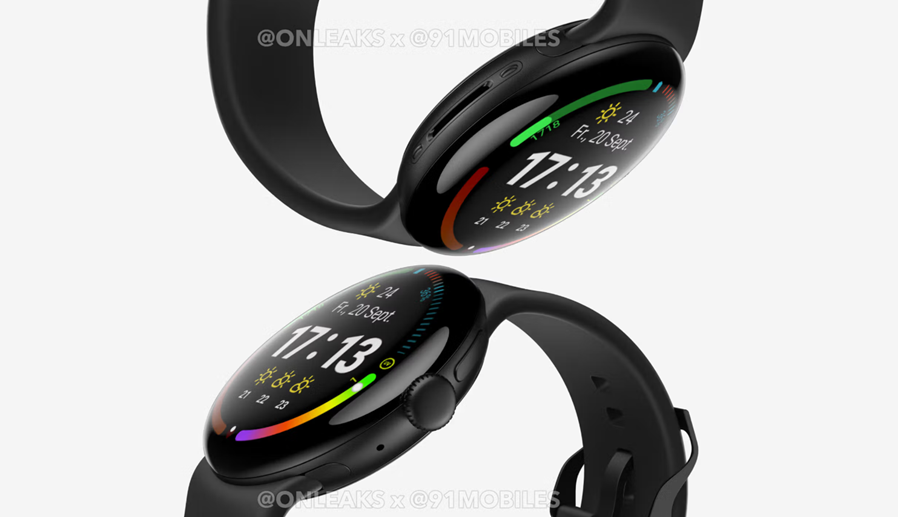
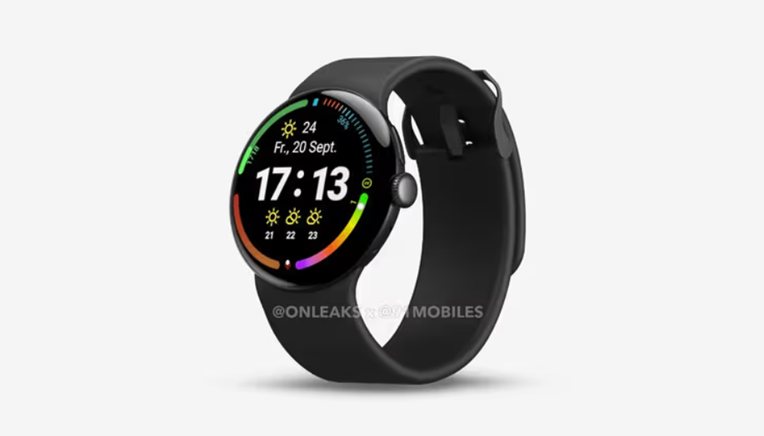
91Mobiles in its recent exclusive report shared high-quality 5K renders and a 360-degree video courtesy Steve Hemmerstoffer, popularly known as OnLeaks.
Pixel Watch 4 – What Leaked Renders Reveal?
Caption – Google Pixel Watch 4 leaked render reveal front and back look. (Image credit – OnLeaks/91Mobiles)
In a first glance at the leaked render, it appears Pixel Watch 4 keeps the same circular design we’ve seen on the Pixel Watch 3. The bezels around the screen look slightly slimmer, and the back of the watch closely resembles the design of the original Pixel Watch.
One noticeable change is the absence of the four charging pins on the back, which hints that the Pixel Watch 4 might support wireless charging. For comparison, the Pixel Watch 3 charges via a USB Type-C port.
Another new addition is the presence of two buttons, placed on either side of the speaker. Their exact function isn’t confirmed yet, but they’re clearly a new design element.
According to the leak, the Pixel Watch 4 is thicker at 14.3mm compared to 12.3mm on the Pixel Watch 3. This added thickness could mean a larger battery, but that hasn’t been confirmed. The new watch is also expected to come in two size options, likely 41mm and 45mm, just like last year’s model.
The renders show the Pixel Watch 4 in Black, but Google is likely to launch it in multiple colour options.
The Pixel Watch 3 came in matte black, silver, champagne gold and polished silver aluminium finishes, paired with Obsidian, Porcelain, Hazel and Rose Quartz bands, so we might see a similar variety this year too.
Pixel Watch 4 – What More To Expect?
There’s not much confirmed about the specs just yet. The current Pixel Watch 3 runs on Snapdragon W5 Gen 1, but the Pixel Watch 4 might get a new chipset. There have even been rumours of a custom Tensor chip for Pixel Watches, although that could still be a while away.
FAQs
Q1. What design changes are introduced in the Pixel Watch 4?
Answer. The Pixel Watch 4 retains the circular design but features slimmer bezels, two new buttons near the speaker, and removes the charging pins, indicating wireless charging support.
Q2. What are the expected size options and thickness of the Pixel Watch 4?
Answer. The Pixel Watch 4 is thicker at 14.3mm compared to 12.3mm on the Pixel Watch 3 and is expected to come in two sizes: 41mm and 45mm.
Q3. Will the Pixel Watch 4 include any new hardware or chipset upgrades?
Answer. While specifics are unclear, there are rumors of a new chipset or the possibility of a custom Tensor chip for the Pixel Watch series in the future.
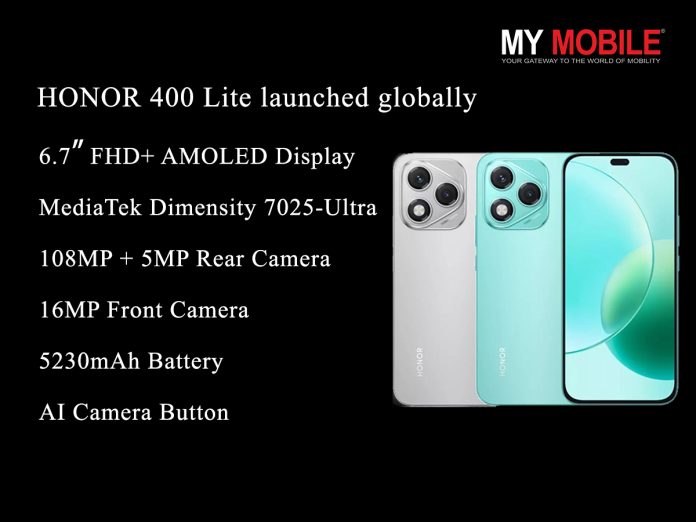
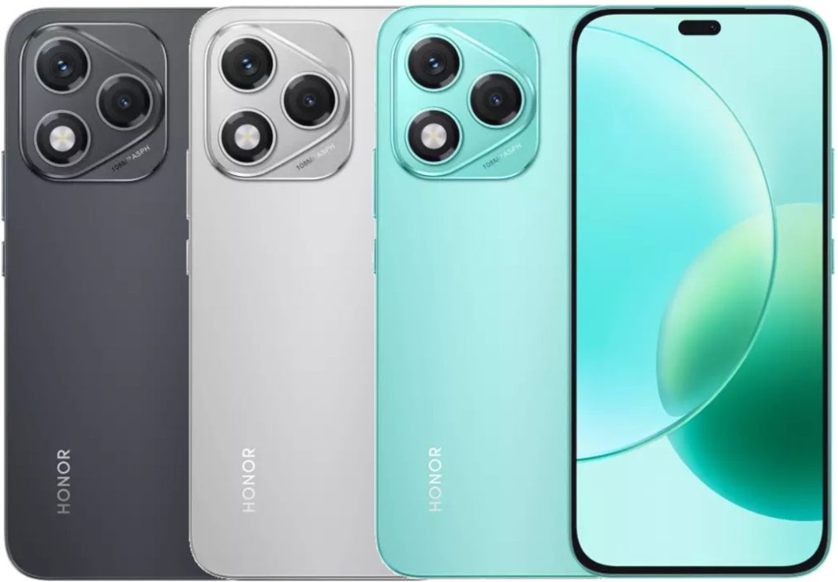
The HONOR 400 Lite is available in Italy and Austria and will be available in the UK from April 22.
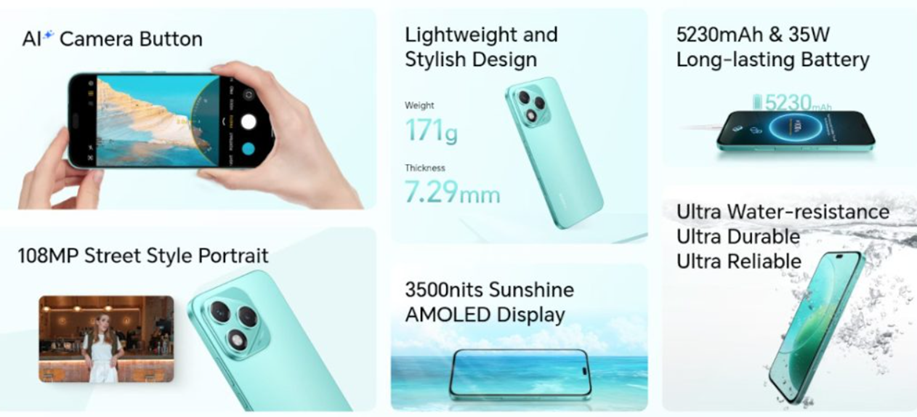
Key features – 6.7-inch FHD+ AMOLED display (120Hz), MediaTek Dimensity 7025-Ultra chipset, 108MP main camera, 5230mAh battery (35W fast charging) and an AI Camera Button.
Available in Mars Green, Velvet Black and Velvet Grey.
It’s priced at 299 Euros (around ₹29,195) in Europe and £249.99 (around ₹28,165) in the UK.
HONORrecently launched its new HONOR 400 Lite smartphone and now it’s making its way to more markets across Europe and the UK. Here’s everything we know about the device.
HONOR 400 Lite – Pricing and Availability
Caption – HONOR 400 Lite. (Image credit – HONOR)
The HONOR 400 Lite is available in Mars Green, Velvet Black and Velvet Grey colour variants.
In Europe, it’s priced at 299 Euros (around USD 339 / Rs. 29,195). Meanwhile, it’s priced at £249.99 (around USD 327 / Rs. 28,165) for the 8GB + 256GB variant in the UK.
The phone is already available in Italy and Austria and will go on sale in the UK from April 22 on honor.com/uk.
It will also be available from major retailers and carriers like EE, O2, Three, Vodafone, Argos, Currys, Amazon, and Very in Spring 2025. Customers in the Republic of Ireland can find it through Three and Harvey Norman.
The HONOR 400 Lite features a 6.7-inch FHD+ AMOLED display with a smooth 120Hz refresh rate and up to 3500 nits peak brightness. Under the hood, it’s powered by the MediaTek Dimensity 7025-Ultra chipset and comes with up to 12GB of RAM and 256GB of storage.
For photography, the phone sports a 108MP main camera along with a 5MP ultra-wide sensor that also doubles as a depth sensor for portrait shots. On the front, there’s a 16MP selfie camera.
Despite packing a big 5230mAh battery, the phone is still slim and light at just 7.29mm thick and 171 grams. It also supports 35W fast charging.
One standout addition is the AI Camera Button, which can handle photo and video capture, zoom, and even underwater shooting. The phone has an IP65 rating for dust and splash resistance and also boasts SGS five-star certifications for water resistance and drop protection.
Other features include:
In-display fingerprint sensor
Stereo speakers
USB Type-C audio
5G support (SA/NSA), Dual 4G VoLTE
Wi-Fi (2.4GHz + 5GHz), Bluetooth 5.3
GPS, AGPS, GLONASS, BeiDou, Galileo
It runs on Android 15 with HONOR’s MagicOS 9.0 and supports dual SIM (nano + nano or eSIM).
FAQs
Q1. What are the key features of the HONOR 400 Lite?
Answer. The HONOR 400 Lite features a 6.7-inch FHD+ AMOLED display (120Hz), MediaTek Dimensity 7025-Ultra chipset, 108MP main camera, 5230mAh battery (35W fast charging), and an AI Camera Button with IP65 dust and splash resistance.
Q2. What are the pricing details for the HONOR 400 Lite in Europe and the UK?
Answer. In Europe, it is priced at 299 Euros (around ₹29,195), and in the UK, it costs £249.99 (around ₹28,165) for the 8GB + 256GB variant.
Q3. When will the HONOR 400 Lite be available in the UK?
Answer. The HONOR 400 Lite will be available for purchase in the UK starting April 22, 2025.
Q4. What are some standout camera features of the HONOR 400 Lite?
Answer. It includes a 108MP main camera, a 5MP ultra-wide sensor doubling as a depth sensor, and a 16MP selfie camera.
Q5. What other notable features does the HONOR 400 Lite have?
Anwer. It offers an in-display fingerprint sensor, stereo speakers, USB Type-C audio, 5G connectivity, dual SIM support and runs on Android 15 with HONOR’s MagicOS 9.0.
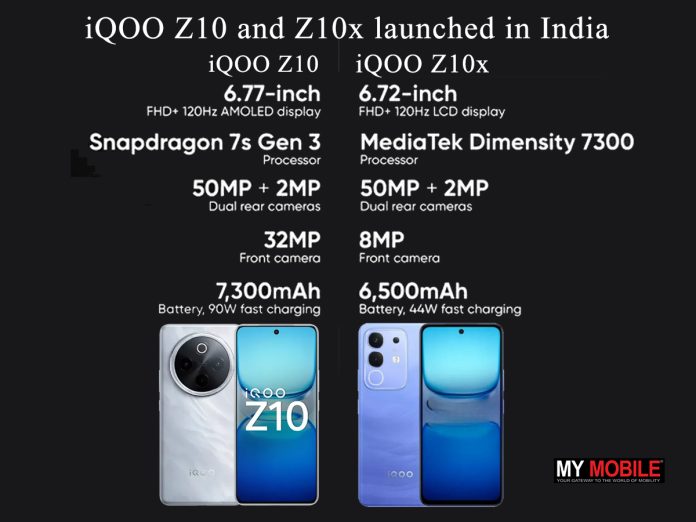
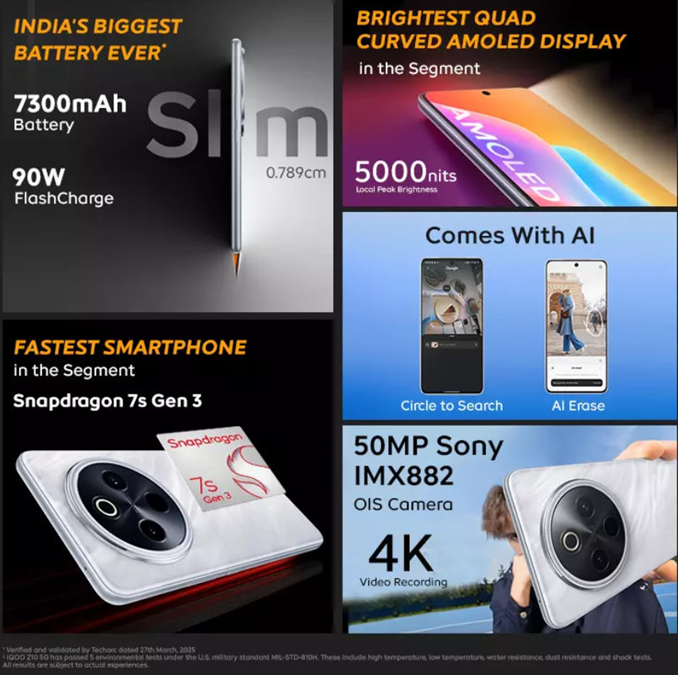
iQOO Z10 key features – 6.77-inch AMOLED display, Snapdragon 7s Gen 3 chipset, 12GB RAM, 256GB storage, 7,300mAh battery with 90W fast charging and 50MP rear camera.
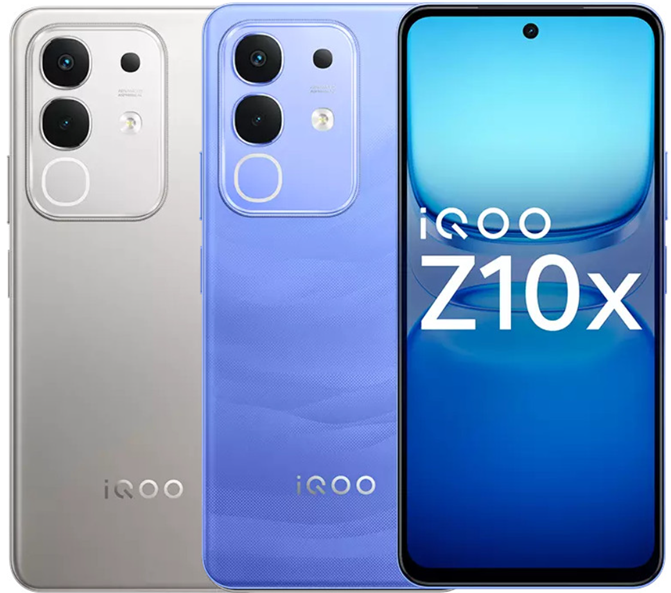
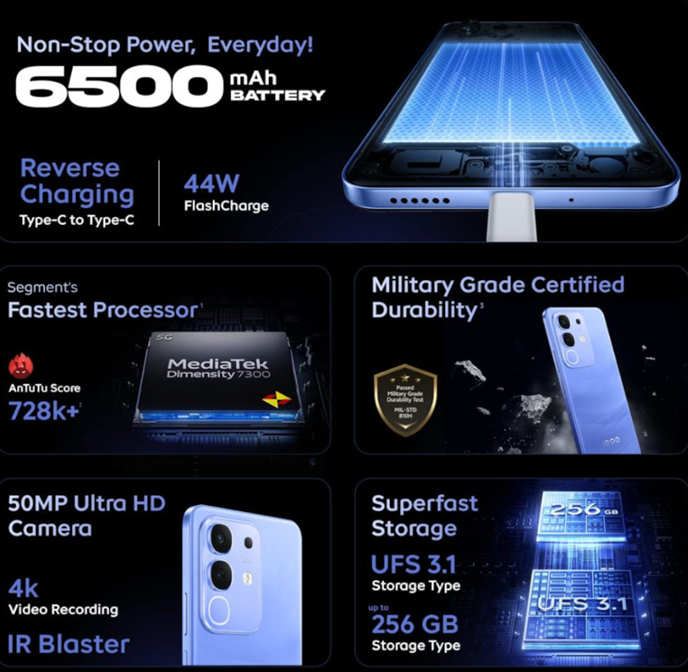
iQOO Z10x key features – 6.72-inch LCD, Dimensity 7300 chipset, 8GB RAM, 256GB storage, 6,500mAh battery with 44W charging and 50MP dual camera.
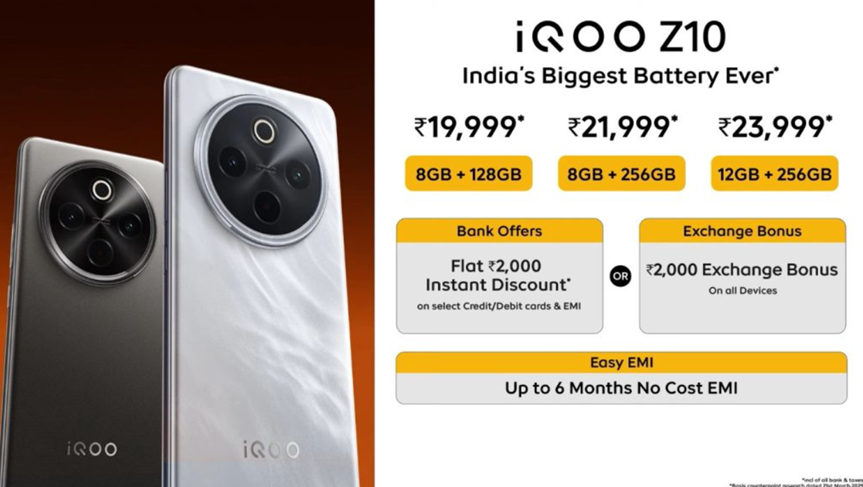
The Z10 starts at ₹21,999, while the Z10x begins at ₹13,499.
iQOO Z10 will be available for sale starting April 16 and the iQOO Z10x from April 22.
iQOO is also offering exclusive launch offers including bank discounts and exchange bonuses.
iQOOhas launched two new mid-range smartphones the iQOO Z10 and iQOO Z10x in India. Both phones come packed with big batteries, tall displays and a solid feature set. Here’s a closer look at what they offer, how much they cost and when you can buy them.
The iQOO Z10 sports a large 6.77-inch quad curved AMOLED display with FHD+ resolution, a 120Hz refresh rate, and up to 1500 nits of peak brightness. Powering the phone is Qualcomm’s Snapdragon 7s Gen 3 chipset, paired with up to 12GB LPDDR4X RAM and 256GB of UFS 2.2 storage.
It runs on Android 15 with iQOO’s custom Funtouch OS 15 skin out of the box.
One of its standout features is the massive 7,300mAh battery, which supports 90W wired fast charging. In fact, this is currently the largest battery on any commercially available smartphone in India.
On the back, there’s a 50MP main camera with OIS and a 2MP depth sensor. For selfies, you get a 32MP front camera. Other features include WiFi 5, Bluetooth 5.2, and GPS.
The iQOO Z10x is the more affordable model in the duo. It features a 6.72-inch IPS LCD screen with FHD+ resolution, 120Hz refresh rate and up to 1050 nits peak brightness.
It’s powered by MediaTek’s Dimensity 7300 chipset, and you get up to 8GB LPDDR4X RAM and 256GB UFS 3.1 storage. Like its sibling, it also runs on Android 15 with Funtouch OS 15.
Battery-wise, it comes with a big 6,500mAh battery that supports 44W fast charging.
For cameras, there’s a 50MP + 2MP dual camera setup on the rear, and an 8MP selfie shooter on the front. You also get WiFi 6, Bluetooth 5.4, and GPS.
iQOO Z10 and iQOO Z10x – What’s New Compared to the Previous Generation?
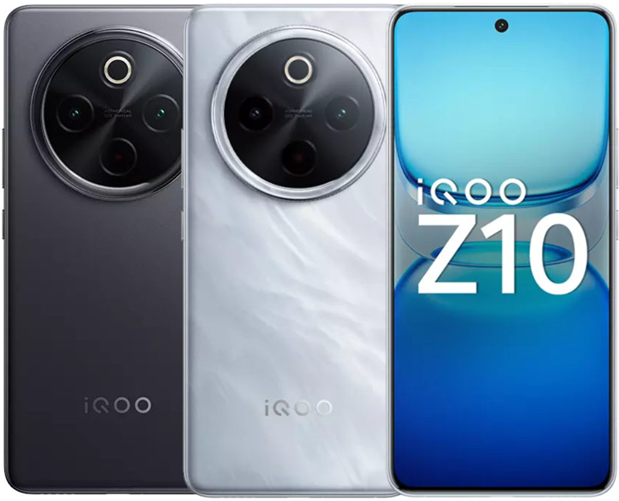
The iQOO Z10 brings a fresh new look compared to the Z9, thanks to its circular camera module which looks more premium. It also has a brighter display, a new chipset, a larger battery, and faster charging.
The iQOO Z10x also sees upgrades with a larger battery than the Z9x’s 6,000mAh unit and a newer chipset, which should give it a noticeable performance boost.
iQOO Z10 and iQOO Z10x – Pricing and Availability in India
iQOO Z10 is available in Glacier Silver and Stellar Black colour options, while iQOO Z10x comes in Ultramarine (blue) and Titanium (silver-like) colours.
The iQOO Z10 goes on sale starting April 16, while the Z10x will be available from April 22 via Amazon and iQOO’s online store. Early buyers can also grab launch offers, which includes a Rs 2,000 off on the Z10 via bank discounts or exchange bonus, and Rs 1,000 instant discount on the Z10x with select bank cards.
iQOO Z10 Alternatives
Motorola Edge 60 Fusion – Rs 22,999
POCO X7 – Rs 21,999
OPPO F29 – Rs 23,999
iQOO Z10x Alternatives
Infinix Note 50x – Rs 11,499
Realme P3x – Rs 13,999
POCO M7 Pro – Rs 14,999
FAQs
Q1. What are the standout features of the iQOO Z10?
Answer. The iQOO Z10 features a 6.77-inch quad-curved AMOLED display, Snapdragon 7s Gen 3 chipset, up to 12GB RAM, a massive 7,300mAh battery with 90W fast charging and a 50MP main camera with OIS.
Q2. What is the battery capacity and charging speed of the iQOO Z10x?
Answer. The iQOO Z10x is equipped with a 6,500mAh battery that supports 44W fast charging.
Q3. How are the iQOO Z10 and Z10x upgrades over their predecessors?
Answer. The Z10 offers a brighter display, new chipset, larger battery, and faster charging compared to the Z9. The Z10x brings a larger battery and a more powerful chipset compared to the Z9x.
Q4. What is the price range for the iQOO Z10 and Z10x models?
Answer. The iQOO Z10 starts at ₹21,999, while the Z10x starts at ₹13,499, depending on the storage configuration.
Q5. When will the iQOO Z10 and Z10x be available for purchase in India?
Answer. The iQOO Z10 goes on sale from April 16, while the Z10x will be available from April 22.