Home Blog Page 58

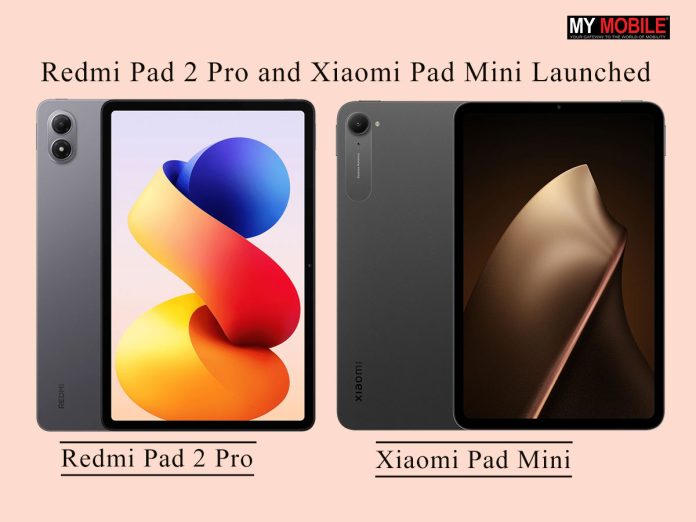
Redmi Pad 2 Pro and Xiaomi Pad Mini Launched With High-Refresh Displays, Powerful Chipsets and Big Batteries

0

Highlights

  • Redmi Pad 2 Pro features a 12.1″ 2.5K 120Hz display with Snapdragon 7s Gen 4, a 12,000mAh battery with 33W fast and 27W reverse charging.
  • Xiaomi Pad Mini offers an 8.8″ 3K 165Hz display powered by Dimensity 9400+, 7,500mAh battery with 67W HyperCharge and dual USB-C ports.
  • Redmi Pad 2 Pro starts at €299.99 with an optional keyboard and stylus, while Xiaomi Pad Mini price starts at USD 429.
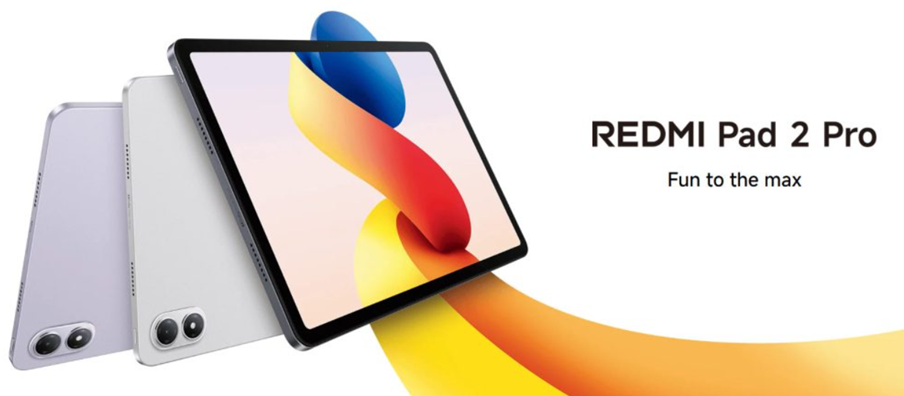
 Xiaomi has expanded its tablet lineup.
Xiaomi has expanded its tablet lineup. (Image credit – Redmi)

Xiaomi has expanded its tablet lineup with the launch of the Redmi Pad 2 Pro series and the Xiaomi Pad Mini. The range was unveiled alongside the Xiaomi 15T and 15T Pro at an event in China. Both tablets bring advanced displays, upgraded processors, and large batteries. Here’s more on both devices.

Redmi Pad 2 Pro

 Redmi Pad 2 Pro key features. (Image credit - Redmi)
Redmi Pad 2 Pro key features. (Image credit – Redmi)

The Redmi Pad 2 Pro features a 12.1-inch 2.5K display with a 120Hz refresh rate, Dolby Vision, DC dimming, and triple TÜV Rheinland certifications, Low Blue Light (Hardware Solution), Flicker-Free, and Circadian Friendly.

Xiaomi has also introduced the Matte Glass Version, which uses AG nano-texture glass to cut down glare and reflections by up to 97%, creating a paper-like surface that enhances the experience for reading, sketching, and note-taking.

The tablet is powered by the Snapdragon 7s Gen 4 Mobile Platform, a significant upgrade over the Snapdragon 7s Gen 2 found in its predecessor. For audio, it packs a quad-speaker system with Dolby Atmos, Hi-Res Audio, and up to 300% volume boost.
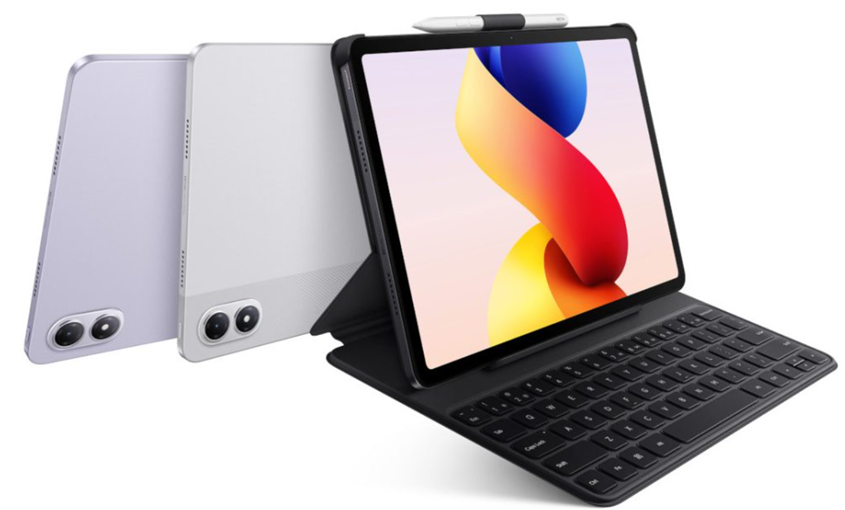
image
Redmi Pad 2 Pro accessories. (Image credit – Redmi)

Accessories include the Redmi Smart Pen with 4096 pressure levels and millisecond-grade ultra-low latency, and the Redmi Pad 2 Pro Keyboard, which comes with 16×16mm keys, 1.3mm key travel, 19mm key pitch, and a built-in stylus loop.

Powering the device is a massive 12,000mAh battery, one of Xiaomi’s largest for tablets in global markets. It supports 33W fast charging and 27W wired reverse charging, allowing it to double as a portable power bank.

Pricing and Availability (Europe)

  • Redmi Pad 2 Pro Wi-Fi 6GB + 128GB – €299.99 (USD 352 / INR 31,245 approx.)
  • Redmi Pad 2 Pro Wi-Fi 8GB + 256GB – €349.99 (USD 410 / INR 36,450 approx.)
  • Redmi Pad 2 Pro Matte Glass 8GB + 256GB – €379.99 (USD 445 / INR 39,580 approx.)
  • Redmi Pad 2 Pro 5G 6GB + 128GB – €379.99 (USD 445 / INR 39,580 approx.)
  • Redmi Pad 2 Pro Keyboard – €99.99 (USD 117 / INR 10,415 approx.)

The tablet comes in Graphite Grey, Silver, and Lavender Purple and is already available for order in several European markets.

Xiaomi Pad Mini
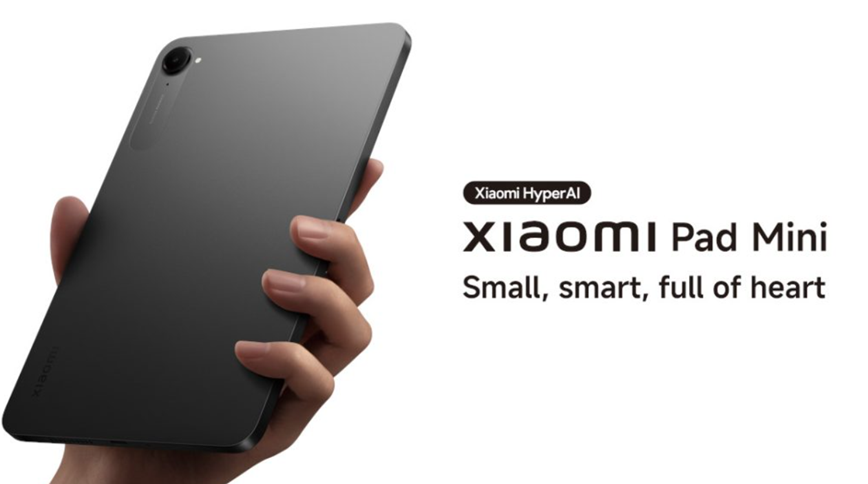
 Xiaomi Pad Mini. (Image credit - Xiaomi)
Xiaomi Pad Mini. (Image credit – Xiaomi)

The Xiaomi Pad Mini sports an 8.8-inch 3K LCD display with a 165Hz refresh rate, 700 nits peak brightness, full DC dimming, and TÜV Rheinland certifications for Low Blue Light, Flicker-Free, and Circadian Friendly viewing.

Under the hood, it runs on the Dimensity 9400+ SoC and features a centralised SoC thermal architecture for efficient cooling. It supports both the Xiaomi Focus Pen and Redmi Smart Pen, as well as the Xiaomi Pad Mini Cover.
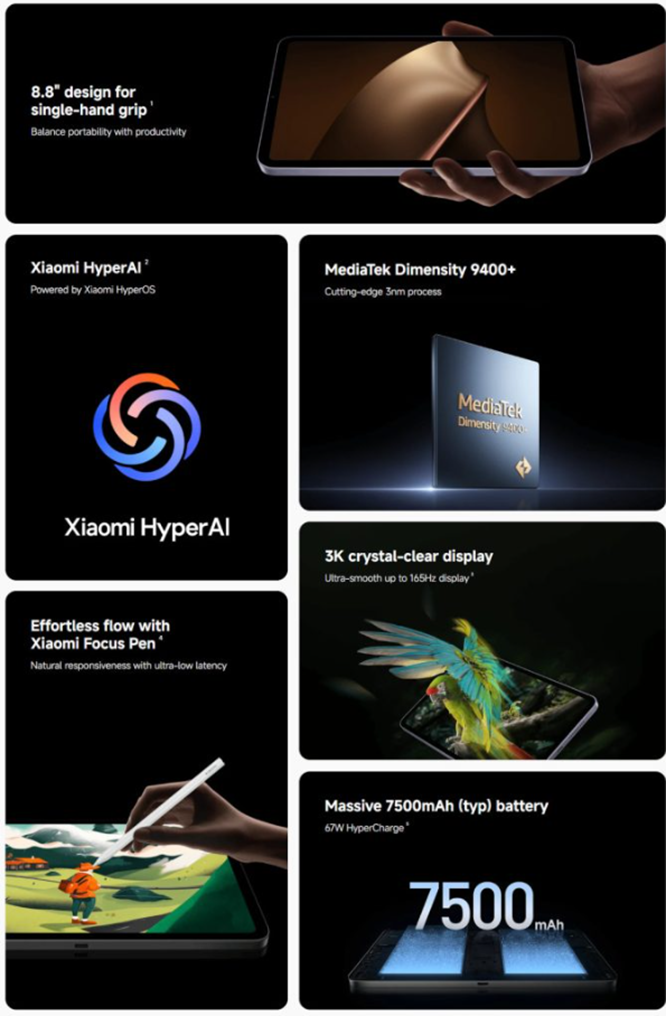
 Xiaomi Pad Mini key features. (Image credit - Xiaomi)
Xiaomi Pad Mini key features. (Image credit – Xiaomi)

Battery life is handled by a 7,500mAh unit with 67W HyperCharge and 18W wired reverse charging. The device also debuts Xiaomi’s first dual USB-C interface, placed on both the short and long sides, with the long side supporting USB 3.2 Gen 1 data transfer.

other specifications –

  • 372Hz touch sampling rate, 1080Hz instant touch sampling rate, HDR 10, HDR Vivid, Dolby Vision, up to 700 nits HBM brightness
  • Octa-Core Dimensity 9400+ 3nm SoC with Immortalis-G925 MC12 GPU
  • 8GB/12GB LPDDR5X RAM, 256GB/512GB UFS 4.1 storage
  • Android 15 with Xiaomi HyperOS 2
  • 13MP camera with 1/3.06″ OV13B sensor, f/2.2 aperture, PDAF
  • 8MP OV08D 1/4″ 1.12μm front camera with f/2.28 aperture
  • Dimensions: 205.13×132.03×6.46mm; Weight: 326g
  • USB Type-C audio, Dolby Atmos, dual speakers
  • Wi-Fi 7 802.11 be (2.4GHz + 5GHz), Bluetooth 5.4, USB Type-C 3.2 Gen1 and USB 2.0

Pricing and Availability

The Xiaomi Pad Mini comes in Purple and Grey colours. Pricing starts at USD 429 (INR 38,070 approx.) for the 8GB + 256GB model. It is now available in select markets with wider availability expected soon.

FAQs

Q1. What display features does the Redmi Pad 2 Pro offer?

Answer. It has a 12.1-inch 2.5K display with 120Hz refresh rate, Dolby Vision, DC dimming, and triple TÜV Rheinland certifications for eye comfort.

Q2. What accessories are available for the Redmi Pad 2 Pro?

Answer. The tablet supports the Redmi Smart Pen with 4096 pressure levels and ultra-low latency, and the Redmi Pad 2 Pro Keyboard with stylus loop and full-size keys.

Q3. What is the battery capacity of the Xiaomi Pad Mini?

Answer. The Xiaomi Pad Mini packs a 7,500mAh battery with 67W HyperCharge and 18W wired reverse charging, plus dual USB-C ports for flexible connectivity.

Q4. What chipset powers the Redmi Pad 2 Pro and Xiaomi Pad Mini?

Answer. The Redmi Pad 2 Pro runs on Snapdragon 7s Gen 4, while the Xiaomi Pad Mini is powered by the Dimensity 9400+ SoC.

Q5. What are the starting prices for both new Redmi tablets?

Answer. Redmi Pad 2 Pro starts at €299.99 for the Wi-Fi 6GB + 128GB model, while the Xiaomi Pad Mini starts at USD 429 for the 8GB + 256GB variant.
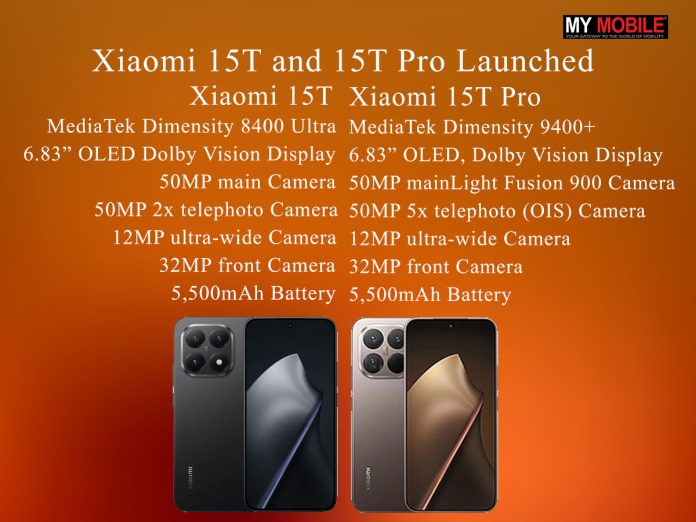
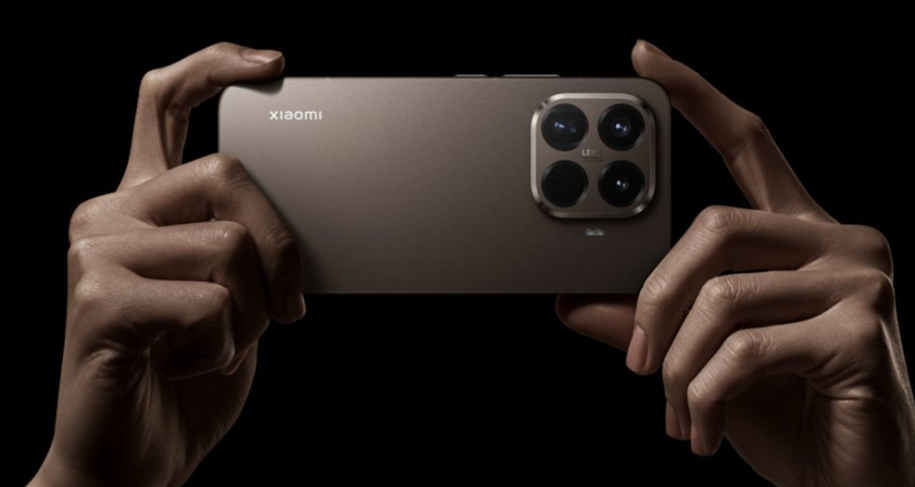
Also Read

https://www.mymobileindia.com/redmi-k80-ultra-xiaomi-mix-flip-2-and-gaming-tablet-tipped-to-launch-by-late-june-leaks-reveal-key-details/

https://www.mymobileindia.com/xiaomi-redmi-pad-se-launched-at-an-affordable-attractive-price-check-the-android-tablet-with-8000-mah-battery/

Xiaomi 15T and 15T Pro Launched With Dimensity 8400 Ultra, Dimensity 9400+ SoCs, Bigger Batteries and Leica Cameras

0

Highlights

  • Xiaomi 15T Pro features Dimensity 9400+, 144Hz OLED, and up to 1TB storage, while 15T uses Dimensity 8400 Ultra with 120Hz OLED and up to 512GB.
  • Both offer Leica-tuned triple cameras with 50MP sensors and 32MP selfies, 5,500mAh battery.
  • Available in Europe starting at €649.99 for 15T and €799.99 for 15T Pro. Regional availability beyond Europe is yet to be confirmed.

image

Caption – Xiaomi 15T and 15T Pro Launched. (Image Credit – Xiaomi)

Xiaomi has officially introduced its latest T-series flagships, the Xiaomi 15T and Xiaomi 15T Pro. Both smartphones bring high-end displays, powerful MediaTek chipsets, Leica-tuned cameras, and bigger batteries, while remaining more affordable. Here’s everything you need to know about the latest Xiaomi flagship lineup.

Xiaomi 15T Pro

The Xiaomi 15T Pro is powered by the Dimensity 9400+ SoC, paired with 12GB LPDDR5X RAM and up to 1TB UFS 4.1 storage. It also features Xiaomi’s 3D IceLoop cooling system for improved sustained performance. Both devices ship with HyperOS 3 out of the box.

image

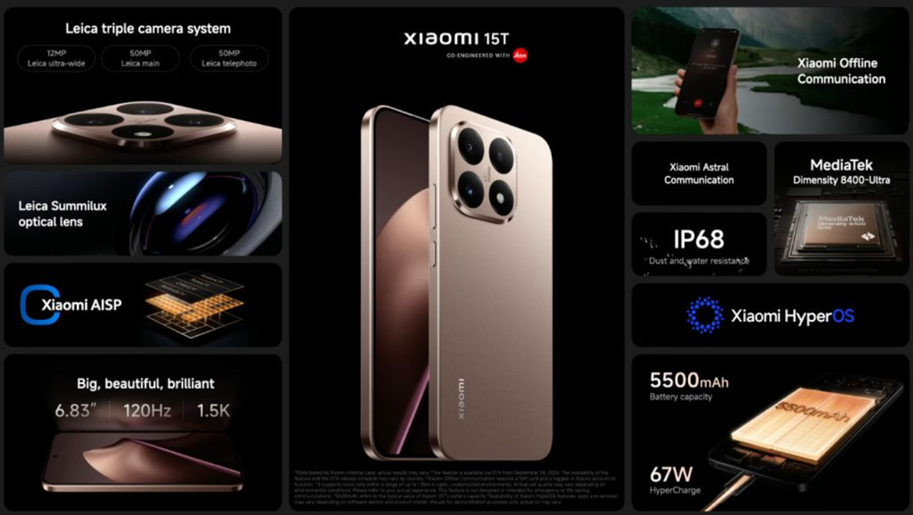
Caption – Xiaomi 15T Pro key features. (Image Credit – Xiaomi)

The Pro sports a 6.83-inch OLED display (1,280 × 2,772 pixels) with a 144Hz refresh rate, HDR10+, Dolby Vision, DC dimming, and a peak brightness of 3,200 nits. Dolby Atmos support extends to its stereo speakers.

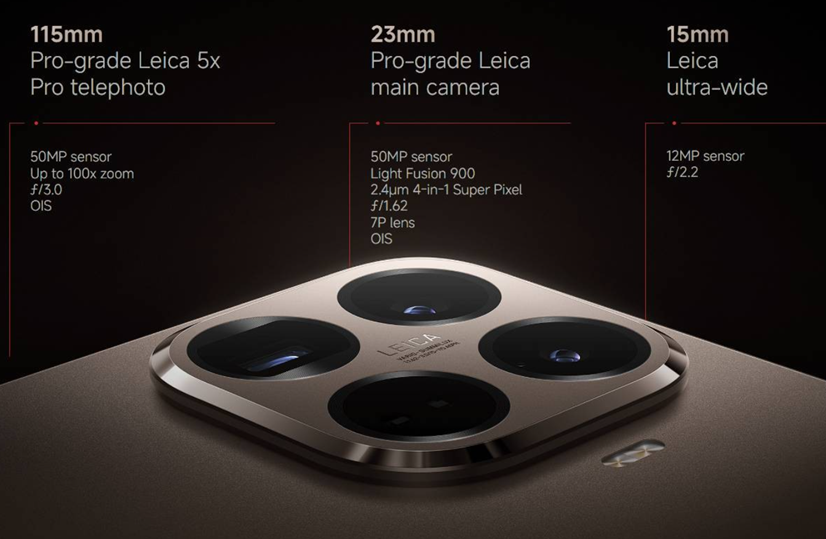
On the camera front, it uses the 50MP OmniVision Light Fusion sensor (1/1.31”) with OIS, alongside a new 50MP telephoto lens offering 5x optical zoom (115mm) and OIS. There’s also a 12MP ultra-wide camera and a 32MP front camera. The rear setup records HDR10+ 4K at 30fps, 8K at 30fps, and 4K up to 120fps, with 10-bit Log mode for professional colour grading.

image

Caption – Xiaomi 15T and 15T Pro rear camera system. (Image Credit – Xiaomi)

The 5,500mAh battery supports 90W wired and 50W wireless HyperCharge, with Xiaomi claiming 15+ hours of continuous use. Despite the larger battery, the phone is slimmer at 7.96mm and weighs 210g.

Durability features include IP68 water resistance (up to 3m), Gorilla Glass 7i, and a 6M13 aluminium alloy frame. Connectivity highlights are Wi-Fi 7, Bluetooth 6.0, NFC, and an offline communication mode that supports voice chat up to 1.9km.

Xiaomi 15T

The Xiaomi 15T runs on the Dimensity 8400 Ultra SoC, paired with 12GB RAM and up to 512GB UFS 4.1 storage, along with the 3D IceLoop cooling system.

It also features a 6.83-inch OLED display with 120Hz refresh rate, HDR10+, Dolby Vision, and Dolby Atmos stereo speakers. Brightness peaks at 3,200 nits.

image

Caption – Xiaomi 15T key features. (Image Credit – Xiaomi)

The main camera uses the 50MP Light Fusion 800 sensor (1/1.55”) with OIS, paired with a 50MP 2x telephoto lens, 12MP ultra-wide, and 32MP selfie camera. Video recording supports HDR10+ 4K at 30fps and 10-bit Log 4K at 60fps, though it lacks 8K support like the Pro. Both models also include Leica Summilux lenses and improved Portrait Master modes.

Its 5,500mAh battery supports 67W wired charging. The device is 7.5mm thin, weighs 194g, and has an IP68 rating (3m depth). Likely built with a plastic frame, it still includes Wi-Fi 6E, Bluetooth 6.0, NFC, and offline communication up to 1.3km.

Xiaomi 15T and Xiaomi 15T Pro – Specs Comparison

Xiaomi 15T Xiaomi 15T Pro
Design 163.2×78.0×7.50mm, 194g Colours: Black, Grey, Rose Gold IP68 162.7×77.9×7.96mm, 210g Colours: Black, Grey, Mocha Gold IP68
Display 6.83″ AMOLED, 120Hz, 2772×1280, 447ppi 3200 nits, 480Hz touch, HDR10+, Dolby Vision® Gorilla Glass 7i, 3840Hz PWM dimming TÜV Rheinland (Low Blue Light HW, Flicker Free, Circadian Friendly) 6.83″ AMOLED, 144Hz, 2772×1280, 447ppi 3200 nits, 480Hz touch, HDR10+, Dolby Vision® Gorilla Glass 7i, DC dimming TÜV Rheinland (same as 15T)
Hardware Dimensity 8400-Ultra (4nm, up to 3.25GHz) GPU: Mali-G720, NPU880 LPDDR5X + UFS 4.1 12+256GB / 12+512GB Xiaomi HyperOS, 3D IceLoop cooling, Offline Communication Dimensity 9400+ (3nm, up to 3.73GHz) GPU: Immortalis-G925 MC12, NPU890 LPDDR5X + UFS 4.1 12+256GB / 12+512GB / 12+1TB Xiaomi HyperOS, 3D IceLoop cooling, Offline Communication
Rear Camera 50MP main, f/1.7, OIS, Light Fusion 800, 2.0µm (23mm) 50MP tele, f/1.9 (46mm) 12MP ultra-wide, f/2.2, 120° (15mm) 50MP main, f/1.62, OIS, Light Fusion 900, 2.4µm (23mm) 50MP super tele, f/3.0, OIS (115mm) 12MP ultra-wide, f/2.2, 120° (15mm)
Front Camera 32MP, f/2.2, 90° FOV (21mm) 32MP, f/2.2, 90° FOV (21mm)
Video Features 4K@30/60fps, 1080p@30/60fps, 720p@30fps HDR10+, LUT parameters 8K@30fps, 4K@30/60/120fps, 1080p@30/60fps, 720p@30fps HDR10+, LUT parameters
Battery and Charging 5500mAh, 67W wired 5500mAh, 90W wired, 50W wireless

Xiaomi 15T and Xiaomi 15T Pro – Pricing and Availability

Both models are already available for order across several European markets. Availability in other regions hasn’t been indicated yet.

image

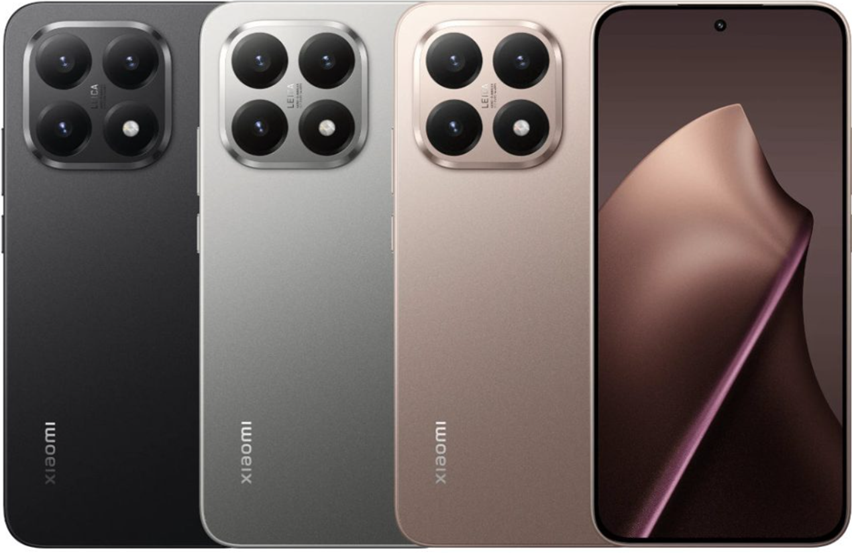
Caption – Xiaomi 15T colours. (Image credit – Xiaomi)

The Xiaomi 15T is available in Black, Grey and Rose Gold colours. The variant-wise prices are as follows –

  • 12GB + 256GB – €649.99 (USD 762 / INR 67,705 approx.)
  • 12GB + 512GB – €699.99 (USD 821 / INR 72,915 approx.)

image

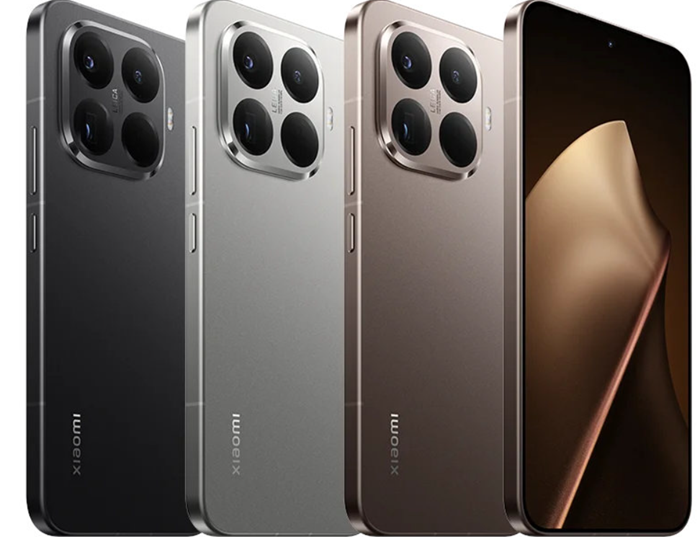
Caption – Xiaomi 15T Pro colours. (Image credit – Xiaomi)

On the other hand, the Xiaomi 15T Pro comes in Black, Grey, and Mocha Gold colours. Prices are as follows –

  • 12GB + 256GB – €799.99 (USD 939 / INR 83,330 approx.)
  • 12GB + 512GB – €899.99 (USD 1,056 / INR 93,750 approx.)
  • 12GB + 1TB – €999.99 (USD 1,173 / INR 1,04,165 approx.)

FAQs

Q1. What processors power the Xiaomi 15T and 15T Pro?

Answer. The Xiaomi 15T Pro uses the Dimensity 9400+ SoC, while the Xiaomi 15T is equipped with the Dimensity 8400 Ultra chipset.

Q2. What are the display specs of the Xiaomi 15T series?

Answer. Both phones feature a 6.83-inch OLED display with up to 3,200 nits peak brightness. The 15T Pro supports a 144Hz refresh rate, while the 15T offers 120Hz.

Q3. What camera setup does the Xiaomi 15T Pro offer?

Answer. It includes a 50MP OmniVision Light Fusion sensor, 50MP telephoto lens with 5x zoom, 12MP ultra-wide, and a 32MP front camera. It supports 8K and 4K video recording.

Q4. How much do the Xiaomi 15T and 15T Pro cost?

Answer. The Xiaomi 15T starts at €649.99, while the 15T Pro starts at €799.99. The top-end 15T Pro model with 1TB storage is priced at €999.99.

Q5. What are the battery and charging specs of the Xiaomi 15T series?

Answer. Both phones pack a 5,500mAh battery. The 15T Pro supports 90W wired and 50W wireless charging, while the 15T supports 67W wired charging.

Also Read

https://www.mymobileindia.com/xiaomi-15t-leak-reveals-key-specs-ahead-of-september-24-global-launch/

https://www.mymobileindia.com/xiaomi-15t-and-15t-pro-launch-set-for-september-24-design-renders-and-key-specs-leaked/

Disney+ and Hulu Subscription Prices Increasing Again From October 21

0

Highlights

  • Disney+ and Hulu plans will increase by $2–$3 monthly with Disney+ Premium annual jumping $30 to $189.99 starting October 21.
  • The Disney+ and Hulu ad-supported bundle will cost $12.99/month, while the full bundle with ESPN Select rises to $19.99/month.
  • The hike follows recent subscriber cancellations triggered by Disney’s temporary removal of the Jimmy Kimmel show.
Caption - (Photo by BoliviaInteligente on Unsplash)
(Photo by BoliviaInteligente on Unsplash)

Disney is set to raise subscription costs for Disney+ and Hulu starting October 21, affecting both standalone plans and bundles. The upcoming price adjustment follows the company’s trend of gradual hikes since Disney+ launched in 2019.

The prices were confirmed by the platform via Disney’s official support page, where users can also get the complete breakdown of increased prices.

Disney+ Price Hike Details

  • Disney+ with ads – Increasing by $2, from $9.99 to $11.99 per month.
  • Disney+ Premium (no ads) – Rising by $3, from $15.99 to $18.99 per month.
  • Disney+ Premium annual plan – Going up by $30, from $159.99 to $189.99 per year.

Hulu Price Changes

  • Hulu with ads – Increasing from $9.99 to $11.99 per month.
  • Hulu (no ads) – Remaining unchanged at $18.99 per month.
  • ESPN Select – Increasing from $11.99 to $12.99 per month.

Bundle Subscription Price Increases

  • Disney+ and Hulu with ads bundle – Rising by $2 to $12.99 per month.
  • Disney+, Hulu, and ESPN Select with ads bundle – Increasing by $3 to $19.99 per month.

The timing of these changes may prove challenging for Disney, as the company recently faced a wave of cancellations. Subscribers reportedly left the platform last week in protest after Disney temporarily pulled Jimmy Kimmel from its lineup.

Disney+ originally launched in 2019 at $6.99 per month, but like other streaming services, it has steadily raised subscription costs over the years. The last hike was announced in October 2024, when the ad-supported plan jumped from $7.99 to $9.99, while the ad-free version increased from $13.99 to $15.99 per month.

FAQs

Q1. When will the new Disney+ and Hulu prices take effect?

Answer. The updated subscription rates will go live starting October 21, 2025, affecting both standalone plans and bundled packages.

Q2. How much is Disney+ Premium increasing?

Answer. Disney+ Premium (no ads) will rise by $3, which means it will go from $15.99 to $18.99 per month. The annual plan also jumps $30, now priced at $189.99 per year.

Q3. Are Disney+ and Hulu bundle prices changing as well?

Answer. Yes. The Disney+ and Hulu ad-supported bundle will cost $12.99/month, while the full bundle with ESPN Select increases to $19.99/month.

Also Read

https://www.mymobileindia.com/disney-finally-lets-its-users-remove-titles-from-continue-watching-list/

https://www.mymobileindia.com/best-prepaid-plans-with-free-disney-hotstar-subscriptions-airtel-jio-and-bsnl-compared/

iPhone 17 Pro Max Drop Test Compared To Galaxy S25 Ultra, Aluminium Build Proves Strong But Corner Drops Remain a Weak Spot

0

Highlights

  • Phonebuff conducts exhaustive iPhone 17 Pro Max vs Galaxy S25 Ultra drop tests.
  • Apple’s aluminium build offers better heat dissipation and rear impact protection, while Samsung’s titanium frame excels in corner-drop durability.
  • iPhone 17 Pro Max showed less rear damage but struggled with corner dents and paint stripping.
  • Galaxy S25 Ultra had severe rear camera damage but resisted corner impacts.

image

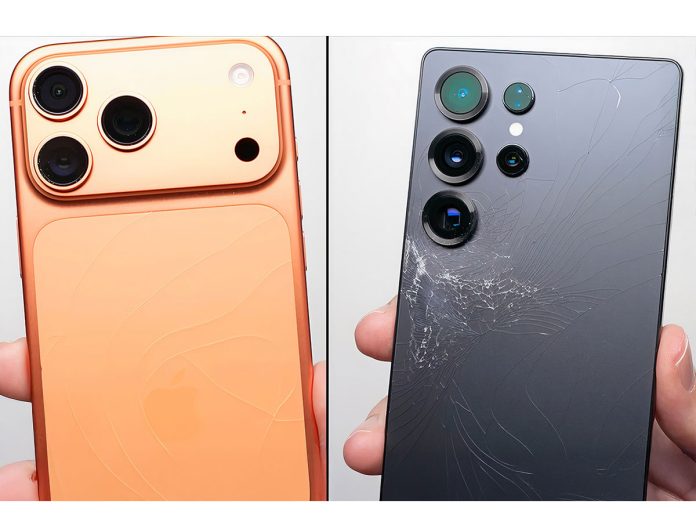
Capton – Drop tests on the iPhone 17 Pro Max and Galaxy S25 Ultra. (Image credits – PhoneBuff on YouTube)

Apple’s decision to use aluminium on the iPhone 17 Pro and iPhone 17 Pro Max this year was driven by better heat dissipation and weight advantages over titanium or stainless steel. But the big question remains. Does aluminium also improve durability? Let’s check out what a recent drop test face-off reveals when the iPhone 17 Pro comes face to face with its primary competitor.

iPhone 17 Pro Max vs Galaxy S25 Ultra – Drop Tests

A new series of six drop tests by YouTube channel PhoneBuff pits the iPhone 17 Pro Max against the Galaxy S25 Ultra’s titanium alloy frame, revealing how both flagships perform under pressure.

While both aluminium and titanium alloys have their own benefits, the outcome heavily depends on the angle and surface of the drop. PhoneBuff’s updated testing methodology ensured fair results with drops carried out from 1 meter and 1.5 meters on different sides of each device.

Here’s a breakdown of how each smartphone fared –

1-Meter Drops

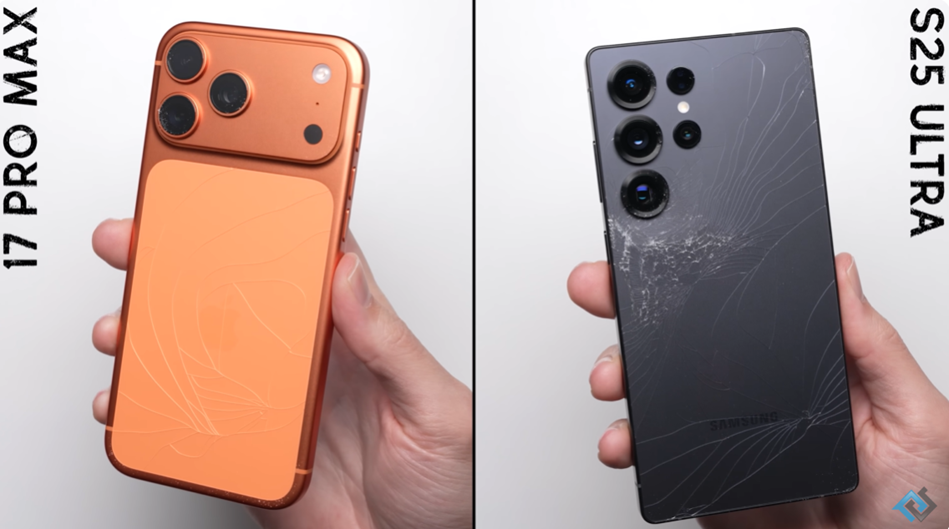
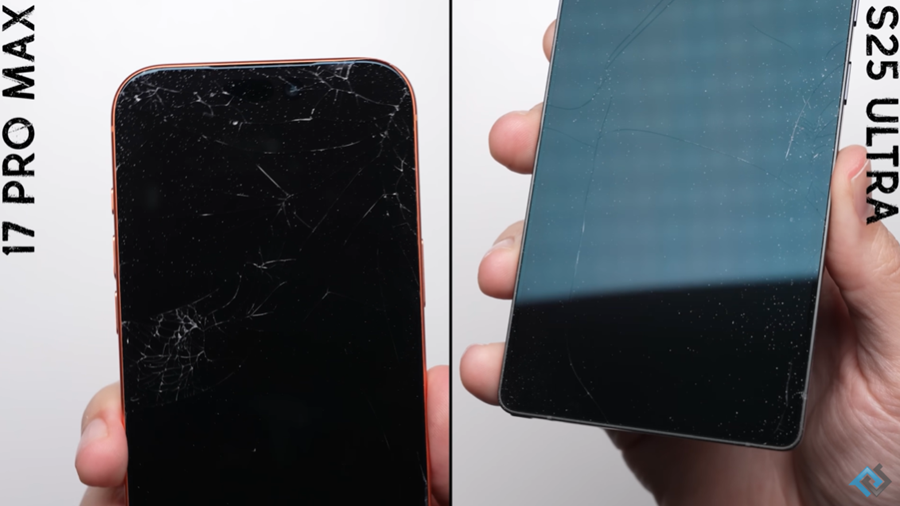
  • Back Drop – The iPhone 17 Pro Max’s rear glass cracked, though less severely than the Galaxy S25 Ultra, which showed major damage around its telephoto lenses and a cracked laser autofocus unit.

image

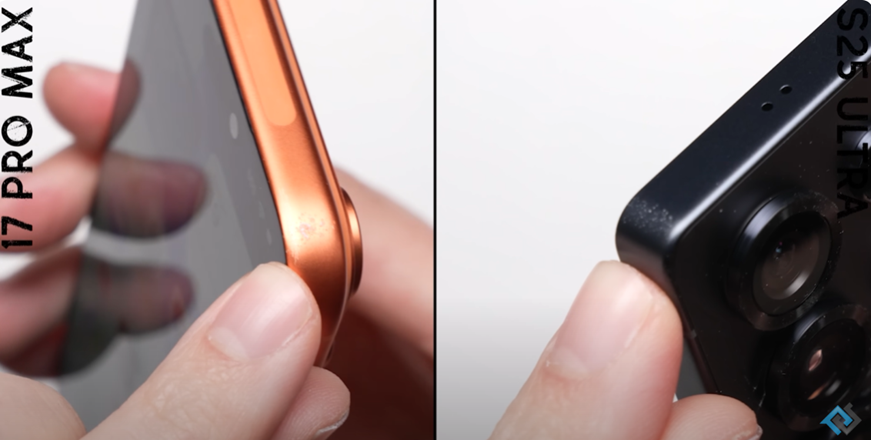
  • Corner Drop – This is where Apple’s aluminium design struggled. The iPhone 17 Pro Max developed visible scuffs and a dent, highlighting aluminium’s malleability. By contrast, the Galaxy S25 Ultra’s titanium frame proved much more resilient.
  • Front Drop – Both devices suffered cracked displays. On the iPhone, fractures reached the front camera, causing lens flares, though Face ID remained functional. Samsung’s phone also cracked, but its fingerprint sensor kept working.

1.5-Meter Drops

image

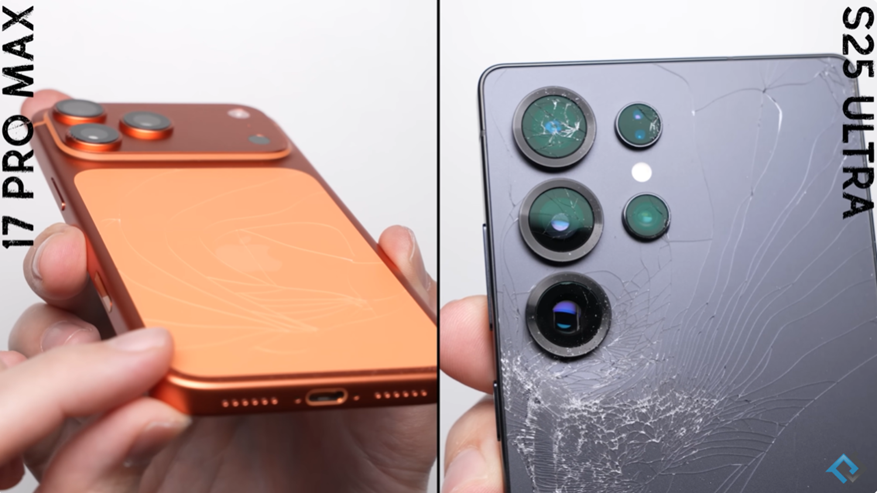
  • Back Drop – The iPhone 17 Pro Max’s aluminium unibody again offered solid protection, while the Galaxy S25 Ultra’s rear cameras were severely compromised. The ultrawide lens shattered completely, degrading image quality. Apple’s rear camera sensors, however, remained functional.
  • Corner Drop – The iPhone’s orange paint began stripping, and its main 1x camera lost the ability to focus. The Galaxy S25 Ultra, meanwhile, showed near “bulletproof” durability from the same angle.
  • Front Drop – Both phones suffered similar screen damage, leading PhoneBuff to call this round a tie.

image

The tests showed that Apple’s aluminium build handles rear and flat-surface impacts better, while Samsung’s titanium alloy excels at corner-drop durability. In the end, neither material was flawless and each had strengths and weaknesses depending on drop orientation.

You can check the full Phonebuff drop test video below –

FAQs

Q1. How does the iPhone 17 Pro Max’s aluminium build perform in drop tests?

Answer. It offers solid rear impact protection and better heat dissipation, but struggles with corner drops, showing dents, scuffs, and paint stripping due to aluminium’s malleability.

Q2. Which phone handled corner drops better, iPhone 17 Pro Max or Galaxy S25 Ultra?

Answer. The Galaxy S25 Ultra’s titanium alloy frame proved more resilient in corner drops, showing minimal damage compared to the iPhone’s visible dents and camera focus issues.

Q3. Did iPhone 17 Pro Max and Galaxy S25 Ultra survive front drops without major issues?

Answer. Both devices suffered cracked screens during front drops. The iPhone’s front camera showed lens flares, while Samsung’s fingerprint sensor remained functional.

Also Read –

https://www.mymobileindia.com/iphone-17-iphone-17-pro-and-iphone-17-pro-max-launched-everything-you-need-to-know-about-apples-2025-flagship-models/

https://www.mymobileindia.com/apple-may-launch-affordable-macbook-powered-by-iphone-17-pros-a19-chipset/

Google Play Adds ‘You Tab,’ Play Games Sidekick, and Cross-Device Upgrades – Check Out All New Features

0

Highlights

  • Google Play’s latest feature rollout adds new gamer profiles with Gen AI avatars, Play Games Leagues, and Sidekick overlay powered by Gemini Live.
  • The new “You Tab” centralises rewards, subscriptions, and tailored content.
  • Google Play Games on PC is now widely available with 200K+ titles.

image

Caption – Google Play announces new features. (Image credit – Google)

Google has announced a major overhaul of Google Play, bringing new tools for gamers, improved personalisation, and smarter app discovery. Aurash Mahbod, Vice President and General Manager of Games on Google Play, shared the updates in a detailed blog post titled “New ways Google Play is built entirely around you.”

Announcing the new updates, Mahbod wrote, Google Play is more than just a place to download apps and games. It’s an experience built entirely around you, with curated content and timely information during the moments that matter most. Here’s just a few ways Play is bringing users more from their favorite apps and games, so they can spend less time searching and more time enjoying the content they love.”

Here’s a quick roundup of all new features.

Unified Gaming Experience on Google Play

A new gamer profile is being introduced, letting users track achievements and gameplay statistics across devices. Players can also customise their profiles with Gen AI Avatars.

Google is expanding its Play Points rewards program, which will now span both mobile and PC platforms. Users can earn rewards that include exclusive merchandise and even VIP event access at Comic Con San Diego.

Another big highlight is the launch of Play Games Leagues, kicking off on October 10 with Subway Surfers. Running until October 23, these leagues will reward players with Play Points while fostering community competition.

Play Games Sidekick Overlay

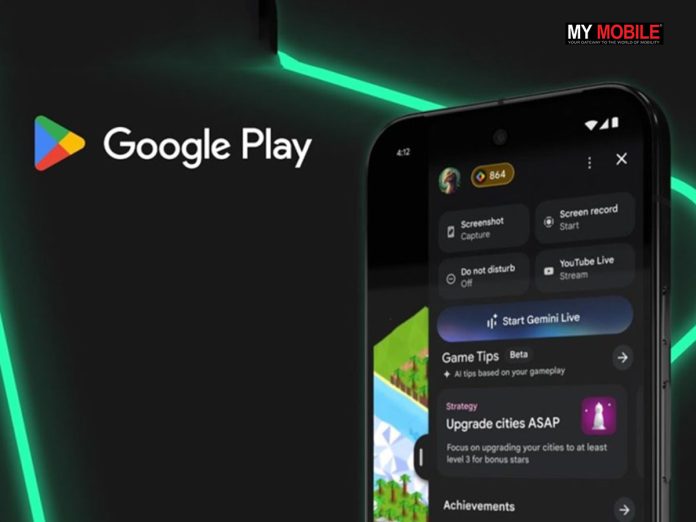
Google is also introducing Play Games Sidekick, an in-game overlay powered by Gemini Live. This tool delivers curated tips and real-time assistance without leaving gameplay.

Using screen-sharing context, Gemini provides conversational guidance, offering hints and strategies while users play. Sidekick will roll out to select titles over the coming months.

Smarter Game Pages and Player Input

Game detail pages are getting a major upgrade. They will now feature the following –

  • Player progress summaries and achievements
  • Ongoing events and developer updates
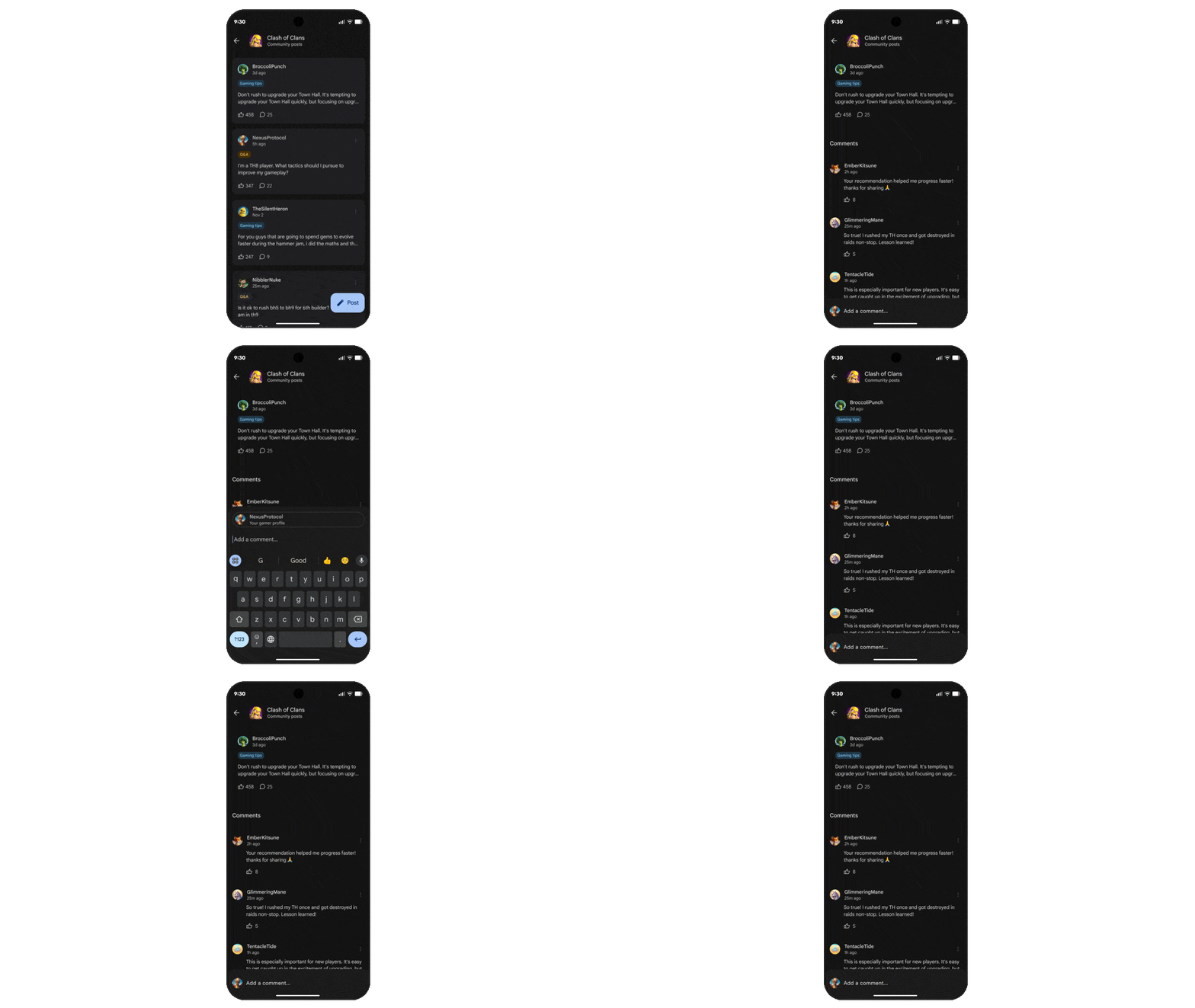
  • A Q&A section where users can ask and answer game-related questions (available in select markets starting next month)

Cross-Device Gaming on PC and Mobile

image

Google Play Games on PC has officially exited beta testing and is now widely available. The platform supports over 200,000 titles across mobile and PC, including popular games like Mecha Break, Subnautica, Monster Train, and Enter the Gungeon.

Players can now pre-register for Deep Rock Galactic Survivor, while DREDGE will be added to Google Play Pass later this month.

Introducing the New “You Tab”

The all-new You Tab consolidates personalised content and user activity in one place, including the following –

  • Rewards, subscriptions, and usage stats
  • Game achievements and gamer profile tools
  • Tailored recommendations for apps, audiobooks, and podcasts

It also allows users to resume unfinished content and keep track of updates across their favourite categories.

Redesigned Apps Tab

The Apps tab now features refreshed sections for entertainment, seasonal content, and region-specific hubs. Some highlights include –

  • Cricket Hub in India and Comics space in Japan expanding worldwide
  • A new entertainment hub in Korea focused on dramas and mobile-friendly shows
  • S. users gaining access to trending TV, webcomics, and short-form dramas
  • Seasonal highlights such as WNBA playoffs, Halloween, and Chuseok celebrations

Meanwhile, a Guided Search feature lets users type in goals like “find a home” or “deck-building games,” with AI organising relevant apps into curated categories.

image

Security and Developer Support

Google is doubling down on AI-powered threat detection, stronger privacy safeguards, and enhanced developer tools. Expanded industry collaborations are also part of the strategy to strengthen trust and safety on the platform.

Availability

The new You Tab and updated Play Games features are rolling out this week in select Play Points markets. Meanwhile, global expansion begins on October 1, 2025.

FAQs

Q1. What is the new “You Tab” on Google Play?

Answer. The “You Tab” centralises user activity, rewards, subscriptions, and personalised recommendations for apps, games, audiobooks, and podcasts, all in one place.

Q2. What is Play Games Sidekick and how does it work?

Answer. Play Games Sidekick is an in-game overlay powered by Gemini Live that offers real-time tips and guidance using screen-sharing context, without interrupting gameplay.

Q3. Has Google Play Games on PC officially launched?

Answer. Yes, Google Play Games on PC is now out of beta and supports over 200,000 titles across mobile and desktop, including popular games like Mecha Break and Subnautica.

Also Read

https://www.mymobileindia.com/poco-c85-4g-google-play-console-helio-g81-android-15/

https://www.mymobileindia.com/vivo-y50c-appears-on-google-play-console-with-front-render-features-dimensity-6300-and-8gb-ram/

WhatsApp Rolls Out In-App Message Translation for Android and iPhone – Here’s How It Works?

0

Highlights

  • WhatsApp’s new message translation feature allows users to translate messages within chats, groups, and Channels.
  • Android users get an extra perk with automatic translation for entire chat threads, eliminating the need for repeated manual actions.
  • Translations are end-to-end encrypted and processed on-device.
image
(Photo by lonely blue on Unsplash)

WhatsApp has officially launched a new message translation feature on iOS and Android. It aims at breaking down language barriers for its massive user base of over 3 billion people worldwide. The tool allows users to instantly translate text within individual chats, group conversations, and even Channel updates. Here’s more the new feature.

WhatsApp Translation Feature

image

Caption – WhatsApp can now translate messages on iOS and Android. (Image credit – Meta)

Announced in a detailed blog post, WhatsApp said, “We hope this feature helps break down language barriers and allows users to connect more deeply with loved ones and communities around the globe,”

To access the feature, users need to ensure that their app is updated to the latest version.

Using the tool is simple. Here’s how you can use the WhatsApp Message Translation feature

  • Long-press any message they want to translate.
  • Tap on “Translate.”
  • Select their preferred language and download it for offline use.

For Android users, WhatsApp is also introducing an automatic translation option for entire chat threads. This ensures that all future messages in a conversation are translated automatically, without the need for repeated manual actions.

Language Support

The rollout includes a different set of languages for Android and iOS users at launch.

  • Android users – English, Spanish, Hindi, Portuguese, Russian, and Arabic.
  • iPhone users: Arabic, Dutch, English, French, German, Hindi, Indonesian, Italian, Japanese, Korean, Mandarin Chinese, Polish, Portuguese, Russian, Spanish, Thai, Turkish, Ukrainian, and Vietnamese.

Interestingly, iPhone users will have access to over 19 languages, which is significantly more than the initial six available on Android.

Translations Remain End-to-End Encrypted

The Meta-owned platform highlighted that user privacy remains central to the update. All translations are processed directly on the user’s device, which means WhatsApp itself cannot access or view the content being translated.

This means the translations remain end-to-end encrypted, since everything happens on the device. “With more than 3 billion users in over 180 countries, we’re always working to keep our users closely connected, no matter where they are in the world,” the company wrote in a blog post. “But we understand that sometimes language can be a barrier to getting things done or expressing how you truly feel. That’s why we’re excited to bring message translations to WhatsApp, so you can more easily communicate across languages.”

Rolling Out Globally

The message translation feature has already begun rolling out on Android and iPhone devices starting Tuesday. As for broader availability, it is expected to reach more regions in the coming weeks.

FAQs

Q1. How do I use WhatsApp’s message translation feature?

Answer. Simply long-press any message, tap “Translate,” and select your preferred language. You can also download languages for offline use.

Q2. Does WhatsApp support automatic translation?

Answer. Yes, Android users can enable automatic translation for entire chat threads, allowing future messages to be translated without manual action.

Q3. Is message translation on WhatsApp secure?

Answer. Absolutely. All translations are processed directly on your device, keeping them end-to-end encrypted and private, even WhatsApp can’t access them.

Also Read

https://www.mymobileindia.com/whatsapp-working-on-mute-everyone-feature-to-reduce-group-chat-notification-spam/

https://www.mymobileindia.com/whatsapp-for-ios-gets-message-reminders-new-business-tools-unveiled-at-business-summit-in-india/

Vivo V60 Lite 5G Debuts in Taiwan with Dimensity 7360-Turbo, 6,500mAh Battery, and 90W Charging

0

Highlights

  • Vivo V60 Lite 5G launch in Taiwan at the starting price of NTD 13,990 (apx $460).
  • It features a 6.77″ FHD+ AMOLED display with 120Hz refresh rate and HDR10+, Dimensity 7360-Turbo, up to 12GB RAM, Android 15, 50MP Sony rear camera and 6,500mAh battery with blazing-fast 90W charging.
  • Colour choices include Vitality Pink, Titanium Mist Blue, and Midnight Black.

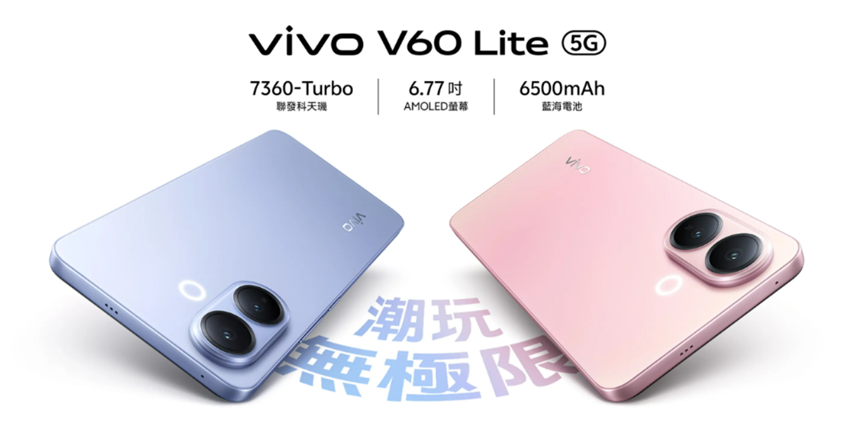
image

Caption – Vivo V60 Lite 5G. (Image credit – Vivo)

Vivo has officially introduced the V60 Lite 5G in Taiwan, expanding its V60 lineup with a mid-range option. The model sits below the standard Vivo V60 in the lineup. The new device focuses on delivering a sleek design, powerful hardware and a large battery, making it a compelling choice in its segment. Here’s everything you need to know about the new phone.

Vivo V60 Lite 5G – Price and Availability

In Taiwan, the Vivo V60 Lite 5G is priced at –

  • NTD 13,990 (~$460) for the 8GB + 256GB model
  • NTD 14,990 (~$495) for the 12GB + 256GB variant

Vivo is also expected to introduce a 4G variant of the V60 Lite, powered by the Snapdragon 685 chipset, featuring the same design and specifications as the 5G edition.

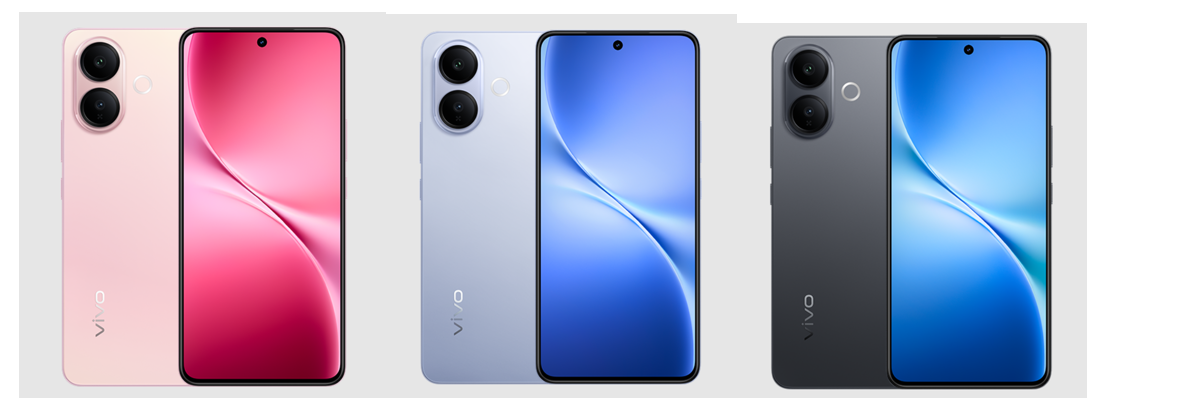
Colour choices include Vitality Pink, Titanium Mist Blue, and Midnight Black.

image

Caption – Vivo V60 Lite 5G colour variants. (Image credit – Vivo)

Vivo V60 Lite 5G – Key Features

The smartphone comes with a 6.77-inch AMOLED display offering FHD+ resolution (2392 × 1080 pixels), a 120Hz refresh rate, and HDR10+ support for an enhanced viewing experience. For selfies and video calls, the device houses a 32MP front-facing camera.

On the rear, the V60 Lite sports a dual-camera system featuring a 50MP Sony IMX882 primary sensor with OIS and an 8MP ultra-wide lens. It runs Android 15 with Funtouch OS 15 layered on top.

At its core, the phone is powered by the newly launched MediaTek Dimensity 7360-Turbo chipset, which is essentially similar in architecture to the Dimensity 7300. This is paired with up to 12GB RAM, an additional 12GB of virtual RAM, and 256GB UFS 3.1 storage.

One of the standout highlights is its 6,500mAh battery backed by 90W fast charging, ensuring both endurance and quick top-ups.

The V60 Lite 5G also comes with an in-display fingerprint scanner, dual stereo speakers, NFC, dual SIM support, Wi-Fi 6, Bluetooth 5.4, and USB-C connectivity. The device holds an IP65 rating for dust and water resistance. Depending on the colour variant, it measures 7.59mm or 7.69mm in thickness and weighs 194 grams.

FAQs

Q1.  What chipset powers the Vivo V60 Lite 5G?

Answer. The device is equipped with MediaTek’s new Dimensity 7360-Turbo chipset, offering performance similar to the Dimensity 7300, paired with up to 12GB RAM and 256GB storage.

Q2. What are the standout camera features of the V60 Lite 5G?

Answer. It features a 50MP Sony IMX882 main sensor with OIS and an 8MP ultra-wide lens on the rear, along with a 32MP front camera for selfies and video calls.

Q3. How fast does the Vivo V60 Lite 5G charge?

Answer. The phone packs a large 6,500mAh battery and supports 90W fast charging, ensuring quick top-ups and extended usage.

Q4. What is the price and availability of the Vivo V60 Lite 5G in Taiwan?

Answer. It starts at NTD 13,990 ($495) for the 12GB + 256GB variant, with three colour options available.

Also Read

https://www.mymobileindia.com/vivo-v60e-5g-price-renders-and-full-specifications-leak-ahead-of-launch/

https://www.mymobileindia.com/vivo-v60-lite-5g-and-4g-models-appear-on-geekbench-ahead-of-launch/

Samsung Galaxy Tab A11 Debuts in India with 90Hz Display, Helio G99, and 7 Years of Updates

0

Highlights

  • Samsung Galaxy Tab A11 launched in India at the starting price of ₹12,999.
  • It features an 8.7-inch HD+ LCD with a 90Hz refresh rate, Helio G99 chip with up to 8GB RAM, an upgraded 5MP front camera, 8MP rear camera, One UI 7.0 (Android 15) and 7 years of OS and security updates.
  • The tablet comes in Wi-Fi and LTE options with up to 128GB storage and a ₹1,000 discount on select bank cards.
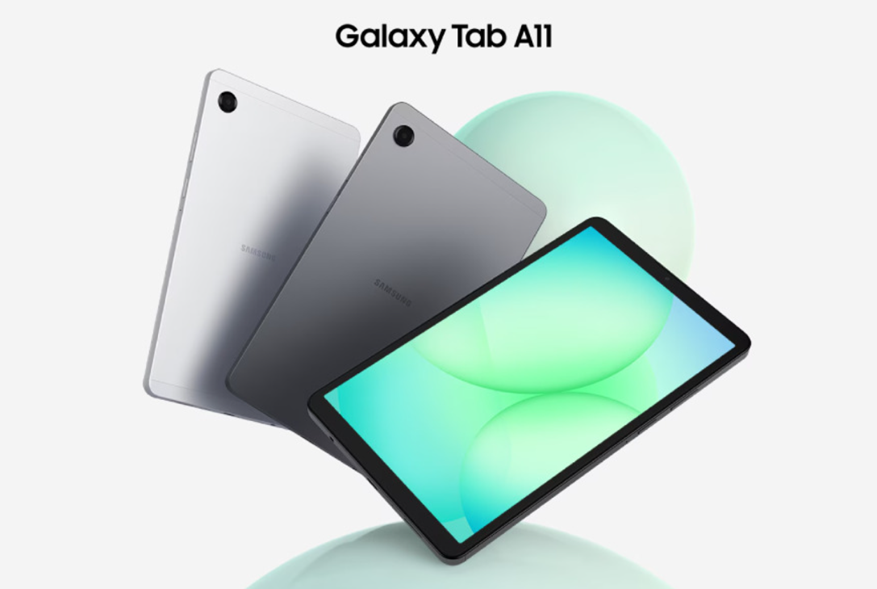
 Samsung Galaxy Tab A11 arrives in India.
Samsung Galaxy Tab A11 arrives in India. (Image credit – Samsung)

Samsung has launched its latest budget tablet, the Samsung Galaxy Tab A11, in India. The device succeeds the two-year-old Galaxy Tab A9, but it remains largely unchanged apart from a few refinements. After appearing on Samsung’s UAE website last week, the tablet has now officially made its way to the Indian market. Notably, this launch makes it official that all Samsung tablets now come with high-refresh-rate displays. Here’s everything we know about the new device.

Samsung Galaxy Tab A11 – What’s New?

The Galaxy Tab A11 retains the same design, build, and internal setup as its predecessor. However, the display has received a notable upgrade. The 8.7-inch HD+ (1340 × 800 pixels) LCD screen now supports a 90Hz refresh rate, bringing smoother visuals.

Samsung has also upgraded the front camera from 2MP to 5MP, while the rear camera remains 8MP with autofocus, supporting Full HD video recording at 30fps.

Samsung Galaxy Tab A11 – Other Features

Caption - Samsung Galaxy Tab A11 storage.
Samsung Galaxy Tab A11 storage. (Image credit – Samsung)

Under the hood, the tablet runs on MediaTek’s Helio G99 chipset, the same processor used in the Tab A9, paired with up to 8GB RAM and 128GB internal storage. Storage can be further expanded via a microSD card up to 2TB.

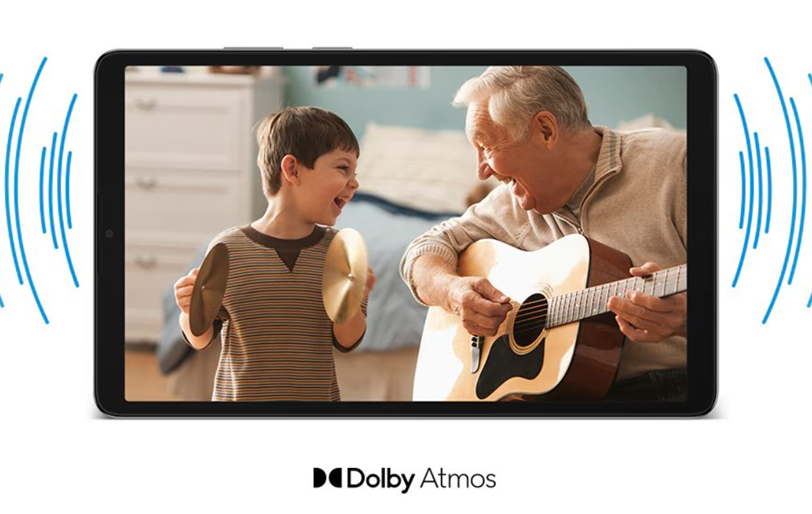
On the software side, the Galaxy Tab A11 ships with One UI 7.0 based on Android 15. Impressively, Samsung is promising seven years of OS upgrades and security patches, meaning the tablet could receive support all the way up to Android 22, a rare commitment in the budget segment. It also features Dolby Atmos speaker system.

image

Caption – Samsung Galaxy Tab A11 features Dolby Atmos speaker system. (Image credit – Samsung)

The device is powered by a 5,100mAh battery with 15W charging support. Connectivity features include Wi-Fi 5, Bluetooth 5.3, USB-C, and a 3.5mm headphone jack, while the LTE variant adds 4G connectivity and GNSS positioning.

Samsung Galaxy Tab A11 – Price in India

Samsung has priced the Galaxy Tab A11 aggressively, starting at ₹12,999. Here’s the complete variant-wise price list –

  • 4GB + 64GB (Wi-Fi) – ₹12,999
  • 4GB + 64GB (Wi-Fi + 4G LTE) – ₹15,999
  • 8GB + 128GB (Wi-Fi) – ₹17,999
  • 8GB + 128GB (Wi-Fi + 4G LTE) – ₹20,999

As part of an introductory offer, customers can also avail of an instant ₹1,000 discount when purchasing with select bank cards.

FAQs

Q1. What display upgrade does the Galaxy Tab A11 offer?

Answer. The Tab A11 features an 8.7-inch HD+ LCD screen with a 90Hz refresh rate, delivering smoother visuals compared to its predecessor.

Q2. How long will Samsung support the Galaxy Tab A11 with updates?

Answer. Samsung promises 7 years of OS upgrades and security patches, meaning the tablet could be supported up to Android 22, an exceptional commitment for a budget device.

Q3. What are the key hardware specs of the Galaxy Tab A11?

Answer. It runs on the MediaTek Helio G99 chipset with up to 8GB RAM and 128GB storage (expandable to 2TB), and includes a 5,100mAh battery with 15W charging.

Q4. What is the price of the Galaxy Tab A11 in India?

Answer. Prices start at ₹12,999 for the 4GB + 64GB Wi-Fi model, going up to ₹20,999 for the 8GB + 128GB Wi-Fi + LTE variant. A ₹1,000 discount is available via select bank cards.
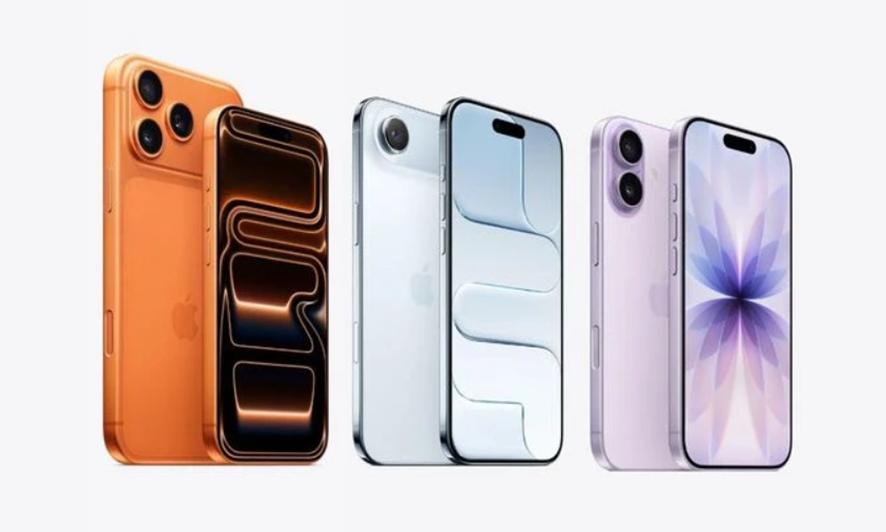
Also Read

https://www.mymobileindia.com/samsung-confirms-september-4-galaxy-event-galaxy-s25-fe-and-tab-s11-series-expected/

https://www.mymobileindia.com/samsung-galaxy-tab-s10-lite-and-galaxy-buds-3-fe-debut-in-india-price-specs-and-features/

iPhone 17 and iPhone Air Users Report Wi-Fi, Bluetooth, and CarPlay Issues, Apple Expected to Release Fix Soon

0

Highlights

  • iPhone 17 and iPhone Air users report frequent Wi-Fi disconnections, laggy CarPlay, and sporadic Bluetooth drops.
  • The issue appears tied to Apple’s new N1 wireless chip but is believed to be software-related, not a hardware defect.
  • Improvements are already seen in iOS 26.1 beta and Apple is expected to release iOS 26.0.1 soon to address these bugs.
image
Reports about new iPhone 17 bugs are surfacing online. (Image credit – Apple)

The rollout of Apple’s iPhone 17 series hasn’t been entirely smooth. It all started with the scratchgate headlines and then reports of cellular connectivity issues. Now, some users are complaining about Wi-Fi and Bluetooth bugs that are also impacting CarPlay performance. Here’s our full report on the latest trouble of new iPhone 17 users.

iPhone 17 – Wi-Fi, Bluetooth and CarPlay Bugs Surface

image

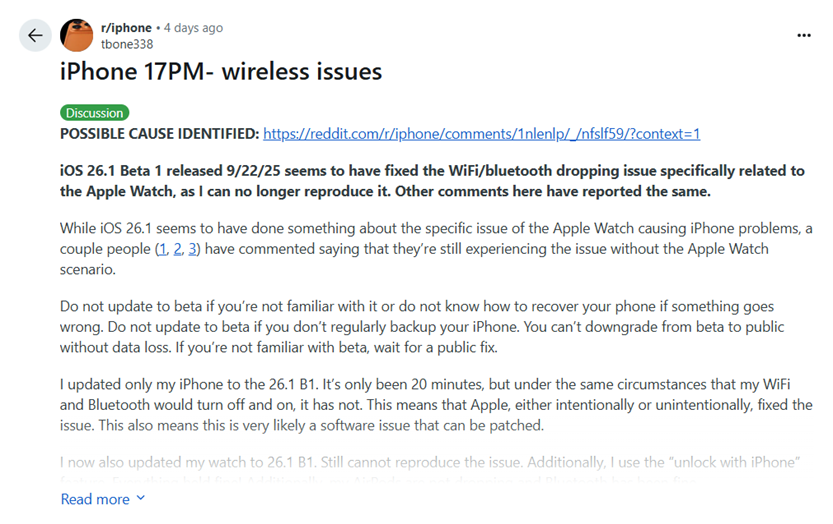
Caption – One of the Reddit posts on the issue.

On Reddit and Apple support forums, several iPhone 17 and iPhone Air owners have reported that their devices briefly disconnect and reconnect to Wi-Fi whenever the phone is unlocked or the Lock Screen is viewed. Since CarPlay depends heavily on Wi-Fi, users are also noticing laggy performance, skipped audio, and unstable connections while driving.

The complaints don’t stop at Wi-Fi. Some iPhone 17 users say they are also experiencing Bluetooth interruptions when using AirPods and other wireless accessories, with connections dropping sporadically.

One user posted, “This is the entire WiFi crashing.. doesn’t matter what network, or even if you’re connected to a network, it still drops. It’s just that if you’re not connected to a network you won’t notice the drop. But if you go into settings and reproduce the issue, you’ll see the WiFi goes to “off” for a second, then turns back on.”

Interestingly, a number of affected users point out that the issue seems to occur only when wearing an Apple Watch. It raises speculation that the bug might be tied to how devices interact within Apple’s ecosystem.

One Reddit user specifies, “I am experiencing the exact same issue when the watch is on my wrist and unlocked. It also affects wireless CarPlay. When the watch is on, and I unlock my iPhone, CarPlay will disconnect and reconnect. Makes sense because wireless CarPlay is also Wi-Fi based. I also have a Vision Pro and interestingly when I unlock that with my iPhone nearby it will also disconnect the Wi-Fi.”

The good news is that this appears to be a software-related issue rather than a hardware flaw in the new iPhones. All four iPhone 17 models ship with Apple’s new N1 wireless chip, but early indications suggest the problems can be fixed with software updates.

Some users testing iOS 26.1 beta have already reported better performance and fewer connectivity drops. Apple is also expected to push out iOS 26.0.1 soon, which should include bug fixes aimed at addressing these Wi-Fi and Bluetooth issues.

One comment reads, “I updated only my iPhone to the 26.1 B1. It’s only been 20 minutes, but under the same circumstances that my WiFi and Bluetooth would turn off and on, it has not. This means that Apple, either intentionally or unintentionally, fixed the issue. This also means this is very likely a software issue that can be patched. I now also updated my watch to 26.1 B1. Still cannot reproduce the issue. Additionally, I use the “unlock with iPhone” feature. Everything held fine! Additionally, my AirPods are not dropping and Bluetooth has been fine.”

Until then, iPhone 17 and iPhone Air users facing these problems may need to wait for Apple’s official update to restore full stability.

FAQs

Q1. What connectivity problems are iPhone 17 and iPhone Air users facing?

Answer. Users are reporting frequent Wi-Fi disconnections, laggy CarPlay performance, and sporadic Bluetooth drops, especially when unlocking the phone or wearing an Apple Watch.

Q2. Are the connectivity issues in iPhone 17 caused by hardware or software?

Answer. The problem appears to be software-related. All iPhone 17 models use Apple’s new N1 wireless chip, but early signs suggest the bugs can be resolved through software updates.

Q3. When will Apple fix these connectivity bugs?

Answer. Apple is expected to release iOS 26.0.1 soon to address these issues. Some users testing iOS 26.1 beta have already noticed improved performance and fewer drops.

Also Read

https://www.mymobileindia.com/iphone-17-pro-teardown-shows-new-vapour-chamber-cooling-easier-battery-swaps-and-scratchgate-issues/

https://www.mymobileindia.com/viral-video-shows-fan-dropping-iphone-17-pro-in-front-of-tim-cook-social-media-reacts-with-hilarious-drop-test-jokes/

iPhone 17 Pro Teardown Shows New Vapour Chamber Cooling, Easier Battery Swaps and “Scratchgate” Issues

0

Highlights

  • iPhone 17 Pro teardown reveals more about the new vapour chamber cooling system under the A19 Pro chip.
  • The battery now sits in a screw-mounted tray, making future replacements cleaner and safer.
  • iFixit confirmed that the camera bump’s sharp edges are prone to scratches due to uneven anodization.
  • iFixit gave the device a 7/10 repairability score, noting Apple’s release of repair manuals and improved battery safety.

image

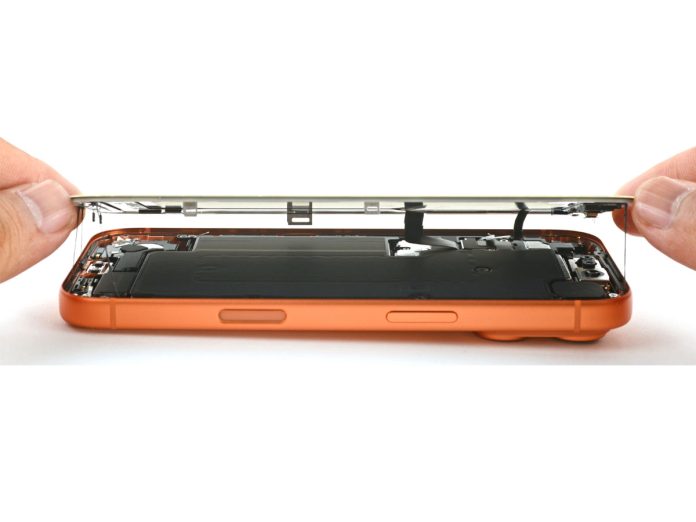
Caption – A still from iFixit’s iPhone 17 Pro teardown video. (Credit – iFixit)

iFixit has published its teardown of the iPhone 17 Pro and revealed Apple’s latest internal design choices. It gives us an inside view of the new vapour chamber cooling system, changes in battery placement and details about durability concerns dubbed “scratchgate.” Here’s a quick rundown of the teardown.

iPhone 17 Pro – What The Teardown Reveals?

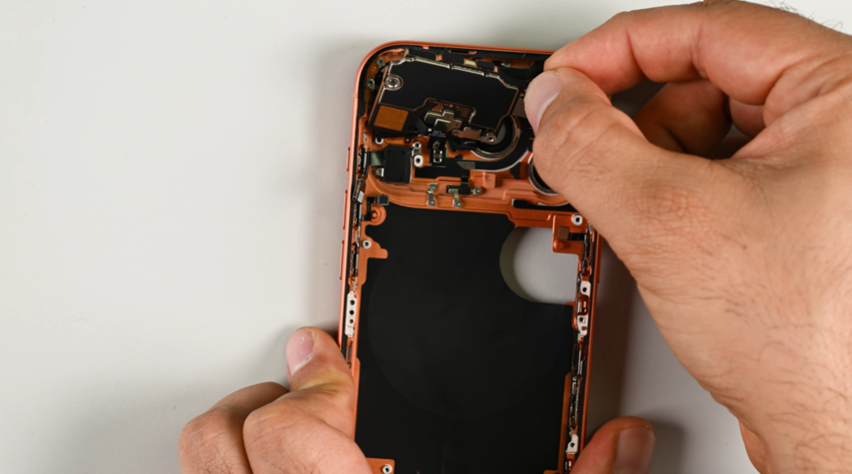
image

Caption – A still from iFixit’s iPhone 17 Pro teardown video. (Credit – iFixit)

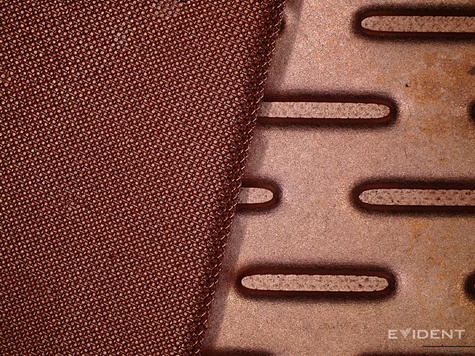
Inside the iPhone 17 Pro, the A19 Pro chip is placed directly below a vapour chamber cooling system that spreads heat across the aluminium unibody frame. Unlike traditional cooling solutions, this setup uses a lattice structure between two plates. Water near the chip heats up and vaporises into steam, which then condenses back into droplets on the cooler side, circulating through the lattice for efficient heat management.
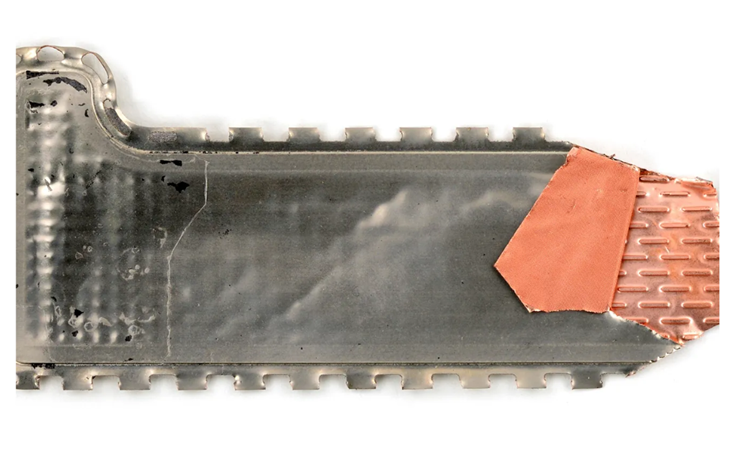
image image

Caption – iPhone 17 Pro vapour chamber internals under the microscope. (Credit – iFixit)

iFixit compared the iPhone 17 Pro Max with the iPhone 16 Pro Max using a thermal camera. The older model reached 37.8°C and throttled under load, while the new 17 Pro Max stayed cooler at 34.8°C, maintaining performance without throttling.

The teardown also revealed that the iPhone 17 Pro’s battery is mounted inside a battery tray, secured to the frame with Torx Plus screws instead of adhesive. iFixit noted that if Apple sells replacement batteries pre-installed in trays, battery swaps could become far simpler and cleaner than before. The battery itself is encased in metal for added safety.

Scratchgate – Are iPhone 17 Pros More Prone to Damage?

Reports of scratches and scuffs on new iPhone 17 Pro models sparked a debate online. To investigate, iFixit ran scratch tests on the phone’s aluminium frame. Results showed that the camera plateau is particularly vulnerable to scratches with damage occurring most often on the sharp edges.

According to iFixit, this issue is linked to the anodization process. They concluded that “scratchgate is real, particularly on the sharp edge of [the] camera bump, which the anodising doesn’t adhere to as evenly as across the rest of the phone.”

image image image

Caption – iPhone 17 Pro scratches and nicks under the microscope. (Credit – iFixit)

To dive deeper, iFixit examined the scratched areas under a microscope and consulted David Niebuhr, a mechanical engineering professor at Cal Poly. Niebuhr explained that the type of damage is known as “spalling”, where the anodised finish fails to bond as strongly on flat, sharp edges, causing colour to wear off when rubbed against hard objects like keys.

Referring to the microscope images shown above, iFixit post says, “Faced with a pick the hardness of a penny, the iPhone 17 Pro’s anodised coating chips away, revealing shiny aluminium underneath.”

Repairability Changes Compared to iPhone 16 Pro

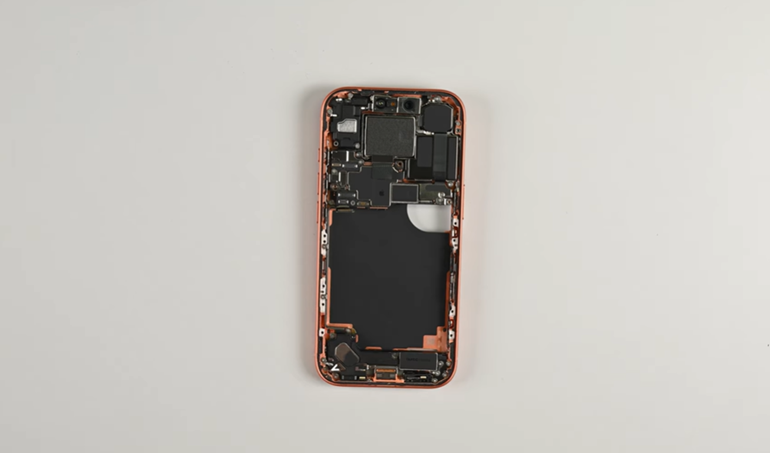
image

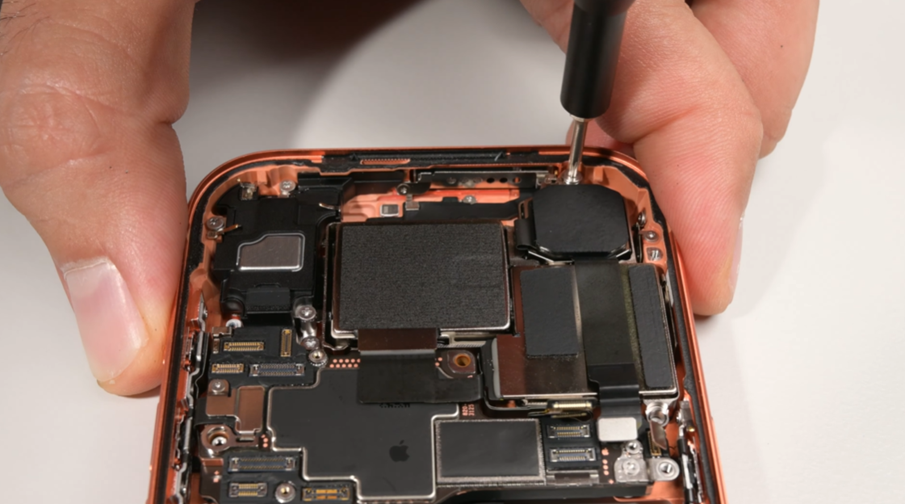
Caption – iFixit’s iPhone 17 Pro teardown video shows the internal workings of the phone. (Credit – iFixit)

Apple has also modified the repair structure of the iPhone 17 Pro. Unlike the dual-entry design of the iPhone 16 Pro, repairs are now restricted. Back-glass replacement and wireless charging assembly fixes can only be done from the rear, while replacing parts like the battery, USB-C port, or camera module requires removing the display.

The new screw-mounted battery tray makes battery replacement easier once accessed, but replacing the USB-C port alone requires removing 22 screws, which iFixit described as a tedious process.

iFixit Repairability Score

Despite being slightly less repairable than the iPhone Air, Apple has taken some steps toward serviceability, such as releasing day-one repair manuals and refining battery safety. Overall, iFixit awarded the iPhone 17 Pro a repairability score of 7 out of 10.

You can watch the full iFixit teardown video for an in-depth look at the flagship iPhone below –

FAQs

Q1. What cooling system does the iPhone 17 Pro use?

Answer. The iPhone 17 Pro features a vapour chamber cooling system placed directly above the A19 Pro chip. It uses a lattice structure to circulate steam and droplets, efficiently spreading heat across the aluminium frame and reducing thermal throttling compared to the iPhone 16 Pro Max.

Q2. Has Apple made battery replacement easier in the iPhone 17 Pro?

Answer. Yes. The battery is now housed in a screw-mounted tray secured with Torx Plus screws instead of adhesive. If Apple sells pre-installed battery trays, replacements could be cleaner and more user-friendly.

Q3. What is “scratchgate” and how does it affect the iPhone 17 Pro?

Answer. “Scratchgate” refers to the iPhone 17 Pro’s vulnerability to scratches, especially on the sharp edges of the camera bump. iFixit found that the anodised finish doesn’t adhere evenly to these areas, leading to damage known as “spalling” when rubbed against hard surfaces.

Q4. How repairable is the iPhone 17 Pro compared to previous models?

Answer. While battery access has improved, other repairs like USB-C port replacement require removing 22 screws. The phone lacks the dual-entry design of the iPhone 16 Pro, making some fixes more tedious. iFixit gave it a repairability score of 7 out of 10.

Also Read –

https://www.mymobileindia.com/iphone-17-pro-first-teardown-shows-bigger-camera-sensors-and-a-more-repairable-design/

https://www.mymobileindia.com/iphone-air-survives-extreme-bend-test-ceramic-shield-2-impresses-with-strong-scratch-resistance/