Motorola appears to be preparing an update to its true wireless earbuds portfolio. A fresh leak has revealed what seems to be the upcoming Moto Buds 2 Plus. Newly surfaced renders indicate that Motorola is largely building on an existing design rather than starting from scratch. Here’s more on the recent leaks of earbuds that are yet to be officially announced.
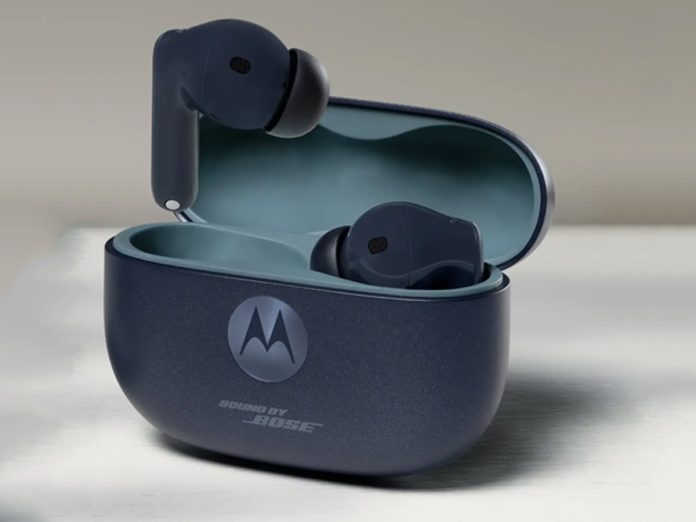
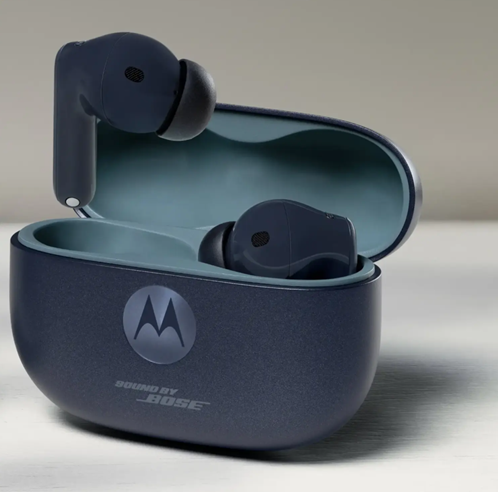
Renders shared by Android Headlines showcase the Moto Buds 2 Plus in blue and white colour options. The earbuds themselves look very similar to the previous Moto Buds Plus, suggesting that Motorola is focusing on subtle refinements instead of a major visual overhaul.
The leaked images show that the “Sound by Bose” branding remains unchanged.
Motorola’s collaboration with Bose was a key highlight of the earlier model, particularly in terms of sound tuning and active noise cancellation. Although detailed audio specifications have not been revealed yet, the continued partnership hints at a familiar sound profile potentially enhanced with minor internal upgrades.
Design-wise, the Moto Buds 2 Plus retain a stem-style form factor, which is widely preferred for comfort and improved call quality. The most visible update is seen in the charging case. Unlike the earlier flat, horizontal design, the new renders suggest a vertical storage layout for the earbuds, which could help reduce the overall thickness of the case.
Moto Buds 2 Plus – What Else We Know?
Motorola has not officially confirmed the buds yet. There is no confirmation on pricing as well.
However, expectations point to a price of around $199.99, similar to where the previous generation was launched. If accurate, this would position the Moto Buds 2 Plus as a comparatively affordable premium option.
As for the launch timeline, the appearance of detailed renders indicates that the Moto Buds 2 Plus are likely nearing launch. We can expect more details to surface as the official launch approaches.
FAQs
Q1. What design changes are seen in the Moto Buds 2 Plus renders?
Answer. The earbuds retain a stem-style design but introduce a new vertical charging case layout, making the case slimmer compared to the previous horizontal design.
Q2. Will the Moto Buds 2 Plus continue Motorola’s collaboration with Bose?
Answer. Yes. The “Sound by Bose” branding remains, suggesting similar audio tuning and active noise cancellation, possibly with minor internal upgrades.
Q3. What do we know about the pricing and launch timeline?
Answer. Motorola hasn’t confirmed details yet, but leaks suggest a price around $199.99, similar to the previous model. The detailed renders indicate the launch is approaching.
WhatsApp is testing a new “Close Friends” option for status updates, letting users share posts with curated contact lists.
Users will be able to create named lists with emojis, reducing the need to adjust privacy settings each time and avoiding accidental oversharing.
The feature is still under development and expected to roll out in a future update.
(Photo by Mariia Shalabaieva on Unsplash)
WhatsApp has been consistent in rolling out new features that make the platform much beyond basic instant messaging. Now, the latest addition appears to draw inspiration from Instagram. The Meta-owned platform is now working on a new update that could change how users share their status updates.
WhatsApp Testing Close Friends Feature for Status
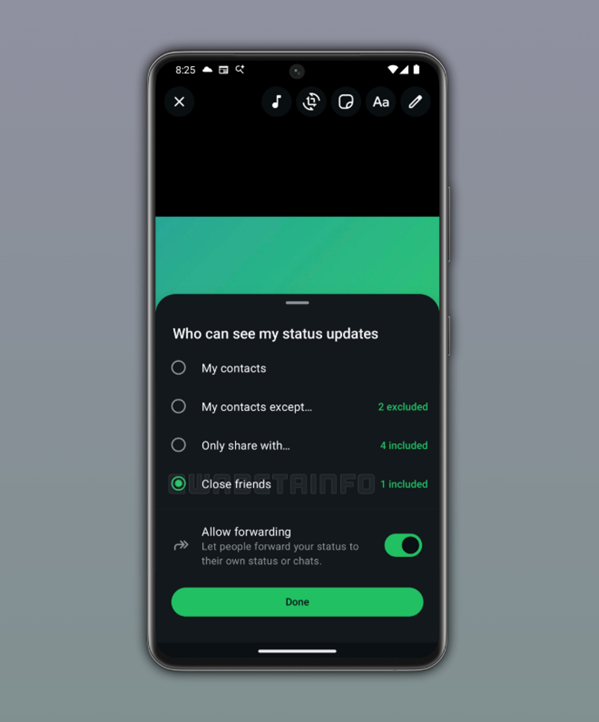
According to WhatsApp feature tracker WABetaInfo, Meta has introduced a new option that allows users to create custom lists for status sharing. This feature is aimed at helping users organise their contacts into curated lists, making it easier to control who sees specific status updates.
WhatsApp feature that allows users to choose close friends for status updates. (Screenshot by @WABetaInfo on X)
The feature was spotted on WhatsApp beta for Android version 2.26.5.11. Each custom list contains a selected group of contacts, along with a name and an emoji to help users easily distinguish between different lists.
📝 WhatsApp beta for Android 2.26.5.13: what’s new?
These user-created lists are designed to reduce the need to manually adjust privacy settings every time a status is posted and to avoid accidentally sharing updates with the wrong contacts. Among these options is an Instagram-like “Close friends” list, which enables users to share status updates only with selected people.
How Will It Work?
To post a status update for close friends, users will need to choose the contacts they want to include in the list. This can be done in two ways. Either by selecting contacts directly from the status update privacy settings or by editing the list straight from the status interface.
Users can add or remove contacts from their close friends list at any time. However, any changes made will only apply to future status updates. If a status has already been shared with a particular list, contacts removed later will still be able to view that update.
In addition to the close friends option, WhatsApp is also testing three other privacy settings for sharing status updates. Once a status is posted, the chosen audience will see different coloured rings around the profile picture of the user who shared the update.
Availability
The option to share status updates with “Close friends” is still under development. According to the report, the feature is expected to roll out in a future version of WhatsApp.
FAQs
Q1. What is the new ‘Close Friends’ feature being tested on WhatsApp?
Answer. It’s an Instagram-inspired option that lets users create custom contact lists to share status updates only with selected people, improving privacy control.
Q2. How can users manage their WhatsApp Close Friends list for status updates?
Answer. Users can add or remove contacts directly from status privacy settings or edit the list from the status interface. Changes apply only to future updates.
Q3. When will the WhatsApp Close Friends feature for Status be available to all users?
Answer. The feature is currently in beta testing on Android (v2.26.5.11) and is still under development. It is expected to roll out in a future WhatsApp update.
Apple is testing a dynamic aperture system that adjusts light intake for better low‑light shots.
A wider aperture telephoto camera is being explored to improve light capture, reduce noise, enable faster shutter speeds and deliver stronger background separation.
Reports suggest possible features like a teleconverter for extended zoom and a 24‑megapixel front camera.
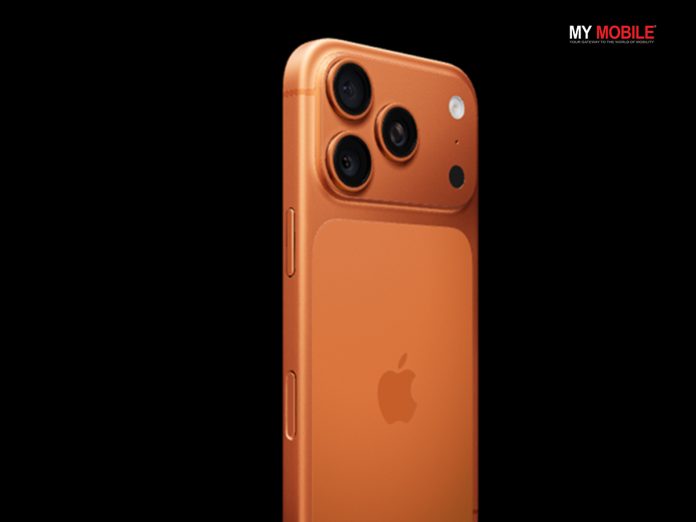
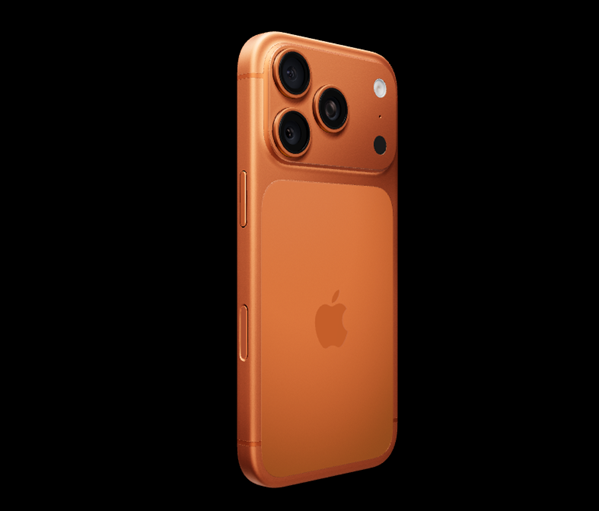
iPhone 17 Pro model in the picture. (Image credit – Apple)
We have been repeatedly getting reports on iPhone 18 Pro models’ possible camera upgrades. Adding to all the speculations is a latest post from a well-known industry tipster on Weibo. It seems Apple is testing two significant rear camera enhancements for its upcoming iPhone 18 Pro lineup. Here are all the details.
iPhone 18 Pro – Possible Camera Upgrades
Tipster Digital Chat Station’s post on Weibo. (Translated via Google Translate)
Weibo-based famous leaker Digital Chat Station claims that Apple is currently experimenting with a new main camera featuring a variable aperture. This technology allows the camera to dynamically control how much light enters the sensor.
In low-light conditions, the aperture can open wider to capture more light, while in brighter environments, it can narrow to avoid over-exposure. A variable aperture is also expected to give users more control over depth of field, affecting how sharply subjects appear against the background.
This information aligns with several earlier reports suggesting that both the iPhone 18 Pro and iPhone 18 Pro Max will receive a variable aperture main camera.
In addition to the main camera upgrade, the leaker has reiterated that Apple is also testing a new telephoto camera with a larger aperture for the iPhone 18 Pro models. The current iPhone 17 Pro lineup uses a telephoto lens with an ƒ/2.8 aperture.
While this camera was upgraded to a 48-megapixel sensor from a 12-megapixel sensor, the aperture size remained unchanged. A wider aperture on the telephoto lens would mainly improve light intake, reduce noise, enable faster shutter speeds, and deliver better background separation.
Previous Reports on iPhone 18 Pro Camera Upgrades
Apple supply chain analyst Ming-Chi Kuo was the first person to report that the main rear camera on the iPhone 18 Pro models would support variable aperture. Kuo shared the update way back in December 2024. Then, a later report from October 2025 further stated that Apple was moving ahead with plans to introduce this feature in next-generation iPhones and had already begun discussions with component suppliers.
So far, Apple has never used a variable aperture camera system on an iPhone. The main camera in the last few iPhone Pro models has relied on a fixed ƒ/1.78 aperture with the lens remaining fully open at all times.
In contrast, Samsung Electronics previously introduced variable aperture cameras on the Galaxy S9 and Galaxy S10 in 2018 and 2019. However, the feature was dropped in 2020 due to increased device thickness and higher costs.
iPhone 18 Pro – What Else We Know?
Beyond these changes, other reports suggest that the iPhone 18 Pro models could also feature a teleconverter to extend the effective focal length and enhance zoom capabilities.
Additionally, Apple is rumoured to be planning a 24-megapixel front-facing camera. The iPhone 18 Pro series is expected to debut in the fall, alongside Apple’s first foldable iPhone.
FAQs
Q1. What major camera upgrade is Apple testing for the iPhone 18 Pro models?
Answer. Apple is experimenting with a variable aperture main camera, which adjusts light intake depending on conditions. This feature improves low‑light performance, prevents over‑exposure, and gives users more control over depth of field.
Q2. How will the telephoto lens be improved in the iPhone 18 Pro lineup?
Answer. Reports suggest Apple is testing a telephoto camera with a wider aperture than the current ƒ/2.8 lens. This would enhance light capture, reduce noise, allow faster shutter speeds, and deliver stronger background separation.
Q3. Are there any other rumoured upgrades for the iPhone 18 Pro series?
Answer. Yes. Beyond the rear camera changes, Apple may add a teleconverter for extended zoom, introduce a 24‑megapixel front camera, and launch the iPhone 18 Pro alongside its first foldable iPhone in the fall.
A new ChatGPT caricature trend is getting popular on social media.
Users are uploading photos to ChatGPT to generate personalised cartoon-style caricatures.
With a clear photo and detailed prompt, users can quickly generate tailored amd personalised caricatures with styles like cartoon, comic, or 3D.
(Image credit – X)
A new AI-driven trend is rapidly gaining traction across social media platforms with users transforming their real photos into quirkycaricatures using ChatGPT. These are not generic cartoon images. Instead, many caricatures are highly personalised and highlight a person’s profession, habits, and personality traits. This mix of creativity and individuality has helped the trend appeal to professionals and casual users alike. Here’s everything you need to know about this.
🇪🇨 ¿Quieren una linda sorpresa? Pongan una foto suya en Chat GPT y escriba lo siguiente: “Create a caricature of me and my job based off what you know about me.”✨ Te gustará el resultado. Lo mío👇 pic.twitter.com/uYCifuYsGE
The trend revolves around uploading a personal photo to ChatGPT and asking the AI to generate a caricature-style image. The output typically exaggerates facial features while keeping the person easily recognisable.
In several cases, the AI also adds backgrounds, tools, or objects linked to the user’s job or daily routine. It gives the final image a playful yet familiar look that people enjoy sharing online.
Users do not need any artistic skills or third-party editing apps. With just a photo and a short prompt, the result is generated in seconds and feels tailor-made. People are also sharing and comparing their caricatures with friends and colleagues and many are adopting them as profile pictures, further fuelling the trend’s reach.
How ChatGPT Generates Caricatures?
Once a photo is uploaded, the AI analyses facial structure, expressions, and proportions. The accompanying text prompt guides the artistic direction including the cartoon style, setting, and how exaggerated the features should be.
Clear and detailed prompts usually produce better results, and even small changes in wording can significantly affect the final image.
Step-by-Step Guide to Creating a Caricature Using ChatGPT –
First, open ChatGPT and ensure you are using a version that supports image uploads.
Next, upload a clear, well-lit photo where your face is easily visible.
Then, write a detailed prompt explaining the caricature style you want.
After that, ask ChatGPT to generate the caricature based on your photo and prompt.
Finally, review the result and regenerate the image if you want changes in style or details.
Tips to Get Better Caricature Results
Using a front-facing photo with neutral lighting helps improve accuracy. Adding details such as profession, mood, and preferred art style in the prompt can refine the output.
Experimenting with different styles like cartoon, comic, or 3D and generating multiple versions also makes it easier to pick the best result.
Prompts to Try for AI Caricatures –
Create a colourful caricature of me with exaggerated facial features in a cartoon style.
Turn this photo into a professional caricature based on my job and personality.
Make a 3D-style caricature of me at work with tools related to my profession.
Create a clean profile-picture caricature with a simple background.
Design a playful caricature showing my daily work environment.
When the ChatGPT Caricature Trend Goes Wrong
Not every ChatGPT caricature turns out as expected. On platforms like Reddit and X, users have shared some surprisingly odd results generated from simple prompts. In a few cases, it appears as if ChatGPT is subtly calling out the user.
When you ask for a caricature based on what it knows about you 🤣wtf ChatGPT ahahahhaha pic.twitter.com/iZV7iU5KPV
Some images include questionable or unexpected details. One caricature shared by Reddit user crunchy-wraps looks normal at first glance, but unusual elements become noticeable when you zoom in. While many users receive cute and friendly cartoon-style results, others end up with more exaggerated and even insulting caricatures, similar to what you might expect from a rude and underpaid boardwalk caricature artist.
Meanwhile, social media users are having fun comparing the ChatGPT results with similar prompt results from other AI chatbots. Some users on X are turning to Grok Imagine to generate similar images, but the results there are reportedly even worse. At least Grok isn’t undressing people without their consent, for once.
Let’s do something fun
Give Grok this promot:
Create a caricature image of me and my job based on everything you know about me
Q1. What is the ChatGPT caricature trend on social media?
Answer. It’s a viral AI-driven trend where users upload their photos to ChatGPT to generate personalised cartoon-style caricatures. These images exaggerate facial features while adding elements tied to a person’s profession, habits, or personality, making them fun and shareable.
Q2. How can someone create their own caricature using ChatGPT?
Answer. Users need to upload a clear, front-facing photo into a version of ChatGPT that supports image uploads, then provide a detailed prompt describing the desired caricature style. The AI analyses facial features and generates a cartoon image in seconds, which can be refined by adjusting prompts or regenerating results.
Q3. Do all ChatGPT caricatures turn out well?
Answer. Not always. While many results are playful and appealing, some caricatures look odd, exaggerated, or even unintentionally insulting. Users have shared humorous or strange outcomes showing that the trend can produce both delightful and unexpected results.
Dell Pro 14 was earlier launched in India at the starting price of INR 74,849.
It is part of the new Dell lineup that includes the Dell Pro 14 and 16, Dell Pro 13, 14, and 16 Plus and the Dell Pro 13 and 14 Premium.
The laptop is specifically designed for professional-grade productivity.
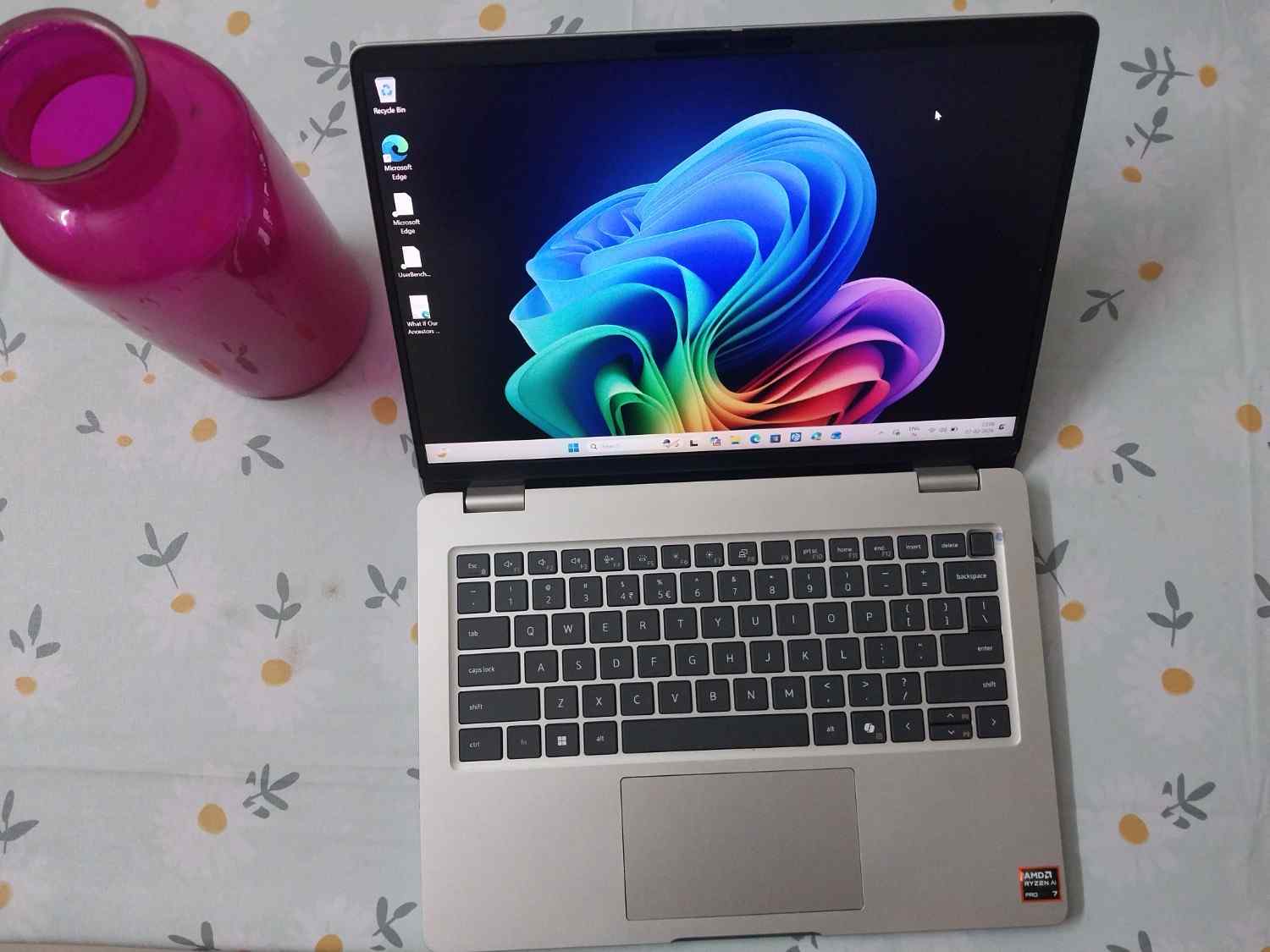
We have been using the Dell Pro 14 (PC14255) from Dell’s new business PC portfolio for over a week now. In case you are curious about how this machine handles tasks and its overall performance, here’s our hands-on review to give you some clarity.
Dell Pro 14 (PC14255) – Key Features
Textured Magnetite and Sleek Platinum Silver design
AMD Ryzen AI 7 Pro 350 Processor w/Radeon 860M
32 GB Installed RAM
Integrated AMD RDNA 3.5 GPU
Scalable AMD Ryzen Pro options
Full HD IR camera with HDR capability
Windows 11 Pro
Dell Pro 14 (PC14255) – Pros & Cons
Pros
Cons
● Clean, professional design
● Lightweight with solid build quality
● Strong performance with Ryzen AI 7 PRO processor
● Built-in NPU with 50 TOPS for local AI tasks
● Excellent port selection
● Long battery life with flexible charging
● 512GB SSD feels limited
● No SD or microSD card slot
● Speaker quality could have been better
Dell Pro 14 (PC14255) – Design and Display
The Dell Pro 14 is a perfect-looking compact business laptop. It has a clean, no-nonsense appearance with primarily a simple design language. It isn’t too slim at 19mm thickness but doesn’t feel too bulky, thanks to the 14-inch size. There’s nothing flashy here, and that’s very much the point. The exterior is minimal and looks suitable for office environments, meetings and everyday professional use.
Dell has opted for a premium plastic build with a metallic finish. In daily use, it feels sturdy and well put together. The laptop comes in a platinum silver colourway with subtle Dell branding on the back and that’s about it. Weighing just around 1.3kg, it’s easy to carry around and fits snugly into a work backpack.
The laptop feels solid and it looks like a machine that can handle even a little rough use that often comes in modern work setups.
The 14-inch display uses a modern 16:10 aspect ratio. This space is genuinely useful for productivity, whether you’re working on documents, spreadsheets, or browsing the web.
The display peaks at 300 nits of brightness, which works well indoors and in shaded outdoor environments. Colour reproduction is limited with 45% NTSC coverage, so it’s not ideal for colour-critical work like photo or video editing. That said, for general office tasks, presentations, emails, and light media consumption, the screen is sharp and comfortable to use.
For audio, the Dell Pro 14 comes with dual 2W stereo speakers. The voices sound clear during video calls and meetings. These might not be meant for immersive entertainment but they get the job done well for everyday work needs.
Dell Pro 14 (PC14255) – Keyboard and Touchpad
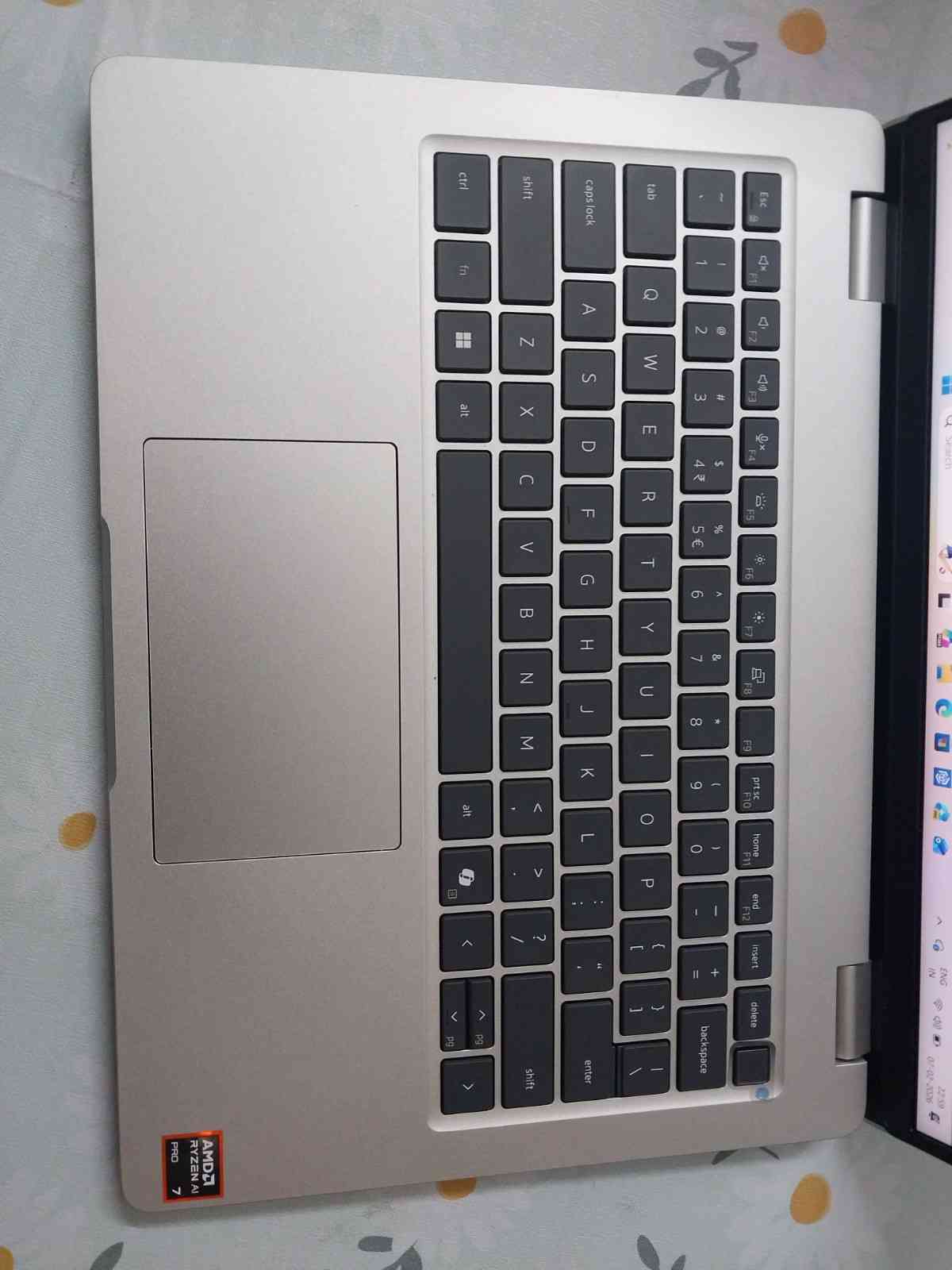
We found the Dell Pro 14 quite comfortable when it comes to typing experience. The compact 14-inch size might appear small, but it is ideal for the target customers. The keys are well-spaced and provide decent travel. The typing feels natural and consistent.
We used it for long work sessions as well as quick email replies on the go. It feels reliable and easy to get used to whether you’re drafting documents or catching up on emails during travel.
The backlight is bright enough to be genuinely useful in low-light conditions. It’s one of those things you really appreciate during late-night work sessions. Since this is a modern AI-focused PC, Dell has also added a dedicated Copilot key. It fits naturally into the layout and is easy to reach.
Coming to the touchpad, it complements the keyboard nicely. It’s wide and responsive with full support for Windows Precision gestures. It might feel small to some users and they might need a little time to adjust. But overall, it’s a clean, no-fuss setup that works well for everyday productivity.
Dell Pro 14 (PC14255) – Ports, I/O and Connectivity
When it comes to ports, Dell has focused on giving users a practical and versatile set of ports. It is clear the company has designed the machine keeping in mind all the aspects the business users will appreciate.
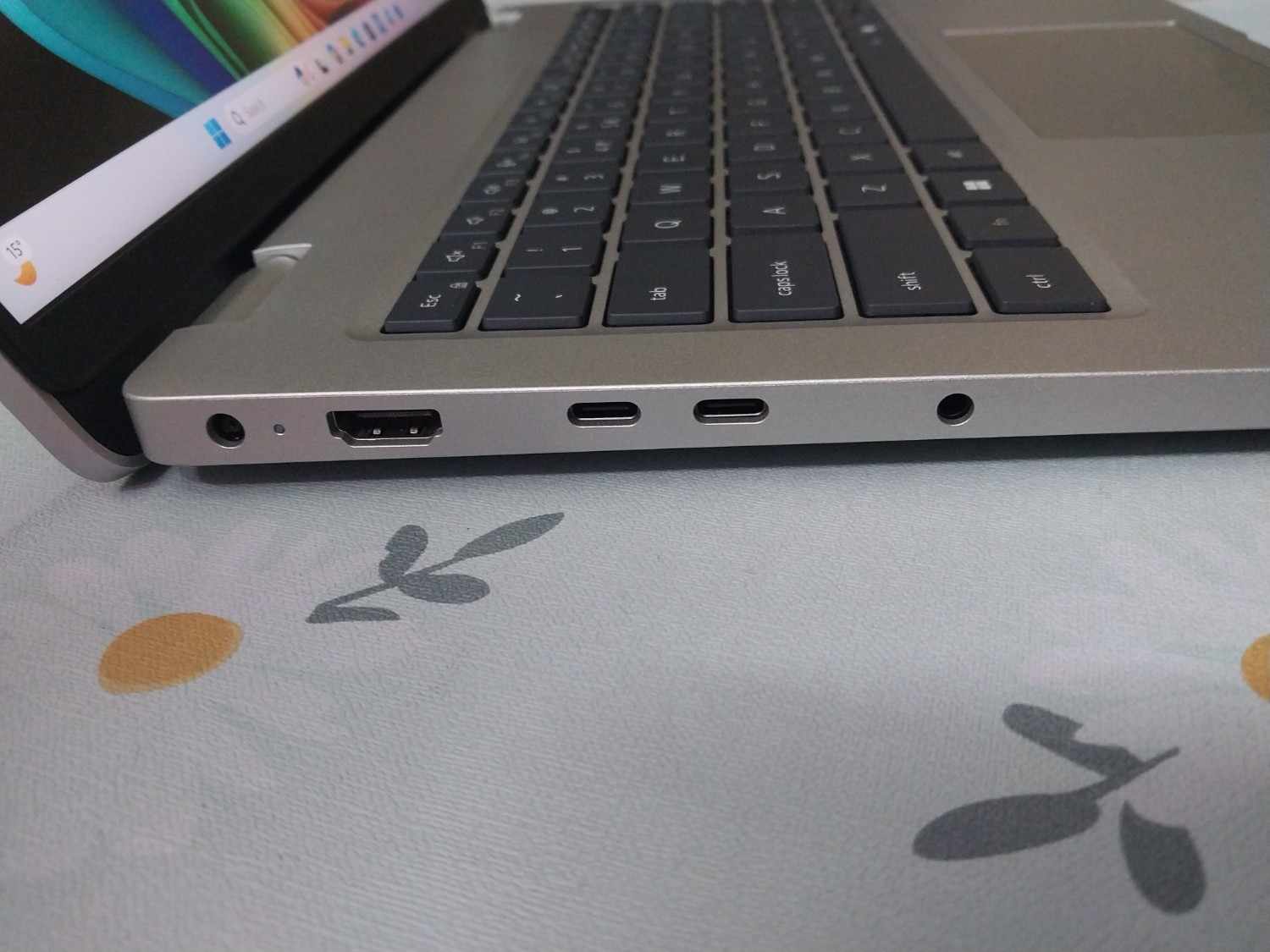
On the left side, you’ll find a barrel-style charging port, an HDMI 2.1 port for external displays, two USB-C Thunderbolt 4 ports, and a 3.5mm headphone jack. This already covers most day-to-day requirements, whether you’re connecting to a monitor, charging accessories, or plugging in headphones.
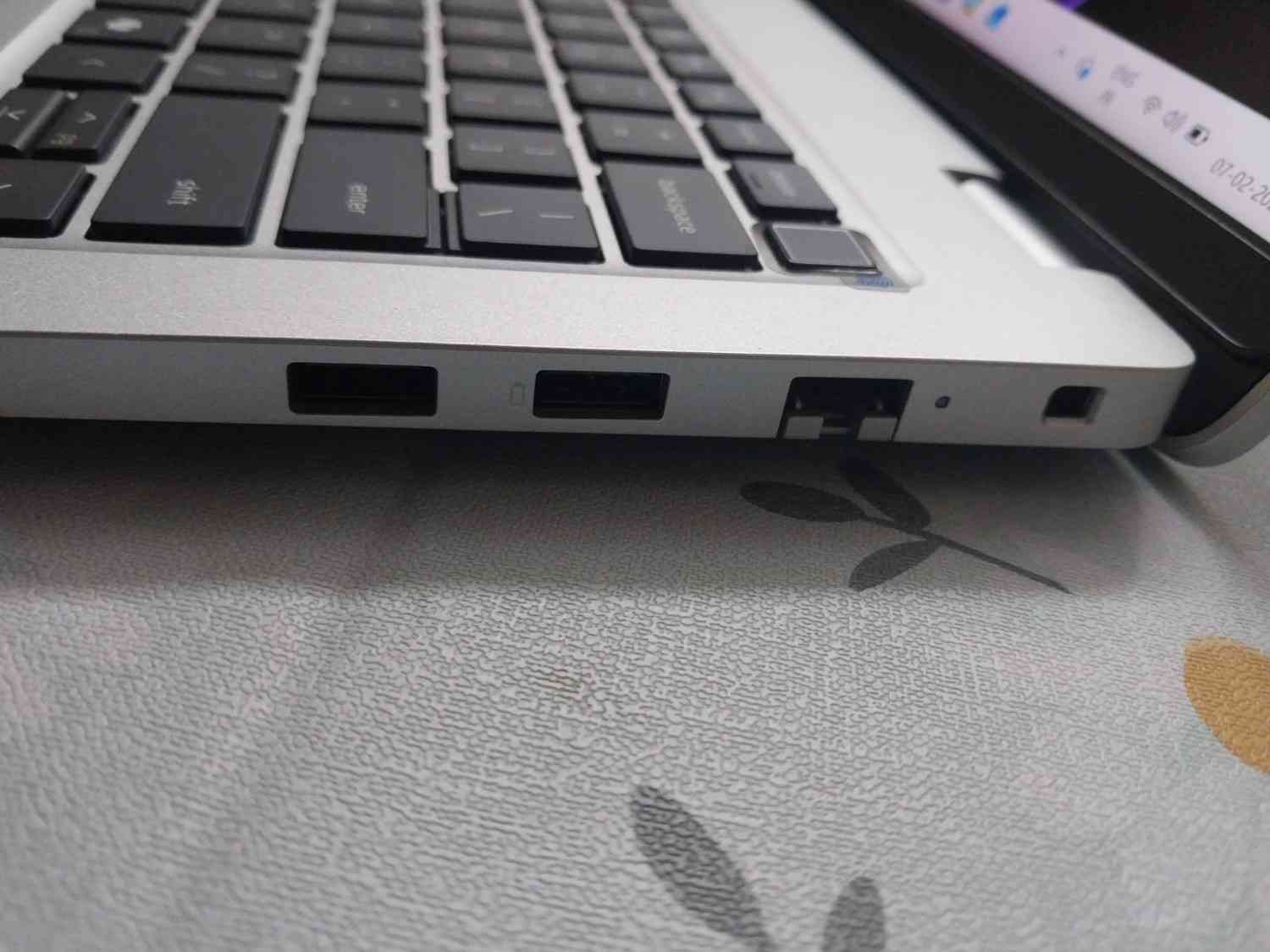
The right side adds even more flexibility with an RJ45 Ethernet port and two USB-A 3.2 Gen 1 ports. This makes it easy to connect wired networks and older peripherals without adapters. While an SD or microSD card slot would have been a nice addition, the overall port selection still feels well thought out.
Dell Pro 14 (PC14255) – Performance, Battery and Charging
Dell Pro 14 is powered by AMD’s Ryzen AI 7 PRO 350 processor, an 8-core, 16-thread chip that can boost up to 5.0GHz. It comes with a built-in NPU capable of delivering up to 50 TOPS of AI performance. The first thing you will notice about performance is that this laptop is well designed for local AI tasks without having to rely on the cloud.
The Pro 14 ships with a single 32GB DDR5 RAM stick and you can upgrade it all the way up to 64GB if needed. Storage is handled by a 512GB Micron 2500 PCIe Gen4 SSD, which offers fast read and write speeds. The only downside here is capacity. You can upgrade the SSD, but since there’s only one slot, you’ll need to replace the existing drive.
In day-to-day use, the laptop feels quick and responsive.Apps open fast, multitasking is smooth, and there’s plenty of headroom for demanding workloads. In synthetic benchmarks like Cinebench, Geekbench, and PCMark, the Dell Pro 14 delivers strong scores. All in all, it lines up well with how it performs in real-world usage.
Battery life is equally impressive. We use the machine as our primary laptop in regular work scenarios. It easily lasted a full workday. In our usage, it managed around 12 hours and 20 minutes, which is more than enough for meetings, documents, browsing, and light multitasking without reaching for the charger.
The 65W adapter can take the laptop from 0 to 80 percent in under an hour, which is very convenient when you’re in a rush. You can charge the laptop using either the USB-C port or the barrel-style charger.
Verdict – Should You Buy Dell Pro 14 (PC14255)?
If you want a dependable business laptop that gets the basics right and goes a step further with modern performance and versatility, the Dell Pro 14 is worth considering.
It brings a clean, professional design with a solid set of ports and a comfortable keyboard plus trackpad for long workdays. The Ryzen AI 7 PRO 350 chip delivers smooth everyday performance and handles local AI tasks well. Battery easily lasts a full workday and flexible charging options make life easier on the go. The display and audio are good enough for general productivity.
Overall, it is a reliable and work-focused laptop that is suitable for most professional tasks.
Reasons to Buy
Ideal for professionals on the go
Good choice for Content Creators
Good for multitasking
For AI tasks
Reasons Not to Buy
Not for gaming
FAQs
Q1. What processor does the Dell Pro 14 use?
Answer. It is powered by the AMD Ryzen AI 7 PRO 350 processor with built-in NPU support.
Q2. Is the RAM upgradable on the Dell Pro 14?
Answer. Yes, the laptop supports RAM upgrades up to 64GB.
Q3. Does the Dell Pro 14 support Thunderbolt?
Answer. Yes, it features two USB-C Thunderbolt 4 ports.
Q4. How good is the battery life on the Dell Pro 14?
Answer. It can easily last a full workday, offering over 12 hours of usage.
Q5. Is the Dell Pro 14 suitable for business users?
Answer. Yes, its durable build, strong performance, and wide port selection make it ideal for professionals.
iPhone 18 Pro Max is tipped to feature a 5,000–5,200mAh battery paired with Apple’s new 2nm A20 Pro chipset.
The model is expected to sport a 6.9-inch OLED LTPO+ display with 120Hz refresh rate, 3,000 nits brightness and a narrower Dynamic Island cutout.
Rumours also suggest under-screen Face ID, Apple’s in-house C1X/C2 modem and N1 chip for connectivity.
iPhone 17 Pro Max in the picture for reference only. (Image credit – Apple)
Apple appears to be making a long-awaited push to improve iPhone battery capacity with the upcoming iPhone 18 Pro Max. According to a new leak, the increase in battery capacity when combined with a more power-efficient chipset could finally translate into noticeable gains in real-world battery performance. Here’s what we know.
iPhone 18 Pro Max Battery Details Tipped
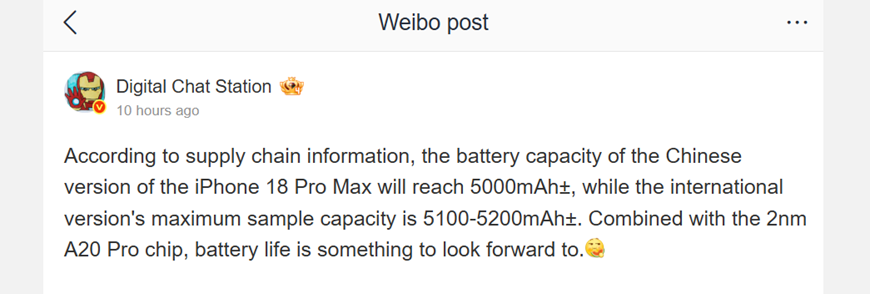
DCS’s Weibo post. (Translated via Google Translate)
As per a fresh leak shared by tipster Digital Chat Station (DCS) on Weibo, the China-bound variant of the iPhone 18 Pro Max is expected to pack a battery rated at around 5,000mAh.
Meanwhile, the global version of the device is said to feature a slightly higher maximum sample battery capacity of approximately 5,100mAh to 5,200mAh.
The handset is also expected to be powered by Apple’s upcoming A20 Pro chipset, which is reportedly based on the latest 2nm manufacturing process. This combination of a larger battery and a more efficient processor is expected to improve overall battery endurance.
We also can’t help but notice that despite the upgrade, Apple’s battery figures still lag behind those offered by Chinese smartphone brands. Even some mid-range devices such as the Realme P4 Power has crossed the 10,000mAh threshold. Meanwhile, mainstream flagship models like the OnePlus 15 and Oppo Find X9 series are said to feature batteries exceeding 7,000mAh, along with support for 80W to 100W fast charging.
iPhone 18 Pro Max – What Else to Expect?
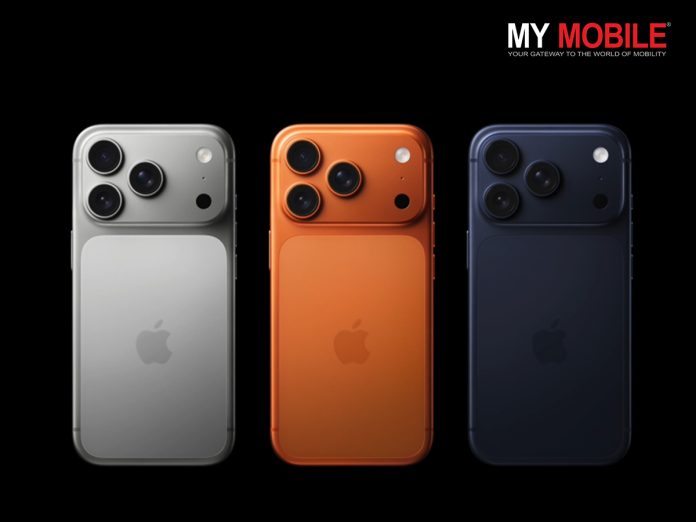
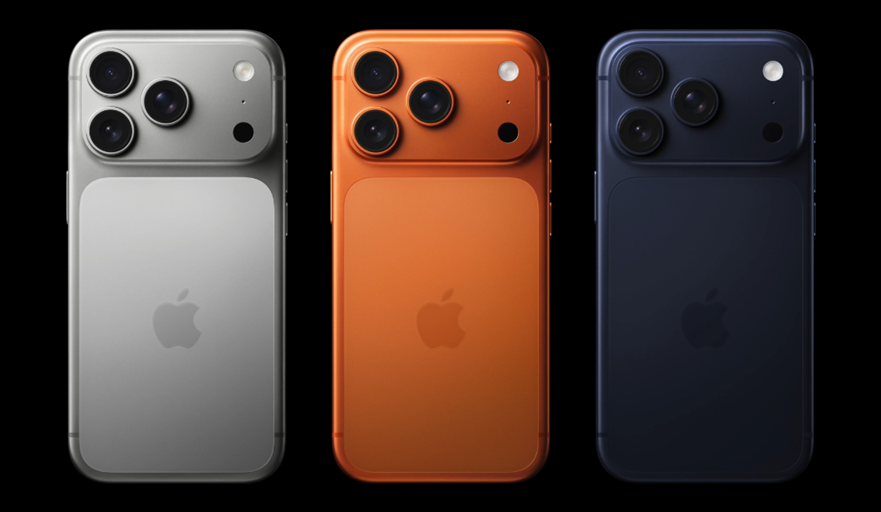
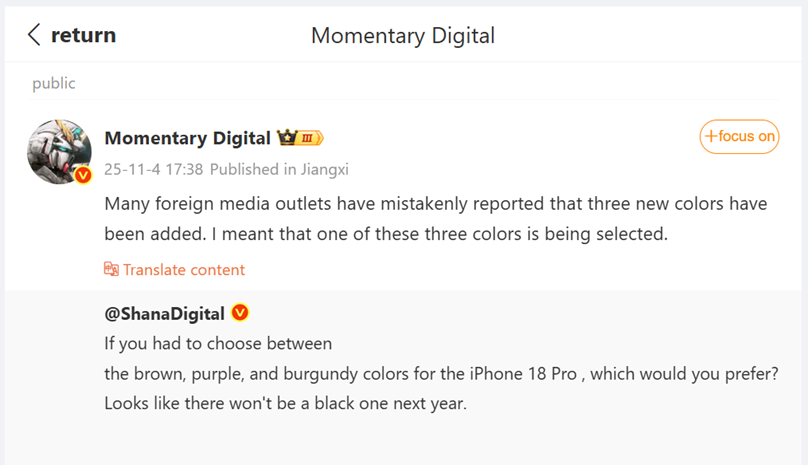
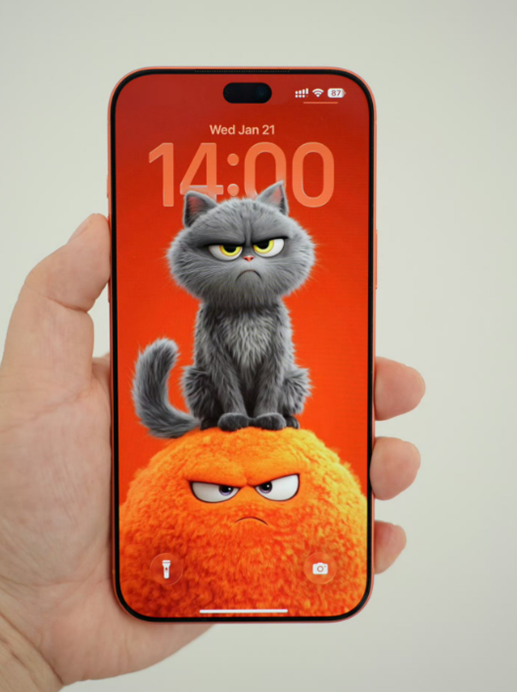
On the design front, Weibo tipster Instant Digital has previously revealed that Apple is testing new colour options for the iPhone 18 Pro lineup. These reportedly could include burgundy, coffee brown, and deep purple shades.
Leaks suggest that the iPhone 18 Pro Max could feature a large 6.9-inch OLED display with a 120Hz refresh rate and peak brightness of up to 3,000 nits. A report from South Korea-based ETNews previously claimed that Apple may adopt under-screen infrared technology from Samsung, enabling under-screen Face ID on the device.
The smartphone is also expected to use LTPO+ display technology, which could be more power-efficient than the LTPO panel used on the iPhone 17. This change may further contribute to improved battery life.
Image shared by @UniverseIce on X.
In January 2026, Tipster Ice Universe @UniverseIce on X claimed that the iPhone 18 Pro Max could feature a Dynamic Island cutout that is 35% narrower than the current model.
The Dynamic Island cutout width on the iPhone 18 Pro and iPhone 18 Pro Max has been reduced from 20.76 mm to 13.49 mm, representing a reduction of approximately 35%. pic.twitter.com/dLnUdCts7z
Separately, a report from The Information previously stated that Apple plans to introduce under-screen Face ID, leaving only a punch-hole-style front camera positioned in the left corner of the display.
Another report from The Information suggested that Apple may remove touch sensitivity and haptic feedback from the Camera Control button on the iPhone 18. However, it remains unclear whether this change will also apply to the iPhone 18 Pro and iPhone 18 Pro Max variants.
The iPhone 18 Pro Max is also tipped to debut with Apple’s in-house C1X or C2 modem, replacing the Qualcomm modem used in the previous generation. In addition, Apple is expected to rely on its own N1 chip for Wi-Fi and Bluetooth connectivity.
FAQs
Q1. What battery capacity is the iPhone 18 Pro Max expected to feature?
Answer. Leaks suggest the China variant may have a 5,000mAh battery, while the global version could feature around 5,100–5,200mAh capacity.
Q2. What chipset will power the iPhone 18 Pro Max?
Answer. The device is expected to run on Apple’s upcoming A20 Pro chipset, built on a 2nm manufacturing process for improved efficiency.
Q3. What design and display changes are rumoured for the iPhone 18 Pro Max?
Answer. It may include a 6.9-inch OLED LTPO+ display with 120Hz refresh rate, 3,000 nits brightness, new colour options, and a narrower Dynamic Island cutout.
Dimensity 9500s chip will power Oppo Find X9s (Q2 2026), Poco X8 Pro Max, and Realme GT 8 in India.
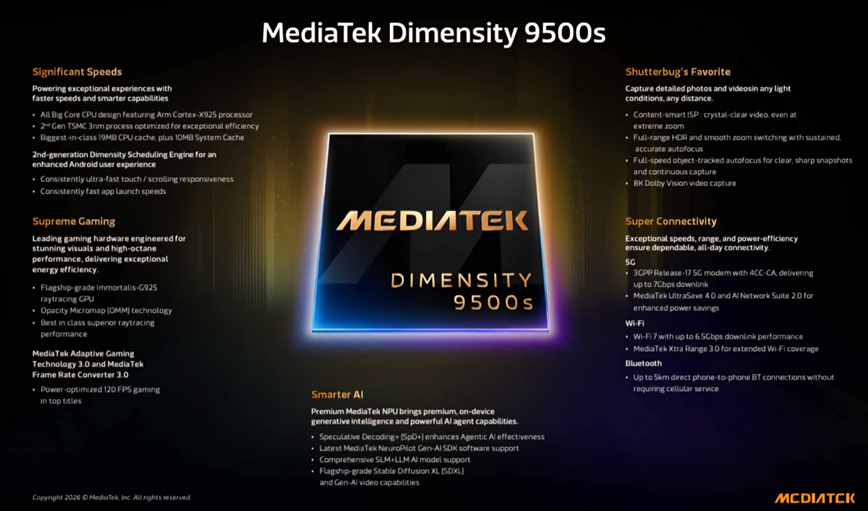
The chipset is built on 3nm process and features Cortex-X925 Ultra core (3.73GHz), Cortex-X4 and A720 cores, Immortalis-G925 GPU and advanced NPU for generative AI.
It supports LPDDR5X RAM, UFS 4.0 storage, WQHD+ 180Hz displays, up to 320MP cameras, Wi-Fi 7, Bluetooth 5.4, dual-SIM 5G and UltraSave 4.0 efficiency tech.
MediaTek Dimensity 9500s To Debut In India soon. (Image credit – MediaTek)
MediaTek’s flagship Dimensity 9500s processor made its global debut in January and is set to arrive in India soon. The chipmaker has now officially confirmed that several upcoming smartphones in the Indian market will be powered by this high-end chipset.
Among them are the Oppo models expected to launch in Q2 2026 and smartphones from both Poco and Realme. Here’s what we know so far.
Smartphones Confirmed With Dimensity 9500s in India
A still from a recent MediaTek event held in New Delhi. (Image credit – X)
At a MediaTek event held in New Delhi today, brands including Poco, Oppo, and Realme confirmed plans to introduce Dimensity 9500s-powered smartphones in India.
Poco announced that the Poco X8 Pro Max will feature the new chipset, while Oppo confirmed that its upcoming Oppo Find X9s will also run on the flagship-grade SoC.
In addition to these, Realme teased that the Realme GT 8 will also arrive in India equipped with the MediaTek Dimensity 9500s processor.
These announcements align with earlier reports suggesting that MediaTek’s latest flagship chip would power several premium smartphones launching in the country. Oppo is reportedly aiming for a Q2 2026 launch window for the Find X9s in India and other South Asian markets.
Meanwhile, the Poco X8 Pro Max was recently spotted on a certification website, indicating that its launch could be just around the corner.
MediaTek Dimensity 9500s – Key Specifications
MediaTek Dimensity 9500s features explained. (Image credit – MediaTek)
The MediaTek Dimensity 9500s is a flagship 3nm chipsetdeveloped by the Taiwanese semiconductor company. Its CPU configuration includes one Arm Cortex-X925 Ultra core clocked at 3.73GHz, three Arm Cortex-X4 cores, and four Arm Cortex-A720 cores. Graphics duties are handled by the Immortalis-G925 GPU.
MediaTek claims the chipset features an advanced NPU capable of supporting generative AI and agentic AI workloads.
The Dimensity 9500s supports LPDDR5X RAM and UFS 4.0 storage. Smartphones powered by this processor can offer WQHD+ displays with refresh rates of up to 180Hz and support camera sensors with resolutions of up to 320 megapixels.
On the connectivity front, the chipset includes support for Wi-Fi 7, Bluetooth 5.4, dual-SIM 5G, 4G LTE, and multiple global navigation systems such as BeiDou, Glonass, Galileo, NavIC, and QZSS. It also uses MediaTek’s UltraSave 4.0 power-saving technology to improve overall energy efficiency.
Interestingly, the specifications of the MediaTek Dimensity 9500s closely resemble those of the 2025 released Dimensity 9400+ processor.
FAQs
Q1. Which smartphones in India will feature the MediaTek Dimensity 9500s chipset?
Answer. The Oppo Find X9s, Poco X8 Pro Max, and Realme GT 8 have been confirmed to launch in India with the Dimensity 9500s processor.
Q2. What are the key specifications of the Dimensity 9500s?
Answer. It is a 3nm flagship chipset with one Cortex-X925 Ultra core (3.73GHz), three Cortex-X4 cores, four Cortex-A720 cores, Immortalis-G925 GPU, and advanced NPU for generative AI.
Q3. What features does the Dimensity 9500s support for smartphones?
Answer. It supports LPDDR5X RAM, UFS 4.0 storage, WQHD+ 180Hz displays, up to 320MP cameras, Wi-Fi 7, Bluetooth 5.4, dual-SIM 5G, and MediaTek’s UltraSave 4.0 efficiency tech.
Sony teased its WF-1000XM6 earbuds launch on February 12, 2026 at 8 AM PST.
Early glimpses are showing design and microphone upgrades.
Retail listings reveal matte Black and Silver colour variants, a rounded rectangular charging case, and four microphones for improved noise cancellation.
Sony WF-1000XM6 launch date and time confirmed. (image credit – Sony)
Sony has officially teased its next-generation premium wireless earbuds, the Sony WF-1000XM6. While the company has not yet confirmed the product name, Sony Electronics has announced the launch date through a post on X. Here’s all we know about the earbuds.
Sony WF-1000XM6 Earbuds – Launch Date
In an official company ID post on X, Sony has officially revealed that the new earbuds will be unveiled on February 12, 2026, at 8 AM Pacific Standard Time.
The teaser post also offers a brief video glimpse of the upcoming earbuds. In parallel, a recent retail listing from Thailand has surfaced, shedding light on the design and colour options of the WF-1000XM6. According to the listing, the earbuds will feature a total of four microphones including two visible grills on the outer shell.
This marks an upgrade over the previous WF-1000XM5, which is expected to translate into better noise cancellation performance.
Sony WF-1000XM6 Earbuds – Design and Key Specs
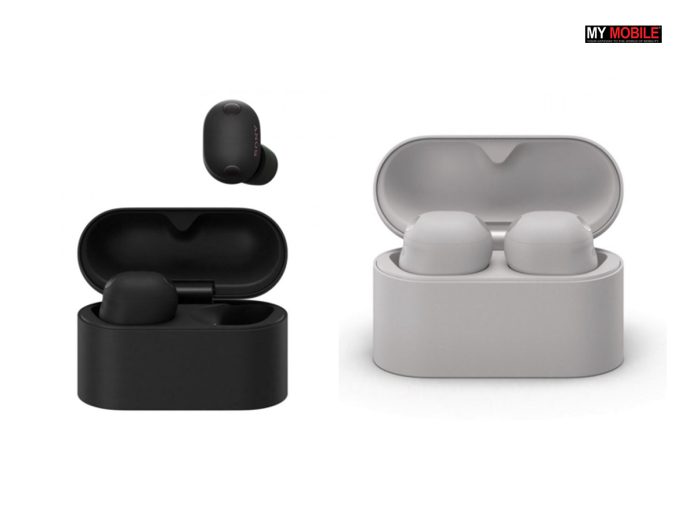
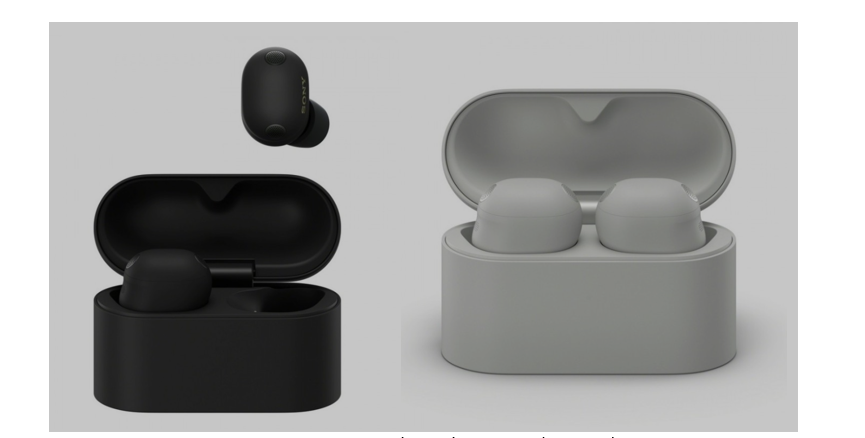
Sony WF-1000XM6 colours. (image credit – Sony)
In a retail listing in Thailand, the upcoming Sony earbuds are shown with a matte finish. These will reportedly be available in Black and Silver colour variants. The charging case adopts a rounded rectangular shape, which aligns with what can be seen in Sony’s official teaser. This further strengthens claims that the teased product is indeed the WF-1000XM6.
While the Thai retailer listing does not provide a full specification sheet, industry rumours point to improved Active Noise Cancelling, largely due to the addition of an extra microphone. More official details are expected to surface closer to the launch date.
The same Thai listing mentions a price of THB 11,990, which roughly converts to $378 USD. However, regional pricing for other markets is yet to be confirmed.
Predecessor WF-1000XM5 Specs for Reference
For context, the current Sony WF-1000XM5 earbuds come equipped with an 8.4mm Dynamic Driver X and are powered by the Integrated Processor V2 alongside the QN2e chip for enhanced noise cancellation. They support SBC, AAC, LDAC, and LC3 audio codecs, along with DSEE Extreme upscaling, Ambient Sound Mode, and improved call quality using bone conduction sensors and DNN processing.
Connectivity features on the WF-1000XM5 include Bluetooth 5.3, Google Fast Pair, multipoint connectivity, head-tracking, and 360 Reality Audio. The earbuds also carry an IPX4 rating for water resistance and are managed via Sony’s Headphones Connect app.
Battery life is rated at up to eight hours with ANC enabled and up to 12 hours without it, with the charging case extending total usage to 24 hours. The earbuds support wireless and fast charging, with each earbud weighing 5.9g and the case bringing the total weight to 39g.
FAQs
Q1. When will the Sony WF-1000XM6 earbuds launch?
Answer. Sony has confirmed the launch date as February 12, 2026, at 8 AM Pacific Standard Time.
Q2. What design and colour options are expected for the Sony WF-1000XM6?
Answer. Retail listings show a matte finish with Black and Silver variants, plus a rounded rectangular charging case design.
Q3. What improvements are expected compared to the WF-1000XM5?
Answer. The Sony WF-1000XM6 will feature four microphones, enhancing Active Noise Cancelling performance over the WF-1000XM5.
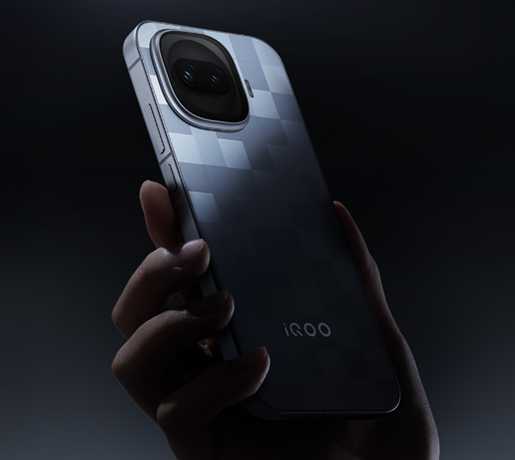
iQOO 15R is confirmed to feature a 50MP Sony LYT-700 primary rear camera with OIS, alongside a likely 32MP front camera.
The smartphone will reportedly debut in India on February 24 with a sneak peek event in Coimbatore on February 22.
The phone is expected to feature Snapdragon 8 Gen 5, a 7,600mAh battery, slim 7.9mm body and OriginOS 6.
iQOO 15R official teaser.
The iQOO 15R is scheduled to launch in India later this month. Ahead of its official debut, the brand has begun teasing key details of the upcoming smartphone. As part of the flagship iQOO 15 series, the latest teasers now highlight the device’s camera capabilities.
iQOO 15R Camera Details Revealed
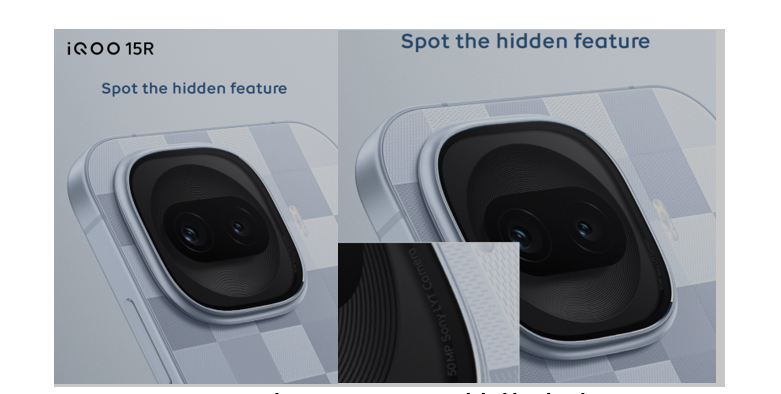
iQOO 15R latest camera teaser with hidden detail.
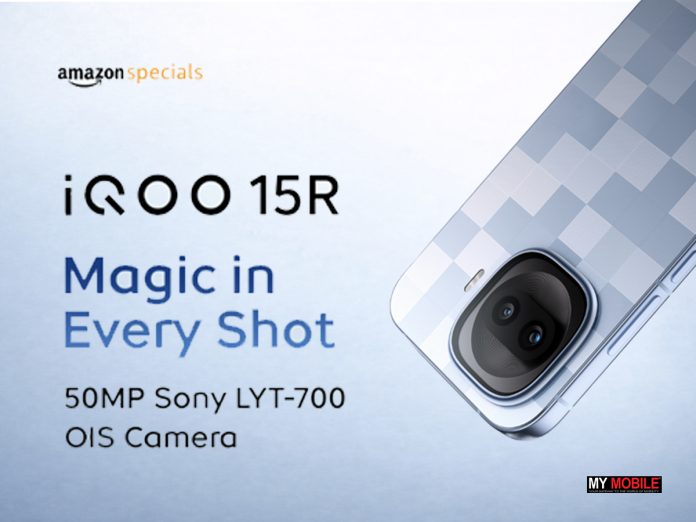
iQOO India CEO Nipun Marya recently shared a teaser on X, asking users to spot a hidden detail in the image. A small line of text within the square-shaped camera module confirms that the iQOO 15R will feature a 50-megapixel primary rear camera powered by a Sony LYT sensor.
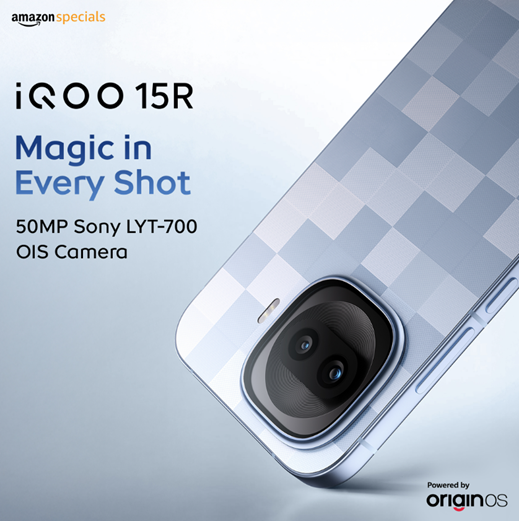
iQOO 15R teaser with camera specs.
In a separate post on X, iQOO India further clarified that the smartphone will be equipped with a 50MP Sony LYT-700 primary camera with optical image stabilisation (OIS).
While the company has not revealed details about the remaining cameras, tipster Gadgetsdata previously claimed in December that the phone will retain a 32MP front-facing camera, similar to the iQOO Z11 Turbo.
Earlier reports suggested that the iQOO 15R could be a rebranded version of the China-only iQOO Z11 Turbo. However, the Z11 Turbo features a dual rear camera setup with a 200-megapixel primary sensor and an 8-megapixel ultra-wide lens. This difference suggests that iQOO may introduce some specification changes for the Indian market.
iQOO 15R India Launch Timeline and Sneak Peek Event
The iQOO 15R is expected to launch in India on February 24.
Ahead of the official launch, iQOO has announced a sneak peek event for the iQOO 15R. The session will give select users an opportunity to experience the handset firsthand and explore its design, performance, and key features before launch.
iQOO 15R sneak peek session date confirmed.
The sneak peek event is scheduled to take place in Coimbatore on February 22. Participants can also opt to attend a BGMI Gaming Session that will be held after the product showcase.
iQOO 15R – What Else We Know?
iQOO has confirmed that the iQOO 15R will ship with OriginOS 6 out of the box. The company has also promised four major Android OS upgrades and six years of security patch updates for the device.
The brand has also teased the presence of Origin Island on the iQOO 15R. This feature is iQOO’s take on Apple’s Dynamic Island-style notch, offering glanceable notifications, quick controls, and support for live activities.
The smartphone will pack a large 7,600mAh battery and is being promoted as the “slimmest smartphone in the 7,600mAh category” in India, with a thickness of just 7.9mm.
Under the hood, the iQOO 15R will be powered by Qualcomm’s Snapdragon 8 Gen 5 chipset. According to the company, the processor has achieved an AnTuTu score of over 3.5 million points and delivers around 36 percent improved CPU performance along with approximately 46 percent better NPU performance.
FAQs
Q1. What camera setup does the iQOO 15R feature?
Answer. The iQOO 15R is confirmed to have a 50MP Sony LYT-700 primary rear camera with OIS, and it is expected to include a 32MP front-facing camera.
Q2. When will the iQOO 15R launch in India?
Answer. The iQOO 15R is scheduled to launch in India on February 24, with a sneak peek event in Coimbatore on February 22 that includes a BGMI gaming session.
Q3. What are the key specifications of the iQOO 15R?
Answer. The smartphone will ship with OriginOS 6, a 7,600mAh battery in a slim 7.9mm body, Snapdragon 8 Gen 5 chipset, and promises four Android OS upgrades plus six years of security updates.
Apple has reportedly scaled back its AI health coach plans after key leadership changes.
Chief Eddy Cue questioned Apple’s health service vision, noting rivals like Oura and Whoop offer stronger features.
Apple is repurposing its Oakland studio for health video content and plans advanced Siri health queries with iOS 27.
Apple Health App. (Image credit – Apple)
Apple has reportedly scaled down its ambitious plans for an AI-powered health coach as part of its Project Mulberry initiative. According to a new report from Bloomberg, the decision follows major leadership changes within the company’s health and artificial intelligence teams.
Leadership Changes Disrupt Original Timeline
Apple’s Project Mulberry was initially expected to debut alongside iOS 26. However, its timeline reportedly shifted multiple times due to organisational changes across Apple’s health and AI divisions.
On the health front, longtime chief operating officer Jeff Williams retired, and responsibility for Apple’s health and fitness initiatives moved under services chief Eddy Cue.
At the same time, Apple’s AI leadership also saw a shakeup. John Giannandrea, senior vice president of Machine Learning and AI Strategy, announced plans to step down and retire in spring 2026. Much of his organisation is set to be merged into the broader software engineering group led by Craig Federighi.
Apple Rethinks Competitive Position in Health Tech
According to Bloomberg, Eddy Cue was not convinced that Apple’s existing vision for a new health service was strong enough to compete with current market offerings.
The report states, “Cue has told colleagues that Apple needs to move faster and be more competitive in health, the people said. He added that newer rivals — including Oura Health Oy and Whoop Inc. — offer more compelling and useful features, particularly through their iPhone apps. The longtime Apple executive didn’t think that the company’s existing plan for a new health service met that bar. He’s also considering changes to Apple Fitness+, a $9.99-per-month competitor to Peloton Interactive Inc.’s app that offers guided workouts.”
The AI Health Coach Features May Still Arrive Gradually
Bloomberg first revealed last year that Apple was developing Project Mulberry, a project aimed at introducing an AI-driven health coach within a redesigned Health app. The virtual coach was said to be trained using data from Apple-employed physicians. It would be supported by insights from sleep specialists, nutritionists, physical therapists, mental health professionals, and cardiologists.
The goal was to deliver educational, health-focused video content directly inside the app.
As part of this effort, Apple reportedly built a production studio in Oakland, California, to create the video content. Bloomberg now says this studio “will be repurposed and introduced as early as this year.”
The videos are expected to help users better understand concerning health trends with recordings continuing at a new Oakland facility, according to Mark Gurman. Apple has also been exploring the idea of bringing in a “major doctor personality” to act as a “host” for the service. Internally, some Apple employees have referred to the concept as ‘Health+.’
The report adds that Apple intends to allow a revamped Siri with iOS 27“to support more advanced health-related queries across the Health app and its operating systems.”
FAQs
Q1. Why did Apple scale back its AI health coach plans?
Answer. The decision followed major leadership changes in Apple’s health and AI divisions, including Jeff Williams’ retirement and John Giannandrea’s upcoming departure.
Q2. What was Project Mulberry originally expected to deliver?
Answer. Project Mulberry aimed to introduce an AI-driven health coach within the Health app, supported by insights from physicians, sleep specialists, nutritionists, and other experts.
Q3. Will Apple still release health-related features in the future?
Answer. Yes, Apple is repurposing its Oakland studio to produce health video content and plans to enable Siri to handle advanced health queries with iOS 27.