Home Blog Page 184

Tecno Camon 50 and Camon 50 Pro Launched With Helio G200 Chip, 6,150mAh Battery and 144Hz AMOLED Display

0

Highlights

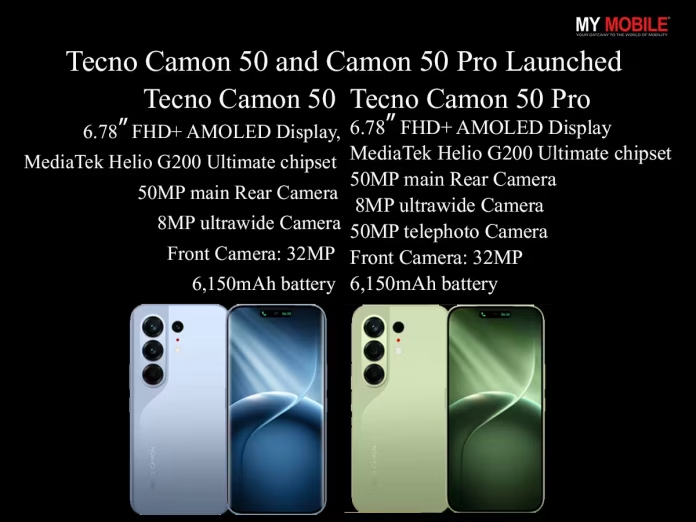
  • Tecno unveiled the Camon 50 and Camon 50 Pro with MediaTek’s Helio G200 chipset, 6.78-inch FHD+ 144Hz AMOLED displays, 32MP selfie cameras and more.
  • Pro adds a curved display and a dedicated 50MP telephoto lens with 3x optical zoom, while the standard model uses a flat panel and lacks the telephoto camera.
  • The Camon 50 is priced at around KES 37,500 ($290) and the Camon 50 Pro at around KES 44,000 ($341) in Kenya.
image

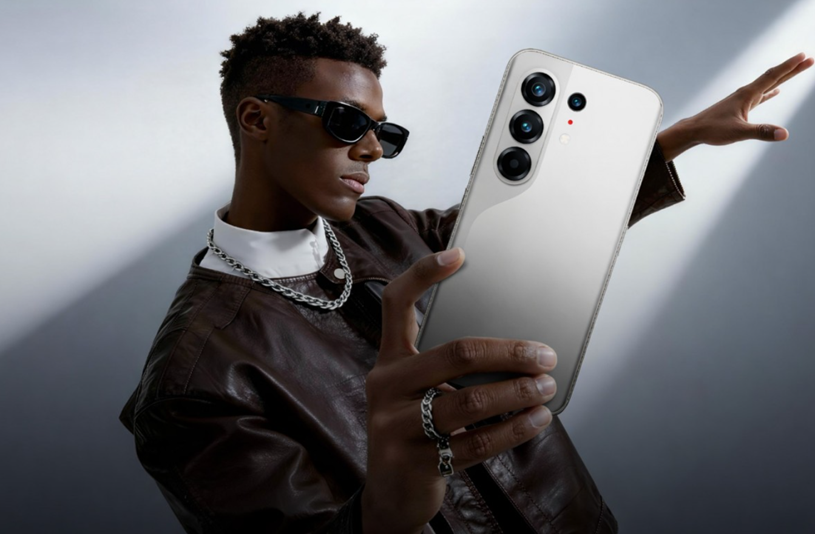
Tecno Camon 50 and Camon 50 Pro Launched officially. (Image credit – Tecno)

Tecno Mobile has officially unveiled the Tecno Camon 50 and Tecno Camon 50 Pro ahead of their expected global showcase at MWC next month. The smartphones are already available in several African markets, bringing high-refresh-rate AMOLED displays, large batteries, and MediaTek’s Helio G200 chipset to the mid-range segment.

While both models share many core specifications, the Pro variant stands out with a curved display and an additional 3x telephoto camera. Here’s more on both models.

Tecno Camon 50 Pro – Key Features
image

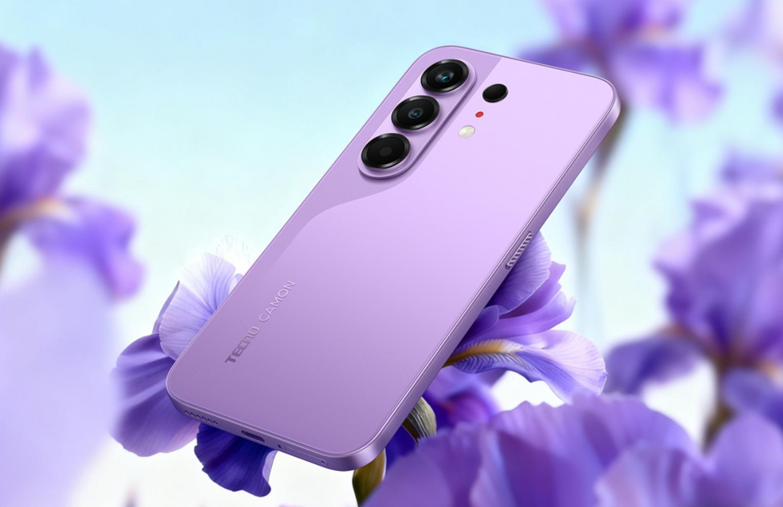
The Tecno Camon 50 Pro features a curved 6.78-inch AMOLED display with Full HD+ resolution and a 144Hz refresh rate. The panel houses a 32-megapixel front-facing camera and includes an under-display optical fingerprint scanner for security.

Powering the device is MediaTek’s Helio G200 Ultimate chipset, paired with 8GB of RAM and 256GB of internal storage.

On the rear, the Camon 50 Pro sports a triple-camera setup. It includes a 50-megapixel primary camera (23mm equivalent) using Sony’s LYT700C (1/1.56-inch) sensor with optical image stabilisation (OIS). An 8-megapixel ultrawide camera (14mm equivalent, f/2.2 aperture) is also included.

Additionally, the Pro model gets a dedicated 50-megapixel telephoto lens (70mm equivalent) with 3x optical zoom, offering enhanced versatility for portrait and zoom photography.

Tecno Camon 50 – Key Features
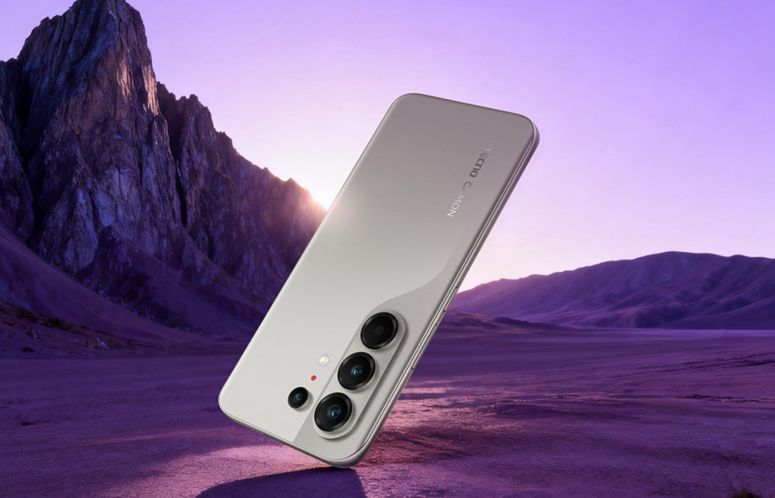
image

The standard Tecno Camon 50 shares the same 6.78-inch FHD+ AMOLED display specifications, including the 144Hz refresh rate, 32-megapixel selfie camera, and under-display fingerprint scanner. However, it uses a flat panel instead of a curved one.

Like the Pro model, it is powered by the Helio G200 Ultimate chipset and comes with 8GB RAM and 256GB storage.

In terms of cameras, the Camon 50 includes the same 50-megapixel primary sensor with Sony LYT700C and OIS, along with the 8-megapixel ultrawide lens. However, it does not feature the telephoto camera found on the Pro variant.

Tecno Camon 50 and Camon 50 Pro – Battery, Software and Durability

Both the Tecno Camon 50 and Camon 50 Pro pack large 6,150mAh batteries, supported by 45W wired fast charging.

The devices run HiOS 16 based on Android 16 and come integrated with Tecno’s AI suite for enhanced software capabilities. For durability, the smartphones carry IP69K, IP69, and IP68 ratings, offering protection against dust and water ingress.

Tecno Camon 50 and Camon 50 Pro – Colour Options and Pricing
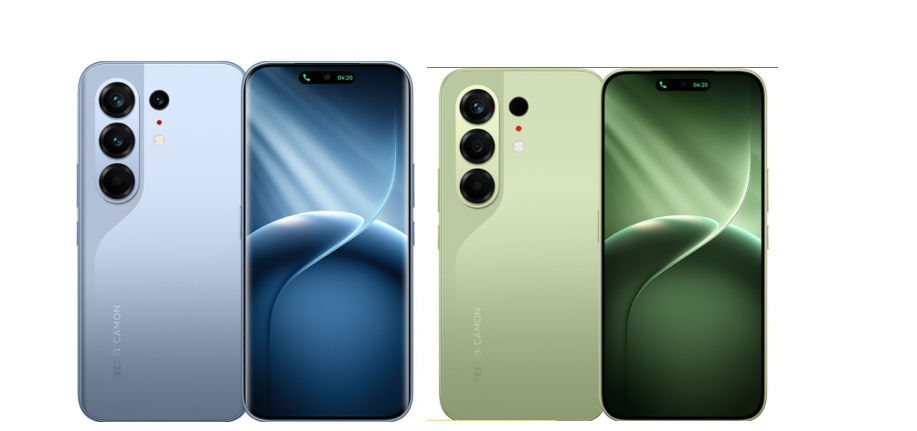
Tecno Camon 50 Pro (left) and Camon 50 (right). (Image credit - Tecno)
Tecno Camon 50 Pro (left) and Camon 50 (right). (Image credit – Tecno)

The Tecno Camon 50 series is available in Moonlight Black, Malachite Green, Nebula Titanium, Fir Green, Lavender Mist, and Mint Cream. The Camon 50 Pro is offered in the same colourways, along with an exclusive Ethereal Blue variant.

In Kenya, the Tecno Camon 50 is priced at KES 37,500 (approximately $290), while the Camon 50 Pro starts at KES 44,000 (around $341). Both models are currently listed by Kenyan online retailers.

FAQ

Q1. What chipset powers the Tecno Camon 50 series?

Answer. Both the Tecno Camon 50 and Camon 50 Pro are powered by MediaTek’s Helio G200 Ultimate chipset, paired with 8GB RAM and 256GB internal storage.

Q2. How do the Camon 50 and Camon 50 Pro differ in design and cameras?

Answer. The Camon 50 has a flat AMOLED display and a dual-camera setup (50MP main + 8MP ultrawide), while the Camon 50 Pro features a curved AMOLED display and adds a 50MP telephoto lens with 3x optical zoom to its triple-camera system.

Q3. What display specifications do the Tecno Camon 50 series smartphones offer?

Answer. Both models sport a 6.78-inch FHD+ AMOLED display with a 144Hz refresh rate, along with a 32MP front-facing camera and under-display fingerprint scanner.

Q4. What battery and durability features are included in Tecno Camon 50 series?

Answer. Each device packs a 6,150mAh battery with 45W fast charging and carries IP69K, IP69, and IP68 ratings for dust and water resistance.

Q5. What are the pricing and colour options for the Camon 50 series?

Answer. The Camon 50 is priced at KES 37,500 ($341). Both come in multiple colours, with the Pro offering an exclusive Ethereal Blue variant.
Also Read –

https://www.mymobileindia.com/tecno-pova-curve-2-5g-launches-in-india-with-144hz-curved-amoled-display-and-massive-8000mah-battery/

https://www.mymobileindia.com/tecno-pop-10-4g-debuts-in-ghana-with-120hz-display-unisoc-t7250-chip-and-5000mah-battery/

Nothing Confirms March 5 Launch Event, Phone 4a, Phone 4a Pro Expected to Debut

0

Highlights

  • Nothing has confirmed a March 5 launch event, scheduled just a day after Apple’s March 4 event.
  • CEO Carl Pei announced the event with a graffiti-style invite mocking Apple’s minimalist design.
  • The event is expected to debut the Nothing Phone 4a and 4a Pro, along with the Nothing Headphone (a).

image

Nothing Phone 4a, Phone 4a Pro launch date confirmed. (Image credit – Nothing)

Nothing has officially confirmed a new product launch event scheduled for March 5. Interestingly, the event will take place just a day after Apple hosts its “Special Apple Experience” on March 4 in London, New York and Shanghai.

Nothing’s announcement was made by CEO Carl Pei via a post on X in an unusual way.

Nothing’s Cheeky Invite Takes Aim at Apple

image

Nothing’s launch announcement post. (Image credit – @getpeid on X)

Unlike Apple’s minimalist invite, Nothing opted for a bold and playful approach. The company effectively “vandalised” Apple’s clean design with a punk-rock style, spray-painted overlay. Carl Pei used a vibrant, dripping pink graffiti-style font to stamp the Nothing brand name across the top and alter the date to March 5.

The move highlights Nothing’s signature disruptive branding strategy, positioning its launch as a counterpoint to Apple’s event.

Nothing Phone 4a Series Expected

Industry rumours suggest the event could see the debut of the Nothing Phone 4a and the Nothing Phone 4a Pro.

Both smartphones are expected to feature UFS 3.1 onboard storage and slightly larger batteries compared to their predecessors in the Phone 3a series. The devices are also tipped to run on Snapdragon chipsets and may launch at a higher price point than the previous generation.

The purported Nothing Phone 4a Pro recently appeared on Geekbench, reportedly powered by Qualcomm’s Snapdragon 7s Gen 4 processor. Benchmark scores indicate 707 points in the single precision test, 1,077 points in the half precision test, and 1,265 points in the quantised test.

In terms of configurations, both the Phone 4a and Phone 4a Pro are expected to be available in 8GB RAM + 128GB storage variants. Colour options could include Black and White for the standard model, while the Pro variant may arrive in Black and Silver finishes.

In addition to smartphones, Nothing is reportedly preparing to launch a new pair of over-ear headphones, likely to be branded as the Nothing Headphone (a).

FAQs

Q1. When is Nothing’s next product launch event scheduled?

Answer. Nothing has confirmed its launch event for March 5, 2026, just a day after Apple’s March 4 “Special Apple Experience.”

Q2. How did Nothing announce the event?

Answer. CEO Carl Pei revealed the event via X with a graffiti-style invite mocking Apple’s minimalist design, showcasing Nothing’s disruptive branding.

Q3. What products are expected to debut at the upcoming Nothing event?

Answer. Industry rumours suggest the launch of the Nothing Phone 4a and Phone 4a Pro, along with new Nothing Headphone (a) over-ear headphones.

Also Read –

https://www.mymobileindia.com/nothing-phone-4a-and-phone-4a-pro-storage-and-colour-options-leaked-phone-4a-spotted-on-geekbench-with-snapdragon-7s-gen-4/

https://www.mymobileindia.com/nothing-phone-4a-series-and-headphone-a-teased-with-new-colour-options-eec-certification-hints-at-launch-prices-and-specs-tipped/

Apple Tests End-to-End Encrypted RCS Messaging in iOS 26.4 Beta for iPhone, iPad and Mac

0

Highlights

  • Apple is testing end-to-end encryption (E2EE) for RCS messaging in the iOS 26.4 beta.
  • The feature introduces a lock icon in RCS chats, requires RCS Universal Profile 3.0 and is enabled by default on supported devices and carriers.
  • It is available in iOS 26.4, iPadOS 26.4, and macOS Tahoe 26.4 developer betas.

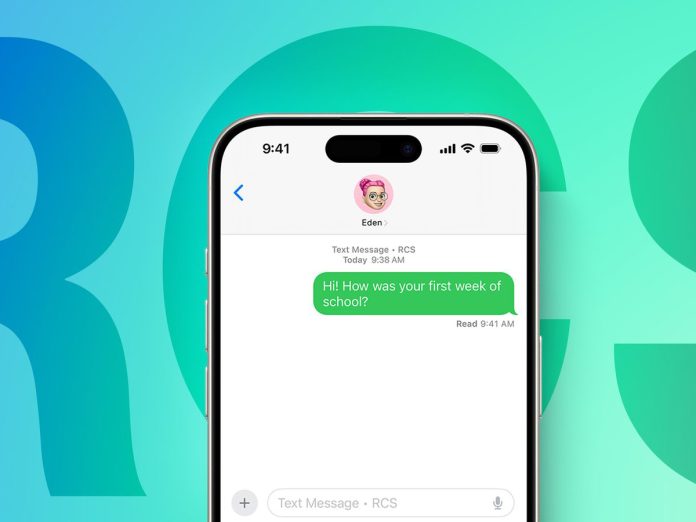
image

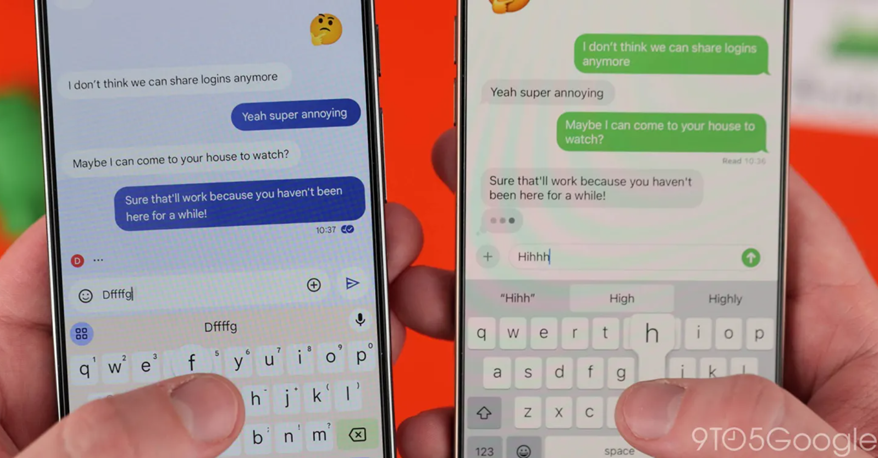
End-to-End Encrypted RCS Messaging testing in iOS 26.4 Beta. (Image credit – 9to5Google)

Apple has begun testing end-to-end encryption (E2EE) for RCS messages with the release of the iOS 26.4 beta, alongside iPadOS 26.4 and macOS Tahoe 26.4. The move marks a significant step toward securing cross-platform messaging between iPhone and Android users.

Apple released the first developer betas of iOS 26.4, iPadOS 26.4, and macOS Tahoe 26.4. The updates are currently available to developers with a public launch expected in the spring. Here’s more detail on that.

End-to-End Encryption Expands to RCS Messaging

Apple has been collaborating with the GSMA to bring end-to-end encryption to RCS messaging. While Apple’s iMessage platform has long supported E2EE for messages exchanged between iPhones, cross-platform conversations between iPhone and Android users have lacked full encryption.

Although RCS chats between Android devices already support E2EE, communications between Android and iPhone users have not previously been secured at the same level. With the integration of end-to-end encryption for RCS, Apple aims to ensure that cross-platform messages become as secure as iMessage conversations.

How RCS Encryption Works in iOS 26.4 Beta?

Developers testing the iOS 26.4 beta will notice a new toggle in the Settings app that enables end-to-end encrypted RCS messaging. The feature is switched on by default for supported devices and carriers.

According to Apple, most carriers that currently support RCS are also expected to support RCS end-to-end encryption. However, during the first beta phase, RCS encryption on Apple devices is available for testing only when iMessage is disabled.

Users running the beta software will see a lock icon appear in RCS chats, indicating that end-to-end encryption is active. The lock symbol will now also appear in iMessage conversations.

Apple has noted that RCS encryption will roll out gradually to beta users, meaning not all testers will gain immediate access.

RCS Universal Profile 3.0 Required

To enable full end-to-end encryption for RCS, Apple will need to adopt RCS Universal Profile 3.0. The GSMA recently published this updated standard with Apple’s involvement. Currently, Apple supports RCS Universal Profile 2.4.

The newer Universal Profile 3.0 specification also introduces additional cross-platform messaging. These include the ability to edit and delete text messages, as well as reply inline to specific messages during conversations between Android and iPhone users.

FAQs

Q1. What new security feature is Apple testing in iOS 26.4 beta?

Answer. Apple is testing end-to-end encryption (E2EE) for RCS messaging, making cross-platform chats between iPhone and Android users more secure.

Q2. How can users tell if RCS encryption is active on their device?

Answer. A lock icon will appear in RCS chats (and iMessage conversations) when end-to-end encryption is enabled.

Q3. What standard is required for full RCS encryption support?

Answer. Apple will need to adopt RCS Universal Profile 3.0, which adds features like editing, deleting, and inline replies in cross-platform messaging.

Also Read –

https://www.mymobileindia.com/ios-27-to-focus-on-improved-battery-life-stability-and-code-cleanup-report-claims/

https://www.mymobileindia.com/apple-rolls-out-ios-26-3-for-iphone-with-android-migration-tool-and-apple-music-updates-watchos-26-3-tvos-26-3-and-visionos-26-3-also-released/

India AI Impact Summit Day 2 – Schedule, Speakers and Key Sessions; Day 2 Focuses on Real-World AI Deployment After Disruptions on Opening Day

0

Highlights

  • Day 2 of the India AI Impact Summit 2026 shifted focus from broad strategy to real-world AI deployment.
  • Sessions ran across Bharat Mandapam and Sushma Swaraj Bhawan, featuring leaders like Ashwini Vaishnaw, J. P. Nadda, Amitabh Kant, and Roshni Nadar.
  • The agenda emphasised AI infrastructure, regulation and global cooperation.
India AI Impact Summit Day 2.

The India AI Impact Summit 2026 has entered its second day, shifting gears from headline announcements to practical applications of artificial intelligence. Following a crowded and chaotic opening day, Tuesday’s agenda is centred on how AI is being implemented across healthcare, education, governance and economic development.

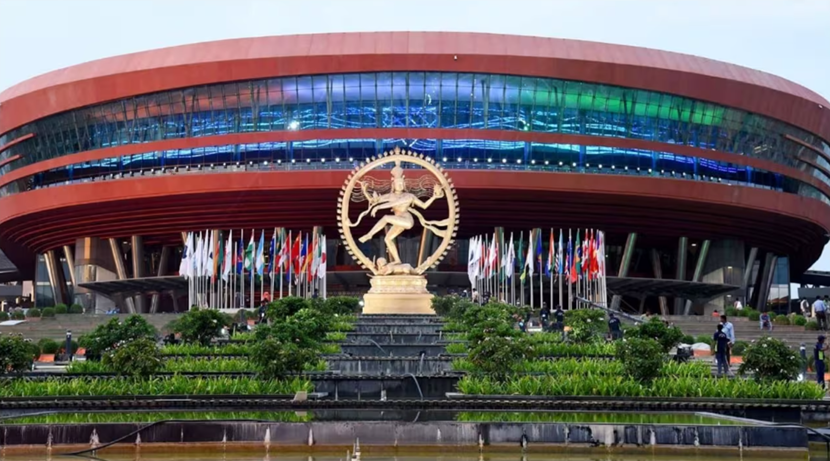
According to reports from multiple outlets covering the summit, Day 2 sessions are being conducted at Bharat Mandapam and Sushma Swaraj Bhawan in New Delhi.

Day 2 -Venue and Timings

image

The primary keynote sessions are being hosted at Bharat Mandapam, while parallel discussions, masterclasses, and showcases are taking place at Sushma Swaraj Bhawan and designated expo areas.

Keynote addresses began at 9:30 AM and are scheduled to continue until 8:45 PM. Multiple panel discussions, workshops, and sector-focused showcases are running simultaneously across various halls throughout the day.

India AI Impact Summit Day 2 – Key Speakers

Day 2 features participation from senior government officials and global technology leaders. Among the prominent speakers are Union IT Minister Ashwini Vaishnaw, Union Health Minister J. P. Nadda, and former G20 Sherpa Amitabh Kant.

  1. P. Nadda is also scheduled to unveil key healthcare-focused initiatives including Artificial Intelligence in Healthcare for India (SAHI) and the Benchmarking Open Data Platform for Health AI (BODH), as highlighted in summit coverage.

Industry representation includes Roshni Nadar, Chairperson of HCL Technologies, who is participating in discussions centred on Women & Youth in AI. International experts engaged in AI policy and public welfare are also contributing to conversations on global cooperation.

Sessions to Watch on Day 2

The second day features multiple thematic tracks covering AI infrastructure, governance, healthcare, education, climate, agriculture, and economic impact.

Key sessions include –

  • AI Masterclass in Robotics (9:30 AM)
  • AI in Health: Saving Lives at Scale (10:20 AM)
  • AI in Governance: Revolutionising Government Efficiency (11:40 AM)
  • AI in Work: Humans, AI, or Both? (1:45 PM)
  • Building India’s AI Governance Architecture (3:30 PM)
  • AI in Climate and Agriculture (3:40 PM)
  • AI for ALL & AI by HER (6:00 PM)
  • Women & Youth in AI (7:15 PM)

Flagship AI Impact Casebooks spanning sectors such as health, education, agriculture, and gender inclusion are also being unveiled during the day.

Day 2 Focus – From Vision to Deployment

Unlike Day 1, which largely revolved around broad strategic discussions, Day 2 is focused on execution. Panels are examining how AI can be deployed to assist rural communities, enhance public service delivery, strengthen digital public infrastructure, and expand educational access.

Discussions also cover AI regulatory frameworks, digital public goods, and cross-border collaboration, underscoring India’s ambition to play a leading role in shaping global AI governance.

Day 1 Marked by Overcrowding and Organisational Issues

image

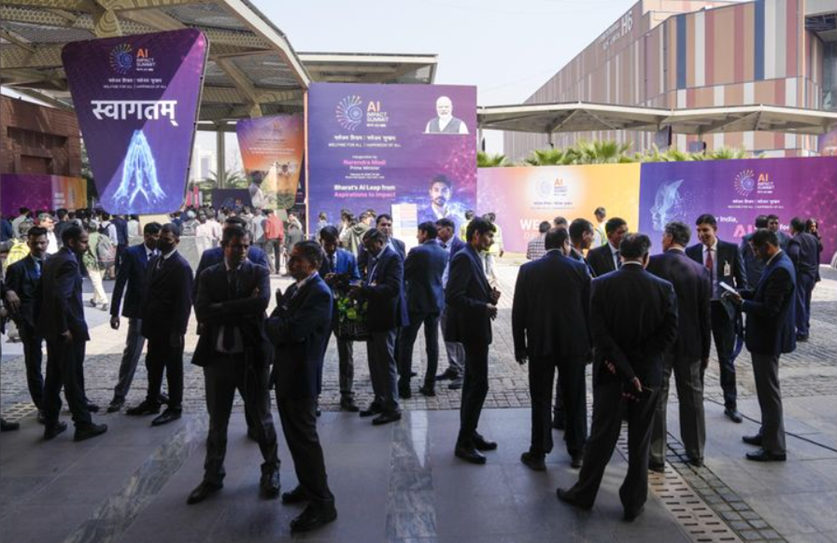
While the summit opened on Monday as the first global AI gathering hosted in the Global South, welcoming delegates from over 30 countries, the inaugural day was marred by disruptions.

Attendees reported long entry queues lasting up to three hours, overcrowding inside the venue, and repeated crashes of the registration system. Some participants who had registered weeks in advance were reportedly denied entry. Due to limited seating, several attendees were asked to sit on the ground.

Confusion intensified when sections of the exhibition area were suddenly cleared ahead of security sweeps for high-level arrivals. According to coverage by Reuters, journalists faced uncertainty over entry protocols with confusion surrounding digital QR codes and physical access passes. Some physical passes promised for collection were reportedly unavailable.

Technical glitches were also reported on the summit’s website. During certain sessions, speakers were not clearly visible, nameplates were missing, and audio quality was subpar. A few sessions did not begin as per the schedule displayed online. There were also allegations of theft raised during the day.

As Day 2 unfolds with a sharper focus on deployment and policy frameworks, attention remains on how effectively the summit can translate ambition into action.

FAQs

Q1. What was the main focus of Day 2 at the India AI Impact Summit 2026?

Answer. Day 2 shifted focus to real-world AI deployment, highlighting applications in healthcare, education, governance, climate, agriculture, and economic development.

Q2. Who were some of the key speakers on Day 2 at the India AI Impact Summit 2026?

Answer. Prominent speakers included Union IT Minister Ashwini Vaishnaw, Union Health Minister J. P. Nadda, former G20 Sherpa Amitabh Kant, and HCL Chairperson Roshni Nadar.

Q3. What notable initiatives and sessions were unveiled on Day 2 at the India AI Impact Summit 2026?

Answer. Key initiatives included SAHI (AI in Healthcare for India) and BODH (Benchmarking Open Data Platform for Health AI), alongside sessions on AI in governance, robotics, climate, and women & youth in AI.

Also Read –

https://www.mymobileindia.com/google-i-o-2025-set-for-may-20-21-with-spotlight-ai-and-android-16-sundar-pichai-meets-pm-modi-at-paris-ai-summit/

https://www.mymobileindia.com/ai-impact-summit-2026-know-all-about-the-registration-process-list-of-global-tech-leaders-attending-and-full-agenda/

Samsung Galaxy S26 Series Set for February 25 Launch, Snapdragon 8 Elite Gen 5 Outperforms Exynos 2600 in Early Benchmarks, S26 Ultra’s Zero-Peeking Privacy Feature Teased, Camera Details Tipped

0

Highlights

  • Samsung will launch the Galaxy S26 series on February 25, 2026 with the S26 Ultra introducing a new “zero-peeking privacy” display feature.
  • Early benchmarks show the Snapdragon 8 Elite Gen 5 variant outperforming the Exynos 2600, especially in single-core performance, though multi-core scores are close.
  • The Galaxy S26 Ultra may retain a 12MP Sony selfie camera, similar to past Ultra models.

image

Samsung Galaxy S26 Series Set for February 25 Launch. (Image credit – Samsung)

The upcoming Samsung Galaxy S26 series is all set to make its official debut on February 25. Ahead of the launch, early benchmark listings of the purported Galaxy S26 and Galaxy S26 Ultra have surfaced online, highlighting performance differences between chipset variants.

At the same time, Samsung has teased a new “zero-peeking privacy” feature that is expected to debut with the premium model. That’s not all, we also have the latest tip on possible camera features of S26 Ultra. Here’s a roundup of all the new details surfacing about the upcoming Samsung flagship lineup.

Samsung Teases New “Zero-Peeking Privacy” Feature

image

Samsung teases Zero-peeking privacy feature. (Credit – Samsung)

Samsung Electronics has released a teaser video on YouTube showcasing what it calls the Privacy Display feature. The short clip depicts commuters on a metro train attempting to glance at a user’s Galaxy S26 series phone screen. The user then enables a “zero-peeking privacy” feature, which blocks visibility of the screen content from side angles.

The teaser ends with the tagline, “Can your phone do that?” and confirms the Galaxy S26 lineup launch date as February 25.

Samsung had previously hinted at the Privacy Display technology, which is designed to prevent shoulder surfing. The feature is expected to be one of the standout upgrades of the Samsung Galaxy S26 Ultra.

Functionally, the feature will operate similarly to privacy screen protectors or laptop privacy filters. The display will appear normal when viewed head-on, but from side angles, it will look blacked out. This could prove especially useful when accessing sensitive information such as PINs, OTPs, or personal data in crowded environments like buses or elevators.

Reports suggest that the Privacy Display may remain exclusive to the Galaxy S26 Ultra. Users are also expected to have customisation options, such as dimming notifications or restricting visibility for specific apps.

Snapdragon 8 Elite Gen 5 vs Exynos 2600 – Early Benchmark Comparison

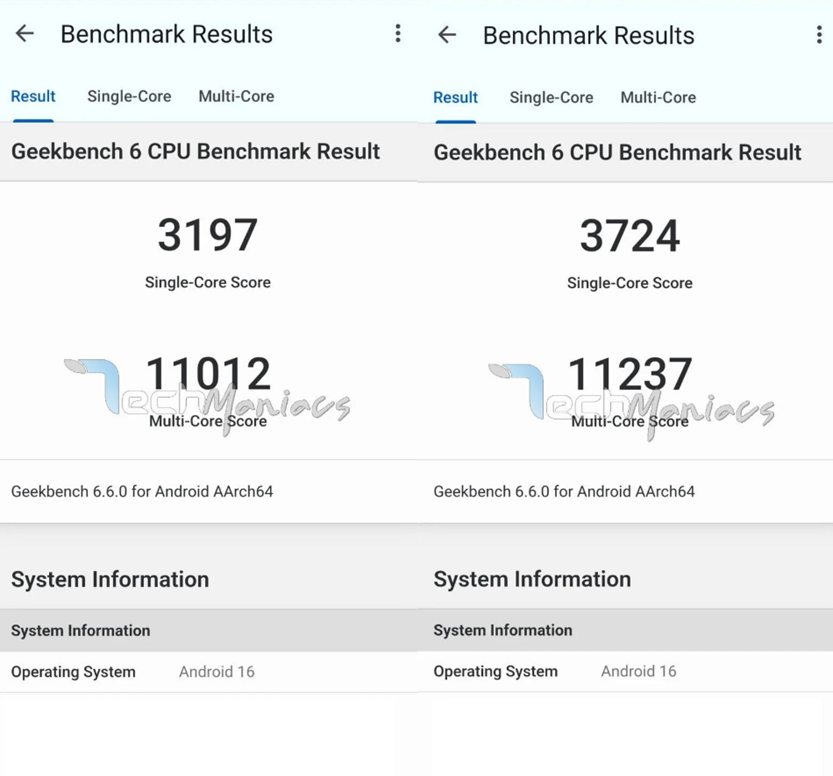
As the launch approaches, fresh benchmark comparisons have surfaced via Greek outlet TechManiacs. The report compares the Snapdragon-powered Galaxy S26 Ultra with the Exynos-equipped standard Galaxy S26.

Exynos 2600-powered Galaxy S26 (left) vs Snapdragon 8 Elite Gen 5-powered Galaxy S26 Ultra (right) benchmarks. (Screenshot by TechManiacs)

According to Geekbench listings, the Galaxy S26 Ultra powered by the Snapdragon 8 Elite Gen 5 “for Galaxy” scored 3,724 in single-core and 11,237 in multi-core tests. These figures align closely with earlier benchmark leaks, particularly in single-core performance.

In contrast, the Galaxy S26 running on the Exynos 2600 achieved 3,197 in single-core and 11,012 in multi-core scores. The difference in single-core performance is especially noticeable.

image

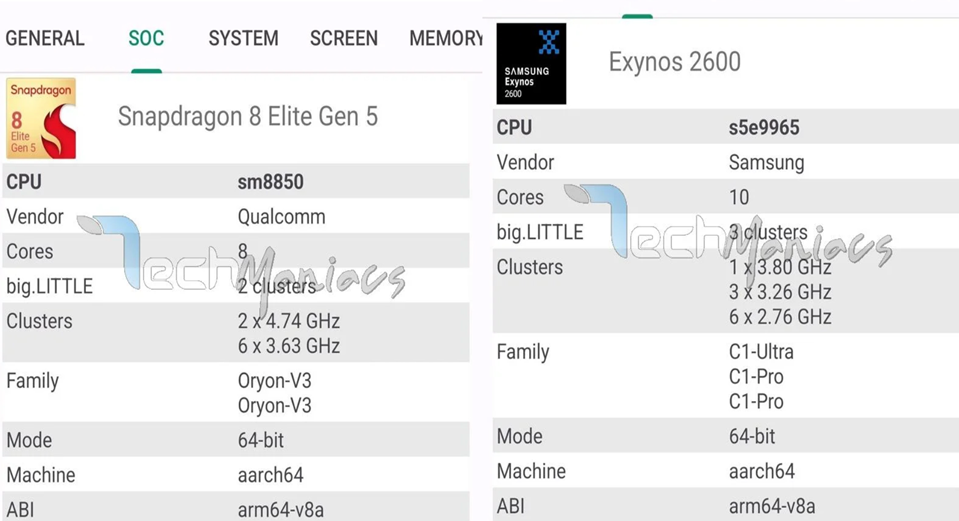
Screenshots showing SoC details of the tested Galaxy S26 Ultra (right) and S26 (left). (Screenshot by TechManiacs)

It remains unclear whether the tested Galaxy S26 Ultra model featured 12GB or 16GB of RAM, as TechManiacs concealed certain hardware details in the listing. For reference, non-Ultra variants in the lineup are expected to offer up to 12GB of RAM.

The higher single-core score of the Snapdragon variant appears to be aided by an overclocked Prime core. The Snapdragon 8 Elite Gen 5 “for Galaxy” has its Prime core clocked at 4.74GHz, slightly higher than the standard 4.61GHz version found in devices such as the OnePlus 15.

By comparison, the Exynos 2600’s ARM C1-Ultra core is clocked at 3.80GHz. While the Snapdragon chip leads in single-core performance, the multi-core difference is marginal, with the Snapdragon variant holding approximately a 2% advantage.

Despite trailing in single-core benchmarks, the Exynos 2600 may benefit from Samsung’s deca-core architecture and advanced 2nm GAA process, potentially improving performance under parallel workloads. However, as these are pre-release benchmarks, the results should be viewed cautiously.

Galaxy S26 Ultra May Retain 12MP Selfie Camera

In another development, well-known tipster Ice Universe has claimed that the Galaxy S26 Ultra could feature a 12-megapixel Sony front camera sensor. The reported specifications include a 1/3.2-inch sensor size, 1.12μm pixel size, f/2.2 aperture, and an 85-degree field of view.

If accurate, these details closely mirror the front camera hardware used in the Samsung Galaxy S25 Ultra, Samsung Galaxy S24 Ultra, and Samsung Galaxy S23 Ultra. This could disappoint users expecting a significant upgrade in selfie quality, low-light performance, or autofocus features in Samsung’s 2026 flagship.

Apart from this, previous reports have revealed that the Galaxy S26 Ultra will feature 60W fast charging. The model will be powered by the Snapdragon 8 Elite Gen 5 processor and sport a 6.89-inch 2K 120 Hz AMOLED LTPO display.

The Samsung Galaxy S26 series is shaping up to be one of the most closely watched smartphone launches of the year. Multiple details related to enhanced privacy tools, chipset competition between Snapdragon and Exynos variants, and camera upgrades have been teased or tipped so far. All eyes are now on February 25 for the official unveiling.

FAQs

Q1. When will the Samsung Galaxy S26 series launch?

Answer. The Galaxy S26 lineup is officially set to debut on February 25, 2026, with Samsung teasing new privacy and performance features.

Q2. What is the new Samsung “zero-peeking privacy” feature?

Answer. Exclusive to the Galaxy S26 Ultra, this Privacy Display blocks screen visibility from side angles, preventing shoulder surfing in crowded spaces.

Q3. How do the Snapdragon 8 Elite Gen 5 and Exynos 2600 compare in benchmarks?

Answer. Early Geekbench results show the Snapdragon variant leading in single-core performance, while multi-core scores are close, with only a slight Snapdragon edge.

Also Read –

https://www.mymobileindia.com/samsung-galaxy-s26-s26-and-s26-ultra-press-renders-leak-ahead-of-february-25-unpacked-event/

https://www.mymobileindia.com/samsung-galaxy-s26-ultra-galaxy-s26-plus-and-galaxy-s26-pre-reservation-date-and-early-buyer-benefits-leaked-ahead-of-india-launch/

Lava Bold N2 Debuts in India at Just ₹7,499 With 5,000mAh Battery, 90Hz Display and Android 15 Go

0

Highlights


  • Lava has launched the Bold N2 in India at ₹7,499, offering 4GB RAM and 64GB storage.
  • Sales start February 27 via Amazon India in two colour options.
  • The phone features a 6.75-inch HD+ 90Hz display, Android 15 Go edition, Unisoc SC9863A chipset, 5,000mAh battery, dual rear cameras with a 13MP primary sensor, a 5MP selfie camera and IP64 rating.

image

Lava Bold N2 Debuts in India. (Image credit – Lava)

Lava International has expanded its affordable smartphone portfolio with the launch of the Lava Bold N2 in India. The device is set to go on sale later this month and will be available exclusively through an online marketplace in two colour options. Here’s more on the handset, starting with its price and availability.

Lava Bold N2 – Price and Availability in India

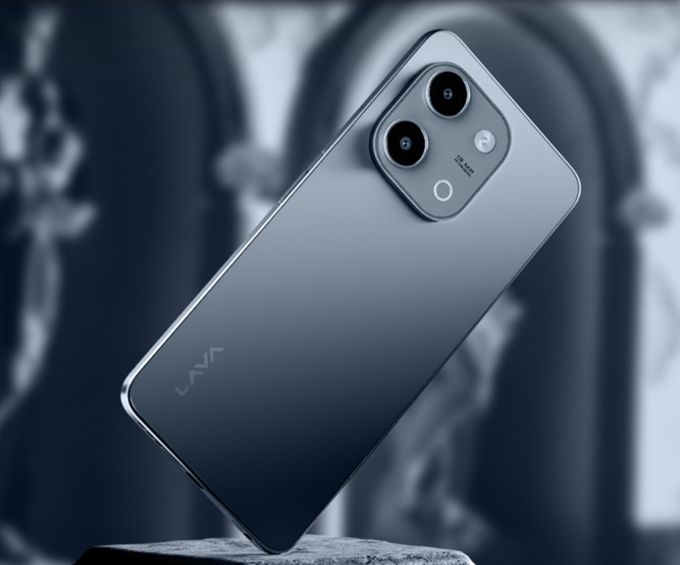
image

Lava Bold N2. (Image credit – Lava)

The Lava Bold N2 price in India is fixed at Rs. 7,499 for the single variant that comes with 4GB RAM and 64GB internal storage. The smartphone will be available for purchase starting February 27 via Amazon India.

Buyers can choose between two colour variants, Indus Black and Siachen White.

Lava is also offering free doorstep servicing for customers purchasing its smartphones, adding extra value for users in this price segment.

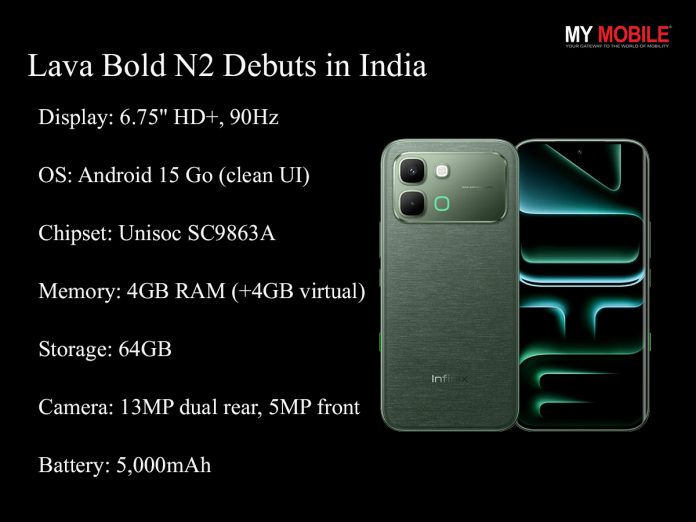
Lava Bold N2 – Key Features

The Lava Bold N2 is a dual-SIM smartphone that runs on Android 15 Go edition. According to the company, the handset does not come with bloatware or ads, promising a “clean Android experience” for users.

The smartphone sports a 6.75-inch HD+ display with a 90Hz refresh rate. It features a water drop-style notch on the front. Lava states that the device carries an IP64 rating, offering resistance against dust and splashes.

image

Lava Bold N2 features. (Image credit – Lava)

Under the hood, the Bold N2 is powered by the Unisoc SC9863A octa-core chipset. It is paired with 4GB of RAM and 64GB of onboard storage. The handset also supports virtual RAM expansion of up to 4GB, utilising available internal storage space for improved multitasking performance.

For photography, the Lava Bold N2 comes with a dual rear camera setup, headlined by a 13-megapixel primary sensor. The secondary rear camera’s specifications have not been detailed. On the front, the device houses a 5-megapixel camera for selfies and video calls.

The smartphone is backed by a 5,000mAh battery. For security, it includes a side-mounted fingerprint scanner.

FAQs

Q1. What is the price and availability of the Lava Bold N2 in India?

Answer. The Lava Bold N2 is priced at ₹7,499 and will be available from February 27 via Amazon India in Indus Black and Siachen White colour options.

Q2. What operating system does the Lava Bold N2 run on?

Answer. The smartphone runs on Android 15 Go edition, offering a clean Android experience without bloatware or ads.

Q3. What are the key display features of the Lava Bold N2?

Answer. It features a 6.75-inch HD+ display with a 90Hz refresh rate and a water drop-style notch.

Q4. What is the battery capacity of the Lava Bold N2?

Answer. The device is backed by a 5,000mAh battery, providing long-lasting usage for budget-conscious users.

Q5. What security and durability features does the Lava Bold N2 include?

Answer. The smartphone comes with a side-mounted fingerprint scanner and carries an IP64 rating for dust and splash resistance.

Also Read –

https://www.mymobileindia.com/lava-agni-2-5g-review-the-perfect-made-in-india-5g-smartphone-with-impressive-flagship-experience/

https://www.mymobileindia.com/lava-agni-2-5g-launched-in-india-with-the-biggest-best-curved-amoled-display-indias-first-mediatek-dimensity-7050-at-inr-19999/

Anthropic Opens Office in Bengaluru, Expands India Operations and Hiring

0

Highlights

  • Anthropic has opened its first India office in Bengaluru at Embassy Golf Links Business Park.
  • The company is partnering with organisations like Karya, Collective Intelligence Project, Digital Green, and Adalat AI to improve AI performance.
  • India is now Anthropic’s second-largest user base globally with revenue doubling since late 2025.

image

Anthropic Opens First India Office in Bengaluru. (Image credit – Anthropic)

Artificial intelligence startup Anthropic has officially inaugurated its first office in India, setting up operations in Bengaluru on Monday. The announcement was made on the opening day of the AI Impact Summit 2026, underlining the company’s growing interest in tapping into India’s high-potential AI market.

Anthropic Establishes Presence in Bengaluru

The company shared the update through its official handle on X (previously known as Twitter). In a detailed blog post, the firm stated, “Today, as we officially open our Bengaluru office, we’re announcing partnerships across enterprise, education, and agriculture that deepen our commitment to India across a range of sectors.”

The newly opened office is located at the Embassy Golf Links Business Park in Bengaluru. Beyond serving as a regional base, the facility will also coordinate multiple partnerships Anthropic has formed across the country.

Among these collaborations, the company is working with Karya and the Collective Intelligence Project to create evaluation systems that test AI performance on locally relevant tasks, particularly in agriculture and law. The initiative will also involve domain experts from Digital Green and Adalat AI. According to Anthropic, this effort will help enhance future AI models for Indic language users.

India Emerges as Key Market for Claude

image

Anthropic, best known as the maker of Claude, revealed that India has become its second-largest user base globally. Notably, the Bengaluru office marks only the company’s second location in the Asia-Pacific region, following its base in Tokyo, Japan.

The company also confirmed that it is actively hiring local talent for its India operations, covering a broad range of roles as it builds out its regional team.

Anthropic disclosed that its run-rate revenue in India has doubled since October 2025, when it first announced its expansion plans for the country. To better serve its growing customer base, the firm is offering applied AI expertise to enterprises and startups. This includes helping organisations design, develop, and scale customised solutions powered by Claude.

Several prominent Indian companies are already using Anthropic’s technology. These include Air India, Cognizant, Razorpay, Enterpret, and Emergent AI.

Highlighting the significance of the Indian market, Irina Ghose, Managing Director of India at Anthropic, said, “India represents one of the world’s most promising opportunities to bring the benefits of responsible AI to vastly more people and enterprises. Already, it’s home to extraordinary technical talent, digital infrastructure at scale, and a proven track record of using technology to improve people’s lives. That’s exactly the foundation you need to make sure this technology reaches the people who can benefit from it most.”

FAQs

Q1. What did Anthropic announce at the AI Impact Summit 2026?

Answer. Anthropic officially inaugurated its first India office in Bengaluru, marking its growing commitment to the country’s AI market.

Q2. What partnerships is Anthropic pursuing in India?

Answer. The company is collaborating with Karya, Collective Intelligence Project, Digital Green, and Adalat AI to build evaluation systems for agriculture, law, and Indic languages.

Q3. Why is India significant for Anthropic’s operations?

Answer. India has become Anthropic’s second-largest user base globally, with revenue doubling since late 2025. The company is hiring local talent and serving clients like Air India, Cognizant, and Razorpay.

Also Read –

https://www.mymobileindia.com/apple-nvidia-and-anthropic-criticized-for-unauthorized-use-of-youtube-data-in-ai-training/

https://www.mymobileindia.com/ai-impact-summit-2026-know-all-about-the-registration-process-list-of-global-tech-leaders-attending-and-full-agenda/

Apple Schedules March 4 “Special Apple Experience” Event in New York, London and Shanghai – New Macs, iPhone 17e Expected

0

Highlights

  • Apple has scheduled a “special Apple Experience” on March 4, 2026.
  • The event will reportedly be hosted simultaneously in New York, London, and Shanghai, marking a shift from its usual Cupertino keynotes.
  • The event branding and teaser design suggest a hands-on showcase format.
Apple’s upcoming launch event invite. (Image credit - Apple)
Apple’s upcoming launch event invite. (Image credit – Apple)

Apple has officially announced a “special Apple Experience” set to take place on March 4, 2026, at 9 a.m. ET. Unlike its traditional keynote-style launches, the company is deliberately branding this gathering as an “experience” rather than a standard Apple event. Here are all the details.

Apple Announced March 4 Event

Bloomberg’s Mark Gurman on X shared a screenshot of Apple’s first event invite of the year. The Apple invite has been sent to members of the press and it will be hosted across three major cities including New York, London and Shanghai, instead of being limited to Apple Park in Cupertino.

The teaser image features an Apple logo composed of 22 colored glass slices.

The design strongly resembles the Liquid Glass visual style seen in the latest iPhone, iPad and Mac software updates. The logo includes shades of blue, green and yellow. These colours could hint at the rumoured new Mac laptop expected to be powered by an iPhone chip.

Alternatively, the colours may reference updated iPad or iPad Air models that have been circulating in rumours.

Apple has not disclosed additional details about what will be announced. However, the unusual multi-city format and the use of the word “experience” instead of “event” suggest a different format from the company’s typical keynote presentations. Apple is known for being deliberate with its wording, so the branding could indicate a more hands-on showcase rather than a traditional stage announcement.

Apple Future Launches Expected

Several Apple products are rumoured to launch around this time, according to Gurman. These include:

  • A new low-cost MacBook powered by the A18 Pro chip
  • New M5 MacBook Air
  • New M5 Pro and M5 Max MacBook Pro models
  • New Mac displays
  • iPhone 17e
  • A base iPad powered by the A18 chip
  • An M4 iPad Air

There is also speculation that the colour scheme in the invite could relate to updated MacBook Pro models featuring M5 Pro and M5 Max processors. Reports have suggested that the iPhone 17e may launch in February with the first wave of new Macs expected to follow in March.

On the software side, Apple is also expected to roll out the first beta of iOS 26.4 soon. The update is rumoured to introduce at least some of the new Siri features powered by Google Gemini.

Earlier this year, Apple quietly introduced the second-generation AirTag. However, that release was relatively low-key indicating hardware announcements were still on the horizon.

FAQs

Q1. What is unique about Apple’s March 4, 2026 event?

Answer. Apple is branding it as a “special Apple Experience” rather than a typical keynote, hosting it across New York, London, and Shanghai instead of Cupertino.

Q2. What products are rumoured to launch during the event?

Answer. Expected announcements include a low-cost MacBook with the A18 Pro chip, new M5 MacBook Air and Pro models, updated Mac displays, iPhone 17e, and refreshed iPads.

Q3. What software updates might Apple reveal?

Answer. Apple is anticipated to roll out the first beta of iOS 26.4, which may introduce new Siri features powered by Google Gemini.

Also Read –

https://www.mymobileindia.com/apple-launches-new-bengaluru-education-hub-in-india-to-expand-skill-training-for-supplier-employees/

https://www.mymobileindia.com/apple-launches-second-gen-airtag-with-longer-precision-finding-range-louder-speaker-and-uwb-upgrade/

Samsung’s Privacy Display Could Come to Apple MacBooks by 2029

0

Highlights

  • Samsung’s privacy display tech debuting on the Galaxy S26 Ultra in 2026 could reach Apple MacBooks by 2029.
  • The OLED-based Flex Magic Pixel embeds privacy protection directly into the panel, using AI to adjust viewing angles.
  • Users may also get app-level privacy controls.
Samsung previously teased its upcoming ‘Privacy Display’. (Image Credit - Samsung)
Samsung previously teased its upcoming ‘Privacy Display’. (Image Credit – Samsung)

We have previously reported that Samsung’s next-generation privacy display technology is expected to debut with the upcoming Galaxy S26 Ultra. Now, new update hints that the tech may eventually find its way to Apple’s MacBook lineup. Here are more details on that.

MacBooks to Adopt Samsung’s Privacy Display

According to market research firm Omdia, cited by tipster UniverseIce @UniverseIce on X, Apple’s MacBooks could incorporate Samsung’s privacy-focused display technology around 2029. Samsung is set to debut the feature on the Galaxy S26 Ultra, which is scheduled to launch on February 25, 2026.

However, MacBook users may need to wait a few more years before seeing the technology on larger laptop screens.

The delay is reportedly linked to the complexity of scaling the innovation from a compact smartphone panel to a much larger laptop display. Adapting the technology while maintaining brightness, clarity, and colour accuracy on bigger screens could require additional development time.

Future MacBook displays to get Samsung’s privacy tech. (Image credit - Samsung)
Future MacBook displays to get Samsung’s privacy tech. (Image credit – Samsung)

Samsung’s Flex Magic Pixel Technology

Samsung has developed a new OLED-based solution called Flex Magic Pixel to enable built-in privacy protection. Unlike traditional removable plastic privacy filters, this technology is embedded directly into the display panel. It leverages AI to dynamically adjust viewing angles

When viewed head-on, the screen appears bright and clear. However, from side angles, the content turns black, making it difficult for others nearby to see what’s on display. This ensures that sensitive information such as messages, passwords, and notifications remains protected from shoulder surfers in public spaces.

Reports suggest the integrated privacy layer does not reportedly reduce image quality. Colours stay accurate, and overall screen brightness is preserved. Samsung is also expected to introduce software enhancements that allow users to customise privacy settings, including app-level visibility controls.

As for Samsung’s broader device lineup, current rumours indicate that the privacy display may remain exclusive to the Galaxy S26 Ultra.

FAQs

Q1. When could Apple MacBooks get Samsung’s privacy display technology?

Answer. According to Omdia, Apple MacBooks may adopt Samsung’s privacy-focused display around 2029, following its debut on the Galaxy S26 Ultra in 2026.

Q2. What is Samsung’s Flex Magic Pixel technology?

Answer. It’s an OLED-based solution that embeds privacy protection directly into the panel, using AI to adjust viewing angles, clear head-on, blacked out from the side.

Q3. Why is there a delay in bringing this technology to MacBooks?

Answer. Scaling the innovation from smaller smartphone panels to larger laptop screens requires more development to maintain brightness, clarity, and colour accuracy.

Also Read –

https://www.mymobileindia.com/galaxy-s26-ultra-tipped-to-get-long-due-display-upgrade-samsung-teases-new-privacy-display-feature/

https://www.mymobileindia.com/samsung-galaxy-s26-ultra-production-tipped-at-3-6-million-units-galaxy-s26-spotted-on-geekbench-scam-detection-support-reportedly-coming/

Vivo V60 Lite Launches with Snapdragon 6s 4G Gen 2, 6,500mAh Battery and 90W Charging

0

Highlights

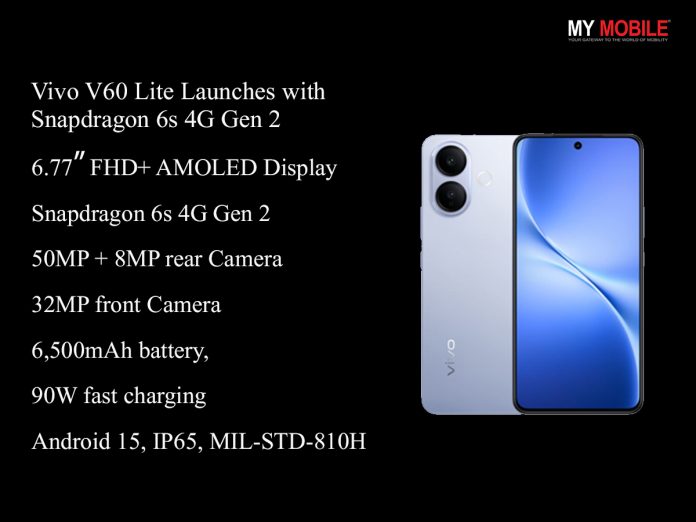
  • Vivo has launched the refreshed V60 Lite in Panama, now powered by Qualcomm’s new Snapdragon 6s 4G Gen 2 chipset.
  • The device retains its 6.77-inch AMOLED FHD+ 120Hz display, 50MP + 8MP camera, 32MP selfie camera and a 6,500mAh battery with 90W fast charging plus 6W reverse charging.
  • Pricing and global availability remain unannounced.
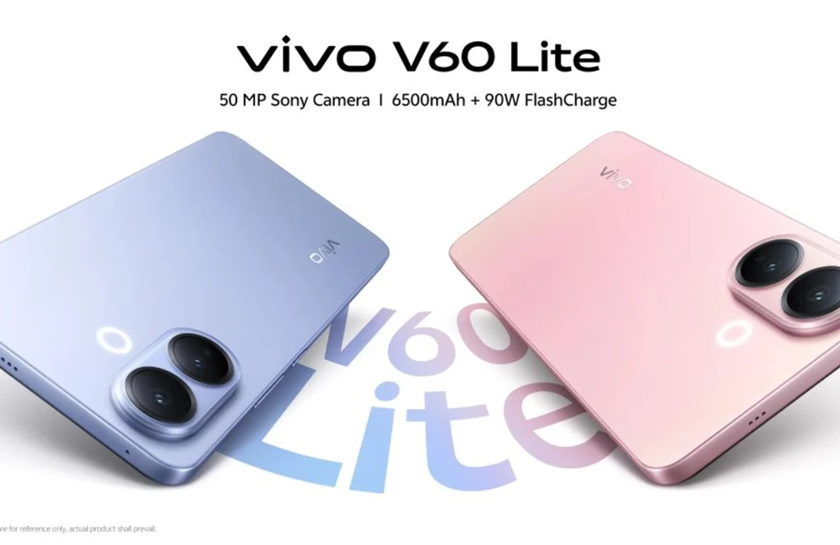
Vivo V60 Lite’s refreshed version is now listed in Panama. (Image credit - Vivo)
Vivo V60 Lite’s refreshed version is now listed in Panama. (Image credit – Vivo)

Vivo has expanded its Vivo V60 series with the introduction of a refreshed Vivo V60 Lite. But the device may look quite familiar to many because the smartphone originally debuted in September last year and is now returning with a key internal upgrade.

The updated model has been quietly listed in Panama. Here’s everything we know about the model so far.

Vivo V60 Lite – Specifications

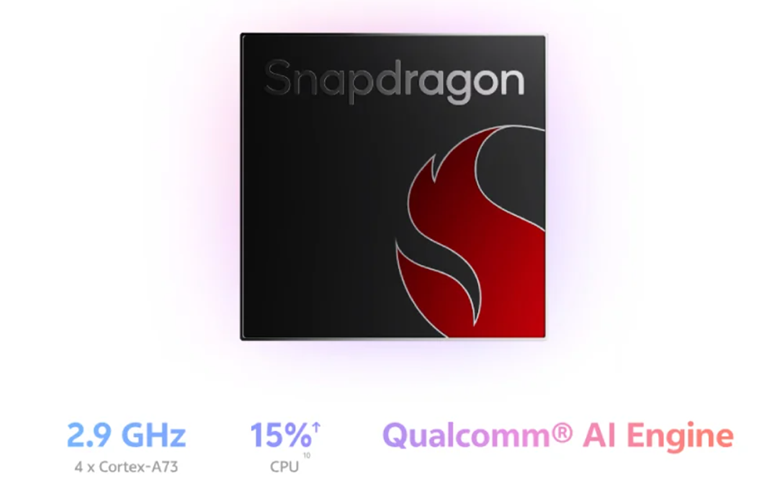
New Vivo V60 Lite features Qualcomm’s Snapdragon 6s 4G Gen 2 processor. (Image credit - Vivo)
New Vivo V60 Lite features Qualcomm’s Snapdragon 6s 4G Gen 2 processor. (Image credit – Vivo)

The new Vivo V60 Lite (model V2549) becomes the first smartphone to feature Qualcomm’s Snapdragon 6s 4G Gen 2 processor. This new chipset replaces the Snapdragon 685 that powered the earlier 4G variant of the device.

Apart from the processor upgrade, the rest of the hardware appears largely unchanged.

The Vivo V60 Lite continues to sport a 6.77-inch AMOLED display with Full HD+ resolution and a 120Hz refresh rate.

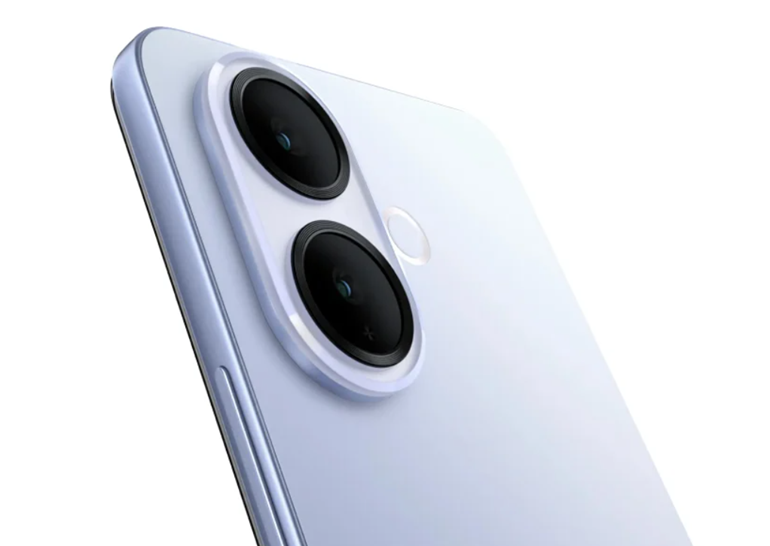
Vivo V60 Lite camera module. (Image credit - Vivo)
Vivo V60 Lite camera module. (Image credit – Vivo)

On the rear, the phone houses a dual-camera setup comprising a 50-megapixel primary sensor and an 8-megapixel ultrawide lens. It retains the optical in-display fingerprint scanner and a 32-megapixel front-facing camera for selfies and video calls.

Battery capacity also remains the same. The handset is backed by a 6,500mAh battery with support for 90W wired fast charging. Vivo claims the device can charge from nearly empty to full in under an hour. Additionally, it supports 6W reverse wired charging, allowing users to power smaller gadgets when required.

On the software front, the smartphone runs Funtouch OS 15 based on Android 15. It also carries an IP65 rating for dust and water resistance and meets MIL-STD-810H durability standards.

Vivo V60 Lite – Price and Availability

Vivo V60 Lite colour module. (Image credit - Vivo)
Vivo V60 Lite colour module. (Image credit – Vivo)

The newly listed Panama version confirms black and blue colour options for the refreshed handset. Pricing details have not yet been revealed.

For reference, the earlier Vivo V60 Lite 4G variant was launched in Turkey shortly after the 5G version debuted in Taiwan. That model was powered by the Snapdragon 685 chipset and came with 8GB of RAM, along with virtual RAM expansion support, and 256GB of internal storage. However, it did not offer a microSD card slot.

We can expect more details about pricing, variants and global availability to surface soon.

FAQs

Q1. What is the key upgrade in the new Vivo V60 Lite?

Answer. The refreshed Vivo V60 Lite is the first smartphone to feature Qualcomm’s Snapdragon 6s 4G Gen 2 processor, replacing the Snapdragon 685 used in the earlier model.

Q2. What are the main display and camera features of the Vivo V60 Lite?

Answer. It sports a 6.77-inch AMOLED Full HD+ display with a 120Hz refresh rate, a 32MP front camera, and a dual rear setup with a 50MP primary sensor and an 8MP ultrawide lens.

Q3. How powerful is the battery and charging system on the Vivo V60 Lite?

Answer. The phone packs a 6,500mAh battery with 90W fast charging that can fully charge in under an hour, plus 6W reverse wired charging to power smaller gadgets.

Q4. What software and durability features does the Vivo V60 Lite offer?

Answer. It runs Funtouch OS 15 based on Android 15, carries an IP65 rating for dust and water resistance, and meets MIL-STD-810H durability standards.

Also Read –

https://www.mymobileindia.com/vivo-v60-lite-5g-debuts-in-taiwan-with-dimensity-7360-turbo-6500mah-battery-and-90w-charging/

https://www.mymobileindia.com/vivo-v60-lite-5g-and-4g-models-appear-on-geekbench-ahead-of-launch/