Home Blog Page 17

Apple iPhone Air 2 To Have Ultra-Thin Face ID To Make Room for Dual Cameras

0

Highlights

  • Apple iPhone Air 2 may feature an ultra-thin Face ID module, freeing space to add a dual-camera setup.
  • Redesign efforts focus on balancing thinness and functionality with reports suggesting Apple is prioritising lightweight design.
  • The compact Face ID could influence foldable iPhones and possibly MacBooks.
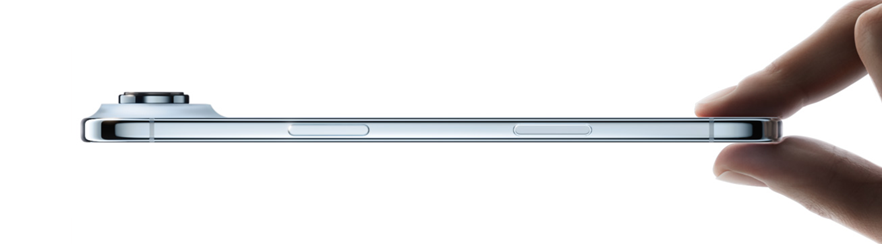
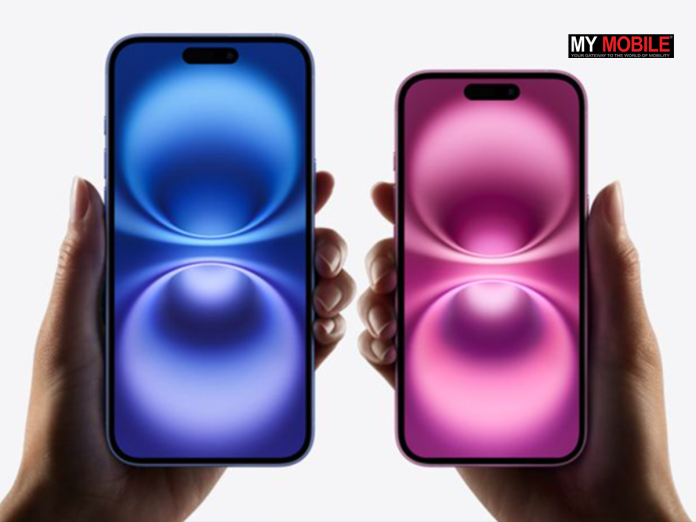
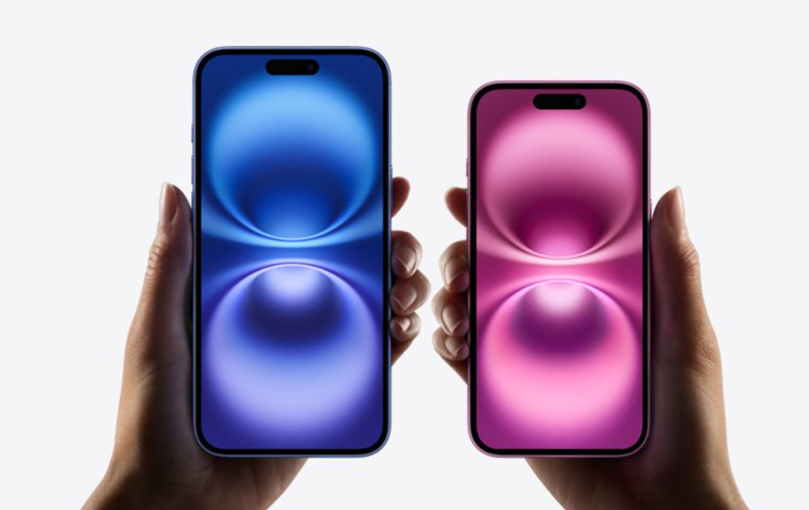
Apple iPhone Air. (Image credit - Apple)
Apple iPhone Air. (Image credit – Apple)

Rumours around iPhone Air 2 have been circulating alongside reports of the first-gen iPhone Air not doing so well sales-wise. Latest word says Apple is reportedly developing a significantly thinner Face ID hardware module to reduce the space taken up by its facial authentication system in the iPhone Air. It comes from a well-known leaker on China’s Weibo platform.

iPhone Air 2 – Ultra-Thin Face ID Module in Development
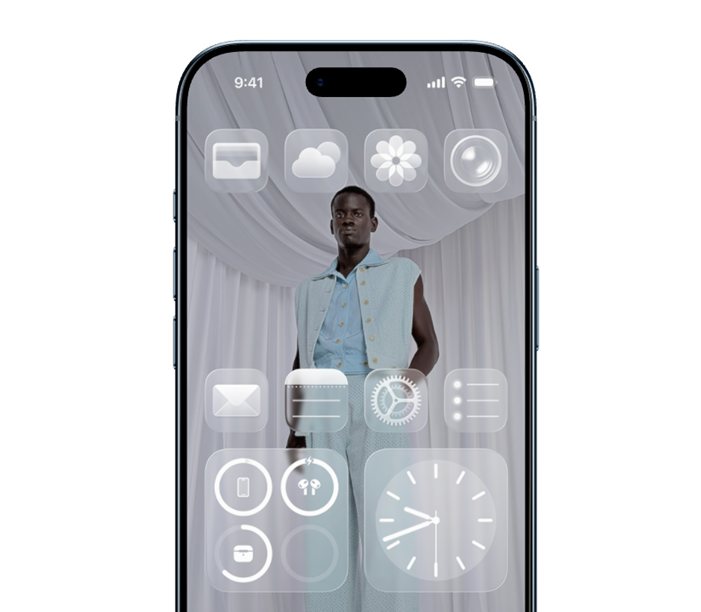
Apple iPhone Air. (Image credit - Apple)
Apple iPhone Air. (Image credit – Apple)

As per leaker Instant Digital on Weibo, Apple has asked suppliers to develop an “ultra-thin” Face ID component. This redesigned module is said to free up internal space, allowing Apple to add an ultra-wide-angle camera alongside the existing single main camera on the iPhone Air.
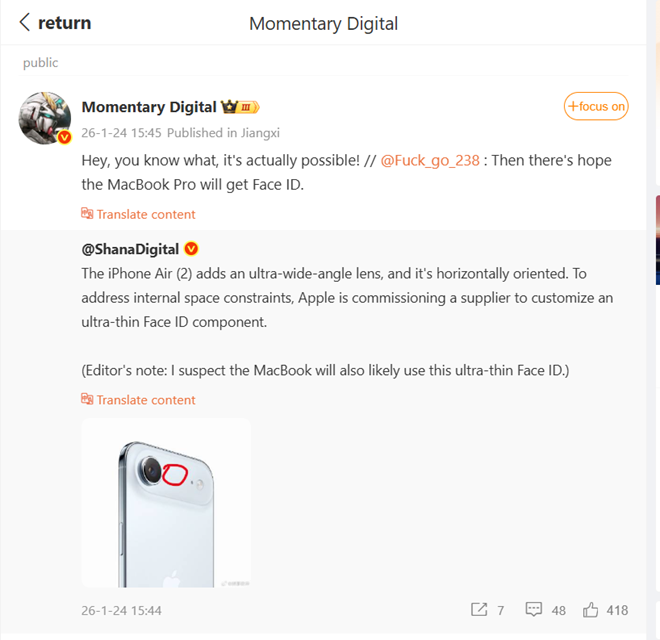
Tipster’s post on Weibo. (Translated via Google Translate)

The move is believed to be part of Apple’s efforts to address criticism around the iPhone Air’s hardware compromises. While the device has been praised for its design, some users have raised concerns about limitations, especially considering its $999 price tag.

Dual Camera Redesign Could Address Hardware Trade-Offs

Currently, multiple components are packed into the plateau area of the iPhone Air to maximise space for the battery. Adding a second camera would likely require a major internal redesign. Chinese leaker Digital Chat Station had previously claimed in November that Apple was prioritising an ultra-thin and lightweight design, potentially to enable such hardware changes.
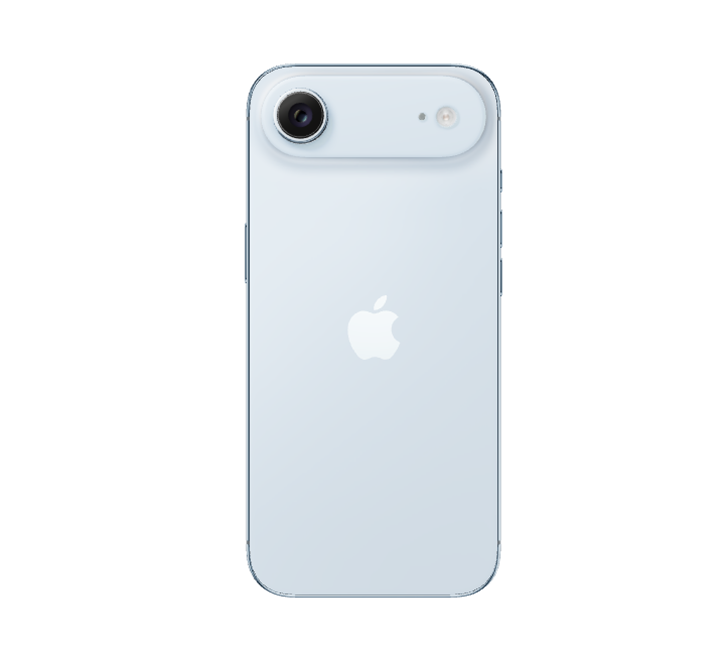
Apple iPhone Air. (Image credit - Apple)
Apple iPhone Air. (Image credit – Apple)

Soon after, a report from The Information suggested that Apple was indeed working on adding a second camera to the iPhone Air, lending further credibility to the claims.

Apple’s Foldable iPhone Plans

Meanwhile, the first foldable iPhone is expected to launch later this year. Apple has reportedly opted to integrate Touch ID into the side button instead of using Face ID. This decision is said to be driven by the need to keep the foldable device as thin as possible.

If Apple succeeds in shrinking the TrueDepth camera system, a future foldable iPhone model could potentially switch back to Face ID. A more compact Face ID setup could also influence other products in Apple’s lineup.

The same leaker speculates that an ultra-thin Face ID module might eventually be used in MacBooks. However, there are currently no active rumours suggesting Apple is working on this.

Back in 2022, Bloomberg’s Mark Gurman reported that Apple had tested Face ID for the iMac. Around the same time, an Apple marketing employee publicly stated that Touch ID is more convenient because the button is close to the user’s hands. That said, this does not completely rule out the possibility of Face ID arriving on Macs in the future.

As for launch, the second-generation iPhone Air is not expected to launch until next year.

FAQs

Q1. What major hardware change is Apple planning for the iPhone Air 2?

Answer. Apple is reportedly developing an ultra-thin Face ID module to free up space for a dual-camera setup.

Q2. Why is Apple redesigning the Face ID system in the iPhone Air 2?

Answer. The redesign aims to address criticism of hardware compromises in the first-gen iPhone Air, which faced concerns despite its $999 price tag.

Q3. When is the iPhone Air 2 expected to launch?

Answer. The second-generation iPhone Air is not expected until next year, following the first-gen model’s mixed reception.


Also Read

https://www.mymobileindia.com/iphone-18-series-and-iphone-air-2-display-sizes-leak-pro-models-tipped-to-get-under-display-face-id/

https://www.mymobileindia.com/iphone-air-2-could-launch-in-fall-2026-as-apple-revisits-its-ultra-thin-iphone-plans/

Samsung Galaxy Z Flip7 Olympic Edition Officially Introduced for Milano Cortina 2026 Athletes

0

Highlights

  • Samsung unveils Galaxy Z Flip7 Olympic Edition for Milano Cortina 2026, providing 3,800 athletes from 90 countries with exclusive devices.
  • It comes in a blue “Italian azure” back, gold frame, Olympic-themed wallpapers, plus Galaxy AI tools like Interpreter, Photo Assist and Dual Recording.
  • The phone supports “Victory Selfie” and “Victory Profile” initiatives includes 100GB 5G eSIM, Athlete Card, Samsung Wallet passes and Athlete365 resources.
Samsung Galaxy Z Flip7 Olympic Edition Officially. (Image credit - Samsung)
Samsung Galaxy Z Flip7 Olympic Edition Officially. (Image credit – Samsung)

Samsung has officially unveiled the Samsung Galaxy Z Flip7 Olympic Edition, a special-edition smartphone created exclusively for athletes participating in the Olympic and Paralympic Winter Games Milano Cortina 2026.

Samsung, as a Worldwide Olympic and Paralympic Partner, will provide the customised device to around 3,800 athletes representing nearly 90 countries. The initiative is designed to support athletes throughout their stay in the Olympic Village while helping them capture and share moments from their journey at the Games.

“Athletes are at the heart of the Olympic and Paralympic Games, and for nearly 30 years Samsung has supported them as a Worldwide Partner through meaningful mobile innovation,” said Stephanie Choi, EVP and Head of Mobile Marketing Center, Mobile eXperience (MX) Business at Samsung Electronics. “Since Sochi 2014, we’ve supported athletes with Olympic Editions and we’re honored to continue this commitment at Milano Cortina 2026. With Olympic Edition, athletes will be able to connect with fans and families at every unforgettable moment in their own way.”

Availability and On-Site Support

Distribution of the Galaxy Z Flip7 Olympic Edition will begin on January 30. Devices will be made available to athletes across Olympic Villages in six host cities.

Samsung will also run on-site “Open Stations” to offer technical assistance, device activation, and data transfer support throughout the Games.

Samsung Galaxy Z Flip7 Olympic Edition – Design and Hardware Details

Samsung Galaxy Z Flip7 Olympic Edition design. (Image credit - Samsung)
Samsung Galaxy Z Flip7 Olympic Edition design. (Image credit – Samsung)

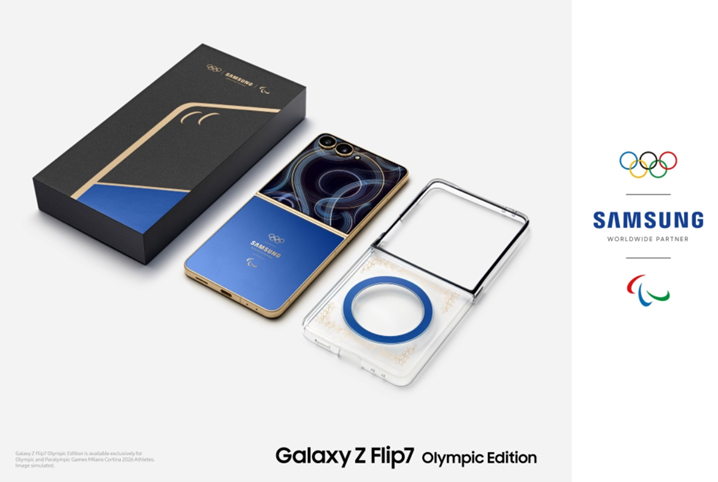
The Galaxy Z Flip7 Olympic Edition comes with a distinctive design inspired by the 2026 Winter Games. It features a signature blue back glass that reflects the “Italian azure” associated with the host country, while also aligning with Samsung’s brand identity. This is complemented by a custom gold metal frame, symbolising the pursuit of podium success.

On the software side, the phone offers a customised interface with wallpapers inspired by the interaction of skate blades on ice.

Samsung Galaxy Z Flip7 Olympic Edition with customised wallpapers. (Image credit - Samsung)
Samsung Galaxy Z Flip7 Olympic Edition with customised wallpapers. (Image credit – Samsung)

In terms of hardware, the Olympic Edition matches the standard Galaxy Z Flip7. It retains the compact foldable form factor with a new edge-to-edge FlexWindow. The camera setup includes a 50MP Wide camera and a 12MP Ultra-Wide lens.

Included in the box is a special clear case featuring a blue circular magnet surrounded by a gold laurel leaf design.

image

Samsung Galaxy Z Flip7 Olympic Edition in-the-box contents. (Image credit – Samsung)

Samsung Galaxy Z Flip7 Olympic Edition – Galaxy AI Features for Athletes

Samsung has equipped the Galaxy Z Flip7 Olympic Edition with Galaxy AI tools aimed at helping athletes manage communication and daily logistics during the Games.

Interpreter is an on-device, real-time translation feature that works without a network connection, making it useful even in remote or mountainous locations. Now Brief delivers daily summaries with reminders, calendar schedules, and fitness insights. Photo Assist enables AI-powered image editing, including object movement and background adjustments.

The device also introduces Dual Recording, a feature exclusive to this edition that uses both front and rear cameras simultaneously to capture athlete reactions along with their surroundings.

Samsung Galaxy Z Flip7 Olympic Edition – Games-Time Integration and Athlete-Focused Software

The Olympic Edition will play a key role in Samsung’s “Victory Selfie” program, which will make its Winter Olympics debut at Milano Cortina 2026. The initiative allows medalists to take photos directly from the podium, and for the first time, it has been expanded to include team sport events.

Samsung also announced the “Victory Profile” initiative, which uses the Galaxy S25 Ultra to capture portraits of athletes from selected National Olympic Committees (NOCs), showcasing their stories beyond competition.

image

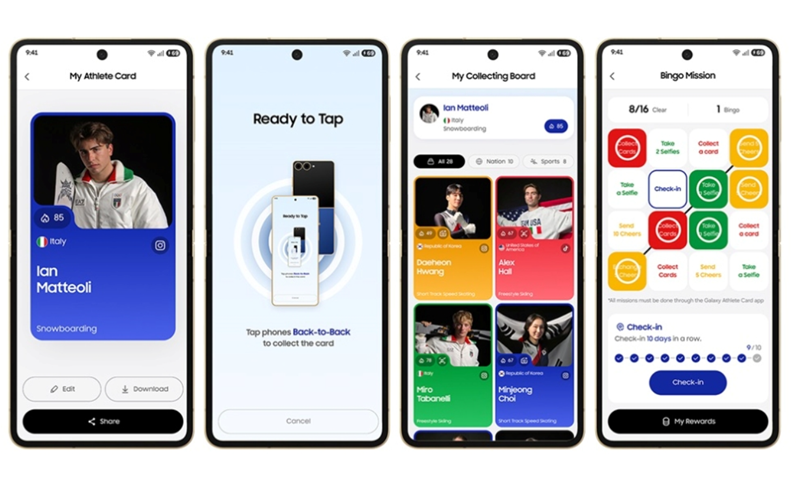
To support everyday needs inside the Olympic Villages, the Galaxy Z Flip7 Olympic Edition comes pre-loaded with several essential services. These include a complimentary 100GB 5G eSIM for connectivity, the Galaxy Athlete Card for digital profile sharing, and Samsung Wallet with digital passes for village facilities such as the Coca-Cola Free Beverage Key. The device also includes Athlete365, which integrates with the Now Brief feature to deliver competition updates and mental health resources.

FAQs

Q1. What is the Samsung Galaxy Z Flip7 Olympic Edition?

Answer. It’s a special-edition foldable smartphone designed exclusively for athletes at the Milano Cortina 2026 Olympic and Paralympic Winter Games.

Q2. Who will receive the Galaxy Z Flip7 Olympic Edition?

Answer. Samsung will provide the device to around 3,800 athletes from nearly 90 countries, supporting them during their stay in the Olympic Village.

Q3. What makes the Galaxy Z Flip7 Olympic Edition different in design?

Answer. It features a blue “Italian azure” back glass, a custom gold frame, Olympic-themed wallpapers, and a special clear case with a gold laurel design.

Q4. What Galaxy AI features are included for athletes in Galaxy Z Flip7 Olympic Edition?

Answer. The device offers Interpreter (offline translation), Now Brief (daily summaries), Photo Assist (AI editing), and Dual Recording using both cameras simultaneously.

Q5. What services come pre-loaded on the Galaxy Z Flip7 Olympic Edition?

Answer. Athletes get a 100GB 5G eSIM, a Galaxy Athlete Card, Samsung Wallet passes for village facilities, and Athlete365 integration for updates and mental health resources.

Also Read

https://www.mymobileindia.com/samsung-galaxy-z-fold7-and-galaxy-z-flip7-design-and-prices-leak-ahead-of-july-9-launch/

https://www.mymobileindia.com/samsung-to-launch-next-foldables-galaxy-z-flip-fe-and-flagship-z-flip7-with-exynos-chips/

Nothing Phone (4a) Spotted on TDRA Certification, Q1 2026 Launch Likely

0

Highlights

  • Nothing Phone (4a) spotted on UAE’s TDRA certification, confirming global launch plans with Q1 2026 debut expected.
  • It is suggested that Snapdragon 7s Gen 4 will be packed in the Phone (4a) model and Snapdragon 7 Gen 4 in the Pro model with eSIM support exclusive to the Pro variant.
  • Phone (4a) tipped at about $475 and Phone (4a) Pro at around $540.
Nothing Phone (3a) in the picture for reference only. (Image credit - Nothing)
Nothing Phone (3a) in the picture for reference only. (Image credit – Nothing)

The Nothing Phone (4a) has surfaced on the UAE’s TDRA certification database, signalling an imminent global debut. This development comes after the same model appeared on the IMEI certification database in September last year. It confirms that the device is planned for release across multiple markets. Here’s more on the recent update.

Nothing Phone (4a) Spotted on the UAE’s TDRA

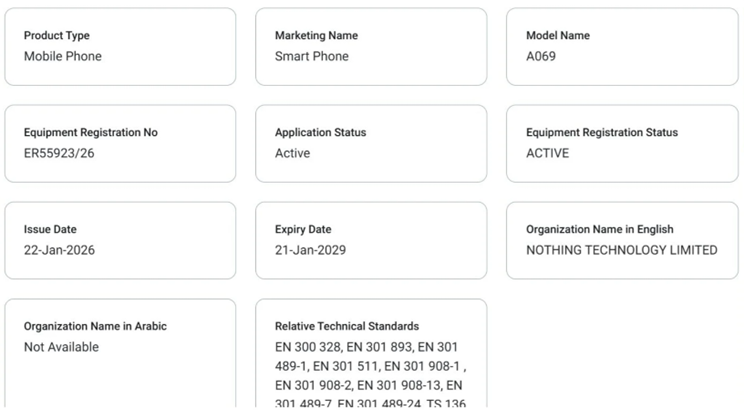
Upcoming Nothing Phone (4a) approved by the UAE’s TDRA. (Screenshot by @ZionsAnvin on X)

Tipster Anvin @ZionsAnvin on X shared the details of Nothing Phone 4a (A069) receiving approval from UAE’s TDRA authority. According to the shared screenshot, the certification was granted on January 22, 2026, for model number A069 under equipment registration number ER55923/06. While the listing categorises the device simply as a “smartphone,” it does not disclose specifications or explicitly mention the Nothing Phone (4a) branding.

According to information shared by tipster Yogesh Brar in October, Nothing intends to launch the Phone (4a) series in Q1 2026, suggesting an official announcement could happen by March.

Model number A069 is said to correspond to the standard Nothing Phone (4a), while A069B is expected to be the Phone (4a) Pro. This naming structure mirrors the approach used for the Nothing Phone (3a) lineup.

Nothing Phone (4a) – What Else We Know?

Earlier leaks shared by developer MlgmXyysd pointed to key hardware details. The Nothing Phone (4a) is expected to be powered by the Snapdragon 7s Gen 4 chipset, while the Phone (4a) Pro will reportedly feature the more powerful Snapdragon 7 Gen 4 processor. Both models represent a step up from the Phone (3a) series, which was equipped with the Snapdragon 7s Gen 3.

Another key difference between the two models is connectivity, as only the Pro variant is expected to support eSIM functionality.

Nothing is known for using Pokémon-inspired codenames for its devices. Based on the model number, the Phone (4a) is believed to carry the codename “Bellsprout,” which is listed as number 0069 in the Pokédex. If past launches are any indication, the company may soon begin teasing the new phone using cryptic Pokémon-themed visuals.

The 12GB RAM and 256GB storage variant of the Nothing Phone (4a) is tipped to be priced at around $475, while the Phone (4a) Pro could retail for approximately $540. Both smartphones are expected to launch in four colour options, which most likely include Pink, White, Black, and Blue.

Nothing Headphone (a) Also in Development

Alongside smartphones, Nothing is reportedly developing a new pair of budget over-ear headphones called the Nothing Headphone (a). These headphones are said to feature a plastic build and will be available in vibrant colors such as Pink and Yellow, in addition to standard White and Black variants.

FAQs

Q1. When is the Nothing Phone (4a) expected to launch?

Answer. The Nothing Phone (4a) series is tipped for a Q1 2026 release, with an official announcement likely by March.

Q2. What processors will power the Nothing Phone (4a) and 4a Pro?

Answer. The standard Phone (4a) will use the Snapdragon 7s Gen 4, while the Phone (4a) Pro will feature the Snapdragon 7 Gen 4 chipset.

Q3. How much will the Nothing Phone (4a) cost?

Answer. The 12GB RAM + 256GB storage variant of the Phone (4a) is expected to be priced around $475, while the Pro model could retail for about $540.

Also Read

https://www.mymobileindia.com/nothing-and-cmf-could-launch-multiple-pro-smartphones-and-new-accessories-in-early-2026/

https://www.mymobileindia.com/nothing-phone-4a-pro-spotted-on-imei-database-tipped-for-early-2026-launch/

Apple Launches Second-Gen AirTag With Longer Precision Finding Range, Louder Speaker and UWB Upgrade

0

Highlights

  • Apple launches 2nd-gen AirTag with a new UWB chip, 50% longer Precision Finding range, louder speaker and improved Bluetooth tracking.
  • Pricing unchanged at $29 for a single unit and $99 for a four-pack; buyers can distinguish models via etched text (ALL CAPS means new version).
  • Precision Finding upgrade limited to iPhone 15 or later (excluding iPhone 16e) and now supported on Apple Watch Series 9/Ultra 2+ via watchOS 26.2.1 update.
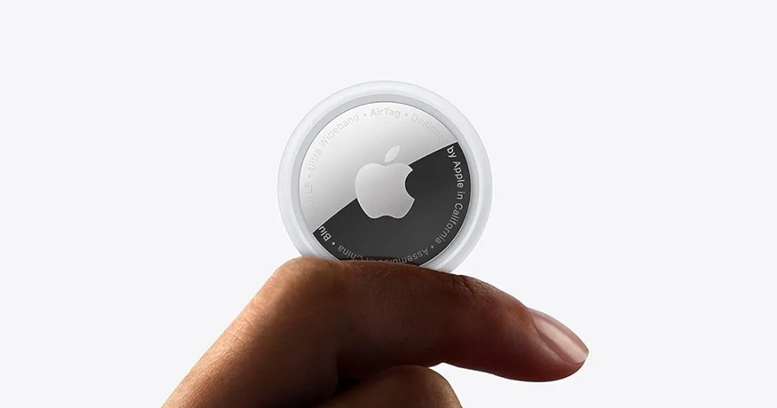
Apple Launches Second-Gen AirTag. (Image credit - Apple)
Apple Launches Second-Gen AirTag. (Image credit – Apple)

Apple has introduced its first new hardware product of 2026 with the launch of the second-generation AirTag. Nearly five years after the original model debuted, the new AirTag brings multiple upgrades while retaining the familiar circular design of its predecessor. Here’s everything you need to know about the new device.

Second-Generation Apple AirTag – What’s New?

Apple’s Second-Gen AirTag. (Image credit - Apple)
Apple’s Second-Gen AirTag. (Image credit – Apple)

The new AirTag is powered by Apple’s second-generation Ultra Wideband (UWB) chip, the same one used in the iPhone 17 lineup, Apple Watch Ultra 3 and Apple Watch Series 11. This upgraded chip enables improved Precision Finding, allowing users to locate lost items from up to 50 percent farther away compared to the first-generation AirTag.

Apple Launches Second-Gen AirTag With Longer Precision Finding Range. (Image credit - Apple)
Apple Launches Second-Gen AirTag With Longer Precision Finding Range. (Image credit – Apple)

Apple has also equipped the AirTag (2nd Generation) with an upgraded Bluetooth chip, which increases the overall tracking range. Another notable change is the built-in speaker, which is now 50 percent louder, making it easier to find misplaced items nearby.

Battery life remains unchanged with the new AirTag still using a user-replaceable CR2032 coin cell battery.

Apple also touts privacy and security improvements with the new AirTag. It mentions, “Designed exclusively for tracking objects, and not people or pets, the new AirTag incorporates a suite of industry-first protections against unwanted tracking, including cross-platform alerts and unique Bluetooth identifiers that change frequently.”

Pricing and Availability

Apple has kept its pricing unchanged. The second-generation AirTag is priced at $29/€35/£29 for a single unit, while a four-pack costs $99/€119/£99.

The new AirTag is available to order starting today with free personalised engraving offered through the Apple Store.

How to Tell AirTag 2 Apart From the Original Model?

Despite the hardware upgrades, Apple has not made it obvious which AirTag generation you are buying based on the name alone. Apple refers to the product as “the new AirTag” or “AirTag (2nd Generation),” while retailers such as Amazon now label the older model as “Apple AirTag (1st Generation).”

The easiest way to identify the AirTag version is by checking the text etched on the back of the device, which is also visible on the front of the retail packaging.

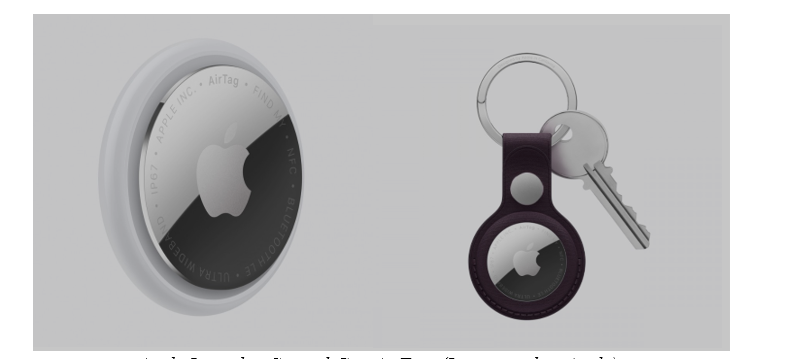
Text etched on the back of the first-generation AirTag. (Image credit - Apple)
Text etched on the back of the first-generation AirTag. (Image credit – Apple)

If it’s a first-generation AirTag, the back reads:

AirTag / Designed by Apple in California / Assembled in China / Bluetooth LE / Ultra Wideband

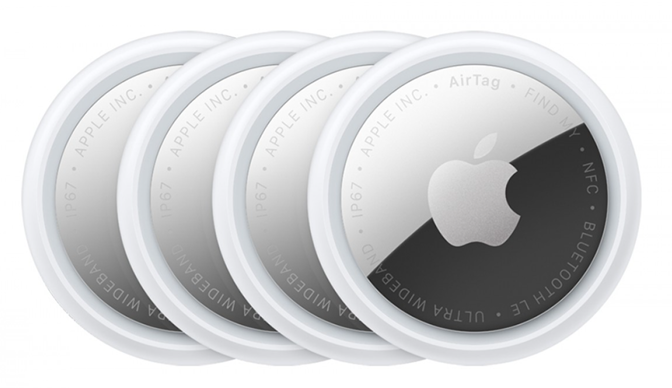
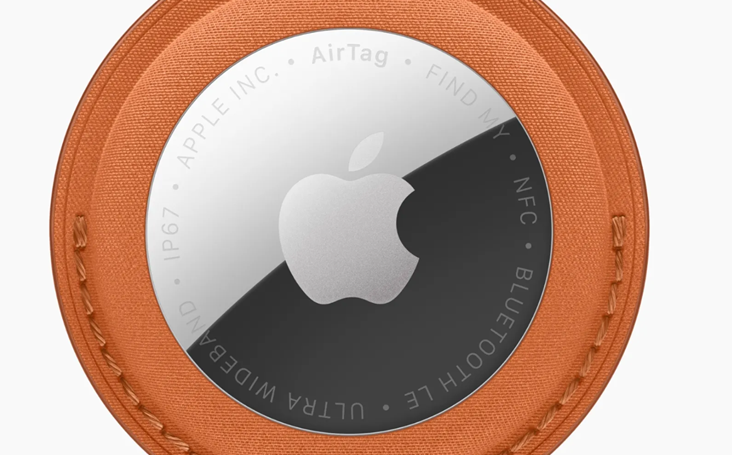
Text etched on the back of the second-generation AirTag. (Image credit - Apple)
Text etched on the back of the second-generation AirTag. (Image credit – Apple)

If it’s a second-generation AirTag, the back reads:

AirTag / FIND MY / NFC / BLUETOOTH LE / ULTRA WIDEBAND / IP67 / APPLE INC.

In short, if the text is in ALL CAPS, it’s the new model. If it isn’t, it’s the original AirTag.

Buyers looking for the latest version should check the etching carefully, while those opting for the older model should ensure they are paying less than the $29 price of the new AirTag.

Precision Finding Range Limited to Certain iPhones

image

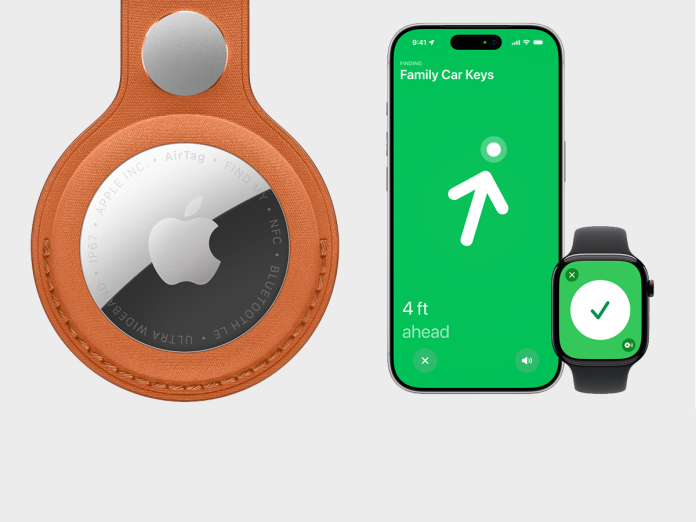
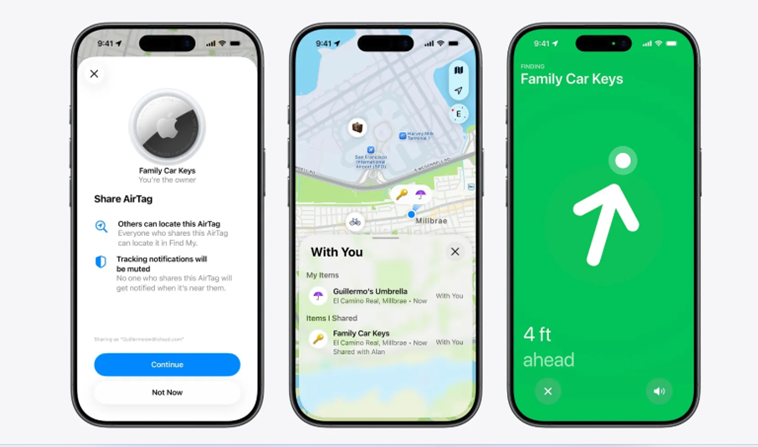
2nd-Gen AirTag’s Precision Finding range is limited to certain iPhones only. (Image credit – Apple)

One of the biggest upgrades of the new AirTag comes with an important limitation. While Precision Finding range is up to 50 percent better than before, this improvement only works when paired with specific iPhone models.
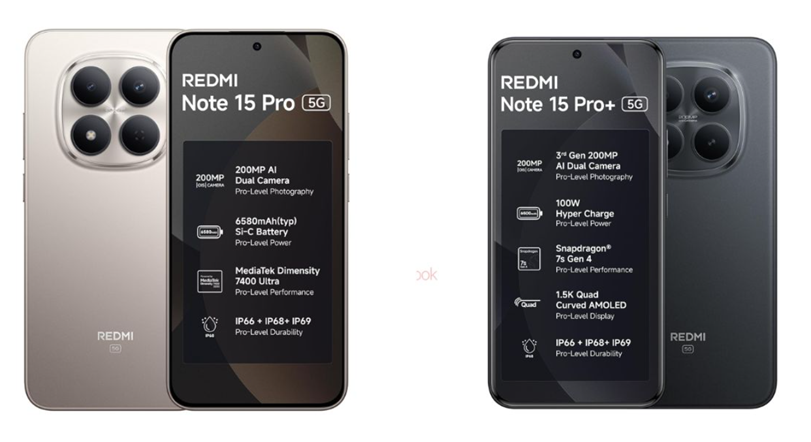
According to a footnote on Apple’s website, “Improved Precision Finding works with AirTag (2nd generation) paired with iPhone Air or iPhone 15 or later (excluding iPhone 16e)”.

Compatible iPhone models include –

  • iPhone 17
  • iPhone 17 Pro and Pro Max
  • iPhone Air
  • iPhone 16
  • iPhone 16 Plus
  • iPhone 16 Pro and Pro Max
  • iPhone 15
  • iPhone 15 Plus
  • iPhone 15 Pro and Pro Max

This limitation is tied to changes Apple made to the Ultra Wideband chips starting with the iPhone 15 series. Users with older iPhones or the excluded iPhone 16e can still use Precision Finding with the new AirTag, but the range will be the same as the first-generation model.

Apple Releases watchOS 26.2.1

image

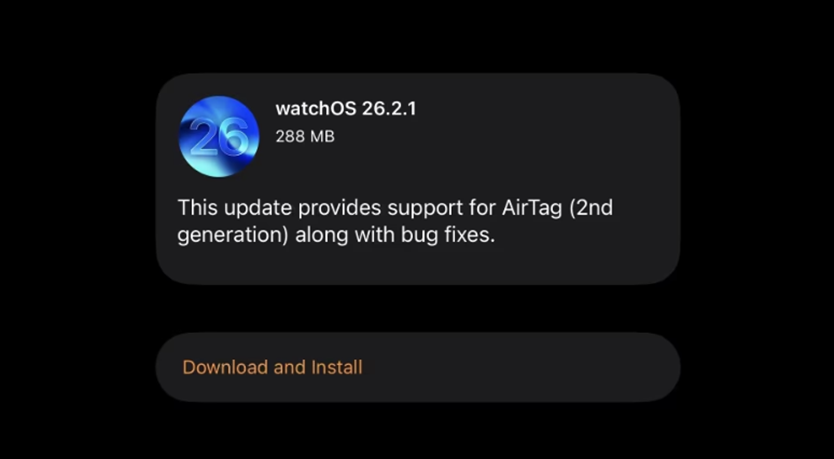
Apple Releases watchOS 26.2.1.

Alongside the new AirTag, Apple has rolled out watchOS 26.2.1, a minor update to watchOS 26, which was released last year. The update arrives around six weeks after watchOS 26.2.

watchOS 26.2.1 can be downloaded for free via the Apple Watch app on an iPhone running iOS 26.2.1 by navigating to General > Software Update, or directly through the Settings app on the watch. To install the update, the Apple Watch must have at least 50 percent battery and be connected to a charger.

Apple’s release notes mention that watchOS 26.2.1 includes unspecified bug fixes.

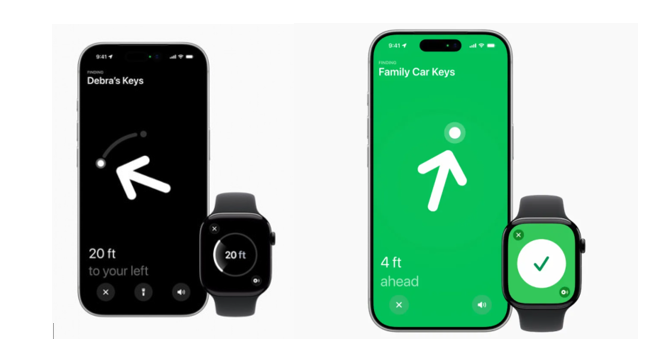
The update enables Precision Finding for the new AirTag 2 on Apple Watch Series 9 and later, as well as Apple Watch Ultra 2 and newer models. Until now, Precision Finding for AirTag was limited to the iPhone. It remains unclear whether this feature also works with the original AirTag or is exclusive to the second-generation model.

FAQs

Q1. What are the key upgrades in Apple’s second-generation AirTag?

Answer. The new AirTag features Apple’s latest UWB chip for 50% longer Precision Finding range, a louder speaker, and improved Bluetooth tracking.

Q2. How much does the new Apple AirTag cost?

Answer. Pricing remains unchanged: $29/€35/£29 for a single unit and $99/€119/£99 for a four-pack, with free engraving available.

Q3. How can buyers distinguish between Apple’s first and second-generation AirTag?

Answer. Check the etched text on the back: the 2nd-gen AirTag uses ALL CAPS text (e.g., “FIND MY / NFC / BLUETOOTH LE / ULTRA WIDEBAND / IP67”).

Q4. Which devices support the improved Precision Finding range of 2nd-gen Apple AirTag?

Answer. The upgrade works only with iPhone 15 or later (excluding iPhone 16e) and is also enabled on Apple Watch Series 9/Ultra 2+ via watchOS 26.2.1.

Also Read

https://www.mymobileindia.com/apple-working-on-airtag-like-ai-pin-with-dual-cameras-and-built-in-speaker/

https://www.mymobileindia.com/ios-26-leak-suggests-apples-revamped-siri-to-launch-in-spring-2026-new-apple-airtag-also-expected-next-year/

India to Launch Homegrown Smartphone Brands Within 12–18 Months, Says IT Minister Ashwini Vaishnaw

0

Highlights

  • India to launch homegrown smartphone brands within 12–18 months with groundwork completed.
  • IT Minister Ashwini Vaishnaw met Google DeepMind CEO Demis Hassabis and OpenAI’s Chris Lehane to discuss AI’s potential and future collaborations.
  • India emphasised “AI for global good,” inviting DeepMind and OpenAI to contribute.
Union IT Minister Ashwini Vaishnaw at the World Economic Forum (WEF) 2026.

Union IT Minister Ashwini Vaishnaw has said that India is on track to introduce its own smartphone brands with launches expected over the next 12 to 18 months. Speaking on the sidelines of the World Economic Forum (WEF) 2026, the minister stated that the government has completed all the necessary groundwork to make this possible. Here’s more on that.

Indian Smartphone Brands on the Way

Vaishnaw highlighted that India now has a strong and mature electronics manufacturing ecosystem, making this the right time to push for domestic smartphone brands.

“Now we have a very substantial electronics ecosystem in our country, this is the time when we will be going for getting our own Indian brands in mobile phones. We have done all the homework that is required to be done,” he said.

He added that the ecosystem has progressed significantly, with the government engaging closely with component manufacturers involved in mobile phone production.

“Today and yesterday, we had significant meetings with the entire ecosystem, which produces the thousands of things that are required to go into a mobile phone. And it’s very happy, very satisfying progress. Very soon, maybe another one year from now, or maybe maximum 18 months from now, we should have our own Indian Brands coming out,” Vaishnaw noted.

Meetings With Global Tech Leaders at WEF 2026

IT Minister Ashwini Vaishnaw Met Mr. Demis Hassabis, CEO & Co‑founder, Google DeepMind and Mr. Chris Lehane, Chief Global Affairs Officer, OpenAI, at WEF, Davos.

During the WEF 2026 event, the IT Minister also met Google DeepMind CEO and co-founder Demis Hassabis, along with OpenAI’s Chief Global Affairs Officer Chris Lehane. The discussions focused on artificial intelligence and its broader impact.

Following the meeting, Hassabis shared his thoughts on X (formerly Twitter), expressing optimism about collaboration with India.

“Great to meet you Minister @AshwiniVaishnaw. Really enjoyed our discussion on AI’s incredible potential to benefit humanity & India’s important role in realising this,” Hassabis wrote, while also confirming his participation in an upcoming summit in New Delhi.

Focus on ‘AI for Global Good’

Vaishnaw also hosted OpenAI’s Chris Lehane to discuss the theme of “AI for global good.” He encouraged both Google DeepMind and OpenAI to actively participate in shaping India’s upcoming AI policy frameworks, underlining the government’s focus on responsible and inclusive AI development.

FAQs

Q1. When will India launch its own smartphone brands?

Answer. India is expected to introduce homegrown smartphone brands within the next 12 to 18 months, as the government has already completed the necessary groundwork.

Q2. Why does the IT Minister believe now is the right time for Indian smartphone brands?

Answer. Ashwini Vaishnaw highlighted that India now has a mature electronics manufacturing ecosystem, with strong engagement from component makers, making this the ideal time to push for domestic brands.

Q3. What global tech leaders did the IT Minister meet at WEF 2026?

Answer. At the World Economic Forum 2026, Vaishnaw met Demis Hassabis (CEO & Co‑founder of Google DeepMind) and Chris Lehane (Chief Global Affairs Officer of OpenAI) to discuss artificial intelligence and its role in shaping India’s upcoming AI policy frameworks.

Also Read

https://www.mymobileindia.com/union-minister-vaishnaw-india-to-develop-affordable-ai-model-to-rival-chatgpt-deepseek/

https://www.mymobileindia.com/social-media-platforms-must-fairly-compensate-news-organizations-it-minister-vaishnaw-2/

Samsung Galaxy A57 Design Revealed on TENAA, Shows Slimmer Build and Tweaked Camera Module

0

Highlights

  • Samsung Galaxy A57 TENAA photos reveal a slimmer 6.9mm build and a new two-layer camera housing with a pill-shaped lens section.
  • It features a 6.6-inch FHD+ AMOLED display, octa-core processor (likely Exynos 1680), 50MP triple rear cameras, 12MP front camera and 5,000mAh battery with 45W fast charging.
  • The phone is expected to launch by late February 2026.

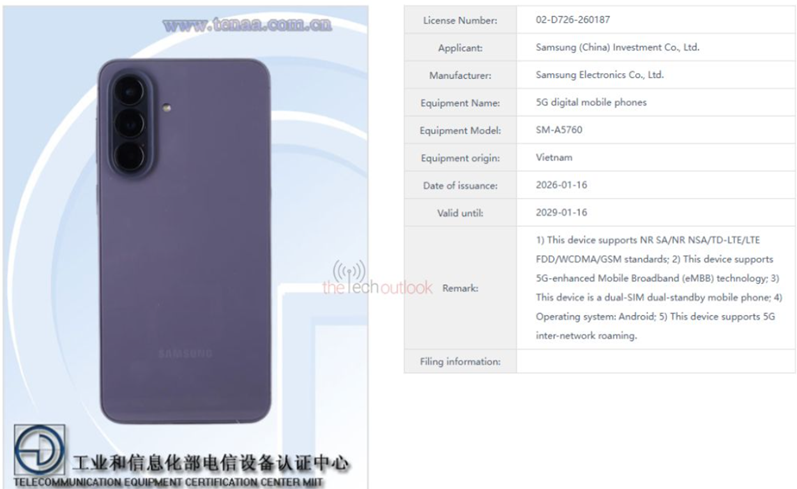
image

Samsung Galaxy A57 on TENAA. (Screenshot by TheTechOutlook)

The Samsung Galaxy A57 recently appeared in China’s TENAA certification database, confirming its complete specifications. At the time, however, the listing did not include images of the device. That has now changed as TENAA has updated the entry with official photos, offering the first clear look at the Galaxy A57’s design.

Galaxy A57 Design Revealed on TENAA

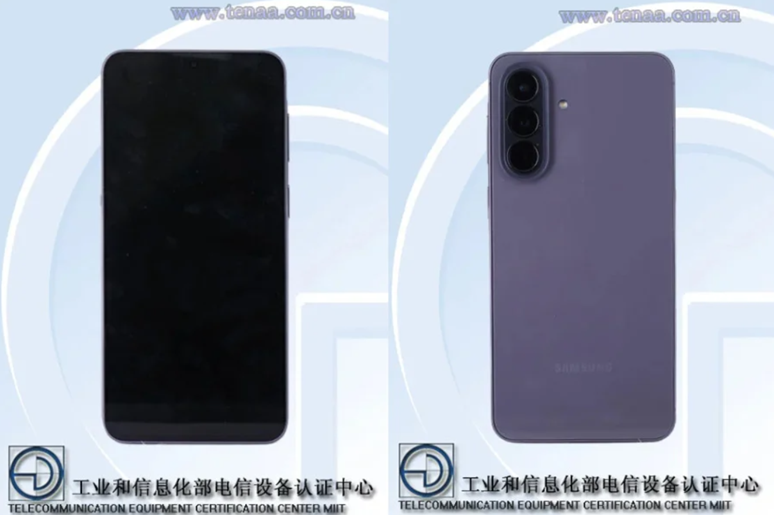
image

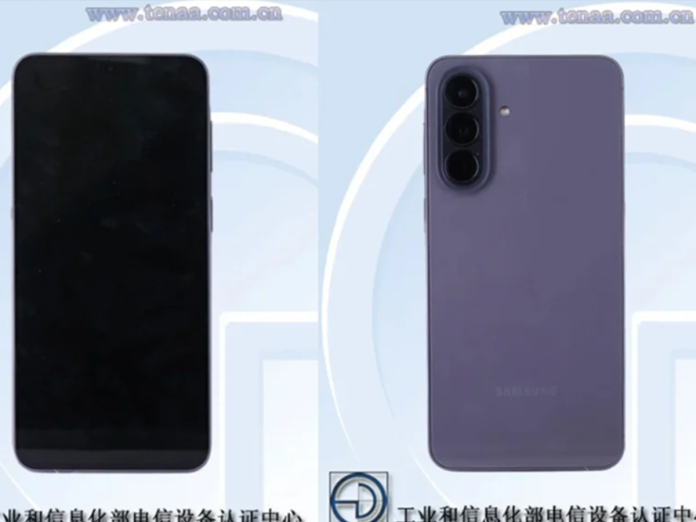
Samsung Galaxy A57 design revealed. (Credit - Gizmochina/TheTechOutlook)
Samsung Galaxy A57 design revealed. (Credit – Gizmochina/TheTechOutlook)

At first glance, the Galaxy A57 sticks closely to the design language of its predecessor. It continues with a flat display and flat rear panel, along with Samsung’s familiar raised “key island” on the right side that houses the power and volume buttons. Overall, the changes appear more refined than dramatic.

The most noticeable update is on the rear panel. Samsung has reworked the camera housing with a new two-layer design. The camera module now features a thicker outer frame that matches the phone’s body colour, enclosing an inner black pill-shaped section where the camera lenses are placed.

Another key change is the phone’s slimmer profile. The Galaxy A57 is expected to measure just 6.9mm in thickness, making it thinner than its predecessor, which had a 7.4mm body.

Samsung Galaxy A57 – Specifications (Revealed)

According to the TENAA listing, the Galaxy A57 will feature a 6.6-inch AMOLED display with FHD+ resolution. It will be powered by an octa-core processor clocked at up to 2.9GHz, which Geekbench data suggests could be the Exynos 1680 chipset.

In terms of cameras, the smartphone is expected to include a 50-megapixel main sensor, a 12-megapixel ultra-wide camera, and a 5-megapixel macro lens. On the front, a 12-megapixel camera will handle selfies and video calls.

The Galaxy A57 will pack a 5,000mAh battery with support for 45W fast charging. It is expected to launch in at least two storage configurations, which are 8GB RAM with 256GB storage and 12GB RAM with 256GB storage. On the software side, the device will run Android 16 with One UI 8 on top.

Samsung is tipped to officially unveil the Galaxy A57 by late February, ahead of the launch of the Galaxy S26 series.

FAQs

Q1. What design changes are introduced in the Galaxy A57?

Answer. The Galaxy A57 features a slimmer 6.9mm profile and a new two-layer camera housing with a pill-shaped lens section.

Q2. What are the key specifications of the Galaxy A57?

Answer. It comes with a 6.6-inch FHD+ AMOLED display, an octa-core processor (likely Exynos 1680), 50MP triple rear cameras, and a 12MP front camera.

Q3. When is the Galaxy A57 expected to launch?

Answer. Samsung is tipped to officially unveil the Galaxy A57 by late February 2026, ahead of the Galaxy S26 series launch.

Also Read

https://www.mymobileindia.com/samsung-galaxy-a37-spotted-on-bluetooth-sig-certification-site-global-launch-expected-soon/

https://www.mymobileindia.com/samsung-galaxy-a-series-prices-set-to-increase-in-india-by-up-to-%e2%82%b92000/

Report Claims 149 Million Passwords Linked to Gmail, Facebook, Netflix Exposed in Massive Data Leak

0

Highlights

  • Over 149 million usernames and passwords linked to Gmail, Facebook, Instagram, Netflix, and other services were found in an unsecured, unencrypted 96GB database.
  • The leak includes credentials from financial services, crypto wallets, banking accounts, and even government emails.
  • Experts warn of credential-stuffing attacks, identity theft, fraud, and phishing campaigns.
(Photo by Zulfugar Karimov on Unsplash)

Login details of more than 149 million online accounts linked to major platforms such as Gmail, Instagram, Facebook, and Netflix have reportedly been exposed online. According to a report published by ExpressVPN, the leak was uncovered by cybersecurity researcher Jeremiah Fowler.

The report claims that the publicly accessible data set includes credentials like usernames and passwords from multiple internet services. This reportedly covers 48 million Gmail accounts, 4 million Yahoo accounts, 17 million Facebook accounts, 6.5 million Instagram accounts, 3.4 million Netflix accounts, 1.5 million Outlook accounts, and several others.

According to Fowler, the exposed database was left unsecured and unencrypted. “The publicly exposed database was not password-protected or encrypted. It contained 149,404,754 unique logins and passwords, totalling a massive 96 GB of raw credential data. In a limited sampling of the exposed documents, I saw thousands of files that included emails, usernames, passwords, and the URL links to the login or authorisation for the accounts,” he said in the report.

Emails sent to the companies named in the report reportedly did not receive any immediate response.

Database Reportedly Accessible to Anyone

Fowler stated that the database was openly accessible, meaning anyone who came across it could potentially access login credentials belonging to millions of users worldwide.

“The exposed records included usernames and passwords collected from victims around the world, spanning a wide range of commonly used online services and about any type of account imaginable,” he added.

The limited sample of data reviewed by the researcher is said to include credentials linked to financial services, cryptocurrency wallets, trading platforms, banking accounts, and credit card logins.

A particularly serious concern highlighted in the report is the presence of credentials associated with government email addresses. Fowler said he found multiple accounts linked to “.gov” domains from several countries.

While not every government-linked account grants access to sensitive systems, even limited access could have serious implications depending on the role and permissions of the compromised user.

Exposed government credentials could be potentially used for targeted spear-phishing, impersonation, or as an entry point into government networks. This increases the potential of .gov credentials posing national security and public safety risks,” he said.

Potential Risks for Users

Fowler warned that the exposure of such a large number of unique usernames and passwords could pose a significant security threat, especially for individuals who may be unaware that their information has been compromised.

“Because the data includes emails, usernames, passwords, and the exact login URLs, criminals could potentially automate credential-stuffing attacks against exposed accounts, including email, financial services, social networks, enterprise systems, and more.”

“This dramatically increases the likelihood of fraud, potential identity theft, financial crimes, and phishing campaigns that could appear legitimate because they reference real accounts and services,” he added.

FAQS

Q1. How many accounts were affected in the data leak?

Answer. The exposed database contained 149,404,754 unique logins and passwords, totaling 96GB of raw credential data.

Q2. Which platforms’ credentials were included in the leak?

Answer. The leak reportedly covered 48M Gmail, 17M Facebook, 6.5M Instagram, 3.4M Netflix, plus Yahoo, Outlook, and more.

Q3. Why is this leak considered a serious risk?

Answer. The exposed records included financial services, crypto wallets, and government (.gov) accounts, raising risks of fraud, identity theft, and national security threats.

Also Read

https://www.mymobileindia.com/nordpass-reveals-most-common-password-in-india-and-how-easy-to-crack-it/

https://www.mymobileindia.com/meta-fined-101-5m-over-facebook-and-instagram-password-breach-involves-up-to-600-million-accounts/


iQOO 15 Ultra to Launch With Touch-Based Shoulder Triggers and Haptic Feedback for Enhanced Gaming

0

Highlights

  • The iQOO 15 Ultra is set to debut in China in February 2026, just before the Chinese Spring Festival.
  • It will introduce touch-based shoulder triggers with 600Hz sampling rate, custom mapping, haptic feedback via linear motor and an anti-sweat algorithm for better grip.
  • The phone will have dual independent chips for minimal input delay.

image

iQOO 15 Ultra previously revealed renders. (Image credit – iQOO)

The iQOO 15 Ultra is set to launch in China in February, ahead of the Chinese Spring Festival that begins on January 17. Ahead of its launch, a company official has revealed a major gaming-focused feature of the smartphone. Here’s what we know based on recent reveals.

iQOO 15 Ultra Gaming-Focused Features Revealed

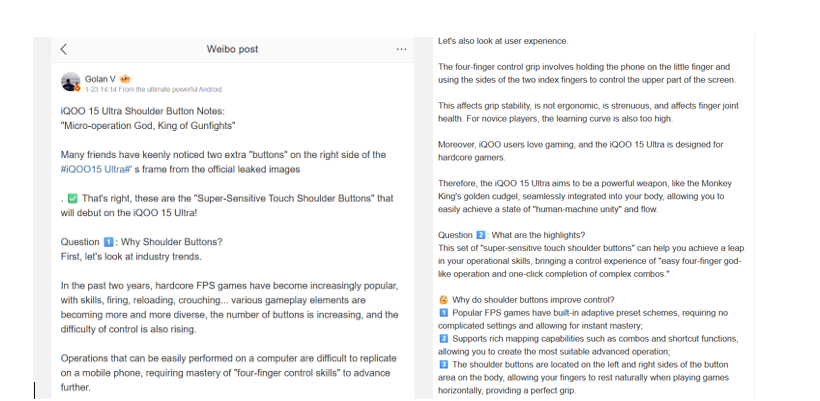
iQOO Product Manager Galant V on Weibo shared a detailed post outlining more about the gaming capabilities of the iQOO 15 Ultra.

iQOO Product Manager Galant V’s Weibo post.

According to the post, the smartphone has been developed with a strong focus on gaming performance and precise controls. The touch-based shoulder triggers will be positioned on the left and right edges of the frame, allowing the “fingers to naturally rest” on the device while gaming.

The shoulder triggers will support custom mapping, enabling users to assign shortcut functions and create combo actions based on their gaming preferences. In addition, the triggers are expected to offer a 600Hz sampling rate, which could result in faster response times and more accurate inputs during gameplay.

The official further confirmed that the shoulder triggers will feature haptic feedback powered by a linear motor. This is expected to provide tactile feedback similar to physical shoulder buttons found on gaming-focused devices. To improve accuracy and grip during extended gaming sessions, iQOO will also implement an “anti-sweat” algorithm.

Powering the shoulder triggers will be dual independent chips that transmit instructions separately. According to the company, this setup is designed to ensure minimal input delay and smoother overall performance.

iQOO 15 Ultra – What Else We Know?

The iQOO 15 Ultra has been confirmed to arrive in 2077 (black) and 2049 (silver) colour options. Previously, the iQOO Product Manager shared a screenshot of the handset’s AnTuTu benchmark scores. As per the image, the device scored 45,18,403 points overall, with 13,22,001 points in CPU performance and 15,94,848 points in GPU performance.

However, the company executive clarified that these scores are based on internal testing conducted by iQOO.

FAQs

Q1. When will the iQOO 15 Ultra launch?

Answer. The iQOO 15 Ultra is set to launch in China in February 2026, just before the Chinese Spring Festival.

Q2. What special gaming features does the iQOO 15 Ultra include?

Answer. It introduces touch-based shoulder triggers with 600Hz sampling rate, custom mapping, haptic feedback via linear motor, and an anti-sweat algorithm for better grip.

Q3. How does iQOO ensure smooth performance with these triggers on 15 Ultra?

Answer. The triggers are powered by dual independent chips, designed to minimise input delay and deliver smoother gameplay.

Also Read

https://www.mymobileindia.com/iqoo-15-ultra-official-design-unveiled-with-sci-fi-colours-active-cooling-fan-details-surface/

https://www.mymobileindia.com/iqoo-15-ultra-teased-ahead-of-february-china-launch-active-cooling-confirmed-other-key-specs-leaked/

Apple Records Best-Ever Year in India as iPhone Shipments Hit 14 Million Units in 2025

0

Highlights

  • Apple shipped 14 million iPhones in India in 2025, boosting its market share to a record 9%, up from 7% in 2024.
  • Success comes with the broader product lineup, wider retail availability and financing options like no-cost EMIs and bank offers.
  • Apple exported India-made iPhones worth $50 billion since FY22 with $16 billion in FY26 alone.
iPhone Shipments in India Hit 14 Million Units in 2025. (Image credit - Apple)
iPhone Shipments in India Hit 14 Million Units in 2025. (Image credit – Apple)

Apple had its strongest year so far in India with iPhone shipments seeing a major jump in 2025. As per a new report, the growth helped Apple significantly increase its market share in India, which is now the world’s second-largest smartphone market by volume. Here’s more on recent numbers.

iPhone Shipments Grow Sharply in India

According to market data from Counterpoint Research, cited by TechCrunch, Apple’s iPhone shipments in India rose substantially in 2025. This pushed the company’s market share to a record 9 percent, up from roughly 7 percent in 2024. The report notes that this is Apple’s best annual performance in India so far.

Analysts attribute Apple’s strong growth to multiple factors including a broader product lineup that ranges from the latest iPhone 17 series to the previous-generation iPhone 16 models and the non-flagship iPhone 16e. Improved availability of iPhones across both online and offline retail channels also played a key role. In addition, attractive financing options such as no-cost EMIs and bank offers helped make iPhones more accessible to Indian consumers.

Despite Apple’s gains, the overall Indian smartphone market remained flat in 2025 with total shipments estimated at around 152–153 million units.

Made-in-India iPhones Reach Major Milestone

Apple has also been steadily reducing its reliance on China by expanding manufacturing operations in other regions, with India emerging as a key assembly hub. Union Minister of Electronics and Information Technology Ashwini Vaishnaw recently shared that Apple has achieved a major milestone by shipping made-in-India iPhone models worth $50 billion (about Rs. 4.51 lakh crore) in total.

Under the Make in India initiative, Apple and its contract manufacturers, including Foxconn, were onboarded through the PLI scheme. In the first nine months of FY26 alone, Apple exported iPhones worth around $16 billion (about Rs. 1.44 lakh crore). This has taken total shipments of India-made iPhones to $50 billion since FY22.

Meanwhile, experts believe this figure will rise further, as a few months are still left before the current financial year comes to an end.

Interestingly, this comes even as the overall smartphone market in India remained largely stagnant. The total shipments in India hovered around 152 million units for the year.

FAQs

Q1. How many iPhones did Apple ship in India in 2025?

Answer. Apple shipped 14 million iPhones, marking its best-ever year in the Indian market.

Q2. What was Apple’s market share in India in 2025?

Answer. Apple’s share rose to a record 9%, up from about 7% in 2024, according to Counterpoint Research.

Q3. What milestone did Apple achieve with India-made iPhones?

Answer. Apple exported India-made iPhones worth $50 billion since FY22, including $16 billion in FY26 alone.

Also Read

https://www.mymobileindia.com/foxconn-to-boost-iphone-production-in-india-with-1-5-billion-investment-adds-new-semiconductor-plant/

https://www.mymobileindia.com/apple-expands-iphone-production-in-india-with-new-tata-and-foxconn-plants/

Redmi Note 15 Pro 5G Series Pre-Booking Goes Live in India, Offers Free Screen Replacement

0

Highlights

  • The Redmi Note 15 Pro 5G series launches in India on January 29, 2026, with pre-bookings live on Amazon for ₹1,999.
  • Buyers must complete the purchase on February 3, 2026 to avail the benefits.
  • A Redmi Watch Move is also promoted with the Pro Plus, though its availability for all buyers is unclear.
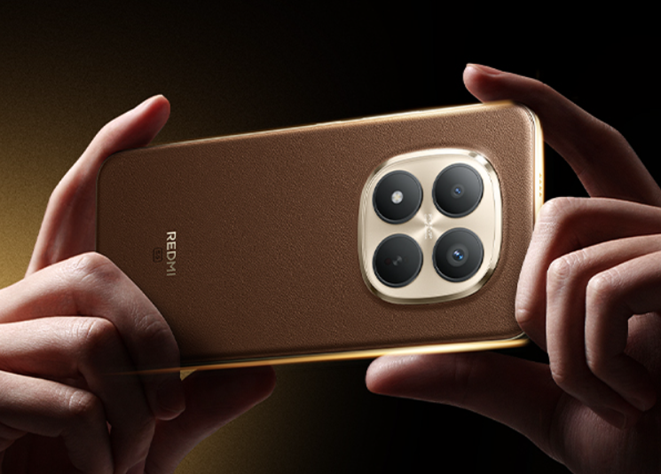
Redmi Note 15 Pro 5G Series Pre-Booking Starts. (Image credit - Redmi)
Redmi Note 15 Pro 5G Series Pre-Booking Starts. (Image credit – Redmi)

Xiaomi has already confirmed that the Redmi Note 15 Pro 5G series will officially launch in India on January 29, 2026. The lineup includes the Redmi Note 15 Pro and the Redmi Note 15 Pro Plus. Ahead of the launch, pre-bookings have now opened on Amazon India with the product listings revealing complete specifications, memory configurations, and colour options. So, here’s what we know.

Redmi Note 15 Pro 5G Series Pre-Booking

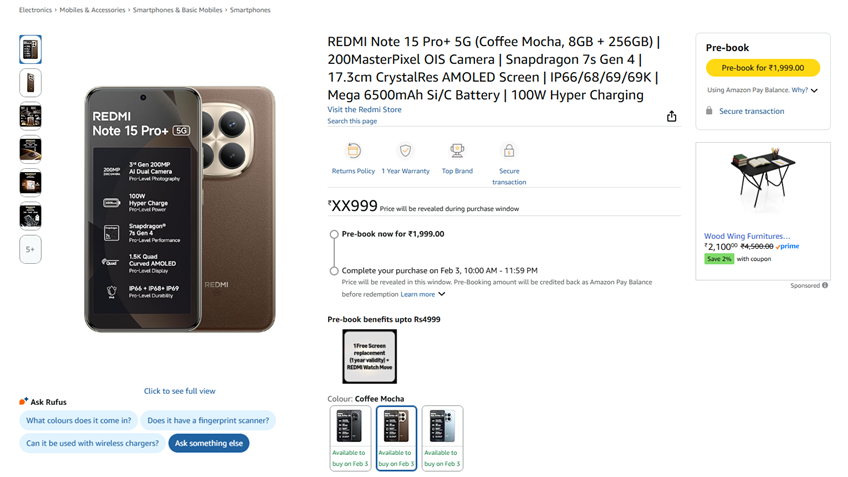
Redmi Note 15 Pro 5G Series Pre-Booking page on Amazon. (Image credit - Redmi)
Redmi Note 15 Pro 5G Series Pre-Booking page on Amazon. (Image credit – Redmi)

Redmi Note 15 Pro 5G Series is now available for pre-booking.

To pre-book any model in the series, customers are required to pay ₹1,999. In return, Xiaomi is offering one free screen replacement valid for one year. To avail of this benefit, buyers must complete the full purchase on February 3, 2026, between 10:00 am and 11:59 pm.

This also confirms that the open sale of the Redmi Note 15 Pro 5G series will begin on the same day. The pre-booking amount of ₹1,999 will be refunded as an Amazon Pay balance once the offer is redeemed.

On the Amazon India listing for the Redmi Note 15 Pro Plus, a promotional banner also highlights a free Redmi Watch Move with an AMOLED display.

Redmi Note 15 Pro 5G Series Pre-Booking offer. (Image credit - Redmi)
Redmi Note 15 Pro 5G Series Pre-Booking offer. (Image credit – Redmi)

However, the page does not clearly specify whether this smartwatch offer is exclusive to pre-booking customers or if it will be extended to all buyers as part of the launch deals. Notably, the Redmi Note 15 Pro 5G product page does not mention the Redmi Watch Move offer.

Colour and Storage Variants Revealed

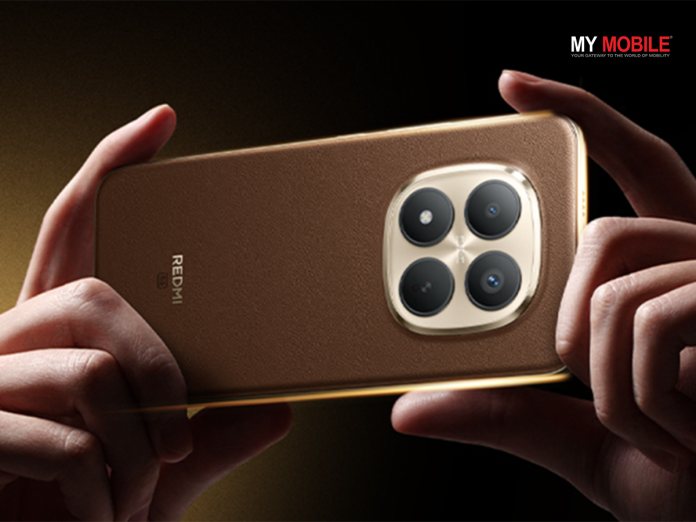
Redmi Note 15 Pro 5G Series. (Image credit - Redmi)
Redmi Note 15 Pro 5G Series. (Image credit – Redmi)

The Redmi Note 15 Pro Plus will be available in Coffee Mocha, Carbon Black, and Mirage Blue colour options. It will be offered in three memory variants, which includes 8GB RAM with 256GB storage, 12GB RAM with 256GB storage, and 12GB RAM with 512GB storage.

Meanwhile, the standard Redmi Note 15 Pro 5G will come in Silver Ash, Carbon Black, and Mirage Blue colours. Buyers will be able to choose between 8GB RAM with 128GB storage and 8GB RAM with 256GB storage options.

FAQs

Q1. When will the Redmi Note 15 Pro 5G series launch in India?

Answer. Xiaomi has confirmed the official launch date as January 29, 2026, with open sales starting on February 3, 2026.

Q2. What benefits do customers get with pre-booking Redmi Note 15 Pro 5G series?

Answer. By paying ₹1,999, buyers receive a free one-year screen replacement and the amount is later refunded as Amazon Pay balance once the purchase is completed.

Q3. What colour and storage options are available for Redmi Note 15 Pro 5G series?

Answer. Redmi Note 15 Pro Plus: Coffee Mocha, Carbon Black, Mirage Blue; 8GB+256GB, 12GB+256GB, 12GB+512GB. Redmi Note 15 Pro: Silver Ash, Carbon Black, Mirage Blue; 8GB+128GB, 8GB+256GB.

Also Read 

https://www.mymobileindia.com/redmi-note-15-pro-series-goes-global-with-200mp-cameras-and-sic-batteries/

https://www.mymobileindia.com/redmi-note-15-pro-and-pro-debut-in-china-with-7000mah-battery-90w-charging-snapdragon-7s-gen-4-and-ip69k-protection/