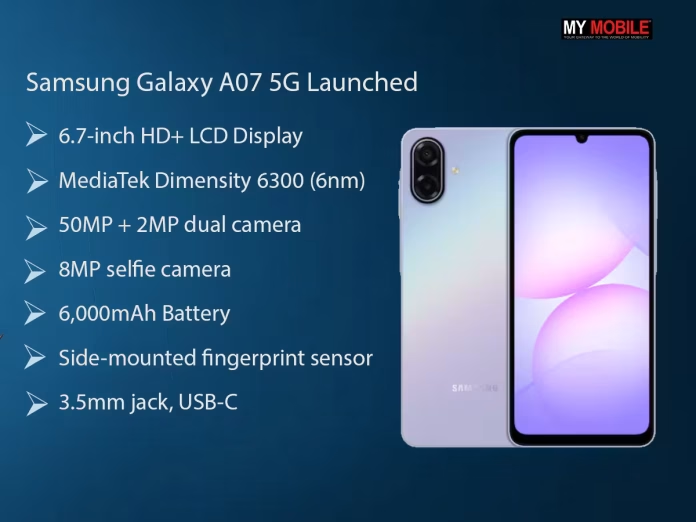
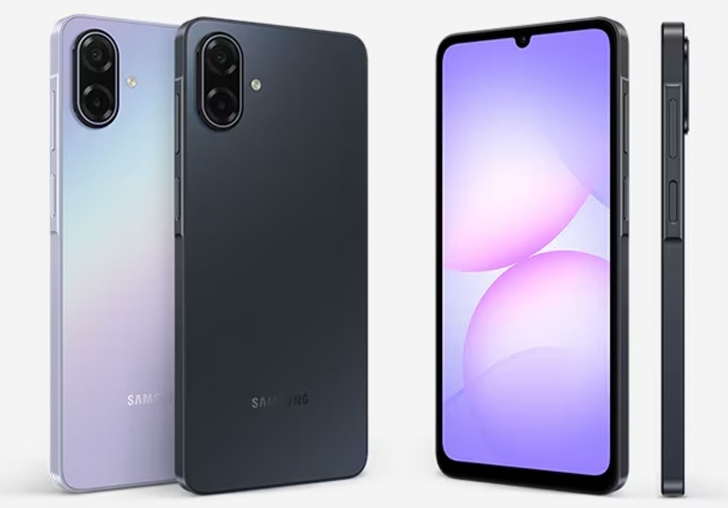
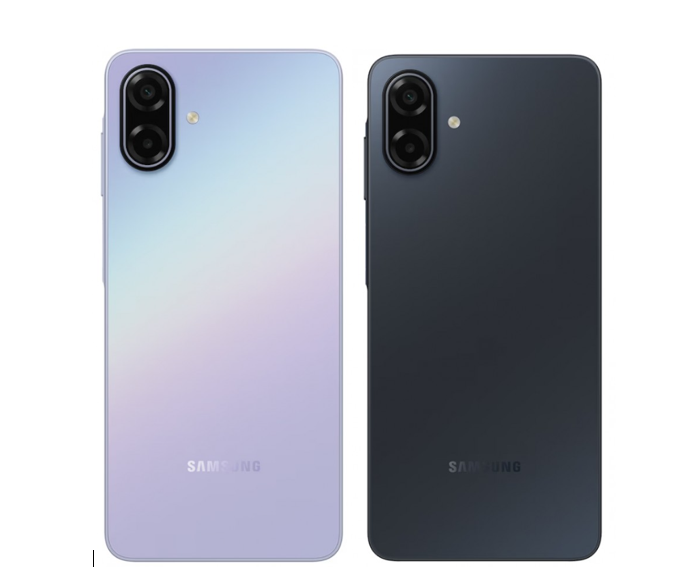
Samsung Galaxy A07 5G launched in the Philippines in Black and Light Violet colours.
It features a 6.7-inch 120Hz LCD display, Dimensity 6300 chipset, dual rear cameras (50MP + 2MP), 8MP selfie camera and 6,000mAh battery.
In the Philippines, the phone is priced at PHP 8,290 ($170) for the 128GB memory variant.
Samsung Galaxy A07 5G launched in the Philippines. (Image credit – Samsung)
Samsung has officially unveiled the Samsung Galaxy A07 5G, the latest addition to its A-series lineup. The smartphone has debuted in the Philippines and is already available for purchase. It has also been spotted listed on Samsung’s official website in Myanmar, indicating a wider rollout. Here’s more on this latest Galaxy smartphone.
Samsung Galaxy A07 5G – Key Features
On the front, the newly unveiled Galaxy A07 5G features a 6.7-inch LCD panel with a 120Hz refresh rate, HD+ resolution, and up to 800 nits of HBM brightness.
The A07 5G is powered by a 6nm octa-core MediaTek Dimensity 6300 processor. In the Philippines, the device is offered with 4GB of RAM and up to 128GB of internal storage. Users also get a microSD card slot to expand storage further.
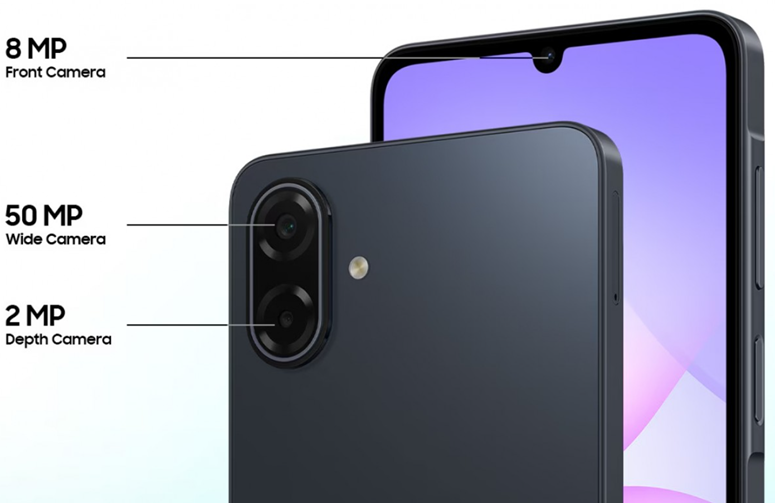
Samsung Galaxy A07 5G camera specs. (Image credit – Samsung)
For photography, the Galaxy A07 5G comes with a dual rear camera setup that includes a 50MP primary sensor and a 2MP depth sensor. On the front, there is an 8MP selfie camera housed inside a waterdrop-style notch.
One of the key highlights of the Galaxy A07 5G is its large 6,000mAh battery, which is a notable upgrade over its predecessor. The phone runs One UI 8.0 out of the box and Samsung has promised six years of Android OS updates along with six years of security patches.
The smartphone includes a side-mounted fingerprint scanner, a 3.5mm headphone jack, GPS, dual-band Wi-Fi, Bluetooth 5.3, 5G connectivity, and a USB Type-C port. It also carries an IP54 rating for dust and water resistance.
The Galaxy A07 5G measures 8.2mm in thickness and weighs 199 grams.
Google Photos now lets users turn still images into short AI-generated videos with added motion and sound.
Users can type instructions to define how elements move, choose light motion, or use automatic effects.
The update generates new video frames based on prompts and adds automatic audio, creating more engaging, story-like clips.
(Photo by Rubaitul Azad on Unsplash)
Google Photos is rolling out an updated version of its “Photo to video” feature that brings motion and sound to still images using AI. First introduced last year, the tool initially relied on preset effects to animate photos. With the latest update, Google is adding support forwritten instructions, giving users more control over how their images move and feel.
Photo to Video Feature in Google Photos
The “Photo to video” feature in Google Photos turns a single still image into a short AI-generated video. When it launched last year, the focus was on simplicity, allowing users to select a photo and apply basic motion using preset options within the app.
These effects added subtle animations to images but offered limited customisation.
How Text Prompts Work in the Photo to Video Feature?
According to Google, the new option appears in the Create section of the Google Photos app. After choosing “Photo to video” and selecting an image, users are now presented with three options. The first lets them type a short description explaining how elements in the photo should move.
The second applies light motion such as small changes in facial expression or posture. The third option, labelled “I’m feeling lucky,” generates a clip automatically without user direction and may introduce broader movement or visual elements.
Once a text prompt is entered and the user taps generate, the system processes the image and creates a short video within seconds.
Custom Prompts
With the introduction of text prompts, users are no longer limited to preset animations. They can now describe the mood or movement they want such as gentle background motion or cinematic camera movement.
Users can also request a specific visual mood, making the feature more flexible and closer to Gemini-style AI tools that generate video from prompts.
How Google Applies Motion and Sound?
Google says its goal is to make photo editing more adaptable without adding complicated tools.
This update also helps Google Photos stand out from other gallery apps that rely on repetitive motion or simple depth effects. Instead of reusing existing frames, the tool generates new video frames based on the user’s text input.
The feature includes age restrictions and is not available to users under 18. To help beginners, Google suggests sample prompts within the app, which users can edit, expand, or regenerate until they are satisfied with the result.
Another key improvement is automatic audio generation. By default, the feature can add sound to clips, making them feel more complete and emotionally engaging. Users can also combine background audio with motion, effectively turning still images into short, story-like videos.
FAQs
Q1. What does the updated “Photo to video” feature in Google Photos do?
Answer. It turns a single still image into a short AI-generated video with added motion and sound.
Q2. How do the Google Photos text prompts work in the Photo to Video feature?
Answer. Users can type instructions describing how elements should move, apply light motion, or use “I’m feeling lucky” for automatic effects.
Q3. What new improvements make the Photo to Video feature in Google Photos more engaging?
Answer. It now generates new video frames based on prompts, adds automatic audio, and allows flexible customisation for apps, notifications, or moods.
Redmi Turbo 5 will feature a 6.59-inch 1.5K OLED display, Dimensity 8500-Ultra chipset, LPDDR5x RAM and UFS 4.1 storage.
It packs a huge 7,560mAh battery with 100W fast charging, 27W reverse charging, a metal frame, and a 2.5D glass back.
The phone is expected to be priced at about 2,000 Yuan ($290) in China.
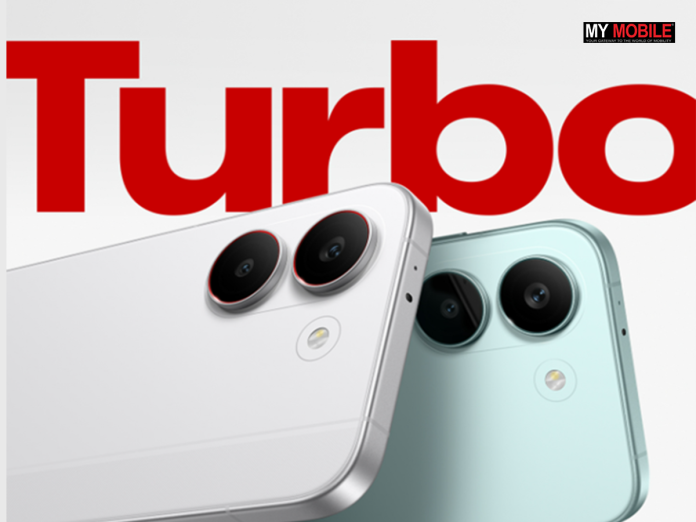
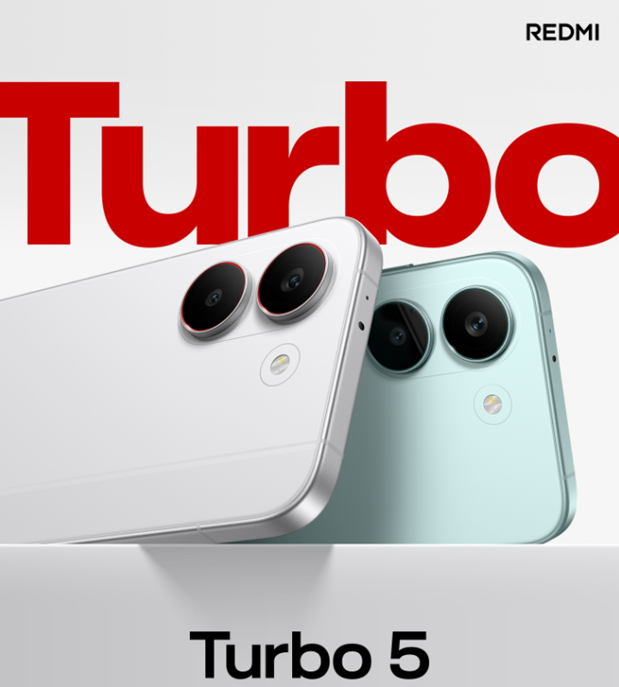
Redmi Turbo 5 official teaser. (Image credit – Redmi)
Redmi has officially begun sharing details about the standard Redmi Turbo 5. Through a series of new posters, the company has now revealed important information about its display, battery, charging support, and chipset. Here’s a complete look at what Redmi has confirmed so far.
Redmi Turbo 5 Specifications Officially Confirmed
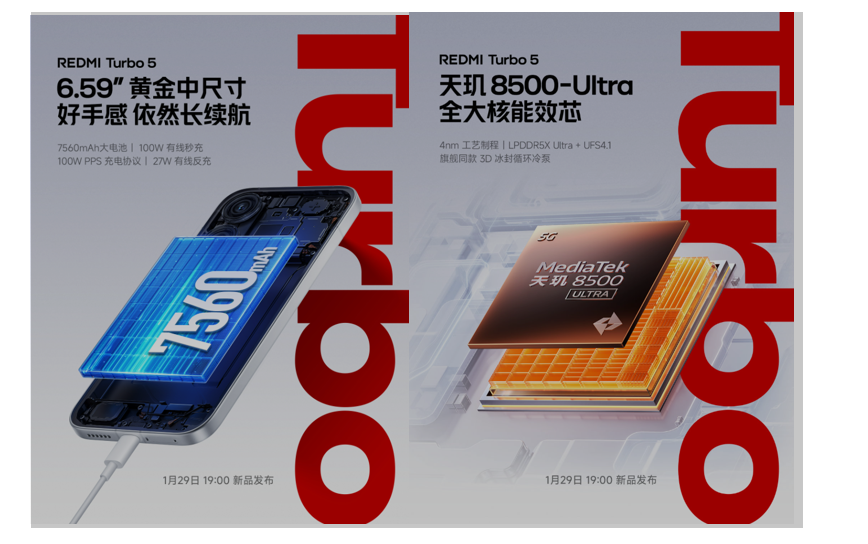
Redmi has confirmed via multiple official teaser posters released on Weibo that the Redmi Turbo 5 will sport a 6.59-inch OLED display with 1.5K resolution. At its core, the smartphone will be powered by the Dimensity 8500-Ultra chipset. It will be paired with LPDDR5x Ultra RAM and UFS 4.1 storage, pointing toward flagship-grade performance hardware.
For thermal management, the device features a 3D Ice-Sealed Circulation Cooling Pump, which is said to deliver three times better heat dissipation compared to traditional VC cooling solutions.
Redmi Turbo 5 official teasers. (Image credit – Redmi)
The Redmi Turbo 5 was recently listed on Geekbench. The benchmark listing revealed 16GB of RAM and confirmed that the device runs Android 16. It is expected to launch with HyperOS 3 on top of Android.
On the battery front, the Redmi Turbo 5 packs a massive 7,560mAh battery. It supports 100W wired fast charging and also offers 27W reverse charging. In terms of build quality, the smartphone features a metal frame along with a 2.5D glass back panel.
Moreover, images in the released poster indicate that the Redmi Turbo 5 will be available in white and mint green colour options. As for price, the phone is expected to be priced at around 2,000 Yuan (approximately $290) in China. This will position this device in the upper mid-range segment.
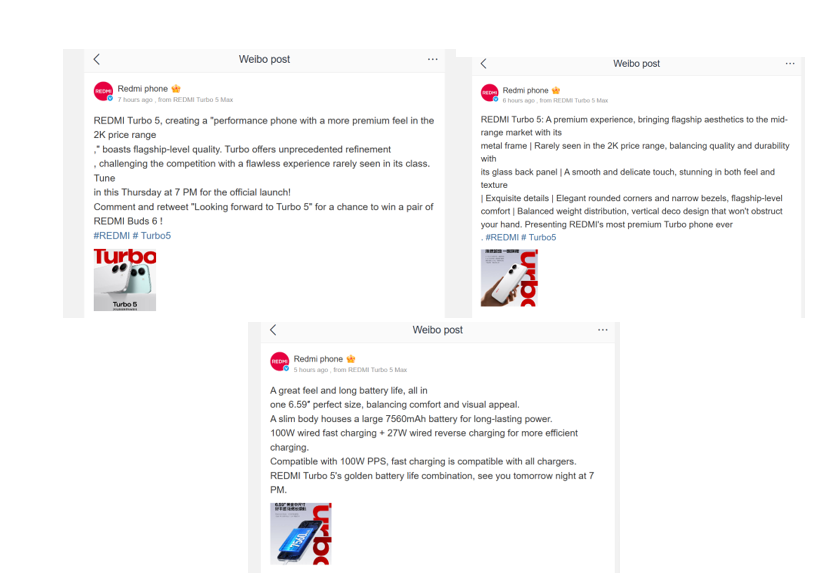
Redmi’s official posts on Weibo. (Translated via Google Translate)
Possible Global Rebrand as Poco X8 Pro
According to rumours, the Redmi Turbo 5 could be rebranded as the Poco X8 Pro for global markets. While the Turbo 5 itself may remain exclusive to China, its specifications are expected to carry over to the Poco version.
There are also reports that suggest Redmi Turbo 5 Max will be in China alongside the standard Turbo 5. That model could then debut as the Poco X8 Pro Max or Poco X8 Max in the international market.
Anyways, we are looking forward to the unveiling of Turbo 5 in China.
FAQs
Q1. What are the key specifications of the Redmi Turbo 5?
Answer. It features a 6.59-inch 1.5K OLED display, Dimensity 8500-Ultra chipset, LPDDR5x RAM, UFS 4.1 storage, advanced cooling, and runs Android 16 with HyperOS 3.
Q2. How powerful is the Redmi Turbo 5’s battery?
Answer. The device packs a massive 7,560mAh battery with 100W wired fast charging and 27W reverse charging support.
Q3. Will the Redmi Turbo 5 launch globally?
Answer. While the Turbo 5 may remain exclusive to China, it is rumoured to be rebranded as the Poco X8 Pro (and possibly X8 Pro Max) for international markets.
The Galaxy S26 Ultra is tipped to finally switch from an 8-bit to a 10-bit display.
Samsung teases a built-in Privacy Display that hides on-screen content from nearby viewers.
The phone is expected to debut globally next month with sales starting late February/early March.
Samsung Galaxy S25 Ultra in the picture for reference. (Image credit – Samsung)
The Galaxy S26 Ultra has already generated plenty of speculations around its display. Earlier reports have suggested a 6.89-inch M14 OLED panel, higher brightness levels and tougher protective glass. But now, a new leak points to another long-awaited improvement. At the same time, Samsung has officially teased a new “Privacy Display” feature that promises to add “a new layer of privacy.” Here’s more on both updates.
Galaxy S26 Ultra May Finally Switch to a 10-bit Display
According to popular tipster Ice Universe @UniverseIce on X, the Galaxy S26 Ultra is confirmed to feature a 10-bit display panel. This would be a notable upgrade over the 8-bit panel used on the current Galaxy S25 Ultra.
Samsung S26 Ultra
10 bit screen confirmed!
100% accurate
If the information holds true, users can expect richer colours, smoother colour gradients and better HDR performance. While A 10-bit panel is capable of reproducing more than one billion colours.
Several rival smartphone brands already offer 10-bit panels on their flagship devices, making this a long-awaited upgrade for Samsung’s Ultra lineup.
Samsung Teases New ‘Privacy Display’
Samsung Teases New ‘Privacy Display’. (Credit – Samsung)
Meanwhile, Samsung has also released teaser videos highlighting a new “Privacy Display” feature for the Galaxy S26 series. The teasers show how it can keep on-screen content hidden from people nearby.
On the Galaxy S26 Ultra, this feature is expected to be built directly into the display itself. In its official press release, Samsung states, “Samsung will soon unveil a new layer of privacy to shield your phone from shoulder surfing wherever you go. You’ll have the space to check your messages or enter a password on public transit without thinking twice about who might be watching.”
The company says users will be able to enable the feature for specific apps or activate it only when entering sensitive information “for more private areas of your phone”. It can also be applied to“specific parts of your experience, such as notification pop-ups”.
Unlike traditional privacy screen protectors that offer an all-or-nothing solution, the Privacy Display can be fine-tuned or disabled entirely based on user preference. According to rumours, this flexibility is possible because the technology is integrated directly into the display panel.
Samsung notes that the feature is the result of more than five years of “engineering, testing, and refining.” Further official details are expected soon.
Current reports also suggest that the Privacy Display may be exclusive to the Galaxy S26 Ultra, rather than being available on the standard and Plus variants.
Galaxy S26 Ultra Launch Timeline and Expected Specs
The Galaxy S26 Ultra is expected to be unveiled globally next month. As for sales, it is likely to begin in late February or early March.
The flagship smartphone is rumoured to feature the Snapdragon 8 Elite Gen 5 chipset, upgraded cameras, and several other incremental improvements alongside the new display enhancements.
FAQs
Q1. What display upgrade is coming to the Galaxy S26 Ultra?
Answer. The Galaxy S26 Ultra is tipped to feature a 10-bit display panel, offering richer colours, smoother gradients, and improved HDR compared to the 8-bit panel on the S25 Ultra.
Q2. What is Samsung’s new ‘Privacy Display’ feature?
Answer. It’s a built-in technology that hides on-screen content from nearby viewers. Users can enable it for specific apps, sensitive tasks, or notifications, with flexible controls.
Q3. When will the Galaxy S26 Ultra launch?
Answer. The Galaxy S26 Ultra is expected to be unveiled globally next month, with sales likely starting in late February or early March.
Apple plans to keep iPhone 18 starting prices unchanged despite rising DRAM costs.
DRAM and NAND prices are up 10–25% year-on-year due to shortages and AI demand, impacting Apple’s margins.
Apple may address memory cost concerns in its Jan 30, 2026 earnings cal.
We might not see a price hike for the next iPhone lineup. (Image credit – Apple)
Apple is expected to face higher component expenses in 2026 due to ongoing DRAM shortages. But it appears the company plans to keep iPhone 18 pricing as stable as possible, according to well-known Apple Analyst Ming-Chi Kuo.
Apple Plans to Avoid Price Hikes for iPhone 18 Lineup
Sharing his insights on X (formerly Twitter), Apple analyst Ming-Chi Kuo said, “Apple’s current plan for 2H26 new iPhone 18 models is to avoid raising prices as much as possible—at least keep the starting price flat, which is helpful for marketing.”
Kuo explained that Apple renegotiates memory pricing with its suppliers every quarter. As a result, memory price increases are expected to kick in during the second quarter of 2026. These hikes are said to mirror the increases seen in the first quarter, during which Apple already began paying more for memory components. Estimates indicate memory prices are currently 10 to 25 percent higher than last year.
While rising memory costs are likely to affect iPhone gross margins, Apple is reportedly better positioned than most smartphone brands to manage the impact. The company can secure long-term supply deals and absorb part of the increased costs.
Kuo noted, “For most non-AI brands, even if you’re willing to pay up, there’s no guarantee you’ll get the supply. The fact that Apple can lock in a deal like this shows just how much leverage they have. Higher memory costs will hit iPhone gross margins. But Apple’s playbook is clear: use the market chaos to their advantage–secure the chips, absorb the costs, and grab more market share. They’ll make it back later on the services side.”
A few quick thoughts on Apple/iPhone memory price hikes:
1. The 1Q26 LPDDR price hikes mentioned in the news are pretty close to what I’ve heard. NAND flash increases, however, are a bit lower.
2. iPhone memory pricing is now negotiated quarterly instead of every six months, so…
Apple could discuss rising memory prices during its January 30 earnings call, which will cover the first fiscal quarter of 2026, spanning October to December 2025. According to Kuo, Apple will try to avoid passing these increased costs on to consumers“as much as possible,” with at least the starting price of the iPhone 18 models expected to remain unchanged.
Apple has previously absorbed higher component costs to maintain pricing stability. The base iPhone 17, for example, retained its $799 starting price. However, the iPhone 17 Pro saw a $100 price increase due to Apple introducing a new minimum storage requirement of 256GB.
Meanwhile, other components may also face shortages in the coming months, potentially adding further strain to the supply chain. LPDDR and NAND memory are currently in short supply and becoming more expensive due to strong demand from the AI sector.
In any case, there is still a lot of time before we will have a more concrete idea of how exactly Apple is planning on managing costs for the upcoming lineup.
FAQs
Q1. Will Apple increase the price of the iPhone 18 despite rising memory costs?
Answer. According to analyst Ming-Chi Kuo, Apple plans to keep iPhone 18 starting prices flat and avoid raising them as much as possible.
Q2. Why are memory costs rising for Apple in 2026?
Answer. DRAM and NAND shortages, driven by strong demand from the AI sector, have pushed memory prices up by 10–25% compared to last year.
Q3. How is Apple managing the impact of higher component costs?
Answer. Apple renegotiates memory pricing quarterly, secures long-term supply deals, absorbs part of the costs, and leverages its services business to offset margin pressures.
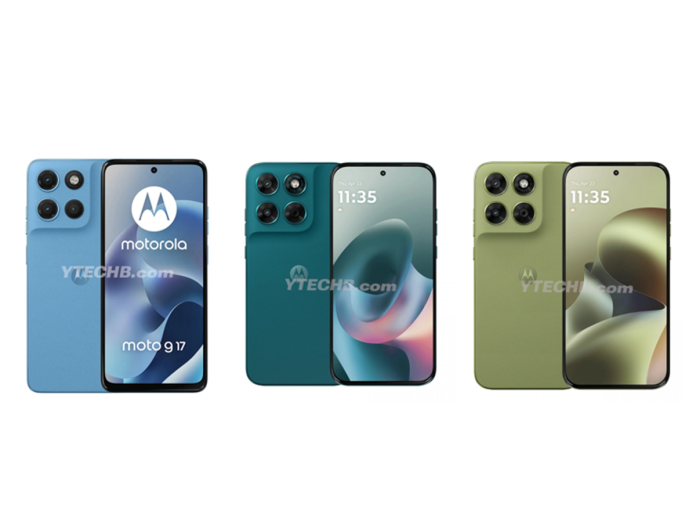
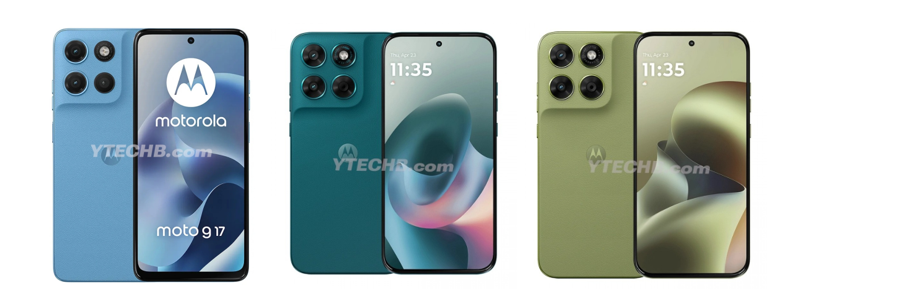
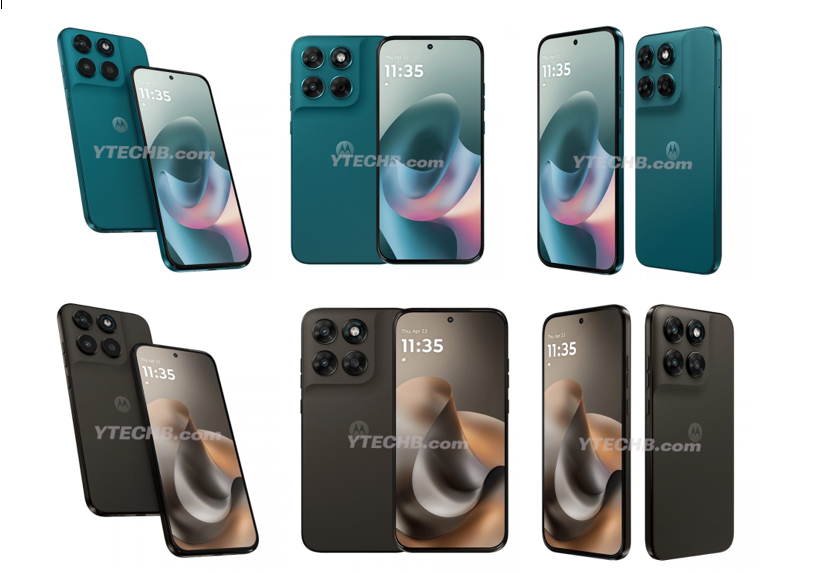
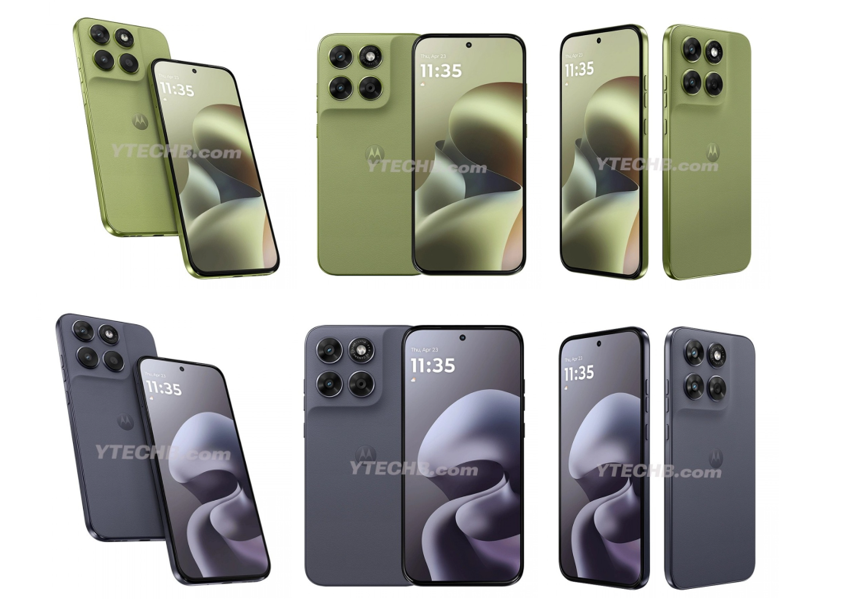
Motorola is gearing up to expand its smartphone lineup with several new launches. The upcoming devices include the entry-level Moto G17, Moto G67, Moto G77 and the Moto Edge 70 Fusion. While the Moto Edge 70 Fusion has already surfaced in leaked renders, fresh high-resolution images of the Moto G17, G67, and G77 have now appeared online, showcasing all their colour variants.
Moto G17 Leaked Renders
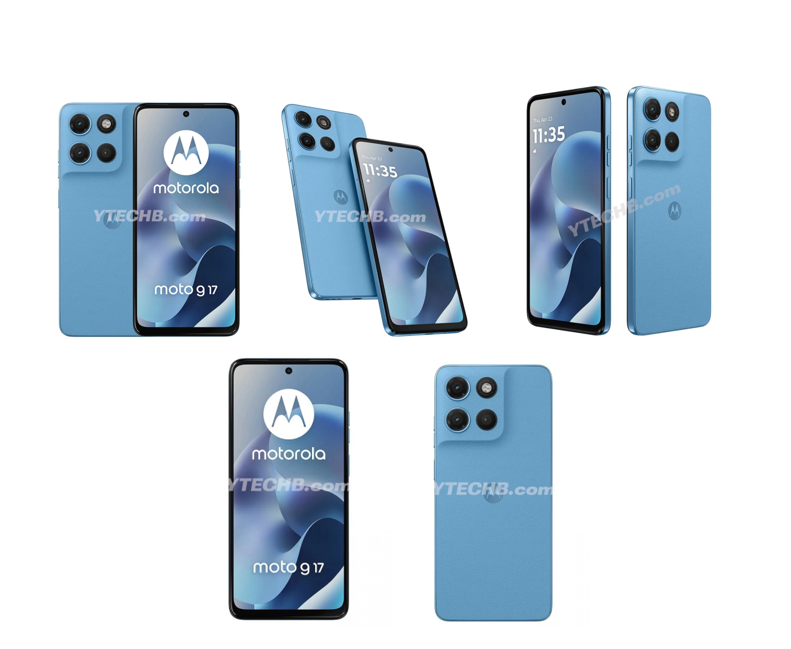
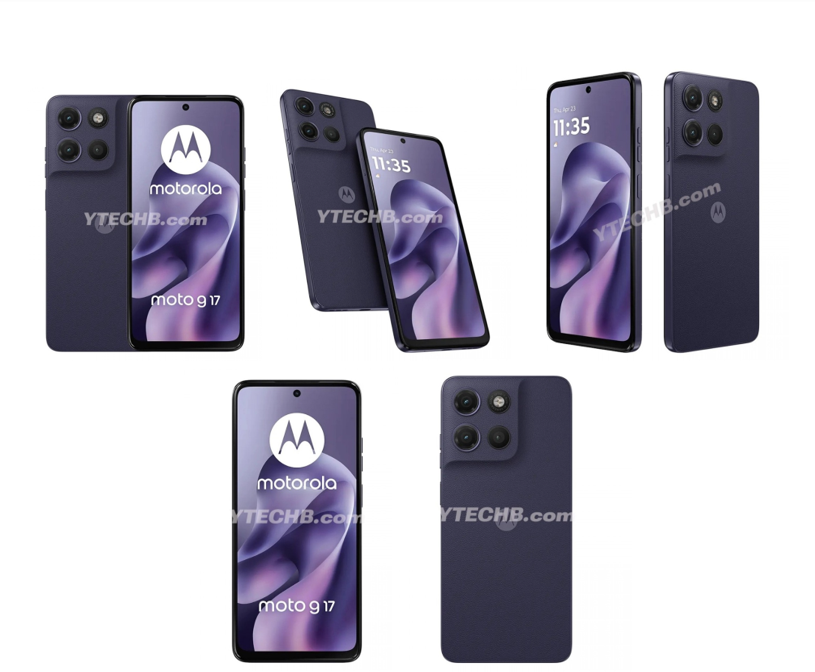
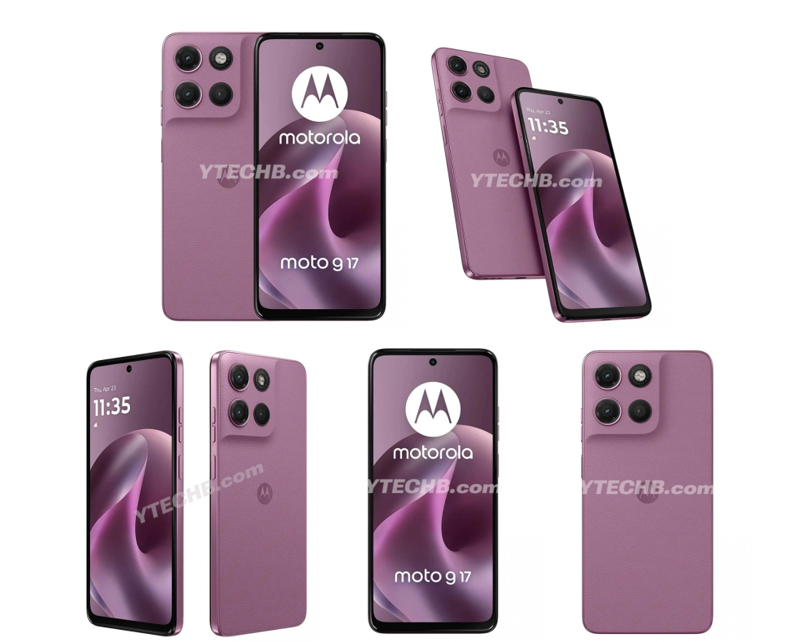
It has just been a day since the Moto G17’s RAM and storage configurations were leaked and its existence confirmed via Motorola’s official website. Now, new renders have emerged showing the phone in Alaskan Blue, Evening Blue, and Pink colours.
Moto G17 in Alaskan Blue. (Image credit – YTECHB)
Moto G17 in Evening Blue. (Image credit – YTECHB)
Moto G17 in pink. (Image credit – YTECHB)
According to the leak, the Moto G17 measures 165.67 x 75.98 x 8.17 mm, making it identical in size to the Moto G15 launched in February 2025. Based on this, the device is also expected to feature the same 6.72-inch display size.
The Moto G17 is said to launch with 8GB of RAM and 256GB of expandable storage with a reported price of €289 in the Eurozone. Other specifications remain unknown for now.
The G17 is also expected to arrive alongside the Moto G17 Power, which, following Motorola’s naming trend, could feature a larger battery. Both models are tipped to debut together within the next few weeks.
Moto G77 and Moto G67 Renders Surface
Meanwhile, a new leak has now shared additional renders of two other upcoming Moto smartphones, the Moto G77 and the Moto G67. This leak comes after an earlier Greek retailer listing revealed one image each of the Moto G77 and Moto G67.
These images show the devices from multiple angles and confirm two colour options for each model.
Moto G77 leaked renders. (Image credit – YTECHB)
As per the source, these are the complete colour lineups. The Moto G77 will be available in Pantone Black Olive and Pantone Shaded Spruce.
Moto G67 leaked renders. (Image credit – YTECHB)
The Moto G67, on the other hand, will reportedly launch in Pantone Arctic Seal and Pantone Light Parrot Green colour options.
Moto G77 and Moto G67 – Key Features (Revealed)
In terms of specifications, the Moto G77 is expected to feature a 6.8-inch AMOLED display with a 1.5K resolution, a 120Hz refresh rate, and Gorilla Glass 7i protection. It is tipped to be powered by the MediaTek Dimensity 6400 chipset and come with 8GB of RAM and 256GB of expandable storage. Camera hardware is said to include a 108MP primary sensor and an 8MP ultrawide lens. The phone is also expected to pack a 5,200mAh battery with 30W wired charging and carry an IP64 rating for dust and splash resistance.
The Moto G67, meanwhile, is expected to run on the MediaTek Dimensity 6300 processor and share the same display panel as the Moto G77.
Camera specs on the G67 are said to include a 50MP main rear camera, an 8MP ultrawide lens, and a 32MP front-facing camera. The device is tipped to come with 4GB of RAM and 128GB of expandable storage, along with the same 5,200mAh battery and 30W charging support as the G77.
Both the Moto G77 and Moto G67 are expected to ship with Android 16 out of the box.
FAQs
Q1. What colours will the Moto G17 be available in?
Answer. The Moto G17 will launch in Alaskan Blue, Evening Blue, and pink colour options.
Q2. What are the key specifications of the Moto G77?
Answer. The Moto G77 is expected to feature a 6.8-inch AMOLED 1.5K display, MediaTek Dimensity 6400 chipset, 108MP + 8MP cameras, 8GB RAM, 256GB storage, a 5,200mAh battery with 30W charging, and IP64 dust/splash resistance.
Q3. How does the Moto G67 differ from the Moto G77?
Answer. The Moto G67 will use the MediaTek Dimensity 6300 processor, have a 50MP main camera with a 32MP selfie shooter, 4GB RAM, 128GB storage, and the same 6.8-inch AMOLED display and 5,200mAh battery as the G77.
WhatsApp introduces Strict Account Settings Mode that enforces the most restrictive privacy and security settings.
The new setting is primarily aimed at journalists and public-facing individuals needing extreme protection.
The platform also integrates the memory-safe Rust programming language into its infrastructure to strengthen defences.
(Photo by Alexander Shatov on Unsplash)
WhatsApp has announced new security upgrades aimed at strengthening protection against spyware and advanced cyber threats. The latest changes include the introduction of a new ‘Strict Account Settings’ mode, along with backend improvements designed to secure user data better. Here’s more on both.
WhatsApp Rolls Out ‘Strict Account Settings’ Mode
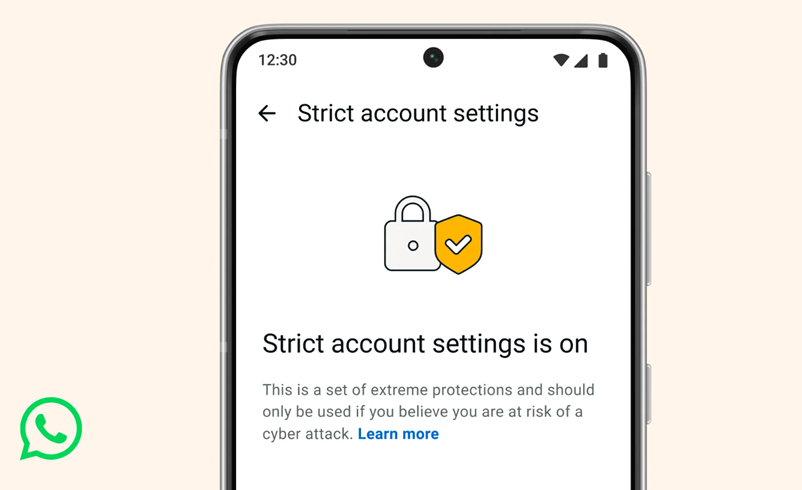
As part of its updated security measures, WhatsApp is launching a lockdown-style ‘Strict Account Settings’ option. When enabled, this mode automatically applies the most restrictive privacy and security settings available on the platform.
Activating the feature locks certain account controls and limits how WhatsApp functions in specific areas. For example, attachments and media from users who are not saved in your contacts will be blocked. The setting can be found under Settings ⇾ Privacy ⇾ Advanced, where users can enable it to achieve the highest possible level of security.
WhatsApp said the feature will be available to all users once the rollout is complete. However, it is primarily intended for people who may require extreme protection against rare and highly sophisticated cyber attacks, such as journalists and public-facing individuals.
Backend Security Strengthened With Rust Programming Language
Even for users who choose not to enable ‘Strict Account Settings,’ WhatsApp has introduced another important privacy improvement behind the scenes.
WhatsApp’s backend security strengthened with the Rust programming language. (Image credit – Meta)
The company is rolling out the Rust programming language across parts of its infrastructure to help protect photos, videos, and messages from spyware-related threats. This change does not require any action from users and applies automatically across the platform.
Rust is a memory-safe programming language known for offering strong security benefits. By adopting Rust, WhatsApp’s security team has been able to build a secure, high-performance, cross-platform library that helps ensure media shared on the platform remains consistent and safe across devices. This move is part of WhatsApp’s broader defense-in-depth approach with both WhatsApp and Meta security teams exploring wider adoption of Rust where it can have a high impact.
The introduction of ‘Strict Account Settings’ alongside Rust-based backend improvements reflects WhatsApp’s ongoing efforts to safeguard user data against increasingly advanced spyware and cyber attacks.
FAQs
Q1. What is WhatsApp’s new ‘Strict Account Settings’ mode?
Answer. It’s a lockdown-style option that automatically applies the most restrictive privacy and security settings. For example, attachments and media from people not in your contacts will be blocked.
Q2. Who should use the ‘Strict Account Settings’ feature?
Answer. While available to all users, it is primarily intended for individuals at higher risk of sophisticated cyber attacks, such as journalists and public-facing figures.
Q3. How is WhatsApp improving backend security?
Answer. WhatsApp is adopting the Rust programming language across parts of its infrastructure. Rust’s memory-safe design helps protect photos, videos, and messages from spyware threats, ensuring stronger cross-platform security without requiring user action.
The phone sports textured finishes and a gold-accented Silhouette variant.
The phone features a 6.78-inch quad-curved AMOLED, Snapdragon 7s Gen 3, 12GB RAM, Android 16, 50MP triple rear setup, 32MP selfie camera, and a standout 7,000mAh battery with 68W fast charging support.
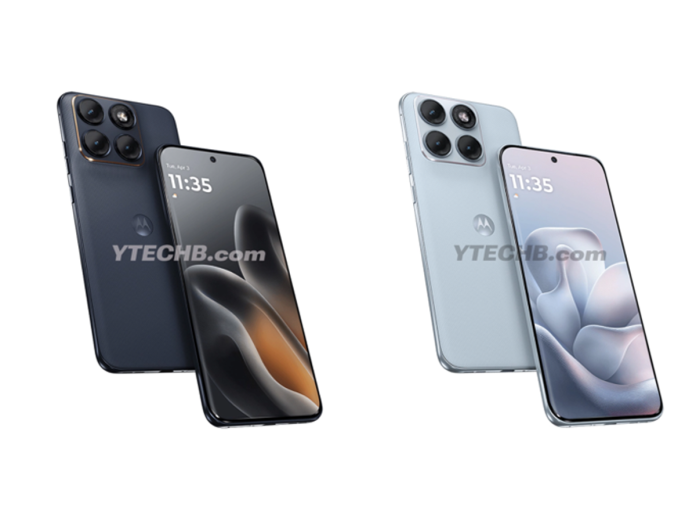
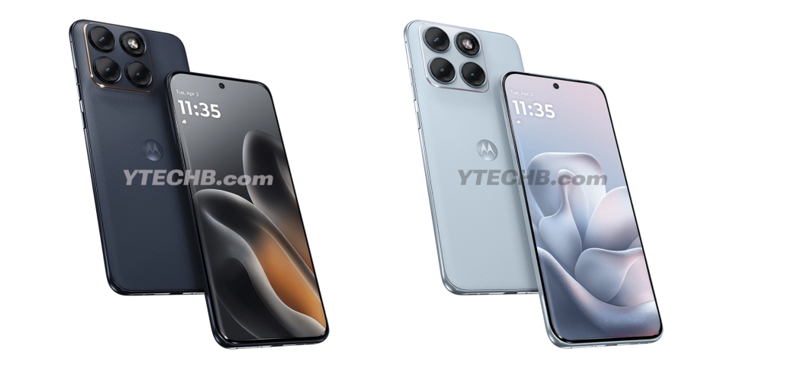
Motorola Edge 70 Fusion features have been out in multiple leaks earlier but now we finally have renders that reveal the design and colour variants. New renders of the upcoming Edge 70 Fusion have emerged online. These renders are giving the first visual look at the upcoming mid-range smartphone along with a recap of its expected specifications.
Motorola Edge 70 Fusion – Design and Colour Variants
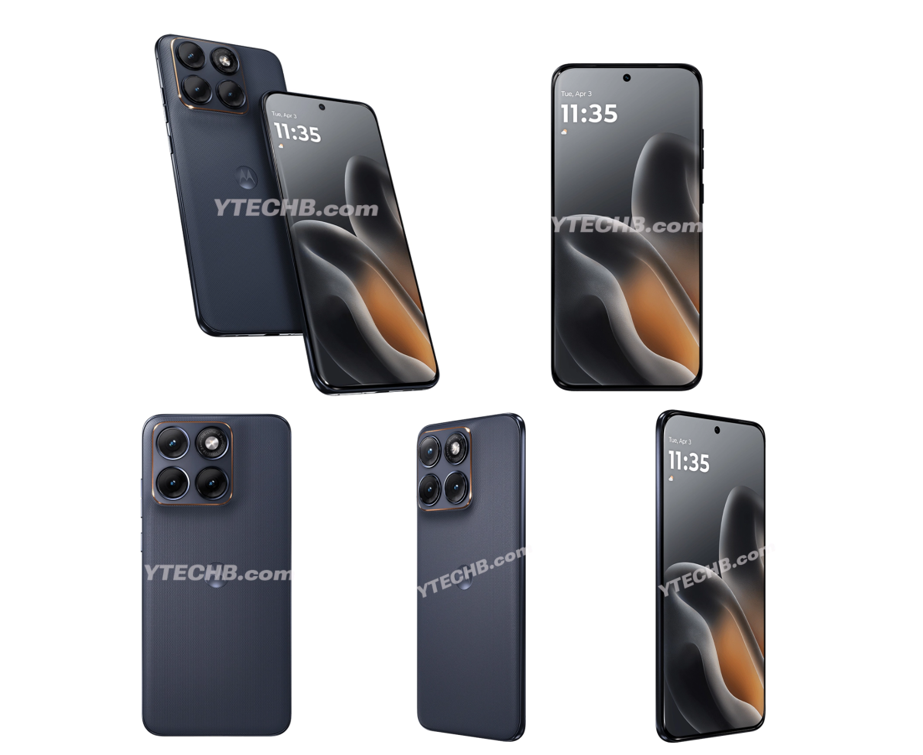
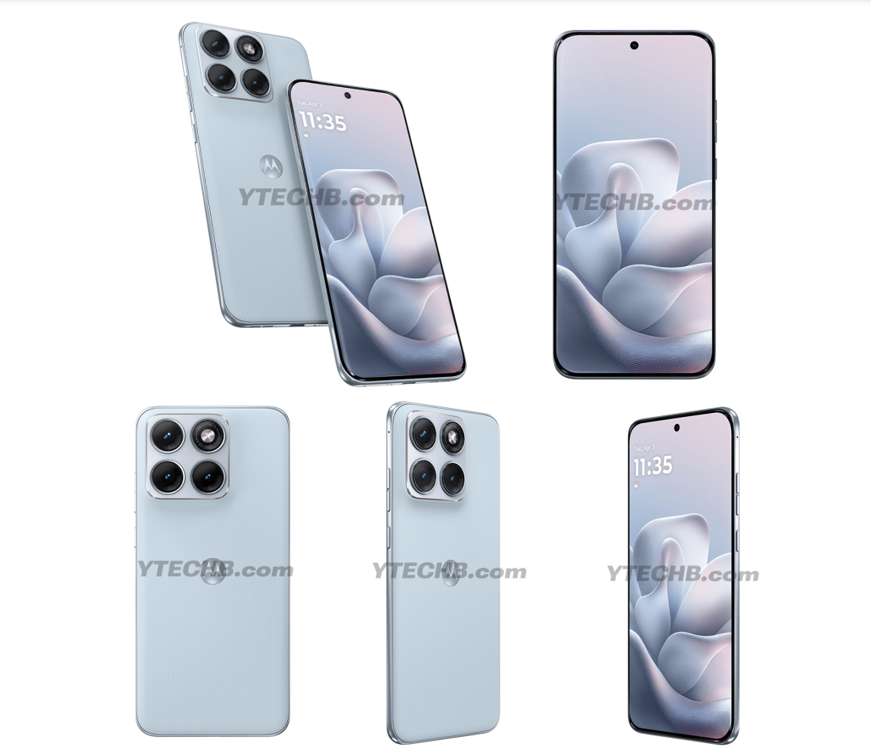
The renders, published by YTECHB, show the Motorola Edge 70 Fusion in Silhouette (Black) and Country Air colour variants. In addition to these, the smartphone is expected to launch in three more shades, which includes Blue Sirf, Orient Blue, and Sporting Green.
Following the Motorola tradition, all colour variants are sporting Pantone-validated colours. The back panel is said to feature a nylon- and linen-inspired finish, adding a textured look to the design.
In terms of overall appearance, the Edge 70 Fusion closely resembles its predecessor.
However, there are a few visual changes, including a glossy finish on the camera module. The Silhouette variant also stands out with a gold-accented frame around the camera housing. On the front, the device sports slim bezels and a centred hole-punch cutout for the selfie camera.
According to the report, the Motorola Edge 70 Fusion will feature a 6.78-inch quad-curved AMOLED display with 1.5K resolution and a 144Hz refresh rate. The panel is also expected to offer HDR10+ support and deliver up to 5,200 nits of peak brightness.
For photography, the phone is tipped to include a 32MP front-facing camera, while the rear will house a 50MP triple-camera setup.
Powering the device is expected to be Qualcomm’s Snapdragon 7s Gen 3 processor. Storage options may include an 8GB RAM variant paired with 256GB of internal storage, along with a higher-end 12GB RAM and 256GB storage model.
The Edge 70 Fusion is likely to run Android 16 out of the box, with Motorola’s Hello UX on top, and is expected to receive up to three years of Android OS updates.
The Motorola Edge 70 Fusion is also expected to stand out with its large 7,000mAh battery. The phone is said to support 68W fast charging, rounding out the key hardware features of Motorola’s upcoming mid-range offering.
FAQs
Q1. What design and colour options will the Motorola Edge 70 Fusion offer?
Answer. The phone will come in Silhouette (Black) and Country Air, plus three more shades: Blue Sirf, Orient Blue, and Sporting Green, all Pantone-validated.
Q2. Wat are the key specifications of the Motorola Edge 70 Fusion?
Answer. It features a 6.78-inch quad-curved AMOLED display (1.5K, 144Hz, HDR10+), Snapdragon 7s Gen 3 processor, up to 12GB RAM, and runs Android 16 with Hello UX.
Q3. What standout hardware features does the Edge 70 Fusion include?
Answer. The device packs a 50MP triple rear camera, 32MP selfie camera, and a massive 7,000mAh battery with 68W fast charging support.
Meta to test paid subscriptions on Instagram, Facebook, and WhatsApp.
It will be offering exclusive tools, AI features, and creative controls while keeping core functions free.
Manus AI integration will play a central role with freemium access to Vibes AI video generation and more.
(Photo by Dima Solomin on Unsplash)
Meta is preparing to test premium subscription plans across its major apps including Instagram, Facebook and WhatsApp. A TechCrunch report based on word directly from Meta reveals that subscriptions are expected to unlock exclusive features on these popular apps. Users can expect to get features focused on productivity, creativity and expansion of AI capabilities. Here’s more on that.
Premium Experiences Coming Soon on Meta Apps
According to the report, Meta said that in the coming months it will begin offering paid experiences onInstagram, Facebook and WhatsApp that provide access to special tools and greater control over how users share content and connect with others.
The company emphasised that the core functionality of each app will remain free.
Meta also noted that it is not committing to a single subscription strategy. Instead, it plans to experiment with different subscription features and bundles with each app offering its own unique set of premium capabilities.
Mets to test premium subscription plans across its major apps including Instagram, Facebook and WhatsApp. (Image credit – Unknown)
Manus AI to Play a Key Role in Subscription Plans
As part of its subscription push, Meta plans to scale Manus, the AI agent it recently acquired for a reported $2 billion. The company is taking a two-pronged approach with Manus by integrating it into Meta’s products while also continuing to sell standalone subscriptions to businesses.
Signs of this integration are already emerging. Meta has reportedly been working on adding a shortcut for Manus AI within Instagram, according to a screenshot shared by reverse engineer Alessandro Paluzzi, who is known for uncovering features still in development.
Meta also intends to test subscriptions tied specifically to AI-powered features including Vibes video generation. Vibes is Meta’s short-form AI video experience built into the Meta AI app, allowing users to create and remix AI-generated videos.
While Vibes has been free since its launch last year, Meta now plans to introduce a freemium model. Users will get limited access to video creation for free with the option to subscribe for additional AI video generation opportunities each month.
Instagram Subscription Features Leak
Although Meta has not yet detailed what paid features will be offered on WhatsApp and Facebook, a recent leak has shed some light. Developer Alessandro Paluzzi @alex193a on X has shared insights into what the Instagram subscription may include.
According to him, premium Instagram users could get access to unlimited audience lists, see a list of followers who don’t follow them back, and view Stories anonymously without the original poster knowing they were viewed.
👆🏻 #Instagram is working on a new paid subscription** that will offer new perks, including the ability to create unlimited audience lists, see the list of followers who don’t follow you back and sneak a peek at a story without showing that you’ve viewed it 👀 pic.twitter.com/cQp6xUEzOY
Meta clarified that these new subscriptions will be separate from Meta Verified. The company said it plans to apply lessons learned from Meta Verified to expand its subscription business with offerings aimed at everyday users, creators and businesses.
Meta Verified primarily targets creators and businesses, offering benefits such as a verified badge, 24/7 direct support, impersonation protection, search optimisation, exclusive stickers and more. Since these features are not designed for regular users, the upcoming subscriptions are expected to cater to a much broader audience.
The introduction of new paid plans could help Meta diversify and grow its revenue streams. However, the company may face challenges due to subscription fatigue as users are already juggling multiple paid services each month. To succeed, Meta will need to make its subscriptions compelling enough to justify the additional cost.
Snap has already demonstrated demand for paid social media features. Its Snapchat+ subscription, which starts at $3.99 per month, has surpassed 16 million subscribers, more than doubling since early 2024.
Rollout and User Feedback
Meta said it plans to actively listen to user feedback as it begins rolling out these subscriptions over the next few months. The company will be using community input to refine and shape its premium offerings.
FAQs
Q1. What apps will Meta’s new paid subscriptions cover?
Answer. Meta plans to test premium subscriptions across Instagram, Facebook, and WhatsApp, offering exclusive features.
Q2. What kind of features will these Meta apps paid subscriptions include?
Answer. They will unlock tools focused on productivity, creativity, and expanded AI capabilities, including Manus AI and Vibes video generation.
Q3. How are these paid Meta subscriptions different from Meta Verified?
Answer. Unlike Meta Verified, which targets creators and businesses, the new subscriptions are designed for a broader audience of everyday users, creators, and businesses.
Vivo X200T officially launched in India at the starting price of INR 59,999.
It features a 6.67-inch AMOLED display, Dimensity 9400+ chipset, triple 50MP Zeiss-tuned cameras, 6,200mAh battery with 90W wired fast charging + 40W wireless charging and IP68/IP69 rated durability.
Pre-orders for the phone are open now with sales from Feb 3.
Get ready to Go Further.
The all-new vivo X200T is ready to re-define how far your shots can go.
Co-engineered with ZEISS, powered to push limits.
The all-new vivo X200T, launching on 27th Jan
Stay tuned to know more.#vivoX200T#MyCityVibes#ZEISSImageGoFurtherpic.twitter.com/FUzMdLiZJN
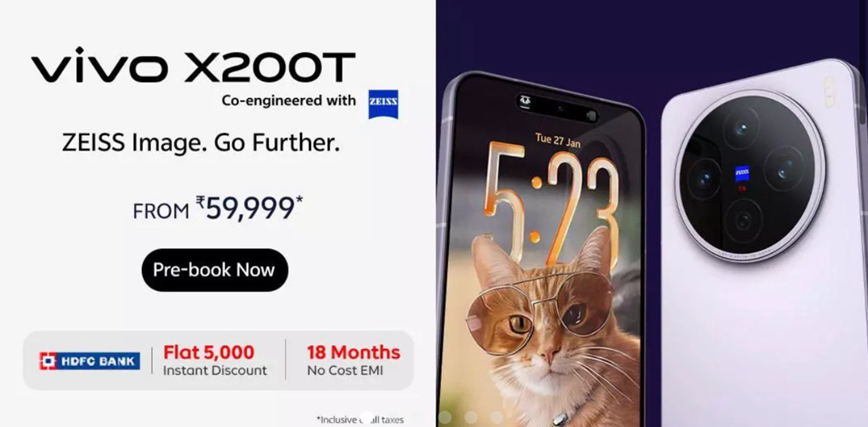
Vivo X200T has been officially launched in India. (Image credit – Vivo)
Vivo X200T has been officially introduced in India as a new addition to its previous-generation X200 series. In the Indian market, the Vivo X200T will take on rivals such as the OnePlus 15R and Motorola Signature in the Rs 50,000 segment. At first glance, the phone appears to be a more premium derivative of the Vivo X200 FE launched last year.
Commenting on the launch, Vikas Tagra, Head of Product Management, Vivo India, said, “At vivo, we focus on building technology that feels purposeful and relevant in everyday use. The X200T embodies this philosophy by combining the ZEISS imaging expertise with strong performance and refined software experiences. With the X200T, we continue to strengthen the X Series portfolio by delivering meaningful innovation designed around how users capture, work, and engage with their world.”
Vivo X200T – Key Features
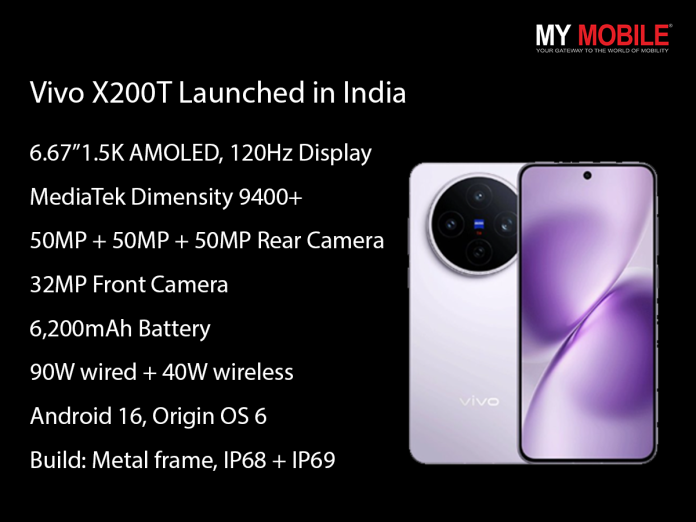
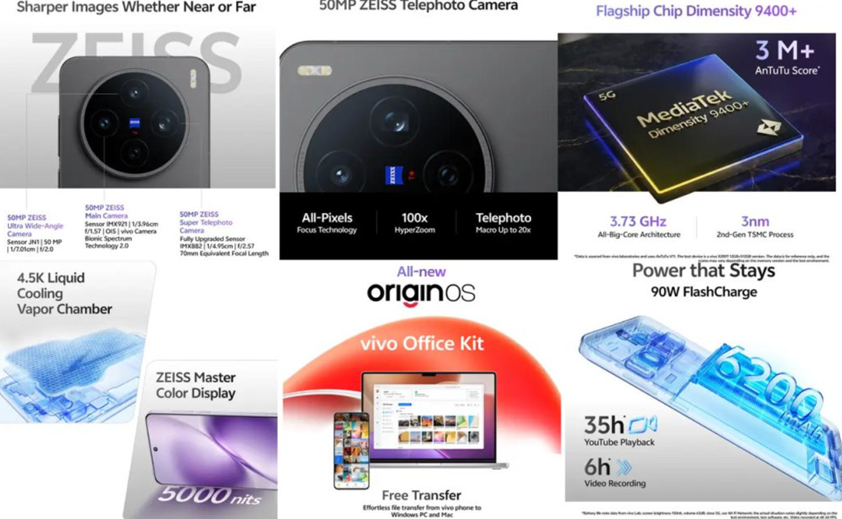
The Vivo X200T features a 6.67-inch 1.5K AMOLED display with a 120Hz refresh rate and Q10 Plus panel technology. Powering the device is the MediaTek Dimensity 9400+ SoC, paired with 12GB of RAM andsupported by a 4,500mm² vapor chamber cooling system. Measuring 7.9mm in thickness and weighing slightly over 200 grams, the phone sits firmly within the typical flagship size and weight category.
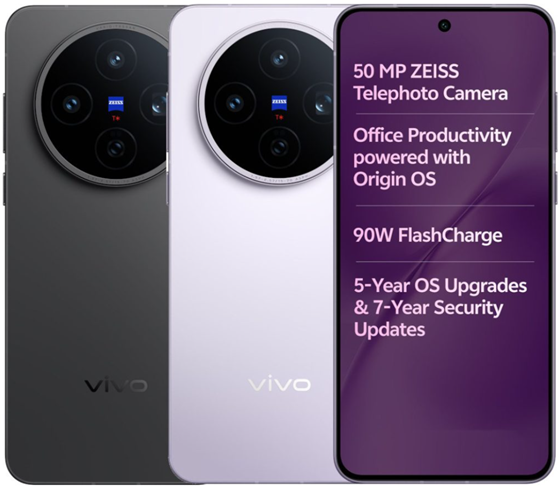
Vivo X200T key features explained in a marketing poster. (Image credit – Vivo)
On the camera front, the X200T sports a triple rear setup tuned with Zeiss optics. It includes a 50MP Sony IMX921 primary sensor with optical image stabilisation, a 50MP Samsung JN1 ultra-wide camera, and a 50MP Sony IMX882 periscope lens designed for long-range zoom photography. For selfies and video calls, the phone houses a 32MP front camera.
The smartphone is backed by a large 6,200mAh battery and supports 90W wired fast charging along with 40W wireless charging. Connectivity options include Wi-Fi 7, Bluetooth 5.4, NFC, eSIM support, and an IR blaster. Additional features include a 3D ultrasonic in-display fingerprint scanner, stereo speakers, and an X-axis linear motor for improved haptic feedback.
The Vivo X200T runs Android 16 with Origin OS 6 out of the box. Vivo has confirmed long-term software support, with the device set to receive five years of Android OS updates and seven years of security updates, matching the update policy of the X300 series.
In terms of build quality, the phone features a metal frame and comes with IP68 and IP69 ratings, offering strong protection against dust and water. Other features include a 3D ultrasonic fingerprint scanner, dual SIM, 5G compatibility, dual-band Wi-Fi, and Bluetooth v5.4.
Between the new Vivo X200T and Vivo X200 FE – What’s Different?
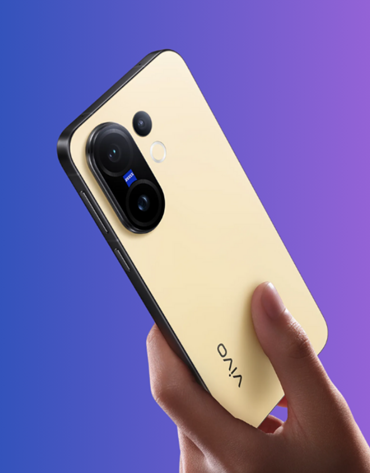
Vivo X200T (right) and Vivo X200 FE (left). (Image credit – Vivo)
With the launch of the X200T, Vivo’s lineup may appear slightly confusing, especially when compared to the X200 FE. The X200T is notably larger and heavier, featuring a 6.67-inch display compared to the X200 FE’s more compact 6.31-inch LTPO AMOLED panel.
Performance also sees an upgrade, as the X200T uses the newer Dimensity 9400+ chipset, while the X200 FE is powered by the Dimensity 9300+. Storage speeds are faster on the X200T thanks to UFS 4.1, whereas the FE relies on UFS 3.1.
Camera hardware is another major difference. The X200T offers three 50MP sensors including a periscope camera for enhanced zoom. In contrast, the X200 FE combines a 50MP main camera and a telephoto lens with an 8MP ultra-wide sensor, though it does feature a higher-resolution 50MP selfie camera.
Overall, the Vivo X200T positions itself as a heavier, more powerful, and more feature-rich option than the X200 FE, with a corresponding increase in price.
Vivo X200T – Price and Availability in India
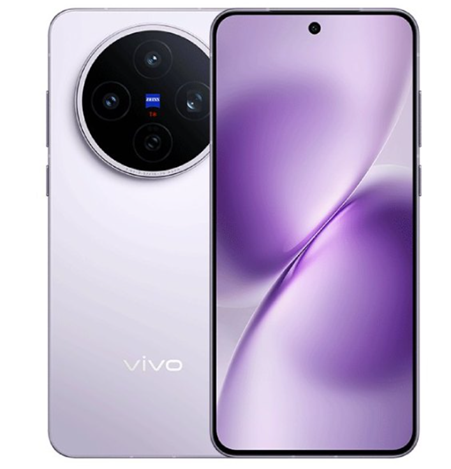
Vivo X200T colours options available for the Indian market. (Image credit – Vivo)
The Vivo X200T is available in Seaside Lilac and Stellar Black colour options.
Pricing starts at Rs. 59,999 for the 12GB + 256GB variant, while the 12GB + 512GB model is priced at Rs. 69,999.
The phone is currently available for pre-orders via the Vivo India online store, Flipkart, and offline retail outlets. Official sales will begin from February 3.
Vivo X200T Launch Offers in India
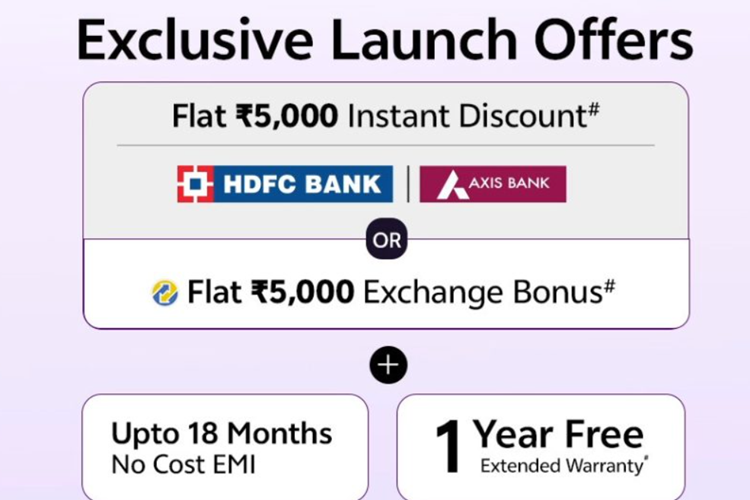
Vivo X200T launch offers available in India. (Image credit – Vivo)
Online buyers can avail benefits such as Rs. 5,000 instant cashback or an exchange bonus of up to Rs. 5,000, along with up to 18 months of no-cost EMI and a free one-year extended warranty.
Mainline offers include Rs. 5,000 instant cashback with 18 months of no-cost EMI on selected partners or an upgrade bonus of up to Rs. 5,000, along with a free one-year extended warranty.
Additionally, customers will be eligible for an 18-month free Jio Gemini Pro offer. Vivo is also offering up to 40 per cent off on the V-shield screen damage protection plan and up to 70 per cent assured buyback at Rs. 599. These offers are applicable to SBI, Kotak Mahindra, Amex, DBS, HSBC, IDFC First Bank cards, and UPI payments.
FAQs
Q1. What are the key specifications of the Vivo X200T?
Answer. The X200T features a 6.67-inch 1.5K AMOLED display (120Hz), Dimensity 9400+ SoC, 12GB RAM, triple 50MP Zeiss-tuned cameras, and a 6,200mAh battery with 90W wired and 40W wireless charging.
Q2. How does the Vivo X200T differ from the Vivo X200 FE?
Answer. The X200T is larger and heavier, uses a newer Dimensity 9400+ chipset, faster UFS 4.1 storage, and offers a triple 50MP camera setup with a periscope lens, compared to the FE’s dual-camera system.
Q3. What software and update support does the Vivo X200T provide?
Answer. It runs Android 16 with Origin OS 6 and will receive five years of OS updates plus seven years of security updates, matching Vivo’s flagship X300 series policy.
Q4. What is the price of the Vivo X200T in India?
Answers. The X200T starts at Rs. 59,999 for the 12GB + 256GB variant and Rs. 69,999 for the 12GB + 512GB model.
Q5. What launch offers are available for the Vivo X200T?
Answer. Buyers can avail Rs. 5,000 instant cashback or exchange bonus, up to 18 months no-cost EMI, a free one-year extended warranty, Jio Gemini Pro offer, and discounts on screen protection and assured buyback.