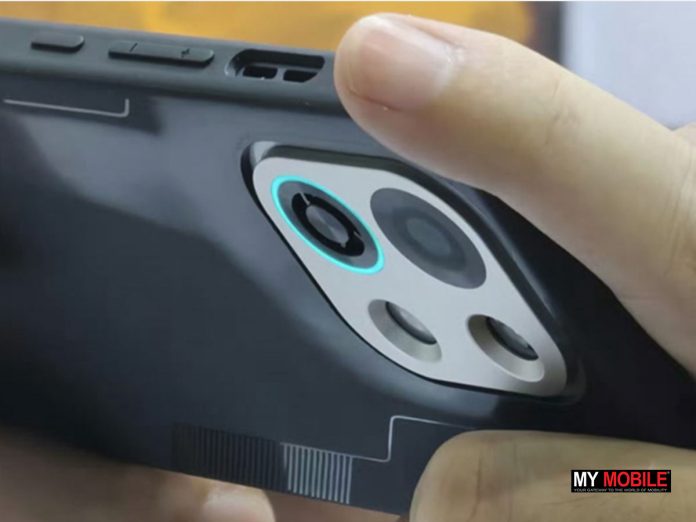
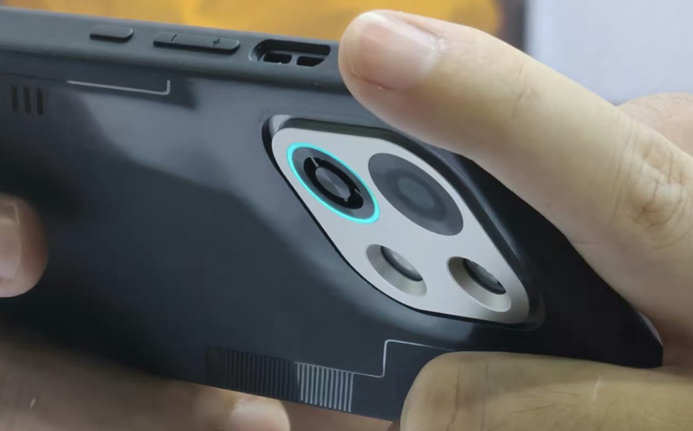
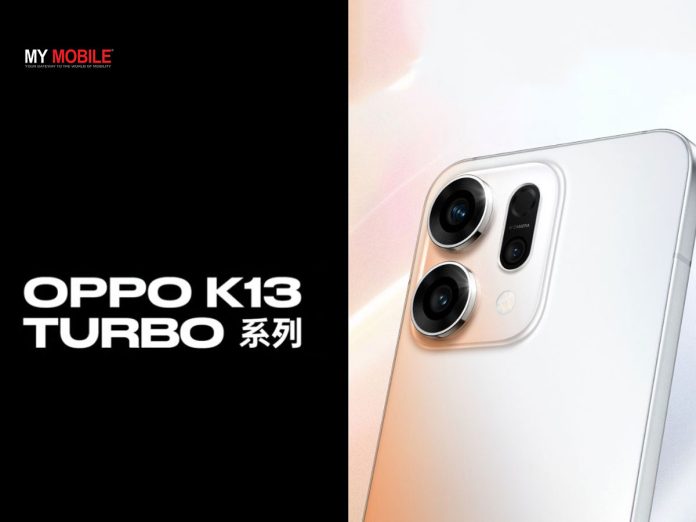
Oppo K13 Turbo and Turbo Pro will both feature built-in cooling fans with visible side cutouts, optimised for sustained gaming performance and thermal control.
K13 Turbo Pro uses Snapdragon 8s Gen 4, while the standard K13 Turbo runs on Dimensity 8450.
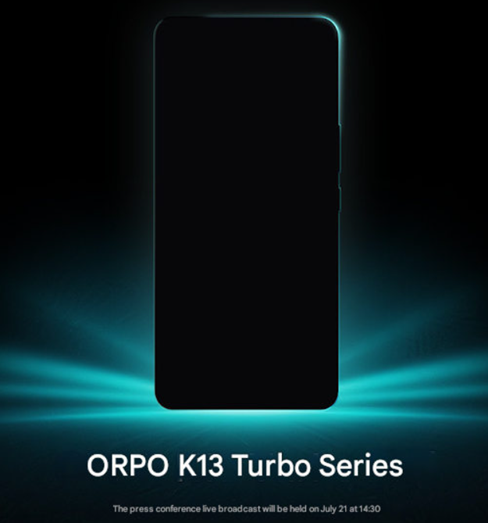
The Oppo K13 Turbo series is expected to debut together on July 21 in China.
Oppo K13 Turbo Pro will reportedly feature active cooling. (Image credit – Xiaomu Technology on Weibo)
Oppo is getting ready to launch not just one, but two new smartphones in its Oppo K13 Turbo lineup. And severals leaks have already specified that both the models are specifically designed with gamers in mind.
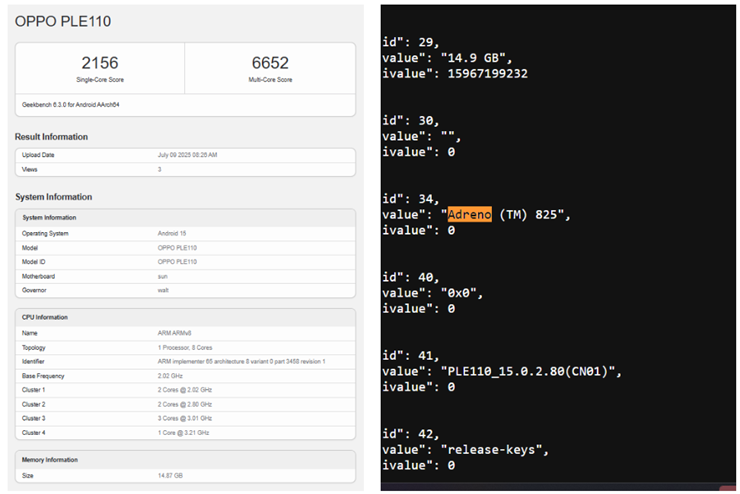
The Oppo K13 Turbo was first leaked earlier this year in April and the standout feature was its built-in cooling fan. Just recently, a device believed to be the K13 Turbo popped up on Geekbench, revealing details about its chipset, RAM, and Android version.
Post revealing promo material on Weibo. (Translated via Google Translate)
But here’s the twist. According to some promotional material that was leaked on Weibo recently, the phone that appeared on Geekbench was actually the Oppo K13 Turbo Pro, not the standard model. That’s right, Oppo is launching two devices, the K13 Turbo and the K13 Turbo Pro.
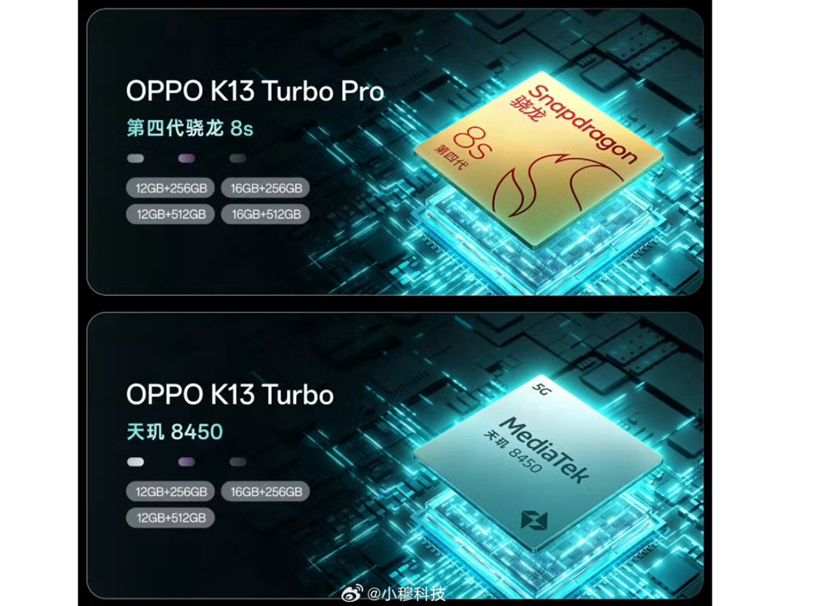
Oppo K13 Turbo series processor details revealed in leaked promo material. (Image credit – Xiaomu Technology on Weibo)
The Pro model will be powered by the Snapdragon 8s Gen 4 chipset from Qualcomm, while the regular K13 Turbo will run on MediaTek’s Dimensity 8450. Despite the difference in processors, both phones come equipped with built-in cooling fans, clearly targeting mobile gamers who need sustained performance during long sessions.
In terms of variants, the K13 Turbo Pro will be offered in four combinations, which are as follows –
12GB RAM + 256GB storage
16GB RAM + 256GB storage
12GB RAM + 512GB storage
16GB RAM + 512GB storage
Meanwhile, the standard K13 Turbo will come in the following three options –
12GB RAM + 256GB storage
16GB RAM + 256GB storage
12GB RAM + 512GB storage
One of the leaked images even shows the phone’s case with a visible cutout for the cooling fan on the side, adding to its gamer appeal.
According to rumours from China, both phones are expected to launch on July 21. So, if you’re into mobile gaming, these might be worth watching.
FAQS
Q1. What chipsets power the Oppo K13 Turbo and Turbo Pro models?
Answer. The K13 Turbo Pro is powered by Qualcomm’s Snapdragon 8s Gen 4, while the standard K13 Turbo runs on MediaTek’s Dimensity 8450.
Q2. Do both Oppo K13 Turbo models feature built-in cooling fans?
Answer. Yes, both phones come equipped with built-in cooling fans, clearly targeting mobile gamers who need sustained performance during long sessions.
Q3. What RAM and storage variants are available for each model?
Answer. The K13 Turbo Pro offers four variants – 12GB + 256GB, 16GB + 256GB, 12GB + 512GB and 16GB + 512GB. On the other hand, the standard K13 Turbo comes in three options – 12GB + 256GB, 16GB + 256GB, 12GB + 512GB.
The upcoming Snapdragon chip for Wear OS is possibly named W5 Gen 2 or W6 Gen 1 and will use TSMC’s fabrication process.
The chip will feature DDR5 memory and a new core setup, 1x Cortex-A78 + 4x Cortex-A55, replacing decade-old designs.
The chip isn’t in production yet and will likely arrive only in 2026.
Qualcomm is working on a brand-new Snapdragon chip for Wear OS smartwatches and according to a fresh report, it could bring some big upgrades.
Snapdragon W5+ Gen 1 was released in 2022. (Image credit – Qualcomm)
Over the years, Qualcomm has launched multiple chips for Wear OS watches, but many of them struggled with performance or arrived late. The Snapdragon W5 series, released in 2022, was a much-needed improvement, but we’ve heard little about its successor since then.
Now, thanks to a report from Android Authority, we have a better idea of what Qualcomm is planning next. The new chip is possibly called W5 Gen 2 or W6 Gen 1 and is still in development, but there are three big changes coming with it.
The upcoming chip will reportedly be made using TSMC’s fabrication process, instead of Samsung’s. That change alone could result in better battery life, as TSMC is known for more power-efficient chip manufacturing.
Qualcomm is also upgrading the memory to DDR5, which is slightly more efficient. This could lead to better overall performance and responsiveness in Wear OS smartwatches.
Perhaps the biggest upgrade comes in the chip’s core design. The new chip will feature a 1x Arm Cortex-A78 core and 4x Arm Cortex-A55 cores. This replaces much older CPU designs, some of which date back more than a decade. While these aren’t the absolute newest cores available, they’re still a solid step forward.
The report says the chip is not yet in production, so we probably won’t see it in smartwatches anytime soon. That means Google’s upcoming Pixel Watch 4 is expected to stick with the current Snapdragon W5chip.
In any case, the fact that a new and more powerful Snapdragon chip is on the way is promising news. It seems we are on our way to seeing longer battery life, better performance, and more modern hardware in future Wear OS smartwatches.
FAQs
Q1. What improvements are expected in Qualcomm’s next Snapdragon chip for Wear OS?
Answer. The upcoming chip will reportedly be made using TSMC’s fabrication process, which could result in better battery life, and will feature DDR5 memory for improved performance and responsiveness.
Q2. What is the new core configuration in the next-gen Snapdragon chip?
Answer. The chip will feature a 1x Arm Cortex-A78 core and 4x Arm Cortex-A55 cores, replacing much older CPU designs and offering a solid step forward in smartwatch performance.
Q3. Will the new Snapdragon chip be available in smartwatches soon?
Answer. The report says the chip is not yet in production, so we probably won’t see it in smartwatches anytime soon. The Pixel Watch 4 is expected to stick with the current Snapdragon W5 chip.
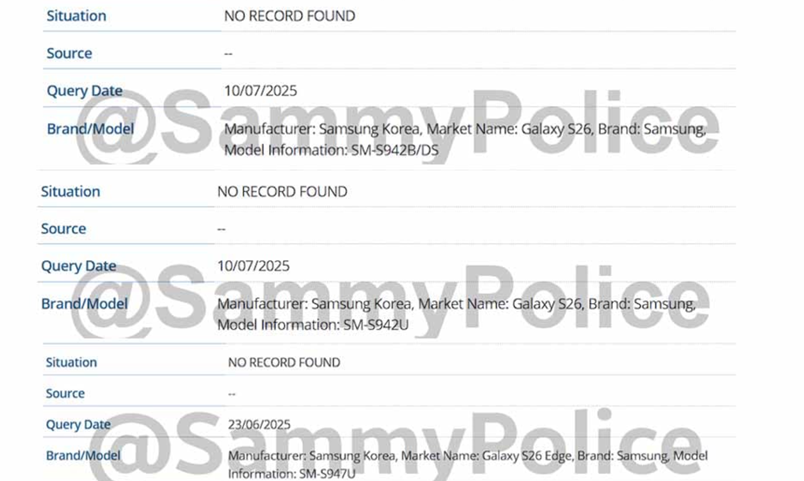
IMEI database of Galaxy S26 lineup. (Image credit – SammyPolice)
According to a new listing in the GSMA IMEI database, three model numbers have surfaced –
Model SM-S942 – likely the Galaxy S26
Model SM-S947 – rumoured to be the Galaxy S26 Edge
Model SM-S948 – expected to be the Galaxy S26 Ultra
If you haven’t noticed, the usual Plus model is missing from this list.
In the Galaxy S25 lineup, the model numbers were SM-S931 (base), SM-S936 (Plus), and SM-S938 (Ultra). The jump to SM-S942 for the S26 base model could point to some serious upgrades, possibly folding in features that previously belonged to the Plus variant.
If accurate, the S26 Edge might step in as the new mid-tier option, offering a sleeker, performance-driven design. It appears to build on the Galaxy S25 Edge, which launched later than the base and Ultra models. But this time, all three S26 models may launch together in January 2026, suggesting a more unified release strategy.
It is official yet and Samsung’s plans could still change. But the missing SM-S946 and the appearance of a new Edge variant suggest the Plus model could be phased out.
Samsung May Ditch ISOCELL for Sony’s Bigger 200MP Sensor
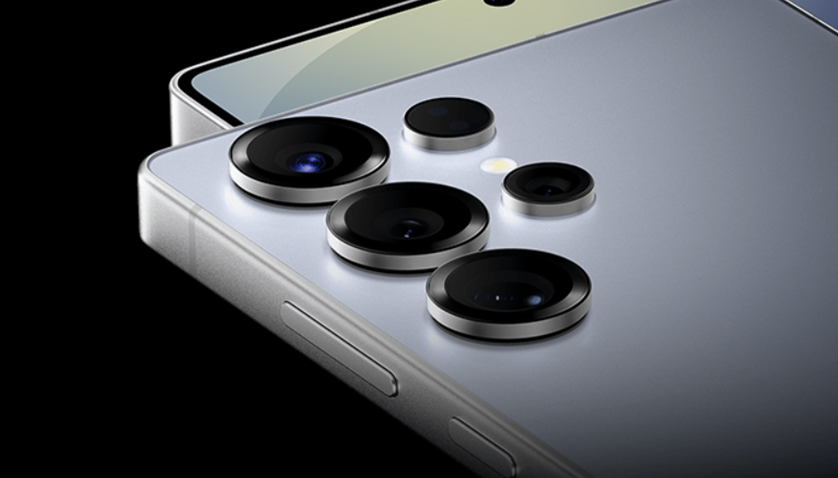
Samsung Galaxy S25 Ultra camera module. (Image credit – Samsung)
Another big rumour surrounding the Galaxy S26 Ultra is a potential camera hardware switch. Samsung might finally move away from its own ISOCELL HP2 sensor, used in the S23 Ultra, S24 Ultra and expected S25 Ultra, and adopt a Sony-developed 200MP sensor instead.
Shared by Weibo tipster FocalDigital, the leak claims Samsung is testing a Sony sensor that’s nearly 1 inch in size, significantly larger than its current 1/1.3-inch HP2 sensor. While the megapixel count stays the same, the larger sensor could capture more light and detail, especially in low-light settings, something that could push smartphone photography even closer to DSLR levels.
Sony’s rumoured 200MP sensor is said to measure around 1/1.1 inches, about 20% larger than Samsung’s HP2. That size boost alone could bring a noticeable jump in photo quality.
Samsung hasn’t confirmed any of this yet. However, it lines up with earlier rumours from March, which suggested Sony was developing a new 200MP sensor designed for Snapdragon 8 Gen 4 (now reportedly called Snapdragon 8 Elite 2) devices launching in 2025.
With a January 2026 launch window, we’ll likely hear more soon.
FAQs
Q1. Is Samsung discontinuing the Galaxy S26 Plus model?
Answer. Yes, according to the GSMA IMEI database, the usual Plus model is missing from the lineup. Instead, Samsung may introduce a new Galaxy S26 Edge as the mid-tier option, replacing the Plus variant.
Q2. What camera upgrade is rumoured for the Galaxy S26 Ultra?
Answer. Samsung might switch from its ISOCELL HP2 sensor to a Sony-developed 200MP sensor measuring around 1/1.1 inches, offering better low-light performance and enhanced image quality.
Q3. When is the Galaxy S26 series expected to launch?
Answer. Leaks suggest that all three models, Galaxy S26, S26 Edge, and S26 Ultra, may launch together in January 2026, marking a shift from Samsung’s previous staggered release strategy.
YouTube is replacing its long-standing Trending page with category-based Charts like Trending Music Videos, Top Podcasts, and Movie Trailers, starting July 21, 2025.
New features like Hype, Creators on the Rise, and Artist on the Rise aim to spotlight emerging talent
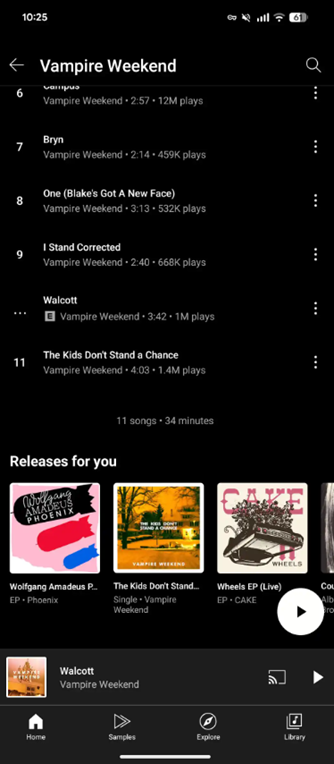
YouTube Music Updates include clearer shuffle/repeat buttons, a Quick Start Radio card for instant playlists and a Releases for you section on album pages across platforms.
Google is shaking things up on YouTube by retiring the long-standing Trending page. The platform is introducing YouTube Charts, which is a more focused way to discover what’s popular in specific categories. This marks a big shift from the original Trending format that’s been around since 2015. Here’s our report.
YouTube Trending – What’s Changing?
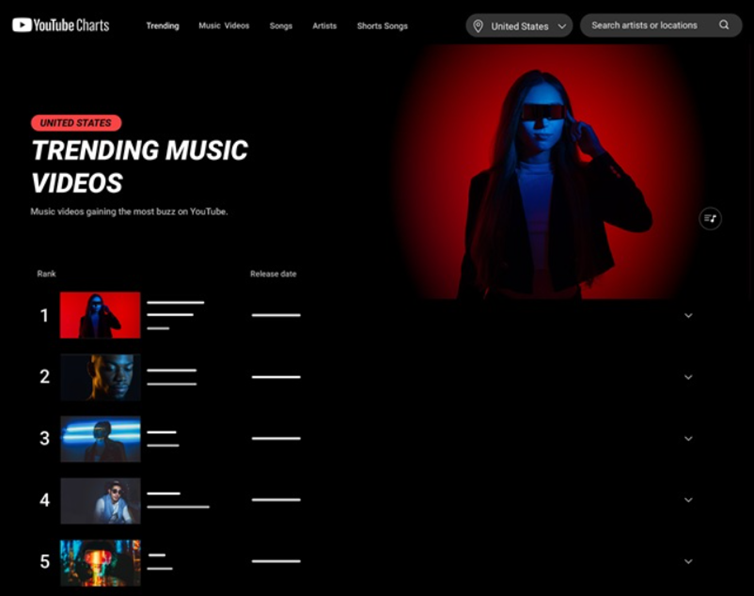
YouTube announced changes in the Trending tab. (Image credit – Fonearena)
The dedicated Trending section including the “Trending Now” feed is being removed. Instead, you’ll now find trending content through new YouTube Charts organised by themes such as:
Trending Music Videos
Top Weekly Podcast Shows
Trending Movie Trailers
More categories will be added over time. For now, trending gaming videos will still be found in the Gaming Explore section.
YouTube will keep recommending trending content based on what you like to watch. These suggestions will appear alongside the new Charts. You can still explore general content through the Explore tab, Subscriptions feed and individual creator channels.
Why YouTube Is Making This Change?
YouTube says the way people discover trends has changed. These days most viewers are more influenced by search, recommendations, comments, and Community features. So, the move to category-based charts reflects how user behaviour has evolved. YouTube Charts first launched in 2018, and this new update builds on that foundation.
More Tools and Support for Creators
Creators will continue to get trend insights through the Inspiration tab in YouTube Studio. Plus, YouTube is adding new tools to help rising creators get noticed:
Hype – lets users promote new videos they enjoy
Creators on the Rise – featured on @YouTube and the homepage
Artist on the Rise – now highlighted in the Music Explore section
When Are These Changes Rolling Out?
YouTube says the global rollout starts July 21, 2025. Once the update is live, the Music tab will replace the old Trending tab in the sidebar on both the web and mobile app.
YouTube Music Updates
Meanwhile, YouTube Music is also making small but helpful tweaks to the shuffle and repeat buttons.
YouTube Music Inactive state. (Image credit – 9to5Google)
In the past, these buttons would just appear slightly bolder when turned on, which wasn’t always clear. Now, YouTube Music adds a small white dotbelow the active button, making it much easier to tell when shuffle or repeat is on. The repeat-one mode (“1”) looks the same as before.
Caption – YouTube Music Active state – Old vs. new. (Image credit – 9to5Google)
This update is rolling out gradually via YouTube Music 8.26 on Android, though it’s not widely available yet.
Caption – “Make a quick start radio” card on YouTube Music. (Image credit – 9to5Google)
Other new features include a new “Make a quick start radio” card on the Home feed. It shows eight suggested artists, pick your favourites and hit “Play now” to instantly generate a custom station.
Caption – New “Releases for you” section on YouTube Music. (Image credit – 9to5Google)
The “Releases for you” section is now live on the album page across Android, iOS, and the web, helping users easily spot new music tailored to their taste.
FAQs
Q1. What is replacing the YouTube Trending tab?
Answer. YouTube is retiring its traditional Trending page and introducing YouTube Charts, which organise trending content by categories like music videos, podcasts, and movie trailers.
Q2. How will creators benefit from these changes?
Answer. Creators will continue to get trend insights via the Inspiration tab in YouTube Studio, and new tools like Hype, Creators on the Rise, and Artist on the Rise will help boost visibility for emerging talent.
Q3. What updates are coming to YouTube Music?
Answer. YouTube Music is improving shuffle and repeat button clarity with a white dot indicator, adding a Quick Start Radio card for instant playlists, and launching a Releases for you section on album pages.
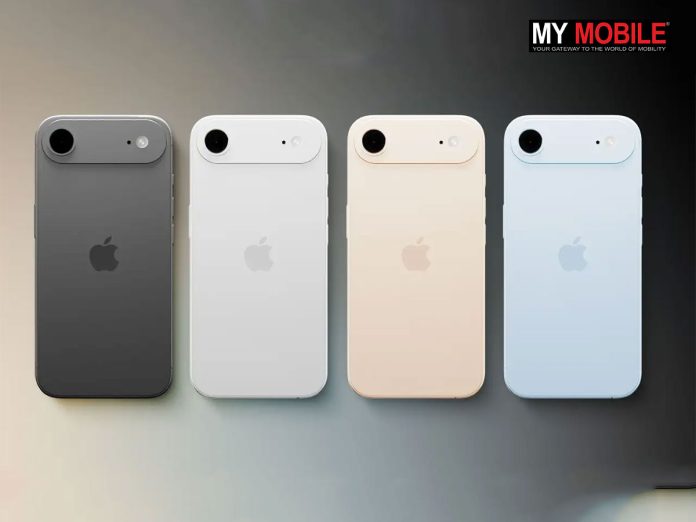
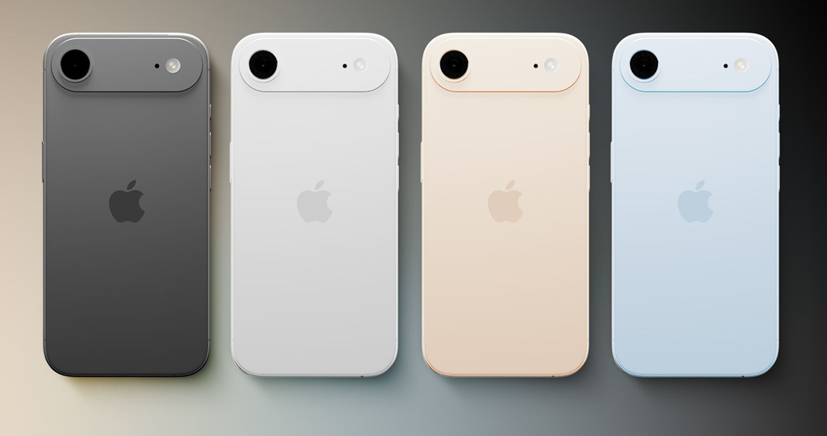
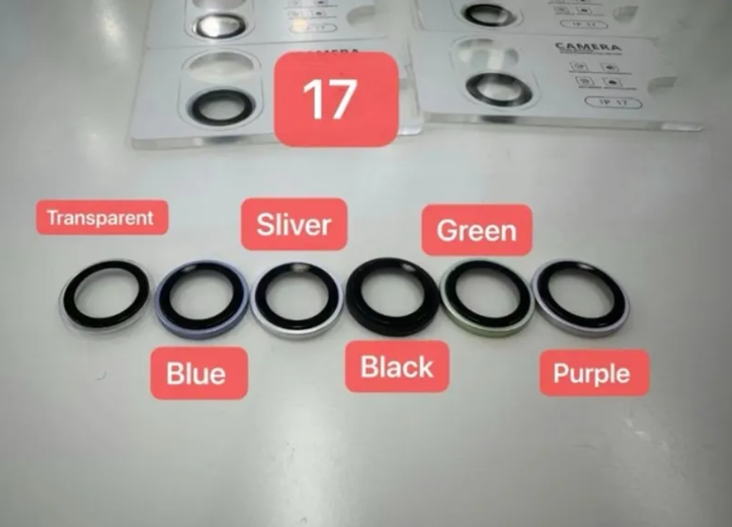
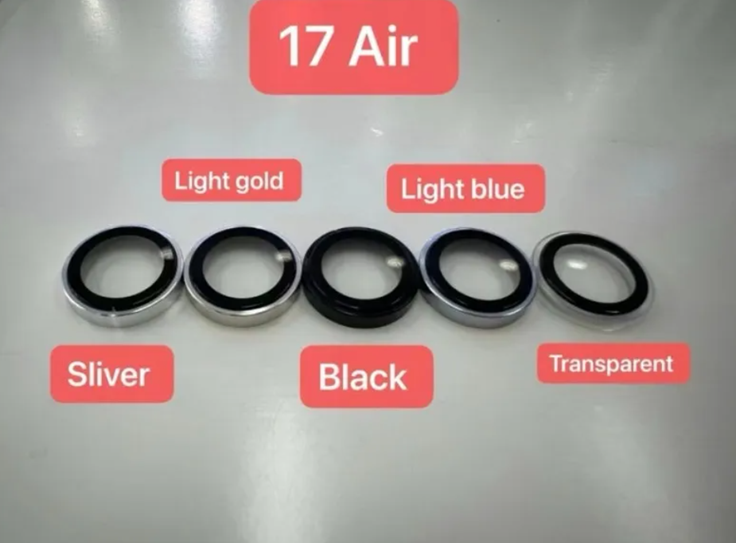
New leaks suggest that the upcoming iPhone 17 and iPhone 17 Air will launch in a total of nine colour options. The details come from a Korean blog Naver, where the leaker known as “yeux1122” has shared what appear to be camera protector rings made for the new models, each in different colours to match the phone’s final finish.
Since these rings are colour-matched with specific iPhone models, they offer a pretty good hint at what colour choices Apple might offer this year.
iPhone 17 Colour Options
Leaked camera protector rings for the iPhone 17. (Image credit – yeux1122)
According to the leak, the iPhone 17 will be available in –
Black
Silver
Blue
Green
Purple
This lines up with an earlier report that said Apple was testing new green and purple versions for the iPhone 17. So far, it seems that those two colours are likely to make the cut.
iPhone 17 Air Colour Options
Leaked camera protector rings for the iPhone 17 Air. (Image credit – yeux1122)
Meanwhile, the iPhone 17 Air is expected to come in –
Black
Silver
Gold
Blue
These colour options match previous leaks from “Fixed Focus Digital” and “Majin Bu.” This further supports the idea that Apple is aiming for a more premium look for the iPhone 17 Air, especially since this model is expected to replace the iPhone 16 Plus and feature a thinner, more high-end design.
There was also a mention of a “transparent” component in the leaked images, but yeux1122 didn’t include that in the colour list. So, it’s likely not meant to be a new transparent colour option.
The iPhone 16 and 16 Plus currently come in black, white, pink, teal, and ultramarine. With the iPhone 17 lineup, it looks like pink and teal are being swapped out for green and purple. Black, white, and ultramarine are likely being replaced with black, silver, and blue, keeping a similar core palette with updated tones.
In contrast, the iPhone 17 Air is leaning toward more muted, Pro-like colours, which makes sense considering its more premium positioning in the lineup.
The iPhone 17 and iPhone 17 Air are expected to launch this fall alongside the iPhone 17 Pro and iPhone 17 Pro Max.
FAQs
Q1. What colour options are expected for the iPhone 17 and iPhone 17 Air?
Answer. The iPhone 17 is expected to launch in Black, Silver, Blue, Green, and Purple, while the iPhone 17 Air may come in Black, Silver, Gold, and Blue.
Q2. How does the iPhone 17 Air differ in design from the iPhone 17?
Answer. The iPhone 17 Air is expected to feature a thinner, more premium build and replace the iPhone 16 Plus, while the iPhone 17 retains a more standard design with updated colour tones.
Q3. Which colours are being replaced in the iPhone 17 lineup compared to the iPhone 16?
Answer. Apple appears to be swapping out Pink and Teal for Green and Purple, and updating Black, White, and Ultramarine with Black, Silver, and Blue.
Apple is expected to launch the M5 chip in the iPad Pro this fall, continuing the trend started with the M4 chip.
The M5-powered 14-inch and 16-inch MacBook Pros, originally planned for late 2025, may now be pushed to early 2026.
Repeating the iPad-first chip rollout suggests a deliberate shift, possibly due to the base M5 chip being production-ready.
Apple’s M-series chips first showed up in 2020 with the launch of the M1 in the MacBook Air, MacBook Pro, and Mac mini. But last year, Apple did something unexpected. It introduced the M4 chip in the iPad Pro before bringing it to Macs. Now, it looks like Apple is planning to do the same thing again with the upcoming M5 chip. Here’s what we know so far.
M5 MacBook Pro Could Be Delayed Until 2026
Upcoming M5 Chip. (Image credit – 9to5Mac)
A new report by Mark Gurman offers a glimpse into Apple’s product roadmap and it includes a surprising update on the M5 MacBook Pro. Originally, the M5 MacBook Pro was expected to arrive this fall, following the pattern Apple has kept with previous chip releases, M3 in 2023 and M4 in 2024.
However, Gurman now says Apple is changing those plans. According to his Bloomberg report, “The company had been planning to release new 14-inch and 16-inch MacBook Pros — code-named J714 and J716 — later this year with M5 chips. But Apple is now internally targeting a launch early next year, meaning that the current MacBook Pro release cycle may last a little longer than usual. The timing remains fluid, and Apple previously launched the M1, M3 and M4 MacBook Pros in either October or November.”
The report adds, “Though those computers were originally slated for a 2025 release, Apple is considering pushing them back to 2026.”
There’s no word yet on why the MacBook Pros are being delayed, and the report doesn’t give any further details. But despite the delay, one M5-powered device is still on track to launch this year.
M5 iPad Pro Could Launch Before the M5 MacBook
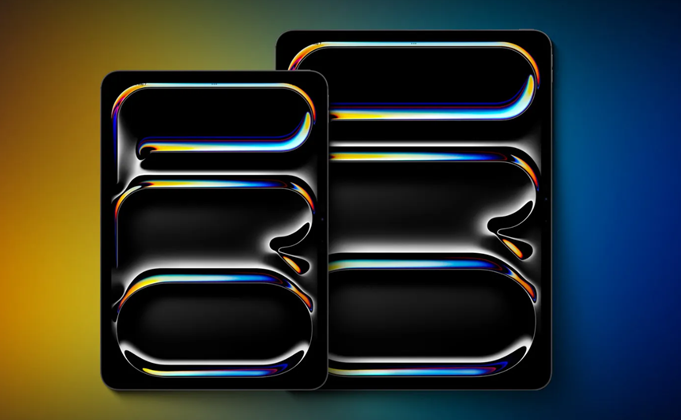
iPad Pro. (Image credit – Apple)
Just like last year, Apple appears set to debut its newest M-series chip in the iPad Pro, before it lands in any Mac.
The M4 chip made its first appearance in the iPad Pro in May 2024, a full six months ahead of its Mac debut. It was the first time an M-chip had launched outside of a Mac product.
Now, according to Gurman, the iPad Pro will once again be the first to get the newest chip. The M5-powered iPad Pro is expected to arrive this fall and could remain the only M5 product available until sometime in 2026.
Doing this once may have seemed like a one-off. But doing it again, which is starting to look like a deliberate strategy.
One possible reason could be that Apple needs more time to finalise the M5 Pro and M5 Max chips that power high-end MacBook Pros. Meanwhile, the iPad Pro will likely use just the base M5 chip, which may already be ready for production.
In any case, it seems like Apple’s habit of launching new M-series chips in the iPad Pro, before the Mac, might be here to stay.
FAQs
Q1. Will the M5 chip debut in the iPad Pro before Macs?
Answer. Just like last year, Apple appears set to debut its newest M-series chip in the iPad Pro, before it lands in any Mac. The M5-powered iPad Pro is expected to arrive this fall and could remain the only M5 product available until sometime in 2026.
Q2. Why might the M5 MacBook Pro be delayed until 2026?
Answer. According to Bloomberg, “Apple is now internally targeting a launch early next year, meaning that the current MacBook Pro release cycle may last a little longer than usual.” The report adds Apple is considering pushing them back to 2026.
Q3. What could be the reason for Apple’s iPad-first chip rollout strategy?
Answer. One possible reason could be that Apple needs more time to finalise the M5 Pro and M5 Max chips that power high-end MacBook Pros. Meanwhile, the iPad Pro will likely use just the base M5 chip, which may already be ready for production.
Apple has added the 2013 cylindrical Mac Pro to its vintage list, citing its discontinued status and thermal design limitations.
Devices like the 2018 iPad Pro models, 2019 MacBook Air and iMac, and the 128GB iPhone 8 are now considered vintage.
AirPort Extreme 802.11ac, AirPort Express (2nd Gen), and Time Capsules (2TB/3TB) are now obsolete.
Apple has just updated its list of vintage and obsolete products once again. The company is now adding a bunch of older devices including the 2013 Mac Pro, some 2019 Macs, 2018 iPads, and multiple AirPort models. One of the most notable updates is that several AirPort products are now officially labeled as “obsolete.”
What Vintage and Obsolete Mean at Apple?
When Apple stops selling a product, it doesn’t immediately drop support for it. Instead, it follows a timeline –
After 5 years, the product is considered vintage. Apple may still offer repairs, but only if the needed parts are available.
After 7 years, the product becomes obsolete. At this point, Apple no longer provides any service or parts for it.
Devices Recently Added to the List
Vintage –
iPhone 8 (128GB)
2019 13-inch MacBook Air
2019 iMac
2018 11-inch iPad Pro
2018 12.9-inch iPad Pro
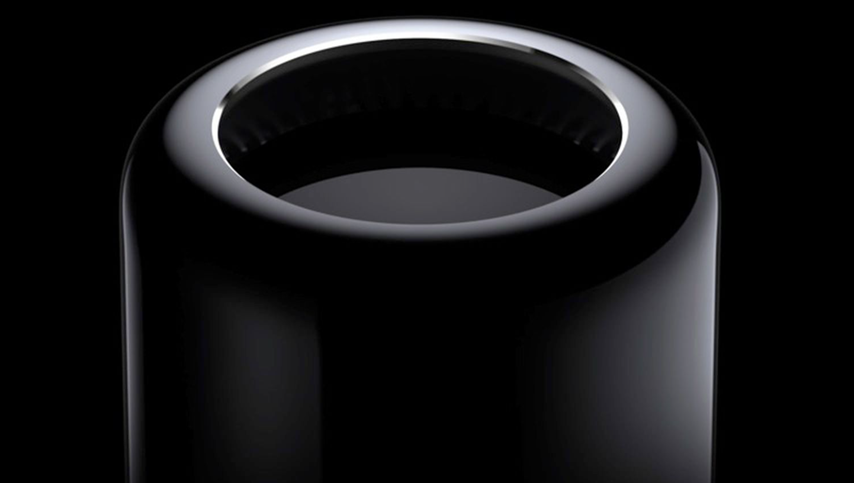
2013 Mac Pro (the cylindrical “trash can” model)
2013 Mac Pro (the cylindrical “trash can” model). (Image credit – Apple)
Obsolete –
AirPort Extreme 802.11ac
AirPort Express (2nd Gen)
AirPort Time Capsule (2TB)
AirPort Time Capsule (3TB)
The 2013 Mac Pro, often called the “trash can” Mac, was discontinued in December 2019 when Apple released the redesigned “cheese grater” version. It gained attention not only for its unusual design but also for Apple exec Phil Schiller’s now-infamous comment, “Can’t innovate anymore, my ass.” The bold design, however, didn’t pan out.
The small cylindrical form factor left no room for upgrading key components like GPUs. As GPUs grew in power and size, the Mac Pro couldn’t keep up. By 2017, Apple admitted it had boxed itself into a corner. Hardware chief Craig Federighi put it bluntly, “I think we designed ourselves into a bit of a thermal corner.”
The update is also significant for the AirPort lineup. With several models now obsolete, only the AirPort Express 802.11n (1st generation) remains on the vintage list, making it the only AirPort device that might still be serviceable, if parts are available.
FAQs
Q1. What does Apple mean by “vintage” and “obsolete” products?
Answer. After 5 years, the product is considered vintage, Apple may still offer repairs, but only if the needed parts are available. After 7 years, the product becomes obsolete, and Apple no longer provides any service or parts for it.
Q2. Which devices were recently added to Apple’s vintage list?
Answer. Apple added the iPhone 8 (128GB), 2019 13-inch MacBook Air, 2019 iMac, 2018 11-inch iPad Pro, 2018 12.9-inch iPad Pro, and the 2013 Mac Pro (the cylindrical “trash can” model).
Q3. Which AirPort models are now considered obsolete by Apple?
Answer. The AirPort Extreme 802.11ac, AirPort Express (2nd Gen), and AirPort Time Capsule (2TB and 3TB) are now officially labelled as obsolete.
Moto G96 5G was recently launched with sales starting from July 16 via Flipkart and the Motorola India website.
The price of the phone in India starts at Rs. 17,999 for the 8GB + 128GB memory variant.
It is available in Ashleigh Blue, Dresden Blue, Cattleya Orchid and Greener Pastures colour options.
The sale for the newly launched Moto G96 5G starts from July 16. This means you still have some time to decide about the phone. However, in the meantime, to help you decide, we are here with our full hands-on Moto G96 review after spending a good amount of time with it. So, here it goes.
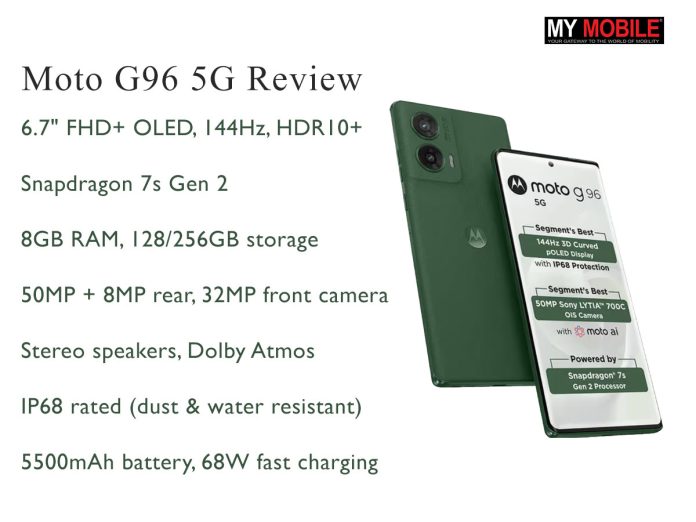
Snapdragon 7s Gen 2 4nm Mobile Platform with Adreno 710 GPU
8GB LPDDR4X RAM
128GB / 256GB (UFS 2.2) storage
50MP rear camera with Sony LYT-700C sensor with 8MP ultra-wide camera
32MP front camera
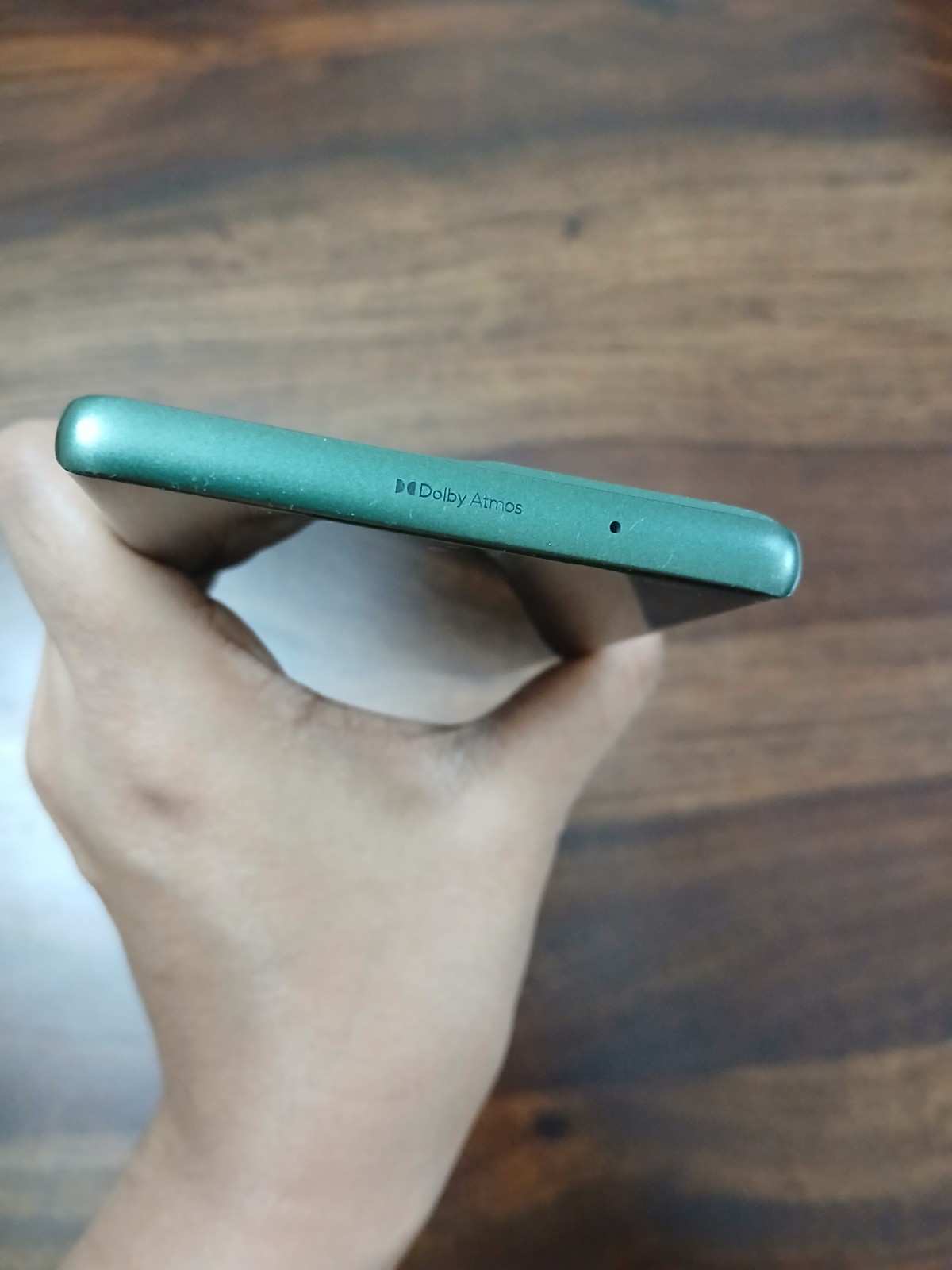
Stereo speakers, Dolby Atmos
IP68 Rated Dust and Splash resistant
5500mAh battery with 68W fast charging
Android 15
Moto G96 5G – Pros and Cons
Moto G96 5G – Pros and Cons
Pros
Cons
● Slim and lightweight design
● 144Hz 3D curved pOLED display
● Good camera performance
● Good battery life
● Good audio quality with Dolby Atmos & Hi-Res Audio + Moto Spatial Sound
● IP68 underwater protection
● No 3.5mm headphone jack
● No HDR support
● No NFC support
● Only 1 year OS support
Moto G96 5G – Unboxing
Moto G96 5G – Design and Build Quality
Moto G96 5G – Design and Build Quality
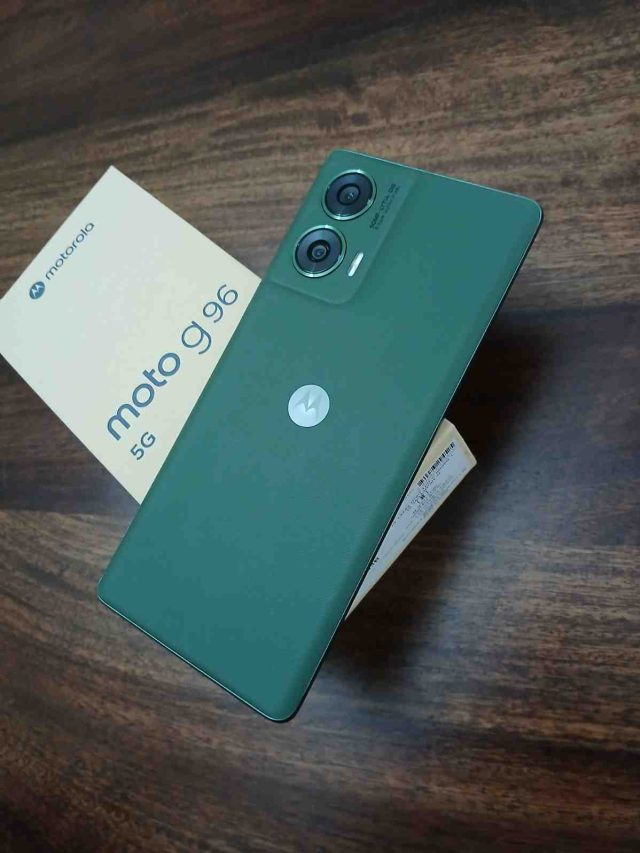
Design-wise, the Moto G96 5G looks and feels familiar. It follows Moto’s classic design language that we have now repeatedly seen in its devices. But maybe the reason Moto is referring to the same designer notes again and again because it ticks every box and has been widely accepted by customers. It gives a super premium vibe.
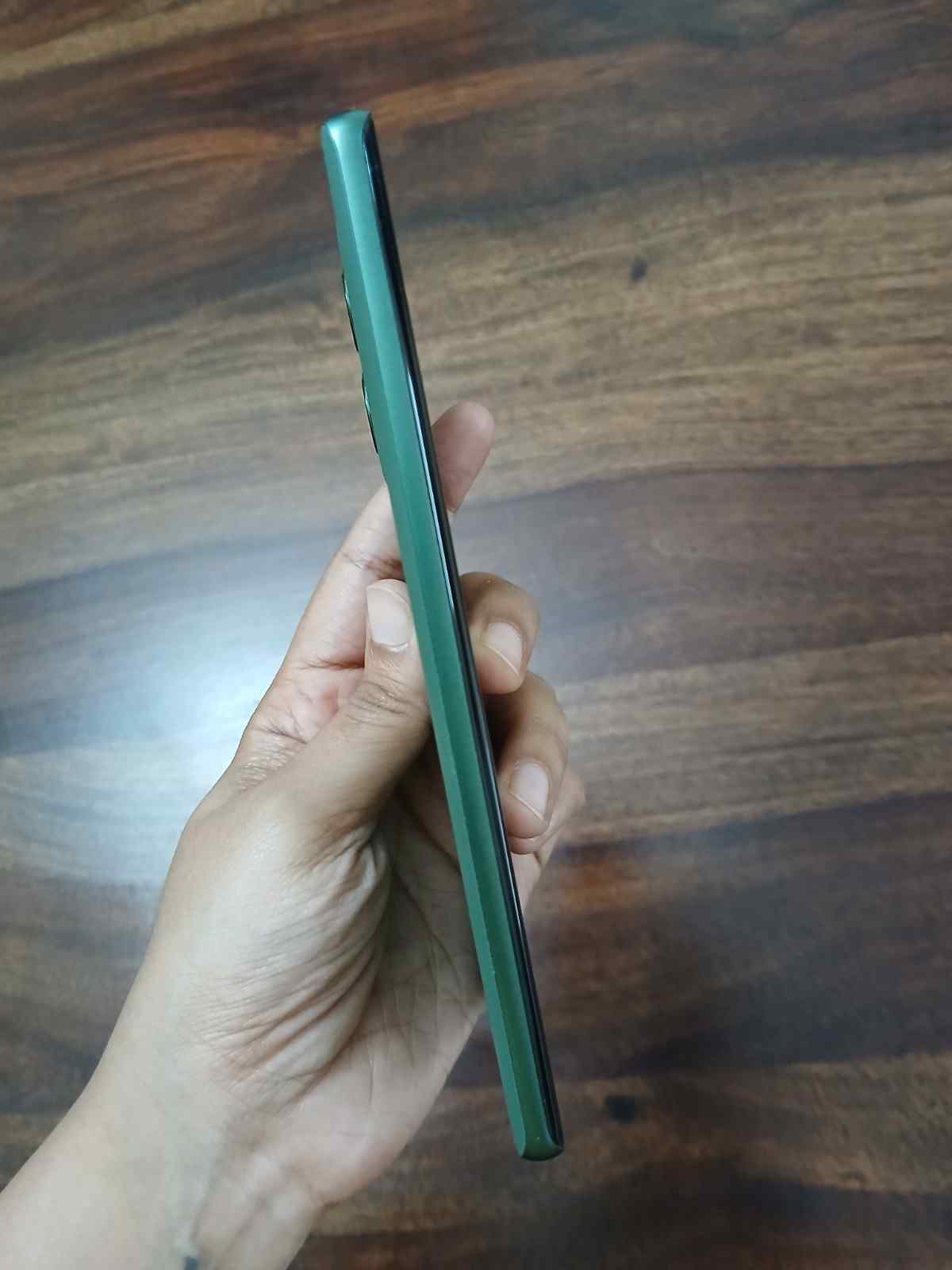
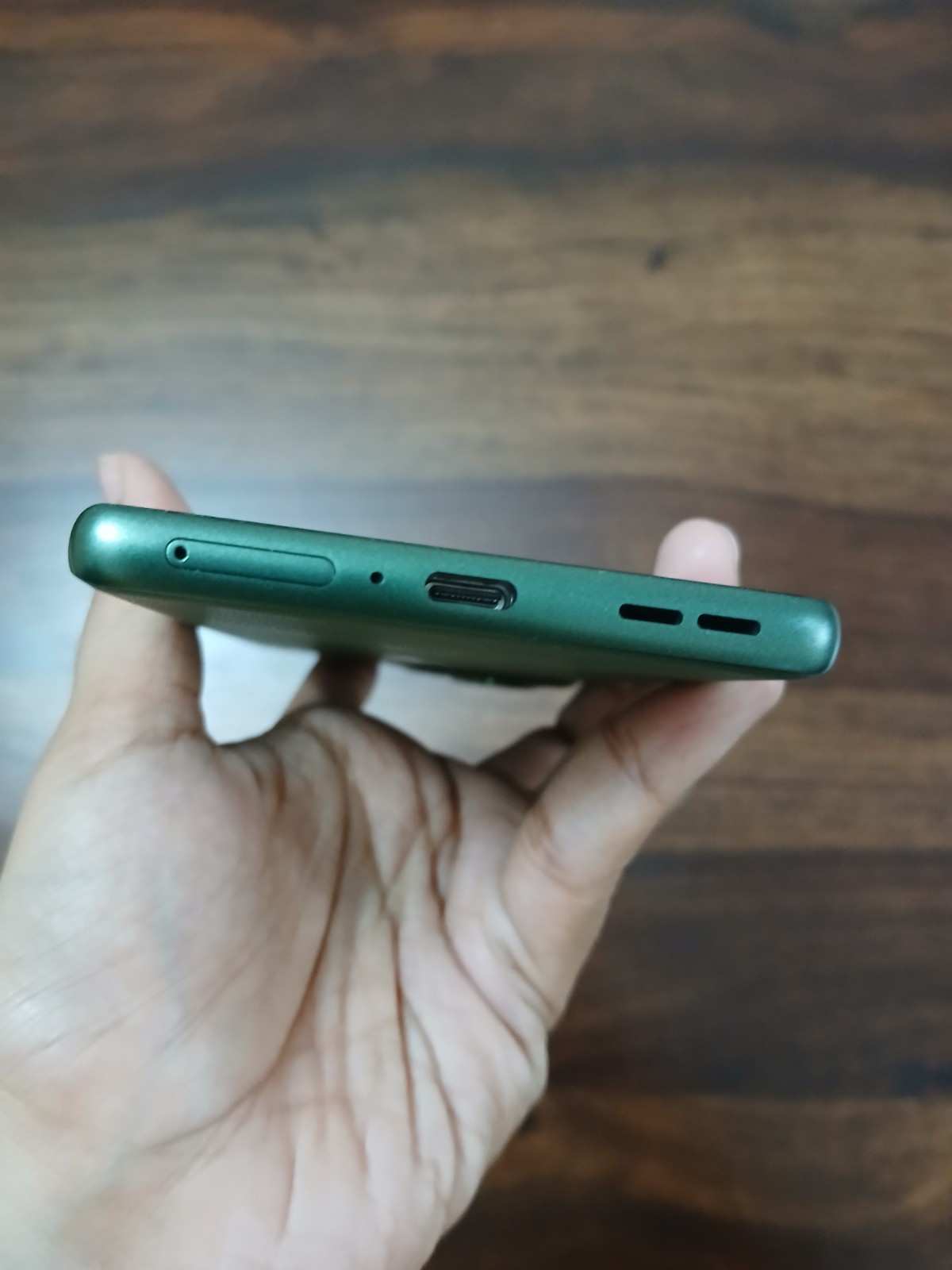
The smooth 3D curved display is complemented with a vegan leather back and sleek ultra-thin profile. It’s just 7.93mm thick and weighs only 178g, making it one of the slimmest and lightest phones in its category. We found it really easy to hold and use with one hand, even for longer periods.
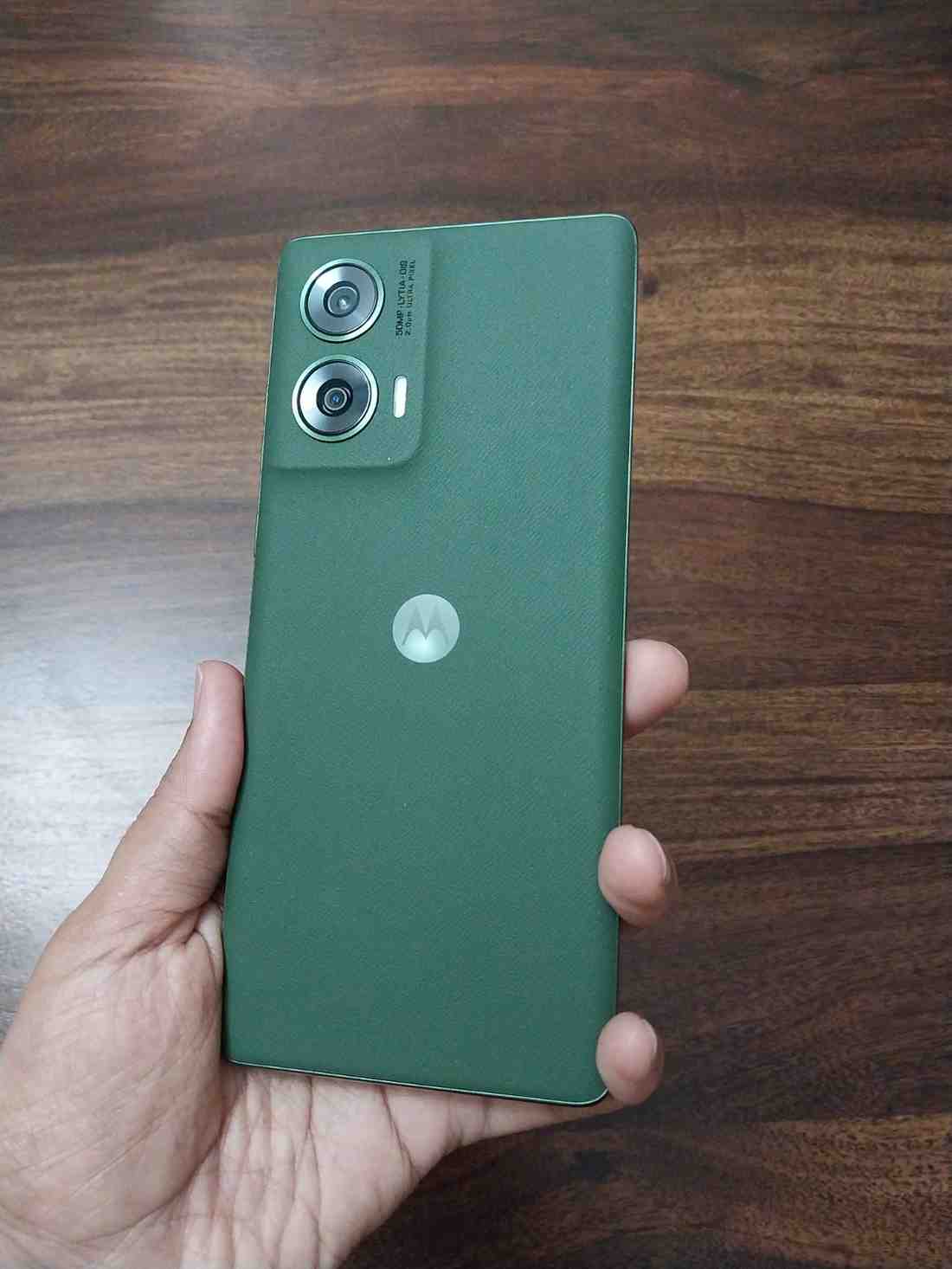
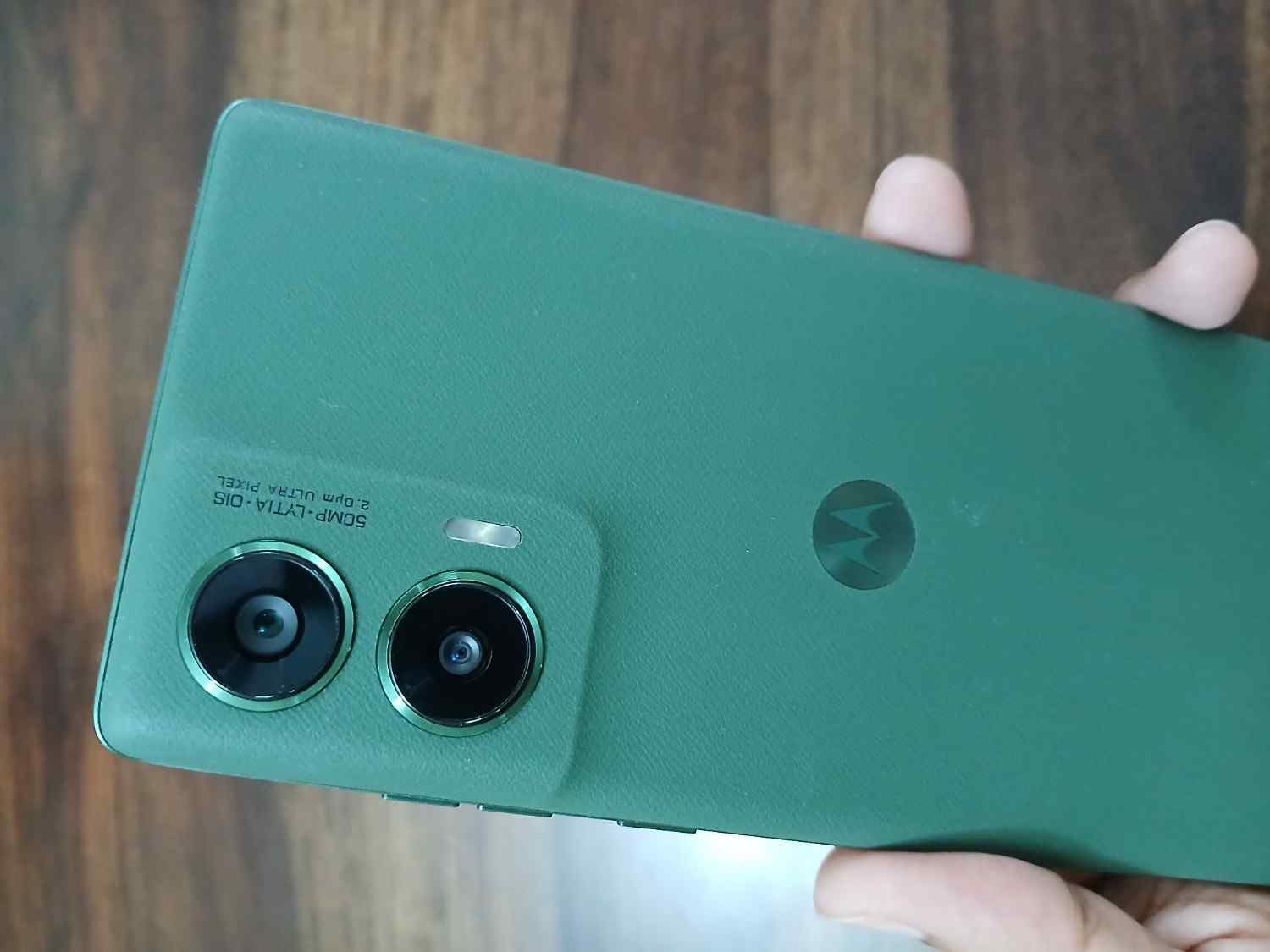
We have been using the Greener Pastures finish, which is one of four trendy Pantone-curated colour options. The soft vegan leather back not only feels great to the touch but also adds a nice grip, so you’re less likely to drop it. It definitely stands out in a crowd of plastic backs we usually see in smartphones.
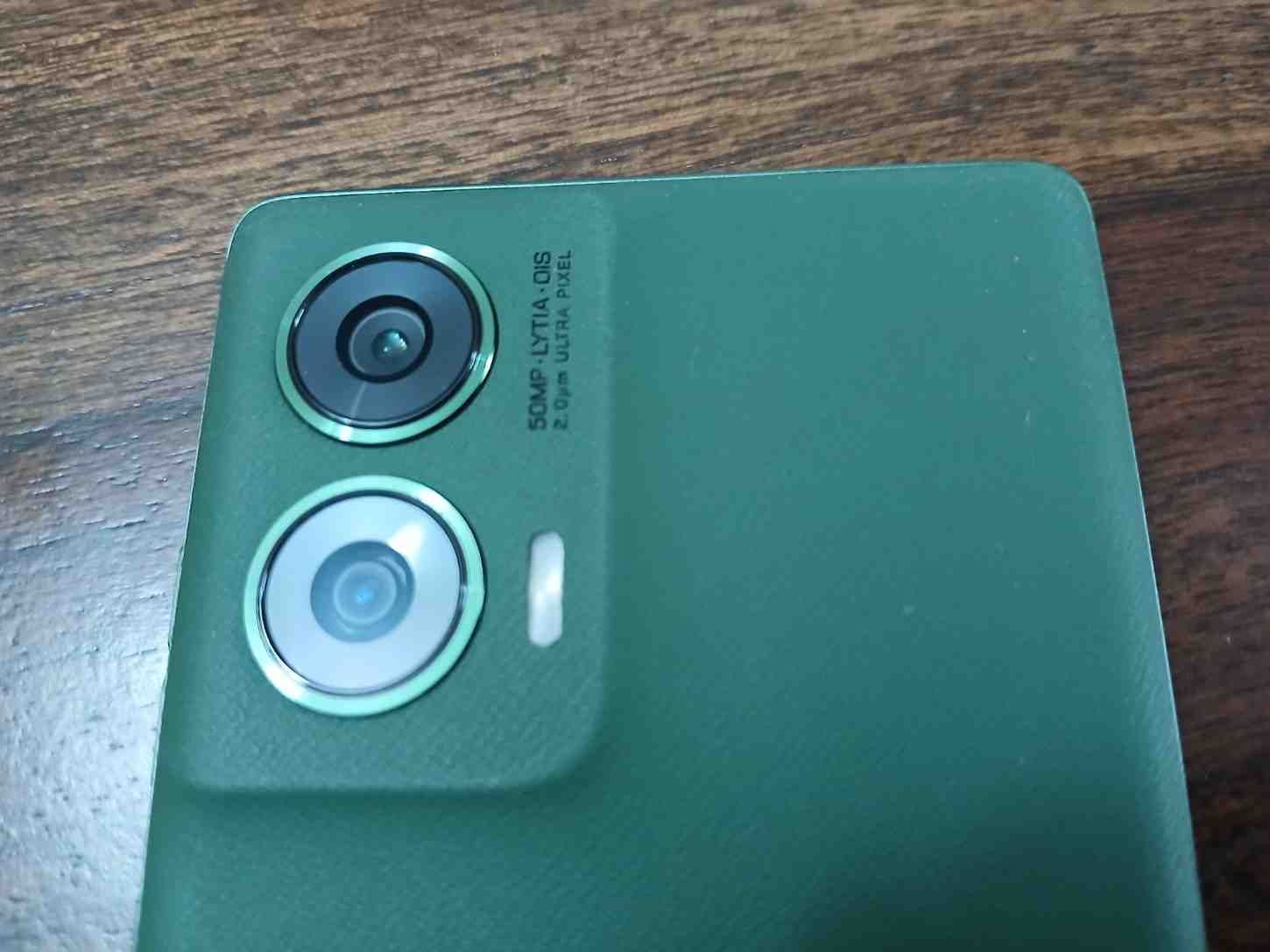
The camera module sits neatly in the top left corner, housing two lenses and a flash with the sensor details subtly printed beside them. It’s minimal, clean, and doesn’t stick out awkwardly. The iconic Moto logo sits right in the centre of the back panel.
Build quality feels solid too. Even though the phone has a polycarbonate frame, but it doesn’t feel delicate at all. In fact, it feels sturdy and well put together. And with IP68 water and dust resistance, it adds to the durability. We had no problem using it in light rain and it should hold up fine if you accidentally drop it in water or sand.
Moto G96 5G – Display
Moto G96 5G – Display
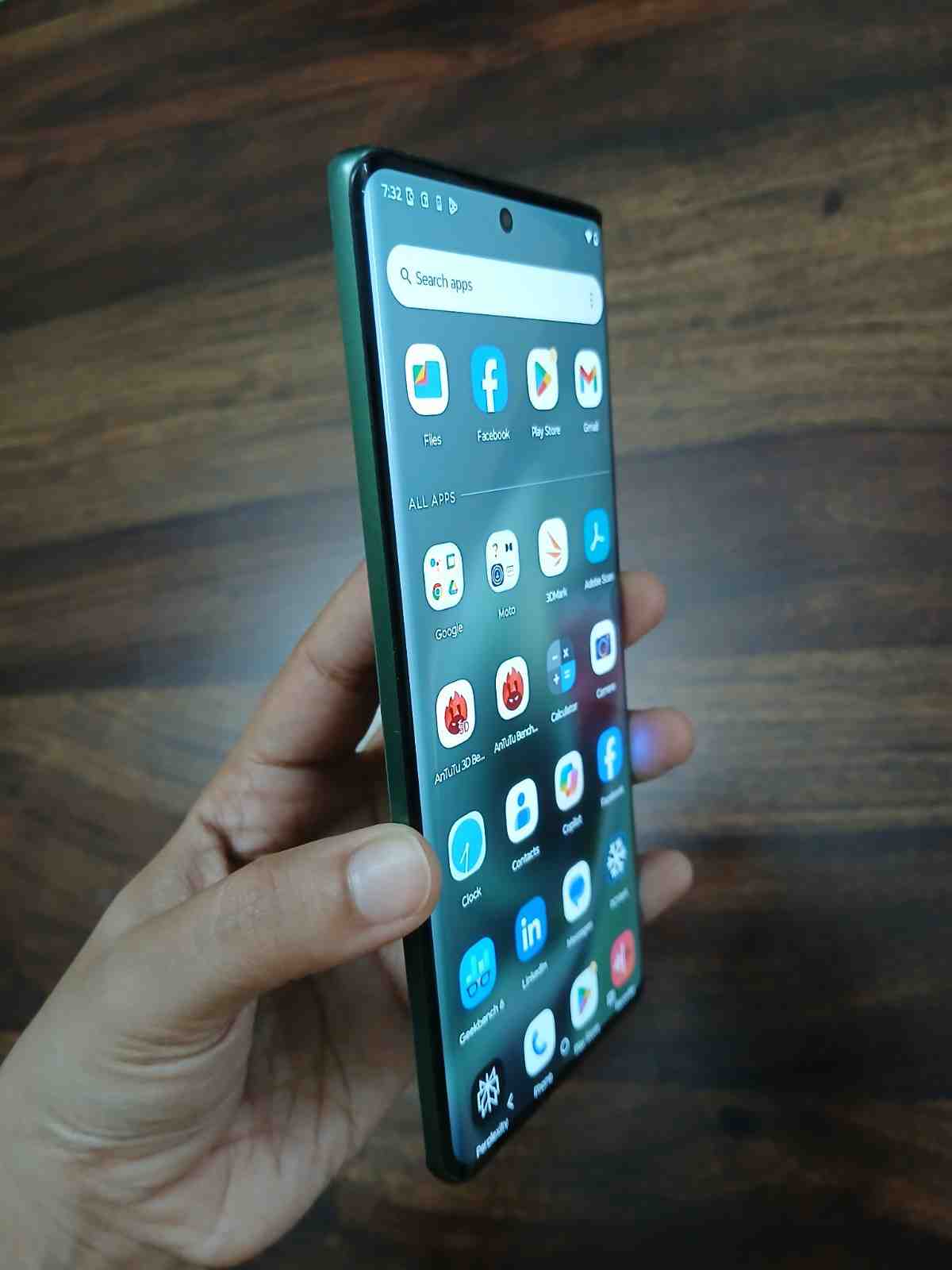
The display on the Moto G96 5G is easily one of its biggest highlights of the phone. You’re getting a massive 6.67-inch 3D curved pOLED screen here and it just feels premium the moment you look at it. That edge-to-edge design gives off a true flagship vibe. It is a perfect display for watching videos or scrolling through apps, which basically sums up an average smartphone user’s day.
The colours pop beautifully, thanks to Display Color Boost and the 10-bit colordepth. It covers 100% of the DCI-P3 color gamut, so everything looks rich and vibrant.
And we have to talk about the smoothness since the 144Hz refresh rate is segment-leading. It makes a big difference in gaming, browsing, or just flipping through apps. The phone feels snappy and fluid. The adaptive refresh rate helps in adjusting the setting depending on what you’re doing, so it saves battery when it can.
We tried using the phone in bright sunlight and the screen stays decently visible thanks to the up to 1600 nits of peak brightness. There is also SGS Eye Protection tech, so your eyes won’t feel strained after long hours of use.
What we really found impressive about this display is its durability features. It’s protected by Corning Gorilla Glass 5, which helps keep scratches and minor drops in check. There is also Smart Water Touch 2.0 support, which allows you to use the screen with wet hands.
Moto G96 5G – Hardware, Software and Performance
Moto G96 5G – Hardware, Software and Performance
The Moto G96 5G has the Snapdragon 7s Gen 2 processor built on a 4nm architecture. It’s one of the fastest in this segment and it shows. We are definitely impressed with how smooth the phone feels. Jumping between apps, streaming or just browsing all day, the phone doesn’t slow down.
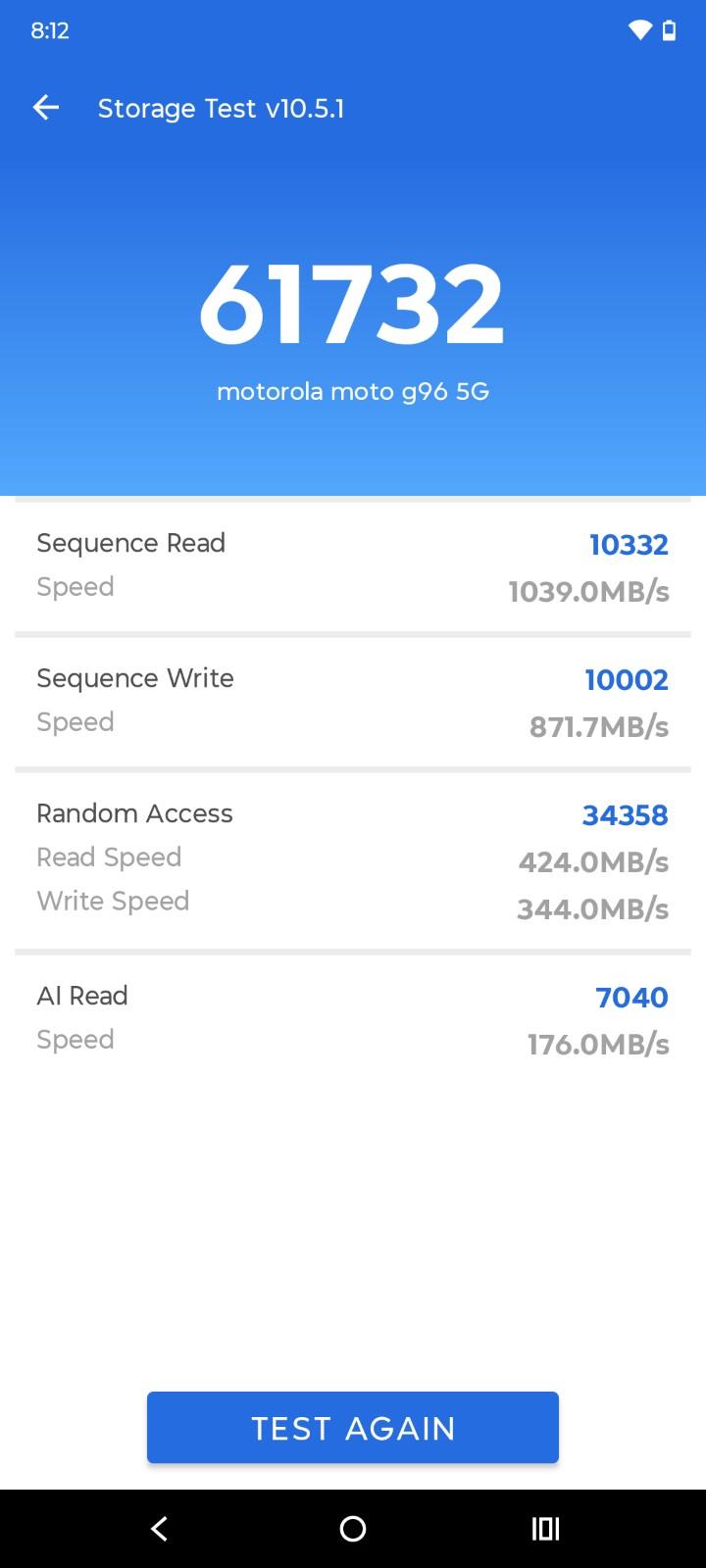
Our review unit was 8GB RAM and a generous 256GB of storage, which is plenty for multitasking and storing all your photos, videos and apps. There is also the RAM Boost 3.0 feature in case you need it. The phone uses UFS 2.2 storage, which might feel dated but Moto claims it’s been AI-optimised to perform for everyday use smoothly.
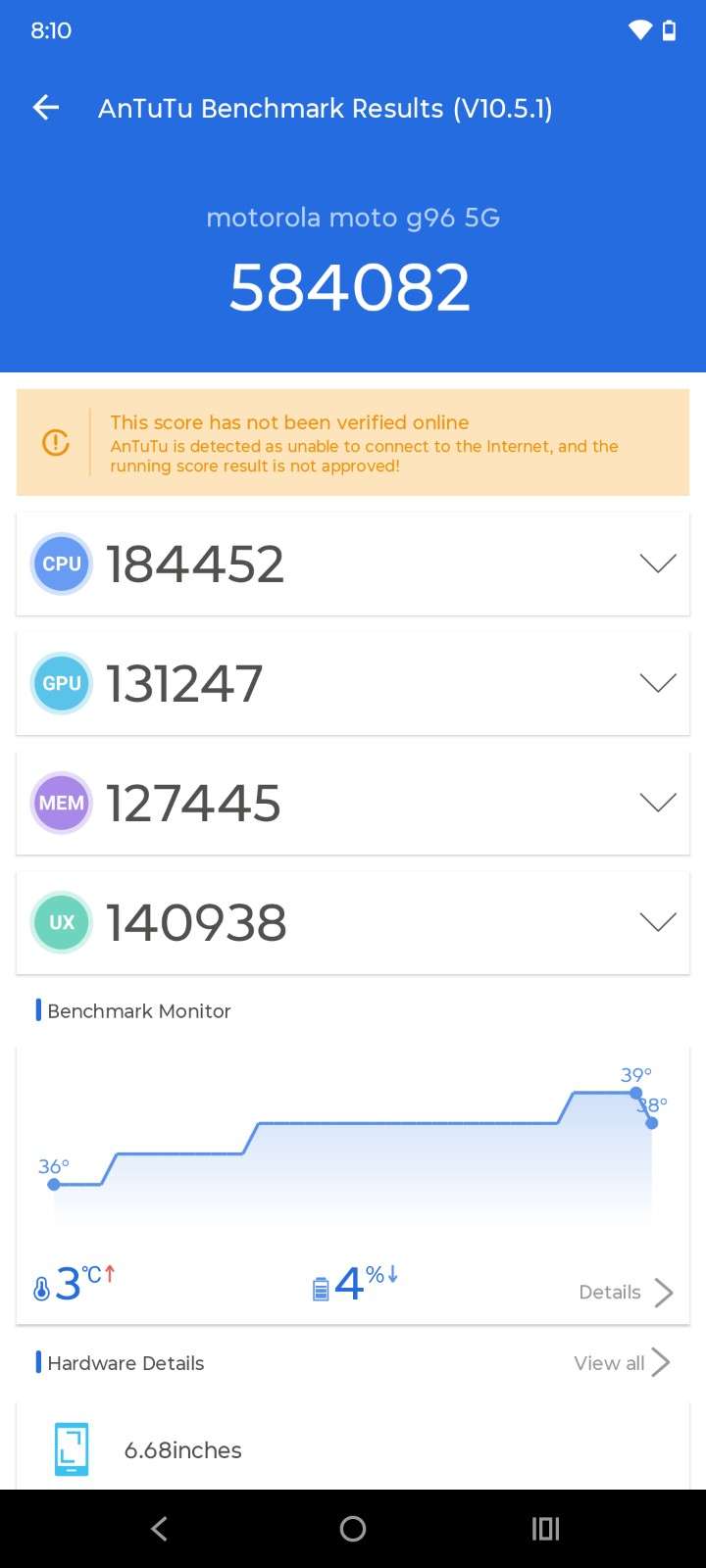
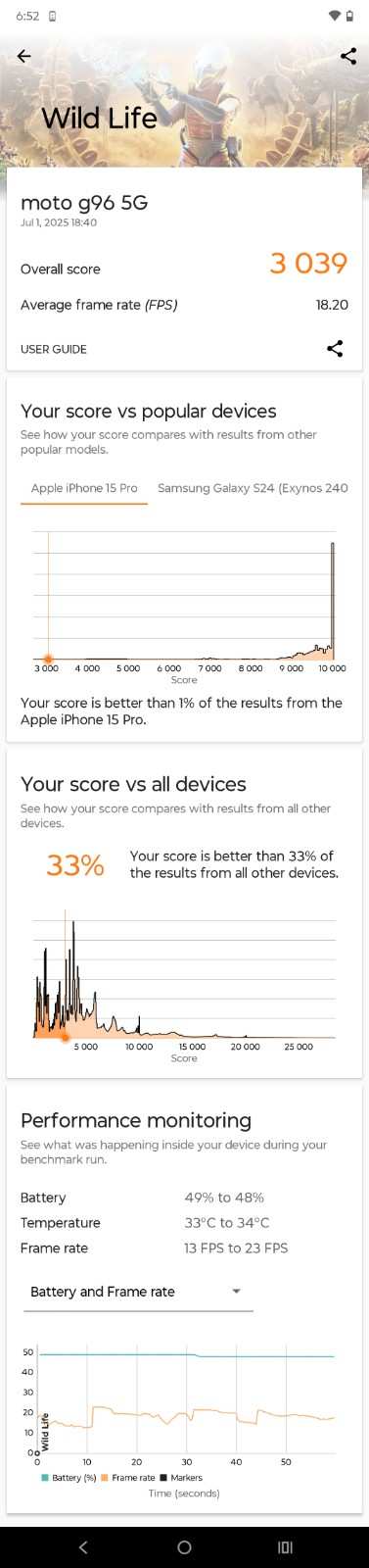
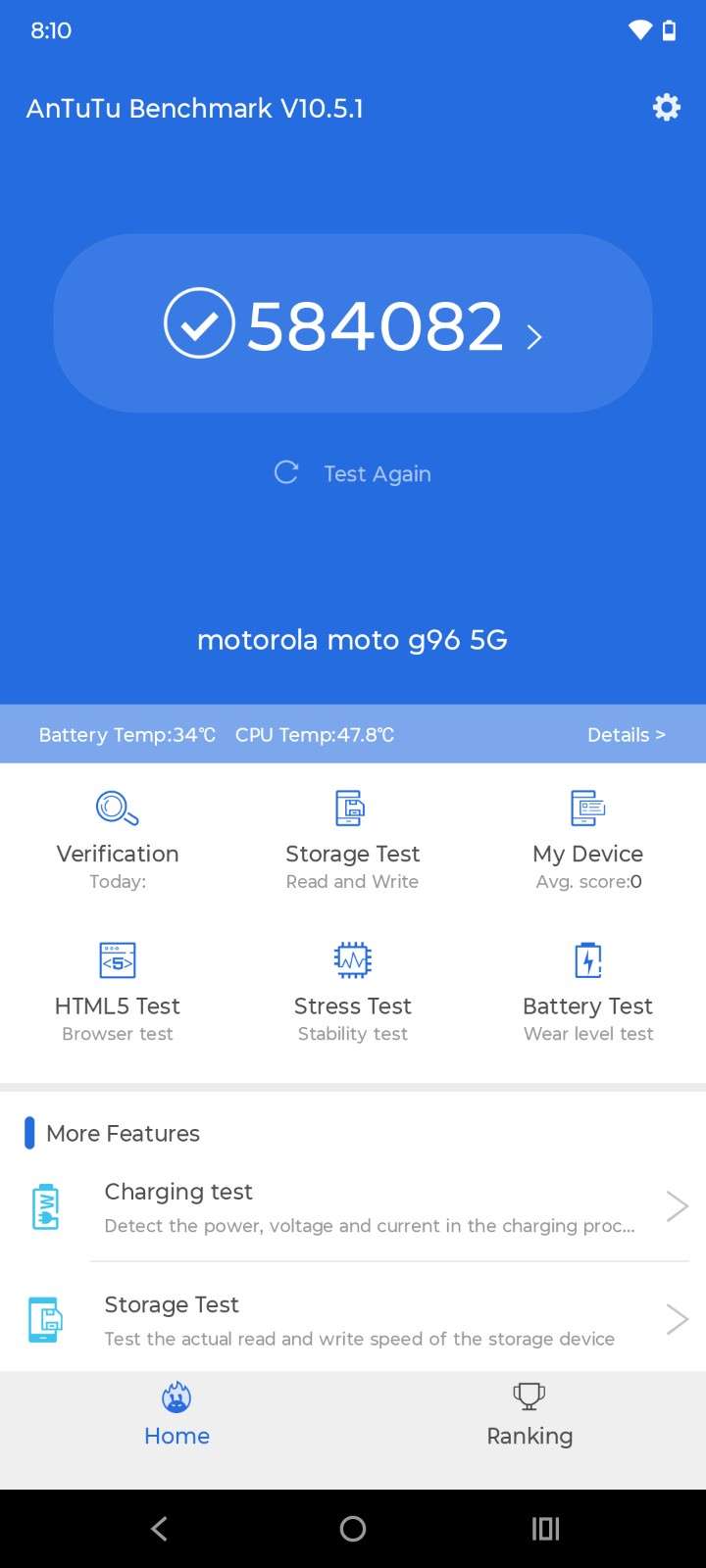
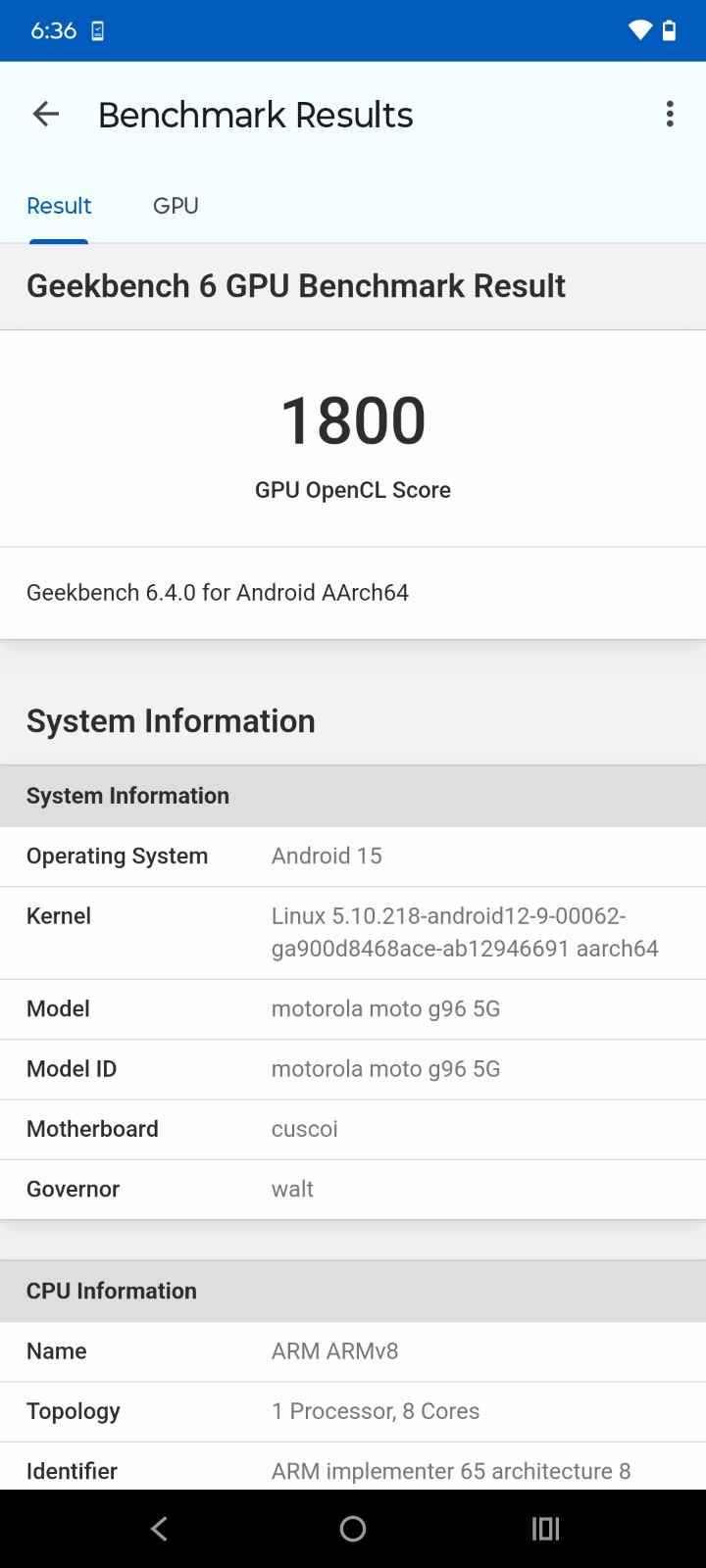
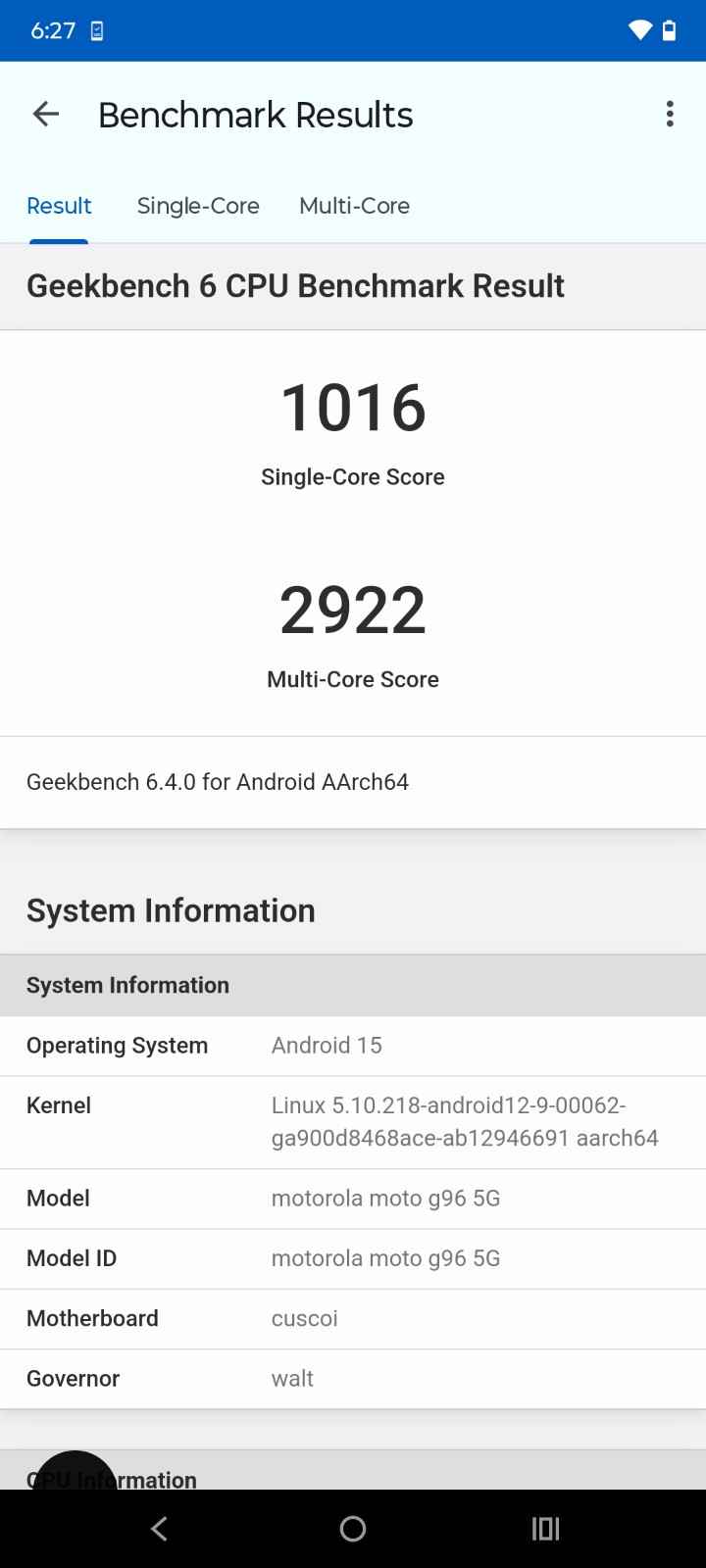
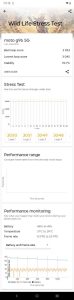
It might not be the best phone for gaming but it can definitely handle all your popular games. If you are into graphics-heavy games, we suggest keeping it all at medium settings and you should be good to go. We tested the phone on different benchmarking platforms and the results were mostly in line with what you would expect from a phone in this segment. We also didn’t notice any heating issues even after continuous usage.
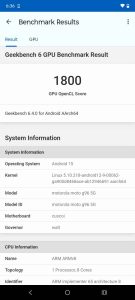
It even scored up to 584082 on AnTuTu during our test, which is decent for a mid-range device. Geekbench 6 CPU score was 1016on the single-core test and 2922 on the multi-core test. Here are the benchmark results for reference.
It runs on Hello UI based on the latest Android 15, which is clean, minimal, and bloat-free. There’s no unnecessary clutter. Motorola has promised 1 major OS upgrade and 3 years of security updates.
There are also some handy features onboard like the Smart Connect 2.0 to wirelessly connect your phone to a TV or PC, Moto Secure powered by ThinkShield to offer business-grade data protection and Family Spaces to manage screen time or remotely control another user’s phone.
Moto G96 5G – Camera Performance
Moto G96 5G – Camera Performance
The Moto G96 5G camera system comes with a 50MP Sony LYTIA 700C main sensor and an 8MP ultrawide sensor. The camera performance is better than what we expected from an under-20k segment Moto G series phone.
We tested the camera in different conditions and the photos came out quite sharp, bright, and full of detail even when the lighting isn’t ideal. Low-light shots look clean with less noise. Some shots did appear saturated or soft. We believe it probably needs editing to make it look natural. But overall, the camera system gets you good dynamic range and good bokeh. The skin tone and colours look quite close to real.
Moto G96 5G – Camera Daylight Samples
Moto G96 5G – Camera Night Samples
The 8MP rear sensor is surprisingly versatile. It handles ultrawide, macro, and depth shots from one lens. And then there is the 32MP front camera, which honestly felt sharper than the predecessor G85 model.
The camera supports 4K video recording from all front and back lenses, something you rarely see in this price range. Moto has added Optical Image Stabilisation (OIS) to the mix and it works quite well. We tried shooting while walking in low light and the footage still looked stable enough to post without edits.
Moto G96 5G – Camera Daylight Video
Moto G96 5G – Camera Night Video
Moto has also included a bunch of AI features that assist in enhancing your overall experience with the G96 camera system. For example, the AI Photo Enhancement Engine really boosts the photos and the AI Super Zoom helps in getting sharper zoomed-in shots. There s also AI Auto Smile Capture feature, Tilt Shift mode and more.
Moreover, there are Google-powered AI features too. These include Magic Eraser, AI Photo Unblur and Magic Editor.
Moto G96 5G – Battery and Charging
Moto G96 5G – Battery and Charging
The battery is an upgrade from the predecessor. In Moto G96, you get a large 5500mAh battery. Now, while many brands are taking the battery specs a notch up, this is a standard in this segment. It is quite sufficient for average users.
During our usage, we barely felt the need to reach for the charger even after a full day of mixed use. Whether streaming videos, taking photos, scrolling through social media, or hopping between apps, the battery held up really well. Motorola claims up to 42 hours of runtime with up to 119 hours of nonstop music, 35 hours of talk time, or 32 hours of video playback. This may be based on an ideal scenario, but we easily got through two full days on light to moderate use.
The phone supports 33W TurboPower fast charging and fortunately, Motorola includes the charger in the box. In our testing, about a 20-minute top-up was enough juice to last for hours. And it takes around 1 hour 15 mins to fully charge the phone.
Verdict – Should You Buy Moto G96 5G?
Verdict – Should You Buy Moto G96 5G?
If you want a phone that offers the perfect mix of style, performance and value, the Moto G96 5G checks all the right boxes. It’s got a stunning 3D curved pOLED display with buttery-smooth 144Hz refresh rate, a premium ultra-thin design with vegan leather finish and a powerful Snapdragon 7s Gen 2 chip.
The camera setup is super versatile and AI-packed with crisp photos, 4K video from all lenses. Battery life is pretty standard too with fast charging support and a bundled adapter.
For its price, the Moto G96 5G feels like a complete package that’s hard to beat.
Reasons To Buy
Good display
Good performance
Long battery life
Versatile camera
Reasons Not to Buy
Reasons Not to Buy
Only 1 year of OS support
No NFC or HDR support
Alternatives
OPPO K13 – ₹17,705
OPPO K13 5G
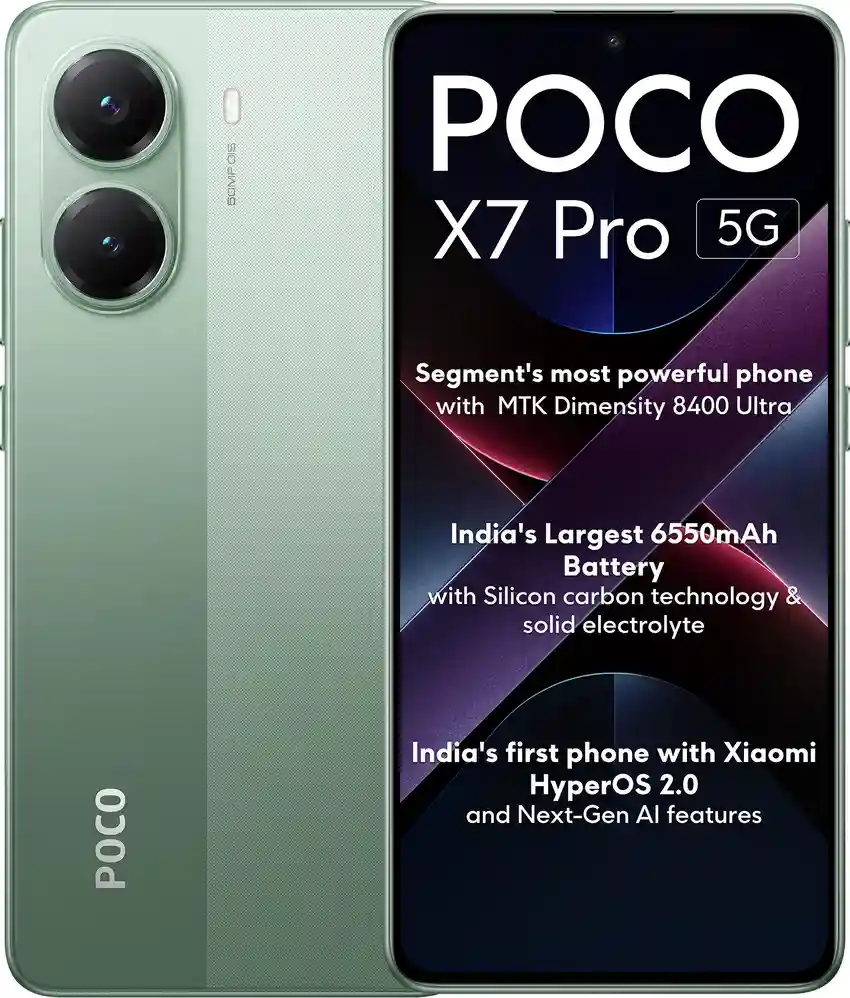
POCO X7 – ₹17,990
POCO X7 5G
Realme P3 – ₹15,999
Realme P3 5G
FAQs
Q1. What kind of display does the Moto G96 5G offer?
Answer. The Moto G96 5G features a 6.67-inch FHD+ 10-bit OLED display with HDR10+ support and a 144Hz refresh rate.
Q2. Which processor powers the Moto G96 5G?
Answer. It is powered by the Snapdragon 7s Gen 2 4nm Mobile Platform, paired with an Adreno 710 GPU.
Q3. What are the camera specifications of the Moto G96 5G?
Answer. The phone includes a 50MP rear camera with a Sony LYT-700C sensor and an 8MP ultra-wide camera, along with a 32MP front-facing camera.
Q4. How much RAM and storage does the Moto G96 5G have?
Answer. It comes with 8GB LPDDR4X RAM and offers two storage options: 128GB and 256GB (UFS 2.2).
Q5. What are the battery and charging capabilities of the Moto G96 5G?
Answer. The device is equipped with a 5500mAh battery and supports 68W fast charging.
Oppo K13 Turbo series will be launching on July 21 in China.
The K13 Turbo series features an RGB-lit active cooling fan, IPX8 water resistance, and a high-refresh-rate flat OLED display.
The Turbo Pro model is expected to pack a Snapdragon 8s Gen 4 chip with 16GB RAM, while the standard variant may use the Dimensity 8450.
Oppo K13 Turbo series launch date and time have recently been confirmed. (Image credit – Oppo)
Oppo is all set to launch its new Oppo K13 Turbo series aimed at users who want strong performance without spending flagship money, especially gamers and younger audiences. The brand has now confirmed that the series will launch on July 21 at 2:30 PM (local time) in China. Here’s what we know so far.
Teaser Highlights Gaming-Focused Design
Oppo has shared a teaser that reveals an active cooling fan on the K13 Turbo series. The fan appears to be placed just below the main camera and includes RGB lighting for a flashy, gamer-friendly look. It’s also expected to support smart frequency adjustment to help manage power consumption more efficiently.
Despite having moving parts, the K13 Turbo is rumoured to be IPX8 water-resistant, which is quite impressive for a device with a built-in fan.
The series will likely feature a flat display with a high refresh rate, promising smooth visuals for gaming and everyday use.
Oppo K13 Turbo and K13 Turbo Pro – Rumoured Specs
The Oppo K13 Turbo Pro was recently spotted on Geekbench with the Snapdragon 8s Gen 4 chipset and 16GB of RAM.
Oppo K13 Turbo Pro on Geekbench listing. (Image credit – Gizmochina)
It could sport a 6.8-inch flat OLED LTPS display with a 2800 x 1280 resolution and a 144Hz refresh rate. The rear camera setup may include a 50MP main sensor and a 2MP secondary lens, while the front could have a 16MP selfie camera.
Other expected features include a plastic frame, short-focus fingerprint scanner, and the signature RGB lighting around the cooling system.
The standard K13 Turbo is rumoured to be powered by the Dimensity 8450 chip but is otherwise expected to share the same display and camera setup as the Pro model.
Both versions will likely be available in Black Warrior and First Purple colours. The regular K13 Turbo may also come in Knight White, while the Pro version could be offered in Knight Silver.
More details including pricing and availability are expected at the official launch.
FAQs
Q1. When will the Oppo K13 Turbo series launch and who is it aimed at?
Answer. Oppo has confirmed that the series will launch on July 21 at 2:30 PM (local time) in China, aimed at users who want strong performance without spending flagship money, especially gamers and younger audiences.
Q2. What are the key differences between the K13 Turbo and K13 Turbo Pro models?
Answer. The K13 Turbo Pro is expected to feature the Snapdragon 8s Gen 4 chipset and an active cooling fan with RGB lighting, while the standard K13 Turbo may use the Dimensity 8450 chip and lacks the fan but shares the same display and camera setup.
Q3. What display and camera specs are expected in the K13 Turbo series?
Answer. Both models are likely to sport a 6.8-inch flat OLED LTPS display with 2800 x 1280 resolution and 144Hz refresh rate, along with a 50MP main rear camera, 2MP secondary lens, and a 16MP front camera.
Geekbench listing reveals the Pixel 10 Pro Fold will feature the new Tensor G5 chip, 16GB RAM, and Android 16.
The phone is expected to be slimmer with a redesigned hinge and debut as the first foldable phone with full IP68 dust and water resistance.
It is likely to retain the Pixel 9 Pro Fold’s triple rear camera system with minor sensor enhancements.
Google Pixel 10 Pro Fold’s previously leaked image. (Image credit – OnLeaks/AndroidHeadline)
Google is expected to launch its Pixel 10 series on August 20, which includes the Pixel 10, Pixel 10 Pro, Pixel 10 Pro XL and the foldable Pixel 10 Pro Fold. While Google hasn’t officially confirmed anything yet, the Pixel 10 Pro Fold has just shown up on Geekbench, giving us a peek at its specs. So, here’s what we know.
Pixel 10 Pro Fold – Specs Revealed
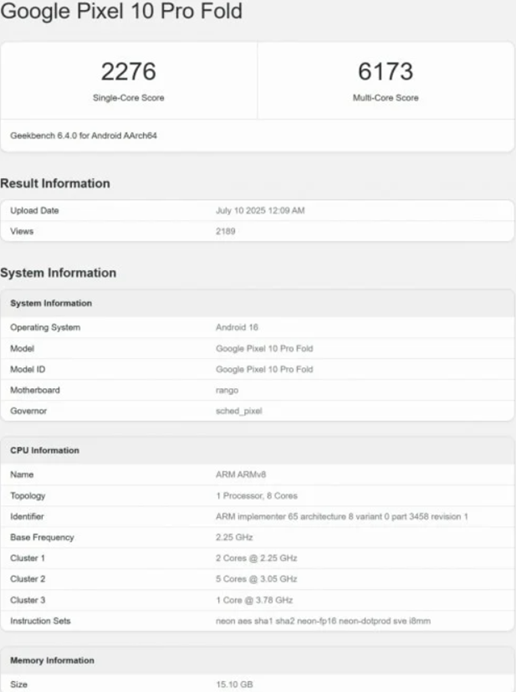
Google Pixel 10 Pro Fold in Geekbench. (Image credit – Gizmochina)
According to the leaked Geekbench listing, the foldable is powered by Google’s next-gen Tensor G5 chip and comes with 16GB of RAM. The device runs on Android 16.
The benchmark also mentions a motherboard codename “rango”, and the processor has an octa-core setup with two cores running at 2.25GHz, five at 3.05GHz, and one at 3.78GHz.
In terms of performance, the Pixel 10 Pro Fold scored 2,276 in single-core and 6,173 in multi-core tests, a clear jump over the Pixel 9 Pro Fold, which scored 1,981 and 4,783 with the older Tensor G4. And since these scores are from early tests, they’re expected to improve once the final software and hardware tuning is done.
Pixel 10 Pro Fold – What Else To Expect?
Caption – Google Pixel 10 Pro Fold leaked image. (Image credit – OnLeaks/AndroidHeadline)
Leaks suggest the Pixel 10 Pro Fold will be slimmer and more durable than the previous model. A new hinge design is said to reduce overall thickness, making it easier to hold. One of the biggest upgrades is the new IP68 rating, making it the first foldable phone with full dust and water resistance. Until now, most foldables only had water resistance and skipped dust protection.
Design-wise, it looks quite similar to the Pixel 9 Pro Fold with only minor changes.
The rear camera setup is expected to remain mostly the same featuring a 50MP Sony GN8 main sensor, a 12MP Samsung 3J1 telephoto lens, and a 12MP 3J1 ultra-wide camera. The main sensor could see slight improvements, but the overall camera layout seems unchanged.
FAQs
Q1. What processor and RAM does the Pixel 10 Pro Fold feature?
Answer. According to the leaked Geekbench listing, the foldable is powered by Google’s next-gen Tensor G5 chip and comes with 16GB of RAM.
Q2. What are the benchmark scores of the Pixel 10 Pro Fold?
Answer. The Pixel 10 Pro Fold scored 2,276 in single-core and 6,173 in multi-core tests, a clear jump over the Pixel 9 Pro Fold, which scored 1,981 and 4,783 with the older Tensor G4.
Q3. What durability rating does the Pixel 10 Pro Fold offer?
Answer. One of the biggest upgrades is the new IP68 rating, making it the first foldable phone with full dust and water resistance.