


Highlights
- Samsung is developing digital biomarker tech for Galaxy phones and watches to detect early signs of Alzheimer’s.
- The system monitors app usage, typing speed, messaging, sleep, and voice data.
- Studies focus on typing and walking patterns to assess cognitive decline with results comparable to hospital screenings.
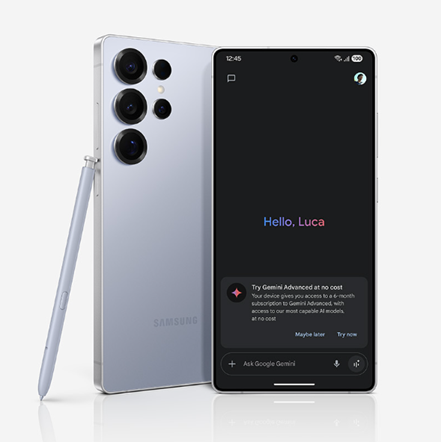
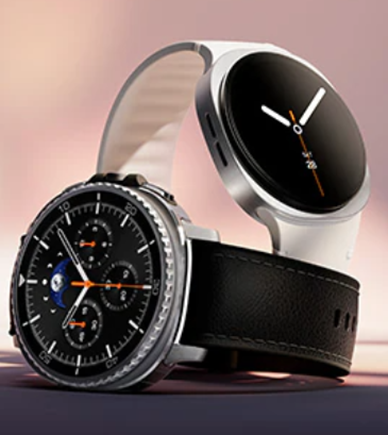
Caption – New research on what we can expect from future Samsung Galaxy phones and watches. (Image credit – Samsung)
Smartwatches have become popular tools for tracking everyday health metrics. But it appears Samsung is taking things a step further. The company has revealed new research that could enable Galaxy phones and watches to detect early symptoms of Alzheimer’s, the most common form of dementia. Read on to know more about this latest revelation.
Samsung’s Digital Biomarker Technology
The Korean tech giant recently released a blog post titled “Samsung Research Advances Early Detection of Alzheimer’s With Everyday Digital Data.” In the post, Samsung announced that its researchers have “developed digital biomarker technology that tracks changes in cognitive function by analysing multimodal data from smartphones and wearables – including app usage, typing speed, messaging patterns, call frequency, sleep and voice.”
Since smartphones and wearables already collect detailed data about users’ habits and physical activity, Samsung says they can help detect subtle behavioral changes with “remarkable high sensitivity.”
How Samsung’s Digital Biomarker Technology Works?
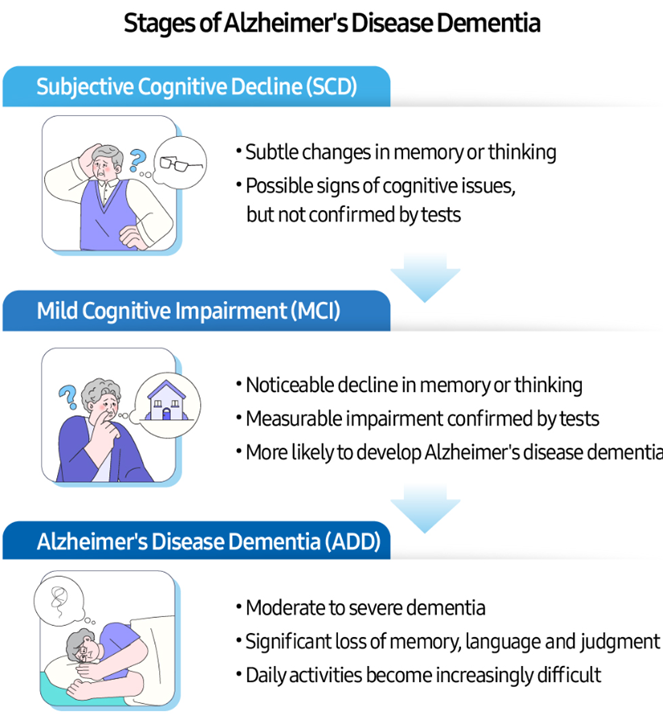
Samsung researchers explained that digital biomarkers could evaluate a user’s cognitive state by monitoring changes in daily interactions.
For instance, recalling and repeating short sentences can reveal the condition of the short-term memory region in the brain, while analysing fluency and accuracy helps determine language abilities. Similarly, variations in social media activity, messaging frequency, and phone calls can reflect changes in brain function.
These areas are often the first to be impacted by Alzheimer’s, meaning the technology could provide early warning signs for users at risk.
To advance this research, Samsung has expanded two key studies. The first study focuses on typing patterns on smartphone keyboards. Meanwhile, the second leverages Galaxy Watch sensors to analyse walking patterns, which can highlight cognitive decline.
Both studies gained global recognition, ranking within the top 7% of papers presented at the IEEE Engineering in Medicine and Biology Society (EMBS) Conference in Copenhagen, Denmark. According to Samsung, the results are “comparable to hospital-based dementia screening tests.”
When Will It Be Available?
We have to note that the technology is still in its early stages. Samsung believes future Galaxy phones and smartwatches could help users monitor cognitive health and detect Alzheimer’s risk in the coming years.
However, this feature is not expected to appear in the next generation of Samsung devices.
FAQs
Q1. What is Samsung’s digital biomarker technology?
Answer. It’s a research-based system that analyses data from Galaxy phones and watches like typing speed, app usage, sleep, and voice patterns, to detect early cognitive changes linked to Alzheimer’s.
Q2. How does Samsung plan to detect Alzheimer’s symptoms using wearables?
Answer. By monitoring daily interactions such as messaging frequency, walking patterns, and speech fluency, Samsung’s devices can identify subtle behavioural shifts that may signal early cognitive decline.
Q3. When will this Alzheimer’s detection feature be available on Galaxy devices?
Answer. The technology is still in development and won’t appear in the next Galaxy lineup. Samsung aims to integrate it into future phones and watches over the coming years.