


Highlights
- OpenAI has started a new AI Safety Fellowship to support independent research on AI alignment, safety, and how AI affects society.
- The fellowship provides mentorship, resources, and funding so researchers and experts can tackle real-world challenges in AI risk and governance.
- This initiative is meant to support responsible AI development and address concerns about bias, misinformation, and the long-term effects of advanced AI systems.
OpenAI has introduced the AI Safety Fellowship to encourage responsible artificial intelligence. This program gives researchers, engineers, and experts a chance to work on important challenges in AI development.
It aims to support global efforts in AI alignment, safety, and societal impact as AI technology quickly advances.
A Major Opportunity for AI Researchers
The new fellowship supports independent research in AI safety and alignment. It encourages participants to find ways to make advanced AI systems more reliable, transparent, and helpful for society. The program welcomes people from many fields, including machine learning, policy, ethics, and the social sciences.
Participants can work on real-world issues like model behaviour, risk assessment, and the long-term effects of AI systems on society. The fellowship supports research that produces papers, tools, and frameworks to guide future AI governance.
Focus on AI Alignment and Societal Impact
A main focus of the fellowship is AI alignment, which means ensuring AI systems act in line with human values and intentions. As AI grows more powerful, keeping it ethical and safe is now a global priority.
The program will also examine how AI affects society, including issues such as misinformation, bias, safety risks, and long-term human-AI interaction. According to OpenAI, not only are technical skills required to solve these challenges, but coordinated teamwork across different fields is necessary.
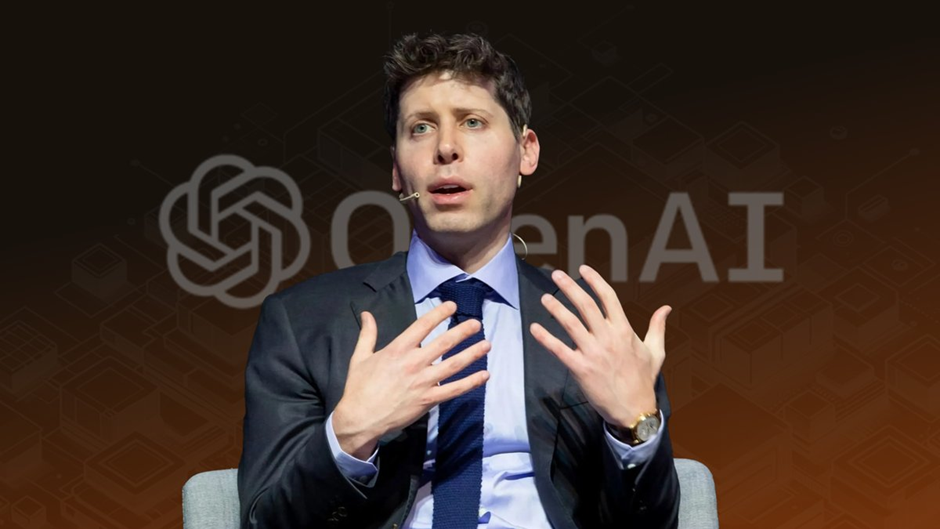
Caption: OpenAI’s AI Safety Fellowship Focusses on the Societal Impact of AI
Mentorship, Funding, and Research Support
Structured support, including mentorship from top AI researchers and access to resources for advanced studies, will be provided to the selected fellows. Fellows will work on focused research projects during the program and contribute to the wider AI safety community.
These kinds of programs are more important than ever as the global AI race heats up and top tech companies invest in talent and safety research. They also help prepare people for future roles in AI research and policy by allowing participants to work closely with leading experts.
Why This Matters Now
The AI Safety Fellowship is launching as concerns about AI misuse, bias, and other unexpected issues rise. Risks like deepfakes and autonomous systems are already affecting industries and societies around the world.
By supporting safety research, OpenAI is working to ensure that artificial general intelligence (AGI) benefits everyone.
Caption: Through AI Safety Fellowship, OpenAI is Looking to Curb AI Misuse
Who Can Apply?
Early-career researchers, experienced professionals, and interdisciplinary experts interested in AI safety can apply to the program. In addition, those with strong analytical skills and a passion for solving big global problems can also apply.
OpenAI’s AI Safety Fellowship is a timely and strategic step to tackle one of today’s biggest technology challenges: ensuring AI remains safe, ethical, and aligned with human values.
For researchers and experts, this is more than a fellowship. It is a chance to help shape the future of AI and its place in society.
FAQs
Q1. What is the AI Safety Fellowship Program by OpenAI?
It is a research initiative designed to support experts and researchers working on AI safety, alignment, and the societal impact of advanced AI systems.
Q2. Who can apply for this fellowship?
The program is open to researchers, engineers, and professionals from diverse fields, including machine learning, public policy, ethics, and the social sciences.
Q3. What kind of work will fellows do?
Fellows will work on independent research projects focused on AI risks, model behaviour, alignment with human values, and long-term societal implications.
Q4. What benefits does the fellowship offer?
Selected participants receive mentorship, research support, and access to resources to develop impactful work in the AI safety domain.
Q5. Why is AI safety and alignment important?
AI safety ensures that advanced systems behave responsibly and align with human values, thereby reducing risks such as bias, misinformation, and unintended consequences.
Q6. How does this program impact the future of AI?
The fellowship contributes to building safer AI systems by encouraging research that informs better design, governance, and deployment of AI technologies.