


Highlights
- Leaked images reveal a 2.49mm-thick battery for the iPhone 17 Air, making it Apple’s slimmest iPhone yet.
- iPhone 17 Air may limit it to a single rear camera and a 2,800–2,900mAh battery to achieve a slim profile.
- Apple is reportedly testing a new stacked image sensor with dynamic range up to 30 stops, rivalling cinema cameras.
- It features LOFIC tech and real-time noise cancellation for superior imaging.
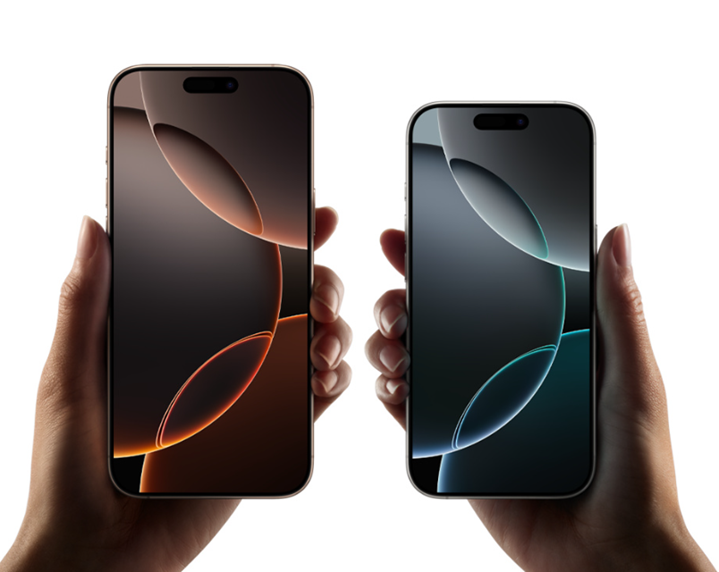
We have had quite a few looks at the upcoming 17 iPhone Series models including the iPhone 17 Air. Now, a newly surfaced photo has given us a clearer look at the incredibly thin battery reportedly designed for Apple’s upcoming iPhone 17 Air. Meanwhile, Apple’s patent shows a new type of image sensor that would change the photography capabilities of future iPhones. Here’s more on both reports.
iPhone 17 Air’s New Leaked Photo
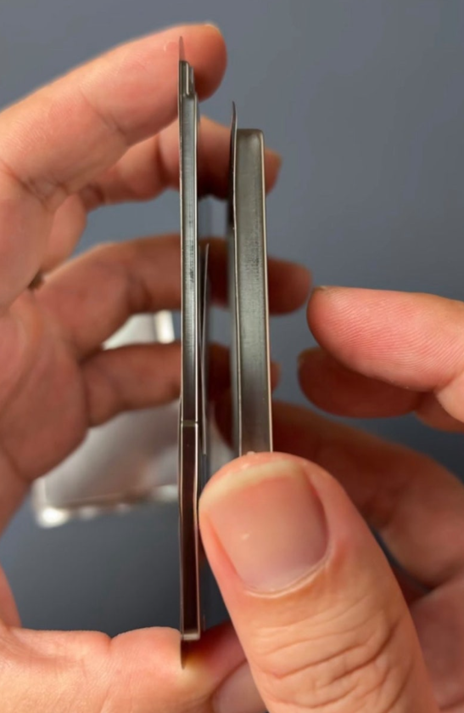
Leaker Majin Bu recently shared multiple photos of the alleged iPhone 17 Air battery. Adding to the credibility, Chinese blogger Yeux1122 posted a side profile image comparing it to the iPhone 17 Pro battery, showcasing the dramatic difference in thickness.
The latest image shows the battery side-by-side with that of the iPhone 17 Pro.
The iPhone 17 Air is rumoured to be Apple’s slimmest iPhone to date with a thickness of just 5.5mm. To maintain the thin form factor, Apple has had to make some compromises including limiting the device to a single rear camera unlike the triple-camera setup seen on the Pro models.
Battery life may also take a hit. Leaks suggest that the iPhone 17 Air will be powered by a 2800mAh battery. That’s a notable downgrade compared to the 3500mAh capacity in the iPhone 16 and iPhone 16 Pro. The upcoming iPhone 17 Pro Max, in contrast, is expected to house a much larger 5000mAh battery.
Apple Reportedly Building Its Own Custom Image Sensor
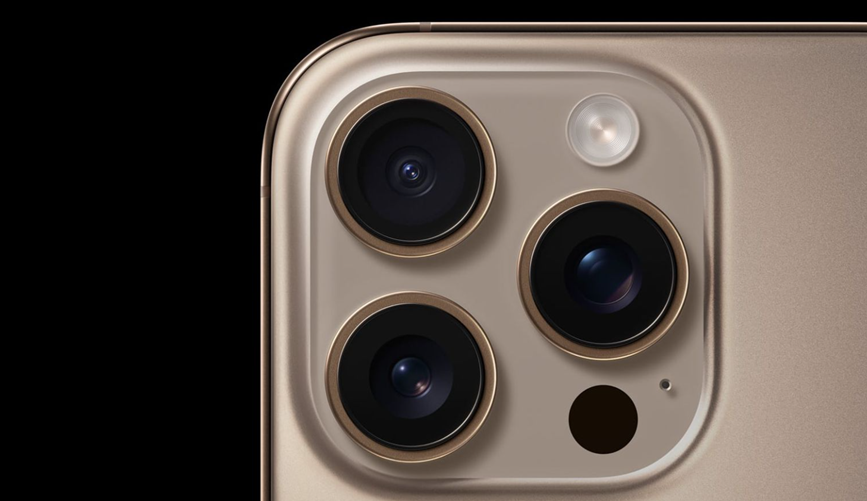
In parallel with hardware developments like the iPhone 17 Air, Apple is reportedly working on its own custom image sensor that could dramatically improve camera performance in future iPhones.
According to a leaker on Weibo, Apple is developing a new sensor with dynamic range levels that could rival the human eye, estimated between 20 to 30 stops. For comparison, current smartphones typically manage 10 to 13 stops, while professional cinema cameras like the ARRI ALEXA 35 push toward the higher end of that range.
A recently filed Apple patent titled “Image Sensor With Stacked Pixels Having High Dynamic Range And Low Noise” outlines a new stacked sensor design. The sensor consists of two layers, the top “sensor die” captures light, and the bottom “logic die” handles image processing such as exposure control and noise reduction.
One of the standout features is the Lateral Overflow Integration Capacitor (LOFIC) system, which allows each pixel to store varying amounts of light based on scene brightness. This enables the sensor to capture both highlights and shadows more accurately, even in high-contrast environments like a person standing in front of a bright window.
Another innovation involves minimising electronic noise with each pixel has a dedicated memory circuit that actively measures and cancels heat-related signal noise in real time right on the chip, before any software processing occurs.
According to the Weibo source Fixed Focus Digital, this isn’t just a patent on paper. The sensor has reportedly already been developed and is now undergoing tests in early hardware prototypes. This could indicate Apple’s intention to integrate it into future consumer devices.
Currently, Apple relies on Sony for iPhone camera sensors, which also use a two-layer approach. However, Apple’s version introduces new features and a more compact design. If Apple transitions to its own sensor, it would gain end-to-end control over the image processing pipeline, mirroring its successful shift away from Intel and Qualcomm by developing in-house chips.
FAQs
Q1. How thin is the iPhone 17 Air expected to be?
Answer. The iPhone 17 Air is rumoured to be Apple’s slimmest iPhone yet, with a thickness of just 5.5mm, achieved by using a dramatically thinner battery compared to the iPhone 17 Pro.
Q2. What is Apple’s new custom image sensor designed to do?
Answer. Apple’s custom image sensor aims to deliver a dynamic range between 20 to 30 stops, rivalling cinema cameras. It uses a stacked pixel design with LOFIC tech and real-time noise cancellation for improved highlight and shadow detail.
Q3. Why is Apple developing its own image sensor?
Answer. Apple currently relies on Sony for camera sensors. By developing its own, Apple seeks end-to-end control over the image processing pipeline, similar to its shift away from Intel and Qualcomm.
Also Read
Most of iPhones Sold in the US Now Made in India, Vietnam Leads in Apple’s Other Products: Tim Cook