
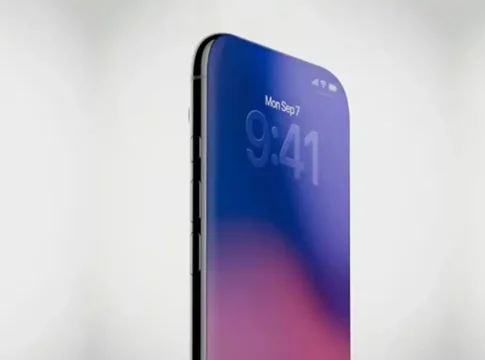
Highlights
- Early iPhone 20 Pro prototypes are being tested with a titanium frame after Apple switched to aluminium on the iPhone 17 Pro.
- The screen glass is reportedly curved slightly on all four edges, top, bottom and both sides.
- iPhone 20 Pro is to be launched in 2027 to mark the 20th anniversary of the first iPhone in 2007.
Apple is reportedly planning a major design change for its 20th-anniversary iPhone, expected to launch in 2027. As per leaks from tipsters Ice Universe and Fixed Focus Digital, the upcoming iPhone 20 Pro might feature a titanium frame and a brand-new quad-curved glass display. This special anniversary device is being tested in four different prototypes in Cupertino as Apple looks to celebrate two decades since Steve Jobs unveiled the first iPhone in 2007.
Reports reveal that Apple has spent about three years refining the glass to ensure it bends smoothly around the four edges of the phone, creating a near bezel-less look from the front. Apple is reportedly looking to make a milestone upgrade similar to the iPhone X overhaul in 2017, combining rounded corners, an iPhone Air-inspired profile, and a returning titanium build.
Apple’s 20th-Anniversary iPhone Could Get a Major Design Overhaul
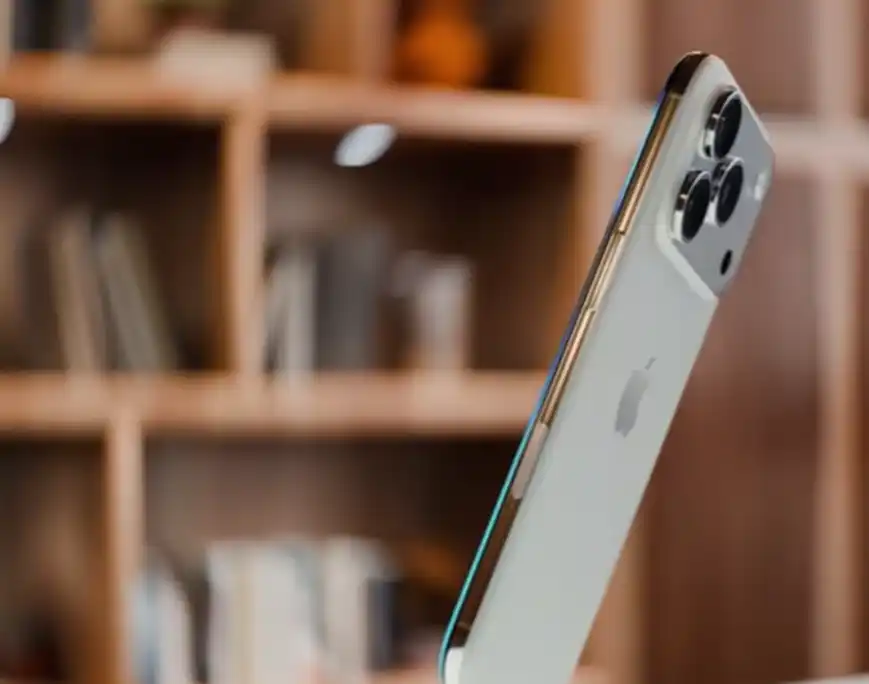
iPhone 20 Pro (Screenshot: AppleTrack)
Apple is reportedly moving away from its familiar flat-edged design to mark the 20th anniversary of the original iPhone, which altered the smartphone world. Early reports indicate the company wants the 2027 Pro lineup to feel like a real milestone device. Instead of making small year-to-year changes, engineers are experimenting with softer curves, ultra-thin bezels and premium materials reminiscent of the iPhone Air’s sleek build.
Here’s some exclusive information I’ve learned about Apple’s 20th-anniversary iPhone:
1. Apple is currently developing four models, two featuring flat glass covers and the other two featuring quad-curved glass covers.
2. Apple has been prototyping this quad-curved design for three years, with several revisions along the way. The curvature of the glass, in particular, is still being refined.
3. The earliest prototype had much more pronounced curves, which were later toned down. The version you saw circulating online a few days ago was actually an early prototype with more aggressive curvature.
4. The quad-curved version has bezels measuring approximately 1mm. However, because the glass curves around all four edges, the bezels become almost invisible when viewed straight on. The result is a nearly bezel-less appearance that could look absolutely stunning in person.
5. From what I’ve heard, industry insiders are very optimistic about this quad-curved design. Some are even more excited about Apple’s 20th-anniversary iPhone than its upcoming foldable iPhone.
— Ice Universe (@UniverseIce) November 18, 2026
iPhone 20 Pro Could Bring Back Titanium Frame After Aluminium Switch
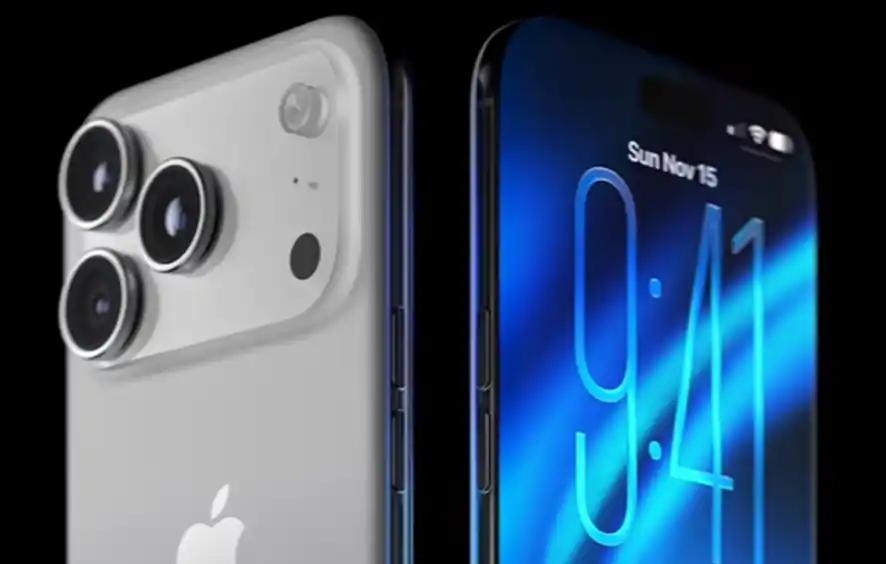
Screenshot: AppleTrack
Apple first used titanium on the iPhone 15 Pro, then kept it for the iPhone 16 Pro before switching back to an aluminium body on the iPhone 17 Pro and iPhone 18 Pro. The change to aluminium helped Apple control heat better with vapour chamber cooling and kept manufacturing costs lower.
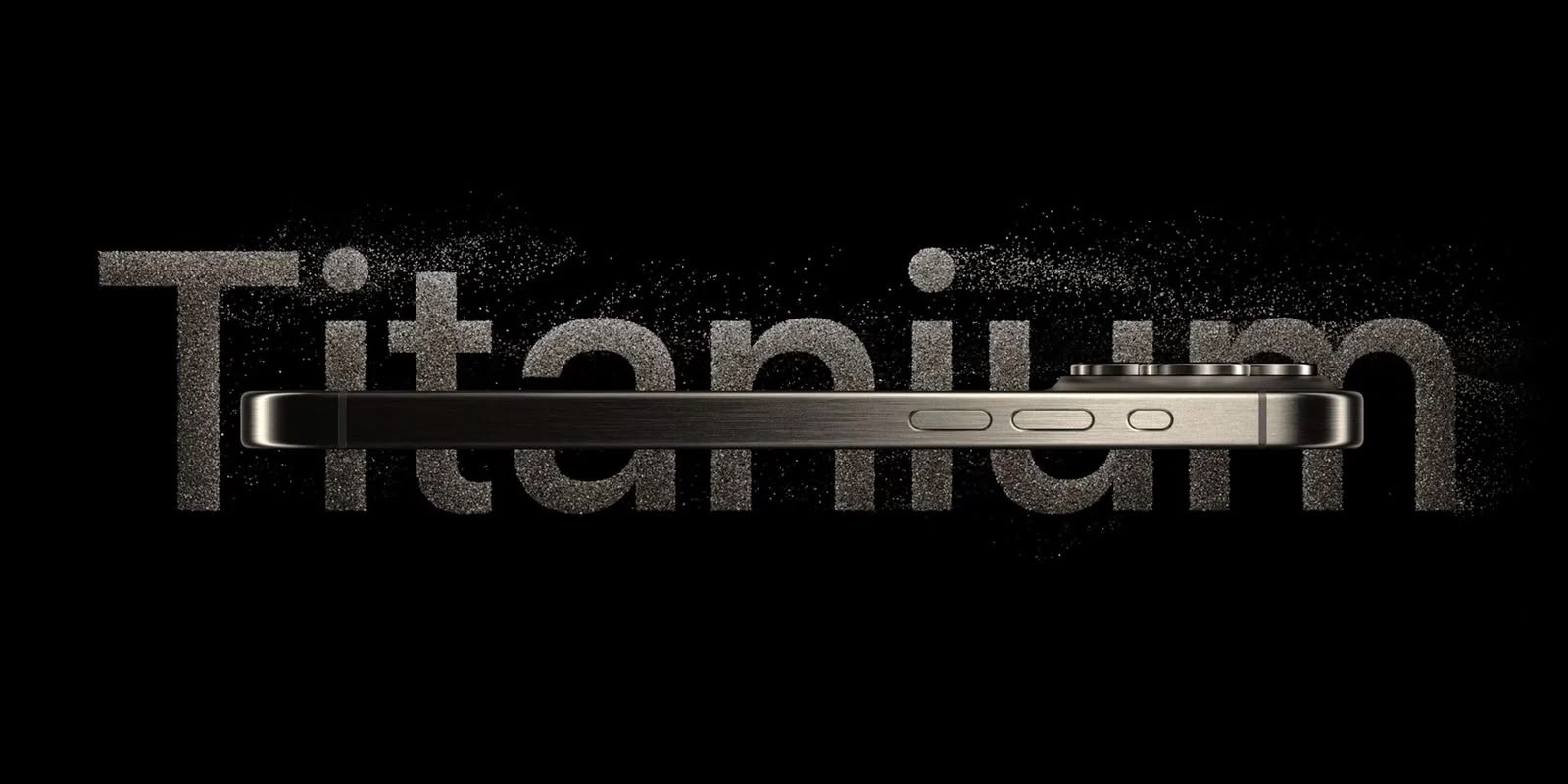
However, for the iPhone 20 Pro, Apple is reportedly reconsidering titanium, as it offers better structural support for a rounded body similar to the iPhone Air and does not dent or scratch as easily as aluminium.
iPhone 20 Pro May Feature Quad-Curved Glass Design
Screenshot: AppleTrack
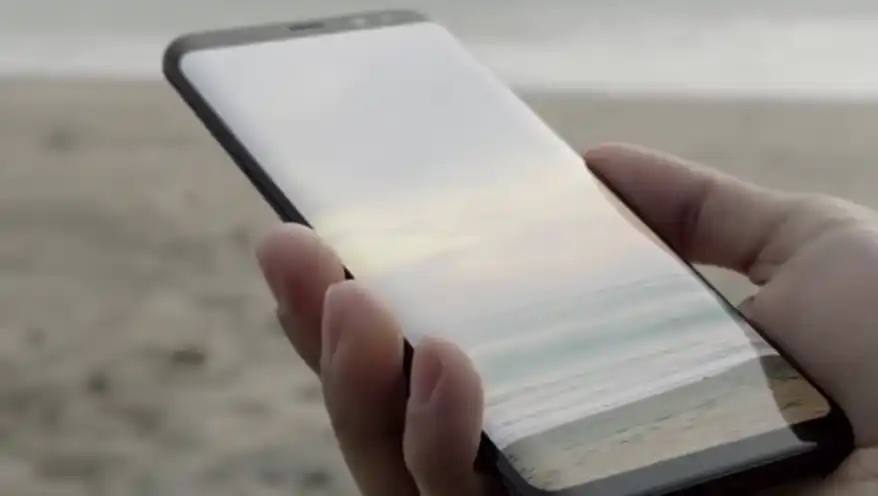
The iPhone 20 Pro glass is rumoured to be gently curved over all four edges, top, bottom, left and right, while older Android phones only had edges that curved left and right. Leaks reveal Apple has been testing this glass design for three years and toned down the aggressive curves seen in early prototypes. With a thin titanium mid-frame, this four-sided glass gives the device a smooth, pebble-like feel that fits perfectly with Apple’s modern software visuals.
iPhone 20 Pro Could Feature an Almost Bezel-Free Display
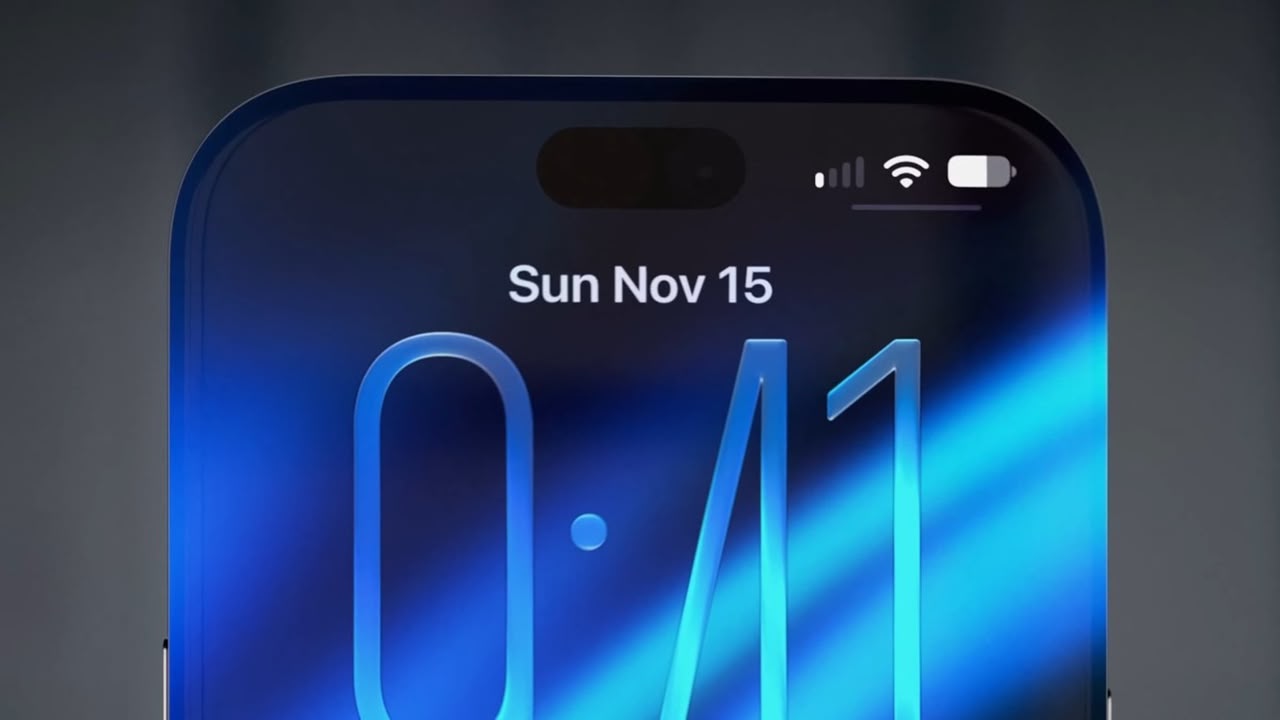
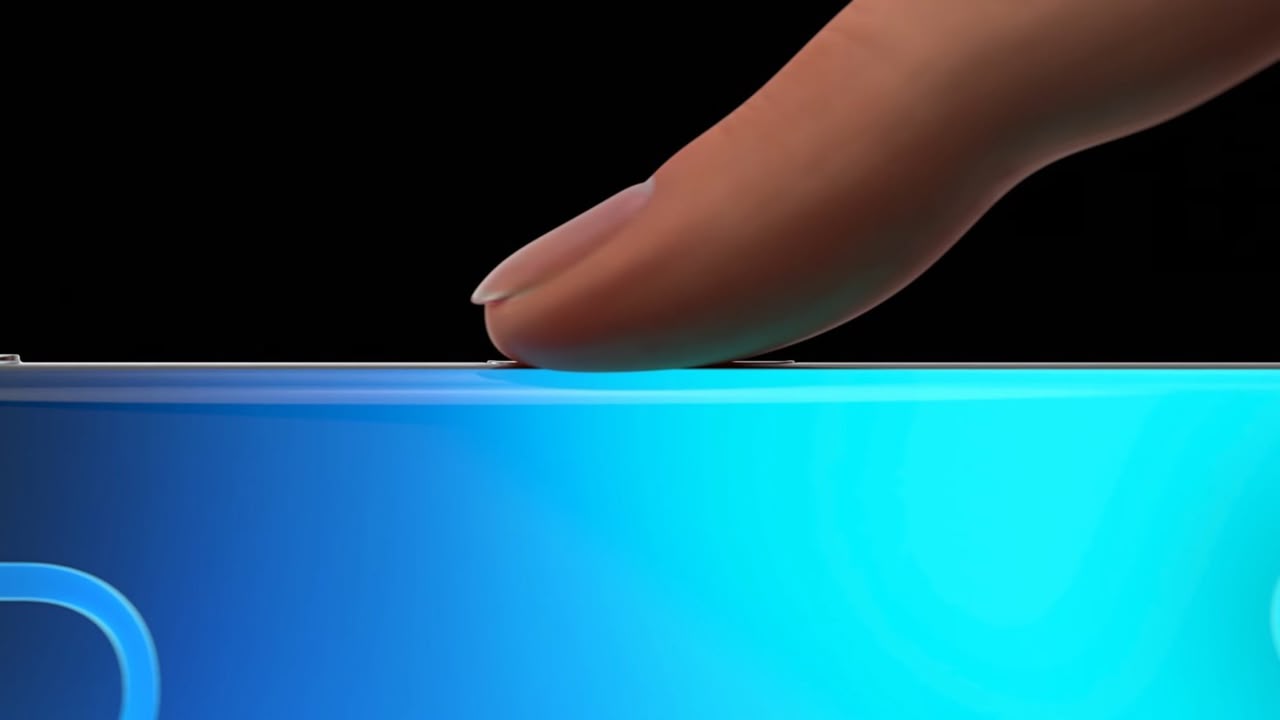
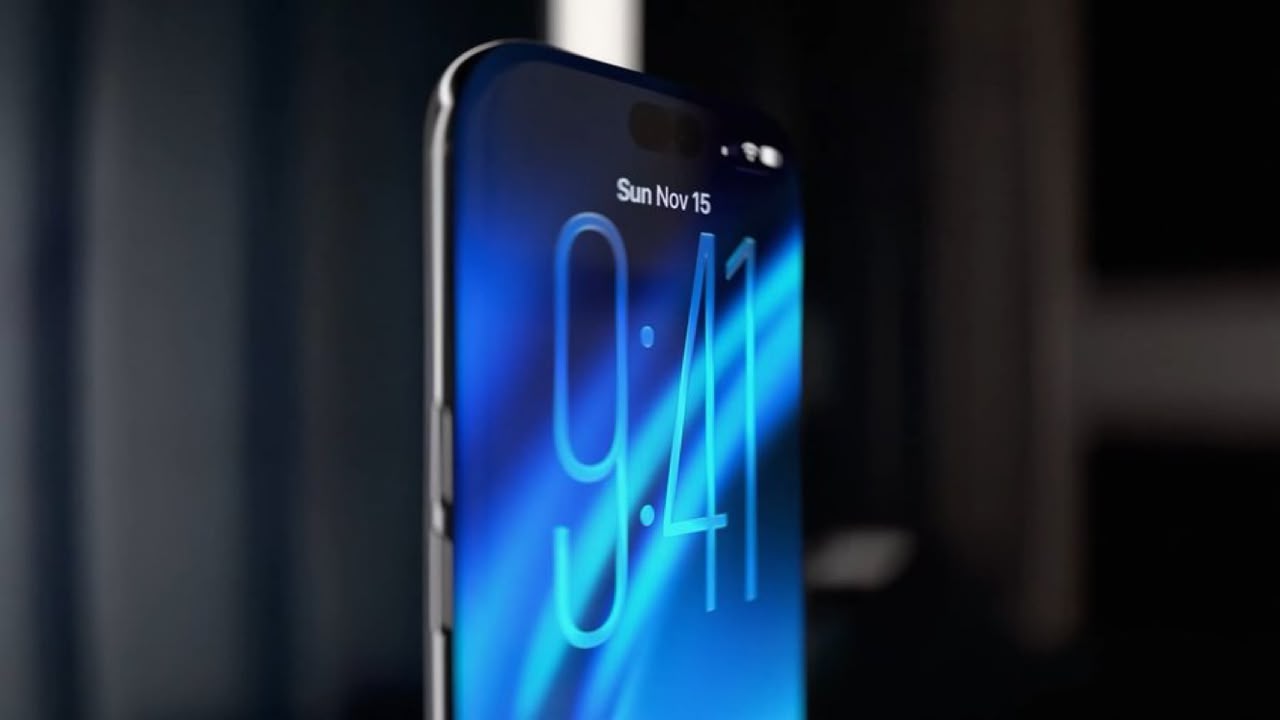
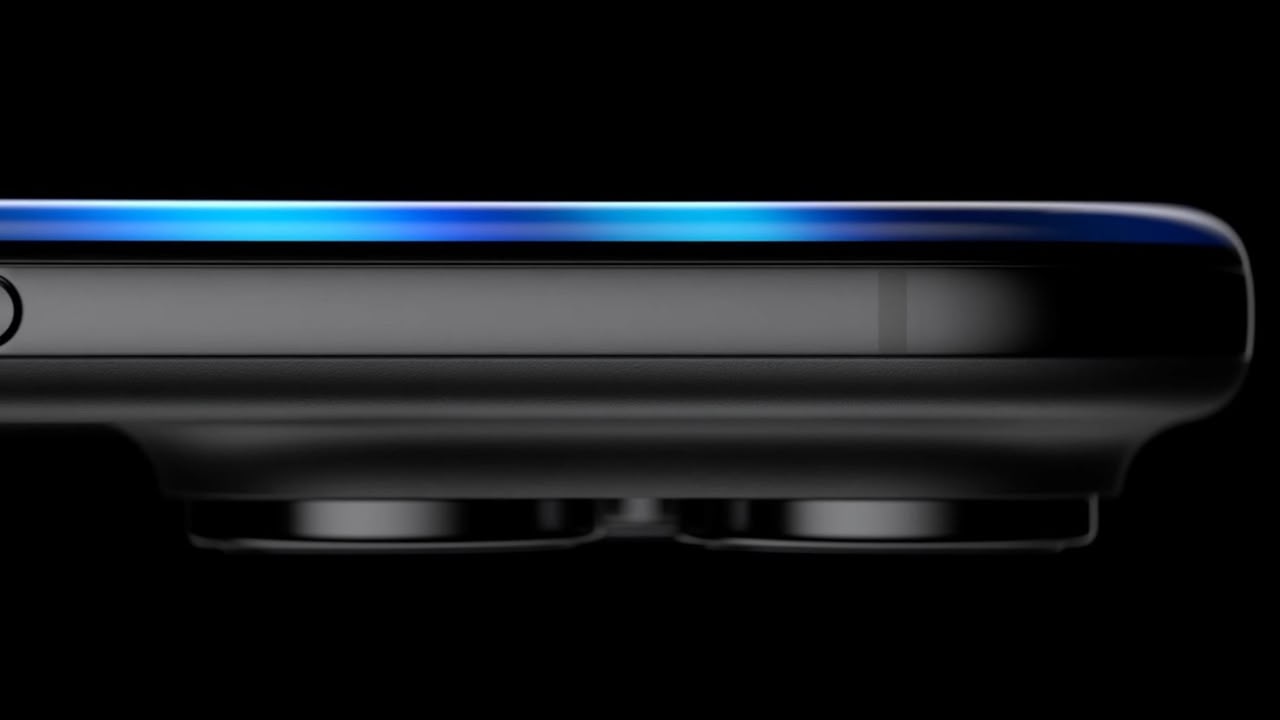
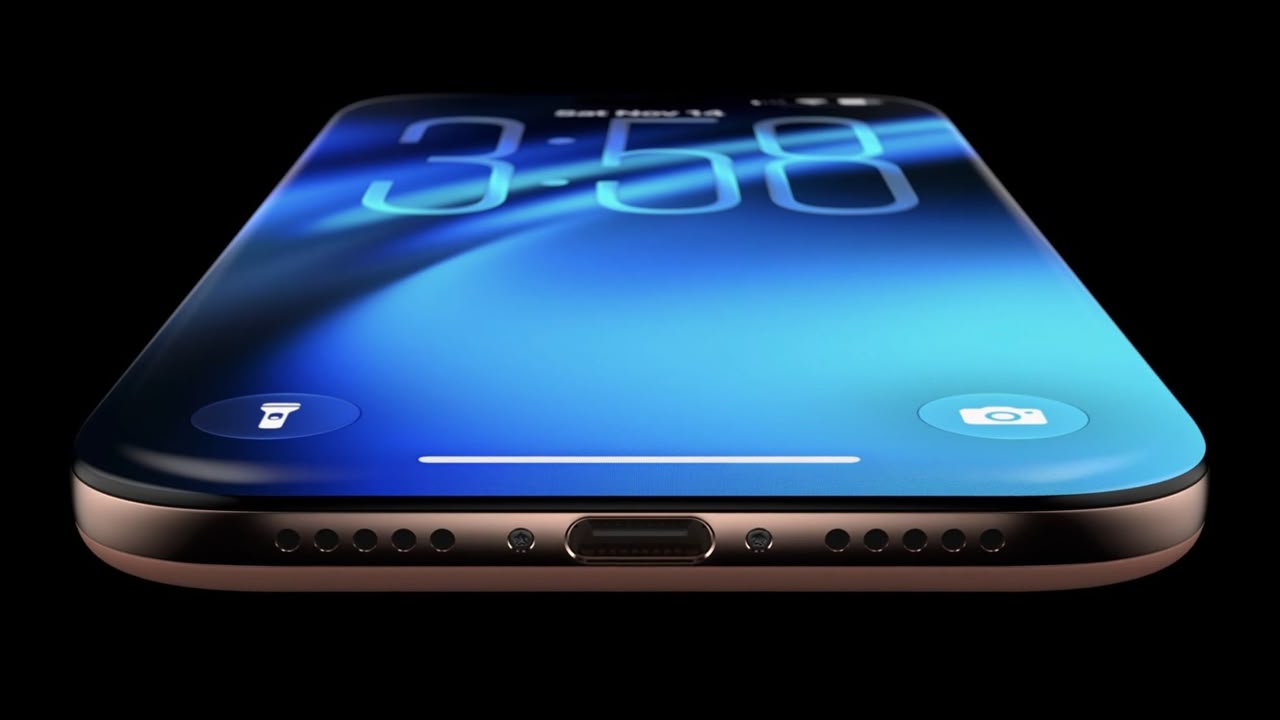
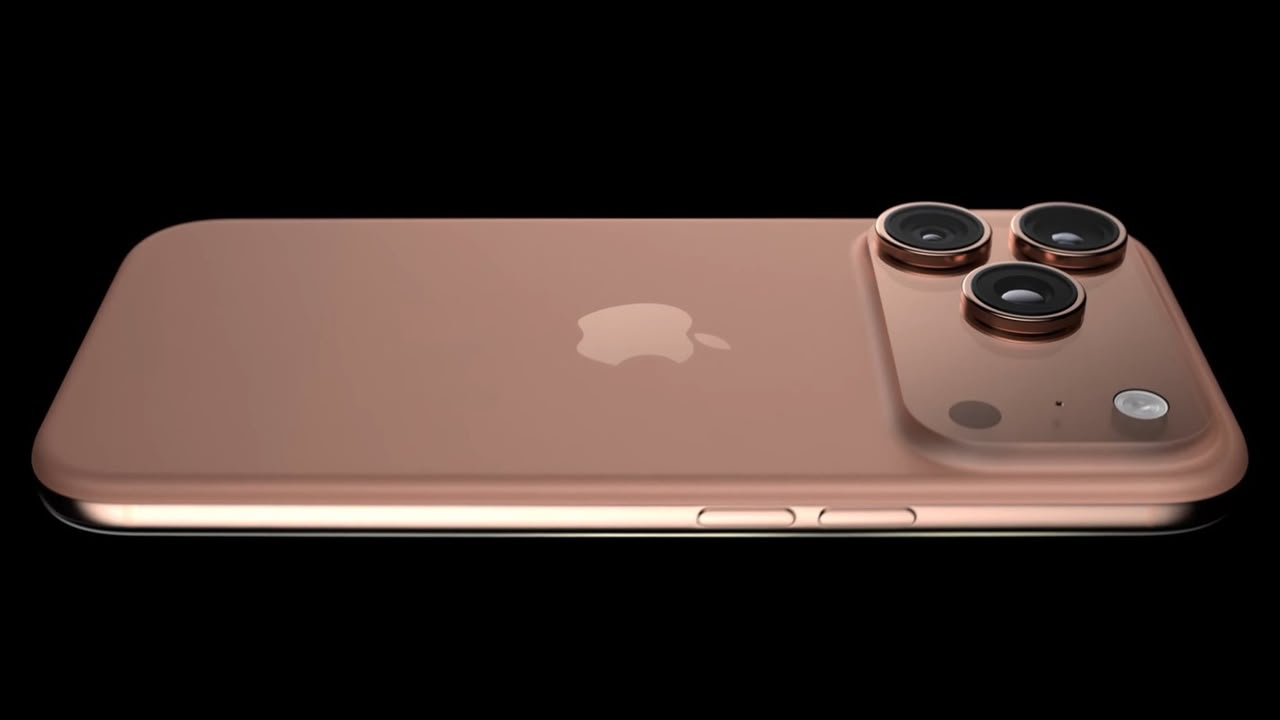
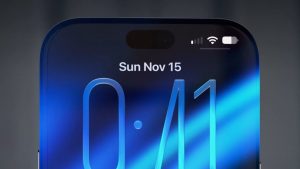

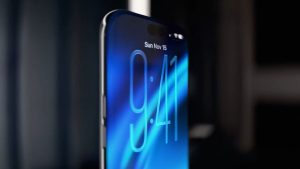
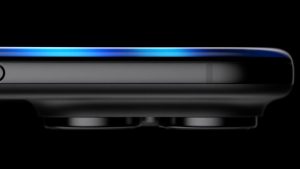
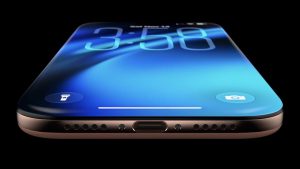
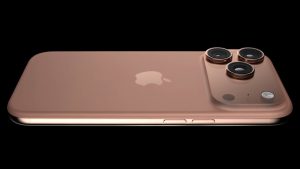
The cover glass wraps around all four edges, making the black borders around the screen almost invisible when viewing the phone head-on. The actual bezels are said to be about 1mm thick, which creates the illusion of a truly floating screen. There are also rumours of slightly larger screen sizes of about 6.41 inches for the iPhone 20 Pro and 6.96 inches for the Pro Max and a smaller cutout for Face ID and the front camera.
iPhone 20 Pro vs iPhone 17 Pro: What Could Change?
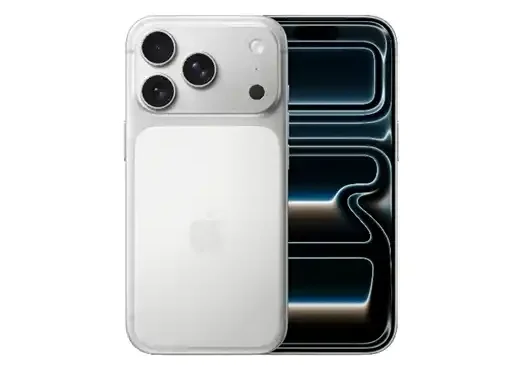
iPhone 17 Pro
The upcoming iPhone 20 Pro compared to the iPhone 17 Pro shows a clear change in Apple’s design philosophy. Where the iPhone 17 Pro focused practical heat management with an aluminium unibody and a classic flat screen, the 20th anniversary model goes all in with a futuristic seamless glass-and-titanium design.
| Specifications | iPhone 17 Pro | iPhone 20 Pro |
| Frame Material | Aluminium unibody | Titanium frame |
| Body & Edge Design | Flatter edges with camera plateau | Softer, rounder edges inspired by iPhone Air |
| Glass Design | Flat front and back glass | Four-sided (quad-curved) glass |
| Display Size | 6.3 inches (Pro) / 6.9 inches (Pro Max) | ~6.41 inches (Pro) / ~6.96 inches (Pro Max) |
| Bezel & Cutout | Thin bezels with Dynamic Island | Near bezel-less look; rumoured punch-hole cutout |
iPhone 20 Pro vs iPhone 18 Pro: Expected Design and Material Changes
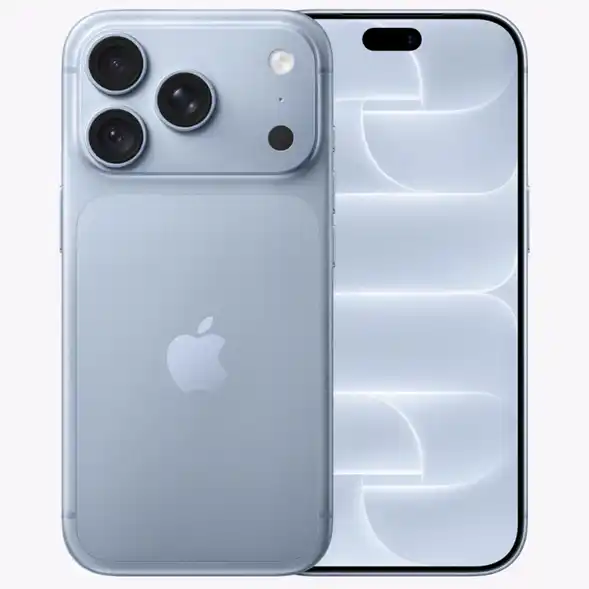
iPhone 18 Pro
| Specifications | iPhone 18 Pro | iPhone 20 Pro |
| Frame Material | Aluminium-based design | Titanium frame |
| Primary Focus | Battery life and internal hardware upgrades | 20th-anniversary exterior redesign |
| Display Size | 6.3-inch display | ~6.41 inches (Pro) / ~6.96 inches (Pro Max) |
| Edge Profile | Standard boxy/contoured Pro edges | Softer, rounder edges |
| Display Design | Flat panel with standard Pro borders | Quad-curved glass with almost no bezels |
iPhone 20 Pro Expected Launch Date and Other Rumoured Features
The iPhone 20 Pro is expected to launch in fall 2027, 20 years after the original iPhone. Besides the quad-curved glass and titanium frame, the 20th-anniversary iPhone is expected to be powered by Apple’s 2nm A21 Pro chip, with thinner and brighter Samsung OLED panels and a noticeably smaller Dynamic Island. Apple, however, is still testing several prototypes, and the final design specifications may vary before it goes into mass production.