

Highlights
- Apple may delay the launch of the standard iPhone 18 to early 2027.
- Cost-cutting could include downgraded chips, memory, and manufacturing processes.
- The iPhone 18 may align more closely with the budget-friendly 18e model.
Apple is reportedly planning a major change to the standard iPhone 18, focusing less on new features and more on cost-cutting. Recent leaks suggest the company may downgrade some components and delay the launch, potentially changing how its product lineup looks.
Delayed Launch: Breaking Apple’s Traditional Cycle
One major change is the expected delay in the release of the iPhone 18. Instead of Apple’s usual September launch, the standard model may arrive months later, possibly in early 2027, alongside a more affordable “iPhone 18e”.
This change would shift Apple’s fall 2026 lineup to focus mainly on premium devices, such as the Pro models, and possibly a foldable iPhone, while the base model would launch separately.
Cost-Cutting Measures: What’s Changing?
Reports say Apple is making several cost-cutting changes to the iPhone 18’s production and hardware. These include:
- Downgraded manufacturing processes to reduce production expenses
- Less advanced chips and memory configurations
- Component standardisation to align the iPhone 18 more closely with the budget-friendly 18e variant
This strategy could help Apple deal with rising component costs, including ongoing memory supply issues in the tech industry.
Possible Feature Reductions
Although the exact details are still unknown, early leaks suggest there may be some feature compromises:
- Simplified GPU or lower-tier chipset variants
- Reduced memory configurations
- Possible removal or downgrade of select premium features, such as camera hardware or advanced display enhancements
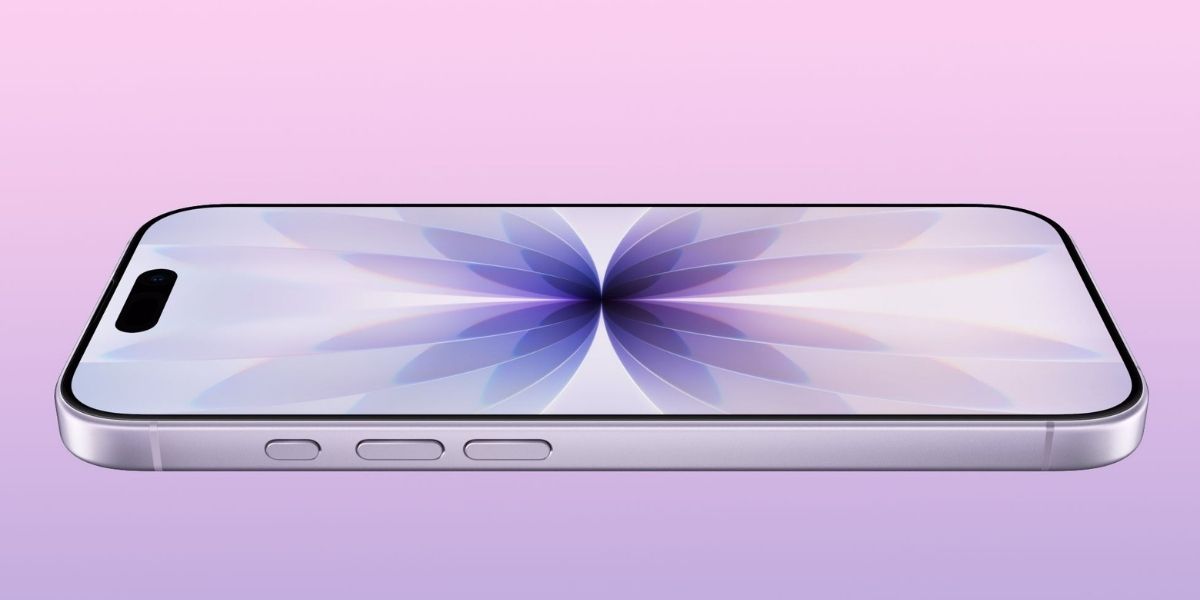
Apple reportedly wants to keep the overall design the same while reducing certain internal features to control production costs.
Strategy Shift: Bridging the Gap with “e” Models
One main goal seems to be making the standard iPhone and the more affordable “e” series more similar. By bringing the iPhone 18 closer to the 18e in terms of features, Apple could simplify production and offer clearer choices across different price points.
However, this could also widen the gap between the standard and Pro models, making the premium devices more attractive to people who want the latest features.
What This Means for Buyers
For buyers, the iPhone 18 could mean a change in value. It will likely keep Apple’s usual design and ecosystem, but there may be fewer hardware upgrades than in past models.
At the same time, delaying the launch and cutting production costs could help Apple keep its prices competitive in a tough global market.
FAQs
Q 1. Why is Apple planning cost-cutting measures for the iPhone 18?
Apple is reportedly aiming to manage rising component and manufacturing costs while maintaining competitive pricing, especially amid global supply chain and memory cost pressures.
Q 2. Will the iPhone 18 launch later than usual?
Yes, leaks suggest that the standard iPhone 18 could be delayed beyond Apple’s usual September launch cycle and may arrive in early 2027.
Q 3. What features might be downgraded in the iPhone 18?
The device could feature a less advanced chipset, reduced memory configurations, and possible compromises in camera or display technologies.
Q 4. How will the iPhone 18 differ from the Pro models?
The gap between the standard and Pro models is expected to widen, with Pro variants retaining premium features while the base model focuses on cost efficiency.
Q 5. Will the iPhone 18 be cheaper than previous models?
While pricing is not confirmed, the cost-cutting measures could help Apple keep the price stable or slightly lower compared to earlier base iPhone models.