


Highlights
- Instagram head Adam Mosseri warns that AI-generated photos and videos will increasingly dominate social feeds.
- Deepfakes and synthetic media make genuine, relatable content harder to distinguish.
- Mosseri suggests fingerprinting real media via cryptographic signatures at capture as platforms face mounting pressure to detect and label AI-generated content.
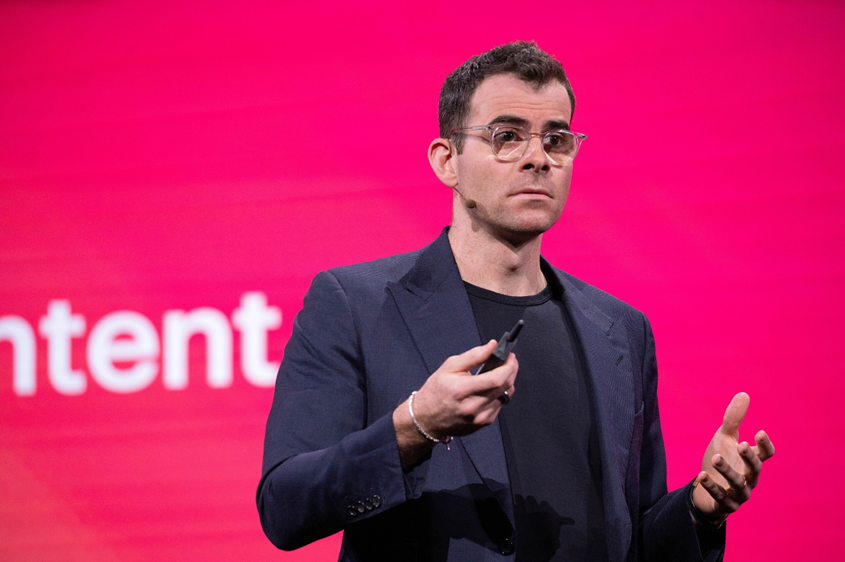
Instagram head Adam Mosseri. (Image credit – Unknown)
Anyone using social media must have already noticed the flood of AI-generated content in their feeds. We have been warned about this before and we are getting warned about it again. The only difference is that the latest warning comes from someone who is in the decision-making position.
Instagram head Adam Mosseri has warned that the presence of AI content will grow significantly in the years ahead. In his year-end reflections shared on Threads, Mosseri said the rise of artificial intelligence will fundamentally change how people perceive photos and videos online. He pointed out that adapting to this shift will take time.
“For most of my life I could safely assume that the vast majority of photographs or videos that I see are largely accurate captures of moments that happened in real life. This is clearly no longer the case and it’s going to take us, as people, years to adapt,” Mosseri wrote in a lengthy post.
He added that users will gradually stop assuming that online media is real by default. “Over time we are going to move from assuming what we see is real by default, to starting with skepticism when we see media, and paying much more attention to who is sharing something and why they might be sharing it,” he said.
AI-Generated Content Will Reshape Social Media
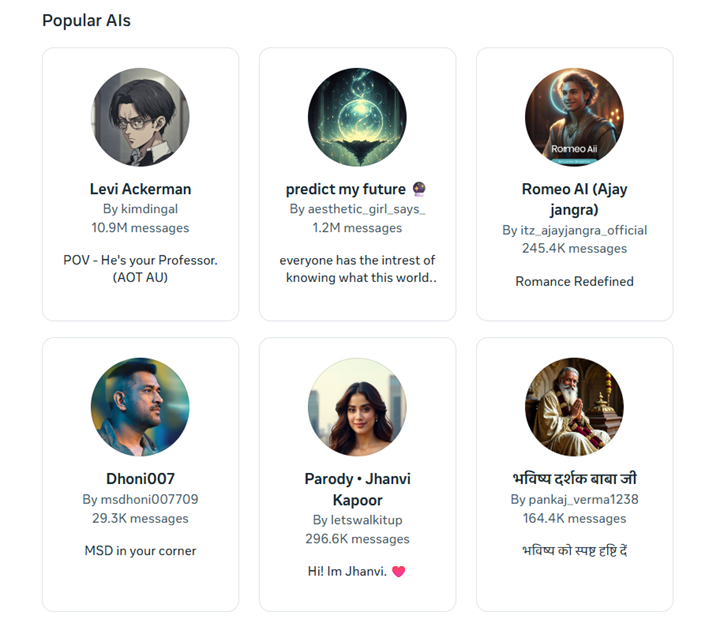
Popular AI accounts on Instagram.
According to Mosseri, many of the qualities that helped creators succeed being genuine, relatable, and having a unique voice are now becoming easier to replicate using AI. He pointed to the rapid growth of deepfakes and AI-generated images and videos that are becoming “indistinguishable from captured media.” As a result, synthetic content is increasingly filling up social feeds, making authenticity a “scarce resource.”
Despite this, Mosseri believes creators can still stand out. “Creators who succeed will be those who figure out how to maintain their authenticity whether or not they adopt new technologies,” he said.
At the same time, he warned that staying authentic will become more challenging, as anyone will be able to simulate authenticity. According to Mosseri, the creative benchmark will shift from basic creation to originality. The “bar is going to shift from ‘can you create?’ to ‘can you make something that only you could create?’”
He also expects a change in visual trends, with creators moving away from polished, idealised content toward more raw and imperfect styles. “We are going to see a significant acceleration of a more raw aesthetic over the next few years. Savvy creators are going to lean into explicitly unproduced and unflattering images of themselves. In a world where everything can be perfected, imperfection becomes a signal. Rawness isn’t just aesthetic preference anymore. It’s proof. It’s defensive. A way of saying: this is real because it’s imperfect,” Mosseri wrote.
However, he cautioned that even this may not be a long-term solution as AI will eventually be able to replicate any aesthetic. Advancements could allow users to generate “including an imperfect one that presents as authentic.”
“At this point we’ll need to shift our focus to who says something instead of what is being said,” he added.
Mosseri also noted that people will increasingly approach online content with skepticism, once again emphasising the importance of understanding who is sharing content and their motivation behind it. He said social media platforms will face mounting pressure to detect and label AI-generated content, though this task will become increasingly difficult as “AI gets better at imitating reality.”
“There is already a growing number of people who believe, as I do, that it will be more practical to fingerprint real media than fake media. Camera manufacturers could cryptographically sign images at capture, creating a chain of custody,” Mosseri suggested.
Mosseri’s comments highlight the growing challenge for platforms, creators, and users alike. We have to be prepared for the future when navigating authenticity in an increasingly synthetic digital world becomes one of the greatest challenges.
FAQs
Q1. What concern did Instagram head Adam Mosseri raise about AI-generated content?
Answer. He warned that AI-generated photos and videos will increasingly flood social feeds, making authenticity harder to trust and shifting user perception toward skepticism.
Q2. How does Mosseri believe creators can stand out in an AI-driven environment?
Answer. Creators who succeed will be those who maintain authenticity and originality, focusing on content that only they could create, even embracing raw, imperfect styles as proof of being real.
Q3. What solution did Mosseri suggest for tackling synthetic media?
Answer. He proposed fingerprinting real media for example, camera manufacturers cryptographically signing images at capture to establish a chain of custody.