
Highlights
- Smartphone makers are not required to pre-install government apps at this time.
- Tech companies such as Apple and Samsung opposed the plan due to privacy and security concerns.
- This decision gives users more choice and matches global platform policies.
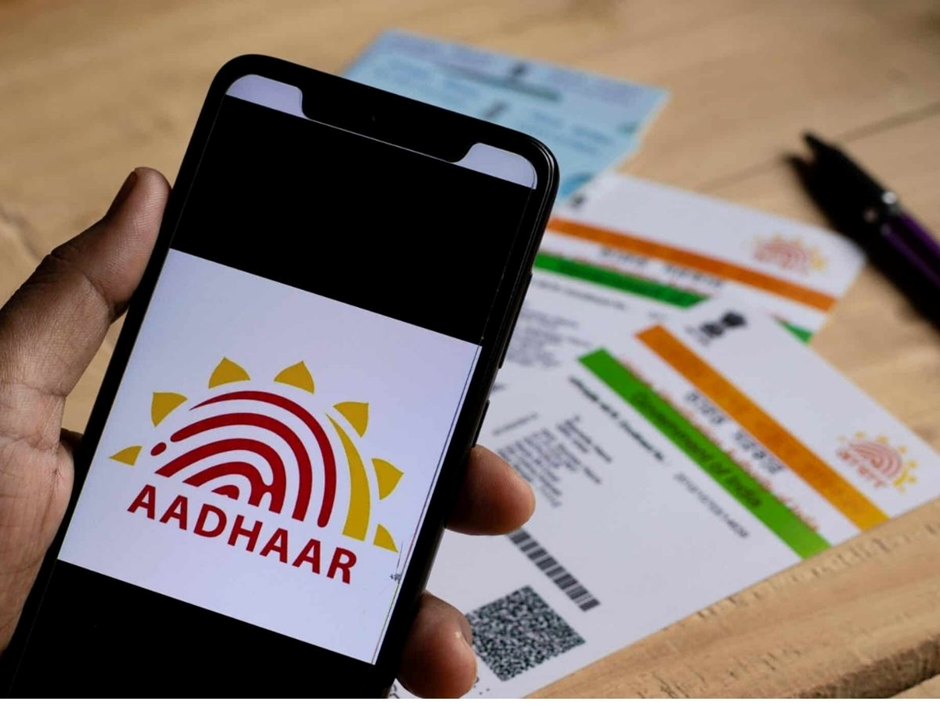
After major tech companies like Apple and Samsung pushed back, India decided not to require the Aadhaar app to be preinstalled on smartphones. These companies were worried about privacy, security, and too much government control.
Push for Mandatory Preinstallation
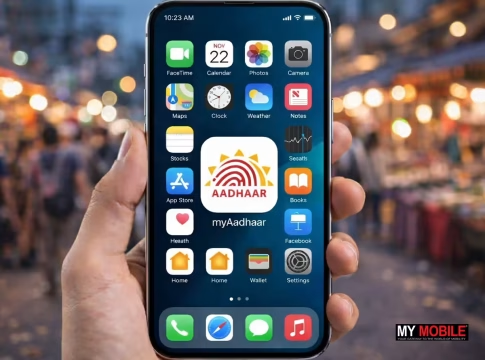
Earlier in 2026, the Indian government suggested that smartphone makers preinstall government apps like Aadhaar on all devices sold in India. The aim was to boost digital security, cut down on cybercrime, and make identity checks easier.
These apps could help find lost or stolen phones, block fake connections, and report suspicious activity. But the plan also meant users might not be able to remove the app, which caused concern.
Industry Resistance and Privacy Concerns
After the government announced the rule, big tech companies like Apple and Samsung strongly opposed it. Apple, which has strict policies, reportedly refused to comply because of privacy concerns and its rule against preinstalling third-party apps.
Critics, including digital rights groups, said the rule could limit user control and might lead to surveillance. They also worried these apps could need wide permissions, like access to call logs, messages, and device storage.
Manufacturers also warned that following the rule could make production harder and more costly, since companies might have to make special versions of their devices just for India.
This is not the first time tech companies have pushed back against the government’s plans. Over the past two years, the government has tried at least six times to get smartphone makers to preinstall government apps, but the industry has refused each time, saying it would hurt user choice and platform neutrality.
Government Reconsiders the Plan
After meeting with industry groups and reviewing the plan, the Indian government decided not to go ahead with the mandatory preinstallation rule. Officials said they are “not in favour” of forcing smartphone makers to follow it.
This decision shows a wider understanding of the challenges in balancing national digital goals with global industry practices and user rights.
What It Means for Consumers and the Tech Ecosystem
For consumers, this change means they have more freedom and control over their devices. People can still choose to download government apps if they want, instead of having them automatically installed.
For tech companies, this decision shows how important it is to keep platforms secure and maintain user trust, especially in a big market like India.
India’s decision to drop the preinstallation rule shows that privacy concerns and industry feedback matter more in digital policy now. The government still wants to improve cybersecurity and digital infrastructure, but this situation shows the need for a balanced, user-focused approach as technology changes.
FAQs
Q 1. What was the government app India wanted to preinstall?
The proposal involved apps like Sanchar Saathi or Aadhaar-related tools aimed at cybersecurity and identity verification.
Q 2. Why did Apple oppose the mandate?
Apple cited privacy concerns and its policy against preinstalling third-party apps on iPhones.
Q 3. Can users still access these government apps?
Yes, users can voluntarily download them from app stores.
Q 4. What impact does this decision have on consumers?
It preserves user autonomy and ensures devices are free from mandatory preloaded apps.