


Highlights
- DoT now requires WhatsApp, Telegram, Signal, and similar apps to continuously verify the presence of the registered SIM card in the device.
- Desktop and browser-based versions of apps must auto‑logout users every 6 hours, forcing frequent re‑authentication through QR scans or manual logins.
- The aim is to curb cyber fraud and misuse of telecom identifiers.
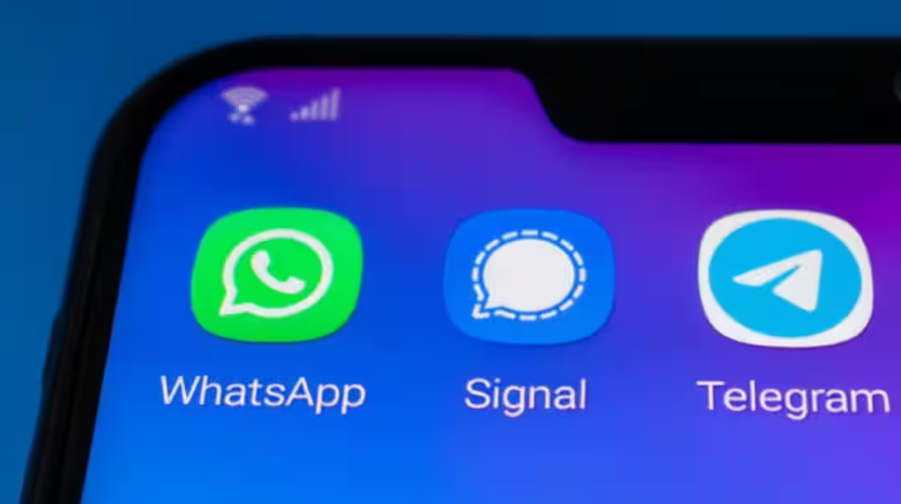
Caption – New directive mandates SIM binding for messaging apps in India. (Image credit – Unknown)
The Government of India’s Department of Telecommunications (DoT) has rolled out a new mandate requiring popular messaging platforms such as WhatsApp, Signal, and Telegram to implement SIM binding protocols. The move aims to strengthen cybersecurity, curb cyber fraud and stop the misuse of telecom identifiers traced to foreign locations.
Under the new regulation, these platforms must continuously verify whether the active, registered SIM card remains present in the device where the app is being used. If the linked SIM card is not detected, the service will be required to stop functioning on that device.
Frequent Re-authentication Compulsory for Web Clients
The directive also brings a significant change for desktop and web-based messaging users.
“It has come to the notice of the Central Government that some of the app based communication services that are utilising mobile numbers for identification of their customers or for provisioning or delivery of services allow users to consume their services without availability of the underlying Subscriber Identity Module within the device in which the app based communication service is running, and this feature is posing a challenge,” the official notification states.

Caption – Web Users will have to log in at regular intervals. (Image credit – Unknown)
Because of this, web and browser-based platforms like WhatsApp Web will now need to log out users automatically at regular intervals, no later than every six hours. This means users will need to re-authenticate frequently, likely by scanning a QR code or performing a manual login to keep their session active.
Why the Government is Enforcing the New Rules?
According to the DoT, allowing users to access services without requiring the SIM card to be physically present in the device is a “challenge to telecom cyber security,” noting that the feature has been “misused from outside the country to commit cyber frauds.”
The department added that it has been in discussions with major service providers for months and emphasised the urgency of the issue. Apps failing to comply with the new rules will face action under the Telecommunications Act, 2023, along with other relevant laws.
What SIM Binding Means for Users?
Industry stakeholders have already expressed concerns about how these changes could affect user experience, especially for people who travel internationally.
A senior industry executive pointed out that the mandate could inconvenience users who switch to a foreign SIM while abroad. “So far, when you use a new SIM card abroad, you can continue using services like WhatsApp without any additional registration. Now with these directives, that would no longer be possible,” they said.
Another executive noted the potential disruption in workplaces due to the auto-logout requirement. “Many people use services like WhatsApp on their computers when they’re at work. Some also have to use them without their phones around in some instances. There will now be a lot of added friction in that use case,” they said.
Meanwhile, social media was quick to share reactions on the new directives and it mostly isn’t positive. One user wrote, “Sim binding is going to be catastrophic, not just for individuals like me who have long lost their original sims, but also for businesses who use messaging services across multiple devices esp laptops. Please, please don’t make this country a still shittier place to live.”
Sim binding is going to be catastrophic, not just for individuals like me who have long lost their original sims, but also for businesses who use messaging services across multiple devices esp laptops.
Please, please don’t make this country a still shittier place to live. https://t.co/dRuHr6ybrM
— Prabhat Singh (@K_singh_P) November 30, 2025
Explaining what kind of issues the new rules can create for active users, another user wrote, “I have solely relied on WhatsApp led calls/ msgs when I travel international with a 500rs local sim card. An international roaming in Vodafone is min 4500. Sim binding prevents me from using WhatsApp with jus data connection. Dear Govt fix the air quality first. Then focus on sims.”
I have solely relied on WhatsApp led calls/ msgs when I travel international with a 500rs local sim card. An international roaming in Vodafone is min 4500. Sim binding prevents me from using WhatsApp with jus data connection.Dear Govt fix the air quality first.Then focus on sims
— Karthik Murali (@Karthik_Murali) November 30, 2025
There are also questions about how effective the mandate will be in preventing scams as many fraudsters reportedly rely on SIM cards acquired through forged or mule identities.
Despite these concerns, the telecom industry had previously expressed support for SIM binding. The Cellular Operators Association of India (COAI), representing all three private telecom operators, said earlier this year, “Presently, the binding process between a subscriber’s app-based communication services and their mobile SIM card occurs only once during the initial installation and verification phase, after which the application continues to function independently on the device even if the SIM card is later removed, replaced or deactivated.”
FAQs
Q1. What is SIM binding and why has the Government of India mandated it?
Answer. SIM binding requires messaging apps like WhatsApp, Telegram, and Signal to continuously verify that the registered SIM card is physically present in the device. The Department of Telecommunications (DoT) introduced this rule to strengthen cybersecurity, prevent cyber fraud, and stop misuse of telecom identifiers traced to foreign locations.
Q2. How will the new SIM binding rules in India affect web and desktop users of messaging apps?
Answer. Web and browser-based platforms such as WhatsApp Web must now auto‑logout users every six hours. This means users will need to re‑authenticate frequently, typically by scanning a QR code or logging in manually, to keep their session active.
Q3. What impact could SIM binding have on users, especially those travelling abroad or working on desktops?
Answer. The mandate may inconvenience international travellers who switch to foreign SIM cards, as they will no longer be able to use services seamlessly. It could also disrupt workplace usage since employees relying on web clients without their phones nearby will face frequent logouts and added friction.