


Highlights
- Apple shipped around 390,000 Vision Pro units in 2024, but shipments dropped to just 45,000 in Q4 2025.
- Apple cut digital ad spend by over 95%, expanded availability slowly and faces limited VisionOS apps.
- Global VR shipments fell 14% year-on-year with Meta’s cheaper Quest dominating almost 80% of sales.
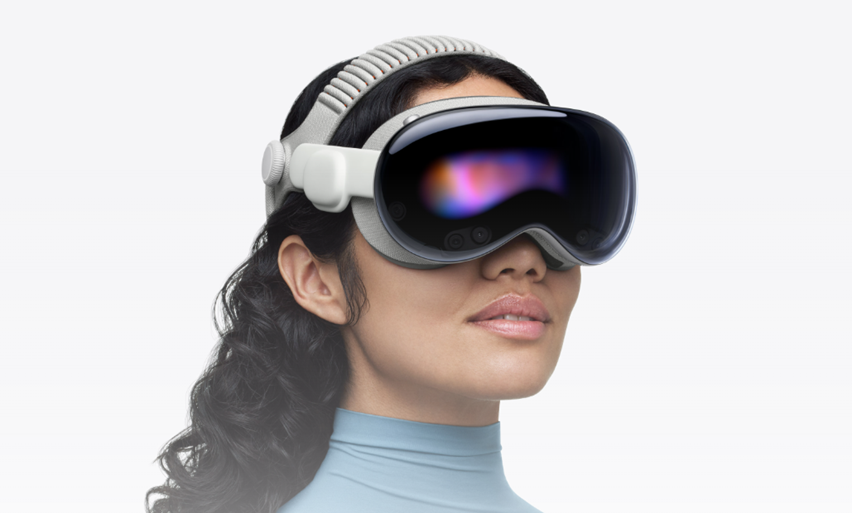
Apple’s Vision Pro mixed reality headset continues to face lacklustre demand as a new report indicates that consumer interest remains limited more than a year after its debut.
According to a report by the Financial Times, data from IDC suggests that Apple shipped around 390,000 Vision Pro units in 2024. However, shipments are said to have slowed sharply since then with IDC estimating that Apple would ship only about 45,000 units in the most recent quarter of 2025.
The report highlights how these numbers pale in comparison to Apple’s core products such as iPhones, iPads, and MacBooks, which sell in the millions every quarter. It also notes that Luxshare, the contract manufacturer responsible for assembling the Vision Pro, reportedly paused production of the headset at the beginning of 2025.
Marketing efforts for the Vision Pro also appear to have been significantly scaled back. Data from Sensor Tower indicates that Apple has reduced its digital advertising spend for the headset by more than 95% over the past year in key markets including the United States and the United Kingdom. The report further points out that Apple made little progress in expanding the Vision Pro’s international availability throughout 2025.
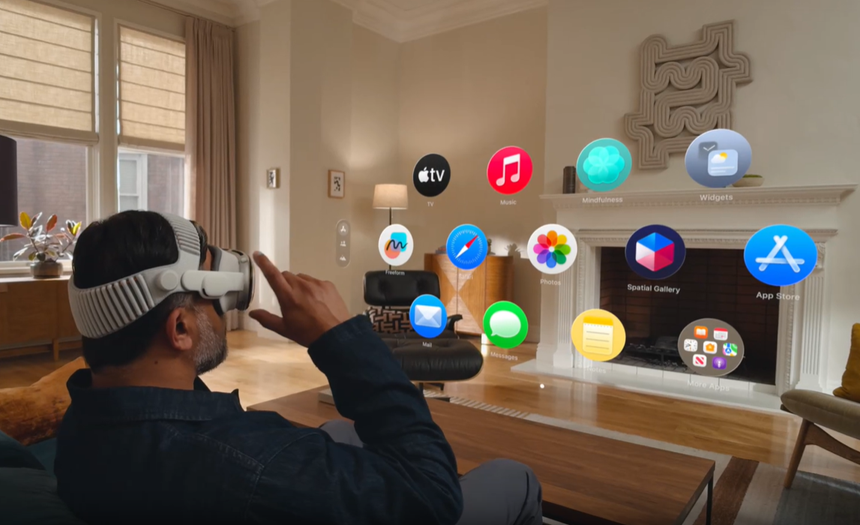
Analysts cited by the Financial Times point to several factors behind the headset’s limited success. Morgan Stanley analysts reportedly said that “the cost, form factor and the lack of VisionOS native apps are the reasons why the Vision Pro never sold broadly.”
Since its launch in 2024, the device has also faced criticism for practical issues such as its weight, discomfort during prolonged use, and relatively short battery life.
Apple is also said to be grappling with a classic platform adoption problem. With a smaller user base, developers have less incentive to build apps, while the limited app ecosystem makes the device less appealing to potential buyers. Apple claims that around 3,000 apps are designed specifically for the Vision Pro, but this figure is far below the rapid expansion seen with the iPhone App Store following its launch in 2008.
Appfigures adds that many of these Vision Pro apps are likely niche or industry-focused rather than mainstream consumer offerings.
The difficulties faced by the Vision Pro mirror broader challenges in the virtual reality market as a whole. Counterpoint Research reports that global VR headset shipments fell 14% year on year.
Meta continues to dominate the segment, accounting for roughly 80% of global VR headset sales with its Quest lineup. While Meta’s headsets are far more affordable than the Vision Pro, they are also less advanced technologically. Even so, Meta has reportedly reduced its own VR hardware marketing spend, suggesting that consumer demand across the category remains subdued.
Taken together, the data suggest that Apple’s ambitious push into spatial computing has yet to resonate with a mass audience as high pricing, limited content, and a cooling VR market continue to weigh on the Vision Pro’s prospects.
FAQs
Q1. How many Apple Vision Pro units have been shipped so far?
Answer. IDC data shows Apple shipped about 390,000 units in 2024, but shipments dropped to only around 45,000 in Q4 2025.
Q2. Why is the Vision Pro struggling to gain traction?
Answer. Analysts cite high cost, bulky form factor, short battery life, and a lack of VisionOS native apps as key reasons.
Q3. How does the Vision Pro compare to competitors in the VR market?
Answer. Meta’s Quest headsets dominate with ~80% of global sales, offering cheaper but less advanced devices, while overall VR shipments fell 14% year-on-year.