


Highlights
- Apple may skip the iPhone 18 standard launch in 2026, pushing it to spring 2027.
- Reports suggest Apple will split launches into two windows with premium models in fall and standard/affordable models later.
- The staggered schedule aims to manage Apple’s expanding portfolio, ease supply chain pressure, reduce internal competition and balance revenue across quarters
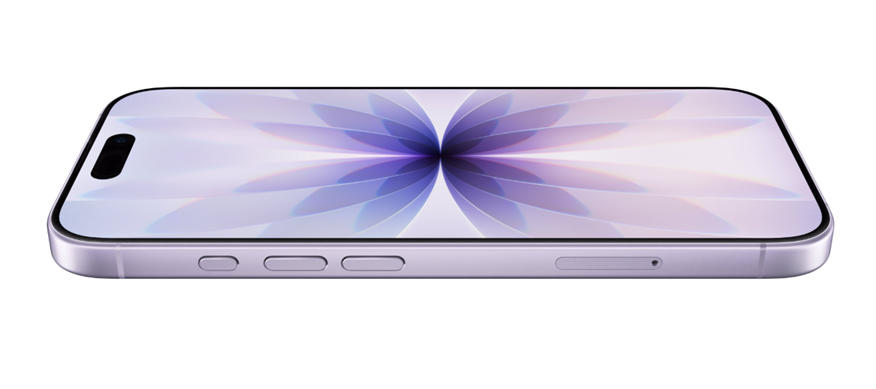
iPhone 17. (Image credit – Apple)
Apple is unlikely to launch the standard iPhone 18 this year. iPhone 17 in 2025 has been a successful model in the series for the Cupertino giant but quite interestingly, the next-generation iPhone 18 is now said to be delayed until spring 2027. According to multiple reports, the company is preparing to overhaul its long-established annual iPhone release cycle.
If this timeline holds true, the iPhone 17 would remain Apple’s latest standard iPhone model for more than 18 months. This would be an unprecedented move for Apple, marking the first time the company skips an entire calendar year without introducing a new non-Pro flagship iPhone.
Apple has followed a predictable pattern of launching its core iPhone lineup every September, unveiling all major variants at the same time. However, that approach is widely expected to change starting this year.
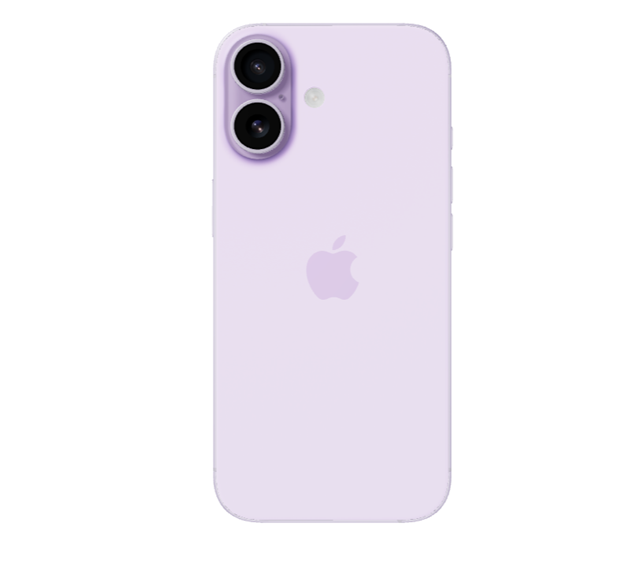
iPhone 17. (Image credit – Apple)
Reports suggest Apple plans to split future iPhone launches into two separate release windows, rather than revealing the entire lineup at once. Under this revised strategy, premium models would continue to debut in the fall, while more affordable or standard models would be pushed to the following year.
As a result, Apple is not expected to release the standard iPhone 18 in 2026. Instead, the company is reportedly planning to launch the iPhone 18 Pro, iPhone 18 Pro Max, and its first foldable iPhone during the usual fall window. The regular iPhone 18 would then arrive in spring 2027, launching alongside the iPhone 18e and the iPhone Air 2.
This shift is said to be closely linked to Apple’s rapidly expanding iPhone portfolio. Apple could have at least eight different iPhone models available by the end of 2026. This would include the introduction of the iPhone 16e and iPhone Air in 2025, the foldable iPhone in 2026 and the older models such as the iPhone 16 and iPhone 16 Plus.
A staggered launch schedule would help Apple better position each model, reduce internal competition, extend sales lifecycles, and distribute iPhone launches more evenly throughout the year.
Industry analysts also point to supply chain advantages as a key reason behind the potential change. Spreading out launches could help Apple ease manufacturing pressure, manage component availability for advanced hardware, and balance revenue across fiscal quarters instead of relying heavily on a single launch season.
Just to make it clear, Apple has not officially confirmed any changes to its iPhone roadmap. It is the growing number of consistent reports that suggests a significant shift in strategy may be on the horizon.
FAQs
Q1. Will Apple launch the standard iPhone 18 in 2026?
Answer. No, reports suggest Apple will skip the standard iPhone 18 in 2026, delaying its release until spring 2027.
Q2. What models are expected in Apple’s 2026 lineup?
Answer. Apple is reportedly planning to launch the iPhone 18 Pro, iPhone 18 Pro Max, and its first foldable iPhone in fall 2026.
Q3. Why is Apple considering a staggered release strategy?
Answer. Splitting launches helps Apple manage its expanding portfolio, ease supply chain pressure, reduce internal competition, and balance revenue across fiscal quarters.