


Highlights
- Apple has officially marked the iPhone 5 and the 8GB iPhone 4 as obsolete.
- This means repair services and spare parts will no longer be available for both models.
- Both models were previously listed as vintage but have now crossed the seven-year mark, moving into the obsolete category.
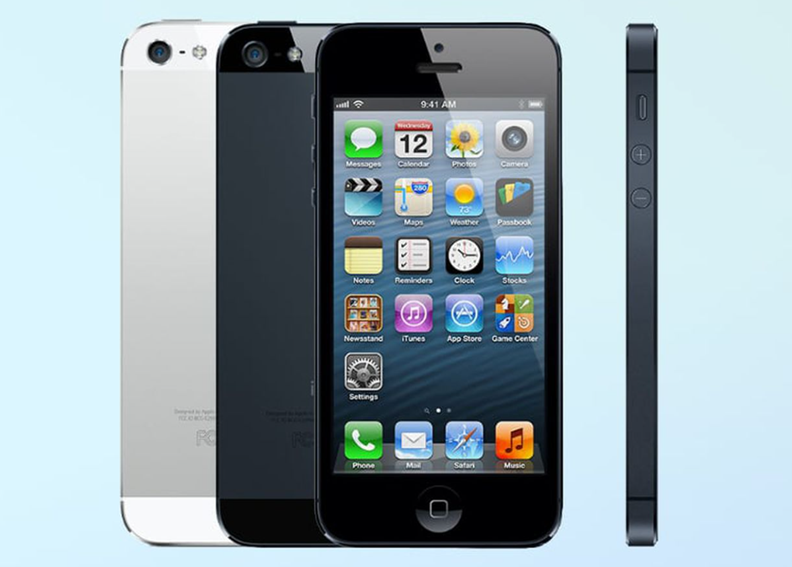
Apple updates its iPhone Obsolete list. (Image credit – Apple)
Apple has updated its list of vintage and obsolete products, adding two older iPhone models to the obsolete category. The iPhone 5 and the 8GB variant of the iPhone 4 have now officially been classified as obsolete devices.
Both models were previously listed as vintage but have now transitioned to the obsolete category as per Apple’s product lifecycle policy.
iPhone 5 Moves From Vintage to Obsolete
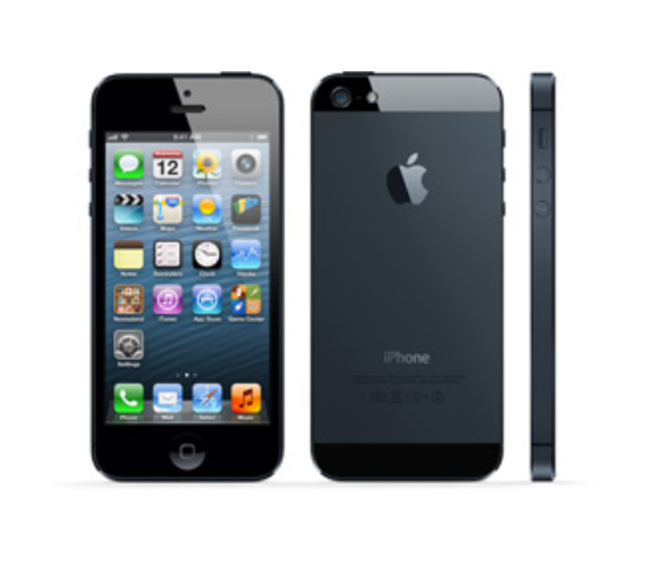
iPhone 5. (Image credit – Apple)
The iPhone 5 was originally launched in 2012 and was discontinued a year later in 2013 following the arrival of the iPhone 5s and iPhone 5c.
Apple added the iPhone 5 to its vintage products list in 2018, after which repair support became limited and dependent on parts availability. With its move to the obsolete category, repair services for the device will now be largely unavailable.
The iPhone 5 introduced a refreshed design featuring a glass and aluminium body, a taller 4-inch display, support for LTE connectivity, and the debut of Apple’s Lightning port, which replaced the older 30-pin connector.
8GB iPhone 4 Also Added to Obsolete List
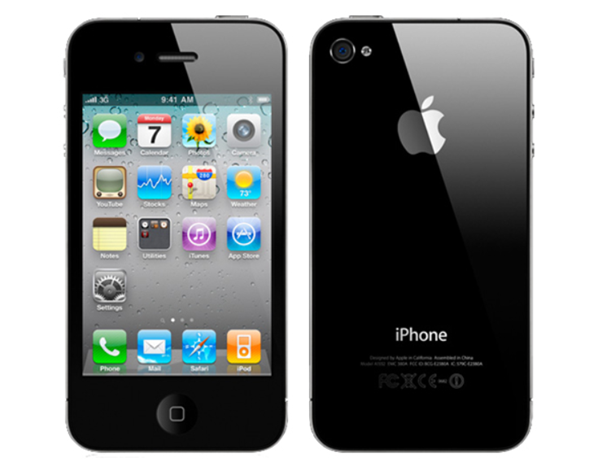
iPhone 4. (Image credit – Apple)
Alongside the iPhone 5, Apple has also marked the 8GB variant of the iPhone 4 as obsolete. This model was first introduced in 2011 and was discontinued in 2013.
Both the iPhone 5 and the 8GB iPhone 4 continued to be sold as affordable options in emerging markets even after being phased out in the United States.
With this update, both devices have now reached the end of their official support lifecycle. This means users should not expect repair services or spare parts availability from Apple going forward.
What Apple’s ‘Obsolete’ Category Means?
Apple categorises a device as “vintage” when it has been more than five years since it was last available for sale. A product is considered “obsolete” once it crosses the seven-year mark, although the company may sometimes extend these timelines.
For vintage products, Apple Stores and authorised service providers may still offer repairs, provided the required components are available. However, once a device is marked obsolete, it typically becomes ineligible for repairs and Apple stops supplying spare parts.
FAQs
Q1. Which iPhone models have Apple recently marked as obsolete?
Answer. Apple has classified the iPhone 5 and the 8GB variant of the iPhone 4 as obsolete devices.
Q2. What does it mean when an iPhone is marked obsolete?
Answer. Once a device is obsolete, Apple and its authorized service providers stop offering repairs and spare parts, making official support unavailable.
Q3. Why did the iPhone 5 and 8GB iPhone 4 move from vintage to obsolete?
Answer. Apple categorises products as vintage after five years of discontinuation and obsolete after seven years. Both models have now crossed the seven-year mark.