


Highlights
- Analyst Ming-Chi Kuo reaffirms that Apple’s foldable iPhone will use side-button Touch ID, not in-display or Face ID.
- It is expected to feature a book-style fold with a 7.8″ internal and 5.5″ external screen, the device aims for a slim 4.5mm profile and has a crease-free display from Samsung.
- The price range will reportedly be between $2,000–$2,500 with mass production tipped for H2 2026 and a possible launch in the fall.
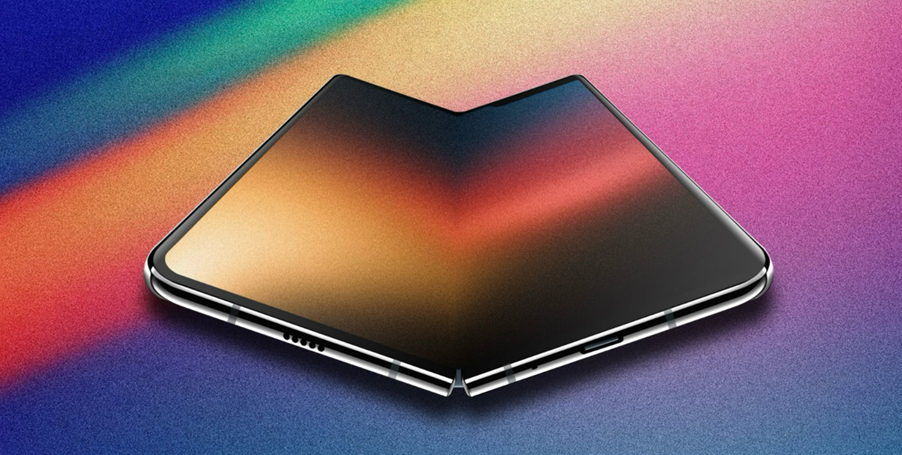
Apple’s long-rumoured foldable iPhone, widely referred to as the iPhone Fold, is expected to debut in late 2026 as per recent reports. Speculations have been buzzing around the model for quite some time, but it looks like we finally have some confirmation about a key feature. According to well-known Apple supply chain analyst Ming-Chi Kuo, the device is unlikely to feature an in-display fingerprint sensor.
Apple iPhone Fold – Fingerprint Sensor
Back in March, Kuo predicted that Apple would integrate Touch ID into the side button of the foldable iPhone instead of relying on Face ID. In a fresh update shared by Kuo @mingchikuo on X (formerly Twitter), Kuo has reiterated this claim.
“Six months ago, I predicted the foldable iPhone would use side-button Touch ID,” he wrote. Addressing rumours of an under-display ultrasonic fingerprint reader, he added, “There are now market rumors that it will adopt an under-display ultrasonic fingerprint sensor, but I think that’s unlikely. It’s expected that Luxshare ICT will supply the side-button Touch ID module for the foldable iPhone.”
Six months ago, I predicted the foldable iPhone would use side-button Touch ID. There are now market rumors that it will adopt an under-display ultrasonic fingerprint sensor, but I think that’s unlikely. It’s expected that Luxshare ICT will supply the side-button Touch ID module… https://t.co/KsGu49JXkP
— 郭明錤 (Ming-Chi Kuo) (@mingchikuo) September 1, 2025
The choice of Touch ID is not entirely new for Apple, as the company has already used side-button fingerprint authentication in the iPad Air and iPad mini. Cost efficiency is another factor. Implementing Face ID would require two separate sensors for both the outer and inner displays, while a single side-mounted Touch ID sensor is far more economical.
While Apple has patents for embedding Touch ID and Face ID under the display, this technology is not expected to make its way into the first-generation foldable iPhone.
Apple iPhone Fold – What Else We Know?
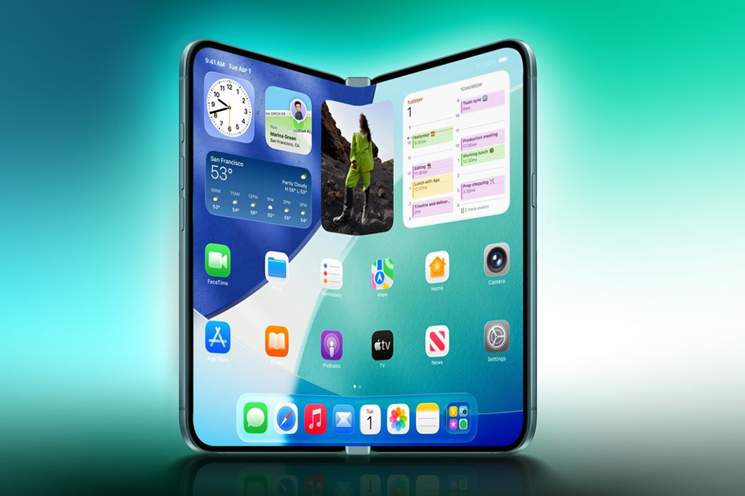
Kuo’s earlier forecast suggested that the iPhone Fold will adopt a book-style design with a 7.8-inch internal display and a 5.5-inch external screen, carrying an expected price tag between $2,000 and $2,500.
He also noted that Apple may avoid Face ID to conserve internal space, as the device is expected to be just 4.5mm thick when unfolded, too slim to house the TrueDepth module.
The company is said to have prioritised perfecting the foldable screen design. Reports indicate Apple waited until its display partner Samsung could deliver a panel with an almost invisible crease, something achieved earlier this year.
On the camera front, Kuo expects the iPhone Fold to include a dual-lens rear setup along with front-facing cameras for both folded and unfolded modes. Both Kuo and analyst Jeff Pu anticipate mass production in the second half of 2026, while Bloomberg’s Mark Gurman has suggested that the launch could take place as early as fall 2026.
FAQs
Q1. Will the iPhone Fold feature in-display fingerprint authentication?
Answer. No, according to analyst Ming-Chi Kuo, Apple is expected to use side-button Touch ID instead of an in-display fingerprint sensor or Face ID, citing cost and space efficiency.
Q2. What are the expected design and display specs of the iPhone Fold?
Answer. The device is tipped to have a book-style fold with a 7.8-inch internal display and a 5.5-inch external screen. When unfolded, it may be just 4.5mm thick, making it too slim to house Face ID hardware.
Q3. When is the iPhone Fold expected to launch?
Answer. Mass production is anticipated in the second half of 2026. While Kuo and Jeff Pu suggest late 2026, Bloomberg’s Mark Gurman hints at a possible launch in fall 2026.