


Highlights
- Apple is slashing iPhone Air production by up to 80% due to weak demand with suppliers expected to halt long-lead components by end of 2025.
- Analysts say the iPhone 17 and 17 Pro already meet high-end demand, leaving little room for the ultra-thin Air.
- Apple may pivot to a foldable iPhone in 2026.
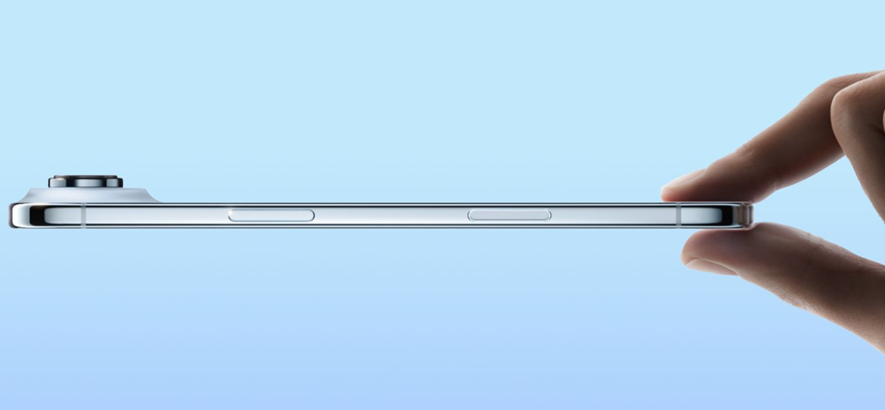
Apple’s latest experiment with the iPhone Air appears to have fallen flat. The situation has come to that some component suppliers are reportedly expected to discontinue parts with longer lead times by the end of 2025. Here’s the full story.
iPhone Air Fails to Gain Traction
According to renowned analyst Ming-Chi Kuo, weak market demand has prompted Apple’s supply chain to drastically reduce production and shipments of the device by as much as 80% between now and the first quarter of 2026.
Kuo reports that the iPhone Air’s poor sales performance indicates the iPhone 17 and iPhone 17 Pro models already “cover the majority of high-end user demand,” leaving little room for the new model to carve out its own market segment.
iPhone Air demand has fallen short of expectations, leading the supply chain to begin scaling back both shipments and production capacity. Most suppliers are expected to reduce capacity by more than 80% by 1Q26, while some components with longer lead times are expected to be…
— 郭明錤 (Ming-Chi Kuo) (@mingchikuo) October 22, 2025
Multiple reports over the past week have echoed this trend. Japan’s Mizuho Securities recently stated that Apple plans to cut iPhone Air production by around one million units due to disappointing sales figures. Meanwhile, Nikkei reported that there is “virtually no demand” for the iPhone Air with Apple now preparing to “drastically” scale back production.
Nikkei, citing several sources familiar with the matter, said Apple’s production orders for the iPhone Air will soon reach “end of production” levels. A supply chain manager revealed that from November onwards, orders will fall to “less than 10% of the volume compared with September.”
Surveys Confirm Weak Consumer Interest

A recent survey conducted by KeyBanc Capital Markets supports these reports, stating there is “virtually no demand for iPhone Air, and limited willingness to pay for a foldable.” The investor-focused survey found that demand for other iPhone 17 models remains strong, with sales “continuing to shift toward Pro and Pro Max models.”
Interestingly, KeyBanc also noted that AI features introduced across Apple’s latest devices have not yet had a meaningful impact on consumer buying decisions
Initially, Apple had expected the iPhone Air to account for 10–15% of total new iPhone shipments in 2025, but the reality has turned out to be far less optimistic.
This isn’t the first time Apple has faced challenges filling the fourth slot in its iPhone lineup. The iPhone mini was previously launched as a compact 5.4-inch option and failed to attract buyers.
Apple’s rival Samsung reportedly encountered the same market resistance with its Galaxy S25 Edge, another ultra-thin smartphone. Following weak sales, Samsung is said to have cancelled development of its next-generation model, suggesting a broader consumer disinterest in thin, lightweight flagships.
While the iPhone Air may be winding down sooner than expected, Apple could soon pivot to another bold design direction. Rumours suggest the company is working on a foldable iPhone, expected to debut in 2026 as part of the iPhone 18 lineup.
FAQs
Q1. Why is Apple cutting iPhone Air production by 80%?
Answer. Due to weak market demand, Apple is drastically reducing iPhone Air production and shipments by up to 80% through early 2026, as the model failed to gain traction.
Q2. What was the original goal for the iPhone Air in Apple’s lineup?
Answer. Apple aimed for the iPhone Air to account for 10–15% of new iPhone shipments in 2025, offering a lightweight alternative. However, it struggled to attract buyers.
Q3. Is Apple planning to replace the iPhone Air with another model?
Answer. Yes, reports suggest Apple may pivot to a foldable iPhone in 2026 as part of the iPhone 18 lineup, following the Air’s underwhelming market performance.