

Highlights
- ADV serves as a unified real-name management mechanism for side-loaded apps.
- ADV aims to establish a trusted link between developers and their apps.
- Google also brings ADV for certified Android devices in international markets.
The Mobile Intelligent Terminal Ecosystem Alliance has brought together leading Chinese smartphone makers, Oppo, Vivo, Xiaomi and Honor, to introduce Android Developer Verification (ADV) throughout China. Announced on November 9, 2026, the strategic initiative establishes a single real-name verification standard for developers delivering apps on these four major platforms. Crucially, the systems support mutual recognition of verification credentials, which means developers only need to do identity checks once to build confidence throughout the whole ecosystem.
Oppo, Vivo, Xiaomi, and Honor Launched ADV
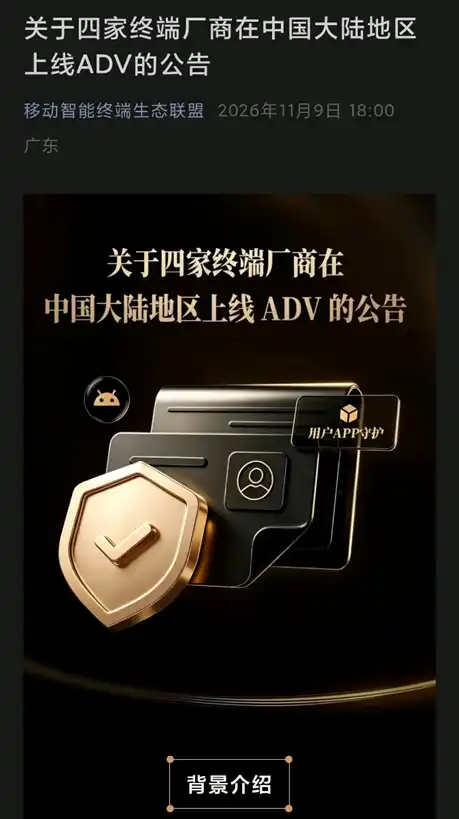
Oppo, Vivo, Xiaomi and Honor have introduced ADV to directly tackle the rising security threats of sideloaded apps, software installed from third-party sources outside approved app stores. While malicious actors have been able to distribute fraudulent or privacy-invading apps simply without a standardised real-name tracking method, these companies want to protect customers from financial fraud and data theft and make it easier for authorised software providers to distribute their products.
What is Android Developer Verification (ADV)?

Android Developer Verification (ADV) is an identity verification mechanism that establishes a verified digital connection between app developers and the software they publish. ADV is neither a deep antivirus nor a code security scanner but rather an identity validation layer. It verifies the app developers by comparing package names, digital signing keys and real-name developer credentials.
ADV Developer Documentation for Each Brand
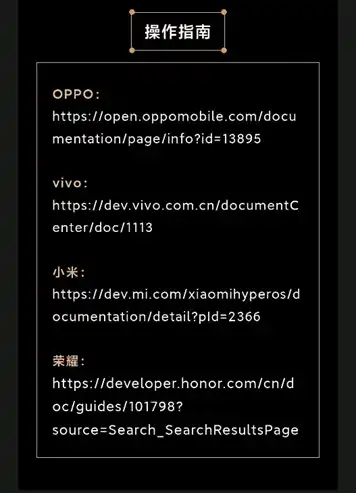
Oppo, Vivo, Xiaomi and Honor have their own developer portals where developers can find integration guidelines specific to each brand. For example, Xiaomi’s documentation states that active verification checks during installation take into account three important metrics: the package name of the app, its signing key, and the verification status of the developer’s identity. Developers complete the verification process on platforms like Xiaomi HyperOS by uploading required identity documents. The process usually takes up to three business days.
Here is the published developer documentation for each brand:
- Oppo ADV Developer Documentation
- Vivo ADV Developer Documentation
- Xiaomi ADV Developer Documentation
- Honor ADV Developer Documentation
Google’s Developer Verification for Android Outside China
While Chinese manufacturers are establishing ADV through a native alliance, Google enforces a parallel Android Developer Verification initiative for certified Android devices in international markets. Google’s program requires app developers to verify their identity and register their app package names through the Google Play Console or the standalone Android Developer Console.
Google started rolling out regional protections in late September 2026, beginning with countries like Brazil, Indonesia, Singapore and Thailand, and plans to extend globally in 2027. Since Google Mobile Services is not available in mainland China, its verification rules do not apply to Chinese devices.
What Does the Android Developer Verification Mean for Smartphone Users?
Android Developer Verification (ADV) provides an instant security layer while downloading software from outside the official platforms. When you launch an unverified APK, the phone will show a very obvious security notice that the developer identity has not been confirmed. Users can still choose to ignore the warning and install the app, but the added step enables users to think twice before allowing rights from unknown sources.








 in China to curb risky sideloaded apps and boost user security.)